Alcohol Burden in Hepatology

As an outside observer, I wonder how practitioners in the field of adult hepatology feel about the changing epidemiology of severe liver disease.

Case (article) in point: G Cholankeril et al. Hepatology 2021; 74: 3316-3329. Open Access: Impact of COVID-19 Pandemic on Liver Transplantation and Alcohol-Associated Liver Disease in the USA

This retrospective study utilized UNOS adult data from 6/1/19 to 3/1/21. This included 9528 in the pre-COVID era and 9259 in the COVID era.

Key findings:

  • There was “a significant reduction in the monthly listing rates for HCV (−21.69%, P < 0.001) and NASH (−13.18%; P < 0.001).” However, there “was a significant increase in ALD [alcohol-associated liver disease] listing (+7.26%; P < 0.001) and LT (10.67%; P < 0.001) during the pandemic.”
  • “In the COVID era, ALD (40.1%) accounted for more listings than those due to HCV (12.4%) and NASH (23.4%) combined. The greatest increase in ALD occurred in young adults (+33%) and patients with severe alcohol-associated hepatitis (+50%).”
  • Interestingly, “patients with ALD had a 50% higher probability rate of LT [liver transplantation] than patients with other liver disease.”

The authors note that patients with alcohol use disorder (AUD) and ALD, during the pandemic, “may no longer have structured non-alcohol-related activities and in-person behavioral counseling…coupled with the delay in routine health care…Few patients with ALD receive recommended care for AUD.”

My take: Due to the cumulative effects of ALD, there is likely to continued (worsening) high rates of liver failure due to ALD. Given the difficulties in managing ALD, aside from managing liver complications, this must be a huge emotional burden for many healthcare providers watching this tragedy play out on a continual basis.

Cumulative incidence rates for LT among patients listed for ALD and non-ALD
in the pre-COVID and COVID eras.

Related blog posts:

Insurance and Medicine: Underinsurance of Children and Medicaid Coverage of DAAs

J Yu et al. Pediatrics: 2022 Jan 1;149(1):e2021050353. doi: 10.1542/peds.2021-050353. Open Access: Underinsurance Among Children in the United States

Methods: Secondary analysis of US children in the National Survey of Children’s Health combined 2016–2019 dataset who had continuous and adequate health insurance

Key findings:

  • The proportion of US children experiencing underinsurance rose from 30.6% to 34.0% (+3.4%; 95% CI, +1.9% to +4.9%), an additional 2.4 million children
  • The estimate of children lacking continuous insurance coverage rose from 8.1% to 8.7%

My take: The U.S. healthcare system is messed up. Economic incentives nudge/force families to neglect high value care frequently (& getting worse). At the same, the U.S. expends a ton of resources on low value care.

NA Wahid et al. Liver Transplantation 2021; 27: 1723-1732. Medicaid Expansion Association With End-Stage Liver Disease Mortality Depends on Leniency of Medicaid Hepatitis C Virus Coverage

Key finding:  Improvements in ESLD mortality and LDRs (listing-to-death ratios) were associated with both Medicaid expansion and leniency of HCV coverage under Medicaid. In patients living in states with nonexpansion/restrictive cohort, deaths continued to increase throughout study period.

Related blog posts:

Patient T-shirts:

Epidemiology of Gastroparesis in Adults

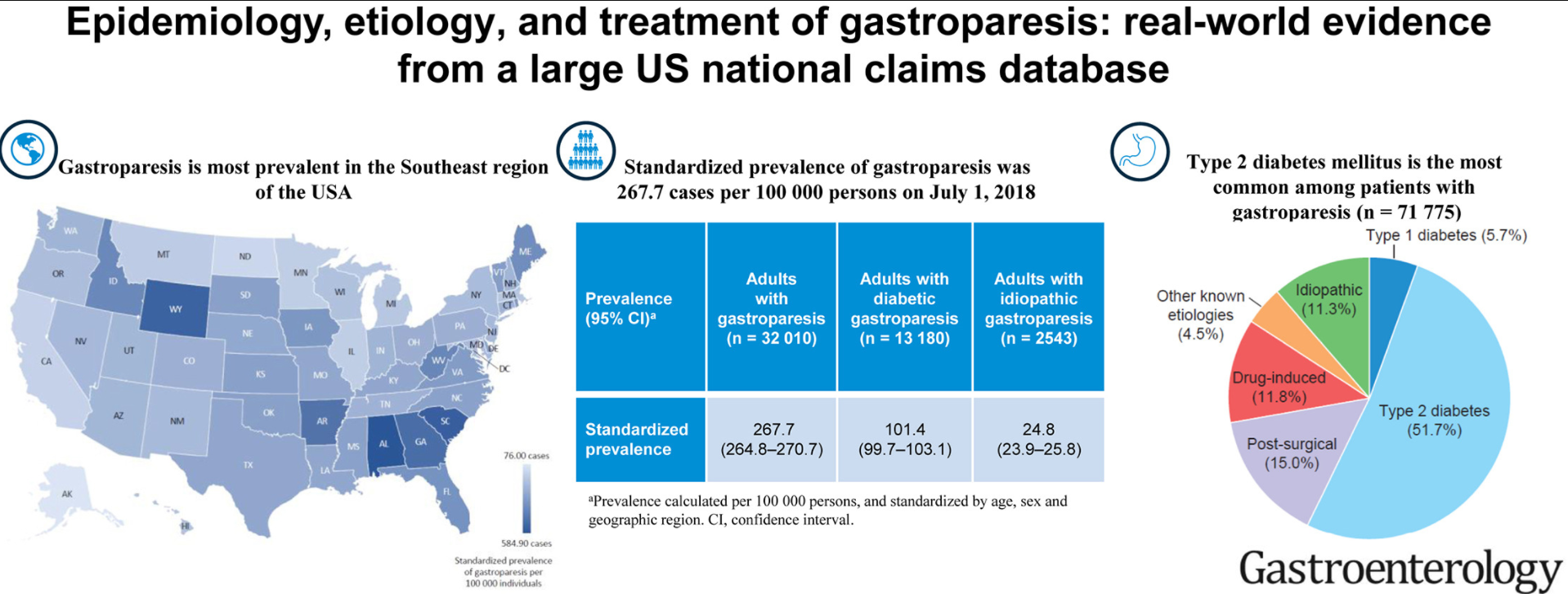
Briefly noted: Y Ye et al. Gastroenterol 2022; 162: 109-121. Open Access: Epidemiology, Etiology, and Treatment of Gastroparesis: Real-World Evidence From a Large US National Claims Database

Key findings:

  • The overall standardized prevalence of gastroparesis was 267.7 per 100,000 US adults, whereas prevalence of “definite” gastroparesis (individuals diagnosed within 3 months of gastric emptying scintigraphy testing with persistent symptoms for more than 3 months) was 21.5 per 100,000
  • Etiology was most commonly due to diabetes (57.4%; type 1, 5.7% and type 2, 51.7%), followed by postsurgical (15.0%), drug-induced (11.8%), and idiopathic (11.3%) etiologies

Related blog posts:

PSC in IBD

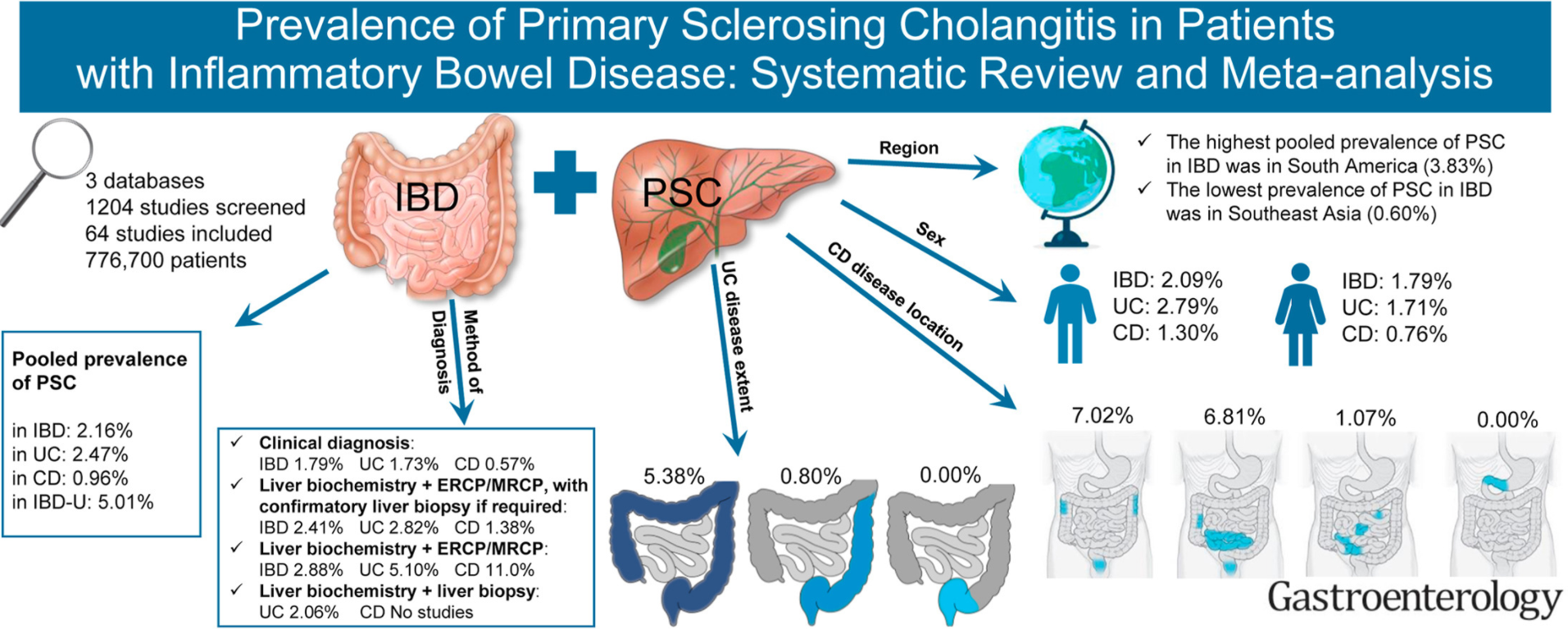
Briefly noted: B Barberio et al. Gastroenterol 2021; 161: 186-1877. Prevalence of Primary Sclerosing Cholangitis in Patients With Inflammatory Bowel Disease: A Systematic Review and Meta-analysis

Key findings: Overall, pooled prevalence of PSC in IBD was 2.16%; the pooled prevalence was significantly higher in UC versus CD (OR 1.69)

Related blog posts:

Safe Sleep

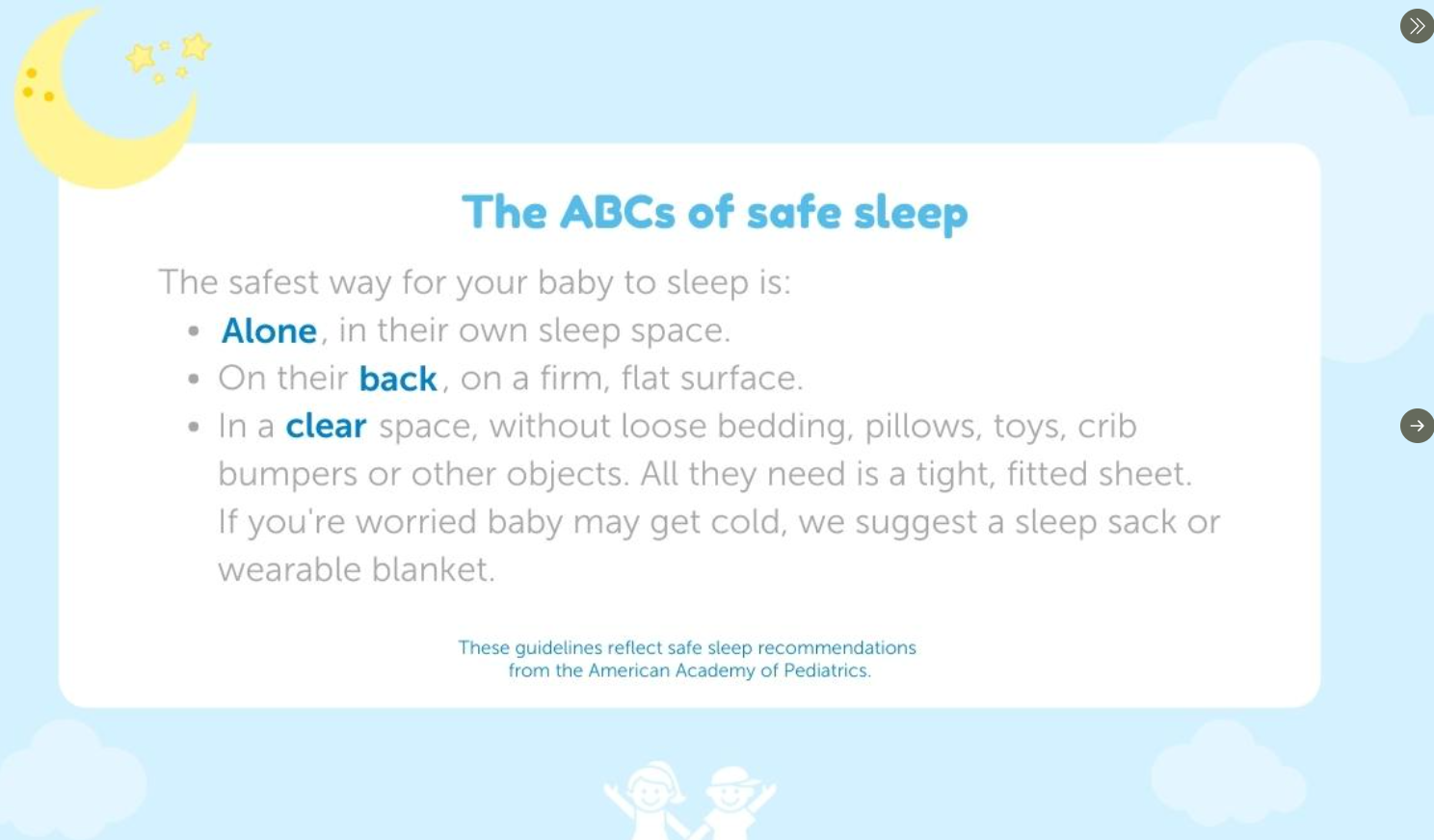
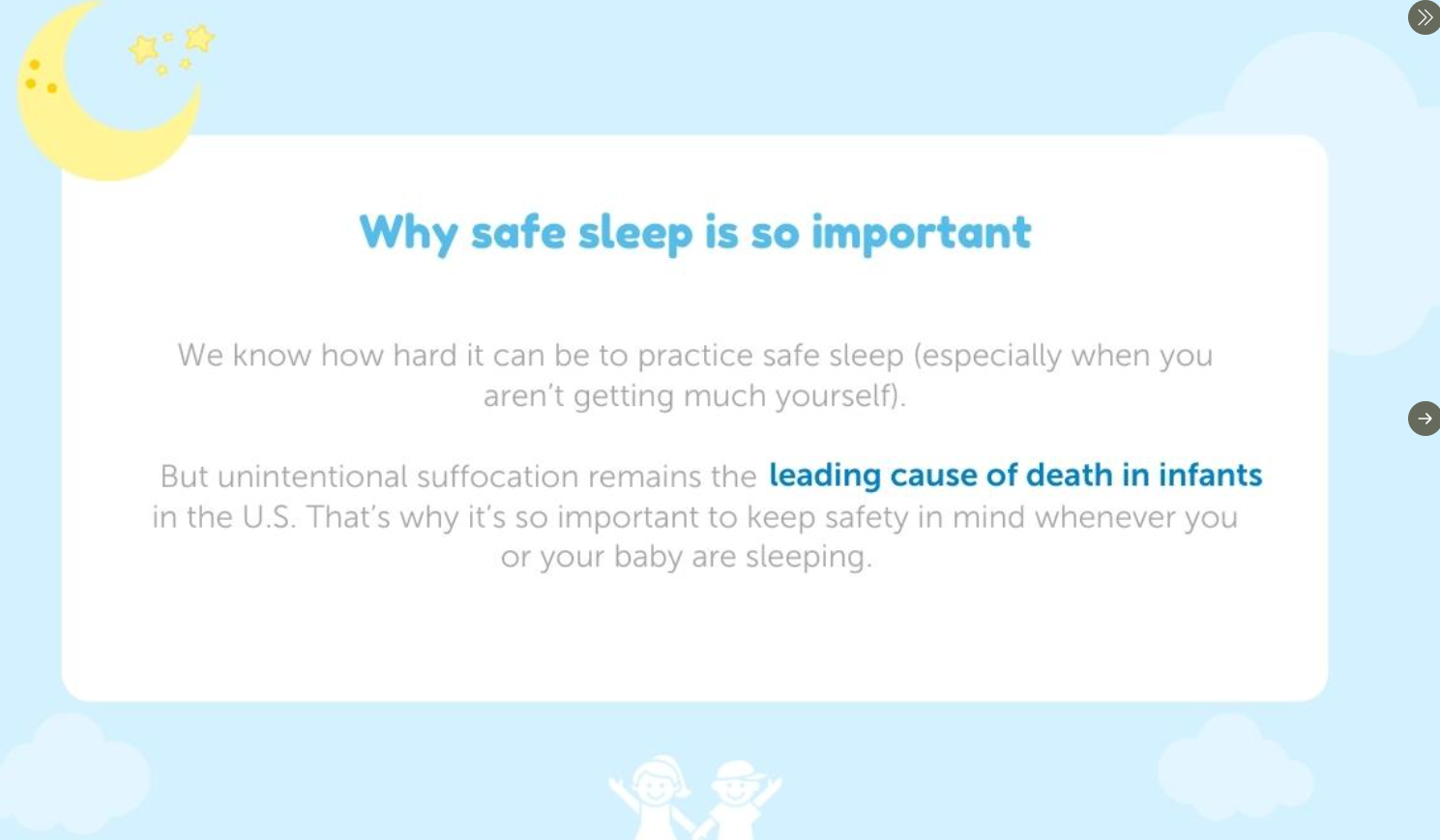
I would urge colleagues when they see infants in the first few months of life to always discuss safe sleep which is the number one cause of mortality in infants. A simple message can be added to standard ‘Smartphrases’ for every infant seen with reflux, colic and formula intolerance.

A terrific website that focuses on this crucial issue: Charlieskids.org; it has videos, do’s and don’ts as well as a link to Cribs for Kids (discounted safe crib website). In addition,this website has a book called “Sleep Baby Safe and Snug” which incorporates updated recommendations on safe sleep practices.

Here are some screenshots from CHOA’s twitter feed on this topic.

Related blog posts:

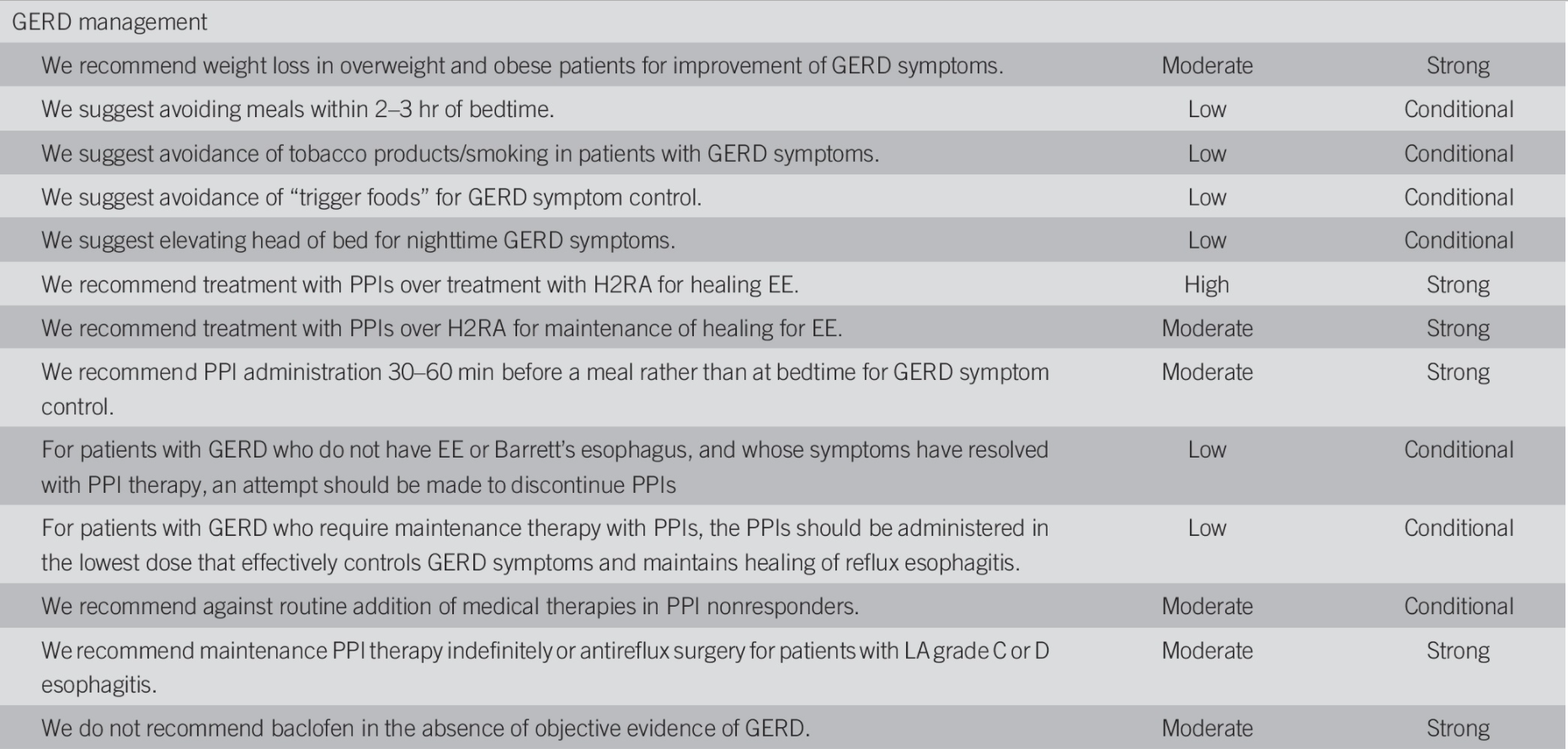
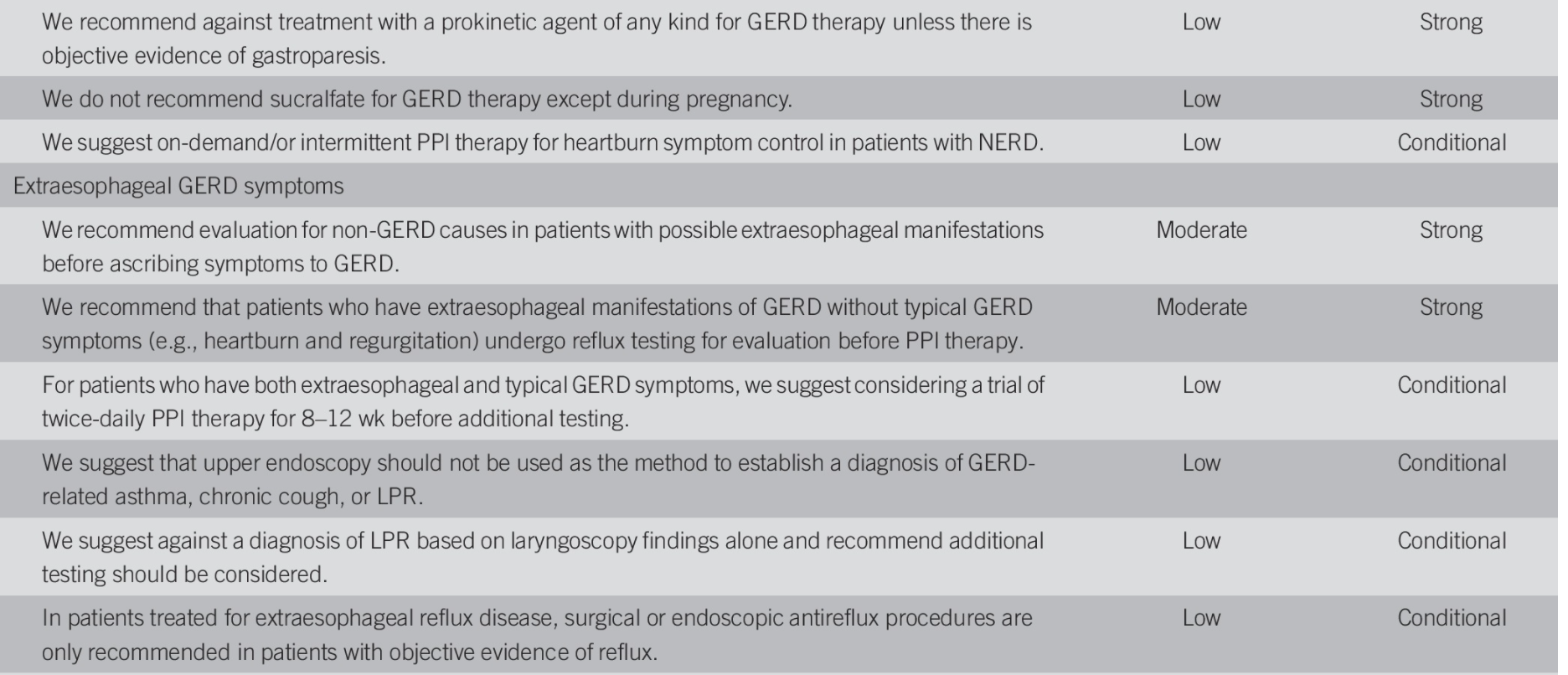
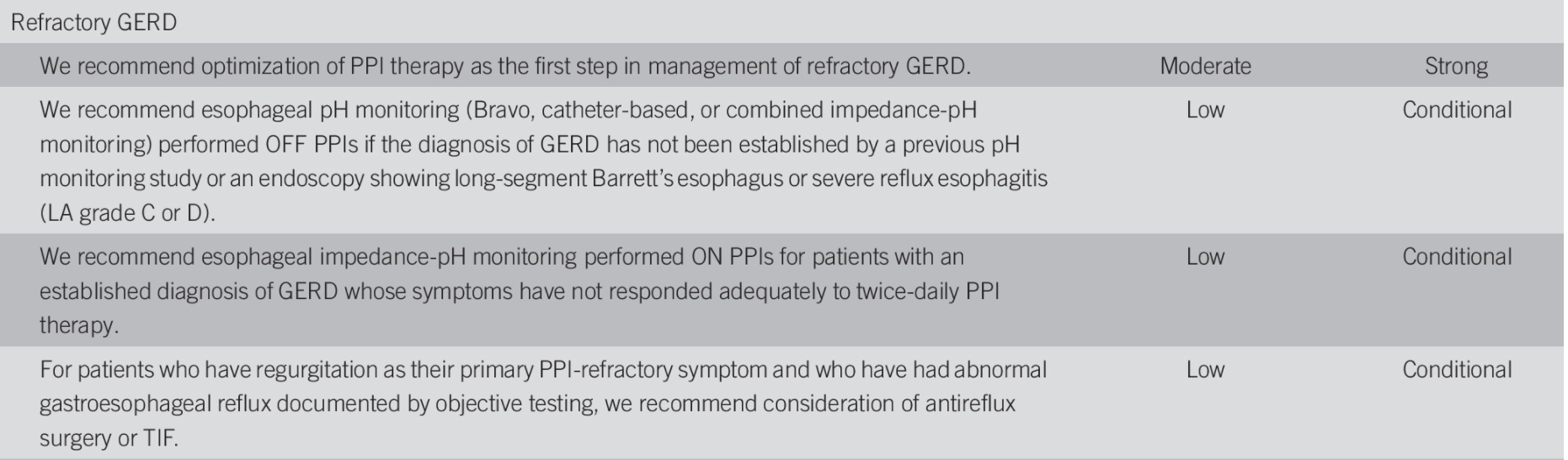
ACG Adult GERD Guidelines 2022

PO Katz et al The American Journal of Gastroenterology: January 2022 – Volume 117 – Issue 1 – p 27-56doi: 10.14309/ajg.0000000000001538. Open Access: ACG Clinical Guideline for the Diagnosis and Management of Gastroesophageal Reflux Disease

Related blog post: 2018 Pediatric Gastroesophageal Reflux Clinical Practice Guidelines

What is Driving the Vitamin D Epidemic? (More Testing)

AA Kerber et al. J Pediatr 2021; 239; 212-218. Stable Rates of Low Vitamin D Status Among Children Despite Increased Testing: A Population-Based Study

Methods: The Rochester Epidemiology Project (REP) was used to identify Olmsted County, Minnesota residents aged <19 years who had 25-hydroxyvitamin D [25(OH)D] levels measured between January 2, 2002 and December 31, 2017.  Using each patient’s first 25(OH)D measurement during this period, patients were categorized as vitamin D deficiency/insufficiency if Vit 25(OH)D level was <20 ng/mL.

To convert nmol/L to ng/mL= nmol/L x 0.401 OR nmol/L =ng/mL x 2.496

Key finding:

  • There was a 42-fold increase in the proportion of the county’s pediatric population tested each year, starting at 3.7 per 10,000 persons in 2002 and increasing to 156.1 per 10,000 persons in 2017
  • During the 16-year period, the incidence of vitamin D deficiency/insufficiency (per 10,000 persons) increased from 1.7 in 2002-2003 to 19.9 in 2016-2017, but the proportion that were tested and had vitamin D deficiency/insufficiency remained stable –rates of 21.9% in 2006-2007 and 18.5% in 2016-2017
  • There was a higher rate of Vit D deficiency/insufficiency in females (22.8%) vs males (16.9%) (P<.001)
  • There was a significant association with obesity and Vit D deficiency/insufficiency (32.7% with moderate and 32.9% with severe obesity). It is unclear whether this is a causal link or an association (perhaps associated with less outdoor activity)
  • Limitation: Study was performed in Olmstead county which is 90-95% white; this limits generalizability (though other reports have noted increased testing rates as well in other locations)

My take: Clearly more kids are being screened for vitamin D deficiency. More data is needed on whether this results in any meaningful improvements in outcomes and the associated costs. In addition, it is important to recognize that vitamin D levels can be inversely proportional to inflammatory conditions and can improve without supplementation by addressing these disorders.

Related blog posts:

Autoantibodies Significance in Pediatric Fatty Liver Disease

A Khayat, B Vitola et al. J Pediatr 2021; 239: 155-160. Prevalence and Clinical Significance of Autoantibodies in Children with Overweight and Obesity with Nonalcoholic Fatty Liver Disease

When investigating elevated liver enzymes in teenagers, serology for autoimmune hepatitis (AIH) is frequently obtained. In the face of overweight/obesity, the majority will have nonalcoholic fatty liver disease (NAFL). How many with elevated autoantibodies actually have autoimmune liver disease (ALD)? Some information regarding this issue is available in the article by Khayat et al.

Methods: A retrospective, cross-sectional study of 181 children with a biopsy-proven diagnosis of NAFL, NASH, autoimmune hepatitis (AIH), or primary sclerosing cholangitis (PSC) and a body mass index (BMI) >85th percentile treated between 2007 and 2016.

Key findings:

  • Antinuclear antibody (ANA), anti-actin antibody, and anti–liver kidney microsomal (LKM) antibody were positive in 16.1%, 13.8%, and 0%, respectively, of the patients with NAFL and in 32.8%, 15.5%, and 0%, respectively, of those with NASH
  • Total immunoglobulin G (IgG) was elevated in 27.3% of the patients with NAFL and in 47.7% of those with NASH, but in 100% of those with ALD. A normal IgG level was the “strongest negative predictor of ALD, followed by a negative ANA and actin.”
  • The positive predictive value of LKM was 100% for ALD but only 29% for ANA and 46% for anti-actin antibody. ANA positivity in this cohort was associated with more insulin resistance
  • ALD was present in 29/181 (16%).  12 (6.6%) with isolated ALD (AIH, PSC, or overlap), and 17 (9.4%) with combined ALD and NAFLD
  • BMI >98% “appears to be an important breakpoint above which ALD is less likely” even when IgG is high with a positive ANA
  • Limitations: Retrospective study, not every patient had all of the ALD serology tests

My take: Even heavy kids may have autoimmune liver disease. In those with abnormal serology, about 1 in 6 will have ALD, either in combination with NAFL or as the sole etiology of abnormal LFTs.

Related blog posts:

Microbiome Therapy (SER-109) for Recurrent Clostrioides Difficile

P Feuerstadt et al. N Engl J Med 2022; 386:220-229. DOI: 10.1056/NEJMoa210651. SER-109, an Oral Microbiome Therapy for Recurrent Clostridioides difficile Infection

Background: “SER-109, an investigational oral microbiome therapeutic composed of live purified Firmicutes bacterial spores, was developed to reduce the risk of C. difficile infection recurrence.14 We hypothesized that these spore-forming bacteria would compete metabolically with C. difficile for essential nutrients, modulate bile-acid profiles to reestablish resistance to colonization, or have both of these effects. Here, we report the 8-week efficacy and safety results from a phase 3 [double-blind, randomized, placebo-controlled] trial involving patients with recurrent C. difficile infection, along with supportive microbiome engraftment and metabolomic analyses.”

Methods: N=182 enrolled in the “ECOSPOR III” trial; all patients had at least 3 infections in past year and positive toxin test. After standard-of-care antibiotic treatment, patients received SER-109 or placebo (four capsules daily for 3 days). The primary efficacy objective was to show superiority of SER-109 as compared with placebo in reducing the risk of C. difficile infection recurrence up to 8 weeks after treatment.

Key findings:

  • The percentage of patients with recurrence of C. difficile infection was 12% in the SER-109 group and 40% in the placebo group (relative risk, 0.32)
  • The recurrence risk following SER-109 was even lower after fidaxomicin than vancomycin: relative risk, 0.09 [95% CI, 0.01 to 0.63] with fidaxomicin and 0.41 [95% CI, 0.22 to 0.79] with vancomycin
  • SER-109 dose species were detected as early as week 1 and were associated with bile-acid profiles that are known to inhibit C. difficile spore germination.

My take: This study shows that clinical outcomes with C difficile may be improved by the addition of this microbiome therapeutic after standard therapy. Engraftment of Firmicutes bacteria as a dominant component of the microbiome is generally associated with a healthy state. This opens the door for treatment of other conditions that may benefit from microbiome modulation.

Related blog posts:

Masks Work -Here’s the Data

Open Access: MMWR: Effectiveness of Face Mask or Respirator Use in Indoor Public Settings for Prevention of SARS-CoV-2 Infection — California, February–December 2021

Methods: This interview-questionnaire study used a test-negative case-control design, enrolling persons who received a positive (case-participants) or negative (control-participants) SARS-CoV-2 test result, from among all California residents, without age restriction, who received a molecular test result for SARS-CoV-2 during February 18–December 1, 2021. A total of 652 case- and 1,176 control-participants were enrolled in the study equally across nine multi-county regions in California.

Limitations included the following:

  • This study did not account for other preventive behaviors that could influence risk (eg distancing)
  • This analysis relied on an aggregate estimate of self-reported face mask or respirator use across, for some participants, multiple indoor public locations
  • Estimates do not account for face mask or respirator fit
  • Data collection occurred before the expansion of the SARS-CoV-2 B.1.1.529 (Omicron) variant
  • Face mask or respirator use was self-reported
  • Variability of exposures