It’s Alimentary (Part 2)

A recent ‘clinical quality forum’ sponsored by The Children’s Care Network (TCCN) and Nutrition4Kids featured several good lectures. The symposium was titled, “It’s Alimentary.” What follows are my notes –the full lectures from these talks will be available in the coming weeks on the Nutrition4Kids website. My notes may include some errors in transcription and errors of omission.

In my view the best lecture from this symposium was given by Kathleen Zelman (WebMD, Director of Nutrition): Diet and Nutrition Trends Impacting Health

Key points:

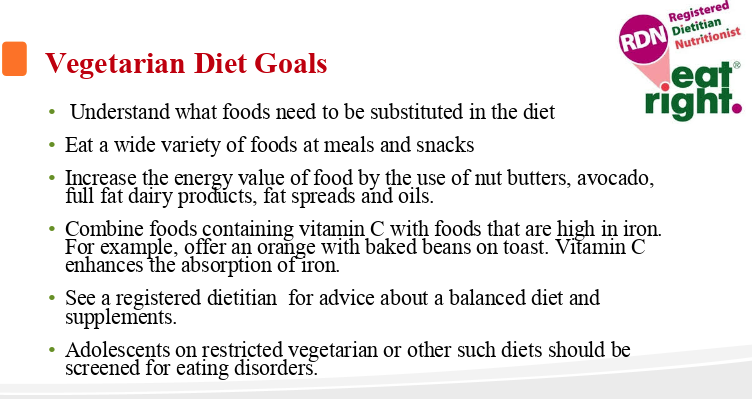
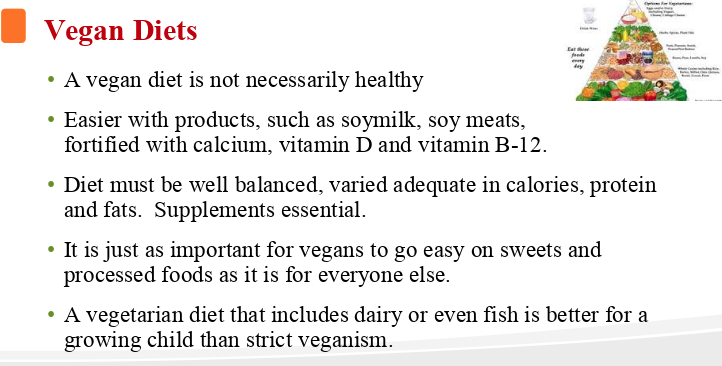
  • There have been more individuals pursuing vegetarian and vegan diets.  Though increasing vegetables/fruits is a good trend, vegan diets are particularly challenging (& potentially dangerous) in children.  In those who take milk and eggs, this diet is much more likely to meet nutrient needs.  These diets necessitate the assistance of a dietician.
  • Unfavorable trends: increased consumption of highly processed foods and restrictive food fads.  Some processed foods (eg. canned beans) can be a healthy addition to diet.
  • ‘Organic diets are not more nutritious. They are great if you can afford it. Key is eating more vegetables and fruits.’
  • GMOs are safe.
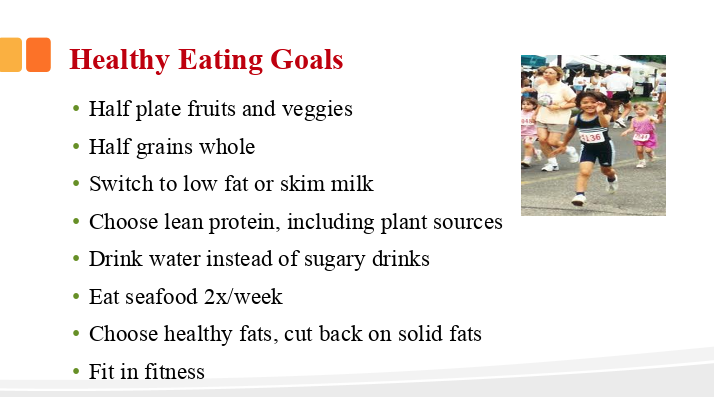
  • MyPlate.gov is a good resource
  • Encourage families to eat together and to shop for a ‘rainbow of colors’

Related posts:

A subsequent lecture on “Nutrition for the Premature Infant” by Heidi Karpen (Emory University, Professor of Pediatrics) provided a good overview of the ongoing efforts to improve nutritional outcomes for premature infants.

Key points:

  • Good nutrition is crucial for better neurodevelopmental outcomes and stronger bones.
  • Despite efforts like instituting TPN on first day of life, most neonates are losing ground during their hospitalization.
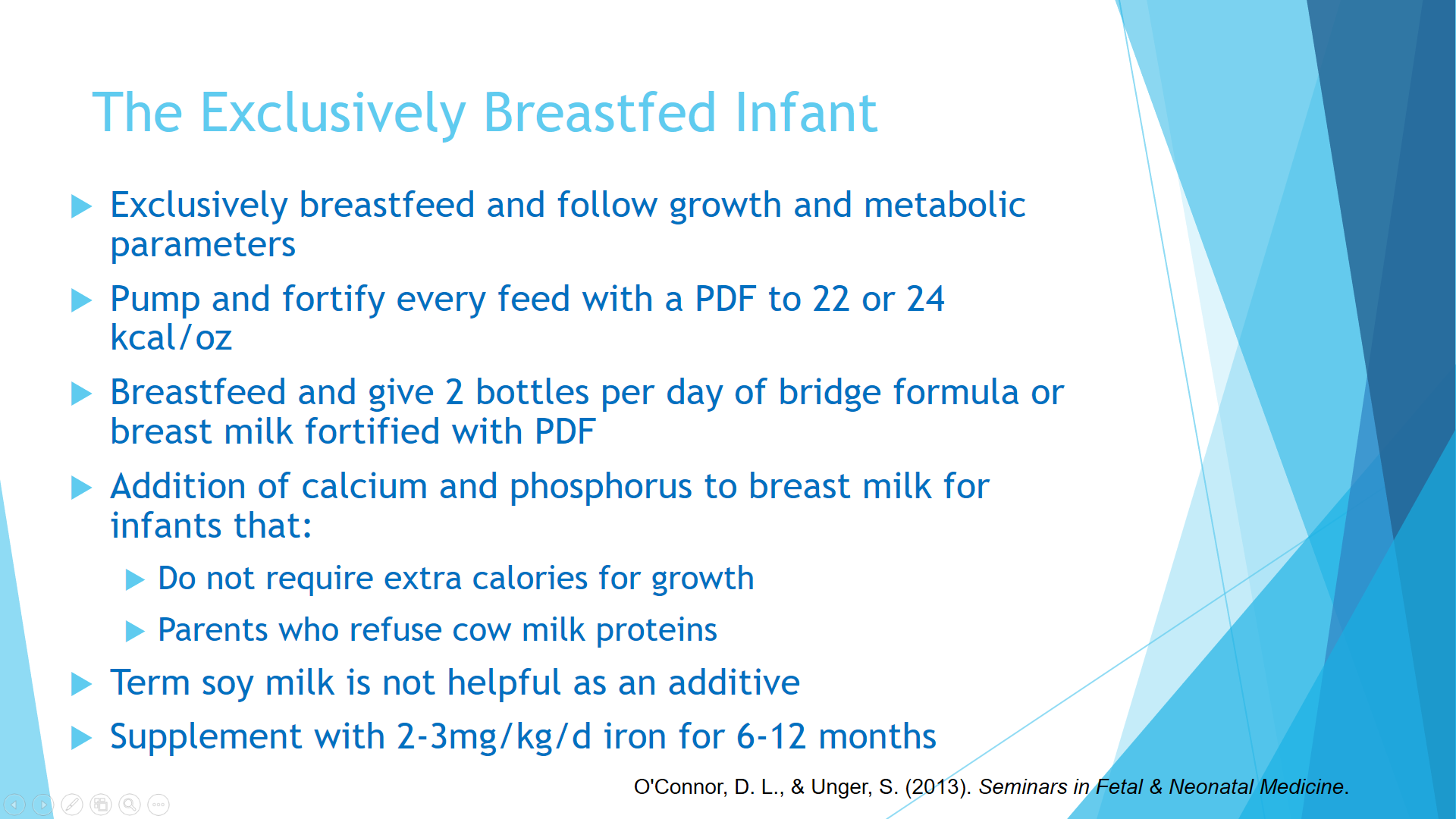
  • Breastmilk is best at reducing sepsis, necrotizing enterocoliitis, and improving IQ.  However, it is not perfect  –less protein, less calcium, and less phosphorus than formulas; thus, breastmilk needs to be augmented and/or supplemented.
  • Informal breastmilk donation can be dangerous.  Donor breastmilk needs to be carefully screened.

Related blog posts:


It’s Alimentary (Part 1)

A recent ‘clinical quality forum’ sponsored by The Children’s Care Network (TCCN) and Nutrition4Kids featured several good lectures. The symposium was titled, “It’s Alimentary.”  What follows are my notes –the full lectures from these talks will be available in the coming weeks on the Nutrition4Kids website. My notes may include some errors in transcription and errors of omission.

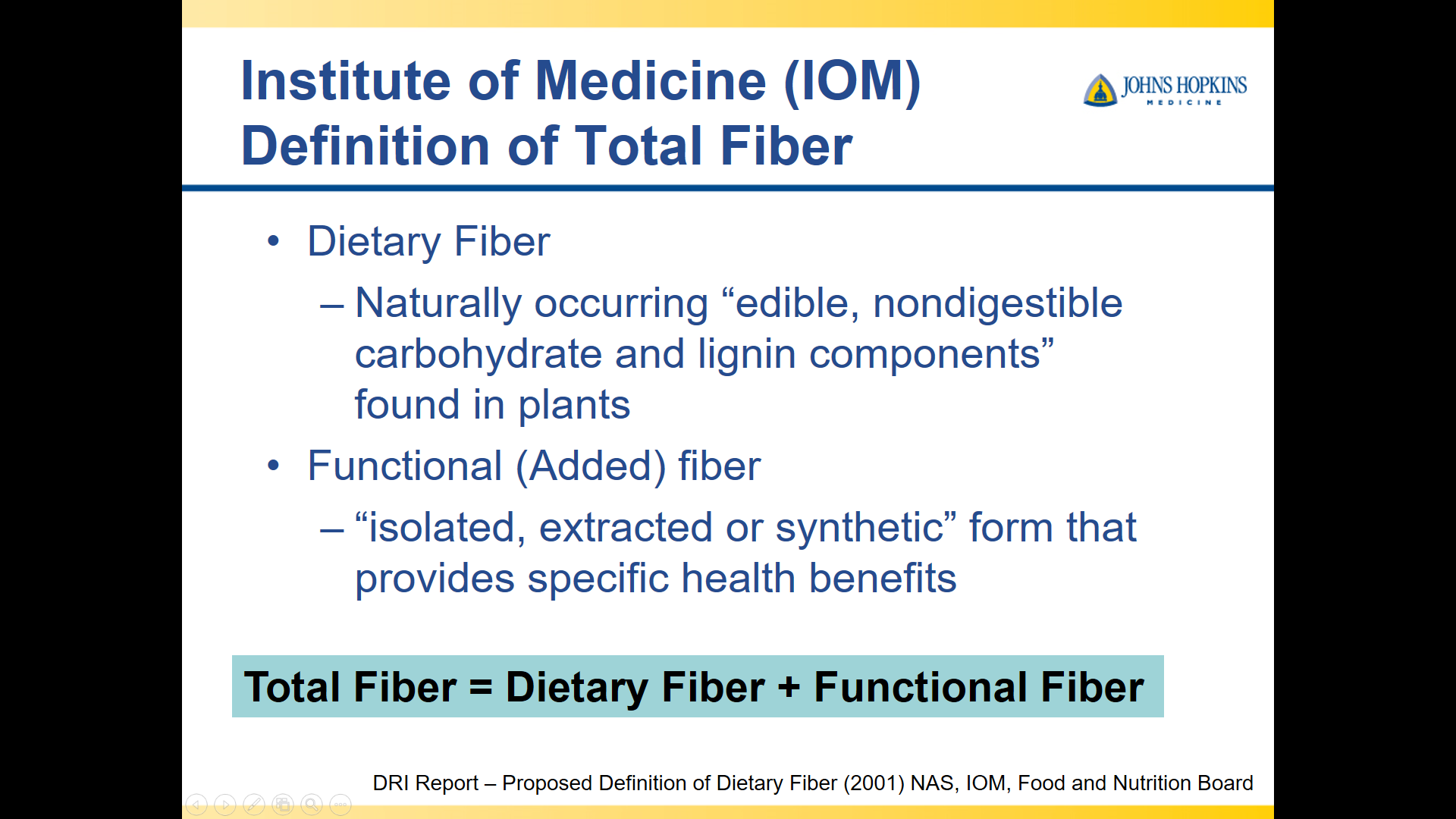
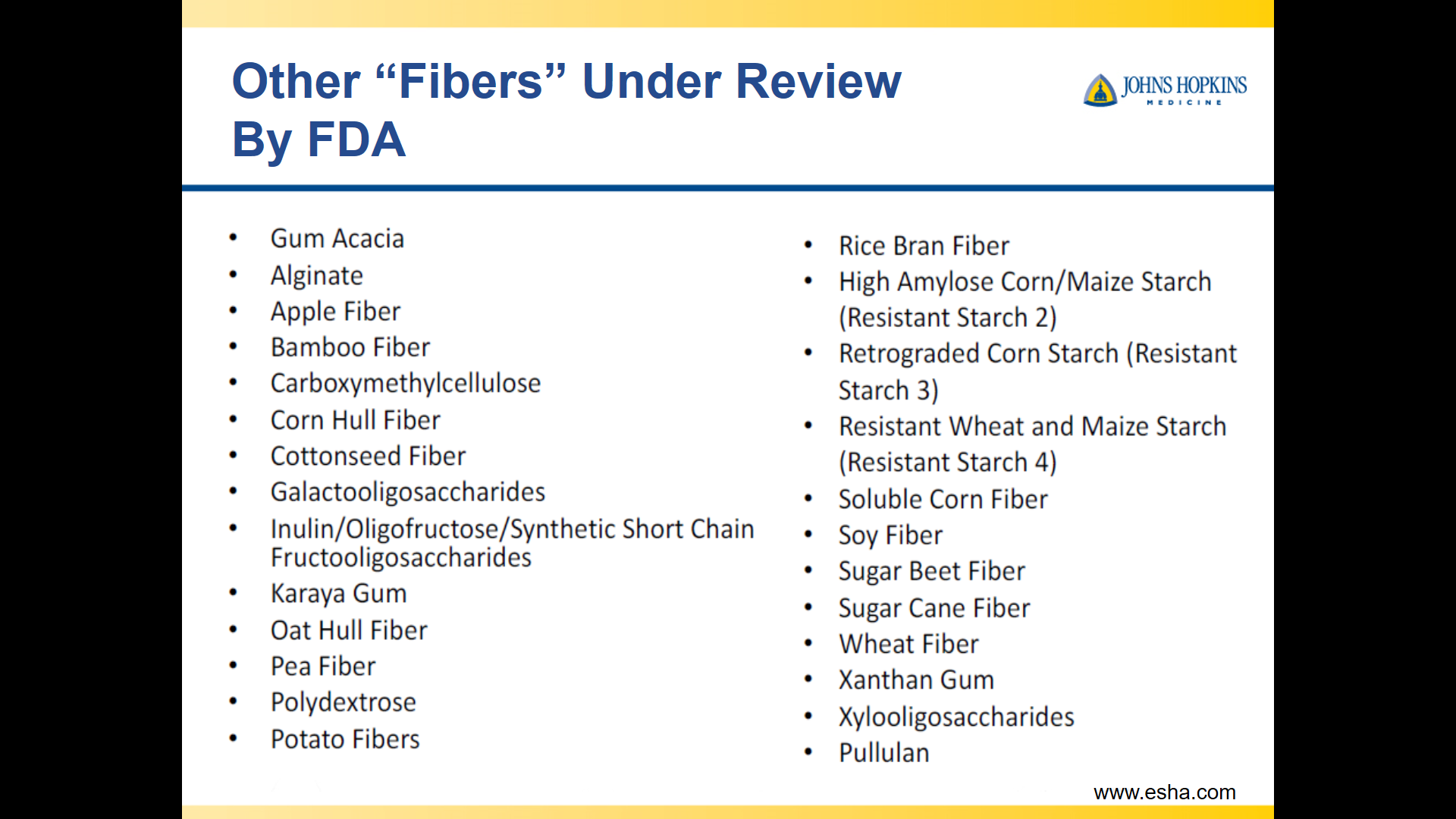
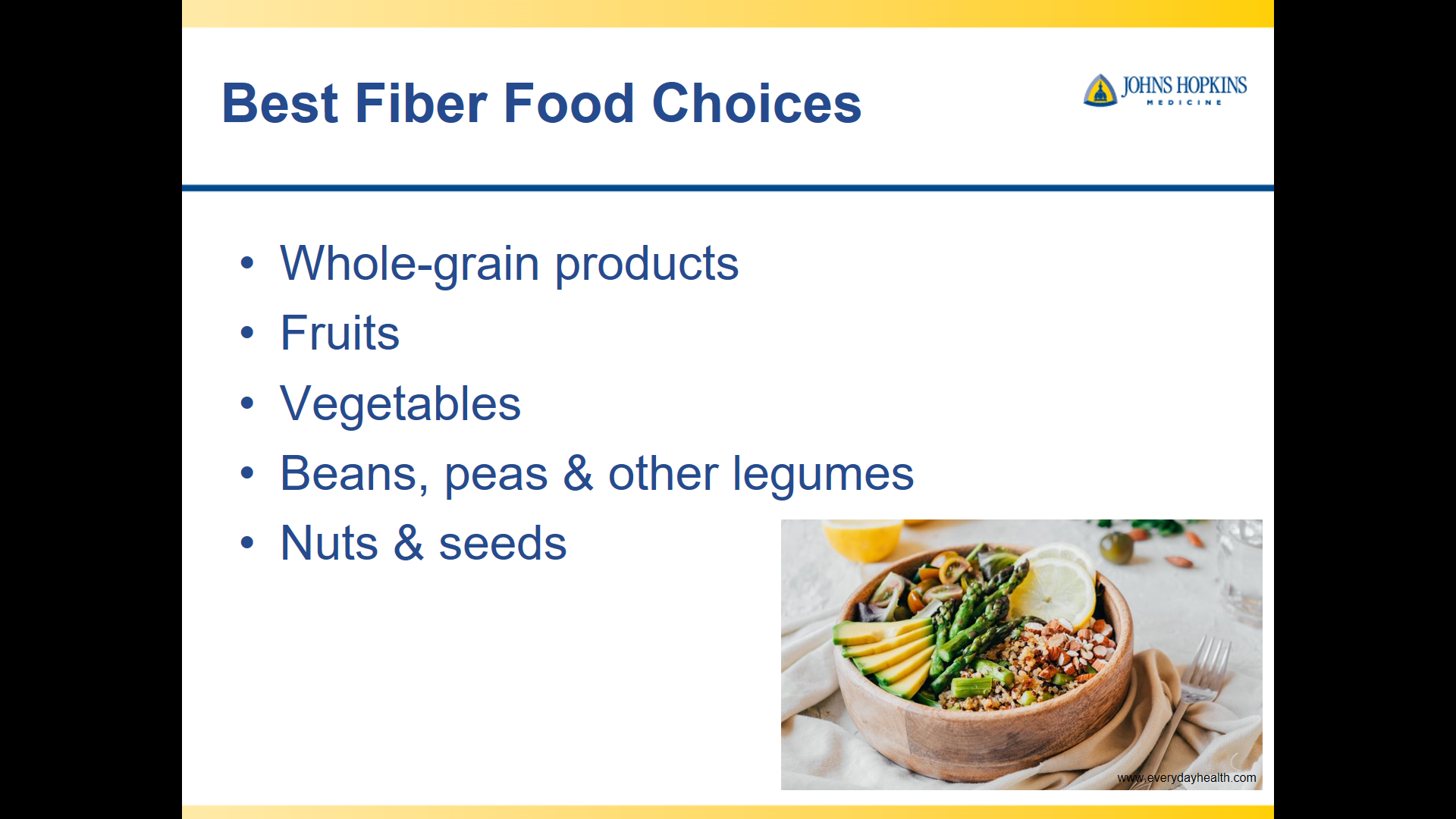
The Fiber Movement: Why Kids Need It and How to Get It” by Maria Oliva-Hemker (Director of Division of Pediatric Gastroenterology, Johns Hopkins). This was a terrific lecture which pulled together a lot of useful information.   Despite hearing a lot about fiber, this lecture showed me that there is a lot that I still need to learn.

Key points:

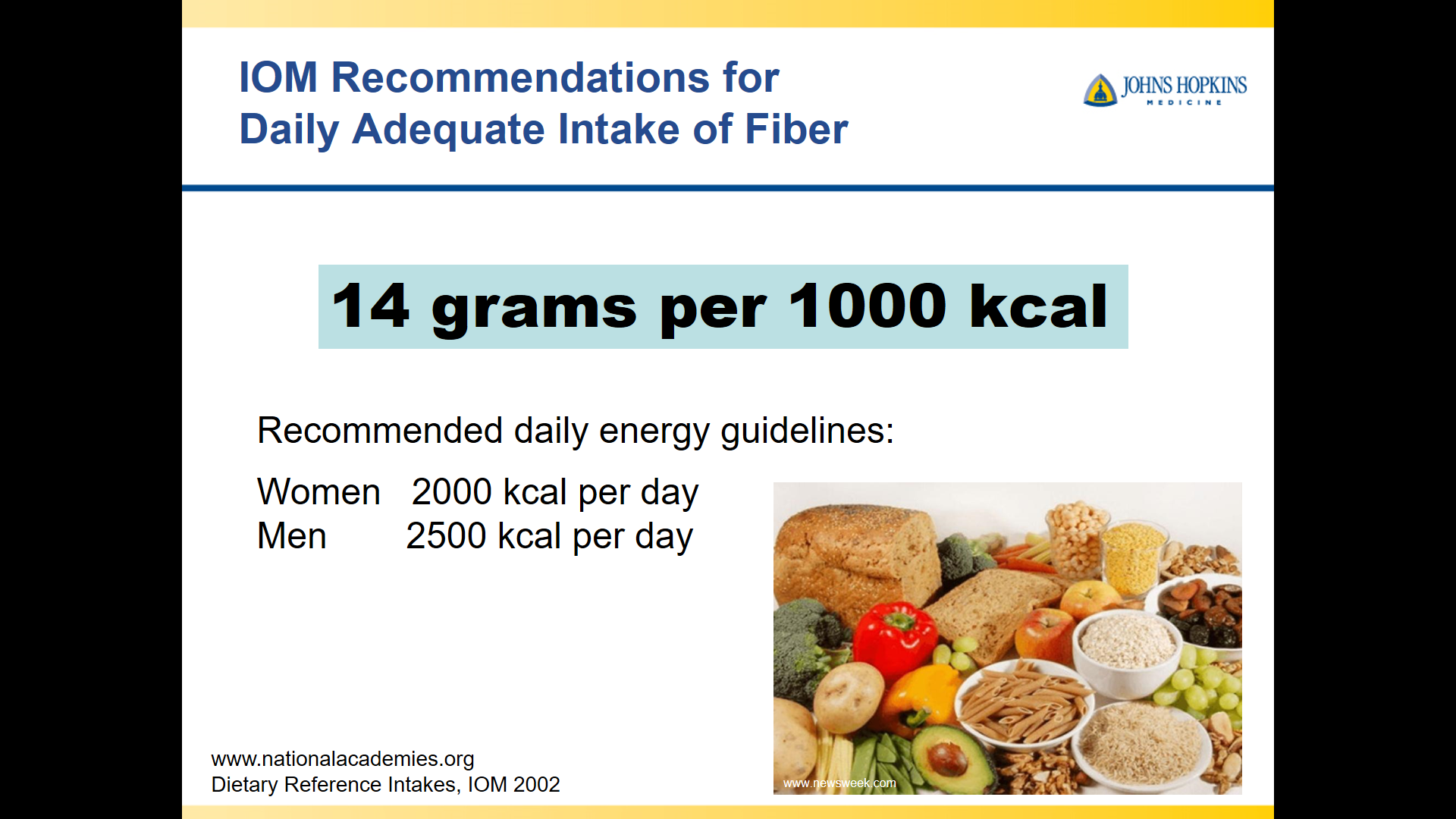
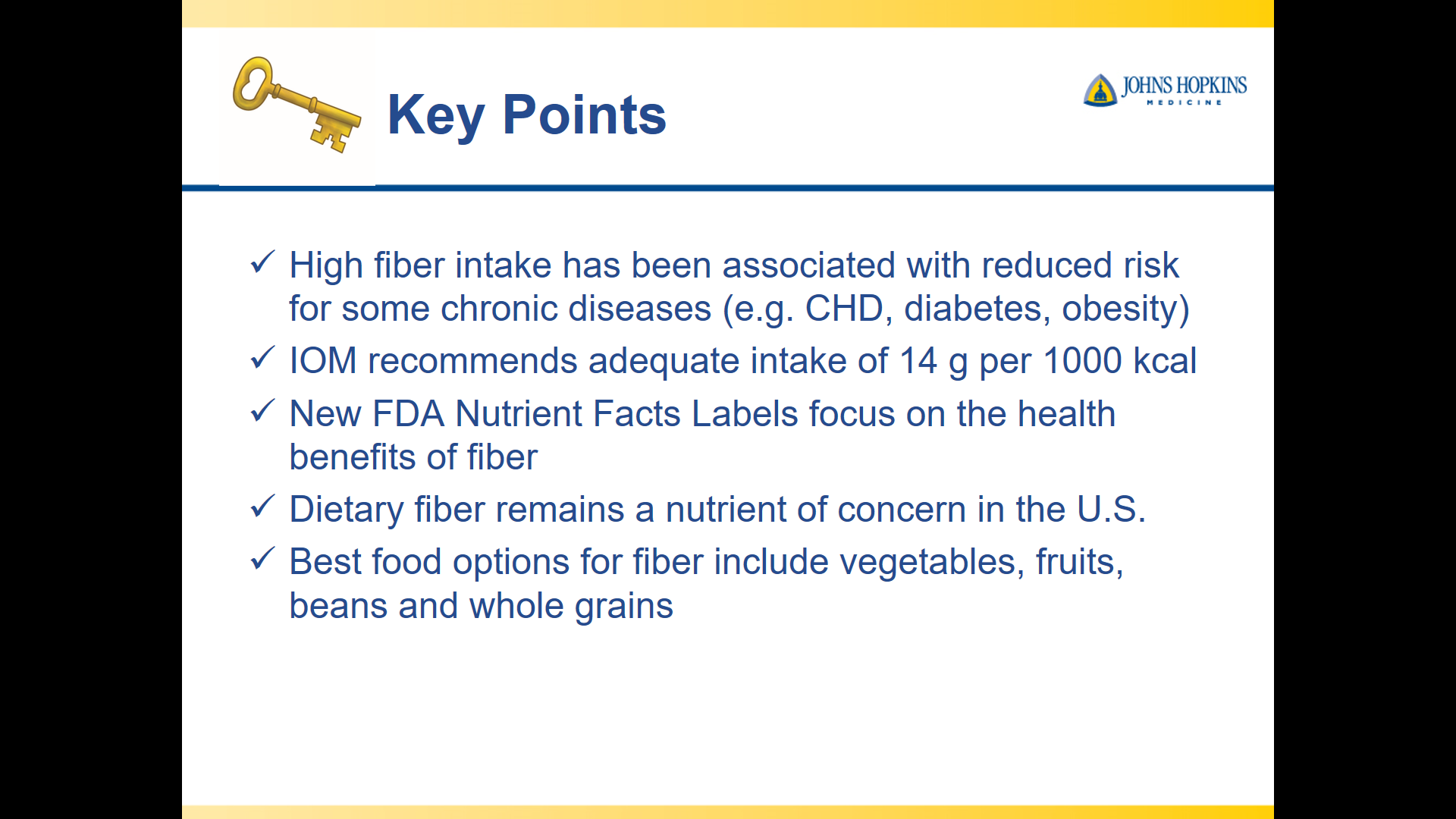
  • Institute of Medicine recommends 14 grams of fiber per 1000 kcal of dietary intake.  This is a higher amount of fiber than prior recommendations.
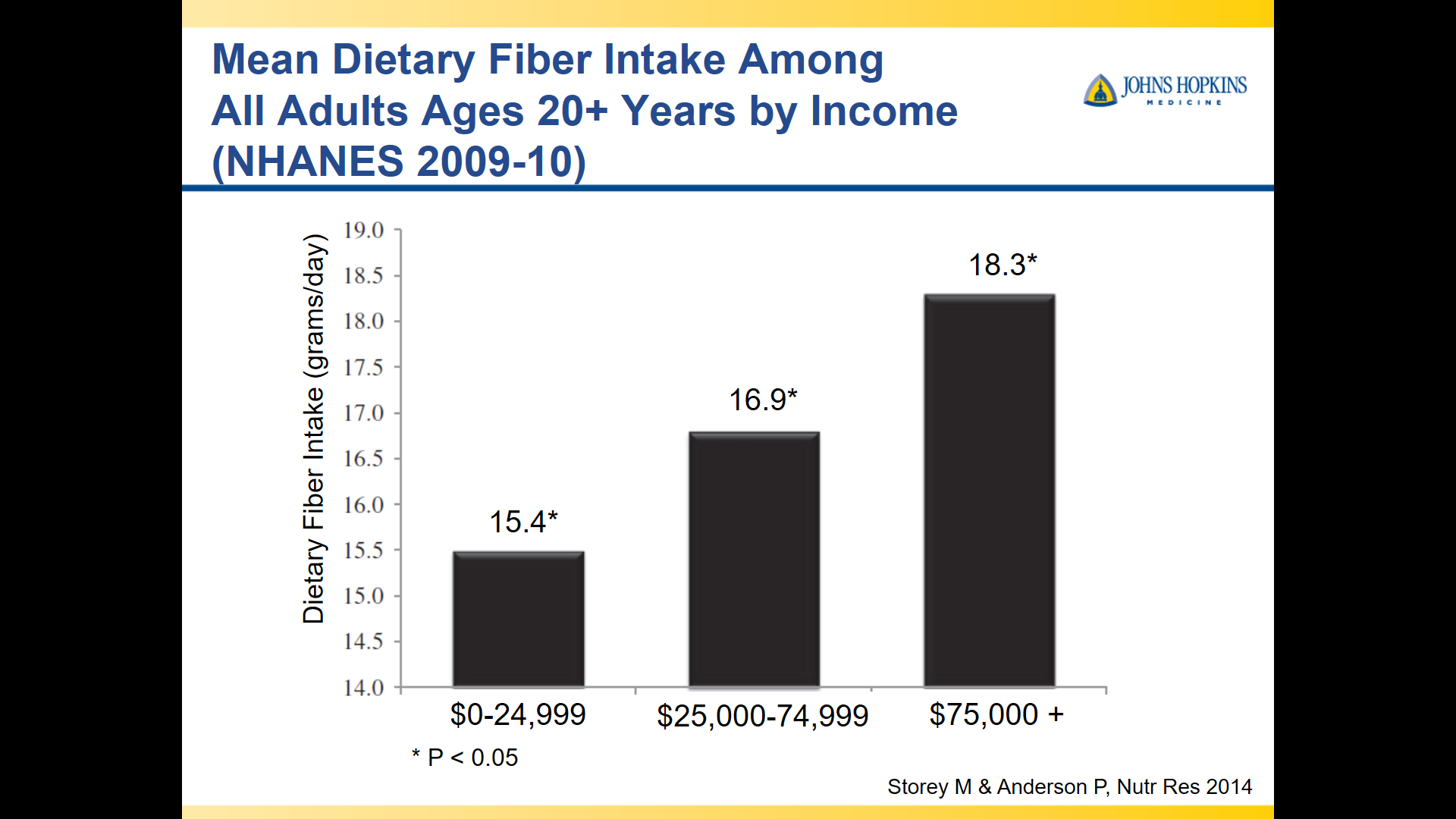
  • Most adults are consuming about 50% of the fiber that they should
  • Whole foods should be encouraged over fiber supplements
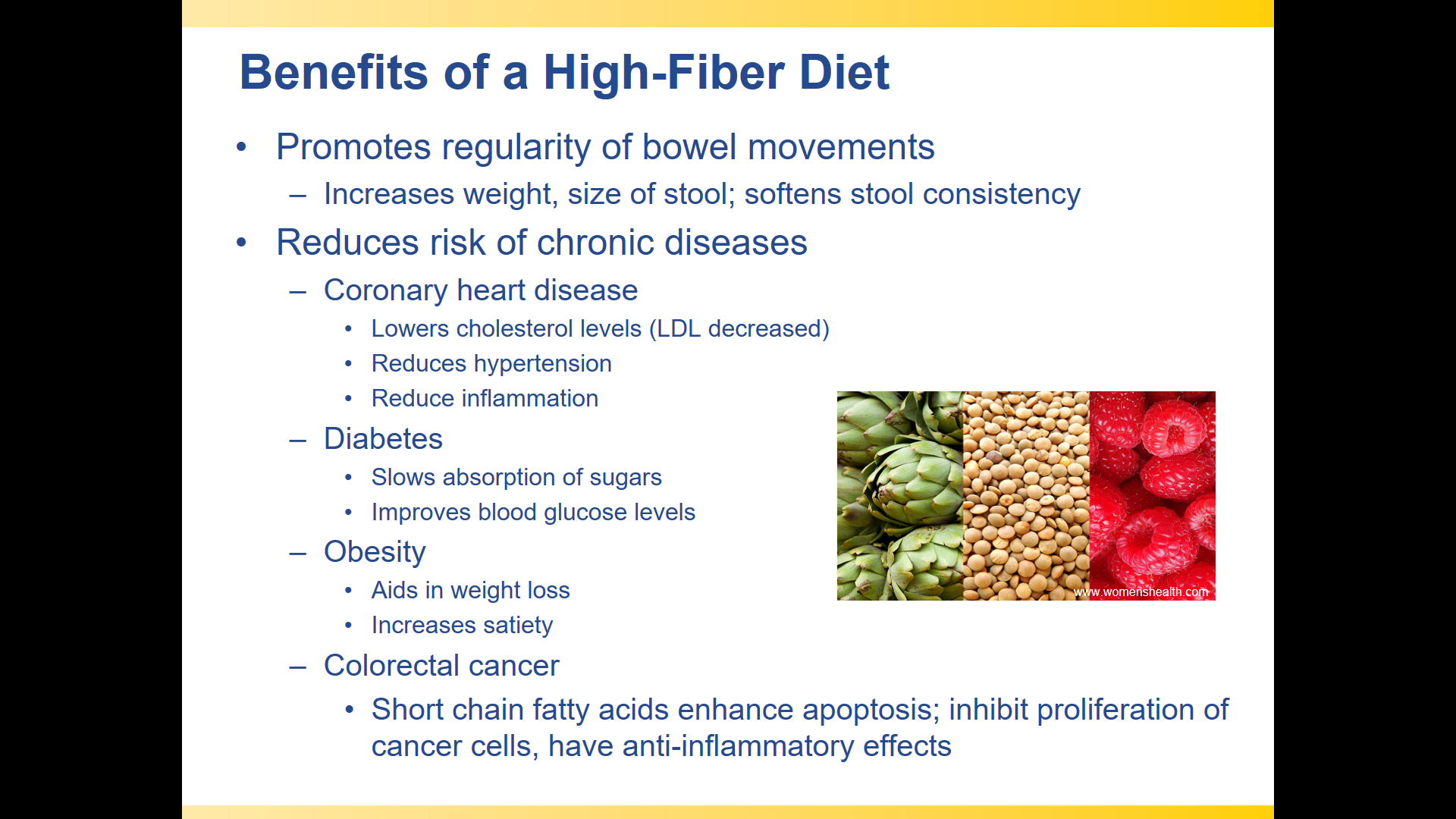
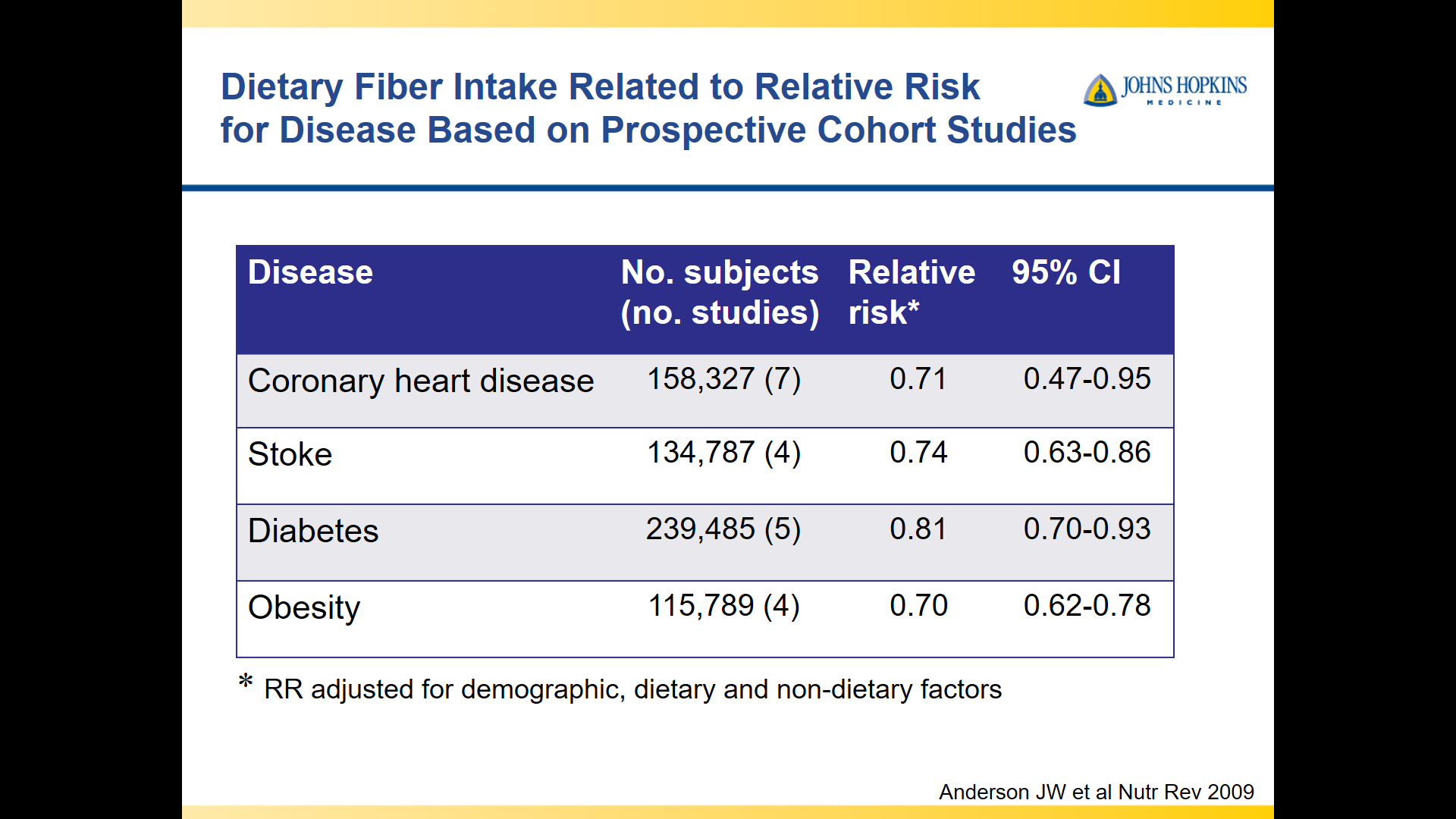
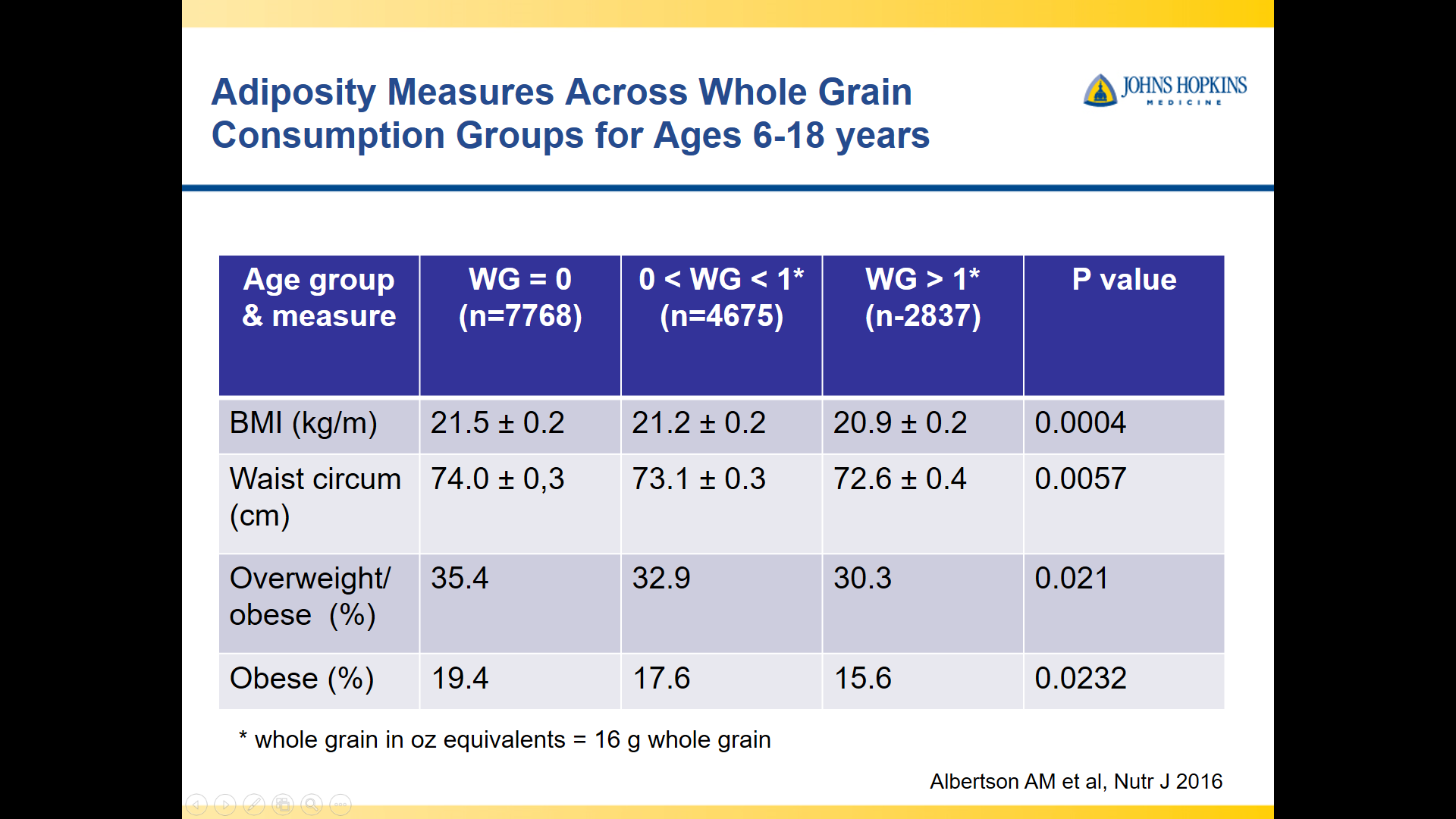
  • Increased fiber associated with lower risk of obesity, stroke, coronary heart disease, and diabetes

Related blog posts:

The LEAP Study and Its Implication for the Future of Food Allergies” Kiran Patel (Professor Pediatrics, Division of Allergy and Immunology, Emory University)  This was the second opportunity that I had to hear Dr. Patel in the past 6 months –see An Allergy-Immunology Perspective on GI Diseases

Key points:

  • There has been an increasing incidence of peanut allergies
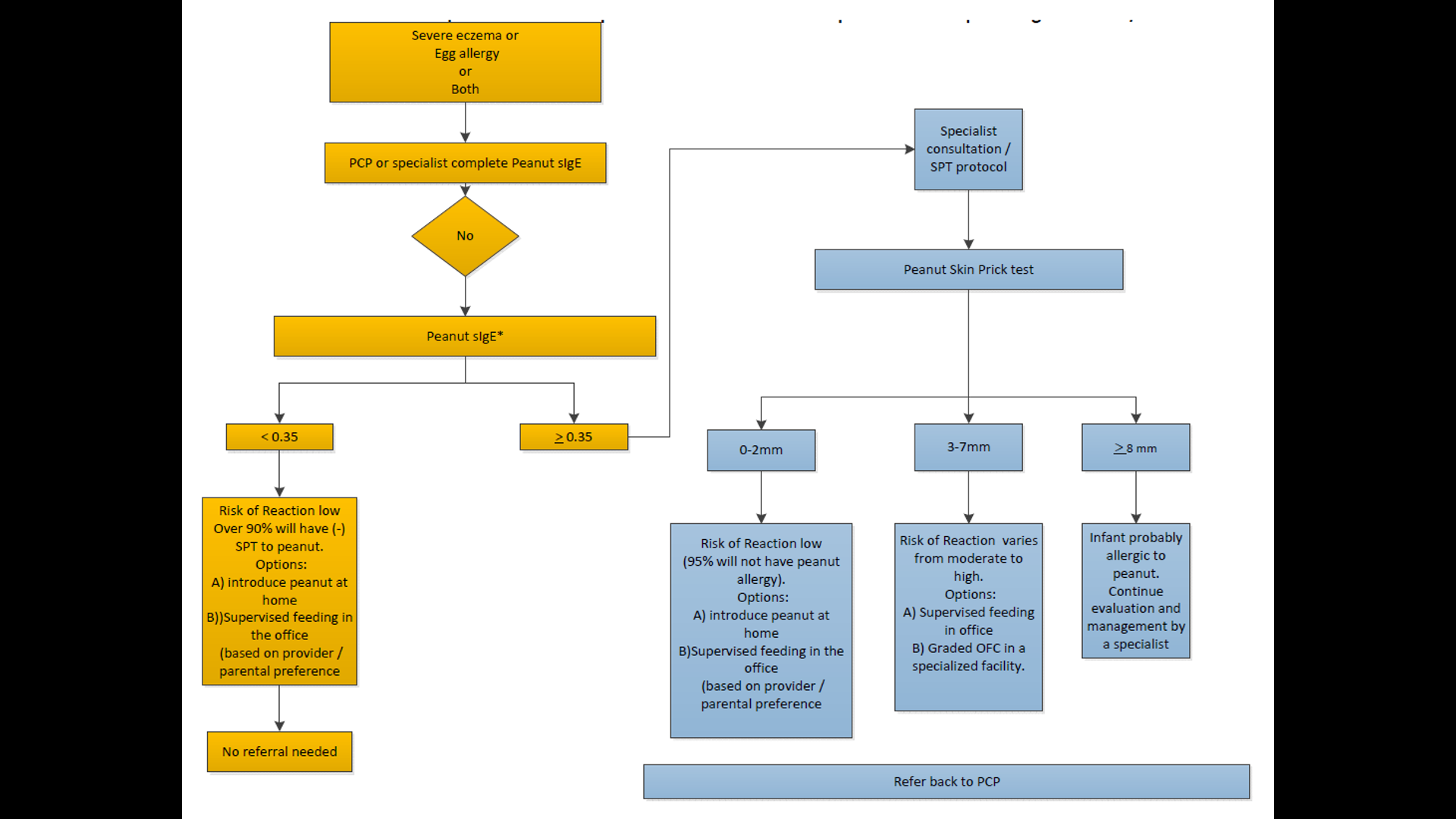
  • Early introduction of peanuts helps reduce peanut allergies. Suggested algorithm
  • To reduce allergies, placing a best practice alert in electronic record could be necessary as rates of encouraging early peanut introduction in at risk children remains low

Related blog posts:


LEAP study results

Slides with information on introduction of peanuts –this should be discussed with physician before implementation.

Disclaimer: These blog posts are for educational purposes only. Specific dosing of medications/diets (along with potential adverse effects) should be confirmed by prescribing physician/nutritionist.  This content is not a substitute for medical advice, diagnosis or treatment provided by a qualified healthcare provider. Always seek the advice of your physician or other qualified health provider with any questions you may have regarding a condition.

Choosing the Right Intravenous Fluids

A recent “SALT-ED” study (WH Self et al. NEJM 2018; 378: 819-28) with more than 13,000 noncritically-ill adults indicated that patients who received normal saline had increased incidence of major adverse kidney events compared to those who received more balanced fluids like lactated Ringers’ or Plasma-Lyte A.

A 2 min quick take summary:Comparison of Crystalloids and Saline for Noncritically Ill

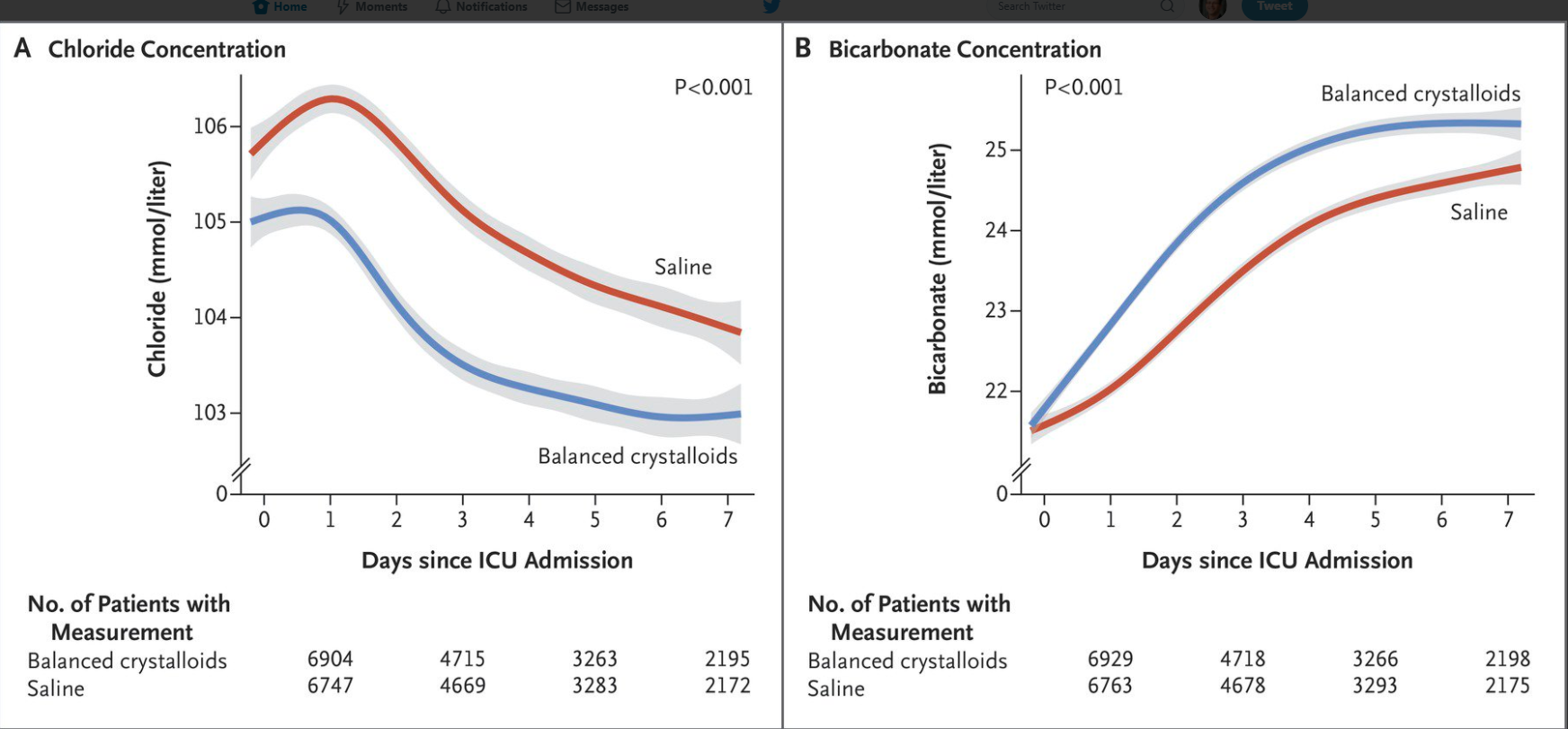
In a separate “SMART” study (MW Semler et al. NEJM 2018; 378: 829-39), investigators looked at balanced crystalloids versus saline in critically-ill adults (n=15,802).  The use of balanced crystalloids (compared to saline) resulted in a lower rate of mortality (10.3% vs 11.1%, P=.06) and fewer major adverse kidney events (14.3% vs. 15.4%, P=.04).


Fructans, not Gluten, Inducing Symptoms In Patients with Reported Non-Celiac Gluten Sensitivity

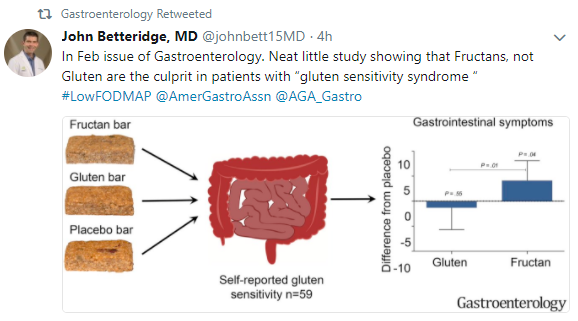
As with yesterday’s post, today’s study (GI Skodje et al. Gastroenterol 2018; 154: 529-39) implicates fructans, not gluten, as a culprit in increasing symptoms in those with self-reported non-celiac gluten sensitivity (NCGS).

These researchers performed a double-blind crossover challenge in 59 individuals who had instituted a gluten-free diet (GFD). The symptoms were assessed with a Gastrointestinal Symptom Rating Scale Irritable Bowel Syndrome (GSRS-IBS) through 3 challenges –gluten, fructan, and placebo.

Key findings:

  • GSRS-IBS mean values for gluten 33.1, for fructan 38.6, and placebo 34.3.  The overall GSRS-IBS value for fructans was significantly higher than for gluten P=.04
  • GSRS-IBS mean values for bloating with gluten 9.3, for fructan 11.6, and placebo 10.1

In a related editorial (K Verbeke, pages471-3), the commentary notes that  alpha-amylase-trypsin inhibitors (ATIs) may be another factor which contributes to symptoms in those with reported NCGS.  ATIs protect plants from pests/parasites by inhibiting their digestive enzymes.  They also resist proteolytic degradation in the human intestine and are known to be potent activators of innate immune cells.

My take: This is yet another study showing that among individuals with NCGS that a GFD is often unnecessary and ineffective.  Fructans are more likely to induce gastrointestinal symptoms; however, their are likely to be several food components which contribute to GI symptoms & sometimes extra-intestinal symptoms.

Related blog posts:

Fructans and FODMAPs in Children with Irritable Bowel Syndrome

A recent randomized control trial (BP Chumpitazi et al. Clin Gastroenterol Hepatol 2018; 16: 219-25) evaluated 23 children in a double-blind placebo (maltodextrin) cross-over design (2014-2016) to determine whether fructans (0.5 g/kg/day with max 19 g divided over 3 meals) worsen symptoms in children with irritable bowel syndrome (IBS). Fructans are a commonly ingested FODMAP carbohydrate (oligosaccharides).  All subjects were 7-18 years (median 12.4 years) and met Rome III IBS criteria.

Key findings:

  • Subjects had more episodes of abdominal pain/day while receiving fructan-containing diet (3.4 ± 2.6) compared with placebo-group (2.4 ± 1.7) (P<.01).
  • The fructan group had more severe bloating (P<.05) and flatulence (P=.01).  This was associated with higher hydrogen production (617 ppm/h compared with 136 pph/h) (P<.001)
  • 18/23 (78%) had more frequent abdominal pain with fructan-containing diet and 12 (52%) had fructan sensitivity which the authors defined as having an increase of ≥30% in abdominal pain frequency following fructan ingestion.

My take: While the number of participants in this study is limited, the implications are clear: in children with irritable bowel, fructans frequently exacerbate symptoms. At this time, though, it is not possible to predict which patients with IBS will benefit.

Related blog posts:


Chattahoochee River

Hepatic Tumor Pointers

A grand rounds report (CK McLean et al. J Pediatr 2018; 193: 245-48) focuses on the presentation of a rare tumor in a neonate, angiosarcoma.  A few pointers from the discussion:

  • The most common benign hepatic vascular tumors are congenital hemangiomas and infantile intrahepatic hemangiomas (IHH)
  • The AAP dermatology section recommends assessing for hepatic lesions when there are 5 or more cutaneous hemangiomas.  The risk of a hepatic hemangioma may be 23%, according to one study, when there are >5 cutaneous hemangiomas or one large cutaneous hemangiomas.
  • “Consumptive hypothyroidism is a unique characteristic in some IHH.” This is due to tumor expression of a type 3 iodothyronine deiodinase enzyme which inactivates thyroid hormone.

Related blog post:

Bright Angel Trail, Grand Canyon

Exorbitant Medicine Costs -Generics Discounts Often Minimal

A recent story in the NY Times (Patients Eagerly Awaited a Generic Drug. Then They Saw The Price. ) shows that the availability of a generic drug does not guarantee that exorbitant pricing will be remedied.

An excerpt:

Syprine, which treats a rare condition known as Wilson disease, gained notoriety after Valeant Pharmaceuticals International raised the price of the drug to $21,267 in 2015 from $652 just five years earlier…

In promoting its “lower-cost” alternative to Syprine, a Teva executive boasted in a news release that the product “illustrates Teva’s commitment to serving patient populations in need.”

What the release didn’t mention was the price: Teva’s new generic will cost $18,375 for a bottle of 100 pills, according to Elsevier’s Gold Standard Drug Database. That’s 28 times what Syprine cost in 2010, and hardly the discount many patients were waiting for.

Nearly three years after Valeant’s egregious price increases ignited public outrage, the story of Syprine highlights just how hard it can be to bring down drug prices once they’ve been set at stratospheric levels.

My take: This type of excessive drug cost is why critics demand additional regulation be placed over the entire pharmaceutical industry; it can occur only in a system which has limited competition and indirectly shares the cost across the entire system by having insurance companies foot most of the bill.

Related blog posts:

Bright Angel Trail

Ethnicity and Fatty Liver Disease

A recent systematic review and meta-analysis (NE Rich et al. Clin Gastroenterol Hepatol 2018 16: 198: 210) provides a more comprehensive description of how ethnicity impacts the epidemiology of nonalcoholic fatty liver disease (NAFLD) in the U.S. This study identified 34 previous publications with 368,569 unique patients.

Key points:

  • NAFLD prevalence in hispanic persons is higher than white persons with a pooled relative risk of 1.47; whereas compared to white persons, black persons have a pooled relative risk of 0.74
  • Presence of NASH also had an ethnic predilection with a relative risk of 1.09 for hispanic persons, and 0.72 for black persons in comparison to white persons
  • Approximately one in 6 of all Americans have NAFLD

My take: While hispanic persons have a higher rate of NAFLD/NASH, it is still quite high among white persons and even in black persons who have the lowest rates.

Bright Angel Trail

What Does Richard Thaler’s Work Mean for Medicine?

A recent commentary (J Avorn. NEJM 2018; 378: 689-91) addresses a huge problem in medicine: “medicine’s ongoing assumption that clinicians and patients are, in general, rational decision makers.”

He points out that just as Albert Einstein upended Newtonian physics with the much more complex theory of relativity, Richard Thaler’s work in economics “explained that people often don’t make choices by acting as the rational balancers of risk and reward assumed by classic economics.” (More information about his work at Wikipedia post on Nudge).

Key points:

  • “We are disproportionately influenced by the most salient and digestible information” rather than the totality of information.  This “helps explain the power of simplistic pharmaceutical promotional materials, often delivered..with a tasty lunch.”
  • “Our beliefs are shaped by recent experiences…(Last-case bias).”
  • “We often overestimate small probabilities (such as uncommon drug risks).”  Another example would be fear of dying in a plane crash which is far less likely than dying in an auto accident.

The potential remedies to flawed decision-making include the following:

  • “Academic detailing” which is a process attempting to integrate more information to counter biases
  • Nudge concept. This is a strategy of “making a preferred alternative the default choice when several options exist.”  Order entry systems in computers could default to preferred drugs (ie. best drug in class)
  • Cost constraints can affect decision-making which could include targeting copayments for payments.  For physicians/administrators, looking at what drives revenue is crucial.  “As Upton Sinclair once noted, ‘It is difficult to get a man to understand something when his salary depends on his not understanding it.'”

My take: Addressing these ideas could help reduce unnecessary surgeries, increase  high value care, and improve outcomes.  This is why Richard Thaler’s work is important for medicine.

Related blog posts: