Teduglutide Study on Parenteral Nutrition -It Does NOT Reduce Costs

U Cucinotta et al J Pediatr 2024; https://doi.org/10.1016/j.jpeds.2023.113882. The Impact of Teduglutide on Real-Life Health Care Costs in Children with Short Bowel Syndrome

It is disappointing that in this study, the authors conclusions in the abstract state the following: “Treatment with teduglutide is associated with a significant reduction in the annual costs of HPN but still remains expensive because of the drug itself.”

Key findings from the study do NOT support this concclusion:

  • In the treated group, the median total costs of home parenteral nutrition (HPN) significantly decreased after 1 (P < .001) and 2 years of treatment (P < .001) from 59,454 euros/year/patient to 43 885 euros/year/patient and 34,973 euros/year/patient, respectively
  • When we compared patients treated and not treated, the total HPN costs/year/patient were similar at baseline (P = .6) but were significantly lower in the teduglutide-treated group after 1 (P = .006) and 2 years of treatment (P < .001)
  • When we added the cost of teduglutide into the analysis, the total cost increased significantly in the treated group and remained much greater even after modeling a reduction in the cost of the drug to one-third the present cost and PN weaning (P < .001).

The study’s conclusion is like someone trying to tell me they saved money at a fancy restaurant if they just took the caviar off the bill. Guess what –it wasn’t less expensive!

My take: The conclusion from this article should be straight-forward: the costs were much greater in patients receiving teduglutide. It will remain more expensive even if the drug costs improve quite a bit. In addition, there are other additional costs of teduglutide if one follows the monitoring recommendations.

Related study: PW Wales et al. J Pediatr Gastroenterol Nutr. 2024;79:290–300. Long-term teduglutide associated with improved response in pediatric short bowel syndrome-associated intestinal failure. Safety concerns in this study (n=78 treated patients): out of 12 patients with positive antidrug antibodies, neutralizing activity was detected in four patients. There were no reported incidences of colorectal polyps

Related blog posts:

AGA Recommendations For Iron Deficiency Anemia

TG DeLoughery et al. Clin Gastroenterol Hepatol 2024; 22: 1575-1583. Open Access! AGA Clinical Practice Update on Management of Iron Deficiency Anemia: Expert Review

This guideline was developed with adults in mind; however, much of the practice advice is applicable in the pediatric population as well. Here are some of the recommendations:

  • Best Practice Advice 1: No single formulation of oral iron has any advantages over any other. Ferrous sulfate is preferred as the least expensive iron formulation.
  • Best Practice Advice 2: Give oral iron once a day at most. Every-other-day iron dosing may be better tolerated for some patients with similar or equal rates of iron absorption as daily dosing.
  • Best Practice Advice 3: Add vitamin C to oral iron supplementation to improve absorption.
  • Best Practice Advice 4: Intravenous iron should be used if the patient does not tolerate oral iron, ferritin levels do not improve with a trial of oral iron, or the patient has a condition in which oral iron is not likely to be absorbed.
  • Best Practice Advice 5: Intravenous iron formulations that can replace iron deficits with 1 or 2 infusions are preferred over those that require more than 2 infusions.
  • Best Practice Advice 6: All intravenous iron formulations have similar risks; true anaphylaxis is very rare. The vast majority of reactions to intravenous iron are complement activation–related pseudo-allergy (infusion reactions) and should be treated as such.

With regard to iron infusion reactions, the authors note the following:

Being truly allergic to IV iron is very rare—almost all reactions are complement activation–related pseudo-allergy, which are idiosyncratic infusion reactions that can mimic allergic reactions.26 For mild reactions, simply stopping the infusions and restarting 15 minutes later at a slower rate will suffice. For more severe reactions, corticosteroids may be of benefit. Diphenhydramine should be avoided because its side effects of mouth dryness, tachycardia, diaphoresis, somnolence, and hypotension can be mistaken for worsening of the reaction.27 Studies have shown that rates of mild reactions are approximately 1:200 and rates of major reactions are approximately 1:200,000.28


Related information: Our hematologists often recommend Novaferrum (polysaccharide-iron complex) products in children.

Food/diet items with plenty of iron:

  • beef, pork, poultry, and seafood
  • tofu
  • dried beans and peas
  • dried fruits
  • leafy dark green vegetables
  • iron-fortified breakfast cereals, breads, and pastas
  • Use of “lucky fish” (also available at Amazon) while cooking and cooking with cast iron pan can increase iron intake. The lucky fish can be used for 5 years.

Limiting milk consumption can help improve iron absorption.

My take: Iron deficiency anemia is a common issue in pediatric gastroenterology that usually merits evaluation. The AGA practice update provides helpful information with regard to management.

Related blog posts:

Disclaimer: This blog, gutsandgrowth, assumes no responsibility for any use or operation of any method, product, instruction, concept or idea contained in the material herein or for any injury or damage to persons or property (whether products liability, negligence or otherwise) resulting from such use or operation. These blog posts are for educational purposes only. Specific dosing of medications (along with potential adverse effects) should be confirmed by prescribing physician.  Because of rapid advances in the medical sciences, the gutsandgrowth blog cautions that independent verification should be made of diagnosis and drug dosages. The reader is solely responsible for the conduct of any suggested test or procedure.  This content is not a substitute for medical advice, diagnosis or treatment provided by a qualified healthcare provider. Always seek the advice of your physician or other qualified health provider with any questions you may have regarding a condition.

A Treatment for Severe Fatigue Associated with Inflammatory Bowel Disease?

The proverb “Necessity is the mother of invention” is often attributed to Plato. In the dialogue of The Republic, Plato wrote, “our need will be the real creator”. This quote came to mind as I was reading about the use of f for fatigue in inflammatory bowel disease (IBD).

CD Moulton et al. Clin Gastroenterol Hepatol 2024; 22: 1737-1740. Open Access! Modafinil for Severe Fatigue in Inflammatory Bowel Disease: A Prospective Case Series

Background: “Fatigue is highly prevalent in patients with IBD, affecting 72% of patients with active inflammatory bowel disease (IBD) and 47% in remission, and is associated with poor quality of life, absenteeism and presenteeism.1 However, understanding the mechanisms of IBD fatigue remains limited, as reflected in a lack of effective treatments.1

Methods: “Ten patients with IBD and severe fatigue were referred to a consultant psychiatrist. In all cases, mucosal inflammation and organic causes of fatigue (anemia, B12 deficiency, hypothyroidism) had been investigated and treated as much as possible. We measured fatigue severity using the IBD Fatigue Assessment Scale (IBD-FAS), designed specifically for IBD.5 Scores of 11 or higher out of 20 indicate severe fatigue and we only included patients scoring in this range.5

Dosing (for adults) of modafnil is described in the article.

Key findings:

  • “At baseline, the mean IBD-FAS score was 16.0 (SD, 1.7) of 20. After modafinil treatment [at 6 months], the mean IBD-FAS score was 6.7 (SD, 3.0), representing a mean improvement of 58.1% from baseline.”
  • “Although all 10 patients were severely fatigued at baseline, only 2 patients were still in the severe fatigue range after treatment.”
  • “Tolerability was good: 1 patient reported transient headache and 1 patient reported transient dizziness; another patient reported mild palpitations; but none of the patients reported gastrointestinal side effects.”

My take: Perhaps, modafinil will be helpful –pharmacologic therapy for severe fatigue is an unmet need. More studies are needed as this is a small study without a control group.

Related blog posts:

Nipocalimab for (Alloimmune) Severe Hemolytic Disease of Newborn -Will It Work for Other Alloimmune Diseases?

KJ Moise et al. NEJM 2024; 391: 526: 526-537. Nipocalimab in Early-Onset Severe Hemolytic Disease of the Fetus and Newborn

Background: In early-onset severe hemolytic disease of the fetus and newborn (HDFN), transplacental transfer of maternal anti-erythrocyte IgG alloantibodies causes fetal anemia that leads to the use of high-risk intrauterine transfusions in order to avoid fetal hydrops and fetal death. Nipocalimab, an anti–neonatal Fc receptor (FcRn) blocker, inhibits transplacental IgG transfer and lowers maternal IgG levels.

Nipocalimab is under development for the treatment of multiple IgG autoantibody- or alloantibody-driven diseases. FcRn is the sole placental IgG transporter and salvage receptor that maintains circulating maternal serum IgG concentrations. FcRn blockade aims to inhibit alloantibody transfer to the fetus and to lower maternal IgG alloantibody titers

Methods: Phase II, open label study with weekly intravenous infusions of nipocalimab were administered to the maternal participants from baseline (~14 weeks gestation) until the planned last dose at 35 weeks’ gestation. 

Key findings:

  • Live birth at 32 weeks’ gestation or later without intrauterine transfusions occurred in 7 of 13 pregnancies (54%) in the study. No cases of fetal hydrops occurred, and 6 participants (46%) did not receive any antenatal or neonatal transfusions
  • Live birth occurred in 12 pregnancies. The median gestational age at delivery was 36 weeks and 4 days

Discussion: “IVIG is used in some cases of early-onset severe HDFN on the basis, in part, of its competitive FcRn inhibition, which is similar to nipocalimab, but intrauterine transfusions are still used in the large majority of cases, despite the use of IVIG. The favorable outcomes that we observed with nipocalimab therapy are probably due to its FcRn-binding affinity, which is more than 1000 times that of IVIG and thus potentially affords greater inhibition of transplacental alloantibody transfer and lowering of the maternal alloantibody titer. The decrease in the maternal alloantibody titer of 4 to 32 times that was observed with nipocalimab, as compared with the decrease of 35 to 43% that was reported with IVIG.”

In the associated editorial (Maisonneuve et al. pg 563-567), the authors note that nipocalimab will “probably reduce the passive immunity of newborns…should follow surviving children. Nipocalimab treatment may also be useful for other fetal complications caused by transplacental transfer of maternal IgG, such as antiplatelet alloantibodies or for maternal autoimmune conditions caused by autoantibodies that cross the placenta and cause transitory autoimmune disease in the newborn, including …systemic lupus erythematosus with anti-SSA antibodies.”

My take: This therapy may also be an option in preventing subsequent cases of gestational alloimmune liver disease in at-risk mothers.

Related blog posts:

Walnut Street Bridge at Sunrise. Tennessee River. Chattanooga. (Picture from JMH)

Acute Pancreatitis in Children with Inflammatory Bowel Disease

A Anafy et al. JPGN 2024; 79:325–334. Acute pancreatitis in children with inflammatory bowel disease: Risk factors, clinical course, and prognosis

In this retrospective study with 376 children, Key Findings:

  • 4% of patients with pediatric IBD developed acute pancreatitis (AP)
  • The presumed etiology for AP in all IBD patients was IBD-related: IBD flare-up in five, side effects of medications in two, and undetermined in seven. 
  • The only risk factor for AP development among IBD patients was IBD‐associated arthritis (23% vs. 3% for IBD‐non‐AP).
  • Extracolonic Crohn’s disease emerged as a negative risk factor for AP: it was present in only 2/13 (15%) IBD‐AP patients compared to 20/39 (51%) IBD‐non‐AP patients (p = 0.05). Patients who receive induction therapy with nutrition (exclusive enteral nutrition or Crohn’s disease exclusion diet) were less likely to be present in the IBD‐AP group (1/12 [8%] vs. 17/39 [44%] IBD non-AP patients, p = 0.04.
  • This study population, at the time of AP, had a relatively high number treated with ASA agents (66%; 11/14 AP-IBD and 26/42 Non-AP-IBD)), 27% with azathioprine (6/14 with AP-IBD and 9/42 Non-AP-IBD), and low number receiving biologics (18%, 2 AP-IBD and 8/42 Non-AP-IBD

My take: This study shows that acute pancreatitis is common in children with inflammatory bowel disease.

Short Bowel Syndrome and Risk of Eosinophilic Disease

N Du, C Torres. JPGN 2024;78:1149–1154. Prevalence of eosinophilic gastrointestinal diseases in children with short bowel syndrome: A single center study

Methods: EoEdefined as ≥15 eosinophils per high powered field (HPF), eosinophilic gastritis (EoG) as ≥30 eosinophils per HPF, eosinophilic enteritis (EoGN) as >50 eosinophils per HPF, and eosinophilic colitis (EoC) as>80–100 eosinophils per HPF.

Key findings in this retrospective study (n=82):

  • The prevalence of eosinophilic esophagitis in our SBS cohort was10%, eosinophilic gastritis was 4.9%, and eosinophilic enteritis was 4.9%
  • SBS patients with history of allergy or atopy were more likely to have esophageal and intestinal eosinophilia on biopsy than patients without allergy
  • One patient had EoC

In their discussion, the authors speculate on the potential role for dysbiosis, possibly related to parenteral nutrition. They note that “rare SBS patients were on amino acid‐based formulas alone and almost all were exposed to food allergens around the same age as the general population.” I did not see any information about PPI use in this cohort.

My take: This report reinforces the fact that eosinophilic disorders are more frequent in SBS (see related post below). The exact role of altered diet/use of amino acid based formulas and the role of medications like PPIs in regards to the development of EGIDs remains unclear.

Related blog posts:

Dr. Benjamin Gold: 2024 Pediatric H pylori Guidelines (Part 2)

We had a brilliant lecture given to our group by Dr. Benjamin Gold. I have had the good fortune of getting to know Ben and working alongside Ben for more than 15 years. Most readers of this blog are very familiar with Dr. Gold who is a leader in our field.

My notes below may contain errors in transcription and in omission.

Guidelines:

  • Bismuth-based quadruple therapy recommended when antimicrobial sensitivity testing (AST) is not available
  • Routine use of CLO test is NOT recommended during endoscopy
  • Routine testing for H pylori is NOT recommended for children with recurrent abdominal pain
  • Stool PCR testing is NOT recommended
  • Test for cure should be done at 6-8 weeks after completion of treatment

During endoscopy at CHOA in which H pylori is suspected, complete a microbiology form and ask for a culture to arrange for resistance testing.  Submit a sample (or multiple) in a sterile tube/cup.  Completed results will include clarithromycin sensitivity.  Additional testing for other antibiotic resistance can be requested subsequently.  Testing can be done with paraffin block as well.

Related blog posts:

Disclaimer: This blog, gutsandgrowth, assumes no responsibility for any use or operation of any method, product, instruction, concept or idea contained in the material herein or for any injury or damage to persons or property (whether products liability, negligence or otherwise) resulting from such use or operation. These blog posts are for educational purposes only. Specific dosing of medications (along with potential adverse effects) should be confirmed by prescribing physician.  Because of rapid advances in the medical sciences, the gutsandgrowth blog cautions that independent verification should be made of diagnosis and drug dosages. The reader is solely responsible for the conduct of any suggested test or procedure.  This content is not a substitute for medical advice, diagnosis or treatment provided by a qualified healthcare provider. Always seek the advice of your physician or other qualified health provider with any questions you may have regarding a condition.

Dr. Benjamin Gold: 2024 Pediatric H pylori Guidelines (Part One)

We had a brilliant lecture given to our group by Dr. Benjamin Gold. I have had the good fortune of getting to know Ben and working alongside Ben for more than 15 years. Most readers of this blog are very familiar with Dr. Gold who is a leader in our field.

My notes below may contain errors in transcription and in omission.

.Key points:

  • While H pylori prevalence has decreased, it is becoming more difficult to treat
  • Knowing if there is clarithromycin resistance in individuals with H pylori infection is most likely to impact treatment success. Metronidazole resistance can often be overcome with adequate dosing
  • H pylori is an infectious disease with GI manifestations (rather than a GI disease).  It needs to be treated as such, using tools like antimicrobial sensitivity
  • Improving water supply in endemic areas reduces reacquisition of infection
  • Transmission can occur from one generation to the next.  Dr. Gold (& coauthors) has published a study showing transmission from grandfather to mother to child using DNA fingerprinting
  • Eradication of H pylori lowers the risk of developing gastric cancer
  • Vonoprazan has been an effective part of treatment in adults. Pediatric studies are underway

Related blog posts:

Disclaimer: This blog, gutsandgrowth, assumes no responsibility for any use or operation of any method, product, instruction, concept or idea contained in the material herein or for any injury or damage to persons or property (whether products liability, negligence or otherwise) resulting from such use or operation. These blog posts are for educational purposes only. Specific dosing of medications (along with potential adverse effects) should be confirmed by prescribing physician.  Because of rapid advances in the medical sciences, the gutsandgrowth blog cautions that independent verification should be made of diagnosis and drug dosages. The reader is solely responsible for the conduct of any suggested test or procedure.  This content is not a substitute for medical advice, diagnosis or treatment provided by a qualified healthcare provider. Always seek the advice of your physician or other qualified health provider with any questions you may have regarding a condition.

Getting Rid of H pylori Does Not Increase the Risk of Esophageal Adenocarcinoma

A-K Wiklund, et al. Gastroenterol 2024; 167: 485-492. Risk of Esophageal Adenocarcinoma After Helicobacter pylori Eradication Treatment in a Population-Based Multinational Cohort Study

Background: Helicobacter pylori infection is associated with a decreased risk of esophageal adenocarcinoma, and the decreasing prevalence of such infection might contribute to the increasing incidence of this tumor. For this reason, the authors examined the hypothesis that eradication treatment of H pylori increases the risk of esophageal adenocarcinoma.

Methods: Using national registries with Nordic population adults (≥18 years, n=661,987) receiving H pylori eradication treatment from 1995–2018, the authors evaluated 5,495,552 person-years after eradication treatment.
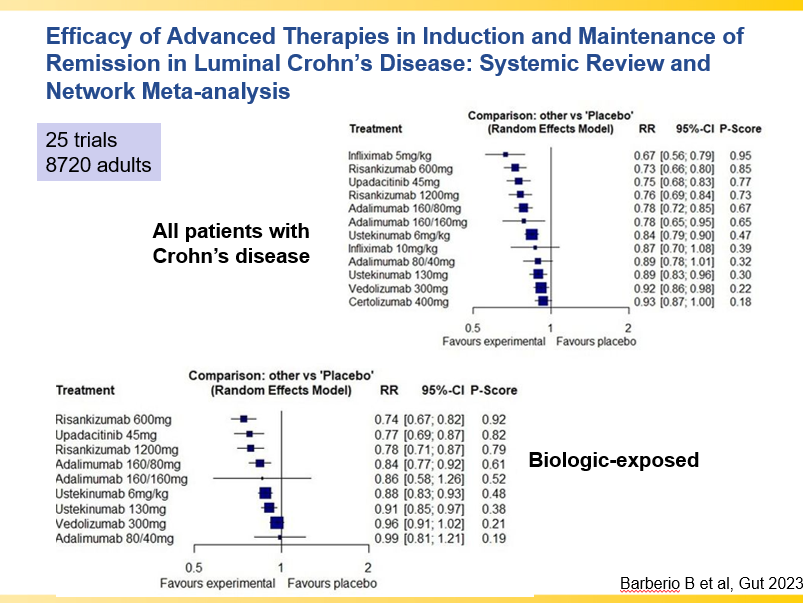
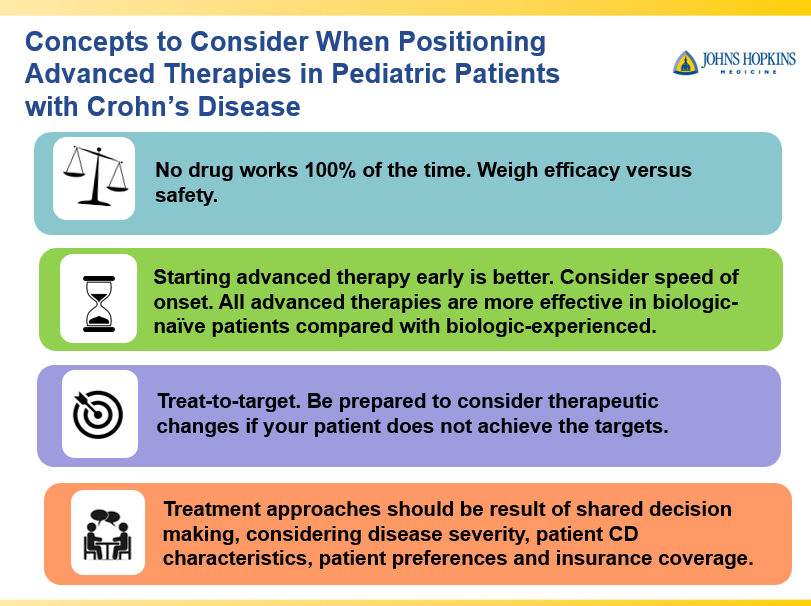
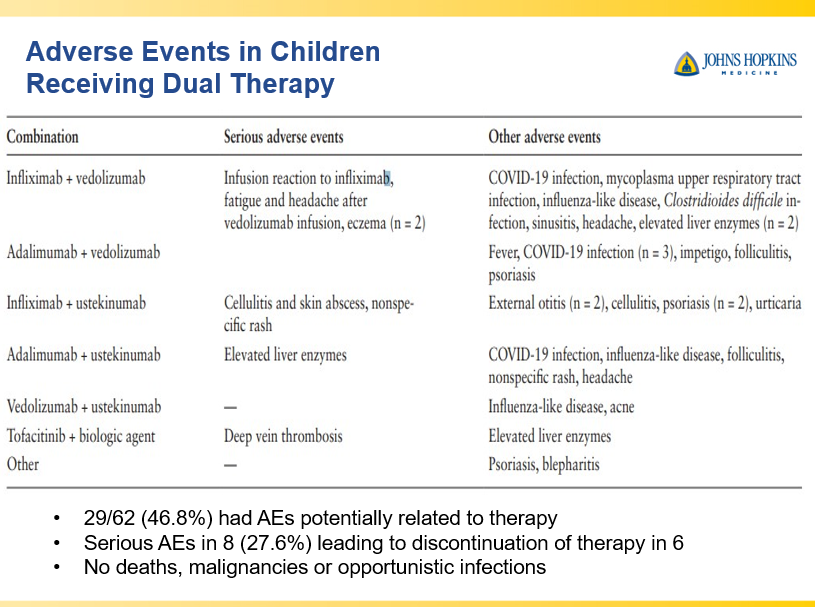
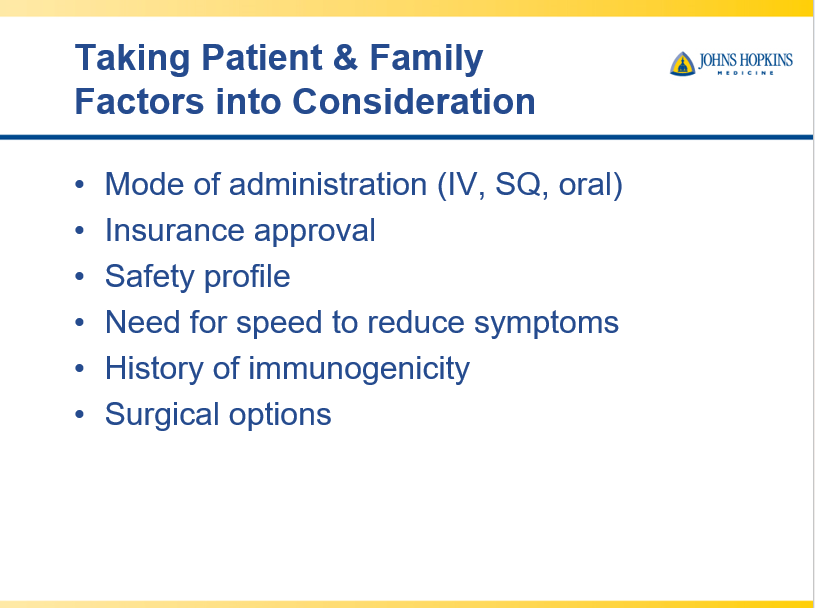
Key findings:

  • The standardized incidence ratios (SIR) did not increase over time after eradication treatment, but rather decreased and was 0.73 at 11–24 years after treatment
  • The overall SIR of esophageal squamous cell carcinoma, calculated for comparison, showed no association (SIR = 0.99)

My take: Eradication of H pylori lowers the risk of gastric cancer. This study shows that treatment does NOT result in an unintended consequence of increasing esophageal cancer.
Related blog posts:

Metabolite Spectroscopy As a Diagnostic Tool for Autoimmune Hepatitis
A Dimou et al. Hepatology 2024; 80: 266-277. NMR-based metabolomic signature: An important tool for the diagnosis and study of pathogenesis of autoimmune hepatitis

Methods: The authors examined treatment-naive patients with well-established AIH and compared them to healthy controls and those with other liver diseases.

Key Finding:

  • Fifteen metabolites (out of a total of 52 analyzed) differentiated AIH from disease controls (PBC+chronic viral hepatitis+metabolic dysfunction–associated liver disease) (95% sensitivity and 92% specificity)

In their discussion, the authors review the metabolism of the various metabolites and why they may be altered in AIH. “Our study found that cirrhosis did not seem to affect our results.” In ongoing studies, the authors are trying to determine how these metabolites change with treatment and whether they could be a predictive marker.

My take: Metabolite measurement could be helpful in the diagnosis of AIH as “NMR technology dose not need much sample handling, is highly reproducible, and with low costs.

Related blog posts: