
M Homan et al. J Pediatr Gastroenterol Nutr. 2024;79:1096–1105. Open Access! Drugs in focus: Botulinum toxin in the therapy of gastrointestinal disorders in children (Review)
Botox has been used for the following:
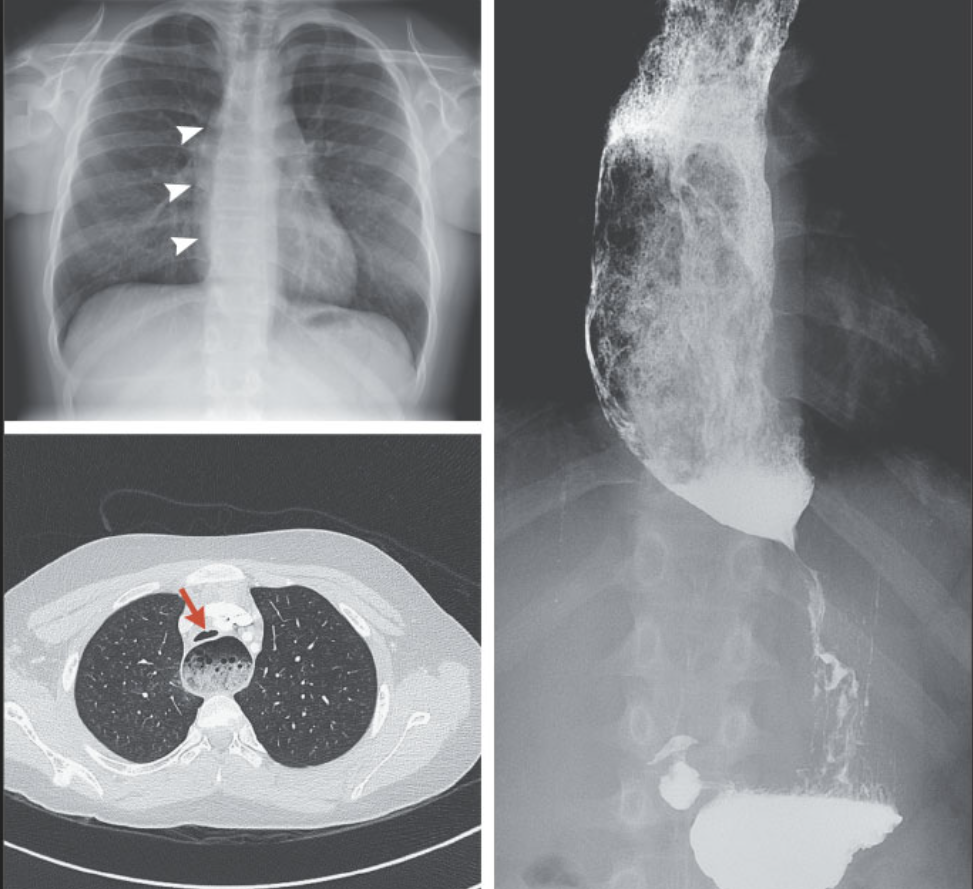
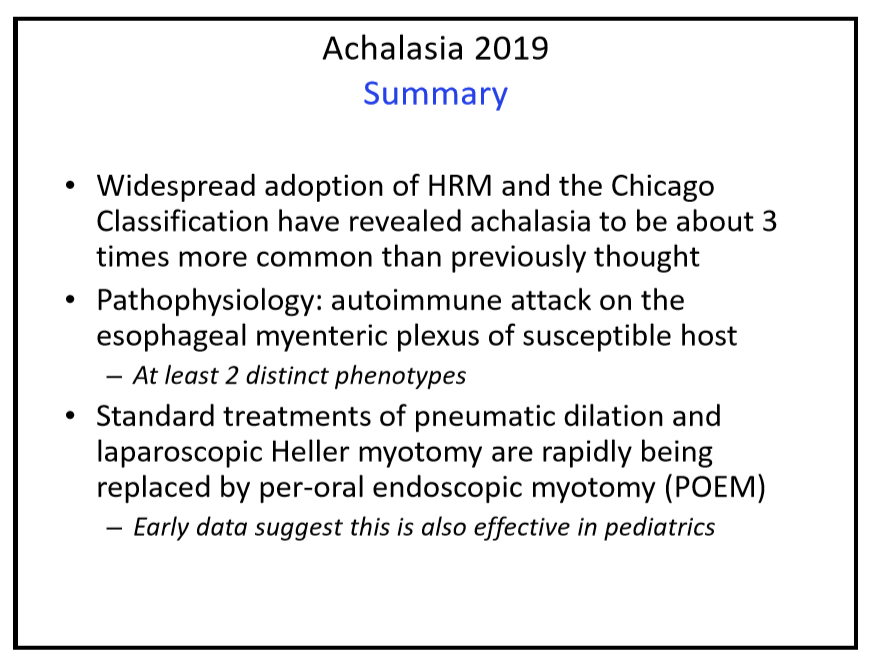
- Achalasia
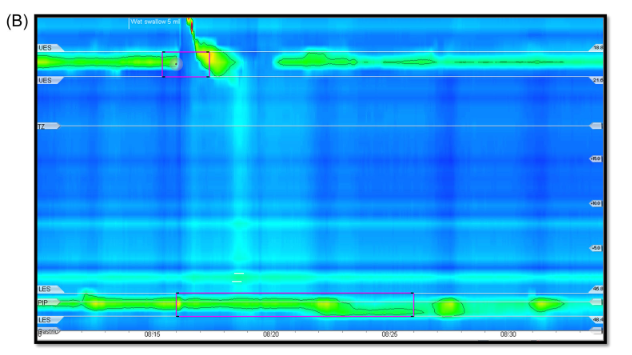
- Cricopharyngeal achalasia
- Retrograde cricopharyngeal dysfunction
- Delayed gastric emptying
- Anal achalasia
- Constipation after Hirschsprung disease surgery
- Selected functional constipation
- Chronic anal fissure
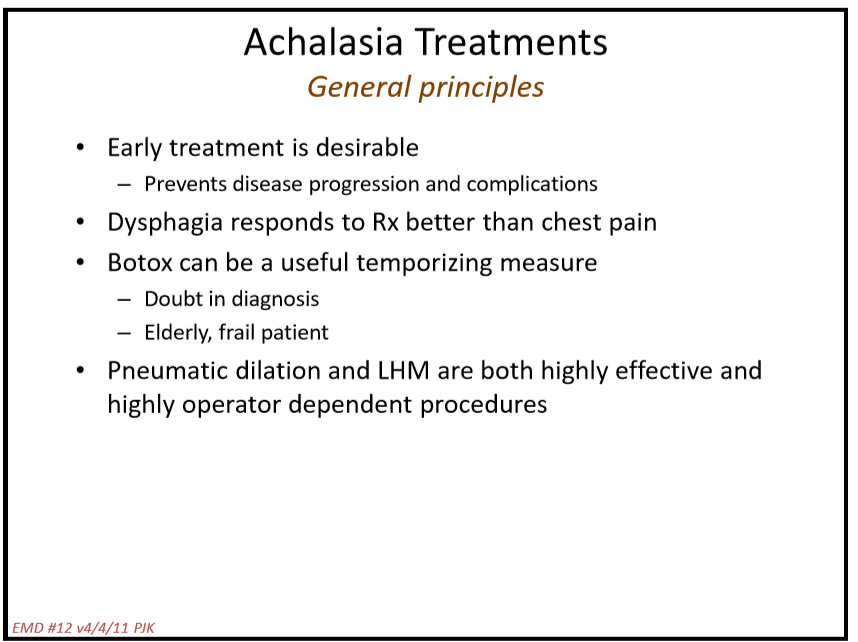
With regard to achalasia, “Botox can be considered only in patients in whom rapid weight gain is important to improve surgical outcomes.”
With regard to gastroparesis/delayed gastric emptying in children, the authors note the following:
‘A recent retrospective study from the Mayo Clinic analysed the response to intrapyloric Botox in children (n = 20) with gastroparesis and concluded that intrapyloric Botox injection in children is safe and can provide temporary relief for patients with refractory upper gastrointestinal symptoms with and without gastroparesis.43 [This was] a meta-analysis, including six studies, 160 patients, which showed that 68% of patients responded to intrapyloric Botox irrespective of the presence of gastroparesis, while among patients diagnosed with gastroparesis the therapeutic response was 66%.43 These results suggest that intrapyloric Botox can be effective not only in children with gastroparesis but also in children with refractory functional upper gastrointestinal symptoms.’ In their conclusion, the authors note “Intrapyloric Botox injection is increasingly used for the treatment of gastroparesis but evidence supporting its use in children is still scarce.”
My take: Overall, this is a helpful review.
Related blog posts:
- Is Manometry Useful to Determine if Botox Will Help Nausea/Vomiting?
- Provocative Study: Pyloric Botox for Feeding Difficulties
- Jose Garza: What’s New in Motility (Part 2)
- Tweetorial: Refractory Gastroparesis








 gutsandgrowth