Dr. B Li: Cyclic Vomiting Syndrome 2025

Dr. B Li, emeritus professor of Pediatrics (Medical College of Wisconsin), gave this year’s Billy Meyers Lecture. Dr. Li is considered the world’s foremost authority on cyclic vomiting syndrome (CVS) (‘the emperor of emesis’). He gave a fantastic update.  I have taken some notes and shared many of his slides. There may be inadvertent omissions and mistakes in my notes. More information on the CVS 2025 guidelines is noted in a separate post: 2025 Pediatric Cyclic Vomiting Syndrome Guidelines
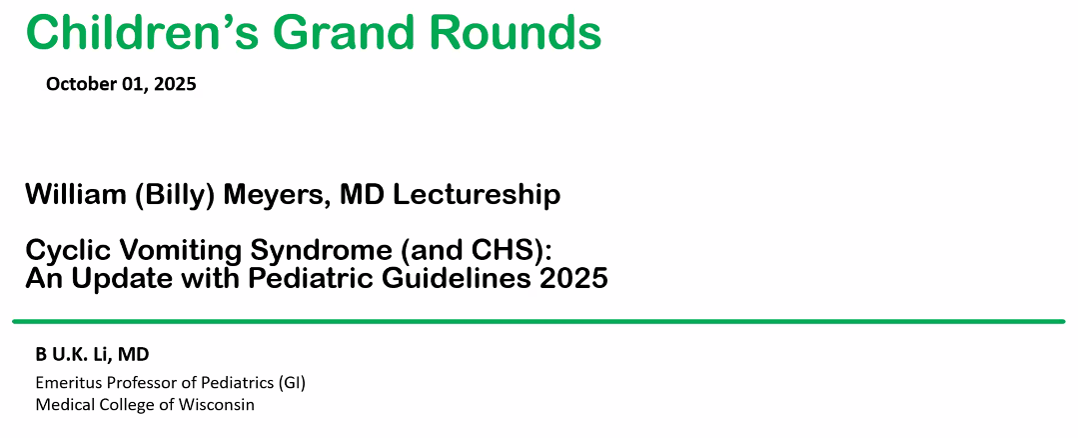
  • Historical background of CVS: Early descriptions of CVS date back to 1880s and Samuel Gee (who also is credited with the first modern description of celiac disease). Charles Darwin was likely affected by CVS
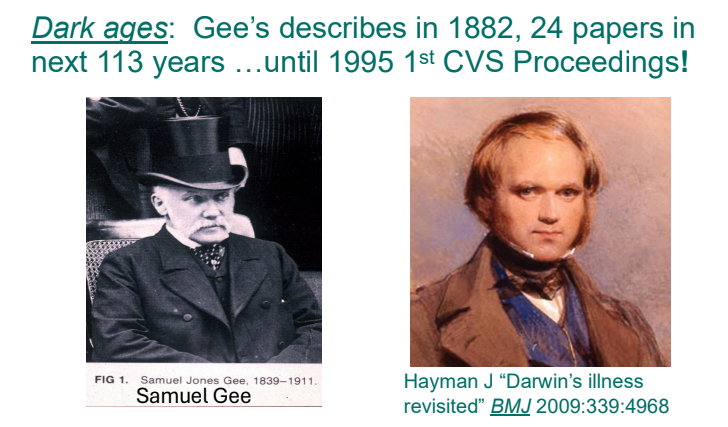
  • Epidemiology: CVS is not a rare disorder. It likely affects ~2% of kids and adults
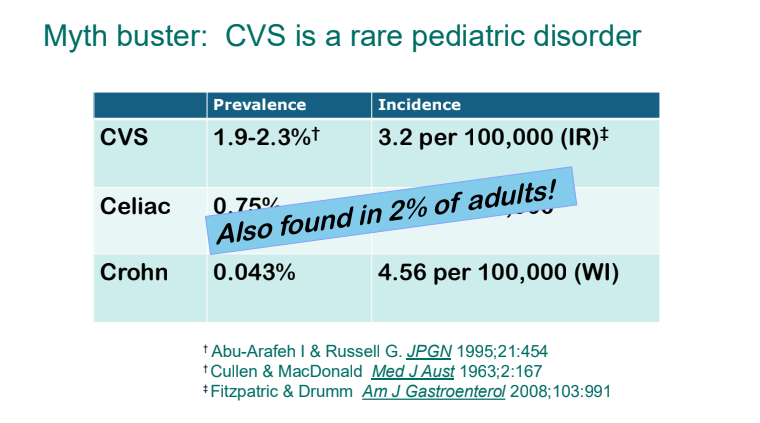
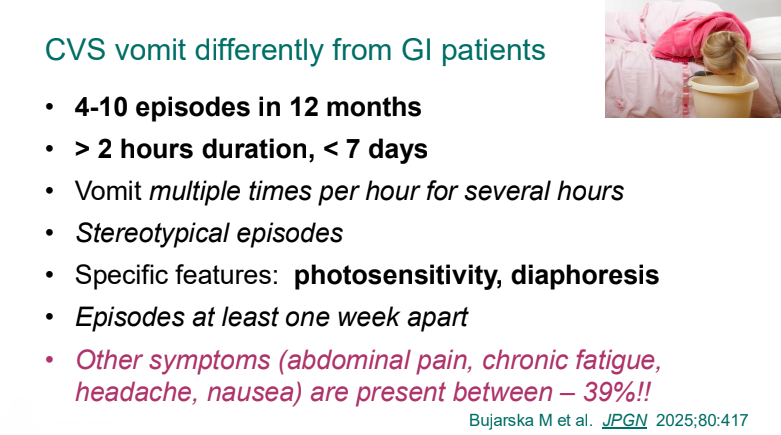
  • There are several patterns of CVS. Many patients who have CVS do not have a cyclical pattern
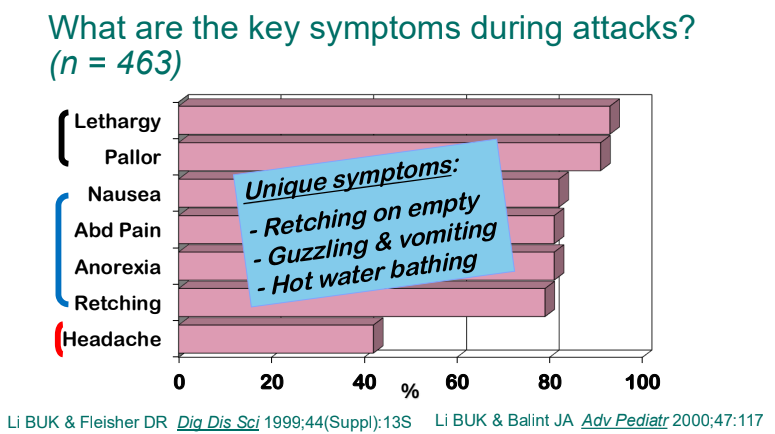
  • Lethargy and pallor are common symptoms which make patients appear more ill
  • Retching on an empty stomach and severe emesis are hallmarks and likely indicate that the primary mechanism is not due to the GI tract. Though there are some food poisonings (eg. Bacillus cereus) that can have some of these symptoms but typically milder in severity
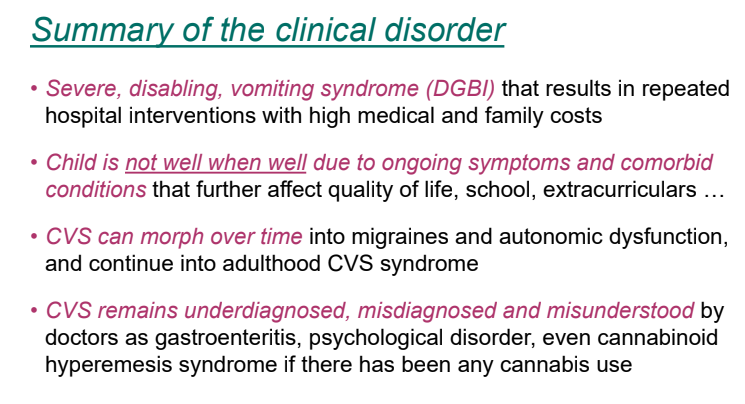
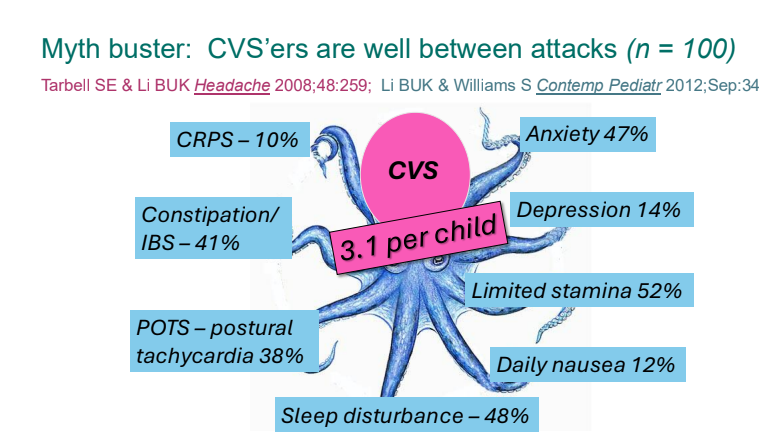
  • Previously, CVS patients were thought to be well in between episodes. However, ~40% have inter-episode symptoms
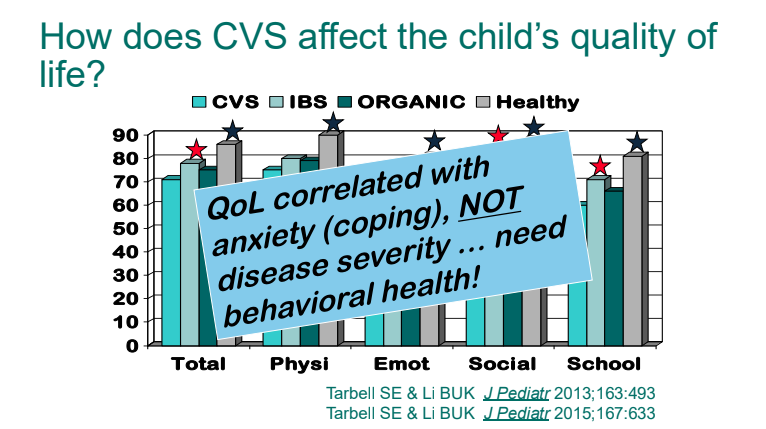
  • Quality of life is correlated mainly with anxiety/coping rather than the severity of episodes
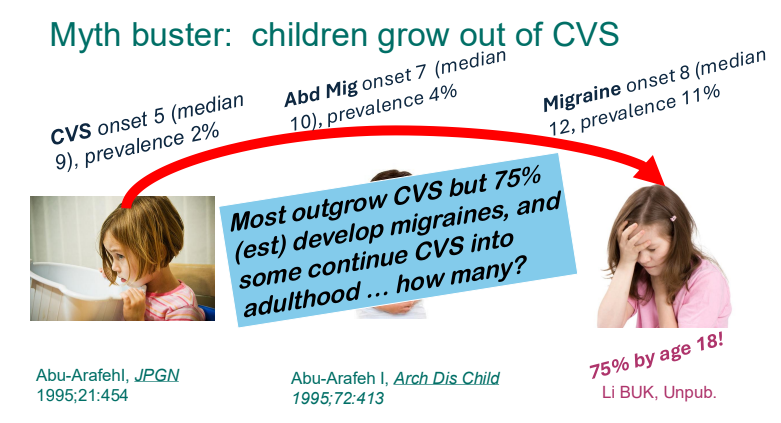
  • Children with CVS often (~75%) develop migraines by adulthood
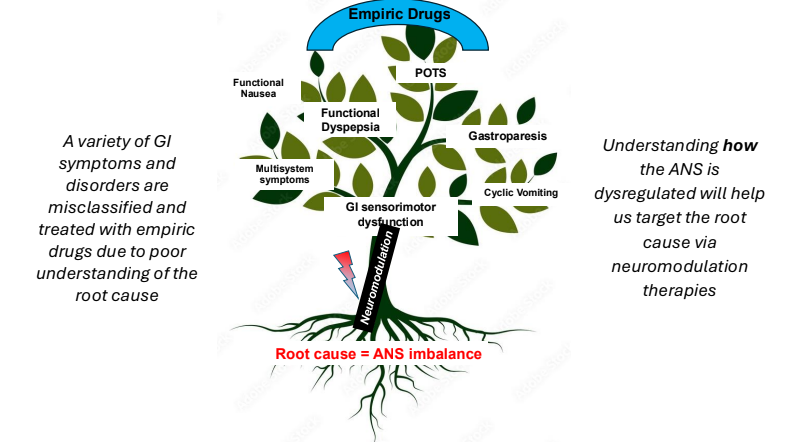
  • Underlying pathophysiology likely involves the autonomic nervous system
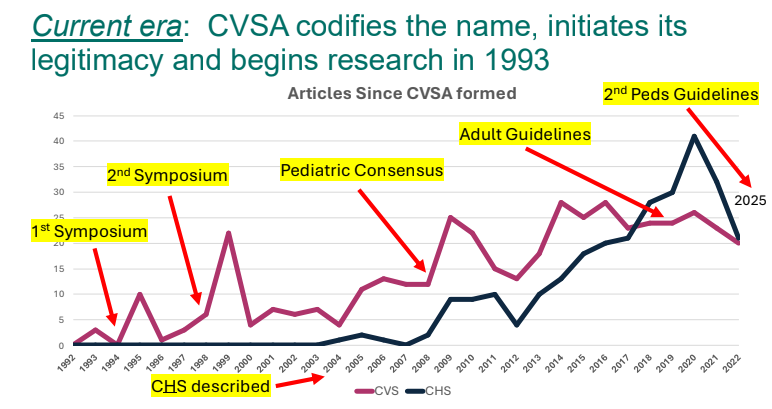
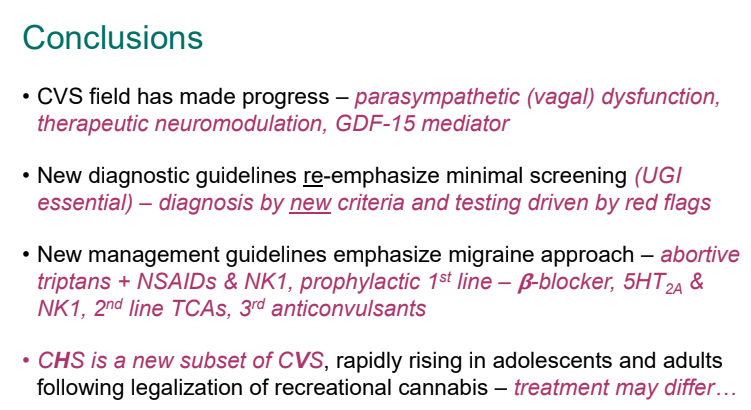
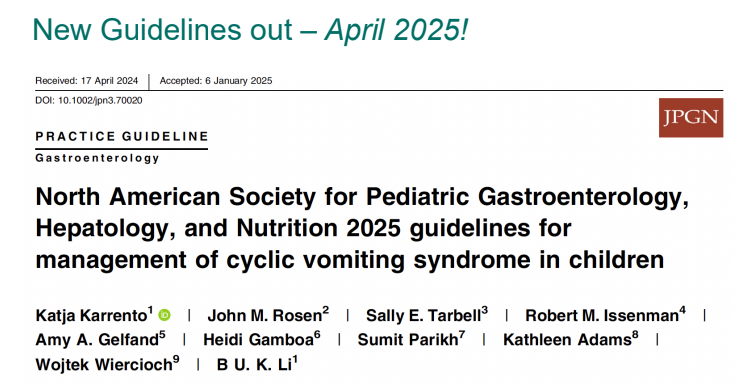
  • 2025 CVS Guidelines — took about 3 years to develop. It is noted that the 2008 guideline diagnostic criteria missed about 48% of cases (Bujarska et al. JPGN 2025; 80: 417)
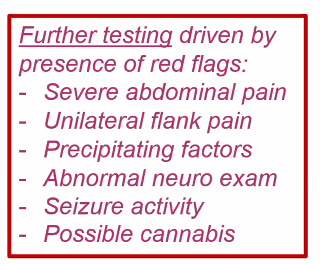
  • 2025 Guidelines emphasize limited diagnostic workup at presentation (eg. UGI and basic labs) unless there are alarm symptoms. Alarm symptoms include the following:
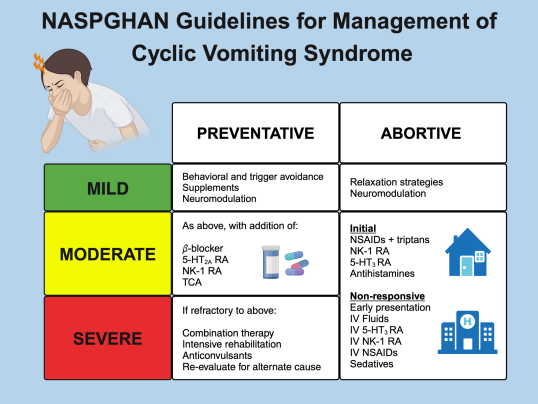
  • For abortive therapy, the new guidelines favor aprepitant over ondansetron, and generally favor D5 over D10 IVFs.
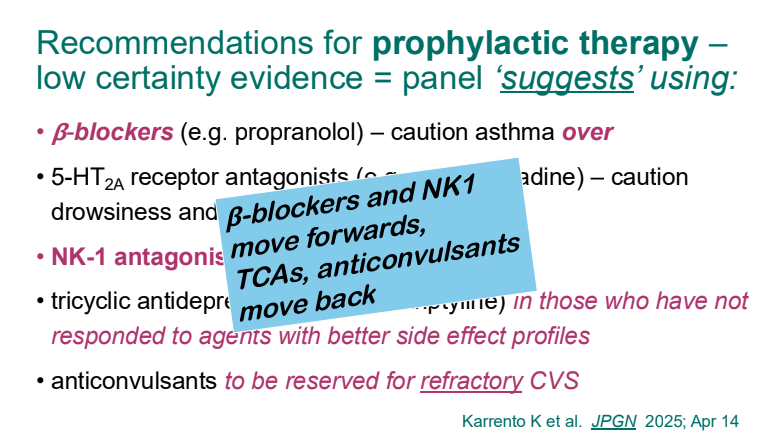
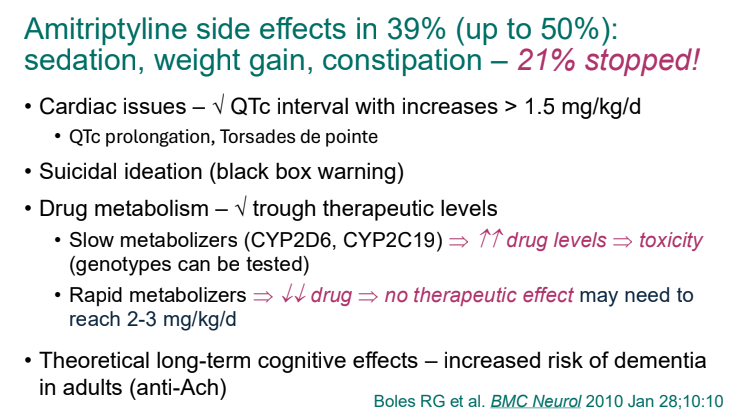
  • For prophylactic therapy, there is now an emphasis on non-pharmacologic therapy in addition to pharmacologic agents and PENFS. Propranolol and aprepitant are favored prior to use of TCA agents like amitriptyline due to side effect profile
  • Action plan for ED may help speed care and lower likelihood of admission
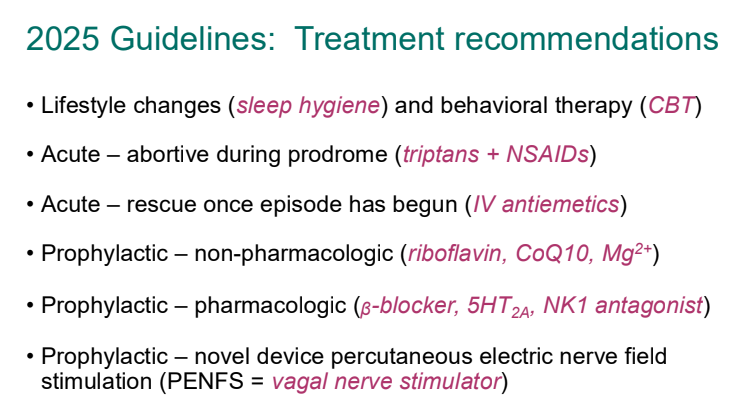
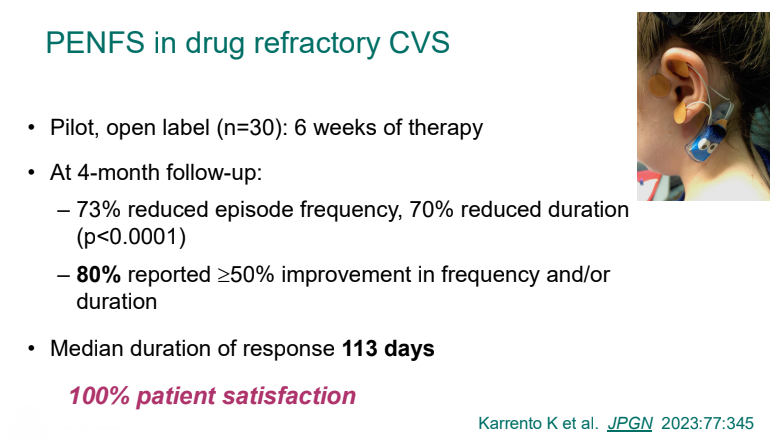
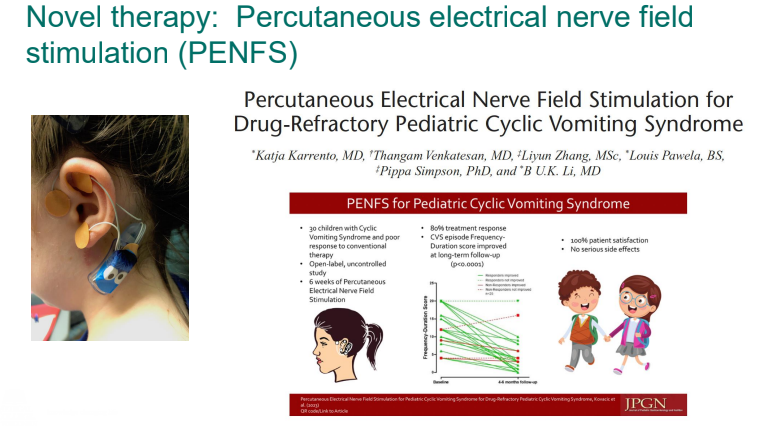
  • PENFS for prophylactic therapy had a durable response (113 days) in a recent study
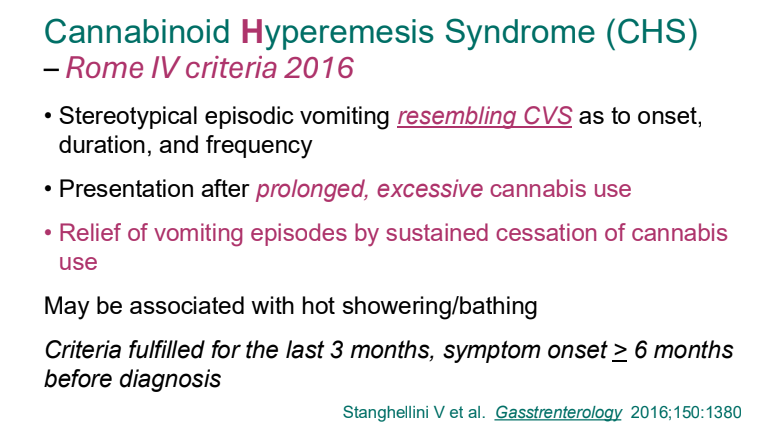
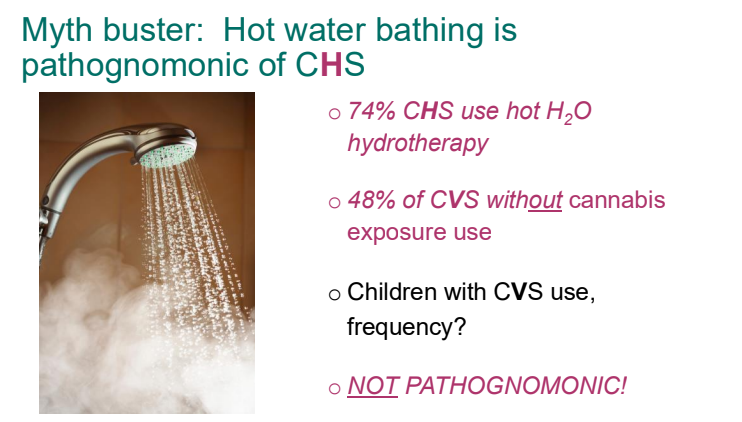
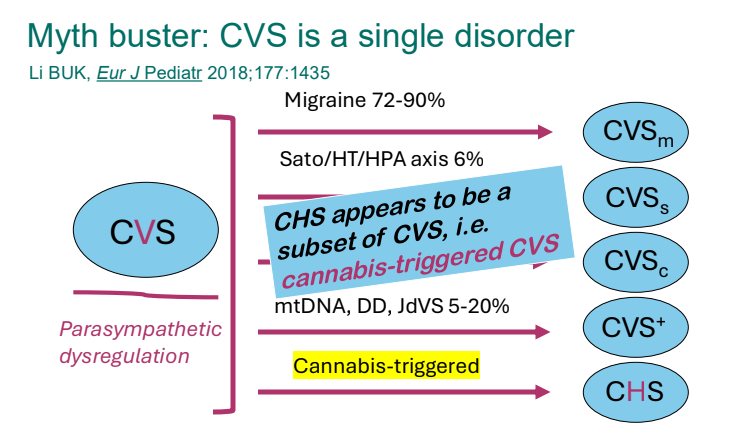
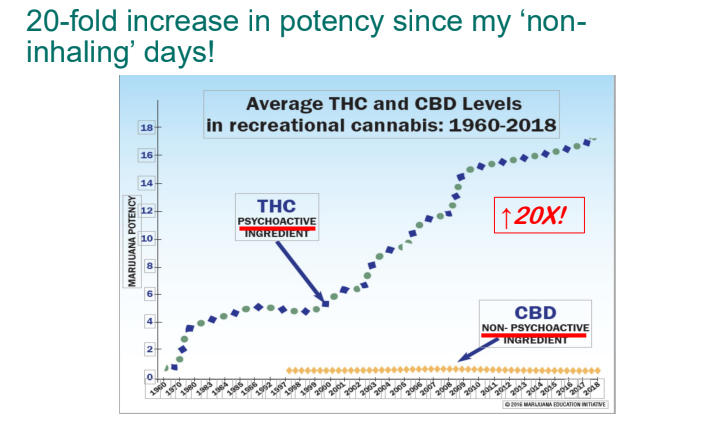
  • Cannaboid hyperemesis syndrome (CHS) was first described in 2004 and has been rapidly increasing related to increased use and potency of THC products. Haloperidol, topical capsaicin and hot water (prolonged) bathing are often effective
Variants include the CVS associated with mitochondrial dysfunction, the Sato variant associated with increased BP, increase ACTH/cortisol, Catmaenial CVS is related to menses, and CHS (CVS-like) associated with cannabis use

Related blog posts:

Disclaimer: This blog, gutsandgrowth, assumes no responsibility for any use or operation of any method, product, instruction, concept or idea contained in the material herein or for any injury or damage to persons or property (whether products liability, negligence or otherwise) resulting from such use or operation. These blog posts are for educational purposes only. Specific dosing of medications (along with potential adverse effects) should be confirmed by prescribing physician.  Because of rapid advances in the medical sciences, the gutsandgrowth blog cautions that independent verification should be made of diagnosis and drug dosages. The reader is solely responsible for the conduct of any suggested test or procedure.  This content is not a substitute for medical advice, diagnosis or treatment provided by a qualified healthcare provider. Always seek the advice of your physician or other qualified health provider with any questions you may have regarding a condition
Dr. Carlo DiLorenzo: Advice for Managing DGBIs (Part 2)

Recently Dr. DiLorenzo gave our group a brilliant lecture. I have taken some notes and shared some slides. There may be inadvertent omissions and mistakes in my notes. This is part 2 of my summary.

Key points (intermixed with slides):

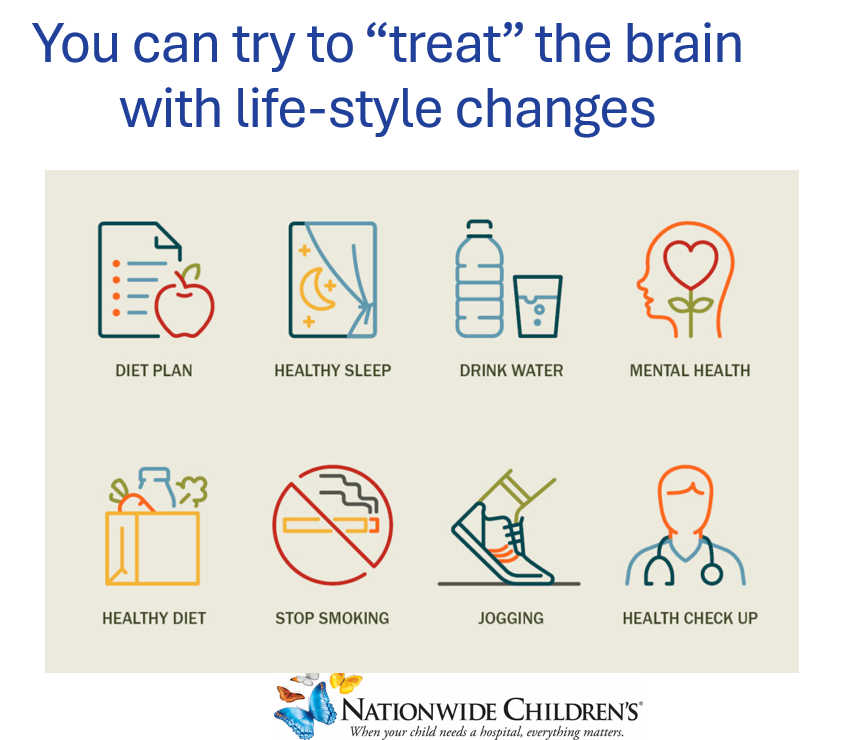
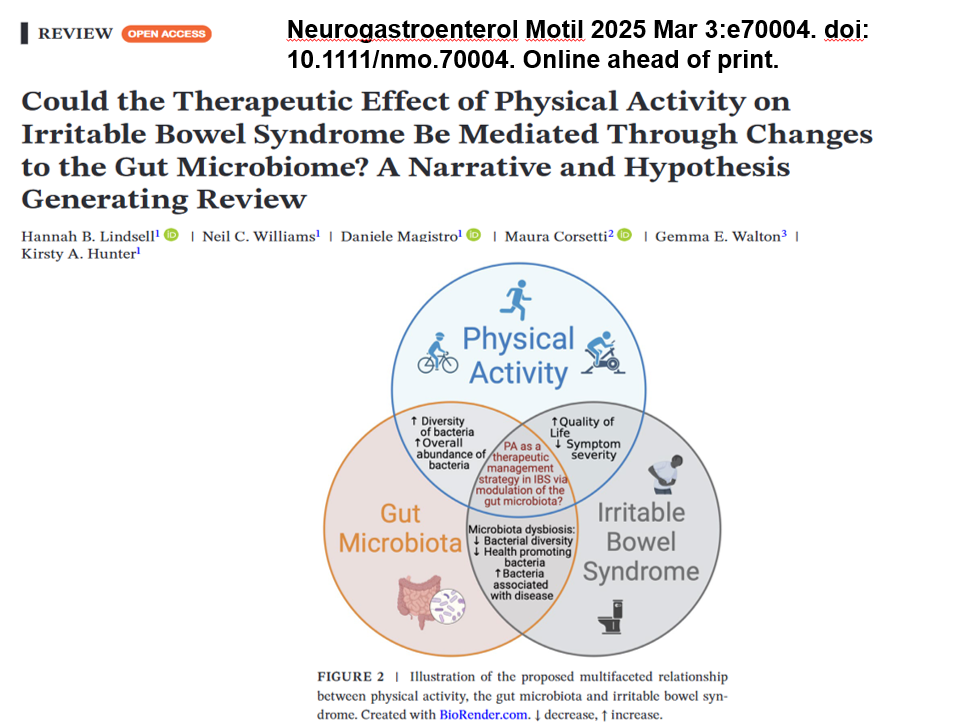
  • Improving Physical activity, Diet and Sleep Often Helps DGBI symptoms
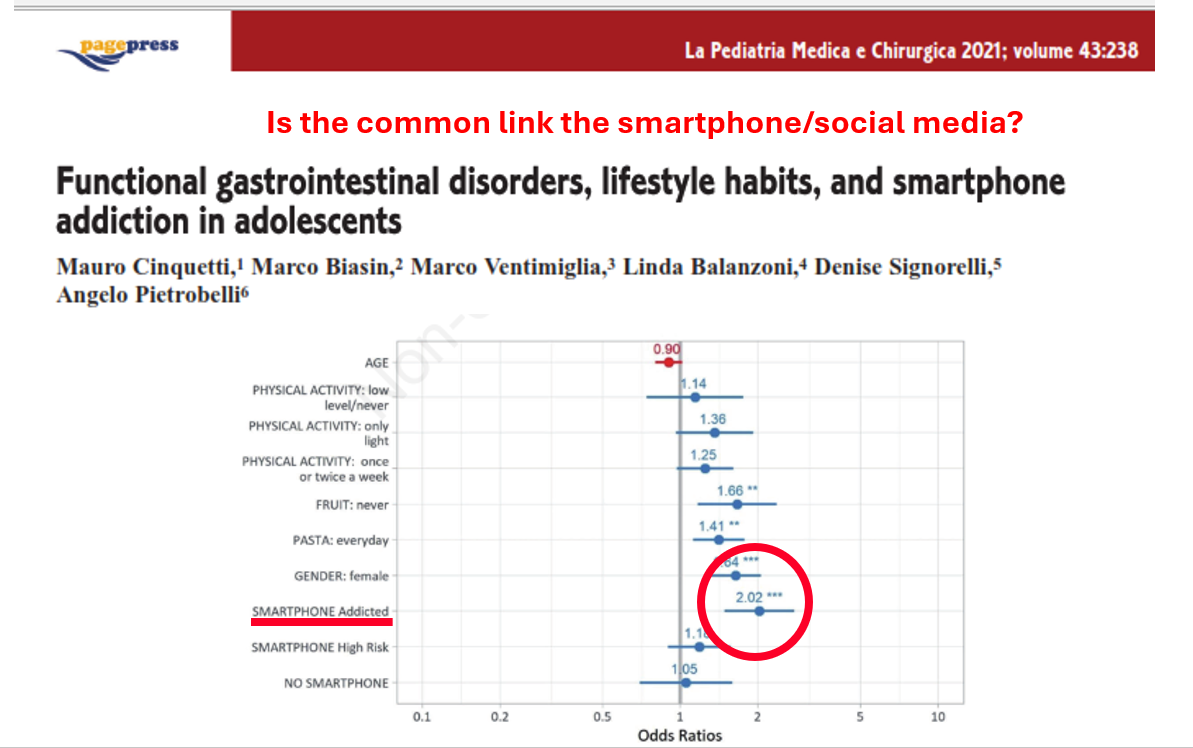
  • Excess use of smartphones can be detrimental. There are issues with FOMO (fear of missing out), cyberbullying, effects on sleep, and effects on interpersonal skills
  • Displacement, or replacing important activities (including physical activity) with time spent on social media, is a significant concern
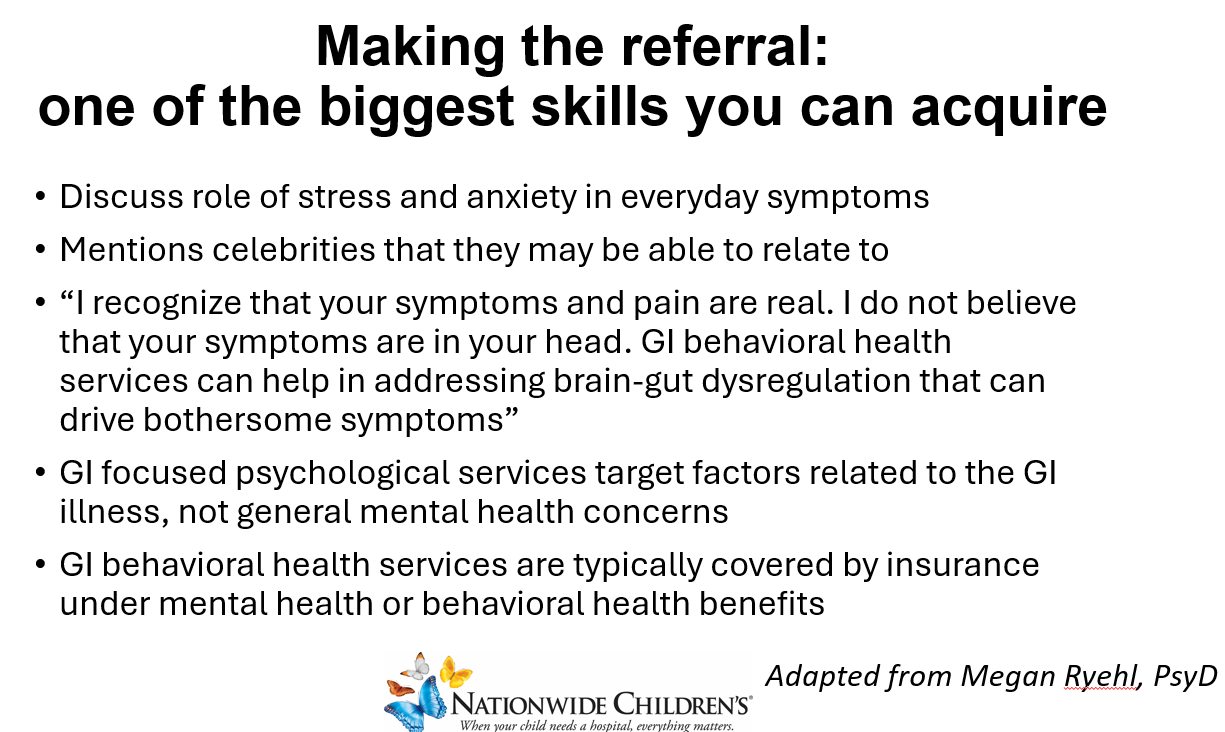
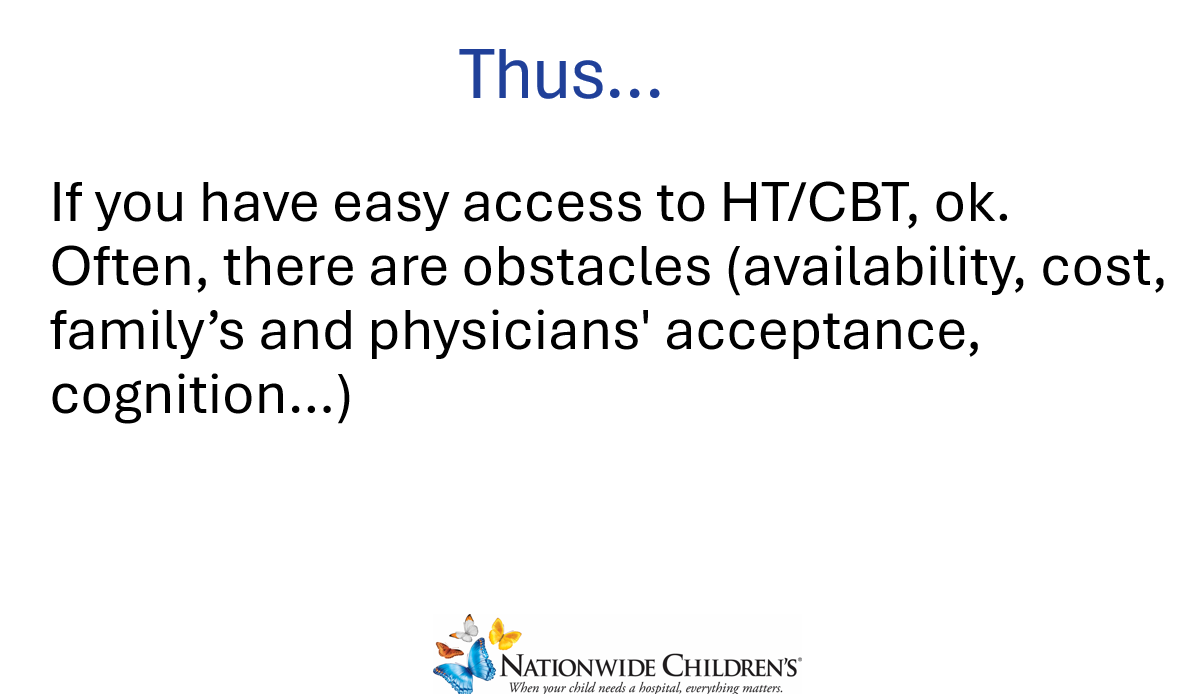
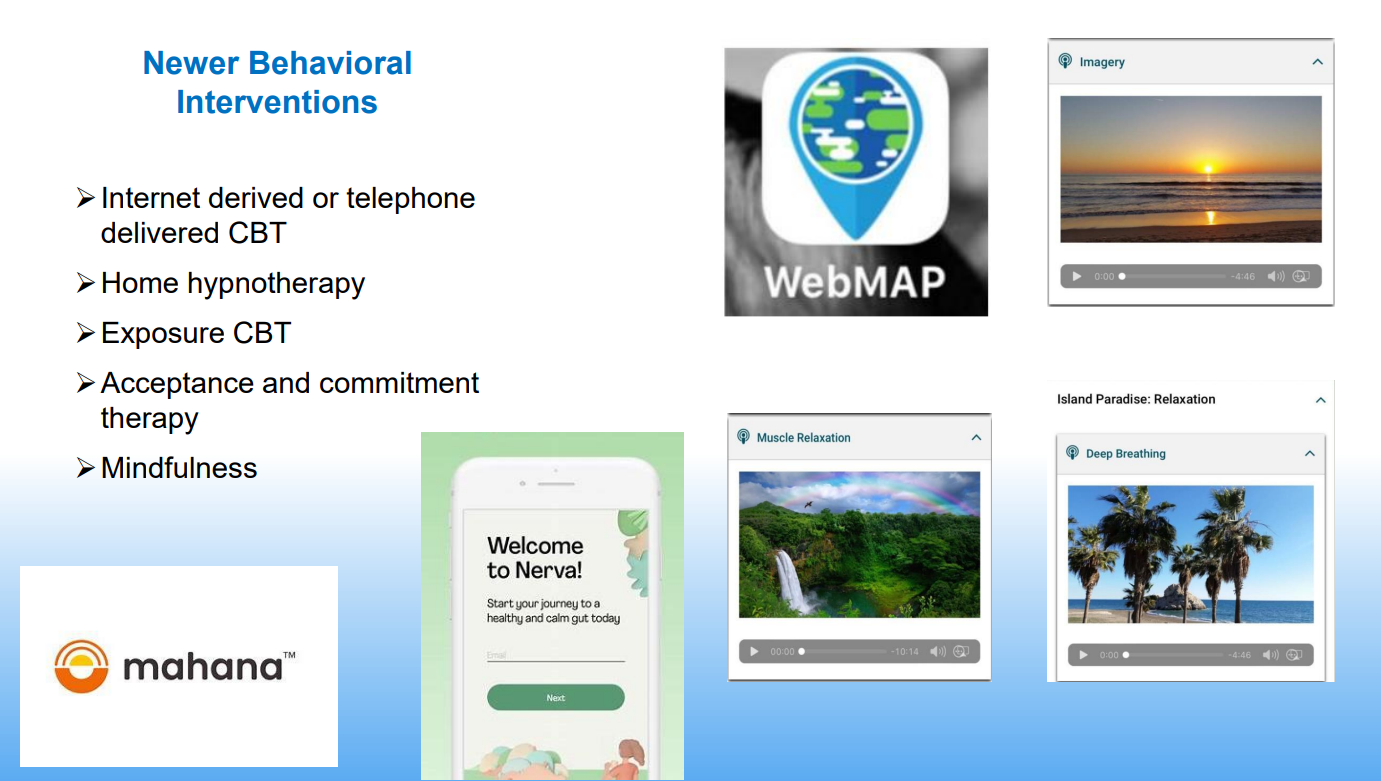
  • Working with pain psychologists is an important part of treatment for many children and adolescents
  • Lots of celebrities have been open about their mental health challenges: Lady Gaga, Ariana Grande, Kristen Bell, Selena Gomez, Ryan Reynolds, and Dwayne “The Rock” Johnson
  • For more serious mental health concerns, referral to psychiatry is more appropriate
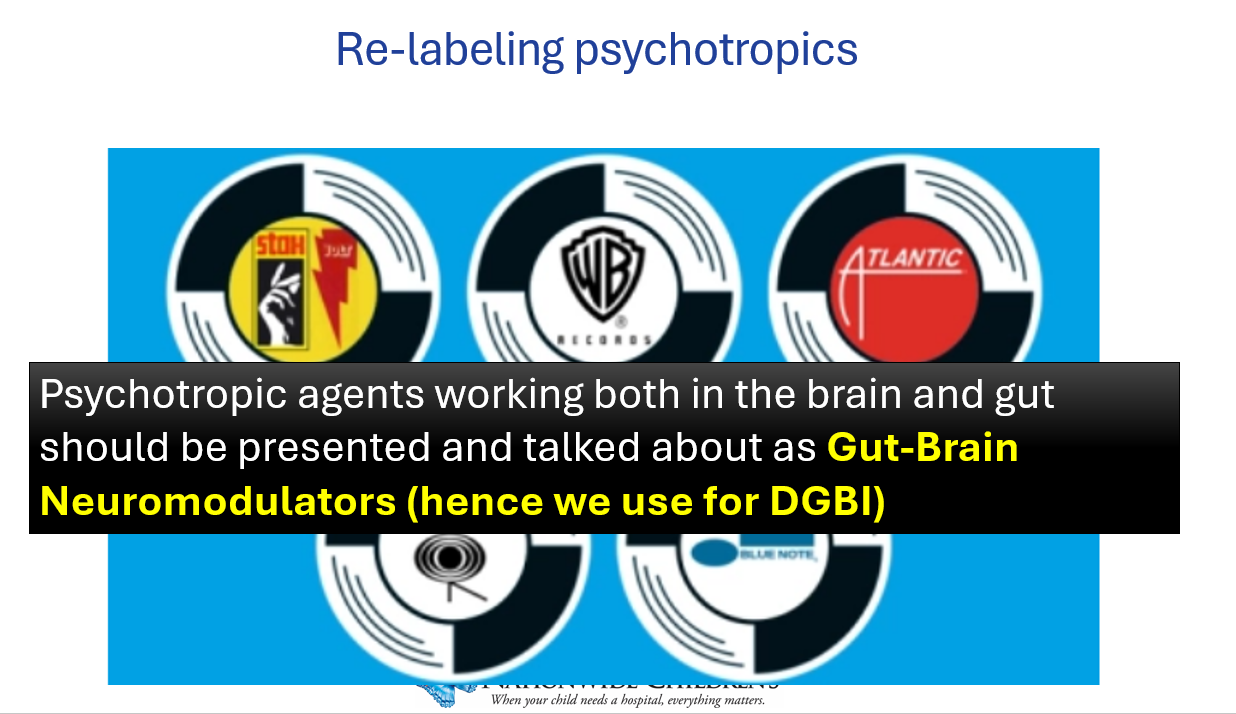
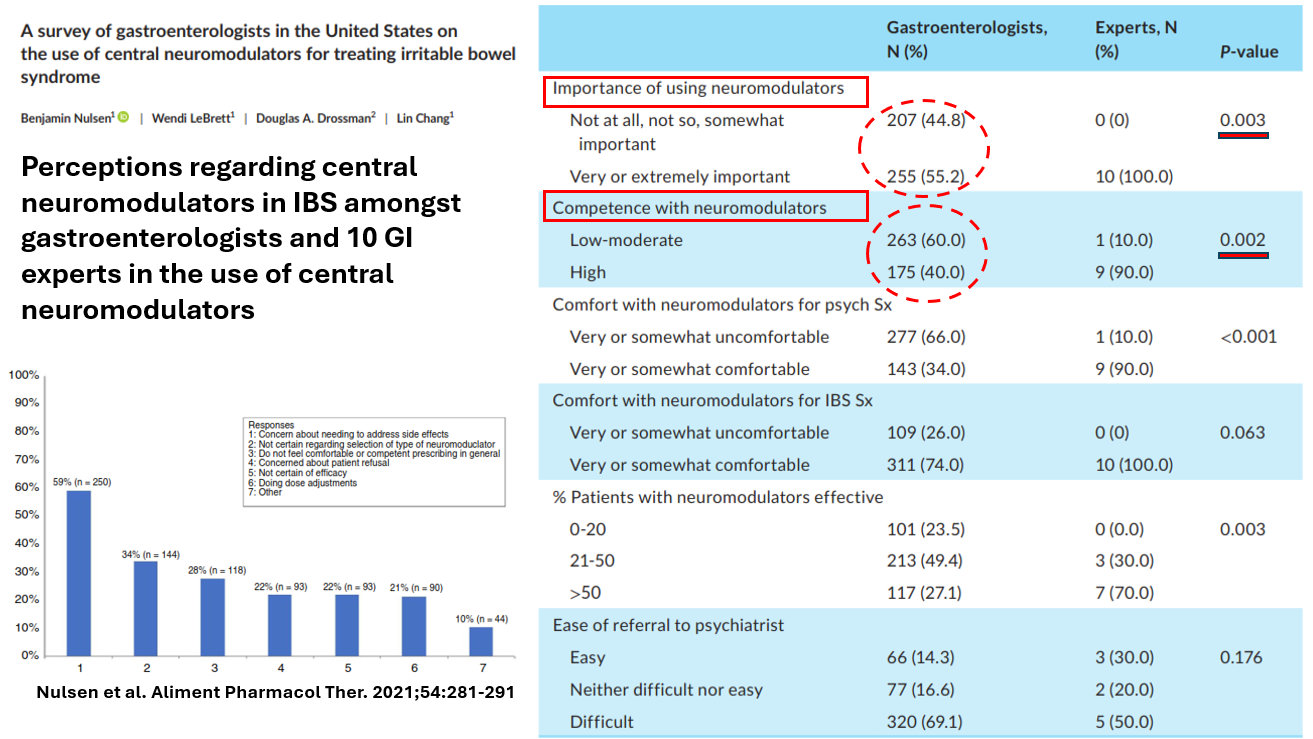
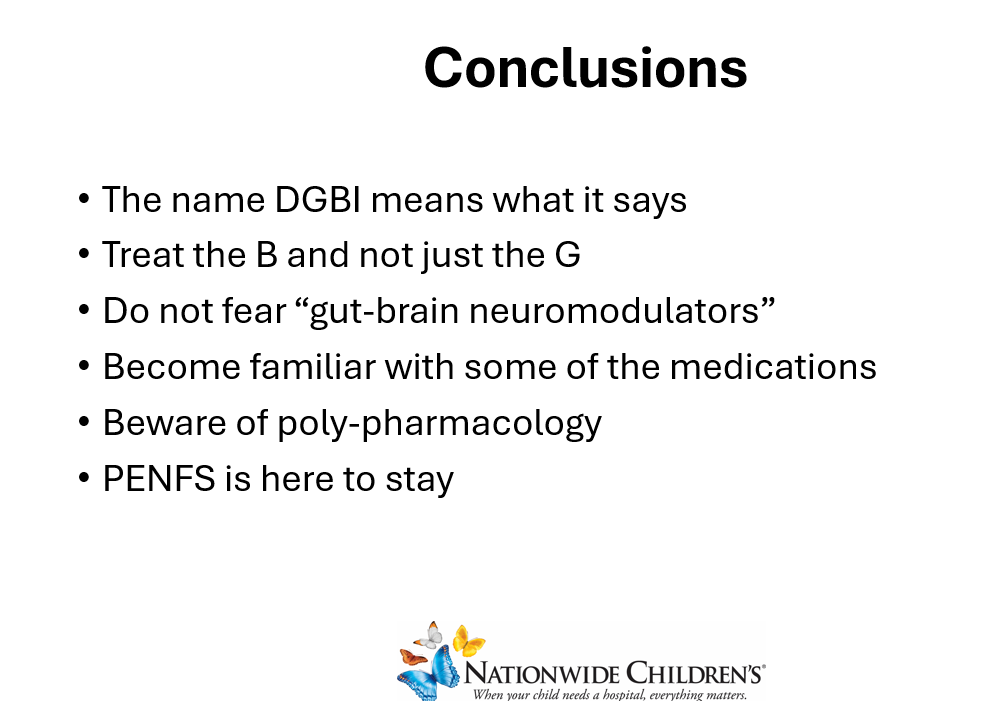
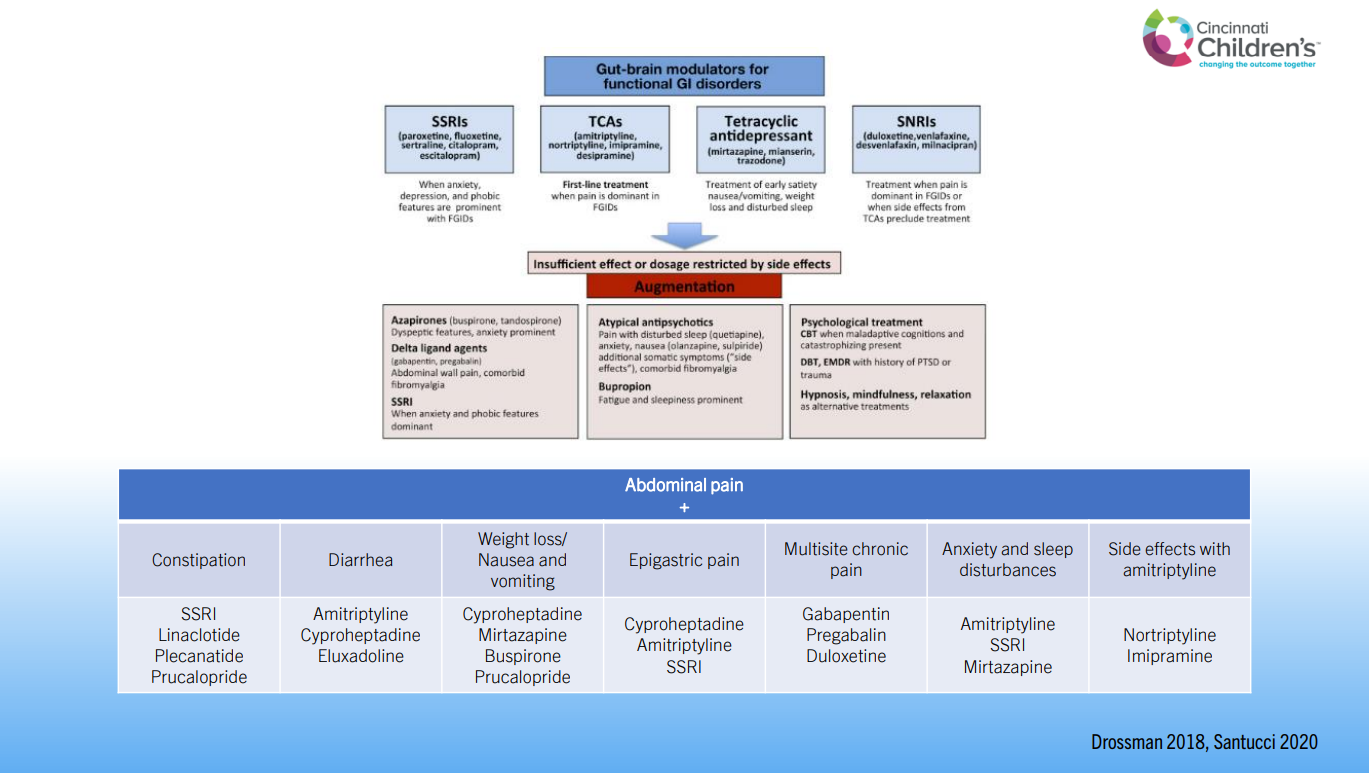
  • Gut-Brain neuromodulators can be effective.
  • Despite their good safety profile, they are underutilized
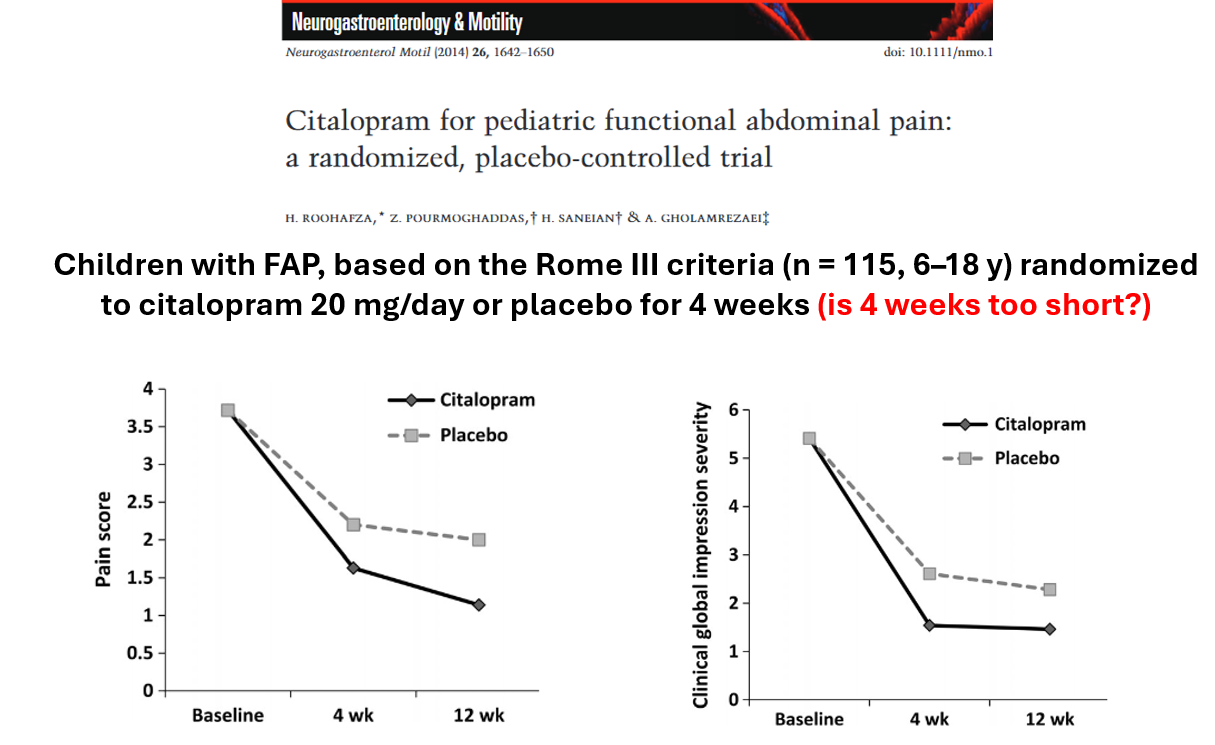
  • Dr. DiLorenzo uses more citalopram than omeprazole
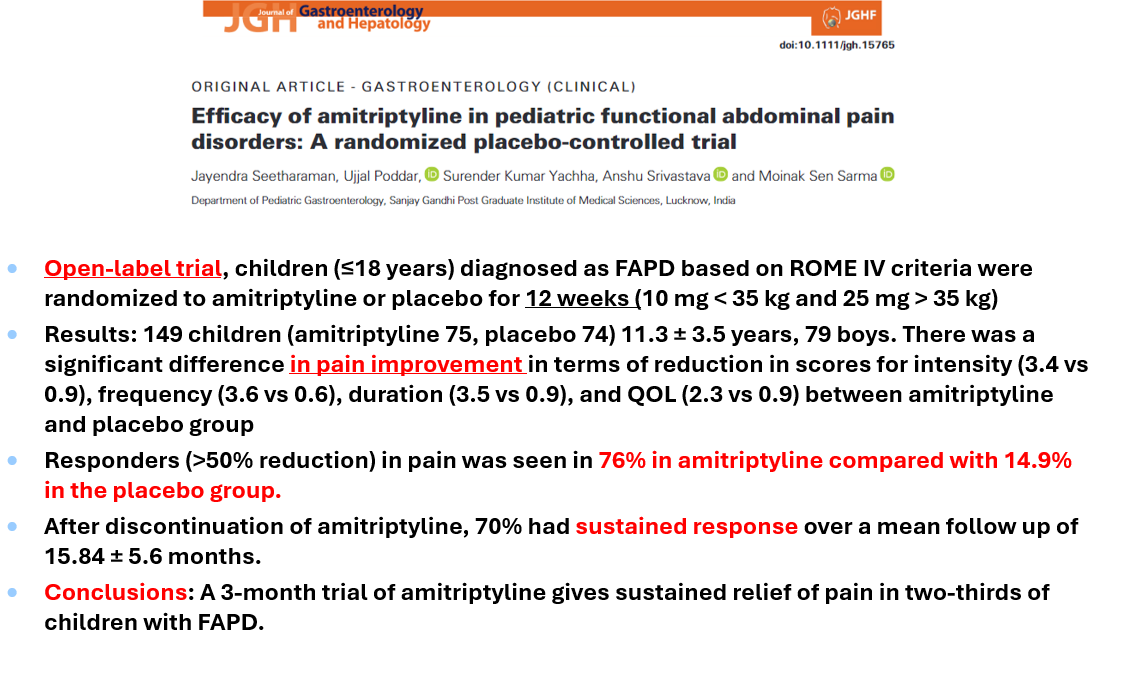
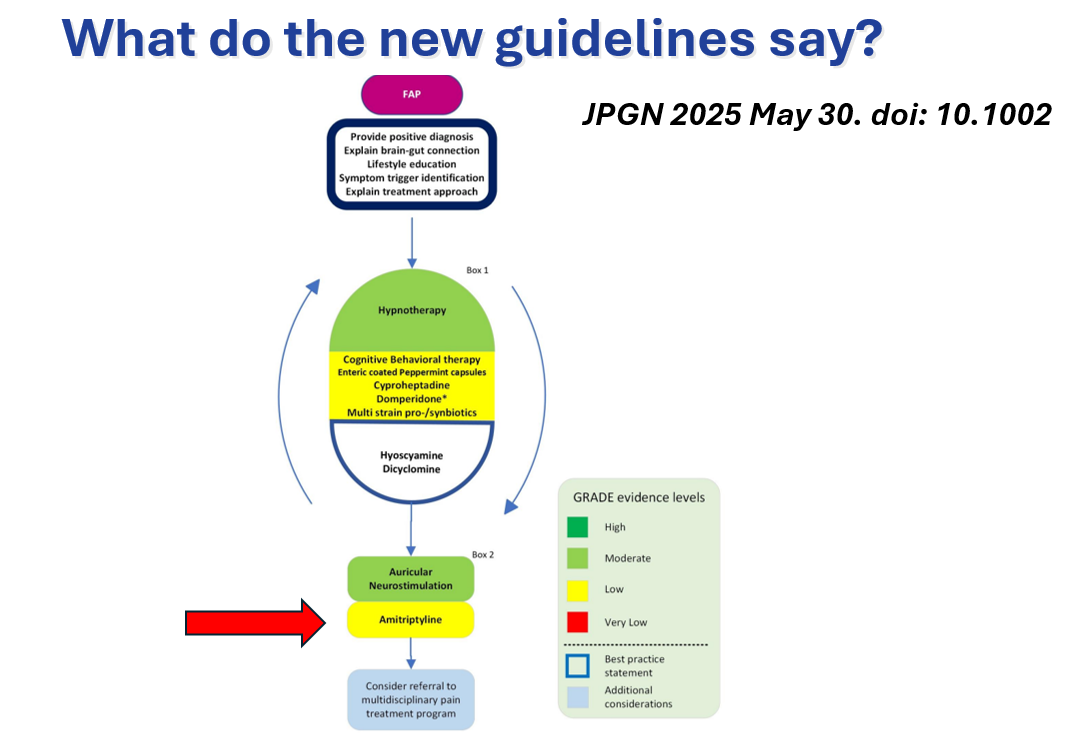
  • Amitriptyline is often used for abdominal pain in the absence of anxiety. Variable results have been published
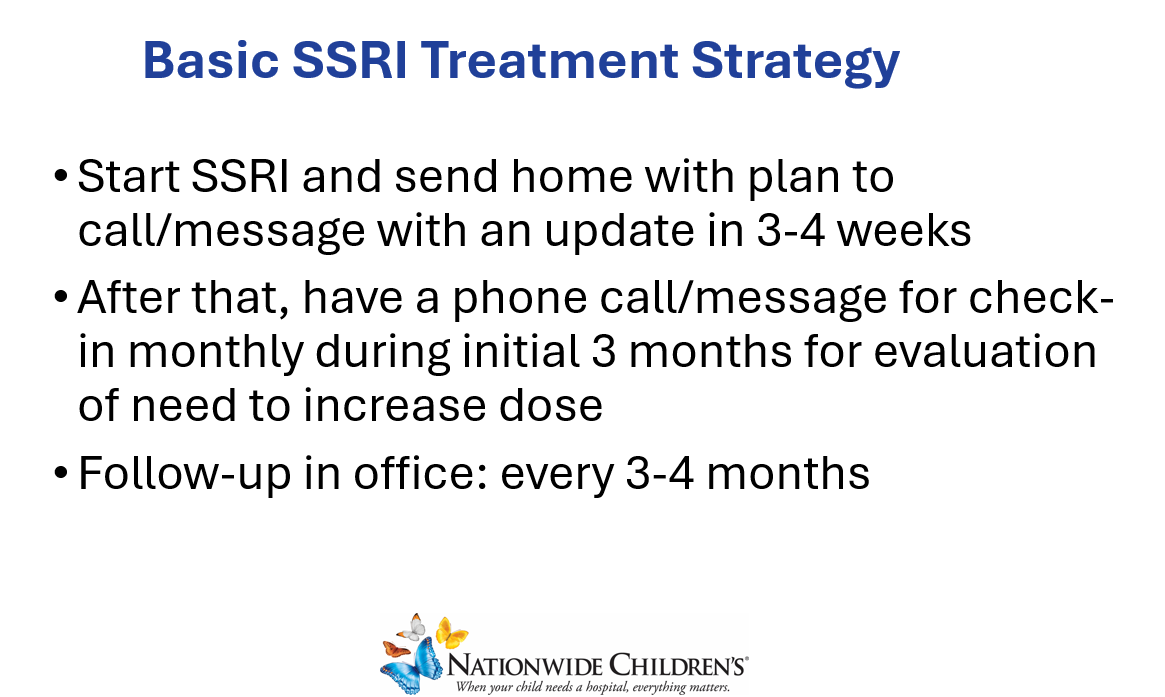
  • Psychotropic medications: Amitriptyline is useful for pain predominant IBS, Citalopram often is effective for FAP/IBS with anxiety, Buspirone is helpful in dyspepsia with anxiety, and Mirtazapine is a good choice in the setting of dyspepsia with with weight loss. Generally, start with a low dose and slowly titrate with each medication
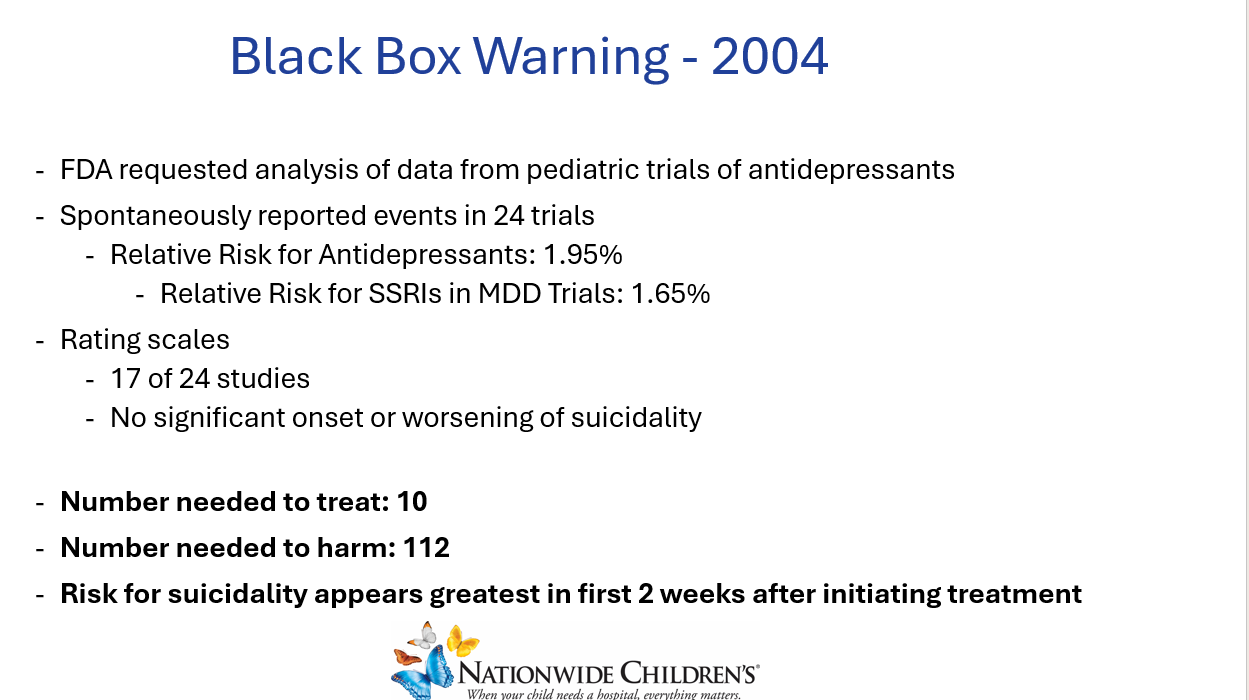
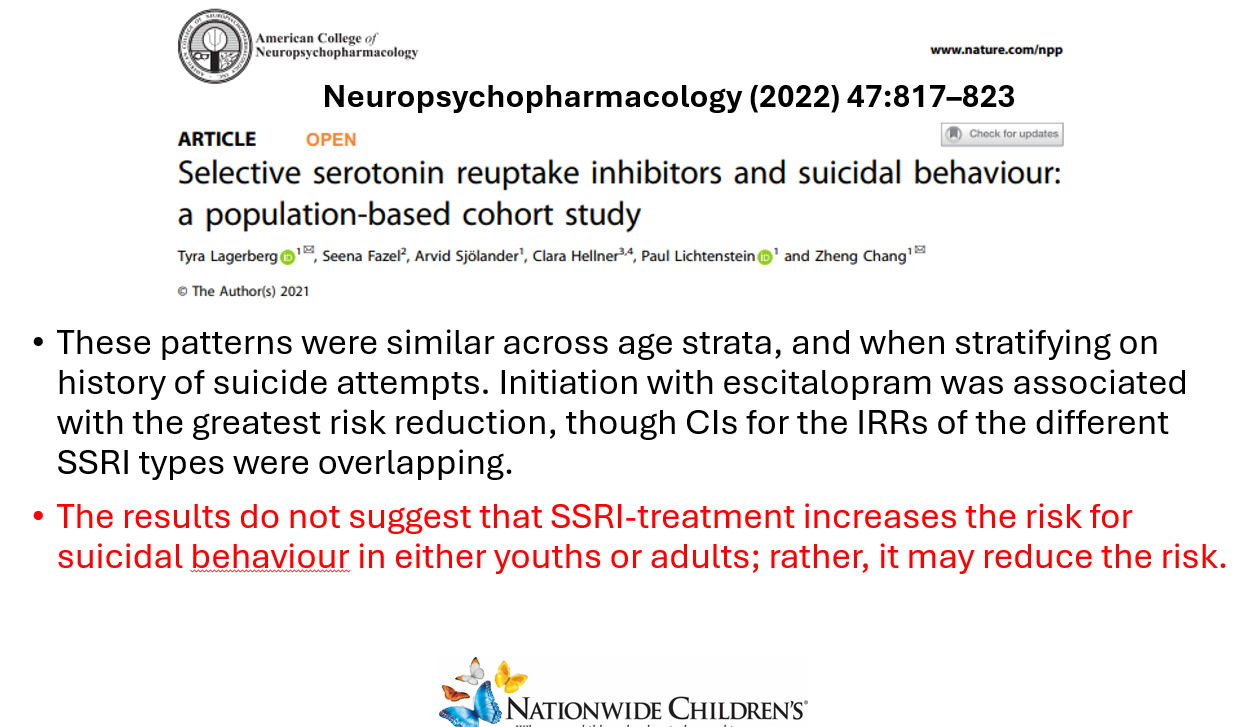
  • Safety: Despite black box warning, recent studies have suggested SSRIs may lower the risk of suicidality overall
  • Don’t be the doctor who only tells patients things they want to hear. (Don’t be afraid of online rating)

Disclaimer: This blog, gutsandgrowth, assumes no responsibility for any use or operation of any method, product, instruction, concept or idea contained in the material herein or for any injury or damage to persons or property (whether products liability, negligence or otherwise) resulting from such use or operation. These blog posts are for educational purposes only. Specific dosing of medications (along with potential adverse effects) should be confirmed by prescribing physician.  Because of rapid advances in the medical sciences, the gutsandgrowth blog cautions that independent verification should be made of diagnosis and drug dosages. The reader is solely responsible for the conduct of any suggested test or procedure.  This content is not a substitute for medical advice, diagnosis or treatment provided by a qualified healthcare provider. Always seek the advice of your physician or other qualified health provider with any questions you may have regarding a condition
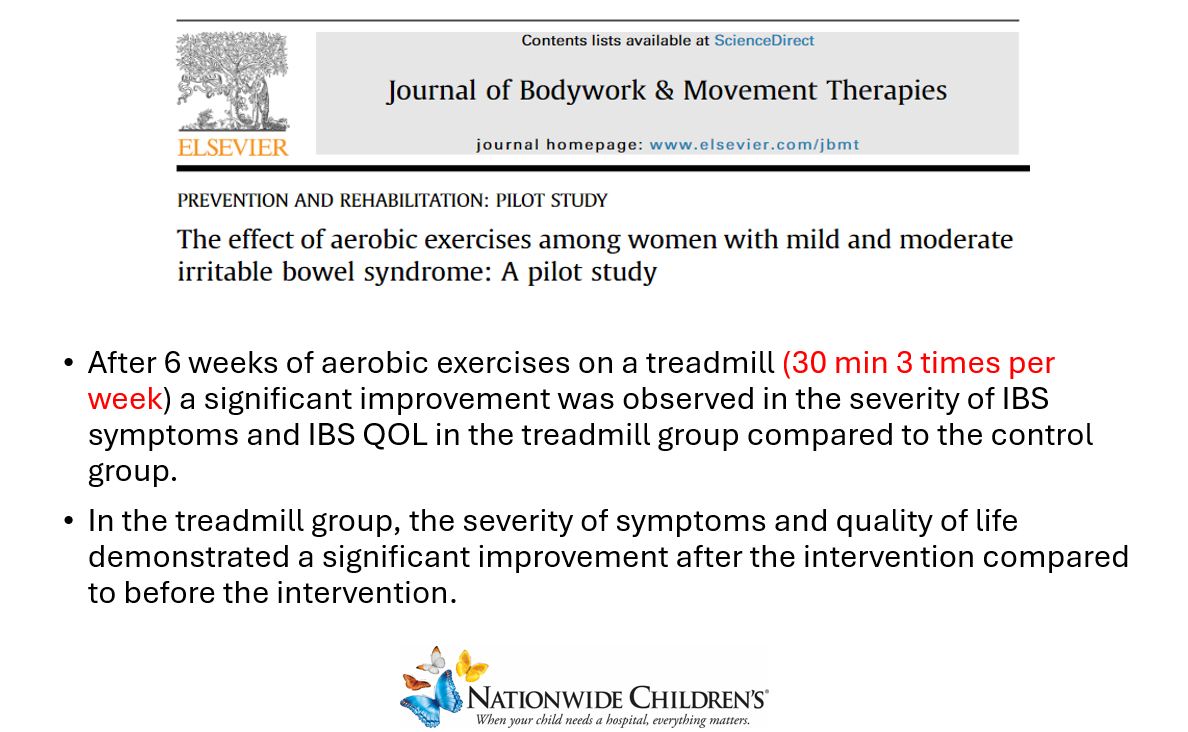
Dr. Neha Santucci: Management of DGBIs in the Post-Pandemic Era (Part 2)

Recently, Dr. Neha Santucci gave our group an excellent update on disorders of gut-brain interaction.  My notes below may contain errors in transcription and in omission. Along with my notes, I have included many of her slides.
Key points:

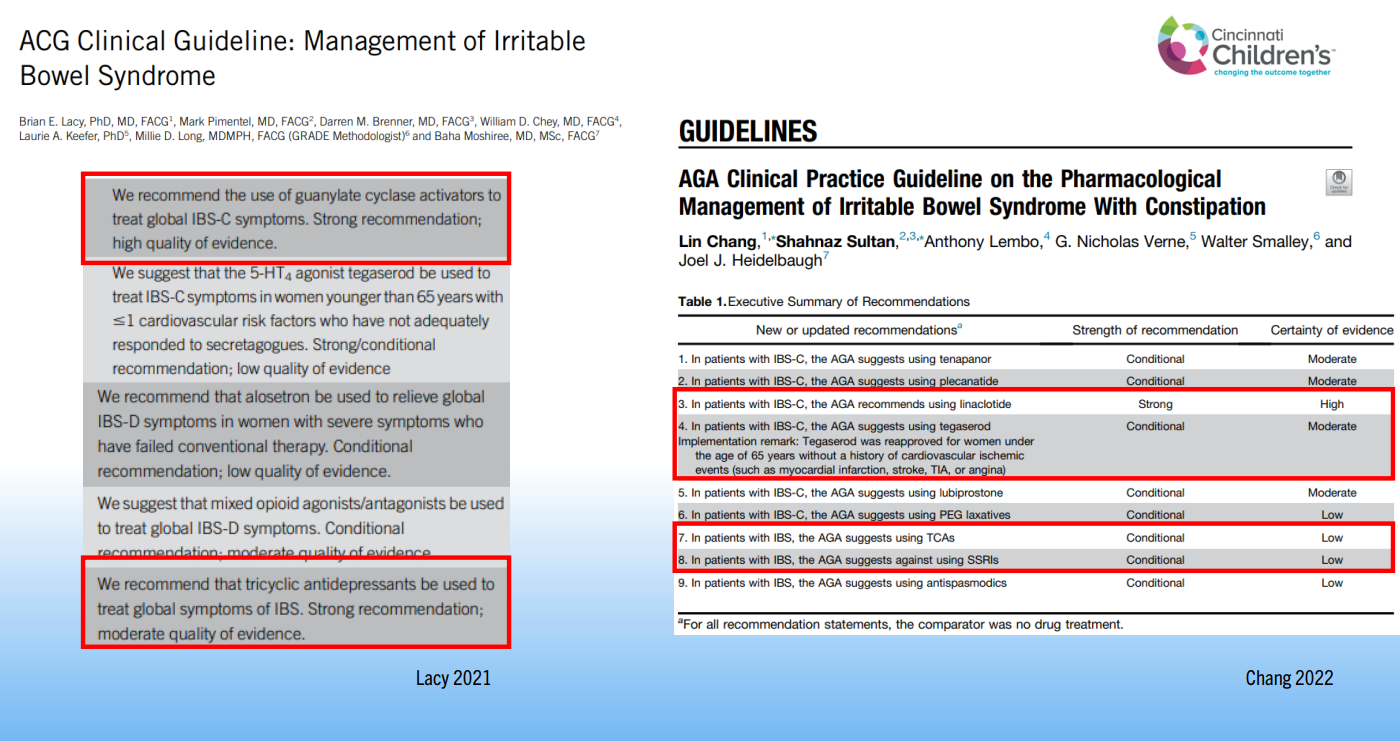
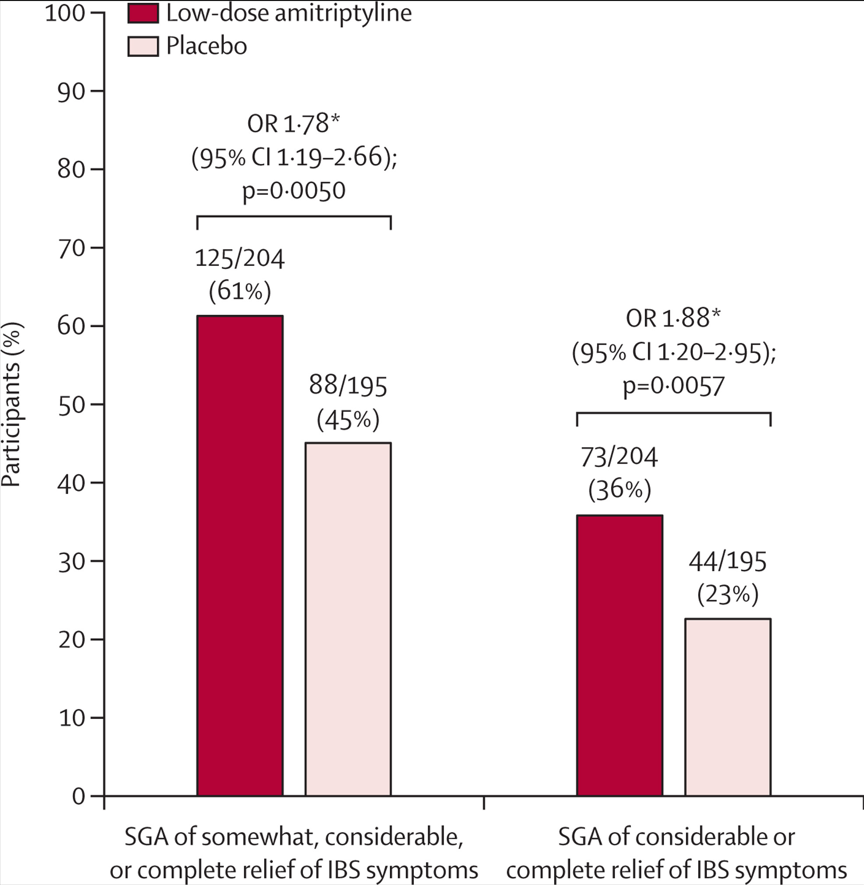
  • Atlantis study showed that amitriptyline reduces IBS pain (Related blog post: Atlantis Study: Possibly Best Evidence That Tricyclics May Help Irritable Bowel)
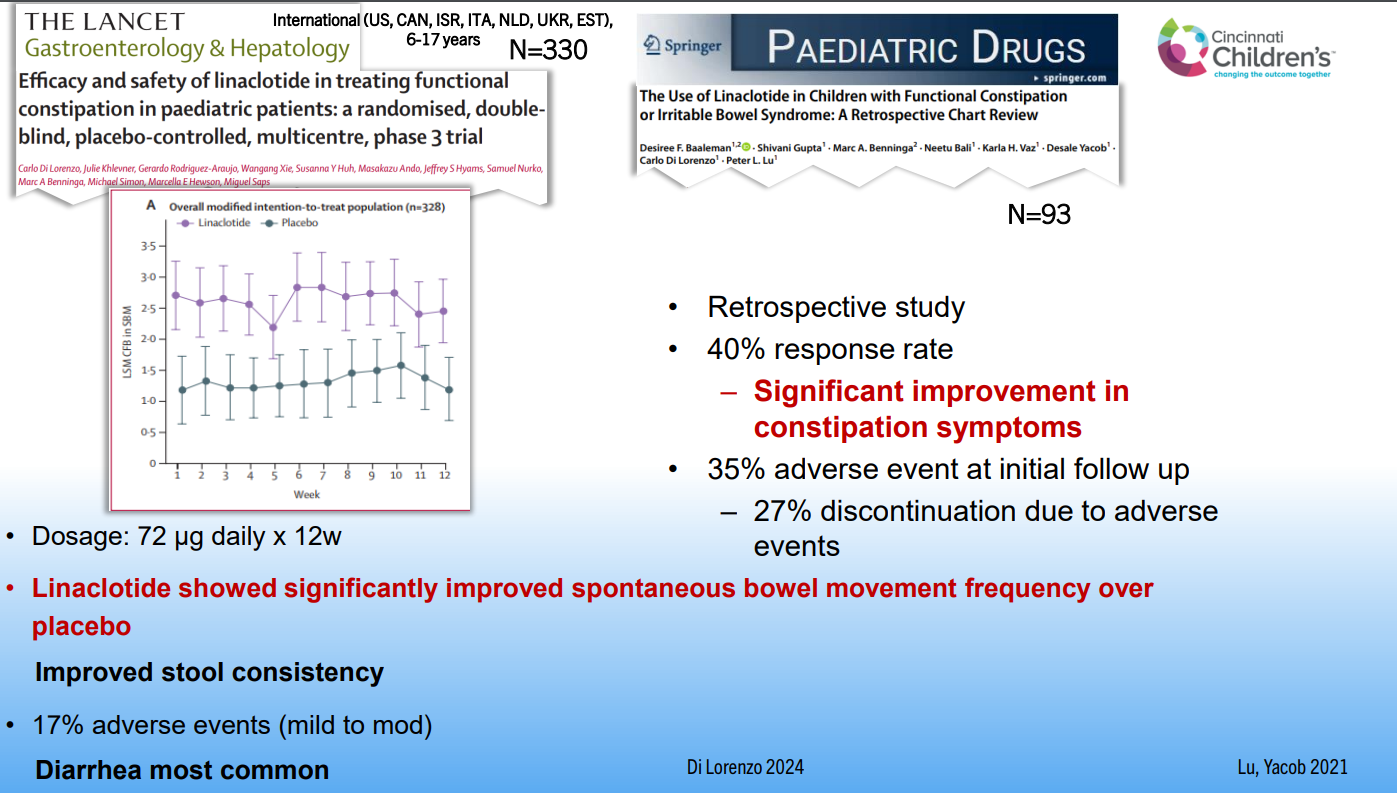
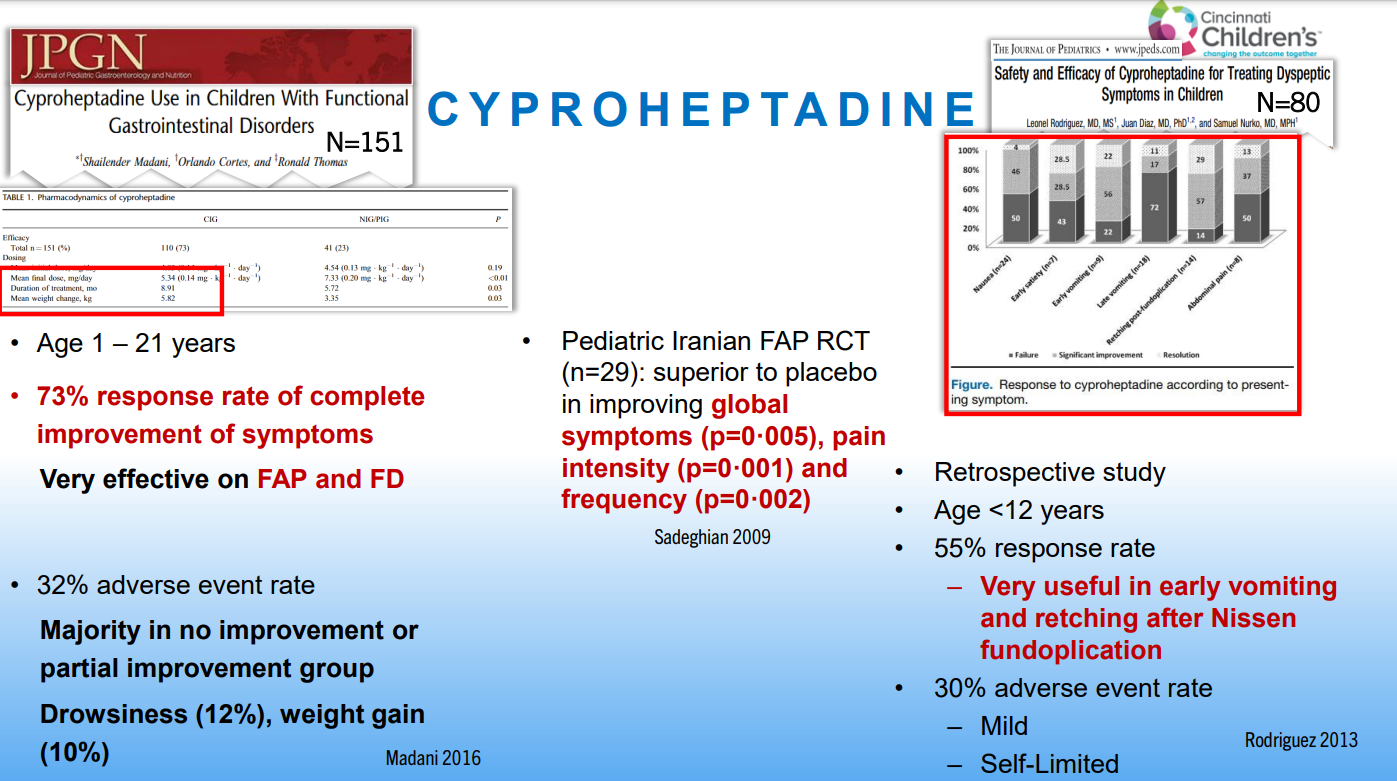
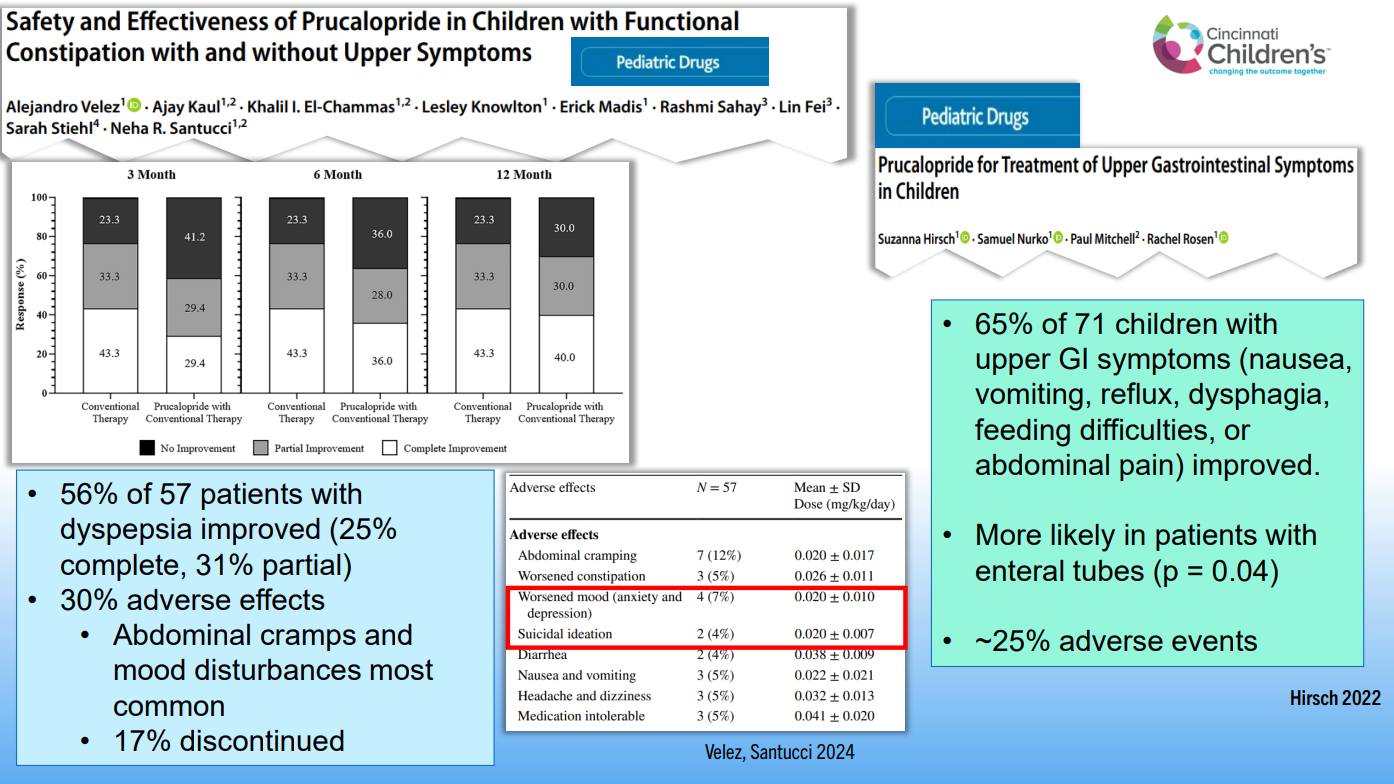
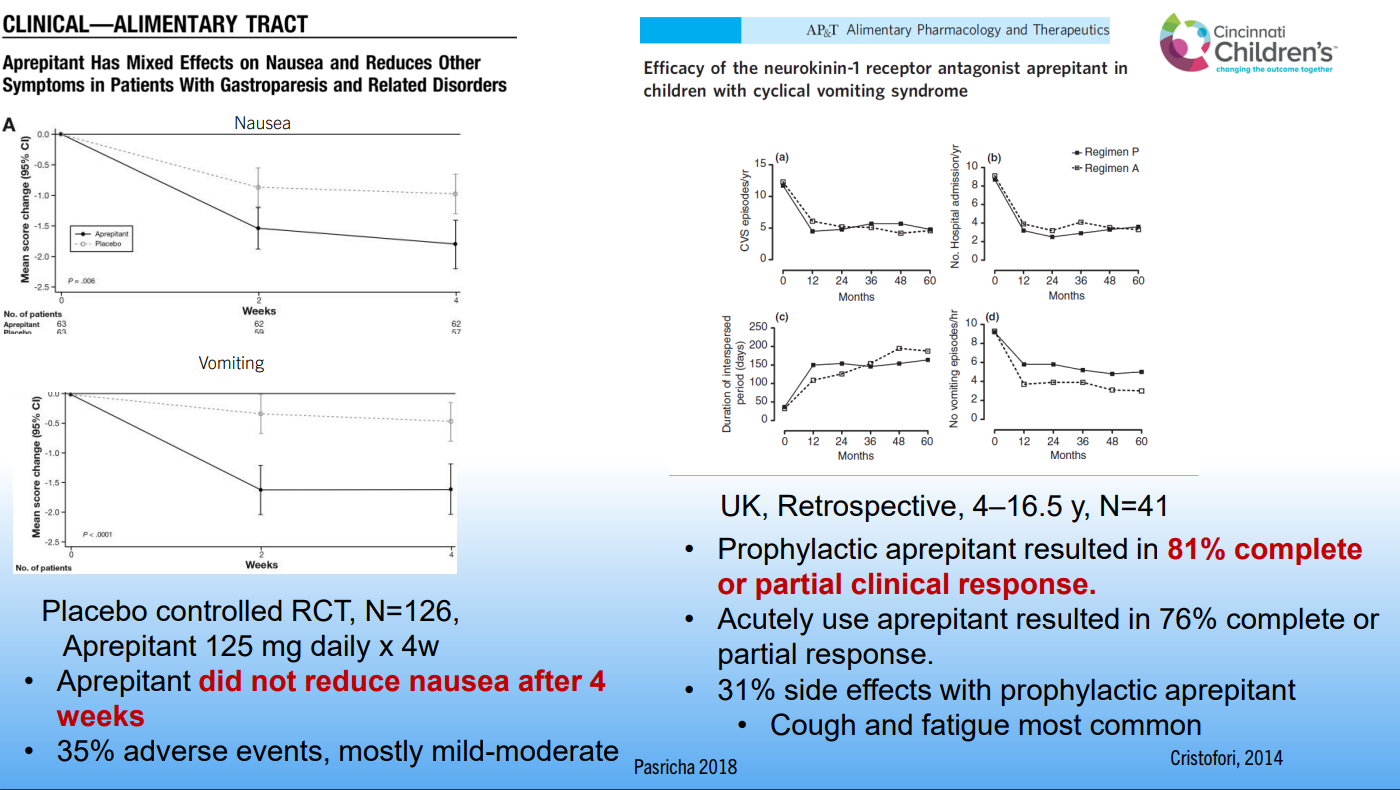
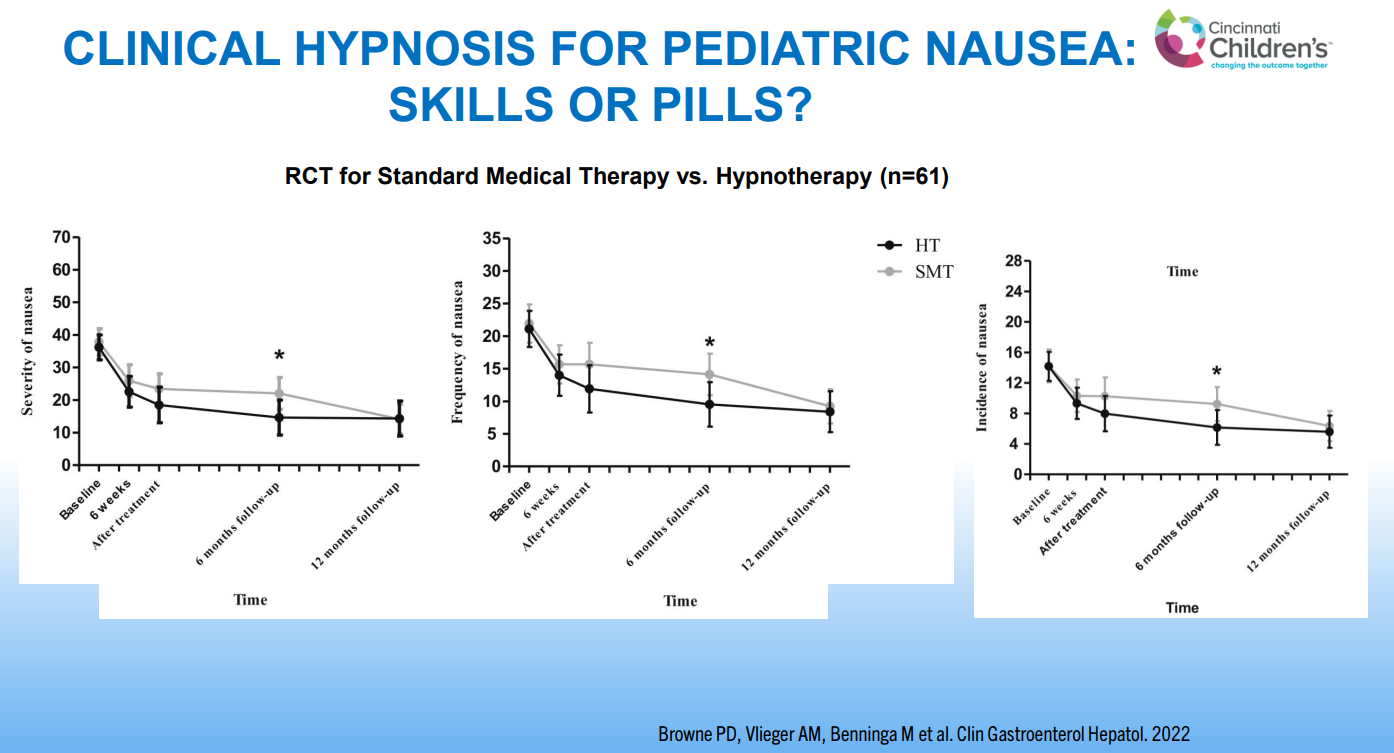
  • Dr. Santucci reviewed the evidence for linaclotide, cyproheptadine, mirtazapine, prucalopride, and aprepitant. The latter was effective for CVS but not functional nausea.
  • Placebo has been shown to have some beneficial effects in DGBIs; this affects the results of clinical trials
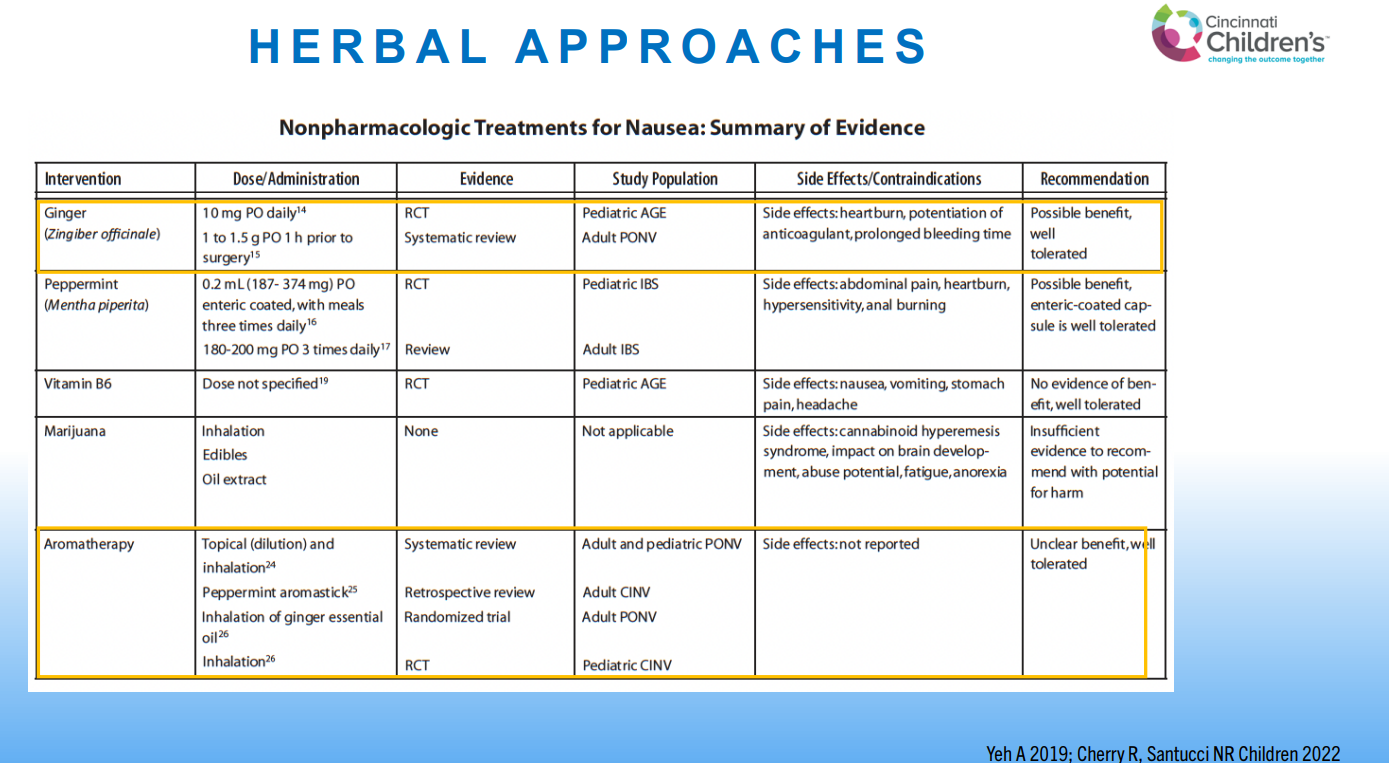
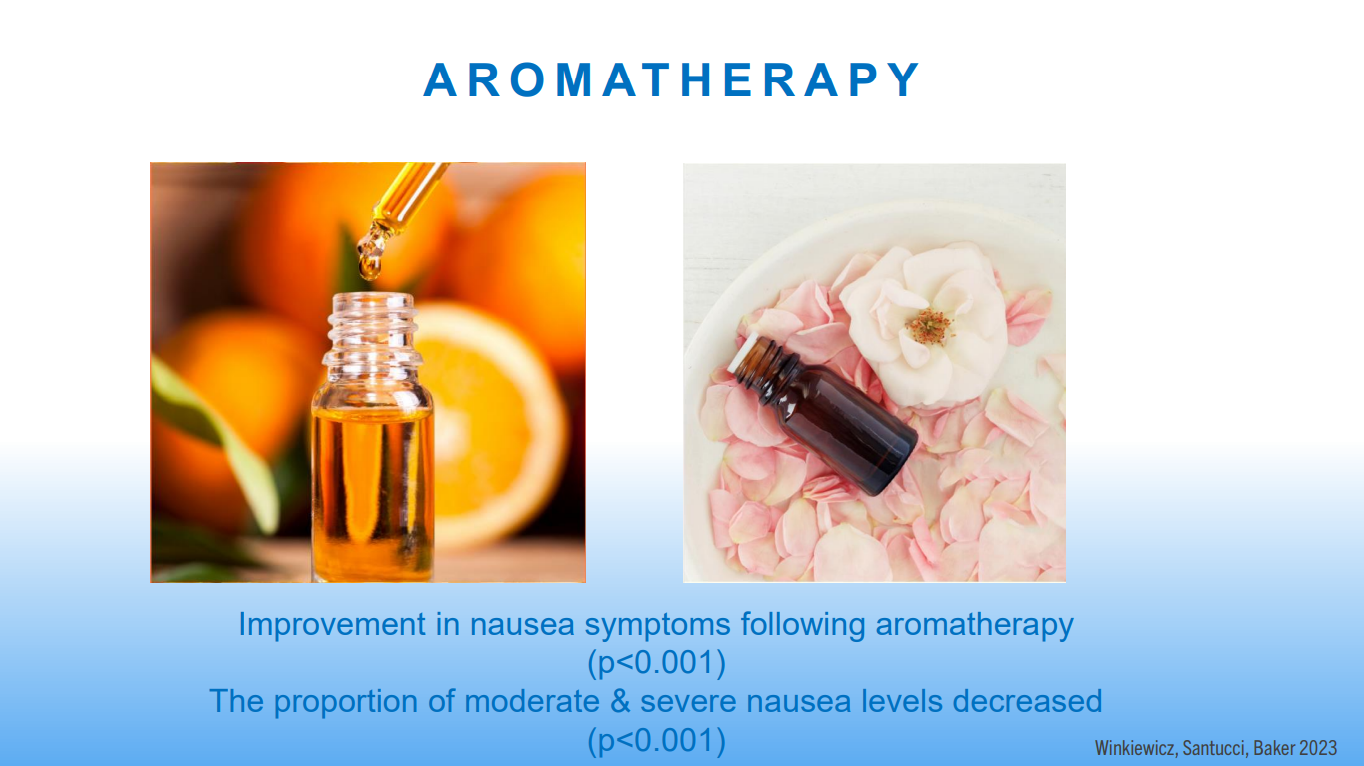
  • Ginger may be beneficial for nausea
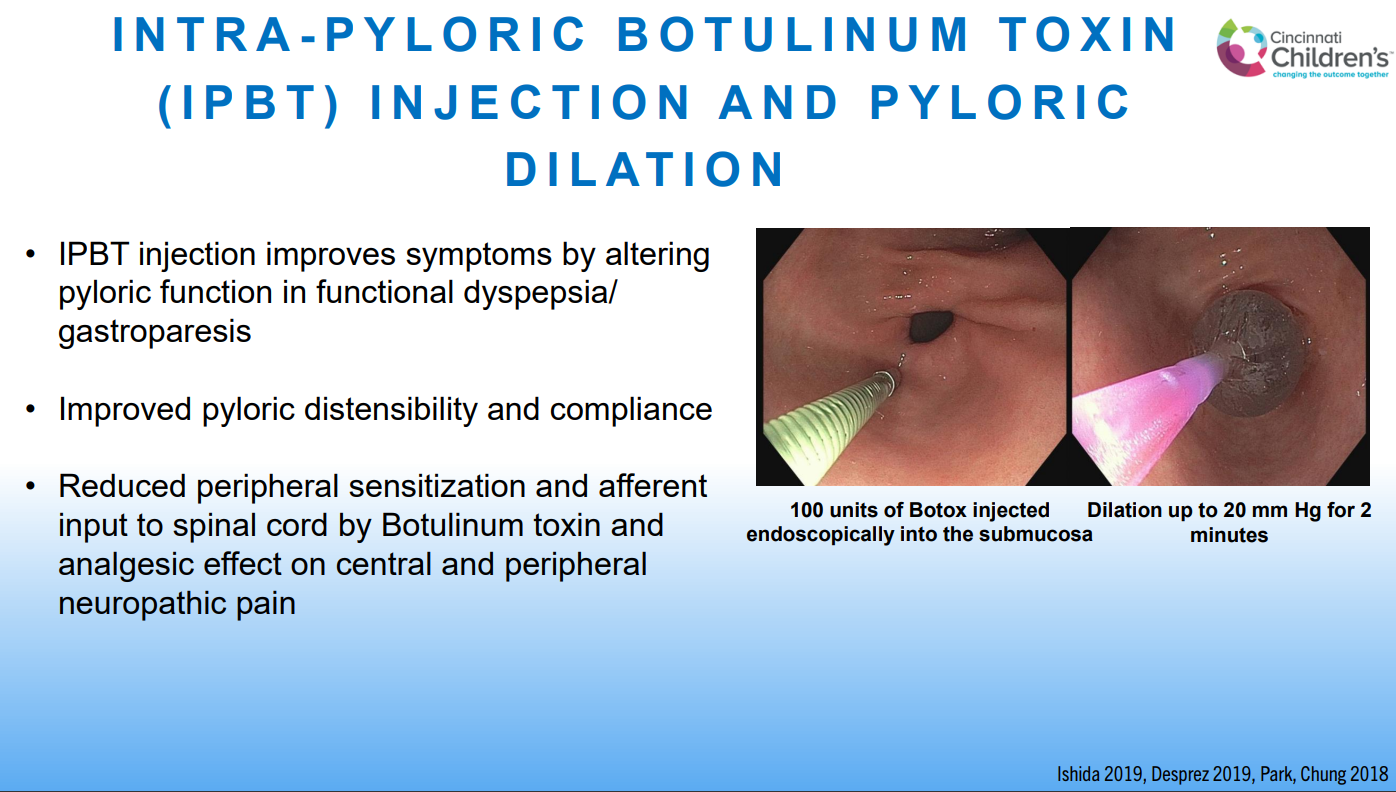
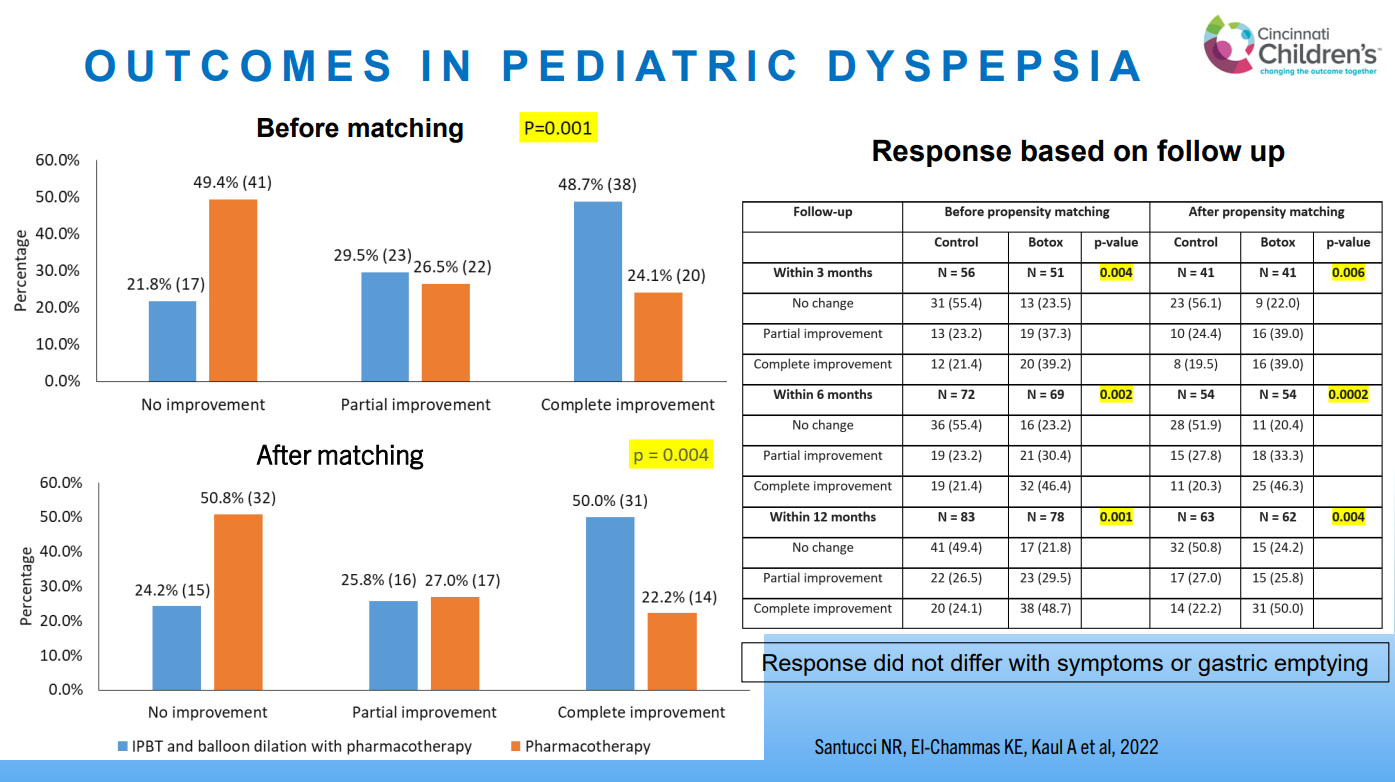
  • Intrapyloric botox has been associated with improvement in functional dyspepsia. Improvement did not correlated with gastric emptying
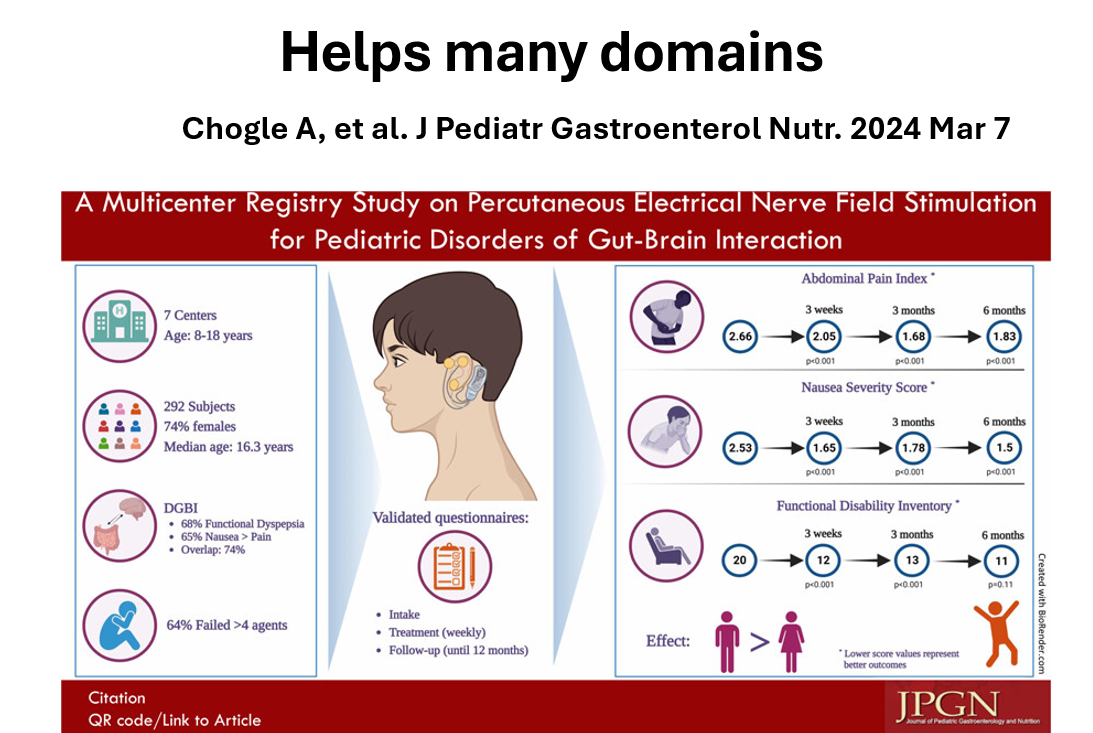
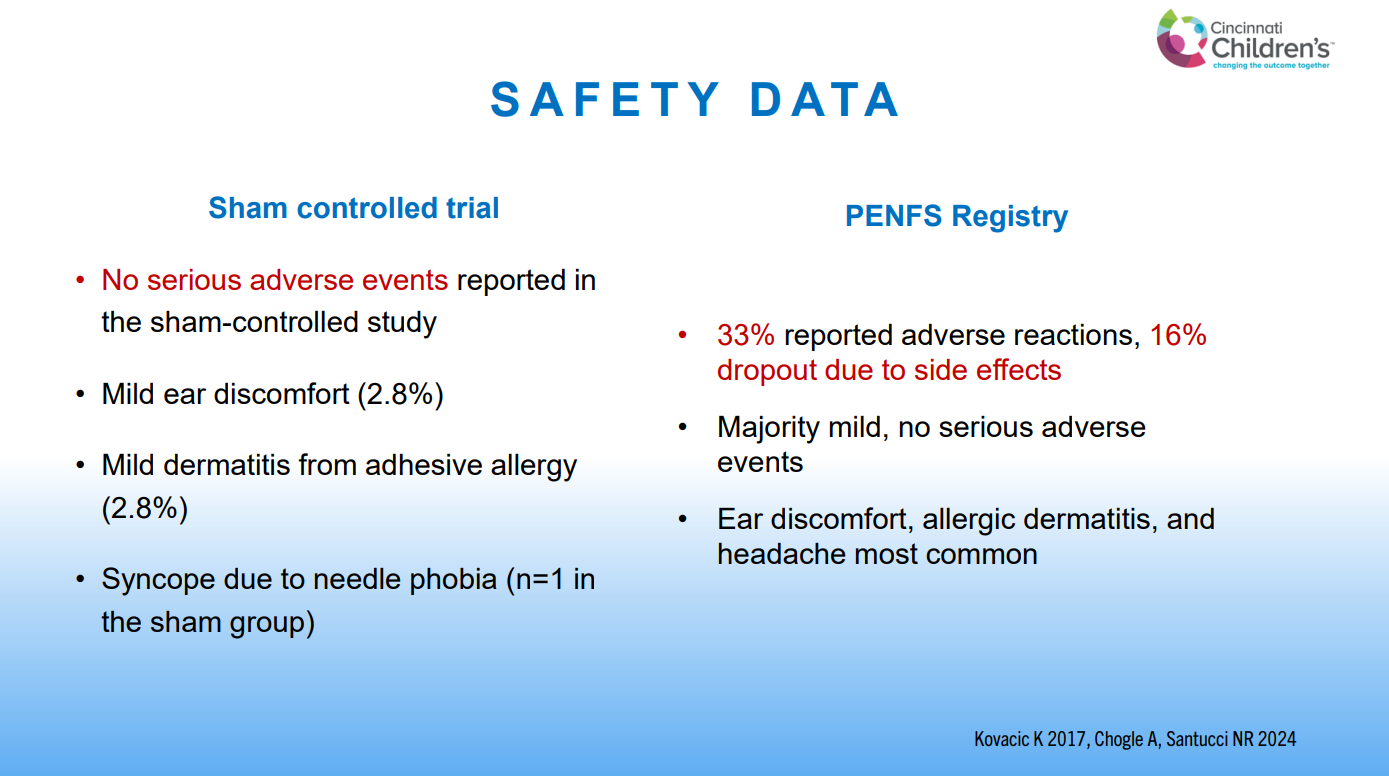
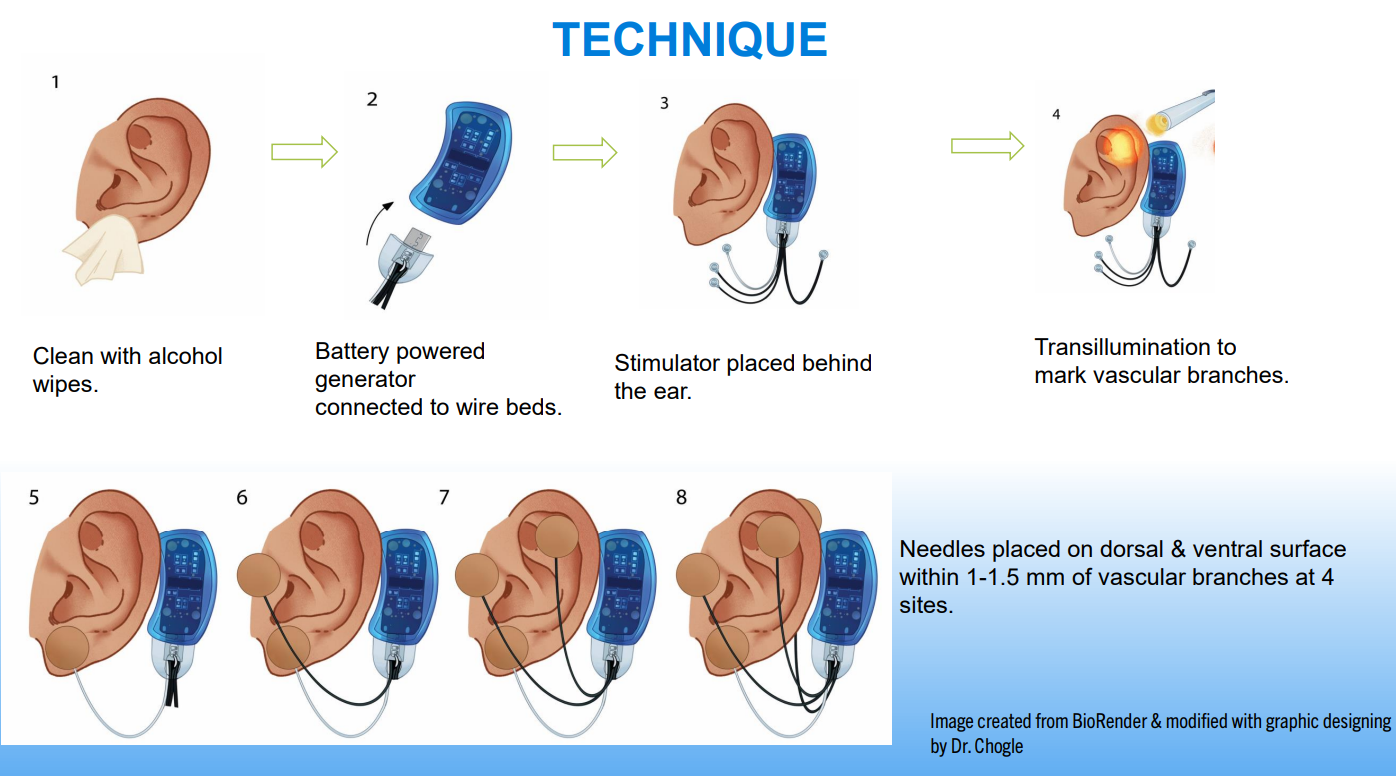
  • Percutaneous electrical nerve field stimulation (PENFS) is associated with improvement in multiple aspects of functional disorders including pain, nausea, somatization, sleep and anxiety.
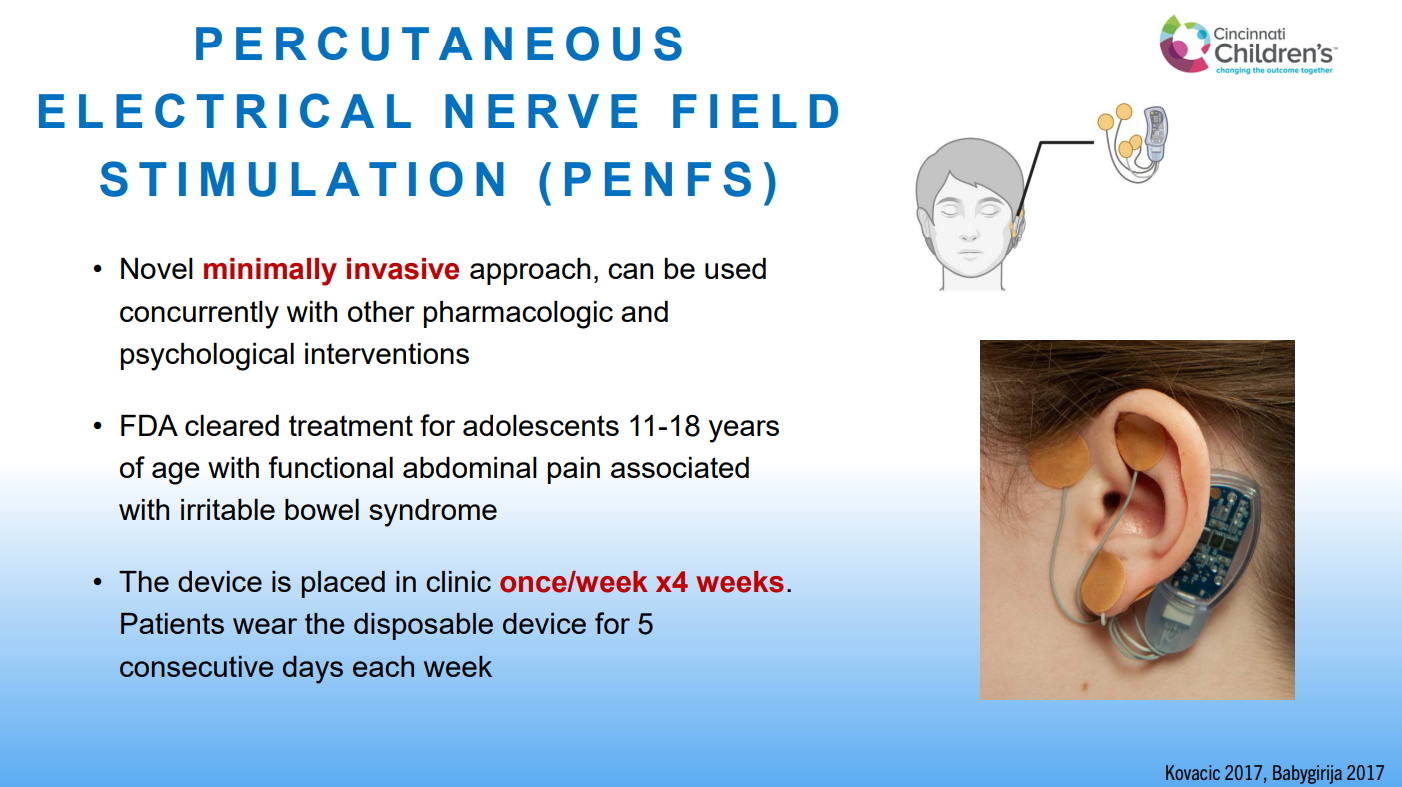
  • The improvements in abdominal pain and functional disability with PENFS are still present at least 6-12 months afterwards
  • PENFS can be repeated and has similar effectiveness
  • PENFS can be used in children >8 yrs, can be used with other treatments (pharmacologic, psychologic, or dietary).
  • PENFS can be used as prophylaxis of CVS
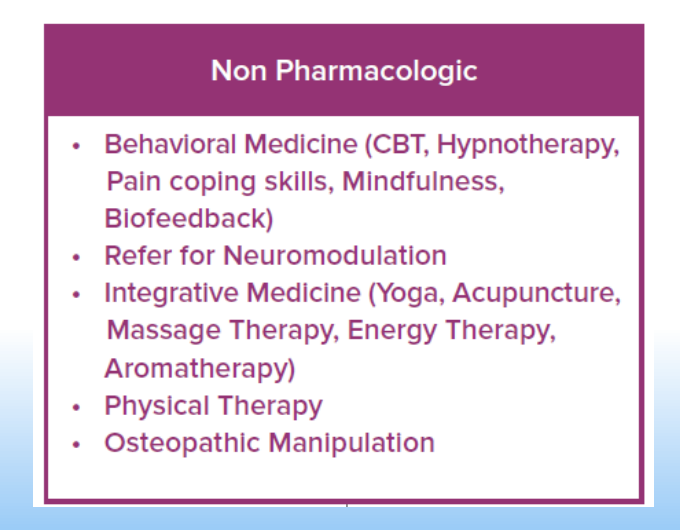
Non-pharmacologic Treatments
Lancet Gastroenterol Hepatol 2017; 2: 727-737.

Related blog posts:

Disclaimer: This blog, gutsandgrowth, assumes no responsibility for any use or operation of any method, product, instruction, concept or idea contained in the material herein or for any injury or damage to persons or property (whether products liability, negligence or otherwise) resulting from such use or operation. These blog posts are for educational purposes only. Specific dosing of medications (along with potential adverse effects) should be confirmed by prescribing physician.  Because of rapid advances in the medical sciences, the gutsandgrowth blog cautions that independent verification should be made of diagnosis and drug dosages. The reader is solely responsible for the conduct of any suggested test or procedure.  This content is not a substitute for medical advice, diagnosis or treatment provided by a qualified healthcare provider. Always seek the advice of your physician or other qualified health provider with any questions you may have regarding a condition.
Atlantis Study: Possibly Best Evidence That Tricyclics May Help Irritable Bowel

Thanks to Ben Gold for this reference.

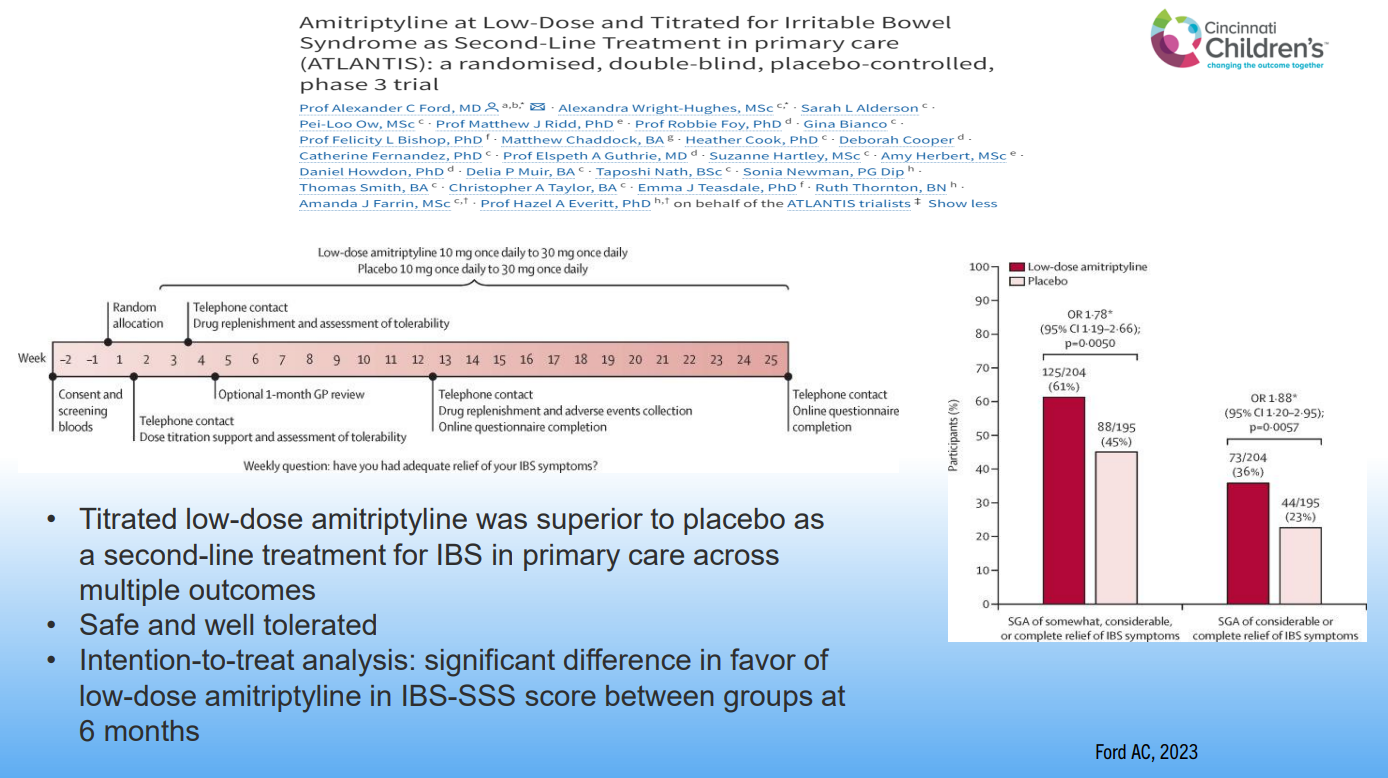
AC Ford et al. The Lancet 2023; DOI:https://doi.org/10.1016/S0140-6736(23)01523-4. Open Access! Amitriptyline at Low-Dose and Titrated for Irritable Bowel Syndrome as Second-Line Treatment in primary care (ATLANTIS): a randomised, double-blind, placebo-controlled, phase 3 trial

In this randomized, double-blind, placebo-controlled study of 463 adults (median age 48 yrs), the authors compared low-dose oral amitriptyline (10 mg once daily) or placebo for 6 months, with dose titration over 3 weeks (up to 30 mg once daily). The use of the Rome IV criteria resulted in the selection of a group of patients with higher symptom severity,50 borne out by the mean IBS-SSS scores at baseline, which were in the moderate to severe range. The median duration of IBS among participants was 10 years.

Key findings:

  • Intention-to-treat analysis of the primary outcome showed a significant difference in favour of low-dose amitriptyline in IBS-SSS score between groups at 6 months (–27·0, 95% CI –46·9 to –7·10; p=0·0079)
  • 46 (20%) participants discontinued low-dose amitriptyline (30 [13%] due to adverse events), and 59 (26%) discontinued placebo (20 [9%] due to adverse events) before 6 months.

In their discussion, the authors note that “this is the largest trial of a tricyclic antidepressant in IBS ever undertaken and the first based entirely in a primary care setting…low-dose amitriptyline met the primary outcome, with a mean decrease in IBS-SSS of almost 100 points at both months 3 and 6 compared with baseline, and also met the key secondary outcome for effectiveness, as well as other IBS symptom measures.”

“There was no effect of low-dose amitriptyline on somatoform symptom-reporting scores, or anxiety or depression scores, during 6 month follow-up, nor was there any impact on work and social activities.:

Key secondary outcome of SGA of relief of IBS symptoms at 6 months. SGA=subjective global assessment.

My take (borrowed from authors): Titrated low-dose amitriptyline was superior to placebo as a second-line treatment for IBS in primary care across multiple outcomes, and was safe and well tolerated.

Related blog posts:

Disclaimer: This blog, gutsandgrowth, assumes no responsibility for any use or operation of any method, product, instruction, concept or idea contained in the material herein or for any injury or damage to persons or property (whether products liability, negligence or otherwise) resulting from such use or operation. These blog posts are for educational purposes only. Specific dosing of medications (along with potential adverse effects) should be confirmed by prescribing physician.  Because of rapid advances in the medical sciences, the gutsandgrowth blog cautions that independent verification should be made of diagnosis and drug dosages. The reader is solely responsible for the conduct of any suggested test or procedure.  This content is not a substitute for medical advice, diagnosis or treatment provided by a qualified healthcare provider. Always seek the advice of your physician or other qualified health provider with any questions you may have regarding a condition.

Quick Take on Migraine Study

For those who missed this important pediatric study, a quick take ~2 min video link: Pediatric Migraine CHAMP Study

screen-shot-2017-01-12-at-9-49-36-pm

screen-shot-2017-01-12-at-9-50-34-pm

Related blog postTopamax and Amitriptyline Did Not Work for Pediatric Migraines

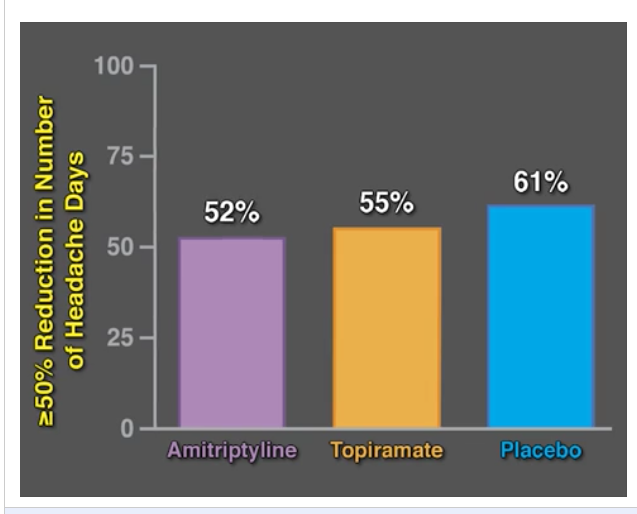
My take: It looks like placebo did pretty well with >60% response rate.  In a commentary on this subject, the authors noted that when patients are seen by the physician, the symptoms are often severe.  So, some improvement is expected, in part, due to regression to the mean; that is, it is common to return to their baseline level of symptoms.

Topamax and Amitriptyline Did Not Work for Pediatric Migraines

A recent study (SW Powers et al. NEJM 2016; DOI: 10.1056/NEJMoa1610384) showed that neither topamax nor amitriptyline were more effective than placebo.

Excerpt of summary from NY Times: Two Drugs for Adult Migraines May Not Help Children

Neither of the two drugs used most frequently to prevent migraines in children is more effective than a sugar pill, according to a study published on Thursday in The New England Journal of Medicine.

Researchers stopped the large trial early, saying the evidence was clear even though the drugs — the antidepressant amitriptyline and the epilepsy drug topiramate — had been shown to prevent migraines in adults…

At 31 sites nationwide, 328 migraine sufferers aged 8 to 17 were randomly assigned to take amitriptyline, topiramate or a placebo pill for 24 weeks. Patients with episodic migraines (fewer than 15 headache days a month) and chronic migraines (15 or more headache days a month) were included…

As it turned out, there was no significant difference among the groups: 61 percent of the placebo group reduced their headache days by 50 percent or more, compared with 52 percent of the children given amitriptyline and 55 percent of those who took topiramate. And there was no significant difference among the three groups in reducing the school days or other activities missed…

One child on topiramate attempted suicide. Three taking amitriptyline had mood changes; one told his mother he wanted to hurt himself, while another wrote suicide notes at school and was hospitalized.

My take: Given the overlapping features between migraines and abdominal pain, how (in)effective are these types of medications for abdominal pain?  Also, does someone know where I can buy stock in whoever makes placebo -it performed pretty well.

Related blog posts:

Disclaimer: These blog posts are for educational purposes only. Specific dosing of medications (along with potential adverse effects) should be confirmed by prescribing physician.  This content is not a substitute for medical advice, diagnosis or treatment provided by a qualified healthcare provider. Always seek the advice of your physician or other qualified health provider with any questions you may have regarding a condition.

migraine-meds

Dreaded Nausea

One symptom that is dreaded by both patients and physicians is nausea.  A helpful review on this topic (K Kovacic, C DiLorenzo. JPGN 2016; 62: 365-71) provides information on functional nausea.  A few points:

Diagnostic:

  • Endoscopy has low yield.  One cited study suggested that in the absence of clinical alarm symptoms, 98% of endoscopies were normal.
  • 4-hour nuclear medicine study ‘may be justified.’

Therapeutic: Numerous drug/alternative therapies are discussed -most with a paucity of data.  These include:

  • Alternatives agents: Ginger, STW5 (iberogast), peppermint oil
  • Antiemetics: Ondansetron, promethazine, prochlorperazine
  • TCAs: amitriptyline, nortriptyline, imipramine, doxepin
  • SSRIs: citalopram, fluoxetine, paroxetine
  • Anxiolytics: buspirone
  • Tetracyclic antidepressant: mirtazapine
  • Antimigraine: cyprohepatadine, propranolol, topiramate, levetiracetam
  • Prokinetics: erythromycin, metoclopropramide, domperidone
  • Others: fludrocortisone, aprepitant, cannabionids
  • Psychology: “early involvement of a psychologist and emphasis on coping strategies and maintaining functioning with continued school attendance is a primary goal.”

The authors note that retrospective data in children suggest that TCAs have a response rate of ~50% (defined as more than a 50% improvement).  In one study, the mean dose of amitriptyline was 50 mg at bedtime.

In a related study, Madani et al (JPGN 2016; 62: 409-13) describe their experience (retrospective review) using cyproheptadine in children with a range of functional gastrointestinal disorders.  The most common indications were functional abdominal pain (36%), functional dyspepsia (23%), combination disorder (17%) and abdominal migraines (12%).  Overall, they included 151 children and they report 110 (72.8%) had complete symptom improvement; the remainder had either partial or no improvement.  In those who responded, the mean initial dose was 0.14 mg/kg/day; the final mean dose was nearly identical. Adverse effects of sleepiness was reported in 13% and weight gain in 10%.

Related posts:

Link: Impressive “water swallowing” NEJM video (thanks to Jose Garza for sharing).  In a person who had undergone an esophagogastric bypass as a child.  Still photo below:

NEJM Chest

A 6-Year Study of Amitriptyline, Escitalopram, and Functional Dyspepsia

A recent theme on this blog has been the difficulty of studying inexpensive therapies.  The issue is that there are not strong incentives for pharmaceutical companies to invest in treatment trials when the potential for profits is meager.  Fortunately, there are other funding mechanisms.  A recent study (NJ Talley et al. Gastroenterol 2015; 149:340-9), sponsored by the NIH, still was challenging.  One of the reasons is that when medicines are already approved by the FDA that can be used off-label and this can undermine recruitment.

Due to difficulty with enrollment, the researchers of this current study expanded to a total of 8 sites (initially 5) and settled for 292 patients rather than their goal of 400.  After a baseline washout of 2- to 4-week with assessment, patients with Rome II criteria for functional dyspepsia (FD) were assigned in a randomized, double-blind trial to either placebo, amitriptyline 50 mg, or escitalopram 10 mg for 10 weeks.

Exclusion criteria:

  • History of depression and not using antidepressants.
  • Anxiety
  • Symptom resolution with antisecretory therapy (eg. proton pump inhibitors)
  • History of esophagitis, ulcers, or organic gastrointestinal disease
  • Major physical illness
  • Drug/alcohol abuse
  • Nonsteroidal anti-inflammatory drugs

Inclusion criteria:

  • Required: previous normal EGD within 5 years
  • 18-75 years

Key terms:

  • “ulcer-like dyspepsia” pain centered in the upper abdomen is the predominant symptom
  • “dysmotility-like dyspepsia” non pain symptom predominates: fullness, bloating, early satiety, and nausea

Key Findings:

  • Adequate relief was noted in 40% of placebo-treated, 53% of amitriptyline-treated, and 38% of escitalopram-treated patients
  • Ulcer-like FD given amitriptyline were >3-fold more likely to report adequate relief compared with placebo for odds ratio of 3.1
  • Delayed gastric emptying was associated with being less likely to report adequate relief with an odds ratio of 0.4
  • Safety: while adverse effects were common, “there was no overall difference between the 3 arms (except in neurologic symptoms, with highest rates in the escitalopram arm) suggesting that…TCAs will be generally well tolerated at low doses.”

The associated editorial (pages 270-2) notes that the overall benefits of amitriptyline were modest.  They also reviewed the NORIG study (JAMA 2013; 310: 2640-9) which examined nortriptyline and placebo for idiopathic gastroparesis (n=130).  Similar to this study from Talley et al, the NORIG study found a lack of response to tricyclic antidepressants in this cohort with delayed gastric emptying and dysmotility; “the lack of efficacy in patients with dyspepsia with delayed gastric emptying suggests the possible utility of scintigrahic testing to select patients” for amitriptyline therapy.

Bottomline: This well-designed study supports the use of amitriptyline, but not escitalopram for the use of FD, mainly in those with pain-predominant symptoms.

Related blog posts:

Mt Washburn, Yellowstone

Mt Washburn, Yellowstone

How Effective are the Treatments for Functional Abdominal Pain?

According to a recent systematic review (Korterink JJ et al. J Pediatr 2015; 166: 424-31), “there is no evidence to support routine use of any pharmacologic therapy” for pediatric functional abdominal pain (FAP).  How many pediatric gastroenterologists want to discuss this conclusion with their patients?

How did the authors reach their conclusion?

Design: The authors screened 557 articles and ultimately identified only four articles with a total of 6 studies met inclusion criteria which included the following:

  • systemic review or randomized control trial
  • children 4-18 years
  • diagnosis of FAP established with well-defined criteria
  • intervention was compared to placebo or alternative treatment

Results: All of the studies were reviewed –each received an overall quality rating by the authors as “very low.” The particular treatments included amitriptyline, peppermint oil, famotidine, miralax, tegaserod, and cyprohepatadine.  The study with the most patients had only 90 patients and the longest treatment period was 4 weeks.

In the discussion, the authors make several key points:

  • there is a lack of adequately powered, high-quality, placebo-controlled drug trials in children with FAP
  • weak evidence was found in support of peppermint oil, cyproheptadine, and laxatives at reducing pain; amitriptyline and famotidine had weak evidence supporting some improvement in global symptoms or quality of life.
  • problems with the studies: small sample sizes, poorly reported side effects, lack of follow-up, risk of bias
  • “several nonpharmacologic therapies (e.g.. hypnotherapy and cognitive behavioral therapy) have shown their efficacy in treating children with” FAP…with success rates up to 85%.  Moreover, these therapies are not hampered by severe side effects.”

Bottomline: Our office-based psychologist may be more helpful for our patients than all the medications combined.

Related posts:

Diet or drugs for cyclic vomiting syndrome

Dietary modifications are frequently recommended for migraines.  Given the overlapping features between migraines and cyclic vomiting syndrome (CVS), dietary treatments for CVS have aimed at eliminating trigger foods.  Investigators from the UK describe a single center cohort of 21 children (2-16 years) were placed on a low-amine diet with instruction from a dietician (JPGN 2012; 54: 698-99).  16 (76%) of the children had a strong family history of migraines.  The diet was implemented for a ‘minimum of 6 to 8 weeks.’ 13 had a complete resolution of vomiting and 18 (86%) had at least a partial response.

Specific foods that were avoided included cheese, chocolate, citrus fruits, pork, peas, broad beans, shellfish, yeast extract, beef extract, gravies, caffeine, and alcohol.

This small study does not prove that a low-amine diet is effective.  In fact, most of the information on a low-amine diet is derived from alternative medicine sources (eg .  Low Amine Diet | www.integrative-medicine.com.au).  Nevertheless, it is likely that a subset of patients will benefit from avoidance of trigger foods.  How to identify potential culprits is unclear.

NASPGHAN Guidelines for CVS (JPGN 2008; 47: 379):

  • Diagnostic criteria: (90% will have idiopathic CVS)

1. at least 5 attacks or 3 over 6-month interval
2. episodic, last 1 hour to 10 days & at least a week apart
3. stereotypical pattern for individual patient
4. vomiting >4 times/hr for at least 1 hour
5. healthy in between & no other attributable problem

  • PROPHYLACTIC Measures:

Avoid triggers:
fasting, excessive excitement (eg. downplay big events), sleep deprivation
foods that trigger symptoms (?chocolate, cheese, caffeine, MSG)
excessive fatigue

Assure adequate carbohydrates
-provide sugar-containing drinks & extra snacks before exertion & bedtime

  • PROPHYLACTIC TREATMENT:

Less than 5 years:
1. cyproheptadine (0.25-0.5mg/kg/day divided bid)
2. propranolol 0.25-1/kg/day –often 10mg bid or tid
contraindications: asthma, diabetes, heart disease, depression
keep resting heart rate >60

5 years & older
1. amitriptyline (or nortriptyline -liquid formulation) start at 0.25mg/kg qhs and increase ’til 1mg/kg/dose
check EKG before and 10 days after peak dose
2. propranolol 0.25-1/kg/day –often 10 mg bid or tid
contraindications: asthma, diabetes, heart disease, depression
keep resting heart rate >60

Alternative prophylactic treatments:
1. phenobarbital 2mg/kg qhs
2. anticonvulsants: topiramate, valproid acid, gabapentin, levetiracetam -?consult neurology

Supplements:
L-carnitne 50-100mg/kg/day divided bid (max 1gm tid)
Co-enzyme Q10 10mg/kg/day divided bid (max 100mg tid)

  • SUPPORTIVE/ABORTIVE CARE

Fluids: D10NS w KCL @ 1.5 maintenance (or possibly D10 0.45NS -some children prone to hyponatremia); add TPN if no enteral intake for 3-5 days
Antiemetics:
1. ondansetron 0.3-0.4mg/kg/dose q4hours (max 20mg); alternative granisetron
Sedatives:
Benadryl 1mg/kg/dose q6hours
Ativan 0.05-0.1mg/kg/dose q6hours
Thorazine (chlorpromazine) 0.5-1mg/kg/dose q6hrs (with benadryl)
Analgesics:
Toradol 0.4-1mg/kg/dose q6hrs (max 30mg)
Narcotics (morphine)

May need to treat hyponatremia, hypertension, hematemesis (H2RAs & PPIs)

Also, can try Sumatriptan 20mg intranasally at onset of episode as potential abortive measure or other triptan

  • TYPICAL EVALUATION:

1. CMP, Amylase/lipase, UGI on all patients
2. If pain/hematemesis, check U/S of abd/pelvis, and EGD
3. If abnormal neuro features: (motor asymmetry, gait abnormality, severe altered mental status)
ammonia
lactate, serum amino acids, urine organic acids, plasma carnitine/acylcarnitine profiles, urine ketones
MRI brain
4. If precipitated by fasting/high protein meals, or intercurrent illness= neuro w/u w/o brain MRI.

  • ALARM symptoms:

1. pain & bilious emesis
2. attacks precipitated by intercurrent illness, fasting or high protein meals
3. progressive/worsening/chronic pattern
4. abnormalities on neuro exam

**Note to blog readers –I recommend that all drug dosing be reviewed for individual patients.  The recommended doses are based on my reading of the referenced material & transcription errors are possible.

Additional references:

  • -Clin Gastro & Hep 2007; 5: 44. Use of zonisamide or levetiracetam (used at Sz dosing in 20 adults); 75% response & 20% remission.
  • -J Pediatr 2002; 141: 724. Suggests initial treatment along with UGI as most cost-effective strategy. Extensive w/u in those with persistent sx.
  • -Am J Gastro 1999; 94: 2855. response to TCAs.
  • -J Pediatr 1999; 134: 567. 82% migraine-assoc or FHx. Better response to Rx
  • NASPGHAN 2003:  postgraduate course (B Li):80% response to elavil if fhx migraines.
    “There are no controlled randomized, double-blinded trials, only open label ones. In these studies, beta-blockade (Pfau Pediatrics 97:364,1996), cyproheptadine (Anderson Pediatrics 100:977, 1997), amitriptyline (Anderson), phenobarbital (Gokhale JPGN 25:64, 1997) and erythromycin (Vanderhoof JPGN 17:387, 1993) all have approximately 70% efficacy as prophylactic agents. In Dave Fleisher’s work, he has demonstrated a 70% effect of consultation alone without pharmacologic therapy. In other words, there appears to be a striking placebo effect in this disorder that should temper any interpretation of results. In addition, I believe CVS is a heterogeneous disorder that has multiple etiologies that could allow it to respond to multiple classes of agents.”

DDx:
Infection, IBD, addison’s, diabetes, renal dysfxn, metabolic errors/urea cycle d/o, FAO d/o, porphyria, CDG (glycosylation), pregnancy, ipecac/munchausen, PUDz, Giardia, pancreatitis, UPJ, malrotation/duplication, increased ICP/CNS Dz, Migraine-equivalent

Workup:

1. CBC, ESR, amylase, ammonia,UA, stool heme, chem 20, HCG
2. UGI
3. giardia ag, abd U/S & DPTA, EGD, urine organic acids, plasma amino acids, carnitine, lactate, pyruvate, sinus films, head CT/MRI, toxicology, delta-aminolevulic acid/ porphobilinogen (urine), beta-HCG, serum transferrin isoelectric focusing