Manometry for Persistent Dysphagia in Eosinophilic Esophagitis

D Yogev et al. JPGN Reports; 2024 https://doi.org/10.1002/jpr3.12083. Open Access! Manometric findings in children with eosinophilic esophagitis and persistent post-remission dysphagia

In this 10-year retrospective review (2013-2023), the authors reviewed children with EoE referred for high-resolution impedance manometry (HRIM) due to persistent dysphagia despite histologic healing (i.e., <15 Eos/hpf).

Key findings:

  • Among a cohort of ~1500 children, only 4 patients met inclusion criteria:  histologic remission (<15 eos/hpf) and absence of fibrostenotic features on endoscopic evaluation
  • Thus, the estimated prevalence of post-remission dysphagia in this cohort was exceedingly rare (<0.05%).
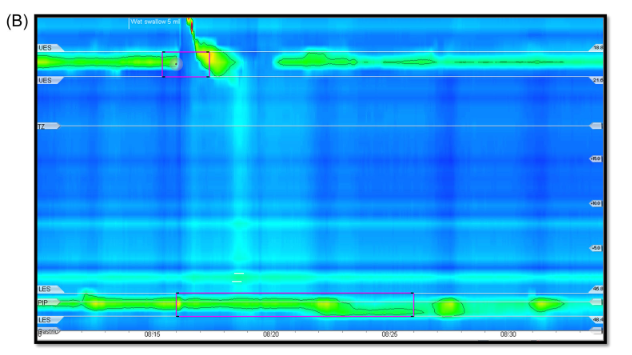
  • On HRIM, all four patients had a hypomotile esophagus and abnormal bolus clearance. Lower esophageal sphincter integrated relaxation pressure values were normal in three patients and elevated in one. Two patients were diagnosed with ineffective esophageal motility, one with aperistalsis and one with achalasia type 1.
Manometry findings from 12 yo diagnosed with Achalasia Type 1

Discussion:

  • “Endoscopic evaluation of fibrosis is somewhat limited as less than 50% of biopsies contain an adequate sample of the lamina propria for evaluation..[Also, these] patients did not undergo endoluminal functional lumen imaging (Endoflip) which has been recently shown to correlate with fibrotic changes of the esophagus in pediatric patients…Nonetheless, this case series highlights the fact that esophageal dysmotility can persist, even in the absence of endoscopic or histologic findings”
  • The authors “did not study all EoE patients treated in our facility who had persistent dysphagia despite histologic remission of EoE, but rather explored just those who were referred for manometry. This methodology creates a risk of referral bias.”

My take: Though there is a referral bias due to the methodology, this study suggests that persistent dysphagia is rare in children who achieve EoE histologic remission. In addition, in those with significant dysphagia despite improvement in EoE, manometry is worthwhile.

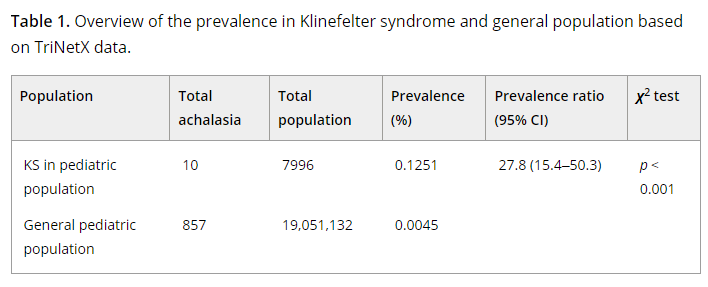
A related study suggests that achalasia may be more common in patients with Klinefelter syndrome, though still quite rare: L Miller et al. JPGN Reports 2024: https://doi.org/10.1002/jpr3.12084 Open Access! Achalasia in Klinefelter syndrome: A suspected pediatric case as well as prevalence analysis suggesting increased risk in this population

Related blog posts:

Long Duration of Eosinophilic Esophagitis Associated with a Stiff Esophagus

IK Araujo et al. Clin Gastroenterol Hepatol 2024; 22: 513-522. The Severity of Reduced Esophageal Distensibility Parallels Eosinophilic Esophagitis Disease Duration

This study of 171 adult patients (mean age 38 years) who had FLIP at time of an EGD determined the degree of esophageal distensibility and its association with eosinophilic esophagitis disease duration.

Key findings:

  • The median symptom duration was 8 (interquartile range, 3–15) years and diagnostic delay was 4 (interquartile range, 1–12) years
  • Symptom duration and diagnostic delay were negatively correlated with distensibility plateau (DP) (rho = –0.326 and –0.309; P values < .001)
  • Abnormal esophageal distensibility (DP ≤17 mm) was more prevalent with increased duration of symptoms (P < .004): 23% at <5 years to 64% at ≥25 years
  • Patients with ≥15 eos/hpf had significantly lower DP with greater symptom duration (P = .004), while there was not a significant difference among patients with <15 eos/hpf (P = .060).

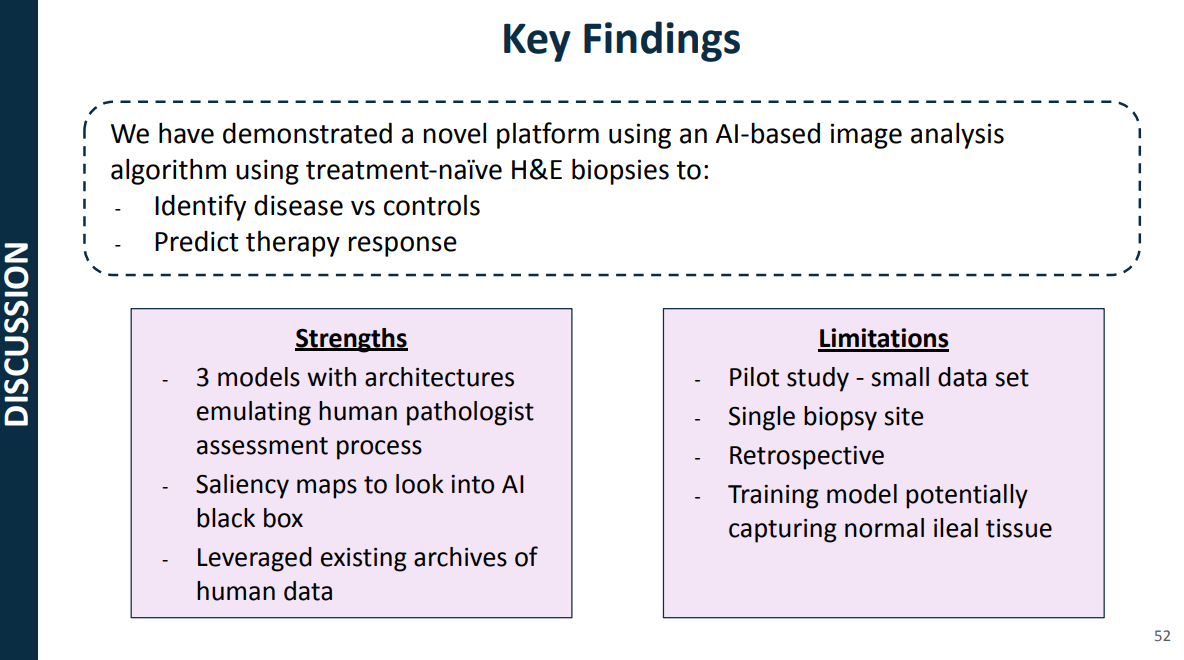
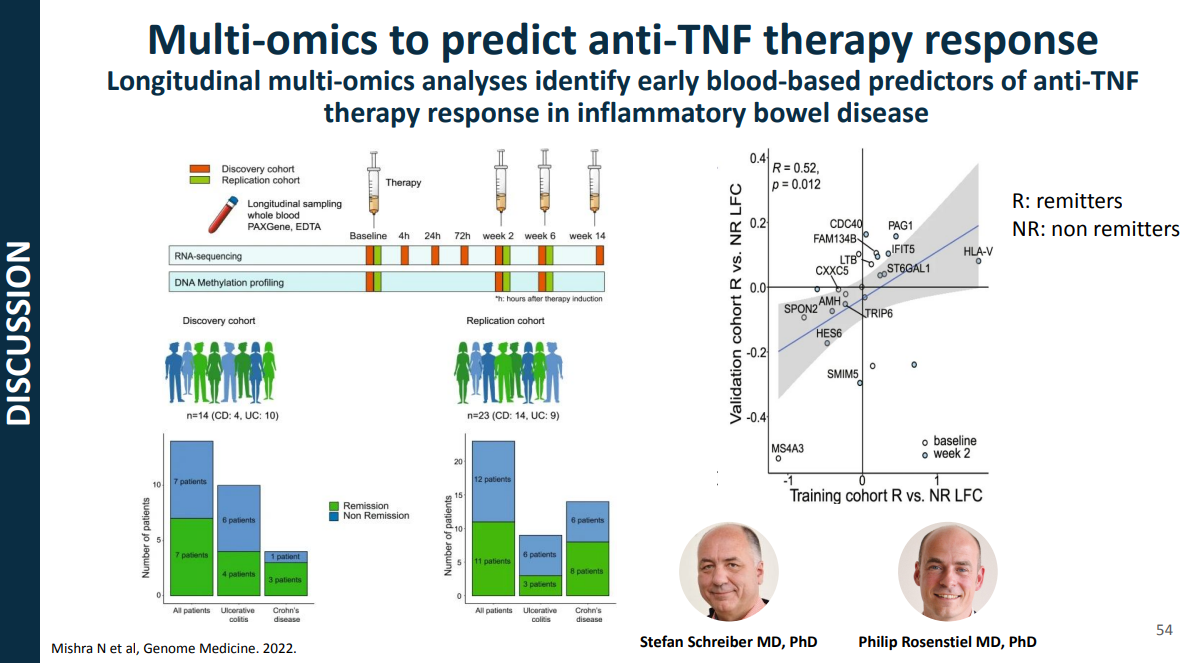
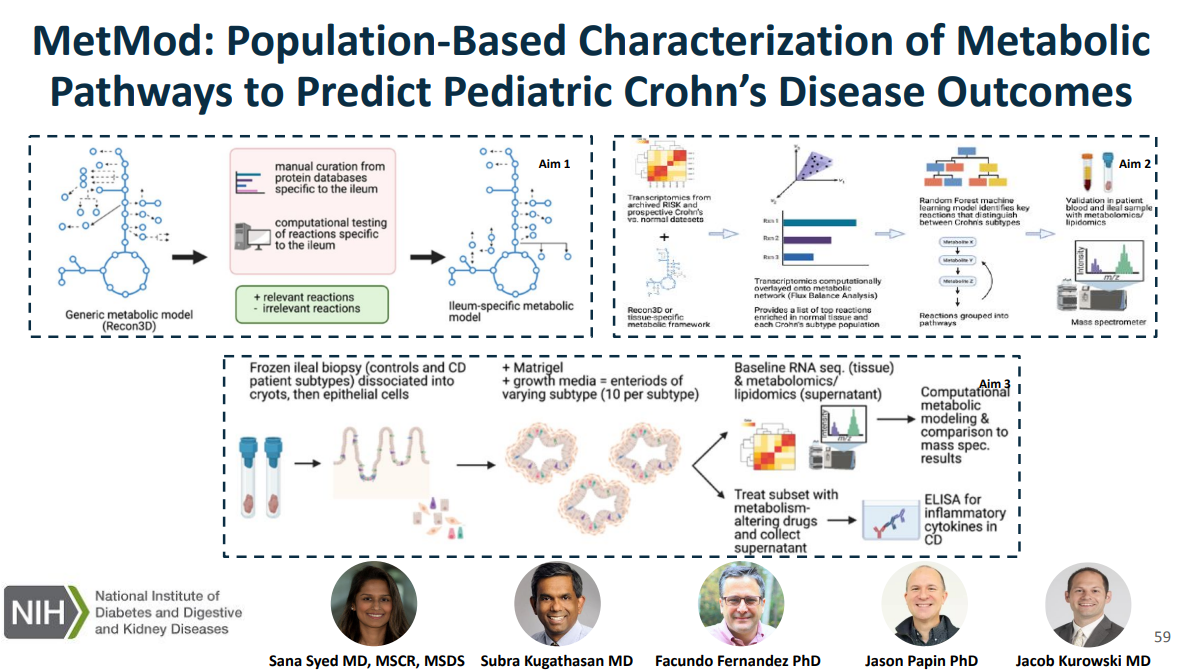
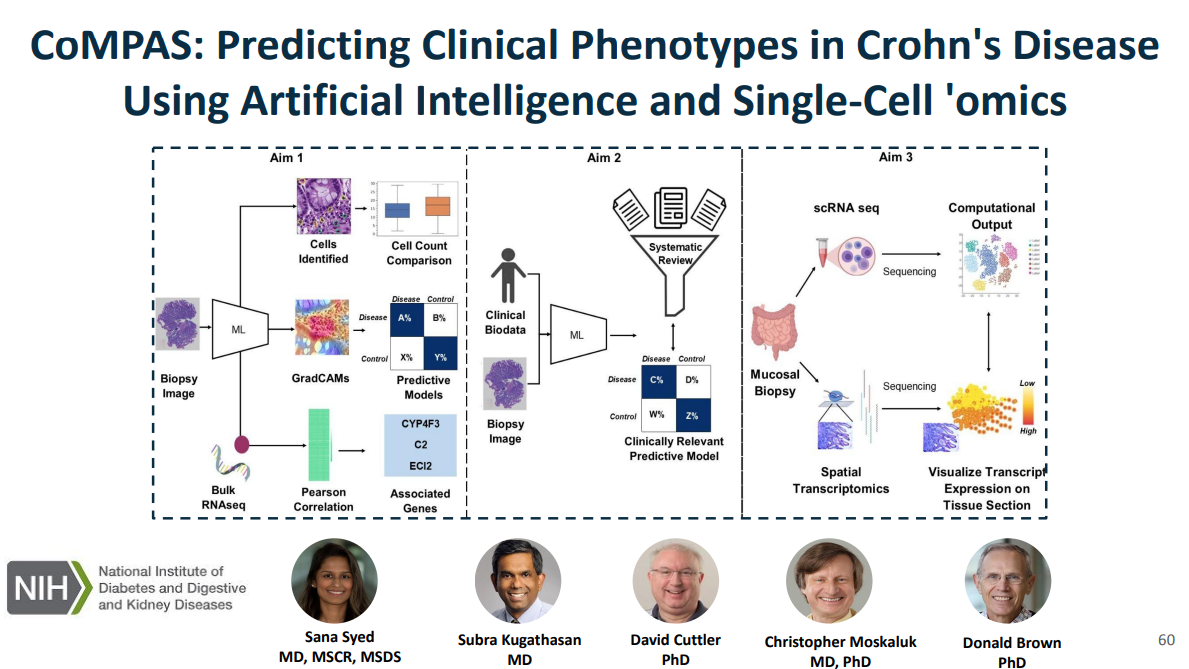
My take: Longer duration of disease increases the risk of esophageal fibrosis and lack of distensibility. We need better tools to predict who is at most risk for developing fibrosis.

Related blog posts:

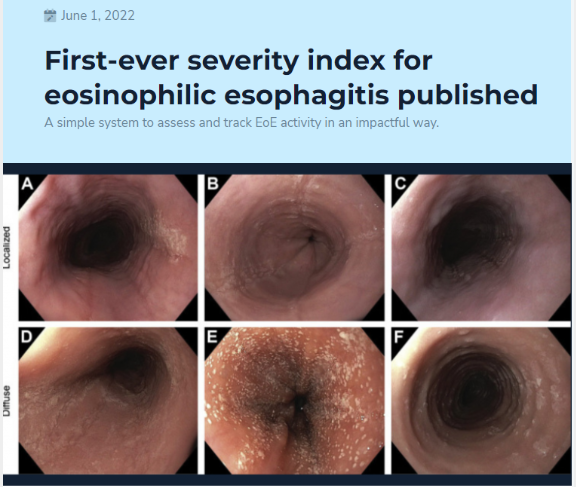
I-SEE (Index of Severity for Eosinophilic Esophagitis) Works in Kids Too

A Dickerson et al. Clin Gastroenterol Hepatol 2024; 22: 732-740. The Index of Severity for Eosinophilic Esophagitis (I-SEE) Reflects Longitudinal Clinicopathologic Changes in Children

This was a retrospective analysis on a prospectively enrolled cohort of children at a single center who were treated as part of routine clinical care. I-SEE was calculated at the diagnostic and follow-up endoscopies over a mean of 6.6 years.

Key findings:

  • Of 67 children who met study criteria of at least 3 endoscopies over at least 2 years of follow-up time, 43%, 36%, and 21% had mild, moderate, and severe I-SEE scores at baseline, respectively.
  • By the last instance, the overall I-SEE score dropped to 3.9 (P < .001). Body mass index <5% and poor feeding were more common in the children with severe I-SEE scores at baseline, and both improved by the last instance.

The discussion notes that I-SEE metric was developed to determine EoE severity and for tracking purposes to gauge effectiveness of therapy. They note that most patients improved but a score of 0, indicating deep remission, was difficult to achieve at the population level. They also anticipate further modifications to I-SEE “such as age or an assessment of symptoms that reflects inflammatory or fibrotic disease.”

My take: I-SEE provides a way to objectively assess and follow EoE severity at all ages.

Related blog posts:

Link: I-SEE Tool Scoring Table

AGA has an I-SEE App available: AGA I-SEE App

AGA: High Quality Upper Endoscopy

S Nagula et al. Clin Gastroenterol Hepatol 2024; DOI:https://doi.org/10.1016/j.cgh.2023.10.034. Open Access! AGA Clinical Practice Update on High-Quality Upper Endoscopy: Expert Review

The summary with nine “best practice advice” statements is not very helpful. However, Figure 2 and Table 1 are very useful.

From Figure 2 -not shown below (but in article) are Prague classification for Barrett’s and EREFS for eosinophilic esophagitis. The remaining parts of this figure include the Los Angeles classification for erosive esophagitis, the Hill classification of the gastroesophageal flap, and the Forrest classification of peptic ulcers:

From Table 1:

Table 1 also gives guidance for biopsies with peptic ulcer disease, Barrett’s esophagus, gastric preneoplasia, and for gastric polyps.

My take: When suspicious of underlying disease, this article recommends taking more biopsies and in more jars.

Related blog posts:

“Real-World” Dupilumab for Eosinophilic Esophagitis

CJ Lee, DS Dellon. Clin Gastroenterol Hepatol 2024; 22: 252-258. Open Access! Real-World Efficacy of Dupilumab in Severe, Treatment-Refractory, and Fibrostenotic Patients With Eosinophilic Esophagitis

Rationale for the retrospective study: ” Although it is the first Food and Drug Administration–approved treatment for EoE, eligibility criteria for the clinical trial program excluded several characteristics of the most severe EoE patients seen in clinical practice…Therefore, the purpose of this study was to determine the real-world efficacy of dupilumab in patients with severe, treatment-refractory, and fibrostenotic EoE.”

This cohort of 46 patients with severe disease including 39 (85%) who had prior esophageal dilatation (mean of 9). Patients had a mean age of 39 and had had symptoms for a mean of 13 years. Patients were considered treatment-refractory as all had received PPIs and topical steroids; in addition, most (87%) had tried elimination diets.

Key findings:

  • The peak eosinophil counts decreased markedly, and postdupilumab histologic response rates were 80% and 57% for fewer than 15 eosinophils per high-power field and 6 or fewer eosinophils per high-power field, respectively. Mean eosinophil count dropped from 70 to 9 following dupilumab treatment.
  • The Endoscopic Reference Score (EREFS) decreased from 4.62 to 1.89 with improvement in all categories: exudates, rings, edema, furrows and strictures.
  • Global symptom improvement was reported in 91% (P < .001).

My take: Many clinical studies are not representative of typical patients with various ailments, often excluding those with the most severe manifestations. This study indicates that dupilumab is an effective agent for patients with severe fibrostenotic eosinophilic esophagitis.

Related blog posts:

Where I Want to Be Right Now (Honeymoon Beach, St Johns)

Practical Tips for Eosinophilic Esophagitis

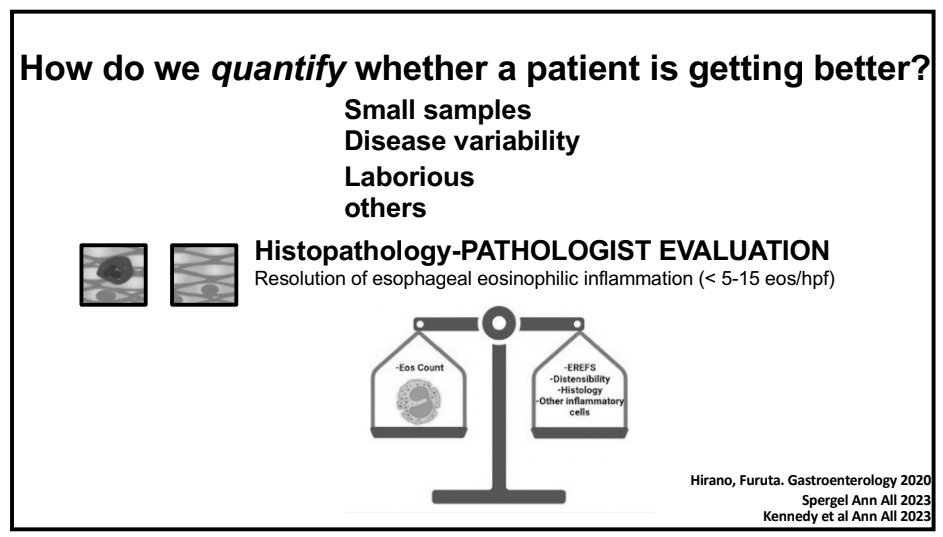
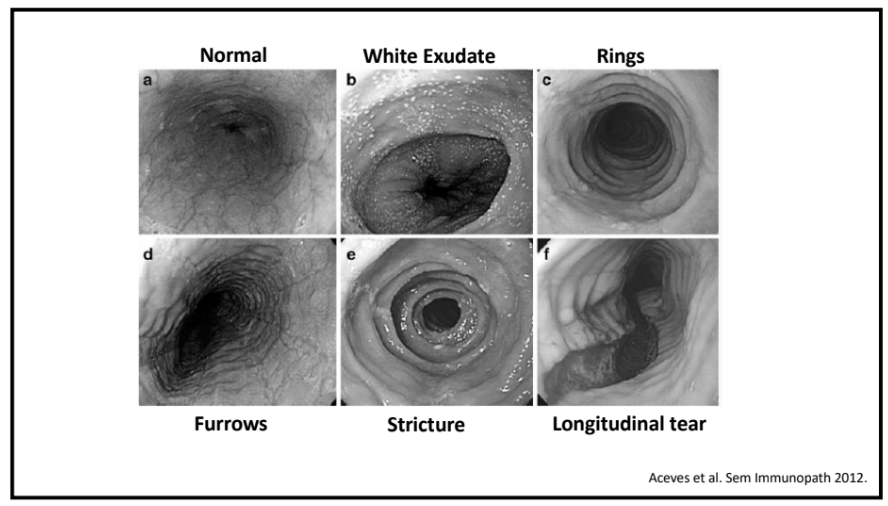
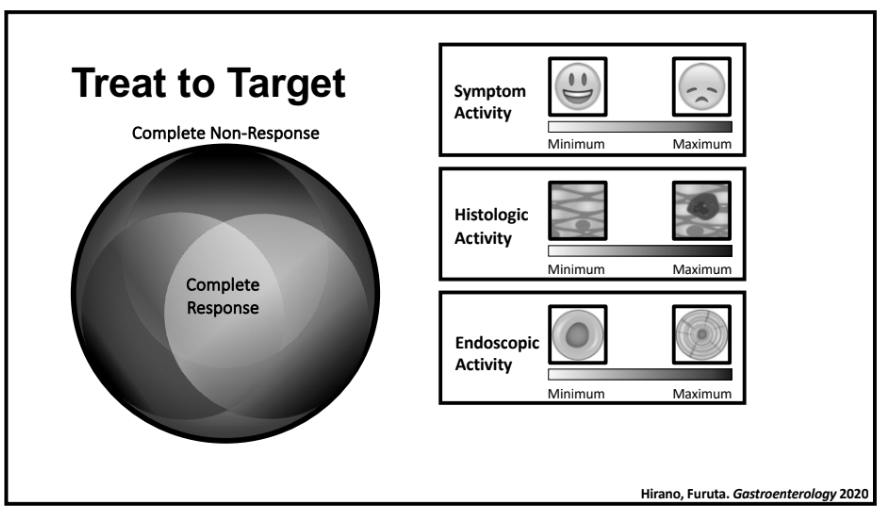
We recently had Glenn Furuta, MD give our group a terrific lecture on eosinophilic esophagitis (EoE).

Some of the key points:

  • The burden of EoE continues to increase.
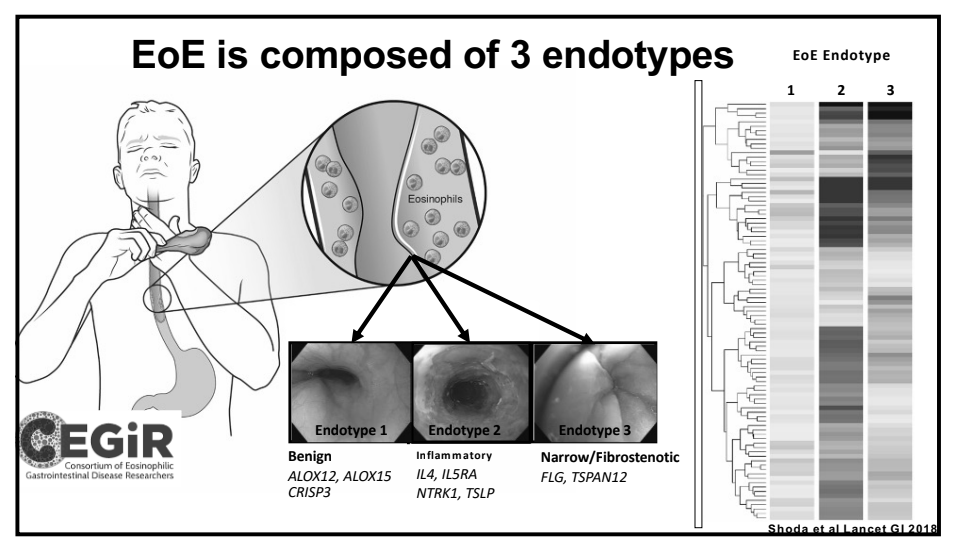
  • There are clearly several phenotypes of EoE. Some patients may never develop stricturing/fibrostenotic disease  but natural history data continues to evolve.
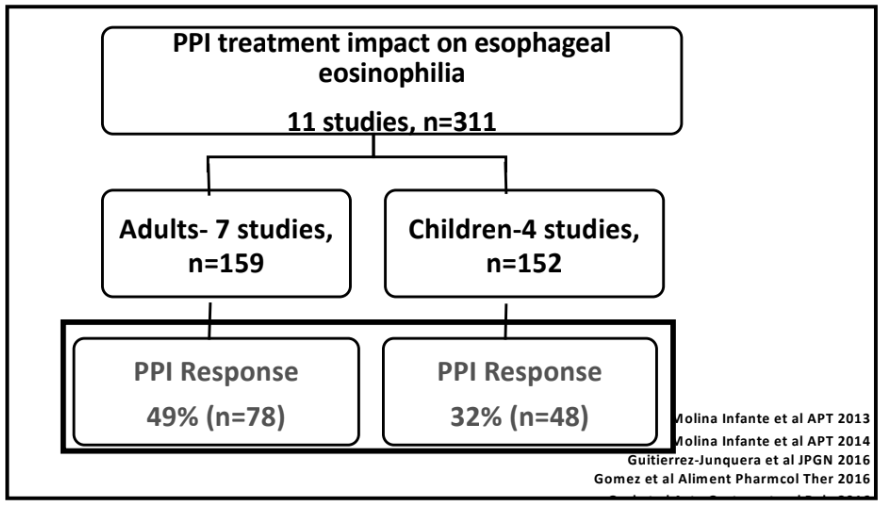
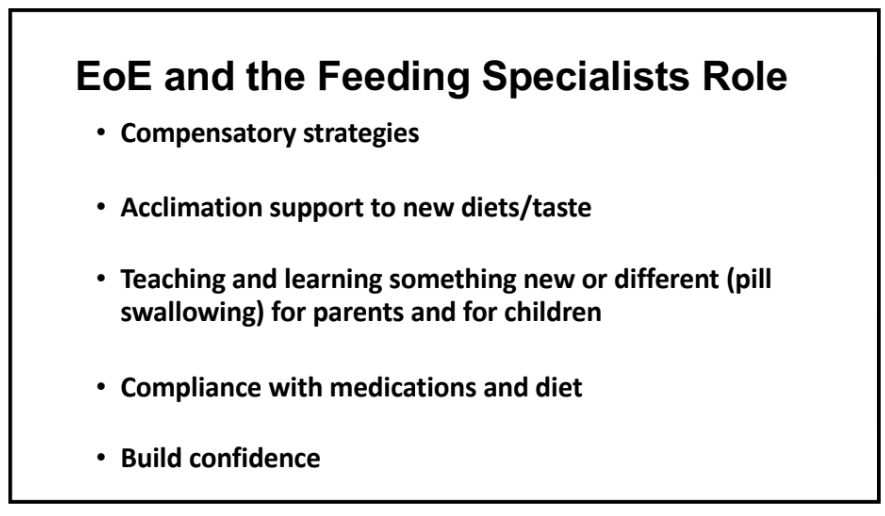
  • After treatment response, many patients can continue with symptoms. In adults and adolescents, this has been termed ‘esophageal hypervigilance.’ Feeding therapy may be helpful in this circumstance.
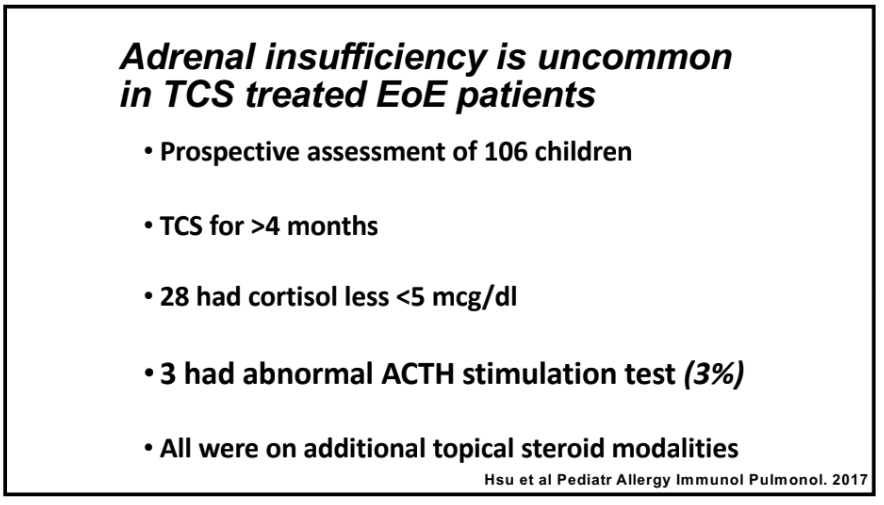
  • Adrenal insufficiency: Currently their group tries to screen for this after 4 months of topical corticosteroids and then yearly. It is unusual for them identify adrenal insufficiency if the patient is receiving only a single steroid agent; patients receiving steroids for other conditions like asthma are at higher risk.
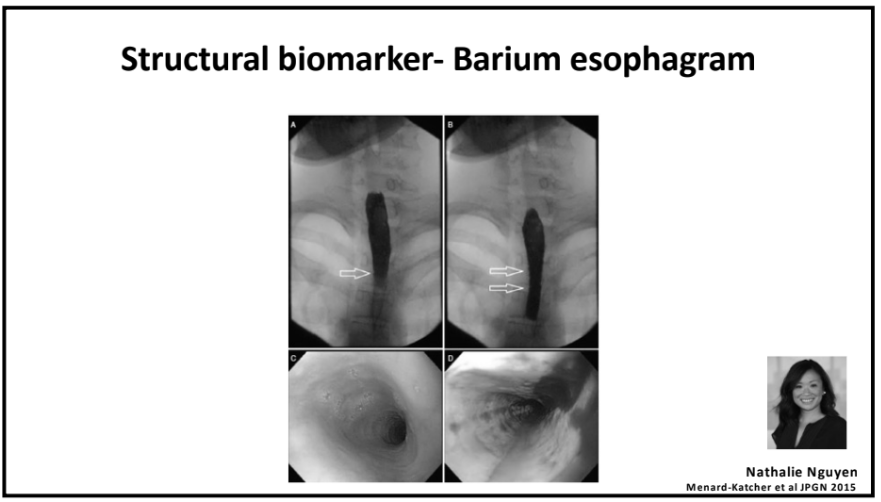
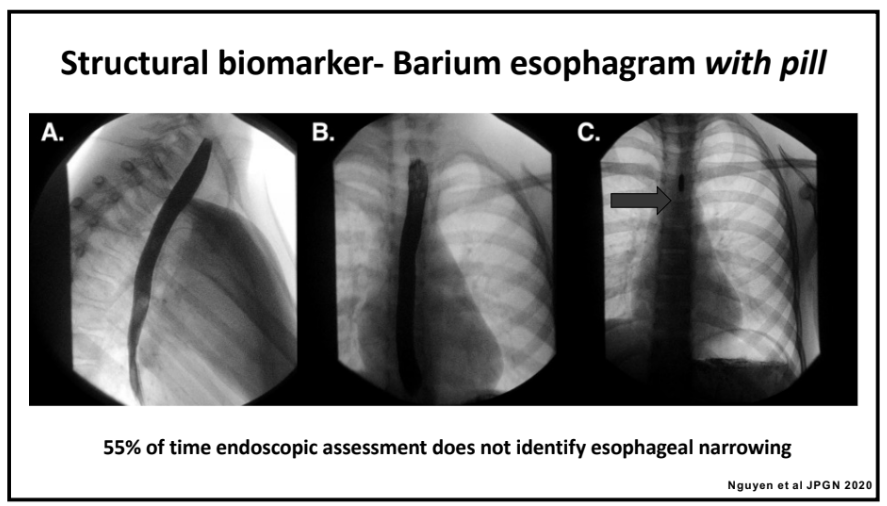
  • An esophagram with a barium coated pill can be a useful adjunct to determine if there is esophageal narrowing (this can be missed on endoscopy).
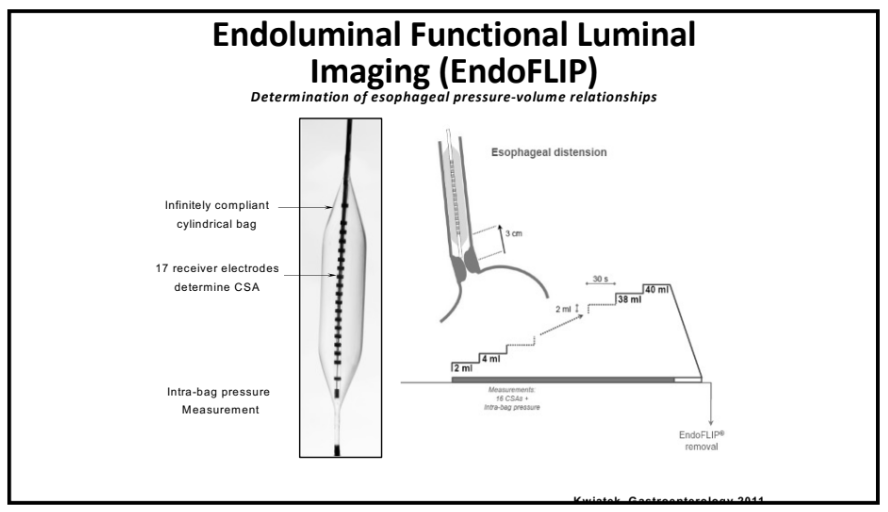
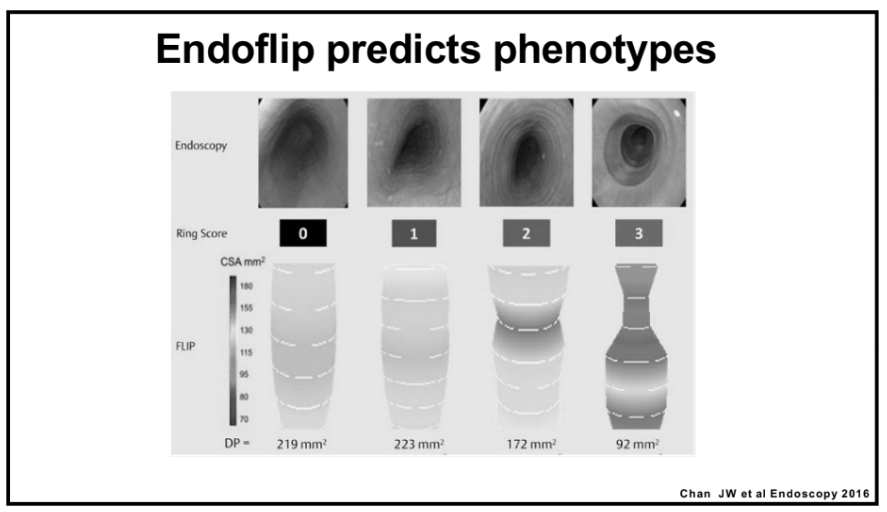
  • For select patients, endoFLIP can characterize distensibility/esophageal function
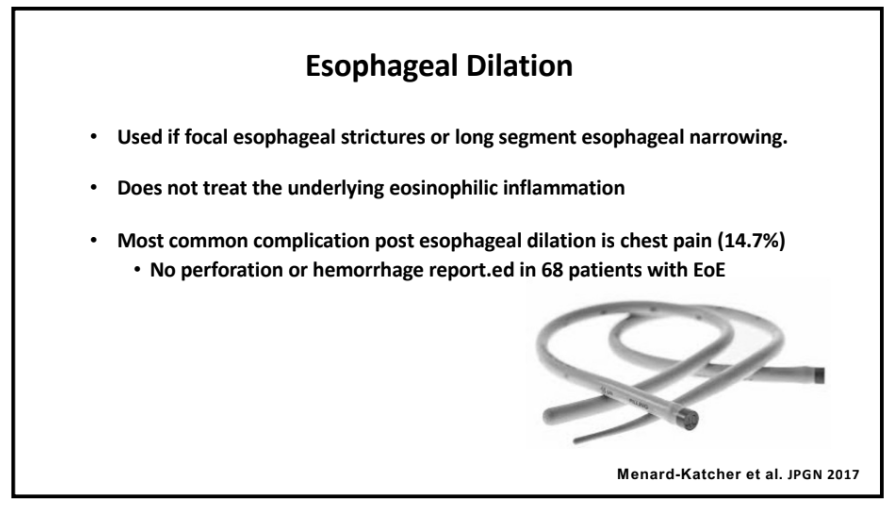
  • Esophageal strictures: Their group uses Bougie dilators and has had a good experience. No perforations. ~15% with chest pain afterwards.
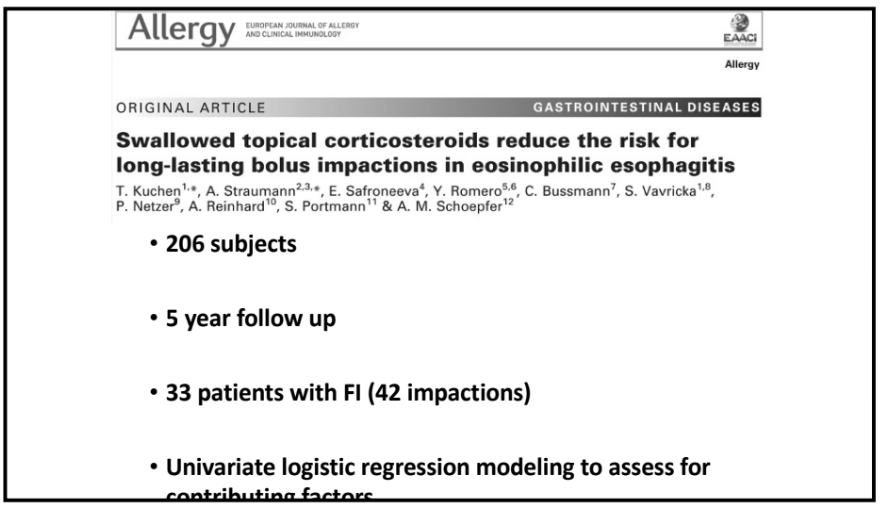
  • Corticosteroids (topical) can reduce the risk of food impactions in adults.
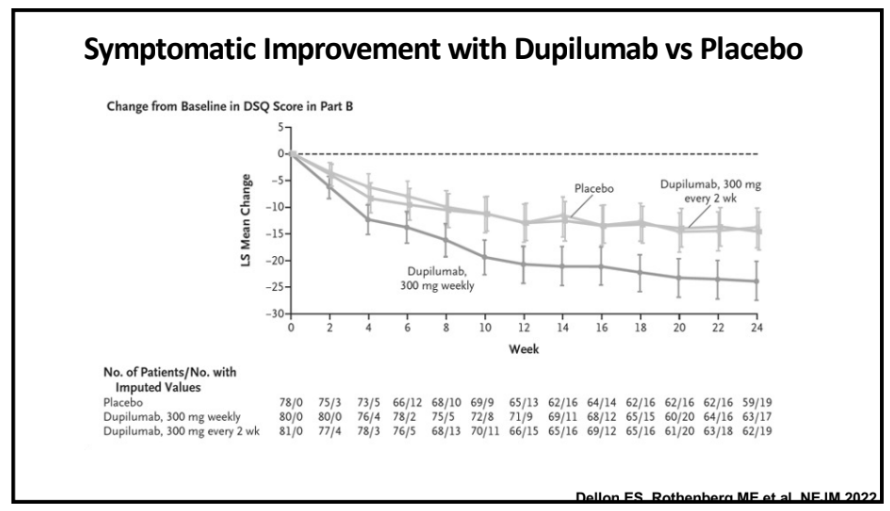
  • Reviewed use of Dupilimab and its recent approval in EoE for children as young as 1 yr of age (>15 kg)

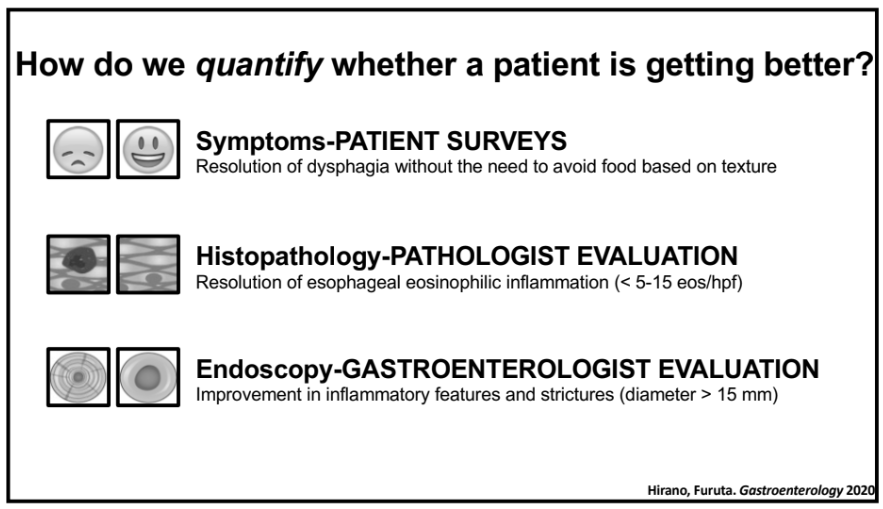
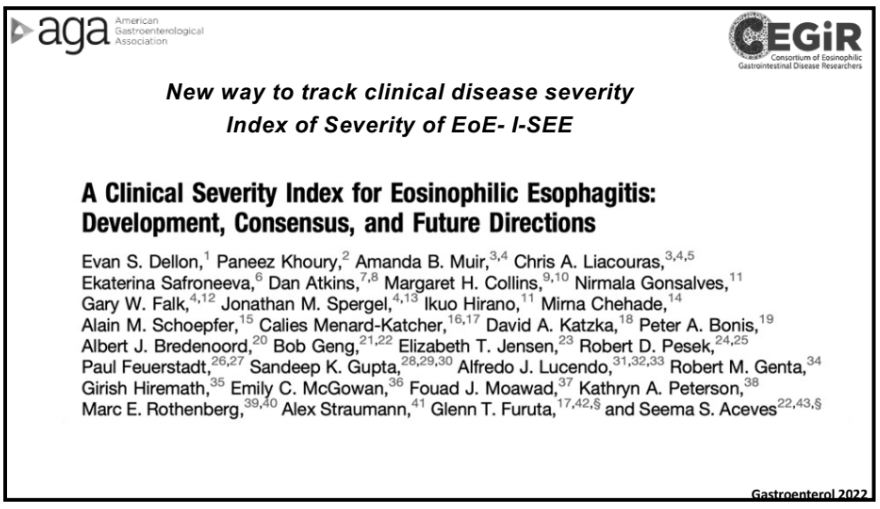
Some selected slides:

Related blog posts:
Dupixent Approved in Younger Children (15 kg+)

Link: DUPIXENT® (DUPILUMAB) FDA APPROVED AS FIRST AND ONLY TREATMENT INDICATED FOR CHILDREN AGED 1 YEAR AND OLDER WITH EOSINOPHILIC ESOPHAGITIS (EOE)

“Regeneron Pharmaceuticals, Inc. (NASDAQ: REGN) and Sanofi today announced that the U.S. Food and Drug Administration (FDA) has approved Dupixent® (dupilumab) for the treatment of pediatric patients aged 1 to 11 years, weighing at least 15 kg, with eosinophilic esophagitis (EoE).”

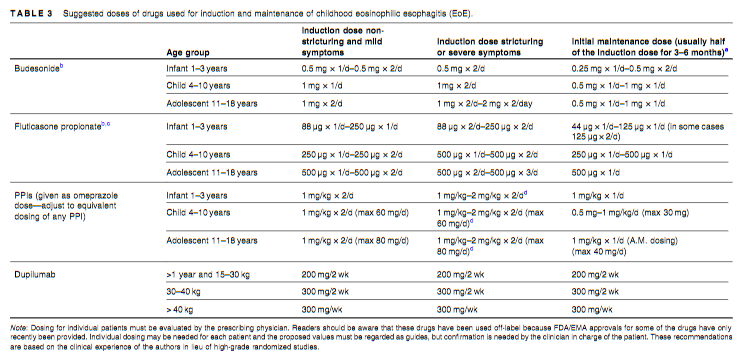
Recommended dosing:

Related blog posts:

Disclaimer: This blog, gutsandgrowth, assumes no responsibility for any use or operation of any method, product, instruction, concept or idea contained in the material herein or for any injury or damage to persons or property (whether products liability, negligence or otherwise) resulting from such use or operation. These blog posts are for educational purposes only. Specific dosing of medications (along with potential adverse effects) should be confirmed by prescribing physician.  Because of rapid advances in the medical sciences, the gutsandgrowth blog cautions that independent verification should be made of diagnosis and drug dosages. The reader is solely responsible for the conduct of any suggested test or procedure.  This content is not a substitute for medical advice, diagnosis or treatment provided by a qualified healthcare provider. Always seek the advice of your physician or other qualified health provider with any questions you may have regarding a condition.

Eosinophilic Esophagitis -Increasing Incidence and Emergence of Biologic Treatments

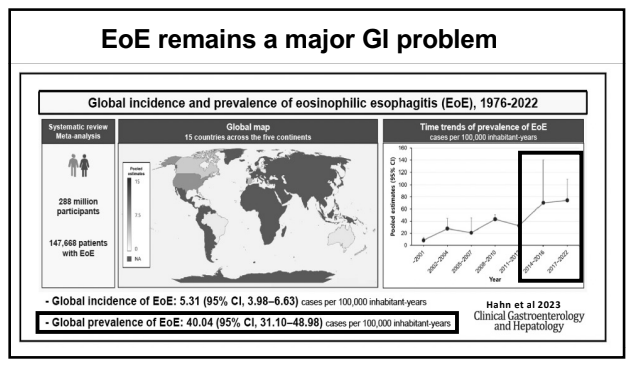
1st article: JW Hahn et al. Clin Gastroenterol Hepatol 2023; 21: 3270-3284. Open Access! Global Incidence and Prevalence of Eosinophilic Esophagitis, 1976–2022: A Systematic Review and Meta-analysis

This research utilized 40 studies which met the eligibility criteria, including over 288 million participants and 147,668 patients with EoE from 15 countries across the five continents.

Key findings:

  • The global pooled incidence and prevalence of EoE were 5.31 cases per 100,000 inhabitant-years and 40.04 cases per 100,000 inhabitant-years, respectively.
  • The pooled prevalence and incidence of EoE were higher in high-income countries, males, and North America.
  • The pooled prevalence and incidence of EoE have increased from 1976 to 2022.
Time trends of incidence (A) and prevalence (B) of EoE, 1976 to 2022. Pooled estimates, cases per 100,000 inhabitant-years.

2nd Article: DL Snyder, ES Dellon. Clin Gastroenterol Hepatol 2023; 21: 3230-3233. Biologics in the Treatment of Eosinophilic Esophagitis: Ready for Use?

“This review summarizes the data leading to FDA approval for dupilumab and provides a practical approach for clinical use of dupilumab.” Dupilumab, a humanized monoclonal antibody that blocks interleukin (IL)-4 receptor alpha, is currently the only FDA-approved medication for EoE. It is noted that in the trials leading to FDA approval, all patients were PPI refractory and ~70% had received topical steroids (with about half either intolerant or nonresponsive).

Dosing: 300 mg weekly injection with a single-dose prefilled autoinjector pen or a syringe with a needle shield. It is recommended that refrigerated medicine is brought to room temperature for at least 45 minutes prior to injection. It “can remain unrefrigerated up to 14 days.”

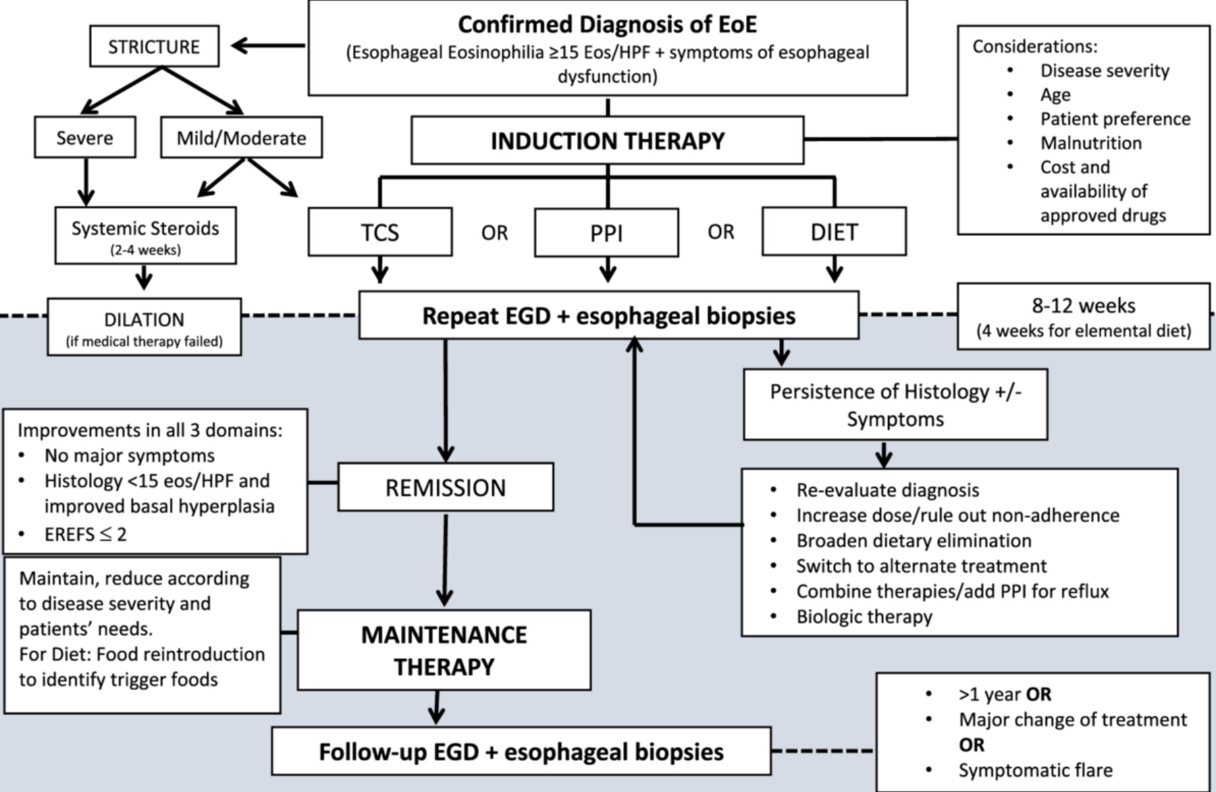
In Figure 1, the articles details positioning of use of dupilumab in EoE management algorithm:

  • New diagnosis, patient preference
  • Additional atopic condition with approved dupilumab use (strong indication)
  • Lack of response to current treatment (diet, PPI, swallowed steroids) or adverse effects from current treatment (strong indications)
  • “It is reasonable to repeat endoscopy with biopsy 24 weeks after initiation of dupilumab in many patients…However, endoscopy may be completer earlier” in selected patients.

At least 5 other biologics are in phase 2 or phase 3 studies (listed in Table 1).

My take: EoE is increasing in prevalence and new therapies (often expensive) are emerging.

Related blog posts:
Also, there is a fairly good patient education 7-page pamphlet from the makers of Dupixent encouraging patients with symptoms suggestive of EoE to speak with their physicians.

Link: This is EoE

Disclaimer: This blog, gutsandgrowth, assumes no responsibility for any use or operation of any method, product, instruction, concept or idea contained in the material herein or for any injury or damage to persons or property (whether products liability, negligence or otherwise) resulting from such use or operation. These blog posts are for educational purposes only. Specific dosing of medications (along with potential adverse effects) should be confirmed by prescribing physician.  Because of rapid advances in the medical sciences, the gutsandgrowth blog cautions that independent verification should be made of diagnosis and drug dosages. The reader is solely responsible for the conduct of any suggested test or procedure.  This content is not a substitute for medical advice, diagnosis or treatment provided by a qualified healthcare provider. Always seek the advice of your physician or other qualified health provider with any questions you may have regarding a condition.

NASPGHAN YouTube Video for Eosinophilic Esophagitis

NASPGHAN has developed a useful ~6 minute video for families reviewing the treatments (diet and medications) for eosinophilic esophagitis. When I visited the site, it had not garnered much traction yet (very few views). I would recommend this video to families:

NASPGHAN & GIKids -YouTube Video: Ways to Treat Eosinophilic Esophagitis (EoE)

Related links:

Briefly noted: Aerodigestive Medicine and Budesonide for Eosinophilic Esophagitis

A shout out to Ben Gold who is a coauthor on several new publications:

A Krasaelap et al. JPGN 2023; 77: 460-467. Pediatric Aerodigestive Medicine: Advancing Collaborative Care for Children With Oropharyngeal Dysphagia

This is a terrific review of the dysphagia and the multidisciplinary approach to management. Many pearls are in this article. For example, laryngo-tracheo-esophageal cleft (LTEC), “while rare, 1 in 10,000-20,000 live births, the incidence of LTEC is higher (7.6%-22%) in children with aerodigestive issues such as a chronic cough.” [As an aside, this should be repeated given the changing population of patients being seen.]

VA Mukkada, SK Gupta, BD Gold et al. JPGN 2023; 77: 760-768. Pooled Phase 2 and 3 Efficacy and Safety Data on Budesonide Oral Suspension in Adolescents with Eosinophilic Esophagitis

Key finding: Significantly more patients who received BOS (2mg BID) than placebo achieved histologic responses (≤6 eos/hpf: 46.7% vs 6.5%; ≤1 eos/hpf: 42.2% vs 0.0%; <15 eos/hpf: 53.3% vs 9.7%; P < 0.001)

Related blog posts:
View from Rua Augusta Arch in Lisbon