CCFA: Updates in IBD Conference (part 1)

My notes from a recent Georgia Chapter of CCFA’s conference. There could be errors of omission, transcription and/or errors in context based on my understanding.

Adam Cheifetz, MD Harvard School of Medicine

Optimizing IBD Treatments

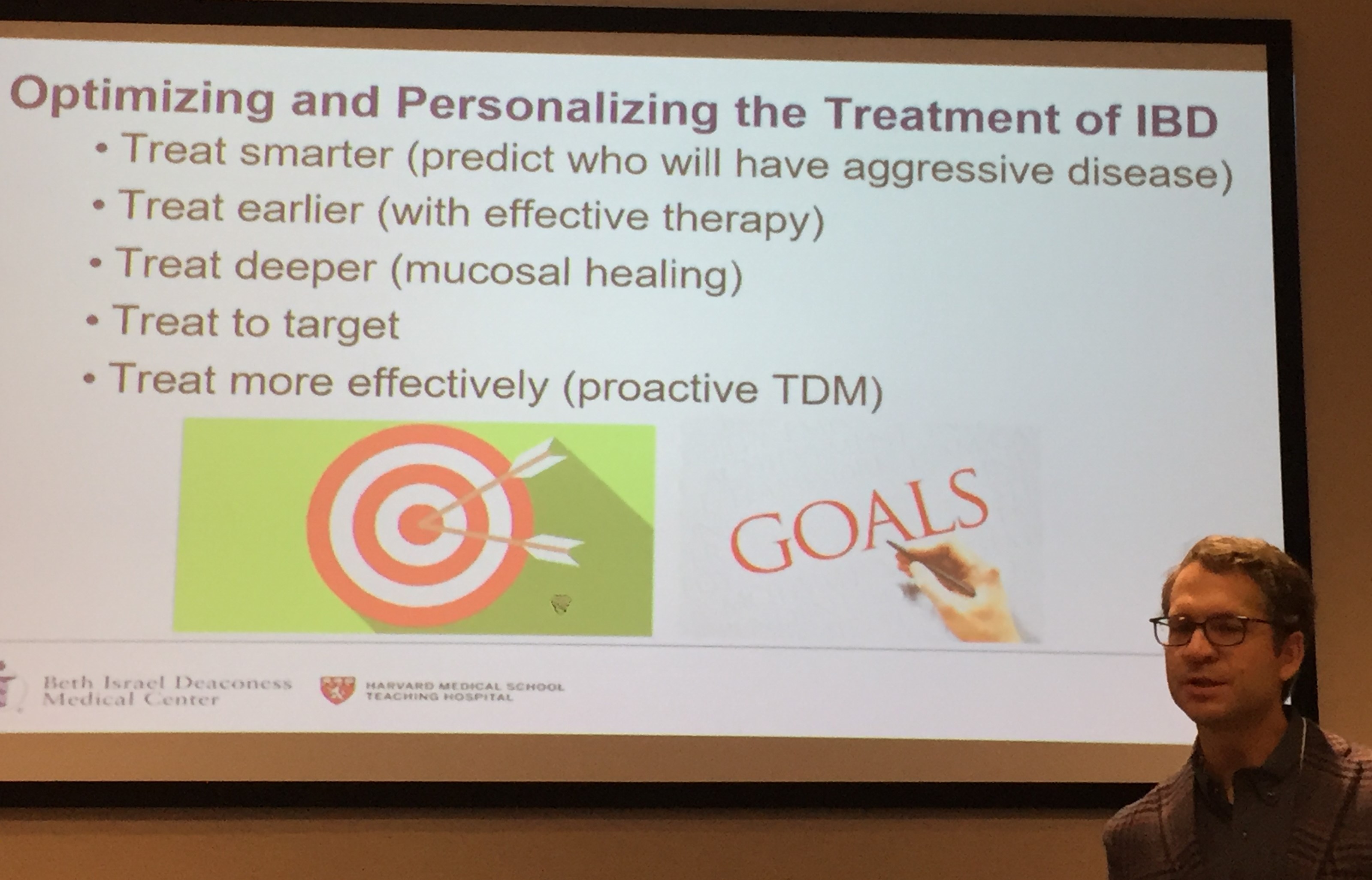
  • Earlier treatment with effective therapies
  • Utilizing therapeutic drug monitoring

Goals are clinical and endoscopic remission

  • Imaging if not visible on endoscopy
  • Biomarker remission -adjunctive goal
  • Symptoms and endoscopy do not have good correlation in Crohn’s disease
  • Endoscopic healing associated with better outcomes
  • Treatment –>assessment –> adjust treatment if goal is not met

Biologic Agents:

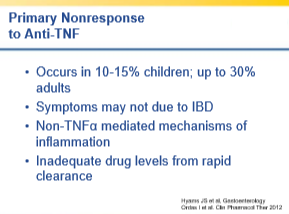
  • First agent works best; TNF-exposed patients do not respond as well as TNF-naive patients to subsequent biologic
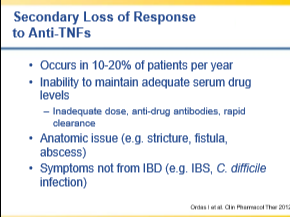
  • High rate of secondary loss of response

Therapeutic Drug Monitoring:

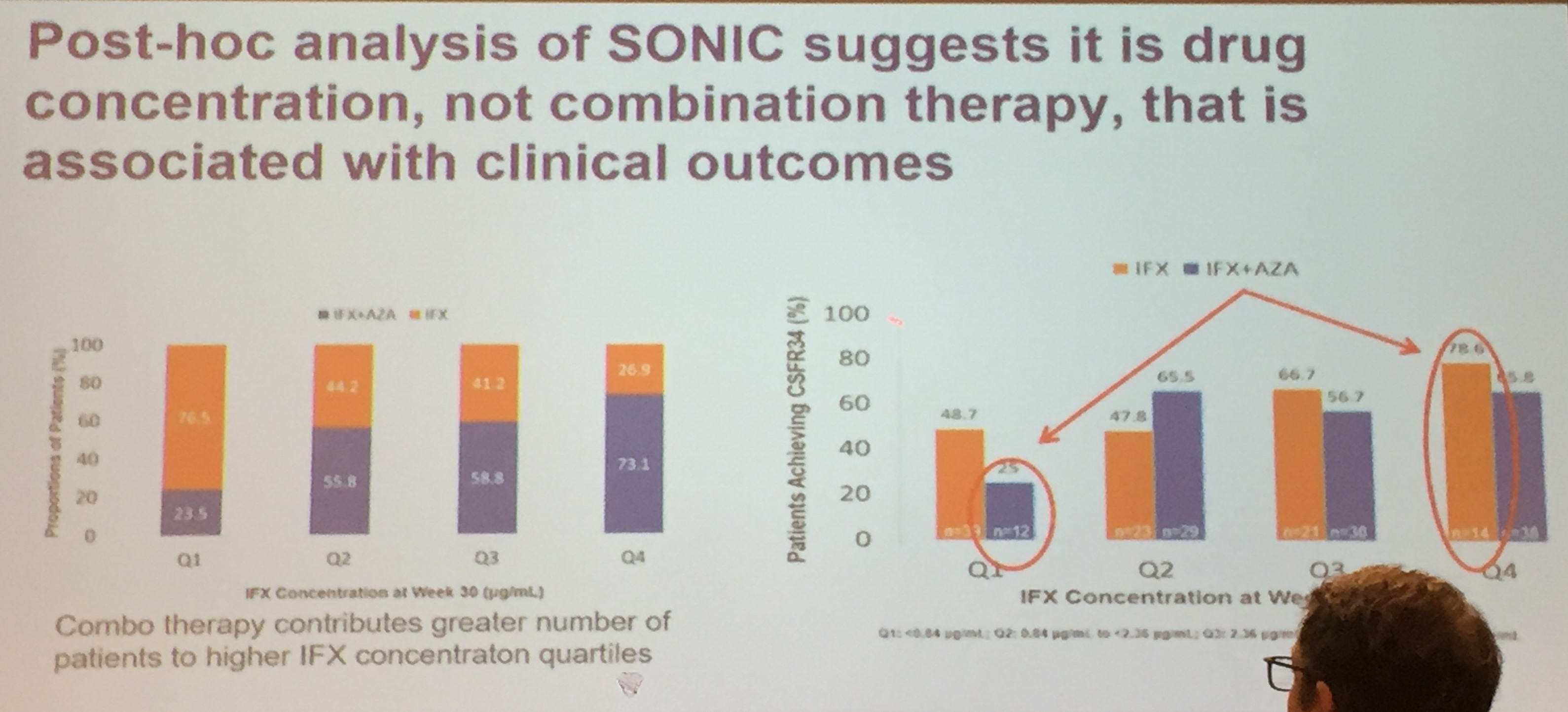
  • Combination therapy in Sonic study was associated with higher infliximab levels. It appears that optimized monotherapy is as effective as combination therapy (Colombel study).
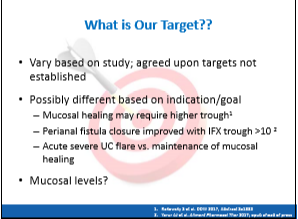
  • Fistula treatment requires higher biologic levels
  • Lower biologic drug levels associated with development of antidrug antibodies
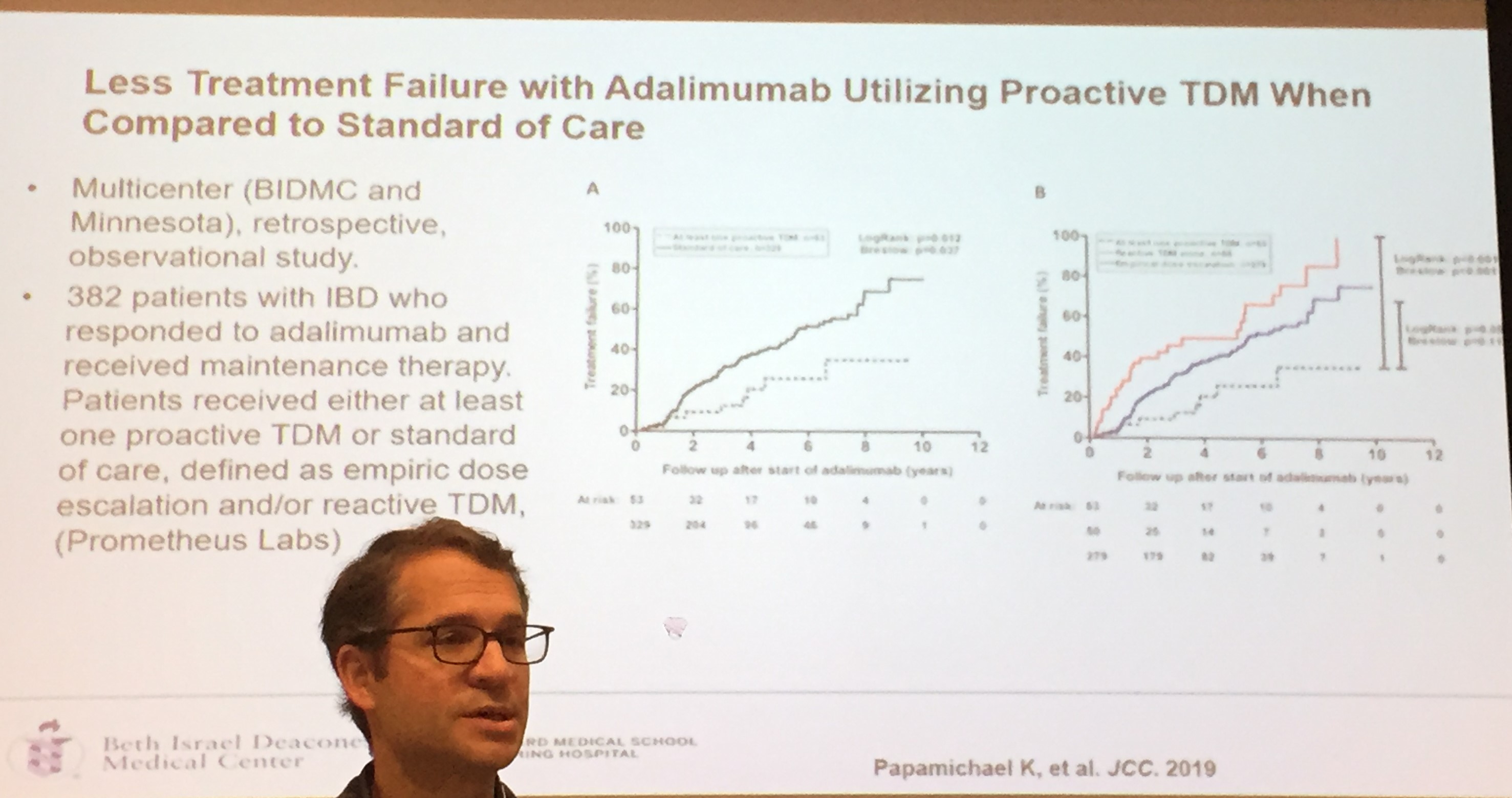
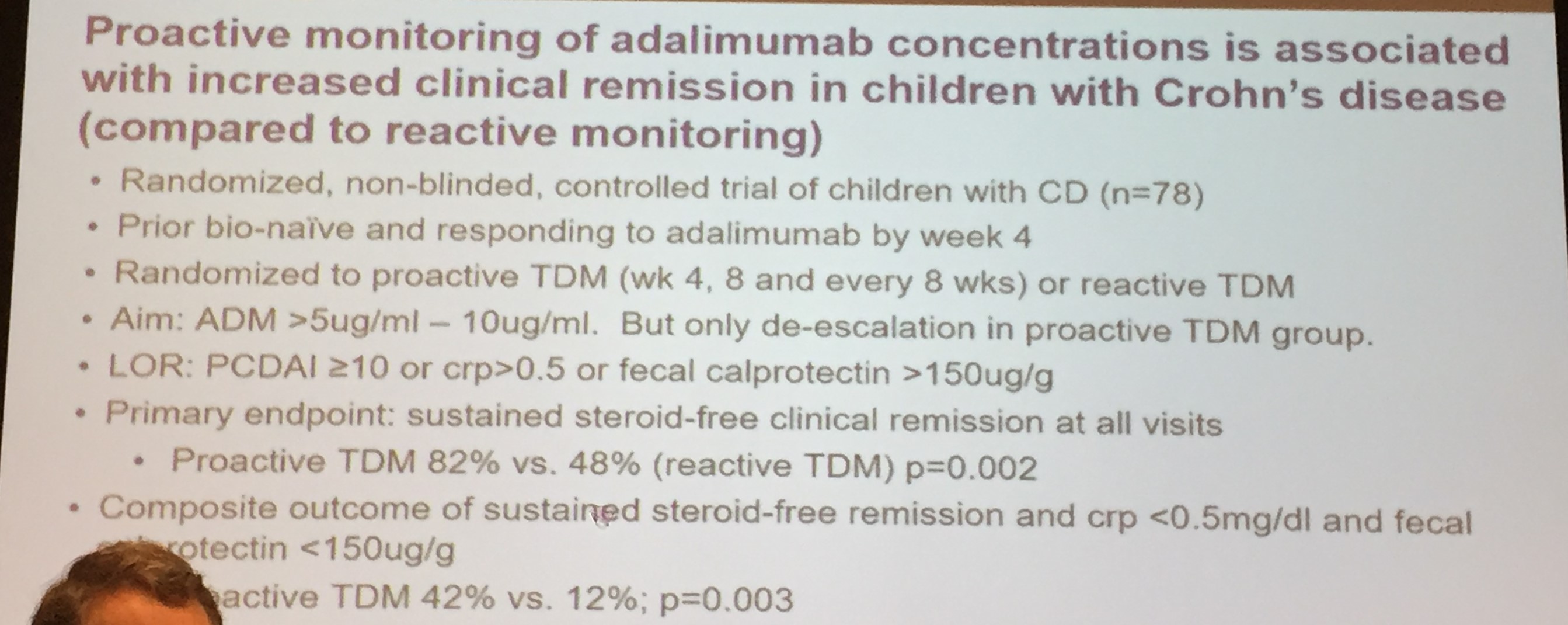
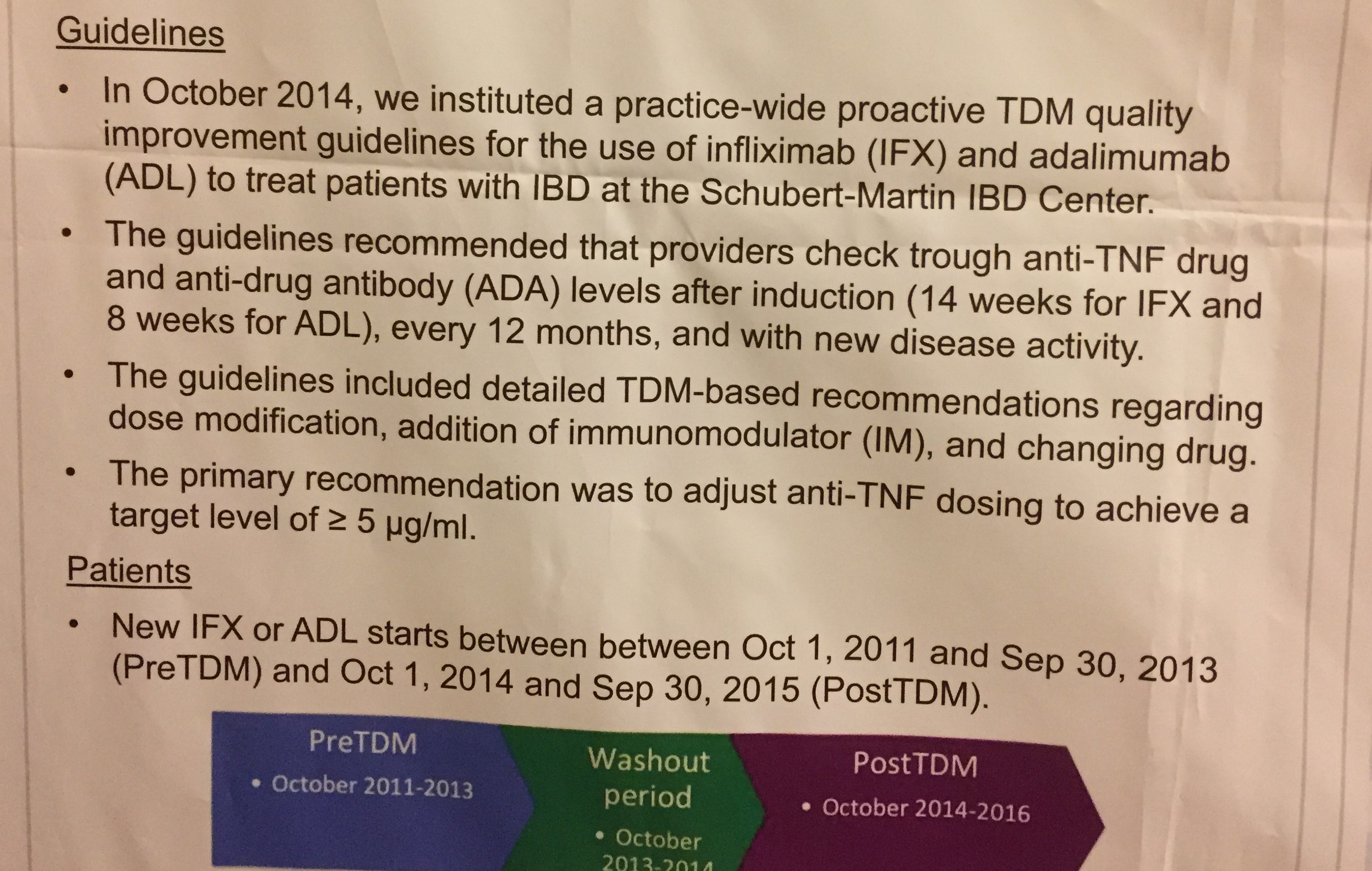
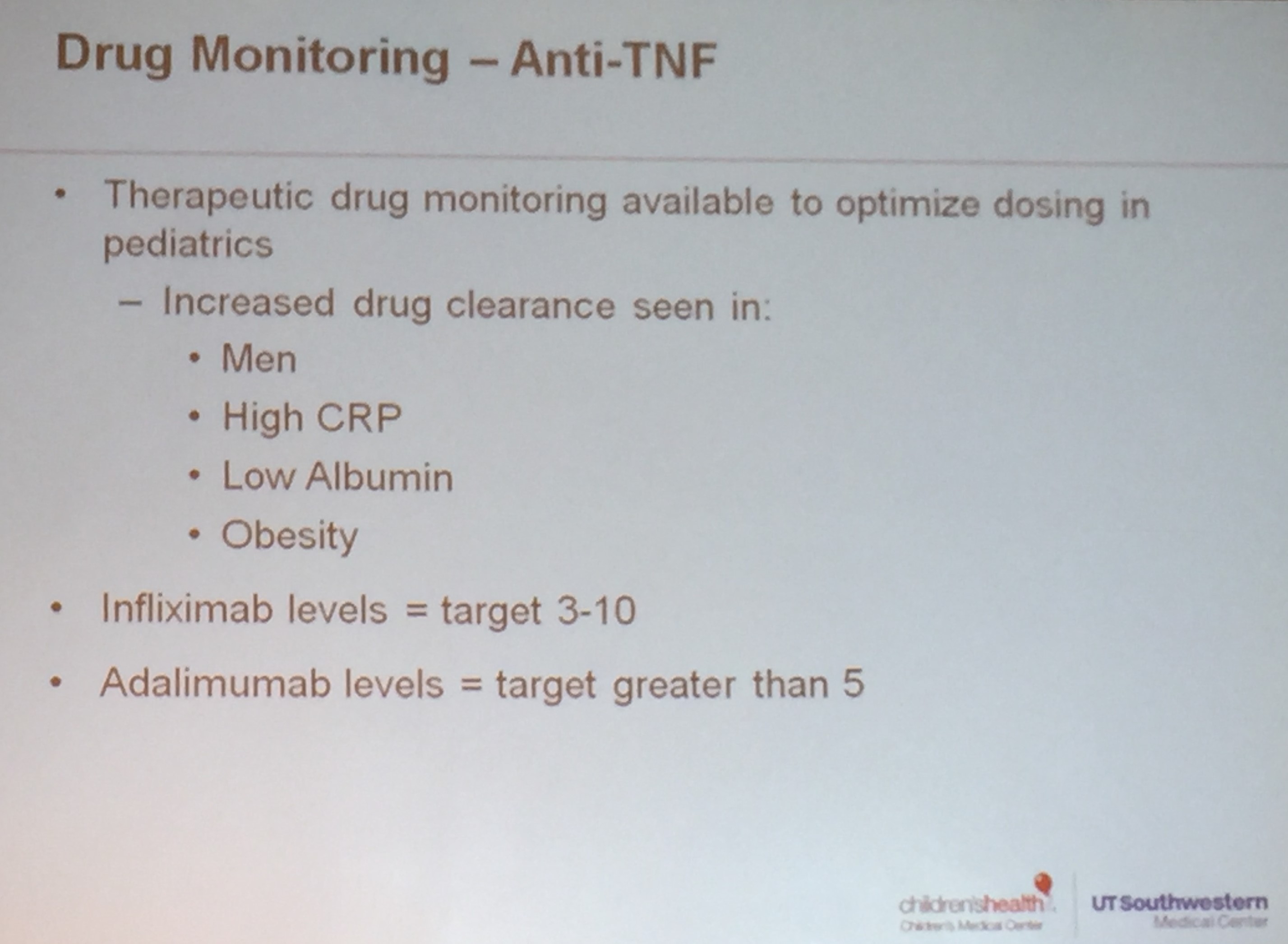
  • Proactive monitoring –recommended
  • Both infliximab and adalimumab are frequently underdosed, especially in pediatrics –>another reason for proactive monitoring
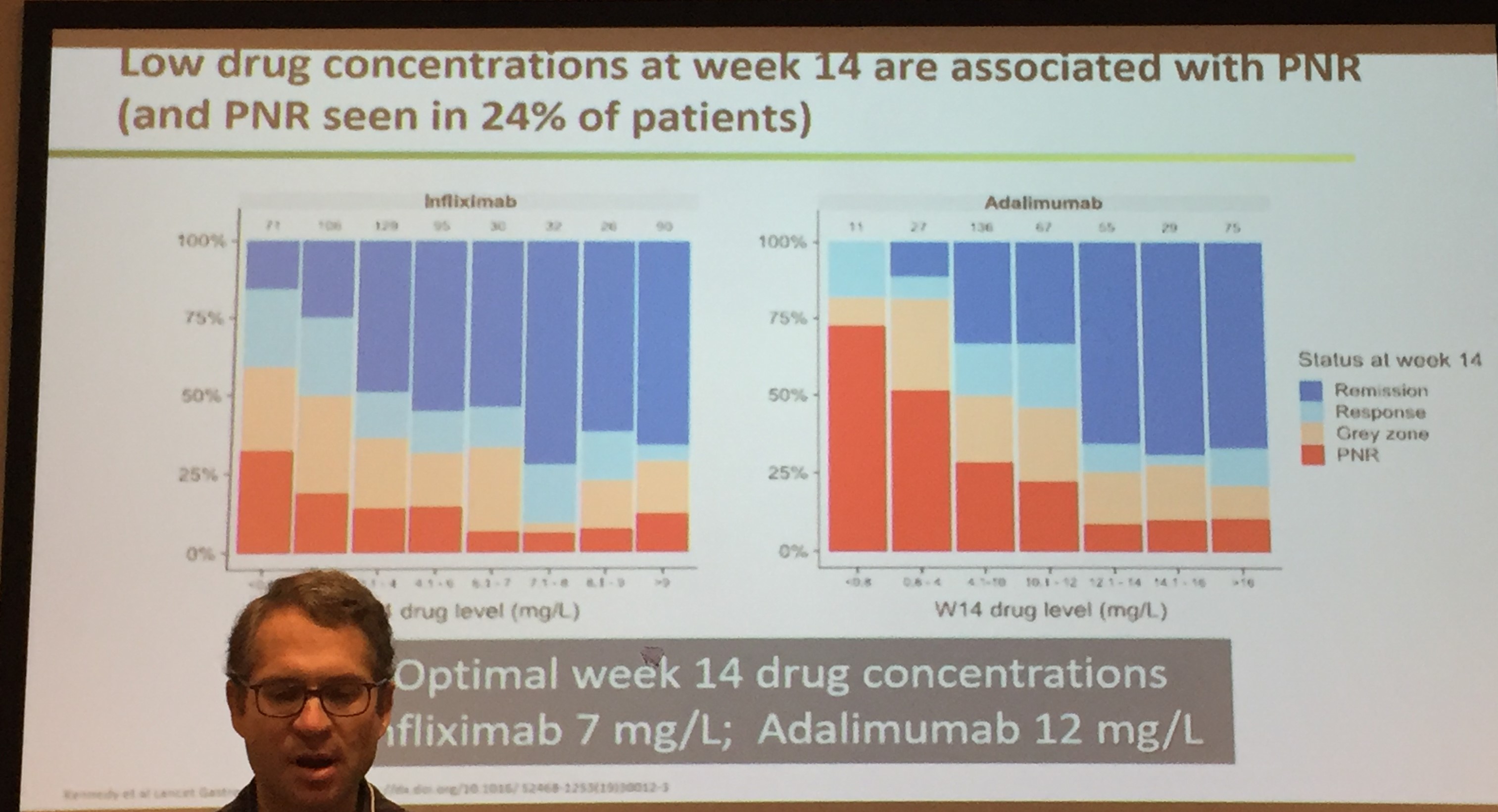
  • If sicker patients, consider checking TDM at week 10; less sick patients, reasonable to consider TDM at week 14
Related blog posts:

Disclaimer: These blog posts are for educational purposes only. Specific dosing of medications/diets (along with potential adverse effects) should be confirmed by prescribing physician/nutritionist.  This content is not a substitute for medical advice, diagnosis or treatment provided by a qualified healthcare provider. Always seek the advice of your physician or other qualified health provider with any questions you may have regarding a condition.

Combination Therapy Study Points to Central Role of Adequate Drug Levels

A recent study (JF Colombel et al. Clin Gastroenterol Hepatol 2019; 17: 1525-32) examines the effect of combination therapy and drug levels in achieving corticosteroid-free remission at week 26 (CSFR26).

The authors performed a post hoc analysis from 206 patients with Crohn’s disease (CD): 97 monotherapy with infliximab & 109 with combination infliximab/azathioprine

Key findings:

  • The proportions of patients achieving CSFR26 were not significantly greater among those receiving combination therapy vs monotherapy within the same serum infliximab concentrations
  • Mean trough infliximab concentrations in the combination therapy were higher than for monotherapy: 3.54 mcg/mL vs. 1.55 mcg/mL
  • Higher levels of antidrug antibodies were seen with monotherapy: 35.9% vs 8.3% of those with combination therapy.  Antidrug antibodies were detected only in those with lowest quartile of infliximab trough levels.

My take: This study indicates that combination therapy’s higher efficacy is due to  favorable pharmacokinetics rather than drug synergy.  If good infliximab trough levels can be achieved with infliximab monotherapy, this may obviate the need for combination therapy.  The uncertain factor is whether closer attention to trough levels will minimize the development of antidrug antibodies as effectively as the use of combination therapy.

Related blog posts:

Disclaimer: These blog posts are for educational purposes only. Specific dosing of medications/diets (along with potential adverse effects) should be confirmed by prescribing physician/nutritionist.  This content is not a substitute for medical advice, diagnosis or treatment provided by a qualified healthcare provider. Always seek the advice of your physician or other qualified health provider with any questions you may have regarding a condition.

Sagrada Familia, Barcelona

IBD Update Feb 2019

Briefly noted:

B Feagan et al. Systematic review: efficacy and safety of switching patients between reference and biosimilar infliximab. Alim Pharm Ther 2019 Jan;49(1):31-40. “While available data have not identified significant risks associated with a single switch between reference and biosimilar infliximab, the studies available currently report on only single switches and were mostly observational studies lacking control arms. Additional data are needed to explore potential switching risks in various populations and scenarios.”

MP Pauly et al. Incidence of Hepatitis B Virus Reactivation and Hepatotoxicity in Patients Receiving Long-term Treatment with Tumor Necrosis Factor Antagonists. Clin Gastroenterol Hepatol 2018; 16: 1964-73. Using data from 8887 adults, this retrospective review found  “HBV reactivation iin 39% of patients who were HBsAg+ before therapy, but not in any patients who were HBsAg-negative and anti-HBc+ before therapy.”

D Lauritzen et al. Pediatric Inflammatory Bowel Diseases: Should We Be Looking for Kidney Abnormalities? Inflamm Bowel Dis 2018; 24: 2599-2605. In a cross-sectional cohort of 56 children with IBD, the authors found 25% “had either previously reported kidney disease or ultrasonographic signs of chronic kidney disease.” The authors note that plasma cystatin C is a useful biomarker for glomerular filtration as it less dependent on nutritional status; it is increased in the setteing of a decline in GFR.

L Pouillon et al. Mucosal Healing and Long-term Outcomes of Patients with Inflammatory Bowel Diseases Receiving Clinic-Based vs Trouhg Concentration-Based Dosing of Infliximab. Clin Gastroenterol Hepatol 2018; 16: 1276-83.  This retrospective study with patients who completed TAXIT maintenance phase found that patients who received trough-based infliximab dosing had a lower discontinuation rate of infliximab compared with clinic-based dosing (2 of 21 [10%]  vs. 10 of 27 [37%]).  However, both groups had >75% of patients able to continue infliximab for more than 3 years after the trial.

N Ouldali et al. Early Arthritis Is Associated With Failure of Immunosuppressive Drugs and Severe Pediatric Crohn’s Disease Evolution. Inflamm Bowel Dis 2018; 24: 2423-30. In this retrospective study with 272 patients with Crohn’s disease, 23.9% (n=65) developed arthritis and this was associated with failure of immunosuppressive drugs with OR of 6.9 after 2 years. In this study, immunosuppressive drugs refers to thiopurines and methotrexate.  By the completion of study, a much greater proportion of those with arthritis required biologic treatment (76% vs 32%, OR 4.3)

Vedolizumab Drug Levels –Are They Needed?

A recent retrospective study (E Dreesen et al Clin Gastroenterol Hepatol 2018; 16: 1937-46) with 179 consecutive patients (66 with ulcerative colitis, and 113 with Crohn’s disease) found that vedolizumab (VDZ) trough concentrations were correlated with response.

Key findings:

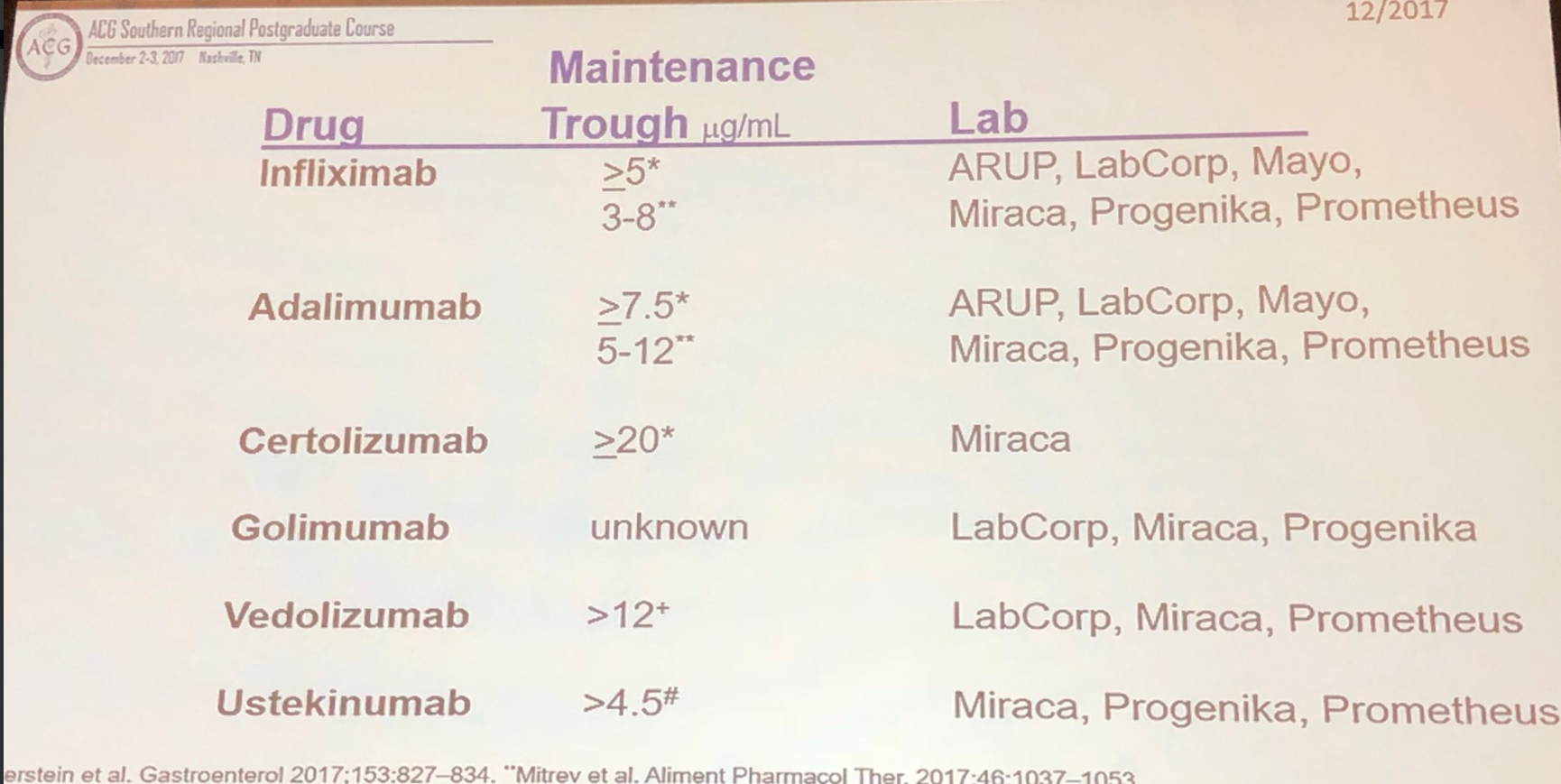
  • VDZ trough >30 mcg/mL at week 2, >24 mcg/mL at week 6, and >14 mcg/mL during maintenance were associated with effectiveness endpoints including endoscopic healing, physician global assessment and biochemical response (based on CRP).
  • Median VDZ trough levels during induction were 27.7 mcg/mL at week 2, 27.4 mcg/mL at week 6. With standard dosing, the maintenance VDZ trough was 13.5 mcg/mL at week 14
  • Higher BMI and more severe disease, based on CRP, albumin, and/or hemoglobin, were associated with lower VDZ trough levels and lower probability of mucosal healing (P<.05).

Interestingly, in the discussion the authors note that VDZ troughs above  3 mcg/mL completely saturate α4β7 intergrin.  This physiologic phenomenon is hard to reconcile with data showing better response with higher VDZ levels.  The authors note that “at present, there are not enough data in our study to support the role for TDM to guide clinical decision-making on dose escalation for vedolizumab.”

My take: This study implies that VDZ levels may help predict response but are not necessarily helpful in determining whether dose escalation is warranted.

Related blog posts:

Riverwalk, Chattanooga

Therapeutic Drug Monitoring for Vedolizumab

A recent observational study (N Williet et al. Clin Gastroenterol Hepatol 2017; 15: 1750-7) provides some important information about where we are heading with regard to therapeutic drug monitoring (TDM) with vedolizumab (VDZ).

This study enrolled 47 consecutive patients with either Crohn’s disease (CD, n=31) or ulcerative colitis (UC, n=16). In those without a clinical response at week 6, an additional dose of 300 mg of VDZ was administered at week 10.

Key findings:

  • VDZ levels were higher in responders than in nonresponders, which is in agreement with previous studies ( (NEJM 2013; 369: 711-21, NEJM 2013; 369: 699-710)
  • A low therapeutic drug level as early as week 2 (<24.5 mcg/mL) and at the end of induction (week 6) (<18.5 mcg/mL) was associated with the need for drug optimization within 6 months in all patients
  • All patients with a level <19.0 mcg/mL at week 6, regained a secondary response after optimization at week 10.
  • The authors note that in the GEMINI trial, anti-VDZ antibodies were detected in 56 of 1434 patients (3.7%).  In this cohort, no anti-VDZ were detected using the same methods.

My take: Low trough levels of VDZ at week 6 are associated with the need for drug optimization/increased dosing.

Therapeutic Drug Monitoring: Ustekinumab (Stelara)

The ability to measure drug levels has changed how we think about refractory medical disease, particularly in patients with inflammatory bowel disease.  Prior to the availability of therapeutic drug monitoring (TDM), in some situations poor response to therapy could be ascribed to variability in host immune response. Now, it is clear that many cases of refractory medical disease are due to insufficient drug level.  TDM allows for dose individualization to target the right amount of medication.
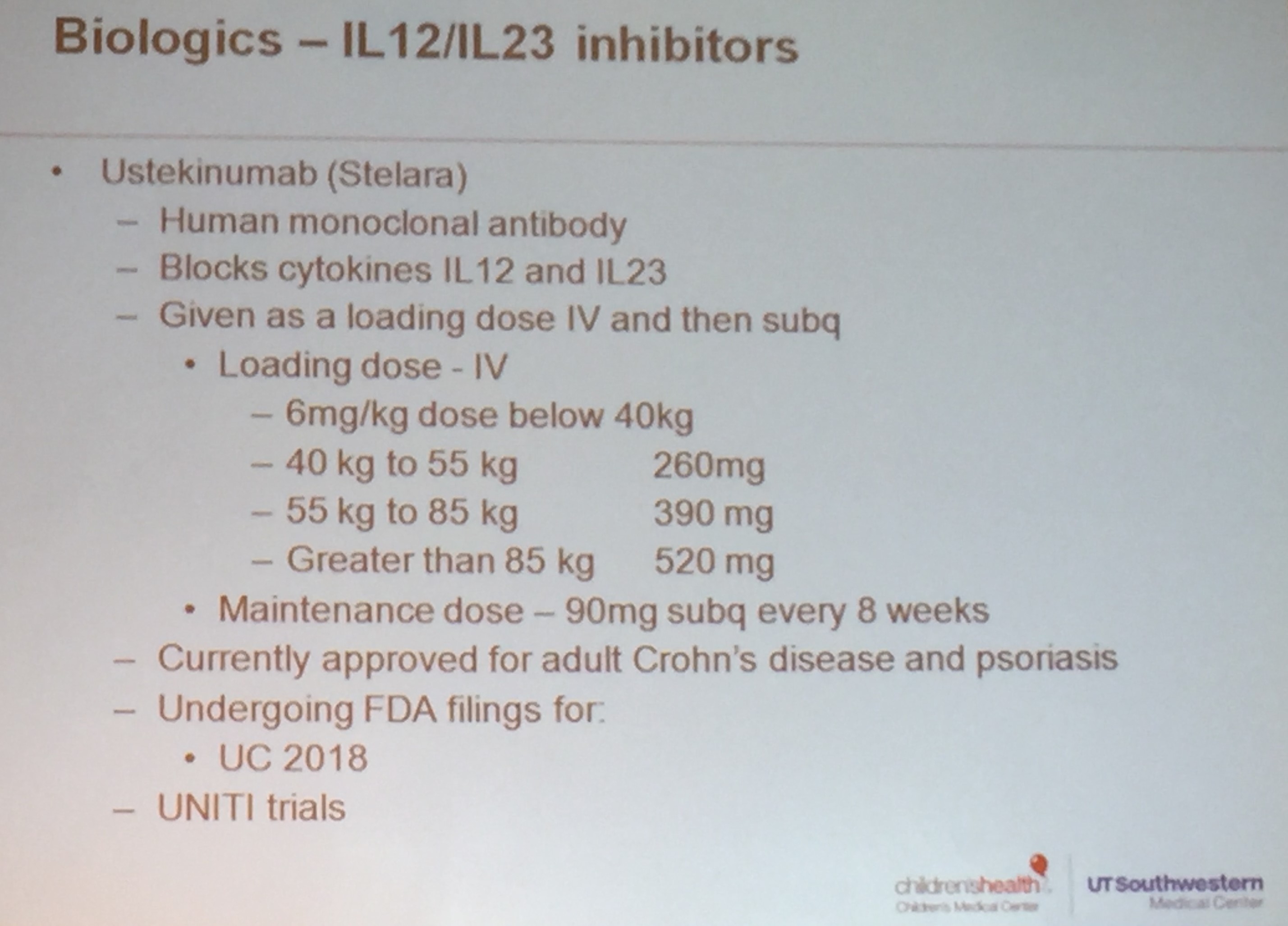
TDM has an accepted role in anti-TNF therapy.  Now, a study (R Battat et al. Clin Gastroenterol Hepatol 2017; 15: 1427-34) extends the concept of TDM to ustekinumab.  This study which took place between 2014-2015 examined ustekinumab use in 62 patients with refractory Crohn’s disease (CD).  Ustekinumab dosing: 90 mg SC at weeks 0, 1, and 2 for induction, then 90 mg every 4 or 8 weeks for maintenance.

Key findings:

  • At week 26, 80.7% of patients had a clinical response, 66.1% had a clinical remission, and 58.9% had an endoscopic response.
  • In those with an endoscopic response, the mean trough concentration of ustekinumab was 4.7 mcg/mL compared with 3.8 mcg/mL those without an endoscopic response.
  • Using a trough threshold of 4.5 mcg/mL at week ≥26, 75.9% had an endoscopic response whereas those with a level below this trough had a 40.7% endoscopic response
  • The authors did not detect antibodies to ustekinumab in any patient. The authors note that ustekinumab has low immunogenicity and prior UNITI studies indicated antibody formation in 0.2% after induction and 2.3% at 1 year.
  • Unlike combination therapy with anti-TNF therapy, “concurrent immunosuppressive therapy does not explain low immunogenicity, as only 25.8% of patients received these and had neither improved clinical outcomes nor higher drug concentrations.”

Thus far, no clinical studies have demonstrated improved clinical outcomes with dose escalation in the setting of low ustekinumab levels.  A prospective trial would be helpful.

My take: This study shows promising results for ustekinumab for refractory CD.  The low immunogenicity indicates that monotherapy is likely appropriate.  A target level of >4.5 mcg/mL indicates a higher likelihood of response.

Related blog posts:

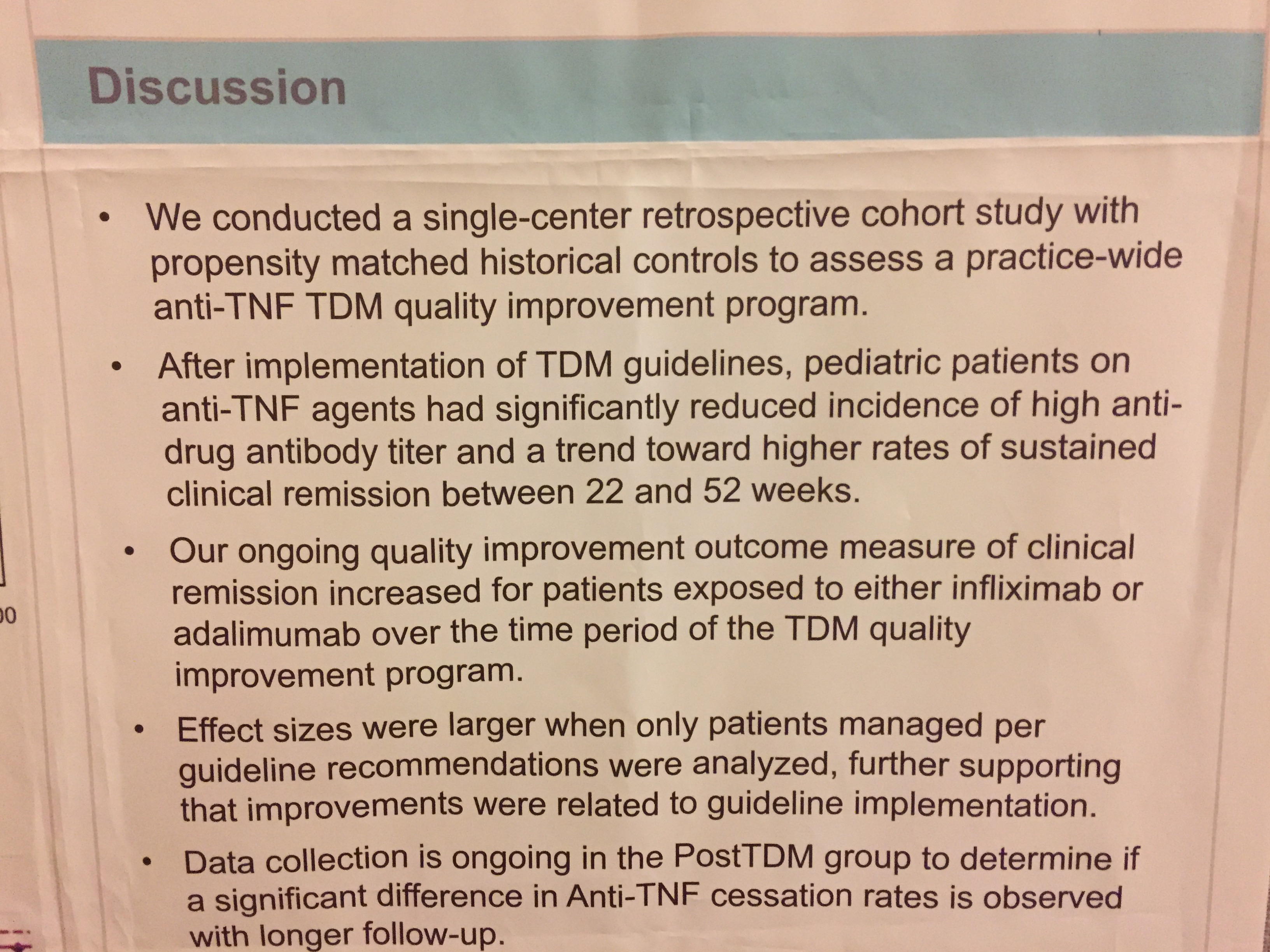
#NASPGHAN17 Therapeutic Drug Monitoring Associated with Increased Clinical Remission

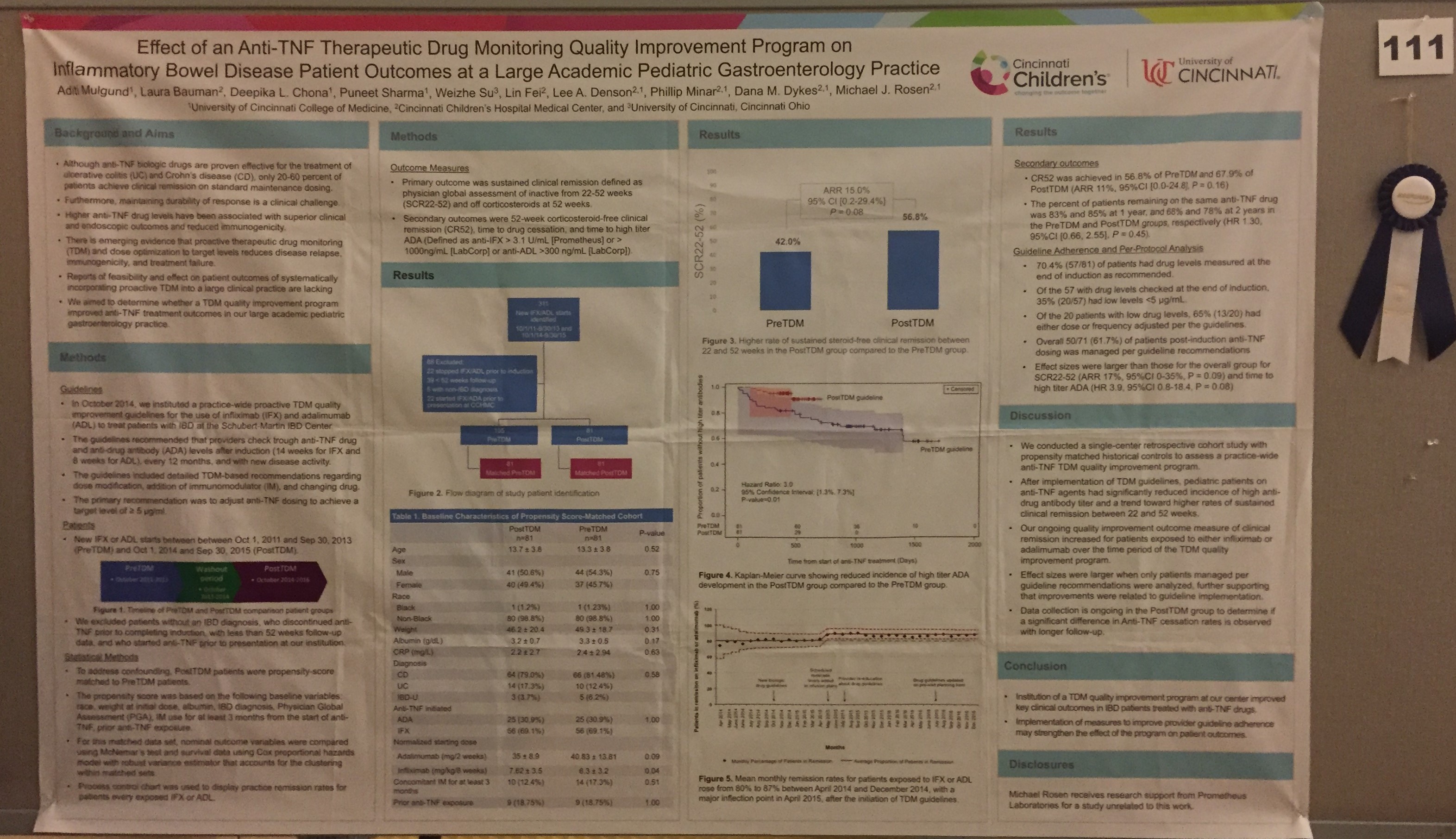
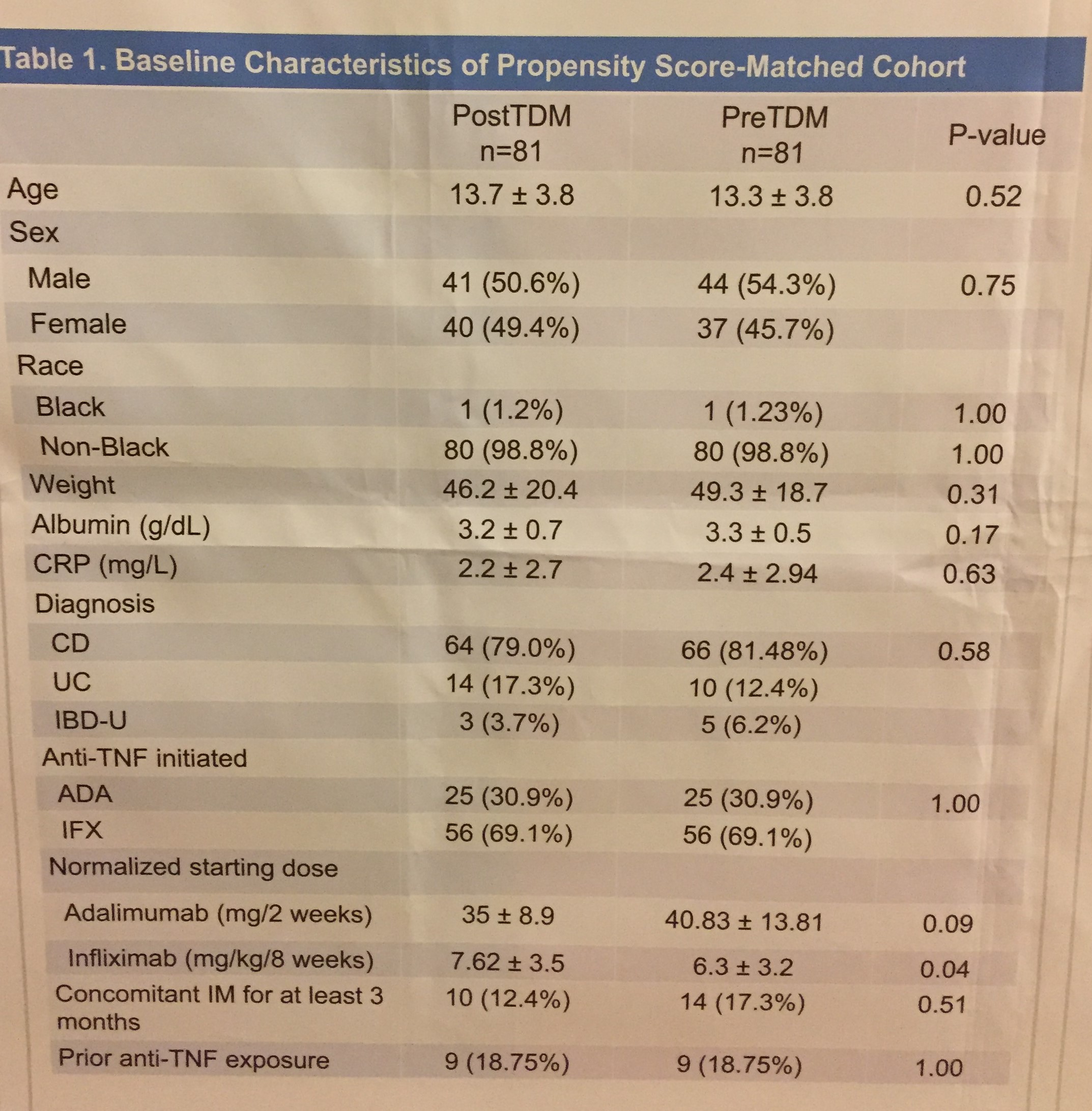
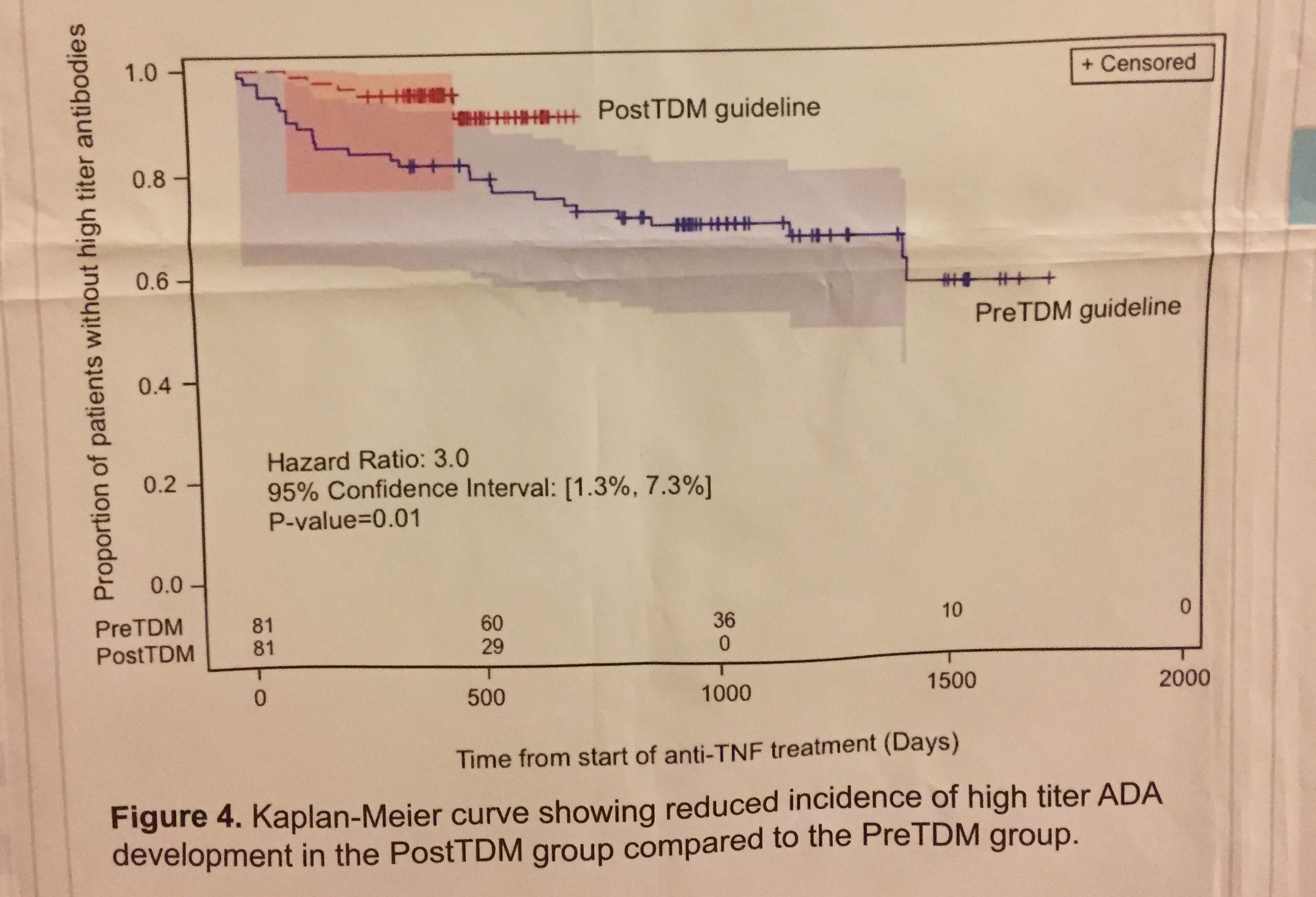
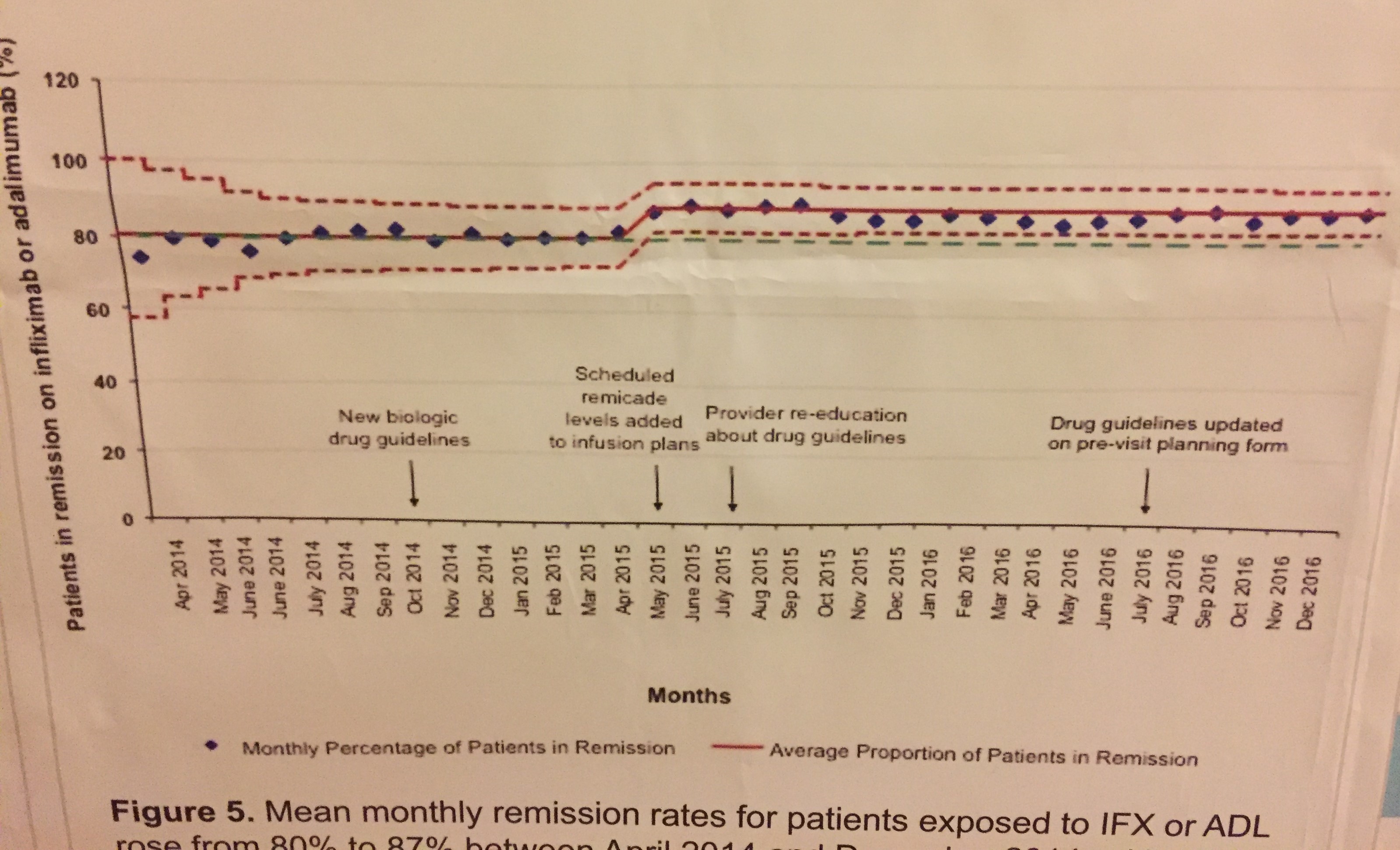
In support of Dr. Baldassano’s talk (NASPGHAN17: Treat to Target and Tight Control), this poster from the Cincinnati group (A Mulgand et al) showed that therapeutic drug monitoring has been associated with improved clinical remission scores (80% to 87%).  Correlation with a more objective marker of remission along with longer followup is now needed. One of the authors, Dana Dykes, has joined our group in Atlanta!


Related blog posts:

NASPGHAN Postgraduate Course 2017 (Part 4): Therapeutic drug monitoring, Anti-TNF management, Postoperative Crohn’s disease

This blog entry has abbreviated/summarized these presentations. Though not intentional, some important material is likely to have been omitted; in addition, transcription errors are possible as well.

Here is a link to postgraduate course syllabus: NASPGHAN PG Syllabus – 2017

Therapeutic Drug Monitoring

Andrew Grossman  Children’s Hospital of Philadelphia

The topic of therapeutic drug monitoring, both reactive and proactive, has been discussed numerous times on this blog.  This talk provided a good review of this topic.

Key points:

  • Greatest predictor of infliximab treatment failure was a low infliximab (<0.9 mcg/mL at anytime or <2.2 mcg/mL at 14 weeks) (Castelle et al Am J Gastro 2013; 108: 962-71)
  • Low level antibodies to infliximab may be transient in ~28% and may be overcome with escalation of therapy
  • Tissue levels of infliximab (and other agents) may be inadequate despite good serum levels

What if anti-TNF fails

Maria Oliva-Hemker   Johns Hopkins University School of Medicine

Key points:

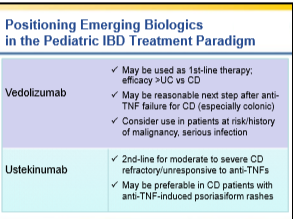
  • Discussed prevalence of problem with anti-TNF failures and main options: vedolizumab, ustekinumab, and surgery
  • Vedolizumab can take a while to work, particularly for Crohn’s disease
  • Limited data in pediatrics for these newer agents
  • Ustekinumab has some preliminary data indicating benefit with anti-TNF induced psoriaform rashes
  • Newer agents also likely to need therapeutic drug monitoring
  • Overall, ustekinumab and vedolizumab have good safety profiles at this point


Prevention of postoperative Crohn’s disease

Miguel Regueiro   University of Pittsburgh

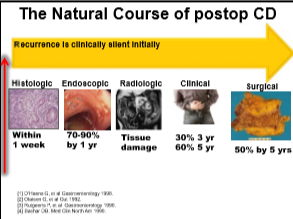
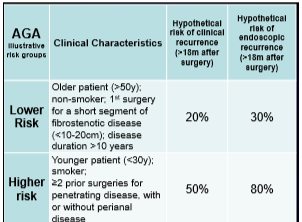
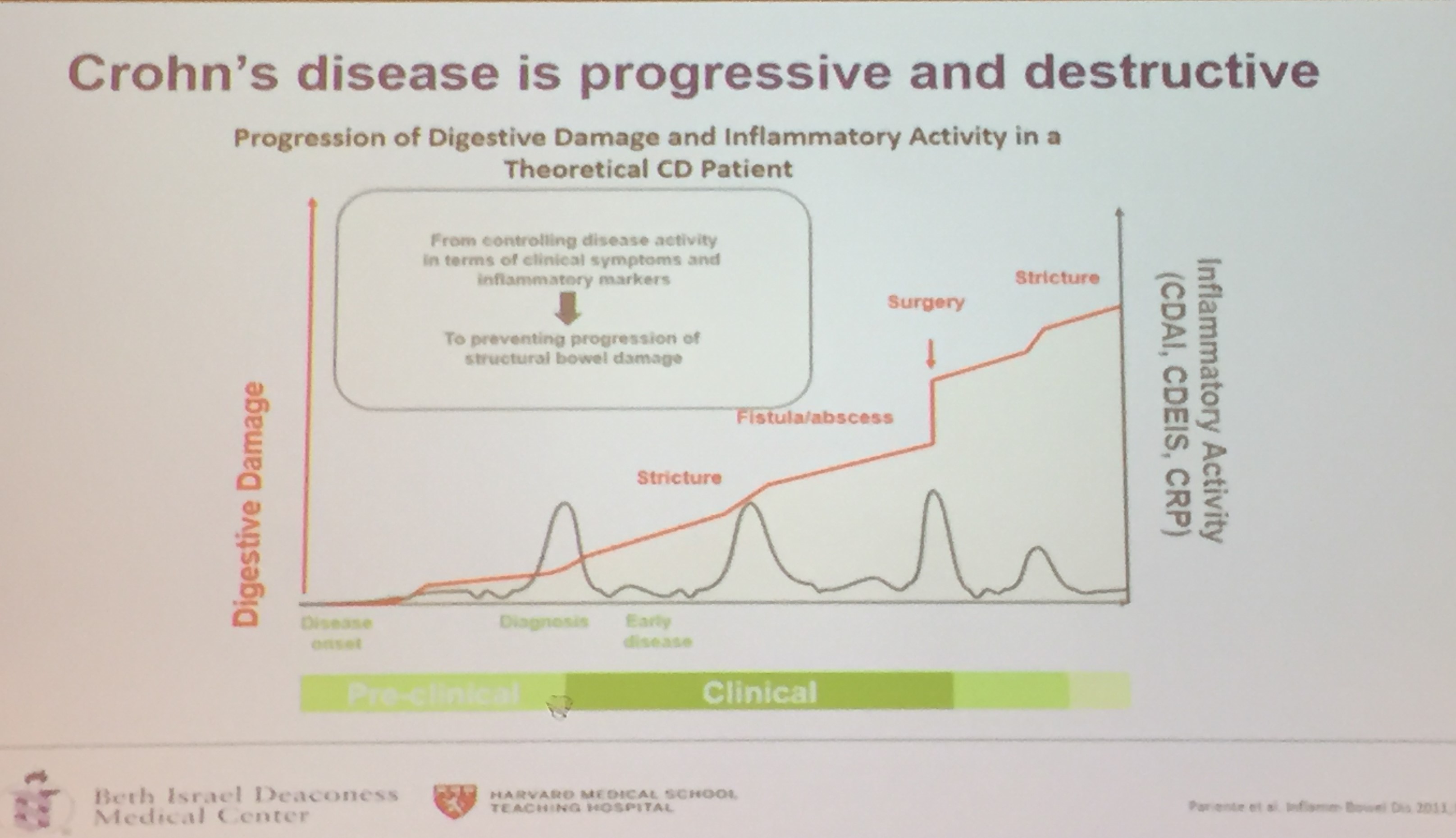
  • Rationale for postoperative preventative treatment: high rate of recurrent disease which can be silent for several years despite progressive damage to GI tract
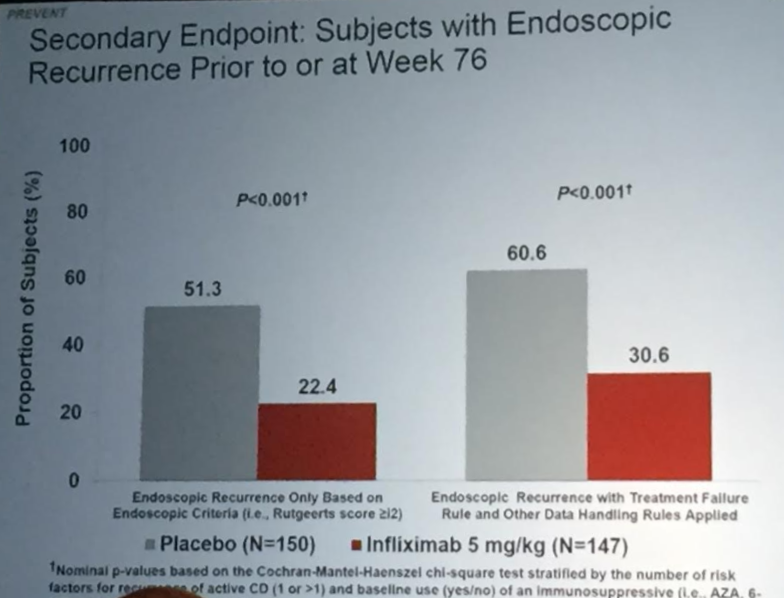
  • Large study (PREVENT) to compare infliximab and placebo after surgery.  Primary endpoint was clinical recurrence (was endpoint demanded by FDA) even though clinical recurrence can be a late finding.  Endoscopic recurrence rate was a secondary endpoint.

Dr. Regueiro’s approach

  • Low risk patient –repeat scope at 6 months post-op, then every 1-3 yrs if no disease and Rx with anti-TNF or immunomodulator in those with endoscopic recurrence
  • Moderate risk patient -possible use of thiopurine or use the ‘low risk’ approach
  • High risk patient-combination therapy and if doing well for several years, consider monotherapy
  • In pediatrics, the postoperative management is unclear due to difficulty with risk stratification.  If postoperative treatment is not given, consider colonoscopy 3-4 months afterwards and treat if recurrence.  Then could use calprotectin every 3 months to monitor and when >50, likely will need to be treated

PREVENT Trial Data:


AGA Guidelines on Therapeutic Monitoring

From Healio Gastro: AGA releases guidelines on therapeutic drug monitoring in IBD

Key points from Healio Gastro for Adult Patients with IBD:

  • Reactive monitoring: for patients with a flare or active symptoms: “For patients on maintenance therapy with infliximab, adalimumab or certolizumab pegol who flare after initially responding, if trough levels are below 5 µg/mL, 7.5 µg/mL or 20 µg/mL, respectively without anti-drug antibodies or with low-titer antibodies, then it may be reasonable to try optimizing the index therapy (escalating anti-TNF agent by increasing dose, shortening interval and/or adding immunomodulator)”
  • Proactive monitoring: the guideline states that “no recommendation can be made regarding routine proactive TDM in patients with quiescent IBD being treated with anti-TNFs, as this is a critical knowledge gap in need of further study…careful and selective use of proactive TDM could be beneficial, but current evidence for its routine use is limited and its overall benefits remain uncertain”
  • Thiopurines: the guideline suggests TPMT testing of enzymatic activity or genotype before adults with IBD start treatment with thiopurines.
  • New biologics:  the guideline does not address therapeutic drug monitoring in patients treated with Entyvio (vedolizumab, Takeda) or Stelara (ustekinumab, Janssen) due to a lack of available data.

Reference: JD Feuerstein et al. Gastroenterol 2017; 153: 827-34. Technical review: NV Casteele et al. Gastroenterol 2017; 153: 835-57.

My take: Therapeutic monitoring has become widespread and is quite helpful.  My impression is that most pediatric gastroenterologists have adopted both proactive and reactive monitoring.

Related blog posts:

Looking towards the  top of John Rock Hike, near Brevard, NC

CCFA: Updates in Inflammatory Bowel Disease 2017 (Part 4)

Our local CCFA chapter provided a useful physician CME meeting.  The following are my notes. My notes may include some errors in transcription and errors of omission.

Ashish Patel  -Updates in Pediatric Inflammatory Bowel Disease Treatments

Key points:

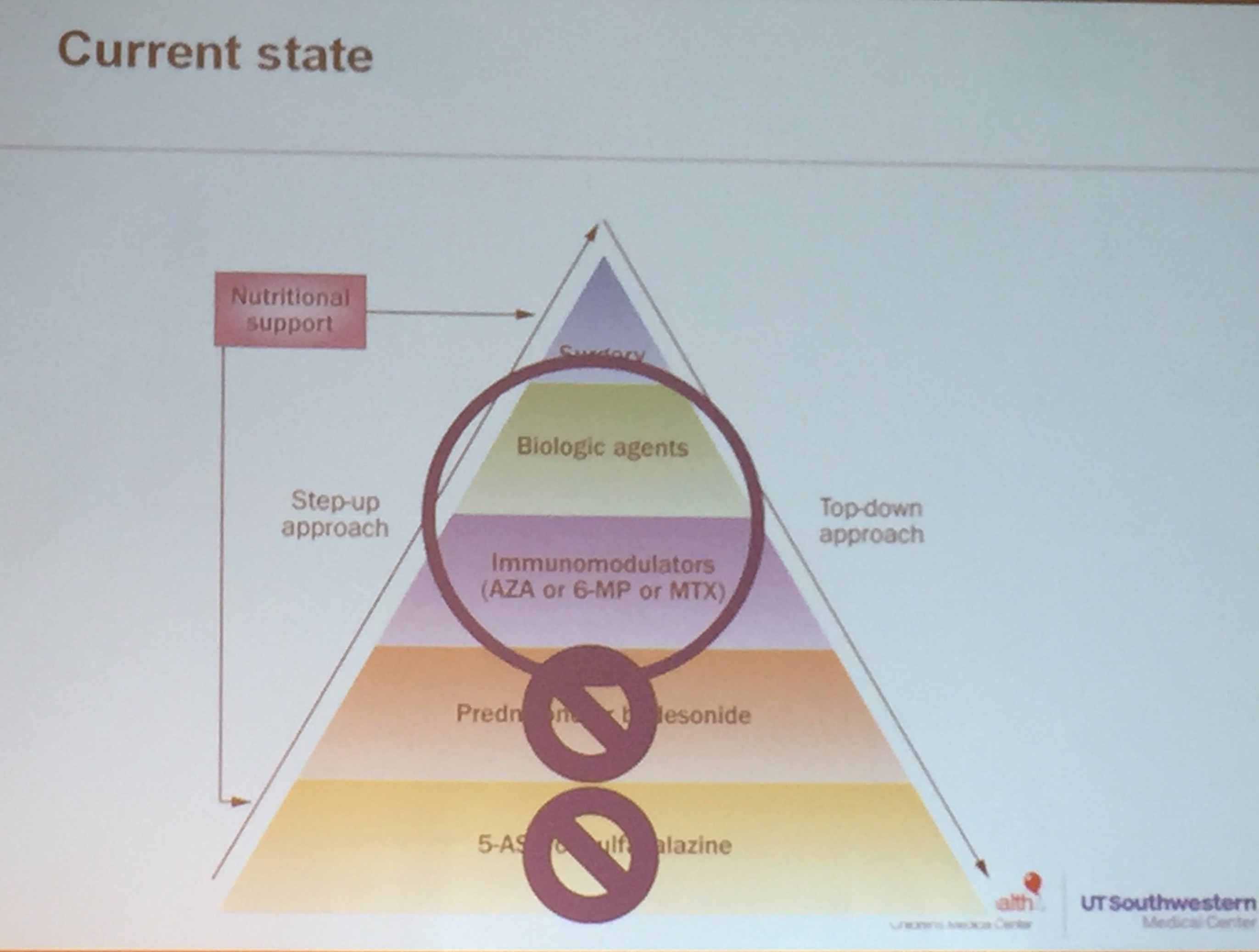
  • Top-down or step-up models are outdated –use appropriate agent for each patient
  • Discussed therapeutic drug monitoring.  In pediatrics, checking infliximab (IFX) level after 14 weeks is recommended by ICN per Dr. Patel.
  • Veolizumab -no pediatric FDA indication yet..  Alpha4Beta7 integrin blocker –blocks recruitment of WBC
  • Stelara -off label in pediatrics.  Seems to be helpful for patients who have psoriasis on TNF agents.
  • Exclusive enteral nutrition (EEN) like medical therapies are therapies and not cures.  It has to be maintained to be effective.

Disclaimer: These blog posts are for educational purposes only. Specific dosing of medications (along with potential adverse effects) and changes in diet should be confirmed by prescribing physician.  This content is not a substitute for medical advice, diagnosis or treatment provided by a qualified healthcare provider. Always seek the advice of your physician or other qualified health provider with any questions you may have regarding a condition.