Unknown's avatar

About gutsandgrowth

I am a pediatric gastroenterologist at GI Care for Kids (previously called CCDHC) in Atlanta, Georgia. The goal of my blog is to share some of my reading in my field more broadly. In addition, I wanted to provide my voice to a wide range of topics that often have inaccurate or incomplete information. Before starting this blog in 2011, I would tear out articles from journals and/or keep notes in a palm pilot. This blog helps provide an updated source of information that is easy to access and search, along with links to useful multimedia sources. I was born and raised in Chattanooga. After graduating from the University of Virginia, I attended Baylor College of Medicine. I completed residency and fellowship training at the University of Cincinnati at the Children’s Hospital Medical Center. I received funding from the National Institutes of Health for molecular biology research of the gastrointestinal tract. During my fellowship, I had the opportunity to work with some of the most amazing pediatric gastroenterologists and mentors. Some of these individuals included Mitchell Cohen, William Balistreri, James Heubi, Jorge Bezerra, Colin Rudolph, John Bucuvalas, and Michael Farrell. I am grateful for their teaching and their friendship. During my training with their help, I received a nationwide award for the best research by a GI fellow. I have authored numerous publications/presentations including original research, case reports, review articles, and textbook chapters on various pediatric gastrointestinal problems. In addition, I have been recognized by Atlanta Magazine as a "Top Doctor" in my field multiple times. Currently, I am the vice chair of the section of nutrition for the Georgia Chapter of the American Academy of Pediatrics. In addition, I am an adjunct Associate Clinical Professor of Pediatrics at Emory University School of Medicine. Other society memberships have included the North American Society for Pediatric Gastroenterology Hepatology and Nutrition (NASPGHAN), American Academy of Pediatrics, the Food Allergy Network, the American Gastroenterology Association, the American Association for the Study of Liver Diseases, and the Crohn’s and Colitis Foundation. As part of a national pediatric GI organization called NASPGHAN (and its affiliated website GIKids), I have helped develop educational materials on a wide-range of gastrointestinal and liver diseases which are used across the country. Also, I have been an invited speaker for national campaigns to improve the evaluation and treatment of gastroesophageal reflux disease, celiac disease, eosinophilic esophagitis, hepatitis C, and inflammatory bowel disease (IBD). Some information on these topics has been posted at my work website, www.gicareforkids.com, which has links to multiple other useful resources. I am fortunate to work at GI Care For Kids. Our group has 17 terrific physicians with a wide range of subspecialization, including liver diseases, feeding disorders, eosinophilic diseases, inflammatory bowel disease, cystic fibrosis, DiGeorge/22q, celiac disease, and motility disorders. Many of our physicians are recognized nationally for their achievements. Our group of physicians have worked closely together for many years. None of the physicians in our group have ever left to join other groups. I have also worked with the same nurse (Bernadette) since I moved to Atlanta in 1997. For many families, more practical matters about our office include the following: – 14 office/satellite locations – physicians who speak Spanish – cutting edge research – on-site nutritionists – on-site psychology support for abdominal pain and feeding disorders – participation in ImproveCareNow to better the outcomes for children with inflammatory bowel disease – office endoscopy suite (lower costs and easier scheduling) – office infusion center (lower costs and easier for families) – easy access to nursing advice (each physician has at least one nurse) I am married and have two sons (both adults). I like to read, walk/hike, bike, swim, and play tennis with my free time. I do not have any financial relationships with pharmaceutical companies or other financial relationships to disclose. I have helped enroll patients in industry-sponsored research studies.

Dr. Neha Santucci: Management of DGBIs in the Post-Pandemic Era (Part 1)

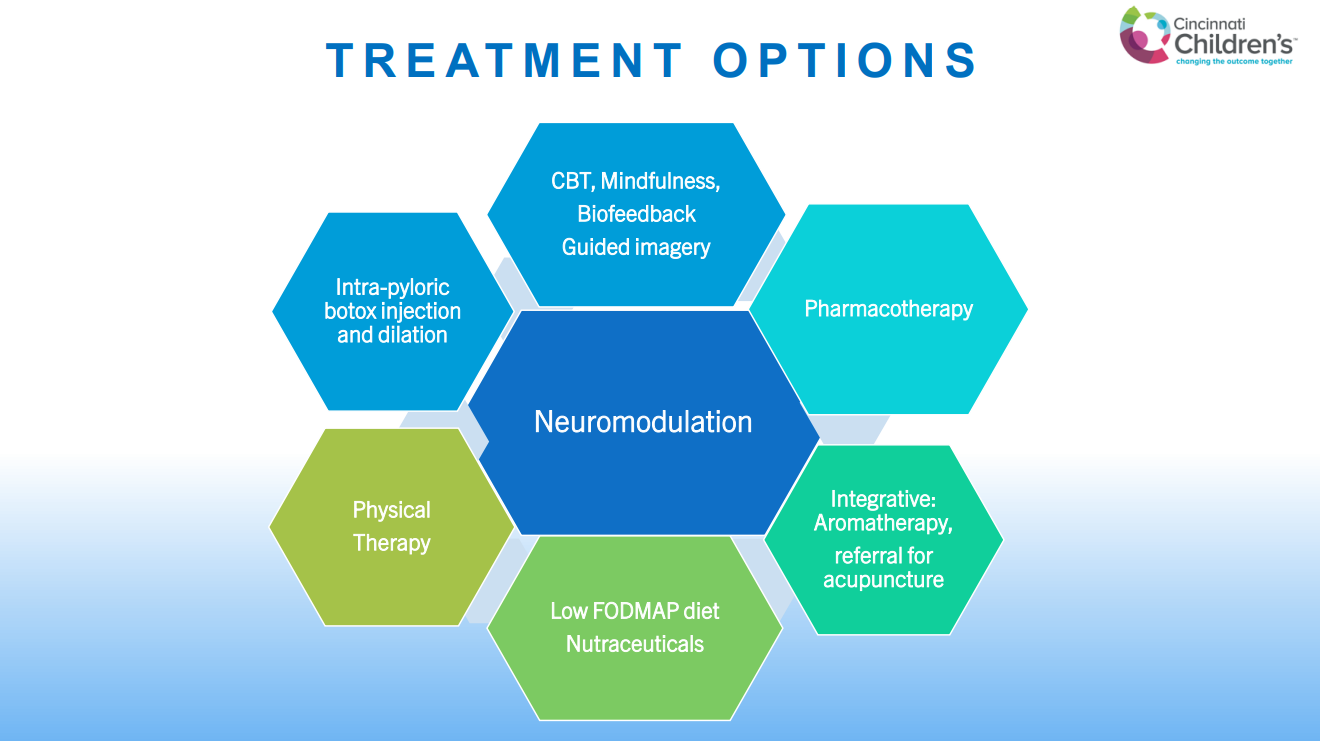
Recently, Dr. Neha Santucci gave our group an excellent update on disorders of gut-brain interaction.  My notes below may contain errors in transcription and in omission. Along with my notes, I have included many of her slides.
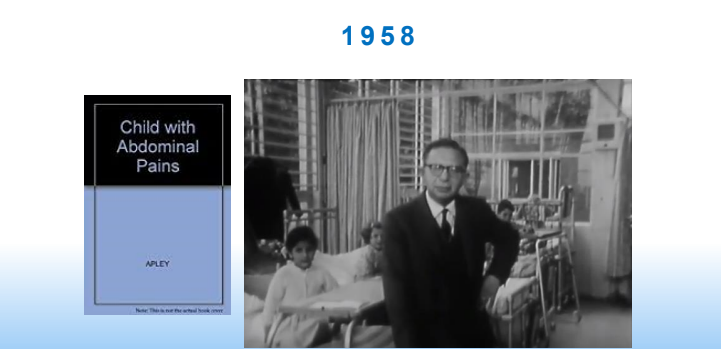
John Apley’s monograph The Child with Abdominal Pains provided an early understanding of the prevalence of DGBIs.
An increase in DGBIs occurred with COVID.
This study in adults showed a greater increase in functional dyspepsia compared to IBS.

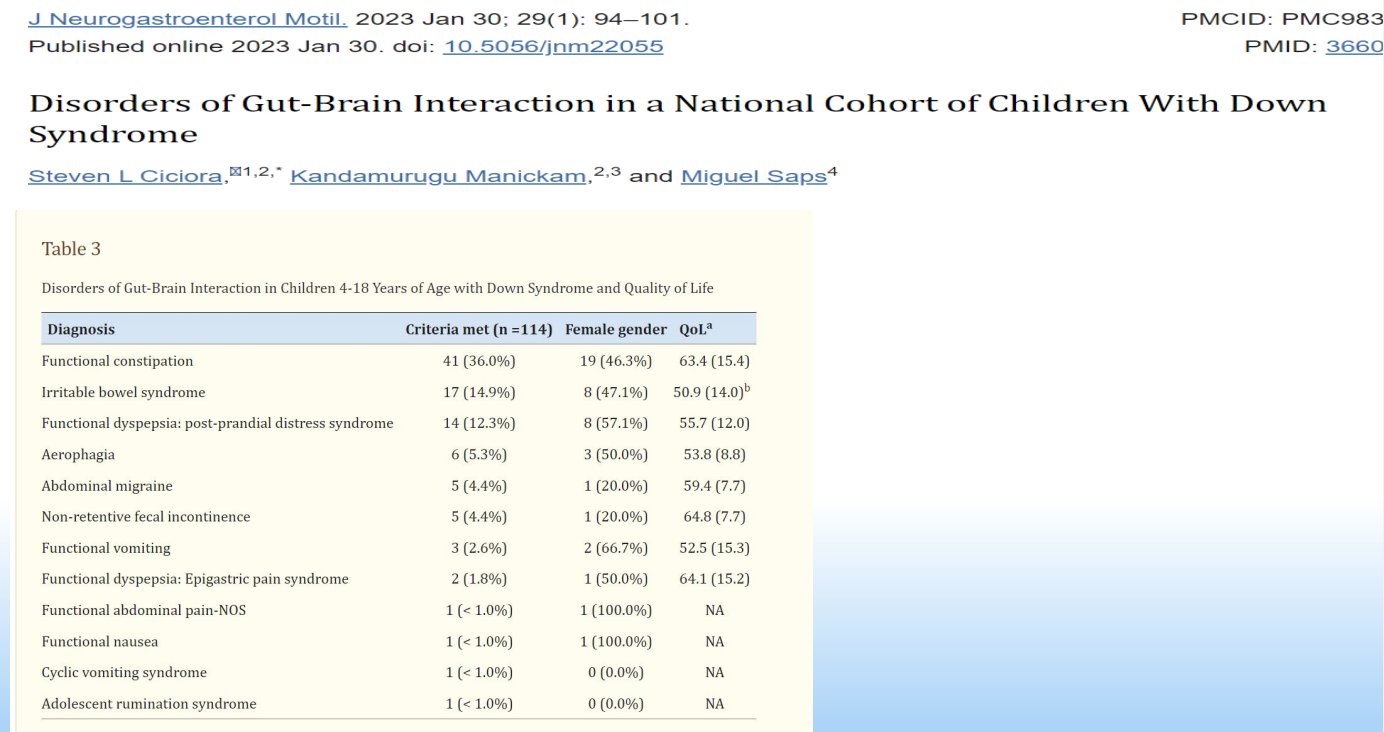
DGBIs occur in Children with Down syndrome. This cohort showed high rates of functional constipation (36%), irritable bowel syndrome (14.9%), functional dyspepsia (12.3%) and aerophagia (5.3%).
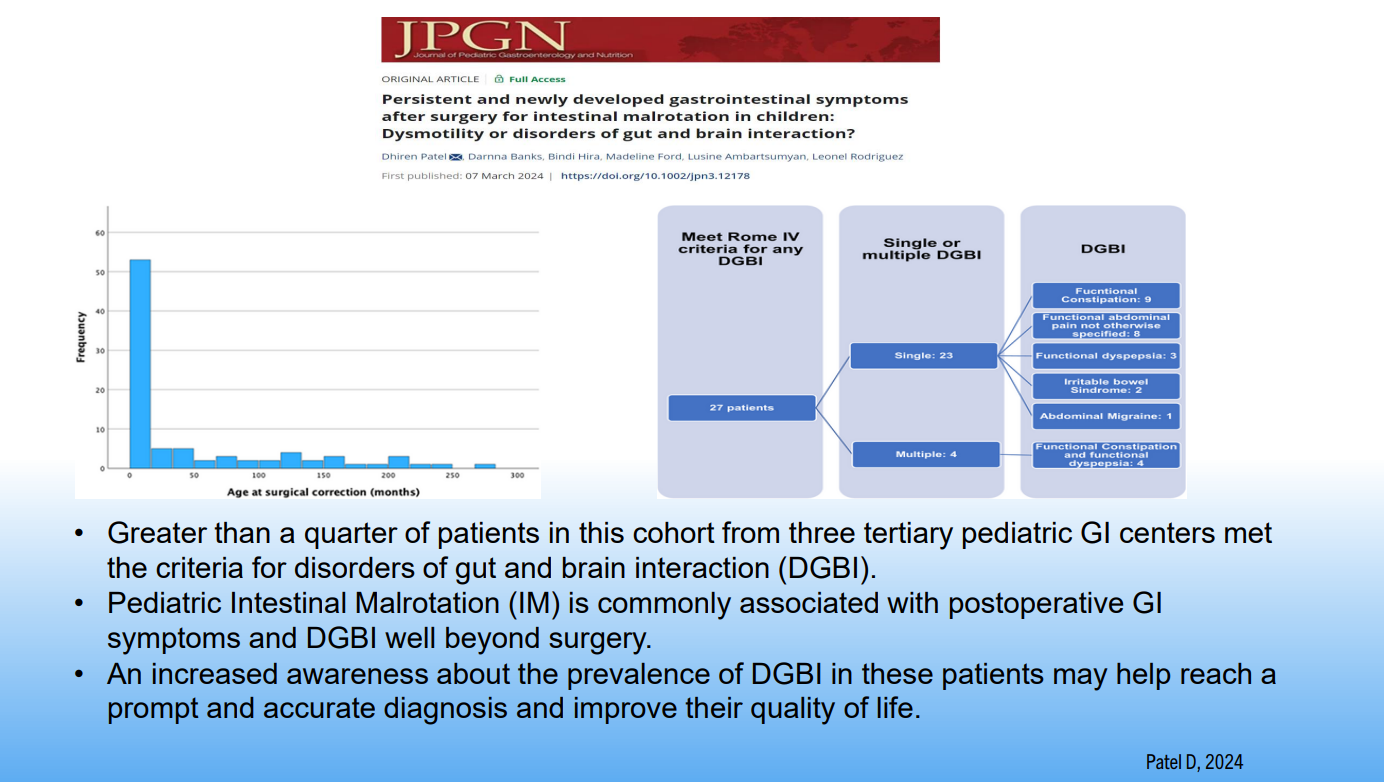
DGBIs were common after surgery for malrotation
  • Development of DGBIs is influenced by psychological factors, early life events, chronic stress, gut motility, inflammation, mucosal immune activation and altered gut microbiota
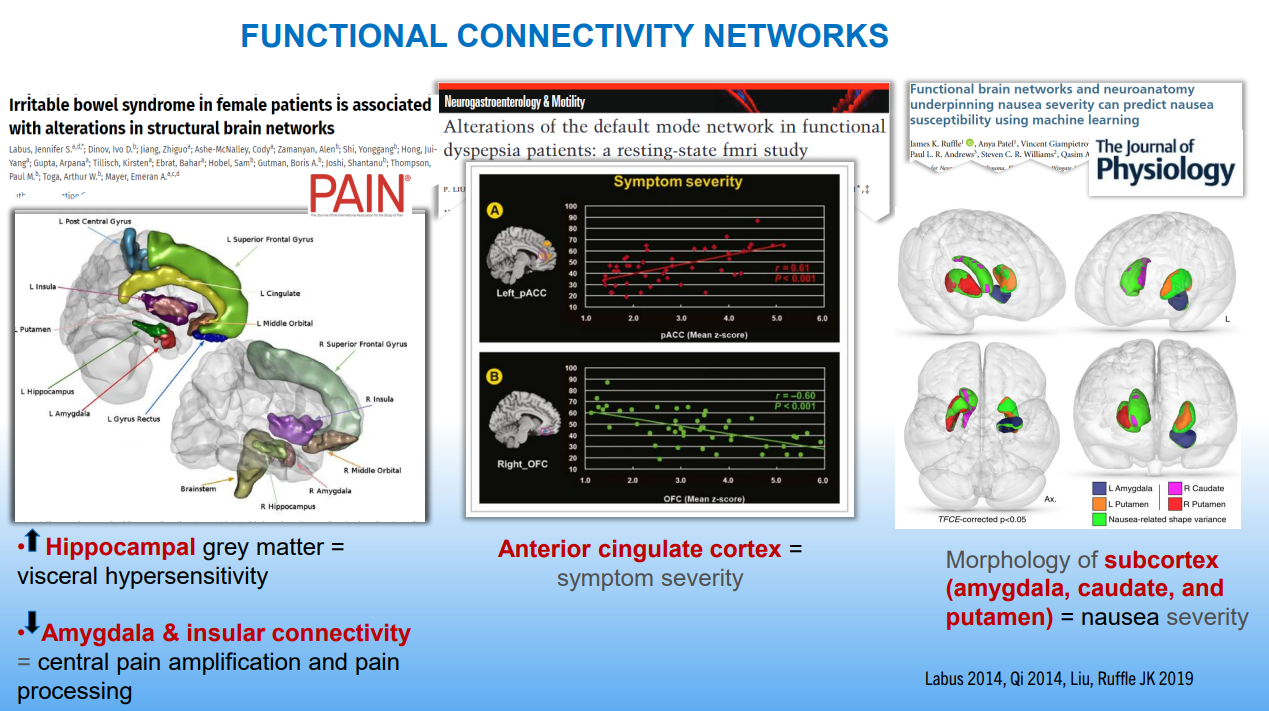
  • DGBIs are associated with altered brain networks
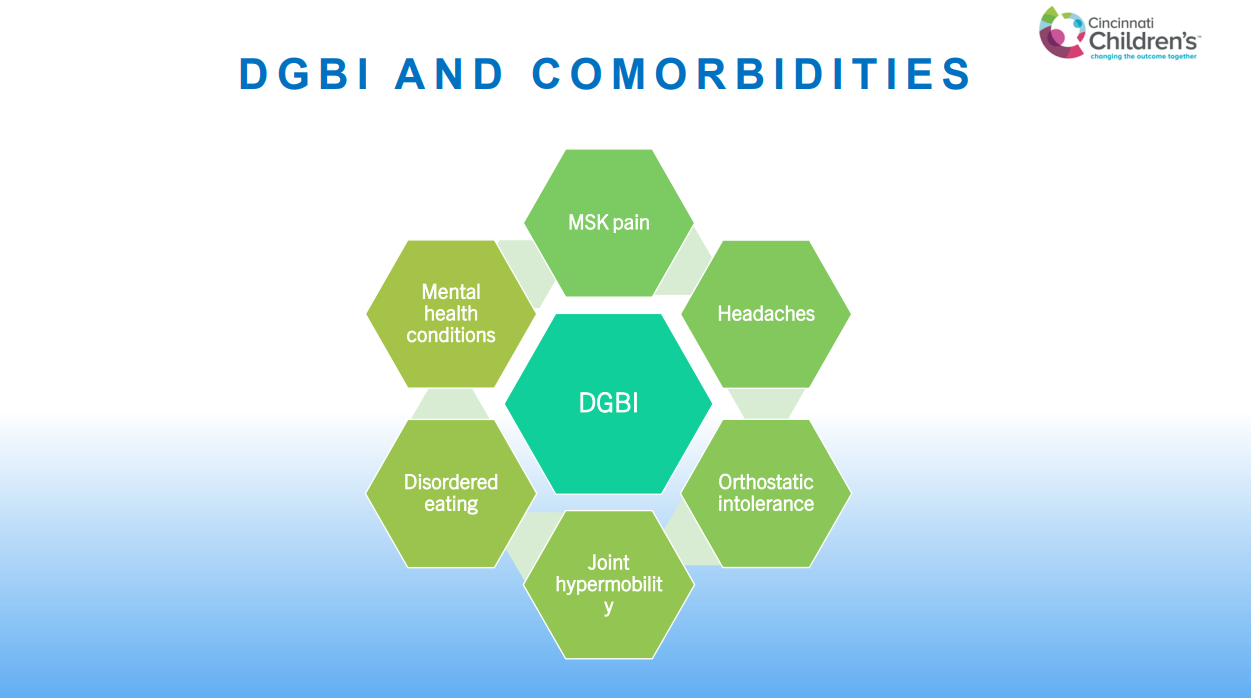
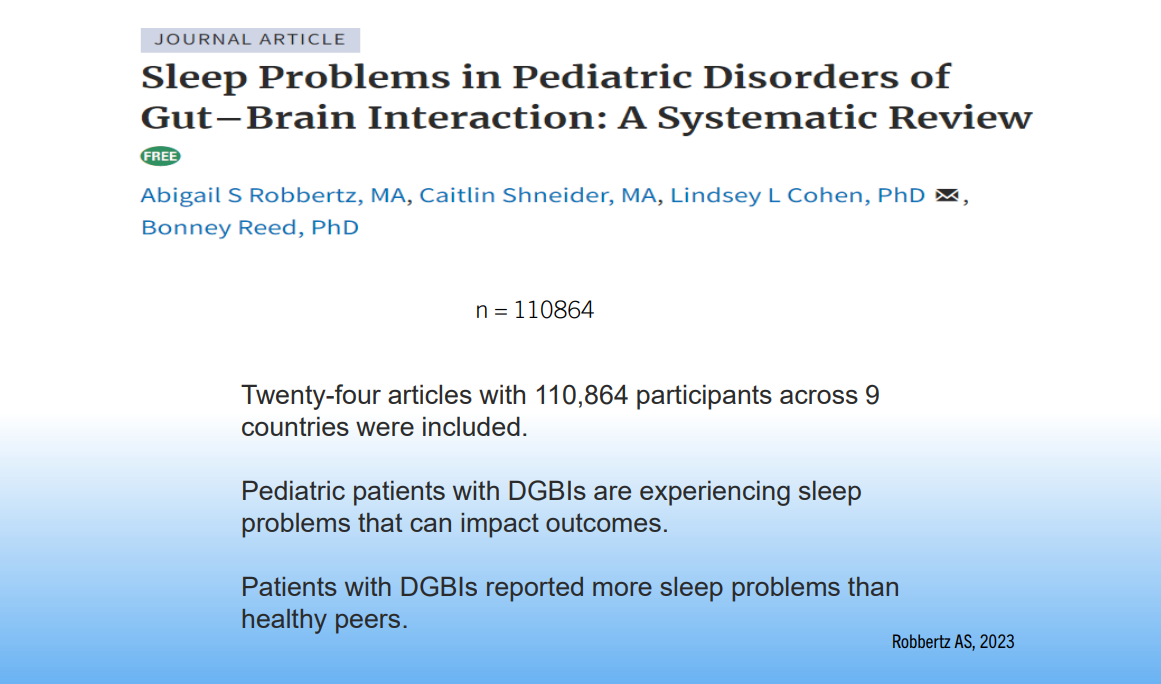
  • DGBIs are associated with a number of comorbidities including mental health disorders, joint hypermobility, headaches, POTS, musculoskeletal pain, disordered eating, and poor sleep
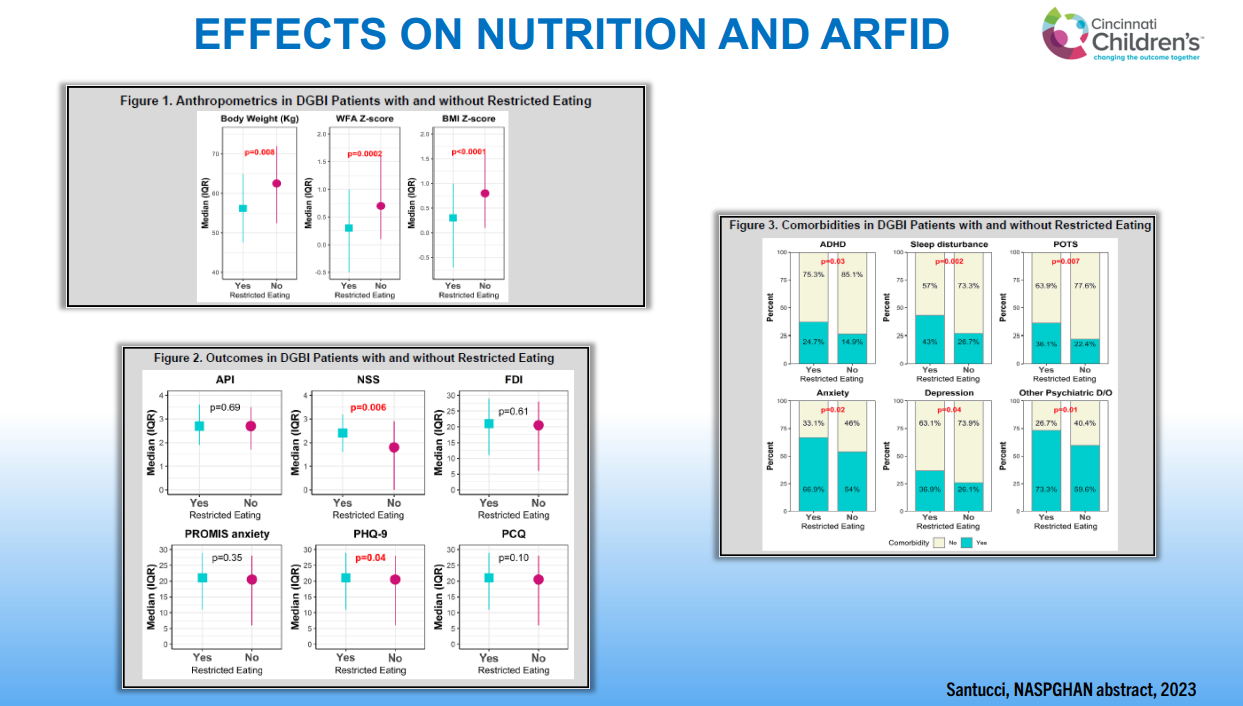
  • Individuals with DGBIs are at increased risk of eating disorders including ARFID. Presence of ARFID with DGBIs has been associated with more anxiety, depression, ADHD and sleep disturbance
  • Poor sleep in previous night is associated with increased pain the next day in individuals with DGBIs
  • DGBIs are common in children with organic diseases, including IBD, EoE, Celiac disease, Recurrent Pancreatitis, Malrotation and Anorectal disorders
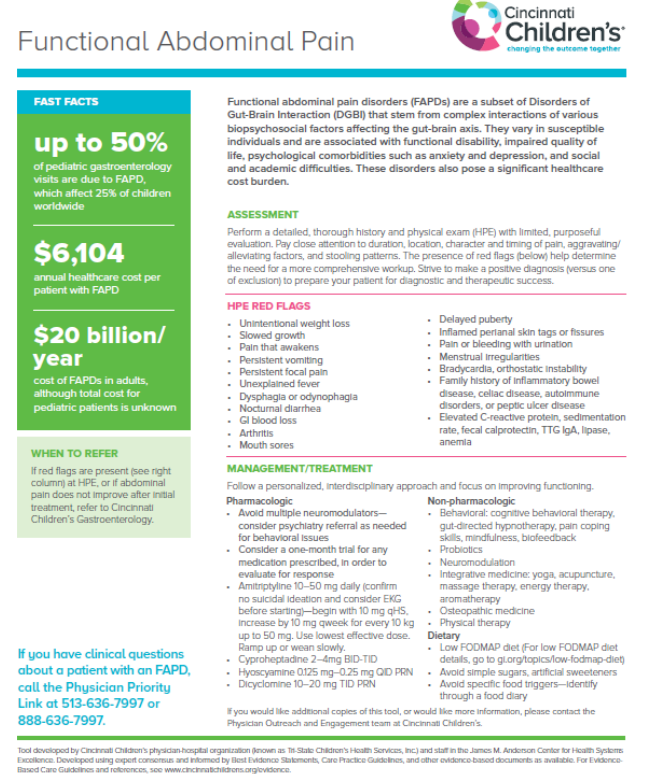
  • Up to 50% of pediatric GI visits are for functional disorders and ~25% of all children have DGBIs
  • Strive to make a positive diagnosis (rather than simply a diagnosis of exclusion)
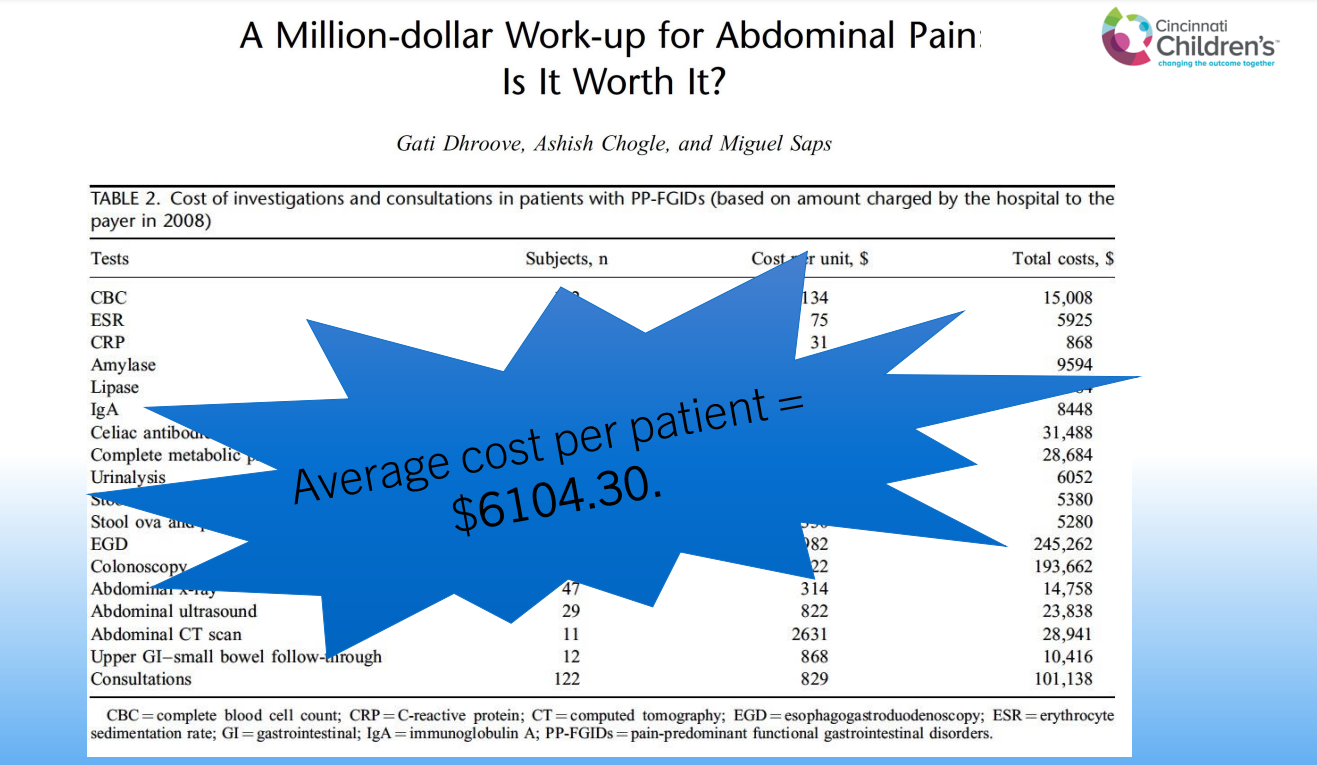
  • Avoid excessive testing
  • Dyspepsia and gastroparesis are not distinct disorders and likely exist on a spectrum (some of the same treatments for both)
  • First treatment goals: develop a good rapport with family and focus on improved functioning
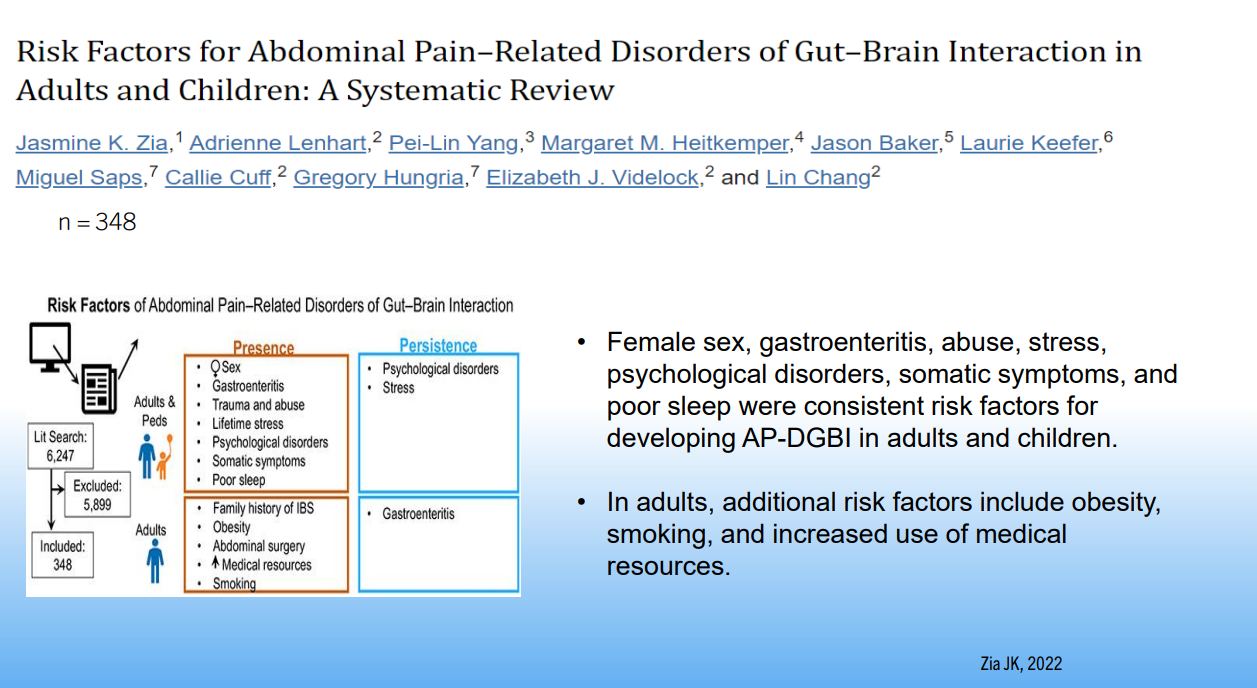
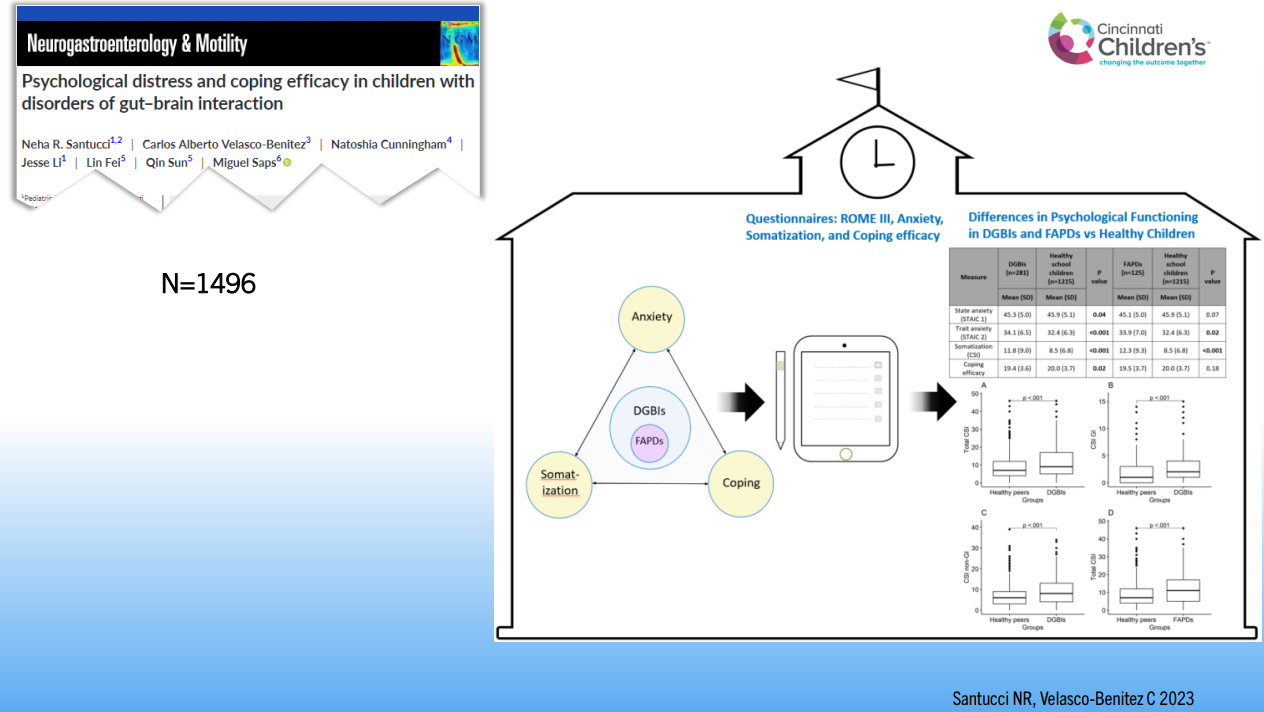
Children with DGBIs had more problems with coping skills.
Individuals with DGBIs are at increased risk of eating disorders including ARFID. Presence of ARFID with DGBIs has been associated with more anxiety, depression, ADHD and sleep disturbance.
Initial treatment needs to address these questions

Related blog posts:

-“The more time the doctor spends on the history, the less time he is likely to spend on treatment.”

-“Doctors who treat the symptoms tend to file a prescription. Doctors who treat the patient are more likely to offer guidance.”

-“It is a fallacy that a physical symptoms always has a physical cause and needs a physical treatment.”

-“Anxiety like courage is contagious.”

Disclaimer: This blog, gutsandgrowth, assumes no responsibility for any use or operation of any method, product, instruction, concept or idea contained in the material herein or for any injury or damage to persons or property (whether products liability, negligence or otherwise) resulting from such use or operation. These blog posts are for educational purposes only. Specific dosing of medications (along with potential adverse effects) should be confirmed by prescribing physician.  Because of rapid advances in the medical sciences, the gutsandgrowth blog cautions that independent verification should be made of diagnosis and drug dosages. The reader is solely responsible for the conduct of any suggested test or procedure.  This content is not a substitute for medical advice, diagnosis or treatment provided by a qualified healthcare provider. Always seek the advice of your physician or other qualified health provider with any questions you may have regarding a condition.
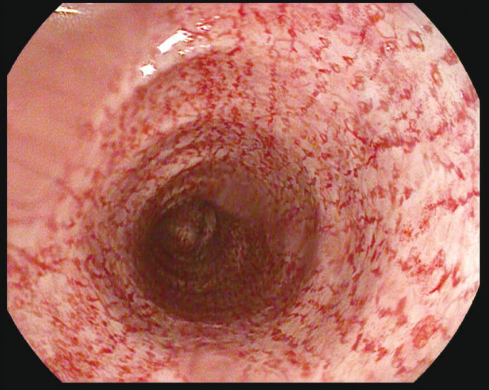
Case Report: Cat Scratch Colon in a Young Patient

A Watson et al. JPGN 2024;79:1081–1083. Cat scratch colon in a patient with very early-onset Crohn’s disease with diverting ileostomy

Case report: This image is from the ascending colon of a 12 yo with Crohn’s disease sp diverting ileostomy.

“Cat scratch colon refers to the rare endoscopic finding of erythematous linear breaks that arise spontaneously, typically in the ascending colon and/or cecum, resembling scratches made by a cat, on otherwise unremarkable mucosa…It is presumed to be a benign condition likely caused by barotrauma from air insufflation during colonoscopy in a colon with altered elasticity or when the rate of insufflation exceeds the rate of air passage, such as in a diverted colon.23

My take: Surprisingly, the cat scratch colon finding is not consequential.

“The Evolving Story of Blastocystis: From Foe to Friend”

From the summary of the study by Dr. Keszthelyi-a few excerpts:
Background: “Blastocystis is the most common gastrointestinal protist found in humans and animals… At the same, Blastocystis remains one of the most enigmatic gut microbial organisms that has puzzled clinicians for decades… scores of patients with positive stools for Blastocystis have been treated with antimicrobial agents such as metronidazole.”

Methods: “Piperni et al examined 8 of these STs previously described in humans in a global-scale metagenomic exploration in 56,989 individuals from 32 countries. The analysis also included 4590 gut metagenomes from 214 nonhuman species (spanning mammals, reptiles, birds, amphibians, insects, crustaceans, mollusks, nematodes, and metazoans) from 49 public datasets, and paleofeces based on 28 publicly available ancient human gut metagenomic samples with archaeological dating ranging from 3000 BC to the Post-Medieval Age.”

Key findings:

  • Blastocystis was found in 8190 human stool samples and was fairly common in healthy individuals (16%). Blastocystis was hardly ever found in newborns, suggesting that it is likely acquired later in life and not vertically transmitted”
  • “The 8 human Blastocystis STs were not detected in most of the animal species tested, except for nonhuman primates kept in captivity”
  • Blastocystis was detected in ancient human samples”
  • “The presence of Blastocystis was positively associated with more favorable cardiometabolic profiles and negatively with obesity. In addition, adherence to a plant-based diet was associated with carriage of Blastocystis.”
  • “In particular, individuals who consumed higher quantities of unprocessed plant-based foods, such as avocados, dried fruits, nuts, seeds, legumes, and cruciferous vegetables, were more likely to be Blastocystis-positive compared with individuals with lower intake of such foods.”
  • Implementing “a 6-month personalized diet intervention study involving 1124 individuals, in which improvements in dietary quality and weight loss were paralleled with an increase in Blastocystis abundance.”

My take: The authors of the Cell study: “our results linking Blastocystis to host health support its non-pathogenic, if not favorable, role.”

Graphical abstract from Cell article

One Family’s Tragic Loss Prompted Widespread Interest in Organ Donation

Los Angeles Times, Corinne Purtill, September 24, 2024: 30 years later, a family’s loss gives life to others

An excerpt:

For the Green family, the memory of Oct. 1, 1994 is many things at once: the date of their greatest pain and their finest hour; a day of unspeakable loss and life-giving gifts.

It is the date their 7-year-old son, Nicholas, died in an Italian hospital, two days after being shot during an attempted robbery on a family vacation from California…

Seven people, five of them teenagers, received Nicholas’ corneas, kidneys, liver, heart and pancreas. The family’s story prompted a surge in interest that continues to drive new donor registrations in Italy…

At the time, Italy had one of the lowest organ donation rates in Western Europe. The Greens’ decision, along with the awful circumstances of the boy’s death, led to a swell of media attention across Italy…The year before Nicholas’ death, 6.2 people per million in Italy donated their organs. Ten years later, as the story circulated and the numbers of parks, playgrounds and streets in Italy named after Nicholas grew, the number had tripled to nearly 20 people per million

Over the years, members of the family have made dozens of trips to Italy to speak on behalf of organ donation and to check in on the people whose lives were saved by their loss…five are still living. His liver recipient, who was 19 at the time of the transplant, went on to marry and have children. The Greens have met her eldest son. His name is Nicholas.

Related blog posts:

Practice Advice for Potassium-Competitive Acid Blockers

A Patel et al. Gastroenterology. 2024: 6: 1228 – 1238. Open Access! AGA Clinical Practice Update on Integrating Potassium-Competitive Acid Blockers Into Clinical Practice: Expert Review

Best Practice Advice (for adults):

  • Potassium-competitive acid blockers are generally not recommended as first line therapy. This rationale is based on cost, greater obstacles to obtaining medication, and fewer long-term safety data.
  • Clinicians may use P-CABs in selected patients with documented acid-related reflux & erosive esophagitis who fail therapy with twice-daily PPIs.
  • Clinicians should use P-CABs in place of PPIs in eradication regimens for most patients with H pylori infection.
  • P-CABs may be beneficial in high-risk bleeding peptic ulcer disease. “Although there is currently insufficient evidence for clinicians to use P-CABs as first-line therapy in patients with bleeding gastroduodenal ulcers and high-risk stigmata, their rapid and potent acid inhibition raises the possibility of their utility in this population.”

Related blog posts:

The Hidden Dangers of Early Sugar Exposure

Catherine Offord. Science 10/31/24: Britain’s postwar sugar craze confirms harms of sweet diets in early life. Reference article: T Gracner et al. Science 2024; 0,eadn5421. DOI:10.1126/science.adn5421 Exposure to sugar rationing in the first 1000 days of life protected against chronic disease

An excerpt:

In 1953, the United Kingdom got its sweet tooth back, ending the rationing of candies and sugar that had begun during World War II. Hordes of people descended on candy stores and started to sweeten more of their foods at home. Within the year, the nation’s sugar consumption doubled…. 

Combining food surveys and sugar sales from the 1950s with medical records of adults from the UK Biobank database, the team found that people conceived or born after 1953 had higher risks of type 2 diabetes and hypertension decades later than those born during rationing…

Public health authorities recommend no added sugar for infants during the first 1000 days from conception, a critical window for development. But … more than 80% of babies and toddlers have foods with added sugar on any given day…

Infants who reached age 1.5 before rationing ended fared even better, with a 40% lower risk of diabetes and a 20% lower risk of hypertension compared with the never-rationed group.

My take: Mae West was wrong. Too much of a good thing is not wonderful (if the good thing is sugar).

Related blog posts:

Isle of Palms, SC

Risk of Eating Disorders with Dietary Therapy of Functional Abdominal Pain

L Sims et al. JPGN 2024;79:1040–1046 Open Access! Eating concerns in youth with functional abdominal pain disorders

This retrospective cohort included 270 adolescents/young adults who attended an intensive, interdisciplinary pain treatment program, including 135 youth with functional abdominal pain (FAP) and an age- and gender-matched control group with a primary pain diagnosis of chronic headache.

Key findings:

  • Limitation of this study: The population attending this intensive pain program is NOT representative of typical outpatient setting
  • A history of an eating disorder was more common with FAP than in those with chronic headache (15.4% vs. 5.9%)
  • In this cohort, patients with FAP compared to patients with chronic headache had higher rates of prior exclusion diets to manage their symptoms (46% vs. 22%, p = 0.007), and prior requirement enteral or parenteral feeds (18% vs. 1.5%, p = 0.001)
  • The study found a significant association between a history of exclusion diets and meeting criteria for ARFID. “With regard to ARFID, the prevalence of patients in both groups who met diagnostic criteria (FAP: 50%; chronic headache: 36%) was also significantly higher than estimates from the general school-aged population (3%)”
  • Patients with FAP were also more likely than patients with chronic headache to be diagnosed with postural orthostatic tachycardia syndrome ([POTS]; 46% vs. 30%) and have a history of food allergies or intolerances (43% vs. 25%)
  • Significantly more adolescents with FAP (n = 68) than chronic headache (n = 45) had lost 4.5 kg or more, p = 0.004

My take: Most treatments for FAP, including dietary treatment, have some inherent risks. In patients placed on dietary therapies, screening and/or discussing the risk of dietary restriction need to be considered.

Related blog posts:

Boats Leaving Harbor -Claude Monet, National Gallery of Art (Washington, D.C.)

The Shift in Physician Attitudes Toward Work Hours

Te-Ping Chen, Wall Street Journal, 11/3/24: Young Doctors Want Work-Life Balance. Older Doctors Say That’s Not the Job. (Behind Paywall)

An excerpt:

For decades, …doctors accepted long hours and punishing schedules, believing it was their duty to sacrifice in the name of patient care. They did it knowing their colleagues prided themselves on doing the same. A newer generation of physicians is questioning that culture…

Nearly half of doctors report feeling some burnout, according to the American Medical Association. Work-life balance and predictable hours shouldn’t be at odds with being an M.D., say doctors who are pushing against what they view as outdated expectations of overwork…
Changes in healthcare mean a growing number of physicians now work as employees at health systems and hospitals, rather than in private practice. Electronic paperwork and other bureaucratic demands add to the stress and make the profession feel less satisfying, they say. More physicians are pursuing temporary work

Physicians work an average of 59 hours a week, according to the American Medical Association, and while the profession is well-compensated—the average physician makes $350,000, a recent National Bureau of Economic Research analysis found—it comes with high pressure and emotional strain…

More young doctors are choosing to join healthcare systems or hospitals—or larger physician groups. Among physicians under age 45, only 32% own practices, down from 44% in 2012. By comparison, 51% of those ages 45 to 55 are owners…

“Now, everything’s changed. Doctors are like any other employee, and that’s how the new generation is behaving.” They also spend far more time doing administrative tasks. One 2022 study found residents spent just 13% of their time in patient rooms, a factor many correlate with burnout.

My take: Over the past few years, I have heard many physicians bemoan the change in work ethic among younger physicians. In response, many younger physicians would be justified in saying “OK Boomer.”

Medicine has changed a lot and it’s not surprising that young physicians’ attitudes have changed. Health care is increasingly more business-oriented and less personal. Private equity, insurance companies, hospitals, and pharmaceutical companies are each trying to monopolize/consolidate. At their whim, small practices and independent pharmacies can quickly be crushed. There is increased demand for documentation/audits, increased requirements for authorization for needed care, increased educational costs, and social media misinformation. None of these trends prioritize patient care.
While some older physicians are worried about work ethic, many are glad that they are not starting their medical career/calling in this environment.

Related blog posts:

A Girl with a Watering Can -Auguste Renoir, National Gallery of Art (Washington, D.C.)

Dr. John Barnard: Trends in Pediatric Workforce — A Growing Concern

John Barnard MD gave a great talk today as part of the yearly Donald Schaffner lecture. This lecture also honored Larry Saripkin (see blog post: Thank You Larry) as a master clinician. My notes below may contain errors in transcription and in omission. Along with my notes, I have included many of his slides.

Key Points:

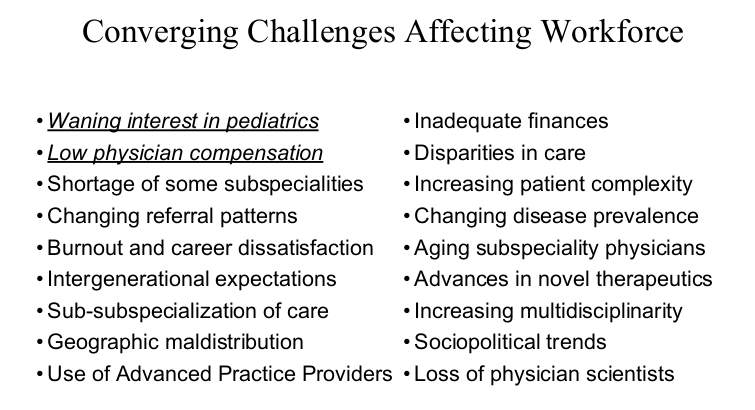
  • Since 2015, there is less interest in U.S.-trained physicians to pursue a career in pediatrics.
  • The pediatric gastroenterology workforce continues to grow. Other pediatric subspecialties are understaffed and not attracting enough younger pediatric trainees
  • The percentage of women and international medical graduates has been increasing; currently 67% of board-certified pediatricians are women and 22% are non-US international medical graduates
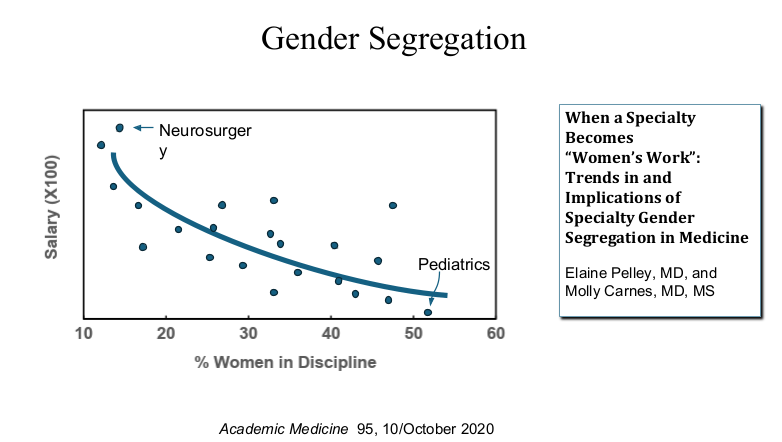
  • Women through all medical fields and even in pediatrics segregate to less well-paying positions. For example, pediatric cardiology has a lower percentage of women and has a higher median income compared to many other pediatric subspecialty areas
  • While relatively lower pay is thought to be a driving force in choosing a career in pediatrics/pediatric subspecialty, several surveys of medical students indicate that this is not the only factor; other factors may be more important
When workforce changes are noted in the mainstream press, there is often a clear worrisome trend
This slide does not include pediatricians who are not board-certified (~10% of workforce)
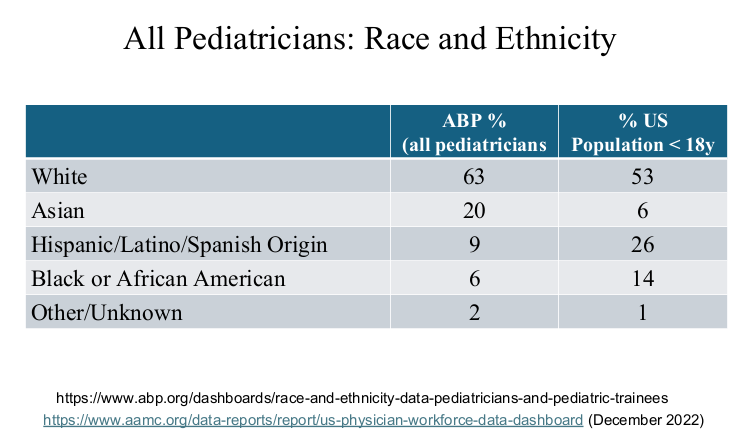
Pediatric physicians’ race/ethnicity is varied but does not match general population
There are a lot of counties without any board-certified pediatricians
68 counties in Georgia without a board-certified pediatrician
Driving distance to see a pediatric gastroenterologist
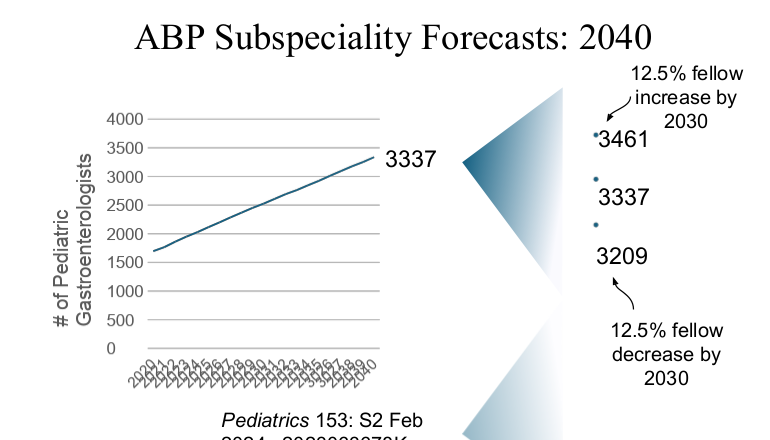
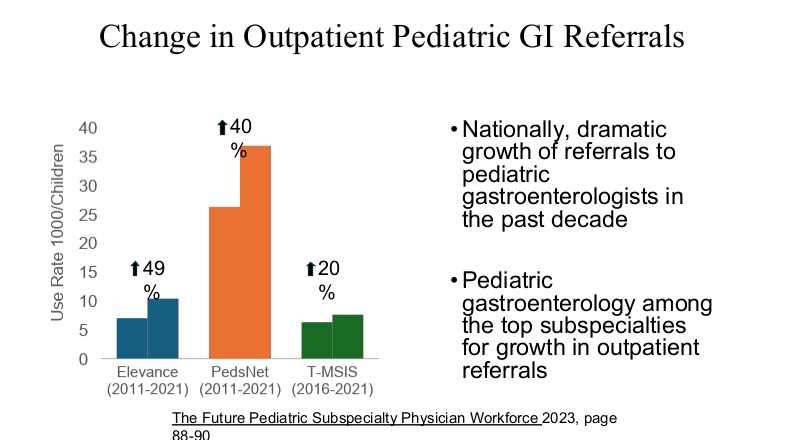
There is expected to be a substantial increase in pediatric GIs by 2040 (about 1700 now). Even with some adjusting of the number of trainees, this will not make a big change in the projections
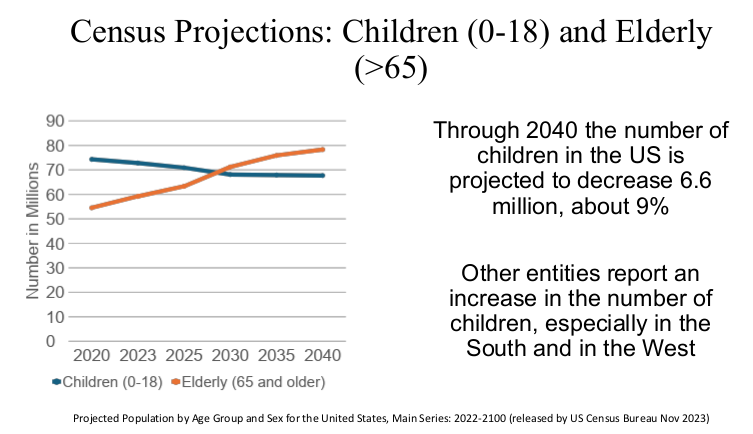
In contrast to pediatric GI, the general pediatric workforce is likely to decline modestly.
There is an expected/projected drop in the pediatric population of 6.6 million by 2040
Since 2015, there has been a lower interest (7.9% of U.S. medical students) in U.S. pediatric match positions. From 1990–2015, it had been stable around 10%.
2024 is the first year with an absolute drop in the number of trainees as the number of residency positions have been increasing and open positions after the match can be filled with DO and non-US international medical graduates.
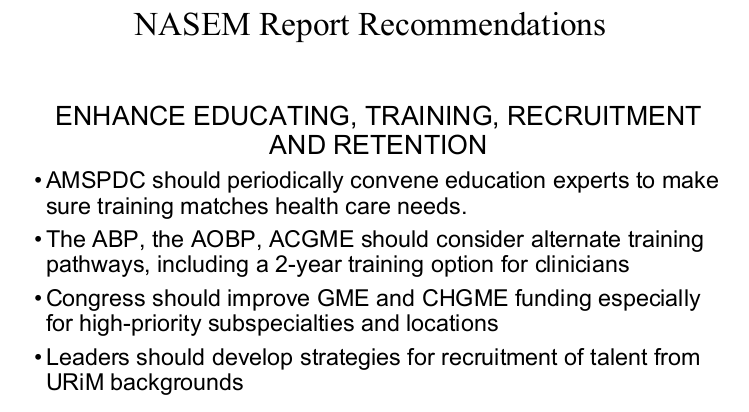
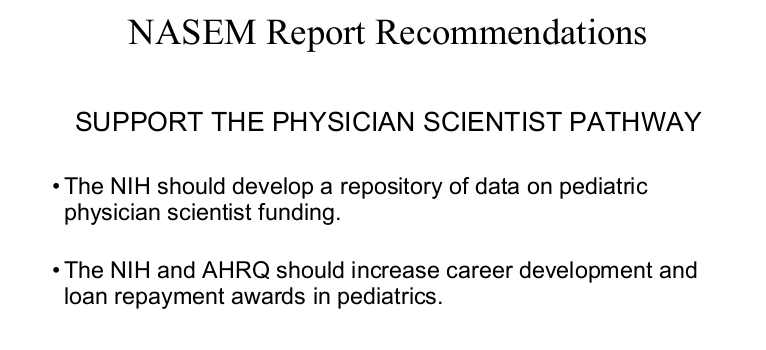
Medical students cite other non-monetary factors as important in their career choices

Physicians are in the top 5% of compensation, though pediatric physicians receive less
compensation than their peers. According to 2024 Doximity survey
(https://press.doximity.com/reports/doximity-physician-compensation-report-2023.pdf)
average physician salary exceeds $350,000 in most metro areas.

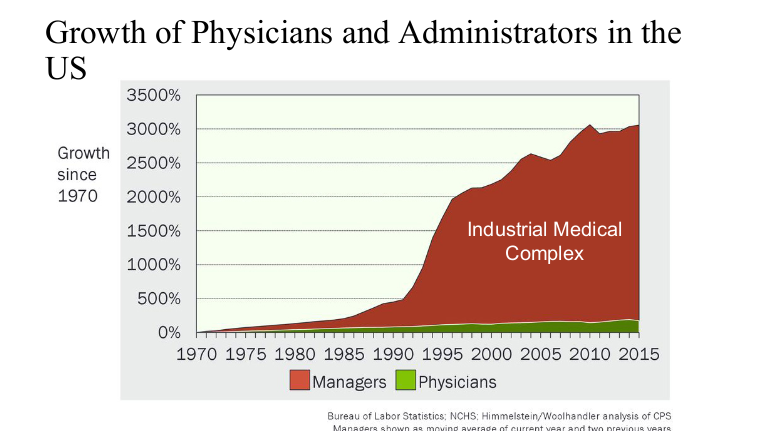
The growth of the medical-industrial complex/management may
be a factor affecting physician job satisfaction
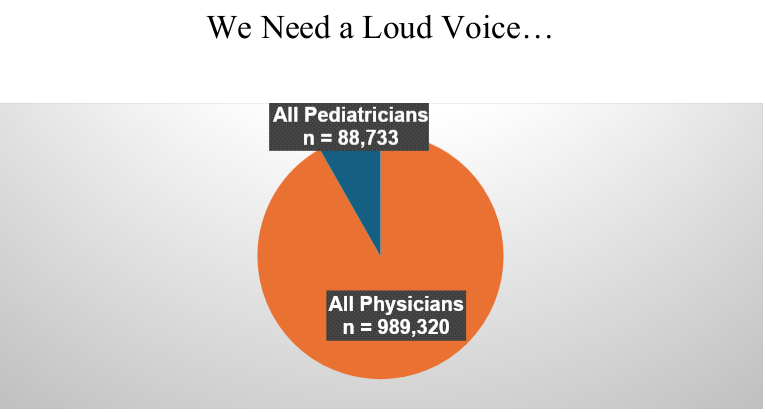
Pediatricians are a small fraction of all U.S. physicians.
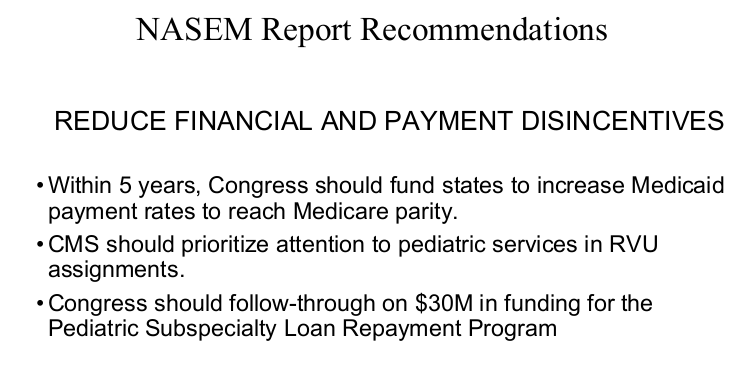
We need to make sure that our interests and the interests of children are heard.

My take: Dr. Barnard noted that “medicine has never been more exciting than it is today.” Yet, the decreased interest of medical students for a career in pediatrics/pediatric subspecialties needs to be addressed.

Dr. Barnard modified the material and presented the William Balistreri lecture at this year’s NASPGHAN meeting. Here are some additional slides from this talk which focused more on Pediatric Gastroenterology:

Distribution of Pediatric Gastroenterologists

Related blog post: “Why It’s So Hard to Find a Pediatrician These Days”

Age of Loper Bright –Forget Chevron Doctrine

  • RE Sachs, EC Fuse Brown. NEJM 2024: 391: 777-779. Supreme Power — The Loss of Judicial Deference to Health Agencies
  • YouTube: NEJM Interview Erin Fuse Brown (12 minutes)

Excerpts from this commentary:

  • “On June 28, 2024, the U.S. Supreme Court issued its decision in the companion cases of Loper Bright Enterprises v. Raimondo and Relentless, Inc. v. Department of Commerce, overturning the 40-year-old Chevron doctrine. Under Chevron, courts would defer to reasonable agency interpretations of ambiguous statutes.”
  • Loper Bright will touch every aspect of society, but the potential consequences of putting generalist judges at the center of power are especially troubling for scientific and technical agencies within the Department of Health and Human Services. These implications could include increased litigation and regulatory uncertainty for the health care industry as well as diminished expert authority over the regulation of health care products and services — with heightened risks to patient safety and public health.”
  • For Centers for Medicare and Medicaid Services (CMS): “Well-funded industry actors will now have an incentive to challenge every unfavorable payment rule, hoping to convince a court to adopt their preferred interpretation of a particular statute. The result is likely to be greater uncertainty, more litigation, and generalist judges making consequential and often technical determinations about Medicare payment policies…Well-funded industry actors will now have an incentive to challenge every unfavorable payment rule, hoping to convince a court to adopt their preferred interpretation of a particular statute. The result is likely to be greater uncertainty, more litigation, and generalist judges making consequential and often technical determinations about Medicare payment policies.”
  • For the FDA: “The FDA has had the authority to regulate devices, which are defined by statute to include various types of instruments or other articles, including those that are “intended for use in the diagnosis of disease or other conditions…decision by a court to adopt the industry’s interpretation would hamstring the FDA’s ability to regulate the accuracy of tests that are intended to, for example, detect cancers, enable noninvasive prenatal screening, or identify the presence of a new pandemic pathogen.”
  • “Whereas Chevron favored the government experts charged with administering public programs, Loper Bright favors well-funded industry insiders with the resources to litigate rules that threaten to curb waste, fraud, or abuse. For example, industry-driven litigation has hampered government implementation of the No Surprises Act, which has resulted in far less savings and weaker protections for patients from surprise out-of-network bills than anticipated.”
  • “The net effect of Loper Bright will be to move regulatory policy in an industry-friendly — and in many cases deregulatory — direction, to the detriment of patient welfare, public health, and safety…Disavowing any deference to agency expertise, the Supreme Court has claimed greater authority for generalist judges like themselves to decide whether to allow efforts aimed at “keeping air and water clean, food and drugs safe, and financial markets honest.” In this regard, Loper Bright continues the Court’s assault on administrative authority and scientific expertise.”

My take: By overturning the Chevron doctrine, in the event of legislative ambiguity, technical decisions will be in the hands of judges rather than in those with expertise in the federal agencies. This is going to lead to all sorts of ill-informed policy changes.

Related blog posts:

Isle of Palms, SC