Triple Therapy for Cystic Fibrosis May Improve Liver Damage

S Diemer et al. JPGN 2025; DOI: 10.1002/jpn3.70050. Open Access! The effect of elexacaftor–tezacaftor–ivacaftor on liver stiffness in children with cystic fibrosis

In this retrospective study, 12 of 21 patients had cystic fibrosis hepato-biliary involvement (CFHBI). The authors examined the liver stiffness after administration of the new and highly potent CF transmembrane conductance regulator modulator therapy, elexacaftor–tezacaftor–ivacaftor (ETI). All of the patients in this cohort had normal liver enzymes.

Key findings:

  • Analyzing liver stiffness in CwCF with CFHBI showed a decline to 5.7 kPa median (IQR: 3.9–7.1) during ETI treatment, and this decline was statistically significant (W = −60, n = 12, p = 0.0161) (Figure 3B) (after at least 3 months of ETI treatment)
Liver stiffness over time in patients with CFHBI

Discussion Points:

“Our findings of a clear improvement of liver stiffness in CwCF and CFHBI during ETI treatment is in line with the recently published study by Terlizzi et al.28  Calvo et al. prospectively investigated liver stiffness and liver enzyme development in a single-centre cohort with a starting point before ETI and a follow-up at 1, 3 and 6 months on ETI…A significant overall reduction in mean liver stiffness was found at 6 months, and already after 1 month of ETI, a decline in liver stiffness was observed in those with values ≥5 kPa.29

My take: Liver stiffness is a biomarker for chronic liver damage. Longer term studies will be needed to determine how important triple therapy is for liver health in persons with cystic fibrosis. Thus far, there has not been improvement in the number of patients with CF needing a liver transplant; however, there has been a marked improvement in the need for lung transplantation.

Related blog posts:
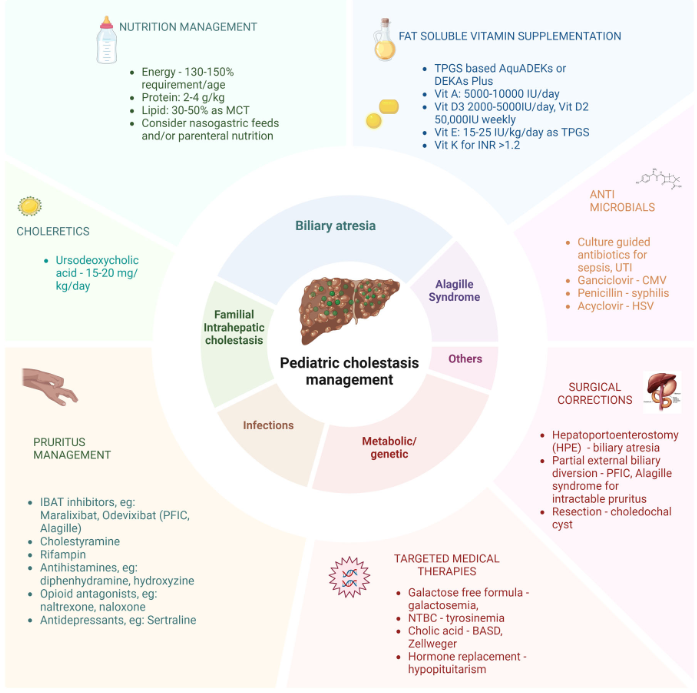
Advancements in Pediatric Cholestatic Liver Disease Management

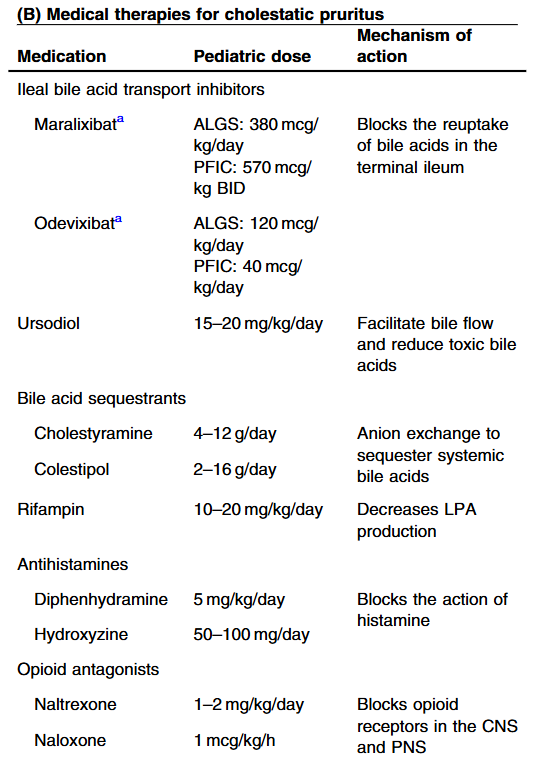
KR Mysore et al. J Pediatr Gastroenterol Nutr. 2025;80:549–558. Recent advances in the management of pediatric cholestatic liver diseases

This is a useful review summarizing advances in the management of cholestatic diseases.

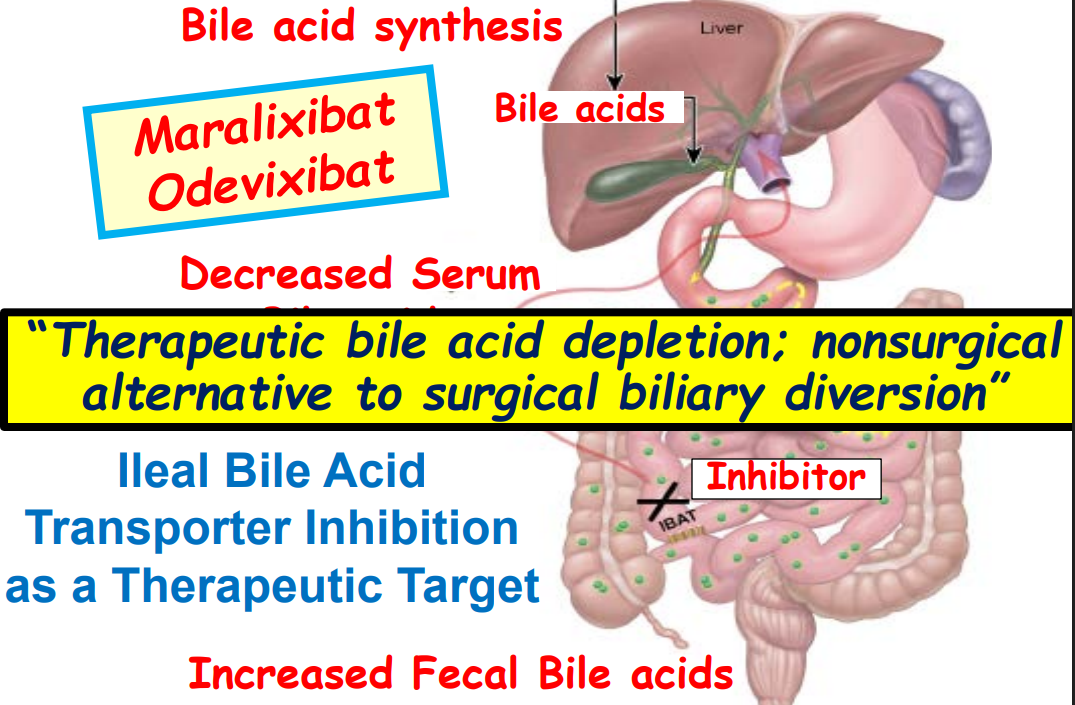
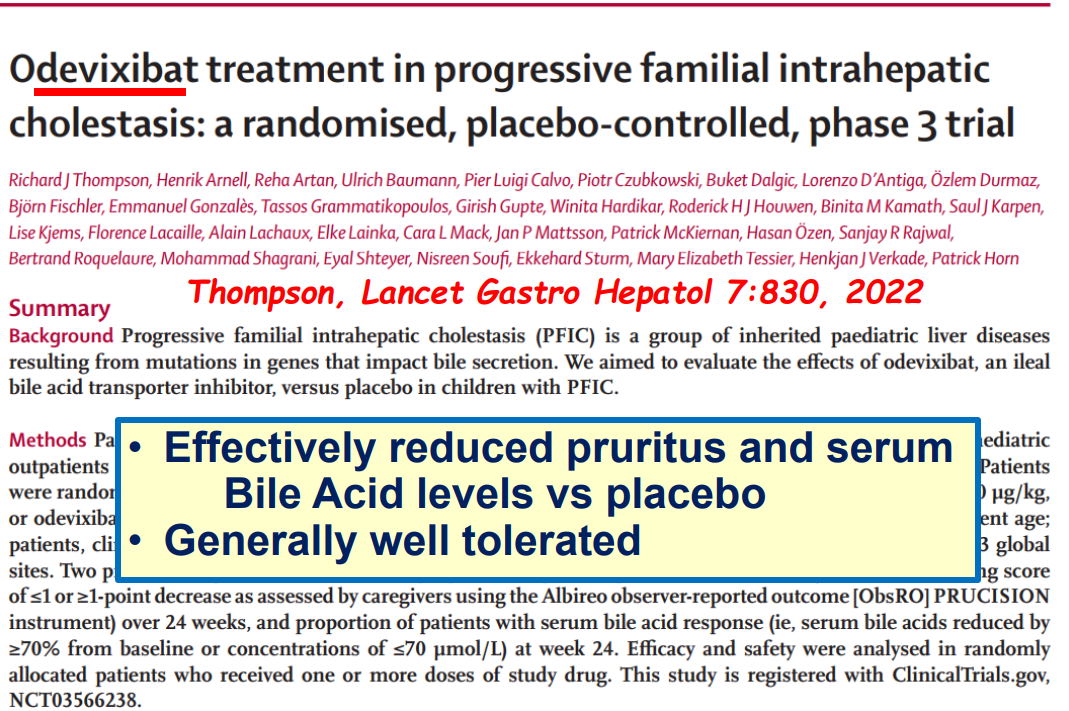
Treatment with IBAT inhibitors:

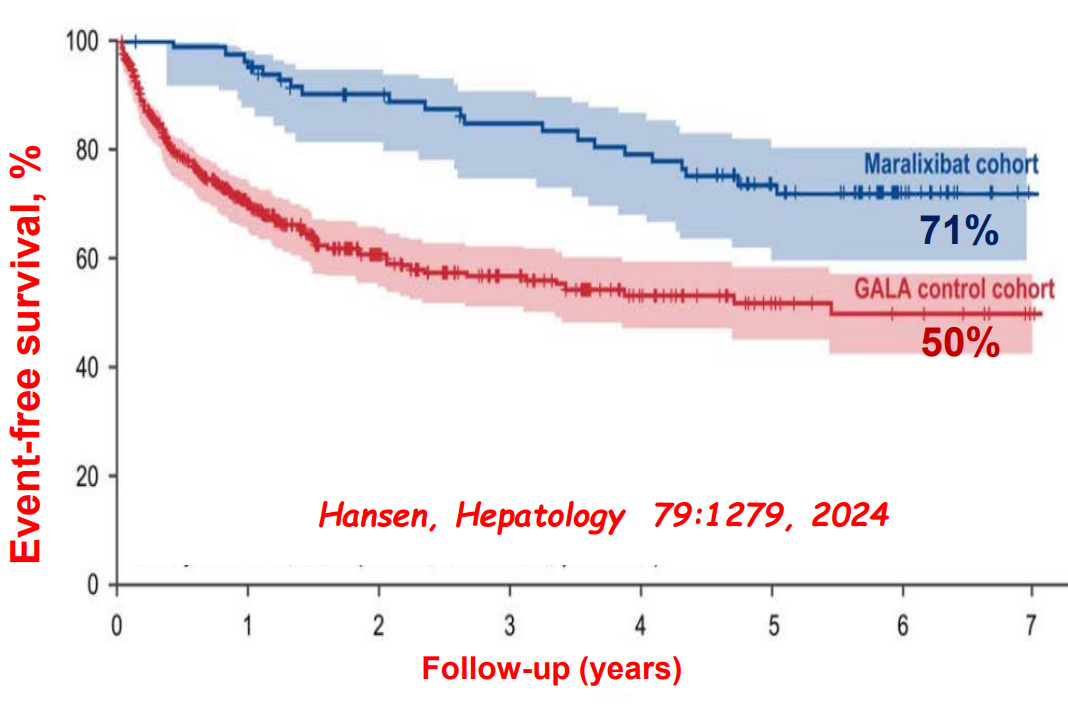
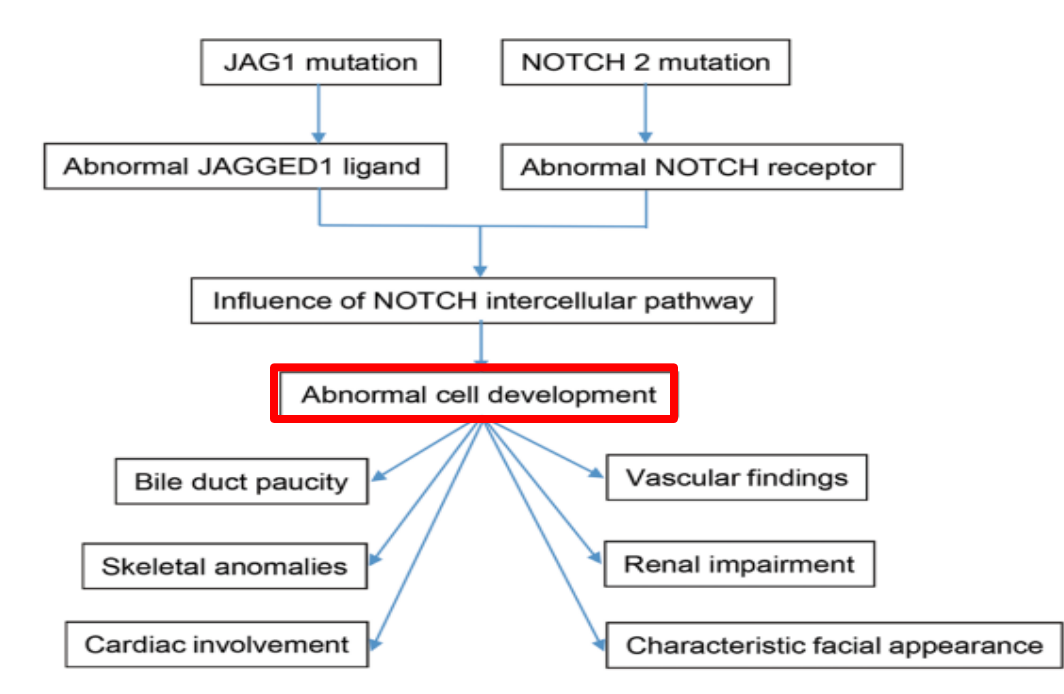
“Improvement in both pruritus and serum BAs/bilirubin levels has been associated with improved event‐free survival and 6‐year transplant‐free survival in ALGS patients treated with maralixibat. Additionally, this class of medication improved overall growth of the patient by improving mean height and weight Z scores that may be related to reduced impact of high serum bile acid levels on the growth axis although further studies are needed to better define the mechanism responsible for this out-come. This finding suggests these parameters could be used as surrogate end‐points for disease severity in diseases like ALGS or PFIC, where the time course to develop the need for LT commonly occurs over many years.”

Related blog posts:
Disclaimer: This blog, gutsandgrowth, assumes no responsibility for any use or operation of any method, product, instruction, concept or idea contained in the material herein or for any injury or damage to persons or property (whether products liability, negligence or otherwise) resulting from such use or operation. These blog posts are for educational purposes only. Specific dosing of medications (along with potential adverse effects) should be confirmed by prescribing physician.  Because of rapid advances in the medical sciences, the gutsandgrowth blog cautions that independent verification should be made of diagnosis and drug dosages. The reader is solely responsible for the conduct of any suggested test or procedure.  This content is not a substitute for medical advice, diagnosis or treatment provided by a qualified healthcare provider. Always seek the advice of your physician or other qualified health provider with any questions you may have regarding a condition.

Essential Learning Objectives in Pediatric Gastroenterology (and All Subspecialties) for Pediatricians and in Pediatric Residency Training

T Aye et al. J Pediatr 2025; 277, 114380. (Open Access!) Subspecialty Perspectives on the Education Needs for Pediatrics Residency Training

Background: The Council of Pediatric Subspecialties (CoPS) created a list of 3 to 5 learning objectives that each subspecialty believes are the most important practical skills for the general pediatrician and recommends be included in general pediatrics, medicine-pediatrics, and other combined residency program curricula… The Subspecialty Perspectives on (pediatrics) Training (SPoT) action team within CoPS asked each subspecialty representative, most of whom were fellowship program directors at the time, in collaboration with their subspecialty colleagues, to provide a list of 3 to 5 practical learning objectives that should be expected of graduating pediatric residents and practicing general pediatricians in the evaluation and management of conditions related to their subspecialty.

Recommendations for Pediatric Gastroenterology:

My take: This article identifies four of the most important areas in pediatric gastroenterology. If I were to add a fifth, given the wide variety of problems in our field, it would be to know how to quickly reach out to a pediatric gastroenterologist when you need advice.

This article is worth a quick look to see if you have the essential knowledge in all pediatric subspecialty fields (Table 1). One of the most important that relates to pediatric gastroenterology is in the allergy section: “Identify the importance of avoiding indiscriminate testing for food allergy without an appropriate clinical history concerning for IgE mediated food allergy.”

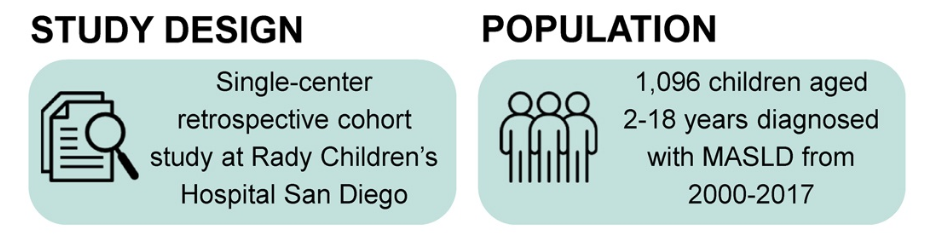
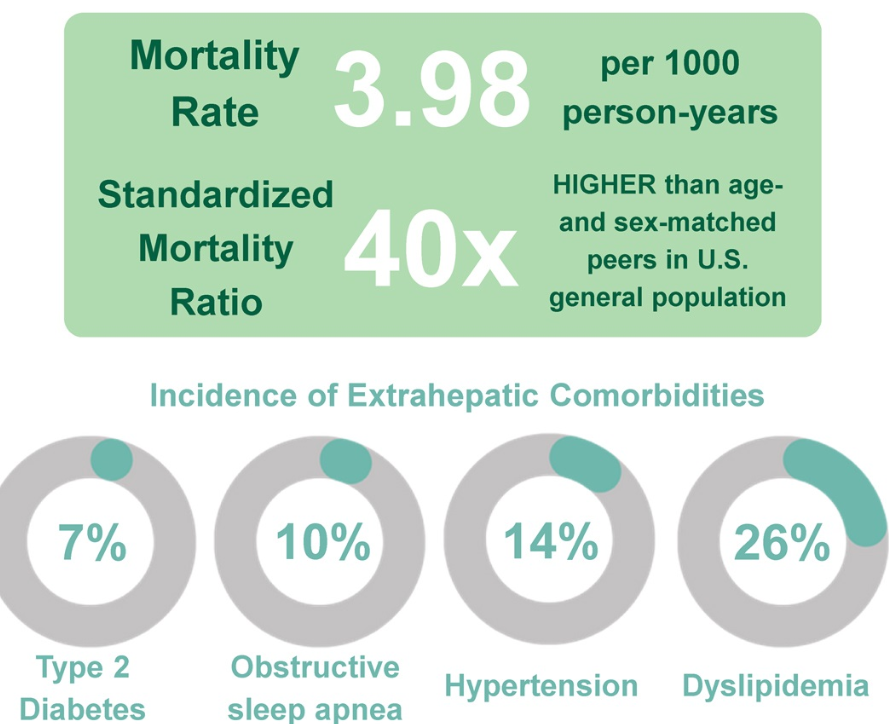
Key Insights on MASLD from Dr. Marialena Mouzaki

Dr. Marialena Mouzaki recently gave an excellent ground rounds at Children’s Healthcare of Atlanta. My notes below may contain errors in transcription and in omission. Along with my notes, I have included many of her slides (with permission).

Key points:

  • Epidemiology: Metabolic associated steatotic liver disease (MASLD) is very common and increasing in prevalence
  • There is new terminology and new diagnostic thresholds
  • Treatment cornerstone relies on lifestyle changes including diet modifications and exercise. Small weight reductions (10 lbs in adults)/improvement in BMI (z reduction of >0.25) can be beneficial
  • Diet: No specific diet has proven more effective than others (eg. low carb, Mediterranean). Avoiding simple sugars is helpful
  • Exercise: US children do not get enough physical activity (goal 1 hour daily). Exercise has not been studied well for pediatric MASLD but it has been proven to reduce cardiovascular disease and premature death
  • Medications: Medications are not part of routine care for pediatric MASLD in 2025 When they are available, use without lifestyle changes could be detrimental (eg. sarcopenia, worse cardiometabolic profile, nutritional deficiencies)
  • Multiple GLP-1 RA-containing agents appear promising (Semaglutide, tirzepatide, survodutide). Resmetirom is FDA approved for the treatment of MASLD with stage 2-3 fibrosis in adults.
  • Treat comorbidities like diabetes, obstructive sleep apnea (OSA), dyslipidemia and hypertension. Treatment of OSA may help MASLD
  • The leading cause of mortality in adults with MASLD is due to cardiovascular disease

Related blog posts:
AASLD Guidelines: Challenges of Liver Fibrosis Testing in Pediatrics

This guideline reviews and recommends blood-based tests as a tool to help determine the likelihood/severity of liver fibrosis in the presence of chronic liver disease. Most of the guideline focuses on adult liver disease. For pediatrics, the guideline makes the following recommendation:

In the pediatric patients with chronic liver disease, AASLD suggests the use of simple, cost-effective, and readily available blood-based NILDA [Non-invasive Liver Disease Assessment], such as APRI or FIB-4, for the detection of advanced fibrosis (F3-4) (ungraded statement).

Technical Remarks:

  • Some blood-based NILDA in children have good accuracy in detecting advanced fibrosis but have difficulty discriminating earlier stages of fibrosis.
  • FIB-4 does not perform as well in children as it does in adults, particularly very young children, due to the inclusion of age in the index.
  • Rapid growth in children and attendant fluctuations in alkaline phosphatase can confound interpretation of blood or collagen-based NILDA tests in pediatric liver disease.
  • There are insufficient biopsy validated data to recommend biomarkers for evaluating fibrosis in pediatric NASH and α1AT at this time.
  • In the pediatric population with CLD, there is growing but insufficient evidence to recommend blood-based NILDA as endpoints to monitor changes in fibrosis over time.

Despite the guidance recommendation, reading the text makes one leery about relying on these tests:

  • For example with biliary atresia: “The utility of APRI to assess or predict liver fibrosis in BA is mixed in the current literature.”
  • In conclusion, blood-based NILDA tests in children vary widely in their accuracy, even in detecting F3-4 fibrosis, and have difficulty discriminating earlier stages of fibrosis. These tests also have different disease-specific thresholds that correlate with histopathologic fibrosis and differ from adults. APRI and FIB-4 have been the most studied NILDA tests in children, but there is still insufficient evidence to recommend blood biomarkers as endpoints to monitor changes in fibrosis over time. Any blood-based NILDA that includes age (Table 5) should be used cautiously in children.

My take: This practice guideline, while recommending use of blood-based tests for fibrosis even in the pediatric age group, makes a fairly compelling argument that they are unreliable in children. Elastrography is likely to be more useful, though also imperfect, in the pediatric population.

Algorithm Recommended for Adults:

Related blog posts:
Impact of CFTR Modulators on the Need for Liver and Lung Transplantation in Patients with Cystic Fibrosis

M Mendizabal et al. Liver Transplantation 2025; 31: 412-416. Have CFTR modulators changed the need for liver and lung transplantation among patients with cystic fibrosis? An analysis of the UNOS database

This article notes that there have been 146,851 waitlistings and 95,254 liver transplants in the U.S. between 2012 and 2023. This includes 194 waitlistings and 138 transplants in patients with cystic fibrosis.

Key finding:

My take: This is great news for patients with cystic fibrosis. The drop in lung transplants is surely the tip of the iceberg. Think about your next breath! For patients with cystic fibrosis, these new medications make every single breath better. Longer followup is needed to determine if the long-term use of these agents may lower the rate of end-stage liver disease as well.

Related blog posts:
Current Practices and Wide Variation in Autoimmune Hepatitis Treatment Across Europe

M Cananzi et al. J Pediatr Gastroenterol Nutr. 2025;80:260–270. Current practice in the management of paediatric autoimmune liver disease in Europe

Methods: Thirty-six centers from 22 European countries responded to the survey that was sent to European Reference Network for Rare Liver Disorders (ERN RARE-LIVER) and members of the Hepatology Interest Group (HIG) of the European Society for Paediatric Gastroenterology, Hepatology, and Nutrition (ESPGHAN)

Key findings:

  • All centers use predniso(lo)ne as first-line therapy, alone (15/36) or with azathioprine (21/36)
  • Azathioprine and mycophenolate are the preferred second-line options in centres using first-line steroid monotherapy (11/15) or combined steroid-azathioprine (19/21)
  • Tacrolimus is used as third-line agent in 15/36 centers
  • Proactive measurement of drug metabolites and target levels vary widely among centers. About 27/36 centers have thiopurine methyltransferase (TPMT) genotyping available, of which 21 (58%) routinely perform this test before prescribing AZA. Among the 12 centres that reported target metabolite levels, 10 aim for levels between 200 and 300 pmol/8 × 108 red blood cells (RBC).
  • About 24/36 centers routinely incorporate PPIs into steroid treatment protocols, seven prescribe PPIs solely when there are risk factors for peptic ulcer disease, and the remainder refrain from using PPIs unless gastrointestinal symptoms occur.

My take: There is a great deal of variation in the management of autoimmune hepatitis indicating the need for more collaborative efforts to advance evidence-based therapeutic strategies.

Related blog posts:
White Temple, Chiang Rai, Thailand

Pharmacological Management of Pediatric Steatotic Liver Disease

RARA Jaoudeh et al. J Pediatr Gastroenterol Nutr. 2025;80:14–24; Pharmacological management of pediatric metabolic dysfunction-associated steatotic liver disease

Key points:

  • Glucagon-like peptide-1 receptor agonists (GLP-1RAs) have demonstrated efficacy against adult MASLD. “In patients ≥12 years of age with obesity (BMI ≥ 95th percentile), we recommend the use of GLP-1RA—along with dietary and lifestyle modifications—in those who have MASLD or MASH, and 1 additional metabolic comorbidity (hypertension, prediabetes, polycystic ovary syndrome, dyslipidemia, and obstructive sleep apnea) (Figures 1 and 2). Treatment with these agents should only be initiated after other causes of hepatic steatosis are ruled out.”
  • “GLP-1RA are effective in treating pediatric obesity and have shown to decrease liver enzyme levels which is likely indicative of their effect on MASLD.”
  • “It is important to note that phentermine/topiramate combination drug is approved for patients 12 years and older with obesity15 and can be used as a bridge for GLP-1RA therapy in cases where access to GLP-1RA is limited.”
  • GLP-1RA Dosing regimens are provided in Table 1. For example, “Semaglutide for weight loss is initiated at 0.25 mg once weekly subcutaneously and increased every 4 weeks in a stepwise fashion up to a maximum of 2.4 mg once weekly dose. The most common side effects are nausea and/or vomiting and can be worse the first few days a after dose increase. It is acceptable to delay dose escalation or reduce the target dose based on patient tolerance. Medication therapy should be evaluated for effectiveness after 12 weeks on a maximally tolerated dose.” And, “Liraglutide for weight loss is initiated at 0.6 mg daily subcutaneously and increased weekly in 0.6 mg increments up to a maximum 3 mg daily dose.”
  • Adverse effects: “Both liraglutide and semaglutide have been associated with thyroid C-cell tumors in animal studies37 and are contraindicated in patients with a personal or familial history of multiple endocrine neoplasia 2A and 2B and medullary thyroid carcinoma. Patients should be educated on symptoms of thyroid tumors—lump in the neck, difficulty breathing or swallowing, or persistent hoarseness—and treatment should be discontinued if these occur.37 GLP-1RA also increase the risk of pancreatitis and gallbladder disease especially with rapid weight loss.37 Liraglutide is contraindicated in pregnancy due to potential embryo-fetal defects shown in animal studies, and semaglutide should be discontinued if pregnancy occurs.1037

Useful algorithm:

My take: GLP-RAs are likely to be used increasingly in adolescents with MASLD despite issues with insurance/affordability and need for chronic treatment. This is a helpful review.

Related blog posts:
Disclaimer: This blog, gutsandgrowth, assumes no responsibility for any use or operation of any method, product, instruction, concept or idea contained in the material herein or for any injury or damage to persons or property (whether products liability, negligence or otherwise) resulting from such use or operation. These blog posts are for educational purposes only. Specific dosing of medications (along with potential adverse effects) should be confirmed by prescribing physician.  Because of rapid advances in the medical sciences, the gutsandgrowth blog cautions that independent verification should be made of diagnosis and drug dosages. The reader is solely responsible for the conduct of any suggested test or procedure.  This content is not a substitute for medical advice, diagnosis or treatment provided by a qualified healthcare provider. Always seek the advice of your physician or other qualified health provider with any questions you may have regarding a condition.

ESPGHAN Guidelines for PSC in Children

PF van Rheenen et al. JPGN 2024; DOI: 10.1002/jpn3.12378. Open Access! Primary sclerosing cholangitis in children with inflammatory bowel disease: An ESPGHAN position paper from the Hepatology Committee and the IBD Porto group

Recommendations:

  • In children with suspected or confirmed IBD, screening for liver disease is usually performed at 3 to 6 months intervals and a work‐up for underlying liver disease is most commonly initiated when liver enzymes exceed 2x the upper limit of normal
  • Use MRCP as the radiological modality of choice for diagnosing PSC
  • Consider performing a liver biopsy in children with IBD and suspected PSC in the following circumstances: i) Normal biliary tree at MRCP, ii) raised immunoglobulin G and the presence of liver-specific autoantibodies, or iii) clinical uncertainty before steroid induction therapy for IBD
  • Perform fecal calprotectin screening at least once yearly in children with isolated PSC and/or AIH to select patients for diagnostic endoscopy for suspected inflammatory bowel disease (panel recommends cutoff of >150 indicating need for ileocolonoscopy)
  • Surveillance colonoscopy should be considered in children with PSC–IBD and the following risk factors of colorectal cancer: i) persistent active colonic inflammation, ii) longstanding colitis (≥8 years), or iii)  a family history of colorectal cancer in a first-degree relative <50 years. (The overall risk of colon cancer in those <18 yrs of age is very low)
  • UDCA may be prescribed at doses of 15–20 mg/kg/day. Despite evidence of improvement of liver enzymes, its long-term effect on disease progression has not been demonstrated. Consider a 6-months therapeutic trial of UDCA, either immediately after PSC diagnosis or when spontaneous normalization of GGT does not occur in the first 6 months postdiagnosis. Continue UDCA treatment if there is a meaningful reduction or normalization of GGT or improvement of symptoms
  • Oral vancomycin may be prescribed for a potential improvement in liver biochemistry as well as bowel inflammation. Its long-term effect on disease progression has not been demonstrated
  • In children with PSC–IBD and biochemical, serological, and histological features of AIH, the use of corticosteroids and antimetabolites may suppress immune-mediated hepatitis. In the absence of convincing AIH features, the use of corticosteroids and antimetabolites is not indicated to manage PSC
  • Children with PSC, relevant bile-duct strictures and cholestatic symptoms should be assessed for liver transplantation. When their symptoms are likely to improve following biliary intervention, ERCP can be considered
  • Recommended blood testing for children with PSC: At diagnosis: Autoantibodies (ANA, anti-SMA, anti-LKM-1, anti-LC1, and anti-SLA), Every 3-6 months: ALT, AST, GGT, Albumin, INR, Platelets, CRP. Every 12 months: IgG, AFP, and Fat Soluble vitamins. Consider f/u autoantibodies in those with elevated IgG at f/u lab testing

My take: This is a useful position paper; it does not have a zillion recommendations like some other ESPGHAN positions papers. Given the frequency of liver enzyme elevation in patients with IBD, mild to modest elevations may need to be observed before launching an extensive evaluation (see related blog posts below).

Related blog posts:
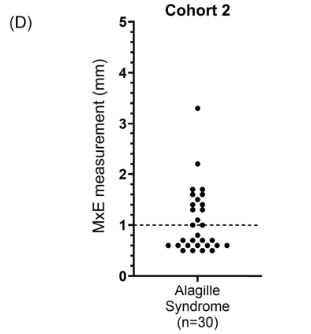
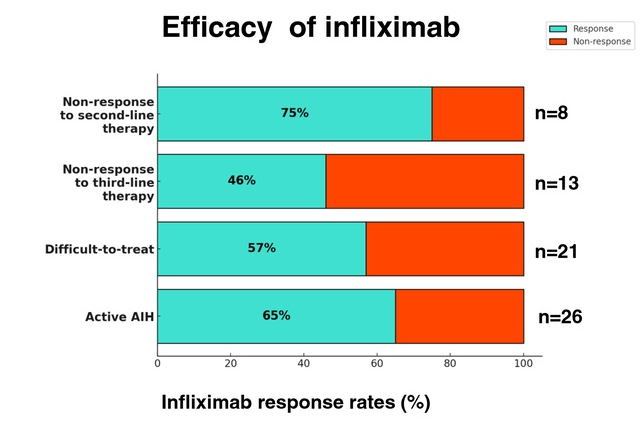
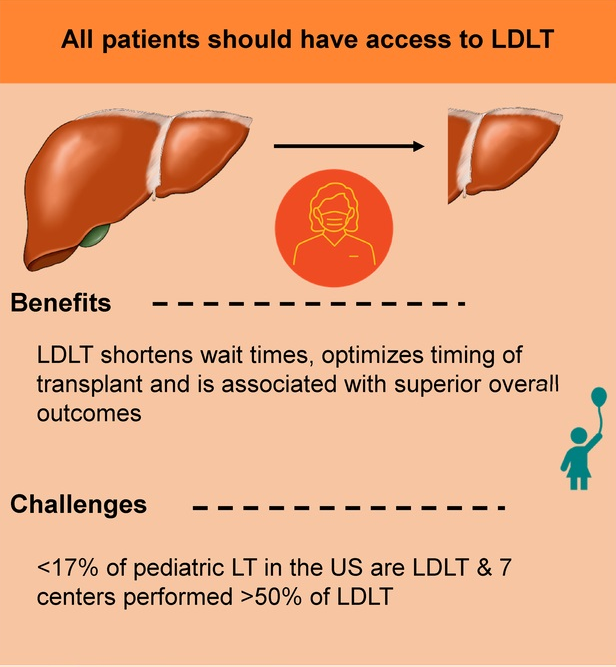
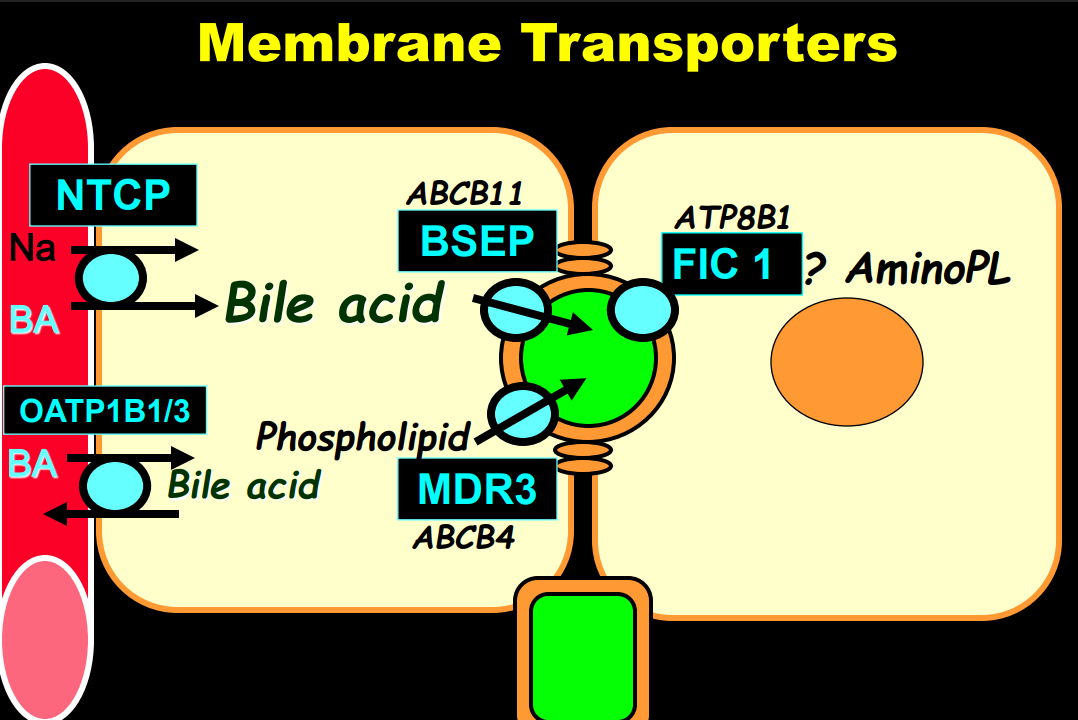
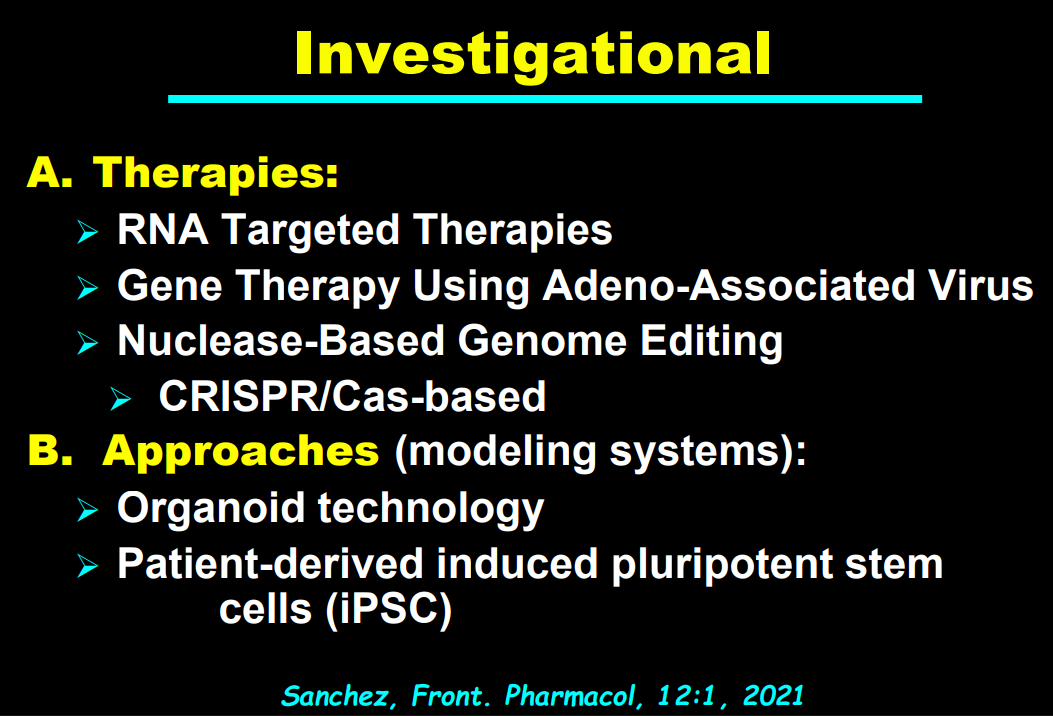
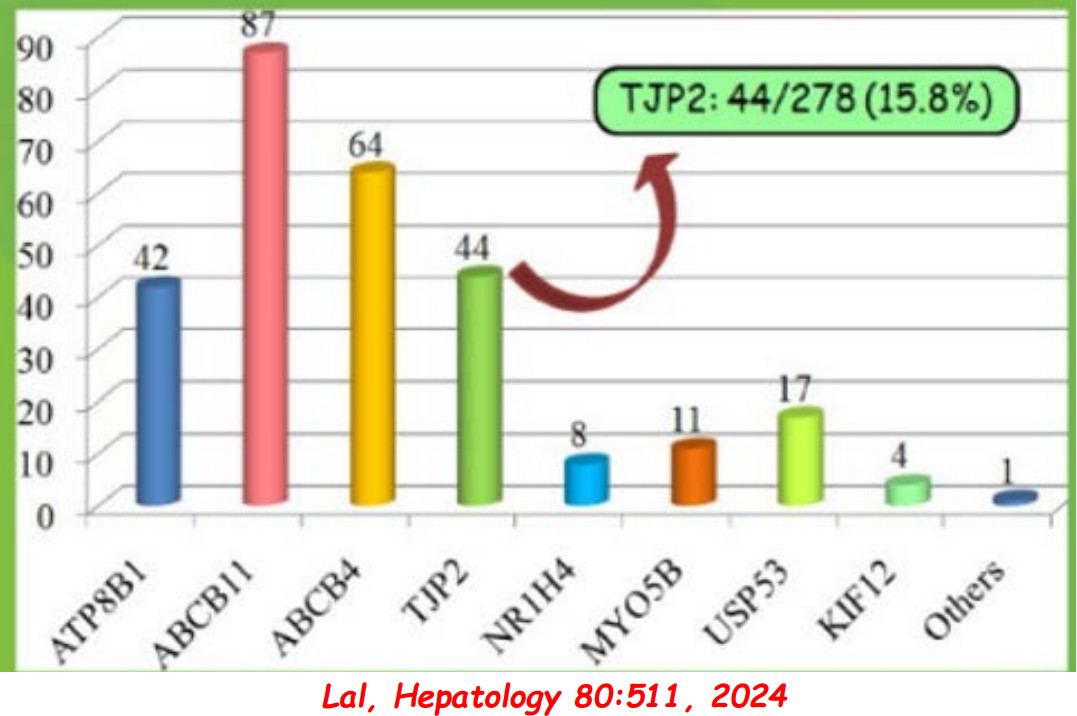
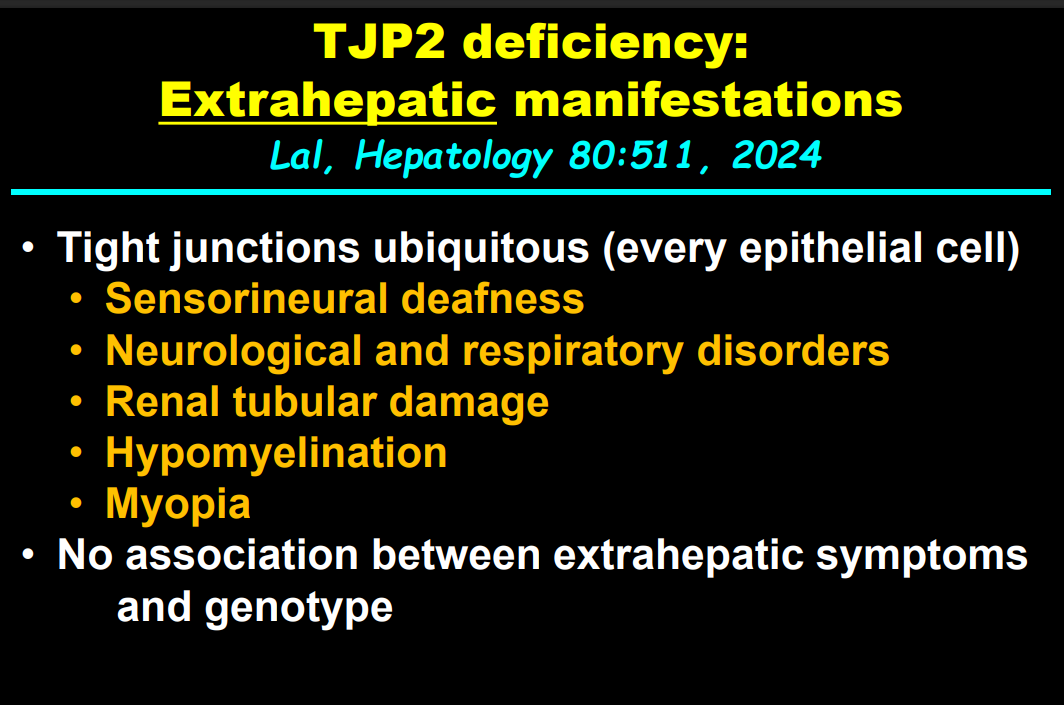
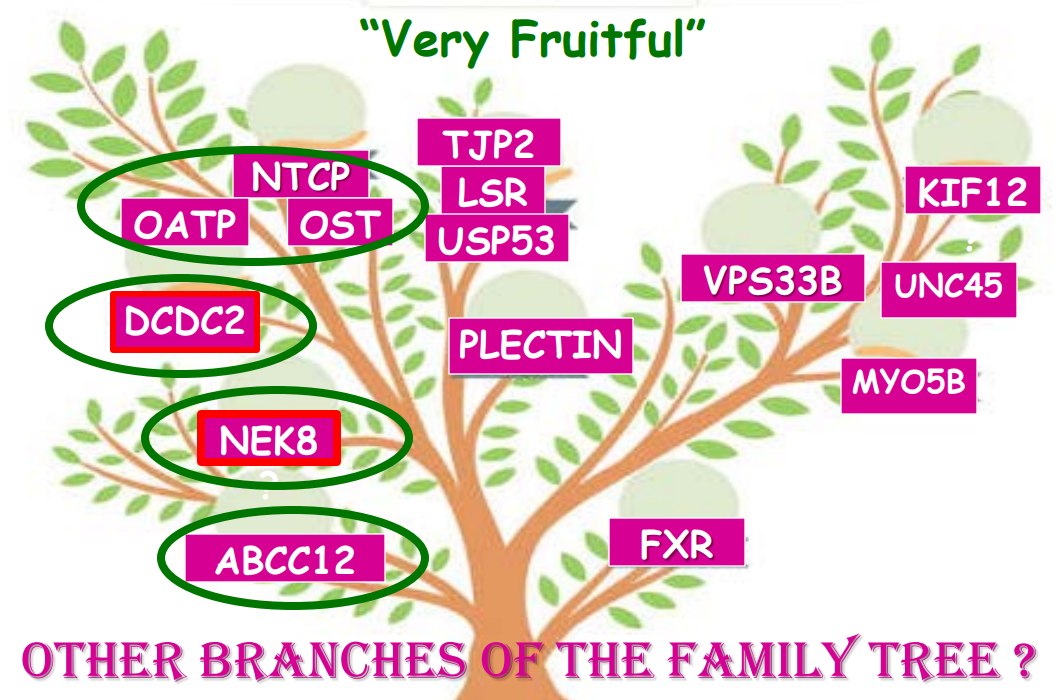
Key Advances in 2024: An Overview from GutsandGrowth (Part 2)

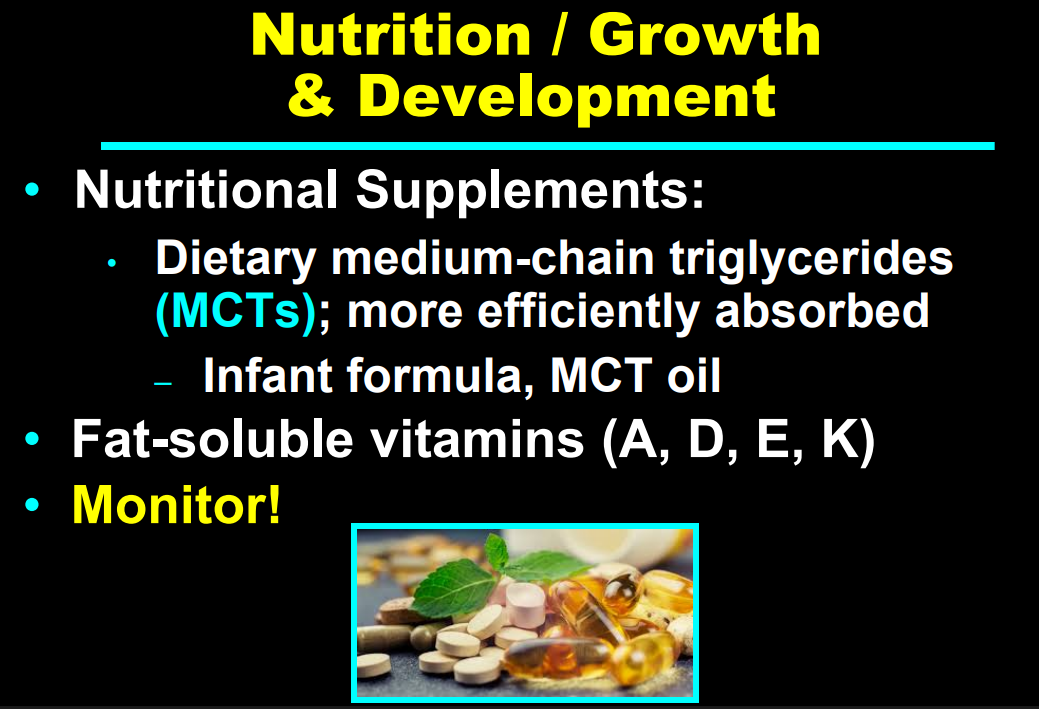
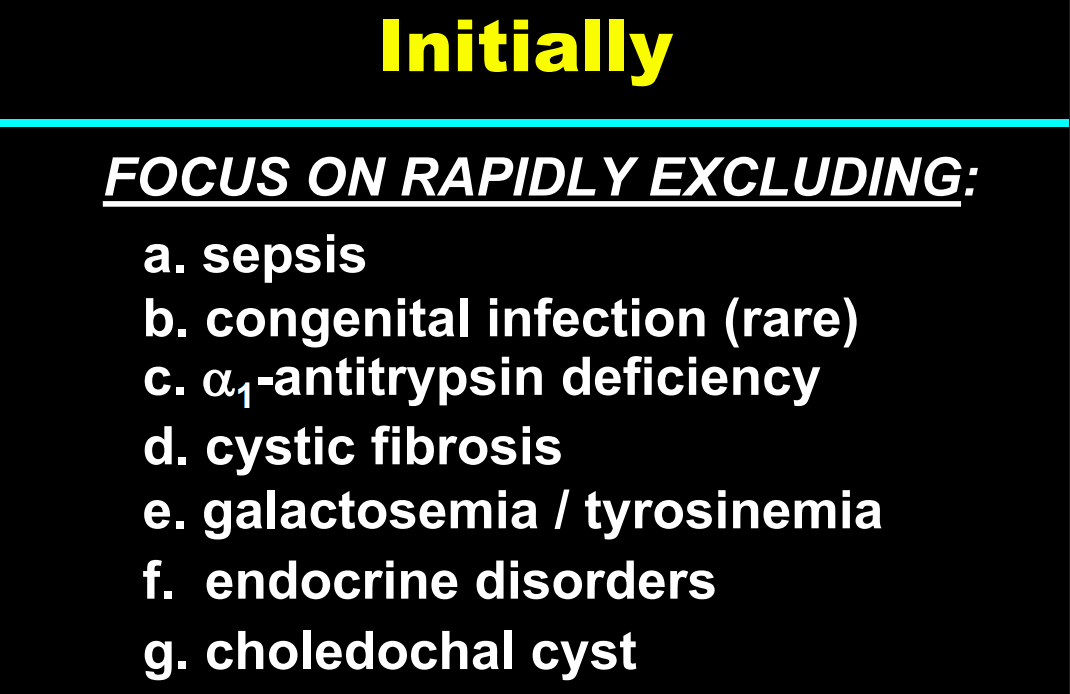
This year I had the opportunity to give a lecture to our group that reviewed much of the important advances that happened in 2024. Here are some of the slides (if you have any trouble reading the slides, you can search for the original blog post using author name).