Tenofovir to Prevent Perinatal Transmission of Hepatitis B

Mother-to-child transmission of hepatitis B virus (HBV) accounts for the majority of cases of chronic HBV infection.  HBV infection affects more than 250 million people worldwide and in many cases results in cirrhosis or hepatocellular carcinoma.  As such, there has been interest in preventing perinatal transmission.

The most recent study (C Jourdain et al. NEJM 2018; 378: 911-23) again showed that tenofovir administration to pregnant women with HBV can prevent transmission.  This study enrolled 331 women.  Key findings:

  • 0% (0/147) infants in the tenofovir group developed HBV infection compared to 2% (3/147) in the control group. This did not reach statistical significance
  • The placebo group received HBV vaccination and hepatitis B immune globulin 1.2 hours and 1.3 hours after birth (median time).  This rapid provision of treatment along with completion of four doses of HBV vaccine likely helped keep the placebo group HBV infection rate low

In the related editorial (G Dusheiko. pg 952-3), it is noted that “current levels of evidence supporting antiviral therapy with TDF [tenofovir] (or possbily lamivudine or telbivudine) to reduce levels of maternal HBV DNA during pregnancy have been accepted by the” AASLD.

Related blog posts:

Autoimmune Hepatitis Associated with Anti-TNF Therapy

A recent study (A Ricciuto et al. J Pediatr 2018; 194: 128-35) identified an index case of autoimmune hepatitis (AIH) associated with anti-tumor necrosis factor (TNF) therapy and reviewed liver biochemistries in a cohort of 659 children.

Key findings:

  • In the index case, features of autoimmune hepatitis (AIH) on liver biopsy were noted 23 weeks after starting infliximab.   These findings resolved entirely within 4 months after withdrawal of infliximab
  • Overall, 7.7% of cohort had elevations of ALT while receiving anti-TNF therapy.  Most were mild and attributable to other causes than drug toxicity. No other cases of AIH were identified.

The authors recommend a careful investigation in those with elevations >2-3 times ULN which persists >3 months. Livertox (NIH) website notes the following for infliximab:

“The liver injury caused by infliximab is usually mild and rapidly reversed once therapy is stopped.  However, fatal instances of HBV reactivation and induction of autoimmune hepatitis due to infliximab have been reported, and regular monitoring of patients early during the course of infliximab is recommended.”

My take: Serious liver injury related to anti-TNF therapy is rare. A great place to understand the spectrum of liver problems potentially related to infliximab is the livertox website:

Related blog entries:

AIH:

Views from inside Hoover Dam, including Mike O’Callaghan–Pat Tillman Memorial Bridge

Mechanisms in Fatty Liver Disease Improved After Bariatric Surgery

A recent prospective study (V Nobili et al. J Pediatr 2018; 194: 100-8) consecutively enrolled 20 severely obese adolescents with biopsy-proven nonalcoholic fatty liver disease (NAFLD). The authors used liver histology, immunohistochemistry and cytokine analysis to assess the changes (after 12 months) induced by bariatric surgery with laparoscopic sleeve gastrectomy (LSG).

Key findings:

  • NAFLD Activity Score and fibrosis improved after LSG. Steatosis, hepatocyte ballooning, and NAS score showed a significant improvement (Z=-2.7; P=.007) at 12 months following surgery. Fibrosis improvement (Z=-2.449) was noted as well.
  • The histologic improvement “is associated with activation of local cellular compartments (hepatic progenitor cells, hepatic stellate cells, and macrophages), thus, strengthening the role of cellular interactions and hepatic adipocytokine production in the pathogenesis of NAFLD.”

This study has a large number of figures illustrating the changes in liver architecture and immunohistochemistry changes.

My take: This study shows specific improvements following LSG and shows correlation with cytokines and immunohistochemistry providing a mechanistic explanation for these improvements.

Related blog posts:

Hepatic Tumor Pointers

A grand rounds report (CK McLean et al. J Pediatr 2018; 193: 245-48) focuses on the presentation of a rare tumor in a neonate, angiosarcoma.  A few pointers from the discussion:

  • The most common benign hepatic vascular tumors are congenital hemangiomas and infantile intrahepatic hemangiomas (IHH)
  • The AAP dermatology section recommends assessing for hepatic lesions when there are 5 or more cutaneous hemangiomas.  The risk of a hepatic hemangioma may be 23%, according to one study, when there are >5 cutaneous hemangiomas or one large cutaneous hemangiomas.
  • “Consumptive hypothyroidism is a unique characteristic in some IHH.” This is due to tumor expression of a type 3 iodothyronine deiodinase enzyme which inactivates thyroid hormone.

Related blog post:

Bright Angel Trail, Grand Canyon

Predicting Hepatitis B Vaccination Failure in Infants

A brief report (KW Cheung et al. Clin Gastroenterol Hepatol 2018; 16: 144-5) describes a prospective multicenter study (2014-16) in Hong Kong which examined immunoprophylaxis failure (IF) of infants (n=654) born to mothers infected with hepatitis B virus (HBV) infection.  All infants had received HBV vaccine and HBV immunoglobulin (within 12 hours of birth).  Maternal HBV DNA & serology was measured at 28-30 weeks.

Key finding:

  • There were 7 cases of IF (1.1%). All were born to women with positive HBeAg and HBV DNA >8 log10 copies/mL (>17 million IU/mL)
  • The authors note that “although a cutoff of 200,000 IU/mL (~6 log10 copies/mL) has been recommend, the optimal viral load cutoff to initiate HBV antiviral treatment remains debatable.”

My take: HBV prophylaxis with HBV vaccination and HBIG is very effective.  However, HBV DNA levels can be used to target HBV antiviral treatment to further minimize the chance of IF failure.

Related blog posts:

Patient artwork


Challenging Assumptions: Self-Management Adolescent Skills and Poor Outcomes

If you think that teaching more self-management to adolescents will lead to better outcomes, you might be wrong.  A recent study (RA Annunziato et al. J Pediatr 2018; 193: 128-33) shows that adolescents who reported greater self-management, following liver transplantation, had worse outcomes.

In this study of 9-17 year olds and their parents (213 dyads), the key finding was based on a score derived from the REFILS survey.  REFILS is an acronym for “Responsibility and Familiarity with Illness Survey.”  This survey was curtailed from 22 items to the following 13 items:

  • Understands key aspects of liver disease
  • Discusses management plan with team
  • Self-manages liver regimen
  • Knows names/dose of medications
  • Keeps track of medications
  • Correctly takes medications
  • Calls pharmacy for refills
  • Knows different types of providers
  • Knows date of next appointment
  • Makes appointments
  • Know insurance details
  • Understands insurance plan
  • Keeps healthcare records

Key finding:

  • “Negative outcomes were more likely to occur if patients reported that they are ‘in charge.’ A higher [REFILS] score, which denotes a higher level of (self-reported) management, was significantly and consistently correlated with worse adherence and organ rejection.”

The implication is that the transition of responsibilities from the parent/caregiver to the adolescent “may in fact not always be indicated or advisable…education about self-care might actually be harming patients…It is probably prudent to discourage rather than encourage adolescents from assuming self-care in some cases.”

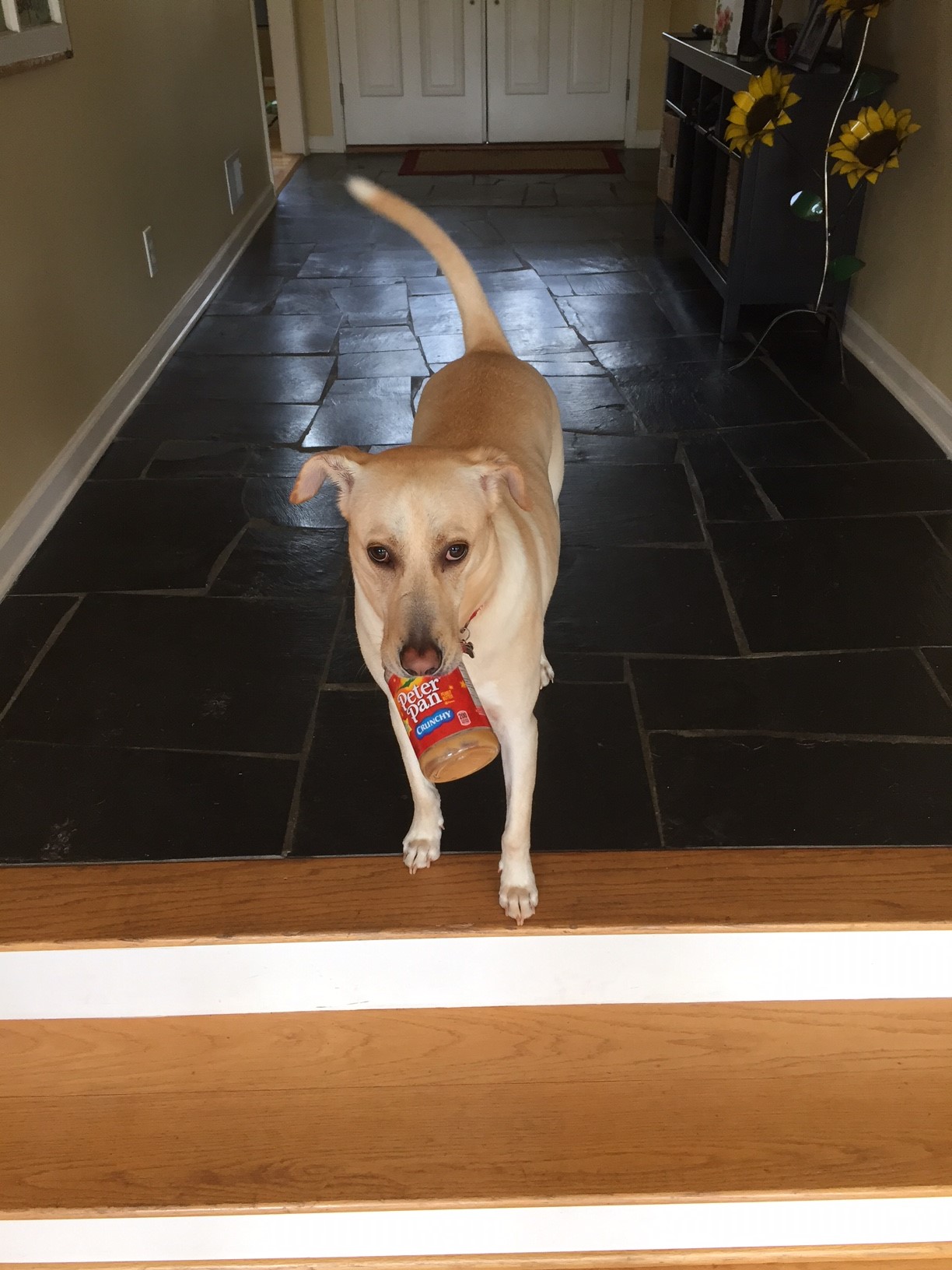
My take: While adolescents and young adults are capable in many aspects, there are hardly any that I would trust to care for our dog (see below) for any protracted period.  Thus, in my view, without close parental supervision, entrusting the life of a liver transplant recipient to an adolescent is risky.

Related blog posts:

Charlie

Screening for Bile Acid Synthesis Disorders

A recent study (AA Al-Hussaini et al. JPGN 2017; 65: 613-20) showed that serum (total) bile acids is effective in screening for bile acid synthesis disorders. In this prospective study from Saudi Arabia, with 626 patients and 450 with infantile cholestasis, the authors identified bile acid synthetic disorder (BASD) in 2.7% of infantile cholestasis patients.  Among the 15 cases, 11 were due to 3β-hydroxyl-Δ5-C27 steroid oxidoreductase dehydrogenase deficiency (HSD3B7).  In these conditions, serum bile acids are low or normal (< 10  μmol/L) in the setting of cholestasis; most cholestatic conditions have elevated bile acids. In addition, all of their patients with bile acid synthetic disorders had a normal or low GGT.

Cholic acid is the “only effective therapy” for bile acid synthetic disorders.  It has a high cost of “$31,000 yer year in Europe” (50 mg per day).

My take: While the authors provide a diagnostic algorithm (figure 3) for diagnosis of bile acid synthetic disorders, this will likely change with the emergence of genetic screening panel.  At this time, in infants/children with cholestasis along with a normal/low GGT and normal/low serum bile acids, one should check urine for fast atom bombardment mass spectrometry.

Related blog post:

Bright Angel Trail, Grand Canyon


Second-Line Treatments for Autoimmune Hepatitis

A recent retrospective study (C Efe et al. Clin Gastroenterol Hepatol 2017; 15: 1950-6) examined both mycophenolate mofetil (MMF, n=121) and tacrolimus (TAC, n=80) as second-line therapies for autoimmnue hepatitis with a median followup of 62 months. Patients were divided into two groups. The first group (n=108) had a complete response to steroids/azathioprine but had side effects.  The second group (n=93) were nonresponders to steroids/azathioprine. Overall, the cohort examined patients as young as 7 years and as old as 76 years.

Key findings:

  • No significant difference in complete response noted in 69.4% of MMF-treated compared with 72.4% in TAC-treated patients.
  • In group 1 patients (responders to azathioprine), MMF and TAC maintained biochemical remission in 91.9% and 94.1% respectively.
  • In group 2 (prior nonresponders), TAC-treated patients had a complete response rate of 56.5% compared with 34% for MMF-treated patients (P=.029).
  • Liver-related deaths and transplantation occurred with similar rates: MMF 13.2% compared with TAC 10.3%.  With each treatment, 10 patients withdrew from treatment due to side effects.

My take: In this study, both agents were effective in those who changed due to side effects.  However, tacrolimus-treated patients had a higher response among prior nonresponders.

Related blog posts:

Bright Angel Trail, Grand Canyon


NAFLD Guidance from American Association for the Study of Liver Diseases

Link: AASLD Guidance for the Diagnosis and Management of Nonalcoholic Fatty Liver Disease

This guidance provides a 2018 review of NAFLD and current diagnostic/management recommendations in both adults and children.  Some points from this practice guidance:

  • “Liver-related mortality is the second or third cause of death among patients with NAFLD.” Cardiovascular disease remains the number one and cancer-related mortality is in the top three.
  • “Routine screening for NAFLD in high-risk groups attending primary care, diabetes, or obesity clinics is not advised at this time because of uncertainties surrounding diagnostic tests and treatment options.” Likewise, screening of family members is not recommended.
  • In children: “Because of a paucity of evidence, a formal recommendation cannot be made with regard to screening for NAFLD in children with overweight and obesity.”
  • In patients undergoing evaluation with suspected NAFLD, the authors specifically recommend checking ferritin, iron saturation, and autoantibodies that could indicate autoimmune liver disease.
  • In patients with suspected NAFLD, the authors recommend evaluation for comorbities including dyslipidemia, diabetes, hypothyroidism, polycystic ovary syndrome, and sleep apnea.
  • “Liver biopsy should be considered in patients with NAFLD who are at increased risk of having…advanced fibrosis” and in “whom competing etiologies…cannot be excluded without a liver biopsy.”
  • Pharmacologic therapies are not recommended in those without biospy-proven NASH and fibrosis.  Specifically, the authors suggest consideration of pioglitazone and vitamin E and recommend against metformin, GLP-1 agonists, omega-3 fatty acids, and ursodeoxycholic acid.
  • “Weight loss (7%-10%) is needed to improve the majority of histopathological features of NASH.”
  • In patients with cirrhosis due to NASH, screening for varices is recommended and consideration of screening for HCC.

My take: This practice guidance is quite reasonable.  At this time, more focus on systemic measures to counter overweight and obesity is crucial.  Pharmacologic therapies for NAFLD will need to be effective for the cardiovascular, metabolic, and liver-related problems.

Related blog posts:

Bright Angel Trail, Grand Canyon

Unbound Bilirubin and Prematurity

A recent prospective study (SB Amin, H Wang. J Pediatr 2018; 192: 47-52) indicates that premature infants have lower bilirubin binding affinity which could place them at risk for neurological complications.

Background: Very high levels of unconjugated bilirubin can lead to bilirubin-induced neurotoxicity/kenricterus.  There is increased susceptibility in newborns, particularly premature infants.  Unbound bilirubin (not bound to protein) can cross blood-brain barrier.  However, unbound bilirubin, rather than total serum bilirubin, is a better predictor of abnormal neurological outcomes.

Key findings:

  • Among 166 infants, peak unbound bilirubin significant correlated with bilirubin-albumin binding affinity (Ka) (r=-0.44, P=.001)
  • Gestational age was a significant modifier for the association between Ka and peak unbound bilirubin.
  • Peak unbound bilirubin was primarily associated with a decrease in binding affinity in infants ≤30 weeks gestational age

Implications of study: “Phototherapy as a sole intervention may be insufficient in preventing or reducing bilirubin-induced neurotoxicity”

My take: If there is low bilirubin binding affinity, among premature infants ≤30 weeks gestational age, some neurologic toxicity could occur even with bilirubin levels that have been considered safe previously.

Related blog posts:

Bright Angel Trail, Grand Canyon