Relooking at 6-Year Data of Maralixibat for Alagille Syndrome

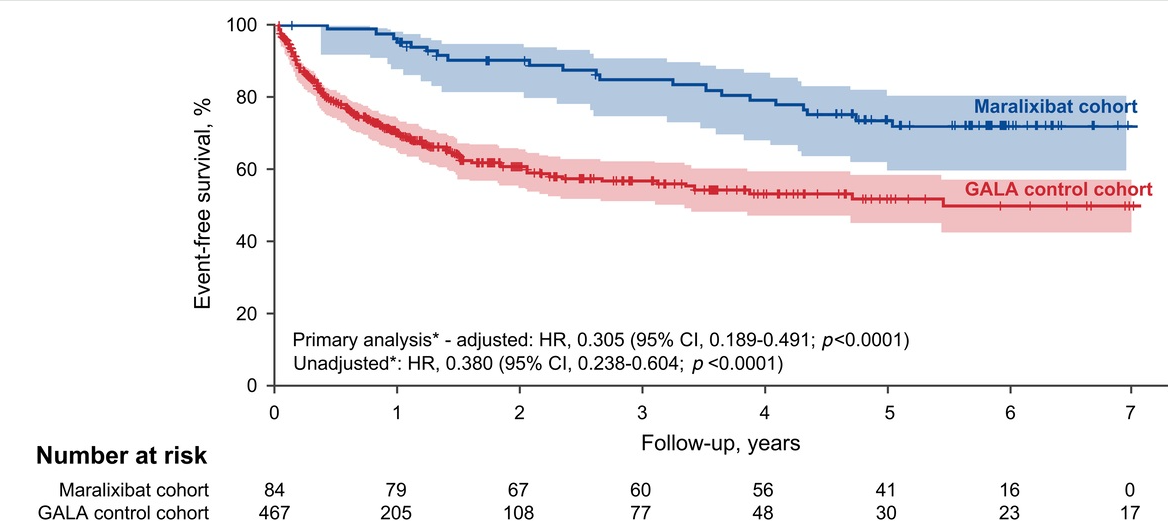
BE Hansen et al. Hepatology 2024; 79: 1279-1292. Open Access! Event-free survival of maralixibat-treated patients with Alagille syndrome compared to a real-world cohort from GALA

This study compared “6-year outcomes from maralixibat trials with an aligned and harmonized natural history cohort from the Global ALagille Alliance (GALA) study.”

Based on a quick review, some the data appears to overlap a recent report in the same journal: RJ Sokol et al. Hepatology 2023; 78: 1698-1710. Open Access! Predictors of 6-year event-free survival in Alagille syndrome patients treated with maralixibat, an ileal bile acid transporter inhibitor (See blog post: Six Year Data for IBAT Inhibitor Treatment for Alagille Syndrome).

In the current study, “event-free survival, defined as the time to first event of manifestations of portal hypertension (variceal bleeding, ascites requiring therapy), surgical biliary diversion, liver transplant, or death, was analyzed by Cox proportional hazards methods.”

Key findings:

  • Event-free survival in the maralixibat cohort (n=84) was significantly better than the GALA cohort (n=469) (HR, 0.305)
  • Transplant-free survival showed similar results (aHR, 0.33)
In their discussion, the authors note that much of the improvement in event-free survival is due to improvement in pruritus which is a main indication for liver transplantation. They speculate that improvement in event-free survival is also related to more broad-based clinical improvement (observed in ICONIC study), perhaps due to reduction in retained hepatic bile acids.

One of the limitations, reliance on a historical control, is discussed. “Historical control comparison is useful when there are ethical concerns regarding the recruitment of patients for long-term control arms requiring several years of study in life-threatening or debilitating diseases.”

My take: In this real-world comparison, Maralixibat, clearly was associated with improved outcomes. How much of this was due to relief of intractable pruritus and how much of this may be due to other biologic factors remains uncertain.

Related blog posts:

Do PPIs Increase the Risk of Eosinophilic Esophagitis in Patients with Esophageal Atresia?

TC Tang et al. JPGN 2024;78:1317–1328. Proton pump inhibitors, antibiotics, and atopy increase the risk of eosinophilic esophagitis in children with esophageal atresia

In this retrospective study (2005-2020) with 184 children, key findings:

  • Of 184 children with EA, 46 (25%) developed EoE during this period
  • Children with EoE and EA received PPI for significantly higher durations (p = .018) and at significantly higher cumulative doses (p = .017) than controls. (Controls were children with EA who did not develop EoE)
  • Food allergy (adjusted odds ratio [aOR], 7.317, family history of atopy (aOR, 3.504), and infantile antibiotic exposure (aOR, 1.040) were also significantly associated with an increased risk of developing EoE in the EA cohort

Discussion: “This is congruent with the emerging evidence in the general pediatric population that there is an increased risk of EoE development in individuals who undergo acid suppressive therapy. A possible explanation for these findings is that acid suppressants inhibit gastric parietal cell function and elevate the gastric pH, thereby impairing peptic digestion of dietary allergens, potentiating sensitization, and facilitating the development of allergic diseases like EoE.” Other potential explanations could include PPIs could increase mucosal permeability and/or contribute to dysbiosis.

“Hence, the routine use of PPIs for the first year of life as recommended by the current guidelines may need to be revisited..”

My take: This study shows a clear association of PPIs with development of EoE in this cohort. Due to the study design, it is difficult to be confident regarding causality due to possible selection bias (patients who received PPIs may be those with more predisposition to EoE). Nevertheless, this study suggests that prolonged use of PPIs, even in groups at risk for reflux damage, needs to be carefully considered and possibly directed by objective markers of reflux.

Related blog posts:

Arches National Park

Expert Advice on Gluten Introduction and Risk of Celiac Disease

H Szajewska et al. JPGN 2024; https://doi.org/10.1002/jpn3.12280. Open Access! Early diet and the risk of coeliac disease. An update 2024 position paper by the ESPGHAN special interest group on coeliac disease

Key points:

  • Breastfeeding, whether any amount, exclusive, or of any duration, does not reduce the risk of developing CD
  • Introducing gluten into an infant’s diet at any time between completed 4 months (≥17 weeks) and 12 months of age does not affect the cumulative incidence of CD

Related blog posts:

Survodutide, Dual Glucagon Receptor/GLP-1 Receptor Agonist, for MASH (Phase II Trial)

AJ Sanyal et al. NEJM 2024; DOI: 10.1056/NEJMoa2401755. A Phase 2 Randomized Trial of Survodutide in MASH and Fibrosis

Background/Methods: “Dual agonism of glucagon receptor and glucagon-like peptide-1 (GLP-1) receptor may be more effective than GLP-1 receptor agonism alone for treating metabolic dysfunction–associated steatohepatitis (MASH). The efficacy and safety of survodutide (a dual agonist of glucagon receptor and GLP-1 receptor) in persons with MASH and liver fibrosis” was studied in “48-week, phase 2 trial, we randomly assigned adults with biopsy-confirmed MASH.” (n=293)

“Dual agonism of glucagon receptor and GLP-1 receptor may be more effective than GLP-1 receptor monoagonism for treating MASH, because the extrahepatic benefits of GLP-1 receptor agonism (glucose control, reduced appetite, and weight loss) are combined with direct hepatic effects (increased energy expenditure, lipolysis, and mobilization of hepatic fat) associated with glucagon receptor agonism.”

Key findings:

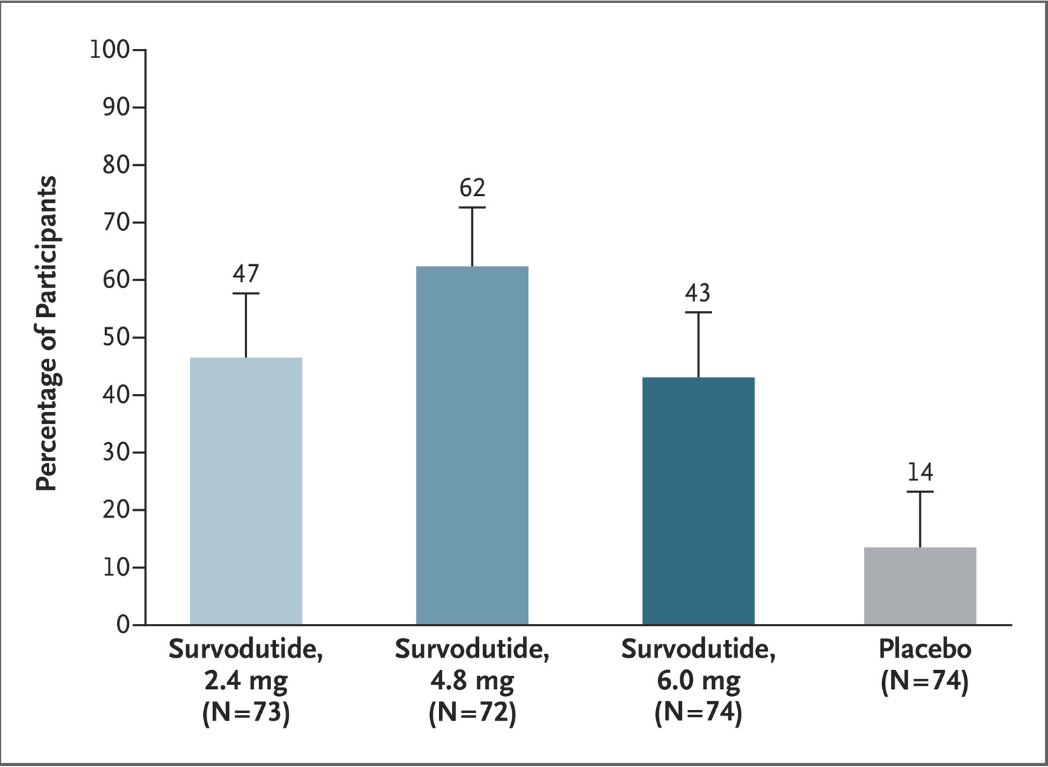
  • Improvement in MASH with no worsening of fibrosis occurred in 47% of the participants in the survodutide 2.4-mg group, 62% of those in the 4.8-mg group, and 43% of those in the 6.0-mg group, as compared with 14% of those in the placebo group
  • A decrease in liver fat, assessed by MRI-PDFF, content by at least 30% occurred in 63% of the participants in the survodutide 2.4-mg group, 67% of those in the 4.8-mg group, 57% of those in the 6.0-mg group, and 14% of those in the placebo group; improvement in fibrosis by at least one stage occurred in 34%, 36%, 34%, and 22%, respectively. 
  • Adverse effects were more frequent with survodutide than with placebo included nausea (66% vs. 23%), diarrhea (49% vs. 23%), and vomiting (41% vs. 4%); serious adverse events occurred in 8% with survodutide and 7% with placebo.
Primary Endpoint at 48 weeks. The primary end point was histologic improvement (reduction) in metabolic dysfunction–associated steatohepatitis (MASH) with no worsening of fibrosis at week 48.

The discussion notes that “in a phase 2 trial, treatment with the GLP-1 receptor monoagonist semaglutide resulted in a significantly higher percentage of patients with MASH resolution than placebo but not in a significantly higher percentage of patients with improvement in fibrosis stage.26” Thus, the improvement in fibrosis, which was seen in this study with survodutide,will need to be examined in future studies.

My take: Earlier this year, the selective thyroid hormone receptor beta agonist resmetirom gained conditional approval from the Food and Drug Administration as the first pharmacotherapy for MASH with moderate-to-advanced liver fibrosis.5  It looks like there will be a number of pharmacologic agents available in the coming years. Cost and availability will be ongoing concerns. In addition, determining when/how these agents will be used in the pediatric population will not be clear for quite a long time.

Related blog posts:

Also, A Few Years Ago –Button Battery Changes

It turns out that Duracell has been trying to reduce button battery ingestions for a few years (in 2020) by coating the sides of the batteries with a bitter tasting no-toxic chemical. I only recently found out about this. “Duracell uses Bitrex, a non-toxic, man-made substance that’s considered the world’s most bitter, to create the coating. The coating is harmless if consumed, but it’s designed to encourage children to spit out the battery immediately.” (Anecdotally, one of our endoscopy nurses said she tried the battery and she did not think it was very bitter.) The packaging is also very difficult to open without scissors.

Advice from their website: “If your child swallows a battery, go to the emergency room.
If you have other questions or concerns, call 1-800-498-8666 or visit www.batteryingestionhotline.com.”

Related blog posts:

Dr. Victoria Martin: Management of Cow’s Milk Protein Allergy/Intolerance : Are We Causing More Harm Than Good? (Part 2)

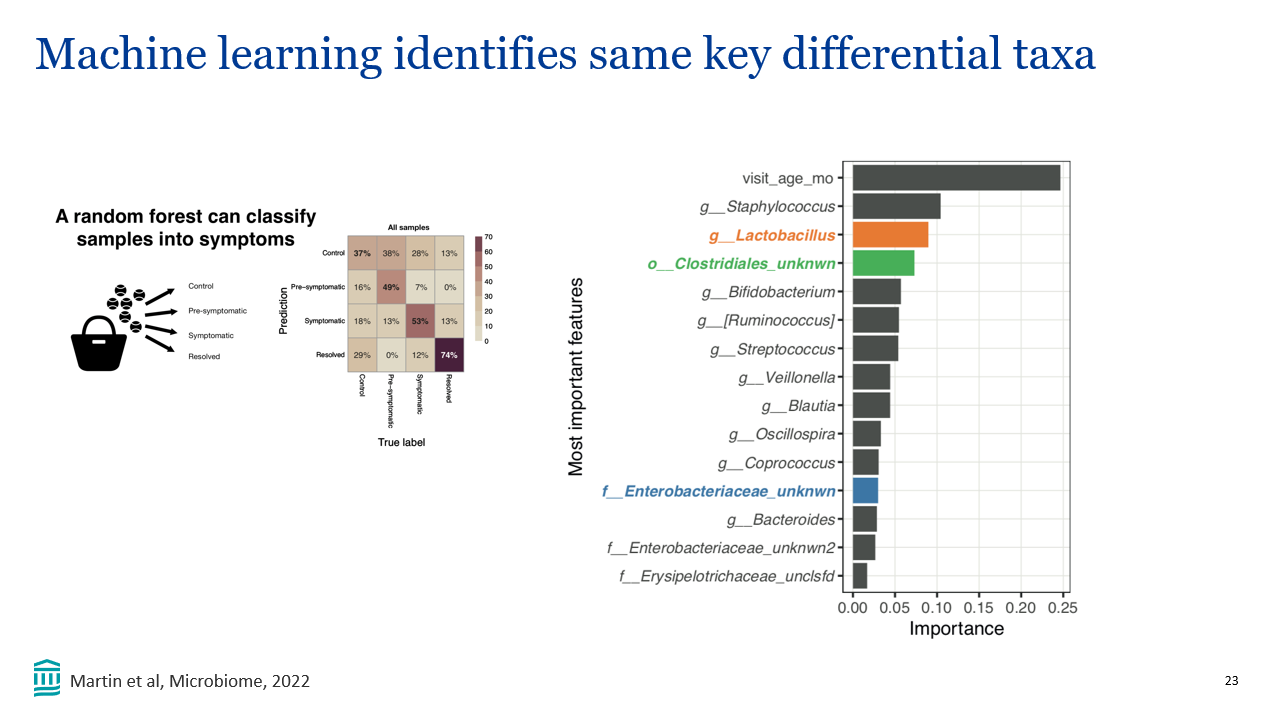
Recently, Dr. Victoria Martin gave our group an excellent update on cow’s milk protein allergy/food protein-induced allergic proctocolitis (FPIAP).  My notes below may contain errors in transcription and in omission. Along with my notes, I have included many of her slides.

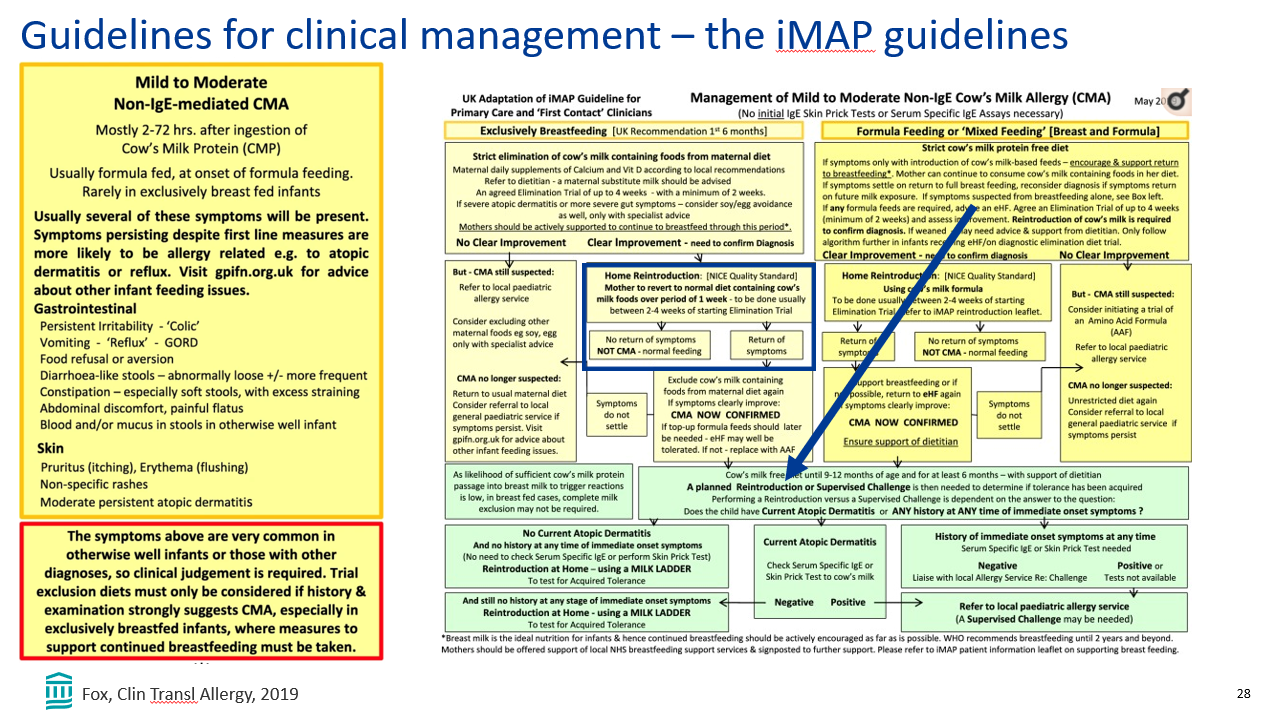
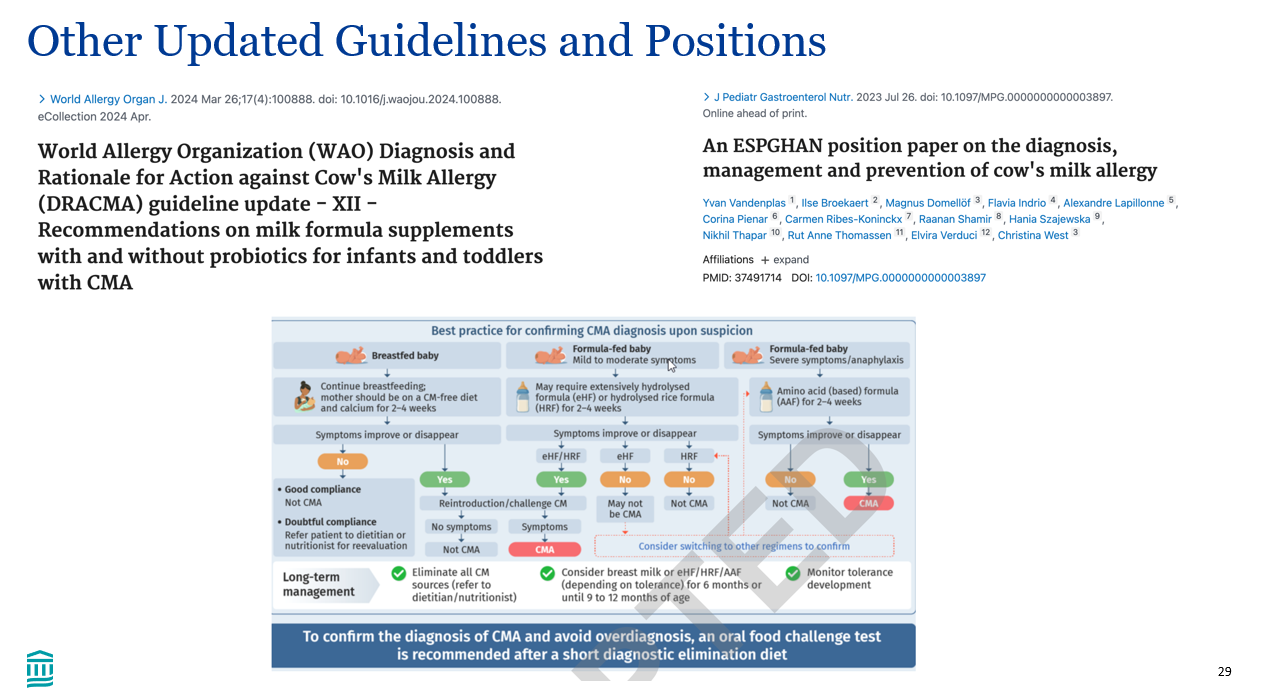
  • iMAP guidelines for FPIAP were published in 2019. 2023-2024 guidelines have now been published
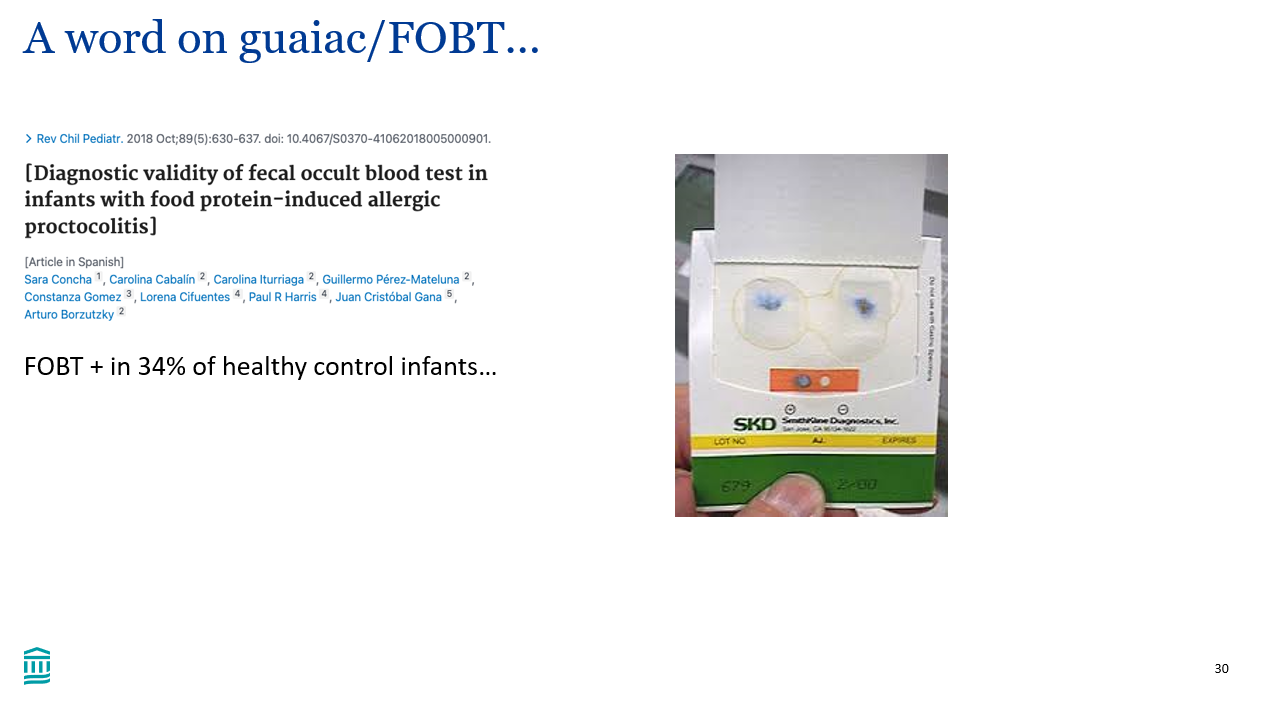
  • Guaiac testing in infants is usually not helpful (in the absence of visible blood). In one study, 34% of healthy infant controls tested positive
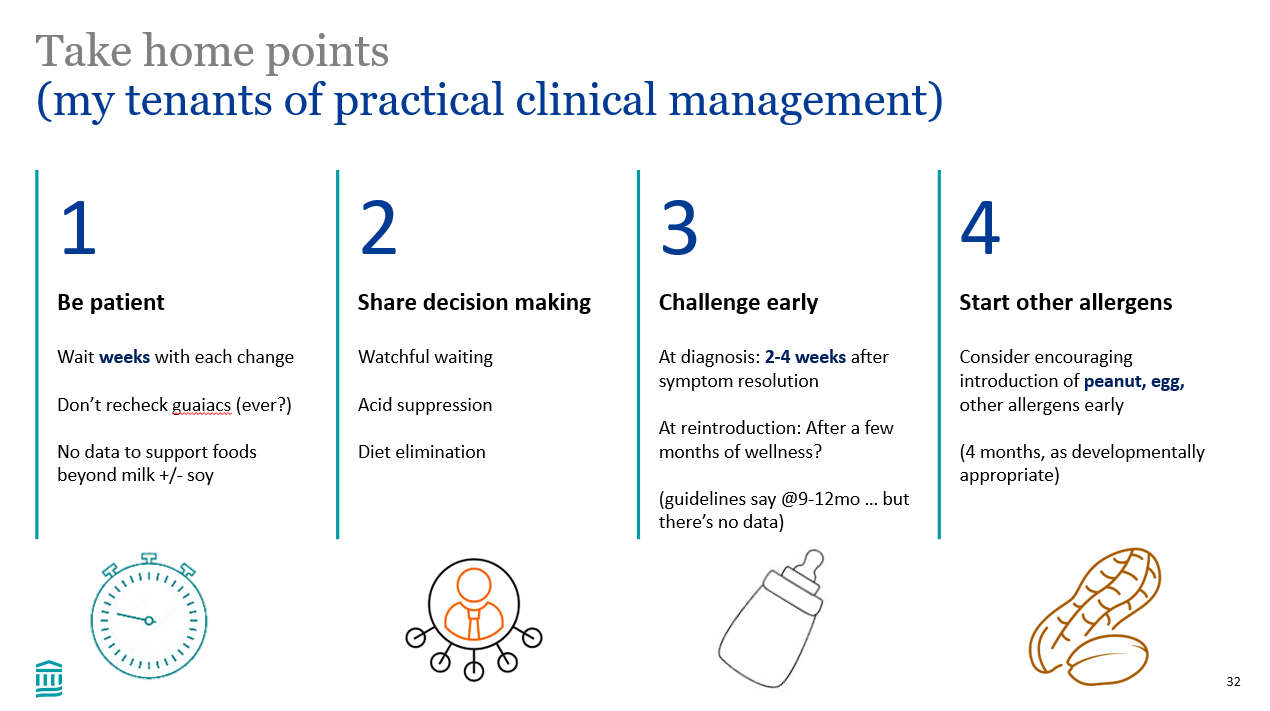
  • Clinical management: when restricting a food, it may take 2-4 weeks to determine if it is helping. In breastfed infants, there is not data supporting restrictions beyond cow’s milk and soy. If other foods are eliminated, foods that were previously eliminated could be reintroduced
  • In families who selected watchful waiting rather than dietary elimination, symptom resolution was similar in GMAP cohort. This was an observational study and findings could be influenced by selection bias
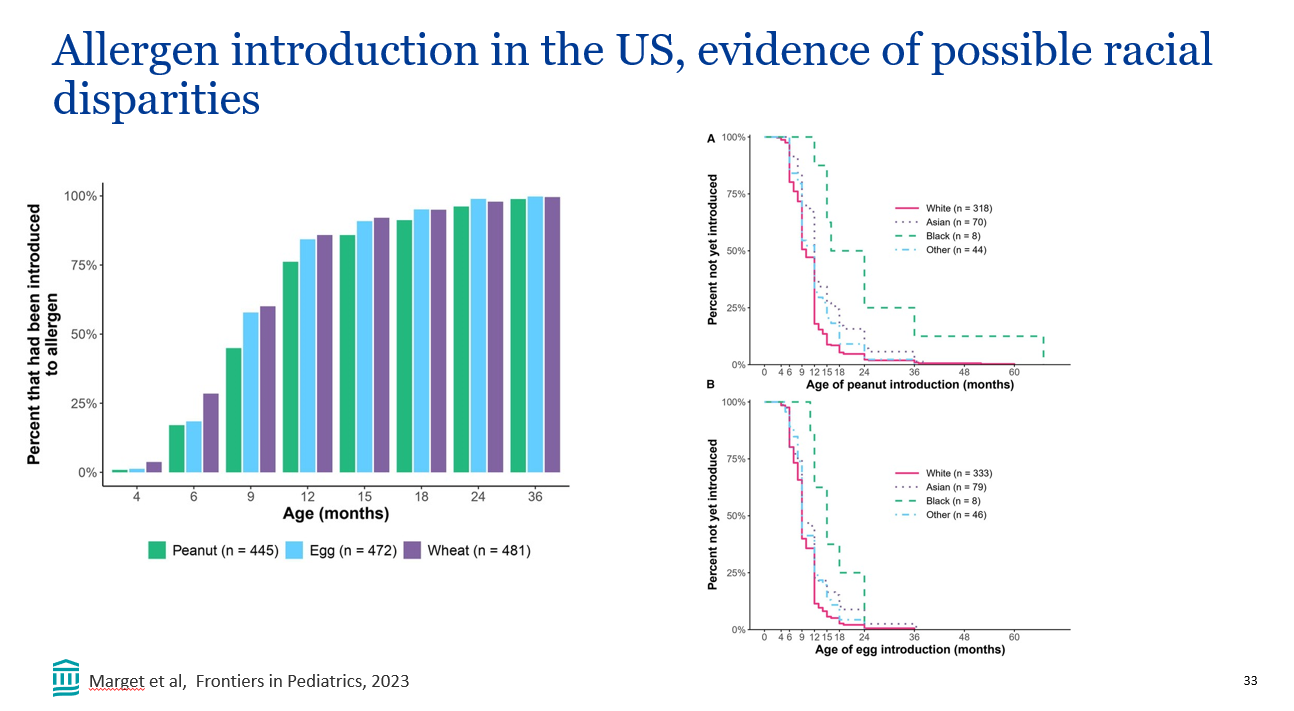
  • In the GMAP cohort, there was a disparity in allergen introduction among different ethnicities (Ref: M Marget et al. Frontiers in Pediatrics; 2023: https://doi.org/10.3389/fped.2023.1207680. Open Access! Factors influencing age of common allergen introduction in early childhood). Compared to White children, Black children were less likely to have been introduced to peanut and egg, and Asian children were less likely to have been introduced to peanut as early (P < 0.05).
  • In families concerned about food challenges, the families could challenge near a medical setting (eg. ER); however, anaphylactic reactions could occur after the first dose
  • Challenging patients with FPIAP to establish diagnosis is generally recommended 2-4 weeks after resolution. In some patients, the FPIAP may have resolved and in some the diagnosis of FPIAP may be inaccurate. In those with more severe symptoms (eg required hospitalization), challenging at a later timeframe should be considered
  • Probiotics: no clear role in their use for FPIAP at this time

Related blog posts:

Dr. Victoria Martin: Management of Cow’s Milk Protein Allergy/Intolerance : Are We Causing More Harm Than Good? (Part 1)

Recently, Dr. Victoria Martin gave our group an excellent update on cow’s milk protein allergy/food protein-induced allergic proctocolitis (FPIAP).  My notes below may contain errors in transcription and in omission. Along with my notes, I have included many of her slides.

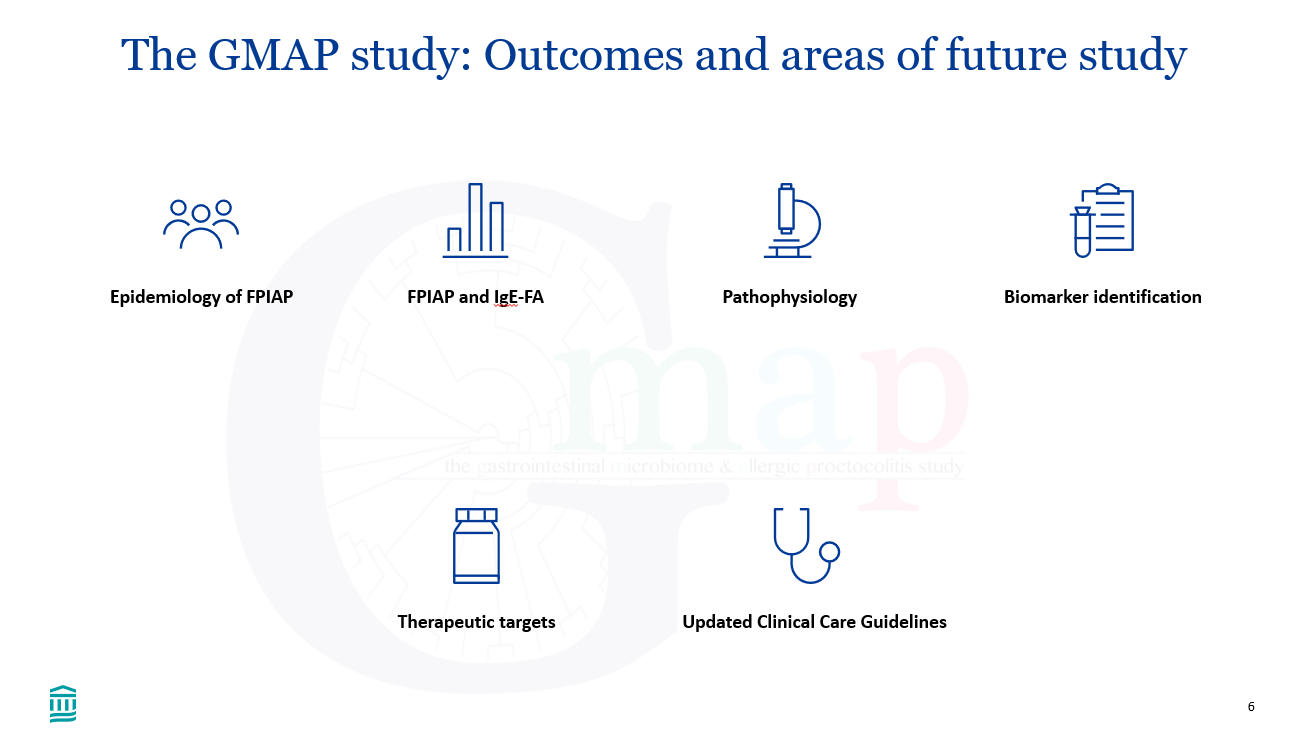
  • The nomenclature is not perfect. FPIAP was used for this presentation –though many don’t truly have proctocolitis and others may have involvement in other parts of GI tract
  • There is not a good biomarker for FPIAP
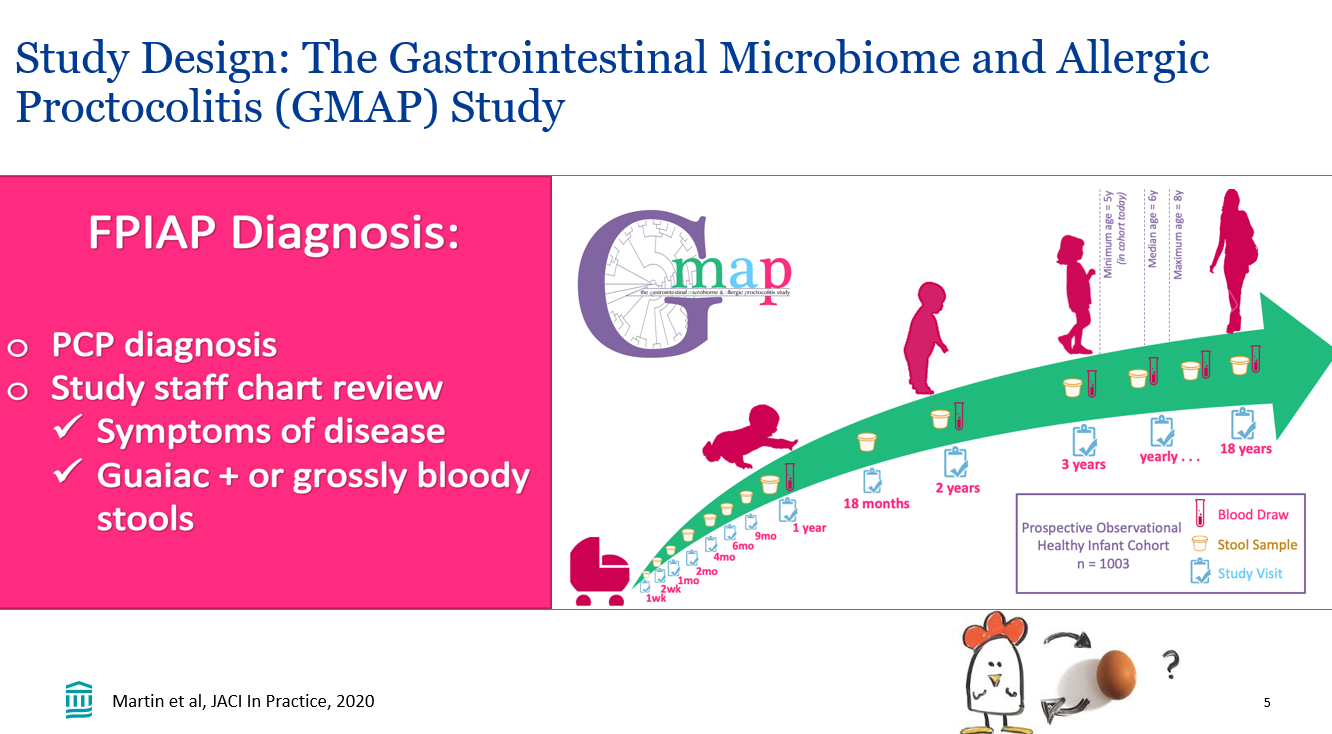
  • Victoria and her colleagues have a cohort of 1003 children who were enrolled at their 1st well-child visit as part of their Gastrointestinal Microbiome and Allergic Proctocolitis (GMAP) study. These participants are now ~8 years old and will be followed until they are 18 years old
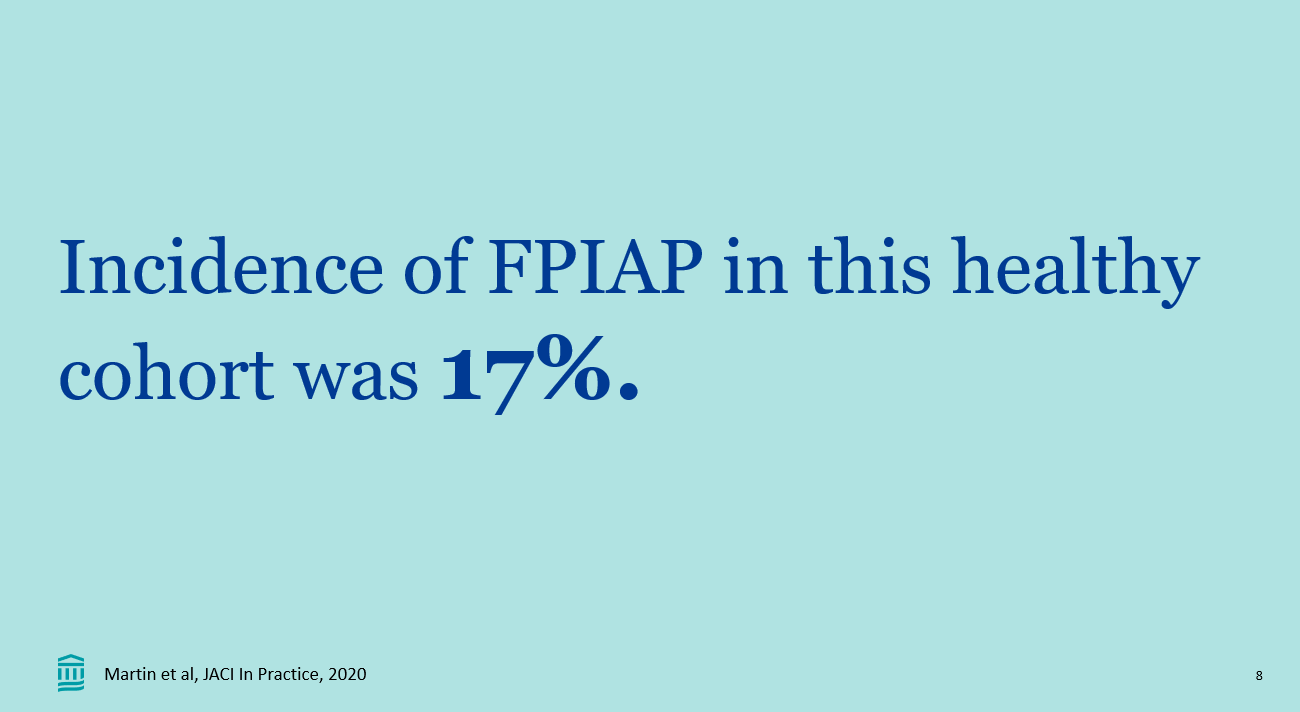
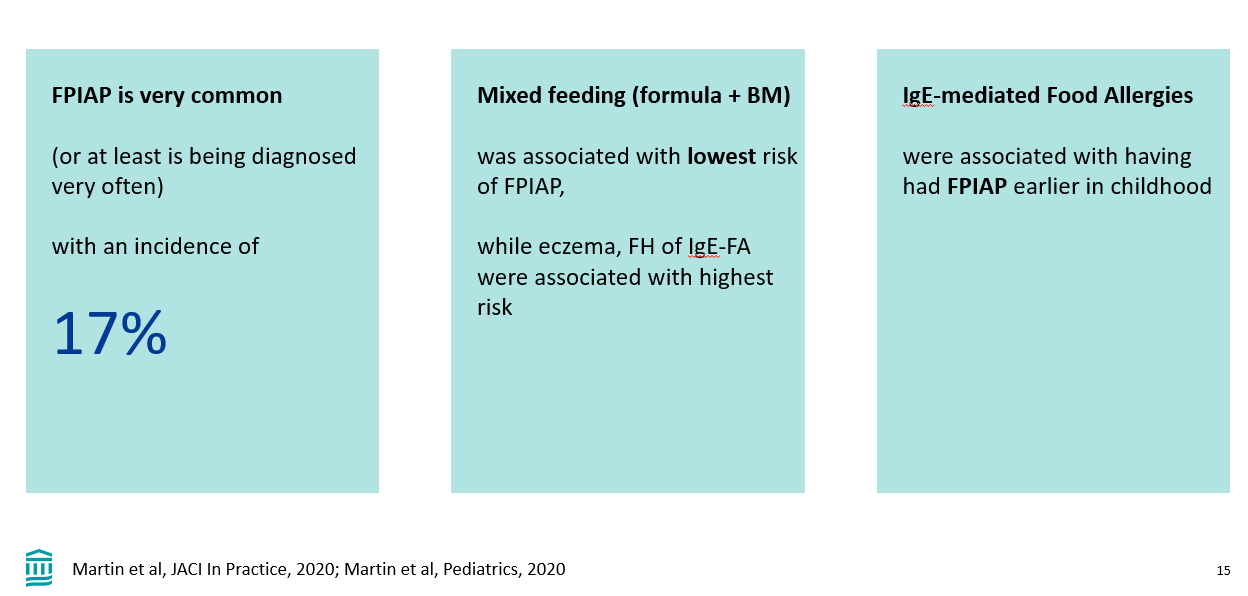
  • In the GMAP cohort, 17% were given a diagnosis of FPIAP (mainly by PCPs). This group had increased likelihood of eczema, family hx/o food allergy and sibling with FPIAP.
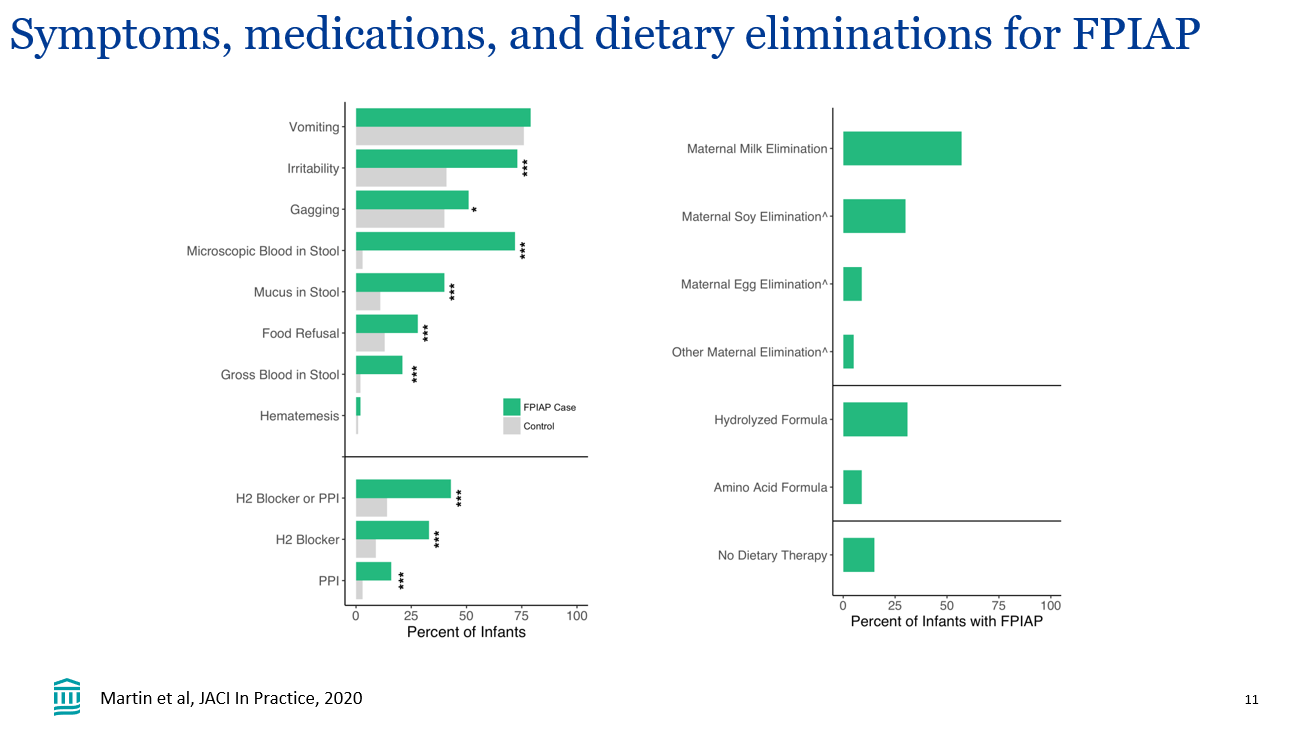
  • The presence of heme-positive stools, vomiting and fussiness are common and usually do not require dietary restrictions unless other symptoms are present (eg. diarrhea, visible blood)
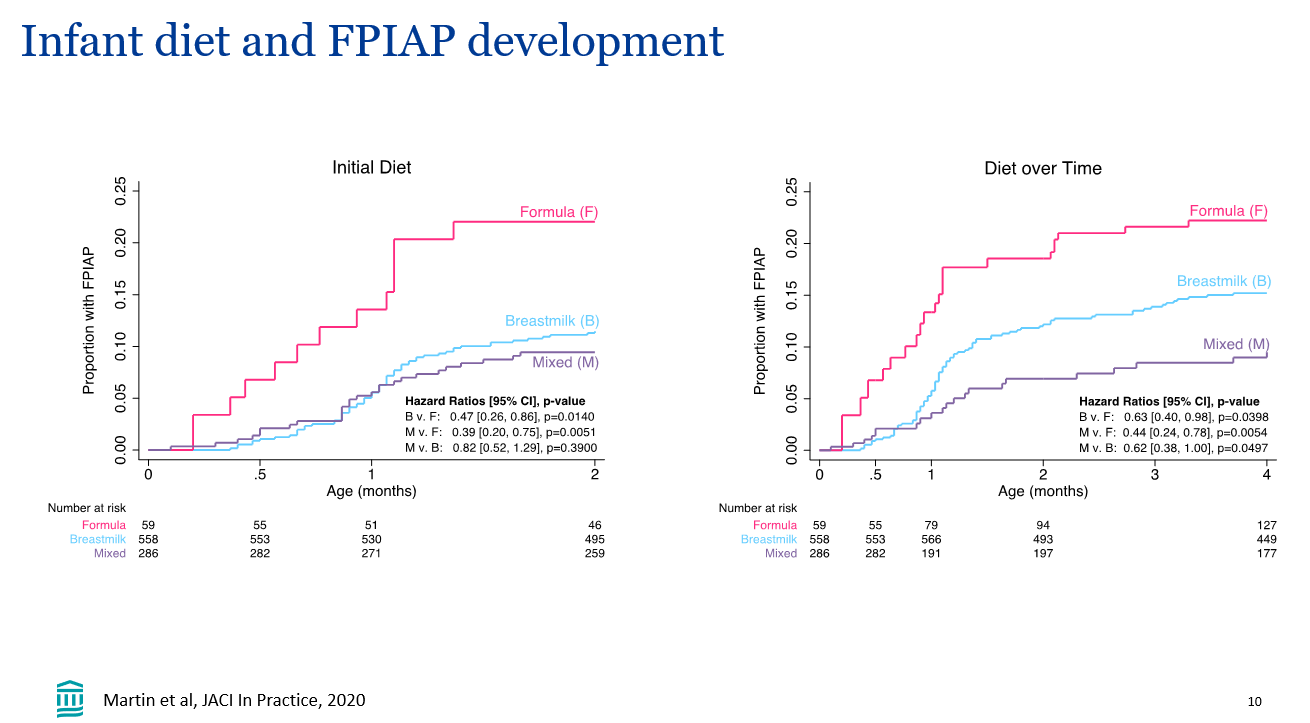
  • In the GMAP cohort, the risk for FPIAP was higher if fed formula than breastfeeding. However, exclusive breastfeeding was associated with a higher prevalence than those who received both breastmilk and formula
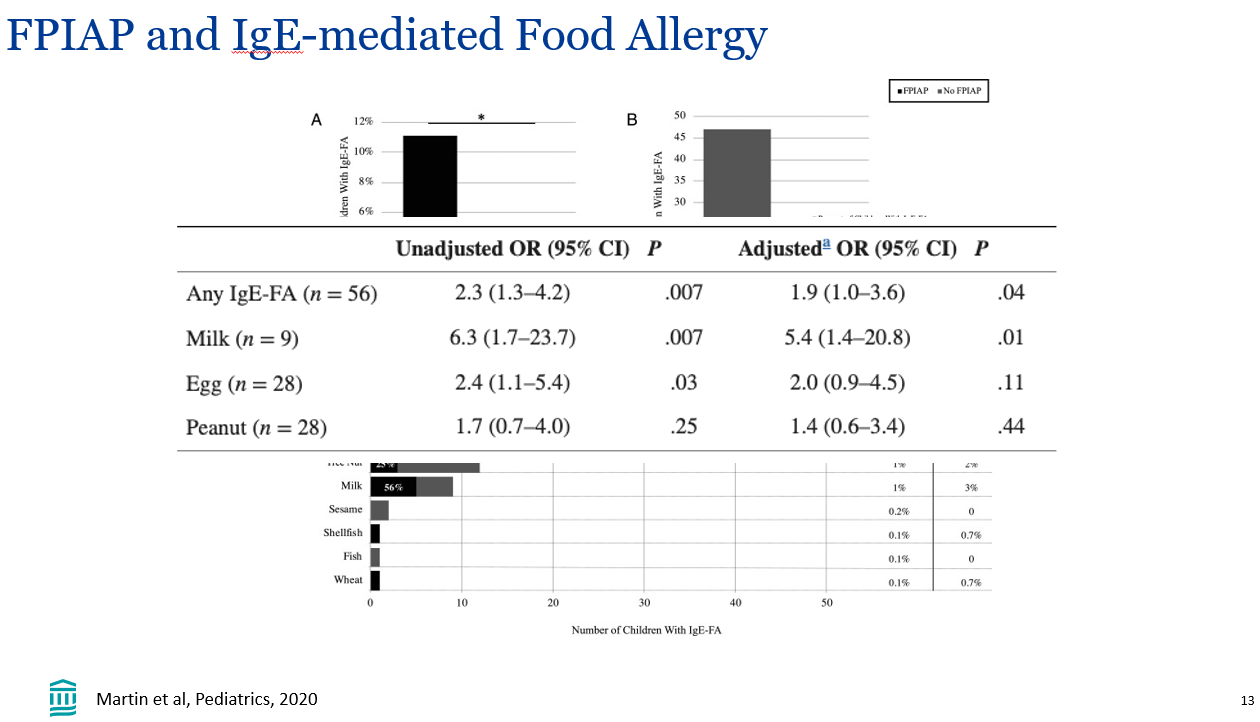
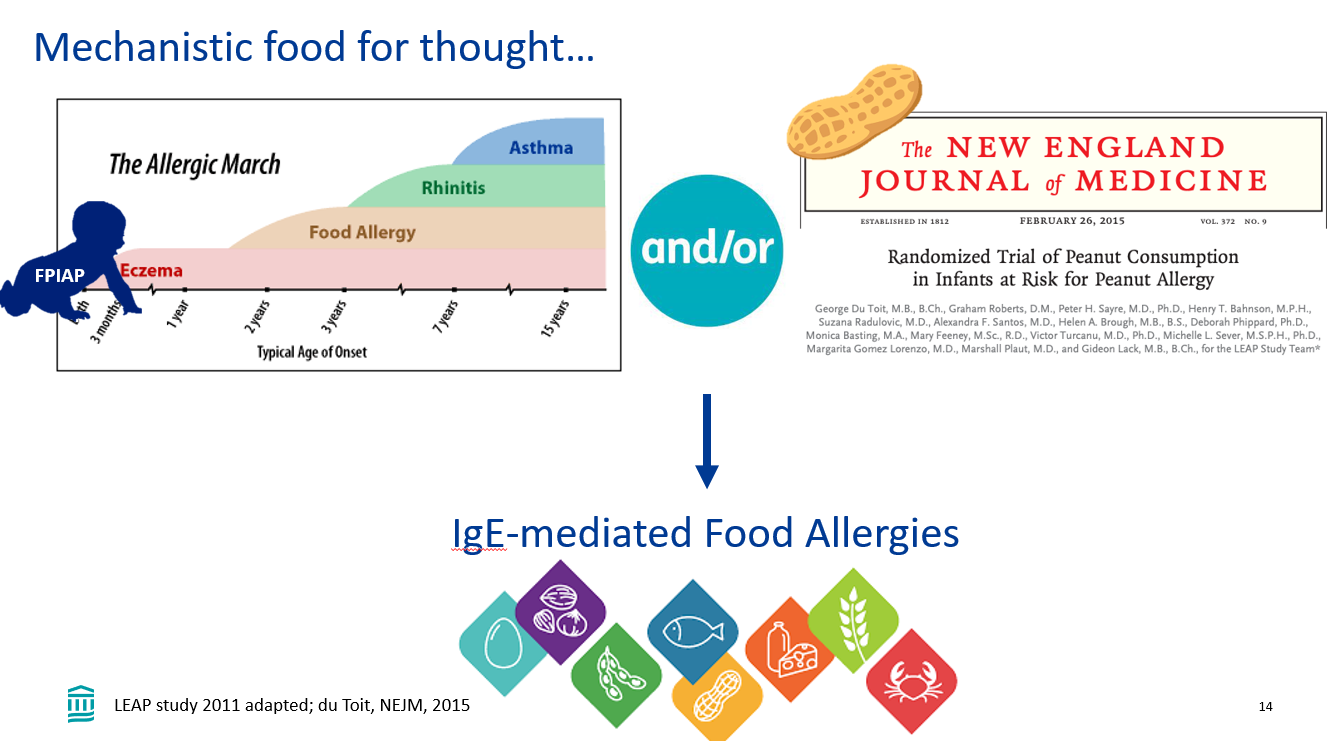
  • A diagnosis of FPIAP was associated with a 2-fold risk of developing an IgE-mediated food allergy. (This indicates that early introduction of food allergens may be beneficial as has been shown with peanut introduction.)
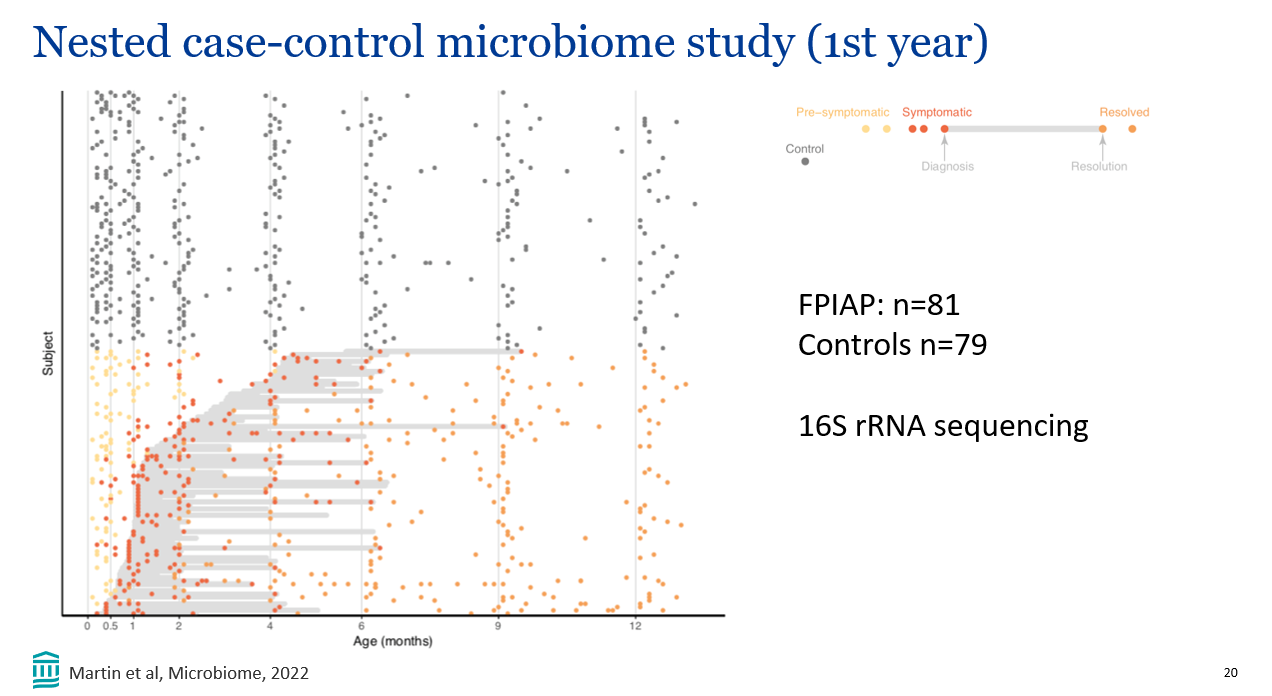
  • The microbiome/taxa in FPIAP was unique and present prior to the development of symptoms
  • Unique microbiome differences may be identified in FPIAP cohort that precedes and follows FPIAP symptoms
  • Allergy testing is generally not helpful in infants less than 6 months of age with FPIAP. RAST testing less than 6 months of age is not sensitive and most FPIAP is not IgE-mediated
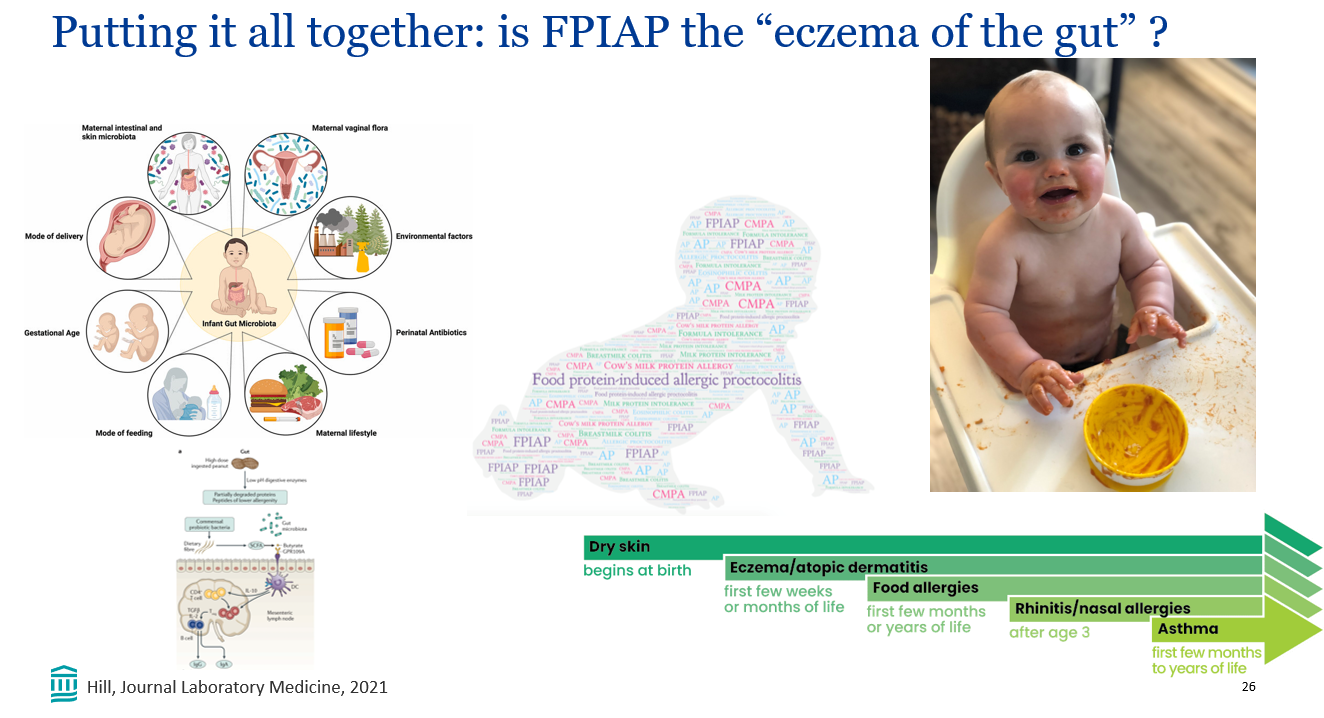
  • FPIAP may be analogous to eczema of the GI tract

Related blog posts:

IBD Updates: Diagnosis Change in Pediatric IBD

H Duarte et al. JGPN 2024; 78: 623–633. Diagnosis change in pediatric inflammatory bowel disease

This was a retrospective study using the ICN registry. Key findings:

  • Overall, 6.1% of 18,055 patients aged 1–20 years changed diagnosis.
  • Ulcerative colitis was reclassified in 347/4758 (7.3%).
  • Crohn’s disease was reclassified in 257/12,178 (2.1%)
  • IBD-U was reclassified in 495/1119 (44.2%)

My take: This study showed that a change in diagnosis to Crohn’s disease was the most common reclassification. While the study did not find that a younger age specifically increased the risk of a diagnosis change, it is noted that IBD-U diagnosis was utilized more frequently in children less than 11 years of age.

Of course, this study will be useless when we no longer utilize the terms Crohn’s disease and Ulcerative Colitis. ‘”‘The concept of IBD as two diseases, Crohn’s disease and UC, is flawed; there are more than 200 susceptibility genes for inflammatory bowel disease'”‘ (see post: Dr. Joel Rosh: Positioning Therapies for Pediatric Ulcerative Colitis)

Related blog posts:

View Near Arches National Park

Eosinophilic Gastritis -Pathogenesis Is Not Just the Eosinophils or Benralizumab Would Work

KL Kliewer et al. Lancet Gastroenterol Hepatol 2023; 8: 803–15. Benralizumab for eosinophilic gastritis: a single-site, randomised, double-blind, placebo-controlled, phase 2 trial

Background/Methods:  Benralizumab is an eosinophil-depleting monoclonal antibody that targets the interleukin-5 receptor α. This was a “single-site, randomised, double-blind, placebo-controlled, phase 2 trial at Cincinnati Children’s Hospital Medical Center (Cincinnati, OH, USA). Individuals aged 12–60 years with symptomatic, histologically active eosinophilic gastritis (peak gastric eosinophil count ≥30 eosinophils per high-power field [eos/hpf] in at least five hpfs) and blood eosinophilia (>500 eosinophils per μL [eos/μL]) were randomly assigned (1:1, block size of four) to benralizumab 30 mg or placebo.” 26 patients were enrolled.

Key findings:

  • Improved eosinophil counts: Changes from baseline to week 12 were significantly greater in the benralizumab group versus the placebo group for peak gastric eosinophil counts (mean –137 eos/hpf [95% CI –186 to –88] vs –38 eos/hpf [–94 to 18]; p=0·0080)
  • Patients were followed up to 88 weeks in open-label extension periods. Even though banalizumab depleted eosinophils in the blood and gastric tissue in most patients, there was minimal effect on the structural histological abnormalities, endoscopic severity, and gene expression profile compared with placebo.

My take: To improve eosinophilic gastritis will require more than targeting eosinophils. In addition, eosinophil counts are not a reliable marker for improvement in this disorder. This also suggests that eosinophil counts are not reliable as a stand-alone biomarker in other eosinophilic gastrointestinal disorders.

Related blog posts:

Near Salt Lake City

Will This Abdominal Pain Last Forever? Part 3 (2024)

Jones MP, Koloski NA, Walker MM, et al. A minority of childhood disorders of gut-brain interaction persist into adulthood: a risk-factor analysis. Am J Gastroenterol. Published online April 24, 2024. doi:10.14309/ajg.0000000000002751

Methods: General practice records were obtained for 1,256,331 UK patients including 60,794 patients whose medical record spanned both childhood and adulthood years. Children had to have an age of first contact of 12 years or younger.

Key points:

  • Eleven percent of patients with irritable bowel syndrome (IBS) and 20% of patients with functional dyspepsia (FD) diagnosed in childhood had repeat diagnoses of the same condition in adulthood
  • Female sex (odds ratio [OR] 2.02) was associated with persistence for IBS
  • Childhood non-steroidal anti-inflammatory drug use (OR 1.31, 95% confidence interval [CI] 1.09–1.56) was a risk factor for persistence in IBS
  • In the subsample cohort which included adults and children with disorders of gut-brain interaction (DGBI), 22% of first diagnosis of IBS and 24% of FD occurred before the age of 18 years
  • Neither socioeconomic status nor ethnicity was associated with a repeat DGBI diagnosis
  • Having a diagnosis of childhood depression, but not childhood anxiety, was associated with a repeat DGBI diagnosis. Both anxiety and depression were associated with DGBI diagnosis in adulthood among those without childhood DGBI.

In their discussion, the authors note several strengths which included a large nationally-representative sample. Limitations included the use of a retrospective design and database. Also, diagnosis was not based on Rome criteria but at discretion of practitioner (which is routine in clinical practice). The overall number of children with DGBIs who had repeat diagnosis as adults is lower than prior estimates. The authors speculate that female sex as a risk factor for repeat DGBIs could be due to underlying intestinal immune activation which is generally enhanced in women.

My take: This study suggests that more children outgrow their DGBIs with age than prior studies; yet, it is still a significant number of patients burdened with these ongoing disorders.

Related blog posts: