Quality Forum: Understanding Food Allergy Testing (Part 2) & Atopic Dermatitis

The Children’s Care Network (in Atlanta) has recently shared its Spring 2022 Clinical Quality Forum. Following is the link to the video recording. The poll during the live presentation is not active for the recording.

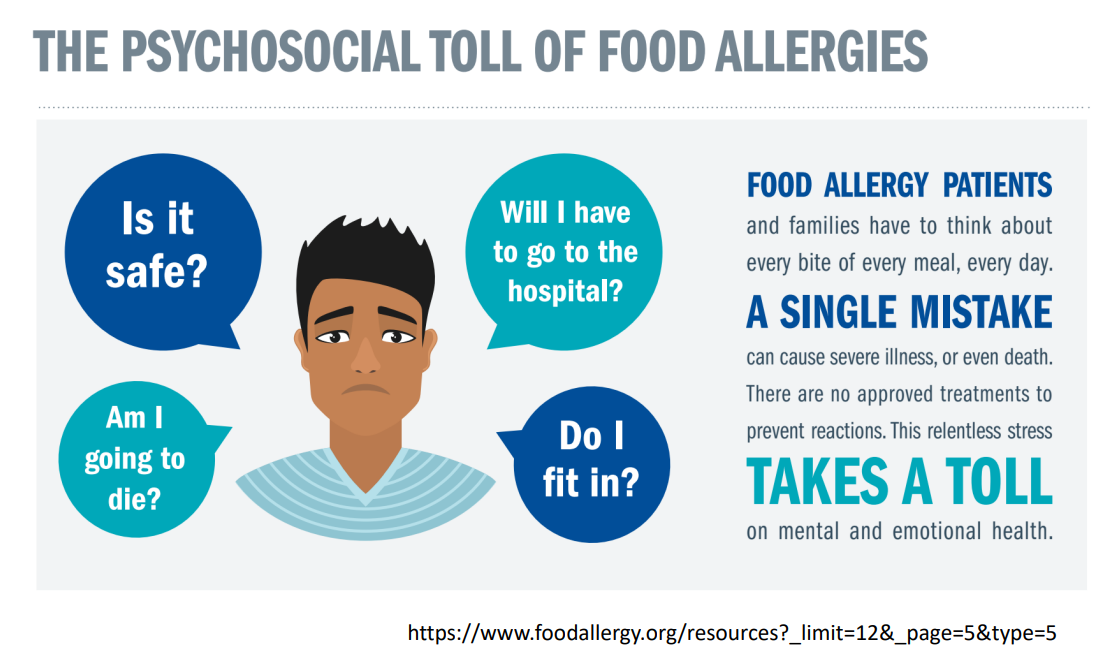
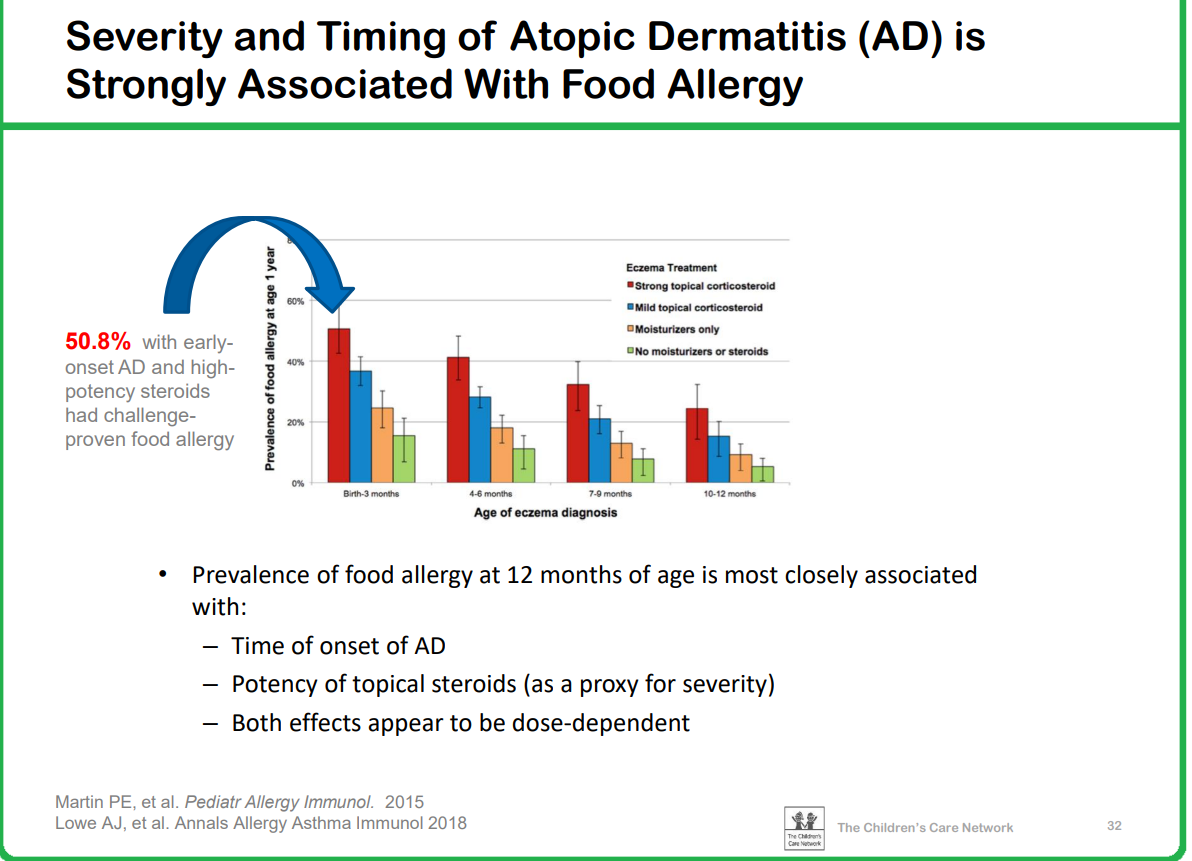
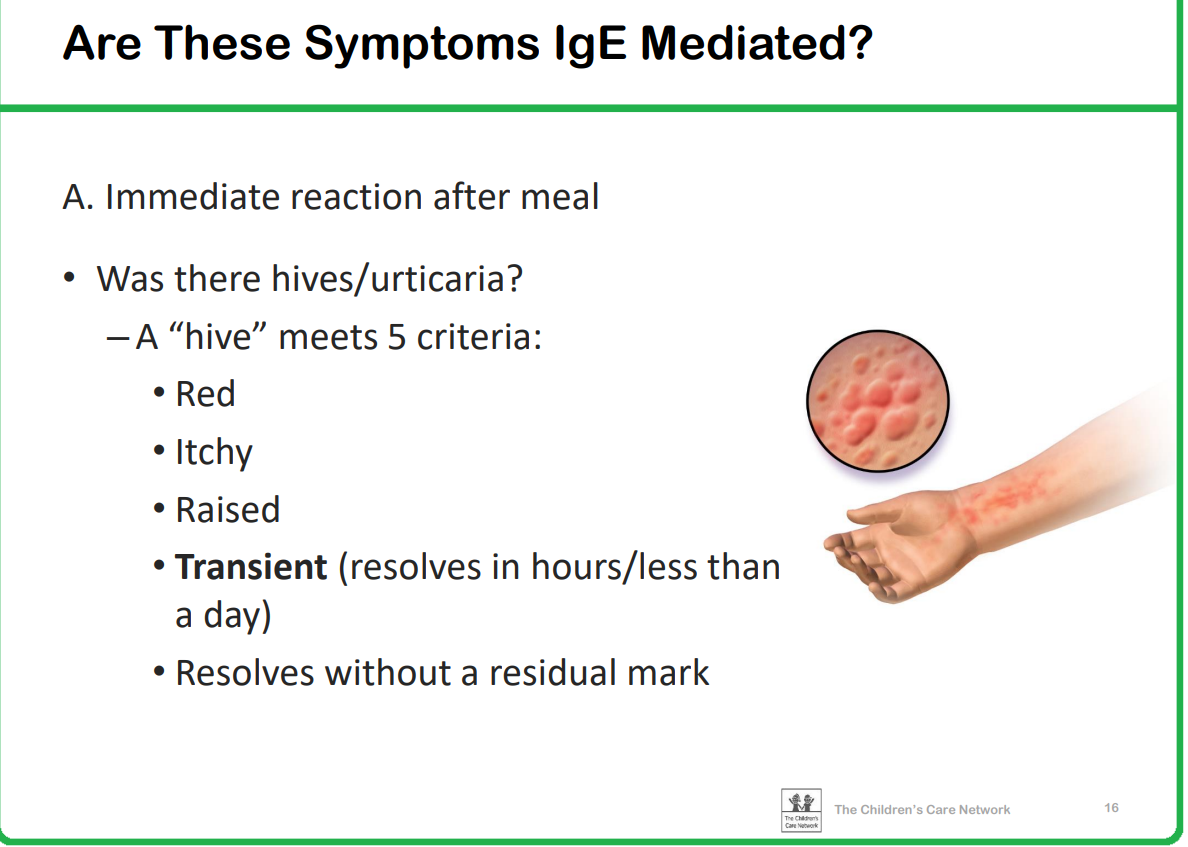
​Some of the slides that I think are most helpful ​are shown below (used with permission).  This 2nd part of content is from Dr. Brian Vickery which describes ​the relationship of atopic dermatitis to food allergy and best practices for prevention of food allergy:
ASCIA Handouts:

Related blog posts:

Disclaimer: This blog, gutsandgrowth, assumes no responsibility for any use or operation of any method, product, instruction, concept or idea contained in the material herein or for any injury or damage to persons or property (whether products liability, negligence or otherwise) resulting from such use or operation. These blog posts are for educational purposes only. Specific dosing of medications (along with potential adverse effects) should be confirmed by prescribing physician.  Because of rapid advances in the medical sciences, the gutsandgrowth blog cautions that independent verification should be made of diagnosis and drug dosages. The reader is solely responsible for the conduct of any suggested test or procedure.  This content is not a substitute for medical advice, diagnosis or treatment provided by a qualified healthcare provider. Always seek the advice of your physician or other qualified health provider with any questions you may have regarding a condition

Quality Forum: Understanding Food Allergy Testing (Part 1)

The Children’s Care Network (in Atlanta) has recently shared its Spring 2022 Clinical Quality Forum. Following is the link to the video recording. The poll during the live presentation is not active for the recording.

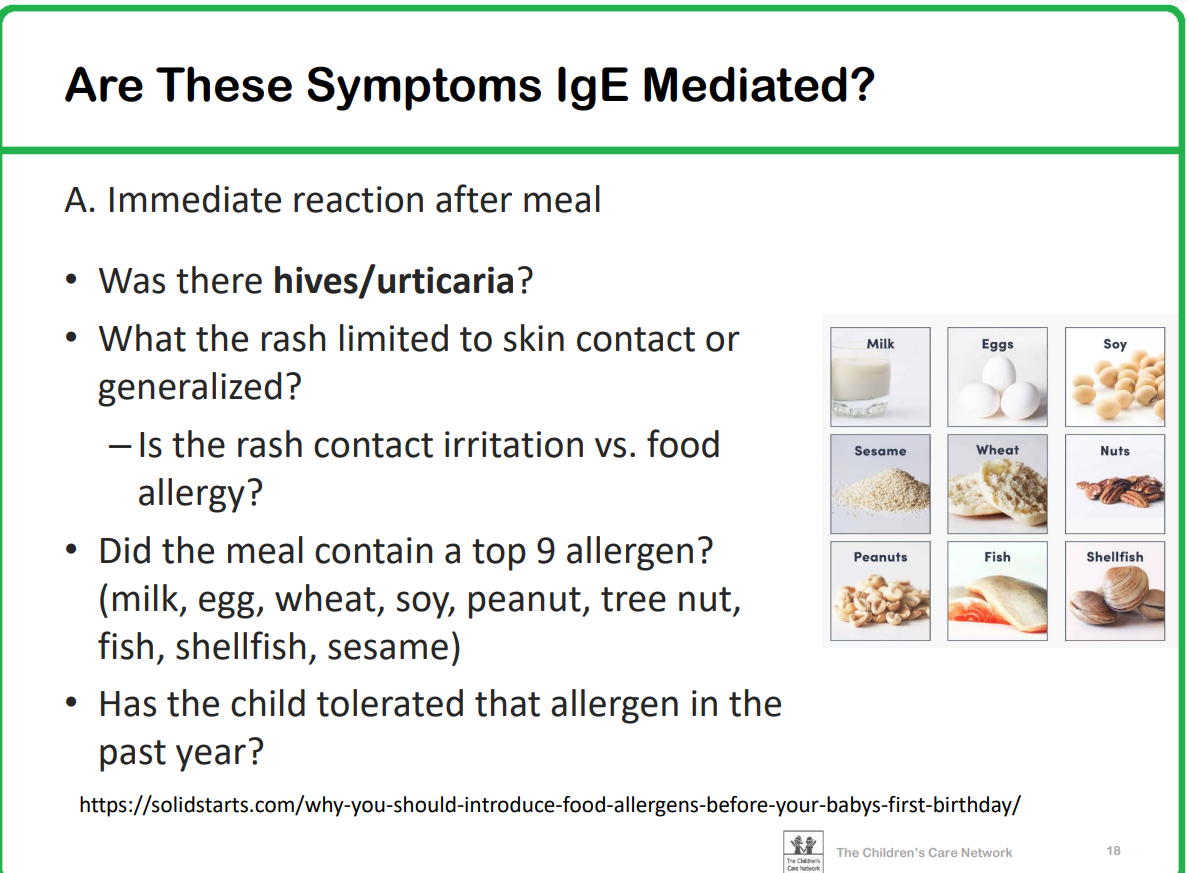
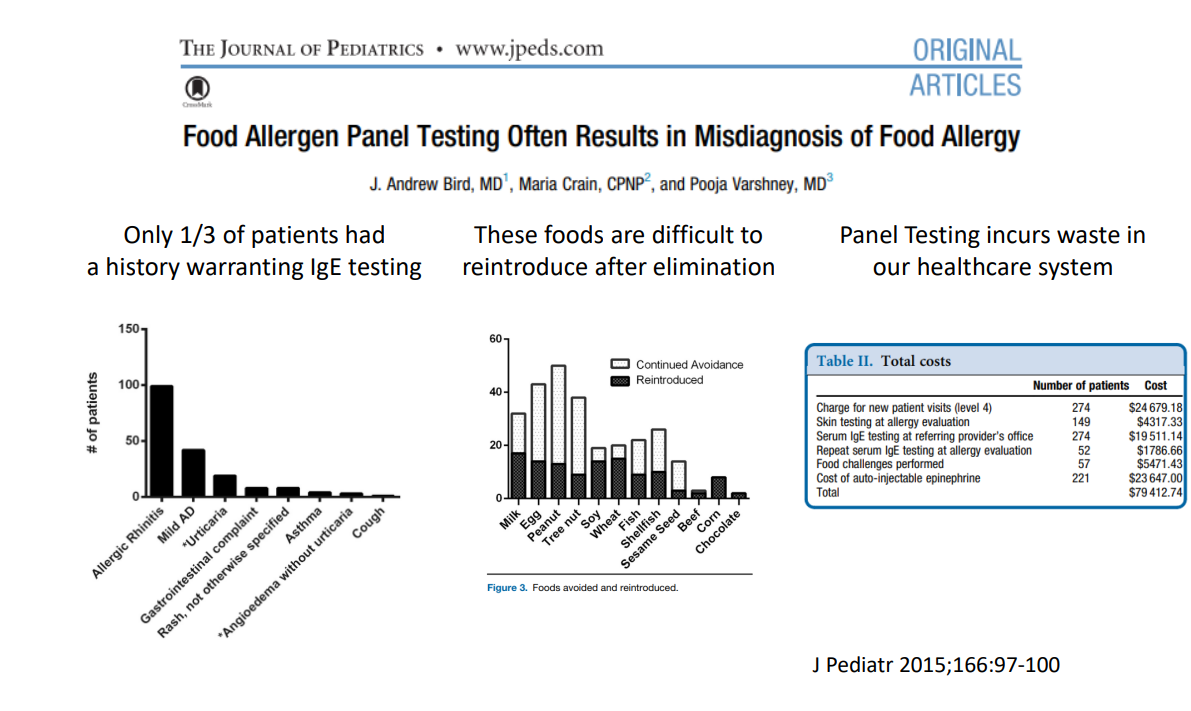
Some of the slides that I think are most helpful are shown below (used with permission). The first part of content is from Dr. Gerry Lee which describes best practices for selecting patients for Food Allergen IgE testing:

Related blog posts:

Disclaimer: This blog, gutsandgrowth, assumes no responsibility for any use or operation of any method, product, instruction, concept or idea contained in the material herein or for any injury or damage to persons or property (whether products liability, negligence or otherwise) resulting from such use or operation. These blog posts are for educational purposes only. Specific dosing of medications (along with potential adverse effects) should be confirmed by prescribing physician.  Because of rapid advances in the medical sciences, the gutsandgrowth blog cautions that independent verification should be made of diagnosis and drug dosages. The reader is solely responsible for the conduct of any suggested test or procedure.  This content is not a substitute for medical advice, diagnosis or treatment provided by a qualified healthcare provider. Always seek the advice of your physician or other qualified health provider with any questions you may have regarding a condition
Tired of Seeing This Headline

The Onion has used the same headline 21 times since 2014. The article was first published on May 27, 2014, following the Isla Vista killings.

Milwaukee, El Paso, Dayton,

Related blog posts:

Update on Esophageal Motility Disorders

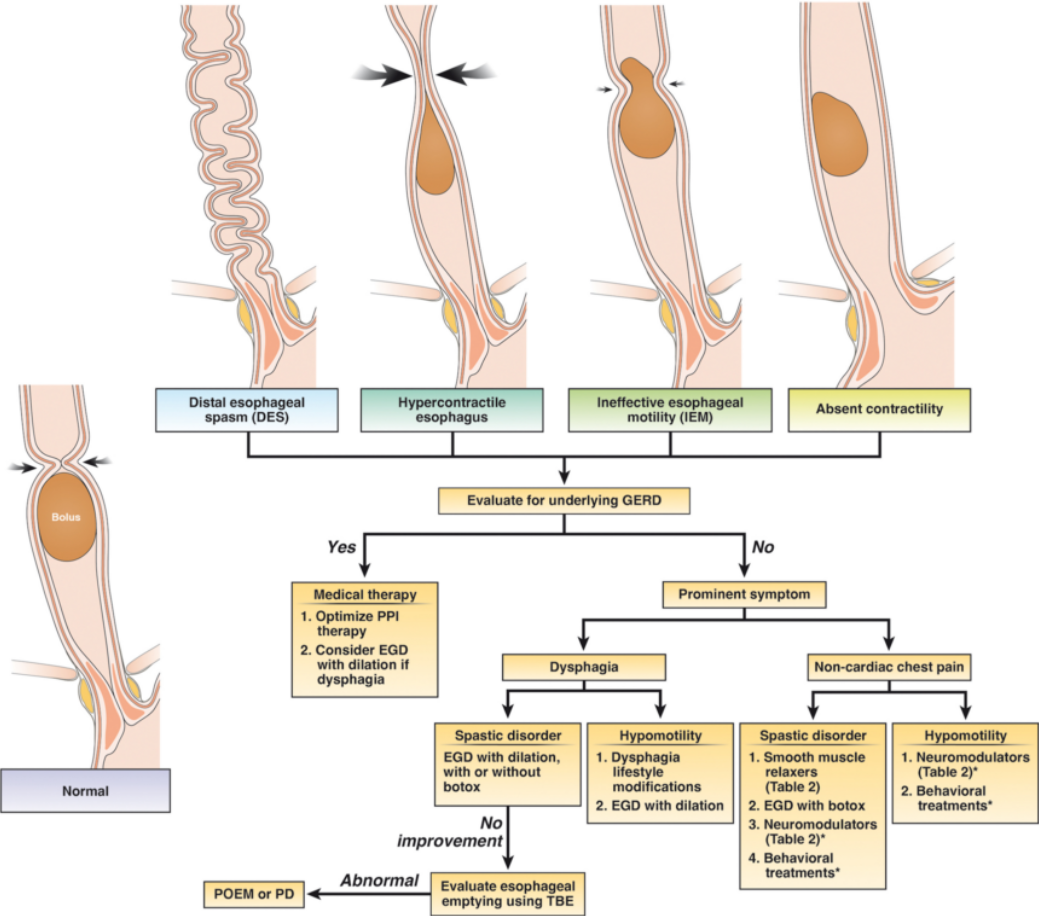
DA Patel et al. Gastroenterol 2022; 162: 1617-1634. Open Access: Esophageal Motility Disorders: Current Approach to Diagnostics and Therapeutics

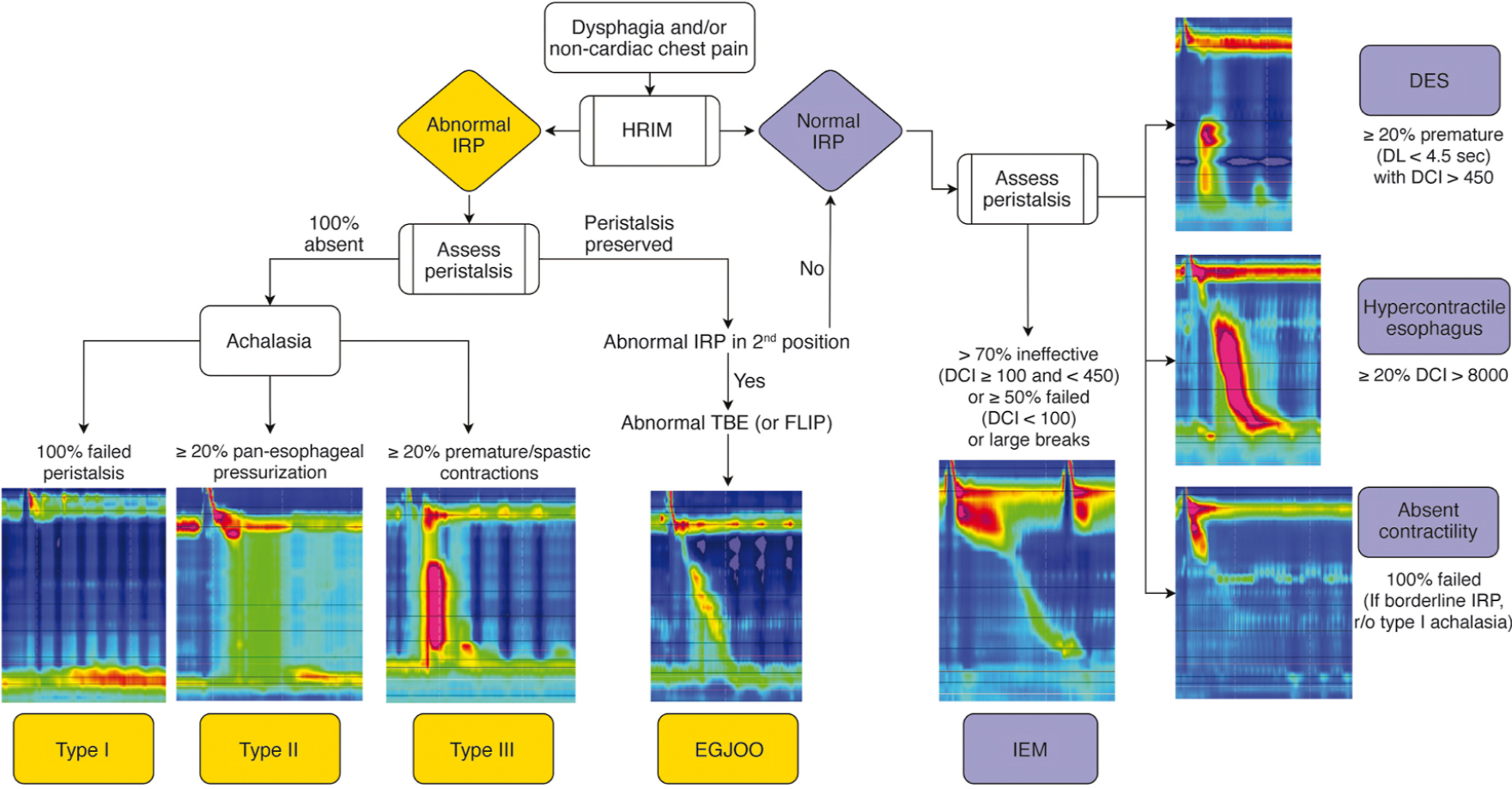
Manometric classification of various esophageal motility disorders
based on CC v4.0. HRIM, high-resolution impedance manometry
Treatment options in patients with disorders of esophageal peristalsis after a careful endoscopy is performed to rule out a mechanical or mucosal disease (such as eosinophilic esophagitis
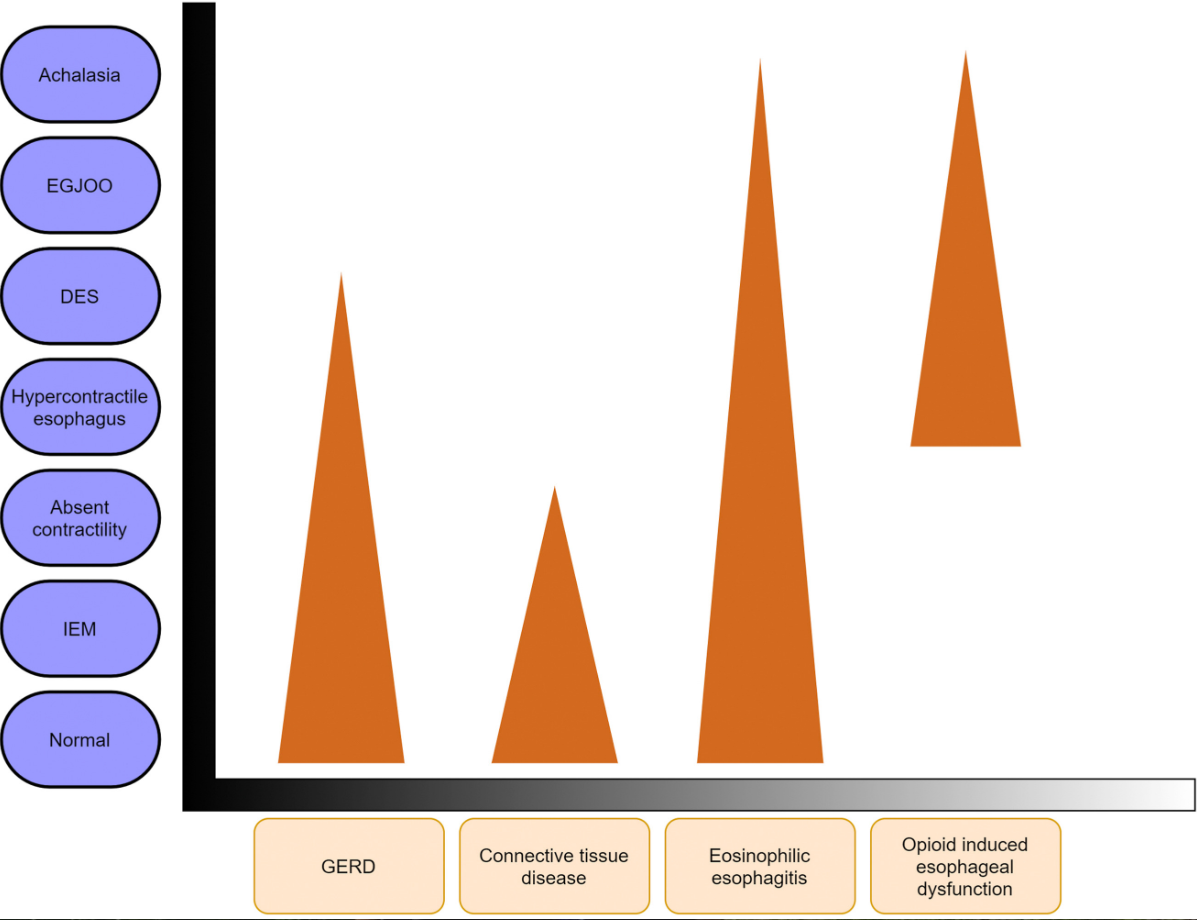
Impact of mucosal diseases, opioids, and connective tissue disease on esophageal motility. Figure shows presence of various secondary motility abnormalities, and the triangle indicates visual approximations of the prevalence of those motility abnormalities with each disease state. Most patients will have normal motility testing.

Eosinophilic Colitis Is Not a Typical EGID or IBD

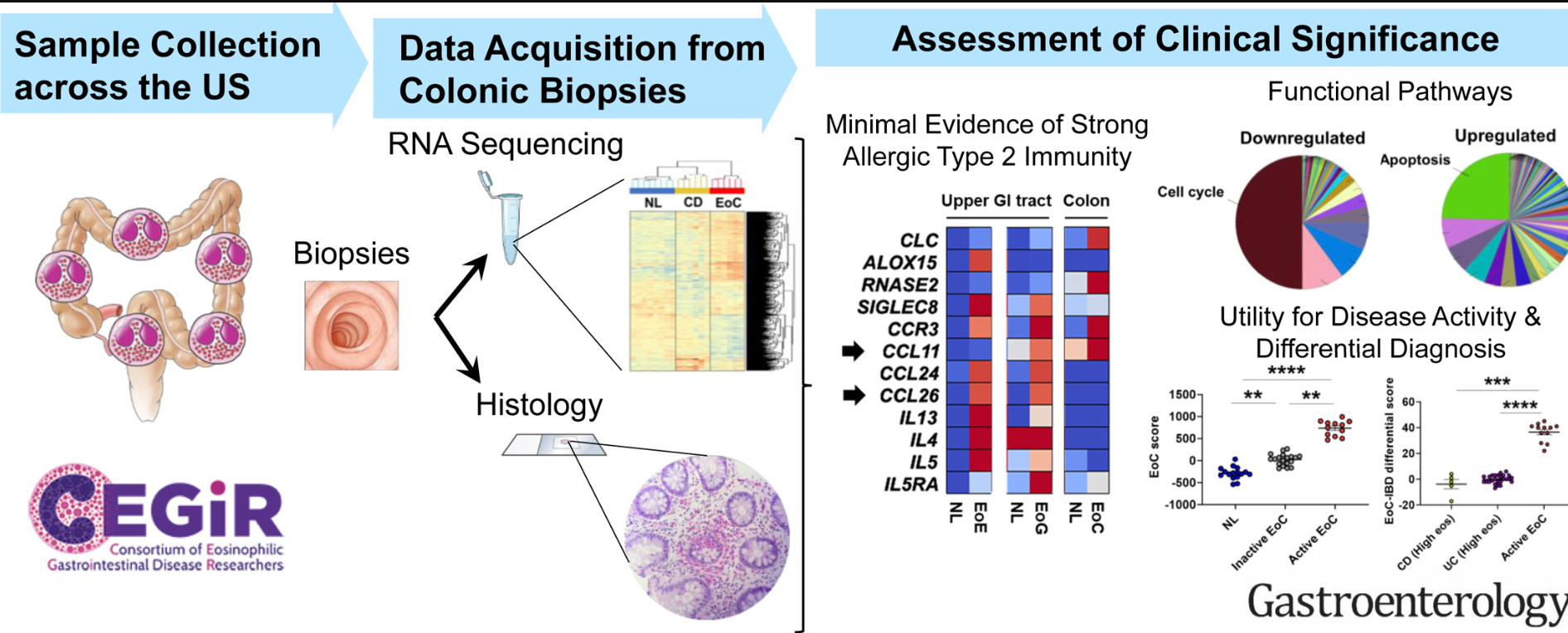
T Shoda et al. Gastroenterol 2022; 162: 1635-1642. Open Access: Evaluating Eosinophilic Colitis as a Unique Disease Using Colonic Molecular Profiles: A Multi-Site Study

Methods: Subjects with EoC (n = 27) and controls (normal [NL, n = 20], Crohn’s disease [CD, n = 14]) were enrolled across sites associated with the Consortium of Eosinophilic Gastrointestinal Disease Researchers. EoC was diagnosed as colonic eosinophilia (ascending ≥100, descending ≥85, sigmoid ≥65 eosinophils/high-power field) with related symptoms. Colon biopsies were subjected to RNA sequencing.

Key findings:

  • Among EoC and other EGIDs, there was minimal transcriptomic overlap and minimal evidence of a strong allergic type 2 immune response in EoC compared with other EGIDs
  • EoC transcriptome–based scores were reversible with disease remission and differentiated EoC from IBD, even after controlling for colonic eosinophil levels (P < .0001)

My take: The study indicates that eosinophilic colitis is likely unrelated to other eosinophilic GI disease and is likely unrelated to inflammatory bowel disease.

Related blog posts:

Position Paper for Pediatric Breath Testing

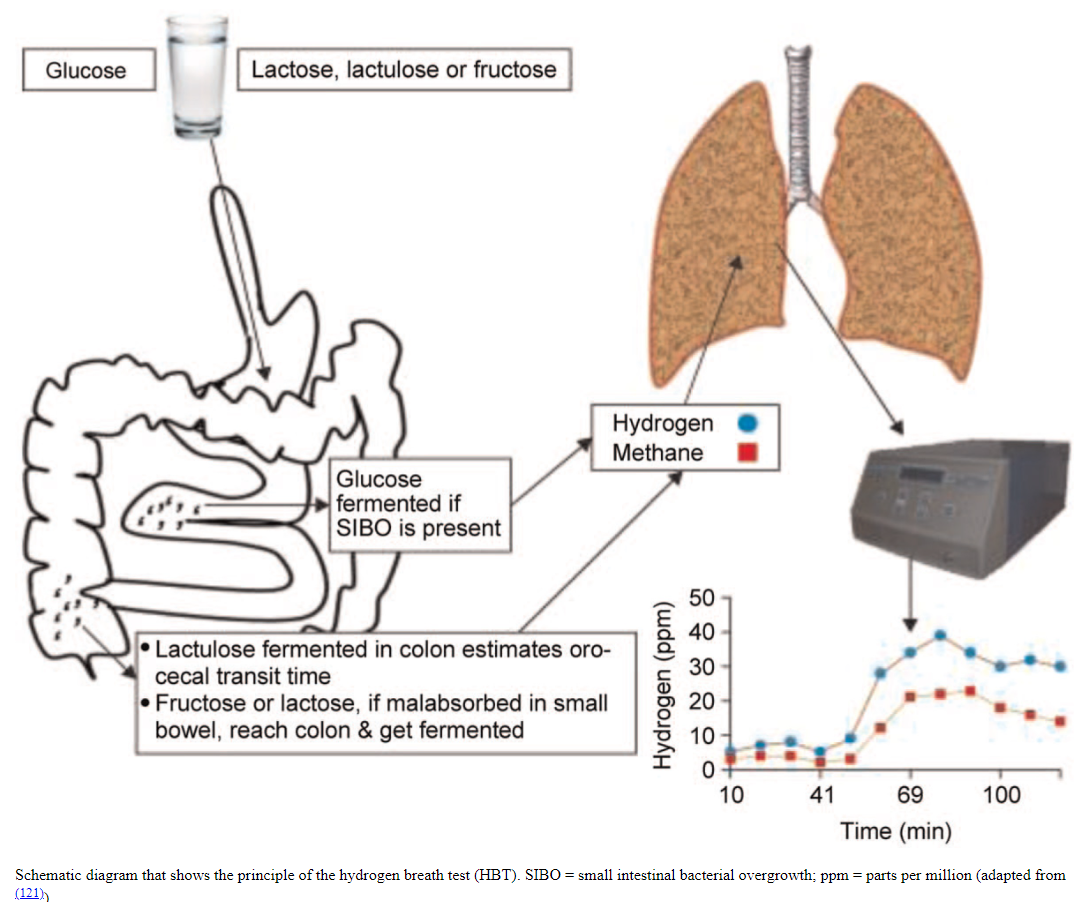
IJ Broekaert et al. JPGN 2022; 74: 123-127. Open access: An ESPGHAN Position Paper on the Use of Breath Testing in Paediatric Gastroenterology

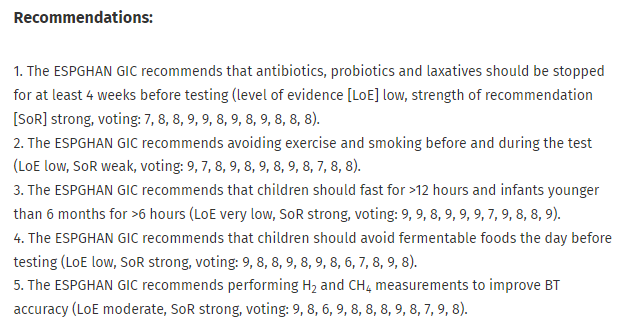
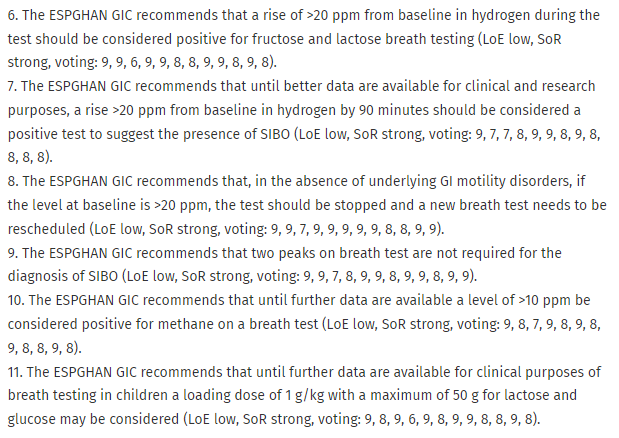
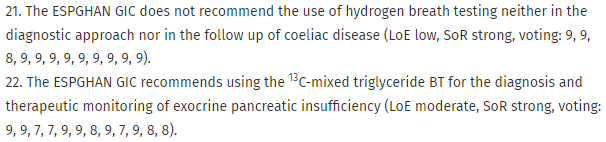
This is a good article which provides pediatric dosing of breath testing agents and important considerations in methodology and interpretation. In addition, there are 22 graded recommendations (see below) –some may be surprising. For example, the breath testing is NOT recommended for diagnosis of H pylori but is recommended for determination of eradication therapy.

Related blog posts:

IBD Shorts: Pediatric Cost Savings with Biosimilars and Multiple Biosimilar Switch Data

GA Morris et al. Inflamm Bowel Dis 2022; 28: 531-538. Increasing Biosimilar Utilization at a Pediatric Inflammatory Bowel Disease Center and Associated Cost Savings: Show Me the Money

Key findings:

  • Biosimilar utilization initiation increased from a baseline of 1% in June 2019 to 96% by February 2021 among eligible patients; 20% of all patients (n-98) had insurance which preferred originator product
  • Estimated cost savings over the project duration were nearly $381,000 (average sales price) over the 20 month study

My take: The introduction of biosimilars have resulted in huge cost savings. In addition, for infliximab, the originator product price has also dropped substantially (more than 60% in some locations)

J Hanzel et al. Inflamm Bowel Dis 2022; 28: 495-501. Open Access: Multiple Switches From the Originator Infliximab to Biosimilars Is Effective and Safe in Inflammatory Bowel Disease: A Prospective Multicenter Cohort Study 

Methods: This was a prospective multicenter cohort study of adult IBD patients (n=176) who underwent 2 switches from the originator IFX to CT-P13 to SB2 (group 1), 1 switch from CT-P13 to SB2 (group 2), and 1 switch from the originator IFX to CT-P13 (group 3).

Key findings:

  • At 12 months after the most recent switch 76.9% (40 of 52, group 1), 65.7% (46 of 70, group 2) and 76.9% (20 of 26, group 3) of patients were in clinical remission. Treatment persistence at 12 months was 85.0%, 87.0%, and 70.1%, respectively.
  • There were no significant differences in the rate of clinical, CRP, FC remission, or treatment persistence at 12 months between the 3 groups.

My take: This study did not identify detrimental effects from multiple successive switching and switching between biosimilars of IFX. Longer followup and more clinical experience will be needed to confirm these findings.

Guselkumab: Expanding the GALAXI of Treatments for Crohn’s Disease

WJ Sandborn et al. Gastroenterol 2022; 162: 1650-1664. Open Access: Guselkumab for the Treatment of Crohn’s Disease: Induction Results From the Phase 2 GALAXI-1 Study

Background: Guselkumab, a selective p19 interleukin-23 antagonist, is approved for the treatment of plaque psoriasis and psoriatic arthritis.

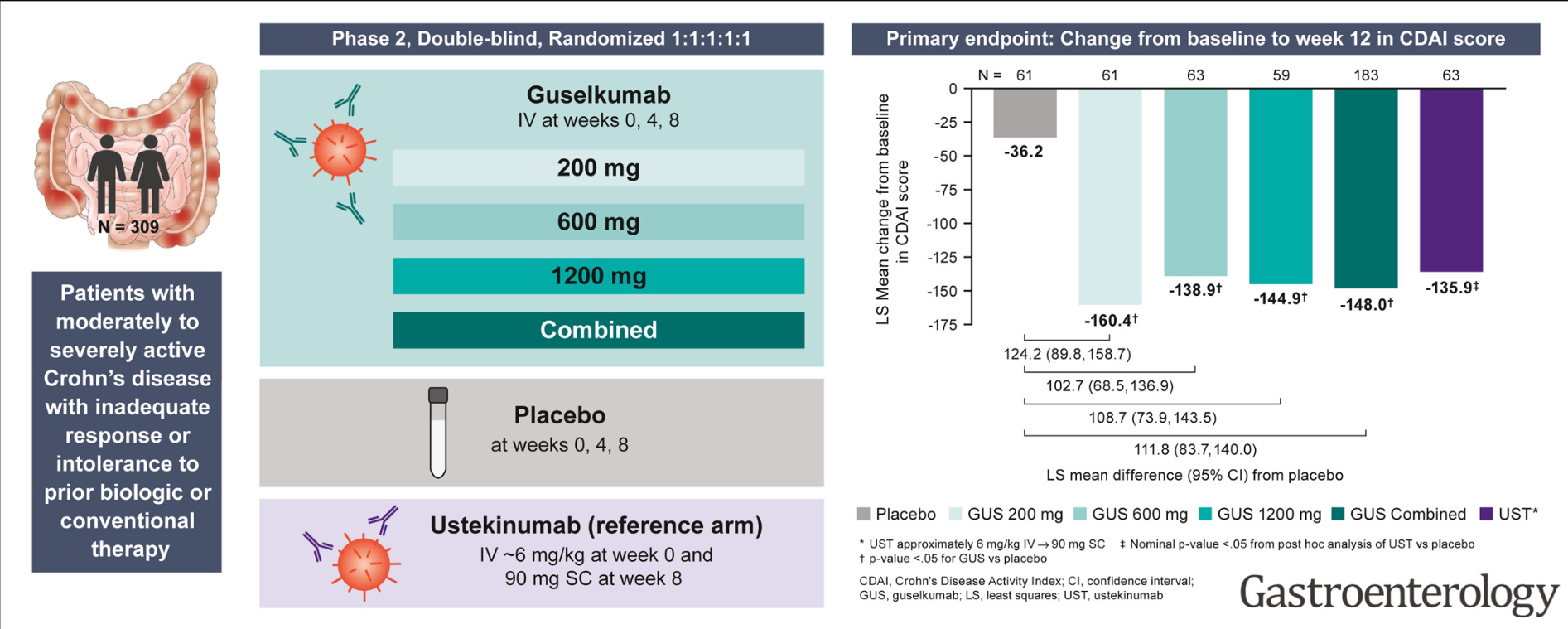
Methods: GALAXI-1, a phase 2, double-blind, placebo-controlled study, randomized patients with moderate to severe Crohn’s disease 1:1:1:1:1 to intravenous guselkumab 200 mg, 600 mg, or 1200 mg at weeks 0, 4, and 8; intravenous ustekinumab approximately 6 mg/kg at week 0 and 90 mg subcutaneously at week 8; or placebo. n=309 with ~50% having disease refractory to prior biologics

Key findings:

  • At week 12, significantly greater reductions in Crohn’s Disease Activity Index from baseline (least squares means: 200 mg: –160.4, 600 mg: –138.9, and 1200 mg: –144.9 vs placebo: –36.2; all, P < .05) and significantly greater proportions of patients achieved clinical remission in each guselkumab group vs placebo
  • Improvement compared to placebo was evident as early as week 4
  • Safety event rates were generally similar across treatment groups

My take: This is an exciting time for practitioners taking care of patients as there are an increasing number of pharmacologic and dietary treatments for inflammatory bowel disease. With guselkumab, there may be an overlapping mechanism with ustekinumab which targets IL-12/23.

Related blog post: Emerging Data on Risankizumab for Crohn’s Disease

Genetic Diseases and Newborn Unconjugated Hyperbilirubinemia

H Mel et al. J Pediatr 2022; 243: 53-60. Clinical and Genetic Etiologies of Neonatal Unconjugated Hyperbilirubinemia in the China Neonatal Genomes Project

Methods: The researchers used targeted panel sequencing data on 2742 genes including known unconjugated hyperbilirubinemia genes in 1412 neonates (in China). Exclusion criteria included gestational age <35 weeks and congenital malformations. 37% had severe unconjugated hyperbilirubinemia (reaching threshold recommended for exchange transfusion)

Findings:

  • 45 (3%) of the cohort had genetic findings related to their unconjugated hyperbilirubinemia. 26 had variants associated with G6PD deficiency and eight had variants in UGT1A1 (which can cause Gilbert syndrome or Crigler-Najjar syndrome)
  • 11 of 45 of genetic findings were due to more obscure causes including to RBC membrane defects, n=5 (ANK1, SPTB) and due to metabolic/biochemical disorders (GCDH, MMACHC, MUT, DUOX2, DUOXA2, MOCS1)
  • Known clinical causes of hyperbilirubinemia were identified for 68% of patients. The most common clinical cause of unconjugated hyperbilirubinemia group was infection (15%). Other clinical causes included breastfeeding (n=154, 11%), extravascular hemorrhage (147, 10%), hemolytic disease (104, 7%) and inadequate feeding (82, 6%)

My take: About 3% of infants in this cohort had underlying genetic causes contributing to their jaundice; three-fourths of those with a genetic condition had either a variant of G6PD or UGT1A1
Related blog posts:

Valley of Fires, New Mexico. The darker areas are lava.

Dupilumab: FDA Approval for Eosinophilic Esophagitis

U.S. FDA (5/20/22): FDA Approves First Treatment for Eosinophilic Esophagitis, a Chronic Immune Disorder

“Today, the U.S. Food and Drug Administration approved Dupixent (dupilumab) to treat eosinophilic esophagitis (EoE) in adults and pediatric patients 12 years and older weighing at least 40 kilograms (which is about 88 pounds). Today’s action marks the first FDA approval of a treatment for EoE…”

“The efficacy and safety of Dupixent in EoE was studied in a randomized, double-blind, parallel-group, multicenter, placebo-controlled trial, that included two 24-week treatment periods (Part A and Part B)…In Part A of the trial, 60% of the 42 patients who received Dupixent achieved the pre-determined level of reduced eosinophils in the esophagus compared to 5% of the 39 patients who received a placebo…. In Part B, 59% of the 80 patients who received Dupixent achieved the pre-determined level of reduced eosinophils in the esophagus compared to 6% of the 79 patients who received a placebo”

My take: We will need to revise our patient handout and decide how best to position this very expensive therapy. Without insurance, Dupixent (2 pens of 300 mg/2 mL) costs $3,649.97 on GoodRx. For those with insurance, Dupixent has a manufacturer’s coupon (Dupixent MyWay).

Related blog posts:

Sandia Mountain Tram