Health Benefit from Disease State: Sucrase-Isomaltase Deficiency

It is well-recognized that genetic mutations that persist often confer some advantages. For example, sickle cell trait (but not disease) provides protection against malaria.

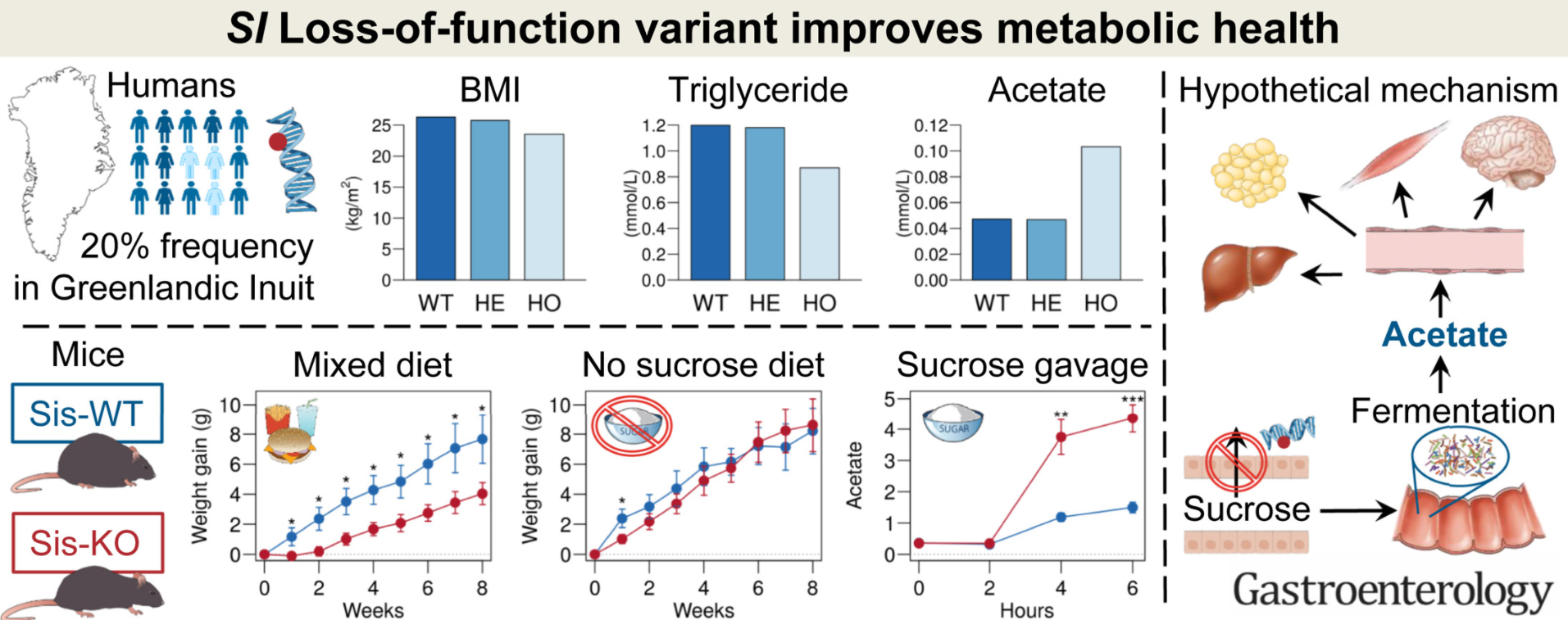
A recent study shows potential health benefits in those with sucrase-isomaltase deficiency: MK Andersen, L Skotte, E Jorsboe et al. Gastroenterol 2022; 162: 1171-1182. Open Access: Loss of Sucrase-Isomaltase Function Increases Acetate Levels and Improves Metabolic Health in Greenlandic Cohorts

Methods: “The association between c.273_274delAG and phenotypes related to metabolic health was assessed in 2 cohorts of Greenlandic adults (n = 4922 and n = 1629). A sucrase-isomaltase knockout (Sis-KO) mouse model was used to further elucidate the findings”

Key findings:

  • Homozygous carriers of the variant had a markedly healthier metabolic profile than the remaining population, including lower body mass index ( –2.0 kg/m2P = 3.1 × 10–5), body weight (–4.8 kg; P = 5.1 × 10–4), fat percentage (–3.3%; P = 3.7 × 10–4), fasting triglyceride (–0.27 mmol/L; P = 2.3 × 10–6), and remnant cholesterol (–0.11 mmol/L; P = 4.2 × 10–5).
  • The metabolic profile “was likely mediated partly by higher circulating levels of acetate observed in homozygous carriers” (0.056 mmol/L; P = 2.1 × 10–26), and partly by reduced sucrose uptake, but not lower caloric intake.
  • “These findings were verified in Sis-KO mice, which, compared with wild-type mice, were leaner on a sucrose-containing diet, despite similar caloric intake, had significantly higher plasma acetate levels in response to a sucrose gavage, and had lower plasma glucose level in response to a sucrose-tolerance test.” 

My take: It should not be surprising that a genetic condition that results in limited sucrose intake would have health benefits. Perhaps correcting this condition will result in unexpected health issues similar to health issues that can develop in those with celiac disease after institution of a gluten-free diet (Gastroenterol 2013; 144: 912-17).

Related blog posts:

Graphical Abstract:

Expert Advice: De-Prescribing Proton Pump Inhibitors

LE Targownik et al. Gastroenterol 2022; 162: 1334-1342. Open Access: AGA Clinical Practice Update on De-Prescribing of Proton Pump Inhibitors: Expert Review

Background: “Proton pump inhibitors (PPIs) are among the most commonly used medications in the United States, if not the world. Observational studies have demonstrated that PPI use has increased over time and that 7%–15% of patients use these medications at any time, with the prevalence increasing to 40% for patients 70 years or older…In a large observational study examining ambulatory visits of PPI users, nearly two-thirds had no clear indication for PPI use.”

Some of the best practice advice:

  • Best Practice Advice 2 All patients taking a PPI should have a regular review of the ongoing indications for use and documentation of that indication. This review should be the responsibility of the patient’s primary care provider.
  • Best Practice Advice 3 Most patients with an indication for chronic PPI use who take twice-daily dosing should be considered for step down to once-daily PPI.
  • Best Practice Advice 4 Patients with complicated gastroesophageal reflux disease, such as those with a history of severe erosive esophagitis, esophageal ulcer, or peptic stricture, should generally not be considered for PPI discontinuation.
  • Best Practice Advice 5 Patients with known Barrett’s esophagus, eosinophilic esophagitis, or idiopathic pulmonary fibrosis should generally not be considered for a trial of de-prescribing.
  • Best Practice Advice 7 Patients at high risk for upper gastrointestinal bleeding should not be considered for PPI de-prescribing.
  • Best Practice Advice 10 The decision to discontinue PPIs should be based solely on the lack of an indication for PPI use, and not because of concern for PAAEs (PPI-associated adverse events).

My take: There are a lot of individuals who could benefit from de-prescribing PPIs.

Related blog posts:

Thanks to Susan for this picture which shows why our neighborhood is covered in a fine yellow dust.

Shiny New Object: Gene Therapy in Gastroenterology

It’s hard not to be fascinated by the emerging treatments in gene therapy. A great summary of this topic as it relates to gastroenterology:

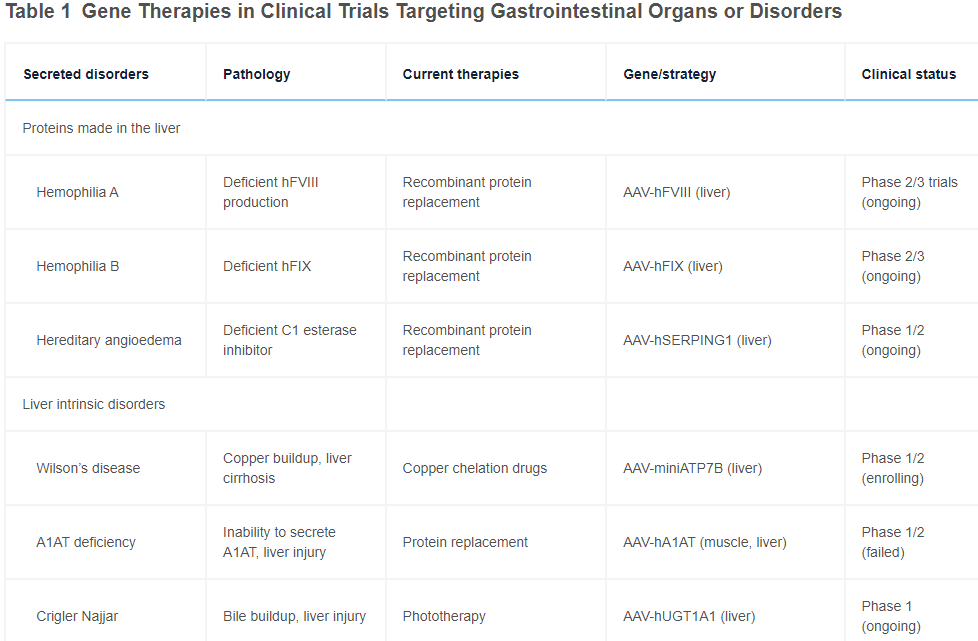
RL Kruse et al. Gastroenterol 2022; 162: 1019-1023. Open Access: How to Embrace Gene Therapy in Gastroenterology

Key points:

  • Researcher’s have utilized viruses to introduce exogenous DNA in efforts to correct defects in genetic diseases. Adeno-associated virus (AAV) vectors are the most common vectors used. In addition, AAV have a natural tropism to the liver following intravenous infusion
  • “Highlighting programs with the most advanced efficacy, hemophilia gene therapies in the liver have advanced into phase 2/3 and have shown promising efficacy based on factor VIII or IX levels achieved and reduction in bleeding events, with the main questions being long-term expression and safety of the approach”

Limitations:

  • “Integrated AAV have been associated with an increased incidence of hepatocellular carcinoma in mice”
  • Antibodies to AAV may be present or develop after infusion…” this factor has precluded any redosing in trials because antibodies would neutralize all incoming vectors”
  • In hemophilia trials, in the liver there has been a slow decrease in the levels of expression over time 6 which indicates that years into the future patients will need to be redosed to maintain efficacy
  • “Practically, AAV can only achieve delivery in a fraction of cells within an organ”

Newer Approaches for Gene Delivery:

  • mRNA delivery: mRNA is being explored as a tool for gene therapy, because mRNA only requires cytoplasmic delivery for expression.
  • “mRNA can also express gene-editing enzymes like Cas9….However, gene editing presents inherent risks of off-targeting cutting or base editing that would occur in millions of hepatocytes, potentially leading to cancer”
  • “Nonviral approaches of DNA delivery could drop the costs of vector production at least 100-fold versus AAV…delivery of DNA through LNPs [lipid nanoparticles] has largely yielded inefficient gene expression”
  • “Hydrodynamic injection is a process where fluid pressure is used to deliver naked DNA directly into cell…injection into the biliary system through endoscopic retrograde cholangiopancreatography”

The authors note that gene delivery could be important in modifying more common disorders including nonalcoholic steatohepatitis, diabetes and autoimmune diseases.

My take: While this field of study is quite exciting, to me it is definitely a shiny object, like all of precision medicine, in that it may distract researchers and physicians away from more pressing common problems.

Related blog posts:

For Policy Wonks: Bayh-Dole Act and Reducing Pharmaceutical Costs

AB Engelberg et al. NEJM 2022; 386: 1104-1106 (Commentary). A New Way to Contain Unaffordable Medication Costs — Exercising the Government’s Existing Rights

This commentary notes that the National Institutes of Health (NIH) spends more than $40 billion each year to fund biomedical research. “We believe that medicines discovered at public expense should be affordable.”

A Few Excerpts:

  • “Existing laws provide two paths for achieving this result. First, the Bayh–Dole Act of 1980 gives the government a royalty-free license to use patented inventions that were discovered using federal funding. The government has never exercised its Bayh–Dole license”
  • “Second, 28 U.S. Code §1498, which dates to 1910, gives the government immunity from being sued for patent infringement in federal courts, while giving patent owners the right to receive reasonable compensation when the government makes or uses a patent-protected product”
  • Case in point: “Recently, the government signed a contract with Merck to purchase molnupiravir (Lagevrio), an oral antiviral drug that reduces the severity of Covid-19. The contract price of $712 per treatment is estimated to be more than 35 times the cost of producing the drug at a reasonable profit. Molnupiravir was discovered at Emory University using government funding, and Emory’s patent applications acknowledge the government’s Bayh–Dole license.5 Molnupiravir payments for Medicare, Medicaid, and VHA patients could cost the government billions in 2022. This amount could be reduced by more than 90% if the government exercised its license and allowed a generic manufacturer to supply the drug for patients in government-supported programs.”

My take: U.S. taxpayers should get a return on their investment when new medications are developed with government funding rather than paying more for these medications than any other country.

Related blog posts:

Ravenel Bridge, Charleston SC (blue skies -no filter)

Digital Health Care Inclusion

JA Rodriguez, et al. NEJM 2022; 386: 1101-1103 (commentary). Digital Inclusion as Health Care — Supporting Health Care Equity with Digital-Infrastructure Initiatives

Key points:

  • “With digital health tools such as telehealth and patient portals becoming prominent components of care delivery, the barriers to digital inclusion have grown increasingly apparent.1 For example, more than 100 studies have revealed disparities in portal use based on age, race, socioeconomic status, English-language proficiency, and other factors”
  • Barriers: digital redlining (discrimination by internet providers), limited broadband infrastructure/access, costs, and knowledge
  • “The recently enacted Infrastructure Investment and Jobs Act (IIJA) makes investments that could foster sustainable digital inclusion”
  • “The IIJA takes much of the responsibility for building digital infrastructure away from individual health care organizations and makes digital inclusion a public concern. The law includes $65 billion for digital-inclusion initiatives. It earmarks $42.5 billion for investment in broadband infrastructure by means of state deployment grants, promotes broadband affordability by providing $14.2 billion for $30-per-month subsidies for Internet costs for underserved people, and allocates $2.8 billion for the creation of digital-literacy programs. It also includes funds to support connectivity in tribal communities and broadband deployment in rural areas”
  • “The law charges the FCC with adopting rules to prevent “digital discrimination of access based on income level, race, ethnicity, color, religion, or national origin.” These policies are an attempt to overcome structural barriers to digital inclusion, such as redlining”
  • “By capitalizing on new policies, health care organizations could become a critical part of an environment of community-based players working toward digital inclusion”

Issues Not Addressed by Infrastructure Investment and Jobs Act (IIJA):

  • “Law doesn’t address changes that are needed to the design of digital health platforms (e.g., language translation) or to make workflows more inclusive (e.g., integration of interpreters into telehealth visits)”
  • “Simplification of interstate licensing laws for clinicians would also enable digital tools to increase access to care for marginalized populations”
  • Assuring adequate reimbursement for digital care

My take: Digital health literacy/availability is needed to improve outcomes.

Related blog posts:

Island in Charleston Harbor with Ravenel Bridge in the distant (near Shem Creek)

Predicting Intestinal Failure After Gastroschisis Repair

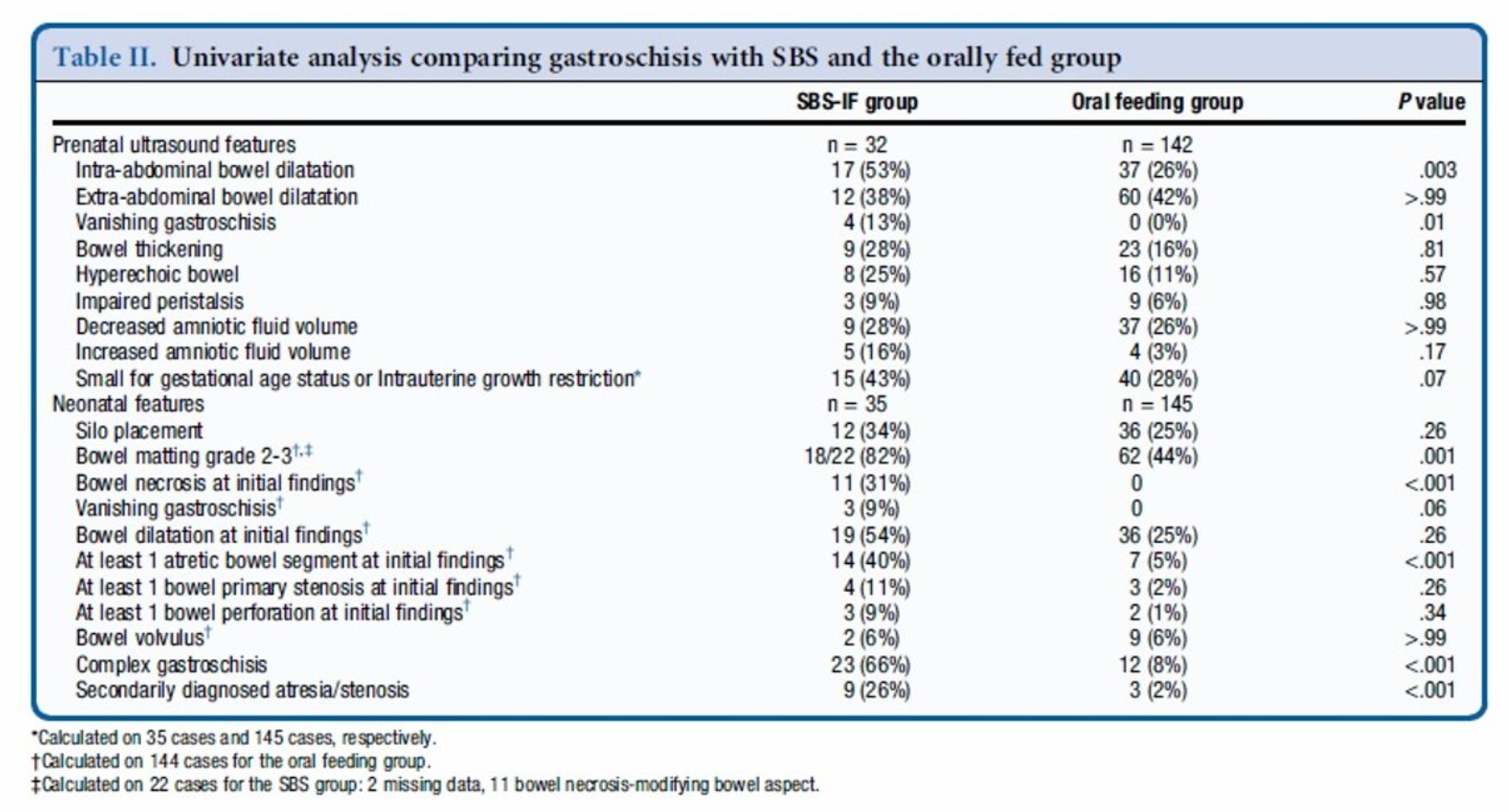
N Vinit et al. J Pediatr 2022; DOI:https://doi.org/10.1016/j.jpeds.2021.11.004 (Ahead of print) Predicting Factors of Protracted Intestinal Failure in Children with Gastroschisis

Methods: Retrospective study. Among 180 patients, 35 required long-term parenteral nutrition (SBS-IF group) and 145 acquired full oral feeding within 6 months (oral feeding group) over mean f/u of 7.9 years.

Key findings:

  • Both bowel matting (OR, 14.2, P = .039) and secondarily diagnosed atresia or stenosis (OR, 17.78, P = .001) were independent postnatal predictors of SBS-IF.
  • An initial residual small bowel length of more than 50 cm was the best predictive cut-off for nutritional autonomy, with a sensitivity of 67% and a specificity of 100%

My take: This study identifies bowel matting and atresia/stenosis as additional factors in predicting nutritional autonomy.

Related blog posts:

Tricky Article Title: IBD and Celiac

M Alkhayyat et al. Inflamm Bowel Dis 2022; 28: 385-392. Patients With Inflammatory Bowel Disease on Treatment Have Lower Rates of Celiac Disease

When I first saw this title, I mistakenly thought the title indicated that celiac disease (CD) occurred less often in those with inflammatory bowel disease (IBD). This would have been surprising given previous studies have found the opposite. In fact, this study confirms the bidirectional associated risk between patients with CD and in patients with IBD but with a twist. Most IBD treatments were associated with a lower risk of developing CD than those who were not treated.

Database study: Of the 72,965,940 individuals in the database (1999-2020), 133,400 had celiac disease (CD) (0.18%), 191,570 (0.26%) had ulcerative colitis (UC), and 230,670 (0.32%) had Crohn disease.

Key findings:

  • Patients with IBD were more likely to have a diagnosis of celiac disease (odds ratio [OR], 13.680), with a greater association with Crohn disease (OR 24.473).
  • Treated patients with IBD with UC and with Crohn disease, respectively, had a lower risk association with CD compared to those not undergoing IBD treatment, specifically corticosteroids (OR, 0.407 and 0.585), 5-aminosalicylates (OR, 0.124 and 0.127), immunomodulators (OR, 0.385 and 0.425), and anti-tumor necrosis factor drugs (OR, 0.215 and 0.242)
  • A new diagnosis of CD after 1 year of IBD diagnosis, was 1.59% for Crohn disease and 0.90% for UC compared to 0.16% in patients without IBD (P<0.0001)
  • A new diagnosis of IBD, Crohn disease and UC respectively, in patients with celiac disease was 2.75% and 1.11% compared to 0.29% and 0.25% in the non-celiac population (P<0.0001)
  • A new diagnosis of IBD and celiac disease among patients with microscopic colitis was 10.5% and 2.6% respectively; a new diagnosis of microscopic colitis among patients with celiac disease was 0.01%

My take: This study confirms the bidirectional associated risk between IBD and celiac disease. The risk of developing celiac disease in those with IBD may be lower in those receiving some treatments; however, this assertion is limited by the nature of a database study.

Related blog posts:

Pelicans at Shem Creek, SC (near Charleston)

Does Motivational Interviewing Help Long-Term Outcomes for Obesity?

M Michalopoulou et al. Annals Int Med 2022; https://doi.org/10.7326/M21-3128. Effectiveness of Motivational Interviewing in Managing Overweight and Obesity

This review and meta-analysis examined forty-six studies involving 11 077 participants.

Key findings:

  • At 6 months, behavior weight management programs (BWMPs) using motivational interviewing (MI) were more effective than no/minimal intervention (−0.88) but were not statistically significantly more effective than lower-intensity (−0.88 ) or similar-intensity (−1.36 ) BWMPs.
  • “At 1 year, data were too sparse to pool comparisons with no/minimal intervention, but MI did not produce statistically significantly greater weight change compared with lower-intensity”

My take: Several years ago our hospital system strongly encouraged practitioners to learn motivation interviewing techniques. However, based on this review, “there is no evidence that MI increases effectiveness of BWMPs in controlling weight.”

Related blog posts:

Isle of Palms, SC

How NOT To Do a Transit Time Study

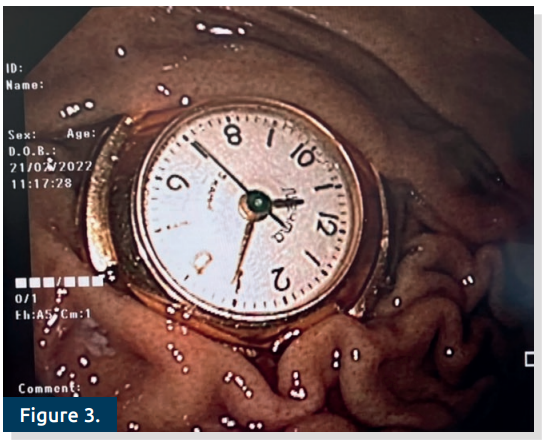
ESPGHAN’s Image of the Month: What time is it? A case of unusual foreign body ingestion

Perhaps this 4 yo child was interested in answering the question of whether the watch ‘takes a licking and keeps on ticking?”

Related blog posts:

Auricular Stimulation Associated with Less Pain, Less Disability, and Better Sleep

N Santucci et al. Neurogastroenterology & Motility. 2022;00:e14358. Effect of percutaneous electrical nerve field stimulation on mechanosensitivity, sleep, and psychological comorbidities in adolescents with functional abdominal pain disorders

This study evaluated the effects of IB-stim® (Innovative Health Solutions, Versailles, IN, USA) in 20 patients (11-19 years old) with functional pain. This external auricular device with a battery powered generator that creates percutaneous electrical nerve field stimulation (PENFS), targeting cranial nerves V, VII, IX, and X. This device which has been associated with improvement in functional abdominal pain previously was evaluated for its effects on resting and evoked pain and nausea, sleep and psychological functioning, and long-term outcomes.

Key Findings:

  • During pain evoked by Water Load Symptom Provocation Task (WL-SPT), visual analog scale (VAS) pain intensity and nausea were lower following PENFS compared with baseline (p = 0.004 and p = 0.02, respectively)
  • After PENFS, resting VAS pain unpleasantness (p = 0.03), abdominal pain (p < 0.0001), pain catastrophizing (p = 0.0004), somatic complaints (0.01), functional disability (p = 0.04), and anxiety (p = 0.02) exhibited significant improvements, and some were sustained long-term.
  • Self-reported sleep improved after PENFS (p’s < 0.05) as well as actigraphy-derived sleep onset latency (p = 0.03). The authors note that, paradoxically, patients receiving neuromodulators had more trouble with sleep at baseline. “It is hard to tease out if these differences are due to the medications themselves or if the patients on these medications have more severe symptoms that may have a bigger impact on their life”
  • In assessing predictors of response to PENFS therapy, those with higher pain catastrophizing and somatization had lesser reduction in VAS pain scores, while those with high anxiety had lesser improvements in functioning.
  • Study limitations: small sample size and lack of control/sham group

In this limited study, PENFS was associated with improvements in pain intensity and nausea through visual analog scales and validated questionnaires. Disability, pain catastrophizing, somatization, and anxiety reduced after four weeks of PENFS and effects were sustained at 6–12 months post-treatment.

My take: Auricular stimulation if feasible (in terms of cost) is a good alternative to pharmacologic therapy. It would be of interest to study outcomes of patients who received this treatment modality compared with those who were treated by well-qualified pain psychologists.

Related blog posts:

Osprey on The Hunley Bridge, Isle of Palms, SC