Outcomes of Collagenous Gastritis

BC Beinvogl et al. JPGN 2021; 73: 513-519. Pediatric Collagenous Gastritis: Clinical and Histologic Outcomes in a Large Pediatric Cohort

In this retrospective single-center cohort study with 40 patients (1992-2020), the authors describe the outcomes and heterogeneity of treatments for pedicatric collagenous gastritis (CG). The mean age at diagnosis was 11 years with mean followup of 2.9 years.

Key points:

  • Presenting symptoms: abdominal pain, vomiting, symptomatic anemia, and nausea. 25 of 40 had a colonoscopy at time of index EGD
  • 75% had iron-deficiency anemia which responded well to iron supplementation
  • Comorbid conditions included autoimmune disorders in 12.5% and immunodeficiencies in 5%. 7 (17.5%) had excess collagen in duodenum, 3 (7.5%) had collagenous colitis, and 1 (2. 5%)had collagenous ileitis.
  • 85% of diagnosis were made on initial review of biopsy slides; other cases were identified subsequently either due to repeat endoscopy or further slide review. CG is “known to be patchy
  • No treatments were clearly effective in improving histology. Treatments included PPI/H2RAs in 40%, laxatives in 20%, cyproheptadine in 12.5%, antiemetics in 12.5%, cafafate in 7.5%, budesonide in 7.5% and others less frequently
  • 92% had persistent abnormal endoscopic findings and 73% had persistent thickened subepithelial collagen. In those without excess collagen deposition at last EGD, some of this could be related to patchy distribution as well as improvement
  • Though histology often did not improve, 87.5% had improvement or resolution of symptoms
  • Long-term outcomes remain unknown. While there is concern for possible malignant transformation, to date “no gastric epithelial or lymphoid malignancies have been…reported”

My take: Collagenous gastritis is poorly understood. Fortunately, most patients symptoms resolve/improve.

Related blog post: Collagenous gastritis (2020) -useful reference

COVID-19, Vaccines and Liver Disease Plus AAP Declares Mental Health Emergency

OK Fix et al. Hepatology 2021; 74: 1049-1064. Open Access. American Association for the Study of Liver Diseases Expert Panel Consensus Statement: Vaccines to Prevent Coronavirus Disease 2019 Infection in Patients With Liver Disease

“Remarkably safe and highly effective mRNA COVID-19 vaccines are now available for widespread use and should be given to all adult patients with CLD and LT recipients. The online companion document located at https://www.aasld.org/about-aasld/covid-19-resources will be updated as additional data become available regarding the safety and efficacy of other COVID-19 vaccines in development.”

A Saviano et al. Hepatology 2021; 74: 1088-1100. Open Access (Review) Liver Disease and Coronavirus Disease 2019: From Pathogenesis to Clinical Care

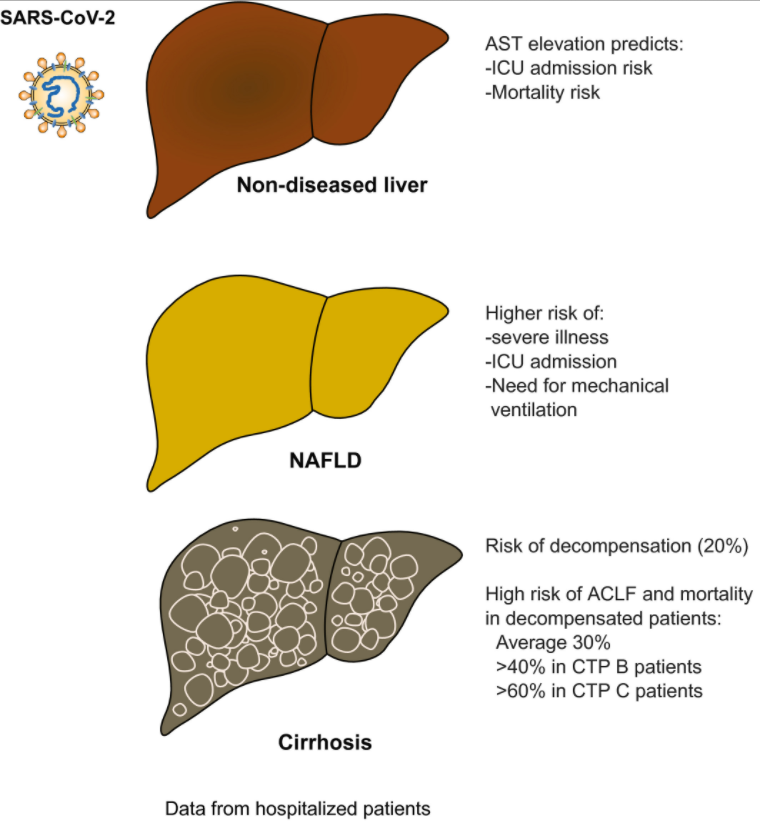
  • “The presence of liver injury is a surrogate marker for more severe disease and higher mortality in patients with COVID-19. An elevated AST level is the most robust predictor of poor outcome.”
  • “Liver injury and mortality in COVID-19 are likely multifactorial, driven by a sustained and excessive systemic release of proinflammatory and prothrombotic cytokines following SARS-CoV-2 infection, iatrogenic injury caused by DILI, hemodynamic changes associated with mechanical ventilation or vasopressor use, and worsening of underlying liver injury in those with CLD.”
  • “Risk of de novo liver injury appears limited in patients without CLD, and only rare cases of COVID-19–related ACLF [acute-on-chronic liver failure] were observed.”

Related blog post: Aspen Webinar 2021 Part 1: COVID-19 and the Liver (William Balistreri)

“COVID-19–related liver injury and mortality in patients who were hospitalized with and without chronic liver disease (CLD). Patients without CLD usually present with AST elevation, which correlates with ICU admission and mortality. Among patients with CLD, NAFLD has the highest risk of severe illness, ICU admission, and need for mechanical ventilation. Patients with cirrhosis are at risk for decompensation, and patients who are decompensated have a high risk of acute-on-chronic liver failure (ACLF) and mortality.”Abbreviations: CTP, Child-Turcotte-Pugh; ICU, intensive care unit.

Link to AAP News: AAP, AACAP, CHA declare national emergency in children’s mental health (Thanks to Ben Gold for passing this along)

  • “We are caring for young people with soaring rates of depression, anxiety, trauma, loneliness, and suicidality that will have lasting impacts on them, their families, their communities, and all of our futures,” said AACAP President Gabrielle A. Carlson, M.D. “We cannot sit idly by. This is a national emergency, and the time for swift and deliberate action is now.”
  • These organizations make several recommendations to policy makers including more access for mental health services. (I worry that we do not have sufficient numbers of qualified mental health practitioners to meet the challenge.)

Improvement in Hepatitis C Mortality Rates from 2005 to 2017

EW Hall et al. Hepatology 2021; 582-590. Open Access. County-Level Variation in Hepatitis C Virus Mortality and Trends in the United States, 2005-2017

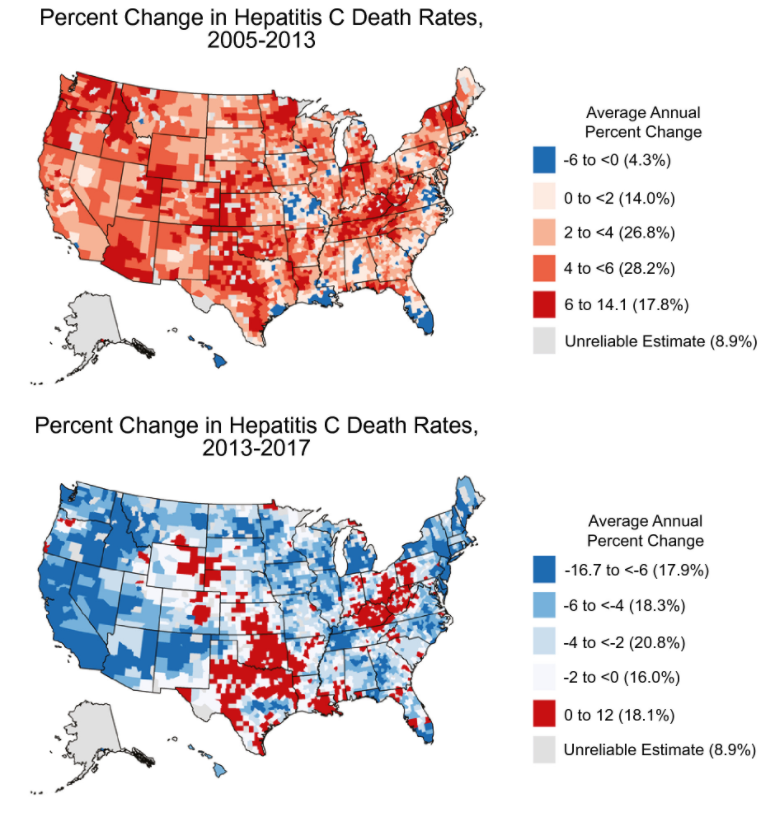
The authors used county-level HCV death rates and assessed trends in HCV mortality from 2005 to 2013 and from 2013 to 2017; the study is derived from mortality data from the National Vital Statistics System.

Key Findings:

  • Nationally, the age-adjusted HCV death rate peaked in 2013 at 5.20 HCV deaths per 100,000 persons and decreasing to 4.34 per 100,000 persons in 2017
  • There was heterogeneity in HCV mortality with the highest rates being concentrated in the West, Southwest, Appalachia, and northern Florida. 80% of counties had improvement in HCV mortality

My take: This study showed widespread improvement trends in HCV death rates from 2013 to 2017 and provides benchmarks for further progress. However, other studies have shown increasing rates of HCV tied to opioid crisis which could impact long-term outcomes as well.

Related blog posts:

Irritable Bowel After Campylobacter Enteritis

A Berumen et al. Clin Gastroenterol Hepatol 2021; 19: 1855-1863. Characteristics and Risk Factors of Post-Infection Irritable Bowel Syndrome (IBS) After Campylobacter Enteritis

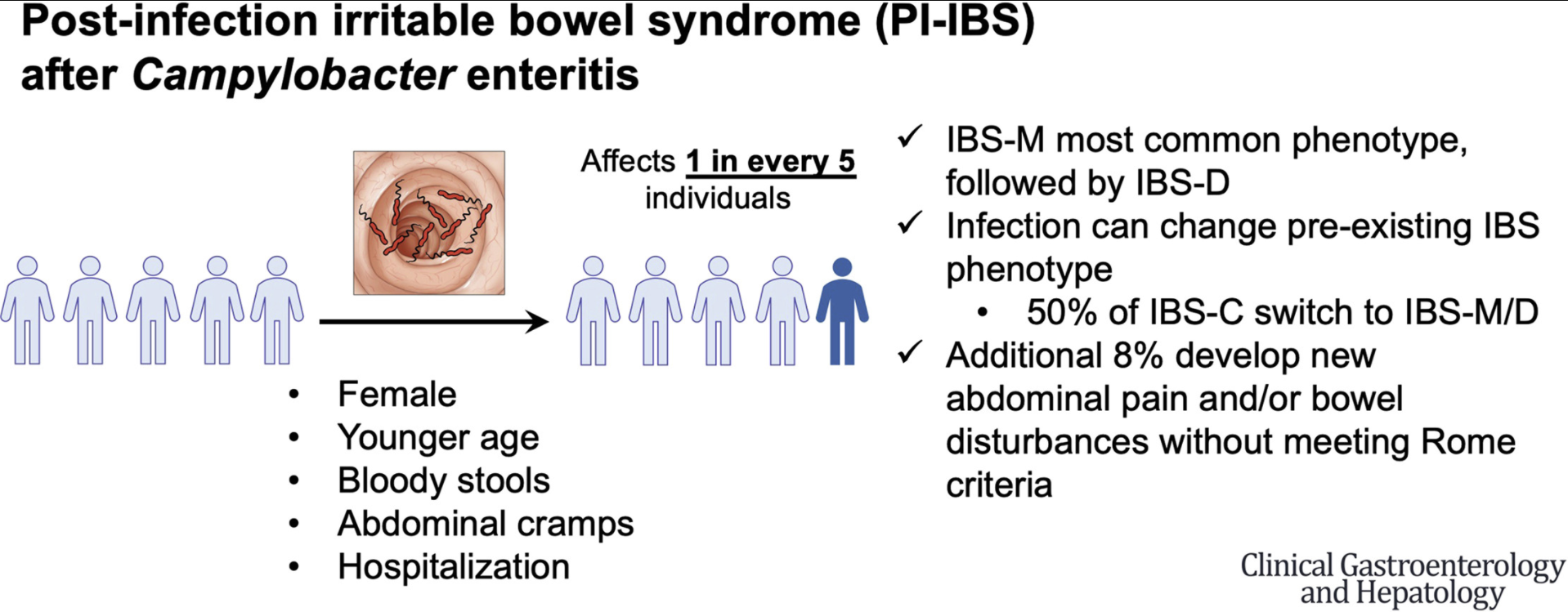
The Minnesota Department of Health collects data on symptoms and exposures upon notification of Campylobacter cases. In this 6-9 month followup survey of 1667 (2011-2019) out of a total of 3586 patients, the authors identified 1418 without preexisting IBS.

Key findings:

  • 301 (21%) subsequently developed IBS. Most of these individuals had IBS-mixed (54%), followed by IBS-diarrhea (38%), and IBS-constipation (6%)
  • Additionally, the authors note that 121 patients (8.5%) had new GI problems after infection that did not meet thresholds set by Rome criteria
  • Among patients with IBS-mixed or IBS-diarrhea before infection, 78% retained their subtypes after infection. In contrast, only 50% of patients with IBS-constipation retained that subtype after infection;40% transitioned to IBS-mixed
  • Of patients with pre-existing IBS, 38% had increased frequency of abdominal pain after Campylobacter infection
  • One limitation of the study is ‘responder bias.’ There may be a lower rate of IBS/GI symptoms in the subset of patients who did not respond to survey.

My take: A lot of people develop IBS and other GI symptoms after Campylobacter infection; those with IBS often have intensification of their symptoms.

Related blog posts:

Related study: Am J Gastroenterol  2012 Jun;107(6):891-9. “Norovirus GE leads to the development of PI-IBS in a substantial proportion of patients (13%), similar to that reported after bacterial GE.”

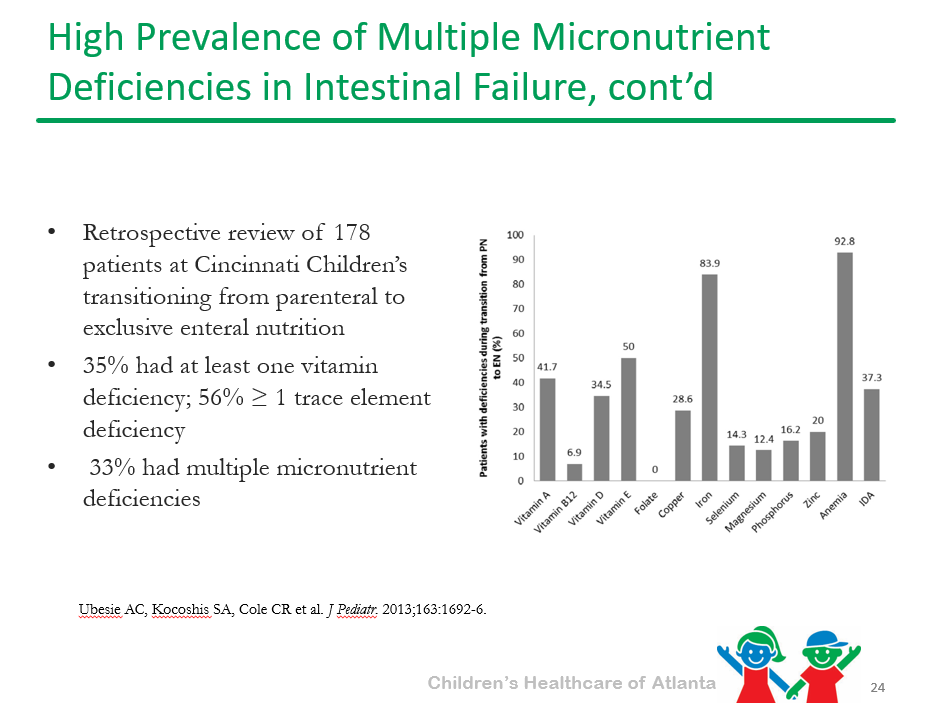
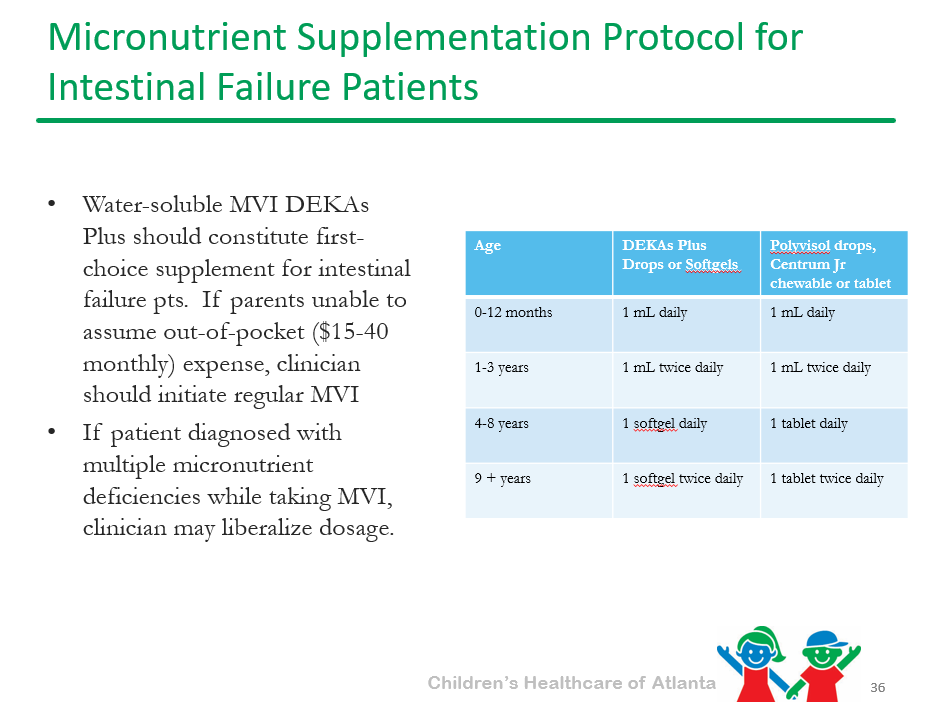
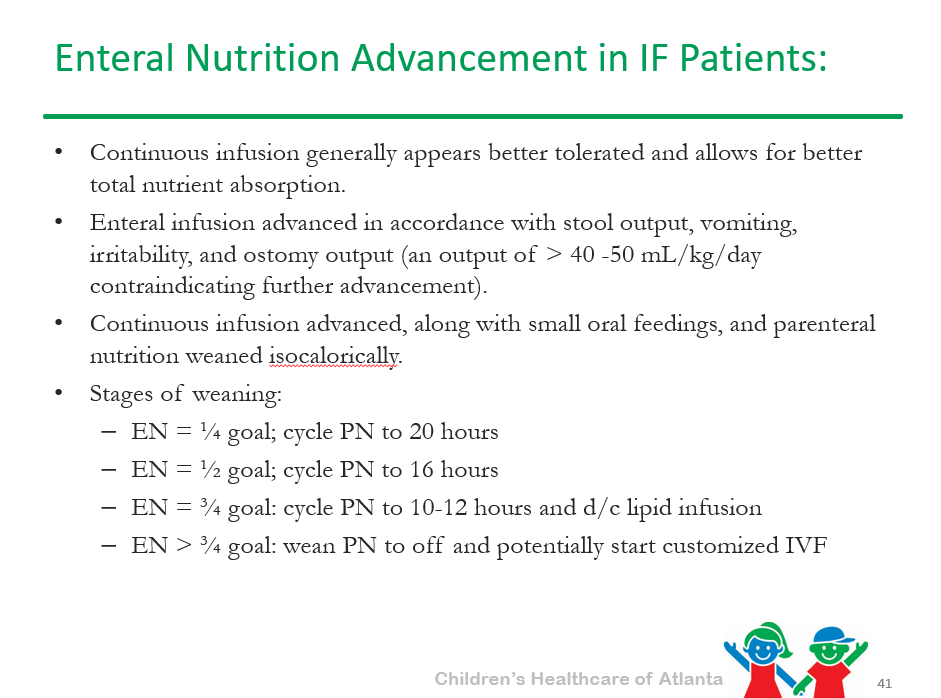
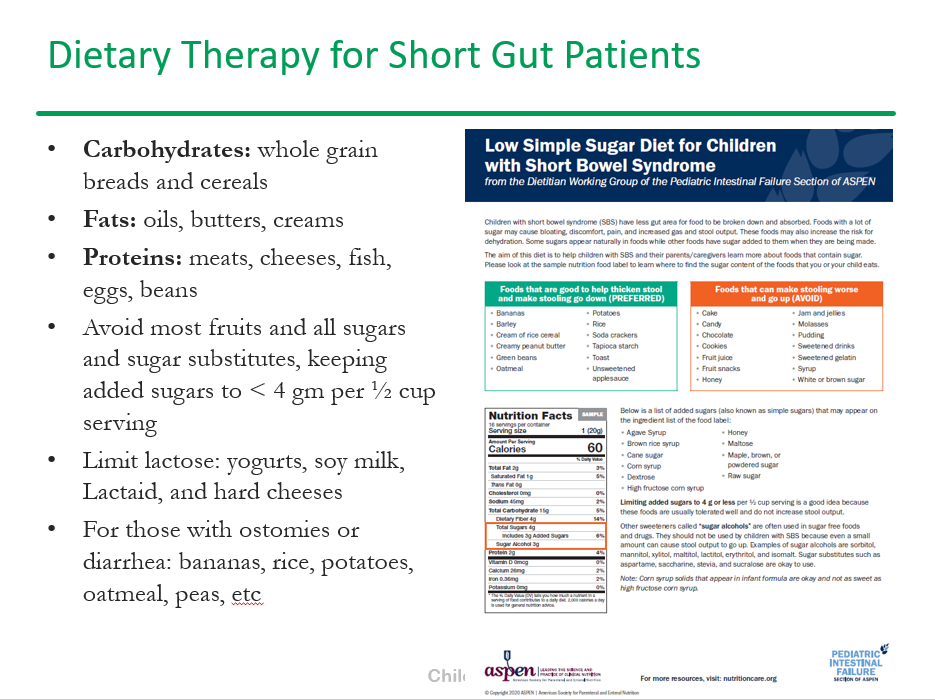
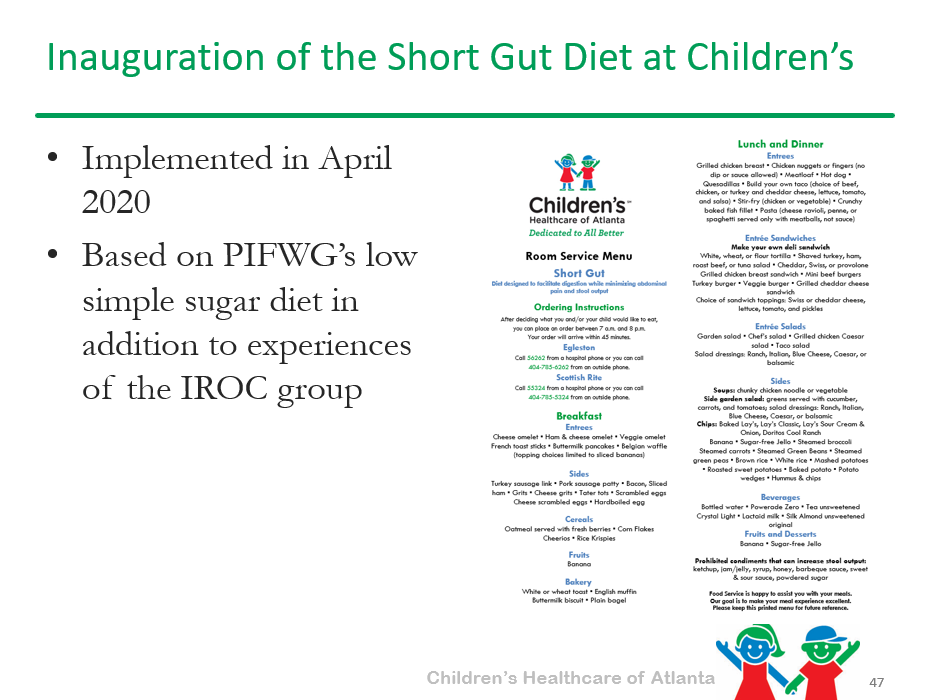
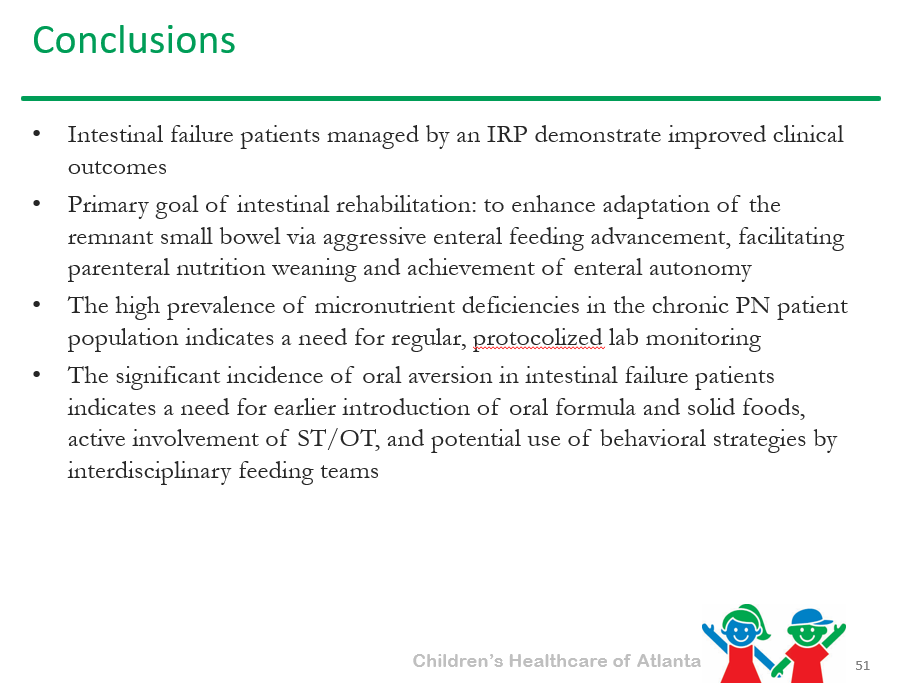
Nutritional Management of Intestinal Failure in Pediatrics

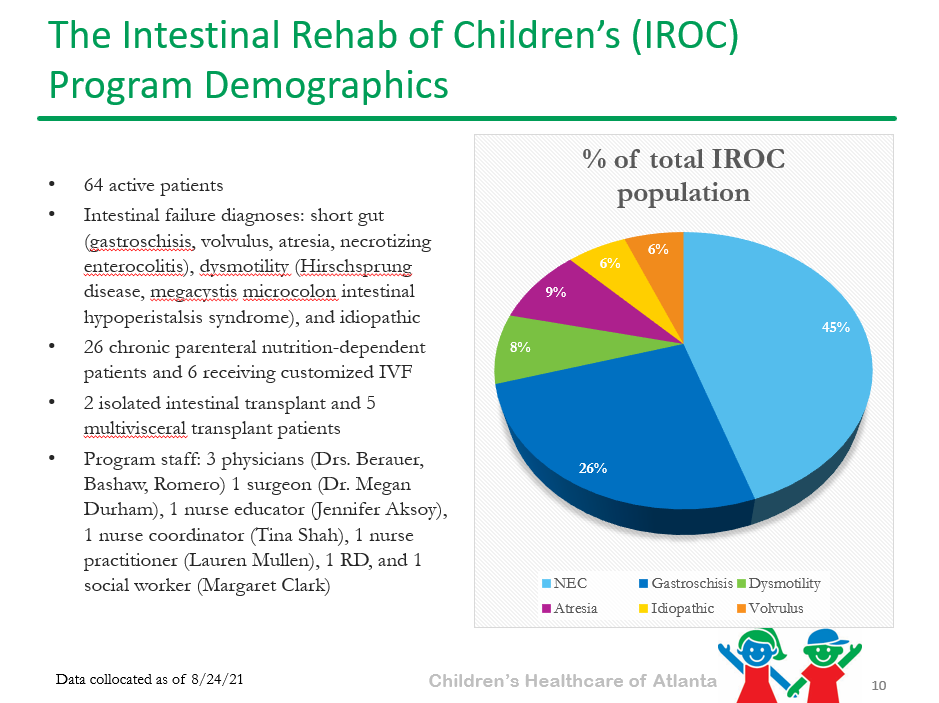
A recent terrific update from Kipp Ellsworth: Nutritional Management of Intestinal Failure Patients. Slides:

Some selected slides:

Related blog posts for Short Bowel Syndrome:

It Hurts Here and Here and Here

A recent study (below) reminded me of a joke. First the joke (better with the visual effect):

A guy goes to his doctor. The patient says, “Doctor when I touch here on my shoulder (with index finger) it hurts, when I touch here on my leg (with index finger) it hurts, and when I touch here on my stomach (with index finger) it hurts.”

The doctor says: “Your finger is broken.”

BP Chumpitazi et al. J Pediatr 2021; 236; 131-136. Multisite Pain Is Highly Prevalent in Children with Functional Abdominal Pain Disorders and Is Associated with Increased Morbidity

In this cross-sectional study of 7-17 year olds (n=406) with Rome III functional abdominal pain disorder (FAPD), the authors examined the frequency of pain outside GI tract over a 2 week study period. Patients were recruited from both a large academic pediatric GI practice and general pediatric offices in same hospital system.

Key findings:

  • In total, 295 (73%) children endorsed at least 1 co-occurring nonabdominal pain, thus, were categorized as having multisite pain with the following symptoms: 172 (42%) headaches, 143 (35%) chest pain, 134 (33%) muscle soreness, 110 (27%) back pain, 94 (23%) joint pain, and 87 (21%) extremity (arms and legs) pain
  • In addition, 200 children (49%) endorsed 2 or more nonabdominal pain symptoms
  • Participants with (vs without) multisite pain had significantly higher abdominal pain frequency (P < .001) and severity (P = .03), anxiety (P < .001), and depression (P < .001). Similarly, children with multisite pain (vs without) had significantly worse functional disability (P < .001) and health-related quality of life scores (P < .001).

The authors note that due to the design of their study, they cannot establish a causal association between pain symptoms and psychosocial functioning.

My take: A lot of kids with stomach pain have multisite pain as well as anxiety and depression. This study reminds us to ask about them.

Related blog posts:

More Pictures From Atlanta Beltline West End

How Often Does a Fatty Liver Start in Infancy?

K McNelis et al. JPGN Reports; 2021: 2(3):e113. Open Access: Hepatic Steatosis in Infancy: The Beginning of Pediatric Nonalcoholic Fatty Liver Disease?

In this retrospective study of 65 healthy infants (<3 months of age, median age 2 months) who had CT scans performed due to trauma, the authors investigated the frequency of a fatty liver.

Key findings:

  • Depending on the criteria used, 23% or 26% of infants had evidence of fatty liver on CT scan
  • The prevalence of maternal obesity and/or diabetes was 11% (of the 65 pregnancies) but there was no significant difference in maternal risk factors between infants with and without evidence of steatosis

My take: Whether the fatty liver seen on CT scans in this infant cohort persists and evolves to adolescent and adult fatty liver disease is unknown but intriguing.

COVID-19: Over 120,000 Children Have Lost a Parent or Caregiver

NY Times: Over 120,000 American Children Have Lost a Parent or Caregiver to Covid-19, Study Says (between April 1, 2020, and June 30, 2021)

“According to the study in Pediatrics, one of every 168 American Indian/Alaska Native children, one of every 310 Black children, one of every 412 Hispanic children, and one of every 612 Asian children have lost a caregiver, compared to one in 753 white children.”

This image has an empty alt attribute; its file name is image-26.png

Updated Bilirubin Nomogram

TM Bahr et al. J Pediatr 2021; 236: 28-33. A New Hour-Specific Serum Bilirubin Nomogram for Neonates ≥35 Weeks of Gestation

This study which encompassed 397,395 total serum bilirubins provides an updated normogram for serum bilirubins in the first days of life. The data for this nomogram is based on 140 times the number of subjects and is derived from 15 years of universal bilirubin screening (Intermountain Healthcare Hospitals).

Key points:

  • The authors state that this study is one step “toward evidence-based phototherapy decision-making”
  • “We are currently using this nomogram [figure below] routinely in our hospitals in Utah for phototherapy initiation (when a neonate has a TSB exceeding the 95th percentile) and for discharge risk stratification.”
  • “This reduces phototherapy usage…to about 5% of well babies, whereas we had previously been administering phototherapy in 8-10% of well babies.”
  • “Newborns with TSB>75 percentile…receive a recommendation for follow-up within 24 hours.”
  • The authors acknowledge the limitations of their study and caution that more long term outcome data are needed in evaluation of their approach.

My take: Overall, the data is fairly similar to prior data but adoption of these slightly higher values would likely reduce the number of infants requiring phototherapy.

Related blog posts:

In this figure, the new data is indicated by the solid lines and
the prior Bhutani data is indicated by dashed lines.

Liver Shorts: PFIC/FIC1, Best Tenofovir, Ascites Practice Guidance

DBE van Wessel et al. Hepatology 2021; 74: 892-906. Open Access: Impact of Genotype, Serum Bile Acids, and Surgical Biliary Diversion on Native Liver Survival in FIC1 Deficiency

This huge collaborative study with 130 patients provides a great deal of information about familial intrahepatic cholestasis type 1 (FIC1). Key findings:

  • Survival analysis showed an overall native liver survival (NLS) of 44% at age 18 years. NLS was comparable among FIC1-A, FIC1-B, and FIC1-C (% NLS at age 10 years: 67%, 41%, and 59%, respectively; P = 0.12)
  • The number of predicted protein truncating mutations did not correlate with natural history or prognosis

H Toyoda et al. Hepatology 2021; 74: 656-666. Treatment and Renal Outcomes Up to 96 Weeks After Tenofovir Alafenamide Switch From Tenofovir Disoproxil Fumarate in Routine Practice

In this study, the researchers 834 patients with CHB previously treated with TDF for ≥12 months who were switched to TAF in routine practice at 13 US and Asian center. Key findings:

  • “Overall, we observed continued improvement in virologic response, ALT normalization, and no significant changes in eGFR following switch to TAF from TDF.”
  • HBV DNA suppression increased from 88% to 92% at 48 weeks post-switch, and then 95% at 96 weeks postswitch
  • Improved renal function: “By week 96, 21% (55/267) of patients with CKD stage 2 at switch improved to stage 1 and 35% (30/85) of CKD stage 3-5 patients improved to stage 2 and 1.2% (1/85) to stage 1.”

SW Biggins et al. Hepatology 2021; 74: 1014-1048. Open Access. Diagnosis, Evaluation, and Management of Ascites, Spontaneous Bacterial Peritonitis and Hepatorenal Syndrome: 2021 Practice Guidance by the American Association for the Study of Liver Diseases

This practice guidance (with 276 references) is an update from similar guidelines published in 2012.

Key Points For Children:

  • Children with cirrhosis and ascites should be referred for evaluation for LT
  • Children undergoing LVP should receive 25% albumin infusion of 0.5-1.0 g/kg, or 6-8 g per liter of ascites removed.
  • Diagnostic paracentesis should be performed in children with ascites and fever, abdominal pain, or clinical deterioration. The risks and benefits of this procedure for use in all children with new ascites but without these symptoms have not been defined.
Atlanta Beltline Murals