Link: The Coronavirus Attacks Fat Tissue, Scientists Find (Study has not been published or peer-reviewed yet)

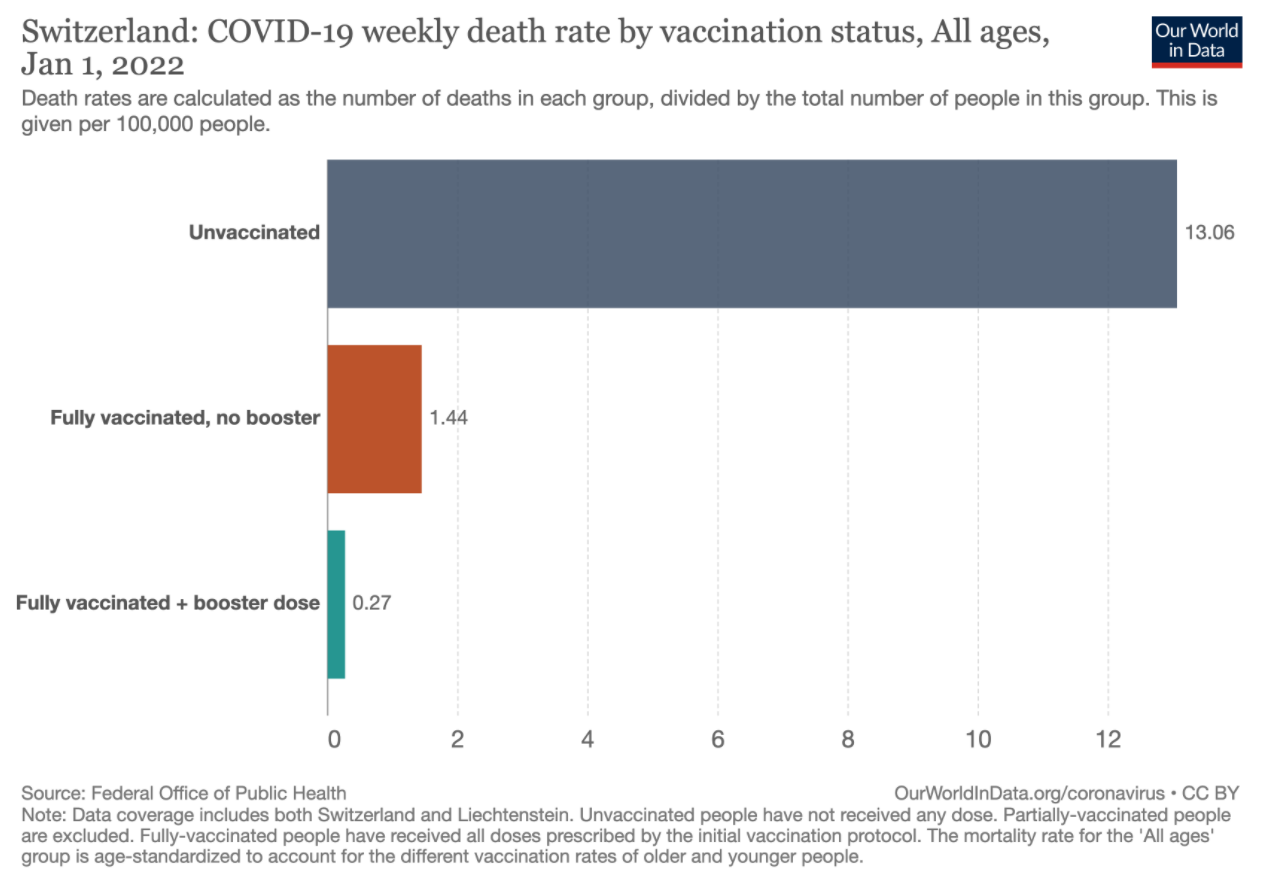
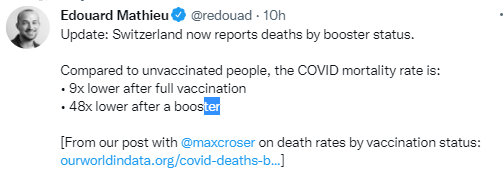
Link: Pfizer Says COVID Booster Offers Protection Against Omicron

Link: The Coronavirus Attacks Fat Tissue, Scientists Find (Study has not been published or peer-reviewed yet)

Link: Pfizer Says COVID Booster Offers Protection Against Omicron
NY Times: “Who Deserves a Lifesaving Organ?”
Yesterday’s post discussed policy efforts to help with equitable access for transplantation. This essay explores some of the same issues.
A few excerpts:

R Rosenblatt et al. Hepatology 2021; 74: 2808-2812. Open Access. Equitable Access to Liver Transplant: Bridging the Gaps in the Social Determinants of Health
The problem:
“Evaluation for organ transplantation, a life-saving procedure, involves a multistep, highly selective process. Initially, referrals to appropriate subspecialists and a transplant center are required. During evaluation, candidates undergo formal assessment of adequate social support, psychological health, health insurance, adherence, and understanding of treatments. Each step in the transplant evaluation process is an opportunity for inequity to insert itself, resulting in disparate access to listing for transplantation. This manifests through mechanisms related to poor health literacy, lack of insurance or high copay, poor social support, and geographical location. Culture incapacity by health providers and implicit bias at the provider level and health care system level can create additional barriers. Examples of health inequities include lower referral rate for LT and inferior outcomes among Black and Latinx compared to White patients,(3) while, in addition to race/ethnicity, sex and health literacy(4) also strongly correlate with the likelihood of listing. SES [socioeconomic status] affects both waitlist mortality and post-LT survival as well.”
This article proposes policy measures to counter the deleterious effects of SDOH [social determinants of health]—identify and reduce implicit bias, expand and optimize telemedicine, and improve community outreach. “Structural racism, access to affordable insurance, health literacy, and substance abuse therapy are equally important factors that contribute to health disparities and inequities and warrant further commentary and research, but are outside the focus of this policy piece.”

Related blog post: Getting a Seat at the Liver Counter
RK Jagdish et al. Hepatology 2021; 74: 2848-2862. Albumin in Advanced Liver Diseases: The Good and Bad of a Drug! (Review)
Useful review –

MC Ghany et al. Hepatology 2021; 74: 2813-2823. Free Access: The 2020 Nobel Prize for Medicine or Physiology for the Discovery of Hepatitis C Virus: A Triumph of Curiosity and Persistence
This great little article humanizes and summarizes the discovery of Hepatitis C with first hand accounts and anecdotes.
A couple of interesting points:


This article (link: PAs want to be called physician associates) notes that “Physician assistants, as they are still legally called, have been steadily granted greater autonomy over the years since 1967, when the Duke University School of Medicine graduated four former Navy medics as the nation’s first class of PAs.”


And from The Onion:

TG Simon et al. Hepatology 2021; 74: 2410-2423. Open Access. Cancer Risk in Patients With Biopsy-Confirmed Nonalcoholic Fatty Liver Disease: A Population-Based Cohort Study
Key findings from this retrospective study with median of 14 yrs f/u (1966-2016, n=8892):


G Chonlakeril et al. Hepatology 2021; 74: 2336-2338 Associated Editorial. NAFLD and HCC: Time to Bridge the Gap
My take: Lots of increased risk with fatty liver disease, especially increased HCC/cancers and increased cardiovascular disease.
Related blog posts:
K Yan, L Forman. Liver Transplantation; 2021; 27: 1623-1632. Open Access: Cannabinoid Use Among Liver Transplant Recipients
Key findings:
The authors note that MJ (marijuana) use previously was not associated with adverse liver tranplant outcomes (in one study); however, there are “there are case reports of drug interactions resulting in tacrolimus toxicity in patients using MJ and CBD.” And, MJ by inhalation may increase the risk for pulmonary fungal/aspergillosis. The use of MJ was similar to previous data in the general Colorado population, “18.1% of adults aged 18 and older in Colorado had used MJ in the past month in 2017-2018, compared with 10.2% of adults nationally.”
My take: Cannaboid use is common in liver transplant recipients and in the general population. More data is needed to understand its safety.
Related blog posts:

A Almradi et al. J Crohns Colitis 2021. https://doi.org/10.1093/ecco-jcc/jjab194. Clinical, endoscopic and safety placebo rates in induction and maintenance trials of Crohn’s disease: Meta-analysis of Randomised controlled trials
The authors searched MEDLINE, EMBASE and CENTRAL from inception to March 2021. Eligible studies were placebo-controlled trials of pharmacological interventions for CD
Key findings:
My take: These studies show fairly high placebo responses and thus they reinforce the need for well-designed trials with objective endpoints.
Related blog posts: