“Enteral Ventilation via Anus”

A good Sunday read: Full text: Mammalian enteral ventilation ameliorates respiratory failure (R Okabe et al. Med (2021), https://doi.org/10.1016/j.medj.2021.04.004) -thanks to a friend for forwarding the study.

Background: Several aquatic organisms such as loaches have evolved unique intestinal breathing mechanisms to survive under extensive hypoxia. Scientists hope that the approach could one day be used to treat people with low oxygen, without risking the lung damage that can be caused by mechanical ventilators. To date, it is highly controversial whether such capability can be adapted in mammalian species as another site for gas exchange. This study reports the advent of the intestinal breathing phenomenon in mammalians by exploiting EVA (enteral ventilation via anus).

This study showed that administration of oxygen-rich perfluorochemical liquid via the rectum could “increase oxygenation in several mammals including pigs. The level of arterial oxygenation, if scaled for human application, is likely sufficient to alleviate patients with severe respiratory failure. The administration of 200–400 mL PFD to pigs weighing 10–20 kg improved PaO2 by 13 mm Hg (from 57.2 ± 13.5 to 70.8 ± 6.22 mm Hg) and SaO2 by 7% (from 84% to 91%).”

NY Times review of this study: Breathing Through the Rectum Saves Oxygen-Starved Mice and Pigs

My take: It is good that this study was not published on April 1st! Perhaps, if this advances, this will be more work for our aerodigestive team.

.
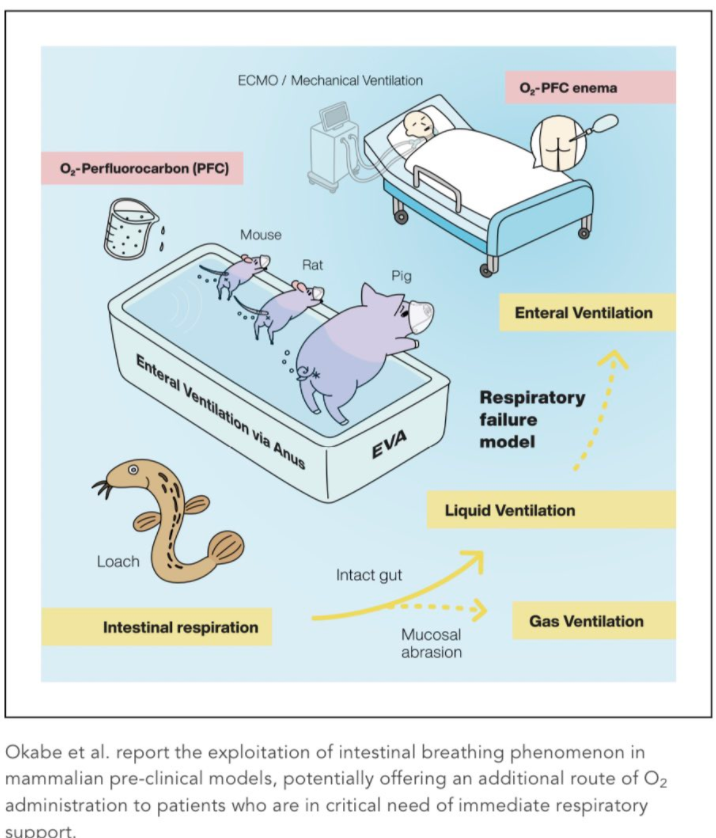
Graphical Abstract Figure from Mark Pochapin Twitter Feed

Genetic Diagnostic Tools for Cholestasis

Several articles in a recent JPGN (May issue) delve into the topic of using genetic tools for the diagnosis of cholestatic conditions. The most important, in my view, of these articles is JPGN 2021; 72: 654-660. (Use of a Comprehensive 66-Gene Cholestasis Sequencing Panel in 2171 Cholestatic Infants, Children, and Young Adults); congratulations to the lead author, my colleague Saul Karpen.

Key findings:

  • Between February 2016 and December 2017, 2171 results were reported. Median turnaround time was 21 days.
  • 583 pathogenic (P) variants, 79 likely pathogenic (LP) variants, and 3117 VOUS; 166 P/LP variants and 415 VOUS were novel.
  • The panel’s overall diagnostic yield was 12% (n = 265/2171) representing 32 genes with mutations identified (the panel tested up to 66 genes).
  • The top five genetic diagnoses for the group, in order: JAG1 + NOTCH2 (Alagille syndrome), ABCB11SERPINA1ABCB4, and POLG. (Table 3 lists all of the findings)

Other reports in the same issue describe a normal-GGT cholestasis due to USP53 deficiency

My take: Genetic cholestasis panels and/or whole exome sequencing are very useful and are being incorporated earlier into diagnostic workups.

Related blog posts:

Near Lullwater Park, Atlanta

ACG Clostridium Difficile Guidelines Plus One

CR Kelly et al. Am J Gastroenterol 2021;00:1–24. https://doi.org/10.14309/ajg.0000000000001278; published online May 18, 2021. Full text PDF: ACG Clinical Guidelines: Prevention, Diagnosis, and Treatment of Clostridioides difficile Infections

Key points:

  • Guideline recommends AGAINST using probiotics for prevention of C difficile infection (CDI)
  • Guideline cautions AGAINST testing individuals at low risk for CDI (eg. not having diarrhea)
  • Guideline recommends either vancomycin or fidaxomicin (lower CDI recurrence) for all cases of CDI and consideration of metronidazole for nonsevere cases. Fidaxomicin is recommended for CDI recurrence after vancomycin or metronidazole.
  • Guideline recommends combination of highly sensitive test and highly specific test for diagnosis of CDI. “CDI-related complications are rare in NAAT-positive, toxin EIA-negative patients, who, even when untreated, may have clinical courses similar to those without CDI…If both are positive, the diagnosis of CDI can be made reliably. If both are negative, CDI is unlikely. Discordant results when NAAT or GDH is positive and toxin EIA is negative require clinical evaluation and consideration of the possibility of colonization or that the patient has CDI but toxin levels are below the limits of detection (see below).

Related blog posts:

Also, I recommend this article in the NY Times about a liver/intestinal transplant surgeon (who has taken care of some of our patients): ‘I Had Never Faced the Reality of Death’: A Surgeon Becomes a Patient

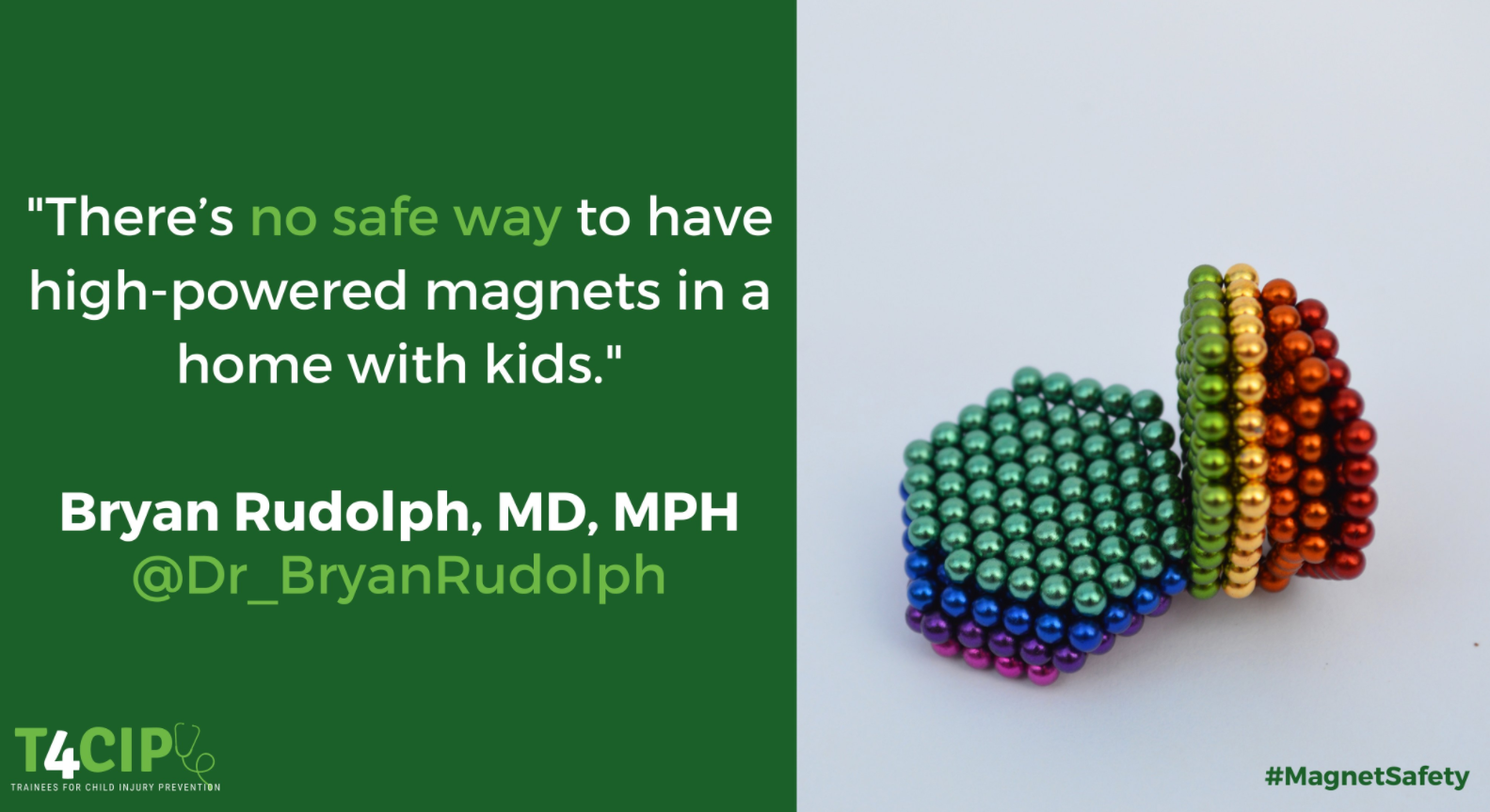
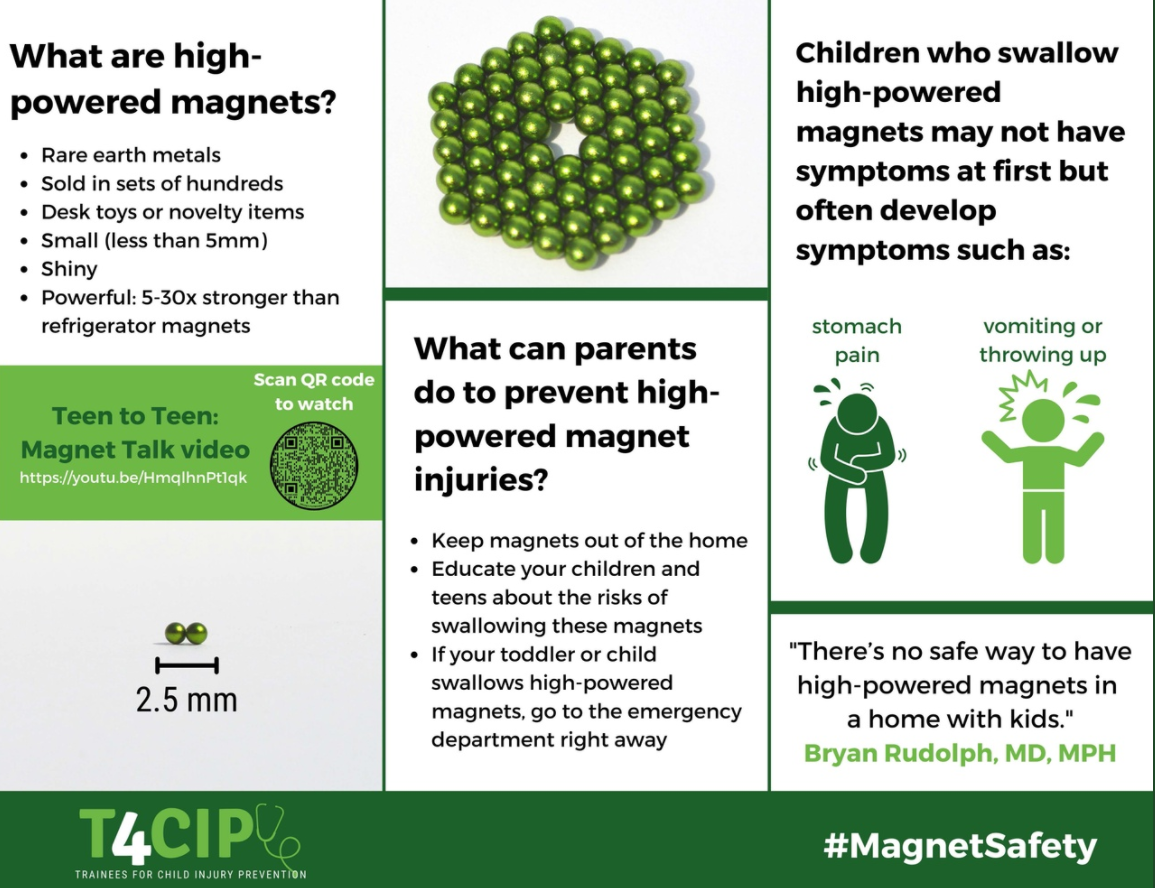
Magnet Safety

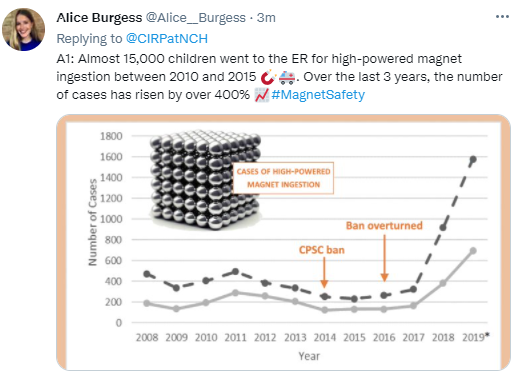
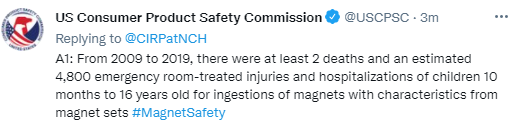
Some screenshots from a recent (5/19/21) ‘tweetorial’ on Magnet Safety:

More information on this topic from a previous Bowel Sounds Podcast with Bryan Rudolph (June 2020)

Also there’s a GIF (from Bryan Rudolph’s twitter feed):

Related blog posts:

Preventing Fistulas and Improving Radiologic Remission with Infliximab

Two recent studies show how infliximab improves outcomes in Crohn’s disease.

The first study by Bossuyt et al was a substudy (n=36) of the TAILORIX trial. Key findings:

  • At week 54 of treatment, 36.4% of patients had a radiologic response, 30.3% of patients were in remission, and 71% had endoscopic features of remission
  • Radiologic remission correlated with infliximab trough level at week 14 (P = .049) when the infliximab trough level cut-off value was set at 7.8 μg/mL (area under the curve, 0.74; 75% sensitivity; 86% specificity; 90% negative predictive value; 57% positive predictive value)
  • Radiologic response was also associated with continuous infliximab trough levels above 5.0 μg/mL at all time points) (P = .034)
  • Among patients with both radiologic and endoscopic remission, the median infliximab trough level was 8.5
  • In this study, one interesting finding was that only half of patients with endoscopic remission achieved radiologic remission, especially since the cohort had a short disease duration at the onset of treatment (median duration of 1.5 months)

In the second study by Singer et al with 208 pediatric patients with Crohn’s disease, all patients had baseline cross-sectional imaging. Key findings:

  • 26% had perianal fistulas at baseline
  • 14/136 (10%) developed perianal fistulas within 3 years
  • Non-white race increased the risk of perianal fistula
  • Non-penetrating perianal lesions (NPLs) increased the risk of perianal fistulas (20% in patients with NPLs vs. 4% in those without NPLs)
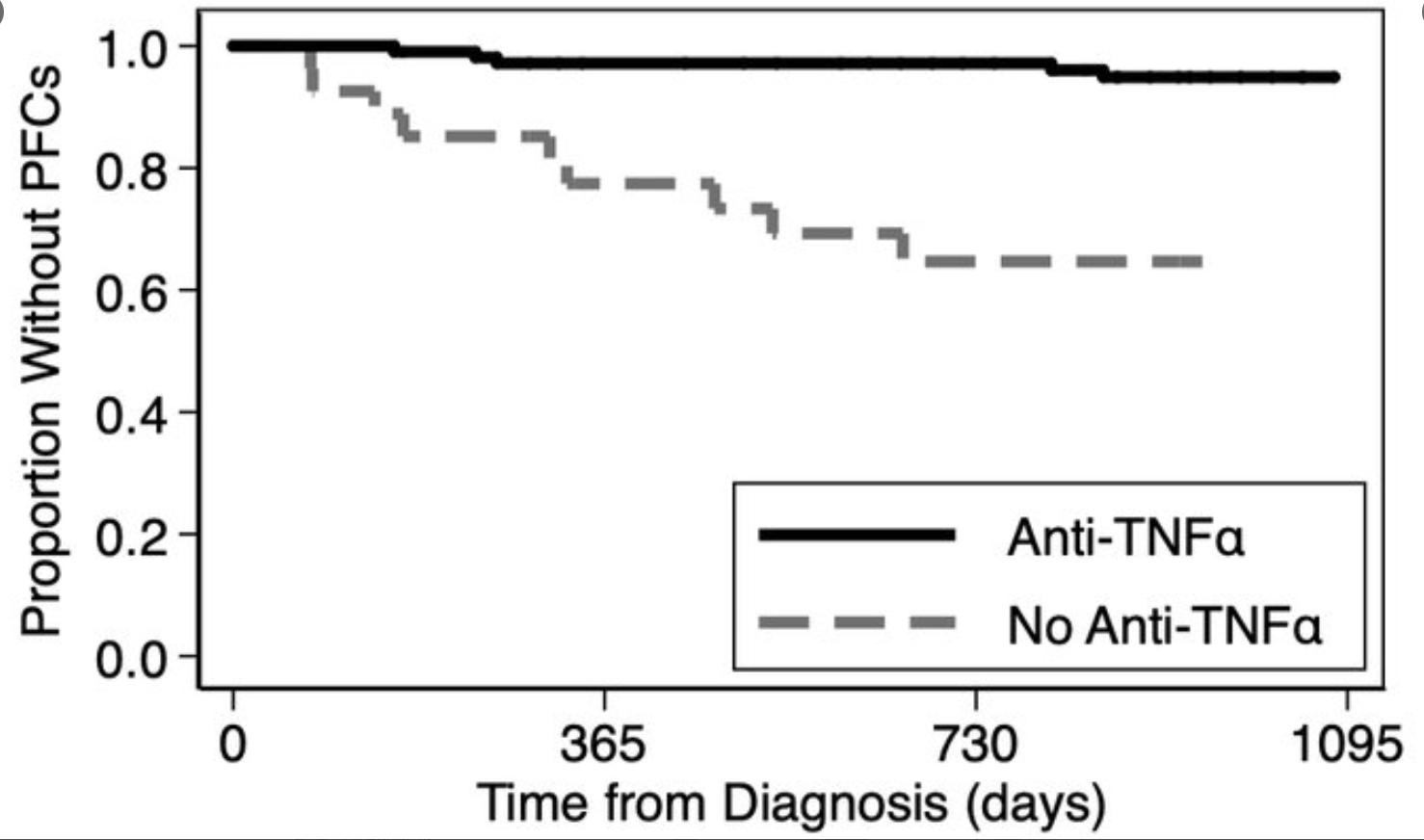
  • Anti-TNF treatment was associated with a decreased risk of perianal fistulas (HR 0.11); this risk reduction was seen in patients with NPLs also (HR =0.14)
screenshot-1026.png (1478×872)

My take: Good infliximab levels correlate with better outcomes.

Related blog posts:

And from The Onion:

Acute Viral Hepatitis in Spain

J Llaneras et al. Clin Gastroenterol Hepatol 2021; 19: 1030-37. Etiologies and Features of Acute Viral Hepatitis in Spain

This prospective study of adults collected data from an emergency room of an academic hospital in Barcelona (2014-2018).

Key findings:

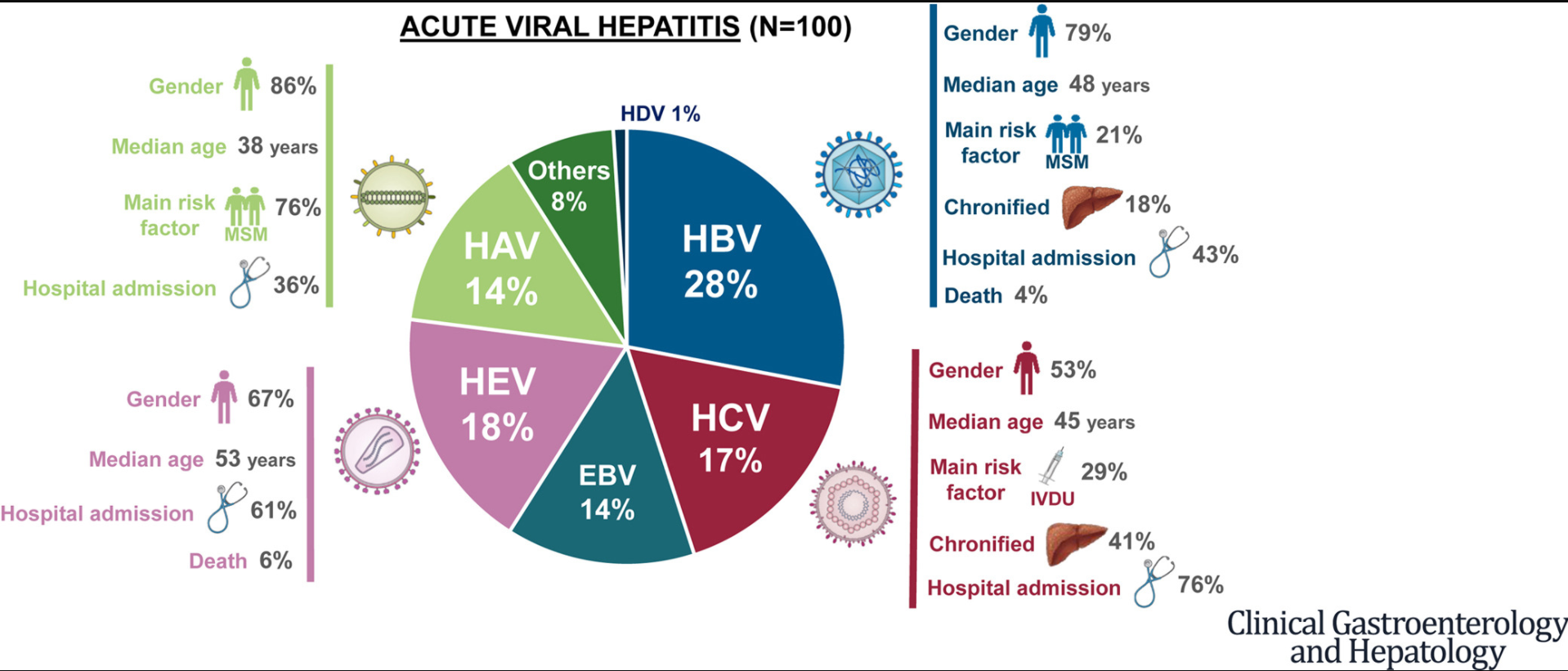
  • The most common etiologies of acute hepatitis were HBV infection (28%), HEV infection (18%), HCV infection (17%), and HAV infection (14%)
  • Approximately one-third of acute hepatitis cases were in immigrants
  • The main risk factors of the cohort were sexual risk contact and intravenous drug use; 79% of cases of HAV had sexual risk behavior
  • Chronic infections developed in 5/28 patients (18%) with acute HBV infection and 7/17 patients (41%) with acute HCV infection 
The graphical abstract breaks down features for the most common etiologies:
HBV (blue) 28%, HEV (purple-pink) 18%, HCV (maroon) 17%, and HAV (light green) 14%.

Prospective Pediatric Study of the Persistence and Progression of Recurrent Abdominal Pain

J Sjolund et al. Clin Gastroenterol Hepatol 2021; 19: 930-938. Prevalence and Progression of Recurrent Abdominal Pain, From Early Childhood to Adolescence

Using a prospective, population-based Swedish cohort (1994-1996) (BAMSE project), the authors analyzed data from 2455 children with complete follow-up evaluation at ages 1, 2, 12, and 16 years.

Key findings:

  • RAP was reported by 26.2% of children on at least 1 of 3 assessment points, of which 11.3% reported symptoms more than once
  • Children with RAP at 12 years had persistent symptoms at 16 years in 45% of cases and increased risks for RAP (relative risk, 2.2; 95% CI, 1.7–2.8), any AP-FGID (relative risk, 2.6; 95% CI, 1.9–3.6), and IBS (relative risk, 3.2; 95% CI, 2.0–5.1) at 16 years
  • Figure 3 summarizes the overlap of RAP at different time points:
  • **In early childhood (1-2 years of age), 149 (6%) had RAP per parental reports. Only 27 in this group, had RAP noted at 16 years of age which accounted for 7% of the total 16 year old cohort with RAP
  • **At 12 years of age, 98 (4%) had RAP. 44 (45%) of this group continued with pain at 16 years which accounted for 11% of the total 16 year old cohort with RAP

My take: Most children (84%) with RAP at 16 years of age did NOT report RAP at younger ages; however, in children with RAP at 12 years of age, 45% continued to have RAP at 16 years of age.

Related blog posts:

This and That: Ear Tubes and Addiction Medicine

Interesting articles from recent NEJM:

A Hoberman et al. NEJM 2021; 384: 1789-99. Tympanostomy Tubes or Medical Management for Recurrent Acute Otitis Media

A quick read of this article suggested very bad news for our ENT colleagues. In this prospective, randomized trial (n=250), the authors did not find a significant advantage of tympanostomy tubes over medical management of acute otitis media (OM) among 6-35 month olds with recurrent OM in an intention-to-treat analysis, the rate (±SE) of episodes of acute otitis media per child-year during a 2-year period was 1.48±0.08 in the tympanostomy-tube group and 1.56±0.08 in the medical-management group (P=0.66).

In an associated editorial (pg 1859-60), (Ellen Wald notes that only 55% of children in the medical management group were actually treated medically throughout the trial making the sample size too small. Her advice: “In a child older than 2 years of age, we can forecast that infections will be fewer in the coming year and that medical treatment should be continued. In the younger child, there is a nearly 50% likelihood that the frequency of infections will continue; the child is likely to have fewer and less severe episodes of acute otitis media with less exposure to antibiotics if tympanostomy-tube placement is undertaken.”

Time to first recurrent episode of acute otitis media (Figure 2). Cumulative percentage of children with recurrent OM with one minus Kaplan-Meier survival estimates according to trial group.

E Poorman. NEJM 2021; 384: 1783-1784. The Number Needed to Prescribe — What Would It Take to Expand Access to Buprenorphine?

This article describes how many physicians are reluctant to treat opioid use disorder. The author notes that “prescribing buprenorphine is one of the most effective ways to save a life. In one study, buprenorphine treatment was associated with a 37% reduction in all-cause mortality during the year after a nonfatal overdose. This reduction is larger than the reduction in mortality associated with any blood-pressure medication, diabetic agent, or statin….But much…will depend on physicians believing that people with a substance use disorder aren’t just “addicts” but are people with a chronic medical disease that we can and should treat.”

ACG Guideline: Upper Gastrointestinal and Ulcer Bleeding

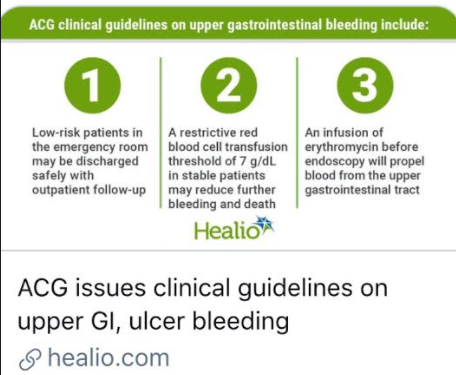
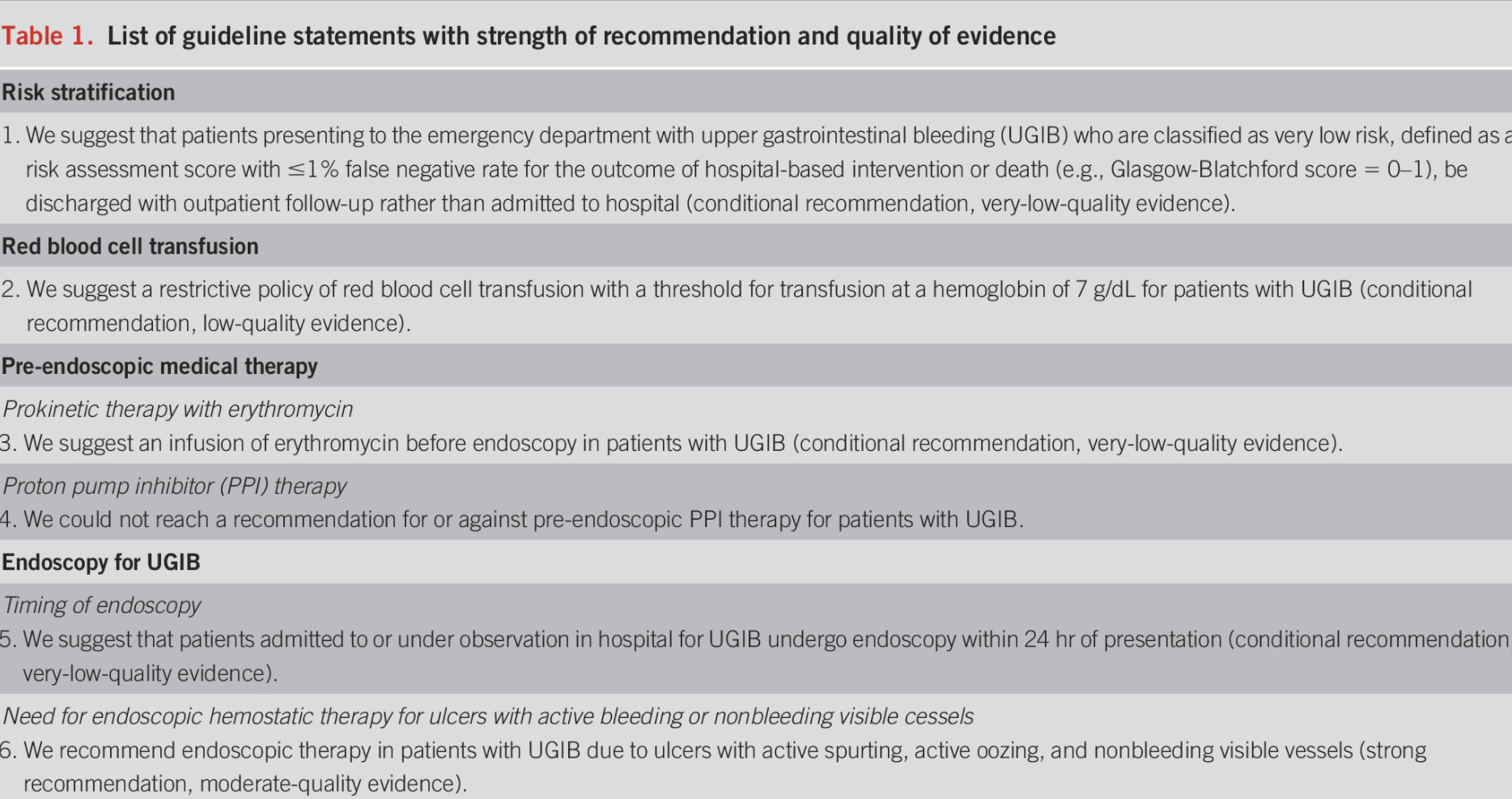
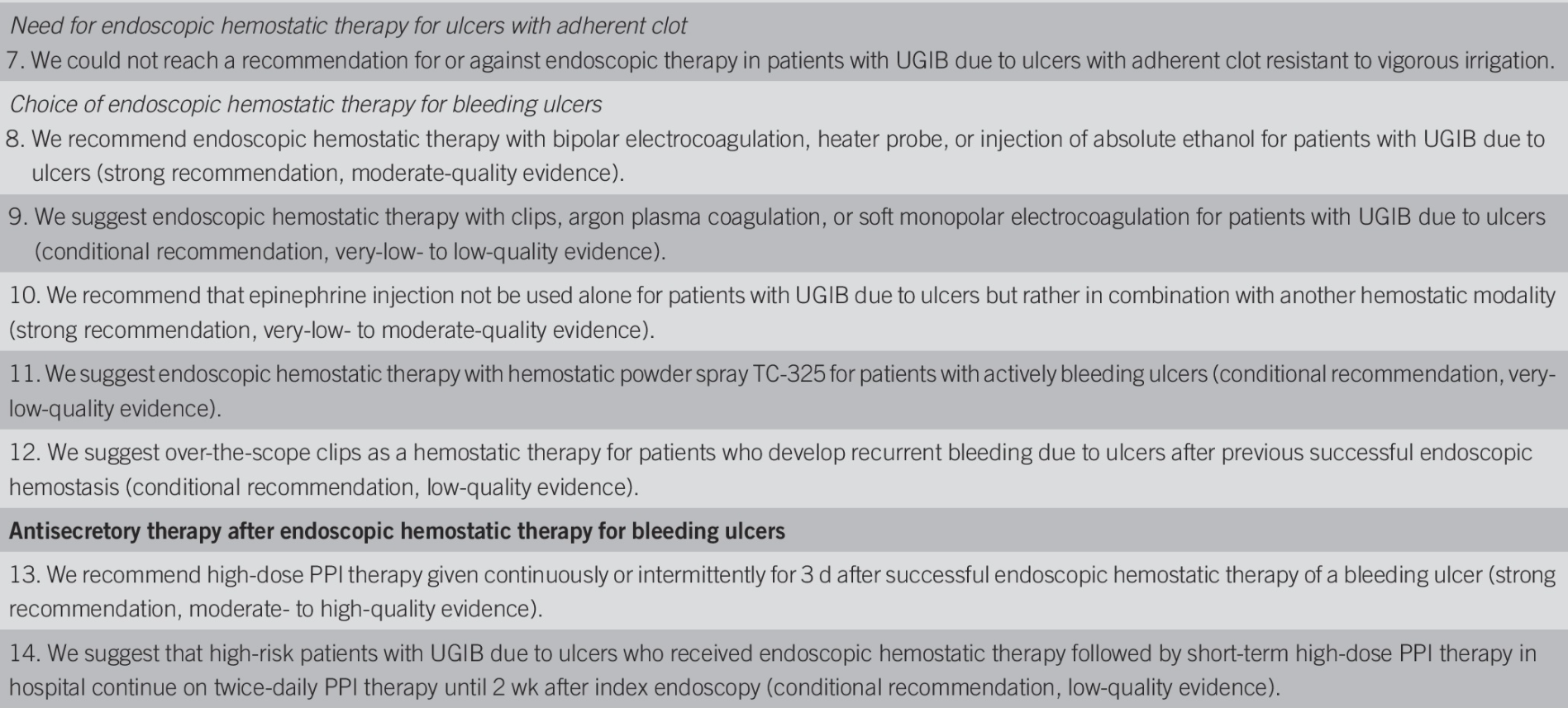
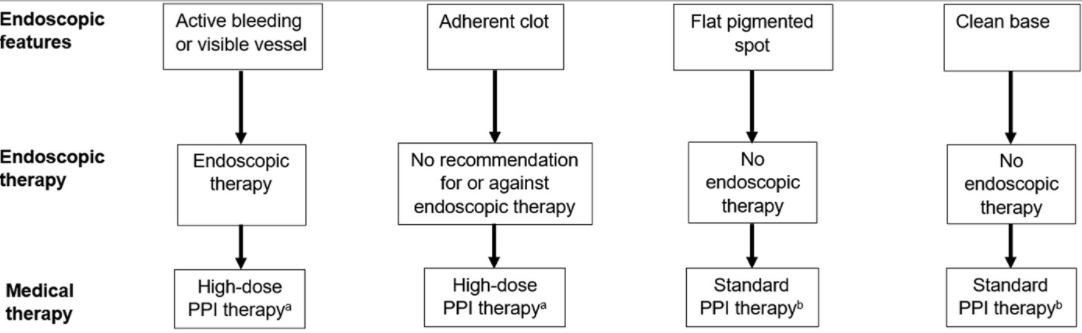
Full Text: ACG Clinical Guideline: Upper Gastrointestinal and Ulcer Bleeding (L Laine et al. Am J Gastroenter: 2021; 116 : 899-917.

Related blog posts:

Good Results with Liver Transplantation Using Hepatitis C Livers

The advent of highly-effective therapy for hepatitis C has led to the use of hepatitis C-infected livers for organ transplantation.

H Bohorquez et al. Liver Transplantation 2021; 27: 548-557. Liver Transplantation Using Hepatitis C Virus–Viremic Donors Into Hepatitis C Virus–Aviremic Recipients as Standard of Care

Methods: The authors would utilize livers from donors with hepatitis C if they had a “normal gross appearance or, in cases in which a liver biopsy was indicated, acceptable histology less than grade 2 inflammation and less than stage 2 fibrosis (Batts-Ludwig classification)”

Key findings:

  • 292 patients, 61 rHCV− received DNAT+ livers (study group), and 231 rHCV− received DNAT− (aviremic donors [nuclear acid test‐negative donors]) (2018-2019)
  • 1‐year post‐LT patient and graft survival were similar between groups
  • In the study group, 4 patients died, and 1 patient required retransplantation within the first year post‐LT (all unrelated to HCV)
  • 51 patients completed DAA treatment, all achieving sustained virologic response for 12 or more weeks (SVR‐12) (one required re-treatment)

Given the limited organ availability, using livers from donors with hepatitis C has the potential to reduce waitlist times and waitlist mortality.

My take: Liver transplantation with hepatitis C has become bidirectional; livers are being received by those with liver failure due to hepatitis C and failed livers are being replaced by donors infected with hepatitis C.

Related blog posts: