NASPGHAN Alagille Syndrome Webinar

​A great and short webinar was recently presented from the ​NASPGHAN Foundation​ with three lectures

Webinar​​: Alagille Syndrome (If this link does not work, the On Demand version of the webinar is now available on LearnOnLine, at https://learnonline.naspghan.org/products/on-demand-advances-in-diagnosis-and-treatment-of-alagille-syndrome.  You can also find it by logging into LearnOnline at https://learnonline.naspghan.org/ and entering the Webinars section.)

The first lecture by Dr. Melissa Gilbert was an excellent overview of the genetics of Alagille Syndrome.

Key points:

  • JAG1 mutations account for ~95% of Alagille syndrome mutations and NOTCH2 about 3%
  • Many mutations identified are due to missense mutations which are often variants of unknown clinical significance (VOUS). In these patients, to determine if it is pathogenic, one has to correlate the clinical picture along with specific amino acid change, location of variant, and frequency of variant in normal population. Dr. Gilbert noted that among the ~97% of cases with genetic abnormalities, about 80% have recognized pathogenic mutations and about 17% have VOUS.
  • There is variability of severity of Alagille syndrome in the same family, likely related to genetic modifiers
  • When using genetic panel, if panel uses only single nucleotide variants, this will miss the deletion/duplication variants which account for ~10% of cases

The second lecture by Binita Kamath was a terrific review and compared the differences between Alagille Syndrome with JAG1 mutations and NOTCH2; the latter are much less likely to have cardiac abnormalities and butterfly vertebrae. The liver phenotype/survival is similar.

Key points:

  • Outcomes of Alagille syndrome by 25 years of age including frequent bone fractures and development of portal hypertension.
  • Severe liver disease is common. 75% in a multi-center cohort (CHILDREN) required liver transplantation by age 18 years and 10% died; in contrast, a large GALA cohort of 911 children, 41% survived with their native liver at 18 years.
  • After transplantation, renal sparing strategies are needed due to frequent renal insufficiency; patients with severe cardiac disease may not be candidates for liver transplantation.
  • There is work on an Alagille Syndrome growth curve.
  • Screening for brain vascular malformations/Moyamoya –Dr. Kamath tends to screen after age 8 years of age at baseline (when child does not need sedation for brain imaging) and then every 4-5 years. Also, an MRI/MRA is done prior to major surgery.
  • Hyperlipidemia in Alagille Syndrome is mainly due to lipoprotein X; this is not a risk factor for cardiac health.

The third (& also excellent) lecture by Saul Karpen (who disclosed his potential conflicts of interest) reviewed current treatments and emerging treatments.

Key points:

  • The current medical therapies have not been carefully tested; rifampin for pruritus may relieve cholestasis in about 50% of patients.
  • IBAT inhibitors interrupt enterohepatic circulation. These agents improve pruritus and decrease serum bile acids.
  • Dr. Karpen reminded the audience to follow fat soluble vitamin levels and if treatment is needed, to provide Vitamin D formulations with TPGS.
On the right hadd panel (above), the orange bar represents those with severe pruritus and the effects of PEBD on pruritus.

Related blog posts:

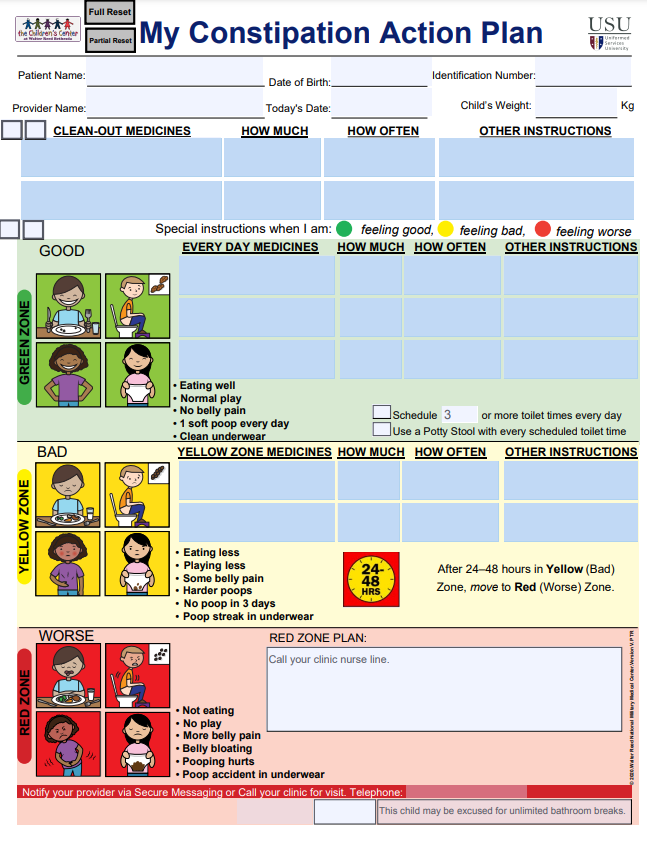
Pictographic Constipation Action Plan

A recent study (PT Reeves et al. J Pediatr 2021; 229: 118-126. Full text link: Development and Assessment of a Pictographic Pediatric Constipation Action Plan) highlighted patient education efforts. “This study focused on the design and assessment of a low literacy pictographic CAP for the care of functional constipation in children.”

My take: I agree with the authors that a simple plan like this has “the potential to become an important tool to be used in the care of children with functional constipation, improving both quality-of-care and clinical outcomes.”

Link to PDF: Constipation Action Plan

Related blog posts:

This QR code provides 9 minute explanation of constipation and action plan:

Disclaimer: This blog, gutsandgrowth, assumes no responsibility for any use or operation of any method, product, instruction, concept or idea contained in the material herein or for any injury or damage to persons or property (whether products liability, negligence or otherwise) resulting from such use or operation. These blog posts are for educational purposes only. Specific dosing of medications (along with potential adverse effects) should be confirmed by prescribing physician.  Because of rapid advances in the medical sciences, the gutsandgrowth blog cautions that independent verification should be made of diagnosis and drug dosages. The reader is solely responsible for the conduct of any suggested test or procedure.  This content is not a substitute for medical advice, diagnosis or treatment provided by a qualified healthcare provider. Always seek the advice of your physician or other qualified health provider with any questions you may have regarding a condition

New Data: Acid Blockers NOT Associated with Risk of SARS-CoV-2, SARS-CoV-2 in the Pancreas, & Vaccine Passport

X Fan et al. Gastroenterol 2021; 160: 455-458. Full text link: Effect of Acid Suppressants on the Risk of COVID-19: A Propensity Score-Matched Study Using UK Biobank

Among 9469 included participants, 1516 (16%) were regular users of acid suppressants, and 7953 (84%) were not…propensity score matching (PSM) was applied to match users of acid suppressants and nonusers. 

Key findings:

  • The odds ratio (OR) of testing positive for COVID-19 associated with PPI or H2RA therapy in the PSM cohort was 1.083 (95% confidence interval [CI], 0.892–1.315) and 0.949 (95% CI, 0.650–1.387), respectively.
  • Omeprazole use alone was significantly related to an increased risk of SARS-CoV-2 infection from the subgroup analysis in patients with upper gastrointestinal diseases (OR, 1.353; 95% CI, 1.011–1.825)

My take: This study provides reassurance that acid blockers are unlikely to contribute to the risk of SARS-CoV-2 or to related complications.

Related blog post: PPIs Associated with Increased Risk of COVID-19

Other COVID-19 Information:

The Most Valuable Commodity: Attention

During the past week (as I write this), I came across two articles which focused on the subject of “attention.”

In the first, Toward a Medical “Ecology of Attention” (MJ Kissler et al. NEJM 2021; 384: 299-301), the authors assert that “in the clinical environment, the most important –and most limited–resource is attention.” They note that distraction contributes “to lapses in judgement, insensitivity to changing clinical conditions, and medication errors.” The article delves into modifications that can improve attention in clinical settings:

  • Prioritizing communications using triaging and batching
  • Designing physical spaces to improve concentration
  • Optimizing electronic health record to minimize attention spent maintaining the record outside vital patient care activities
  • Development measurement tools

The second article, “The Internet Rewired Our Brains. This Man Predicted It Would,” (title online is “I Talked to the Cassandra of the Internet Age”) assesses how the “the attention economy” and the internet are changing the country.

A few excerpts:

  • Most of this came to him in the mid-1980s, when Mr. Goldhaber, a former theoretical physicist, had a revelation. He was obsessed at the time with what he felt was an information glut — that there was simply more access to news, opinion and forms of entertainment than one could handle. His epiphany was this: One of the most finite resources in the world is human attention. To describe its scarcity, he latched onto what was then an obscure term, coined by a psychologist, Herbert A. Simon: “the attention economy“…
  • “Rational discussion of what people stand to gain or lose from policies will be drowned out by the loudest and most ridiculous.”
  • His biggest worry, though, is that we still mostly fail to acknowledge that we live in a roaring attention economy. In other words, we tend to ignore his favorite maxim, from the writer Howard Rheingold: “Attention is a limited resource, so pay attention to where you pay attention.”
  • Perhaps, just by acknowledging its presence [the attention economy], we can begin to direct it toward people, ideas and causes that are worthy of our precious resource.”

My take: I frequently relate a quote from Jim Gaffigan. He stated that his wife is great at multi-tasking but that he is trying just to task. I try to focus on what’s in front of me.

Medical Management of Chronic Pancreatitis in Children

AJ Freeman et al. JPGN 2021; 72: 324-340. Full text: Medical Management of Chronic Pancreatitis in Children: A Position Paper by the North American Society for Pediatric Gastroenterology, Hepatology, and Nutrition Pancreas Committee

Some of the recommendations:

  • Patients with CP are at risk for macro- and micronutrient deficiencies. Patients should be monitored for growth and pubertal devolvement, dietary intake, and fat-soluble vitamin deficiencies. Growth and dietary intake should be reviewed at every clinic visit, a minimum of every 6 to 12 months. Fat-soluble vitamin laboratory analysis should occur every 12 to 18 months or as clinically indicated. (Grade 1B)
  • There is a clear role for PERT in children with CP who have EPI with steatorrhea, poor growth and/or nutritional deficiencies. PERT dosing for CP associated EPI (see Table 1) is similar to that used in patients with CF. (Grade 1B). EPI screening can be done with stool elastase (Figure 1).
  • Screen yearly with HbA1c level (GRADE 1C). OGTT should be performed annually once a patient is considered to have pre-diabetes. (GRADE 1C)
  • Insufficient data exists to recommend the use of antioxidants as a treatment to prevent EPI or other disease progression in children with CP. (GRADE 2C)
  • There is insufficient data to recommend PERT as therapy for pain in children without EPI. (GRADE 1B); there is insufficient data to recommend antioxidants, steroids, leukotriene antagonists, or somatostatins in the management of pain for children with CP. (GRADE 2C)
  • Recommends advising patients to avoid alcohol abuse and smoking
  • The majority of pancreatic fluid collections will resolve spontaneously with supportive care. Intervention is reserved for complications from mass-effect, infection/necrosis or if spontaneous regression of the collection is thought to be unlikely. (GRADE 1B)

Related blog post: Pediatric Pancreatitis -Working Group Nutritional Recommendations

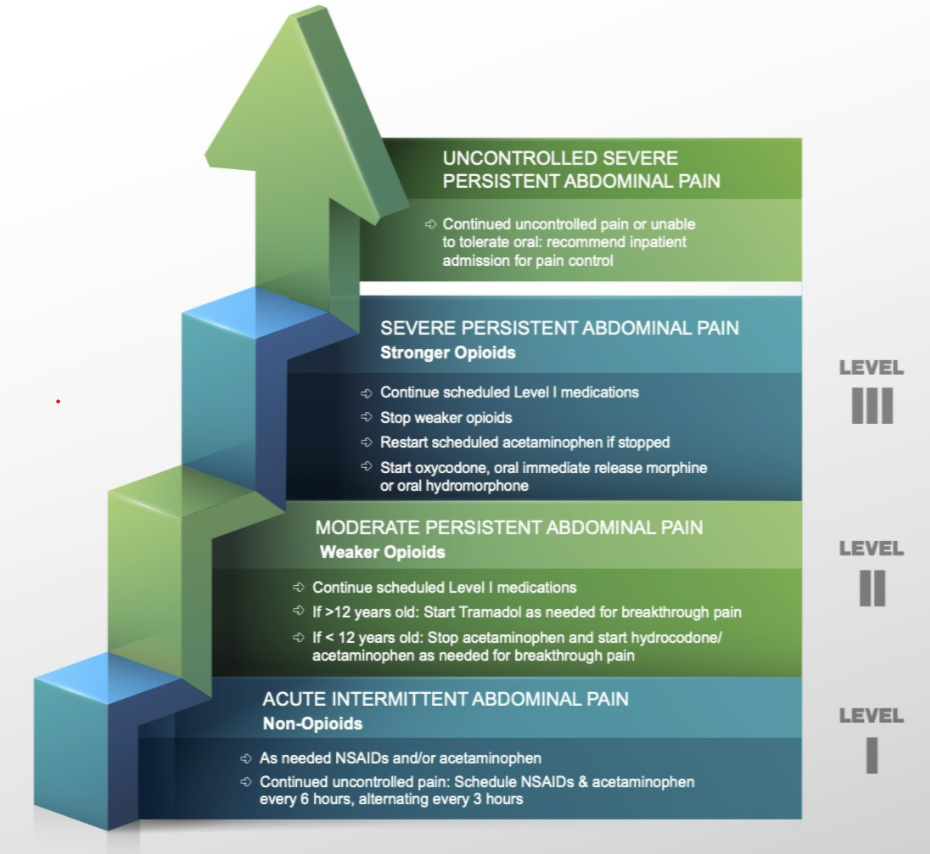
 An “analgesic ladder” that incorporates the layering of nonopioid and opioid medications –ideally this should be directed by a pain specialist

Why Every EHR User Needs a Physician Champion Colleague

NASPGHAN Webinar: (Link -requires registration to view): Changing the Dynamic: How to Enable EHRs to Work for You (if trouble with this link, go to https://learnonline.naspghan.org/webinar)

This webinar featured lectures by the following:

  • Steven Liu for Epic functionality (in the ~first 20 minutes)
  • John Pohl for Cerner functionality (in the ~second 20 minutes)
  • Jennifer Lee discussed patient portal, improving provider-patient communication, & protecting adolescent confidentiality-21st Century Cures Act
  • Jeannie Huang discussed the role of EHRs in value-based health care and clinical data collection.

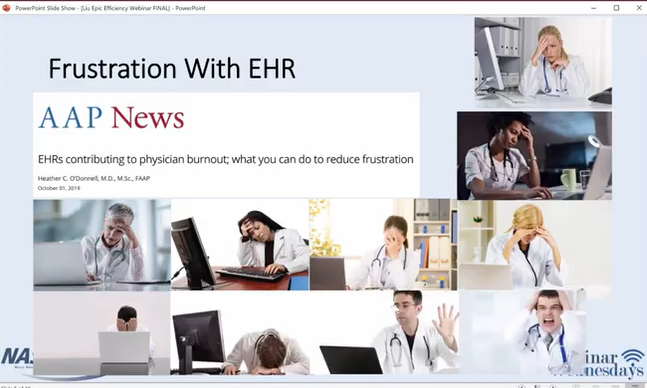
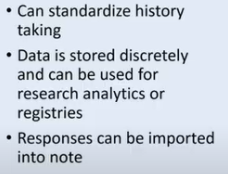
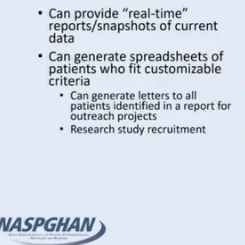
Since our group mainly uses Epic, I will summarize some of the tips from Steven Liu, who also is our group’s Epic Physician Champion. Anyone who listened to the webinar will realize how there are so many tricks available. Some of the material from the talk is at the bottom in the form of screenshots; however, much of the information in the webinar is proprietary to EPIC and cannot be shared without permission.

Here are some of the key points:

  • Customize your templates for progress notes/H&Ps/other notes.
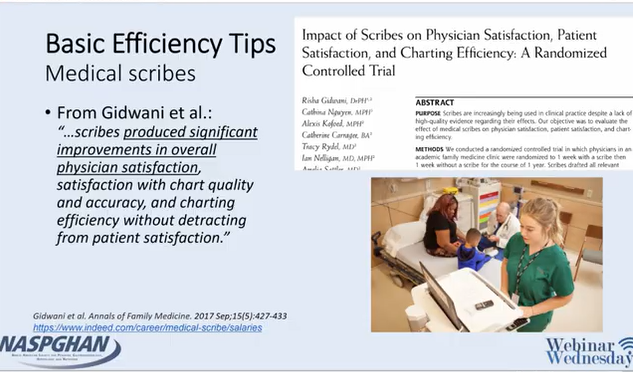
  • Scribes may relieve frustration and be a good investment
  • Use Smartphrases and Smartlinks
    • Smartphrases can be taken (or customized) from other users -can browse your superusers phrases by looking under Smartphrase manager
  • Smartforms can be very useful (eg. ImproveCareNow)
  • Using Dictionary, users can change autocorrect: example: if you type EoE, you could have it modified to Eosinophilic Esophagitis
  • Utilize/incorporate patient-entered questionnaires
  • Utilize customized filters (wrench icon) under the chart review tabs
  • Take advantage of the Chart Search function
    • can search “PPI” or “calprotectin” and this will identify if patient has used a PPI or had a calprotectin
    • can access this feature quickly with CTRL-spacebar
  • Shortcuts can save time -examples ALT-A and ALT-S
  • Take the time to build customized order panels, like “Celiac Annual Labs”
  • Health Maintenance Checklists can be incorporated but users may need their system to activate this feature
  • There is an Inbox Reminder function (to remind patient to get an appointment or test) or you can send a inbox message to yourself with a future date
  • For more sophisticated users: generating reports with Workbench
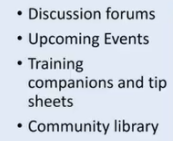
  • Epic has free classes (User Web -see slide below) available to help practitioners become more proficient (eg. Power User Course)

My take: Steven has helped everyone in our practice & listening to his talk makes me realize that I need to learn a good bit more and take some of his stuff. This EHR webinar provides a lot of tips to help good EHR users become better users. For those interested in research, understanding EHRs will be crucial going forward.

Related blog posts:

Dr. Steven Liu

AASLD COVID-19 Vaccine Recommendations (for patients with Liver Disease)

Link to 38 page guidance, last updated 2/2/21: AASLD EXPERT PANEL CONSENSUS STATEMENT:
VACCINES TO PREVENT COVID-19 INFECTION IN PATIENTS
WITH LIVER DISEASE

Key points:

  • “Due to their mechanism of action, both mRNA COVID-19 vaccines are recommended for all patients with CLD (compensated or decompensated) and immunosuppressed SOT recipients.”
  • “The AASLD recommends that providers advocate for prioritizing patients with compensated or decompensated cirrhosis or liver cancer, patients receiving immunosuppression such as SOT recipients, and living liver donors for COVID-19 vaccination based upon local health policies, protocols, and vaccine availability.”

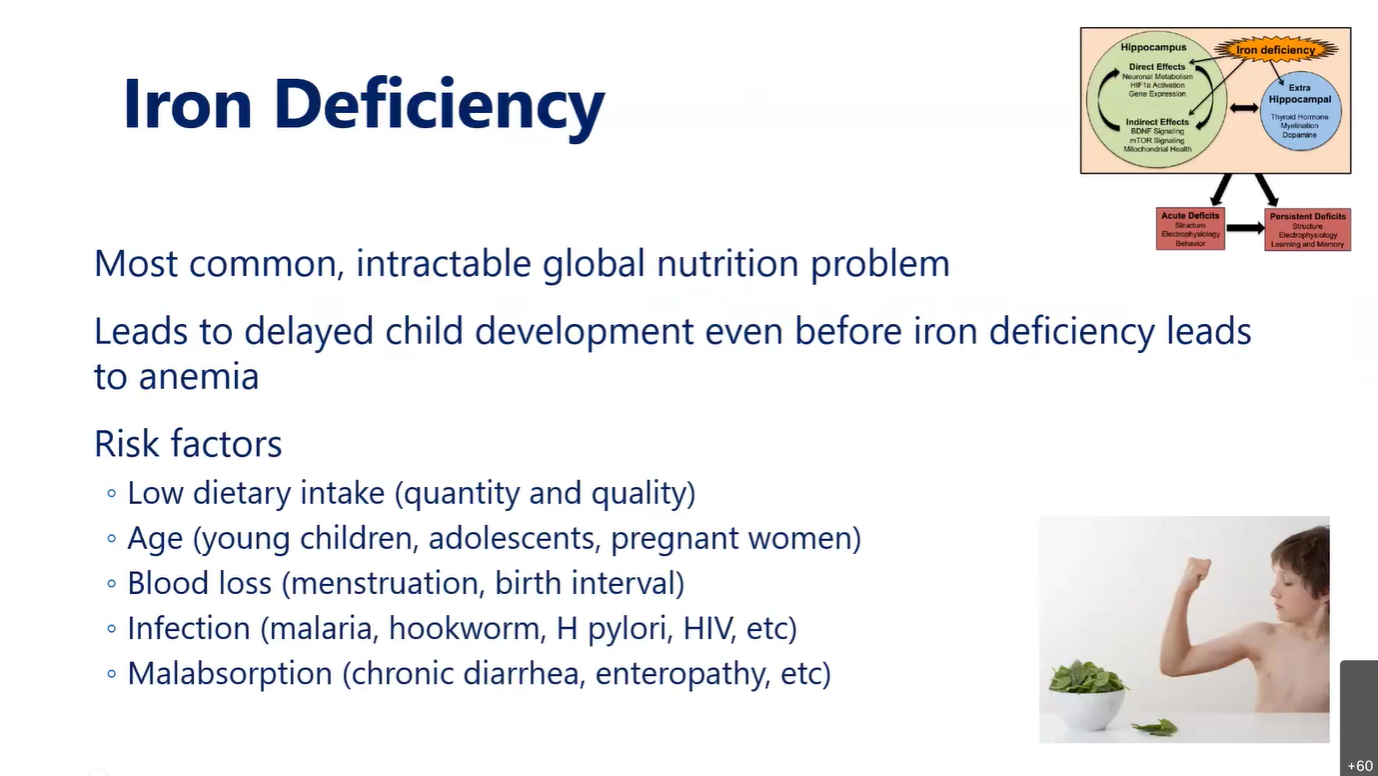
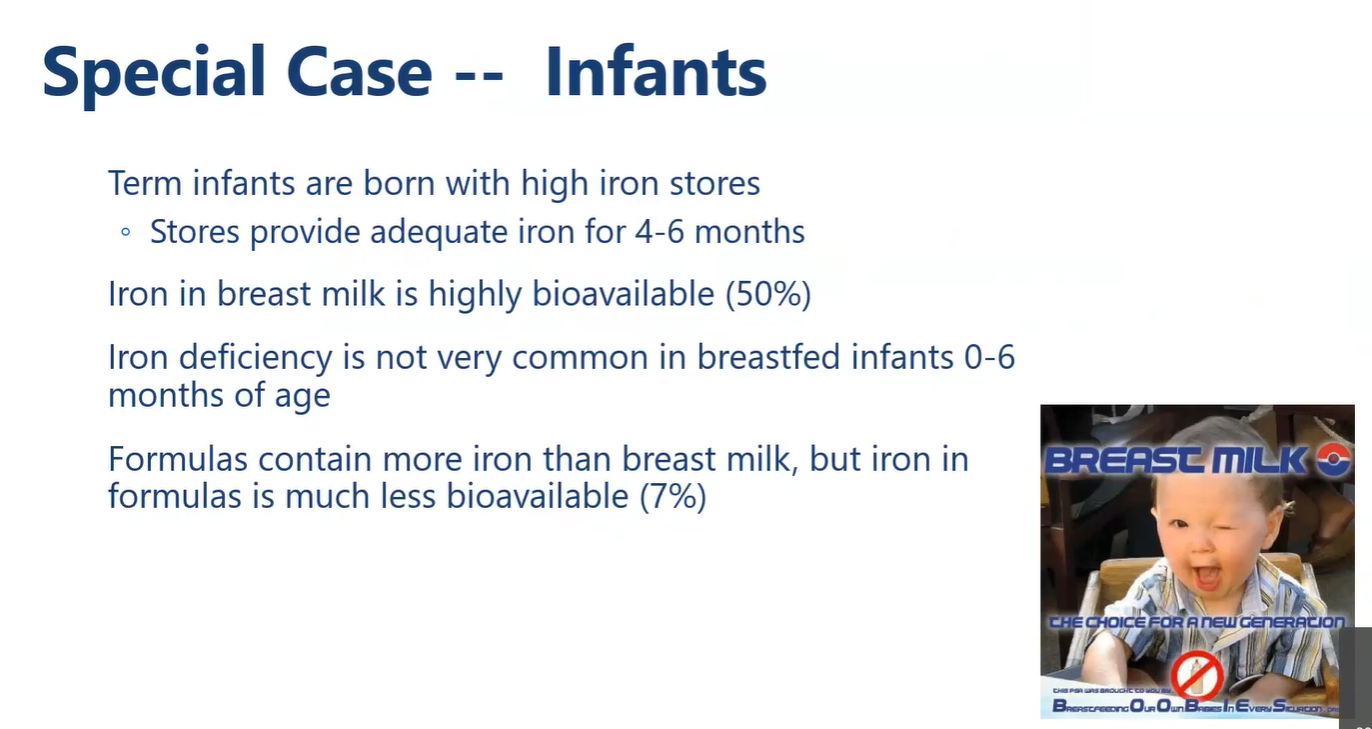
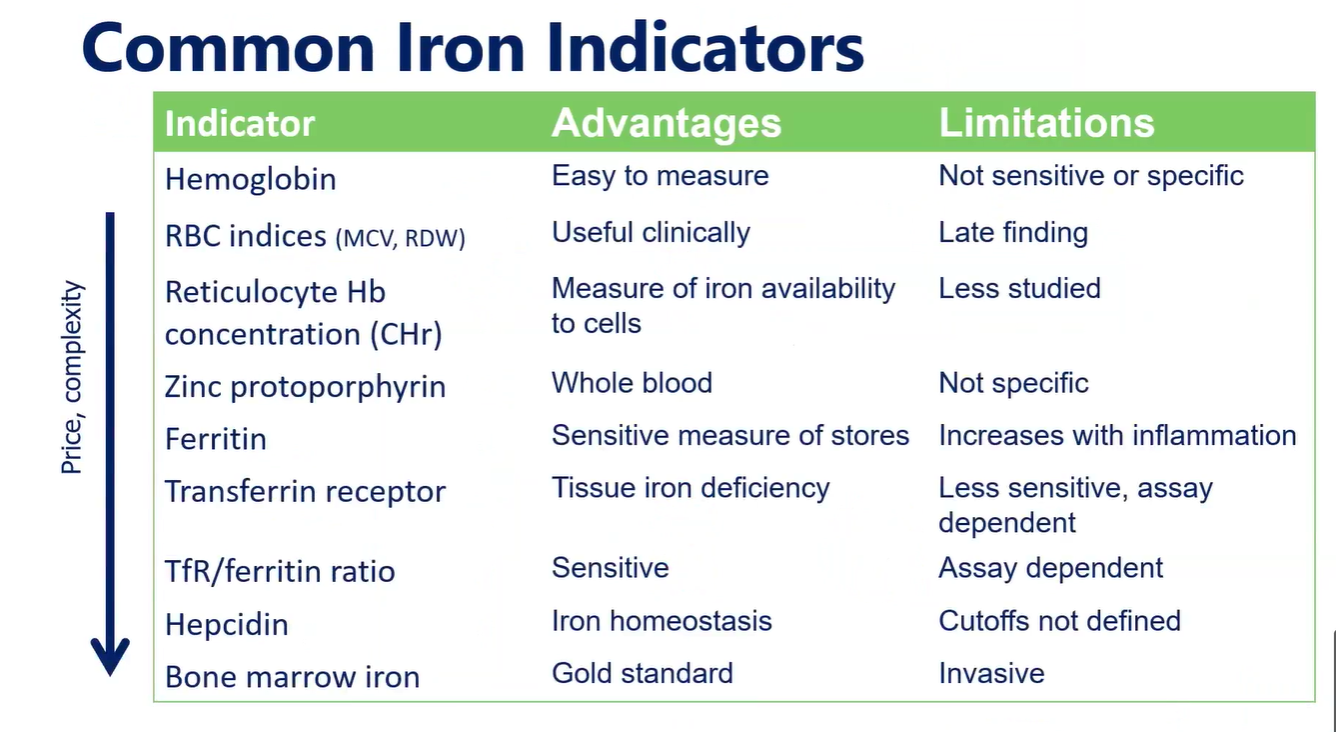
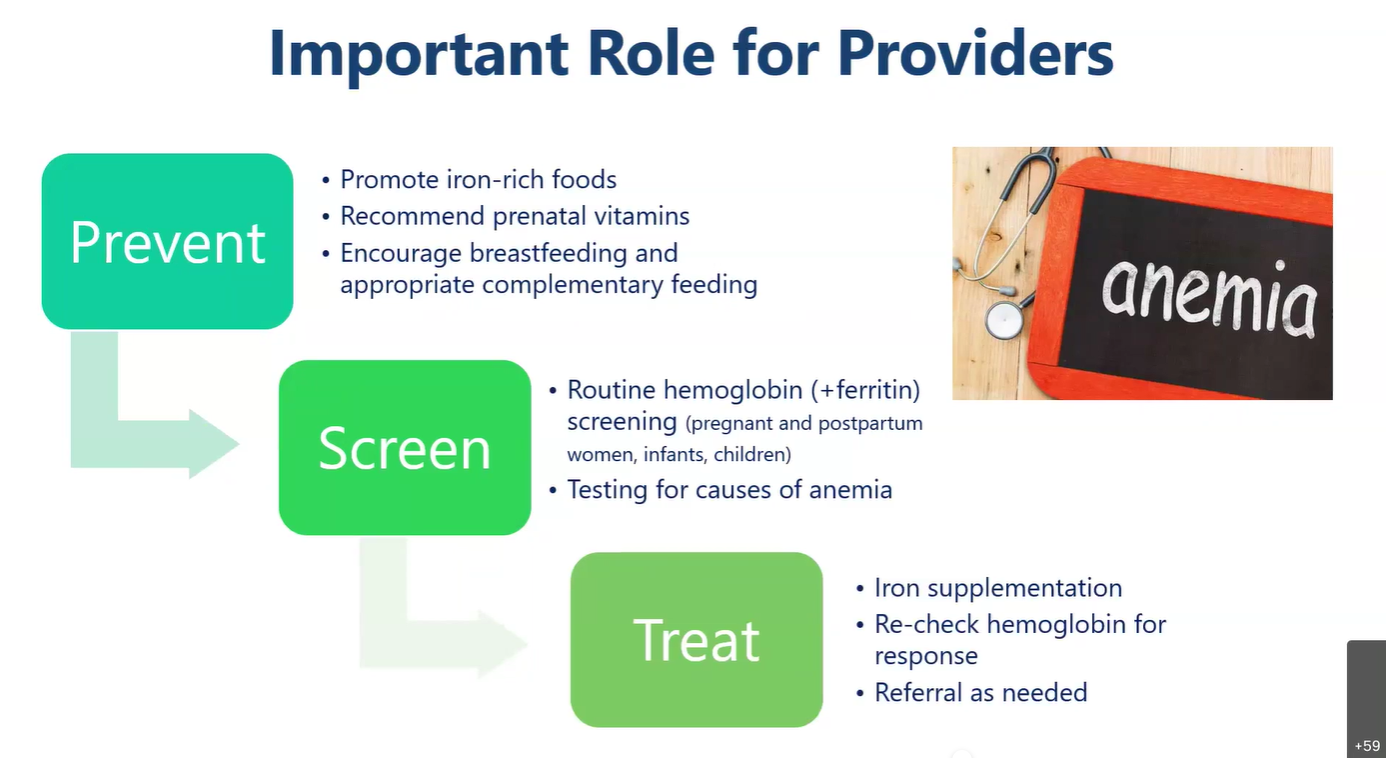
Nutritional Anemia -Expert Review

At Children’s Healthcare of Atlanta, there has been a long-standing nutritional lecture series coordinated by Kipp Ellsworth.

A recent webinar: Link to WebEx (password PmSU6JPt): Nutrition Support Colloquium featuring Dr. Parmi Suchdev: “The Prevention, Diagnosis, and Treatment of Nutritional Anemia” (30 minute lecture)

Dr. Parmi Suchdev affiliations:

  • Associate Director, Emory Global Health Institute
    Director, Global Health Office of Pediatrics
    Professor of Global Health, Rollins School of Public Health
    Professor of Pediatrics, Emory University School of Medicine
  • BRINDA: BIOMARKERS REFLECTING INFLAMMATION AND NUTRITIONAL DETERMINANTS OF ANEMIA

Here are a few of the slides:

Related blog posts:

Disclaimer: This blog, gutsandgrowth, assumes no responsibility for any use or operation of any method, product, instruction, concept or idea contained in the material herein or for any injury or damage to persons or property (whether products liability, negligence or otherwise) resulting from such use or operation. These blog posts are for educational purposes only. Specific dosing of medications (along with potential adverse effects) should be confirmed by prescribing physician.  Because of rapid advances in the medical sciences, the gutsandgrowth blog cautions that independent verification should be made of diagnosis and drug dosages. The reader is solely responsible for the conduct of any suggested test or procedure.  This content is not a substitute for medical advice, diagnosis or treatment provided by a qualified healthcare provider. Always seek the advice of your physician or other qualified health provider with any questions you may have regarding a condition