Prospective Outcome Data for Infants with Gastroschisis

A recent study (BS Fullerton et al. J Pediatr 2017; 188: 192-7) reports outcome data from 4420 neonates with gastroschisis from 175 North Amercan centers.

This study, using prospectively-collected data from the Vermont Oxford Network, was restricted to infants with birth weights >1500 g and gestational age >28 weeks.

Key findings from this cohort:

  • Survival was 97.8%
  • Length of stay (LOS) 37 day median
  • Sepsis, confirmed with either positive blood culture or CSF culture, “was the only independent predictor of mortality.”
  • In addition to gastroschisis repair, abdominal surgery was needed in 22.3%
  • At discharge, 57.0% were <10% weight for age; whereas, only 37.2% were born small for gestational age.
  • There were no outcome differences based on mode of delivery (eg. vaginal vs. cesarean)
  • Other congenital anomalies were noted in many infants, with 5.8% had an intestinal atresia: 4.6% jejunal/ileal, 1.9% colonic, 0.4% duodenal atresia.

My take: This contemporary study shows excellent survival of neonates with gastroschisis.  Sepsis, need for additional surgery, and poor growth remain important challenges.

Related blog posts:

Patient with FeedingTubeAwareness.org Tshirt

Bile Acid Therapy -18 Year Study

JE Heubi et al (JPGN 2017; 65: 321-6) performed a phase 3, open-label, nonrandomized trial on the efficacy and safety of oral cholic acid for patients with Zellweger Spectrum disorders (n=20) and patients with bile acid synthesis disorders (BASD) (n=50). Cholic acid dosing: 10-15 mg/kg/day. Most common BASD were 3β-HSD (n=35), and 5β-reductase (n=10).  Based on this work, cholic acid is an FDA-approved agent.

Key findings:

  • Urine bile acid metabolite scores improved (P<0.0001) with cholic acid
  • Transaminases improved (AST, ALT) (P<0.0001)
  • Growth parameters, improved with weight gain reaching statistical significance
  • “Liver biopsies showed either stable findings or histologic improvement in all parameters except bridging fibrosis”
  • No study drug-related serious adverse events were noted
  • With Zellweger spectrum disorders, it is important to note that “there is no evidence that treatment with cholic acid has any impact on the extrahepatic disease.”

My take: Cholic acid helps the liver in these disorders which is particularly important for BASD. It is unclear if this improves outcomes in patients with Zellweger spectrum disorders as it has not been shown to improve extrahepatic disease.

Related blog post:

Eiffel Tower

Fructose Restriction Improved Fatty Liver Disease in Children

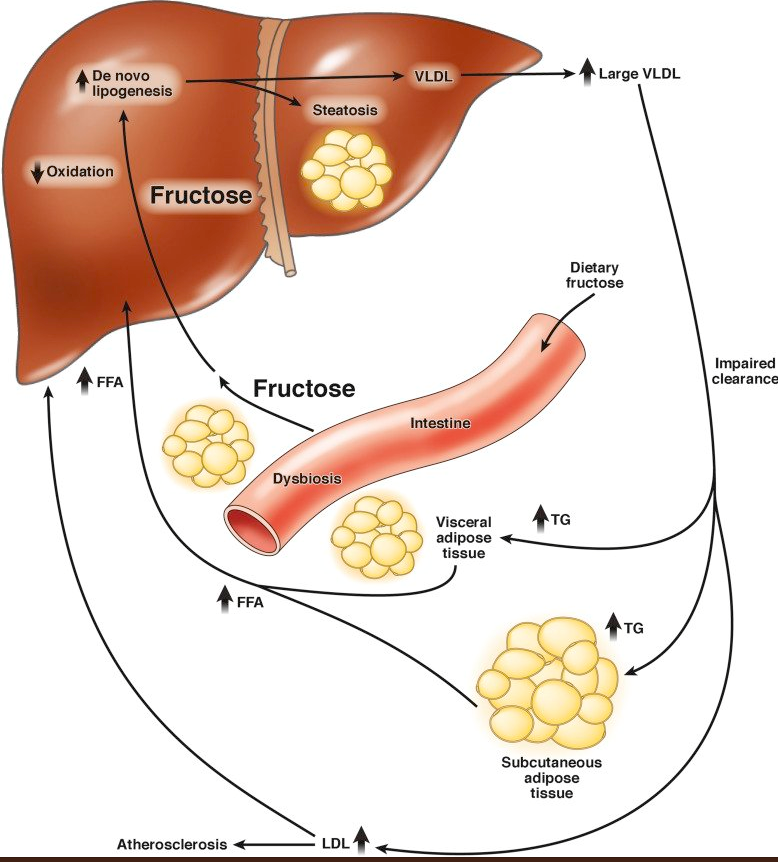
A recent study (J-M Schwarz et al. Gastroenterol 2017; 153: 743-52, editorial MB Vos, IR Goran Gastroenterol 2017; 153: 642-5 ) showed that restriction of fructose quickly improved fatty liver disease.

Several points from the editorial:

  • “The metabolic driver of buildup of fat storage in the liver is de novo lipogenesis (DNL) and fructose is a major substrate of DNL”
  • “In the healthy state, DNL is not expected to be a major contributor to lipid accumulation in the liver….[but] in a fatty liver, it has been estimated that 26% of the fat originates from DNL.”
  • Fructose is “limited in a natural diet…However, it is added to many processed foods and drinks in the form of cane sugar..and other types of sugars, going by ≥57 different names.”
  • Fructose is “commonly used in animal models to induce hepatic steatosis.”

The study is summarized in a recent AGA Journals Blog: Can Restricting Fructose Intake Reduce Fatty Liver Disease in Children?

An excerpt:

Jean-Marc Schwarz et al performed a clinical trial to investigate the effects of reducing fructose intake for 9 days in obese Latino and African American children with habitual high sugar consumption (fructose intake >50 g/day). They measured the effects of isocaloric fructose restriction on de novo lipogenesis, liver fat, visceral fat, subcutaneous fat, and insulin kinetics.

In their study, 41 children, 9−18 years old, had all meals provided for 9 days. The meals had the same energy and macronutrient composition as their standard diet, but with starch substituted for sugar, yielding a final fructose content of 4% of total kilocalories. The authors measured metabolic factors before and after fructose restriction. They measured liver fat, visceral fat, and subcutaneous fat by magnetic resonance spectroscopy and imaging.

Schwarz et al found that on day 10 of the diet, liver fat decreased from a median 7.2% at baseline to 3.8%, and visceral fat decreased from 123 cm3  at baseline to 110 cm3. Liver fat decreased in all but 1 of the 38 participants for whom paired data were available…

De novo lipogenesis decreased significantly after 9 days of fructose restriction; the de novo lipogenesis area under the curve value on day 10 decreased from 68% at baseline to 26% after the diet, in childen with low or high baseline levels of liver fat.

Insulin secretion during fasting and in response to an oral glucose tolerance test decreased significantly in children with low and high baseline levels of liver fat…

In an editorial that accompanies the article, Miriam B. Vos and Michael I. Goran say that it will be important to determine whether the effects of fructose reduction are sustained past 9 days…Vos and Goran state that it is important for physicians, nutritionists, schools, and parents to find ways to reduce fructose in the diets of children and patients with NAFLD.

Related posts:


Early Results with Upadacitinib -a JAK1 Inhibitor for Crohn’s Disease

From Gastroenterology & Endoscopy News: New JAK1 Inhibitor Treats Most Challenging Crohn’s Patients

An excerpt:

An experimental oral JAK1 inhibitor, upadacitinib (AbbVie), has been tested in the most clinically challenging patients with Crohn’s and yielded impressive results. The drug led to a clinical response in 61% of these patients and remission in 22%, the new data show…

William Sandborn, MD, chief of gastroenterology at the University of California, San Diego, who led the study. “It seems to be a really effective drug in a very difficult-to-treat patient population, and the oral route of administration is attractive.”

Dr. Sandborn’s group presented the findings at the 2017 Digestive Disease Week (abstract 974h).

The CELEST trial enrolled 220 patients with active, moderate to severe Crohn’s disease. Patients received 16 weeks of induction therapy with one of five dosing regimens of upadacitinib or a placebo…

Dr. Sandborn called the findings particularly impressive given that the study participants are the most refractory patient population ever recruited in a trial for Crohn’s disease. “And this is also one of the first trials to meet new FDA requirements for demonstrating clinical remission using patient-reported outcomes as well as endoscopic improvement,” he noted.

My take: It is exciting that another oral agent may be helpful. Tofacitinib, a different JAK1 inhibitor, has data supporting its use in ulcerative colitis but not with Crohn’s disease.

Related blog posts:

Rarely Seen and “Do Not Miss” Explanation for Failure to Thrive

A fascinating case report (MA Curran et al. NEJM 2017; 377: 1468-77) provides a useful exercise in understanding how to evaluate difficult cases of “failure to thrive.”

From NEJM twitter feed

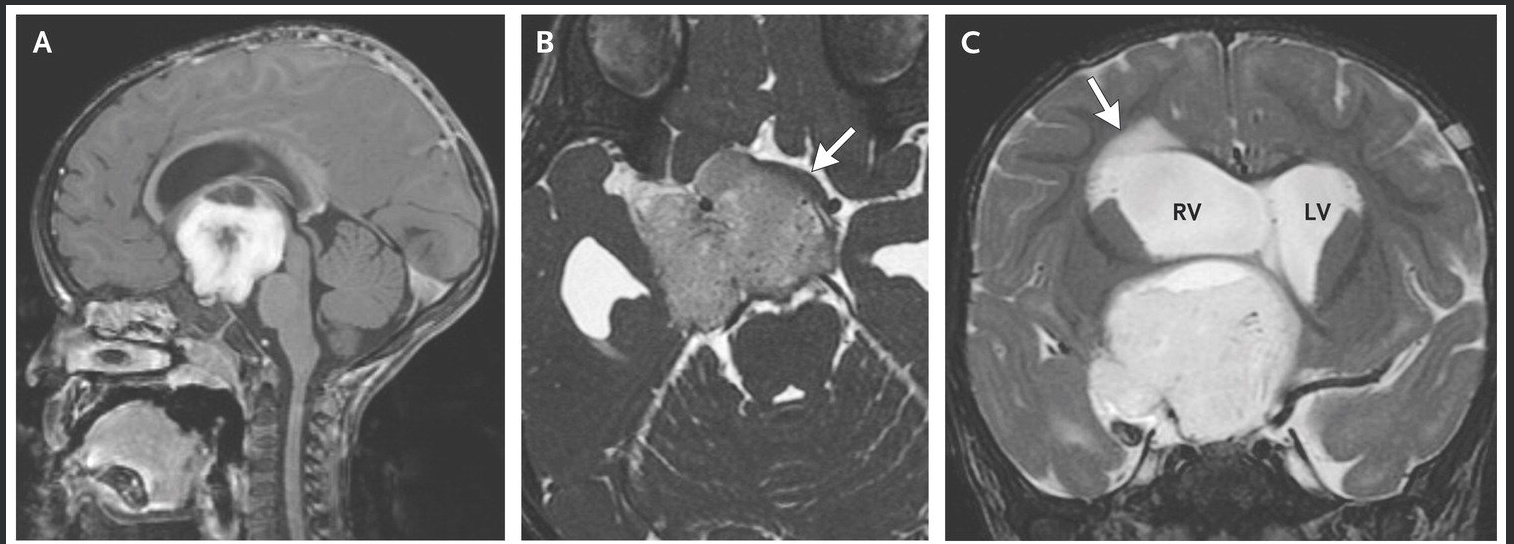
In essence, a 19 month girl with good linear growth had stopped gaining weight around 7 months of age.  After exhaustive evaluation, detailed in this report, the patient had an MRI which revealed a brain tumor and she was diagnosed with diencephalic syndrome. Key features include good appetite/caloric intake, happy appearance, and cachexia.

The discussion explains that in most children, poor weight gain results from poor caloric intake, which can be related to social issues including poverty, neglect, parental mental health issues, and lack of understanding by caregivers.

In children with good caloric intake, the potential reasons for poor growth are reviewed:

  • Endocrine causes: thyroid dysfunction
  • Renal, pulmonary, cardiac, liver, and pancreatic disease
  • GI diseases: Celiac disease, Inflammatory Bowel disease
  • Infections including tuberculosis, parasites, HIV

Despite the numerous potential causes, beyond basic laboratory assessment,  “extensive testing is usually not warranted: in one study, only 1.4% of additional laboratory tests were helpful in making the diagnosis.”

In many cases of diencephalic syndrome, symptoms like vomiting may be present on an intermittent basis as well as nystagmus or strabismus; these symptoms develop due to obstructive hydrocephalus.

My take: In children with good caloric intake, diencephalic syndrome is a rare but important etiology.


ACG World Congress -Useful Tweets

I wanted to share several tweets from this year’s ACG World Congress that looked helpful.

Topic: SBBO and IBS-D

A positive breath test is the ONLY variable that can predict response to Rifaximin in IBS-D: ACG and Mark Pimenthal. tweet from @AllRezale, MD

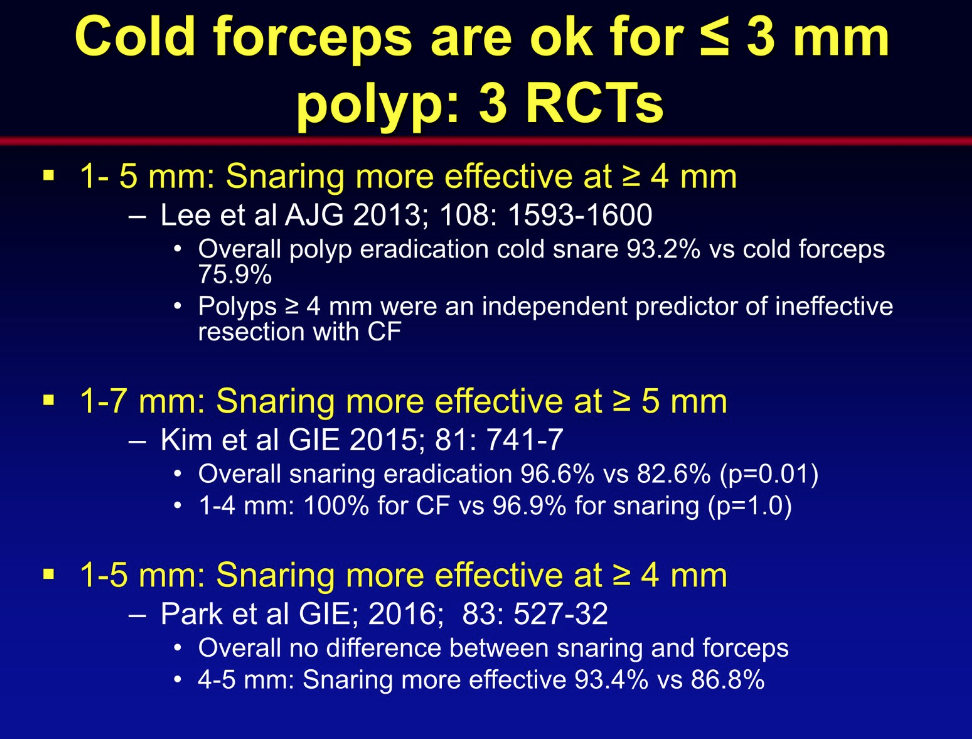
Topic: Polyps -slides recommend cold forceps for polyps 1-3 mm and cold snare for 4-5  mm polyps.

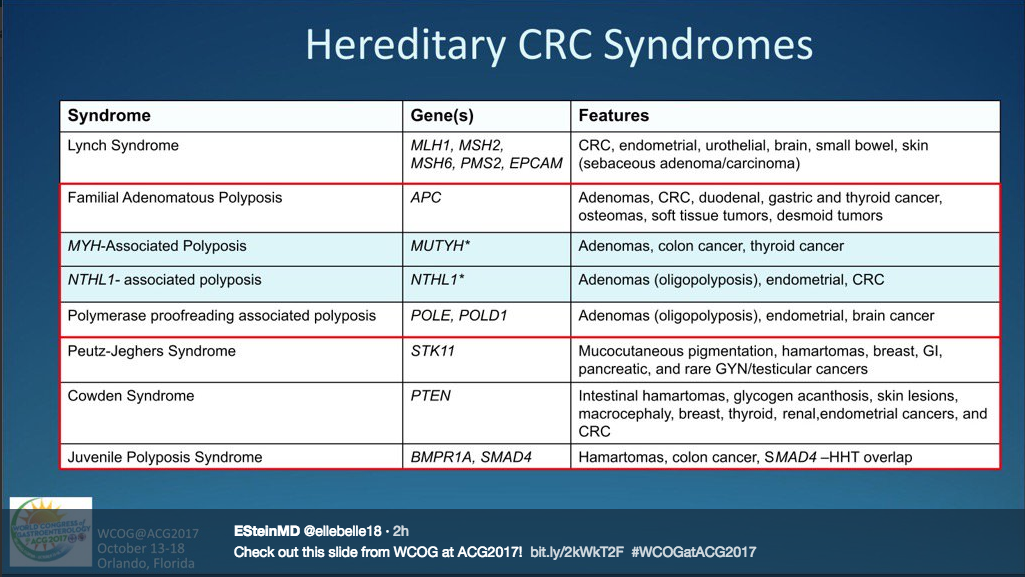
Topic: Hereditary Colorectal Cancer Syndromes

Topic: Aggressive fluids for pancreatitis

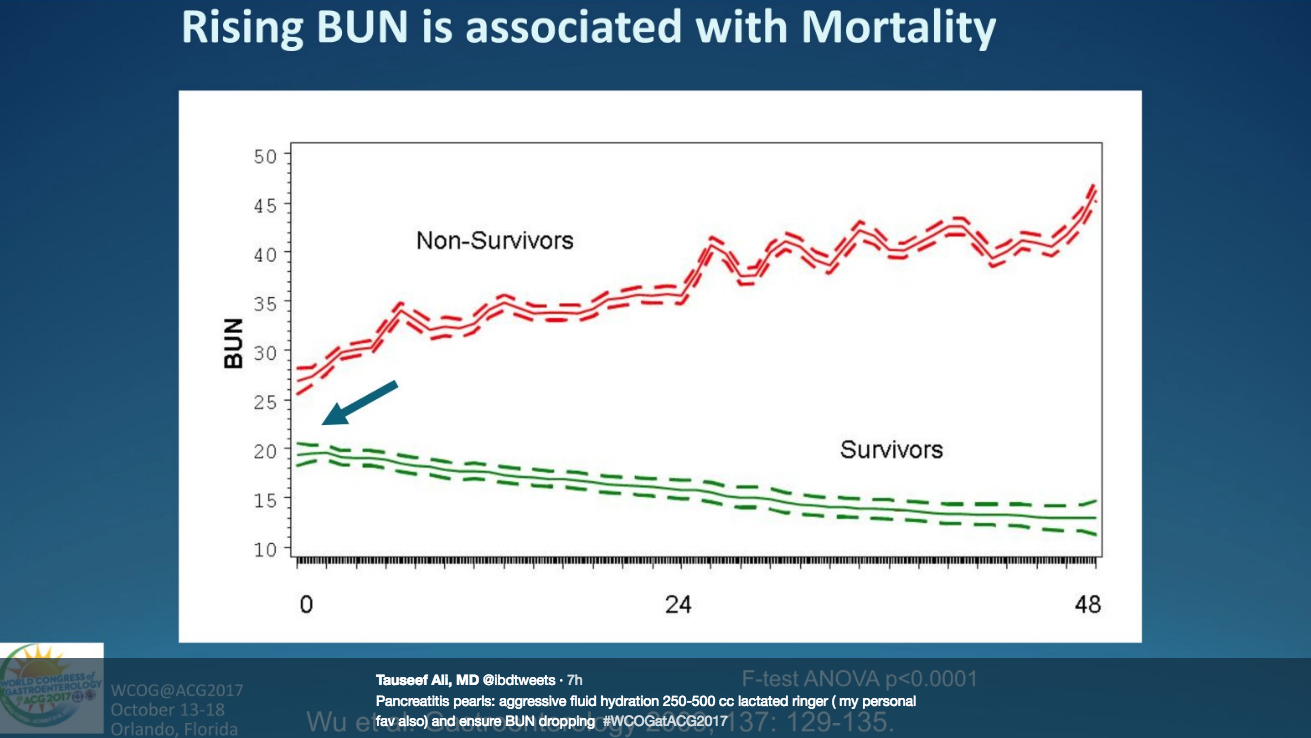
Rising BUN is Associated with mortality with pancreatitis. Tauseef, Ali @ibdtweets: “Pancreatitis pearls: aggressive fluid hydration 250-500 cc lactated ringer’s (my personal favorite also) and ensure BUN dropping #WCOGatACG2017”

Expert 2017 Opinion: Miralax is (Still) First Choice Laxative for Children

IJN Koppen et al. Journal of Pediatric Gastroenterology & Nutrition: October 2017 – Volume 65 – Issue 4 – p 361–363

Abstract:

 According to international guidelines, polyethylene glycol (PEG) is the laxative of first choice in the treatment of functional constipation in children, both for disimpaction and for maintenance treatment. PEG acts as an osmotic laxative and its efficacy is dose dependent. PEG is highly effective, has a good safety profile, and is well tolerated by children. Only minor adverse events have been reported. Overall the use of PEG in children has been reported to be safe, although in patients predisposed to water and electrolyte imbalances monitoring of serum electrolytes should be considered.

Because this topic is of great importance to the families that are seen by pediatric gastroenterologists (and pediatricians), I wanted to review this brief article which describes the efficacy and safety of polyethylene glycol (aka miralax).

Key Points:

  • Polyethylene glycol (PEG) is the most widely used laxative in children and adults
  • It works by interacting “with water molecules by forming hydrogen bonds, in a ratio of 100 water molecules per 1 PEG molecule, which leads to an additional increase in colonic water content.” It is minimally absorbed.
  • Studies have demonstrated that PEG is better or noninferior to all of the following: lactulose, milk of magnesia, mineral oil, and flixweed (a medicinal herb)

Safety:

  • Only minor adverse events have been reported in studies.  In randomized, placebo-controlled trials, adverse events “did not occur more frequently in patients receiving PEG compared to patients receiving placebo.”
  • The main safety issue has been when it has been administered via nasogastric administration; improper placement can lead to severe pulmonary complications.  In addition, PEG should be used “cautiously in children with swallowing problems…because of risk of aspiration.”

Combatting Myths: 

  • The authors assert that there has never been reports of physical or psychological dependence.  Weaning from PEG is to prevent relapse of constipation.
  • There is no evidence to support loss of efficacy.
  • The phenomenon of “lazy bowel syndrome” in which there is worsened colonic function has not been described due to PEG; though, patients with underlying motility problems have had these problems misattributed to PEG use.
  • Despite anecdotal reports of tremors, tics, and obsessive-compulsive behavior in children taking PEG, there has been no evidence of a causal relationship.  “These events …are still under investigation, but the FDA has decided that no action is necessary.”  The authors note that the co-occurrence of neuro-behavioral problems and constipation is well-recognized in children with and without laxative use.

Clinical Pearl: Stimulant Laxatives After Repaired Anorectal Malformations:

  • “In children with constipation after repaired anorectal malformations, …stimulant laxatives (eg. senna) should be the laxative of choice.” (J Pediatr Surg 2017; 52: 84-8)

My take (borrowed from the authors): “PEG has rapidly become the treatment of first choice for children with functional constipation.”

Related blog posts:


Too Much Zinc

An interesting case report (DL Saly et al. NEJM 2017; 377: 1379-85) describes a 61 year old woman with multiple medical problems who developed numbness and tingling in hands/feed which progressed to unsteady gait and inability to stand.

Her medical problems included end-stage renal disease requiring dialysis, COPD, hepatitis C, depression,reflux, breast cancer, hypertension, and chronic back pain. Due to dysgeusia and suspected zinc deficiency associated with dialysis, she had been started on zinc therapy and this was doubled when she did not improve.

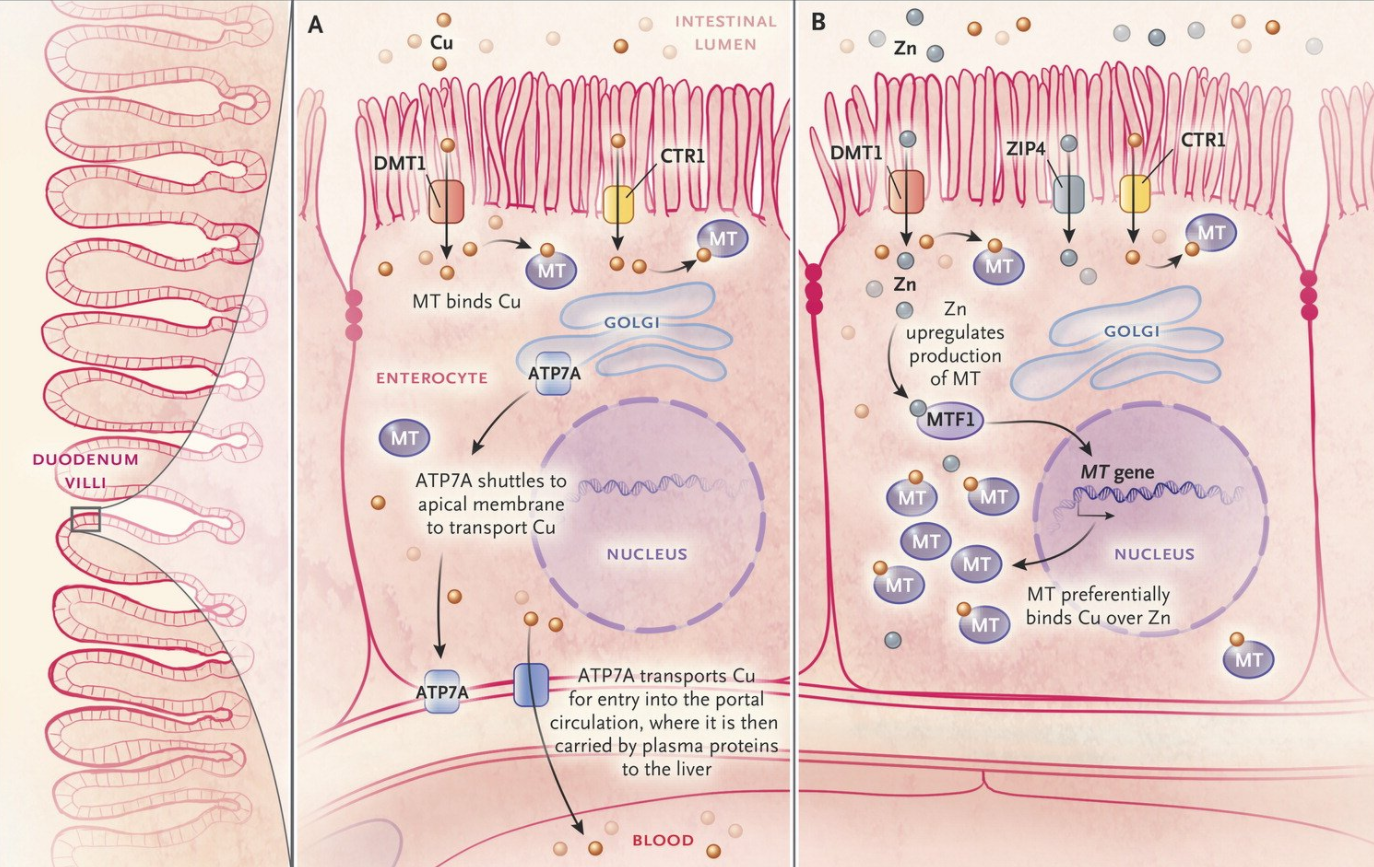
Ultimately she was diagnosed with copper deficiency which can result from zinc toxicity, “because zinc upregulates the protein to which copper binds in enterocytes, and an excess of zinc forces copper to be trapped in the enterocyte and unavailable for absorption.”

My take: Too much zinc (as well as other micronutrients/vitamins) can result in adverse effects.

Related blog posts: