You Can Do Anorectal Manometry in Your Sleep, But Should You?

DF Baaleman et al. JPGN 2023; 76: 731-736. Open Access! Accuracy of Anorectal Manometry to Detect the Rectoanal Inhibitory Reflex in Children: Awake Versus Under General Anesthesia

In this retrospective review from a tertiary referral center with 34 children.

Background: “The RAIR is an involuntary anal reflex mediated by a complex intramural neuronal plexus that results in a decrease of the internal anal sphincter (IAS) pressure following distension of the rectum. Such distension can be caused by gas, feces, or an inflated balloon during ARM testing (3). In patients with Hirschsprung disease, the RAIR is absent due to an abnormal development of the enteric nervous system resulting in the absence of ganglion cells (4). Additionally, the RAIR is occasionally found to be absent in children with normal presence of ganglion cells who are then diagnosed with internal anal sphincter achalasia (IASA) (5,6). The clinical significance of this diagnosis is still unclear (5).”

Key findings:

  • In 9 of 34 (26%) children the RAIR was solely identified during ARM under general anesthesia (GA) and not during ARM while awake.
  • In 4 of 34 (12%) children, assessment of the RAIR was inconclusive during ARM under GA due to too low, or loss of anal canal pressure.  In 2 of those children, ARMs while awake showed presence of a RAIR.
  • In the entire cohort, 2 children were diagnosed with Hirschsprung disease. 1 had an inconclusive study while awake and absence of RAIR while under GA. 1 had absence of RAIR while awake and under GA.
  • Other findings among the 34 children: 13 (38%) were diagnosed with pelvic floor dyssynergia, 3 (9%) were diagnosed with IASA, 2 (6%) were diagnosed with IASA and pelvic floor dyssynergia

Discussion:

The authors note that in patients with absent RAIR while awake but present while under GA, could result in “incorrect identification of an absent RAIR [and] may result in the unnecessary performance of rectal biopsies and the incorrect diagnosis of IASA…. Still, the ARM while awake more likely represents what they experience when they try to defecate during the day. Therefore, one could argue that these children may experience obstructive symptoms in daily life similar to a child diagnosed with IASA… In our sample, 9 children would have been misdiagnosed with IASA if they would not have undergone a repeat ARM (5).”

My take: It is interesting that about a quarter of children had RAIR identified only while under GA. Given the uncertainty regarding the clinical significance of a IASA diagnosis, in many centers the next step would be arranging a rectal biopsy rather than repeating a study under GA.

Related blog posts:

Can a Diet Focused on Glycemic Index Help Improve/Prevent Obesity?

CB Ebbeling, DS Ludwig. J Pediatr 2023; 255: 22-29. Open Access! Treatment for Childhood Obesity: Using a Biological Model to Inform Dietary Targets

This article describes the role of glycemic index and a carbohydrate-insulin model (CIM) in promoting obesity rather than the more conventional view of energy dense foods causing obesity.

  • In the CIM, “dysregulation of hormonal control over fuel partitioning in response to a high-glycemic load diet leads to excess fat deposition, as an antecedent to positive energy balance…. Consuming a high-glycemic index food causes a sharp increase in blood glucose followed by a rapid decline, whereas consuming a low-glycemic index food causes a more gradual increase and decrease with a lower peak. Decreasing dietary glycemic load involves lowering carbohydrate amount and selecting sources of carbohydrate with a low glycemic index. In general, low-glycemic load foods include nonstarchy vegetables, most temperate (vs tropical) whole fruits, and legumes; and high-glycemic load foods include potato products, processed grains, sweets, fruit juices, and sugary beverages.21
  • “Fructose also increases fat deposition by upregulating enzymes of de novo lipogenesis via mechanisms independent of energy intake.22,23 Thus, the conventional understanding of obesity pathogenesis (overeating causes increasing adiposity) is opposed in the CIM (increasing adiposity causes overeating).”

“Dietary targets for which there is general consensus are:

  • Ample nonstarchy vegetables (eg, broccoli, lettuce), whole temperate fruits (eg, apple, orange, pear), and legumes
  • No sugar-sweetened beverages
  • Limited refined grains
  • Adequate protein

Additional dietary targets of particular relevance to the CIM which differ to some extent from conventional recommendations include:

  • Reduced amounts of starchy vegetables and total grains
  • Increased healthful fats (eg, nuts, seeds, avocado, olive oil)”

” When counseling, we recommend home-prepared protein (eg, poultry, fish) over preprepared items with breading (eg, chicken nuggets, fish sticks). We do not specifically recommend reduced-fat (1% or nonfat) dairy. Emerging observational data indicate that consuming whole vs reduced-fat milk is associated with lower adiposity in children,66…Regarding milk with added sugar and flavoring (eg, chocolate milk), prospective data indicate a direct association between consumption and adverse changes in body composition”

Three main goals with this diet approach:

  1. Eat balanced meals  – Follow a Plate Model
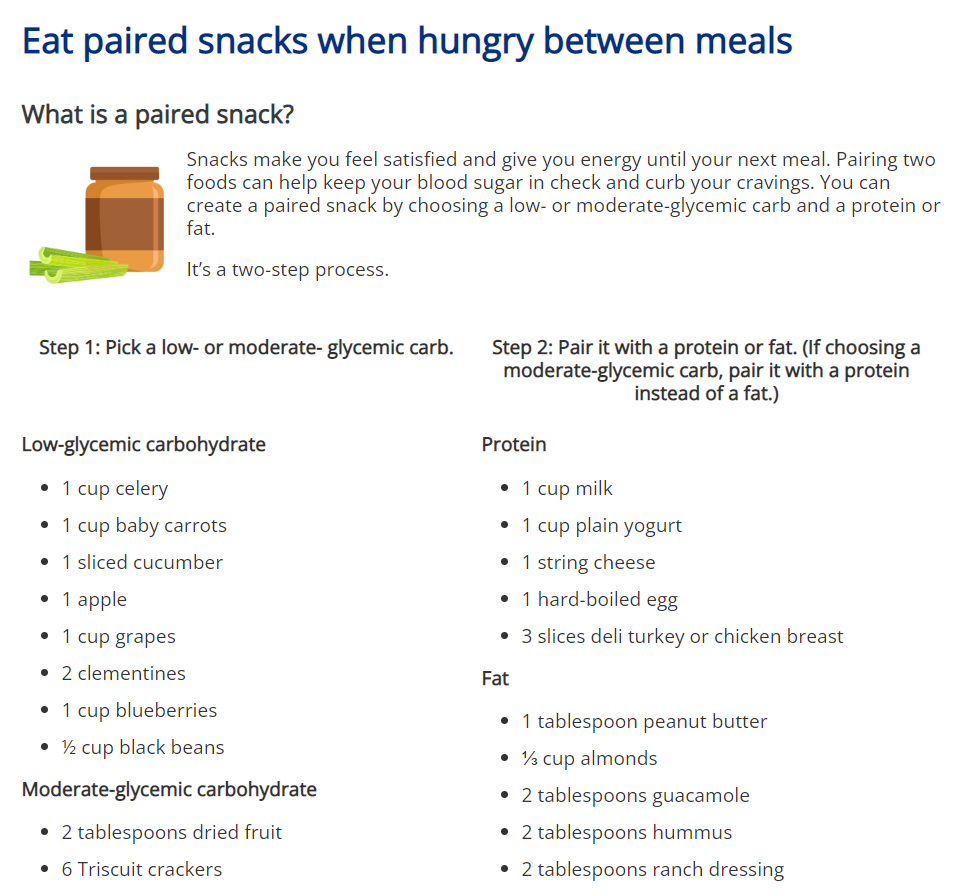
  2. Eat Paired Snacks When Hungry Between Meals
  3. Stop and Think Before You Drink Sugary Beverages – Drink Water Instead

My take: I have favored the Mediterranean diet as a general goal for patients concerned with healthy eating. This article challenges the conventional approach of targeting energy dense foods in favor of avoiding high glycemic carbohydrates.

This article is a good resource–more information available at these links:

Thank You Stan

After 43 years, Stan Cohen is retiring. He deserves enormous credit for the successes of our group and I wanted to highlight some of his many accomplishments and innovations.

Clinical care:

  • I am certain Stan has seen more kids with GI problems than any physician in the State of Georgia (possibly the entire country). He is well-known for his dedication and caring. Areas of special expertise include children with inflammatory bowel disease and children with special needs

Publications/Research:

  • In addition to his numerous scientific articles and book chapters, Dr. Cohen edited two textbooks for physicians and wrote two books for parents: 1. Healthy Babies, Happy Kids: a Common Sense Guide to Nutrition for Growing Years. 2. What to Feed Your Baby
  • Stan has participated in a lot of clinical research projects. Some notable publications include pioneering the use of the patency capsule for capsule endoscopy, developing a scoring system for capsule endoscopy, and the first prospective study of a specific diet for IBD

Service:

  • He was the founding chairman of the Committee on Nutrition for the Georgia Chapter of the American Academy of Pediatrics and chairman of the Physicians Advisory Board of The Georgia WIC Program. In this role, he developed a cost-sensitive, evidence-based algorithm to assist health care providers select the appropriate infant formula for infants with various problems. It is estimated that this saved the state of Georgia 56 million dollars
  • Nutrition4Kids.com and the Nutrition4Kids Foundation were established by Dr. Cohen (with the help of his son David and Mark Lorimer) to provide medically curated educational content for parents and providers
  • Stan has lectured extensively at local, national and international medical conferences
  • He provided critical input in El Salvador during its civil war to lower infant mortality

Recognition:

  • Premier Physician of the Crohns and Colitis Foundation of Georgia (1995)
  • Turner Broadcasting featured Dr Cohen in 2001 as one of Atlanta’s “Super 17” for his contributions to the community and specifically for his role in starting Camp Colitiscope (now Camp Oasis)
  • Honored by the Atlanta Alliance on Developmental Disabilities for his work on feeding and nutrition for children with neurodevelopmental delays
  • Lay Education Award from the American Academy of Pediatrics for his work promoting a school curriculum to teach and promote non-abusive behaviors which was used in Fulton County and later adopted by other school systems in the country, the state of Hawaii and maternal child health programs
  • He is also a recipient of The Natasha Trethewey Poetry Prize. His poems have been included in various poetry journals. Additionally, several of his poems have been published in the Annals of Internal Medicine, while others are archived and available audibly on TheArtSection website.  

Stan has many interests outside medicine. He has always had an interest in artwork, good eating, corny jokes, and his family. I am so grateful to Stan for helping to develop our GI group, for his service to children/families, his advice, his friendship and even most of his jokes.

The Peanut Story -Skin Patch Chapter

  • M Greenhawt et al. NEJM 2023; 388: 1755-1766. Phase 3 Trial of Epicutaneous Immunotherapy in Toddlers with Peanut Allergy
  • Editorial: A Togias. NEJM 2023; 388: 1814-1815. Good News for Toddlers with Peanut Allergy

Methods: This was a phase 3, multicenter, double-blind, randomized, placebo-controlled (EPITOPE) trial involving children 1 to 3 years of age with peanut allergy confirmed by a double-blind, placebo-controlled food challenge. Patients (n=362) were randomized a 2:1 ratio to receive epicutaneous immunotherapy delivered by means of a peanut patch (250 mcg) (intervention group) or to receive placebo administered daily for 12 months. The primary end point was a treatment response as measured by the eliciting dose of peanut protein at 12 months. 

Key findings:

  • The primary efficacy end point result was observed in 67.0% of children in the intervention group as compared with 33.5% of those in the placebo group
  • Treatment-related anaphylaxis occurred in 1.6% in the intervention group and none in the placebo group

Points from the editorial:

  • “The primary finding is that after receiving treatment with the peanut patch for a year, 67.0% of the toddlers in the intervention group could safely ingest the peanut-protein equivalent of approximately three to four peanuts or approximately one peanut, depending on how sensitive to peanut they were at baseline. In the placebo group, 33.5% of the children reached this end point…many practitioners have been using orally delivered foods for the same purpose for approximately a decade.”
  • “A trial of peanut oral immunotherapy that did not involve the use of the commercially available product was recently conducted among children 1 to 3 years of age (the Oral Immunotherapy for Induction of Tolerance and Desensitization in Peanut-Allergic Children Trial [IMPACT]).5…The data suggest that oral immunotherapy may have a stronger protective effect than the effect reported in the EPITOPE trial.” Able to tolerate ingestion of 10 peanuts: “In the EPITOPE trial, 37% of the children in the intervention group and 10% of those in the placebo group had this result, as compared with 71% and 2%, respectively, in the IMPACT trial.”
  • ” On the other hand, epicutaneous immunotherapy appears to have a better safety profile than oral immunotherapy…For example, allergic reactions that resulted in the administration of epinephrine occurred in 10% of the children in the intervention group in the EPITOPE trial and in 22% of those in the IMPACT trial. Also, eosinophilic esophagitis was seen in 3% of the children in the IMPACT trial who had received oral peanut immunotherapy.”

My take: Immunotherapy, oral or cutaneous, can result in some tolerance to peanuts in the majority of children. However, primary prevention of peanut allergy by timely introduction of peanuts in the diet could prevent the need for this intervention. Usually, introduction is at 4-6 months of age (though with specific precautions recommended in those with severe eczema and egg allergy).

Related blog posts:

Sendero Esperanza -Hugh Norris to Wasson Peak Trails, Tucson

IV Versus Oral Iron in Children with Anemia –POPEYE Study

N Bevers et al. J Pediatr 2023; 256: 113-119. Open Access! Ferric Carboxymaltose Versus Ferrous Fumarate in Anemic Children with Inflammatory Bowel Disease: The POPEYE Randomized Controlled Clinical Trial

Methods:  Children aged 8-18 (n=64) with IBD and anemia (defined as hemoglobin [Hb] z-score < −2) were randomly assigned to a single IV dose of ferric carboxymaltose (15 mg/kg up to 750 mg) or 12 weeks of oral ferrous fumarate (9 mg/kg/day up to 600 mg in BID divided dosing). This study excluded patients with severe disease activity (eg. PUCAI >65, or PCDAI >30).

Key findings:

  • One month after the start of iron therapy, the  6-minute walking distance (6MWD) z-score of patients in the IV group had increased by 0.71 compared with −0.11 in the oral group (P = .01).
  • At 3- and 6-month follow-ups, no significant differences in 6MWD z-scores were observed.
  • Hb z-scores gradually increased in both groups and the rate of increase was not different between groups at 1, 3, and 6 months after initiation of iron therapy (overall P = .97).
  • The authors did not detect hypophosphatemia which has been described with ferric carboxymaltose

This “POPEYE” study prompted me to review how much iron is in spinach. Apparently, it is a little more than in red meat. However, red meat iron is “heme” and is better absorbed than “non-heme” iron found in spinach.

My take: In this study, more rapid improvement in 6MWD was noted in first month of treatment but there were no other significant advantages of IV iron in this group which predominantly had quiescent disease or mildly active disease; hemoglobin improvement was comparable in both groups.

Related blog posts:

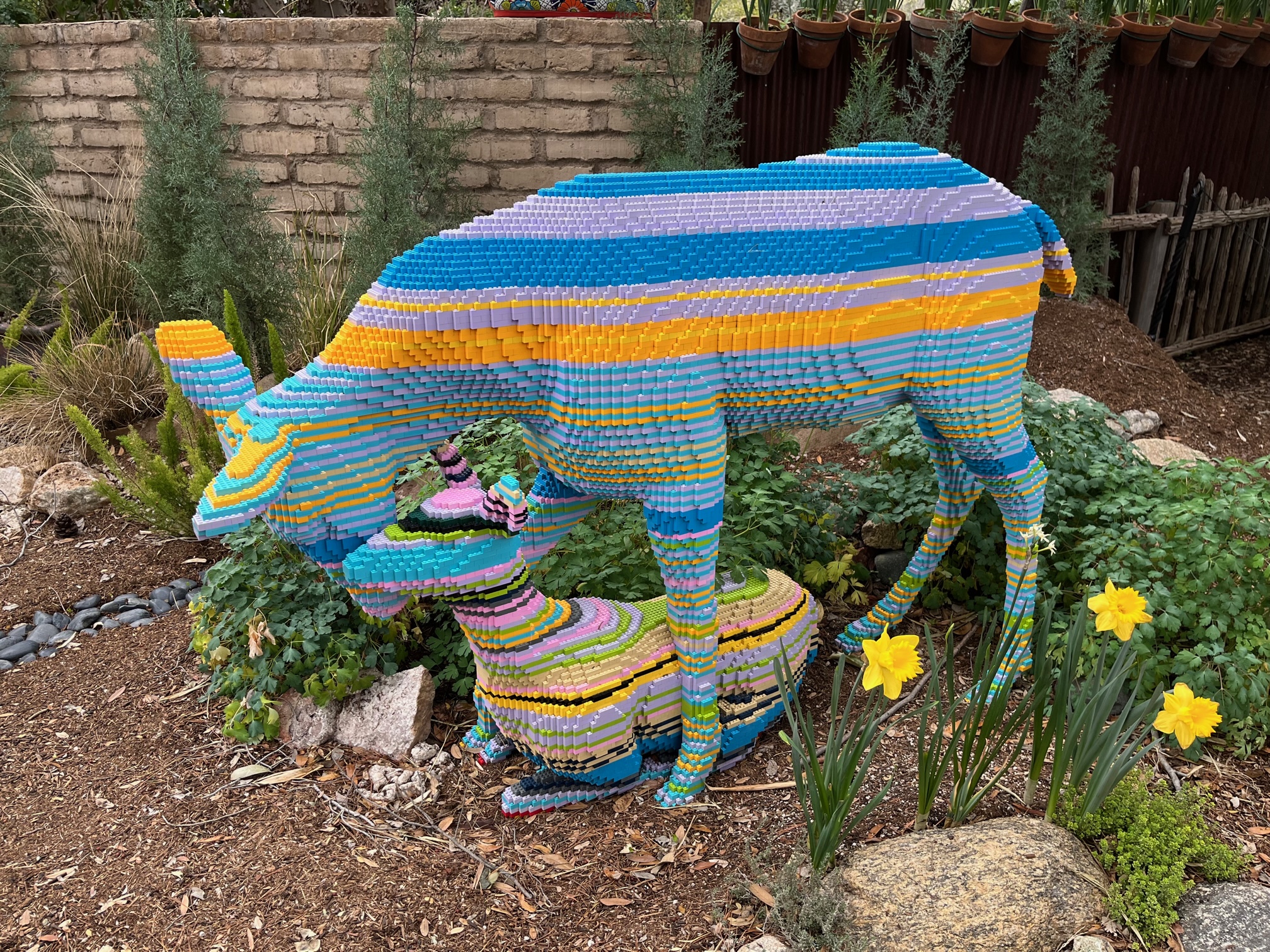
More Lego Art from Tucson Botanical Gardens

Airway Impedance to Objectively Assess Airway Mucosal Integrity

R Rosen et al. J Pediatr 2023; 256: 5-10. Airway Impedance: A Novel Diagnostic Tool to Predict Extraesophageal Airway Inflammation

Airway appearance is not a reliable marker for aerodigestive disorders. This study (n=73 completed full study) sought to use airway impedance to provide an objective measure of airway mucosal integrity.

Methods: The direct laryngoscopy was performed and videotaped for blinded scoring by 3 otolaryngologists and a specially-designed impedance catheter was placed onto the posterior larynx to obtain measurements; the impedance sensors were placed immediately below vocal cords. Following this, an endoscopy was performed and impedance measurements and biopsies were taken.

Key findings:

  • Patients taking proton pump inhibitors had significantly lower mean airway impedance values (706 ± 450 Ω) than patients not taking them (1069 ± 809 Ω, P = .06).
  • Patients who had evidence of aspiration on video fluoroscopic swallow studies had lower airway impedance (871 ± 615 Ω) than patients without aspiration (1247 ± 360 Ω, P = .008)

Discussion:

  • Low impedance values have been correlated with esophageal inflammation. For example, in patients with active eosinophilic esophagitis impedance values of <1000 Ω are typical compared to >2500-3000 Ω in those without inflammation.
  • This study suggests that low laryngeal impedance prior to EGD can provide an objective marker of laryngeal mucosal integrity. Values were lower in those with impaired swallowing/aspiration. The association with lower values in those taking PPIs may be due to ongoing GERD (acid or nonacid) and/or ongoing pepsin exposure.
  • It is noted that airway impedance values were, “on average, 3-fold lower than esophageal impedance values, highlighting the differences in these microenvironments.”
  • Limitations: No healthy controls

My take: Frequently, aerodigestive patients undergo extensive evaluations. This is a simple technique that could easily be added; it may be an objective marker of airway disorders “and may help reduce acid suppression use previously driven by these visual exams.”

Related blog posts:

Satire, from The Onion

Then and Now

Thirty years ago:

This past year:

From Darius Rucker –Alright:

When I lay down at night I thank the Lord above
For giving me everything I ever could dream of

‘Cause I’ve got a roof over my head
The woman I love laying in my bed
And it’s alright, alright, alright, alright
I got shoes under my feet
Forever in her eyes staring back at me
And it’s alright, alright, alright, yeah

I got all I need, yeah
I got all I need
And it’s alright by me, oh, yeah

Fatty Liver Disease AASLD Practice Guidance 2023

ME Rinella et al. Hepatology 2023; 77: 1797-1835. Open Access! AASLD Practice Guidance on the clinical assessment and management of nonalcoholic fatty liver disease

This 38 page report has a ton of updated recommendations and useful advice –geared to adults with fatty liver disease. The last ~dozen pages are the 491 references.

Some of the useful points:

  • CVD and nonhepatic malignancies are the most common causes of mortality in patients with NAFLD without advanced fibrosis; death from liver disease predominates in patients with advanced fibrosis.
  • Initial lab evaluation in adults:
  • Statins are safe and recommended for CVD risk reduction in patients with NAFLD across the disease spectrum, including compensated cirrhosis.
  • Patients with NAFLD should be screened for the presence of T2DM. T2DM is the most impactful risk factor for the development of NAFLD, fibrosis progression, and HCC.108–111 Given the central pathogenic role that insulin resistance plays in the pathogenesis of both T2DM and NAFLD, it is not surprising that patients with T2DM have a higher prevalence of NAFLD (ranging from 30% to 75%)10,112,113 and a higher risk of developing NASH with fibrosis.93,114–117 
  • Other important comorbidities: dyslipidemia, obstructive sleep apnea, cardiovascular disease, and chronic kidney disease

Lifestyle factors that can be beneficial:

  • Table 6 lists potential medications though there are no FDA approved treatments for fatty liver disease. Bariatric surgery is also a beneficial treatment option “in patients who meet criteria for metabolic weight loss surgery, as it effectively resolves NAFLD or NASH in the majority of patients without cirrhosis and reduces mortality from CVD and malignancy.”
  • Potentially useful medications include Vitamin E, Pioglitazone, Liraglutide, Semaglutide, Tirzepatide and SGLT-2i. “Semaglutide can be considered for its approved indications (T2DM/obesity) in patients with NASH, as it confers a cardiovascular benefit and improves NASH. Pioglitazone improves NASH and can be considered for patients with NASH in the context of patients with T2DM . Available data on semaglutide, pioglitazone, and vitamin E do not demonstrate an antifibrotic benefit, and none has been carefully studied in patients with cirrhosis.”
  • Treatments NOT Recommended: “Metformin, ursodeoxycholic acid, dipeptidyl peptidase-4, statins, and silymarin are well studied in NASH and should not be used as a treatment for NASH as they do not offer a meaningful histological benefit.”

Related blog posts:

Chatbots Helping Doctors with Empathy

6/12/23 NY Times: Doctors Are Using Chatbots in an Unexpected Way

An excerpt:

When doctors use ChatGPT to find words to be more empathetic, they often hesitate to tell any but a few colleagues.

“Perhaps that’s because we are holding on to what we see as an intensely human part of our profession,” Dr. Moore said.

Or, as Dr. Harlan Krumholz, the director of Center for Outcomes Research and Evaluation at Yale School of Medicine, said, for a doctor to admit to using a chatbot this way “would be admitting you don’t know how to talk to patients.”

Related blog posts:

Most Kids with Rumination Respond to Specialized Treatment

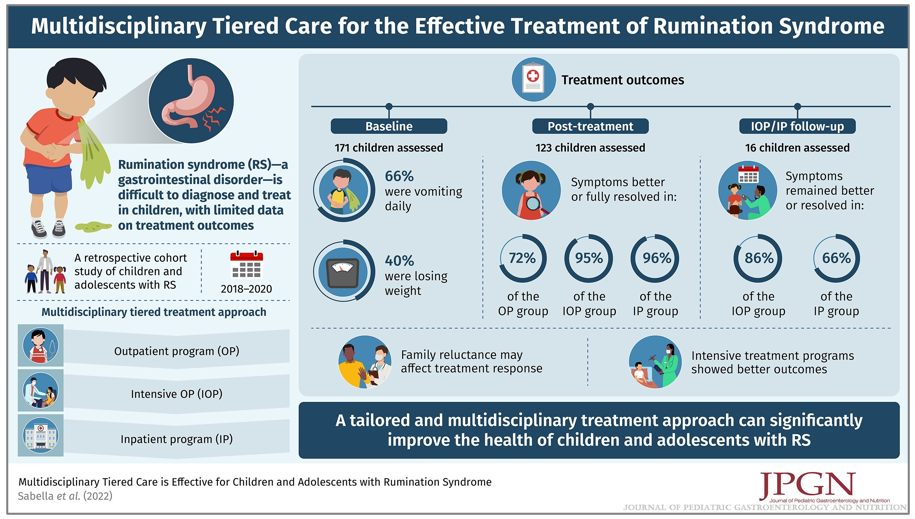
J Sabella et al. JPGN 2023; 76: 282-287. Multidisciplinary Tiered Care Is Effective for Children and Adolescents With Rumination Syndrome

The was a retrospective single-center study (n=171). The median length of treatment was 6.5 months for outpatient care, four days for intensive outpatient care and nine days for intensive inpatient care.

Key findings:

  • After treatment, 72% of OP, 95% of IOP, and 96% of IP patients reported that symptoms were better or fully resolved compared to baseline
  • In a subset of 16 children, At follow-up (median 5.3 months), 86% of IOP and 66% of IP patients had symptoms that remained better or resolved.
  • The authors found “an association between patient or family reluctance to accept the diagnosis of rumination syndrome and a lack of response to treatment. Prior studies have demonstrated the importance of commitment and belief in the process of treatment and/or fully commit to the behavioral treatment process as a barrier to care.”

In a commentary on this article from Pediatrics Nationwide, Dr. Peter Lu noted: “What was striking to me was how effective the intensive treatment programs are. Both of those groups included the most severe of patients, oftentimes, they’ll have a feeding tube or a central line for parenteral nutrition. Even in that selected, very severe refractory group, we had very good response rates to treatment…RS is a disorder that cannot be effectively treated by a GI doctor alone…Treatment of RS involves a GI doctor and a GI psychologist, and we oftentimes will involve one of our GI dieticians”

My take: This study shows that treatment can be very effective in treating rumination syndrome, especially if the patient/family is amenable to therapy.

Related blog posts:

Also, good tips on managing rumination were given on a bowel sounds podcast: Desale Yacob & Ashley Kroon Van Diest – Rumination Syndrome (August 2021)