Essential Learning Objectives in Pediatric Gastroenterology (and All Subspecialties) for Pediatricians and in Pediatric Residency Training

T Aye et al. J Pediatr 2025; 277, 114380. (Open Access!) Subspecialty Perspectives on the Education Needs for Pediatrics Residency Training

Background: The Council of Pediatric Subspecialties (CoPS) created a list of 3 to 5 learning objectives that each subspecialty believes are the most important practical skills for the general pediatrician and recommends be included in general pediatrics, medicine-pediatrics, and other combined residency program curricula… The Subspecialty Perspectives on (pediatrics) Training (SPoT) action team within CoPS asked each subspecialty representative, most of whom were fellowship program directors at the time, in collaboration with their subspecialty colleagues, to provide a list of 3 to 5 practical learning objectives that should be expected of graduating pediatric residents and practicing general pediatricians in the evaluation and management of conditions related to their subspecialty.

Recommendations for Pediatric Gastroenterology:

My take: This article identifies four of the most important areas in pediatric gastroenterology. If I were to add a fifth, given the wide variety of problems in our field, it would be to know how to quickly reach out to a pediatric gastroenterologist when you need advice.

This article is worth a quick look to see if you have the essential knowledge in all pediatric subspecialty fields (Table 1). One of the most important that relates to pediatric gastroenterology is in the allergy section: “Identify the importance of avoiding indiscriminate testing for food allergy without an appropriate clinical history concerning for IgE mediated food allergy.”

Antroduodenal Dysmotility in Hypermobility Disorders and Ehlers-Danlos Syndrome

KWE Sweerts et al. Alimentary Pharmacology & Therapeutics, 2025; 61:702–705. Open Access! Analysis of Antroduodenal Motility in Patients With Hypermobility Spectrum Disorders/Hypermobile Ehlers–Danlos Syndrome

Background: Hypermobility spectrum disorders (HSD) and hypermobility Ehlers–Danlos syndrome (hEDS) are frequently associated with gastrointestinal symptoms, although the underlying mechanisms remain unclear. Since recruitment occurred before the 2017 criteria for hEDS were established, it was not possible to distinguish between HSD and hEDS. 

Methods: Retrospective review of all patients (>18 yrs) referred t for gastrointestinal motility evaluation and undergoing ADM were consecutively included from 2009 to 2023. This included 239 patients (50 HSD/hEDS and 189 non-HSD/hEDS). The HSD/hEDS group showed a lower BMI and higher use of enteral feeding than the control group (p < 0.001 and p = 0.026, respectively). This group was also younger, with a mean age of 30.4 ± 11.1 years versus 45.3 ± 15.4 years (p < 0.001).

Key findings:

  • The prevalence of antroduodenal dysmotility was not different between both groups, but enteric dysmotility was less common in the HSD/hEDS group (13% vs. 34%, p = 0.006).
  • There were similar percentages of delayed gastric emptying than non-HSD/hEDS patients; delayed gastric emptying was highly prevalent in both groups, 85% in patients with HSD/hEDS and 94% in non-HSD/hEDS patients
  • There were no differences in predominant symptoms between patients with and without HSD/hEDS.

In the discussion, the authors note that the lower rate of dysmotility combined with higher rates of enteral nutrition indicate that “factors like visceral hypersensitivity and autonomic function could be relevant in this context.”

My take: Most patients at this referral center had delayed gastric emptying. However, Ehlers-Danlos patients, in fact, had lower rates of enteric dysmotility.

Related blog posts:

Grand Palace, Bangkok

It Hurts Here and Here and Here

A recent study (below) reminded me of a joke. First the joke (better with the visual effect):

A guy goes to his doctor. The patient says, “Doctor when I touch here on my shoulder (with index finger) it hurts, when I touch here on my leg (with index finger) it hurts, and when I touch here on my stomach (with index finger) it hurts.”

The doctor says: “Your finger is broken.”

BP Chumpitazi et al. J Pediatr 2021; 236; 131-136. Multisite Pain Is Highly Prevalent in Children with Functional Abdominal Pain Disorders and Is Associated with Increased Morbidity

In this cross-sectional study of 7-17 year olds (n=406) with Rome III functional abdominal pain disorder (FAPD), the authors examined the frequency of pain outside GI tract over a 2 week study period. Patients were recruited from both a large academic pediatric GI practice and general pediatric offices in same hospital system.

Key findings:

  • In total, 295 (73%) children endorsed at least 1 co-occurring nonabdominal pain, thus, were categorized as having multisite pain with the following symptoms: 172 (42%) headaches, 143 (35%) chest pain, 134 (33%) muscle soreness, 110 (27%) back pain, 94 (23%) joint pain, and 87 (21%) extremity (arms and legs) pain
  • In addition, 200 children (49%) endorsed 2 or more nonabdominal pain symptoms
  • Participants with (vs without) multisite pain had significantly higher abdominal pain frequency (P < .001) and severity (P = .03), anxiety (P < .001), and depression (P < .001). Similarly, children with multisite pain (vs without) had significantly worse functional disability (P < .001) and health-related quality of life scores (P < .001).

The authors note that due to the design of their study, they cannot establish a causal association between pain symptoms and psychosocial functioning.

My take: A lot of kids with stomach pain have multisite pain as well as anxiety and depression. This study reminds us to ask about them.

Related blog posts:

More Pictures From Atlanta Beltline West End

CAM Use in Functional Abdominal Pain

From Journal of Pediatrics Twitter Feed

SL Ciciora et al. J Pediatr 2020; 227: 53-59. Complementary and Alternative Medicine Use in Pediatric Functional Abdominal Pain Disorders at a Large Academic Center

Related blog posts:

Favorite Posts of 2020

These are some of my favorite posts of the past year.

Humor:

GI:

Endoscopy:

Liver:

Nutrition

COVID-19:

Other:

From Picnic Island, Tampa Bay

Abdominal Pain in Children Increases With Age and With Psychological Factors

A recent study (MP Jones et al. Clin Gastroenterol Hepatol 2020; 18: 360-7) provides granular data on a well-recognized phenomenon: stomach pain is more common in older children than younger children and is associated with psychosocial factors.

Design: “All Babies in Southeast Sweden” Study with 1781 children (born 1997-99).  Families answered questionnaires at birth, 1 year, 2.5 years, 5 years, 8 years and 10-12 years.

Key findings:

  • Abdominal pain prevalence increased linearly with age -each year the rate increased .  At 2 yrs, the prevalence was ~6%, at 5 yrs ~8%, at 8 yrs ~9.5%, and at 12 yrs ~12% (Figure 2)
  • Psychosocial factors associated with abdominal pain included lower emotional control at 2 yrs of age, parental concern for child at 2 yrs of age, and measures of parental stress.

My take: This study reinforces the idea that psychosocial factors increase the development of non-organic abdominal pain.  If they could be addressed better, GI clinics would be less busy.

Related blog posts:

Old Well, UNC Chapel Hill, Fall

Colonoscopy and Isolated Abdominal Pain = Low Value Care

A recent study (HK Singh, LC Ee. JPGN 2019; 68: 214-7) reviewed a single center’s colonoscopy data (n=652) from 2011-15 with a focus on patients who underwent this procedure for abdominal pain.

Key findings:

  • Only 15 patients had isolated abdominal pain as an indication. In total 68 patients had abdominal pain as an indication but the majority had other ‘red flags’ such as rectal bleeding, family history of IBD or polyposis, weight loss, anemia, food allergy, or altered bowel habits
  • None of these 15 patients with isolated abdominal pain had organic disease
  • Among 36 patients with a measured fecal calprotectin and abdominal pain, all with elevated levels had positive histologic findings.
  • The ileal intubation rate/biopsy rate was 92.4%

I was particularly interested in this study because our group has reviewed our clinical experience in a large cohort undergoing outpatient colonoscopy (findings will be presented this fall).  Our group has a similar ileal intubation rate and a low rate of organic disease in those with isolated abdominal pain.

My take: More efforts are needed to carefully select pediatric patients undergoing endoscopy to minimize low value procedures.

Related blog posts:

Georgia Aquarium

NASPGHAN Postgraduate Course 2017 (Part 5): Refractory constipation, Extraesophageal GERD, POTS, Recurrent Abdominal Pain

This blog entry has abbreviated/summarized these presentations. Though not intentional, some important material is likely to have been omitted; in addition, transcription errors are possible as well.

Here is a link to postgraduate course syllabus: NASPGHAN PG Syllabus – 2017

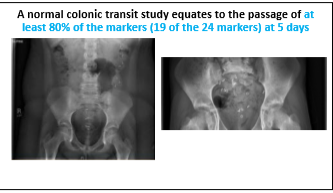
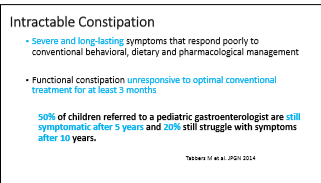
The child with refractory constipation

Jose Garza   GI Care for Kids & Children’s Healthcare of Atlanta

Key points:

  • Polyethylene glycol is a first-line agent and many patients require cleanout at start of therapy
  • Adequate dose of laxative is needed for sure regular painless stools
  • Don’t stop medicines before toilet training and until pattern of regular stooling established. “All symptoms of constipation should resolve for at least one month before discontinuation of treatment”
  • Gradually reduce laxatives when improved
  • An abdominal xray is NOT recommended to make the diagnosis of constipation
  • Do you have the right diagnosis? Irritable bowel is often confused with constipation.  With constipation, the pain is relieved after resolution of constipation.
  • Outlet dysfunction. Stimulant laxatives (eg. Senna) are probably underutilized. Biofeedback may help in older children.
  • Slow transit constipation. Newer prosecretory agents may be helpful –lubiprostone and linaclotide.
  • Organic constipation. Hirschsprung’s, Spina bifida, anorectal malformations etc. Testing: anorectal manometry, rectal biopsy (for Hirschsprung’s)
  • For refractory disease, consider rectal therapy –suppositories, transanal irritagations/enemas (~78% success for fecal incontinence/constipation). These treatments should be used prior to surgical therapy (eg. Malone antegrade continence enema/cecostomy)



The quest for the holy grail: Accurately diagnosing and treating extraesophageal reflux

Rachel Rosen   Boston Children’s Hospital

Key points:

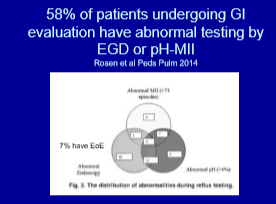
  • It is frequent that EGD or impedance study will be abnormal, though this may not be causally-related.
  • No correlation with ENT exams/red airways and reflux parameters
  • No correlation with lipid laden macrophages and reflux parameters
  • No correlation with salivary pepsin and reflux parameters
Treatment:

  • Lansoprazole was not effective for colic or extraesophageal symptoms (Orenstein et al J Pediatrics 2009)
  • PPIs can increase risk of pneumonia/respiratory infections
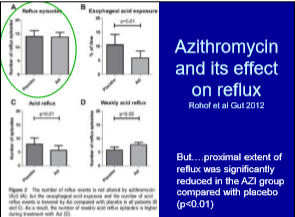
  • Macrolides have been associated with increased risk of asthma but may be helpful for pulmonary symptoms
  • Fundoplication has not been shown to be effective for reducing aspiration pneumonia.  Fundoplication could increase risk due to worsened esophageal drainage.
  • ALTEs (BRUEs -brief resolved undefined events) need swallow study NOT PPIs
POTS and Joint Hypermobility: what do they have to do with functional abdominal pain?

Miguel Saps  University of Miami

Key points:

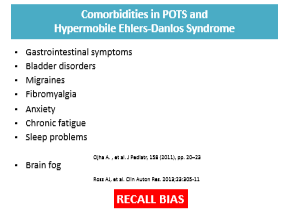
  • Patients with POTS and joint hypermobility have frequent functional abdominal pain as well as other comorbidities
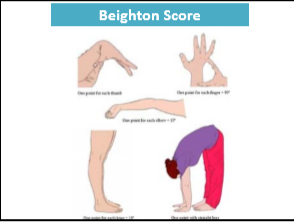
  • Beighton Score can determine if joint hypermobility is present
  • Brighton Score determines if hypermobile Ehlers-Danlos syndrome is present
  • Patients with frequent fatigue.  Gradual progressive and regular exercise is important part of therapy.  Can start with recombant exercise – training bicycle exercise, swimming
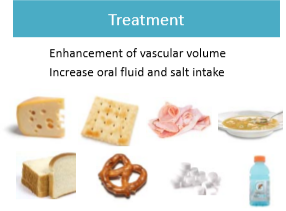
  • Need to push salt intake and fluds

Do I need to test that C.R.A.P.?

Rina Sanghavi   Children’s Medical Center Dallas

This basic talk reviewed a broad range of issues related to functional abdominal pain.

Key points:

  • Carnett’s sign can help establish abdominal pain as due to abdominal wall pain rather than visceral pain
  • What is an appropriate evaluation?  Limited diagnostic testing for most patients.
  • Alarm symptoms include: Fevers, Nocturnal diarrhea, Dysphagia, Significant vomiting, Weight Loss/poor growth, Delayed Puberty, and Family history of IBD


Erythema Ab Igne

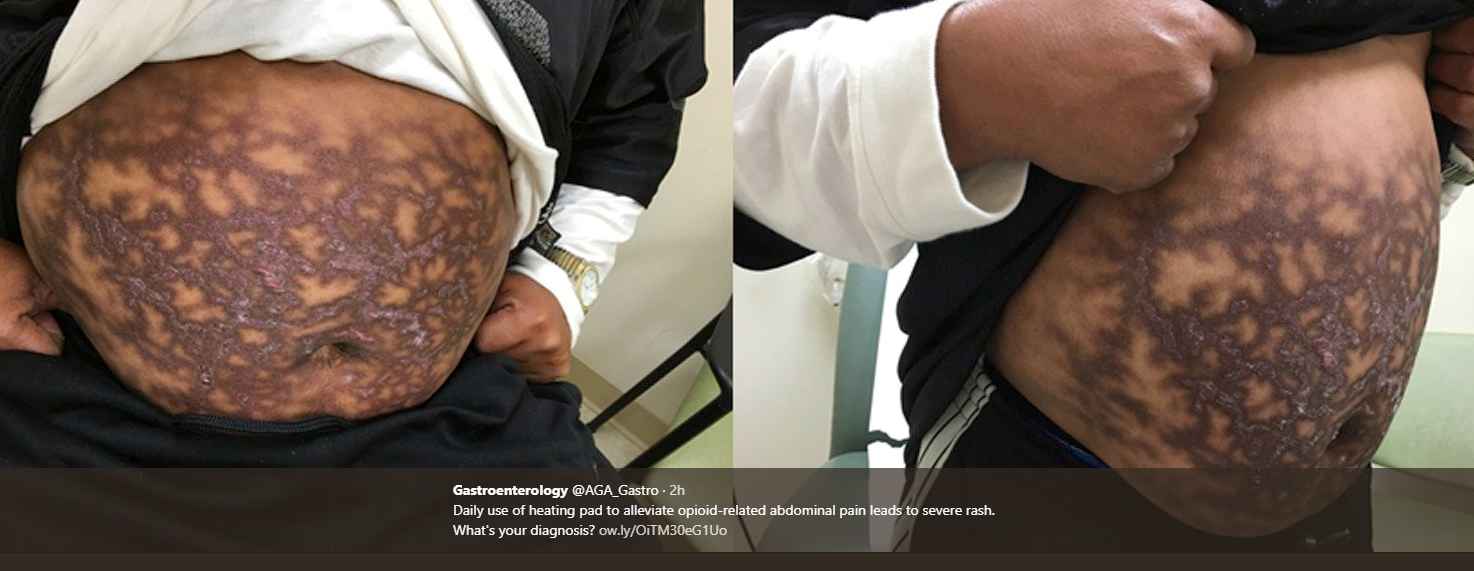
A few years ago I saw a patient with a similar rash (BF Curtis et al. Gastroenterol 2017; 153: 355-6) and texted a picture to a dermatology colleague who quickly asked me whether my patient was using heating packs/heating pads on her abdomen.

This rash, termed, “erythema ab igne,” develops due to excessive heat exposure.  Also, it has been called “toasted skin syndrome.”  Over time, if heat is not continued to abdomen, in most cases, the skin reverts to normal in this benign asymptomatic condition.


Use of Antidepressant Medications to Treat Recurrent Abdominal Pain

A recent study (C AM Zar-Kessler et al. JPGN 2017; 65: 16-21) retrospectively reviewed a single center’s 8 year experience (2005-2013) using antidepressant medications to treat nonorganic abdominal pain. Of 531 cases, 192 initiated treatment with either a selective serotonin reuptake inhibitor (SSRI) or a tricyclic antidepressant (TCA).

Key findings:

  • 63 of 84 (75%) of SSRI-treated patients improved; 56 of 92 (61%) of TCA-treated patients improved.  The higher response rate to SSRIs persisted after control for psychiatric factors.
  • A much higher percentage of SSRI-treated patients, compared to TCA-treated patients, had anxiety (49% vs 22%); an additional 15% and 5%, respectively, had combined anxiety/depression.
  • The most common SSRI in this study was citalopram with median dose of 10 mg (range 5-60 mg).
  • The most common TCA in this study was nortriptyline with median dose of 20 mg (range 10-50).
  • Similar numbers of patients in each group had adverse effects, include 21 (25%) of SSRI-treated patients and 20 (22%) of TCA-treated patients.  14% of SRRI-treated patients discontinue medication due to adverse effects, compared with 17% of TCA-treated patients.
  • Mood disturbances were higher in this study among TCA-treated patients: 14% compared with 6% of SSRI-treated patients
  • TCAs were prescribed by gastroenterologists in 88% of cases; with SSRIs, only 39% of prescriptions were from gastroenterologists.

In the discussion, the authors note that “all patients who experienced GI adverse effect were prescribed medications that would worsen their underlying bowel complaint…these issues may have been mitigated if more attention was paid” to this.  “Specifically, TCAs should be used cautiously in those with constipation, whereas SSRIs should be avoided in those with diarrhea.”

My take: This study shows that both classes of antidepressants were associated with improvement.  The conclusions about effectiveness are limited as this is a retrospective study and could not control/evaluate many variables. That being said, particularly if there is coexisting anxiety, as was frequent in this study population, a SSRI may be more effective.

Related blog posts:

Disclaimer: These blog posts are for educational purposes only. Specific dosing of medications (along with potential adverse effects) should be confirmed by prescribing physician.  This content is not a substitute for medical advice, diagnosis or treatment provided by a qualified healthcare provider. Always seek the advice of your physician or other qualified health provider with any questions you may have regarding a condition.

Tynn Church, Prague