#NASPGHAN19 Liver Symposium Notes (Part 1)

Although I was unable to attend this year’s liver symposium at NASPGHAN19, I reviewed the lecture notes.  There is some terrific content.  Here are some of the slides (borrowed with permission from NASPGHAN).

Link to complete NASPGHAN Chronic Liver Disease Symposium 2019

Session I

How do I best evaluate a cholestatic infant? Sanjiv Harpavat MD Texas Children’s Hospital 

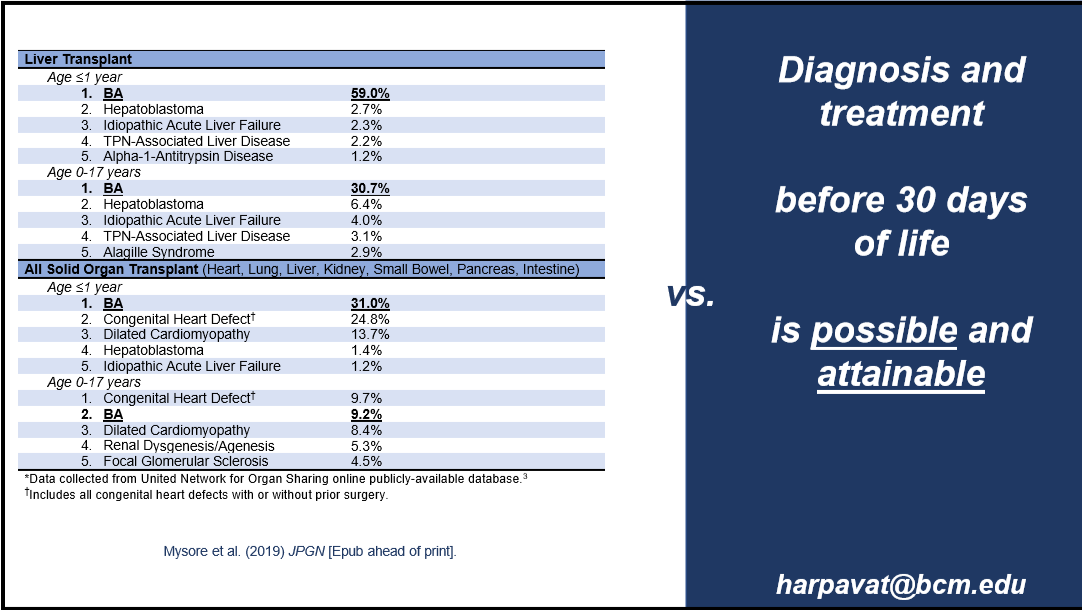
Related blog post: What is the evidence that biliary atresia starts in utero?

As for this algorithm, in my opinion, the 1st step needs to be to exclude emergencies associated with infantile cholestasis: coagulopathy, hypoglycemia, sepsis, and checking urine for reducing substances (cow’s milk formula can worsen liver disease if galactosemia is present). Subsequently, evaluation needs to proceed quickly to determine the etiology.

How do I interpret genetic results?  Saul J. Karpen MD, PhD, Emory University School of Medicine/Children’s Healthcare of Atlanta

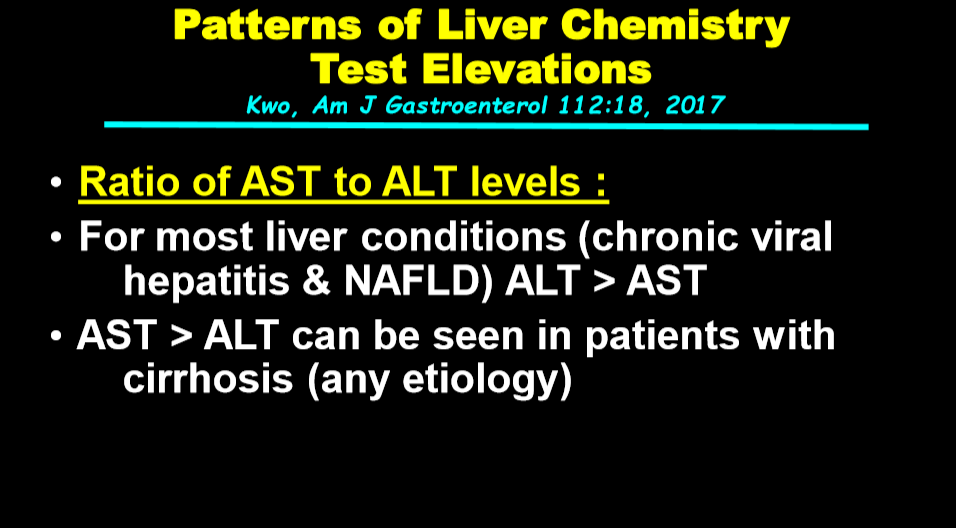
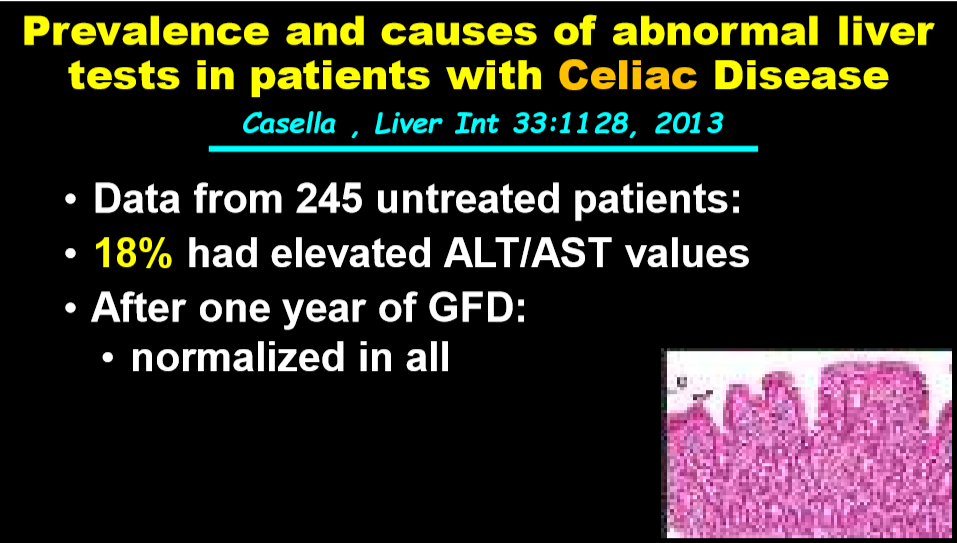
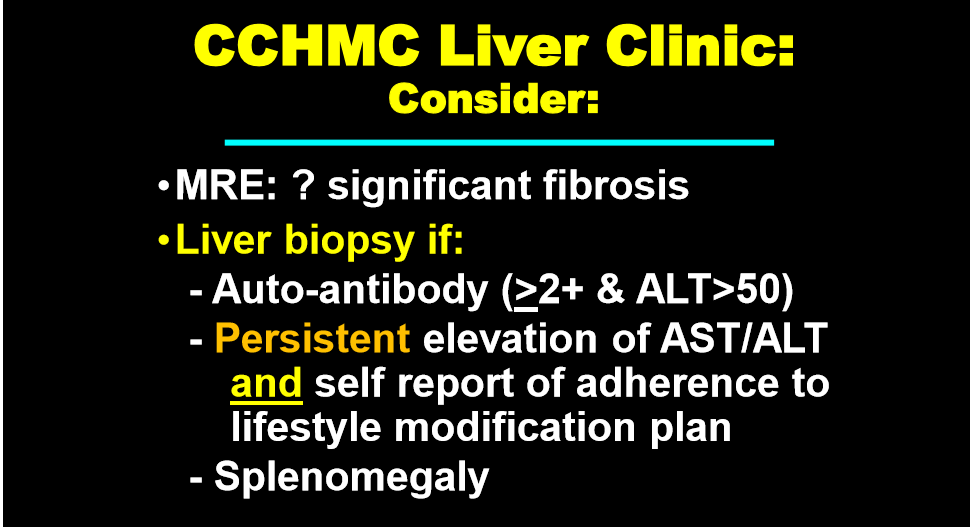
What do abnormal liver enzyme levels mean in a tween?  William F. Balistreri MD, Cincinnati Children’s Hospital Medical Center

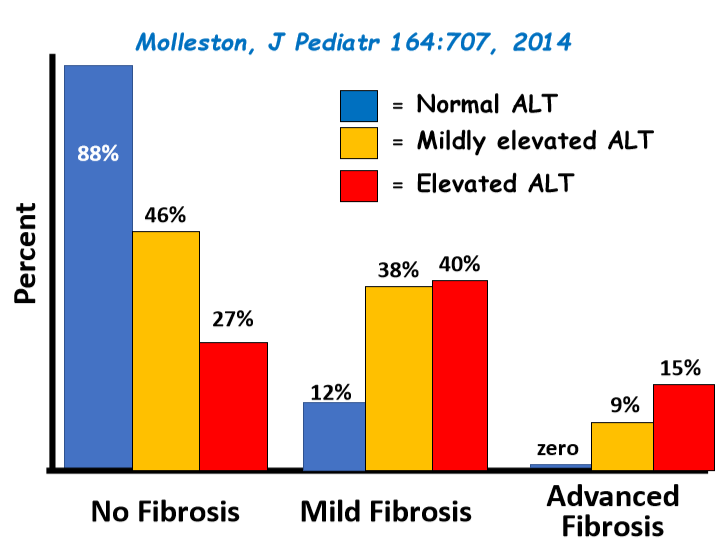
What do I do with this abnormal radiology finding? Jean Molleston MD, Riley Children’s Hospital

I have not selected slides from Dr. Molleston’s handout –the images are terrific.  For most of the problems that are presented, the lecture notes do not provide specific recommendations for management.

Disclaimer: NASPGHAN/gutsandgrowth assumes no responsibility for any use or operation of any method, product, instruction, concept or idea contained in the material herein or for any injury or damage to persons or property (whether products liability, negligence or otherwise) resulting from such use or operation. The discussion, views, and recommendations as to medical procedures, choice of drugs and drug dosages herein are the sole responsibility of the authors. Because of rapid advances in the medical sciences, the Society cautions that independent verification should be made of diagnosis and drug dosages. The reader is solely responsible for the conduct of any suggested test or procedure. Some of the slides reproduced in this syllabus contain animation in the power point version. This cannot be seen in the printed version.


30 -Year Outcomes with Biliary Atresia

M Fanna et al. JPGN 2019; 69: 416-24. In this retrospective 30-year study (1986-2015) from France, patients were examined in 4 time cohorts: 1986-96, 1997-2002, 2003-9, and 2010-5.

  • Age at Kasai operation remained stable throughout the study period -median 59 days.
  • Early Kasai was associated with a reduced need for liver transplantation. 25-year survival with native liver was 38%, 27%, 22%, and 19% for patients operated in first, second, third months or later respectively.
  • Clearance of jaundice (total bilirubin ≤20 micromol/L) after Kasai did not change appreciably in the time cohorts and was 38.8%.
  • 753 (of 1428 in cohort) patients underwent liver transplantation.
  • Overall survival of entire cohort was 87% (including all levels of followup).
  • Survival after LT was 79% at 28 years.
  • Five-year patient survival after LT was 76%, 91%, 88%, and 92% in the cohorts, indicating better survival more recently.
  • 22% of patients reached age 30 years without transplantation.

The authors note that better outcomes were noted in a long-term study from Japan where there are lower rates of LT needed for biliary atresia. IN Japan 20-year survival with native liver and overall patient survival was 48% and 89%, compared to 26% and 76% in France.

My take: This study indicates that the majority of patients with BA will require liver transplantation and that earlier Kasai operation is associated with a better chance of survival with native liver.  It is likely that data in the U.S. would be more similar to France than Japan based on prior publications.

Related blog posts:

Ecola State Park, OR

Liver Briefs -October 2019

Briefly noted:

M Mouzaki et al. JPGN 2019; 69: 339-43. In a cohort of 228 patients with 17 (8%) who were receiving psychotropic medications, the use of psychotropic medications was associated with increased nonalcoholic fatty liver disease (NAFLD) severity.  These patients were more likely to be receiving metformin (53% vs 18%) and antihypertensive medications (29% vs 8%).

S Honigbaum et al. JPGN 2019; 69: 344-50. Among 20 infants with biliary atresia, tissue had abundantly expressed lysly oxidase-like 2 (LOXL2) compared to controls.  LOXL2 is an extracellular matrix enzyme that catalyzed cross-linking of collagen and elastin; LOXL2 likely contributes to fibrosis.

What Is The Evidence That Biliary Atresia Starts in Utero?

A good read: KR Mysore, BL Shneider, S Harpavat. JPGN 2019; 69: 396-403.

This review dissects the evidence that biliary atresia (BA) most often begins in utero.

Key points:

  • Infants with BA have elevated conjugated/direct bilirbuin at birth.
  • Infants with BA have biliary abnormalities on fetal ultrasound (eg. gallbladder abnormalities, biliary cysts).
  • Infants with BA have abnormal gamma-glutamyl transferase levels in their amniotic fluid with low levels noted at gestational age 18-19 weeks.  This finding is not specific for BA as other conditions that affect biliary tree (eg. cystic fibrosis, trisomy 21) can have low levels as well.
  • BA is more common in premature infants.
  • Early recognition is important. In U.S (from 1976-89), transplant-free survival rates were 63% for Kasai when done in 1st 30 days, 44% for 30-60 days, 40% for 60-90 days, and 29% if >90 days.
  • A diagnostic approach is given in Figure 2 but is already out of date due to the availability of MMP-7 testing (article received by JPGN in January 2019).

This review also lists numerous current investigative therapies which include probiotic, steroids, desflurane/sevoflurane (anesthetics), pentoifyline, IVIG, vancomycin, meloxicam, GCSF, Bone marrow stem cells, N-acetylcysteine, and obeticholic acid.

My take: This article shows that the clock on liver injury begins in utero in most cases of BA and this will have implications on pathogenesis and management.

Related blog posts:

Cannon Beach, OR from Ecola State Park

More Data, More Nuance with MMP-7: Best Biliary Atresia Biomarker

As noted by my previous blog (New Way to Diagnose Biliary Atresia), I am enthusiastic about the development of MMP-7 (Serum Matrix Metalloproteinase-7) as a biomarker for biliary atresia.

A new study (Wu J-F , Jeng Y-M, Chen H-L, Ni Y-H, Hsu H-Y, Chang M-H. Quantification of serum matrix metallopeptide 7 levels may assist the diagnosis and outcome prediction for biliary atresia. J Pediatr. 2019;208:30–7) and associated editorial provide additional data and nuance.

Key points:

  • “Wu et … studied 100 cholestatic infants presenting consecutively to their institution over a 10-year period, including 36 eventually diagnosed with biliary atresia. Median serum MMP-7 levels were significantly higher in biliary atresia at the time of diagnosis, with an optimal serum MMP-7 level of >1.43 ng/mL for predicting biliary atresia.  In comparison, similarly high MMP-7 levels were found in only 1 infant who was cholestatic without biliary atresia.”
  • “The authors found that serum MMP-7 levels were significantly lower in the 14 infants ≤30 days old diagnosed with biliary atresia, compared with the 22 infants >30 days old at diagnosis. In some cases, serum MMP-7 levels in younger infants with biliary atresia overlapped with those from infants with other liver diseases, such as neonatal hepatitis.”
  • After Kasai portoenterostomy: “Serum MMP-7 levels were significantly higher 6 months post-Kasai portoenterostomy in infants who later required liver transplant, with a serum MMP-7 level of >10.30 mg/dL optimally predicting transplant 3-4 years after Kasai portoenterostomy … serum MMP-7 levels are still high even in patients who do not need liver transplant.”
  • The authors “highlight 1 complication with using serum MMP-7 levels: values can vary widely among different enzyme-linked immunosorbent assay kits used.”

Related blog posts:

Sagrada Familia -work in progress.  Amazing.


New Way to Diagnose Biliary Atresia

Case report: Recently, our group consulted on a 3 week old infant (ex34 week) who weighed 2.8 kg and had cholestasis. In addition, he had a GGT in the 400s and an ultrasound notable for a “small” gallbladder.  Due to the patient’s small size, he underwent a HIDA (no excretion).   The GGT was actually improving but the clinical situation was concerning for biliary atresia.

Instead of arranging a liver biopsy, we were able to perform a MMP-7 (Serum Matrix Metalloproteinase-7) assay which will be commercially available soon.  The result, which returned in 48 hours, indicated that the child had a >95% likelihood of biliary atresia. Subsequently, this infant is recovering from a hepatoportoenterostomy. No liver biopsy was needed prior to surgery.

My take: The MMP-7 assay is a remarkable test which is going to rapidly change the approach to infants with cholestasis.  I expect that this test will be ordered along with a serum alpha-one antitrypsin phenotype and an ultrasound.  In those with persistent cholestasis with negative initial testing, it is likely that, in the majority, a genetic cholestasis panel would be pursued rather than a liver biopsy.

Related blog posts:

Mesquite Flat Sand Dunes

Biliary Atresia and Bile Lakes

A retrospective study (DA Ginström et al. JPGN 2019; 488-94) review cholangitis associated with biliary atresia and the role of bile leaks.  This study encompasses a ~30 year period (1987-2016) and 61 patients.

Key findings: 

  • 54% had survived with their native liver at a median of 7.3 years; 28 (46%) had ≥ 1 cholangitis episodes/year
  • Cholangitis bouts were >5 times higher among patients with bile lakes
  • Management of bile lakes after 1995 (n=6) was with operative intestinal drainage (bile-lake jejunostomy) which resulted in disappearance or regression of bile lakes in all patients.  Associated with this, yearly cholangitis bouts decreased from 8.8 (4.2-14) to 1.1 (0.2-3.2). Prior to 1995, two patients were managed with PTCD; both died within one year.
  • Among patients who had surgical drainage of their bile lakes, 4 have survived jaundice-free and 2 received liver transplants at 1.3 and 4.9 years after intestinal drainage.

My take: This report provides insight into the management of bile lakes (also referred to as intrahepatic biliary cysts) indicating that bile-lake jejunostomy is effective in symptomatic patients.

Related blog posts:

Joshua Tree National Park

Blood Test is Better Than a Liver Biopsy for Biliary Atresia

A recent study (L Yang et al. Hepatology 2018; 68: 2069-72) confirms the utility of Serum Matrix Metalloproteinase-7 (MMP-7) as a biomarker for biliary atresia (BA). The authors studied MMP-7 among healthy controls (n=72 with 54 <6 months) and among 135 with cholestasis (75 with BA, 60 with non-BA).  BA samples were taken at a median age of 54 days.

Key findings:

  • Median concentration for MMP-7 was 2.86 ng/mL in healthy controls, 11.47 ng/mL for non-BA cholestasis, and 121.1 ng/mL for BA.
  • Using a cutoff value of 52.85 ng/mL, the diagnostic sensitivity and specificity were 98.67% and 95.0% respectively.
  • The AUC for MMP-7 in BA was 0.99 compared for AUC for GGT of 0.72.  The sensitivity and specificity for GGT was much lower at 64% and 72% respectively with a cutoff of 314 U/L.
  • The predictive value for MMP-7 was particularly impressive, 74 of 75 BA  subjects were correctly identified as having BA.  Only 3 non-BA patients were incorrectly assigned a BA diagnosis based on MMP-7 values.
  • The authors noted that MMP-7 testing indicates that there are no substantial changes in its values for normal subjects extending to 54 years of age.
  • One limitation the authors note is the relatively small number of patients with non-BA syndromatic intrahepatic cholestasis which made up less than 30% of their non-BA cohort.  Thus, more testing in specific populations is needed.

My take: The diagnostic performance of MMP-7** appears to be superior to that of a liver biopsy (though this was not directly compared in this study) in predicting BA and could obviate the need for most liver biopsies in infants with cholestasis.  Those with high MMP-7 values would proceed directly to intraoperative cholangiogram with possible hepatoportojejunostomy. Those with non-BA MMP-7 values and persistent cholestasis could undergo additional investigation with genetic panels and/or other metabolic/infectious testing.

**This assay is likely to be commercially-available in the coming weeks according to a colleague at Cincnnati Children’s Hospital.  The expectation is an approximagely 2-day turnaround.

Related blog posts:

Moon over Zabriskie Point, Death Valley before Sunrise

Bilary Atresia Prognosis After 2-Year Survival with Native Liver

A recent study (M Witt et al. JPGN 2018; 689-94) indicates that among patients with biliary atresia who reached 2 years of life with native liver survival (NLS), they continued to be at risk for progressive liver failure.

Key findings:

  • Upon a median follow-up of 16.4 years, NLS rates at 5, 10, 15, 18 years of age were 89%, 72%, 60%, 54%, respectively.
  • Corresponding overall survival rates were 98%, 90%, 87%, 87%, respectively
  • NLS ended in 37% by liver transplantation (LTx) and in 6% by (pre-transplant) mortality.
  • Abstract Link: Prognosis of Biliary Atresia After 2-year Survival With Native Liver

My take: This data provides more precise information for families about prognosis and reinforces the need for careful followup.

Related blog posts:

Parker Ridge, near Banff


Liver Shorts November 2018

J Ge et al. Hepatology 2018; 68: 1101-10.  This study reviewed liver donation offers between 2010 to 2014.  This study found that 5.6% of men (293/5202) and 6.2% of women (179/2899) received a pediatric donor as a first offer.  Women, but not men, who received a pediatric first offer had a lower risk of waitlist mortality than with those who received adult organ offers. The authors recommend that “offers of pediatric donor liver be prioritized to women, who are generally shorter stature, once alllocation to the entire…pediatric waitlist pool has occurred.”

CA Chapin et al. Hepatology 2018; 68: 1087-1100.  This study found that patients with indeterminate pediatric acute liver failure (iPALF) have a unique pattern of dense CD8+ T-cell infiltrate that is also perforin-positive adn CD103-positive.  These CD8+ cells are a biomarker for immune dysregulation. These CD8+ dense pattern was found in the 27 of 33 patients with iPALF; 3 had moderate and 3 had minimal staining pattern (per table 2).  The dense CD8+ pattern was seen in 3 of 9 with autoimmune hepatitis and in 1 of 14 with other liver diseases.

E-D Pfister et al. Liver Transplantation 2018; 24: 1186-98.  This study examined patient (n=338) and graft survival in the pediatric population (median age 14.0 years) with Wilson’s disease (1968-2013).  Overall, patient survival was 87% at 1 year, 84% at 5 years, and 81% at 10 years.  Though, the survival was much improved since 2009.

JA Bezzerra et al. Hepatology 2018; 68: 1163-73. This review summarized a research workshop (June 2017) focused on the clinical and research challenges for biliary atresia.

Banff