CCFA: Updates in Inflammatory Bowel Disease 2017 (part 2)

Douglas Wolf -New Treatments and New Strategies

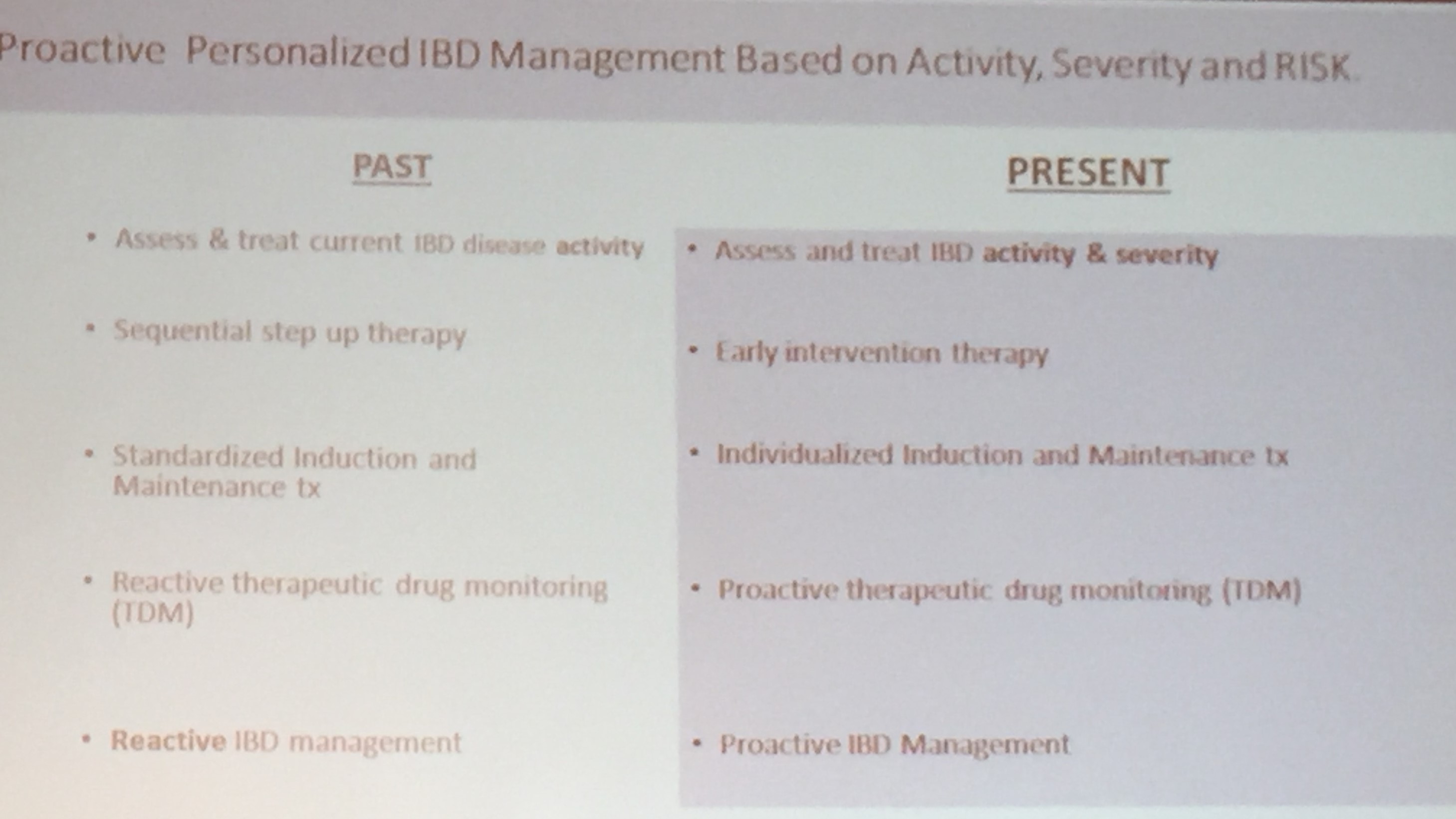
  • More proactive approach is recommended; this leads to less surgery, less hospitalization, and less antibodies to infliximab
  • Risk assessment should guide treatment; higher risk indicates a need for more aggressive therapy
  • Higher doses of anti-TNFs appropriate in some cases (eg weekly Humira)
  • For distal colitis/proctitis, budesonide foam is an alternative to cortifoam
  • Azathioprine monotherapy has a low response rate
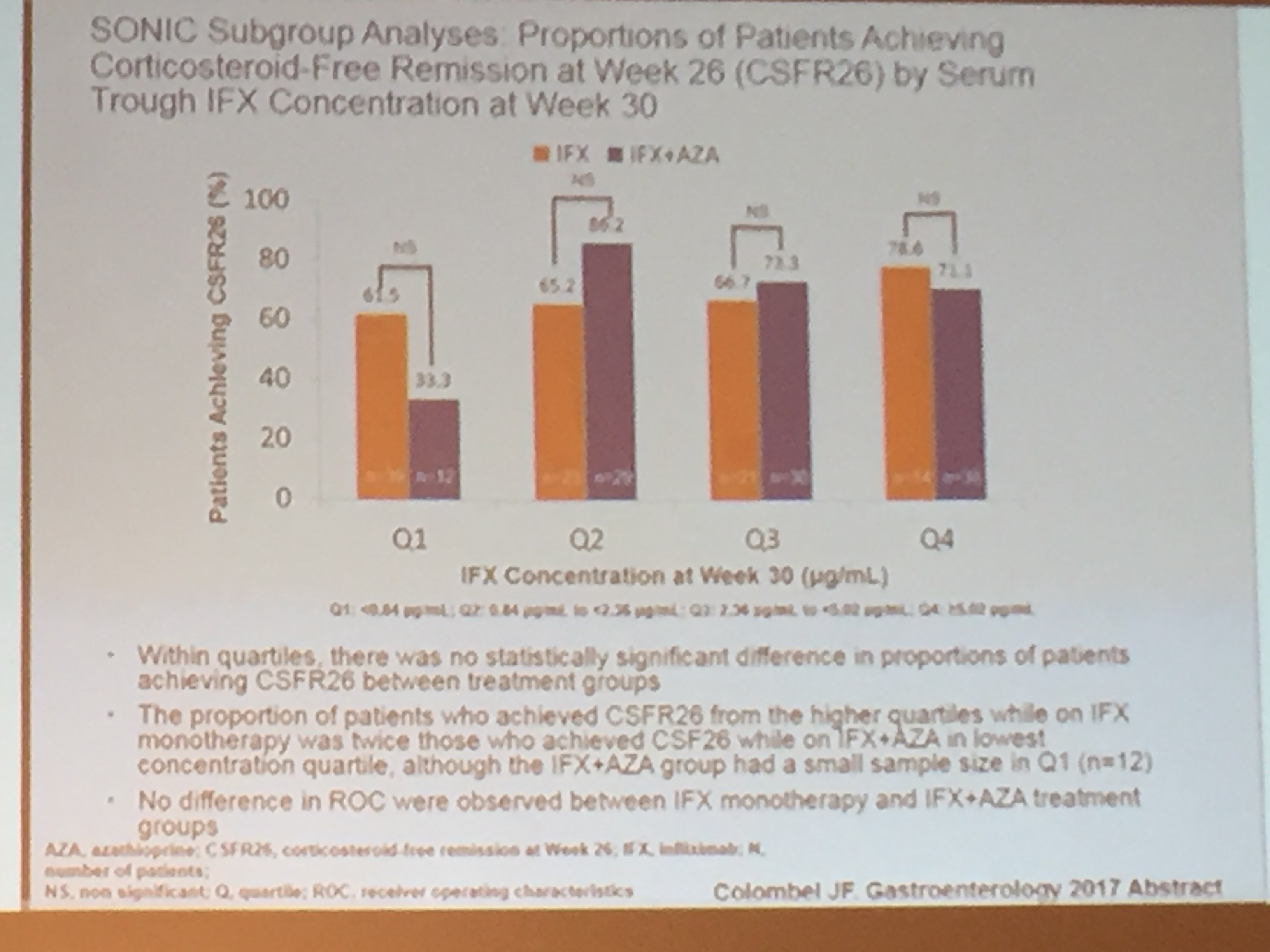
  • Combination therapy may not be needed if good IFX levels obtained.  Though, it is possible that development of antibodies precludes achieving good levels; thus, combination therapy may increase likelihood of good levels by reducing antibody formation, particularly earlier in course
  • Vedolizumab can be shortened to q4weeks if not improving.
  • CALM study: symptom based management compared to management based treat-to-target relying on CRP, and calprotectin. Improved outcomes with treatment based on CRP, calprotectin in addition to symptoms.
  • Tofacitinib –will be available in 2018 for ulcerative colitis
Chiristina Ha -Treatment Strategies in the Elderly

Dr. Ha referenced Dr. Sandborn who recently stated that combination therapy should be first-line therapy in moderate-to-severe disease –though this may be different in elderly patients.

  • Older age –increases mortality risk
  • Immunosenescence -relative immunodeficiency state associated with aging
  • Pharmokinetic changes with aging
  • Increased susceptibility to drug toxicity (eg. Renal, hepatic)
  • Older patients usually excluded from therapeutic trials
  • Polypharmacy is more common

Treatment:

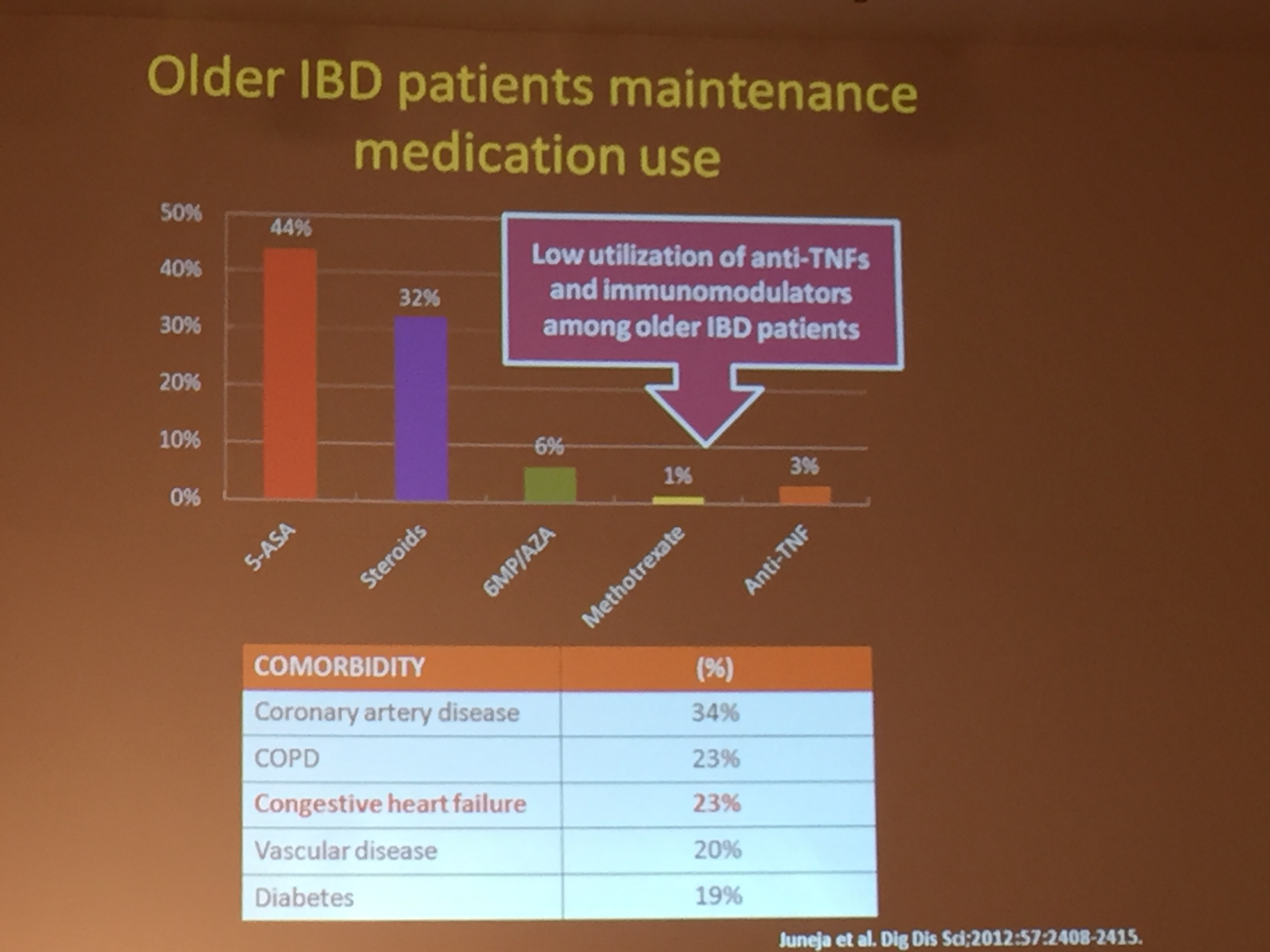
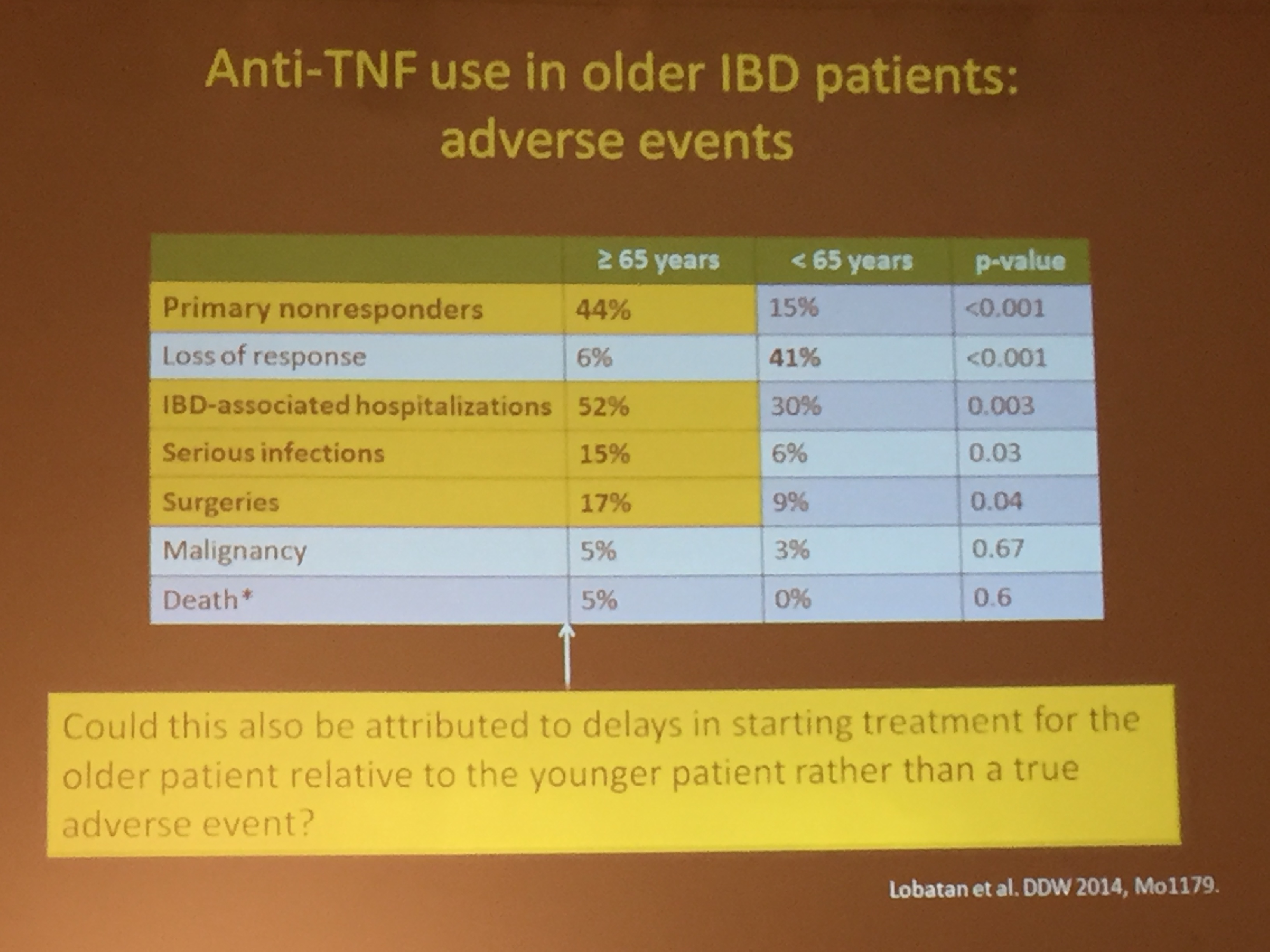
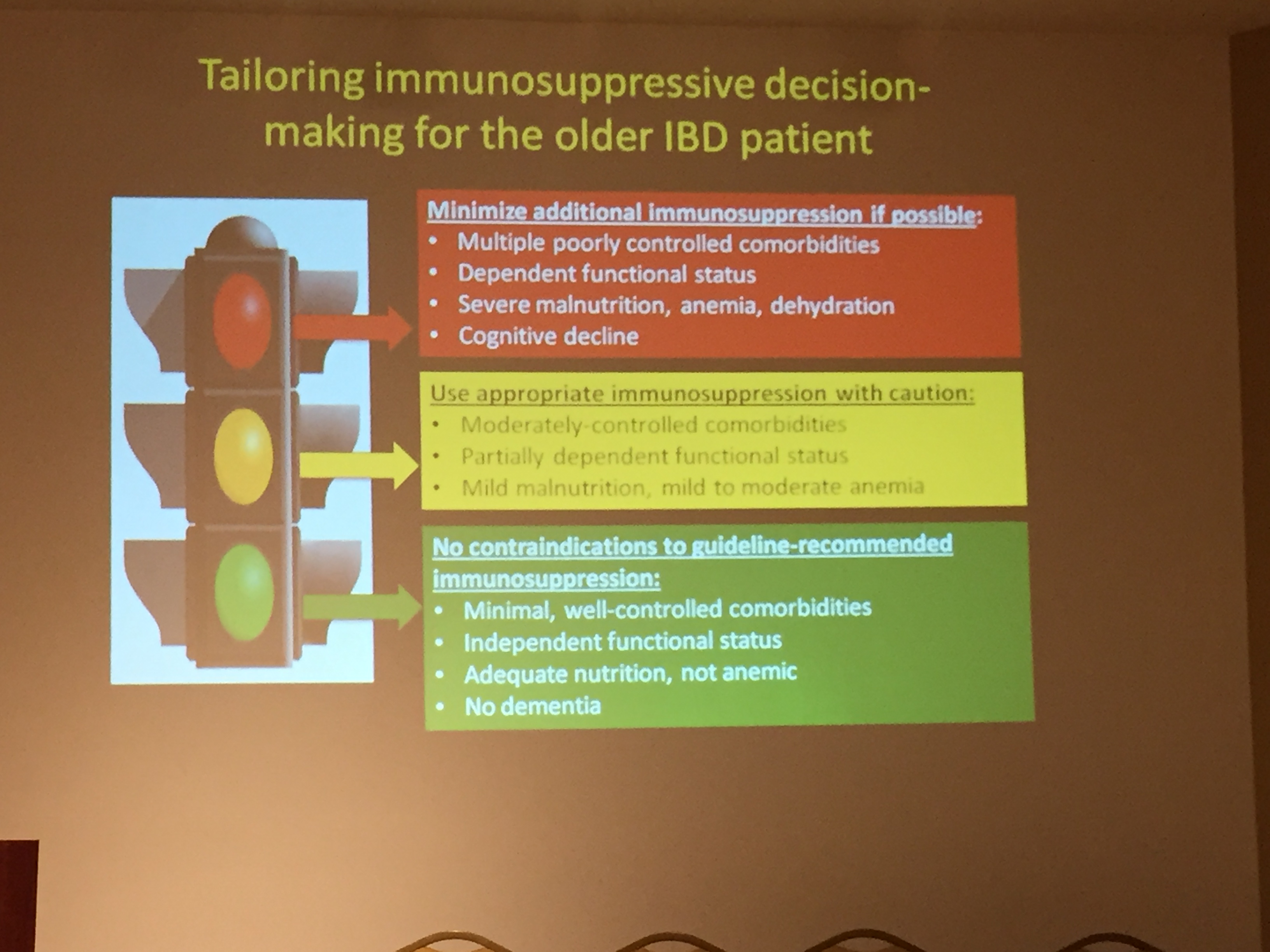
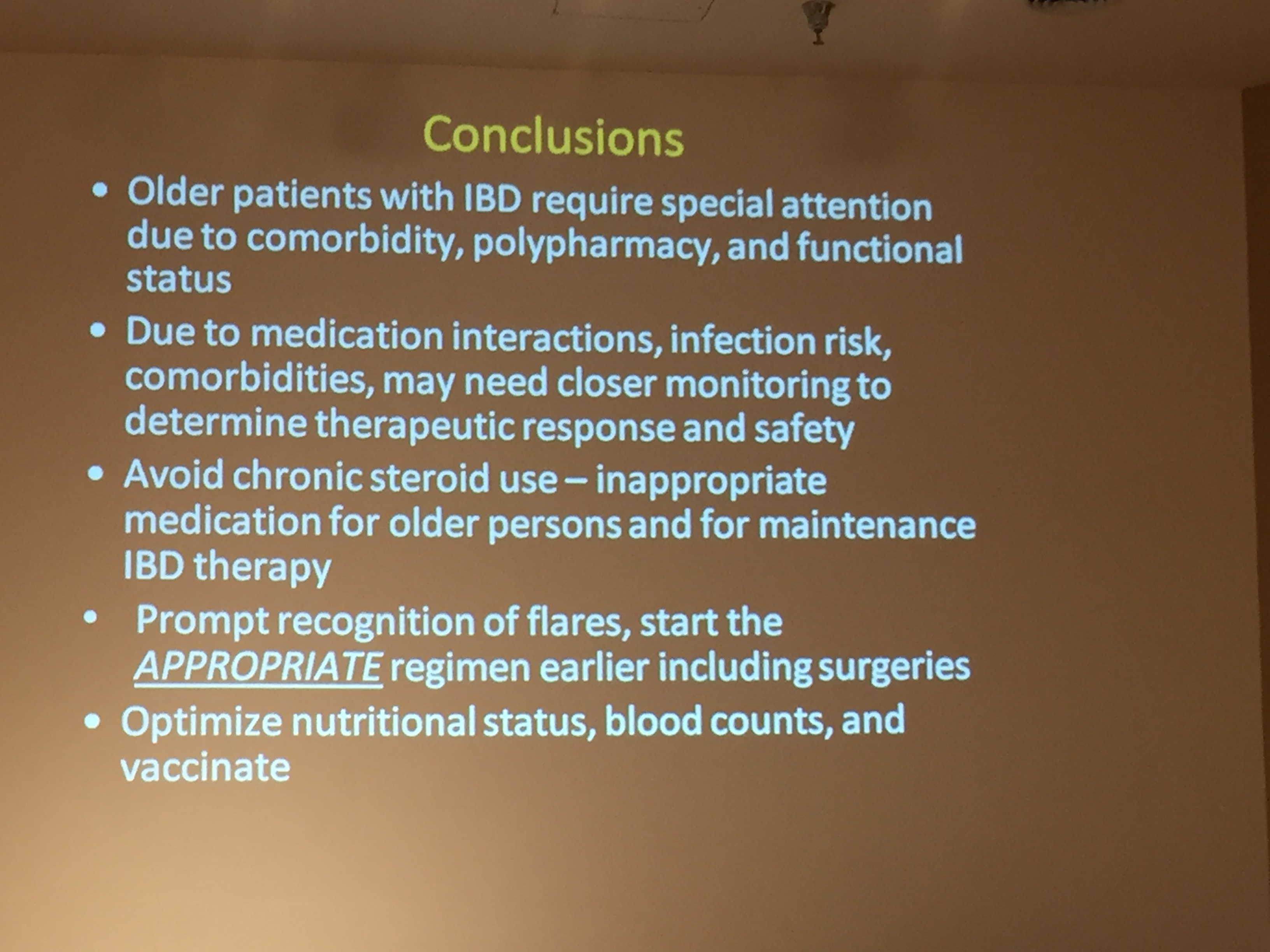
  • Frequent strategy in elderly has been using 5-ASAs and steroids, even in moderate-to-severe disease. This has been due to increased fear of adverse events with IMM and anti-TNFs.  However, using data from rheumatoid arthritis, older patients’ biggest risk is steroids.
  • Thiopurines have unfavorable risk profile in the elderly.
  • Anti-TNFs are not as effective in the elderly
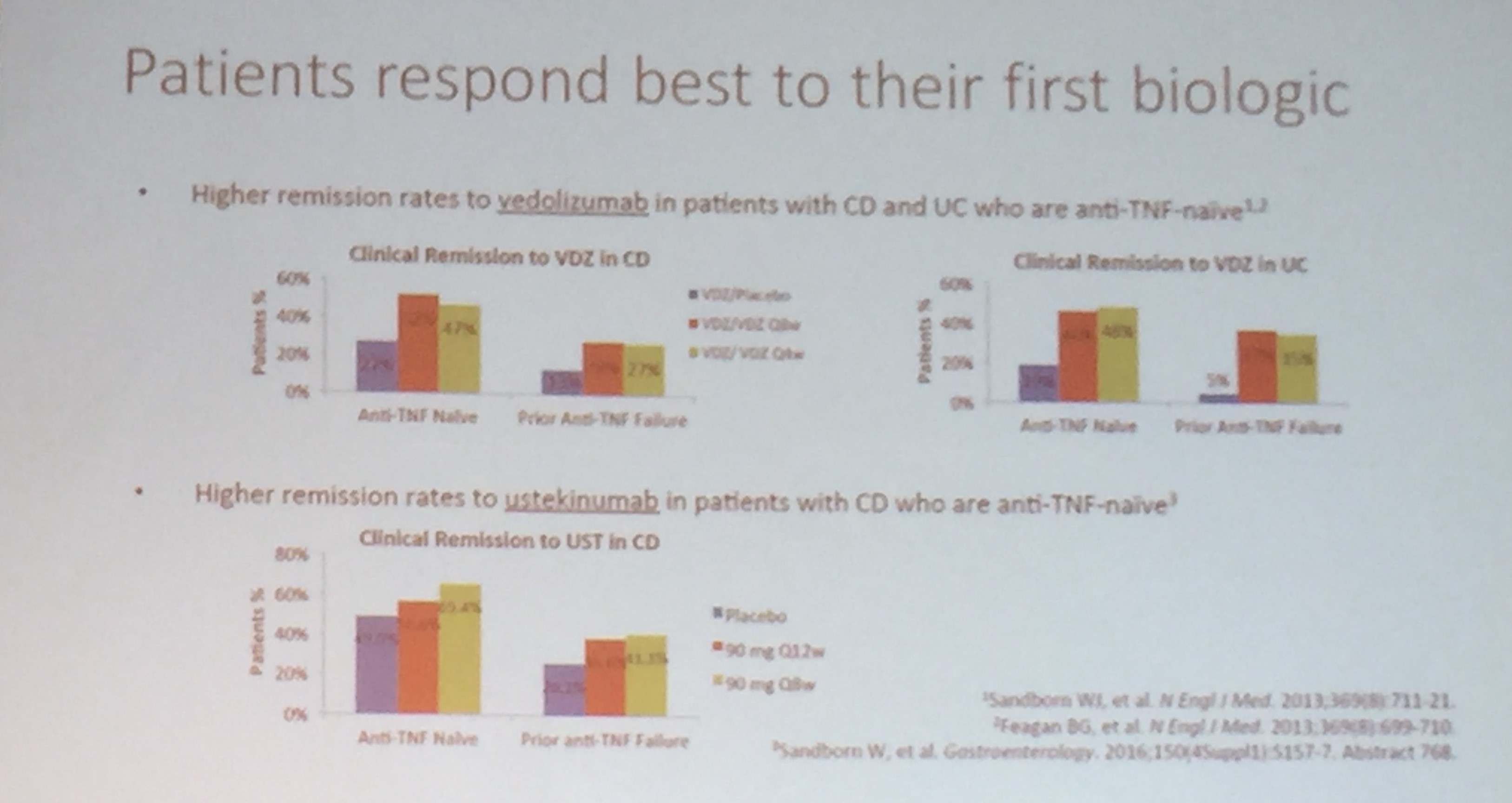
  • Preliminary data on vedolizumab -very limited data, may work better in older patients
  • Most common infections by be reduced considerably by immunizations. (eg.  ,bacterial pneumonia, herpes zoster)
  • Correct anemia, nutritional deficiencies
Disclaimer: These blog posts are for educational purposes only. Specific dosing of medications (along with potential adverse effects) and changes in diet should be confirmed by prescribing physician.  This content is not a substitute for medical advice, diagnosis or treatment provided by a qualified healthcare provider. Always seek the advice of your physician or other qualified health provider with any questions you may have regarding a condition.

IBD Resources for Clinicians/IBD Tweets

Another website with a few useful resources:

  • Steroid taper calendar -helps develop a calendar (can use to print out or take a picture)
  • Imaging risk calculator -this is not that great.  In essence if you have a patient present to ER with a CRP of 1 mg/dL and ESR of 20, it states that risk of a complication like a perforation is “NOT LOW” and to consider imaging
  • IBD School Video collection -links to UM website

Note -therapeutic drug monitoring may be more useful in children due to their changing size.

Disclaimer: These blog posts are for educational purposes only. Specific dosing of medications (along with potential adverse effects) should be confirmed by prescribing physician.  This content is not a substitute for medical advice, diagnosis or treatment provided by a qualified healthcare provider. Always seek the advice of your physician or other qualified health provider with any questions you may have regarding a condition.

Briefly Noted: Inflammatory Bowel Disease Updates

Gut Microbial Diversity is Reduced in Smokers with Crohn’s Disease. JL Opstelten et al. Inflamm Bowel Dis 2016; 22: 2070-77.  This study compared stools from 21 nonsmoking patients with Crohn’s disease (CD) with 21 smokers with CD.  Smoking was accompanied by a reduced relative abundance of multiple genera.  My take: It is unclear whether smoking’s effect on the microbiome directly contributes to worsened outcomes or whether the changes in the microbiome are only an epiphenomenon.  Regardless, smoking increases the likelihood of worse outcomes in CD.

A Systematic Review on Infliximab and Adalimumab Drug Monitoring Levels, Clinical Outcomes and Assay. F Silva-Ferreira et al. Inflamm Bowel Dis 2016; 22: 2289-2301. This review selected 20 studies from an initial query of 1654 articles. Key points:

  • Different studies are difficult to compare due to distinct assays with different limitations. Thus, specific cutoffs are based on the specific assay used.
  • The authors state that proactive monitoring may be helpful at week 6, 14, 30 and 54 for infliximab.  They recommend checking infliximab level and antidrug antibodies in those with loss of response, mucosal ulceration or elevated biomarkers (eg. CRP, Fecal calprotectin).

More on Anti-TNF Drug Levels (part 2) and a Few Mentions

Another study (K Papamichael et al. Clin Gastroenterol Hepatol 2016; 14: 543-9) examined therapeutic drug levels with regard to infliximab induction and mucosal healing.

In this retrospective study with 101 patients with ulcerative colitis, 54 (53.4%) achieved mucosal healing between weeks 10-14, defined by a Mayo endoscopic score of 0 or 1.  97% of patients were treated with 5 mg/kg infusions.

Key finding:

  • Infliximab threshold concentrations of 28.3 mcg/mL at week 2, 15 mcg/mL at week 6, and 2.1 mcg/mL at week 14 were associated with mucosal healing.

My take: While this study provides information on what type of levels to expect at 2, 6, and 14 weeks, what is really important is figuring out which patients need higher doses of infusions from the start.

Unrelated, briefly noted:

R Yadlapati et al. Clin Gastroenterol Hepatol 2016; 14: 535-42. In this prospective blinded cohort study of 59 subjects, oropharyngeal pH testing (Restech Dx-pH) and salivary pepsin analysis was not able to distinguish between healthy volunteers and subjects with a combination of laryngeal and reflux symptoms.

M Moris et al. Clin Gastroenterol Hepatol 2016; 14: 585-93. This study reports increasing findings of small pancreatic cysts with more (and better) MRI imaging.

Y Kawamura et al. Clin Gastroenterol Hepatol 2016; 14: 597-605. This retrospective study shows, among almost 10,000 patients with fatty liver disease, that alcohol consumption of ≥40 g/day is an independent risk factor for hepatocellular carcinoma.

Strongloides

CCFA Conference Notes 2016 (part 2) -Pediatric Lecture

This blog entry has abbreviated/summarized this terrific presentation; most of the material has been covered in this blog in prior entries but still this was a useful review. Though not intentional, some important material is likely to have been omitted; in addition, transcription errors are possible as well.

2nd Lecture: What is Next in Treatments for Pediatric Patients? –Dr. Michael Rosen

I really enjoyed meeting Dr. Rosen. He is super-friendly and knowledgeable.

Combination therapy. Grossi V et al showed improvement in infliximab durability with concomitant therapy.

Screen Shot 2016-04-17 at 11.44.52 AM Screen Shot 2016-04-17 at 11.44.38 AM

Screen Shot 2016-04-17 at 11.46.30 AM

Now starting COMBINE trial (ImproveCareNow)–randomized to low dose MTX or placebo in combination with anti-TNF agent.

Screen Shot 2016-04-17 at 11.42.32 AM

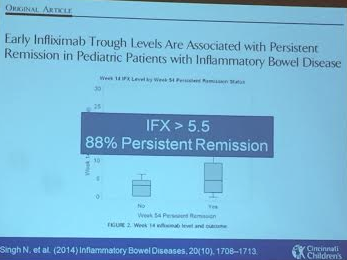
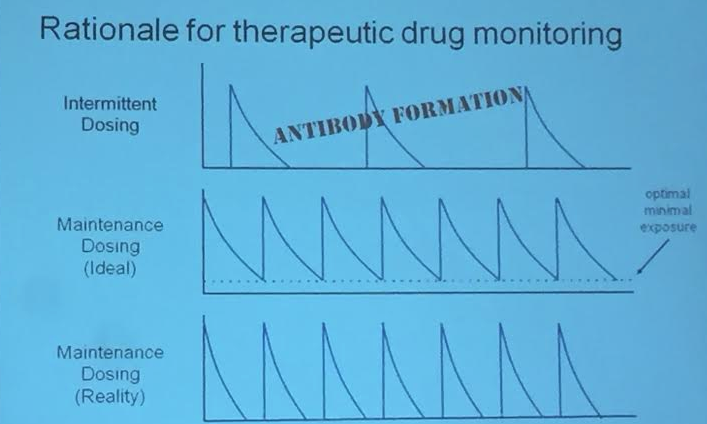
Therapeutic drug monitoring in pediatrics. Is this an alternative to combination therapy? Rationale (see slide): lower antibody formation if trough levels maintained. IFX level >5.5 associated with persistent remission (Singh et al 2014). Children are growing and they may need more adjustments. In Cincy, checking levels at week 14 after initiation and then every 6-12 months.

Screen Shot 2016-04-17 at 11.48.03 AM Screen Shot 2016-04-17 at 11.47.12 AM

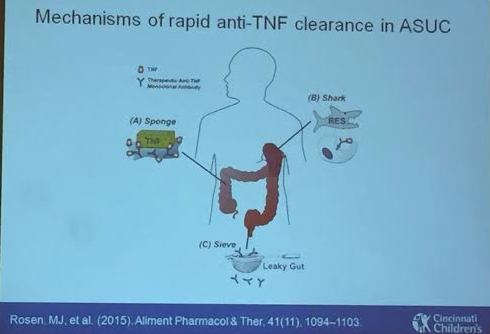
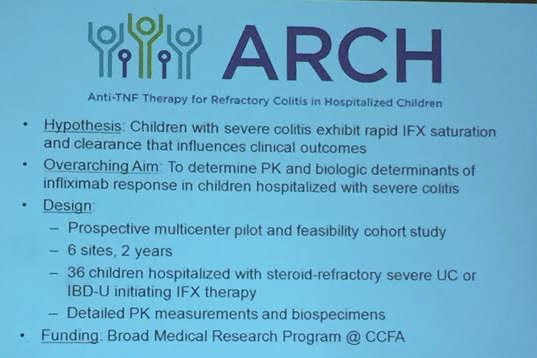
Acute Severe Ulcerative Colitis. High rates of dose escalation in this population. Some of this is due to more rapid clearance of anti-TNF –leaking in gut and other mechanisms as well. Week 8 level of 40 associated with clinical response. Thus, this population may benefit from 10 mg/kg at start (in those with albumin <3) and may need more frequent dosing, especially early into treatment (?0, 2, 6, 10). ARCH study to look into this further

Screen Shot 2016-04-17 at 11.49.33 AM

Screen Shot 2016-04-17 at 11.49.45 AM

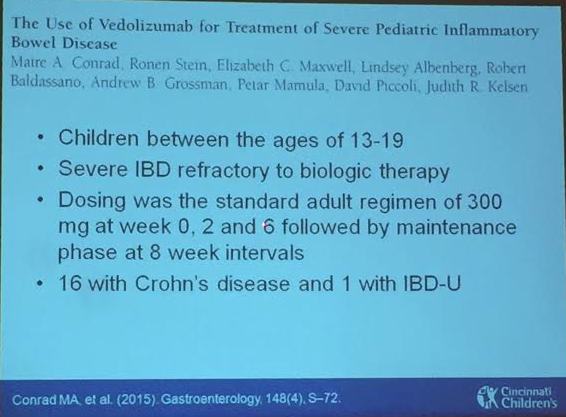
Vedolizumab. Conrad MA 2015. About 1/3rd of these refractory patients in this abstract responded.

Screen Shot 2016-04-17 at 11.50.01 AM

Screen Shot 2016-04-17 at 11.50.16 AM

Ustekinumab . IL-12 & IL-23 blockage. No studies in pediatrics. Case report reviewed of good response in a refractory case.

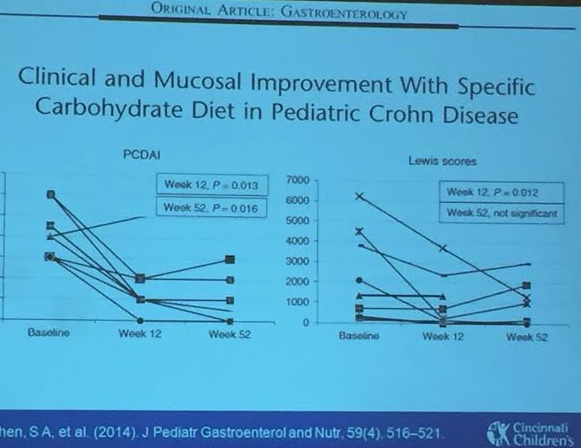
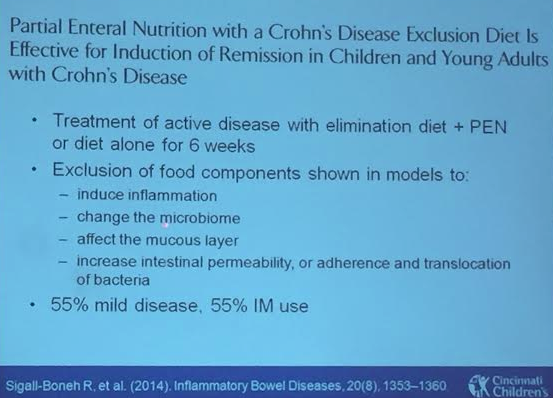
Enteral therapy. Specific carbohydrate diet experience. These diets have some published data, most retrospective studies. Our group (Cohen SA et al) did perform a small prospective study. Sigall-Boneh R et al showed improvement with partial enteral nutrition.

Screen Shot 2016-04-17 at 11.53.14 AM

Screen Shot 2016-04-17 at 11.53.26 AM


Screen Shot 2016-04-17 at 11.54.44 AM

Screen Shot 2016-04-17 at 11.55.08 AM Screen Shot 2016-04-17 at 11.54.57 AM

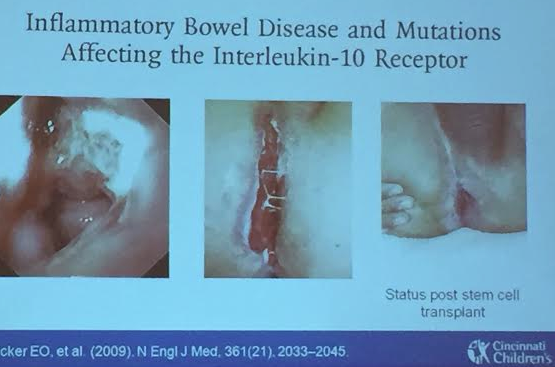
Very early-onset of IBD. IL-10 receptor deficiency was a key early discovery and can be treated with stem cell transplant. STAT3 mutation case reviewed which was managed with tocilizumab. More targeted therapy expected based on specific mutations.

Screen Shot 2016-04-17 at 11.55.33 AM


CCFA Conference Notes (Part 1): Preemptive Therapeutic Drug Monitoring Not That Helpful

This blog entry has abbreviated/summarized this terrific presentation; most of the material has been covered in this blog in prior entries but still this was a useful review. Though not intentional, some important material is likely to have been omitted; in addition, transcription errors are possible as well.

Optimizing Therapeutic Drug Monitoring –Dr. Hans Herfarth

  • Trough levels have been recognized to correlate with remission rates. Good data from SONIC (2010) for infliximab. Ultra2 trial (2013) showed similar data for adalimumab.

Screen Shot 2016-04-17 at 11.19.23 AM

  • Low albumin predicts higher rates of failure, possibly due to loss of infliximab in stool.

Screen Shot 2016-04-17 at 11.20.14 AM


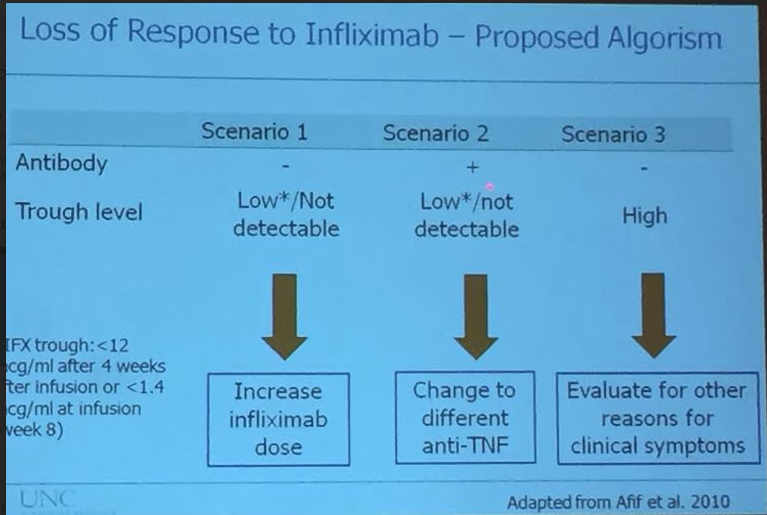
  • Reviewed algorithm for loss of response to infliximab based on trough levels. If low infliximab and no antibodies, increase dosing of infliximab has high likelihood of clinical response.
  • If high infliximab and not responding, evaluate for other reasons including irritable bowel, and strictures.

Scenarios that create confusion with therapeutic drug monitoring:

  • If clinically-well patient has antibodies and adequate drug level, could observe or possibly add immunosuppressive agent. ~3% of patients have simultaneous ATI and IFX detection.
  • If clinically-well with low infliximab level, could increase dose or observe.

Screen Shot 2016-04-17 at 11.23.19 AM

Screen Shot 2016-04-17 at 11.24.10 AM

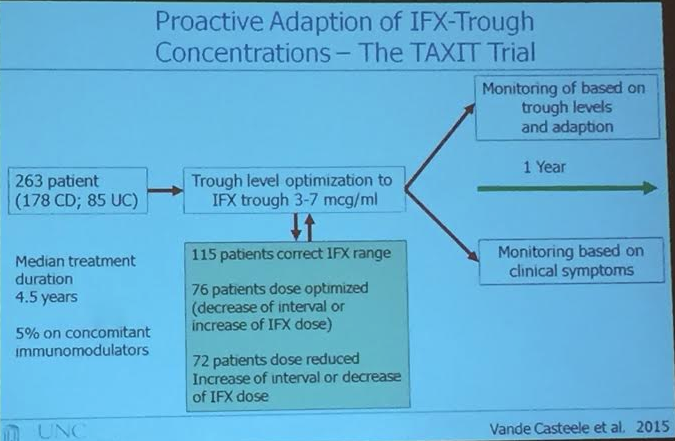
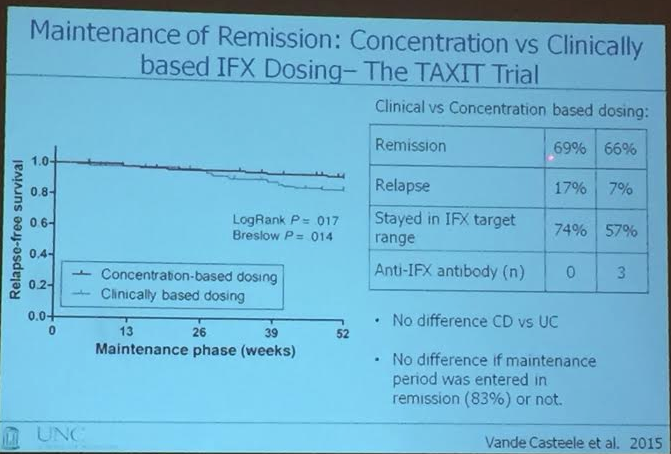
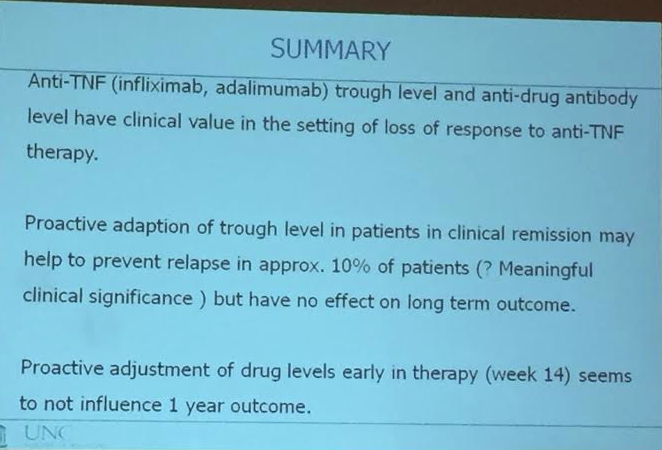
  • In TAXIT study, however, lowering dose (panel B above) to get in target range was associated with a lower rate of response. No clear difference between clinically-based changes compared with proactive monitoring. Proactive adaption of trough levels may help prevent relapse in ~10% but not shown to alter long-term outcomes

Screen Shot 2016-04-17 at 11.25.43 AM

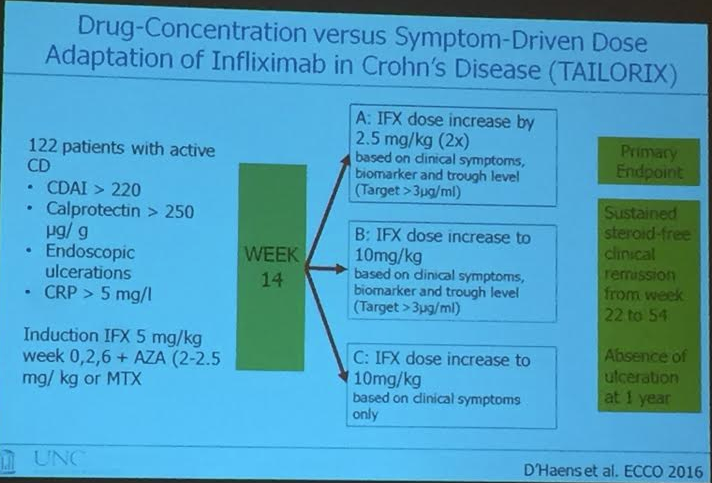
  • TAILORIX study looked at tailoring dose at week 14. ‘Week 14 adaption did not make a significant difference at 1 year.’  Limitation: 122 patients.

Screen Shot 2016-04-17 at 11.26.29 AM

Hard to see Group C (clinically-based group) in this slide

Hard to see Group C (clinically-based group) in this slide

Drug monitoring has become popular but its importance as a preemptive measure is unclear.  Dr. Herfarth’s practice is to monitor when loss of response but not to monitor if doing well. His view: if someone is doing well, therapeutic drug monitoring can be confusing. It is not proven that optimizing drug levels will improve long-term outcomes. (In children, especially due to growth, drug monitoring may be more important.)

Screen Shot 2016-04-17 at 11.30.13 AM

Screen Shot 2016-04-17 at 11.39.09 AM

One other recommendation from Dr. Herfarth: he recommends combination therapy in his patients are started on a 2nd anti-TNFs.

New Target Drug Levels in Inflammatory Bowel Disease

According to a recent review (Vaughn BP, Sandborn WJ, Cheifetz AS. Inflamm Bowel Dis 2015; 21: 1435-42), higher target levels of infliximab should be considered.

After reviewing the relevant studies which are summarized in Table 1, the authors state that in their experience infliximab (IFX) levels of 5 to 10 mcg/mL are desirable.  Using this standard, they note in a retrospective review that proactive testing identifies only 29% of patients in this range.

Similarly, the TAXIT study (Casteele NV et al. Gastroenterol 2015; 148: 1320-29) identified 44% of patients with a trough concentration of 3-7 mcg/mL at baseline screening.  In this study, after achieving an adequate trough concentration, they found that patients had ~70% clinical remission at 1 year.  TAXIT acronym = the Trough Concentration Adapted Infliximab Treatment trial.  The TAXIT study was a 1-year randomized control trial with 263 adults (178 with CD and 85 with UC).

Recommendations from this review:

  • When therapeutic drug monitoring is used to react to symptomatic patients (Figure 1), if they test negative for antibodies to infliximab (ATIs) and have a low IFX level, then increasing the dose is recommended.  In those with therapeutic IFX and negative ATIs, then consider change in drug class or surgery (rather than dose escalation).
  • When therapeutic drug monitoring is used to react to symptomatic patients, if they test positive for ATIs, if there is a low level ATI (<15 mcg/mL for the referenced assay), then increasing the dose is recommended, otherwise consider change in drug class or surgery (rather than dose escalation).
  • For proactive monitoring, if negative ATI, and IFX trough level is >10 mcg/mL consider extending interval.  If the IFX level is low, increase dose.  If IFX is therapeutic, continue same dose and consider re-check in 6-12 months.
  • For proactive monitoring (Figure 3), if positive ATI, the authors recommend increasing dose if faced with low level ATI and consider change in drug class or surgery (rather than dose escalation). [If someone is doing well, I would not agree with this recommendation.  I would not stop a therapy based on a single blood test.]

One more useful point:

The authors note that combination therapy improves IFX levels and lessens the likelihood of ATIs.  “Current evidence suggests that combination of an anti-TNF with an immunomodulator is the most efficacious treatment for new-onset IBD.”  They speculate that proactive monitoring may allow IFX monotherapy without the need for combination therapy or allow de-escalation of combination therapy.

Bottomline: Consider a higher infliximab target level (5-10 mcg/mL) and using proactive monitoring to achieve higher remission rates.

Related blog posts:

Cumberland Island

Cumberland Island

Briefly noted:

Casen C, et al. Aliment Pharmacol There 2015; 42: 71-83. (Thanks to Ben Gold for this reference). After studying the stool of 165 healthy controls, the authors used 54 DNA probes targeting >300 bacteria.  This genetic analysis-map dysbiosis test, subsequently analyzed 330 more patients; it confirmed dysbiosis in 73% of IBS patients, 70% of treatment-naive IBD patients and 80% of IBD patients in remission compared with 16% of healthy individuals.  Take-home point: Ultimately stool analysis could lead to more accurate evaluation and monitoring of individuals with suspected IBS or IBD.

Disclaimer: These blog posts are for educational purposes only. Specific dosing of medications/diets (along with potential adverse effects) should be confirmed by prescribing physician/nutritionist.  This content is not a substitute for medical advice, diagnosis or treatment provided by a qualified healthcare provider. Always seek the advice of your physician or other qualified health provider with any questions you may have regarding a condition.

 

What We Know Now: Therapeutic Drug Monitoring for Inflammatory Bowel Disease

This blog has discussed the utility of obtaining drug levels for both biologic agents and thiopurines.  A recent article (Inflamm Bowel Dis 2015; 21: 182-97) provides a concise up-to-date review.

Here are the key points:

  • Primary nonresponse to anti-TNF therapy (PNR) “is most commonly defined as lack of improvement of clinical signs and symptoms after the induction phase leading to discontinuation of the drug.”
  • “We think that patients who respond but fail to achieve remission…are likely almost all due to insufficient drug.”
  • Table 2 provides a list of predicting factors, both negative and positive, for PNR.  This list includes genetic mutations (e.g.. IL23R, NOD2/CARD15 variant), mucosal gene expression, clinical factors (e.g. young age, isolated colitis, smoking, nonstricturing disease, concomitant immunomodulators) and serologic (eg. CRP, hemoglobin, and presence of pANCA).
  • Patients with PNR to a TNF antagonist, “despite therapeutic concentrations of drug and no anti-drug antibodies (ADA), would likely benefit from a switch to an alternative drug with a different mechanism of action.”
  • “Patients with a high baseline inflammatory load…and increased clearance of drug because of a high turnover would likely benefit from higher induction doses.”  This hypothesis has been proven in rheumatoid arthritis patients in which patients with high TNF concentrations had a clinical response to 10 mg/kg that was “significantly better than the response to 3 and 6 mg/kg of infliximab.”
  • Patients (with ADA) with an “early immunogenic response against the TNF antagonist are unlikely to respond to dose escalation and thus should be switched to another TNF antagonist, and it should be considered to give higher induction doses in combination with an IMM [immunomodulator] to reduce the risk of immunogenicity.”

Take-home message: New definition of primary nonresponse to anti-TNF agent: “a lack of improvement of objectively assessed signs of active inflammation at baseline, after the induction phase despite the presence of adequate concentrations of drug and the absence of anti drug antibodies.”

Also noted: “Surgical management of ulcerative colitis in the era of biologicals” Inflamm Bowel Dis 2015; 21: 208-10. Key point: “Sacrificing the non responsive diseased colon is an underused or unnecessarily delayed chance to normalize ..health and life.”  “Deconditioning of patient with unreasonably long escalations of ineffective medications adds to the morbidity of surgical intervention.”

“Automimmune Features are Associated with Chronic Antibiotic-refractory Pouchitis”Inflamm Bowel Dis 2015; 21: 110-20. Key point: “Microsomal antibody expression and elevated IgG4-positive plasma cell infiltration were independent risk factors” for chronic antibiotic-refractory pouchitis.”

Update on MOC (recent blog:Resistance to Maintenance of Certification | gutsandgrowth) American Board of Internal Medicine “We Got It Wrong” “We launched programs that weren’t ready and we didn’t deliver an MOC program that physicians found meaningful. We want to change that.”

Related blog posts: