Calamitous Impact of U.S. Withdrawal from Gavi Funding

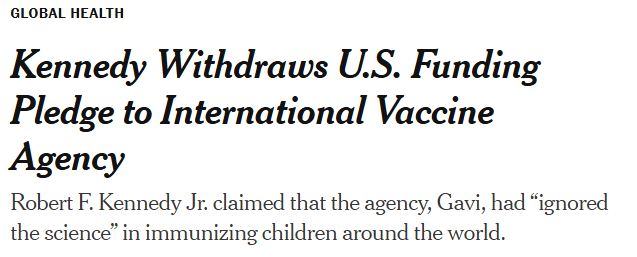
Stephanie Nolen, NY Times 6/25/25: Kennedy Withdraws U.S. Funding Pledge to International Vaccine Agency

An excerpt:

The United States will withdraw its financial support of Gavi, the global organization that helps purchase vaccines for children in poor countries, Robert F. Kennedy Jr., the United States secretary of Health and Human Services, told the group’s leaders on Wednesday, accusing them of having “ignored the science” in immunizing children around the world…

“Any decision made by Gavi with regards to its vaccine portfolio is made in alignment with recommendations by the World Health Organization’s Strategic Advisory Group of Experts on Immunization (SAGE), a group of independent experts that reviews all available data through a rigorous, transparent and independent process,” Gavi’s statement said…

Dr. Atul Gawande, a surgeon who led global health work in the Biden administration, called Mr. Kennedy’s remarks “stunning and calamitous…”

The United States was the largest donor to Gavi, whose work is estimated to have saved the lives of 17 million children around the world over the past two decades…

Gavi had hoped to raise $9 billion for the 2026-30 period, funds the organization said would allow it to purchase 500 million childhood vaccinations and to save at least eight million lives by 2030. ..

The decision to end U.S. support for Gavi — which was included in the rescission package passed by Congress and now being considered by the Senate — leaves the organization with an immense hole in its budget…The Gates Foundation is maintaining its funding at a stable level from previous years — about $350 million in each of the next four years — as is the United Kingdom.

My take: It is no exaggeration to say that the shift in U.S. vaccine policy may result in hundreds of thousands of deaths every year. In addition, U.S. travelers will be more likely to be exposed to vaccine-preventable illnesses as well.

Related blog posts:

Huge Numbers of Long COVID Cases -Vaccination Helps

Y Xie, et al. NEJM 2024; DOI: 10.1056/NEJMoa2403211. Postacute Sequelae of SARS-CoV-2 Infection in the Pre-Delta, Delta, and Omicron Eras

Background: Postacute sequelae of severe acute respiratory syndrome coronavirus 2 (SARS-CoV-2) infection (PASC), also called “long Covid,” can affect many organ systems.1,2 The risk of PASC appears to increase with greater severity of infection and with the presence of preexisting medical conditions.

Methods: The authors used the health records of the Department of Veterans Affairs to build a study population of 441,583 veterans with SARS-CoV-2 infection between March 1, 2020, and January 31, 2022, and 4,748,504 noninfected contemporaneous controls.

Key findings:

NY Times, Pam Belluck 7/17/24: Vaccines Significantly Reduce the Risk of Long Covid, Study Finds

An excerpt:

The lowest rate of long Covid in the study, 3.5 percent, was among vaccinated people who were infected during the latest period in the study, between mid-December 2021 and January 2022. That compares with a rate of 7.8 percent for unvaccinated patients in the study who were infected during the same period…

To rule out other possible causes, the researchers factored in comparisons between uninfected people who developed similar symptoms…

Researchers found that among unvaccinated people infected between June 19 and Dec. 18, 2021, when Delta was the dominant variant, the rate of long Covid a year later decreased slightly to 9.5 percent from 10.4 percent among those infected in the first 15 months of the pandemic…

Among vaccinated people who had been infected, the rates of long Covid were markedly lower…About 5.3 percent of those infected during the Delta period had long Covid a year later, and 3.5 percent of those infected during the Omicron period did.

My take: A huge number of people in U.S. (and worldwide) have long COVID. This risk is markedly reduced with vaccination.

Related blog posts:
More Data Showing Increased Cardiovascular Risks with COVID-19 & Vaccination Reduces This Risk

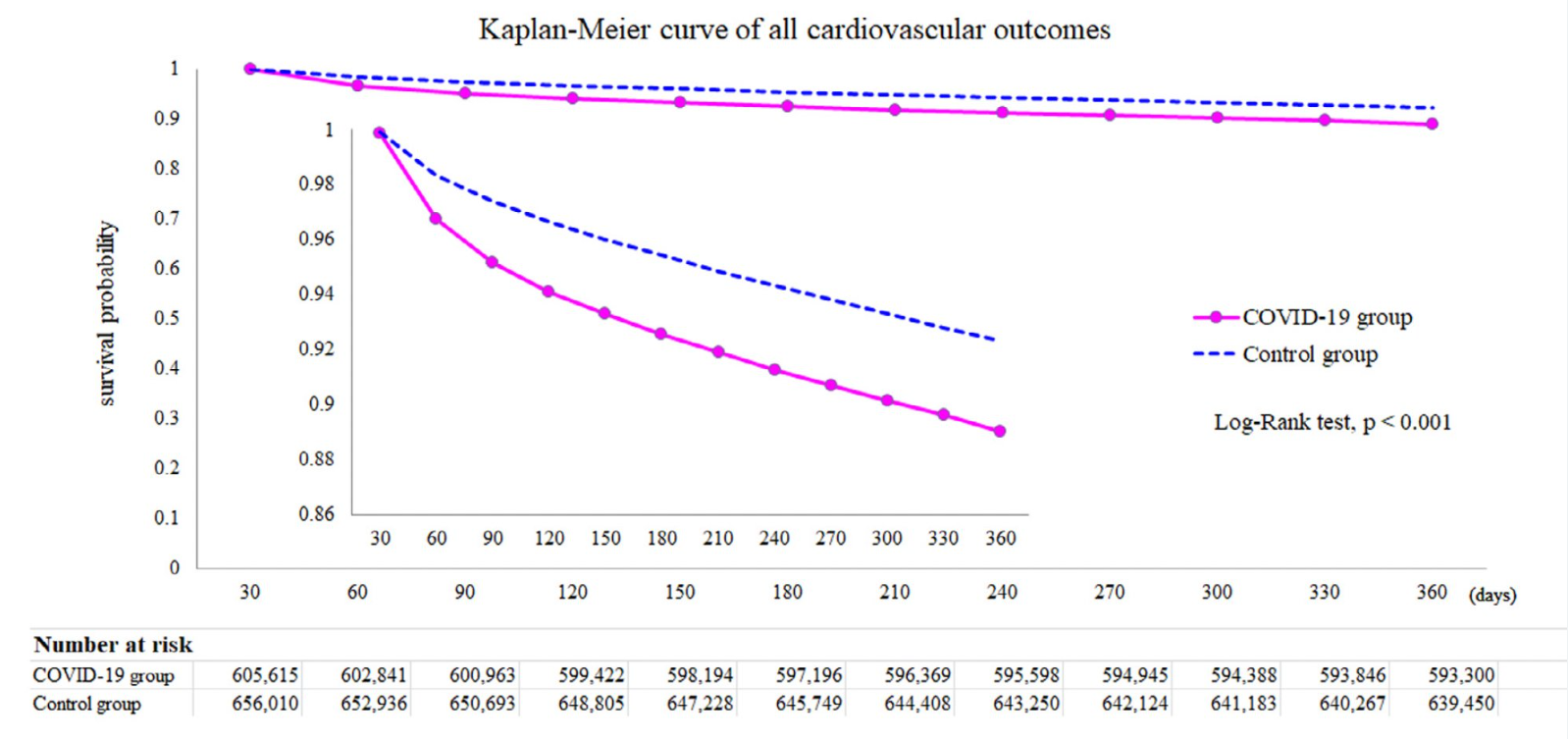
Two recent studies show that COVID-19 infection increases the risk of major cardiovascular outcomes.

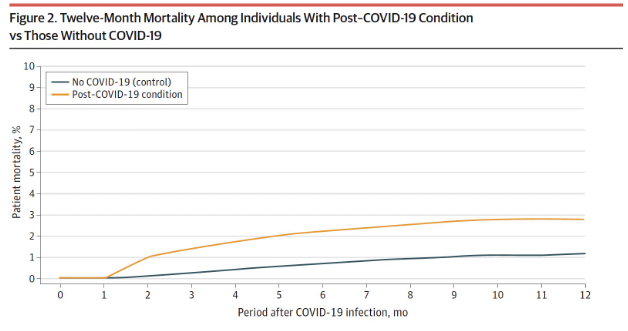
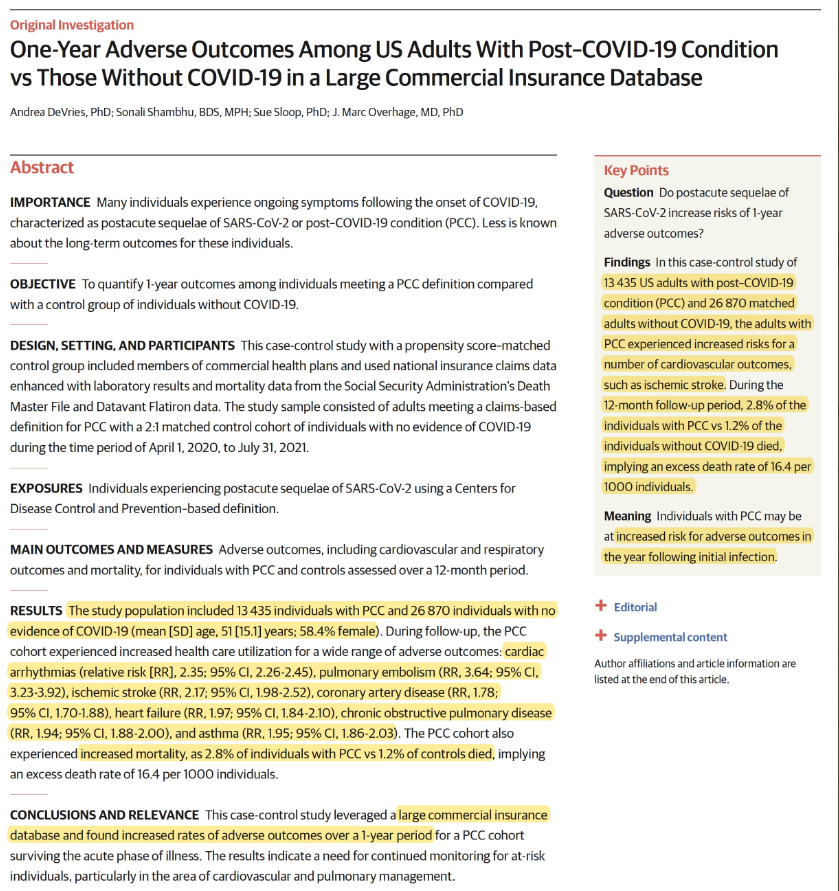
This case-control study leveraged a large commercial insurance database and found increased rates of adverse outcomes over a 1-year period for a post-COVID-19 cohort surviving the acute phase of illness. Methods: An index month was set by adding 30 days to the COVID-19 diagnosis date (this study looked at outcomes starting one month after diagnosis).

This study used the data from the US Collaborative Network in TriNetX. From a cohort of more than 42 million records between 1 January 2019 and 31 March 2022, a total of 4,131,717 participants who underwent SARS-CoV-2 testing were recruited.

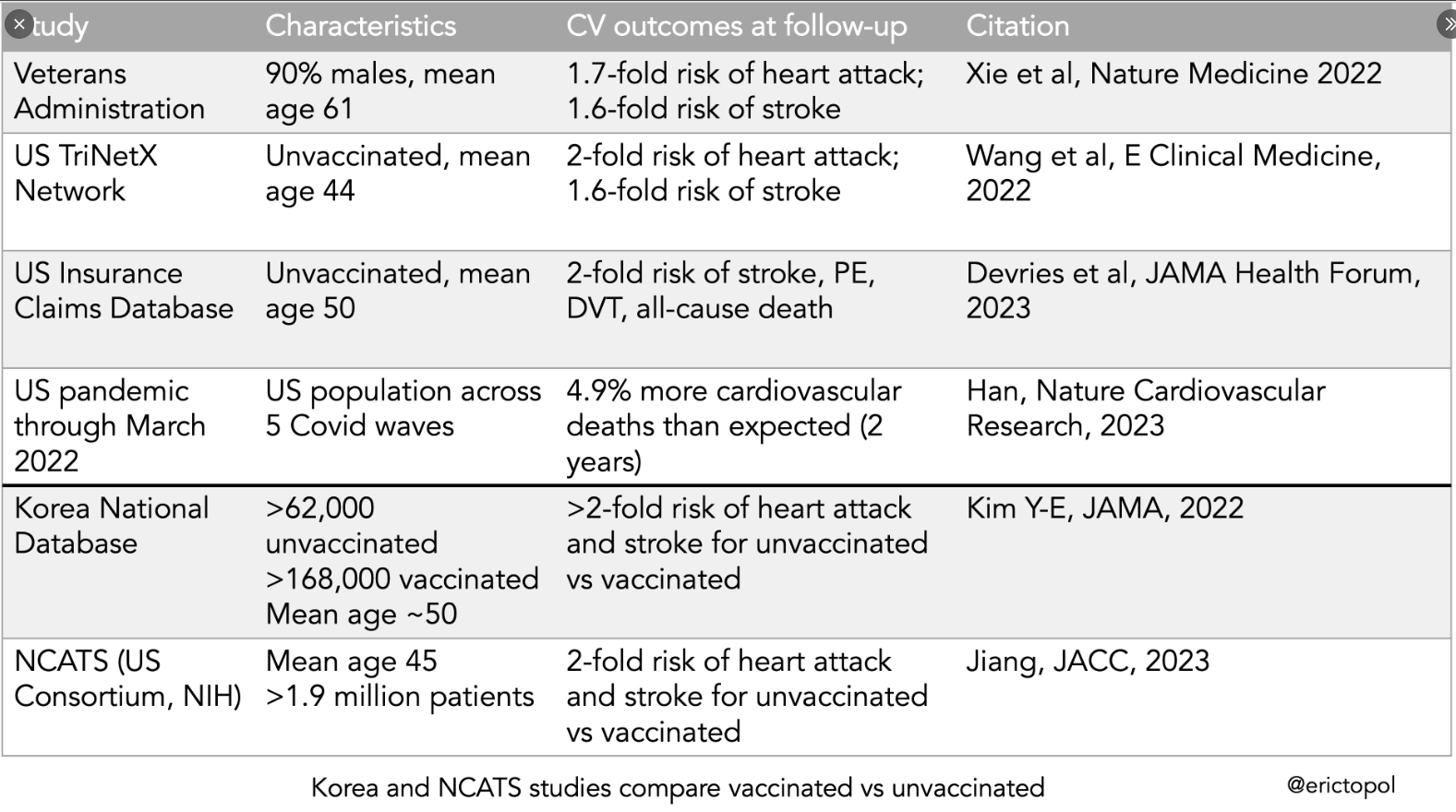
Eric Topol: Summary of studies relating cardiovascular outcomes:

My take: Many detractors of vaccination have focused on potential cardiac adverse events. These studies indicate that COVID vaccination provides protection against major cardiovascular outcomes

COVID-19 Hospitalization Data from CDC on UnVax, Vax, and Vax + Boosted

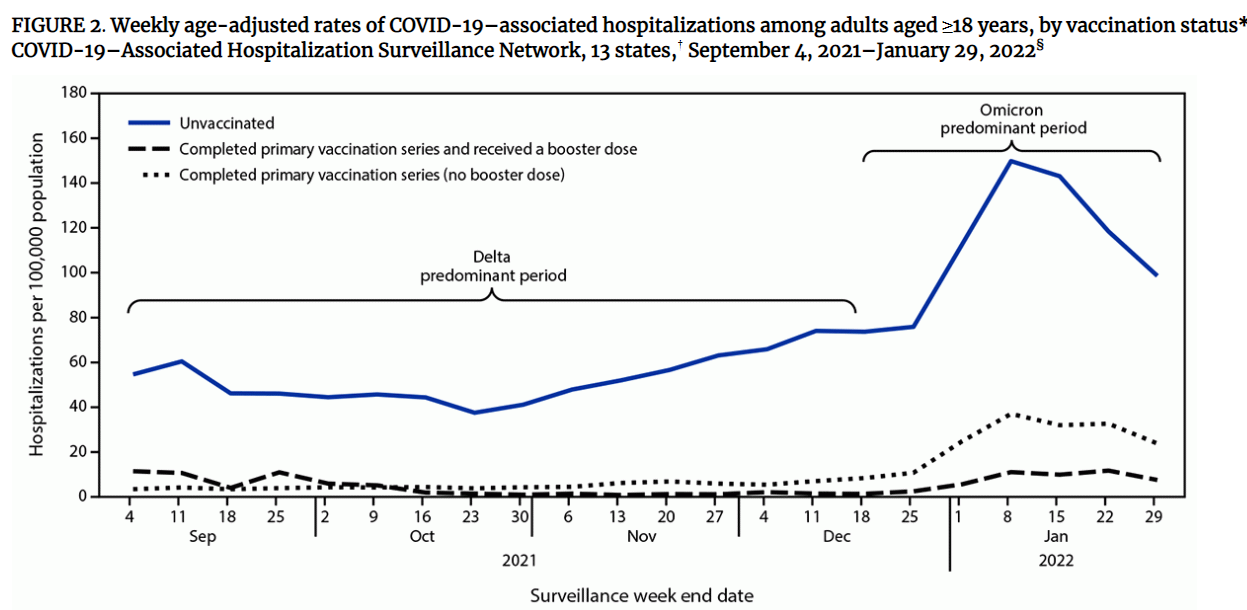
CA Taylor et al. MMWR 3/18/22, Open Access: COVID-19–Associated Hospitalizations Among Adults During SARS-CoV-2 Delta and Omicron Variant Predominance, by Race/Ethnicity and Vaccination Status — COVID-NET, 14 States, July 2021–January 2022

  • During the omicron wave, hospitalization among unvaccinated adults remained 12 times the rates among vaccinated adults who received booster or additional doses and four times the rates among adults who received a primary series, but no booster or additional dose.
  • The rate among adults who received a primary series, but no booster or additional dose, was three times the rate among adults who received a booster or additional dose
  • A previous study conducted before the Omicron-predominant period that showed increased risk for COVID-19–associated hospitalization among certain racial and ethnic groups, including Black adults, and suggested the increased hospitalization rates were likely multifactorial and could include increased prevalence of underlying medical conditions, increased community-level exposure to and incidence of COVID-19, and poor access to health care in these groups
  • The increase in transmissibility of the Omicron variant might have amplified these risks for hospitalization…the increased risk for hospitalization among Black adults during the Omicron-predominant period might also be due, in part, to lower proportions of Black adults receiving both the primary vaccination series and booster doses

My take: This study shows the value of getting vaccinated and booster shot. I would speculate that many of the unvaccinated have had previous infections and this further indicates that vaccination may provide greater protection than immunity following infection.

How Insurance Companies Can Help Stop the Pandemic in the U.S.

From AJC, Hashem Dezhbakhsh: An incentive to encourage vaccination

This is a good read. An excerpt:

Vaccine hesitancy, which can prolong the pandemic, is a textbook example of a negative consumption externality, where an individual’s choice can harm or impose costs on others. Indoor smoking, drunk driving, or littering are other examples…

One policy option is to use the insurance mechanism, with risk assessment and risk pricing as its enforcing arms….

For example, a risky driver has a higher auto insurance premium than a safe driver, a smoker has a higher health insurance premium than a non-smoker,…Similarly, health insurance premiums, deductibles, and co-pays can be set higher for those who are unvaccinated...

Using risk pricing to set insurance premiums and co-pays for these individuals makes good sense and is fair policy. It incentivizes individuals to vaccinate, while also providing a fairer insurance pricing system by charging those with self-selected higher risk a higher price, instead of shifting their medical costs to others through uniform insurance pricing.

Hydrangeas

CCFA: Updates in IBD Conference (part 2)

My notes from Georgia Chapter of CCFA’s conference. There could be errors of omission, transcription and/or errors in context based on my understanding.

Sandy Kim, MD –Children’s Hospital of Pittsburgh

Diet in Inflammatory Bowel Disease: Food for Thought

This was a terrific lecture –though much of the topic has been reviewed recently in this blog: Dietary Therapy for Inflammatory Bowel Disease.

Key points:

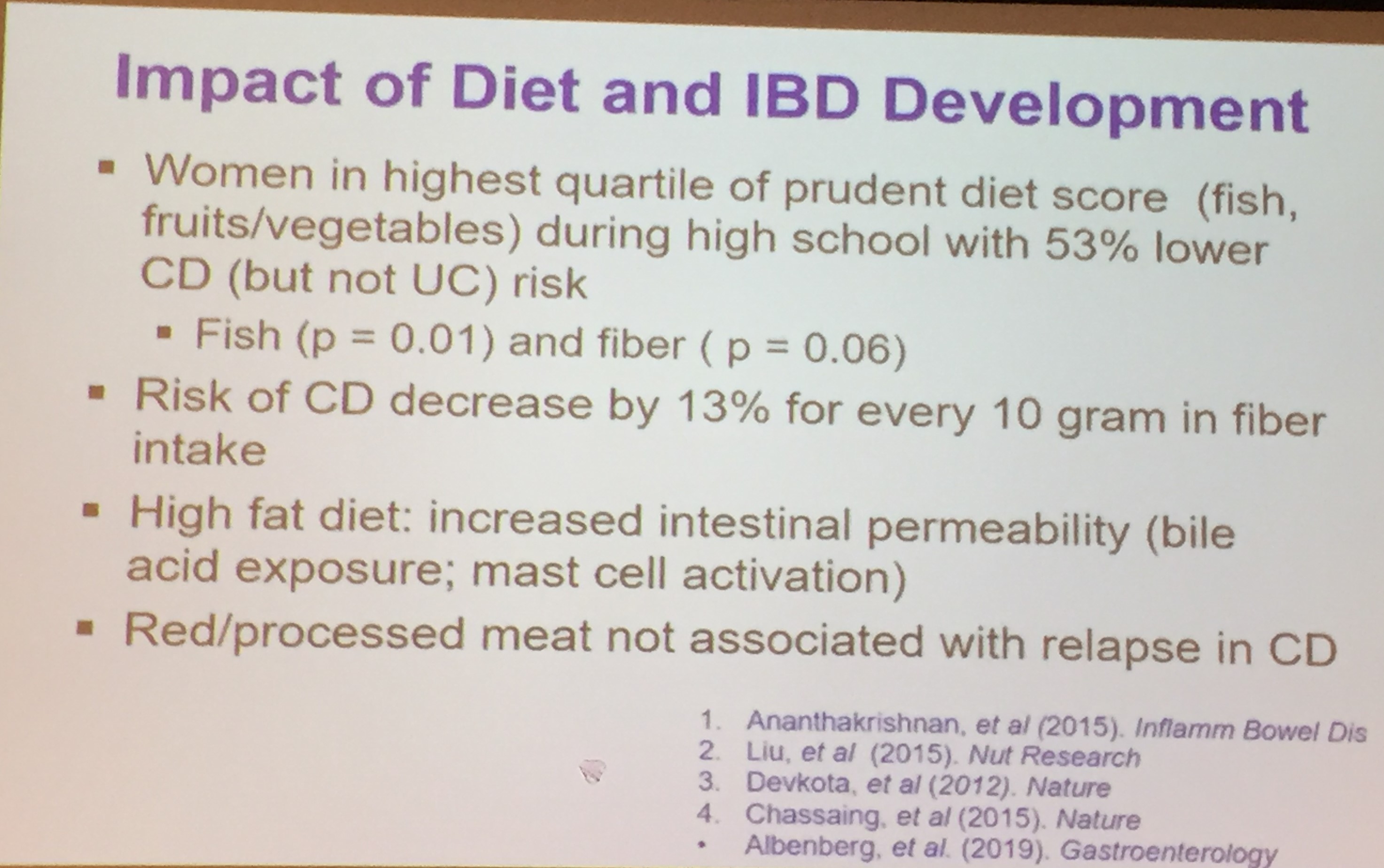
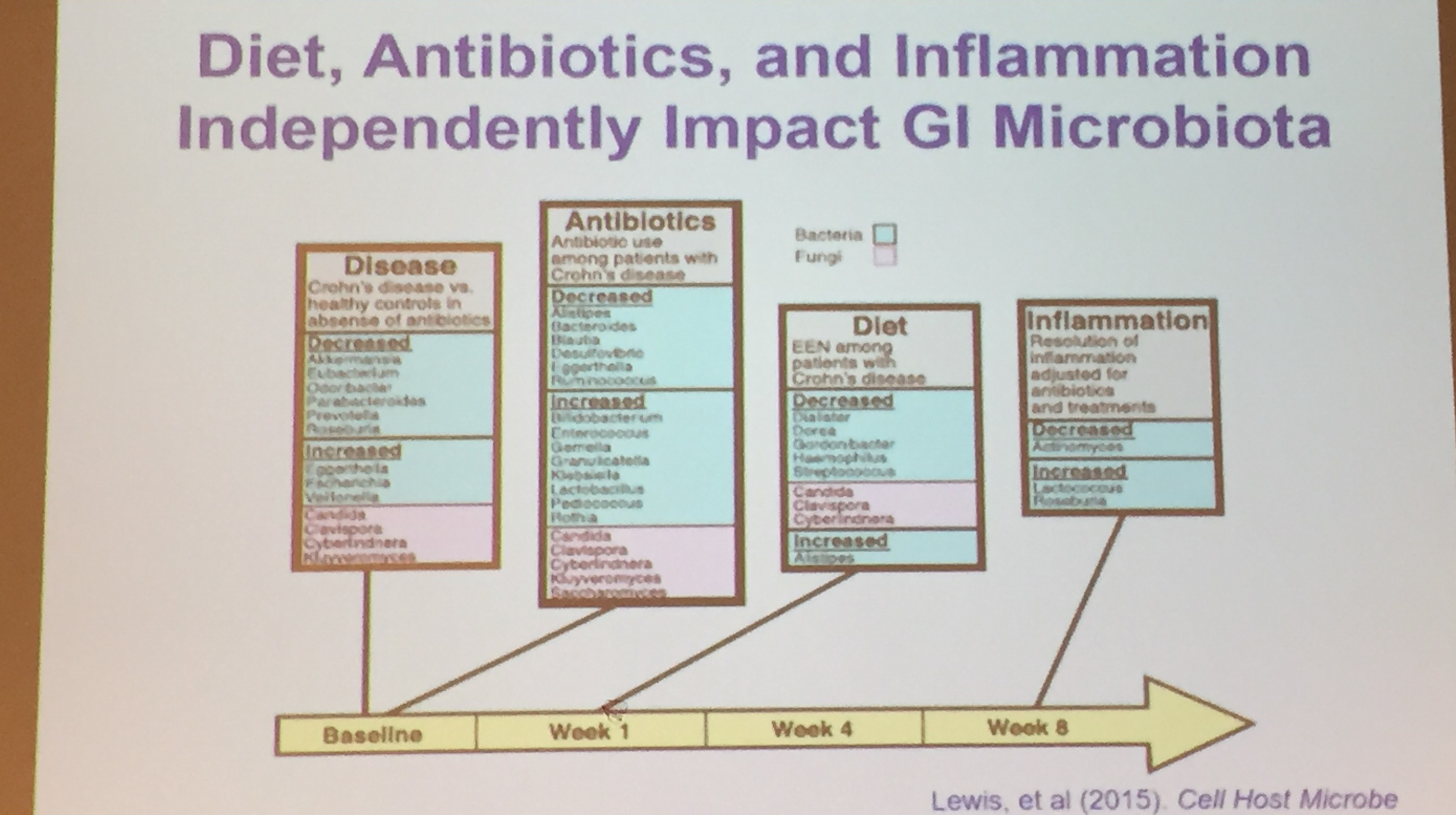
  • Changes in diet can change microbiome quickly, within 24 hrs
  • Some diets (eg. more fruit/vegetables/fish) may help lower risk of developing IBD
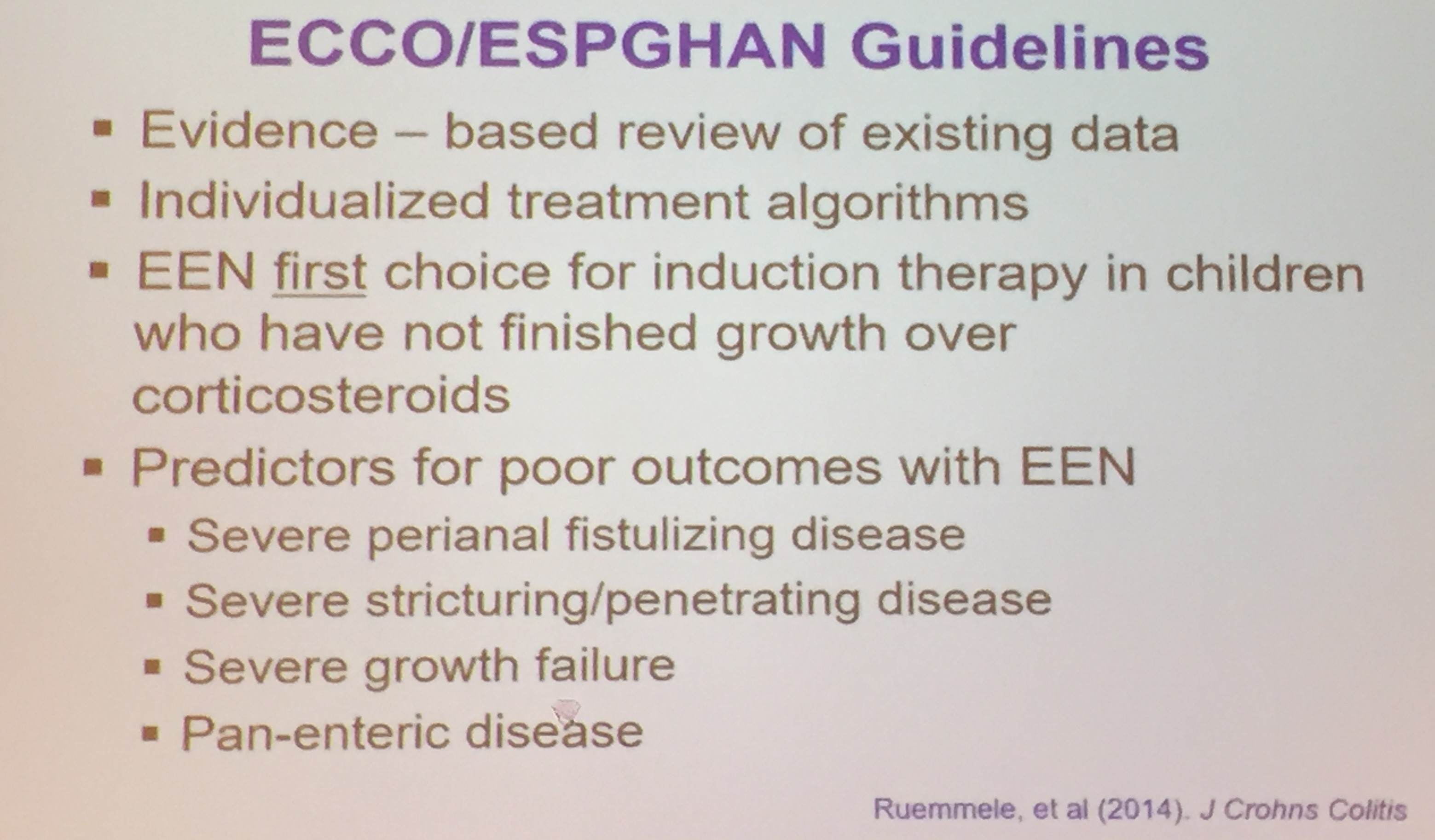
  • Dietary therapy, especially exclusive enteral nutrition (EEN), is effective therapy for Crohn’s disease
  • Why does EEN work?  It is not clear.  There are some changes in microbiome but decrease or little change overall in microbial diversity
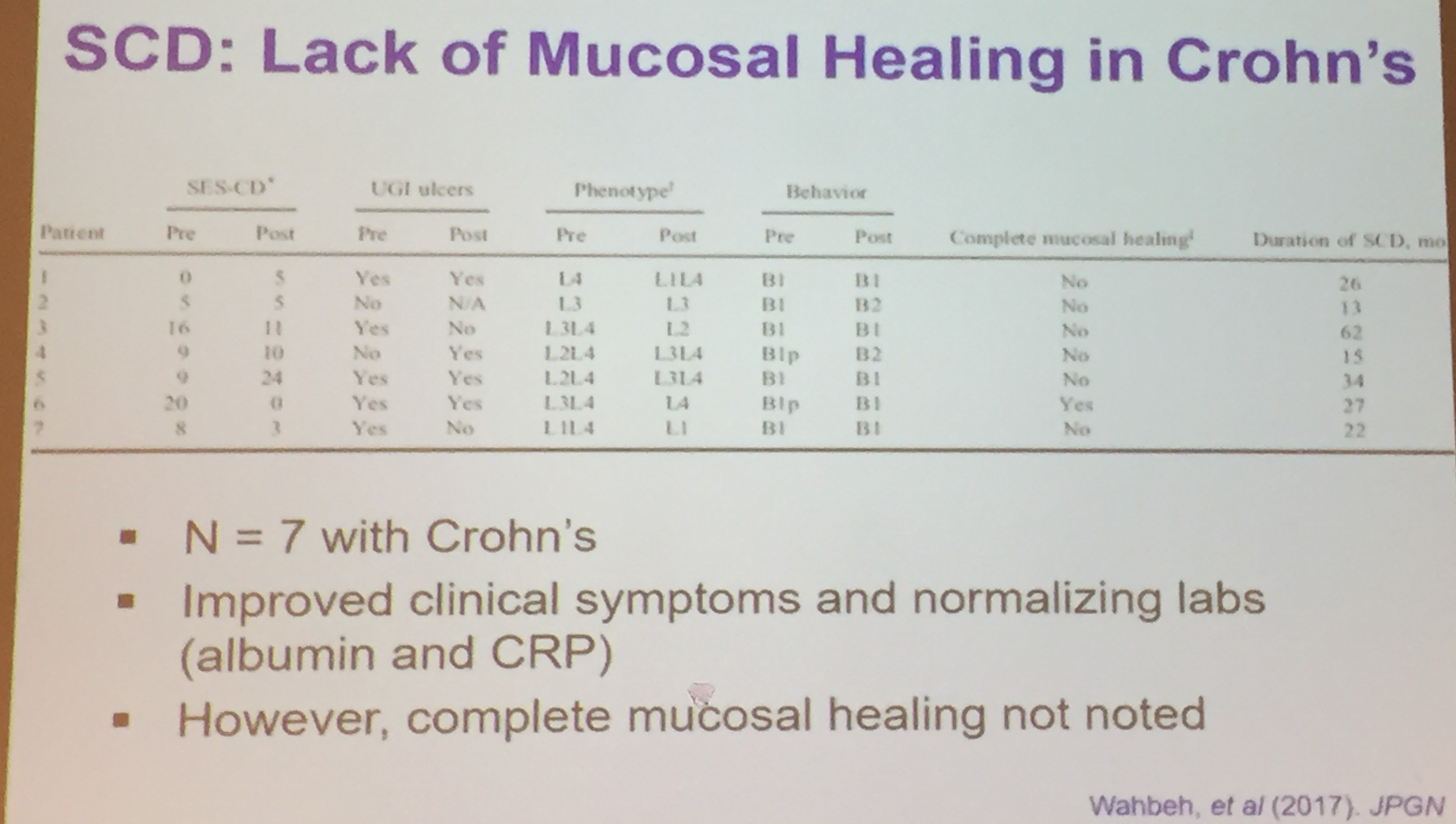
  • Reviewed newer dietary approaches: SCD (www.nimbal.org), CD-TREAT, Crohn’s Disease Exclusion Diet

Related blog posts:

Frank Farraye, MD –Mayo Clinic

Health Maintenance in the Adult Patient with IBD

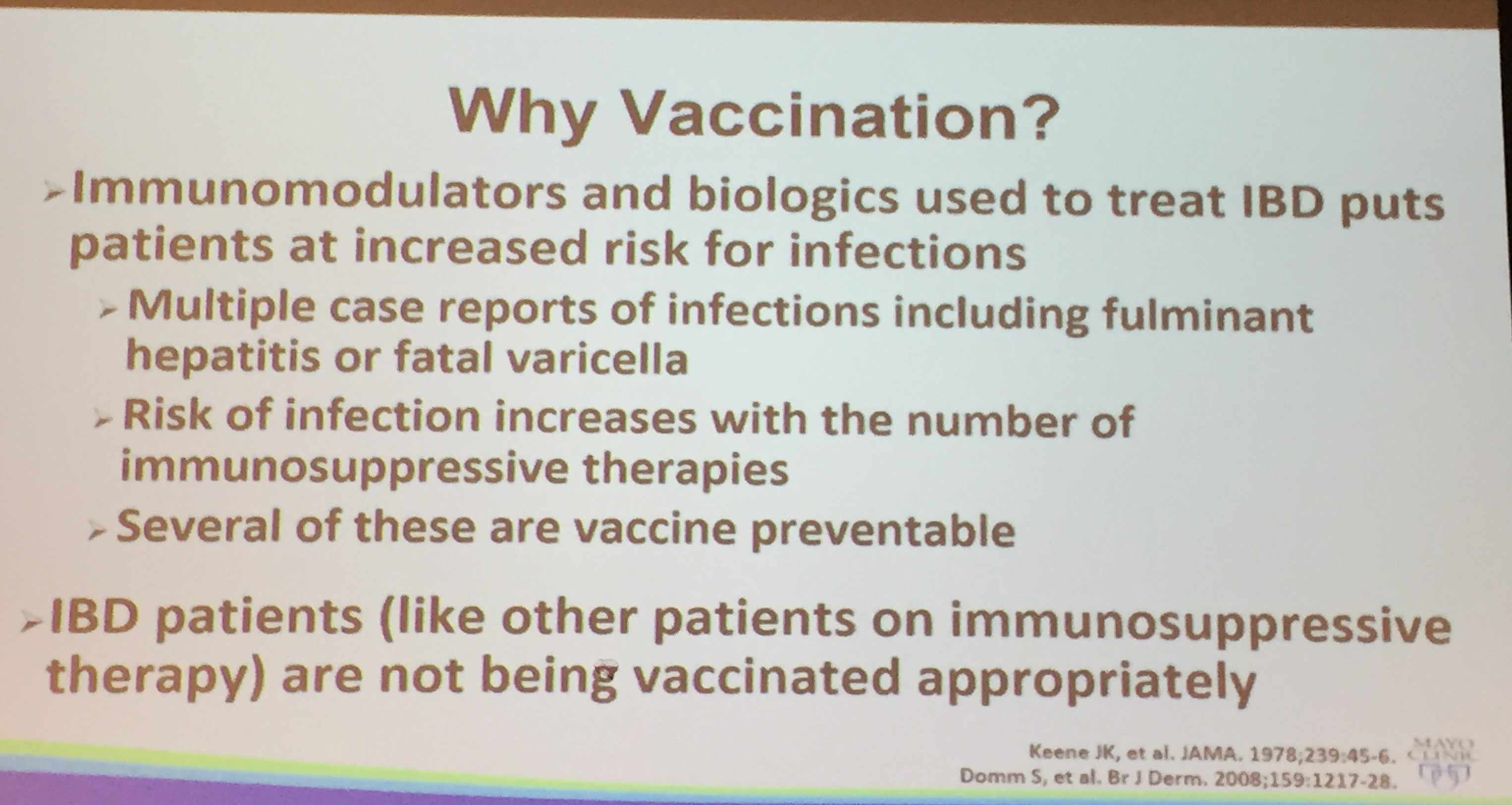
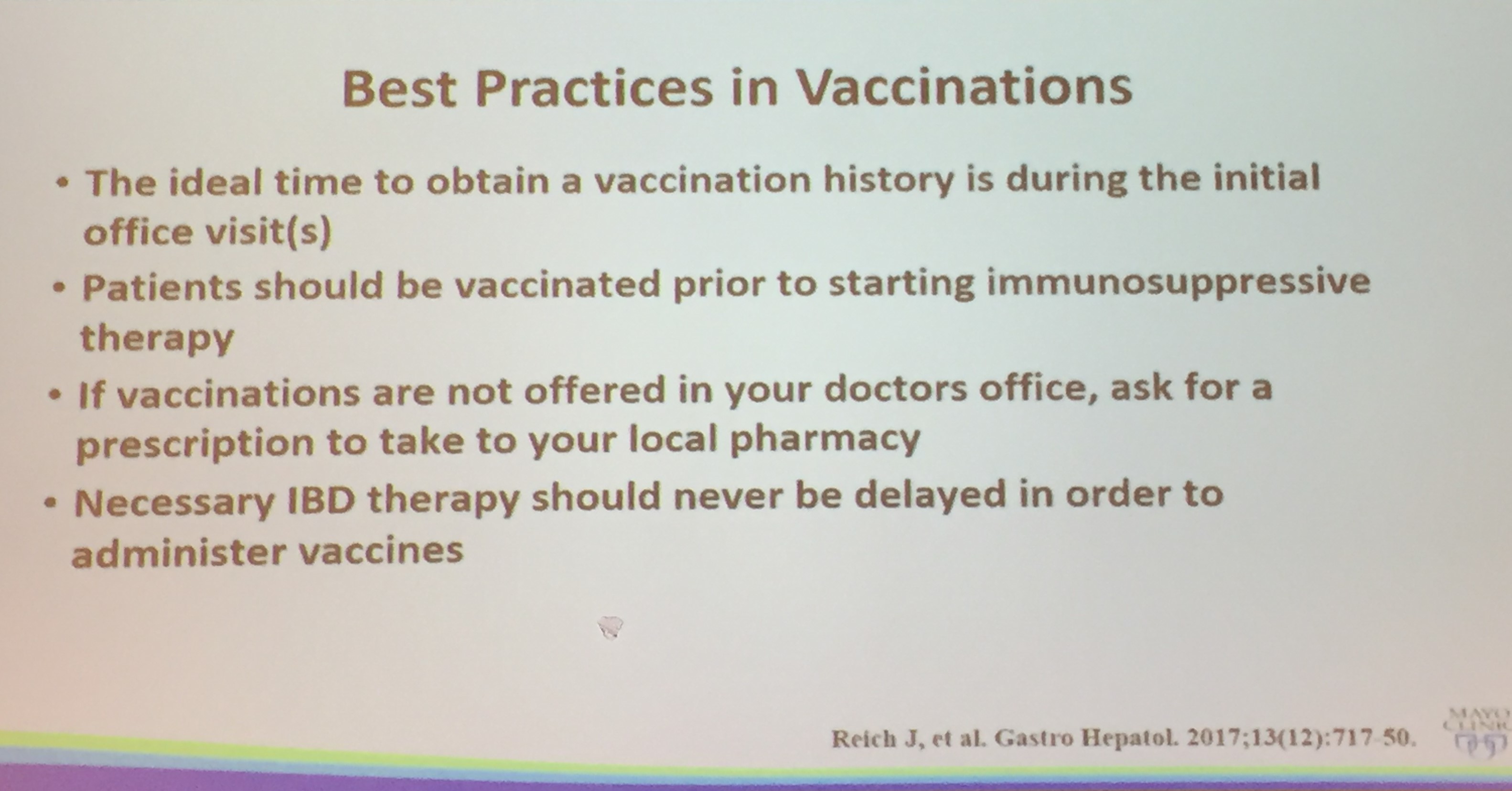
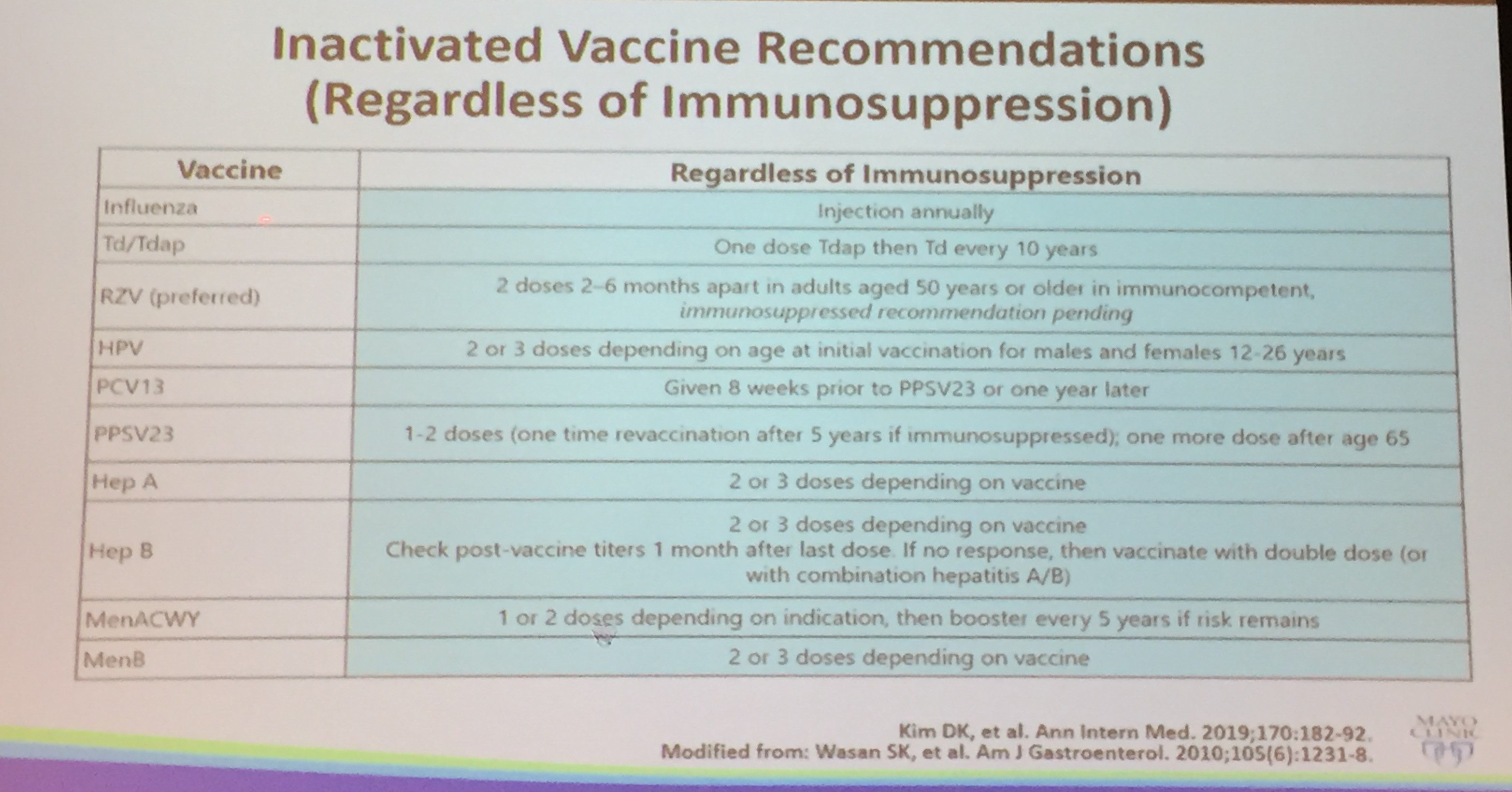
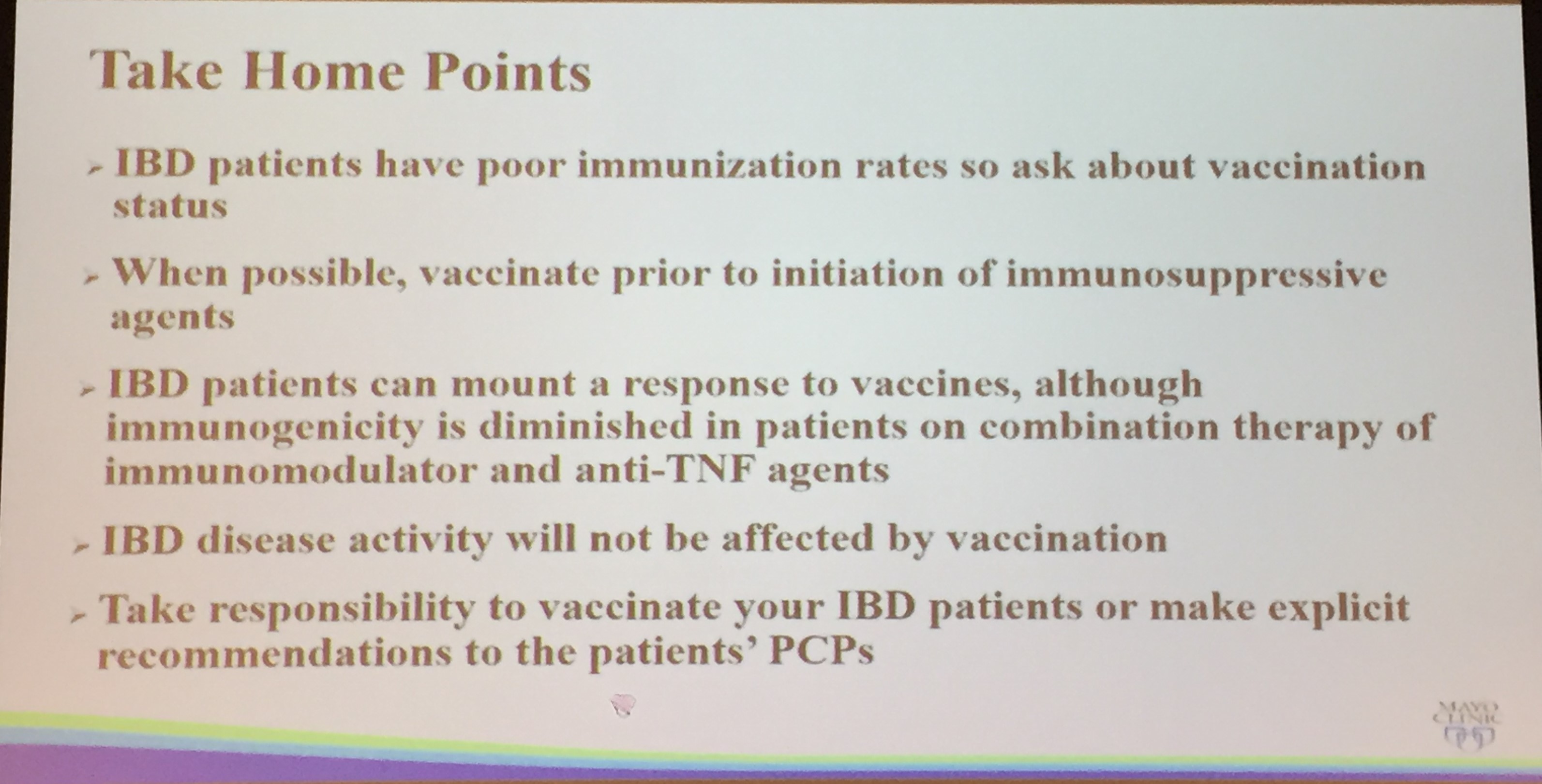
  • Good Practice: Update Vaccinations in IBD population
  • Recent concerns include measles outbreak, and frequent occurrence of Herpes zoster
  • No evidence that vaccination exacerbates IBD
  • New Hepatitis B Recombination Vaccine (Heplisa-B) -2 doses given over one month (for patients older than 18 years. Seroprotective anti-HBs after two doses: 95.4%
  • Shingrix -new recombinant Zoster vaccine.  Overall efficacy 97.2%.  Frequent adverse reactions
  • Women with IBD should undergo annual cervical cancer screening
  • IBD patients should be seen by dermatology
  • Consider depression screening in IBD patients
  • Counsel patients to quit smoking
  • Consider bone density screening in at risk patients

One audience member (Jeff Lewis, MD) pointed out that more attention needs to be paid to depression and anxiety which are much more common and more frequently health-threatening than issues like vaccination.

Related blog posts:

Disclaimer: These blog posts are for educational purposes only. Specific dosing of medications (along with potential adverse effects) should be confirmed by prescribing physician.  This content is not a substitute for medical advice, diagnosis or treatment provided by a qualified healthcare provider. Always seek the advice of your physician or other qualified health provider with any questions you may have regarding a condition.


Expert Advice for Diagnosis and Treatment of Rumination Syndrome

Full text: M Halland et al Clinical Gastroenterol Hepatol 2018; 16: 1549-1555 provide an excellent review and practical recommendations for rumination syndrome.

The article describes the high prevalence which is ~0.8-0.9% of adults and ~5% of children.  Some populations like patients with eating disorders and fibromyalgia have even higher rates.

Other key points:

  • Long delay in diagnosis: patients “visit an average of 5 physicians over 2.7 to 4.9 years before being diagnosed correctly”
  • The diagnosis is a clinical based on Rome IV criteria, though most patients undergo an esophagogastroduodenoscopy or barium study to rule out other disorders
  • Best Practice Advice 1: Clinicians strongly should consider rumination syndrome in patients who report consistent postprandial regurgitation. Such patients often are labeled as having refractory gastroesophageal reflux or vomiting.
  • Best Practice Advice 2: Presence of nocturnal regurgitation, dysphagia, nausea, or symptoms occurring in the absence of meals does not exclude rumination syndrome, but makes the presence of it less likely.
  • Best Practice Advice 3: Clinicians should diagnose rumination syndrome primarily on the basis of Rome IV criteria after an appropriate medical work-up.
  • Best Practice Advice 4: Diaphragmatic breathing with or without biofeedback is the first-line therapy in all cases of rumination syndrome.
  • Best Practice Advice 5: Instructions for effective diaphragmatic breathing can be given by speech therapists, psychologists, gastroenterologists, and other health practitioners familiar with the technique.
  • This article gives instructions on this technique: “Diaphragmatic breathing can be learned easily by putting a hand on the chest and on the abdomen during respiration, and only allowing the hand on the abdomen to move out with inspiration while the chest remains in position (Figure 3). We instruct patients to take breaths by protruding the abdomen while keeping the chest as stationary as possible. Each inhalation or exhalation should be slow and complete, aiming for 6 to 8 respirations per minute. We recommend diaphragmatic breathing for 15 minutes after each meal, or longer if the sensation of impending rumination remains. The technique also should be practiced in the absence of meals to become expert at the technique. Uncontrolled studies and case series have reported resolution or improvement in rumination symptoms after diaphragmatic breathing in 20%–66% of patients. Figure 3: The patient slowly inhales through the nose while protruding the abdomen and keeping the chest stationary. (B) The patient slowly exhales via the mouth and allows the abdomen to retract.”
  • Best Practice Advice 6: Objective testing for rumination syndrome with postprandial high-resolution esophageal impedance manometry can be used to support the diagnosis, but expertise and lack of standardized protocols are current limitations.
  • Best Practice Advice 7: Baclofen, at a dose of 10 mg 3 times daily, is a reasonable next step in refractory [adult] patients.

My take: This is a useful review article.  Rumination needs to be considered particularly in patients with regurgitation, often labelled vomiting by families, that happens quickly after meals.

Related posts:

In the news…from Washington Post:

Vaccination and Inflammatory Bowel Disease -Resources Targeted for Adult Patients

From a recent Gastroenterology & Hepatology –Full Link:

Gastroenterology & Hepatology  July 2017 – Volume 13, Issue 7; Vaccination of Patients With Inflammatory Bowel Disease.  Francis A. Farraye, MD, MSc

Thanks to John Pohl’s twitter feed for this link that provides recommendations for Adults with IBD.

An excerpt:

G&H  What specific resources for vaccinations are available to help gastroenterologists?

FF  It is helpful for providers to keep a copy of the Crohn’s and Colitis Foundation’s health maintenance recommendations posted in their office. This 1-page checklist (available at http://www.crohnscolitisfoundation.org/science-and-professionals/programs-materials/ccfa-health-maintenance.pdf) includes all recommended vaccines and also comments on other important health maintenance items, such as screening for cervical and skin cancer, depression, and osteoporosis. In addition, Cornerstones Health has a vaccination checklist (available at http://www.cornerstoneshealth.org/wp-content/uploads/2017/06/Monitoring-and-Prevention-3.10.2017.pdf) that can be downloaded, printed, and placed in each examination room to reinforce the importance of vaccination. Primary care providers as well as gastroenterologists can use these checklists as reminders in their busy practices.

Related blog post:

Disclaimer: These blog posts are for educational purposes only. Specific dosing of medications (along with potential adverse effects) should be confirmed by prescribing physician.  This content is not a substitute for medical advice, diagnosis or treatment provided by a qualified healthcare provider. Always seek the advice of your physician or other qualified health provider with any questions you may have regarding a condition.

Vaccination Can Lower the Risk of a Childhood Cancer

From NY Times: How a Childhood Vaccine Reduces the Risk of a Cancer

An excerpt:

Young children are routinely vaccinated against Haemophilus influenza type B, or HiB, a bacterium that can cause meningitis and other serious problems. But the HiB vaccine has an added benefit: It reduces the risk for acute lymphoblastic leukemia, or ALL, the most common childhood cancer, and now scientists know why.

Dr. Markus Müschen, the senior author of a new study published in Nature Immunology,… using a mouse model … found that in some cases, the HiB virus triggers a vigorous immune reaction that activates two enzymes. These enzymes can cause mutations in certain types of blood cells, driving them into malignancy. When this happens, children are more likely to develop leukemia when they are 5 to 7 years old.

Dr. Müschen, a professor of medicine at the University of California, San Francisco, said that the effect of the vaccine was a 20 percent reduction in risk for leukemia. “This seems small,” he said. “But it’s highly significant in large populations. Whatever activates the immune system early in life reduces the risk for ALL.”

Turner Field,  June 6th

Turner Field, June 6th