Outcomes of Hematopoietic Stem Cell Transplant in Monogenic Inflammatory Bowel Disease

A Baccarella et al. Clinical Gastroenterology and Hepatology; 2025; 23: 2242 – 2252. Open Access! Outcomes of Allogeneic Hematopoietic Stem Cell Transplant in Monogenic Inflammatory Bowel Disease

This was a retrospective single-center (CHOP) study of 25 children with monogenic IBD who underwent Hematopoietic Stem Cell Transplant (HSCT) (2012-2022).

Key findings:

  • Seventy-two percent of patients had Crohn’s Disease, and 28% were classified as IBD-unspecified. Ninety-two percent of patients had VEO-IBD, 56% presenting under age 1
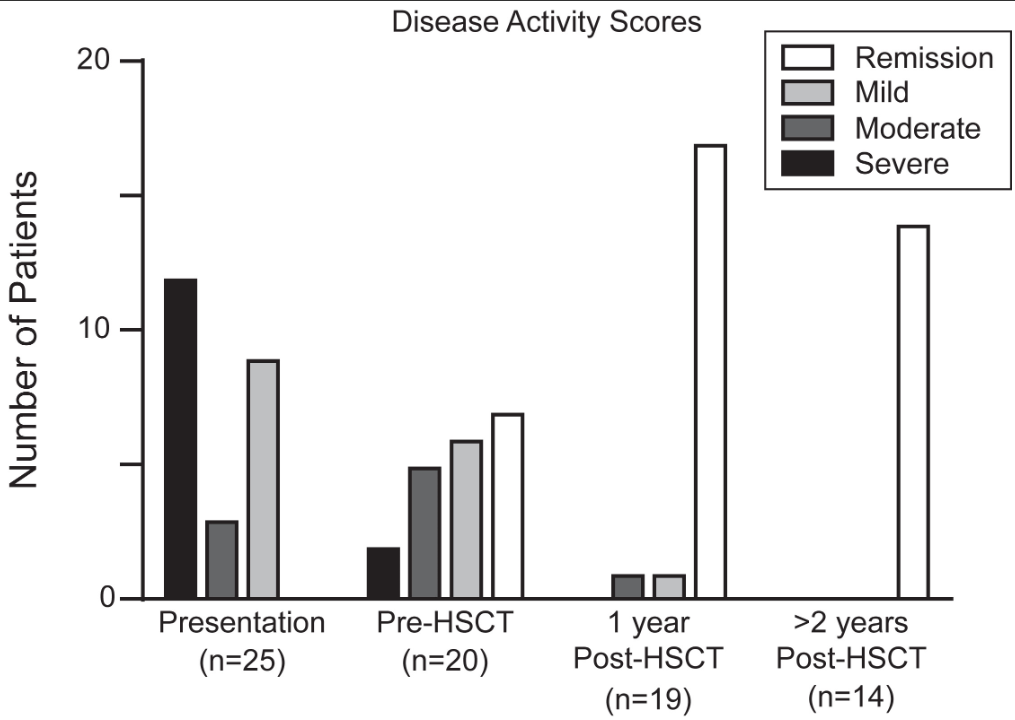
  • At most recent follow-up, 92% of patients achieved sustained medication-free remission of IBD and 60% with prior ostomy underwent re-anastomosis. There was 100% survival at a median follow-up of 3 years
  • There was significant improvement in growth, hospital days, and severe infections
Disease activity scores at the time of IBD presentation, immediately prior to transplant, 1-year post-transplant, and at most recent follow up if ≥2 years since transplant.

Discussion points:

  • “Delay of HSCT with the goal of obtaining remission of IBD prior to transplant may prove to be determinantal, as outcomes of HSCT are in general improved for younger patients,20 and medical remission is often unattainable for more severe forms of monogenic IBD. Within our cohort, 32% of patients had moderate or severe disease at the time of transplant despite medical optimization. None of these patients developed intestinal GVHD, which was a rare event in our total cohort”
  • “HSCT is not without risk, and complications occurred in our cohort, at rates typical of other IEI cohorts”
  • “The selection of patients who would benefit from HSCT requires multidisciplinary discussion.”

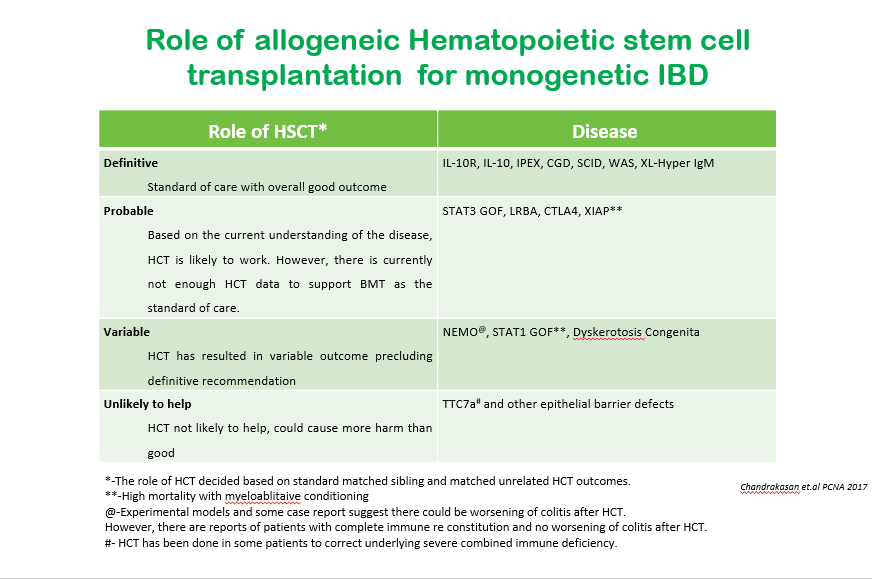
With regard to patient selection, one item that was not included in the discussion was the one patient excluded from their analysis who had a TTC7A gene defect. In the results section, it was explained that the patient with “TTC7A was subsequently excluded as transplant was performed for the indication of SCID alone, rather than treatment of intestinal disease.” More discussion on this point is merited as many centers would NOT have a patient with TTC7A undergo HCST specifically because it cannot correct the underlying bowel disease.

Also, it was noted that one patient with CTLA4 deficiency had undergone HSCT prior to the discovery of the genetic defect. With the more widespread use of genetic testing available now, this discovery may have obviated the need for HSCT as treatment with abatacept is typically effective.

My take: Overall, the authors present impressive results for HSCT for monogenic IBD and strengthen the need for genetic testing in those with early onset disease and those refractory to treatment.

Related blog posts:

Disclaimer: This blog, gutsandgrowth, assumes no responsibility for any use or operation of any method, product, instruction, concept or idea contained in the material herein or for any injury or damage to persons or property (whether products liability, negligence or otherwise) resulting from such use or operation. These blog posts are for educational purposes only. Specific dosing of medications (along with potential adverse effects) should be confirmed by prescribing physician.  Because of rapid advances in the medical sciences, the gutsandgrowth blog cautions that independent verification should be made of diagnosis and drug dosages. The reader is solely responsible for the conduct of any suggested test or procedure.  This content is not a substitute for medical advice, diagnosis or treatment provided by a qualified healthcare provider. Always seek the advice of your physician or other qualified health provider with any questions you may have regarding a condition.

The VEO-IBD Foundation -Developing Resource for Families

Link: Family reflections: research gives back childhood: a family’s experience with very early onset inflammatory bowel disease Pediatric Research; https://doi.org/10.1038/s41390-024-03506-8

An excerpt:

Very Early Onset Inflammatory Bowel Disease is so rare and individualized that no standard of care yet exists, and almost none of the interventions are approved for infants. After eliminating all dairy, prematurely ending breastfeeding, and moving exclusively to a prescription formula, we tried and failed multiple classes of medications, hoping each time that this medication would be the one that would ease our son’s suffering. Doctors are only now building a history of successful interventions to draw from, so treatment options come from very small studies from Very Early Onset Inflammatory Bowel Disease researchers and educated guesses. Treatment options generally ramp up in aggressiveness, which is hard enough for parents of a miserably sick infant to process and decide. Once these interventions fail, drug costs and insurance approval become major hurdles. This process of trial-and-error in treating Very Early Onset Inflammatory Bowel Disease patients is a nightmare. On a weekly or monthly basis, parents must make life-altering decisions with very little data for a patient too young to advocate for themselves.

Link: The VEO-IBD Foundation This foundation is still in its early stages, but anticipate it will be a resource for families with VEO-IBD.

Related blog posts:

Immune Dysregulation and Inflammatory Bowel Disease

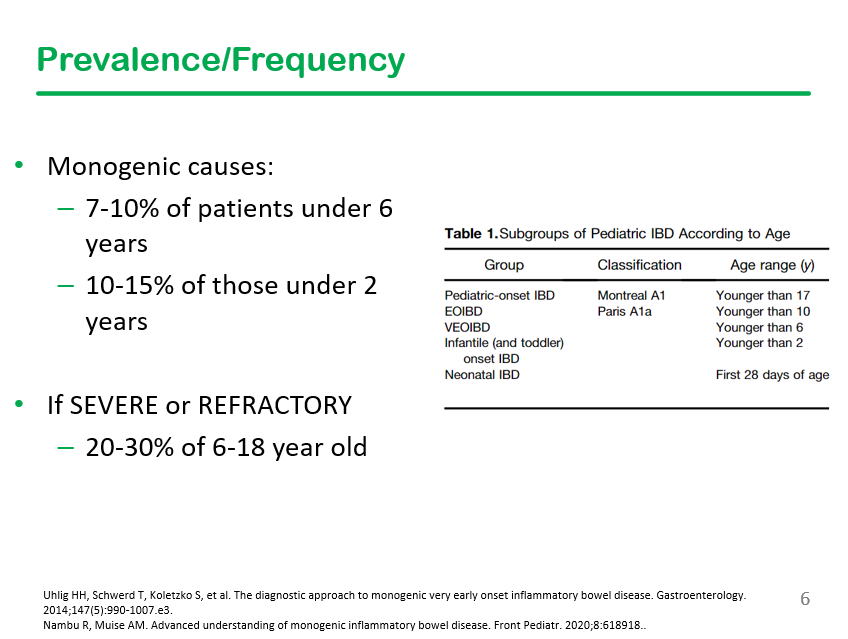
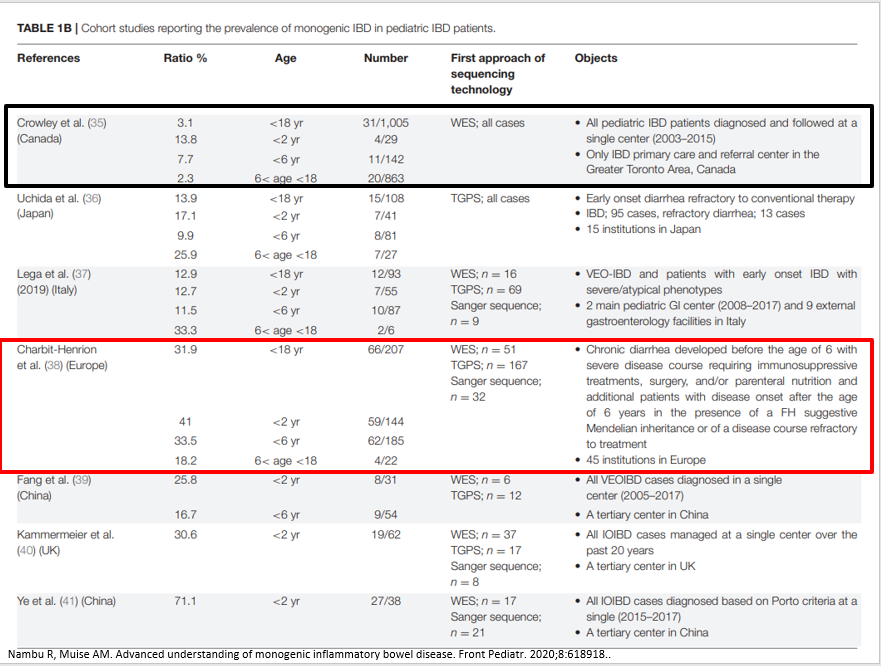
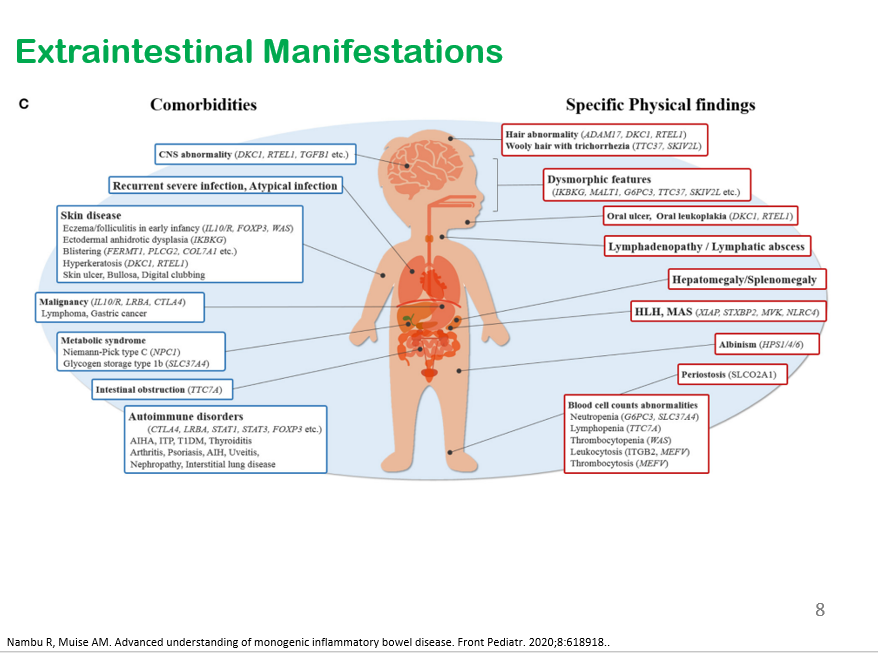
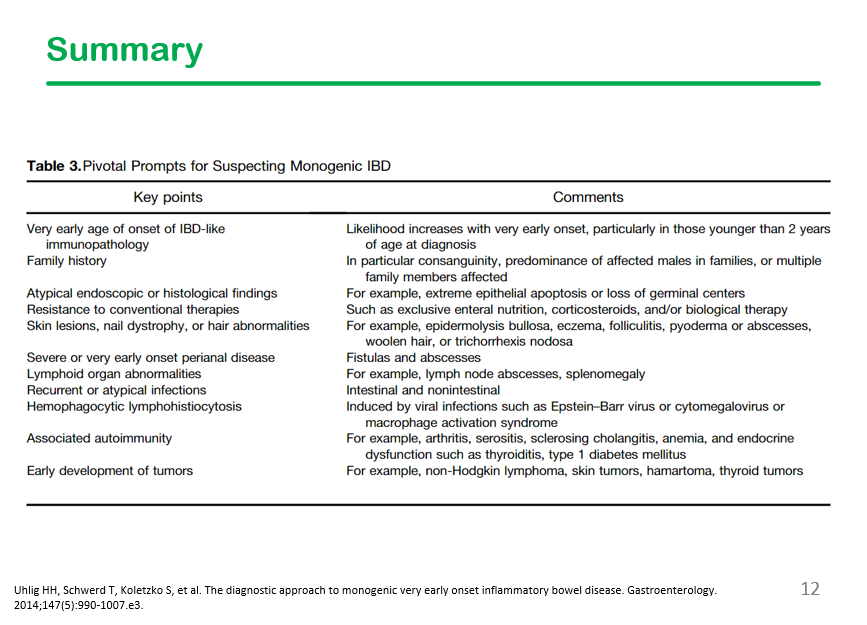
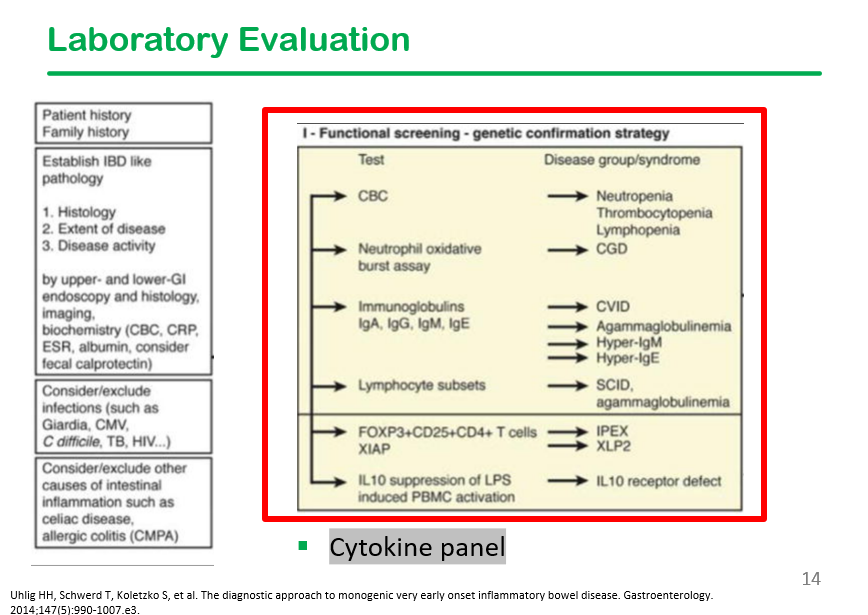
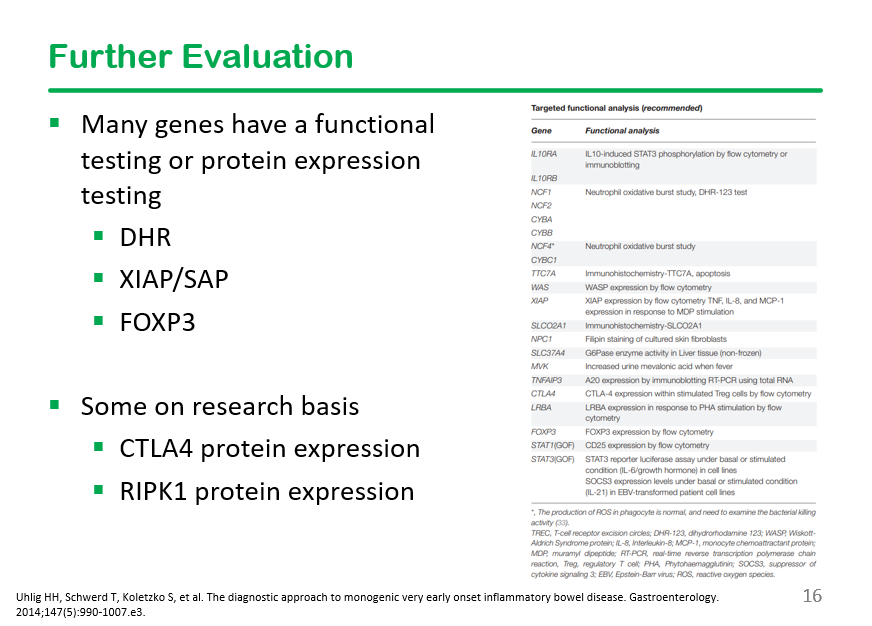
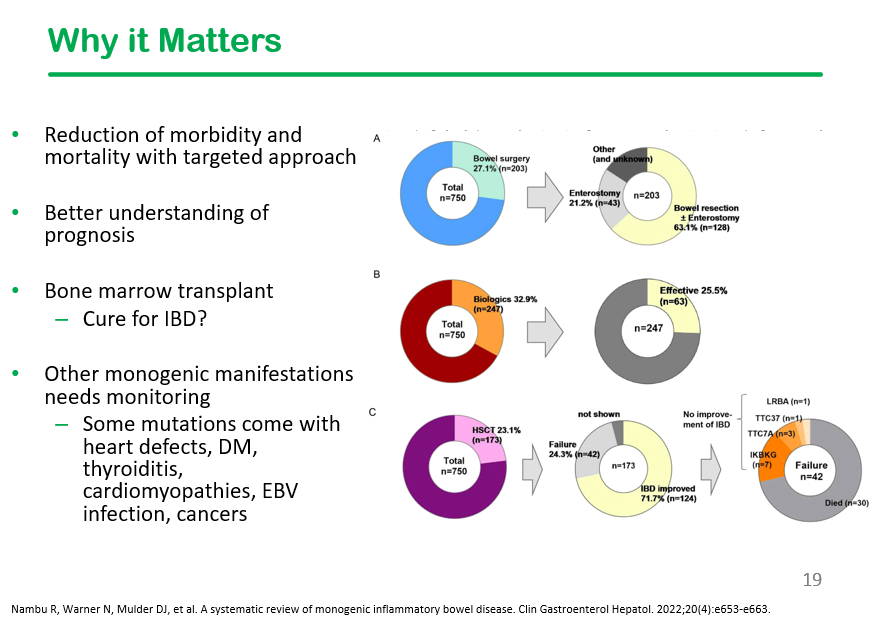
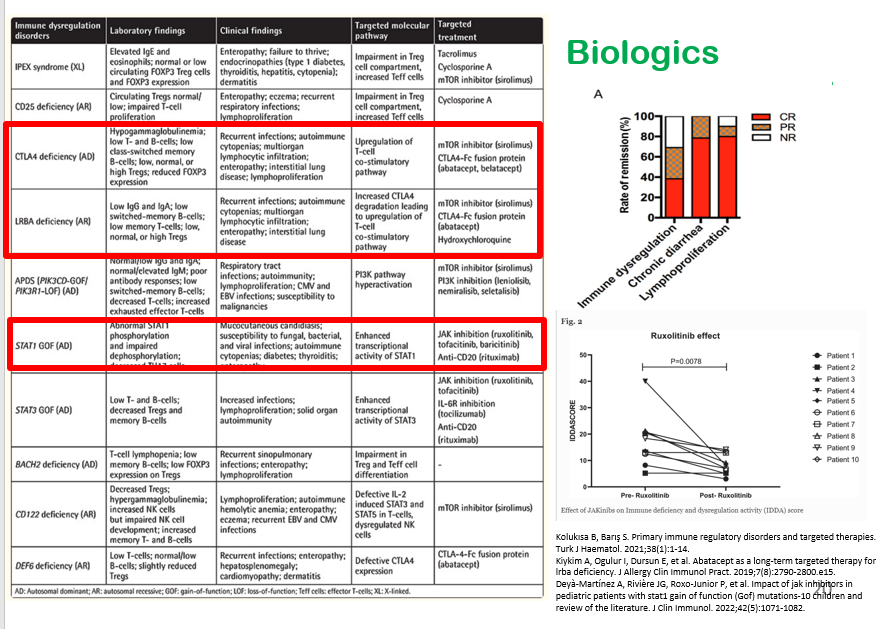
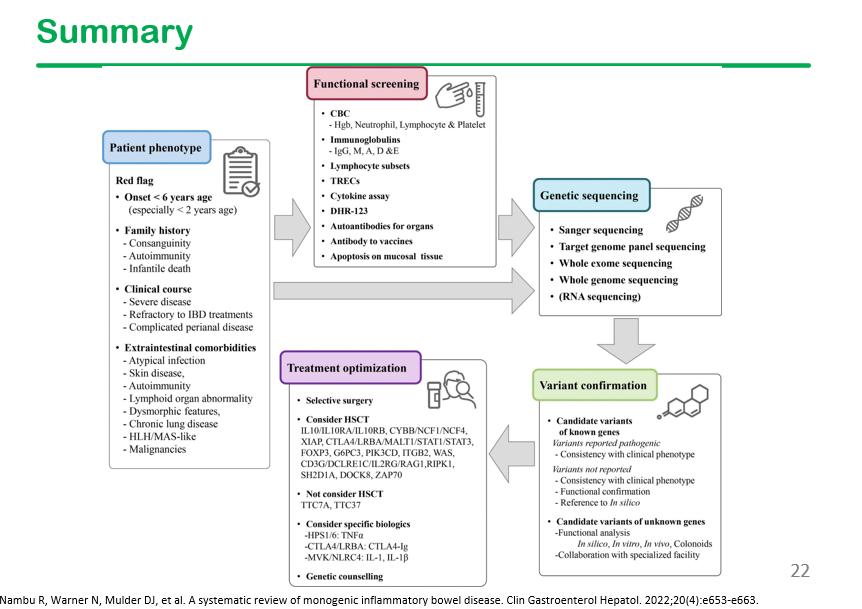
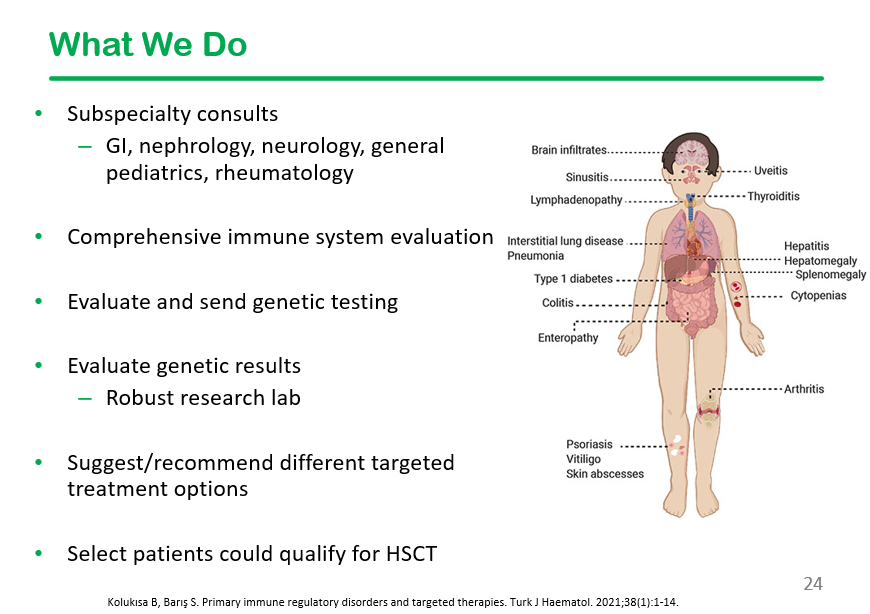
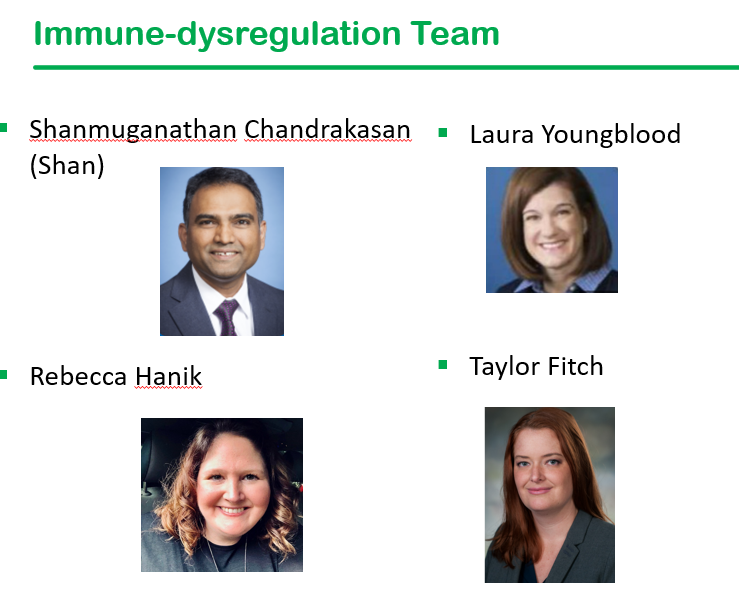
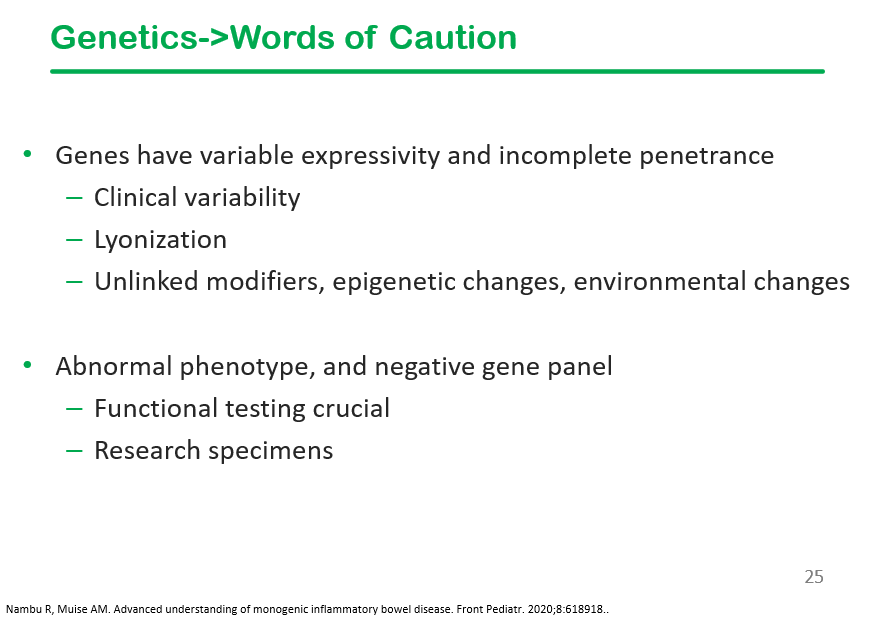
At our center, we are fortunate to work with an immune dysregulation clinic (Dr. Shanmuganathan Chandrakasan, Dr. Taylor Fitch) that helps sort out patients with inflammatory bowel disease with underlying monogenetic disorders. This is very important as specific treatments, including hematopoietic stem cell transplants (HCST), may be needed. The likelihood of an underlying monogenetic disorder is much more frequent in the VEO population. A recent talk on this topic by Taylor Fitch was given to our group. Here are some of the slides:

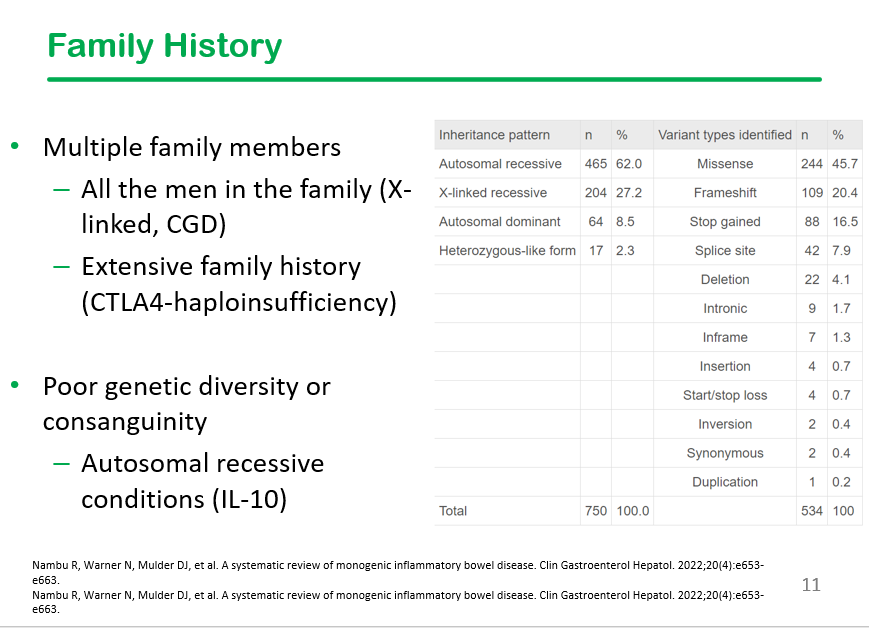
Generally, about 2% of those older than 6 years of age have monogenetic disorders, but it is much higher in those with severe or refractory disease.

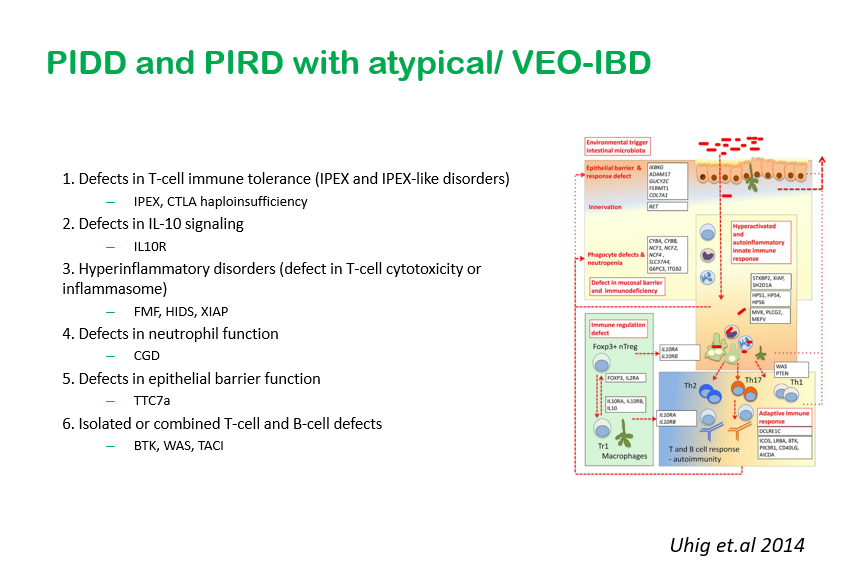
This slide shows six major categories of immune defects.

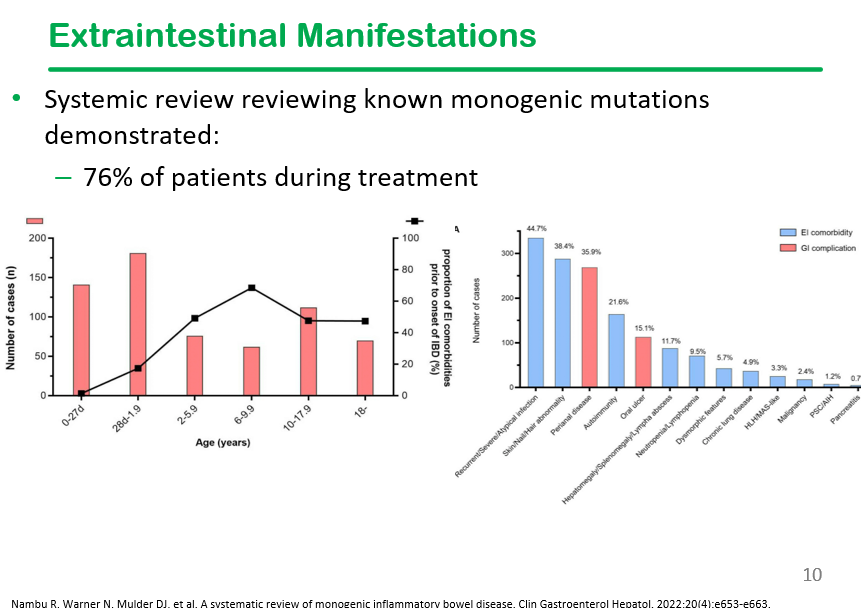
This slide shows the high frequency of extraintestinal manifestations in patients with monogenetic disorders, particularly recurrent infections, skin/hair abnormalities, and autoimmunity. Perianal disease is also frequent in this population.

In the discussion, it was noted that DHR testing is often unreliable, especially if the specimen is not run promptly.

My take: I have had several patients with IBD/immune dysregulation, including a patient with CTLA4 and a patient with TTC7A. Making these diagnoses led to specific treatment recommendations. The patient with CTLA4 is doing well with abatacept therapy.

For those in Atlanta, a referral can be made via EPIC order and/or via contact with immune dysregulation team members. Epic order:

Related blog posts:

Disclaimer: This blog, gutsandgrowth, assumes no responsibility for any use or operation of any method, product, instruction, concept or idea contained in the material herein or for any injury or damage to persons or property (whether products liability, negligence or otherwise) resulting from such use or operation. These blog posts are for educational purposes only. Specific dosing of medications (along with potential adverse effects) should be confirmed by prescribing physician.  Because of rapid advances in the medical sciences, the gutsandgrowth blog cautions that independent verification should be made of diagnosis and drug dosages. The reader is solely responsible for the conduct of any suggested test or procedure.  This content is not a substitute for medical advice, diagnosis or treatment provided by a qualified healthcare provider. Always seek the advice of your physician or other qualified health provider with any questions you may have regarding a condition.

How Much Infliximab Can You Give to Young Children?

A recent case series (A Assa et al. JPGN 2020; 71: 516-520. Therapeutic Drug Monitoring-guided High-dose Infliximab for Infantile-onset Inflammatory Bowel Disease: A Case Series) describes four infants (2 mo-12 mo) with infantile-onset IBD who received high doses of infliximab.

Treatments regimens utilized infliximab dosing of 10-22 mg/kg/dose with initial three doses over 2-4 weeks. Other prior treatments in these patients included antibiotics (eg. vancomycin/gentamicin) and corticosteroids. Sulfasalazine was administered in two of the patients.

Other Key Points:

  • The authors noted that patients gradually transitioned to every 4 week therapy whild seeking to maintain trough concentrations >10 mcg/mL.
  • Infants have several risk factors for inadequate serum infliximab levels. Infliximab clearance is not linearly weight-related and infants are “most susceptible for under-dosing.”
  • Infliximab distribution in infants & children differs from adults with more peripheral compartment distribution, leading to lower trough levels.
  • Severity of disease impacts infliximab levels and can cause a ‘sink’ effect

The authors note that higher doses may increase adverse events, including infections

My take: This study shows that highly-selected patients may need both accelerated and higher doses of infliximab to enable response. It adds to the literature that children, in general, are at high risk of under-dosing with ‘standard’ infliximab dosing.

Related blog posts:

How Very Early Onset-Inflammatory Bowel Disease is Different, Plus One

A recent retrospective study (JR Kelsen et al. Inflamm Bowel Dis 2020; 26: 909-18) compares children diagnosed with inflammatory bowel disease at different age points and their outcomes.  During a 9 year study span (2008-16), there were 229 subjects diagnosed as very-early onset (<6 years, VEO), 221 diagnosed as intermediate onset (6-10 years), and 521 diagnosed as older onset (> 10 years)

Key findings:

  • VEO-IBD patients were significantly more likely to have had a diverting ileostomy and colectomy than the older patients.  Diverting ileostomy rates: 12.2%, 4.1%, and 1.2% respectively.  Colectomy rates: 7.4%, 4.1%, and 1.7% respectively.
  • Ileocecal resections were significantly higher in the older-onset IBD population. In the older group, these resections were noted in 64/521 (12.2%) compared to 1/229 (0.4%) in the VEO group and 10/221 (4.5%) in the intermediate group.
  • VEO-IBD patients had higher medication failure rates at 1 year into treatment and were more frequently readmitted to the hospital. For infliximab (IFX), failure rates were 62.4% for VEO subjects compared to 14.6% for older-onset subjects.  For adalimumab, the respective rates were 53.2% vs. 7.2%.
  • Targeted therapy was successfully used almost exclusively in the VEO-IBD population

My take: Children with VEO-IBD have a more severe disease course than older children.  Since monogenetic disorders occur in ~8% of the VEO population, targeted therapies are more likely; however; ~2% of older children also have a monogenetic disorder and as such, targeted therapy could be important in this group as well.

Related review article: J Ouahed et al. Very Early Onset Inflammatory Bowel Disease: A Clinical Approach With a Focus on the Role of Genetics and Underlying Immune Deficiencies. Inflamm Bowel Dis 2020; 26: 820-842.  This is a useful review.  A couple of key points:

  • “There are no quality studies assessing the use of nutritional approaches in VEO-IBD”
  • Stem Cell Transplantation NOT efficacious in these disorders (per Table 3): TTC7A, STXBP2, IKBKG (NEMO)

Related blog posts:

VEO-IBD -Useful “Position” Paper is Really a Review

A recent publication (Full text: NASPGHAN Position Paper on the Evaluation and Management for Patients with Very Early-onset Inflammatory Bowel Disease. JR Kelsen et al. JPGN 2020; 70: 389-403) is more of a review than a true position paper. A related upcoming study (highlighted tomorrow) indicates that ~8% of VEO-IBD patients have underlying monogenetic forms of IBD.

While the article makes numerous useful points, explicit recommendations are not clearly stated.

Key Points:

  • Epidemiology: 6-15% of pediatric IBD population presents at <6 years of age
  • Children with VEO-IBD need careful immunologic evaluation.  Some of the specific disorders that need to be considered include Chronic Granulomatous Disease (can check DHR) and XIAP (can check a flow cytometry-based assay).
  • Besides panendoscopy, the article recommends close collaboration with the pathologist to identify specific features of the numerous VEO-IBD disorders (most listed/described in Table 1)
  • Identification of VEO-IBD disorders with genetic testing (either whole exome or targeted gene panel) helps determine specific medical therapies and/or stem cell transplantation for disorders like CTLA4B deficiency, LRBA defects, IL-10 deficiency, XIAP, STXBP2, and FOXP3 deficiency.
  • Infliximab does not work as well in VEO-IBD patients.  A recent study found only 12% remained on infliximab 3 years after initiation.
  • VEO-IBD were much more likely to need surgery with rates of 50% for those with onset before 1 year and ~30% for those after 1 year of age.  Colectomy should be considered with caution due to the overlapping presentation of Crohn’s disease and ulcerative colitis in this age group.

One topic that was not discussed was the potential role for dietary therapy in this age group.

Related blog posts:

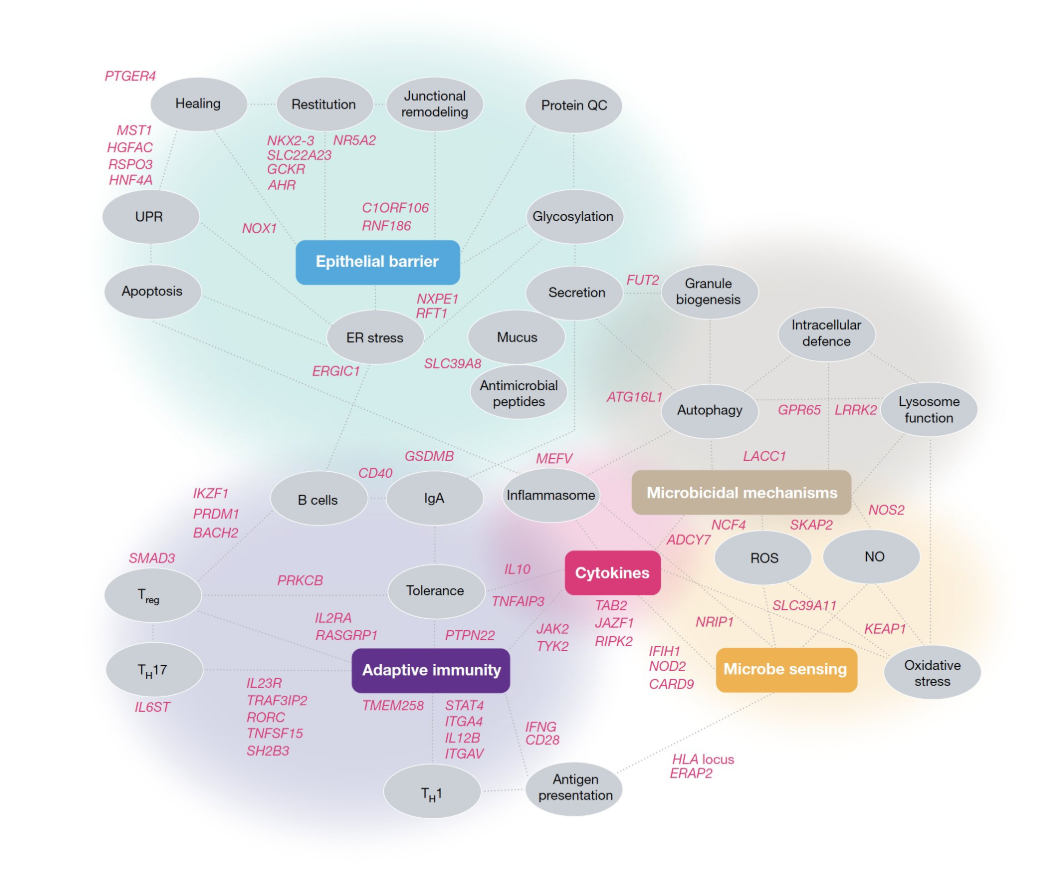
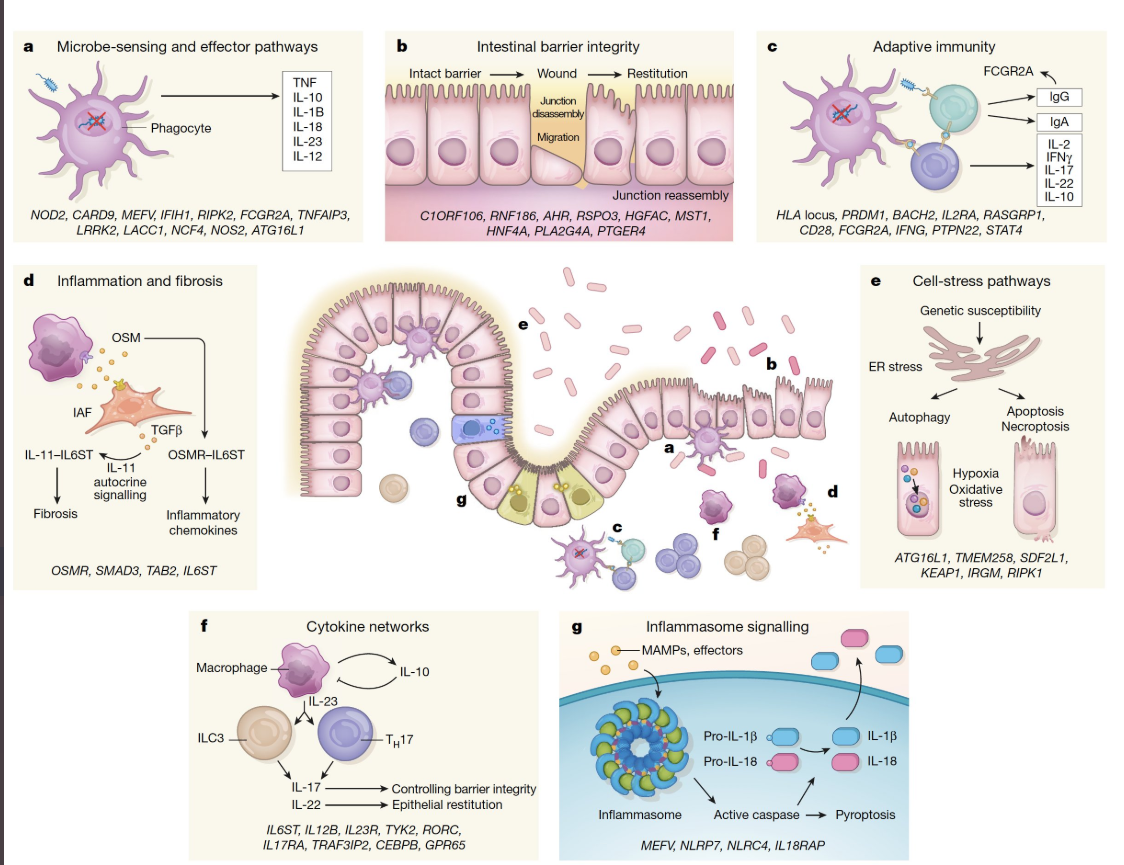
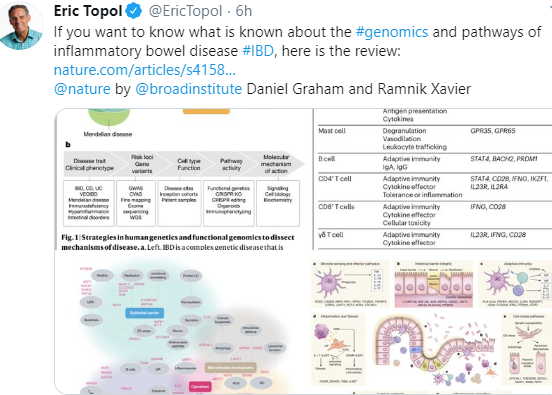
The following related images are from Eric Topol’s twitter feed and share figures from a Nature review.

Seen on Eric Benchimol’s twitter feed

IBD Reviews: Role of Antibiotics and Data on Biomarkers

A clinical review, “Antibiotics in IBD: Still a Role in the Biological Era?” (O Ledder, D Turner, Inflamm Bowel Dis 2018; 24: 1676-88).  While this article provides a detailed review of the use of antibiotics for Crohn’s (including perianal disease), Ulcerative colitis and the effects on the microbiome, the potential use for very early onset (VEO) IBD caught my attention:

“We have recently begun considering oral vancomycin and gentamicin as sole firstline therapy in the rare form of infantile (ie <2 years of age) mild to moderate IBD, with promising success…this is merely investigational” at this time.  (Ref: Lev-Tzion R et al. Digestion 2017; 95: 310-13).

My take: Antibiotics can be a helpful adjunct therapy in both Crohn’s disease and Ulcerative colitis. It is unclear what role antibiotics will have for VEO-IBD.

A recent commentary (R Khanna et al, Inflamm Bowel Dis 2018; 24: 1619-23) examines the role of biomarkers.  While much of this topic has been reviewed extensively, I found the part about calprotectin helpful.  One of the topics with discrepant data has been the negative predictive value of calprotectin for detecting inflammatory bowel disease.  The data in this review:

  • From a meta-analysis in patients with symptomatic ulcerative colitis, calprotectin had a sensitivity of 0.88 and specificity of 0.79 compared to endoscopic inflammation.  For Crohn’s disease, the respective values were 0.87 and 0.67.
  • For histologic remission in ulcerative colitis, a study found that with a threshold of 155 mcg/g, calprotectin had a sensitivity of 78% and specificity of 71%.
  • Another study suggested that values <100 mcg/g indicate quiescent disease, values 100-250 suggest possible active inflammation, and values >250 mcg/g suggest active inflammation.
  • A cross-sectional study indicated that calprotectin ≥57  mcg/g had a sensitivity of 91% and specificity of 90% to identify endoscopically-active disease (Gastroenterol 2016; 150: 96-102)

My take: Sensitivity/specificity vary greatly based on the likelihood of disease; in populations at lower risk for IBD, a calprotectin has a high level of excluding active inflammation/IBD. In populations with IBD, levels more than 250 mcg/g indicate a high likelihood of active inflammation whereas levels between 100-250 are indeterminate.

Related blog posts:


Expanding VEO Variants

A recent study (Q Li, CH Lee, LA Peters, et al. Gastroenterol 2016; 150: 1196-1207) provides a description of a new genetic variant causing very early onset inflammatory bowel disease (VEOIBD), which designates cases of IBD which presents <6 years of age.

Using whole exome sequencing, the authors identified TRIM22 mutations in 3 infants with fistulizing perianal disease and granulomatous colitis.  The authors further characterized the defect using functional studies that showed TRIM22 is important in the regulation of nucleotide binding oligomerization domain containing 2 (NOD2)–dependednt activation of interferon-beta signaling and nuclear factor (NF)-κB.

“NOD2 has long been recognized as a critical player in Crohn’s disease pathogenesis, where it is proposed to regulate innate immunity through NF-κB induced proinflammatory responses triggered by peptidoglycan…Simarlarly, mutations in XIAP..are associate with loss of NOD-2-dependent mediated NF-κB signaling” and has a similar phenotype.

My take: Identification of the numerous mutations that lead to VEOIBD is likely to help understand the pathogenesis and ultimately to better therapies.

Related blog posts:

How Much Lower Would The Braves Be Without the Marlins?

How Much Lower Would The Braves Be Without the Marlins?

Exome Sequencing in VEO-IBD: More Data

With more widespread use of whole-exome sequencing (WES), the ability to study the genetic basis for rare disorders like very early onset inflammatory bowel disease (VEO-IBD) has improved considerably. A recent study (JR Kelsen et al. Gastroenterol 2015; 149: 1415-24) analyzed 125 patients (3 weeks to 4 years of age) and compared with pediatric IBD patients (n=45), adult-onset Crohn’s (n=20), and healthy controls (n=145). Link to abstract and online material. (Link includes full-text as well).

The authors focused their study on 400 genes/regions associated with primary immunodeficiency.

Key finding:

  • “Our analysis showed novel and rare variants within these genes that could contribute to the development of VEO-IBD, including rare heterozygous missense variants in IL10RA and previously unidentified variants in MSH5 and CD19.”

In their discussion, the authors elaborate on these findings. In addition, in Table 3, the authors elaborate on potential immunologic studies for these children.

Take home message: The authors recommend “a more complete immunologic evaluation be performed in patients with VEO-IBD.”  Ultimately, understanding the complex genetics will lead to more individualized and successful treatments.

Related blog posts:

Lights at Life University

Lights at Life University

NASPGHAN Postgraduate Course 2014 -Intestinal Inflammation

This blog entry has abbreviated/summarized the presentations. Though not intentional, some important material is likely to have been omitted; in addition, transcription errors are possible as well.

Link: PG Course Syllabus – FINAL (entire syllabus)

The speakers reviewed a lot of IBD material (both at the postgraduate course and at the meeting); much of it has been has been covered in previous blog posts:

Early Onset Inflammatory Bowel Disease –Scott Snapper (Boston Children’s Hospital) pg 170 in Syllabus

  • If one has a 1st degree relative with Crohn’s disease: 26-fold increased risk for IBD compared with 8-fold increased risk if 1st degree relative has ulcerative colitis
  • 30% of children have one or more family members with IBD
  • Concordance rate much greater in monozygotic vs dizygotic twins: 10-15% in UC and 25-30% in Crohn’s with monozygotic

Infantile IBD (age <2 years)

  • Often isolated colonic disease
  • Severe course – refractory to multiple immunosuppressant medications, often requiring surgery, occasionally fatal
  • > 40 % with one or more family members with IBD
  • 25% with infantile IBD have this as their first manifestation of underlying immunodeficiency (pg 174): IPEX, CGD, NEMO, Wiscott-Aldrich, XIAP, common variable immunodeficiency
  • NEOPICS: interNational Early Onset Pediatric IBD Cohort Study. Expanded to 80 Centers (250 scientists) on 5 continents with access to over 1000 VEO-IBD patients
  • IL10 Receptor defect results in infantile onset IBD. Hematopoietic stem cell therapy can be curative. Increased risk of B-cell lymphomas.
  • NCF2 variant (NADPH Oxidase Gene) found in 4% of   (n=11/268)
  • TTC7A mutations (identified by whole exome sequencing) cause apoptotic enterocolitis, intestinal atresias, and SCID (severe combined immunodeficiency) –may not benefit by stem cell transplantation
  • Immune workup for VEO-IBD: immunoglobulins, DHR for CGD, lymphocyte subsets. If negative, further genetic testing (candidate gene testing &/or exome sequencing)

Surgery in Crohn’s Disease –Jason Frischer (Cincinnati Children’s)

  • 28% of CD patients need surgery within 10 years of CD diagnosis; 5.7% within one year.
  • Reviewed principles: conserve bowel, reserved for complications/does not cure Crohn’s disease, strictures can be treated without resection.

Perioperative care

  • Preop-“no answer with regard to biologics,” steroids are detrimental (goal <20 mg of prednisone).  Biologics may increase risk of infections (could be related to specific level) but this is unclear.
  • Postop: thromboprophylaxis

Surgical problems (JPGN 2013; 57: 394 NASPGHAN Guidelines): Abscess, Fistula, Stricture

  • Abscess: percutaneously drain abscess if >2 cm and can remove drain when having less than 10 mL/day. Surgery reserved if refractory to conservative treatment –?timing
  • Strictures: steroids to minimize acute inflammation.  Stricturolplasty rare in pediatrics –used only in those without fistulas. Most common stricturolplasty: Heineke-Mikulicz.
  • In Crohn’s patients at Cincinnati children’s who have undergone ileostomy, long-term only 46% able to have intestinal continuity

Crohn’s and UC What to do when antiTNF isn’t working? –Athos Bousvaros (Boston Children’s) pg 190 in Syllabus

Off-label IBD drugs in children for medically-refractory disease.

Potential Rescue treatments

  •  Calcineurin inhibitors for UC (eg. tacrolimus, cyclosporine)
  •  Thalidomide for Crohn disease
  •  Natalizumab for Crohn disease –>not being used anymore. PML risk
  •  Vedolizumab for Crohn disease and UC
  •  Ustekinumab for Crohn disease
  •  Tofacitinib for UC

Before off-label drugs:

  • Optimize TNF: Make sure the diagnosis is right (eg. exclude CGD), Minimize risk of loss of response (combination therapy, optimize dose, scheduled infusions)
  • Consider surgery -strictures, ulcerative colitis, limited disease

Data for tacrolimus from Boston. n=46. (Watson et al, IBD Journal 2011).  Used most frequently with severe UC.

Data for thalidomide –31 of 49 achieved remission. Lazzerini et al, JAMA. 2013;310(20):2164‐2173.  Side effects -birth defects, neuropathy.  STEPS program.

Data for vedolizumab. Feagan et al NEJM 2013; 369:699.  Remission (in the responders) for ulcerative colitis at 52 weeks:

  • 45% of patients getting vedolizumab monthly
  • 42% of patients getting it every other month
  • 16% of patients randomized to placebo

For Crohns’ disease , Vedolizumab also works in Crohn’s disease, but it takes time (Sands et al: Gastroenterology 2014 147:618‐627)

Off-label does not equate to experimental! pg 199:

FDA Statement: The FD&C Act does not, however, limit the manner in which a physician may use an approved drug. Once a product has been approved for marketing, a physician may prescribe it for uses or in treatment regimens or patient populations that are not included in approved labeling. Such “unapproved” or, more precisely, “unlabeled” uses may be appropriate and rational in certain circumstances, and may, in fact, reflect approaches to drug therapy that have been extensively reported in medical literature.


“Luminitis:” When Inflammation is Not IBD (Microscopic Colitides) –Robbyn Sockolow (Weill Cornell Medical School) pg 180 in Syllabus

Microscopic Colitis -pediatric prevalence unknown (JPGN 2013;57:557-561). Nonbloody diarrhea with normal-appearance grossly.

  • Lymphocytic Colitis (>20 intraepithelial lymphocytes/100 colonocytes) -Normal crypt architecture
  • Collagenous Colitis -Thick layer (up to 30 micrometers) of collagen in the tissue and increased lymphocytes in colon

Eosinophilic colitis

  • At-risk groups?  Infants & post-transplant patients (tacrolimus trigger?) (Saeed et al Pediatr Transplantation 2006: 10: 730–735)
  • Associated with food allergy, IBD, autoimmune diseases
  • Elevated serum IgE.