I am a pediatric gastroenterologist at GI Care for Kids (previously called CCDHC) in Atlanta, Georgia. The goal of my blog is to share some of my reading in my field more broadly. In addition, I wanted to provide my voice to a wide range of topics that often have inaccurate or incomplete information.
Before starting this blog in 2011, I would tear out articles from journals and/or keep notes in a palm pilot. This blog helps provide an updated source of information that is easy to access and search, along with links to useful multimedia sources.
I was born and raised in Chattanooga. After graduating from the University of Virginia, I attended Baylor College of Medicine. I completed residency and fellowship training at the University of Cincinnati at the Children’s Hospital Medical Center. I received funding from the National Institutes of Health for molecular biology research of the gastrointestinal tract.
During my fellowship, I had the opportunity to work with some of the most amazing pediatric gastroenterologists and mentors. Some of these individuals included Mitchell Cohen, William Balistreri, James Heubi, Jorge Bezerra, Colin Rudolph, John Bucuvalas, and Michael Farrell. I am grateful for their teaching and their friendship. During my training with their help, I received a nationwide award for the best research by a GI fellow.
I have authored numerous publications/presentations including original research, case reports, review articles, and textbook chapters on various pediatric gastrointestinal problems. In addition, I have been recognized by Atlanta Magazine as a "Top Doctor" in my field multiple times.
Currently, I am the vice chair of the section of nutrition for the Georgia Chapter of the American Academy of Pediatrics. In addition, I am an adjunct Associate Clinical Professor of Pediatrics at Emory University School of Medicine. Other society memberships have included the North American Society for Pediatric Gastroenterology Hepatology and Nutrition (NASPGHAN), American Academy of Pediatrics, the Food Allergy Network, the American Gastroenterology Association, the American Association for the Study of Liver Diseases, and the Crohn’s and Colitis Foundation.
As part of a national pediatric GI organization called NASPGHAN (and its affiliated website GIKids), I have helped develop educational materials on a wide-range of gastrointestinal and liver diseases which are used across the country. Also, I have been an invited speaker for national campaigns to improve the evaluation and treatment of gastroesophageal reflux disease, celiac disease, eosinophilic esophagitis, hepatitis C, and inflammatory bowel disease (IBD). Some information on these topics has been posted at my work website, www.gicareforkids.com, which has links to multiple other useful resources.
I am fortunate to work at GI Care For Kids. Our group has 17 terrific physicians with a wide range of subspecialization, including liver diseases, feeding disorders, eosinophilic diseases, inflammatory bowel disease, cystic fibrosis, DiGeorge/22q, celiac disease, and motility disorders. Many of our physicians are recognized nationally for their achievements. Our group of physicians have worked closely together for many years. None of the physicians in our group have ever left to join other groups. I have also worked with the same nurse (Bernadette) since I moved to Atlanta in 1997.
For many families, more practical matters about our office include the following:
– 14 office/satellite locations
– physicians who speak Spanish
– cutting edge research
– on-site nutritionists
– on-site psychology support for abdominal pain and feeding disorders
– participation in ImproveCareNow to better the outcomes for children with inflammatory bowel disease
– office endoscopy suite (lower costs and easier scheduling)
– office infusion center (lower costs and easier for families)
– easy access to nursing advice (each physician has at least one nurse)
I am married and have two sons (both adults). I like to read, walk/hike, bike, swim, and play tennis with my free time.
I do not have any financial relationships with pharmaceutical companies or other financial relationships to disclose. I have helped enroll patients in industry-sponsored research studies.
The following link is the same as the QR code below (from twitter feed) and provides PDF access to ~30 influential articles from the journal, Gastroenterology, this past year (many reviewed on this blog previously):
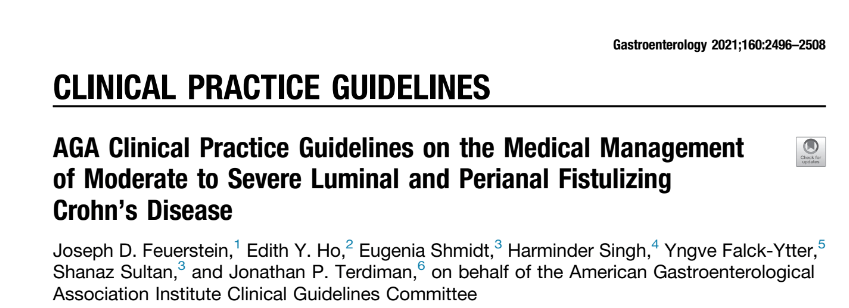
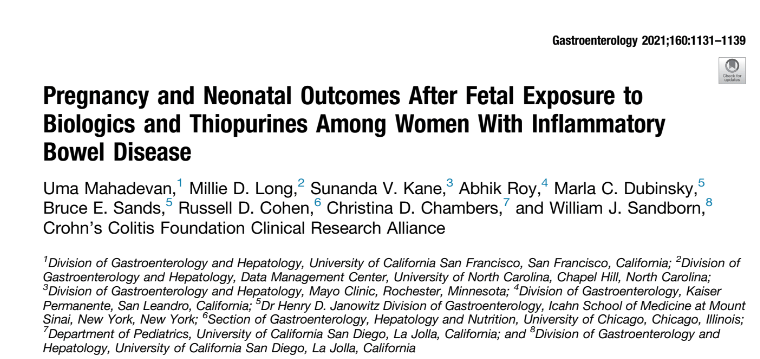
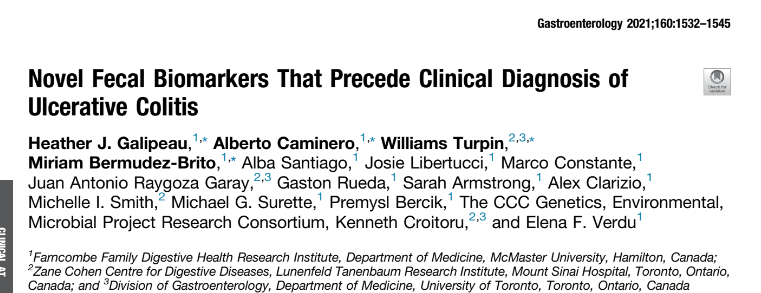
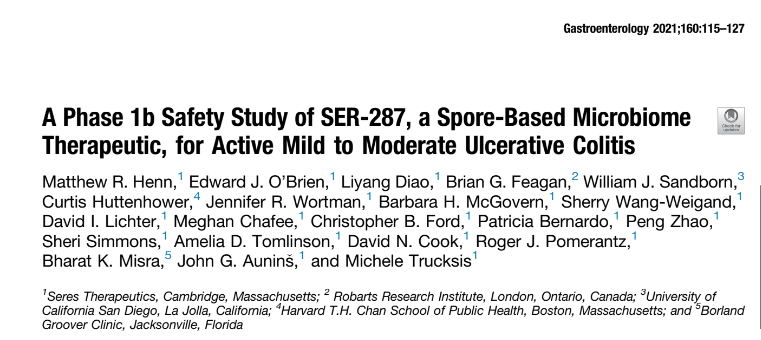
I’ve included screenshots of many of the articles below.
D Turner, SB Hanauer. Editorial on DINE-CD studyKrugliak et al. In press.
Also, recent data indicate that the omicron strain of SARS-CoV-2 is much less likely to affect sense of smell or taste but more likely to cause a sore throat –from Eric Topol twitter feed:
Using national registries, the authors identified all patients with IBD (>15 years of age) and all cases of urolithiasis in Denmark during 1977-2018. Key findings:
2,549 (3%) of 75,236 IBD patients and 11,258 (2%) of 767,403 non-IBD individuals developed urolithiasis, resulting in a 2-fold increased risk of urolithiasis (HR, 2.27; 95% CI, 2.17-2.38) in patients with IBD
The authors note that a small risk of urolithiasis preceded the diagnosis of IBD: with OR, 1.42; 95% CI: 1.34-1.50 prior to diagnosis
After IBD diagnosis, risk of urolithiasis was associated with anti-TNF therapy and surgery (increased disease severity appears to be associated with increased risk). Anti-TNF therapy had a RR of 2.68 in patients with ulcerative colitis and a RR of 3.56 in patients with Crohn’s disease; for surgery, the RR were 3.14 and 2.74 respectively
One limitation is detection bias as patients with IBD may have more asymptomatic stones identified due to more frequent imaging
My take: This confirms an increased risk of urolithiaiss in patients with IBD and is a good reminder to consider this when patients present with severe abdominal pain/possible flare-up.
Key finding: A post hoc analysis of data from a phase 4 trial (the MOMENTUM trial) found that, even in patients (n=593 at week 8, n=305 at week 52) with complete endoscopic healing of UC, FC concentration can be used to discriminate patients with ongoing microscopic inflammation from patients with histologic remission. The optimal FC cut-off concentrations for identification of patients with histologic remission were 75 μg/g at week 8 and 99 μg/g at week 52.
Key finding: In this prospective study, 57 patients in deep remission stopped azathioprine after a median of 7 years. 26 (46%) relapsed within a median of 15 months. Fecal calprotectin (FC) levels were >50 mcg/g in all patients with relapse (FC specificity 100%) but the sensitivity was only 50%. Thus, having a normal FC does not preclude relapse but elevated FC is associated with relapse.
In this retrospective study, 75 patients, 9.9% of all patients, who had been changed from originator infliximab to a biosimilar had clinical worsening. Key finding: Improvement of reported symptoms was seen in 73.3% of patients after reverse switching back to originator infliximab; alsor 7 out of 9 patients (77.8%) with loss of response regained response
Key finding: Clinical remission rates with vedolizumab among patients with CD (n=80) and patients with UC (n=78) were 44.1% and 44.0%. Among patients with UC, the endoscopic remission rate was 32.4%
Methods: This was a retrospective case-control study based on a national registry. Cases included children diagnosed with both IBD and Celiac Disease (CeD). Two matched IBD controls without CeD, and 2 matched CeD controls were selected for each case.
Key findings:
Forty-nine (1.75%) patients with IBD and CeD were identified out of 2800 patients with IBD. CeD was diagnosed before IBD in 37 (75.5%)
Compared with patients with IBD alone, patients with IBD and CeD presented more frequently with autoimmune diseases (odds ratio, 2.81; 95% CI, 0.97–8.37; P = 0.04) (mainly thyroiditis 6.1% vs 0%)
Children with ulcerative colitis and CeD had an increased risk of colectomy despite similar medical treatments compared with patients with ulcerative colitis alone (13.0% vs 0%); however, this was based on a small number (3 surgeries out of 23 patients)
Anti-TNF biologics (46.2% vs 69.2%) were less commonly administered in patients with Crohn’s disease and CeD than in patients with Crohn’s disease alone
Pubertal delay was more common in patients with IBD and CeD compared with patients with IBD alone (14.9% vs 3.2%; odds artio, 5.24)
The discussion emphasizes the need to consider the risk of developing IBD in children with CeD and to recognize the increased risk of autoimmune diseases. Children with both UC and CeD may have a more severe phenotype. The authors recognize the possibility of misdiagnosis of CeD as patients with IBD could present with similar upper GI findings; however, this is likely infrequent as most cases of CeD preceded the diagnosis of IBD.
My take: One point that the authors neglect is the need to consider an underlying monogenetic disorder (eg. CTLA4B) in children with multiple immune-mediated diseases. The main message for children with this double whammy, though, is to consider the need for more aggressive treatment (especially with UC) and the need to screen for other autoimmune conditions (especially thyroiditis).
Personal item: If any blog follower has experience using biologics (eg mepolizumab, benralizumab) in a young child (1 yo) with eosinophilic colitis and marked eosinophilia, please send me a personal email: jjhochman@gmail.com.
“Another series of studies from the University of Texas found that four seconds — yes, seconds — of ferocious bicycle pedaling, repeated several times, was enough to raise adults’ strength and endurance, whatever their age or health when they started.”
“As I wrote in July, the familiar goal of 10,000 daily steps, deeply embedded in our activity trackers and collective consciousness, has little scientific validity. It is a myth that grew out of a marketing accident, and a study published this summer further debunked it, finding that people who took between 7,000 and 8,000 steps a day, or a little more than three miles, generally lived longer than those strolling less or accumulating more than 10,000 steps.”
“Exercise also has a disproportionate impact on our odds of enjoying a long, healthy life. According to one of the most inspiring studies this year, overweight people who started working out lowered their risk of premature death by about 30 percent even if they remained overweight, with exercise providing about twice as much benefit as weight loss might…Exercise enhances our brain power, too, according to other, memorable experiments from this year”
“In the study, which I wrote about in May, active people reported a stronger sense of purpose in their lives than inactive people….In effect, the more people felt their lives had meaning, the more they wound up moving, and the more they moved, the more meaningful they found their lives.
For successful aging, recognize one’s issues and adapt accordingly. “Sooner or later, we all must recognize what is no longer possible and find alternatives,” says Jane Brody (Personal Health columnist) –“Inspired by Steven Petrow’s book, “Stupid Things I Won’t Do When I Get Old.”
Learning from ‘Super-Agers’ — “past research has revealed lifestyle factors that contribute to resilience such as obtaining a high level of quality education; holding occupations that deal with complex facts and data; consuming a Mediterranean-style diet; engaging in leisure activities; socializing with other people; and exercising regularly”
The sweet spot for longevity lies around 7,000 steps a day (or 30 minutes of exercise).
Methods: A retrospective cohort study using anonymized UK primary care records (2002-2016). All adults without a baseline diagnosis of AILD (autoimmune liver disease) were included and followed up until the first occurrence of an AILD diagnosis, death, or they left the database.
1314 incident cases of PBC, 396 of PSC, and 1034 of AIH. Crude incidences were as follows: PBC, 2.47 (95% CI, 2.34–2.60); PSC, 0.74 (95% CI, 0.67–0.82); and AIH, 1.94 (95% CI, 1.83–2.06) per 100,000 per year.
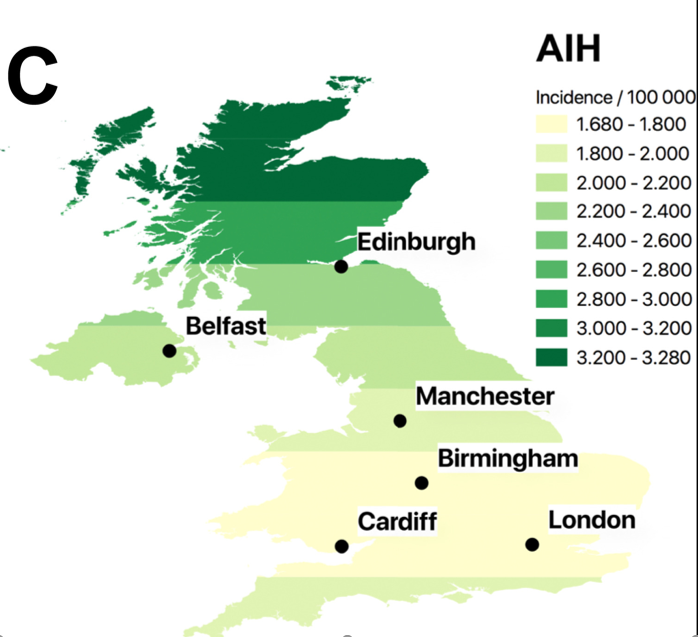
A more northerly latitude was associated strongly with incidence of PBC: 2.16 to 4.86 from 50°N to 57°N (P = .002) and incidence of AIH: 2.00 to 3.28 (P = .003), but not incidence of PSC: 0.82 to 1.02 (P = .473)
After adjustments, PBC was more frequent in smokers than those who had never smoked at 3.40 (3.03–3.77) per 100,000/y and 1.96 (1.80–2.12) cases per 100,000/y; there was a lower incidence of PSC in smokers 0.47 (0.33–0.61) per 100,000/y compared with those who had never smoked 0.95 (0.83–1.07) per 100,000/y. For AIH, there was no difference between current smokers and those who had never smoked
The authors speculate in the discussion about potential reasons why latitude could correlate with disease incidence. Some potential explanations include sunlight/vitamin D metabolism (though this is at odds with the fact that those with increased skin pigmentation are NOT at increased risk), environmental exposures (related to geology, diet, air quality) or unrecognized genetic tendency based on geography.
My take: In the UK, there is an association between a more northernly latitude and both PBC and AIH.
This data from NY Times shows that deaths due to COVID-19 are following a familiar pattern and spiking about 3 weeks after a spike in cases; this time the spike is being driven by omicron cases. However, this wave may in fact have lower severity per case; with this current wave, the number of reported cases is probably undercounted by a greater degree than in previous spikes due to widespread availability of home testing and the likelihood of more asymptomatic cases. Thus, it could be that the death rate per case would/will be significantly lower if/when all cases are accounted for.
In this nationwide population-based cohort study in Sweden from 1969-2017 of 6,016 adults with histologically-confirmed AIH (all 18 years or older) and 28,146 matched general population, key findings:
3,185 individuals with AIH died (41.4/1000 person-years) compared with 10,477 reference individuals (21.9/1000 person-years)
The 10-year cumulative incidence of death was 32.3% (95%CI [ 31.1-33.6) for AIH individuals and 14.1% (95%CI [ 13.7-14.5) for reference individuals
AIH individuals with cirrhosis on biopsy had a high risk of death (HR [ 4.55; 95%CI [ 3.95-5.25), while mortality risks for patients with noncirrhotic fibrosis (HR, 2.68) and inflammation without fibrosis (HR, 2.18) were similar to overall risk
In this cohort, 13.7% had cirrhosis at diagnosis (lower than other studies)
My take: In this study over nearly 50 years, AIH was associated with “a 2-fold increased risk of death. Risks were particularly high in individuals with cirrhosis, portal hypertension (HR, 7.55), and overlap with cholestatic liver disease.”
In this multicenter, observational, international study conducted between April and July 2020 at six different referral centers, the authors studied two groups:
Children diagnosed with FAPDs between October 2019 and February 2020 were enrolled and prospectively interviewed at 4 months of follow-up during the first pandemic phase (Quarantine group, n=180, mean age 14 yrs)
A cohort of children diagnosed with FAPDs between October 2018 and February 2019 was used as a Control group, n=176, mean age 13 yrs)
Key findings:
At 4 months of follow-up, both groups had a significant reduction of children reporting >5 episodes of abdominal pain per month when compared to baseline. Quarantine group: 63.9% vs 42.2%, P < 0.001; Control group: 83.5% vs 50%, P < 0.001.
Overall, 57% of the Quarantine group and 63.5% of the Control group had improvement of all symptoms.
My take: This study shows that the majority of patients with functional abdominal pain have improvement (at least temporarily) and reinforce the benefit of reassurance/conservative approach for many even during the pandemic. It is possible that school closures and additional parental attention mitigated some of the improvement in the Quarantine group.
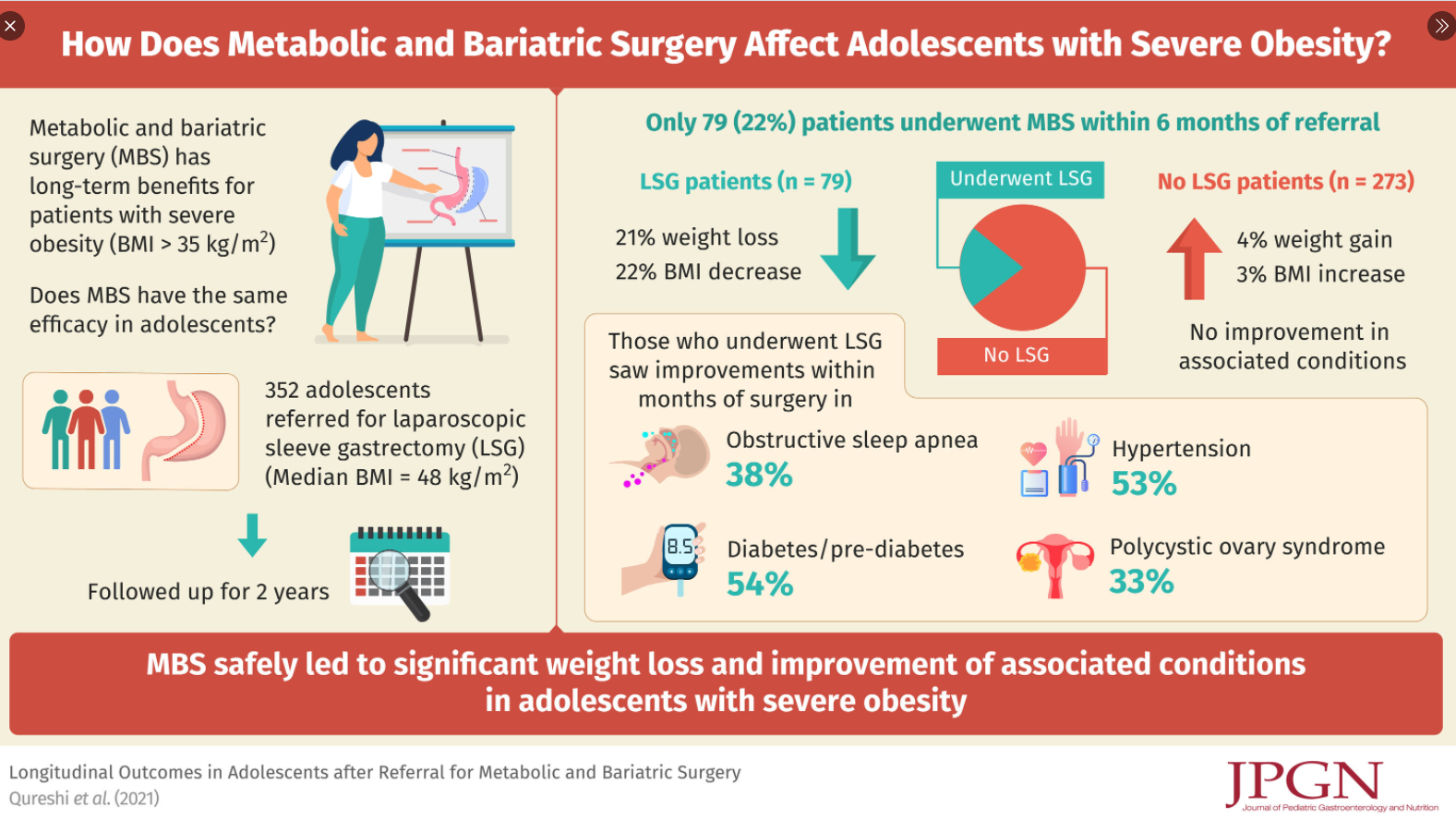
Only 22% underwent bariatric surgery (Laparoscopic sleeve gastrectomy (LSG)), mainly due to lack of interest in those referred
Reasons for NoLSG: 171 (62% of the NoLSG group) did not return for a 2nd visit, 28 (10%) were considered non-adherent to clinical recommendations, 14 (6%) had insurance denials, 16 (6%) had psychological contraindications including recent suicidal ideations, and 29 (11%) are still considering/pursuing LSG
Only 8 (2.3%) of entire cohort were self-pay
LSG patients had 21% total weight loss and 22% total BMI loss at 24 months whereas NoLSG patients had 4% total weight gain and 3% BMI gain (P < 0.01)
LSG group had improvement in obesity-associated conditions compared to group without surgery (P < 0.01)
Follow-up in both groups was poor (40% for LSG group and <20% for the NoLSG group) 1 year after bariatric referral. This is of particular interest in the LSG group b/c for surgery, patients are required to agree to a 5 year f/u period (though this lacks an enforcement mechanism). The authors note some improvement in f/u coincident with recent broader adoption of telemedine
My take: This single-center found that most patients referred for consideration of bariatric surgery did not have this surgery.