Unknown's avatar

About gutsandgrowth

I am a pediatric gastroenterologist at GI Care for Kids (previously called CCDHC) in Atlanta, Georgia. The goal of my blog is to share some of my reading in my field more broadly. In addition, I wanted to provide my voice to a wide range of topics that often have inaccurate or incomplete information. Before starting this blog in 2011, I would tear out articles from journals and/or keep notes in a palm pilot. This blog helps provide an updated source of information that is easy to access and search, along with links to useful multimedia sources. I was born and raised in Chattanooga. After graduating from the University of Virginia, I attended Baylor College of Medicine. I completed residency and fellowship training at the University of Cincinnati at the Children’s Hospital Medical Center. I received funding from the National Institutes of Health for molecular biology research of the gastrointestinal tract. During my fellowship, I had the opportunity to work with some of the most amazing pediatric gastroenterologists and mentors. Some of these individuals included Mitchell Cohen, William Balistreri, James Heubi, Jorge Bezerra, Colin Rudolph, John Bucuvalas, and Michael Farrell. I am grateful for their teaching and their friendship. During my training with their help, I received a nationwide award for the best research by a GI fellow. I have authored numerous publications/presentations including original research, case reports, review articles, and textbook chapters on various pediatric gastrointestinal problems. In addition, I have been recognized by Atlanta Magazine as a "Top Doctor" in my field multiple times. Currently, I am the vice chair of the section of nutrition for the Georgia Chapter of the American Academy of Pediatrics. In addition, I am an adjunct Associate Clinical Professor of Pediatrics at Emory University School of Medicine. Other society memberships have included the North American Society for Pediatric Gastroenterology Hepatology and Nutrition (NASPGHAN), American Academy of Pediatrics, the Food Allergy Network, the American Gastroenterology Association, the American Association for the Study of Liver Diseases, and the Crohn’s and Colitis Foundation. As part of a national pediatric GI organization called NASPGHAN (and its affiliated website GIKids), I have helped develop educational materials on a wide-range of gastrointestinal and liver diseases which are used across the country. Also, I have been an invited speaker for national campaigns to improve the evaluation and treatment of gastroesophageal reflux disease, celiac disease, eosinophilic esophagitis, hepatitis C, and inflammatory bowel disease (IBD). Some information on these topics has been posted at my work website, www.gicareforkids.com, which has links to multiple other useful resources. I am fortunate to work at GI Care For Kids. Our group has 17 terrific physicians with a wide range of subspecialization, including liver diseases, feeding disorders, eosinophilic diseases, inflammatory bowel disease, cystic fibrosis, DiGeorge/22q, celiac disease, and motility disorders. Many of our physicians are recognized nationally for their achievements. Our group of physicians have worked closely together for many years. None of the physicians in our group have ever left to join other groups. I have also worked with the same nurse (Bernadette) since I moved to Atlanta in 1997. For many families, more practical matters about our office include the following: – 14 office/satellite locations – physicians who speak Spanish – cutting edge research – on-site nutritionists – on-site psychology support for abdominal pain and feeding disorders – participation in ImproveCareNow to better the outcomes for children with inflammatory bowel disease – office endoscopy suite (lower costs and easier scheduling) – office infusion center (lower costs and easier for families) – easy access to nursing advice (each physician has at least one nurse) I am married and have two sons (both adults). I like to read, walk/hike, bike, swim, and play tennis with my free time. I do not have any financial relationships with pharmaceutical companies or other financial relationships to disclose. I have helped enroll patients in industry-sponsored research studies.

Empathy vs. Sympathy

A short animated video from Brene Brown/Katy Davis (thanks to Kayla Lewis for this link) helps explain the difference between empathy and sympthany.  Here’s the link: Short Video on Empathy (the animation is not that great but the message is important)

Key points:

  • Empathy brings people to together and sympathy often drives people apart.
  • Empathy never begins with “at least” …it wasn’t worse
  • Sometimes empathy means saying ‘I don’t know what to say but I’m glad you told me.’

Harrison Ford defines Sympathy in 42 – YouTube.  In the movie “42,” Harrison Ford’s character describes sympathy as being derived from the Greek word to suffer together.  In many cases, sympathy can be difficult to distinguish from pity; this is one reason why empathy can be much more helpful.

Unrelated (but interesting): Comic Version Graphic Points Need for Discussions DNR

Here’s one frame:

From Annal of Intern Medicine Twitter Feed

From Annal of Int Med Twitter Feed

Vaccine Proven Effective for Hepatitis E

An important advance in Hepatology -more data showing efficacy of a Hepatitis E vaccine (N Engl J Med 2015; 372:914-922).

Here’s the abstract:

BACKGROUND

Hepatitis E virus (HEV) is a leading cause of acute hepatitis. The long-term efficacy of a hepatitis E vaccine needs to be determined. 

METHODS

In an initial efficacy study, we randomly assigned healthy adults 16 to 65 years of age to receive three doses of either a hepatitis E vaccine (vaccine group; 56,302 participants) or a hepatitis B vaccine (control group; 56,302 participants). The vaccines were administered at 0, 1, and 6 months, and the participants were followed for 19 months. In this extended follow-up study, the treatment assignments of all participants remained double-blinded, and follow-up assessments of efficacy, immunogenicity, and safety were continued for up to 4.5 years. 

RESULTS

During the 4.5-year study period, 60 cases of hepatitis E were identified; 7 cases were confirmed in the vaccine group (0.3 cases per 10,000 person-years), and 53 cases in the control group (2.1 cases per 10,000 person-years), representing a vaccine efficacy of 86.8% (95% confidence interval, 71 to 94) in the modified intention-to-treat analysis. Of the participants who were assessed for immunogenicity and were seronegative at baseline, 87% of those who received three doses of the hepatitis E vaccine maintained antibodies against HEV for at least 4.5 years; HEV antibody titers developed in 9% in the control group. The rate of adverse events was similar in the two groups.

CONCLUSIONS

Immunization with this hepatitis E vaccine induced antibodies against HEV and provided protection against hepatitis E for up to 4.5 years. (Funded by the Chinese Ministry of Science and Technology and others; ClinicalTrials.gov number, NCT01014845.)

Related blog post:

Briefly noted:

Experience with molecular adsorbent recirculating system (MARS). Lexmond WS, et al. Liver Transpl 2015; 21: 369-80. Editorial 277-78. n=20 over 10 years. From the editorial: “Although MARS therapy has been available for more than a decade, there have been no randomized controlled trials of its use in children…the time has come to get the data necessary to prove whether MARS has utility or not.” Related blog post: Living on MARS | gutsandgrowth

“Unrecognized Chronic Hepatitis C Virus Infection Among Baby Boomers in the Emergency Department.” Hepatology 2015; 61: 776-82. 102 of 1529 individuals were confirmed to have HCV infection. Interestingly, only 54% were successfully contacted by phone and of these only 21 had attended their initial visit with a liver specialist. Related blog post: Wiping out Hepatitis C | gutsandgrowth

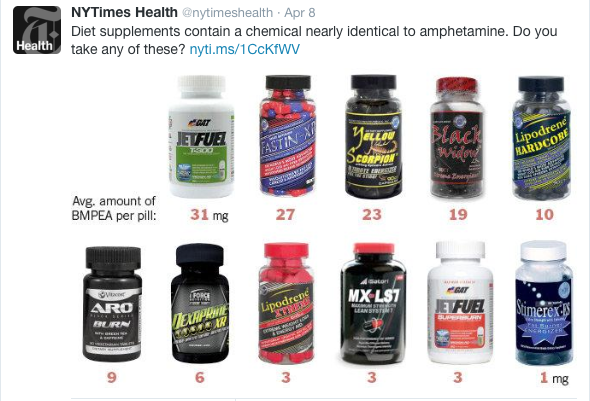
From NY Times Twitter Feed (screenshot)

From NY Times Twitter Feed (screenshot)

Unrelated story/link (from NY Times): FDA Slow to Act on Diet Supplement Dangers


UTI in Infancy–New Risk Factor for Chronic Abdominal Pain?

A recent study (Rosen JM, et al. JPGN 2015; 60: 214-16) identifies a history of a urinary tract infection (UTI) in infancy as a risk factor for development of chronic abdominal pain.

The authors identified 57 patients with a history of UTI during the first year of life and compared them to 58 sibling controls.  Mean age of UTI was 4.8 months and mean time since UTI was 9.3 years.

Key finding:

  • Chronic abdominal pain was noted in 10 (17.5%) of patients with prior UTI compared with 2 (3.4%) of controls (P=0.02)

The authors state that this is the first study showing an infection outside the GI tract could increase the risk of chronic abdominal pain.  It is not clear to me if the UTI would truly be a sensitizing factor or whether other factors like the administration of antibiotics could play a role.

Bottomline: While this is a small study and the incidence of chronic abdominal pain was fairly low in both groups, it suggests that a history of a UTI may be a risk factor for recurrent abdominal pain; a bigger study is needed to validate these findings.

Related blog posts:

From Twitter

Trending on Twitter -CampWeeKanEatIt Shoutout

Mongerson -Phase II Data Available in NEJM

Previously, this blog noted that a phase II study showed that Mongerson, an oral SMAD7 antisense oligonucleotide, had promising data for moderate-to-severe Crohn’s: An Oral Oligonucleotide in the Crohn’s Treatment Pipeline …

The study has now been been published: NEJM 2015; 372: 1104-13.  Among patients who received 40 mg and 160 mg of mongerson, remission (CDAI <150) at 15 days was achieved in 55% and 65% respectively compared to 12% for 10 mg dose and 10% for placebo group.

The associated editorial (pg 1166-67) notes that only 18% of the patients with elevated C-reactive protein and randomized to the 40 mg and 160 mg doses normalized these levels at the end of the treatment period.  Thus, further trials will need to look more closely at objective biomarkers.

Unrelated but interesting -from John Pohl & Bryan Vartabedian’s twitter feeds:  “Food Babe” Exposed as a Fraud

How Likely is Celiac Disease if My TTG Test Is Only a Little Bit Abnormal?

A terrific celiac serology study (Gidrewicz D, et al.Am J Gastroenterol 2015; -advanced online publication doi: 10.1038/ajg.2015.87) helps answer questions about the utility of serology in making diagnostic decisions. (Thanks to corresponding author J Decker Butzner for sharing reference.)

Using consecutive samples in a laboratory database with 17,505 patients, the authors retrospectively examined the performance of the tissue transglutaminase (TTG), endomysial antibody (EMA) tests and the ESPGHAN celiac guidelines for nonbiopsy diagnosis of celiac disease.  Among this large cohort, 775 with positive TTG and 574 with a negative TTG were biopsied.

Key findings:

  • If the TTG >10-fold the upper limit of normal (ULN) along with a positive EMA and symptoms were present, 98.2% had biopsies consistent with celiac disease.
  • If the TTG was 3-10-fold-ULN along with positive EMA, then 75.7% had biopsies consistent with celiac disease.  The histology of celiac disease (CD) was present in only 40% of the TTG 3-10-fold ULN if EMA was negative.
  • If the TTG was 1-3-fold-ULN along with positive EMA, 52.2% had CD-positive histology, whereas CD-positive histology was evident in only 13.3% of TTG 1-3-ULN if EMA was negative.
  • IgA deficiency is common in CD (“1in 60 vs 1 in 700” in general population)

Implications & Take-home points:

  • The researchers note that the positive predictive value of TTG drops when the prevalence of CD in the testing population is lower.  Thus, in their population and most clinical practice where the prevalence is below 35-40%, the PPV of the TTG-based tests drops to <80%.
  • While TTG-based tests have high specificity, there are multiple medical conditions that can cause a false positive (additional reference below), including autoimmune diseases like diabetes mellitus, inflammatory bowel diseases as well as infections, and liver disorders.
  • Asymptomatic patients with low TTG titers and negative EMA may benefit from following celiac serology rather than proceeding immediately to intestinal biopsy.
  • Using ESPGHAN nonbiopsy criteria (symptomatic child, TTG ≥10 ULN, positive EMA, positive HLA typing), there were four patients whose initial biopsies were not consistent with CD.  Thus these criteria identified 98.2% accurately who did not need an intestinal biopsy.  One of these four developed CD subsequently.  To achieve 100% PPV for non biopsy, the authors note that one would need an EMA titer ≥1:80.
  • Study limitations: retrospective study, lack of standardization between TTG assays

Bottomline: EMA improves the PPV of TTG testing, especially when low titer elevations are noted.  TTG alone is a highly sensitive test “with a 99.4% negative predictive value” in this study.

Related study: “Serum Anti-Tissue Transglutaminase Antibodies Detected during Febrile Illness May Not be Produced by the Intestinal Mucosa” J Pediatr 2015; 166: 761-3.  This case report describes two children with abnormal TTG (one more than 20-fold ULN)) both were EMA-negative. No mucosal anti-TTG was identified using two immunoassays.

Related blog posts:

NPR: “Should You Trust That New Medical Study?”

A quick read from NPR: “Should You Trust That New Medical Study?”  No.

Here’s an excerpt:

As historian of science Naomi Oreskes says …, “What makes it news is that it’s new…My view would be that brand new results would be the most likely to be wrong.”

… We should infer the efficacy of a new drug or the benefits or harms of foods from a sample of studies, not a single new one. Of course, most people don’t have the time or the inclination to go through the exercise. When it comes to health, we want to believe in a new cure, for obvious reasons. Our skepticism must be doubled precisely to prevent being misled by hope. (Although hope and a positive attitude are known contributors to healing.) The responsibility, thus, rests with scientists and the media to promote the news carefully — and with the general consumer to keep the news in perspective.

Unrelated link: Nuts Associated with Improved Longevity (from NY Times)

Baseball Season!

Baseball Season!

Related blog posts:

“Why Health Care Tech is Still So Bad” -NY Times

Here’s the link on this thoughtful article: “Why Health Care Tech is Still So Bad

This article highlights the problems including physicians distracted from patients due to data entry, problems with workflow, and alert fatigue. The author argues that we need to keep working on electronic health records; “the digitization of health care promises, eventually, to be transformative.”

Related blog posts:


How to Keep Enteral Feedings Safe

As noted previously in this blog, enteral feedings are generally safe to administer overnight (Rest easy with enteral nutrition | gutsandgrowth).  Another study (Nutr Clin Pract February 2015 vol. 30, no. 1 128-133agrees with this finding in both open and closed systems but with the caveat that addition of modular products to enteral feeds can result in unacceptable contamination.

Here’s the abstract:

Background: Temperature is known to affect bacterial growth, but current safety recommendations for enteral formula are based on studies conducted in thermoneutral environments, which are not representative of select burn intensive care units (ICUs) that are kept therapeutically hyperthermal. This project evaluated microbial growth in 3 enteral feeding systems: closed, open, and open with modular additives (modular tube feeding [MTF]) exposed to 2 different environments. Procedures: Product for each of the 3 systems was prepared and hung in both a thermoneutral (23.3°C) and a hyperthermal (32.5°C) ICU room. At baseline, 4 hours, and 8 hours, samples were plated and incubated overnight and the number of colony-forming units (CFUs) counted. Findings: In the thermoneutral and hyperthermal environments, there was no evidence of microbial growth in the open or closed feeding systems at any time point. The MTF exhibited baseline contamination with a median of 10 CFUs (95% CI, 8–16) and significant growth over time to 54 CFUs (95% CI, 20–230) by 8 hours in the thermoneutral setting. In the hyperthermal environment, the MTF showed baseline contamination of 390 CFUs (95% CI, 40–1600) and significant growth over time, with 30% of samples exhibiting contamination levels exceeding Food and Drug Administration standards by 4 hours and CFUs being too numerous to count by 8 hours. Conclusion: CFUs in enteral formula did not differ between open and closed feeding systems in either environment for up to 8 hours; however, the addition of modulars to open systems may result in an unacceptable risk of contamination in hyperthermal environments.

Other blogs related to enteral nutrition:

Probiotics -Another Positive Study for Prevention of Necrotizing Enterocolitis

The topic of probiotics and necrotizing enterocolitis has been discussed several times on this blog (see some links below).  Here’s an abstract from a recent J Pediatr 2015;166: 545–51.

Objective

To test the efficacy of probiotic and prebiotic, alone or combined (synbiotic), on the prevention of necrotizing enterocolitis (NEC) in very low birth weight (VLBW) infants.

Study design

A prospective, randomized, controlled trial was conducted at 5 neonatal intensive care units in Turkey. VLBW infants (n = 400) were assigned to a control group and 3 study groups that were given probiotic (Bifidobacterium lactis), prebiotic (inulin), or synbiotic (Bifidobacterium lactis plus inulin) added to breastmilk or formula for a maximum of 8 weeks before discharge or death. The primary outcome was NEC (Bell stage ≥2).

Results

The rate of NEC was lower in probiotic (2.0%) and synbiotic (4.0%) groups compared with prebiotic (12.0%) and placebo (18.0%) groups (P < .001). The times to reach full enteral feeding were faster (P < .001), the rates of clinical nosocomial sepsis were lower (P = .004), stays in the neonatal intensive care unit were shorter, (P = .002), and mortality rates were lower (P = .003) for infants receiving probiotics, prebiotics, or synbiotic than controls. The use of antenatal steroid (OR 0.5, 95% CI 0.3-0.9) and postnatal probiotic (alone or in synbiotic) (OR 0.5, 95% CI 0.2-0.8) decreased the risk of NEC, and maternal antibiotic exposure increased this risk (OR 1.9, 95% CI 1.1-3.6).

Conclusions

In VLBW infants, probiotic (Bifidobacterium lactis) and synbiotic (Bifidobacterium lactis plus inulin) but not prebiotic (inulin) alone decrease NEC.

Related blog posts:

Preterm Neonatal Microbiota and Effect of Perinatal Antibiotics

A recent study (Arboleya, S et al. J Pediatr 2015; 166: 538-44) provide sequential data regarding the intestinal microbiome in preterm infants in comparison to full-term infants; in addition, this study offers some insight into the changes that occur with perinatal antibiotics.

The researchers examined fecal samples at approximately 2 days of life, and then days 10, 30, and 90 in 27 preterm infants and 13 full-term babies. The study figures show the progression and changes of the microbiota over the first 90 days. In Figures 1, the profiles are the most similar between the full-term and preterm infants but there remains significant differences.

Key findings:

  • Preterm infants had higher initial percentage of Lactobacillaceae and reduced Bacteroidacease.
  • Perinatal antibiotics (including intrapartum antimicrobial prophylaxis) were noted to affect gut microbiota with increased Enterobacteriaceae organisms in these infants.

There were many confounding variables noted, including different diets, which make interpretation of the data difficult.  The full-term infants received exclusive breast milk whereas the preterm infants received mixed feedings.

A recent review (Houghteling, PD, Walker, WA.”Why Is Initial Bacterial Colonization of the Intestine Important to Infants’ and Children’s Health?” JPGN 2015; 60: 294-307) had a relevant figure:

From NASPGHAN Twitter Feed

From NASPGHAN Twitter Feed

Bottomline: Overall, Arboleya et al provide some additional baseline data but much more is needed to ascertain what factors will make children healthier –starting from before birth. The understanding of the microbiome is truly in its infancy.

Related blog posts: