Unknown's avatar

About gutsandgrowth

I am a pediatric gastroenterologist at GI Care for Kids (previously called CCDHC) in Atlanta, Georgia. The goal of my blog is to share some of my reading in my field more broadly. In addition, I wanted to provide my voice to a wide range of topics that often have inaccurate or incomplete information. Before starting this blog in 2011, I would tear out articles from journals and/or keep notes in a palm pilot. This blog helps provide an updated source of information that is easy to access and search, along with links to useful multimedia sources. I was born and raised in Chattanooga. After graduating from the University of Virginia, I attended Baylor College of Medicine. I completed residency and fellowship training at the University of Cincinnati at the Children’s Hospital Medical Center. I received funding from the National Institutes of Health for molecular biology research of the gastrointestinal tract. During my fellowship, I had the opportunity to work with some of the most amazing pediatric gastroenterologists and mentors. Some of these individuals included Mitchell Cohen, William Balistreri, James Heubi, Jorge Bezerra, Colin Rudolph, John Bucuvalas, and Michael Farrell. I am grateful for their teaching and their friendship. During my training with their help, I received a nationwide award for the best research by a GI fellow. I have authored numerous publications/presentations including original research, case reports, review articles, and textbook chapters on various pediatric gastrointestinal problems. In addition, I have been recognized by Atlanta Magazine as a "Top Doctor" in my field multiple times. Currently, I am the vice chair of the section of nutrition for the Georgia Chapter of the American Academy of Pediatrics. In addition, I am an adjunct Associate Clinical Professor of Pediatrics at Emory University School of Medicine. Other society memberships have included the North American Society for Pediatric Gastroenterology Hepatology and Nutrition (NASPGHAN), American Academy of Pediatrics, the Food Allergy Network, the American Gastroenterology Association, the American Association for the Study of Liver Diseases, and the Crohn’s and Colitis Foundation. As part of a national pediatric GI organization called NASPGHAN (and its affiliated website GIKids), I have helped develop educational materials on a wide-range of gastrointestinal and liver diseases which are used across the country. Also, I have been an invited speaker for national campaigns to improve the evaluation and treatment of gastroesophageal reflux disease, celiac disease, eosinophilic esophagitis, hepatitis C, and inflammatory bowel disease (IBD). Some information on these topics has been posted at my work website, www.gicareforkids.com, which has links to multiple other useful resources. I am fortunate to work at GI Care For Kids. Our group has 17 terrific physicians with a wide range of subspecialization, including liver diseases, feeding disorders, eosinophilic diseases, inflammatory bowel disease, cystic fibrosis, DiGeorge/22q, celiac disease, and motility disorders. Many of our physicians are recognized nationally for their achievements. Our group of physicians have worked closely together for many years. None of the physicians in our group have ever left to join other groups. I have also worked with the same nurse (Bernadette) since I moved to Atlanta in 1997. For many families, more practical matters about our office include the following: – 14 office/satellite locations – physicians who speak Spanish – cutting edge research – on-site nutritionists – on-site psychology support for abdominal pain and feeding disorders – participation in ImproveCareNow to better the outcomes for children with inflammatory bowel disease – office endoscopy suite (lower costs and easier scheduling) – office infusion center (lower costs and easier for families) – easy access to nursing advice (each physician has at least one nurse) I am married and have two sons (both adults). I like to read, walk/hike, bike, swim, and play tennis with my free time. I do not have any financial relationships with pharmaceutical companies or other financial relationships to disclose. I have helped enroll patients in industry-sponsored research studies.

Infliximab Thresholds with Subcutaneous vs Intravenous Administration for Crohn’s Disease

SN Hong et al. AP&T 2024; 0:1–10. doi.org/10.1111/apt.18354. Subcutaneous Infliximab Concentration Thresholds for Mucosal and Transmural Healing in Patients With Crohn’s Disease

Background: The exposure–response relationship for the intravenous (IV) formulation of infliximab is well established, with multiple studies demonstrating that higher trough concentrations (C-trough) are associated with improved patient outcomes…However, the 2-week cycle of subcutaneous administration showed many-fold higher C-trough than the 8-week cycle of IV-IFX. Direct comparison of C-trough between SC- and IV-IFX is not appropriate because of different bioavailability and concentration–time profile. It is also not appropriate to apply the C-trough thresholds that predict achieving the therapeutic targets for IV.

This was a cross-sectional retrospective study with 124 patients with Crohn’s disease (CD) who had received SC-IFX maintenance therapy for ≥6 months. SC-IFX C-trough was measured immediately before SC-IFX injection. Key findings:

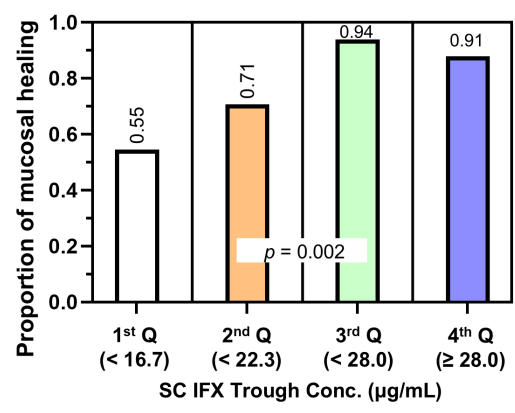
  • Mucosal healing (MH) was noted in 77.9% (74/95) and transmural healing (TH) in 36.3% (37/102).
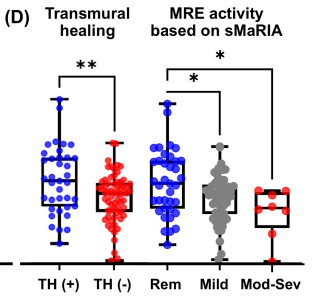
  • SC-IFX C-trough was significantly higher in patients with MH (24.1 vs.16.9 μg/mL; p=0.001) and TH (26.0 vs. 20.5 μg/mL; p=0.007) than in those without.

Discussion:

Target trough levels: In this study, the authors found that “the C-trough thresholds for clinical remission, biochemical remission, MH and TH were 12, 16, 18 and 30 μg/mL, respectively, based on ROC analysis. The C-trough of SC-IFX increased with the depth of remission.”
Why trough level targets may differ between IV administration and SC: Administration via the IV route results in early and rapid peak concentration followed by a steady decline to trough, whereas administration via the SC route has slower absorption, lower bioavailability, lower peak concentration and smaller differences between peak and trough concentrations.

The authors note that a study by Ye et al (United European Gastroenterology Journal; 2020: 8: 385–386) with 55 patients found that a C-trough >26.6 mcg/mL achieved clinical remission and fecal calprotectin levels <250 mcg/g at week 54 in 79% and 91% respectively compared to 46% and 62% in those with with C-trough <16.4 mcg/g.

These C-trough levels are significantly higher that the median C-trough levels of standard dosing (120 mg biweekly) in a phase 1 dosing RCT which was only 13.3 mcg/mL (S Schreiber et al. Gastroenterology 2018; 154: 1371). The dosing of 180 mg and 240 mg biweekly resulted in C-trough levels of 19.9 mcg/mL and 26.5 mcg/mL respectively.

My take: This study suggests that therapeutic drug monitoring will have different targets with SC-IFX than with IV-SC. SC formulations will offer more convenience. However, more effort will be needed to make sure patients are adherent with therapy in order to achieve optimal outcomes.

Related study: S. N. Hong, J. Hye Song, S. Jin Kim, et al. Inflammatory Bowel Diseases 30 (2024): 517–528. One-Year Clinical Outcomes of Subcutaneous Infliximab Maintenance Therapy Compared With Intravenous Infliximab Maintenance Therapy in Patients With Inflammatory Bowel Disease: A Prospective Cohort Study. In this prospective study with 61 patients, SC IFX switch induced a higher 1-year durable remission rate than continuing IV IFX in patients with IBD during scheduled maintenance therapy.

Related blog posts:

Disclaimer: This blog, gutsandgrowth, assumes no responsibility for any use or operation of any method, product, instruction, concept or idea contained in the material herein or for any injury or damage to persons or property (whether products liability, negligence or otherwise) resulting from such use or operation. These blog posts are for educational purposes only. Specific dosing of medications (along with potential adverse effects) should be confirmed by prescribing physician.  Because of rapid advances in the medical sciences, the gutsandgrowth blog cautions that independent verification should be made of diagnosis and drug dosages. The reader is solely responsible for the conduct of any suggested test or procedure.  This content is not a substitute for medical advice, diagnosis or treatment provided by a qualified healthcare provider. Always seek the advice of your physician or other qualified health provider with any questions you may have regarding a condition.
Case Study: Pediatric Emergency from Magnet Ingestion

G Prasad, V Jain. N Engl J Med 2024;391: e48. Small-Bowel Obstruction and Intestinal Fistula from Accidental Ingestion of Magnets

Case presentation excerpt:

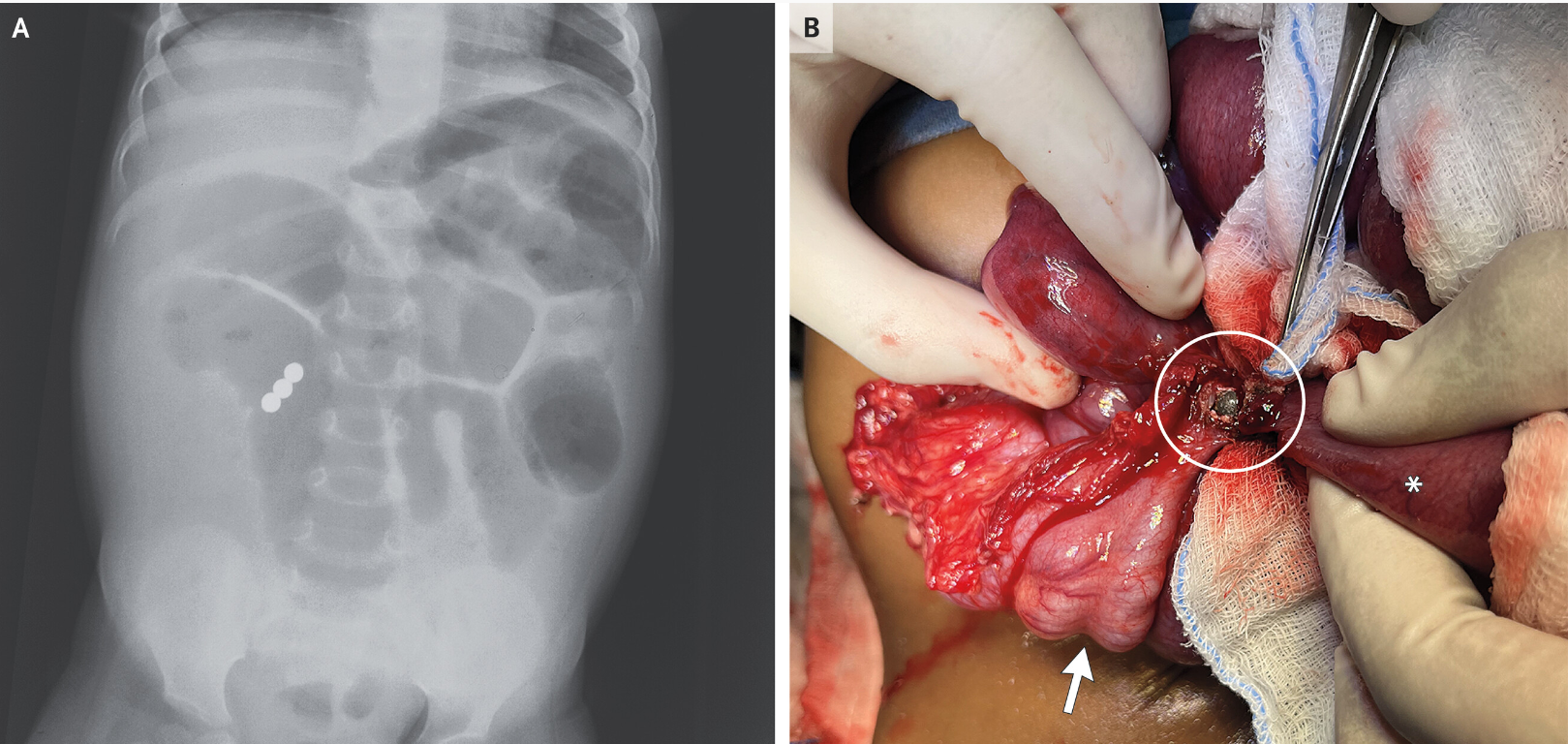
A previously healthy 18-month-old girl was brought to the emergency department with sudden-onset abdominal distention that had been preceded by 3 days of diarrhea and 1 day of vomiting…an emergency exploratory laparotomy was performed. An ileocecal fistula (Panel B, circle) created by the union of three magnetic beads was identified (arrow, cecum; asterisk, ileum), and dilated loops of bowel were noted. The bowel was repaired. The patient was discharged after five days.

My take: There are a lot kids admitted for multiple magnet ingestion. Even in well-appearing children, due to concerns for complications, they are often observed until progression of the magnets. However, it does seem that many do not advance well after working their way to the cecum.

Related blog posts:

Vonoprazan Treatment of Heartburn in Randomized Study of Patients with Non-Erosive Reflux Disease

L Laine et al. Clin Gastroenterol Hepatol 2024; 22: 2211-2220. Open Access! Vonoprazan is Efficacious for Treatment of Heartburn in Non-erosive Reflux Disease: A Randomized Trial

This was a randomized trial (n=772) in patients diagnosed with non-erosive reflux disease (NERD) comparing vonoprazan (10 mg and 20 mg) versus placebo for heartburn relief. Reflux was NOT confirmed with ambulatory pH monitoring.

Key findings:

  • The percentage of 24-hour heartburn-free days was 27.7% for placebo vs 44.8% for vonoprazan 10 mg (P < .0001) and 44.4% for vonoprazan 20 mg ( P < .0001).
  • The results were similar between both doses of vonoprazan
  • The benefit of vonoprazan appeared to begin as early as the first day of therapy. Treatment effect persisted after the initial 4-week placebo-controlled period throughout the 20-week extension period. 
  • In a post-hoc analysis, there was a very small response in patients without prior PPI response compared to placebo: There was a possible trend to fewer (7%–9%) 24-hour heartburn-free days with vonoprazan in those without prior PPI response

Discussion points: “Post hoc analysis raised the possibility that patients who previously had not responded to PPIs may have a somewhat lower response to vonoprazan. This is not unexpected, given that patients not responding to PPIs are less likely to have heartburn due to acid reflux” and more likely to have functional heartburn. The treatment effect of vonoprazan was less clear in the subgroup of patients with NERD and with severe heartburn “It is conceivable this group included a higher proportion of subjects with functional heartburn, a condition that is generally not responsive to acid inhibition.”

My take: Vonoprazan is more effective than placebo for heartburn in patients with NERD. However, the absence of definite improvement in the patients with lack of prior PPI response along with the lack of difference between the 10 mg and 20 mg vonoprazan groups indicates that this therapy should NOT be used routinely in patients with NERD in the absence of documented reflux based on ambulatory pH studies.

Related blog posts:

Effects of Thiopurine Withdrawal in Randomized Trial of Vedolizumab-Treated Patients with Ulcerative Colitis

A Pudipeddi et al. Clin Gastroenterol Hepatol 2024; 22: 2299-2308. Open Access! Effects of Thiopurine Withdrawal on Vedolizumab-Treated Patients With Ulcerative Colitis: A Randomized Controlled Trial

Methods: This was a multicenter randomized controlled trial recruited UC patients (n=62) on vedolizumab 300 mg intravenously every 8 weeks and a thiopurine. Patients in steroid-free clinical remission for ≥6 months and endoscopic remission/improvement (Mayo endoscopic subscore ≤1) were randomized 2:1 to withdraw or continue thiopurine.

Key findings:

  •  At week 48, vedolizumab trough concentrations were not significantly different between continue and withdrawal groups (14.7 μg/mL versus 15.9 μg/mL, respectively, P = 0.36).
  • The continue group had significantly higher fecal calprotectin remission (calprotectin <150) (95.0%, 19/20 versus 71.4%, 30/42; P = .03), histologic remission (80.0%, 16/20 versus 48.6%, 18/37; P = .02), and histo-endoscopic remission (75.0%, 15/20 versus 32.4%, 12/37; P = .002) than the withdrawal group. Clinical and endoscopic remission favored the continue group though this did not reach statistical significance.
  • Histologic activity (hazard ratio [HR], 15.5; 95% confidence interval [CI], 1.6–146.5; P = .02) and prior anti-tumor necrosis factor exposure (HR, 6.5; 95% CI, 1.3–33.8; P = .03) predicted clinical relapse after thiopurine withdrawal.

Discussion: “In Australia, requirements are for UC patients to have failed at least 3 months of an immunomodulator before vedolizumab initiation. Consequently, UC patients are typically on combination therapy initially, and hence this study was designed as a withdrawal trial.” The authors note that previous studies have not shown superior outcomes with combination therapy (See blog post: No Benefit of Combination Therapy with Ustekinumab or Vedolizumab). “However, methodological flaws, heterogenous outcomes, and shorter durations of treatment limit these findings.”

My take (borrowed from authors): “Thiopurines might provide an incremental benefit to patients with UC using vedolizumab, … independent of vedolizumab pharmacokinetics.”

Related study: C Yzet et al. Clin Gastroenerol Hepatol 2021; 19: 668-679. Full TextNo Benefit of Concomitant Immunomodulator Therapy on Efficacy of Biologics That Are Not Tumor Necrosis Factor Antagonists in Patients With Inflammatory Bowel Diseases: A Meta-analysis

Related blog posts:

Disclaimer: This blog, gutsandgrowth, assumes no responsibility for any use or operation of any method, product, instruction, concept or idea contained in the material herein or for any injury or damage to persons or property (whether products liability, negligence or otherwise) resulting from such use or operation. These blog posts are for educational purposes only. Specific dosing of medications (along with potential adverse effects) should be confirmed by prescribing physician.  Because of rapid advances in the medical sciences, the gutsandgrowth blog cautions that independent verification should be made of diagnosis and drug dosages. The reader is solely responsible for the conduct of any suggested test or procedure.  This content is not a substitute for medical advice, diagnosis or treatment provided by a qualified healthcare provider. Always seek the advice of your physician or other qualified health provider with any questions you may have regarding a condition.

Understanding Trichuriasis (Whipworm) in Young Children: A Case Study

G Ding et al. N Engl J Med 2024;391: e34. DOI: 10.1056/NEJMicm2406623. Trichuriasis

Case report: A 2-year-old boy from a rural village in China was brought to the pediatric clinic with a 6-month history of diarrhea and poor weight gain. Laboratory studies showed iron-deficiency anemia, eosinophilia, and occult blood in the stool.

The worms, which were 3 to 4 cm in length, were identified as Trichuris trichiura — also known as human whipworm infection…Trichuriasis results from the ingestion of soil contaminated by whipworm eggs. Adult worms mature in the large intestine and affix themselves there by threading into the mucosa. Trichuriasis is usually asymptomatic but may result in diarrhea and growth retardation in cases of heavy infection, especially in young children. The child’s diarrhea resolved after treatment with albendazole.

CDC Link: Trichuriasis “The adult worms (approximately 4 cm in length) live in the cecum and ascending colon… The females begin to oviposit 60 to 70 days after infection. Female worms in the cecum shed between 3,000 and 20,000 eggs per day. The life span of the adults is about 1 year.”

Related blog posts:

Pancreatic Cancer Surge in Young Adults –Why It has NOT Caused an Increase in Deaths

11/18/24 NY Times, G Kolata: Pancreatic Cancer Surge May Be Less Worrisome Than It Seemed (behind paywall)

An excerpt:

One of the first warnings came in a paper published in 2021. There was an unexpected rise in pancreatic cancer among young people in the United States from 2000 to 2018… a new study published on Monday in The Annals of Internal Medicine suggests, the whole alarm could be misguided.

The authors of the paper, led by Dr. Vishal R. Patel, a surgical resident at Brigham and Women’s Hospital in Boston, did not dispute the data showing a rising incidence. They report that from 2001 to 2019 the number of young people — ages 15 to 39 — diagnosed with pancreatic cancer soared. The rate of pancreatic surgeries more than doubled in women and men…

With more pancreatic cancers in young people, there should be more pancreatic cancer deaths. And there were not. Nor were more young people getting diagnosed with later-stage cancers. Instead, the increase was confined to cancers that were in very early stages.

Many cancers will never cause harm if left alone, but with increasingly sensitive tools, doctors are finding more and more of them. Because there usually is no way to know if they are dangerous, doctors tend to treat them aggressively…It’s the hallmark of what researchers call overdiagnosis: a rise in incidence without a linked rise in deaths..

The sudden rise in pancreatic cancer incidence is largely being driven by another type of tumor — endocrine cancers [rather than the more dangerous adenocarcinomas]. They tend to be indolent, taking years or even decades to grow and spread, but occasionally they can turn malignant…

“A lot of patients say, ‘Get it out,’” said Dr. Adewole S. Adamson, an author of the new paper and an overdiagnosis expert at the University of Texas at Austin. “When someone tells you that you have cancer you feel like you have to do something.”

But, said Dr. William Jarnagin, a pancreatic cancer specialist at Memorial Sloan Kettering Cancer Center, removing early stage endocrine tumors “has never been proven to be a good strategy.”

My take: More cases of pancreatic tumors are being detected with the increased use of cross-sectional imaging (eg. CT scan, MRI). It is helpful to know that the increase in (mainly) pancreatic endocrine tumors is not leading to more deaths. Yet, each individual case presents some difficult decisions.

Related blog post:

Disclaimer: This blog, gutsandgrowth, assumes no responsibility for any use or operation of any method, product, instruction, concept or idea contained in the material herein or for any injury or damage to persons or property (whether products liability, negligence or otherwise) resulting from such use or operation. These blog posts are for educational purposes only. Specific dosing of medications (along with potential adverse effects) should be confirmed by prescribing physician.  Because of rapid advances in the medical sciences, the gutsandgrowth blog cautions that independent verification should be made of diagnosis and drug dosages. The reader is solely responsible for the conduct of any suggested test or procedure.  This content is not a substitute for medical advice, diagnosis or treatment provided by a qualified healthcare provider. Always seek the advice of your physician or other qualified health provider with any questions you may have regarding a condition.

From the Museum of Illusions (Atlantic Station, Atlanta):

AGA Living Guideline for Moderate-to-Severe Ulcerative Colitis –The Good and The Bad

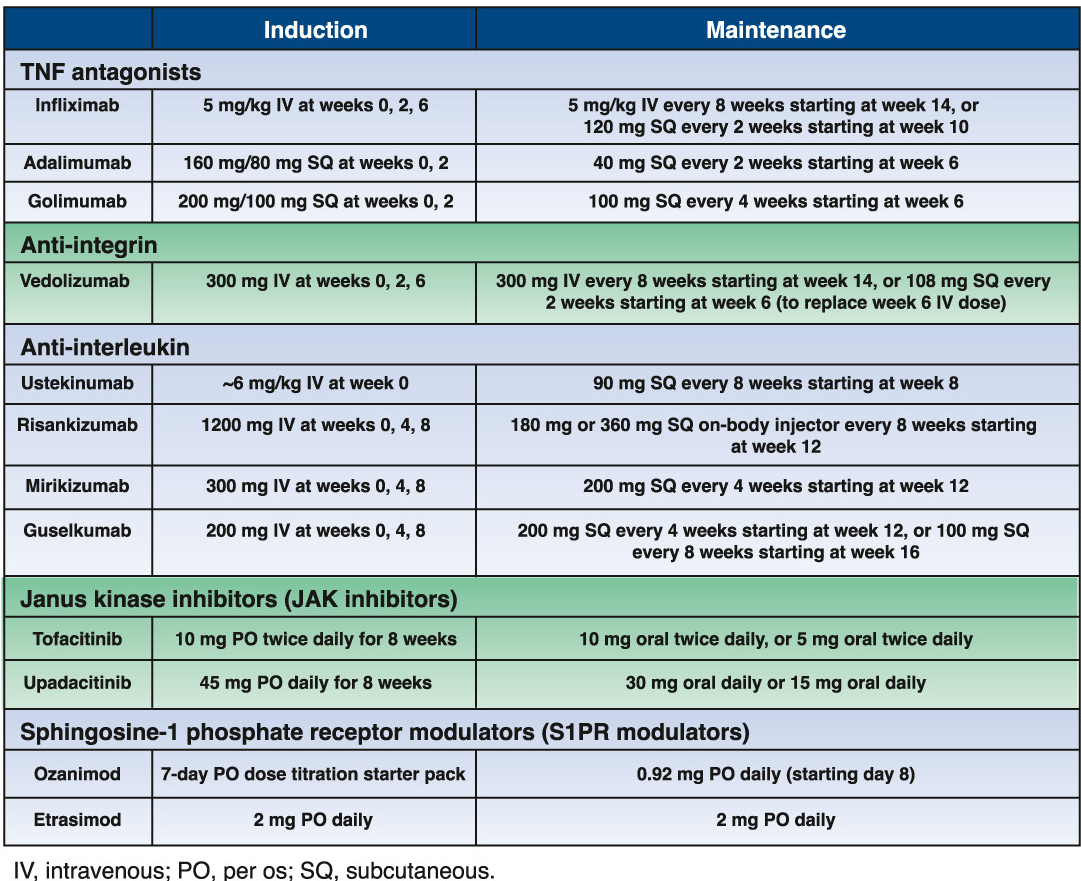
S Singh et al. Gastroenterol 2024; 167: 1307-1343. Open Access! AGA Living Clinical Practice Guideline on Pharmacological Management of Moderate-to-Severe Ulcerative Colitis

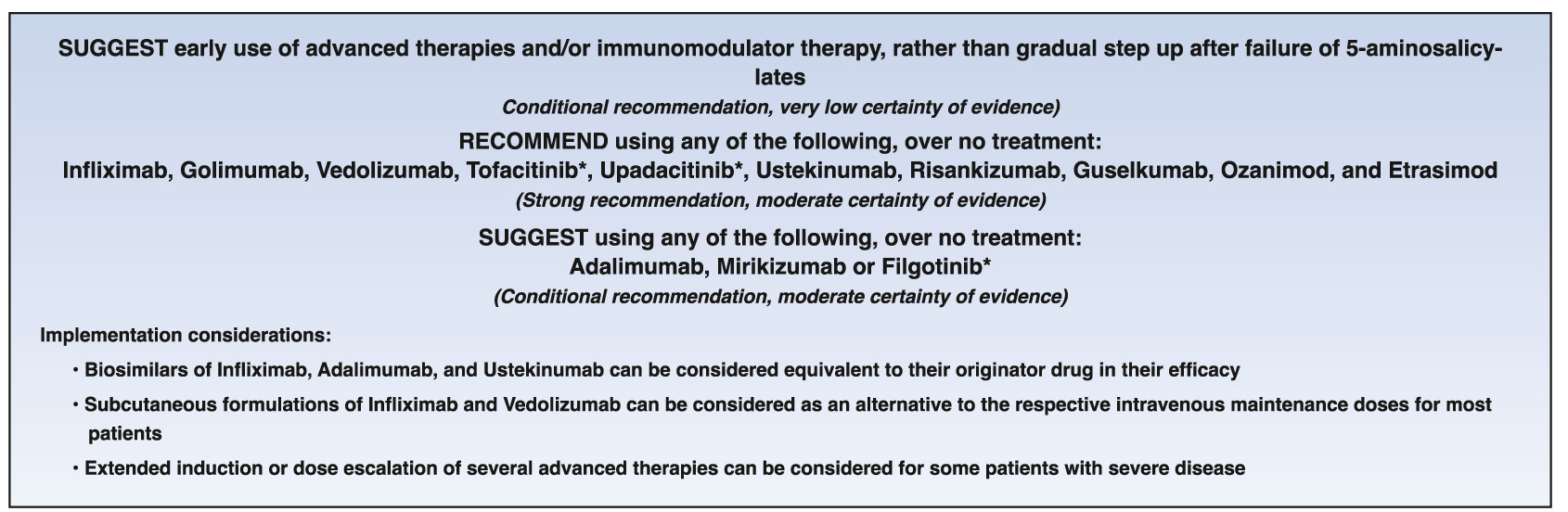
This is a recent clinical guideline intended to serve as the starting point of a “living guideline” for adults with moderate-to severe ulcerative colitis.

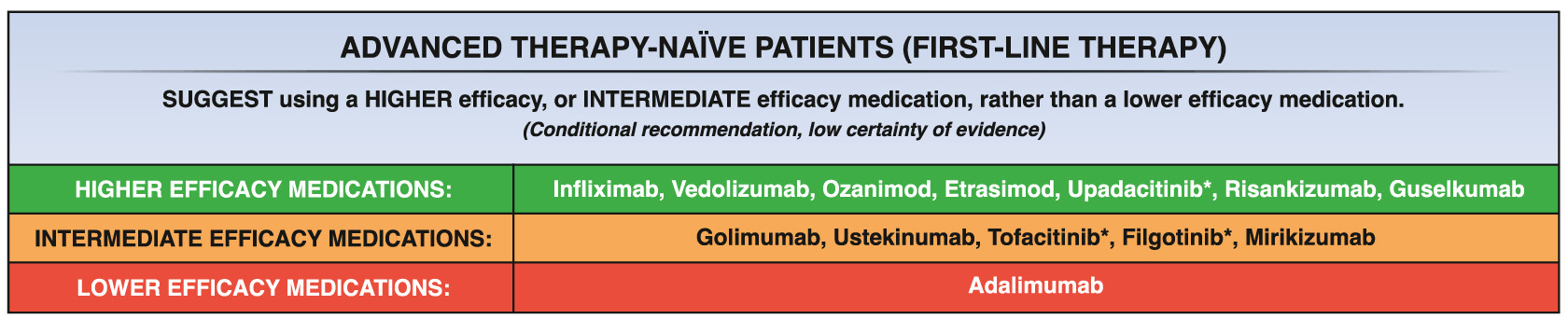
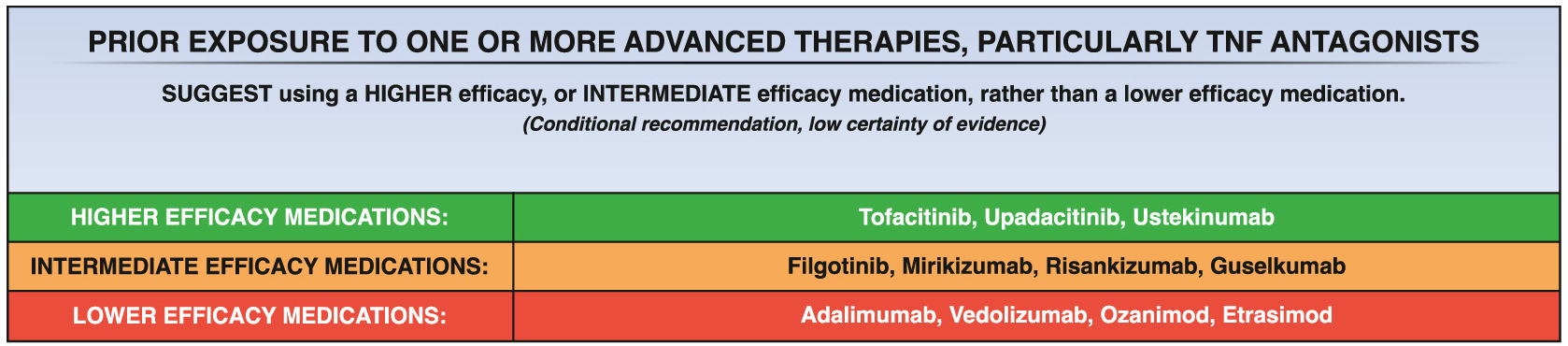
  • The good news is that the AGA plans to update these guidelines semi-annually. The bad news is that this guideline does not provide the best advice.
  • It lumps recommended treatments into broad categories rather than indicating which therapies have the most effectiveness.
  • It is useful that the guidelines specifically recommend against step up therapy.
FDA labelling recommends upadacitinib only in patients who have not responded to anti-TNF therapy

For a recent study that provided more direction into which medications are most effective for both UC and Crohn’s disease: PS Dulai et al. Gastroenterol 2024; 166: 396-408. Open Access! Integrating Evidence to Guide Use of Biologics and Small Molecules for Inflammatory Bowel Diseases (Summarized in blog post: Comparative Evidence and Positioning Advance Therapies for Inflammatory Bowel Disease)

Related blog posts:

Disclaimer: This blog, gutsandgrowth, assumes no responsibility for any use or operation of any method, product, instruction, concept or idea contained in the material herein or for any injury or damage to persons or property (whether products liability, negligence or otherwise) resulting from such use or operation. These blog posts are for educational purposes only. Specific dosing of medications (along with potential adverse effects) should be confirmed by prescribing physician.  Because of rapid advances in the medical sciences, the gutsandgrowth blog cautions that independent verification should be made of diagnosis and drug dosages. The reader is solely responsible for the conduct of any suggested test or procedure.  This content is not a substitute for medical advice, diagnosis or treatment provided by a qualified healthcare provider. Always seek the advice of your physician or other qualified health provider with any questions you may have regarding a condition.

New Study: Leaky Gut and Irritable Bowel Syndrome

MR Barbaro et al. Gastroenterol 2024; 167: 1152-1166. Molecular Mechanisms Underlying Loss of Vascular and Epithelial Integrity in Irritable Bowel Syndrome

This study examined markers of the epithelial and vascular barriers in 223 patients with irritable bowel syndrome in comparison to 78 healthy subjects. In actuality, this lengthy report was a composite of about 8 different experiments.

Key findings:

  • Figure 2 summarizes in vivo and in vitro epithelial permeability testing using orally-administered sugars and using Caco-2 cell incubation of control/IBS supernatants. In all of these experiments, there was a significant mean increase in IBS-D permeability compared to controls.
  • Figures 3 and 4 report on significant changes the gut vascular barrier and specific mediators, respectively, in IBS compared to controls
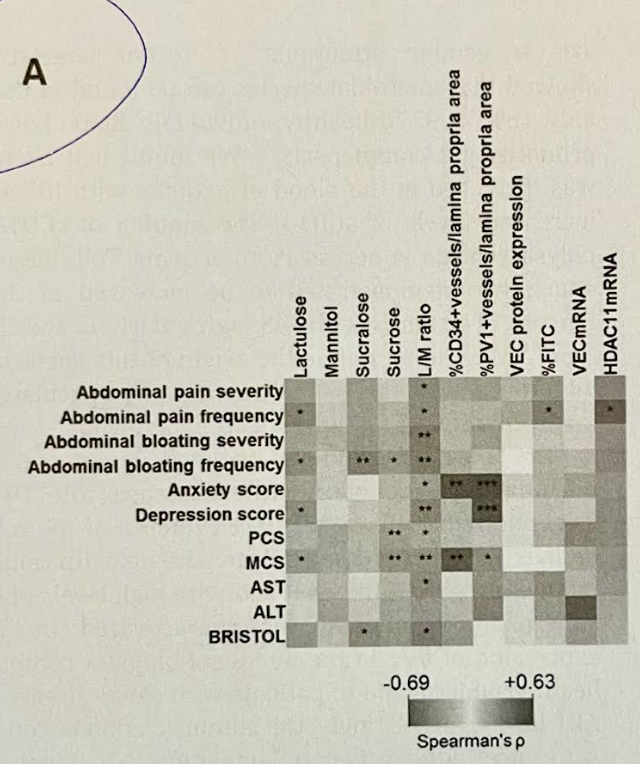
  • One novel finding was correlation of epithelial barrier markers with gastrointestinal symptoms and gut vascular dysfunction with systemic systems including anxiety and depression (see heat map below)
Relationships between epithelial and endothelial permeability markers and symptoms. The asterisks on the heatmap indicate significances in the Spearman’s correlation.

My take: The term ‘leaky gut’ has a negative connotation among many gastroenterologists as it has been associated with misleading diagnostic and therapeutic claims. However, this study shows a correlation between epithelial and vascular barrier disruptions and symptoms in irritable bowel. This is useful information; nevertheless, there are not simple tests to identify these findings and there are not therapeutics with demonstrated efficacy.

Related blog posts:

Dr. Neha Santucci: Management of DGBIs in the Post-Pandemic Era (Part 2)

Recently, Dr. Neha Santucci gave our group an excellent update on disorders of gut-brain interaction.  My notes below may contain errors in transcription and in omission. Along with my notes, I have included many of her slides.

Key points:

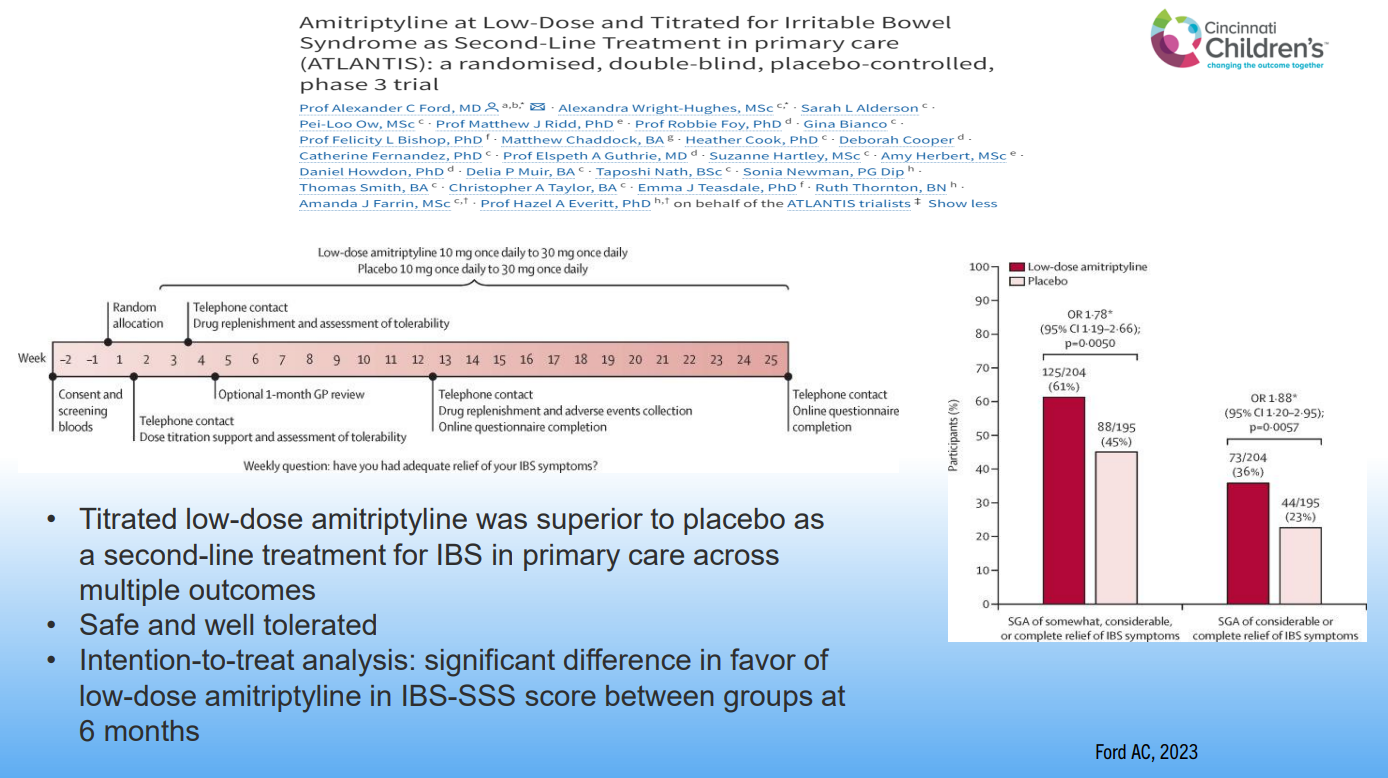
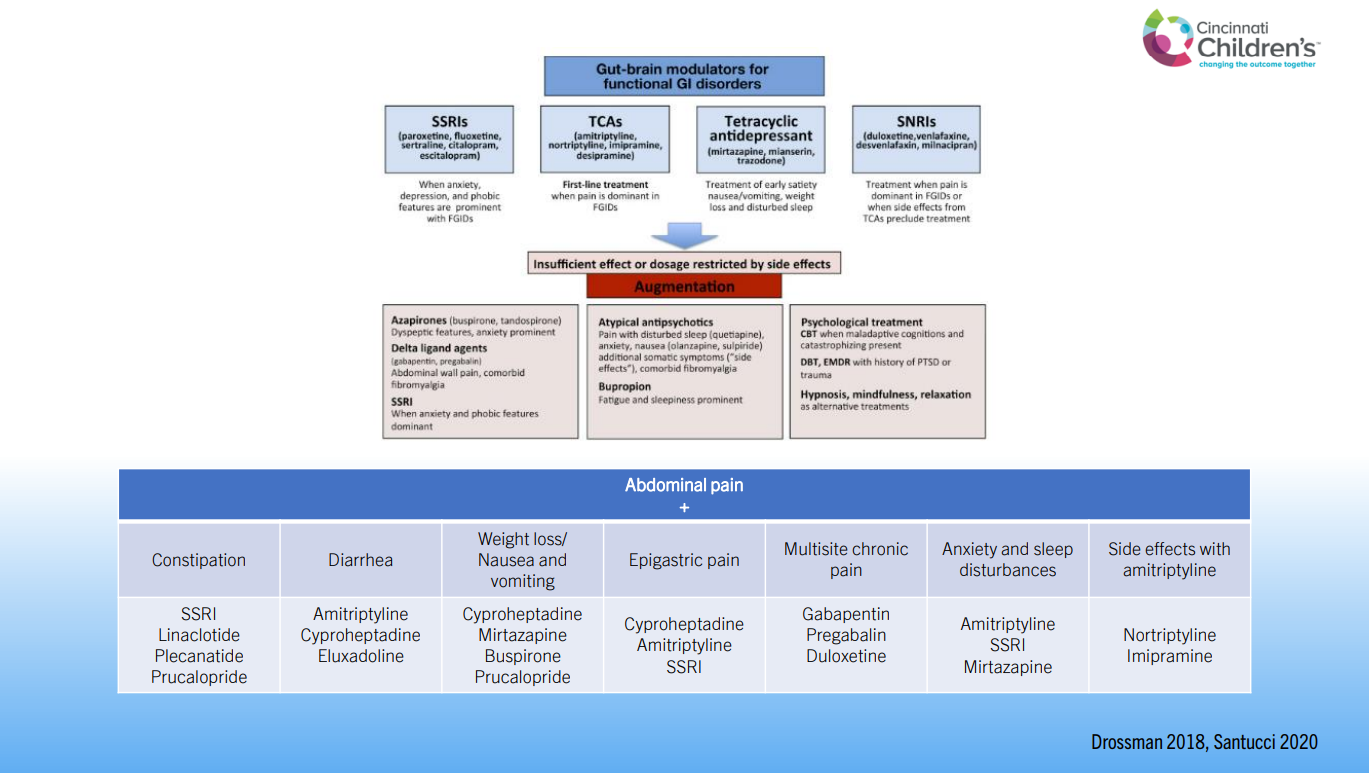
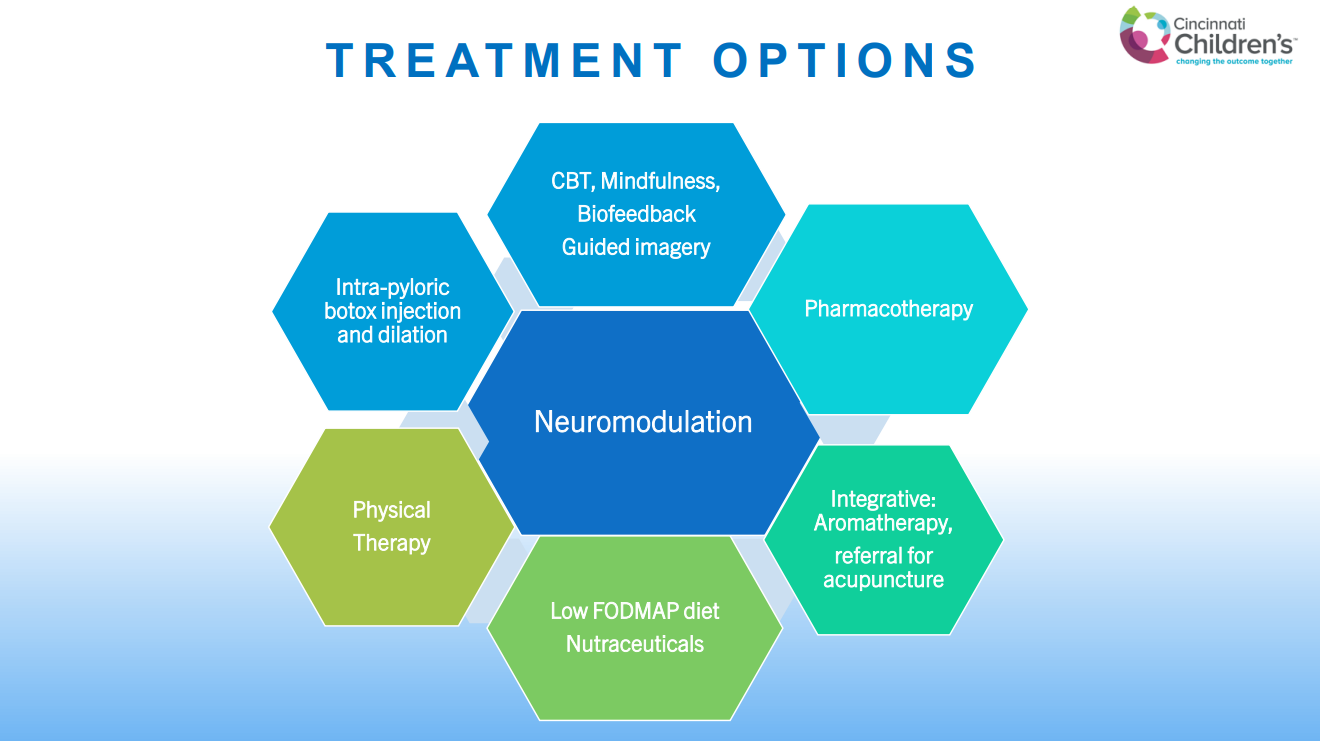
  • Atlantis study showed that amitriptyline reduces IBS pain (Related blog post: Atlantis Study: Possibly Best Evidence That Tricyclics May Help Irritable Bowel)
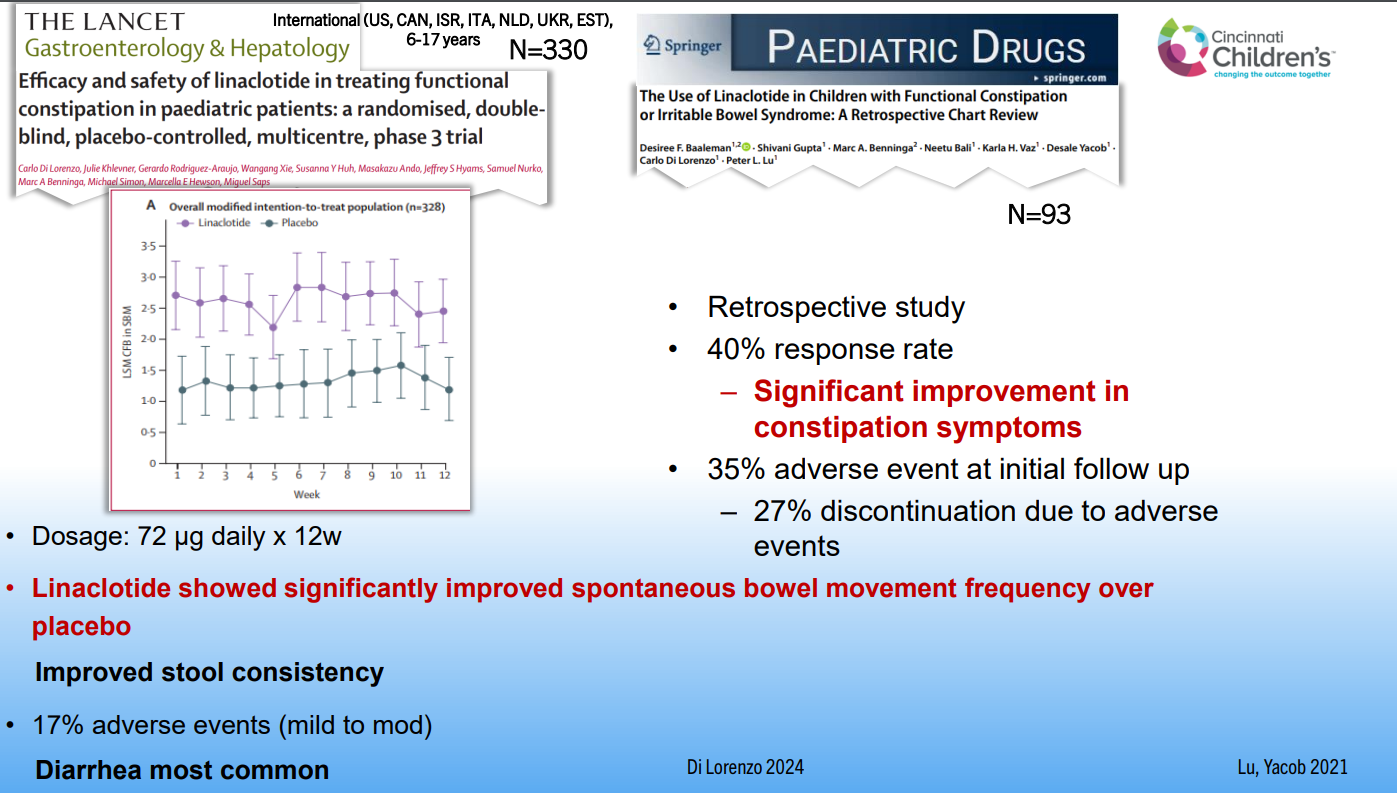
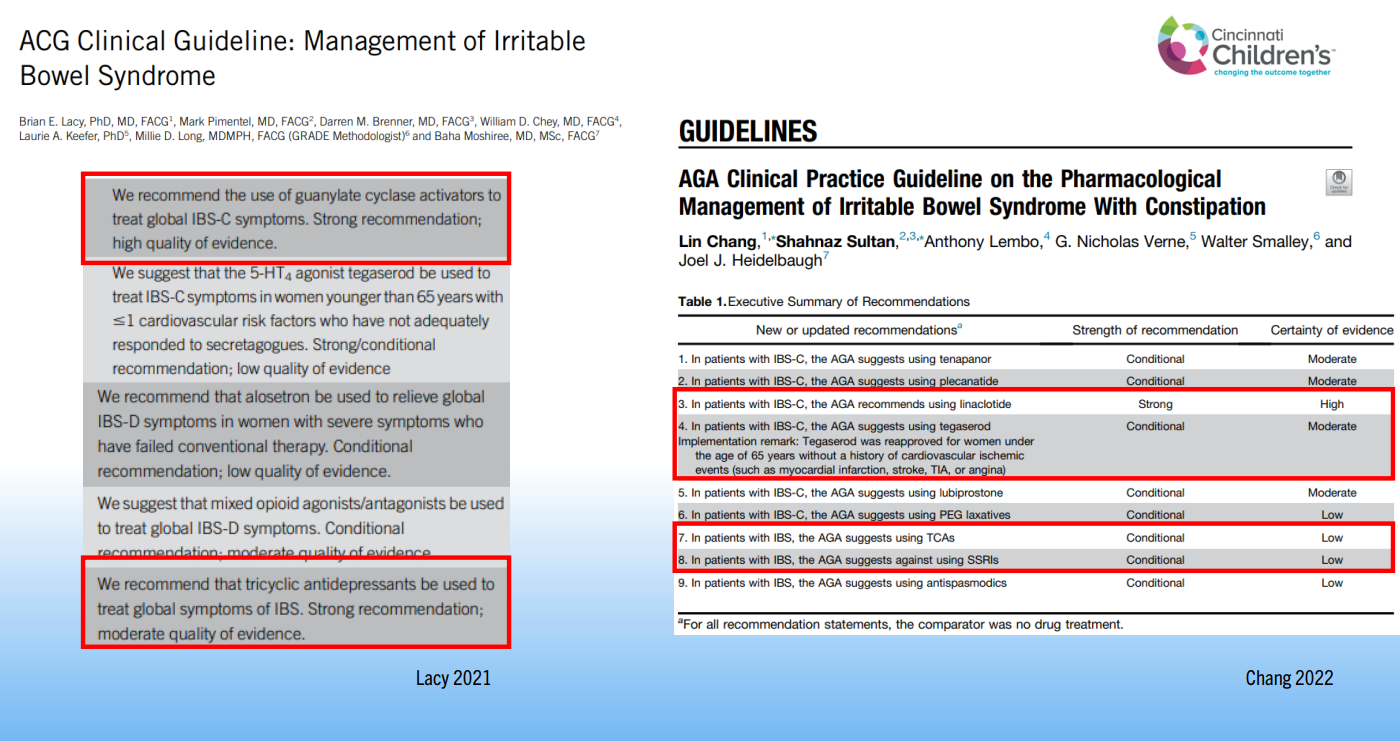
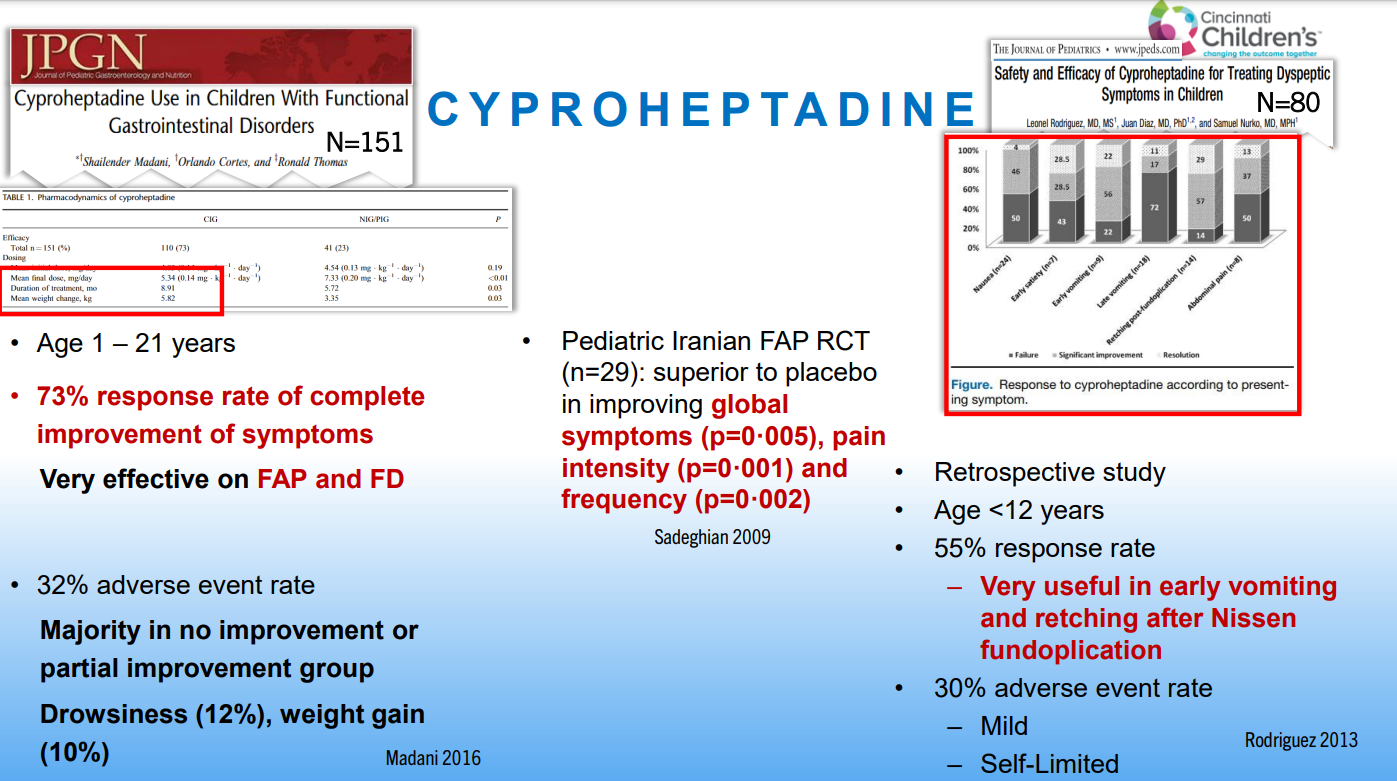
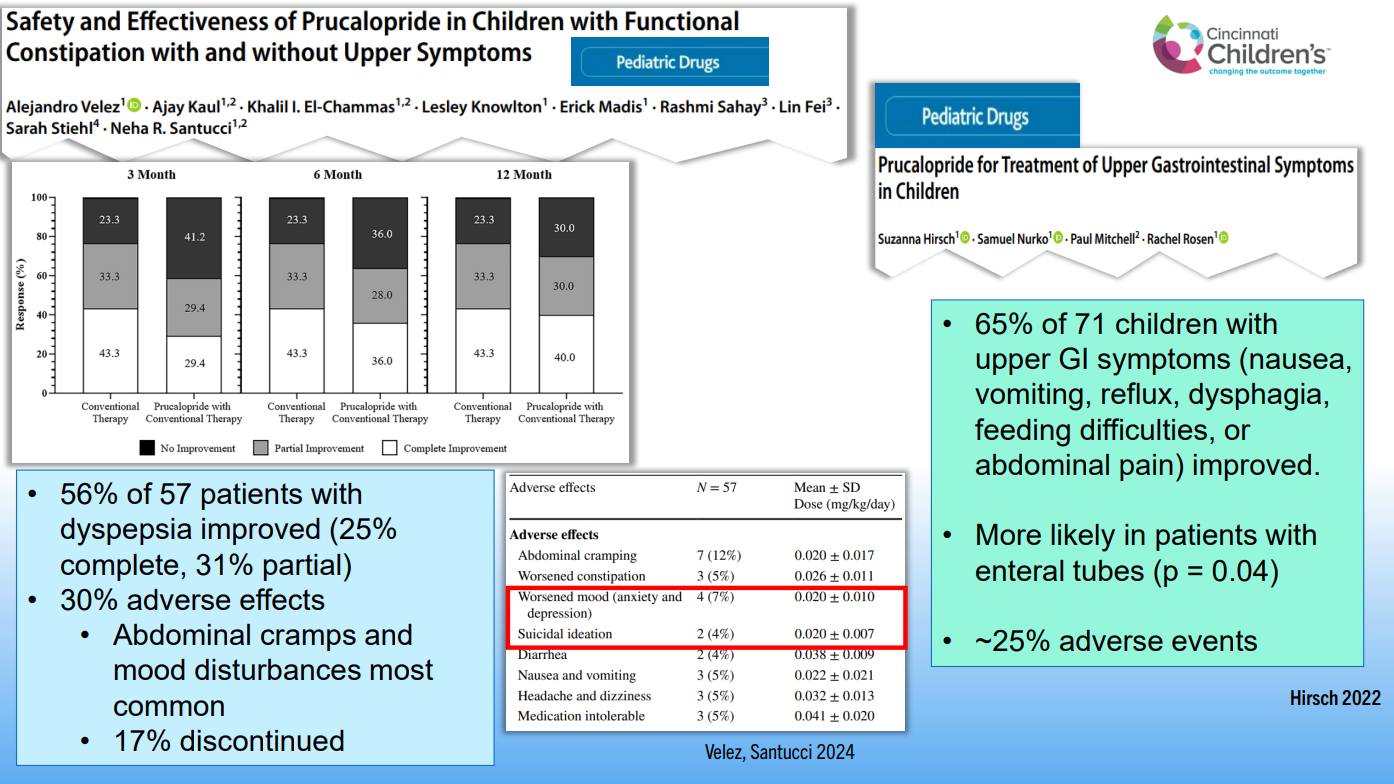
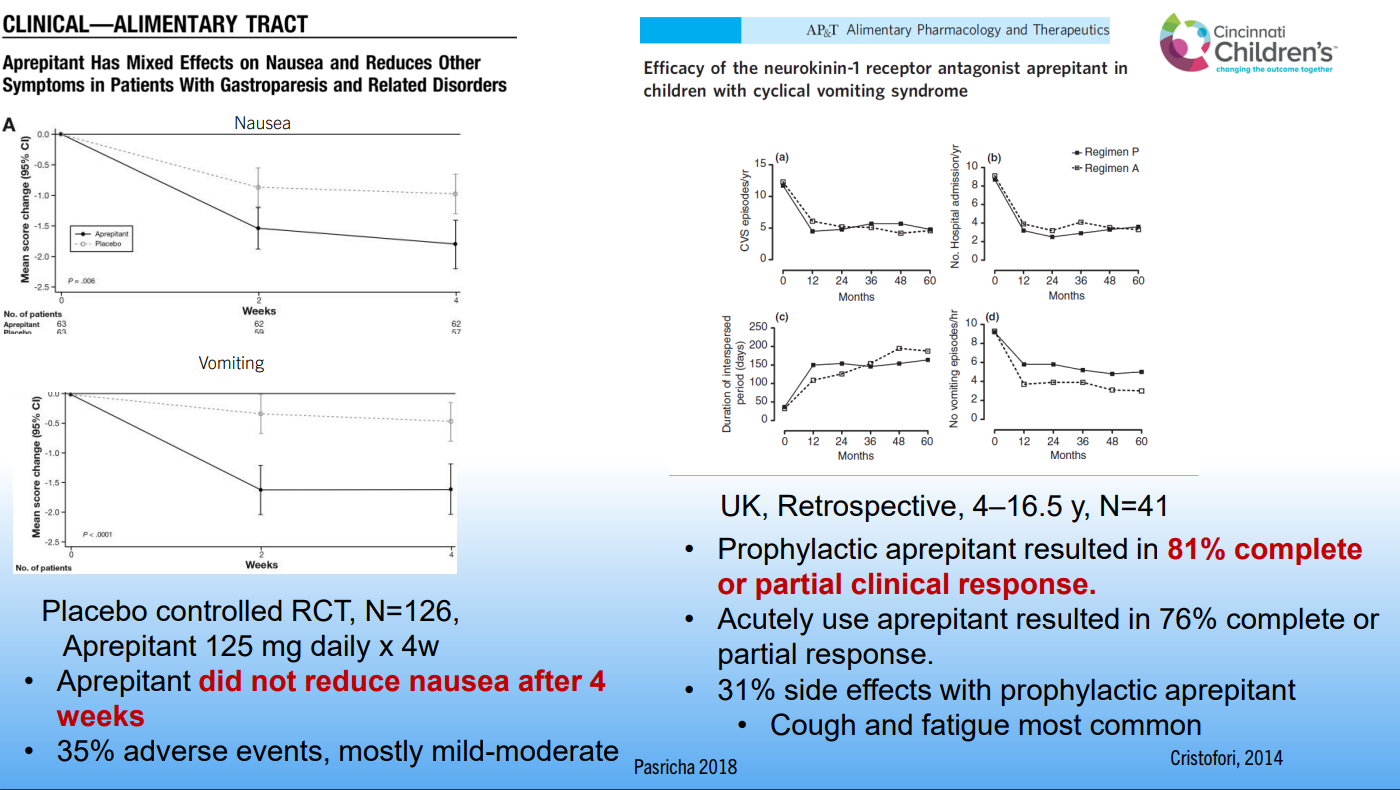
  • Dr. Santucci reviewed the evidence for linaclotide, cyproheptadine, mirtazapine, prucalopride, and aprepitant. The latter was effective for CVS but not functional nausea.
  • Placebo has been shown to have some beneficial effects in DGBIs; this affects the results of clinical trials
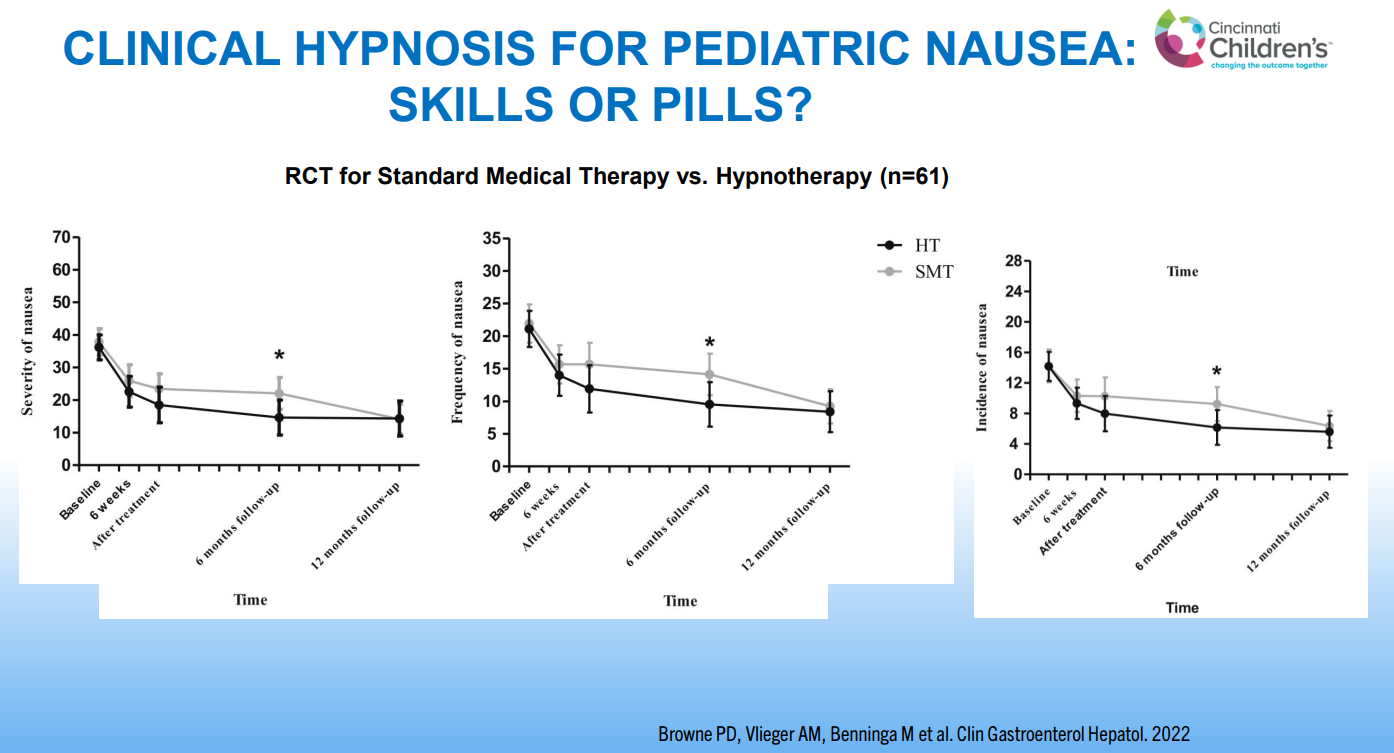
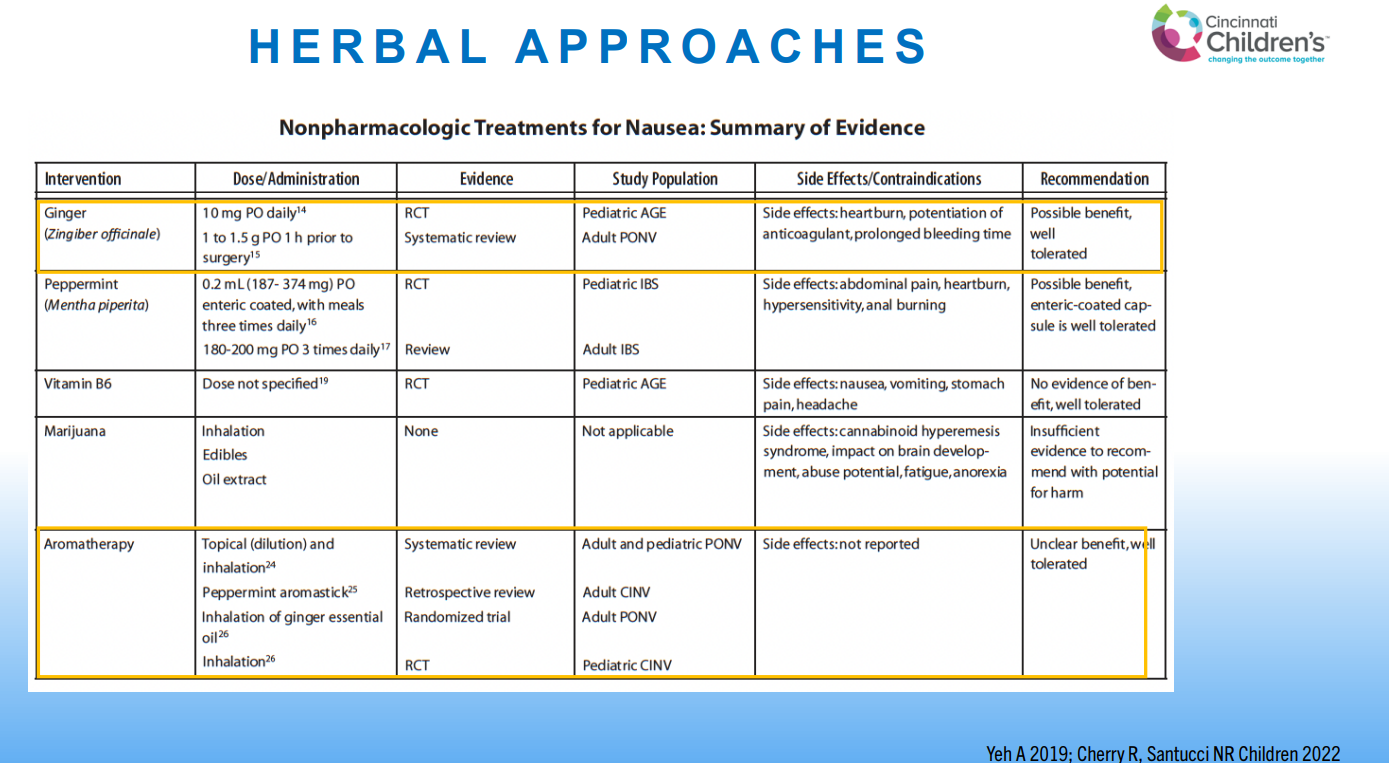
  • Ginger may be beneficial for nausea
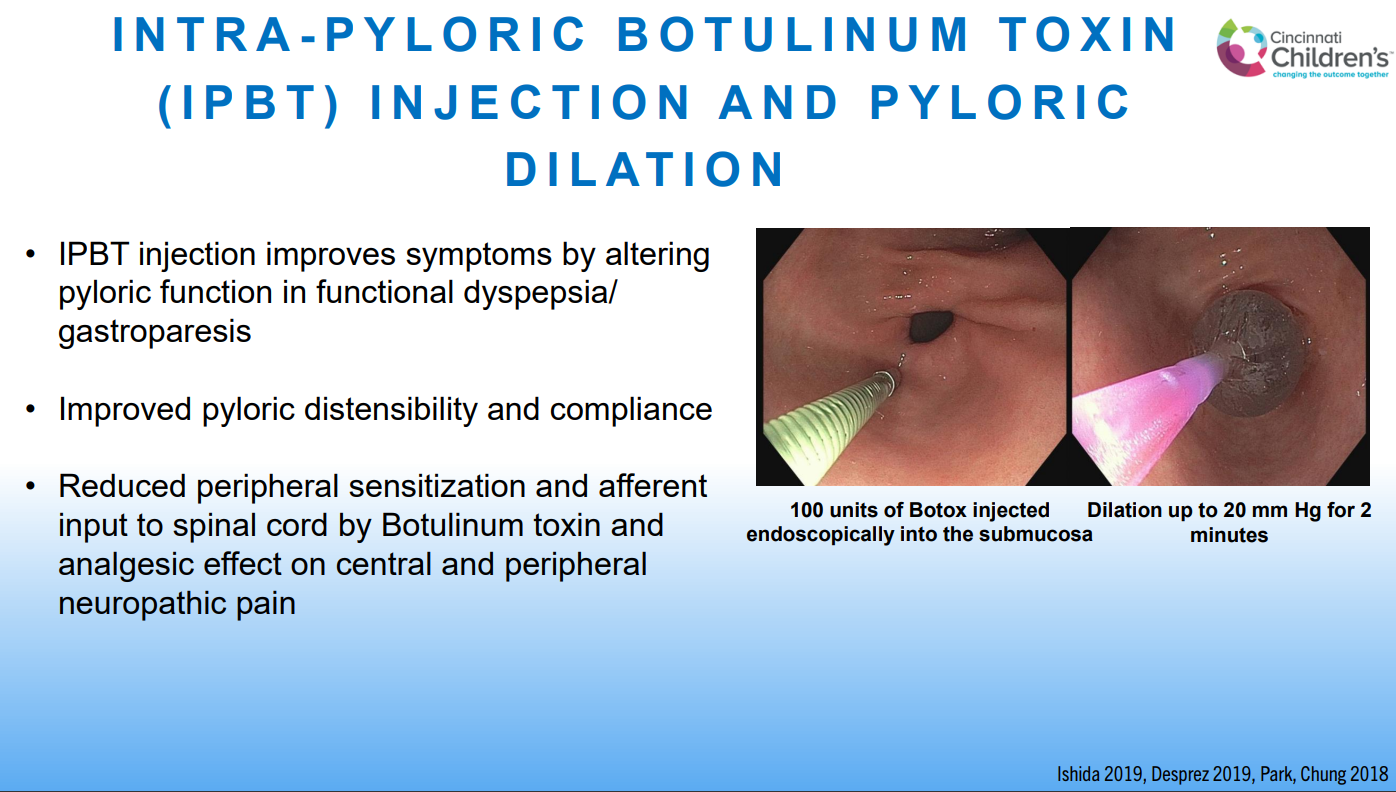
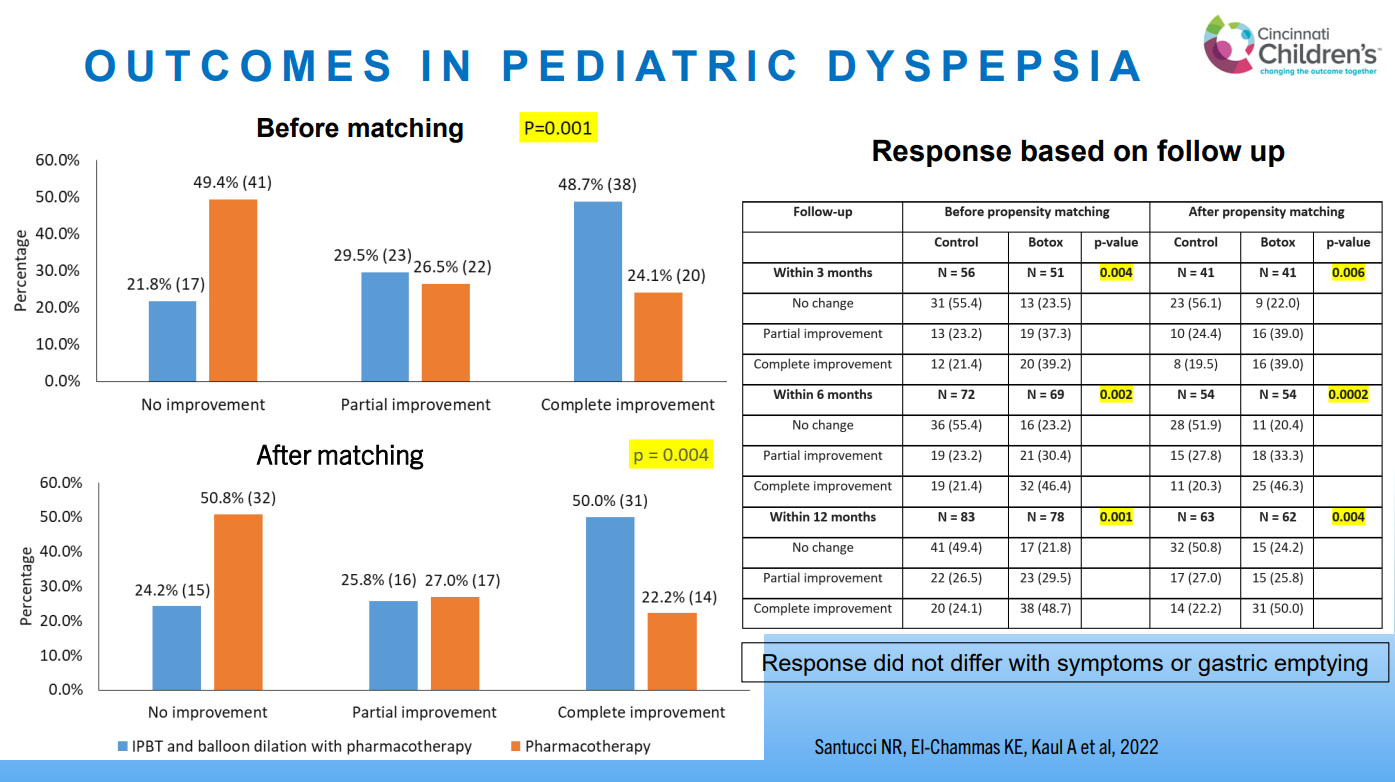
  • Intrapyloric botox has been associated with improvement in functional dyspepsia. Improvement did not correlated with gastric emptying
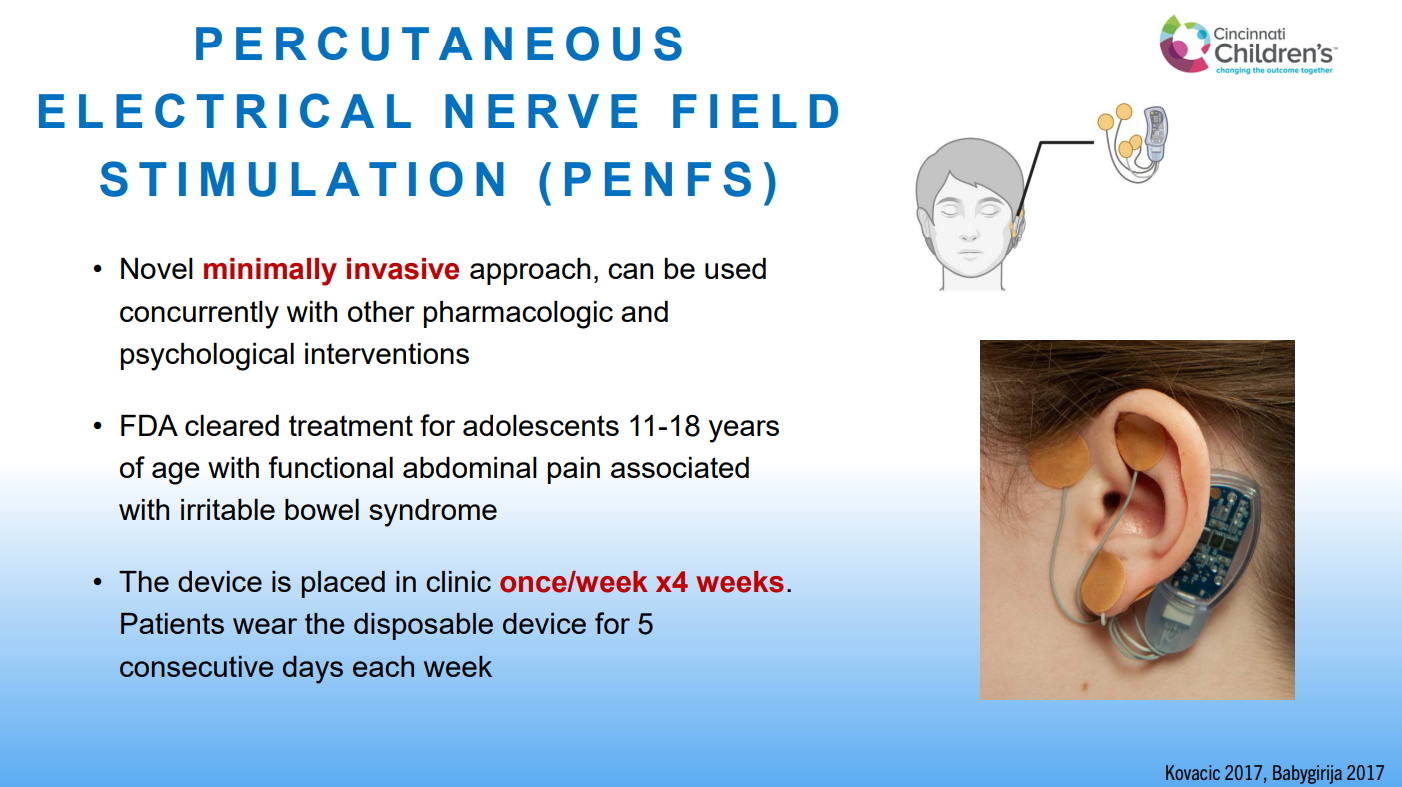
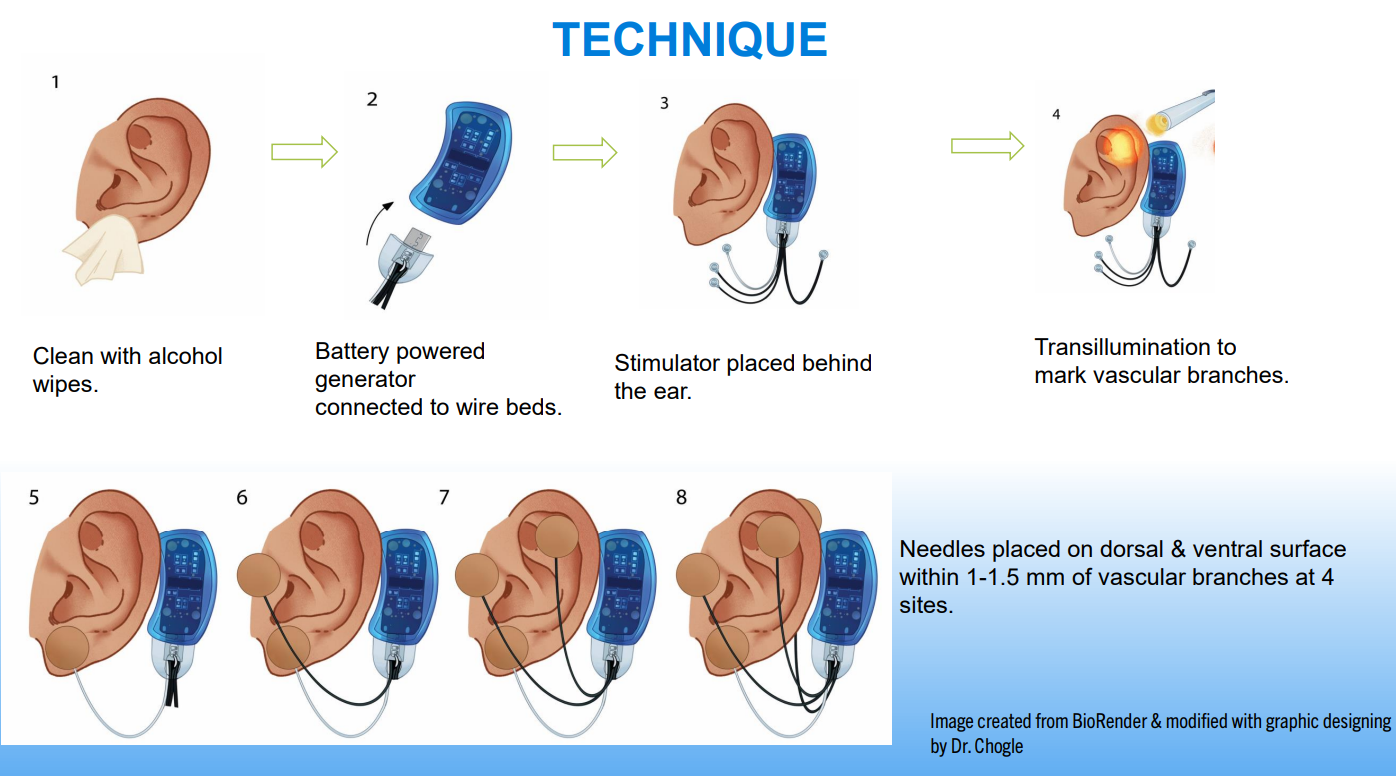
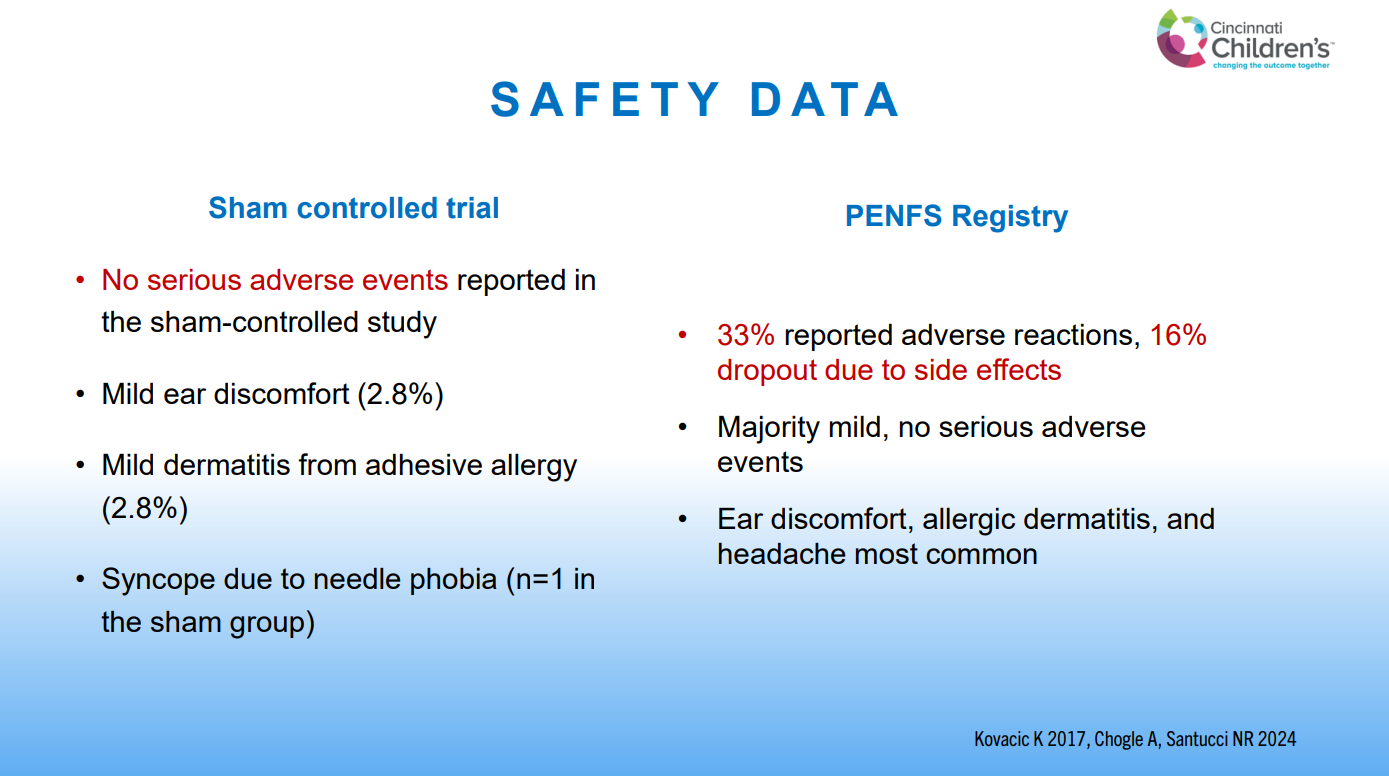
  • Percutaneous electrical nerve field stimulation (PENFS) is associated with improvement in multiple aspects of functional disorders including pain, nausea, somatization, sleep and anxiety.
  • The improvements in abdominal pain and functional disability with PENFS are still present at least 6-12 months afterwards
  • PENFS can be repeated and has similar effectiveness
  • PENFS can be used in children >8 yrs, can be used with other treatments (pharmacologic, psychologic, or dietary).
  • PENFS can be used as prophylaxis of CVS
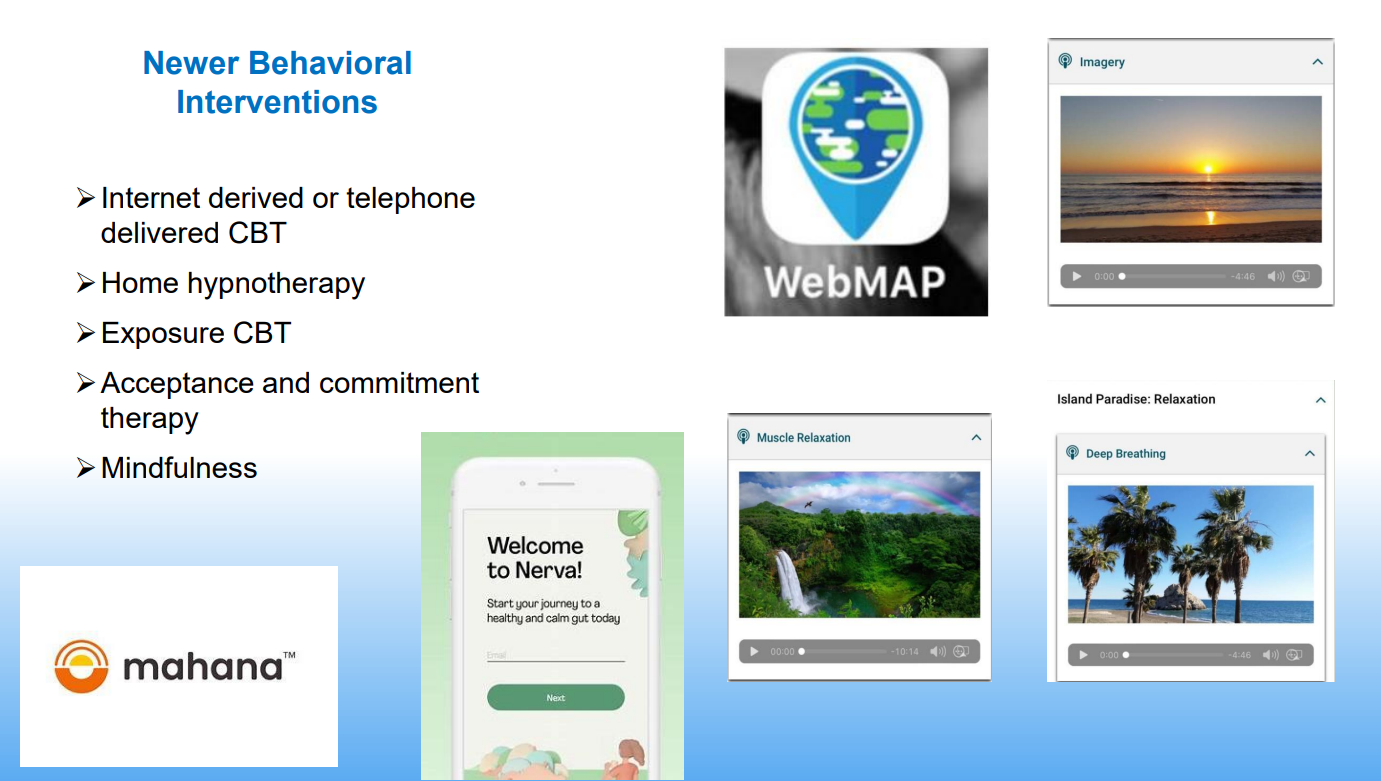
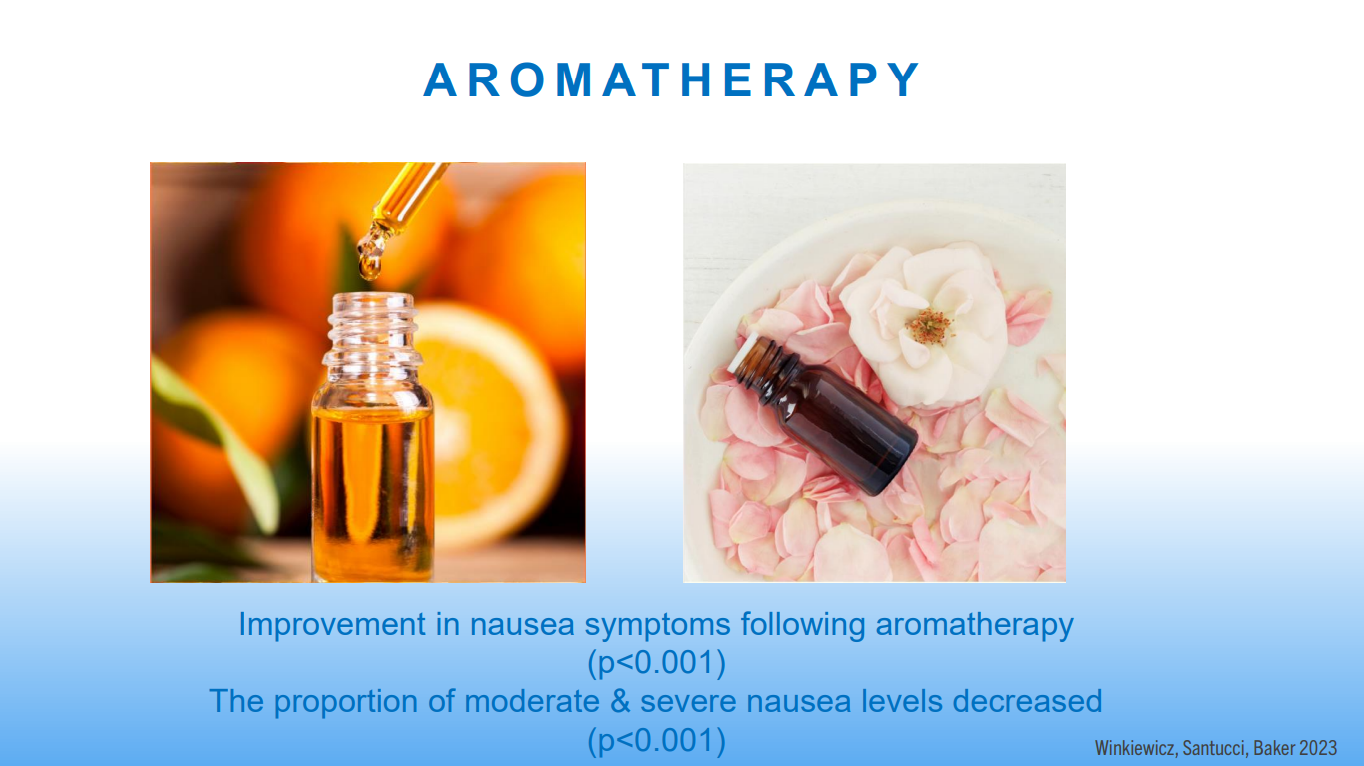
Non-pharmacologic Treatments
Lancet Gastroenterol Hepatol 2017; 2: 727-737.

Related blog posts:

Disclaimer: This blog, gutsandgrowth, assumes no responsibility for any use or operation of any method, product, instruction, concept or idea contained in the material herein or for any injury or damage to persons or property (whether products liability, negligence or otherwise) resulting from such use or operation. These blog posts are for educational purposes only. Specific dosing of medications (along with potential adverse effects) should be confirmed by prescribing physician.  Because of rapid advances in the medical sciences, the gutsandgrowth blog cautions that independent verification should be made of diagnosis and drug dosages. The reader is solely responsible for the conduct of any suggested test or procedure.  This content is not a substitute for medical advice, diagnosis or treatment provided by a qualified healthcare provider. Always seek the advice of your physician or other qualified health provider with any questions you may have regarding a condition.

Dr. Neha Santucci: Management of DGBIs in the Post-Pandemic Era (Part 1)

Recently, Dr. Neha Santucci gave our group an excellent update on disorders of gut-brain interaction.  My notes below may contain errors in transcription and in omission. Along with my notes, I have included many of her slides.

John Apley’s monograph The Child with Abdominal Pains provided an early understanding of the prevalence of DGBIs.
An increase in DGBIs occurred with COVID.
This study in adults showed a greater increase in functional dyspepsia compared to IBS.

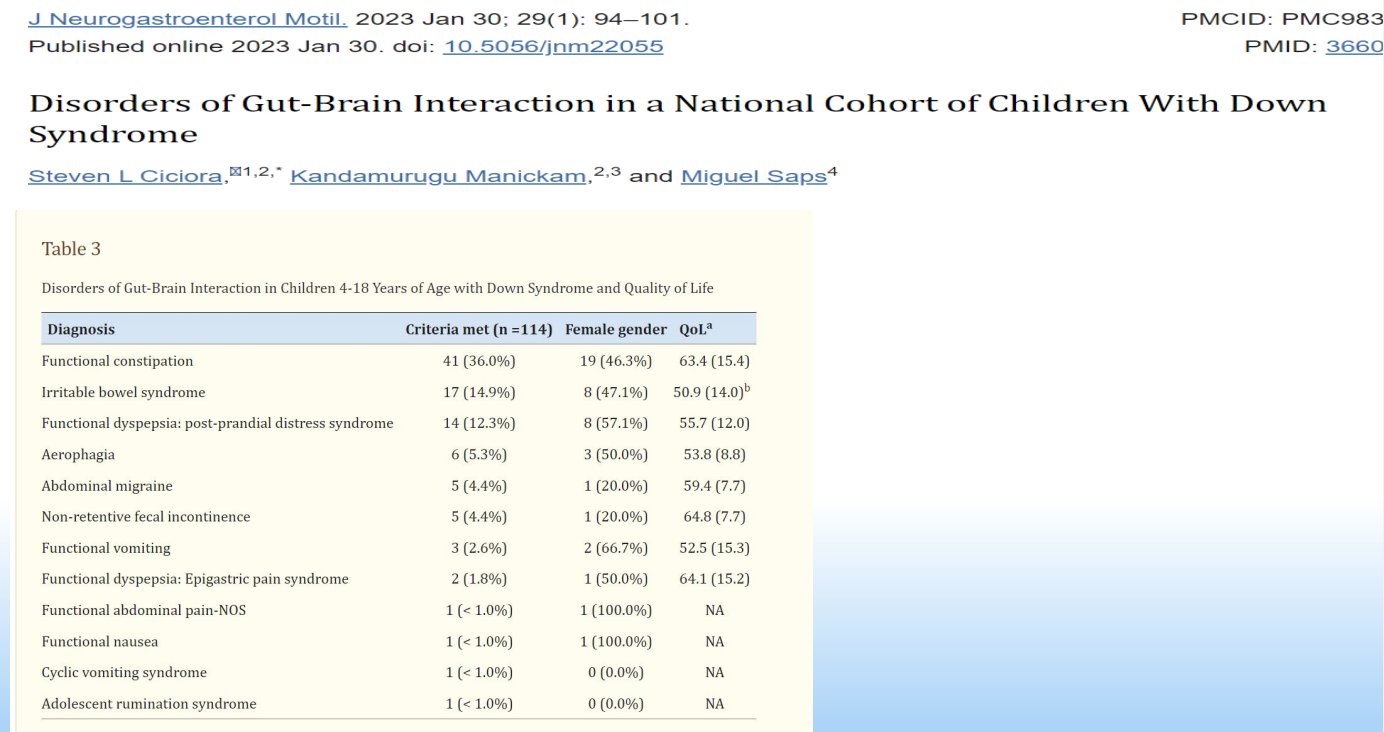
DGBIs occur in Children with Down syndrome. This cohort showed high rates of functional constipation (36%), irritable bowel syndrome (14.9%), functional dyspepsia (12.3%) and aerophagia (5.3%).
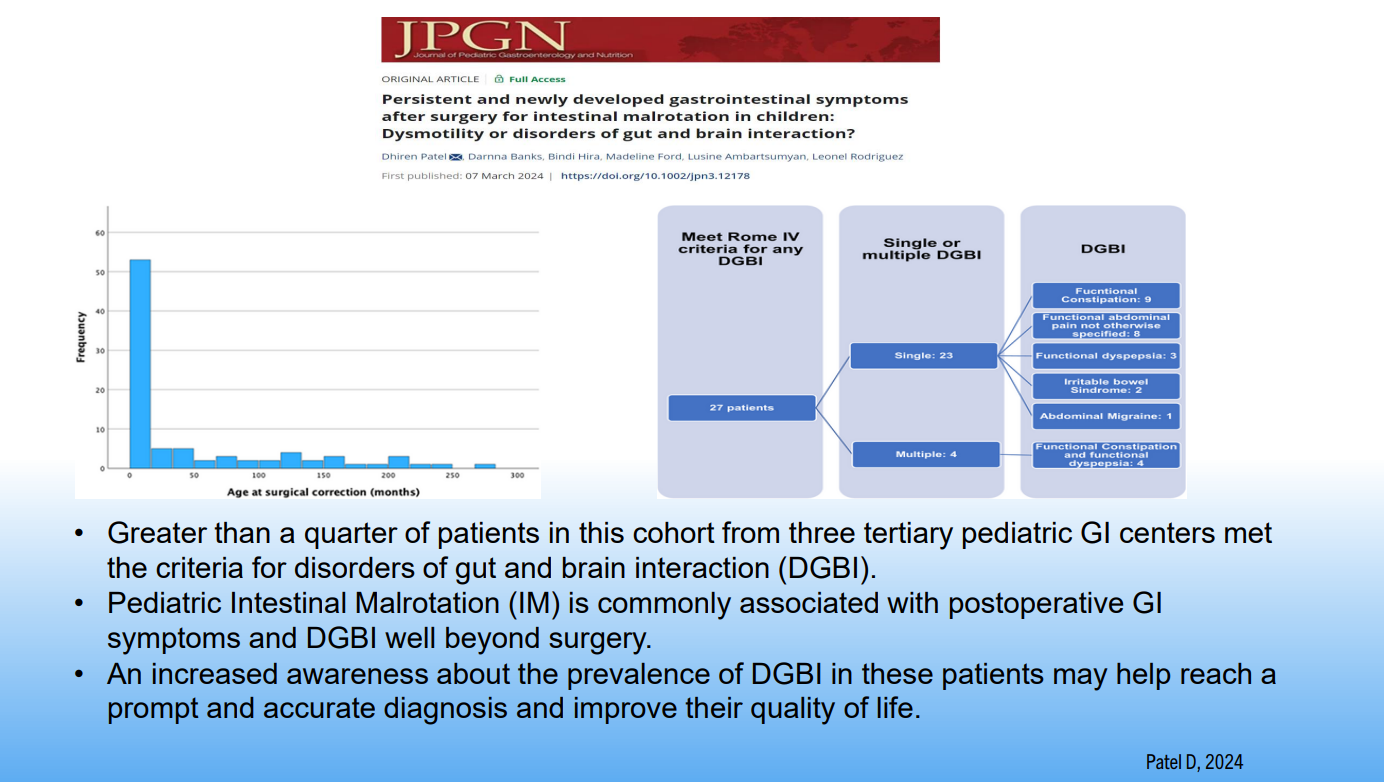
DGBIs were common after surgery for malrotation
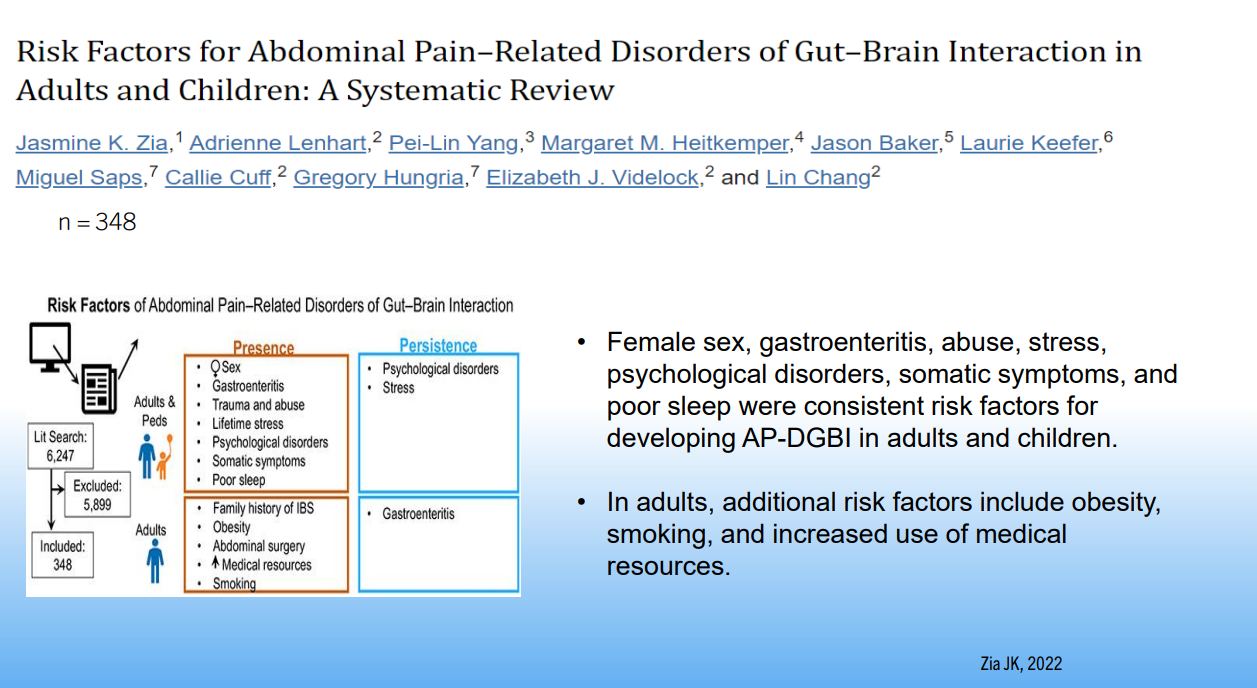
  • Development of DGBIs is influenced by psychological factors, early life events, chronic stress, gut motility, inflammation, mucosal immune activation and altered gut microbiota
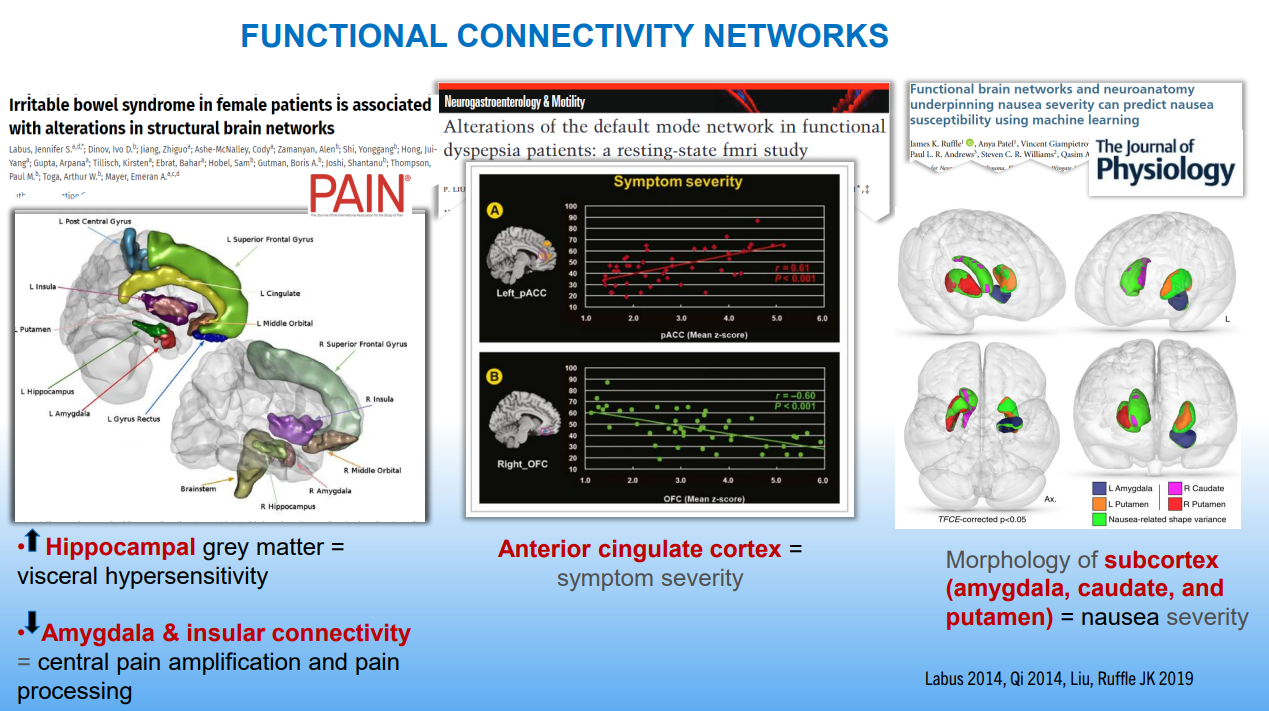
  • DGBIs are associated with altered brain networks
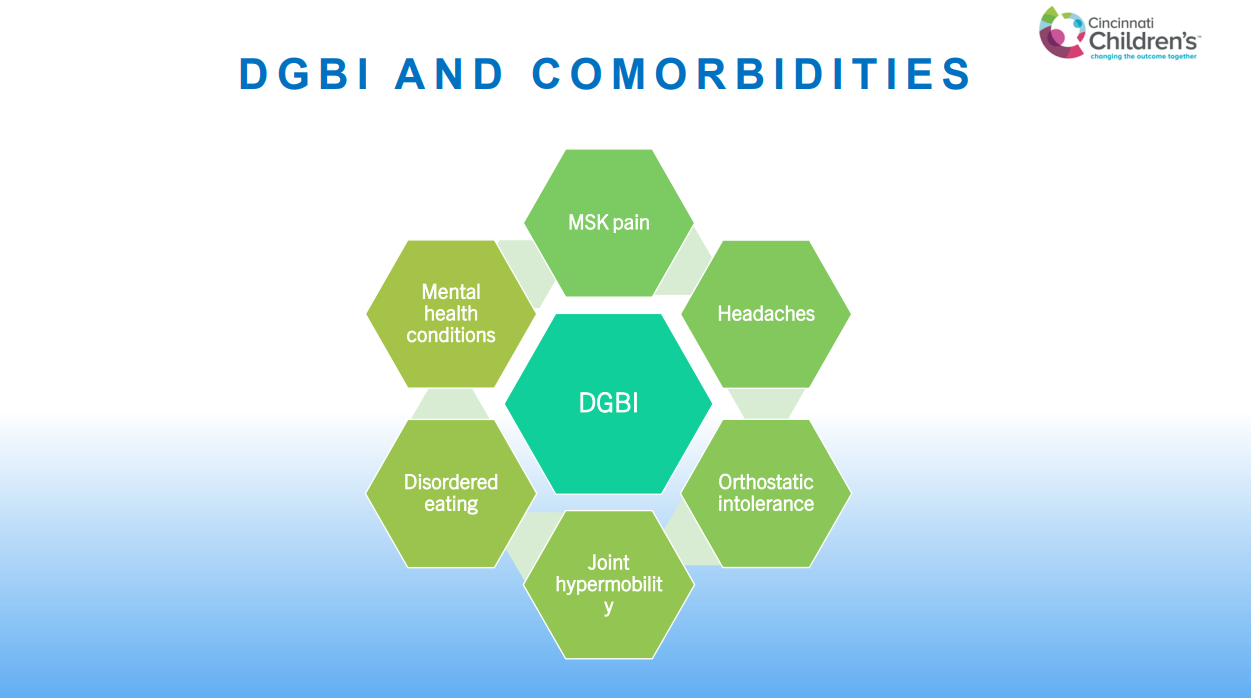
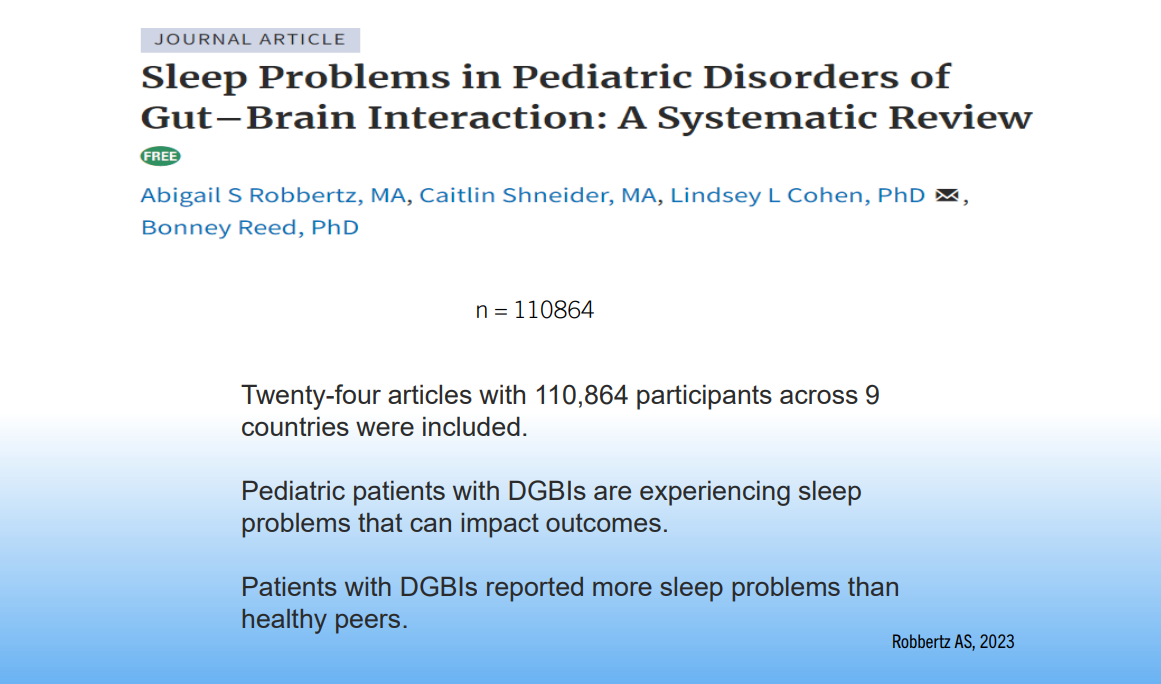
  • DGBIs are associated with a number of comorbidities including mental health disorders, joint hypermobility, headaches, POTS, musculoskeletal pain, disordered eating, and poor sleep
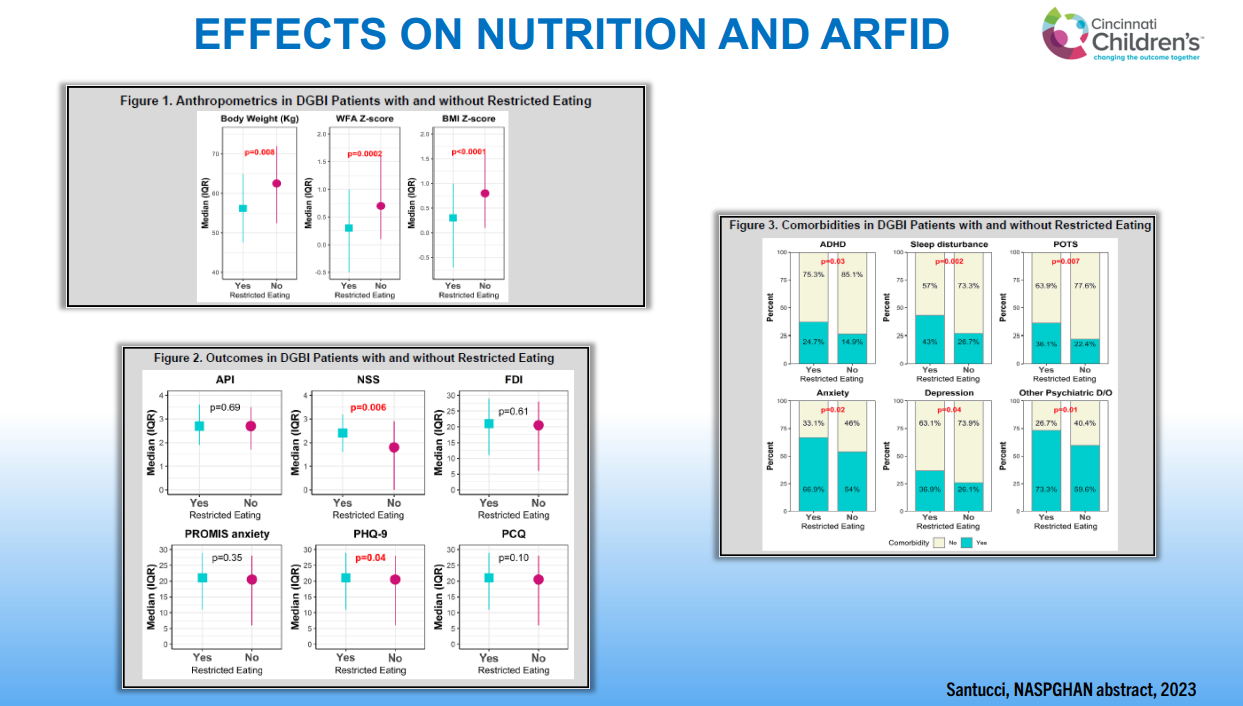
  • Individuals with DGBIs are at increased risk of eating disorders including ARFID. Presence of ARFID with DGBIs has been associated with more anxiety, depression, ADHD and sleep disturbance
  • Poor sleep in previous night is associated with increased pain the next day in individuals with DGBIs
  • DGBIs are common in children with organic diseases, including IBD, EoE, Celiac disease, Recurrent Pancreatitis, Malrotation and Anorectal disorders
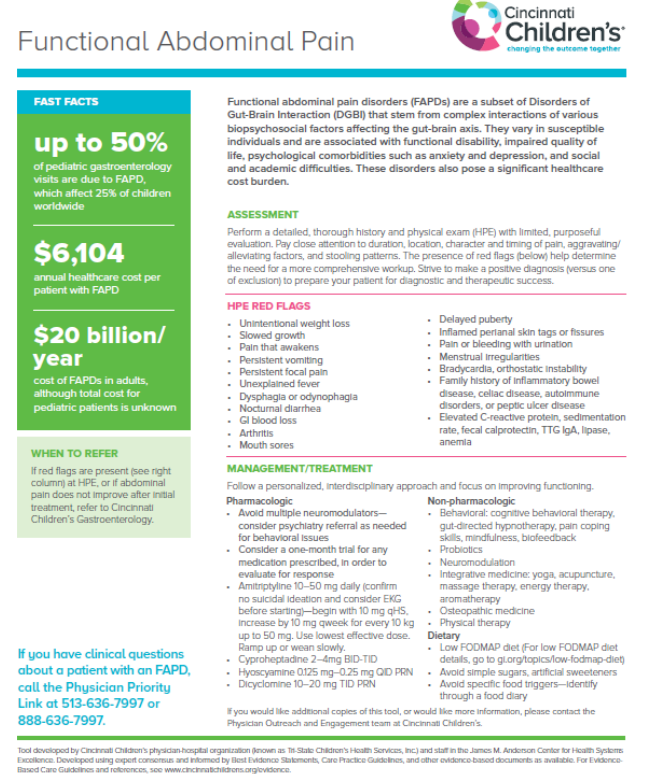
  • Up to 50% of pediatric GI visits are for functional disorders and ~25% of all children have DGBIs
  • Strive to make a positive diagnosis (rather than simply a diagnosis of exclusion)
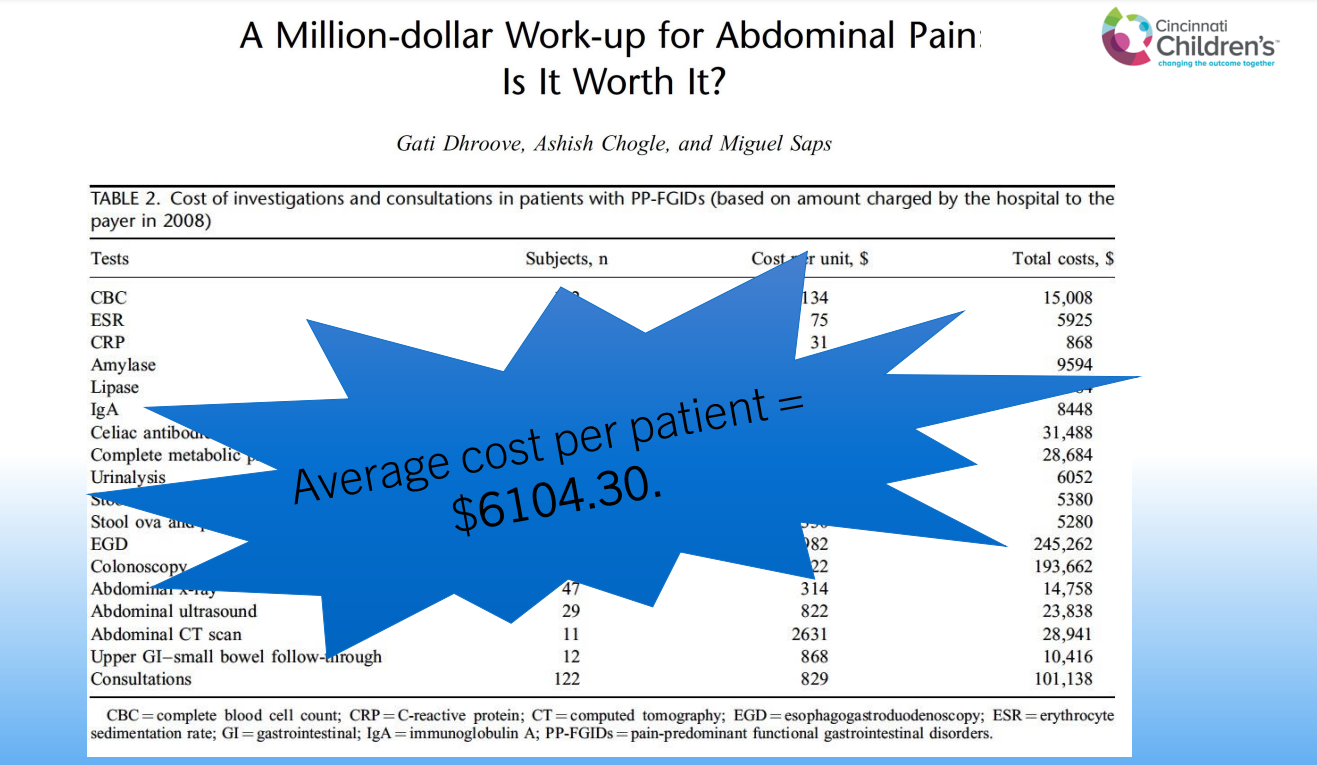
  • Avoid excessive testing
  • Dyspepsia and gastroparesis are not distinct disorders and likely exist on a spectrum (some of the same treatments for both)
  • First treatment goals: develop a good rapport with family and focus on improved functioning
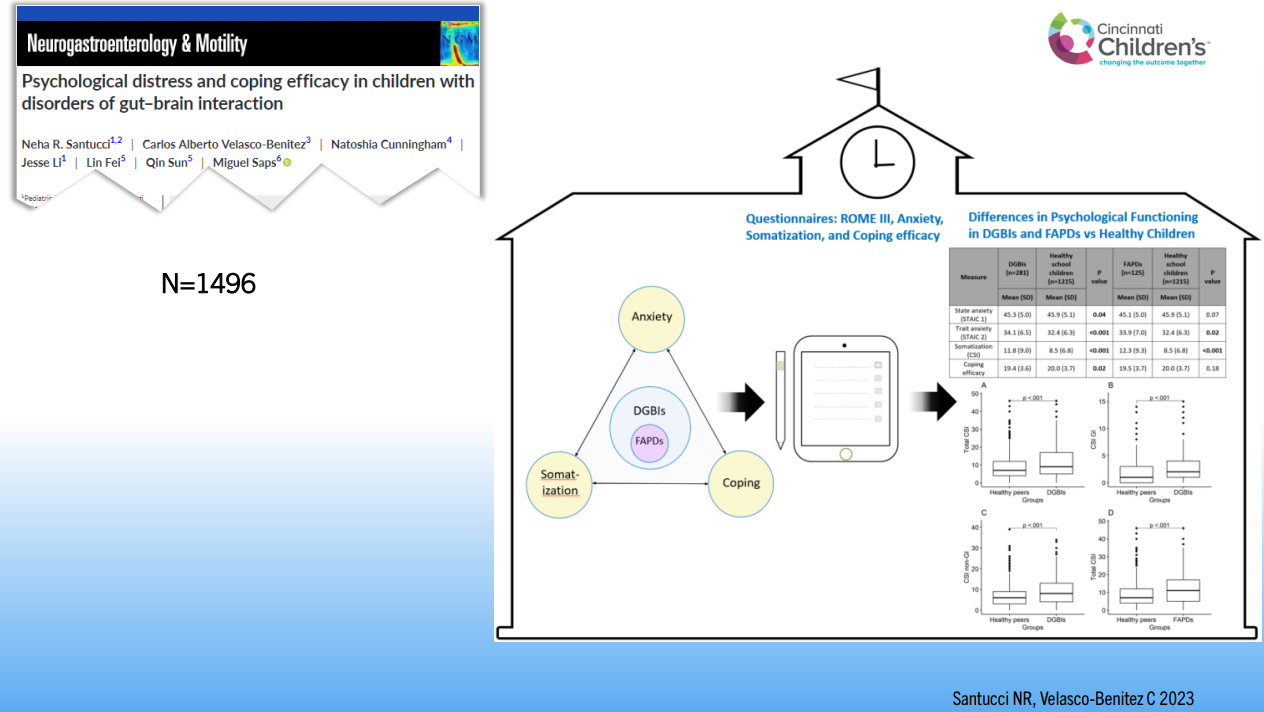
Children with DGBIs had more problems with coping skills.
Individuals with DGBIs are at increased risk of eating disorders including ARFID. Presence of ARFID with DGBIs has been associated with more anxiety, depression, ADHD and sleep disturbance.
Initial treatment needs to address these questions

Related blog posts:

-“The more time the doctor spends on the history, the less time he is likely to spend on treatment.”

-“Doctors who treat the symptoms tend to file a prescription. Doctors who treat the patient are more likely to offer guidance.”

-“It is a fallacy that a physical symptoms always has a physical cause and needs a physical treatment.”

-“Anxiety like courage is contagious.”

Disclaimer: This blog, gutsandgrowth, assumes no responsibility for any use or operation of any method, product, instruction, concept or idea contained in the material herein or for any injury or damage to persons or property (whether products liability, negligence or otherwise) resulting from such use or operation. These blog posts are for educational purposes only. Specific dosing of medications (along with potential adverse effects) should be confirmed by prescribing physician.  Because of rapid advances in the medical sciences, the gutsandgrowth blog cautions that independent verification should be made of diagnosis and drug dosages. The reader is solely responsible for the conduct of any suggested test or procedure.  This content is not a substitute for medical advice, diagnosis or treatment provided by a qualified healthcare provider. Always seek the advice of your physician or other qualified health provider with any questions you may have regarding a condition.