Celiac Disease: Pro Tips (Part 3)

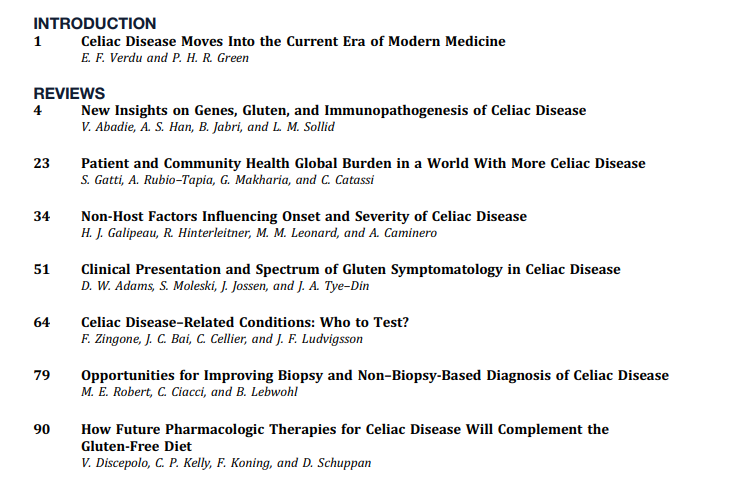
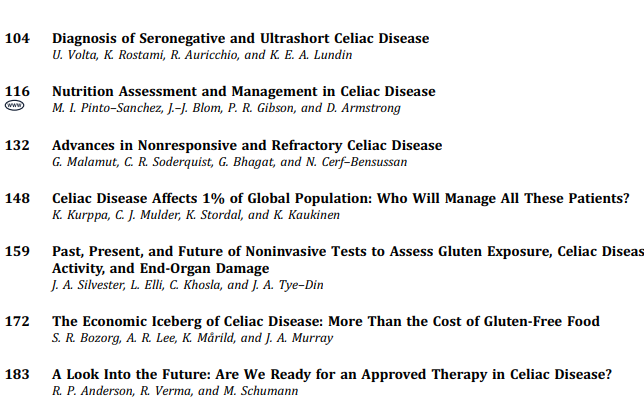
In June 2024 (special issue), Gastroenterology published an entire issue (193 pages) focused on celiac disease. There was a lot of useful information on almost every aspect of this disease. Below I have summarized some of the points.

ME Robert et al. Open Access! Opportunities for Improving Biopsy and Non–Biopsy-Based
Diagnosis of Celiac Disease

This article has the most pragmatic advice in the entire issue.

Key points regarding the Non-Biopsy Approach should be applicable in adults:

  • “Retrospective studies in adults found that, in different clinical settings, TTG IgA raised to 10 or more times the upper normal value predicts the presence of mucosal atrophy from 95.2% in low-risk populations to 100% in high-risk populations. There is evidence that the magnitude of the TTG increase correlates with the risk of more severe damage at histology.”
  • “A subsequent prospective multicenter, international study added further evidence for a non-biopsy approach. This study confirmed that a 5-fold and a 10-fold increase of TTG in a high-risk population predicted mucosal atrophy in 97.4% and 97.5%, respectively, when the biopsy was interpreted locally. However, after a central expert pathologist re-evaluated local histology, the PPV of a 10-fold TTG elevation was 99.4%…the only patient [without initial diagnosis of CeD] was eventually diagnosed as having CeD.”
  • The authors discount the rationale for endoscopy in those with TTG IgA >10-fold ULN. 1. Missed CeD-related diagnosis (eg. EoE, lymphocytic gastritis): “The concern about missed endoscopic diagnoses in a biopsy-free approach appears to be a theoretical concern without empiric data.” 2. Concern for CeD complications: “Ulcerative jejunitis and enteropathy-associated T cell lymphoma are rare and, generally, not detected by the initial endoscopy” 3. Overdiagnosis (identification of Potential CeD):”PCeD is rarely found in cases of very high levels of TTG…Moreover, concern about the long-term implications of untreated PCeD may lead to a recommendation for a GFD, rendering moot the need for a biopsy.”
  • Certain populations like those with type 1 diabetes should undergo a biopsy as the serology has a “lower specificity” in this group.
  • There is concern that widespread adoption of a biopsy-free approach may lead to an over-reliance on serologies that fall short of the criteria that would lead to an accurate diagnosis.

Key points about Biopsy-Based Approach:

  • At present, there is broad consensus that among individuals with an elevated TTG IgA that falls short of a 10-fold elevation, a biopsy-based approach is necessary.
  • Obtain appropriate biopsies: guidelines recommend 2 biopsies from the first portion of duodenum and 4 biopsies from the distal duodenum (1 biopsy per pass recommended)

Related blog posts:

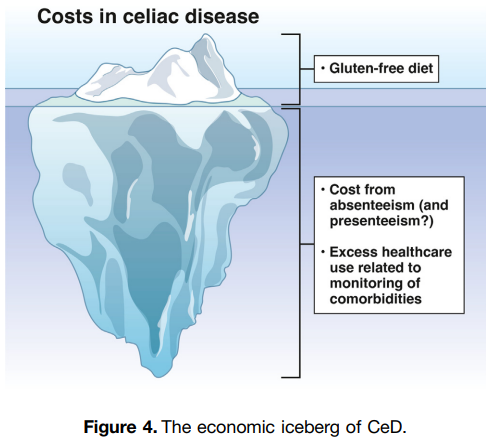
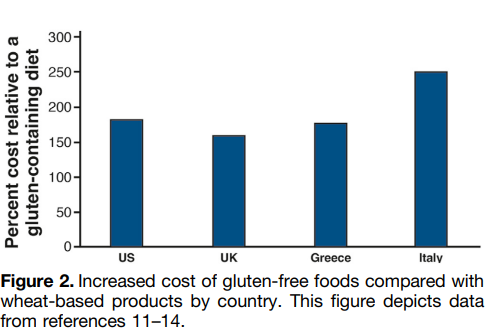
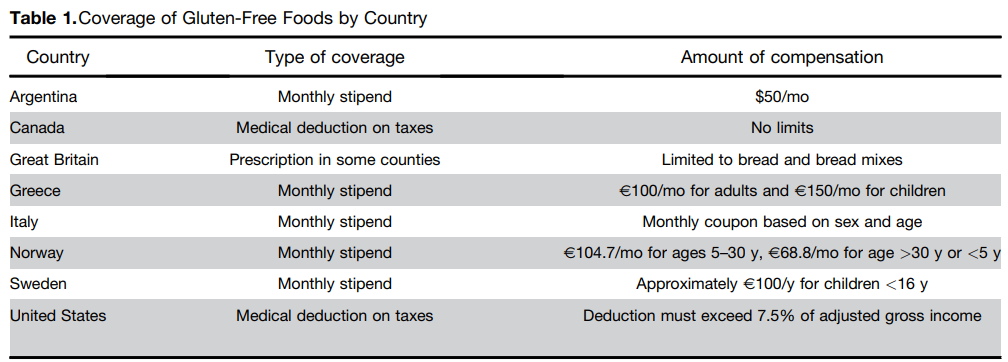
SR Bozorg et al. Open Access! The Economic Iceberg of Celiac Disease: More Than the Cost of Gluten-Free Food

Key points:

  • Long-term data from Sweden have revealed a persisting excess use of health care, with health care costs estimated to be 1.79 times higher than in reference individuals up to 5 years after diagnosis. Similar observations were made by Violato et al, who found UK primary health care costs in patients with incident CeD to be approximately 1.9 times higher than in reference individuals from 5 to 10 years after diagnosis.
  • Data collected from the Swedish national social insurance register showed that working-age patients with prevalent CeD had 1.49 times more work loss than matched reference individuals (42.5 days vs 28.6 days), equivalent to $2800 in lost productivity in 2015

Related blog post: Work Disability with Celiac Disease

Celiac Disease: Pro Tips (Part 2)

In June 2024 (special issue), Gastroenterology published an entire issue (193 pages) focused on celiac disease. There was a lot of useful information on almost every aspect of this disease. Below I have summarized some of the points.

V Disepolo et al. Open Access! How Future Pharmacologic Therapies for Celiac Disease Will Complement the Gluten-Free Diet

  • This article focuses on the emerging pharmacologic treatments
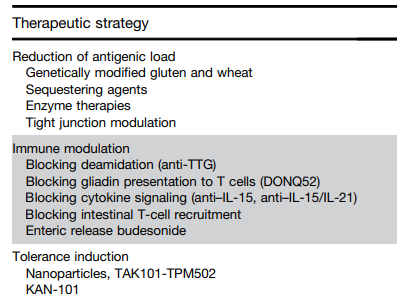
One of the treatment strategies has been to try to sequester gluten. This has included using enzymes to degrade dietary gluten. Other approaches include genetically modifying diet, tight junction modulation, immune modulation and tolerance induction.
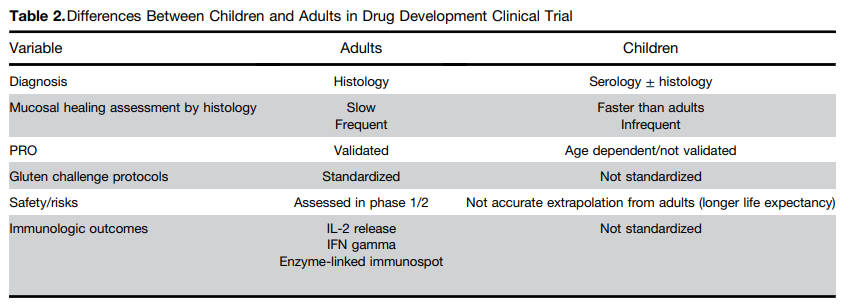
Some therapies being developed in adults may have unacceptable risk profiles for children. This could include blocking cytokine signaling (anti–IL-15, anti–IL-15/IL-21) and blocking intestinal T-cell recruitment

Related blog posts:

G Malamut et al. Advances in Nonresponsive and Refractory Celiac Disease

Celiac Disease: Pro Tips (Part 1)

In June 2024 (special issue), Gastroenterology published an entire issue (193 pages) focused on celiac disease. There was a lot of useful information on almost every aspect of this disease. Below I have summarized some of the points.

F Zingone et al. Open Access: Celiac Disease–Related Conditions: Who to Test?

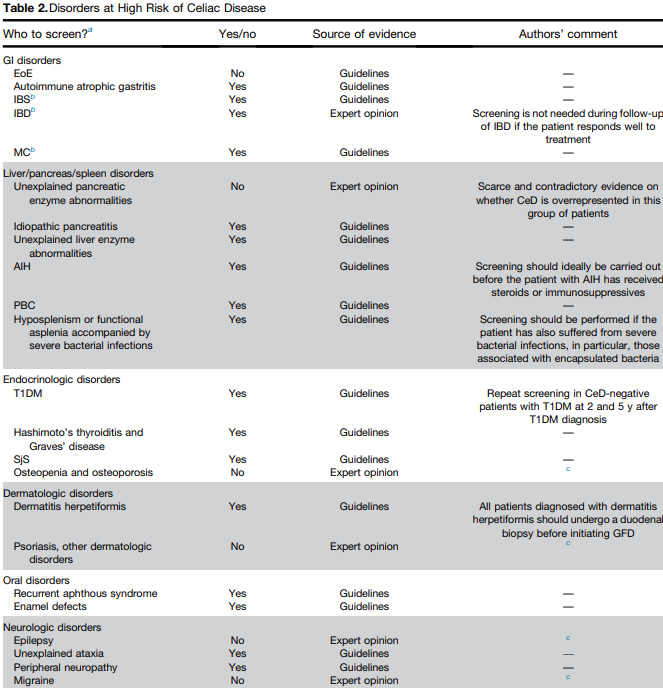
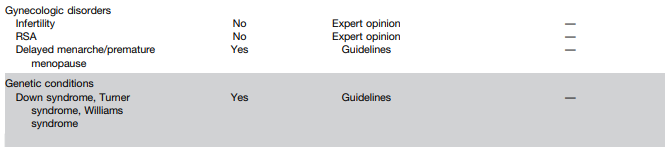
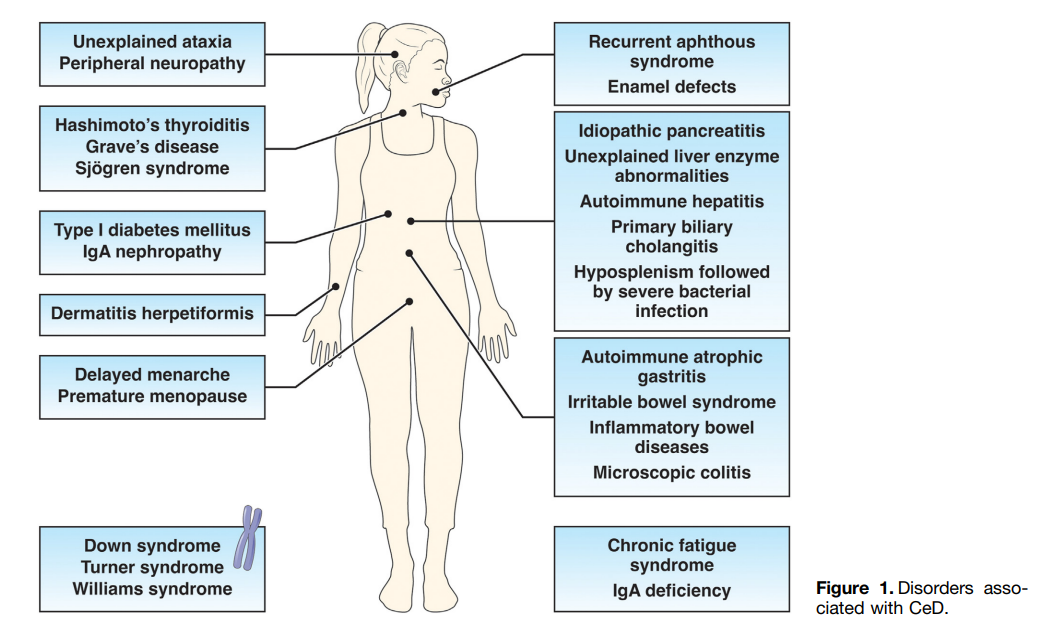
  • The authors detail disorders with increased risk for CeD and which merit screening (see Table 2 below). Some disorders that merit screening that are more obscure include idiopathic pancreatitis, autoimmune hepatitis, delayed menarche, and chronic fatigue.
  • They note that type 1 diabetes mellitus could require serial screening. “Because CeD can manifest at any time and with greater frequency during the initial 5 years, conducting additional screenings in CeD-negative T1DM patients 2 and 5 years after T1DM diagnosis and those who later develop gastrointestinal (GI) symptoms may be advisable.” In addition, it is important to recognize that CeD serology testing is less reliable in patients with T1DM.

S Gatti et al. Patient and Community Health Global Burden in a World With More Celiac Disease, describes the worldwide burden of celiac disease and how to improve detection.

  • They note that the worldwide prevalence is between 0.7% and 2.9%. In this issue, most authors estimate the prevalence to be about 1% with more than 50% undetected.
  • There are many places with higher rates. In U.S. “children in Colorado had a 2.5-fold higher risk compared to Washington State…similar regional differences were seen …in Sweden, Finland, and Germany.”
  • They note the burden before and after diagnosis. Before diagnosis/undetected, there can be persistent symptoms, complications (eg. osteoporosis, decreased fertility) and impaired quality of life. Afterwards, there are increased costs of a GFD and psycho-social burden of GFD.
  • In terms of generalized screening compared to case-finding, the authors note that given the number of at-risk groups, the case-finding approach could entail screening >50% of the population.

V Abadie et al. New Insights on Genes, Gluten, and Immunopathogenesis of Celiac Disease, reviews the intricate details of genetic, biochemical, and immunologic studies, which together have revealed mechanisms of gluten peptide modification and HLA binding, thereby enabling a maladapted anti-gluten immune response.

  • What I was most interested in was the mechanisms behind ‘potential’ celiac disease (PCeD) in which patients have autoimmunity (+serology) but normal histology. In potential CeD, the anti-CD4+ T-cell response is present but decoupled from tissue cytotoxicity. However, notably, IL-21, a cytokine produced by gluten-specific CD4+ T cells in active CeD, is not up-regulated in potential CeD…In addition, patients with potential CeD lack the presence of an epithelial stress response associated with IL-15, HSP70, and HSP27 upregulation in epithelial cells.” “The presence of epithelial stress is a crucial prerequisite for the development of tissue damage.”

Risankizumab Outperforms Ustekinumab

L Peyrin-Biroulet et al. NEJM 2024; 391:213-223. Risankizumab versus Ustekinumab for Moderate-to-Severe Crohn’s Disease

Background: “Interleukin-23 is a heterodimeric proinflammatory cytokine comprising a p40 subunit shared with interleukin-12 and a unique p19 subunit that plays a key role in skin, joint, and gastrointestinal inflammation.16 Ustekinumab and risankizumab are humanized IgG1 monoclonal antibodies; ustekinumab selectively binds p40, and risankizumab selectively binds p19…In head-to-head trials directly comparing their efficacy in psoriasis, risankizumab was superior to ustekinumab, which suggests greater efficacy with p19 blockade than with p40 blockade.”

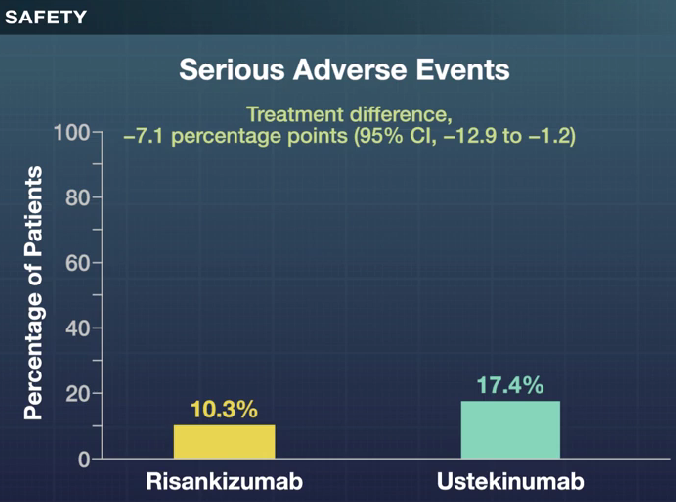
This “SEQUENCE” trial was a phase 3b, multicenter, open-label, randomized controlled trial with 527 patients with moderate-to-severe Crohn’s disease who either had an inadequate response or had intolerance to anti-TNF agents, received either risankizumab or ustekinumab.

Key Findings:

  • A higher percentage of patients in the risankizumab group than in the ustekinumab group completed all the assigned treatment (90.2% [230 of 255 patients] vs. 72.8% [193 of 265 patients]).  The primary reason for discontinuation of risankizumab was an adverse event (3.1% [8 of 255 patients]), and the primary reason for discontinuation of ustekinumab was lack of efficacy (13.2% [35 of 265 patients]
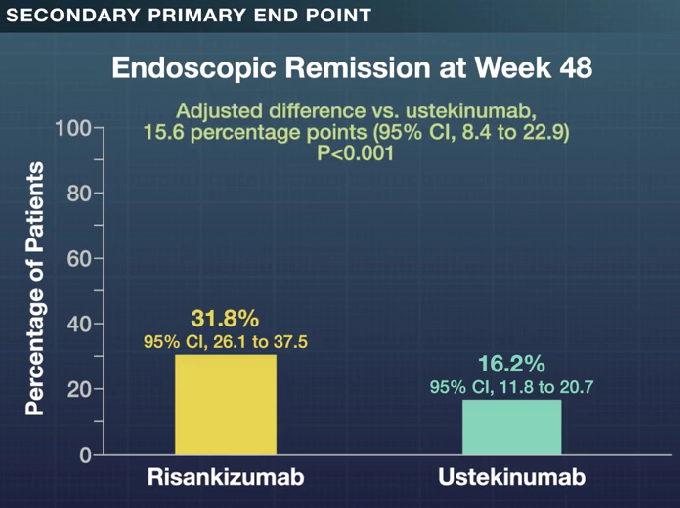
  • Clinical remission at 48 weeks was 60.8% with risankizumab and 40.8%% with ustekinumab (P<0.001); there were similar rates of glucocorticoid-free clinical remission, 60.8% vs 40.4% respectively. Endoscopic response at 48 weeks was 45.1% and 21.9% respectively.

My take: These head-to-head results showed the superiority of risankizumab over ustekinumab across numerous clinical and endoscopic end points, including glucocorticoid-free clinical remission and endoscopic remission. However, it is still concerning to me that endoscopic remission rates were only 32% at 1 year and that less than half had an endoscopic response.

Related blog posts:

When To Take Fewer Biopsies With Eosinophilic Esophagitis

A Godat et al. Clin Gastroenterol Hepatol 2024: 22: 1528-1530. Eosinophil Distribution in Eosinophilic Esophagitis and its Impact on Disease Activity and Response to Treatment

In this post hoc analysis of the EOS-1 and EOS-2 trials with 263 adult patients, the authors analyzed eosinophil distribution and impact on treatment. Key findings;

  • Peak eosinophil count was highest in the distal esophagus (median 166 eos/mm2) followed by mid esophagus (142) and then proximal esophagus (113). 46% of patients had highest peak eosinophil count in the distal esophagus, 33% in the mid esophagus, and 21% of patients in the proximal esophagus
  • Diagnosis: a biopsy protocol using only distal esophagus would have missed EoE diagnosis in only 13 (4.9%) of patients
  • Remission rates stratified by histologic categories were not statistically different base on disease location: 73% distal esophagus, 76% mid esophagus, 64% proximal esophagus, and 64% diffuse esophageal disease
  • None of the following factors affected treatment outcome: histologic location category, histologic disease severity (peak eos count) and atopic status. For example, treatment failure occurred in 37% without atopy and 30% with atopy

My take: In this study population, separate evaluation of biopsies by location modestly increased the diagnostic yield at baseline. Thus, additional biopsies at disease onset is a good idea. However, the actual distribution of disease activity did not seem to help provide any insight into therapeutic response (to budesonide). Practical implications are that fewer biopsies on follow-up endoscopy may be reasonable to help determine a treatment response.

Related blog posts.

Food-Specific IgG4: With This Guided Testing, You Can Achieve the Same Results As Those Who Don’t Have This Testing

On first glance at this article, it looks like the authors have found that testing for food-specific IgG4 (FS-IgG4) could be useful in guiding dietary treatment for eosinophilic esophagitis (EoE). However, the data don’t support this conclusion.

Methods: Prospective observational cohort in adult patients with EoE (n=22 along with 13 controls) placed on elimination diet based on FS-IgG4 levels (ImmunoCAP, cutoff of 10 mgA/L).

Key findings:

  • Elevated serum FS-IgG4 to 1 or more food groups (median 2) was identified in 21/22 (95.4%) patients with EoE; 20/21 underwent 6-week dietary elimination
  • Nine (45%) patients had histological remission (<15 eosinophils per high-power field)
  • Serum FS-IgG4 did not decline by 6-week follow-up. In addition, there was no difference in the FS-IgG4 levels between active and inactive EoE
  • 19 of 22 (86.4%) patients had high FS-IgG4 to milk and 13 of 22 (59.1%) had high FS-IgG4 to wheat. No patients required seafood elimination

The authors note in their introduction that total IgG4 levels in the esophagus are 45-fold those of healthy controls. In addition, “a preliminary study assessing trigger foods in patients undergoing 6FEDs has demonstrated elevated FS-IgG4 was associated with trigger foods in esophageal secretions but not foods that did not trigger esophageal eosinophilia” (K Peterson et al. Aliment Pharmacol Ther 2020; 52: 997-1007).

Despite the lack of any proven efficacy of this FS-IgG4-directed diet (over empiric elimination), the editorial suggests that FS-IgG4 levels may be beneficial, noting that the histologic remission rate increased to 64.3% after excluding ~30% patients with concerns of non-adherence. Removing 30% of patients to get better results would often be called “cherry-picking.”

In addition, neither the editorial (nor the study) delves into the fairly high rates of FS-IgG4 to milk and wheat. This suggests that FS-IgG4 testing will be unreliable with numerous false-positives (though there is wide range of reported reactions to milk and wheat in the literature). Even the control group had high FS-IgG4 to milk in half of the patients. Both the editorial and the study review the limitations which include small sample size, need for control group with atopy, and a lack of established cutoff values for FS-IgG4.

My take: This is a NEGATIVE study. Using FS-IgG4 levels to guide elimination diet was NOT better than empiric elimination of either 1 or 2-food groups. This finding should be more clearly stated in both the study and the editorial. It would be very useful to provide specific dietary advice to our patients with EoE. It is possible that a larger study with higher cutoff levels could find some utility for FS-IgG4. However, this study does not make this approach look terribly promising.

Related blog posts.

Arches National Park

How a Study on Stress Ulcers in the PICU Can Change Clinical Practice

D Cook et al. NEJM 2024; 391: 9-20. Stress Ulcer Prophylaxis during Invasive Mechanical Ventilation

This  international, randomized trial assigned critically ill adults (n=4821) who were undergoing invasive ventilation to receive intravenous pantoprazole (at a dose of 40 mg daily) or matching placebo. Both groups included ~22% who had had PPIs prior to hospitalization. The primary efficacy outcome was clinically important upper gastrointestinal bleeding, identified locally as overt gastrointestinal bleeding with evidence of hemodynamic compromise or leading to therapeutic interventions in the ICU (or resulted in readmission to the ICU during the index hospital stay) up to 90 days after randomization.

Key findings:

  • Clinically important upper gastrointestinal bleeding occurred in 25 of 2385 patients (1.0%) receiving pantoprazole and in 84 of 2377 patients (3.5%) receiving placebo (hazard ratio, 0.30;  P<0.001)
  • At 90 days, death was reported in 696 of 2390 patients (29.1%) in the pantoprazole group and in 734 of 2379 patients (30.9%) in the placebo group (hazard ratio, 0.94; P=0.25)
  • PPI-treated patients had similar rates of ventilator-associated pneumonia and C diff infection

In the associated editorial, (SM Brown. NEJM 2024; 391: 78-79) noted that “two previous trials, SUP-ICU1 and the cluster-randomized PEPTIC2 (which compared proton-pump inhibitors with placebo and H2-receptor blockade, respectively), suggested that the effects on mortality may differ according to patients’ disease severity — and that the drugs were potentially less safe in more severely ill patients.”

“Proton-pump inhibitors slightly but significantly decrease the risk of important gastrointestinal bleeding and have a decent chance of slightly decreasing mortality in less severely ill patients during mechanical ventilation. Moreover, we can be certain that proton-pump inhibitors do not decrease — and may slightly increase — mortality in severely ill patients…For sicker patients, I would probably reserve the use of proton-pump inhibitors for those who are being treated with antiplatelet agents, especially in the presence of therapeutic anticoagulants.” 

My take: This study and editorial helps provides insight into the narrow path of benefit that PPIs may provide for ventilated adults in the ICU. This study reinforces my view that there are few circumstances where adding empiric PPIs in children would be beneficial. Children are less likely to have significant GI bleeding than adults and have fewer comorbidities. Thus, PPIs in pediatrics need to be used mainly in the context of active GI bleeding and in children needing treatment for specific etiologies. PPIs have low value in most children as prophylaxis (e.g. children with IBD receiving steroids).

Related blog posts:

Disclaimer: This blog, gutsandgrowth, assumes no responsibility for any use or operation of any method, product, instruction, concept or idea contained in the material herein or for any injury or damage to persons or property (whether products liability, negligence or otherwise) resulting from such use or operation. These blog posts are for educational purposes only. Specific dosing of medications (along with potential adverse effects) should be confirmed by prescribing physician.  Because of rapid advances in the medical sciences, the gutsandgrowth blog cautions that independent verification should be made of diagnosis and drug dosages. The reader is solely responsible for the conduct of any suggested test or procedure.  This content is not a substitute for medical advice, diagnosis or treatment provided by a qualified healthcare provider. Always seek the advice of your physician or other qualified health provider with any questions you may have regarding a condition.

Which FODMAPs are Most Difficult to Reintroduce in Patients with Irritable Bowel Syndrome

K Van de Houte et al. Gastroenterol 2024; 167: 333-342. Open Access! Efficacy and Findings of a Blinded Randomized Reintroduction Phase for the Low FODMAP Diet in Irritable Bowel Syndrome

Methods: Responders (n=94 of 117) to a 6-week low FODMAP diet, defined by a drop in IBS symptom severity score (IBS-SSS) compared with baseline, entered a 9-week blinded randomized reintroduction phase with 6 FODMAP powders (fructans, fructose, galacto-oligosaccharides, lactose, mannitol, sorbitol) or control (glucose). A rise in IBS-SSS (≥50 points) defined a FODMAP trigger. Patients were challenged with 6 FODMAPs or glucose as a control (3/day x 7 days) while continuing with the low FODMAP diet.  At the end of the seventh day, patients entered 2 days of washout before starting with the next blinded FODMAP or control powder.

Key findings:

  • IBS-SSS improved significantly after the elimination period compared with baseline (150 vs. 301, P < .0001, 80% responders)
  • Symptom recurrence was triggered in 85% of the FODMAP powders, by an average of 2.5 FODMAPs/patient
  • The most prevalent triggers were fructans (56%) and mannitol (54%), followed by galacto-oligosaccharides, lactose, fructose, sorbitol, and glucose (respectively 35%, 28%, 27%, 23%, and 26%) with a significant increase in abdominal pain at day 1 for sorbitol/mannitol, day 2 for fructans/galacto-oligosaccharides, and day 3 for lactose.

One limitation of the study was selecting the dose for the challenge/reintroduction. “In comparison to clinical practice, our selected dose was higher, intended to maximize the potential of inducing symptoms. On the other hand, if that information was available, we aimed to stay below a dose for an individual FODMAP that was shown to elicit symptoms in healthy controls.”

My take:

  1. Fructans and Mannitol had the highest prevalence rate as trigger foods upon reintroduction. However, the other groups all had at least a 23% chance of being a food trigger as well.
  2. Having available powders of the FODMAP grouping could potential expedite and standardize reintroduction in clinical practice. If a patient did well with the specific FODMAP powder, there is a good likelihood that the related foods would be tolerated as well.

Related blog posts:

Disclaimer: This blog, gutsandgrowth, assumes no responsibility for any use or operation of any method, product, instruction, concept or idea contained in the material herein or for any injury or damage to persons or property (whether products liability, negligence or otherwise) resulting from such use or operation. These blog posts are for educational purposes only. Specific dosing of medications (along with potential adverse effects) should be confirmed by prescribing physician.  Because of rapid advances in the medical sciences, the gutsandgrowth blog cautions that independent verification should be made of diagnosis and drug dosages. The reader is solely responsible for the conduct of any suggested test or procedure.  This content is not a substitute for medical advice, diagnosis or treatment provided by a qualified healthcare provider. Always seek the advice of your physician or other qualified health provider with any questions you may have regarding a condition.

How to Sort Out Chronic Laryngeal Symptoms and Reflux

Two recent articles provide some insight into the muddy waters of laryngeal symptoms and reflux which is a much bigger challenge in the adult population than in the pediatric age group.

AJ Krause et al. Clin Gastroenterol Hepatol 2024; 22: 1200-1209. Open Access! Validated Clinical Score to Predict Gastroesophageal Reflux in Patients With Chronic Laryngeal Symptoms: COuGH RefluX

AJ Krause et al. Am J Gastroenterol 2024; 119: 627-634. Diagnostic Yield of Ambulatory Reflux Monitoring Systems for Evaluation of Chronic Laryngeal Symptoms. Thanks to Dr. Benjamin Gold for this reference.

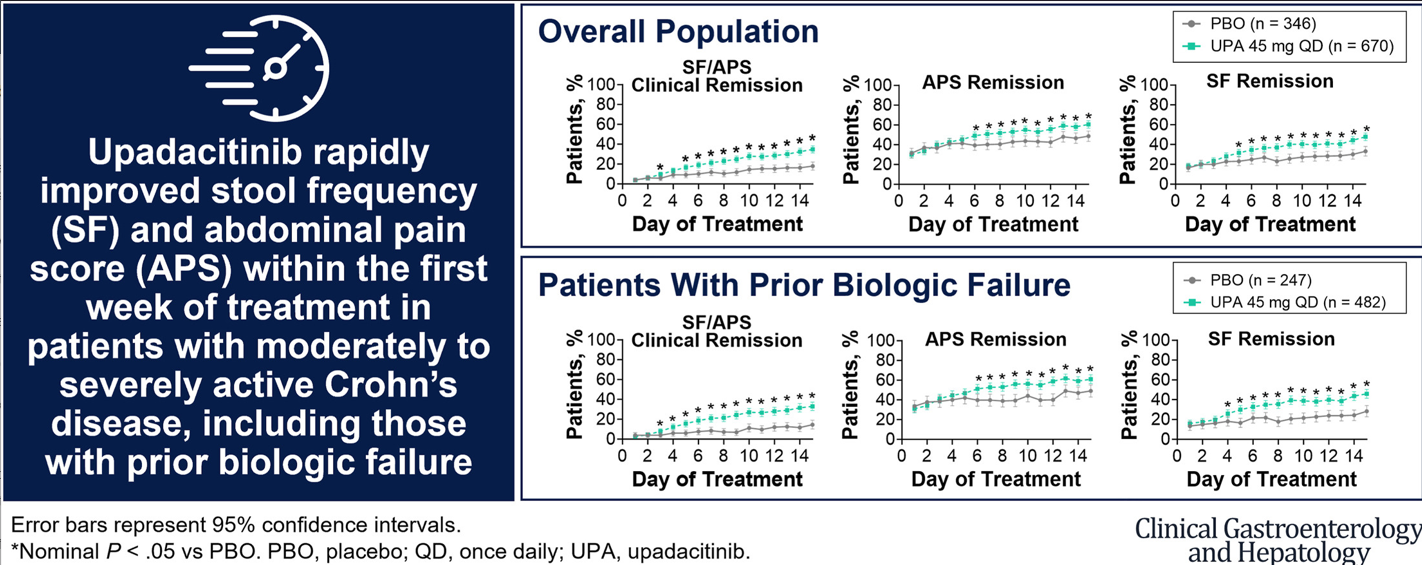
In the first study, there were a total of 856 adults, 304 in the training cohort and 552 in the validation cohort. Key finding: In the validation phase, the COuGH RefluX score had an area under the curve of 0.67 (95% CI, 0.62–0.71), with 79% sensitivity and 81% specificity for proven GERD. Graphical abstract from the first study:

In the second study, the authors retrospectively examined 813 adults with chronic laryngeal symptoms over a 5 year period comparing . The diagnostic yield for prolonged wireless pH testing (n=296) was compared to 24-hour pH-impedance monitoring (n=532) off anti-secretory agents. Key finding: the prolonged wireless pH testing had a yield of 50% compared to 27% for the 24-hr pH-impedance testing.

My take: In the 1st study, the scoring system of cough, obesity, globus sensation, hiatal hernia, regurgitation, and male sex provides a good idea about the likelihood of reflux. In the 2nd study, the authors conclude that prolonged wireless pH testing may be preferrable due to higher diagnostic yield. However, the more proper conclusion is that we still don’t know the best way to determine when reflux causes chronic laryngeal symptoms or even the best way to measure reflux.

Related blog posts:

Crohn’s Disease: Risankizumab Real-World Data

A Zinger et al. Clin Gastroenterol Hepatol 2024; 22: 1336-1338. Risankizumab Effectiveness and Safety in Crohn’s Disease: Real-world Data From a Large Tertiary Center

In a group of 80 patients with Crohn’s disease with evidence of active disease, the authors examined the effectiveness of risankizumab with prospectively-collected data. Patients received 600 mg intravenously at 0, 4, and 8 weeks. Only 6 patients (8%) were unexposed to prior advanced therapy; 44 patients (55%) had prior ustekinumab (UST) therapy.

Key findings:

  • Clinical remission was 78% in patients without prior ustekinumab therapy and 64% in those with prior ustekinumab therapy
  • Steroid-free clinical remission was 75% and 52%, respectively in patients without and with prior ustekinumab therapy. Overall, 63% of patients achieved a steroid-free clinical remission

My take: This study shows that risankizumab, a selective IL23 inhibitor, has good effectiveness, even in patients previously treated with a IL12/23 inhibitor. It highlights our need to better understand the reasons why a more selective agent is able to work after patients failed to respond to UST treatment.

Unrelated article: KA Chien et al. JPGN 2024; 79: 10-17. (Kudos to the authors including my partner Dr. Ben Gold). This article detailed the median work RVUs target for practices and composition of healthcare team to provider ratios: Nursing 0.80, MA 0.29, dietician 0.29, social worker 0.14, and psychologist 0.13. The article reviews salary structure/incentives and wellness initiatives as well.

Related blog posts: