Liver Shorts March 2020 & COVID-19 Screenshots

Sofusbuvir and Ribavirin for children with hepatitis C infection (3-12 yrs, genotype 2 or 3) P Rosenthal et al. Hepatology 2020; 71: 31-43. n=54.  SVR12 was 98% (one patient did not complete treatment).

Alpha-one antitrypsin heterozygositiy contributes to cirrhosis in fatty liver disease. Liver Transplantation 2020; 26: 17-24. From the discussion: “unexpected PASD+ globules, in the context of advanced liver disease, are a specific finding that indicates the presence of a mutant A1AT allele.”  Of 196 explanted livers from NASH patients, 21 (11%) has PASD+ globules; however, among NASH patients the frequency was 47%.  Also, the Z allele was present in 10% of all tested liver explants, this exceeds the 2% rate in the general population.  Thus, in agreement with other studies, A1AT heterozygosity contributes to chronic liver failure, but may affect fatty liver disease more than other chronic liver diseases.

Durability of HBsAg Loss in Hepatitis B AS Alawad et al. Clin Gastroenterol Hepatol 2020;18: 700-09.  In this retorspective study form NIH, 89/787 HBsAg-positive patients cleared HBsA; 65 had confirmed clearance. (spontaneous in 19, post-interferon in 22, and post-NA treatment in 24). 62 of 65 remained negative after a mean time of 9.6 years. 3 patients had seroreversion at a mean of 20 months after stopping therapy, though this was transient in 2 of 3 and may have been a false-positive.

Are Medications Contributing to Obesity and Fatty Liver Disease? ~25% of U.S. adults take a prescription medication  that often produces obesity as an adverse effect. (Hales CM et al. Obesity Week 2019, Link to Abstract T-OR-2037). PRESCRIPTION MEDICATIONS THAT PROMOTE WEIGHT GAIN: Prevalence of Use Among U.S. Adults, 2013-2016 Common obesogenic medications in this cohort, (n=11,055), included all glucocorticoids, beta-blockers, and antihistamines and some agents among antidepressants, antipsychotics, antidiabetics and progestin-only contraceptives.  Medications were defined as promoting weight gain according to the Endocrine Society Clinical Practice Guideline for the Pharmacological Management of Obesity (J Clin Endocrinol Metab, 2015).

———————————————

If you have not seen this on YouTube, highly recommend this virtual choir link: Rodean School -Hallelujah


More fallout from Coronavirus: NY Times: Coronavirus May Add Billions to Nation’s Health Care Bill Insurance premiums could spike as much as 40 percent next year, a new analysis warns, as employers and insurers confront the projected tens of billions of dollars in additional costs of treating coronavirus patients.

Topical (& Tasty) Tweets:

Projected 20-Year and 30-Year Survival Rates for Pediatric Liver Transplant Recipients (U.S.)

A recent study (MG Bowring et al. JPGN 2020; 70: 356-63) provides data on pediatric liver transplantation (LT) survival rates and projected survival rates.

This retrospective cohort study included 13,442 first-time pediatric (<18) LT recipients from 1987-2018.

Key findings:

  • Projected 20-year survival rate for pediatric LT from 2007-18: 84.0%
  • Prior 20-year survival rates: 72.8% (1997-2006 cohort) and 63.6% (1987-1996 cohort)
  • Projected 30-year survival rates for pediatric LT from 2007-18: 80.1%
  • Prior 30-year survival rates: 68.6% (1997-2006 cohort) and 57.5% (1987-1996 cohort)
  • Projected outcomes with split LT (28% of 2007-2018 cohort) are similar to outcomes with whole LT

My take: While projections can overestimate and underestimate survival rates, the clear trend has been a remarkable improvement in long-term outcomes.  This published data can provide current expectations when counseling families, though with ongoing improvements in management/development of tolerance, the hope is for even better outcomes.

Related blog posts:

View from the top of Blood Mountain, Ga

“Crushing it:” Practice Guidance for Hepatitis C

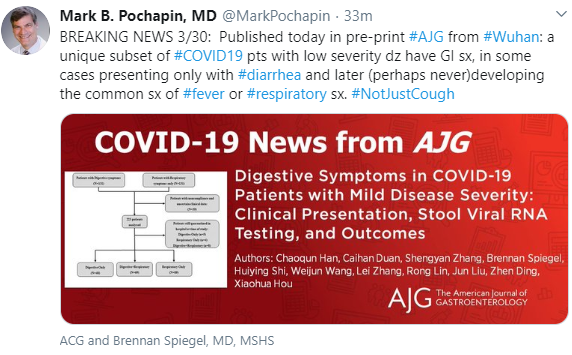
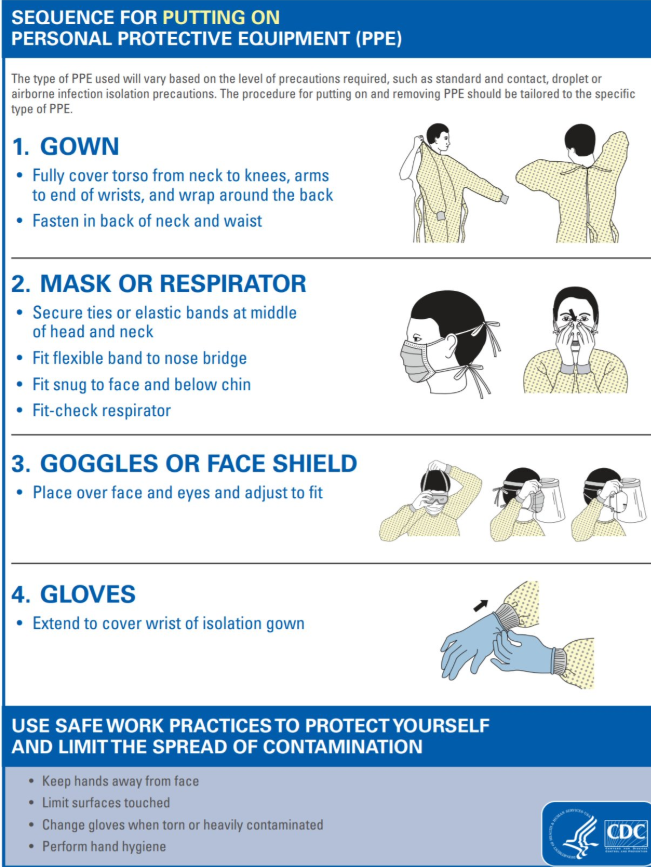
Today’s post on Hepatitis C follows a few screenshots from twitter regarding the coronavirus epidemic.

Pediatric report of coronavirus in children: NEJM Full link: SARS-CoV-2 Infection in Children A recent review of 72,314 cases by the Chinese Center for Disease Control and Prevention showed that less than 1% of the cases were in children younger than 10 years of age (n=171)…3 patients required intensive care support and invasive mechanical ventilation; all had coexisting conditions. There was one death in a 10-month-old child with intussusception had multiorgan failure and died 4 weeks after admission.

——-

As noted yesterday, this post will review a recent practice guidance for hepatitis C

Some specific recommendations for children:

Testing:

  • “All children born to HCV-infected women should be tested for HCV infection. Testing is recommended using an antibody-based test at or after 18 months of age.”
  • “Testing with an HCV-RNA assay can be considered in the first year of life, but the optimal timing of such testing is unknown” (but can be done as early as 2 months of life).
  • “The siblings of children with vertically-acquired chronic HCV should be tested for HCV infection, if born from the same mother.”

Counseling for parents:

  • “Parents should be informed that hepatitis C is not transmitted by casual contact and, as such, children with HCV infection do not pose a risk to other children and can participate in school, sports, and athletic activities, and engage in all other regular childhood activities without restrictions.”
  • “Parents should be informed that universal precautions should be followed at school and in the home of children with HCV infection. Educate families and children about the risk and routes of HCV transmission, and the techniques for avoiding blood exposure, such as avoiding the sharing of toothbrushes, razors, and nail clippers, and the use of gloves and dilute bleach to clean up blood.”

Treatment:

  • “Direct-acting antiviral (DAA) treatment with an approved regimen is recommended for all children and adolescents with HCV infection aged ≥3 years as they will benefit from antiviral therapy, regardless of disease severity.”
  • Early treatment in childhood is expected to be cost-effective compared to treatment at later ages based on previous studies

This chart provides recommendations for pediatric patients who have not received prior direct-acting antivirals. More information at HCVguidelines.org

“Crushing it:” Two More Pediatric Hepatitis C Trials

Before today’s planned blog post, I wanted to mention a good NY Times article which highlights how long the virus which causes COVID-19 can be present on surfaces:

Full link from NY Times: How Long Will Coronavirus Live on Surfaces or in the Air Around You?

An excerpt:

The virus lives longest on plastic and steel, surviving for up to 72 hours. But the amount of viable virus decreases sharply over this time. It also does poorly on copper and cardboard, surviving four to eight hours; the latter finding suggests packages that arrive in the mail should be safe — unless the delivery person has coughed or sneezed on it or has handled it with contaminated hands.

That the virus can survive and stay infectious in aerosols is also important for health care workers.

For weeks experts have maintained that the virus is not airborne. But in fact, it can travel through the air and stay suspended for that period of about a half-hour.

The virus does not linger in the air at high enough levels to be a risk to most people who are not physically near an infected person. But the procedures health care workers use to care for infected patients are likely to generate aerosols.

The original article from NEJM:  Aerosol and Surface Stability of SARS-CoV-2 as Compared with SARS-CoV-1

——–

This “C” virus was hard to cure until recently.  More good news from recently published studies for pediatric hepatitis c virus (HCV) treatment:

  • KB Schwarz et al. Hepatology 2020; 71: 422-30. 
  • MM Jonas et al. Hepatology 2020; 71: 456-62.
  • AASLD-IDSA Practice Guidance Panel. Hepatology 2020; 71: 686-721

In the first study of an all oral regimen of ledipasvir-sofosbuvir, sustained virological response at 12 weeks after dosing (SVR12) was achieved in 33 of 34 (97%) of children 3-<6 yrs of age with genotypes 1 or 4 (only 1 with type 4). No serious adverse effects were reported. Dosing: 33.75 mg/150 mg if <17 kg or 45 mg/200 mg if ≥17 kg. The one non-responder discontinued treatment due to drug taste.  Pharmokinetic studies in 13 patients confirmed appropriate medication dosing.

In the second study of glecaprevir/pibrentasvir (G/P), as part of the DORA phase 2/3 nonrandomized, open-label trial, adolescents 12-17 received the ‘adult’ regimen of 300 mg/120 mg daily for 8-12 weeks in accordance with indication duration based on adult data.  Among the 47 patients (genotypes 1, 2, 3, 4), 100% achieved SVR12. Safety profile was consistent with prior studies in adults.

The third publication, which is quite lengthy, highlights updated recommendations for HCV in adults and children (this will be reviewed in tomorrow’s post).

Related blog posts:

Biliary Atresia Biomarkers 2020

Two recent studies provide more information on biliary atresia (BA) biomarkers.

  • OG Behairy et al. JPGN 2020; 70: 344-9.
  • S Shamkar et al. JPGN 2020; 70: 350-5.

Behairy et al report on the use of serum IL-33 in a cohort of 90 infants, 30 with BA, 30 with cholestasis due to other causes, and 30 healthy infants.

  • Using a cut-off of 20.8 pg/mL, IL-33 had a specificity of 95% and sensitivity of 96.7% for identifying BA.
  • Interestingly, the test performed better in those with advanced fibrosis.  The mean value of IL-33 in those with grade 3/6 was 88.2 compared to 37.2 for 1/6 and 70.9 for 2/6. In comparison, the children with cholestasis due to other liver disease had a level of 18.5 for those with 3/6 fibrosis

The authors note in a prior study that IL-33 was higher in BA infants than those with a choledochal cyst.

While this is a small study, I disagree with the editorial (pg 278-9) which largely discounted the potential role of IL-33.  “IL-33 is elevated with many other diseases (bronchopulmonary dysplasia, asthma, allergy, and more) It, therefore, cannot easily be used as a highly specific marker for fibrosis. Furthermore, the use of IL-33 as a prognostic marker, is from a clinical point of view not of great importance, as follow-up clinical decisions are generally made based on patients’ clinical course.”

Shankar et al provide data on GGT values in BA (n=113 infants).

These infants underwent Kasai procedure at a median of 61 days

  • 12.3% had normal (<200) GGT values.
  • Those with normal GGT had worse outcomes: earlier need for liver transplantation (14 vs 20 months) and poorer transplant survival.
  • 9/14 (64%) with normal GGT and 53/99 (53.5%) of elevated GGT underwent liver transplantation

The authors note that decreased levels of GGT has been associated with reduced glutathione metabolism which could impari adaptive response to oxidative stress, leading to further hepatocyte injury.

My take: In my experience, I have had very few BA patients with GGT values <200 (lower than 10%).  The development of other biomarkers like MMP-7 and IL-33 increase the likelihood that BA will be recognized sooner and if elevated, could obviate the need for a liver biopsy prior to operative cholangiogram.  Nevertheless, practitioners cannot wholly rely on any the current biomarkers.

Related blog posts:

Fall on UNC Campus, Chapel Hill

What to Expect After Pediatric Liver Transplantation: Cognitive Function and Quality of Life

A recent study (D Ohnemus et al. Liver Transplantation 2020; 26: 45-56, editorial 9-11) examined health-related quality of life (HRQOL) and cognitive functioning approximately 15 years after liver transplantation (LT).

Study details:

Median age 16 years.  Original group was a SPLIT research cohort recruited from 20 centers and then tested at multiple time points; for this study, 8 sites of the original 20 were included.  It is noted that patients with serious neurologic injury were excluded. Among an initial group of 108, there were 79 available for potential enrollment.  In this group, 65 parent surveys were completed and 61 child surveys.

Key findings:

  • For cognitive and school functioning, 60% and 51% of parents reported “poor” functioning, respectively (>1 SD below the health mean).  41% of children rated their cognitive function as poor.
  • Adolescents’ self-reported overall HRQOL was similar to that of healthy children; in contrast, parents rated their teenage children as having significantly worse HRQOL than healthy children in all domains.
  • The cognitive score in the poor functioning group at the latest time point was lower than at first time point measurement (ages 5-6 years and at least 2 years after LT), “suggesting that difficulties intensified in adolescence for those who have problems in early childhood.”
  • Almost half had received special educational services.

The editorial notes that the PedsQL Cognitive Functioning Scale scores used by the investigators were considered subjective.  “The more objective PedsPCF scores fell within the normal range.”

My take: This report indicates that a majority of children are likely to have some cognitive deficits and many are likely to have reduced HRQOL following liver transplantation; in addition, if these problems are detected at a younger age, they are likely to persist.

Related blog posts:


Mural on Atlanta’s Beltway

Useful Data on Cholangitis Following Kasai Portoenterostomy

A recent retrospective study (SH Baek et al. JPGN 2020; 70: 171-77) provide useful information on cholangitis following a Kasai portoenterostomy in patients (n=160) with biliary atresia (BA).

Key points:

  • 126 of 160 (79%) had at least one episode of cholangitis during the study period (2006-2015).  Median followup was 49 months in those who had cholangitis compared to 33 months for those who did not develop cholangitis.
  • Age at time of Kasai: 63 days in those with cholangitis and 55 days in those without (P=0.42)
  • 76% of patients had recurrent cholangitis
  • Yield from blood culture was 9%.  In those with culture-proven cholangitis, Enterococcus faecium was most common pathogen (28%), followed by E. coli (15%), Enterobacter cloacae (11%), and Klebsiella pneumoniae (9%)
  • In their institution, there was a fairly-low susceptibility of gram-negative bacteria to cefotaxime (8/21, 38%). Almost all gram-negative isolates were susceptible to meropenem.
  • In their institution, there was fairly-low susceptibility of gram-positive organisms to ampicillin (8/19, 42%) and 100% susceptibility to vancomycin.
  • The authors noted that their empiric choice for treatment had been cefotaxime but this has now been reviewed; and a newer regimen, “a frequent alternative,” is the use of vancomycin along with an aminoglycoside.

It is worth noting that Up-to-Date has several recommended regimens for acute cholangitis (in adults).  For lower-risk infections, the authors recommend either a single agent like piperacillin-tazobactam or dual therapy with specific cephalosporins (eg. cefotaxime, ceftriaxone) and metronidazole.  For higher-risk infections, the Up-to-Date recommendations include meropenem or piperacillin-tazobactam as single agents or one of two cephalosporins (cefepime or ceftazidime) along with metronidazole.

My take: Cholangitis is common after biliary atresia.  Familiarity with changing susceptibility, particularly local patterns, will help optimize outcomes.

Related blog posts:

Piedmont Park

Disclaimer: This blog, gutsandgrowth, assumes no responsibility for any use or operation of any method, product, instruction, concept or idea contained in the material herein or for any injury or damage to persons or property (whether products liability, negligence or otherwise) resulting from such use or operation. These blog posts are for educational purposes only. Specific dosing of medications (along with potential adverse effects) should be confirmed by prescribing physician.  Because of rapid advances in the medical sciences, the gutsandgrowth blog cautions that independent verification should be made of diagnosis and drug dosages. The reader is solely responsible for the conduct of any suggested test or procedure.  This content is not a substitute for medical advice, diagnosis or treatment provided by a qualified healthcare provider. Always seek the advice of your physician or other qualified health provider with any questions you may have regarding a condition.


Neurodevelopmental Outcomes: Biliary Atresia

A recent study from the Netherlands (LH Rodijk et al. J Pediatr 2020; 217: 118-24) which included 46 children provides data on the suboptimal neurodevelopmental outcomes of children with biliary atresia (BA).  This cohort did not exclude children born prematurely or those with a history of intracranial hemorrhage; the children had undergone Kasai portoenterostomy (KPE) between 2002-2012 and had a median age of 11 years.

Key findings:

  • 36 of 46 (78%) had undergone liver transplantation
  • Median age at time of KPE was 60 days
  • 12 (25%) received special education (vs. 2.4% in ‘normal’ population)
  • Motor outcomes were affected with up to half scoring low on motor skills
  • Total IQ was 91 (compared with 100 in norms)
  • There were no significant differences in the cognitive outcomes of the patients with their native livers compared to those who had undergone liver transplantation (*small sample size)

Potential explanations:

  • Detrimental affects of cholestasis
  • Major surgery/anesthesia may result in impaired neurodevelopment

My take: This study documents a fairly high rate of neurodevelopmental problems in children with BA.  The information we need now –how to mitigate this.

VL NG et al. J Pediatr 2018; 196: 139-47. This study with 148 children examined the neurodevelopmental outomes of young children with biliary atresia (ChiLDRen Study). Key finding: Children with their native livers were at increased risk for neurodevelopmental delays at 12 and 24 months.  This risk was more than 4-fold increased among those with unsuccessful Kasai procedure.

Related blog posts:

Liver Shorts -January 2020

S Nagai et al. Clin Gastroenterol Hepatol 2019; 17: 2759-68. For patients who underwent liver transplantation during 2016–2017, a significantly lower proportion of patients with NASH survived for 1 year after transplantation than patients with HCV (P = .004) or ALD (P < .001). 1-year patient survival rates: NASH 90.4%, HCV 92.8%, ALD 93.5%. Full Text: Increased Risk of Death in First Year After Liver Transplantation Among Patients With Nonalcoholic Steatohepatitis vs Liver Disease of Other Etiologies

JE Squires et al. JPGN 2020; 70: 79-86.  Using a prospective, longitudinal database, this study from ChiLDReN network with 93 children with biliary atresia and native liver found that NO increased prevalence of neurodevelopmental delays. Markers of advanced liver disease (high bilirubin/GGT for those ≤5 yrs, and portal hypertension for those >5 years) did negatively affect neurodevelopmental measures.

C Jaramillo et al. JPGN 2020; 70: 87-92.  This pilot study with 21 patients found that degree of fibrosis, quantified by collagen hybridizing peptide, at time of Kasai, was associated with the risk of requiring a liver transplantation by age 4 years.  Total bilirubin >2 mg/dL and Albumin ❤ g/dL at 3 months post-Kasai were also associated significantly with need for liver transplantation.

H-S Chen et al. Hepatology 2019; 70: 1903-12. In this study from Taiwan with 182 children (median age of 10.6 at enrollment) with hepatitis B and a normal ALT, a baseline anti-HBc titer of >500 IU/mL was associated with spontaneous HBeAg seroconversion with hazard ratio of 2.81.  Over the median follow-up of 19.8 years, 85 subjects (46.7%) had HBeAg seroconversion. Thus, anit-HBc reflects anti-HBV immune response in the HBeAg-positive patients with normal ALT.

Development of Primary Sclerosing Cholangitis in Pediatric Patients with Inflammatory Bowel Disease

A recent study (A Chandrakumar et al. J Pediatr 2019; 215: 144-51) followed 190 children with inflammatory bowel disease from 2011 to 2018 in a longitudinal population-based cohort in Manitoba and examined the development of primary sclerosing cholangitis (PSC).  The diagnosis of PSC was made on discretion of the treating physician; thus, only a subset of patients underwent extensive evaluations for PSC.

Key findings:

  • 9 developed PSC-UC (9/95) and overall 11 developed PSC-IBD (11/190)
  • Among children with PSC-UC, 8 had high GGT (>50) at baseline and only 1 had a normal GGT at baseline.
  • All UC patients who developed PSC were diagnosed withing 6 months of their UC diagnosis.
  • At baseline, 22 patients with UC had an elevated GGT and 73 had a normal GGT.  Thus, about one-third of patients with an elevated GGT developed PSC (possibly more as all patients were not subjected to extensive testing)

My view: This study reinforces two concepts: 1) GGT is valuable as a screening test 2) PSC (often asymptomatic) is fairly common in UC and needs to be considered especially in the first year of diagnosis.  What this study does not do is help us figure out what should be done about children with asymptomatic PSC as there are no proven therapies.

Related blog posts:

More Pics from P’tit Train du Nord Linear Park