More School Advice for Organ Transplant Recipients, Plus Another Benefit of the Influenza Vaccine

Link to PDF (from Pediatric Infectious Disease Society:

FAQs Regarding Return to School for Children after Solid Organ Transplant in the United States During the COVID-19 Pandemic

Some excerpts:

Are pediatric SOT recipients at higher risk for getting COVID-19 compared with other children?
Children of any age can get COVID-19, but they seem to have milder disease than adults. Pediatric SOT recipients do not seem to get COVID-19 more often than other children.

If infected with COVID-19, are pediatric SOT recipients at higher risk for developing severe disease or complications?

Based on experience with other viruses, and from reports of COVID-19 in adult SOT patients, there are a few things that may increase the risk of severe COVID-19. These include:
1) Having undergone transplantation in the last 3-6 months
2) Receiving high doses of immunosuppression (such as for treatment of rejection)
3) Having other medical problems such as diabetes, obesity, or certain lung conditions (refer to CDC website under Helpful Resources for more details)
It is not known if the above factors also put children with SOT at risk. In fact, of all the reports among pediatric SOT recipients with COVID-19 published so far, the majority have had mild symptoms and recovered.

Related blog posts:

Renal Disease Associated With Fatty Liver Disease & Dexamethasone-COVID-19 Data

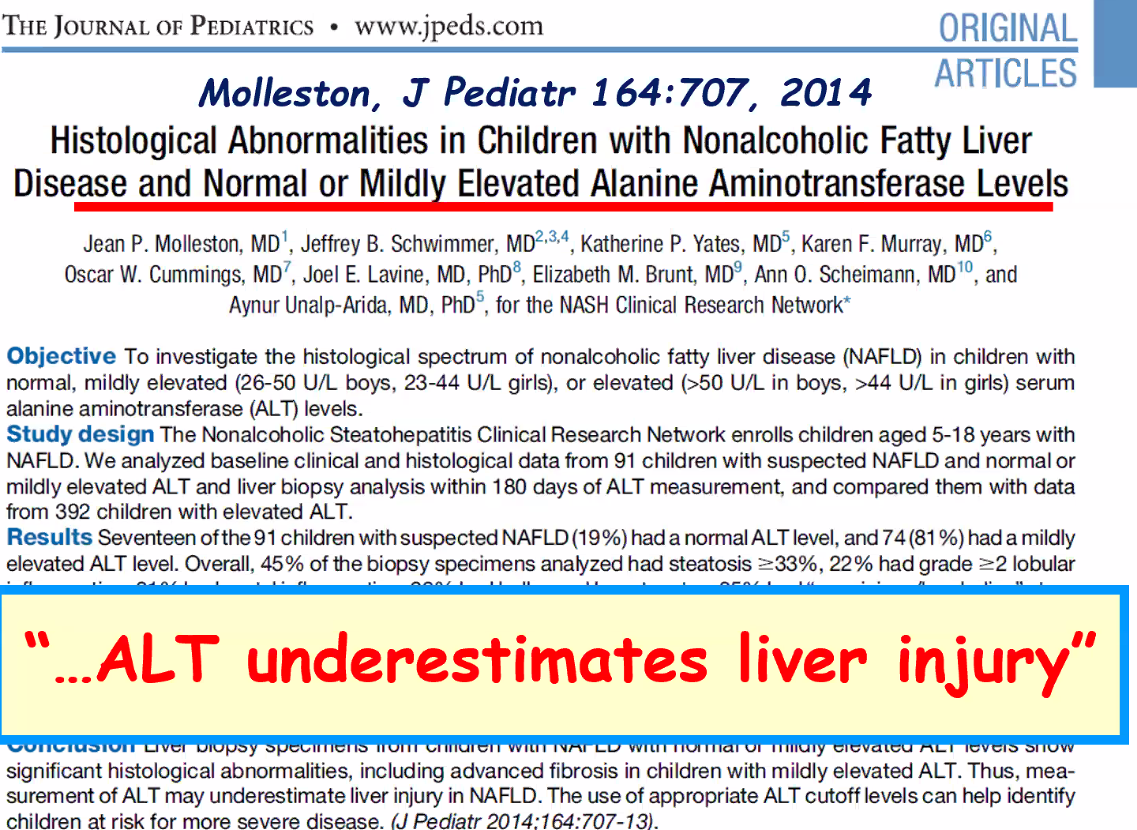
Looking for and managing hypertension has been an important component of care in children and adults with nonalcoholic fatty liver disease (NAFLD)/metabolic syndrome.  In addition, hypertension is frequently associated with renal impairment.

As such, it is perhaps not surprising that in both adults and children, there is a high rate of renal impairment.   The data in children is much more sparse than in adults.  A recent retrospective pediatric cohort study (T Yodoshi et al. J Pediatr 2020; 222: 127-33) adds more information to this problem.

More background information:

  • Chronic kidney disease is highly prevalent in adults with NAFLD: 20-55% (J Hepatol 2020; 72: 785-801; Am J Kidney Dis 2014; 64: 638-52)
  • NAFLD is currently the leading indication for concurrent liver and kidney transplantation
  • In adults, the severity of NAFLD histology is associated with renal impairment
  • The first stage of renal impairment is glomerular hyperfiltration. This is hypothesized to be a precursor of intraglomerular hypertension which leads to albuminuria and glomerular filtration rate (GFR) decline/progressive renal dysfunction
  • Early intervention in high risk patients with angiotensin receptor inhibitors may prevent or delay progressive renal disease

Key findings in 179 patients with biopsy-confirmed NAFLD:

  • 82% non-Hispanic, median age 14 yrs
  • 36 (20%) had glomerular hyperfiltration and 26 (15%) had low GFR (w/in 3 months of liver biopsy) based on Schwartz equation
  • Hyperfiltration was independently associated with higher NAFLD activity score (aOR 2.96)

Discussion:

  • Mechanism: The authors speculate that “it is possible that they [renal and liver disease] are both the end result of the same ‘hit.’ The renin-angiotensin system may play a key role….Notably, there is an ongoing…clinical trial investigating an ATI receptor blocker, losartan, for the treatment of NAFLD in children.” Other potential contributors include fructose and insulin resistance.
  • Limitations: This single center biopsy-confirmed population may not be representative of most children with NAFLD.  Also, as this was a retrospective study, more precise measures of renal function were not available.

My take: This study confirms a high rate of renal dysfunction (35%) in children with NAFLD. As such:

  • Children with NAFLD need to have their blood pressure monitored
  • Clinicians should have a low threshold for nephrology referral if suspected renal impairment.

NEJM Recovery Collaborative Group: July 17, 2020
DOI: 10.1056/NEJMoa2021436: Full Link: Dexamethasone in Hospitalized Patients with Covid-19 — Preliminary Report

Form NEJM Journal blog:

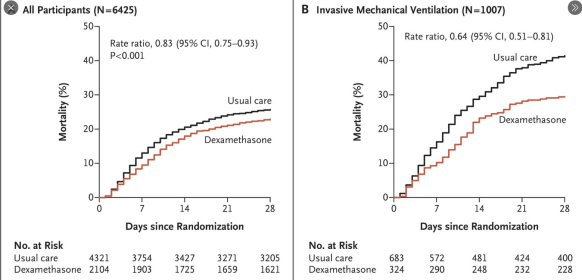
In the open-label RECOVERY trial, some 2100 U.K. patients hospitalized with COVID-19 were randomized to usual care plus oral or intravenous dexamethasone (6 mg once daily for up to 10 days), and 4300 were randomized to usual care alone.

Among patients on invasive mechanical support at the time of randomization, the mortality rate within 28 days was significantly lower with dexamethasone than with usual care alone (29% vs. 41%). A benefit was also seen among those on oxygen without invasive ventilation (23% vs. 26%). However, among patients not receiving respiratory support, mortality rates did not differ significantly between treatment groups.

Liver Shorts July 2020

KA Strauss et al. Hepatology 2020; 71: 1923-39. Crigler-Najjar Syndrome Type 1: Pathophysiology, Natural History, and Therapeutic Frontier. This chart review  provides long-term data on phototherapy for  CN1 (n=28) over 30 years, bilirubin metabolism, and results from 17 who underwent liver transplantation at a median age of 16 years.  Background: “In 1952, John Crigler and Victor Najjar described 7 infants from 3 families who developed intractable nonhemolytic jaundice within the first week of life.”  Disorder is due to deficiency of uridine 5′-diphosphate glucuronyltransferase (UGT1A1, OMIM 218800). The report’s Table 1 provides management guidelines. 12 (43%) of patients developed cholelithiasis (pigmented stones) which exacerbated hyperbilirubinemia and resulted in cholecystectomy.

H Dang et al. Hepatology 2020; 71: 1910-22.  This multinational consortium retrospective study reviewed 1676 patients with HCV-related HCC.  They found that in patients who achieved a sustained virological response (SVR) after direct-acting antiviral (DAA) therapy had a significantly higher 5-year survival: 88% vs 66%, P<0.001; after regression analysis, SVR was independently associated with a 63% lower risk of 5-year all-cause mortality.  My take (borrowed from authors) Patients with HCV and HCC who are eligible for HCC therapy should also be considered for DAA therapy.

M Noureddin et al. Hepatology 2020; 71: 1940-52.  This study, a nested case-control analysis, examined a subset from a large prospective cohort of >215,000 adults in Hawaii and California for diet associations with nonalcoholic fatty liver disease (NAFLD); the subset consisted of 2974 patients with NAFLD and 29,474 matched controls.  Key findings: Red meat, processed read meat, poultry and cholesterol consumption were positively associated with NAFLD while dietary fiber was inversely associated with risk. My take: While sugar/fructose intake has been a dietary concern for NALFD, this study indicates that decreasing meat/cholesterol consumption and increasing fiber consumption would be beneficial to reduce risk of NALFD and advanced liver disease.

Fatty Liver Feast (of Articles): NAFLD 2020

An entire issue of Gastroenterology delved into the topics of “NAFLD 2020.”

This special May 2020 issue provides a comprehensive update on Nonalcoholic Fatty Liver Disease.

Here are a few links to some of the articles:

Related blog posts:

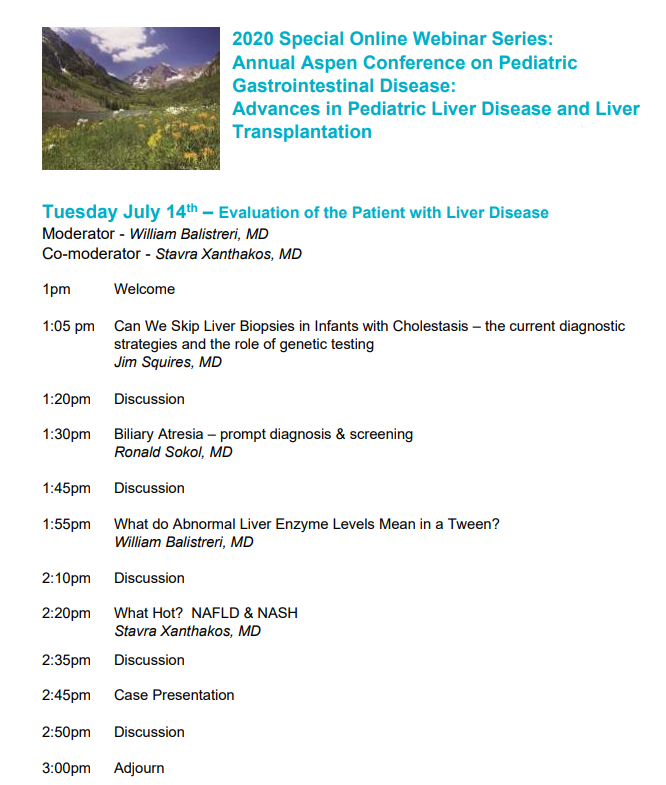
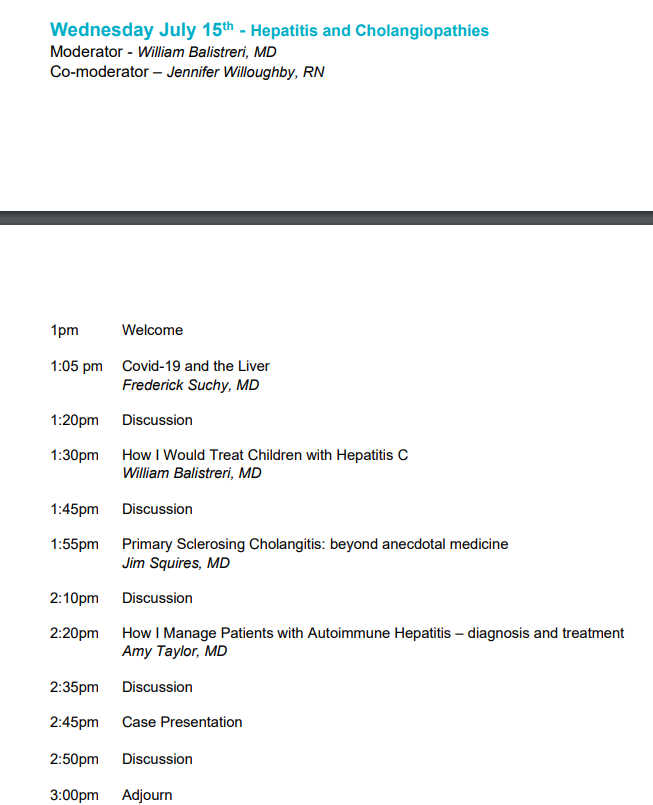
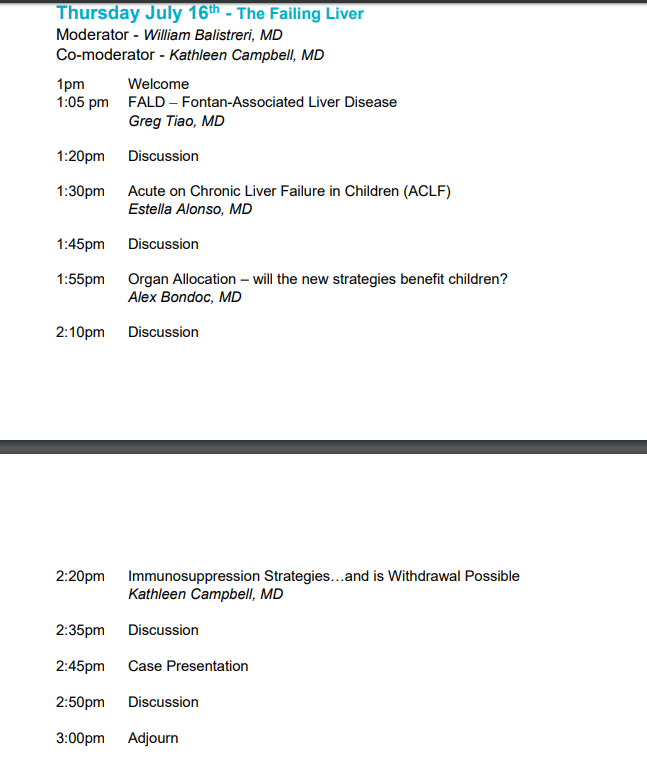
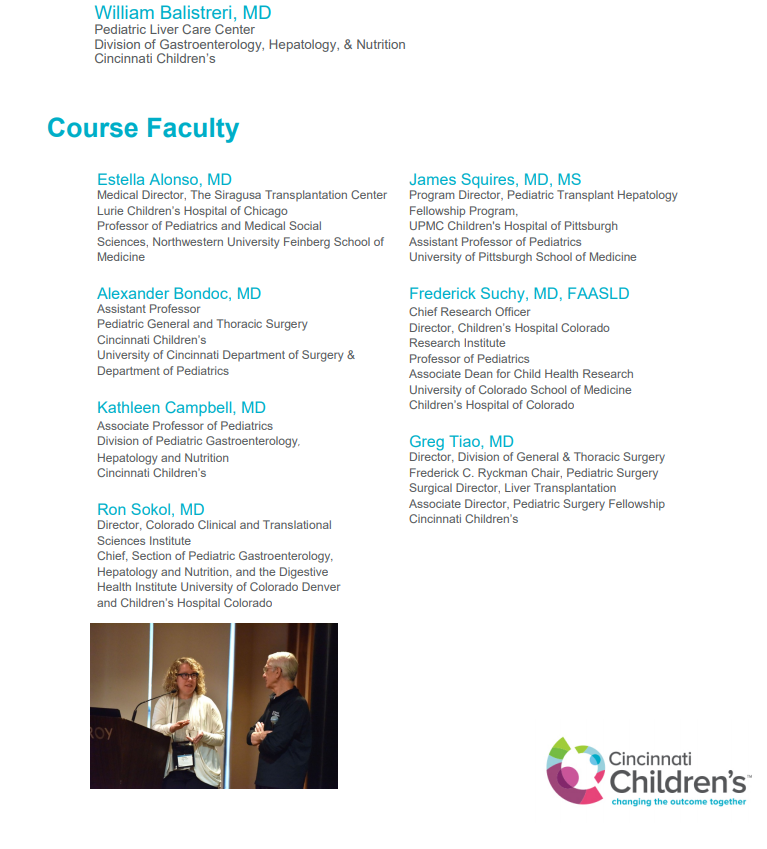
Don’t Miss: Annual Aspen Conference on Pediatric Gastrointestinal Disease: Advances in Pediatric Liver Disease and Liver Transplantation (Online)

This year I had planned to go back to what many consider the best learning conference in our field, the Annual Aspen Conference.  This conference alternates yearly between GI topics and liver topics.  What has made this conference so great:

  • Intimate setting
  • Terrific faculty
  • Chance to enjoy the surroundings with friends and families after the lectures

Due to the pandemic, this year’s course will be curtailed and online.  While this changes the setting, it is still a great opportunity and a heck of a lot easier to attend. It will take place 1:00-2:30 pm Tues, Weds, and Thurs next week (July 14-16).  You can register for a day or for all 3 days. Course description and faculty are listed below.

Also, there is a pre-conference SCAVENGER HUNT.  (This appears to be mainly to help with promotion of the conference sponsors.) By participating, attendees will be eligible for  raffle prizes awarded during the webinar:
•  Snowmass Camelback
•  Snowmass Winter Gloves
•  Snowmass Hat
•  Snowmass Socks
The GRAND PRIZE is FREE 2021 CONFERENCE REGISTRATION!

Medical Progress: Toward Hepatitis C Elimination

JE Squires, WF Balistreri. J Pediatr 2020; 221: 12-22. Full text: Treatment of Hepatitis C: A New Paradigm toward Viral Eradication

This is a terrific article describing the improvements in treatment and challenges ahead for hepatitis C infection.

The authors note that widespread treatment has led to recommendations that primary health providers manage treatment in most adults.  Given the safety and effectiveness of these newer agents, the authors propose a similar algorithm for children (Figure 3).

The authors note the following:

“Just as has occurred in adults, the rate of discovery related to pediatric HCV therapy is outpacing traditional publication methods and many recommendations are no sooner published than they are “outdated” as newer data re-shapes the therapeutic landscape. To combat this challenge, the AASLD and IDSA have partnered to create an updated web experience resource to facilitate rapid access to treatment information (https://www.hcvguidelines.org/). A section of this document is dedicated to children, however, as of this writing, a similar comprehensive ‘living’ document is not available for pediatric populations, thus, care teams should be cognizant of the most current published data and increase their awareness of upcoming studies and DAA’s ‘in the pipeline’ that may soon be available.”

My take (borrowed from authors):

  • “Every child deserves equitable access to a cure for HCV.”
  • “Progress toward elimination of HCV infection in the US is at hand; however, both community/primary care practices and federal commitment will be required.”
  • “The role of the primary care practitioner will be enhanced [and needs to be incentivized]. It is likely that the new paradigm will be to screen and to initiate DAA treatment in patients with HCV infection.”
  • “Consultation with a hepatologist/infectious disease specialist would, thus, be reserved for selected patients (nonresponsive or those with advanced fibrosis).”

Related blog posts:

Great Issue: We Need More Negative Studies (Published)

A recent ACG “Negative Issue” had some terrific articles –thanks to Ben Gold for sharing his issue.

Here are a few of the studies:

  1. Buspirone had similar efficacy as placebo in a randomized clinical trial for childhood functional abdominal pain, (n=117)  Full text: Comparison of the Efficacy of Buspirone and Placebo in Childhood Functional Abdominal Pain Key finding: Treatment response rates for buspirone and placebo were 58.3% and 59.6% at week 4 (P = 0.902) and 68.1% and 71.1% at week 12 (P = 0.753), respectively.
  2. IBS does not increase mortality in a nationwide cohort study (>300,000 in study)  Full text: Mortality Risk in Irritable Bowel Syndrome Key finding: After adjustment for confounders, IBS was not linked to mortality (HR = 0.96; 95% CI = 0.92–1.00) …and patients with IBS not undergoing a colorectal biopsy were at no increased risk of death (HR = 1.02; 95% CI = 0.99–1.06).
  3. Mongerson was not effective for active Crohn’s disease in a large phase 3 study, n=701 Full text: Mongersen (GED-0301) for Active Crohn’s Disease Key finding: The primary endpoint, clinical remission achievement (CD Activity Index score <150) at week 12, was attained in 22.8% of patients on GED-0301 vs 25% on placebo (P = 0.6210). At study termination, proportions of patients achieving clinical remission at week 52 were similar among individual GED-0301 groups and placebo.
  4. Treatment of H pylori did not increase the risk of C difficile infection (retrospective study)  Full text: Treatment of Helicobacter pylori & Clostridium difficile  Key finding: Of these 38,535 patients with H pylori based on endoscopic pathology, urea breath testing, or stool antigen, 284 (0.74%) had subsequent CDI. Those who developed CDI were less likely to have received treatment for HP within the VHA (66.2% vs 74.8%, P < 0.001)
  5. Percutaneous liver biospy was not safer when done by experienced clinician compared to a fellow, n=212 biopsies  Full text: Major Complications of Pediatric Percutaneous Liver Biopsy Do Not Differ Among Physicians With Different Degrees of Training  Key finding: No significant differences were found between groups (fellows vs staff) regarding number of punctures (median of 1.7 for both), nonrepresentative biopsies (4.2% vs 2.6%), and hemoglobin drop (median of 0.7 vs 0.5 g/L).  Interestingly, in the discussion, the authors assert: “previous studies do not support the conclusion that ultrasound-guided biopsies are superior in terms of safety or adequacy when compared with the use of ultrasound to mark the puncture” (this is based on a study referenced from 2007:  J Gastroenterol Hepatol 2007;22(9):1490–3.)  However, given that severe complications from liver biopsy are infrequent, this current study may be underpowered to detect a small difference between experienced clinicians and fellows.

Related blog posts:


It’s come to this:  Link: YouTube: Dirty Dancing Remake -Safest with a Lamp (this link is for Bernsie). 4 minute video.

High Survival Rates for Biliary Atresia Patients Needing Liver Transplantation

A recent retrospective study (SA Taylor et al. J Pediatr 2020; 219; 89-97) examined patients enrolled in the Society of Pediatric Liver Transplantation (SPLIT) registry, including 547 before 2002 and 1477 after 2002.

Key findings:

  • Before 2002, patient and graft survival were 81% and 90%.
  • After 2002, patient and graft survival were 90% and 97%. This improvement is perhaps more impressive as there was evidence of increased disease severity at time of transplantation in the later cohort.
  • The reasons for these improved outcomes include reduced relisting for transplant, less rejection, less culture-proven infection, fewer reoperations, and less vascular complications (eg. hepatic artery thrombosis and portal vein thrombosis).
  • Donor age (0-5 months) was a risk factor for graft loss; compared to 1-17 years, the hazard ratio was 5.525.  However, in the later group, recipient age of ≤11 months was no longer a risk factor for patient death.
  • Bacterial infection or sepsis remain the leading cause of death after transplantation.

Due to improvement in survival, the authors note that some have advocated for primary liver transplantation instead of Kasai portoenterostomy.  “A report of 626 patients with biliary atresia, of whom 50% underwent primary liver transplantation without Kasai portoenterostomy, demonstrated improved survival.” (JAMA Surg 2019; 154: 26-32)

My take: This information about survival is certainly encouraging –though many challenges remain, especially to improve comorbidities.

Related blog posts:

Island Ford Nat’l Recreational Area, Sandy Springs

Alpha-1-Antitrypsin Deficiency

A recent terrific review on Alpha-1-Antitrypsin (A1AT) Deficiency: P Strnad et al. NEJM 2020; 382: 1443-55

Background:

  • 95% of A1AT deficiency is due to homozygosity for the Z allele; prevalence of 1 in 2000 in those of European descent.
  • A1AT protects the lung tissue against attack by the enzyme neutrophil elastase.
  • The presence of A1AT genetic variants suggests that these mutations may confer a selective advantage, perhaps by amplifying the inflammatory response to invasive respiratory/gastrointestinal infections.

Pathophysiology/Clinical Features:

  • Table 1 lists the key alleles/mutations associated with A1AT deficiency -17 deficiency/null listed including: F, I, Iners, King’s, M-malton, M-procida, Pittsburgh, Queen’s, S, S-iyama, Z, QO-bellingham, QO-granitefalls, QO-hongkong
  • S allele deficiency often results in disease (emphysema, cirrhosis) in the setting of SZ heterozygotes.  The disease is typically less severe than in ZZ disease.  This allele is the most common deficiency variant (1 in 5 in Southern Europe, 1 in 30 in U.S.)
  • Z allele deficiency is the most common severe deficiency variant.  Carrier frequency: 1 in 27 persons in Northern Europe, 1 in 83 in the U.S. It is NOT seen in China, Japan, Korea, Malaysia, or Northern and Western Africa.

PI ZZ Genotype:

  • 73% of infants with PI ZZ genotype had elevated ALT level in the 1st 12 months of life
  • Cholestatic jaundice noted in 10% of infant; 15% of these infants progress to juvenile cirrhosis
  • Only 15% with abnormal ALT values by 12 years of age
  • 35% of adults with ZZ genotype show clinically-significant liver fibrosis. Risk factors for advanced fibrosis: male gender, metabolic syndrome/obesity, and alcohol consumption.

Lung Disease Due to A1AT Deficiency:

  • The clinical features of lung disease due to A1AT deficiency are “mainly indistinguishable from those of nonhereditary emphysema…this is partly why severe A1AT deficiency remains undiagnosed in approximately 90% of case, with an interval of 5 to 7 years from the onset of symptoms to diagnosis.”  When the diagnosis is late, lung disease has become irreversible.
  • Early diagnosis allows lifestyle changes (eg. smoking cessation), reduction in occupational risks, and access to therapies.

MZ Phenotype:

PI MZ genotype is more susceptible to multiple disorders, including a predisposition to COPD (at least among smokers) with odds ratio of 1.4.  Other conditions with increased risk: NAFLD-related cirrhosis (OR 3-7), Alcoholic cirrhosis, and CF-associated liver disease

Treatment:

  • Smoking cessation
  • Plasma-purified A1AT infusions.  “Randomized, controlled trials have focused on decreased loss of lung density as the primary efficacy outcome;” however, augmentation therapy has not been to shown to effect other measures, “such as FEV1, quality of life, or exacerbation of COPD.”

Related blog posts:

Also, this study was previously alluded to by this blog, but now is in print:

Briefly noted: X Lu et al. SARS-CoV-2 Infection in Children (NEJM 2020; 382: 1663-5). In 171 Chinese children with confirmed SARS-CoV-2 infection, 41.5% had fever during illness; 27 (15.8%) had no symptoms of infection or radiographic findings. Three required ICU/ventilator support; all had coexisting conditions.  One 10 month old child with intussusception died.

Stratifying Cystic Fibrosis Liver Disease with Ultrasonography

A recent multicenter case-controlled study (MJ Siegel, J Freeman, W Ye et al. J Pediatr 2020; 219: 62-9) show that ultrasonography can identify children with cystic fibrosis (CF) at increased risk for developing advanced CF liver disease; it is well-recognized that currently advanced CF liver disease occurs predominantly in children.

Among 722 participants who underwent ultrasonography as part of a planned 9 year research study, 65 had heterogeneous liver pattern and 592 had a normal liver pattern at baseline.

Key findings at planned 4-year interim analysis in a subgroup of 55 with (baseline) heterogeneous liver pattern and 116 with (baseline) normal liver pattern:

  • Those with heterogeneous liver pattern had higher median biochemical markers of liver disease: ALT 42 vs 32, GGT 36 vs 15, AST to platelet ratio index: 0.7 vs 0.4
  • Those with heterogeneous liver pattern were at ~9-fold increased risk of developing a nodular liver pattern (23% vs. 2.6%).
  • The authors did not identify specific clinical risk factors that predict the development of nodular liver ultrasound pattern

My take: Even among those with a heterogeneous pattern, the majority will not develop a ultrasonography (nodular) pattern of advanced liver disease.  Much more insight in this area is needed with the advancement in medical treatments and with the more availability of elastography.

Related blog posts:

Island Ford Nat’l Recreation Area/Chattahoochee River