AASLD: Advice for Patients with Liver Diseases and Liver Transplants During COVID-19

AASLD: OK Fix et al. Hepatology 2020; 72: 287-304. Full Article Link: Clinical Best Practice Advice for Hepatology and Liver Transplant Providers During the COVID‐19 Pandemic: AASLD Expert Panel Consensus Statement

This is a lengthy article with extensive recommendations –here are a few:

  • Consider etiologies unrelated to COVID‐19, including other viruses such as hepatitis A, B and C, when assessing patients with COVID‐19 and elevated liver biochemistries.
  • Consider other causes of elevated liver biochemistries, including myositis (particularly when AST>ALT), cardiac injury, ischemia, and cytokine release syndrome.
  • Generally, this article supports continuation of ongoing treatments in those with liver disease who are without active infection.  “Do not reduce immunosuppression or stop mycophenolate for asymptomatic posttransplant patients without known COVID‐19”
  •  “As we learn more about how the COVID‐19 pandemic impacts the care of patients with liver disease, we will update the online document available at https://www.aasld.org/about-aasld/covid-19-and-liver.”

NOT Screening At-Risk Infants for Hepatitis C

A recent study (S Lopata et al. Pediatrics 2020; 145: e20192482. Link to Abstract/Video: Hepatitis C Testing Among Perinatally Exposed Infants) was well-summarized in a recent practical gastroenterology issue: Full link: Hepatitis C Screening of Infants

An excerpt:

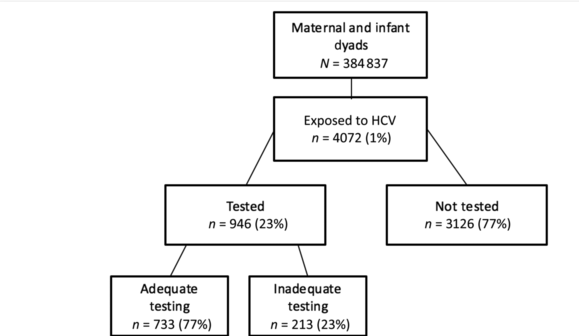
  • During the study period, 384,837 mother-infant dyads were enrolled in the Tennessee Medicaid program, and 4072 of these mothers had HCV during pregnancy…
  • The prevalence of infants with exposure to HCV increased significantly throughout the study with 5.1 infants exposed to HCV per 1000 live births in 2005 and 22.7 infants exposed to HCV per 1000 live births in 2015 with 92.9% of the mothers of these children being white.
  • Only 946 infants (23%) exposed to HCV had HCV testing in the first 2 years of life, and 354 of these infants (41%) had testing per recommended national guidelines…
  • Infants who were exposed to HCV and who were African American or who lived in rural areas next to metropolitan areas were significantly less likely to have HCV testing.

My take: As with adults, this study shows that selective HCV testing is a messy proposition.  This study shows that more than 75% of at risk infants are not being tested for HCV.  Now that curative treatment is available, more needs to be done to address this public health failure.

Online Aspen Webinar (Part 9) -Liver Disease After Fontan, Acute on Chronic Liver Disease and Immunosuppression Withdrawal Strategies

Below I’ve included a few more slides form recent Aspen Webinars

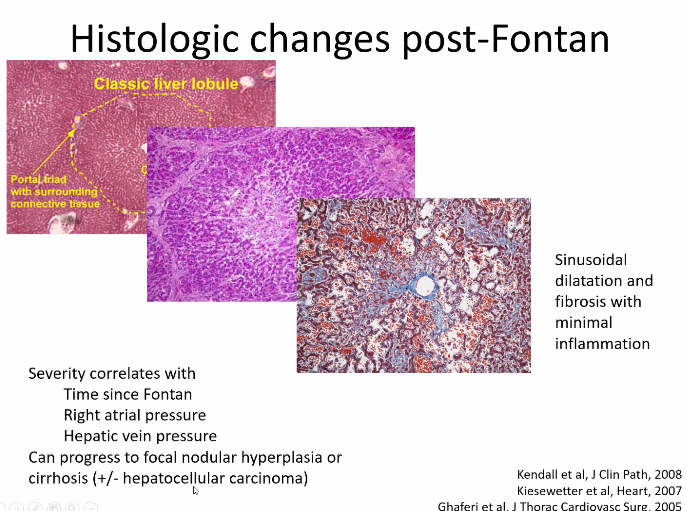
Fontan Associated Liver Disease  Greg Tiao

Related blog posts:

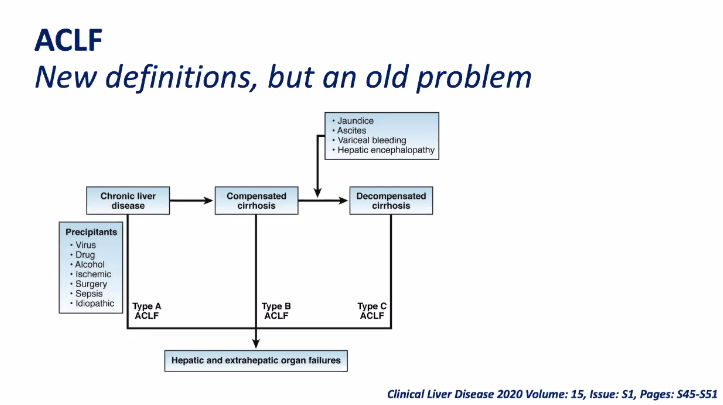
Acute on Chronic Liver Failure  Estella Alonso

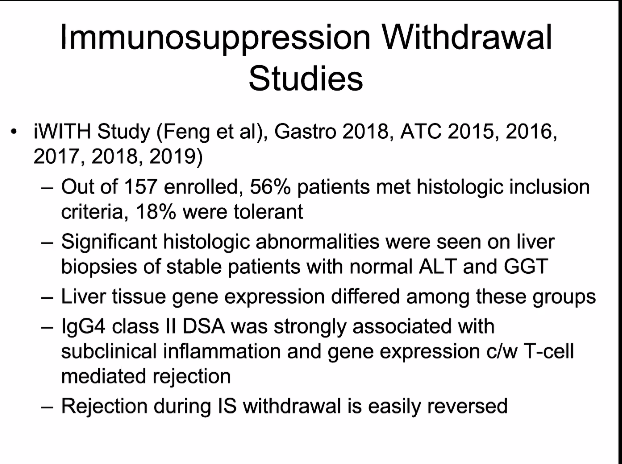
Immunosuppression strategies ..and is withdrawal possible  Kathleen Campbell

Online Aspen Webinar -COVID-19, Autoimmune Hepatitis (Part 8)

For those who want to view the actual lectures, you can sign up and view the recordings:  Aspen Webinar Lecture Series


Below I’ve included a few slides and some notes; my notes may have errors of omission or transcription.

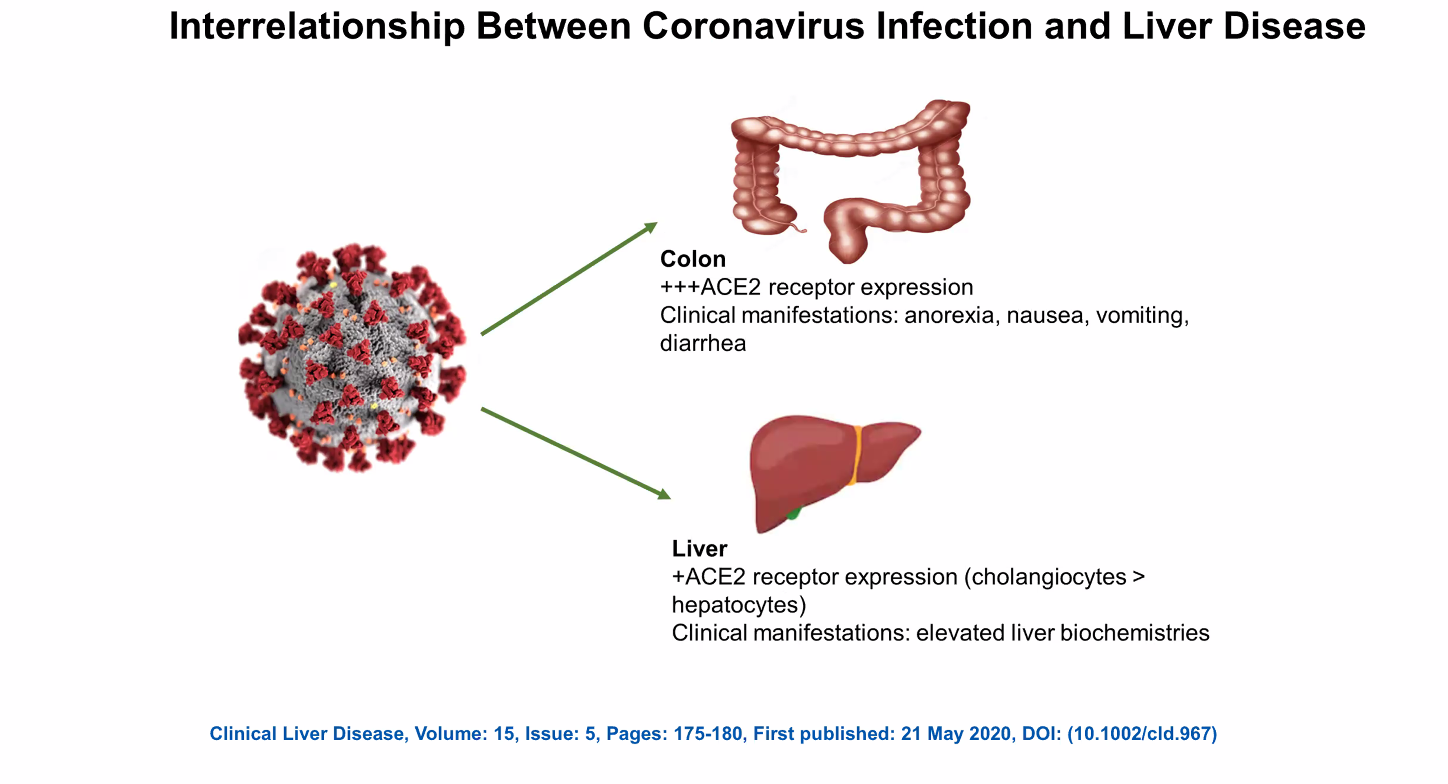
COVID-19 and the Liver — Fred Suchy

Key Points:

  • The extent and severity of liver disease related to COVID-19  is still being determined.  Many individuals have mild liver test abnormalities (5-60%)
  • Avoid imaging unless it will change your management (eg. thrombus)
  • In those with worsening/significant liver abnormalities, look for other etiologies of elevated liver tests (eg. other viral hepatitis, drugs, myositis, coinfection, clots, multi-system inflammatory disorder)
  • Currently, no change in immunosuppression is recommended in the post-transplant population WITHOUT COVID-19. In those with severe COVID-19 infection, reduction in immunosuppression is recommended


How I Manage Patients with Autoimmune Hepatitis -Diagnosis and Treatment   Amy Taylor.

Key points:


Landmark Study on Universal Screening for Biliary Atresia -It Works!

S Harpavat et al. JAMA 2020; 323: 1141-50. Link:  Diagnostic Yield of Newborn Screening for Biliary Atresia Using Direct or Conjugated Bilirubin Measurements

This article provides details on how to improve the outcomes of children with biliary atresia by detecting cases at an earlier age.  The authors provide details on their 2-stage approach at near-universal screening of 124,385 infants in South Texas/Texas Medical Center from 2015-2018 and compare their results to a prior cohort.

Methods: The authors sought to have all infants have a fractionated bilirubin within the first 60 hours of life.  This information can easily be obtained due to preexisting policy of testing total bilirubin in this time-frame.  Those with any abnormal direct bilirubin or conjugated bilirubin had a 2nd stage screening at 2 weeks of life.  At stage 2, any infant with a direct bilirubin >1 mg/dL or higher than 1st stage were considered abnormal.  The stage 2 screening aligned with AAP-recommended 2 week check up. During the screening time-frame (2015-2018), 7 patients were identified with BA (one treated at outside institution), 7 more from nonstudy hospitals who had replicated protocol, and 6 referred due to clinical symptoms.

Key findings:

  • 7 infants with biliary atresia were detected with 100% sensitivity and 100% NPV. The PPV was 5.9% and specificity was 99.9%.  Due to the small number of infants identified, the confidence limits for sensitivity was 56%-100%.
  • During the first stage, 1354 infants (1.1%) had abnormal values. At stage 2, 119 had abnormal values (0.1% of initial cohort and 8.9% of those with 1st stage abnormalities).
  • Range of direct/conjugated bilirubins in those with eventual biliary atresia: Stage 1 —0.4-2.3,and Stage 2 —1.6-3.5
  • In the 2015-2018 time-frame, age at time of Kasai was lowered from 56 days to 36 days, P=.004.
    • The actual time between presentation to specialist to time of Kasai was unchanged ~12 days.
    • In the 2015-18 time-frame, 11 of 19 (58%) had Kasai at less than 30 days (optimal timing) compared to 3 of 24 in historical cohort.
  • Many (n=53) other cholestatic conditions were identified in the stage 2 cohort.  52.7% of abnormal stage 2 tests had no diagnosis determined.
    • Nine had cholestatic diseases: Alagille (n=4), A1AT (n=3), ABCB11 (n=1), Choledochal cyst (n=1).
    • Twelve were heterozygous for a liver disease.
    • Seventeen had conditions associated with neonatal cholestasis: Trisomy 21 (n=5), Trisomy 18 (n=3), portosystemic shunt (n=2), maternal lupus, omphalocele, and panhypopituitarism.
    • Eight had infections including CMV (n=3), and syphilis (n=3). Seven had excessive red blood cell turnover.
  • Many of those with abnormal stage 2 evaluations required minimal workup.  Additional fractionated bilirubin alone were needed for 28 (25%).
  • Premature infants were more likely to have abnormal screening.
  • Transplant-free survival at 1 year was greater in cohort during screening period: 94.7% vs. 70.8% with historical cohort (this did not reach statistical significance)

Discussion:

  • This 2-stage approach is much more promising than stool color cards.  These cards have shown some modest success in countries like Japan and Taiwan which have a national call center and standard 1-month checkups; however, even in these countries, age at time of Kasai were 60 days and 46 days respectively.
  • “The challenge specialists [and pediatricians] face was highlighted by an infant who had a true positive screening result in the study, but underwent the Kasai portoenterostomy at 75 days.”
  • The cost-effectiveness of this approach is unclear.

My take: The best chance for transplant-free survival in biliary atresia involves establishing an early diagnosis.  This study shows one way to accomplish this goal -nothing else has worked despite more than 30 years of trying.

Related blog posts:


Online Aspen Webinar (Part 7) -Liver Organ Allocation

Below I’ve included a few slides and some notes from recent Aspen Webinars; my notes may have errors of omission or transcription.

Key Points:

  • The new allocation policy tries to make liver organ allocation more equitable in terms of disease acuity at time of transplantation and access to allografts
  • The changes, based on some preliminary data, appear to improve the likelihood of children receiving needed organs. Dr. Bondoc specifically cited the work of Dr. John Bucuvalas in pointing out some of the systemic ways that the previous system disadvantaged children.
    • Infants are at the greatest risk on the wait list.  Yet, successful transplantation in children could be beneficial for many decades
    • PELD underestimates mortality risk
    • 25% of pediatric donors have historically gone to adults


Related blog posts:

Online Aspen Webinar (Part 6) -NAFLD and NASH

Aspen Online Webinar July  14-16, 2020

Below I’ve included some of my notes and slides.  There may be errors of omission or transcription.

What’s Hot? NAFLD and NASH Stavra Xanthakos

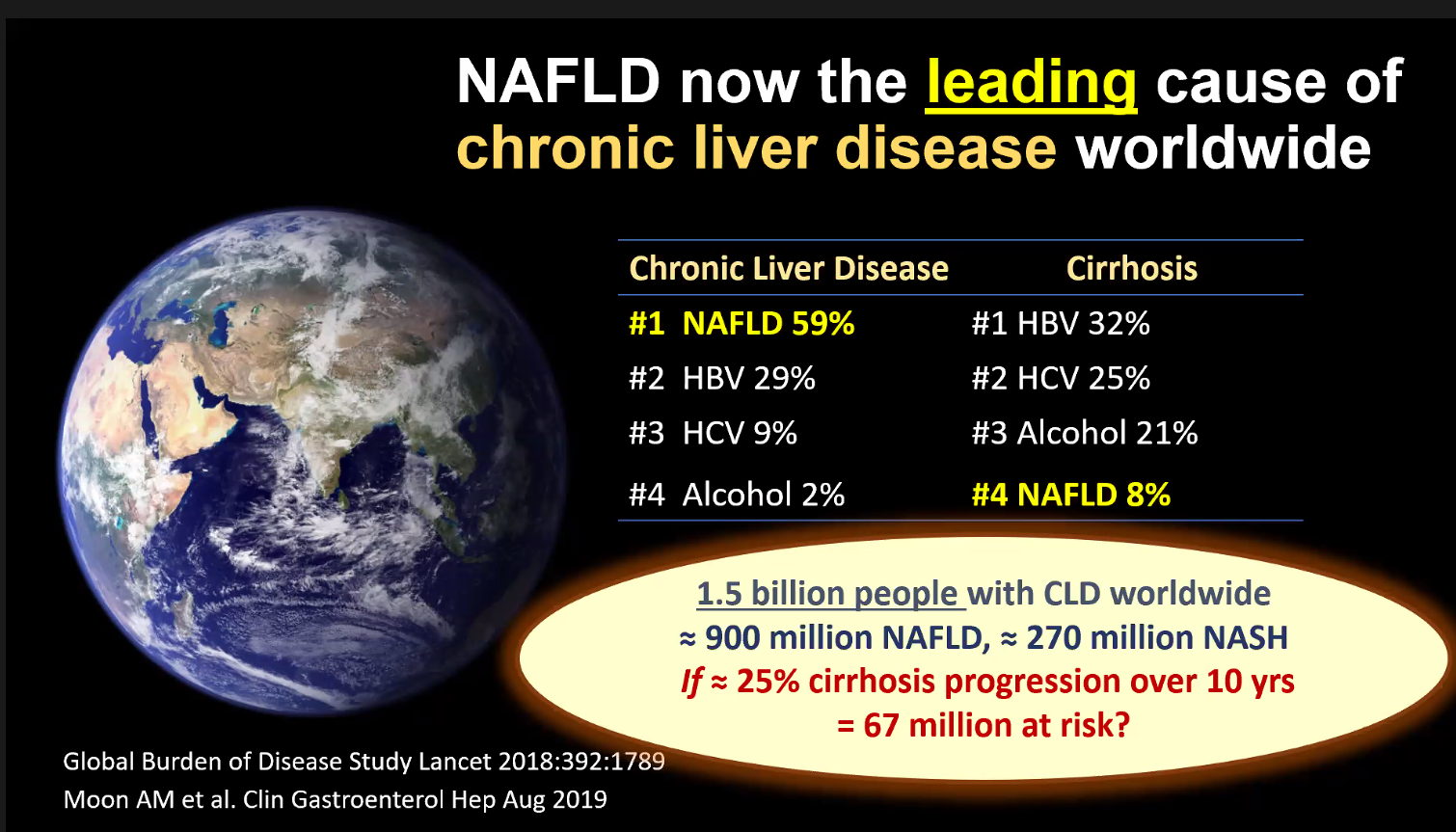
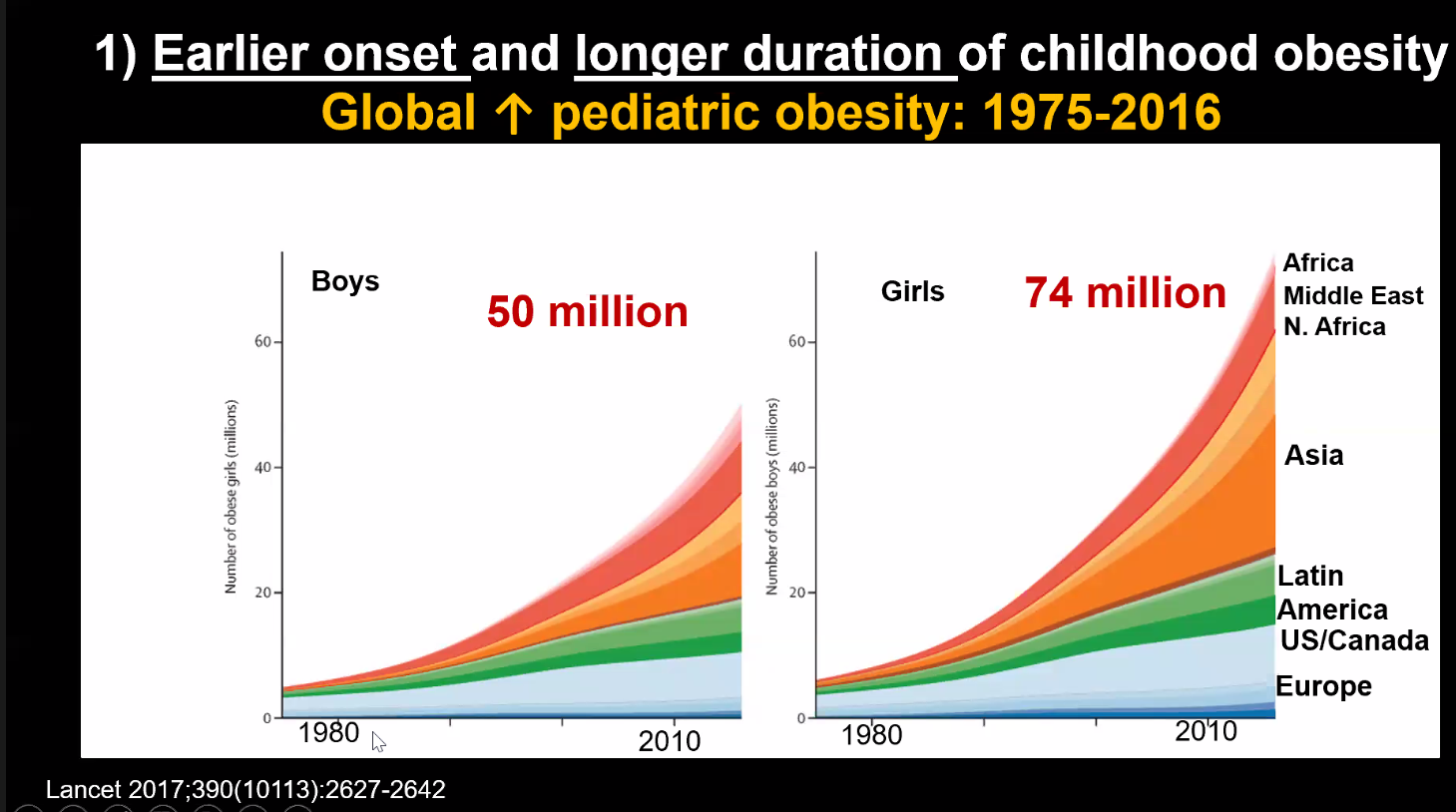
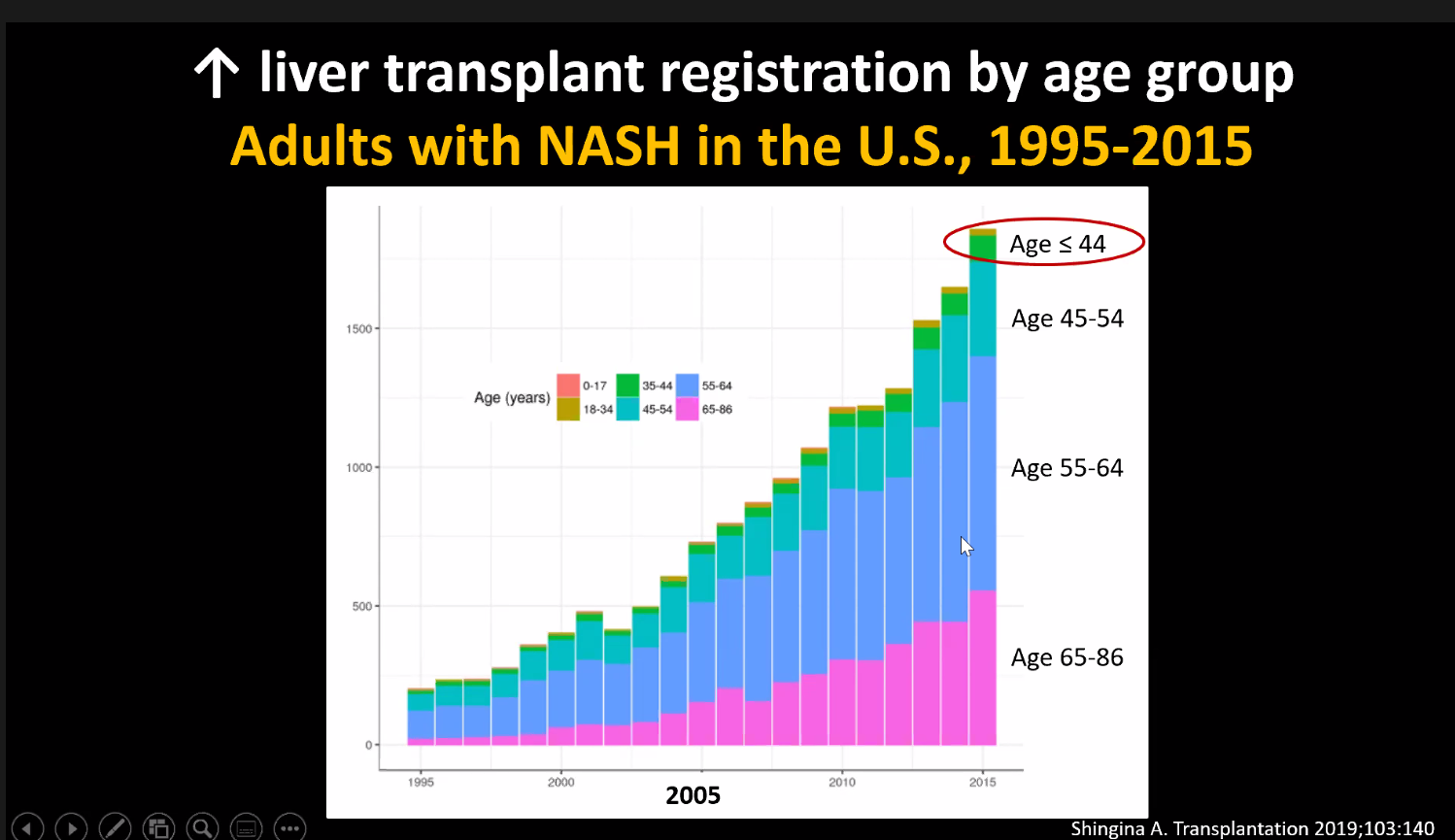
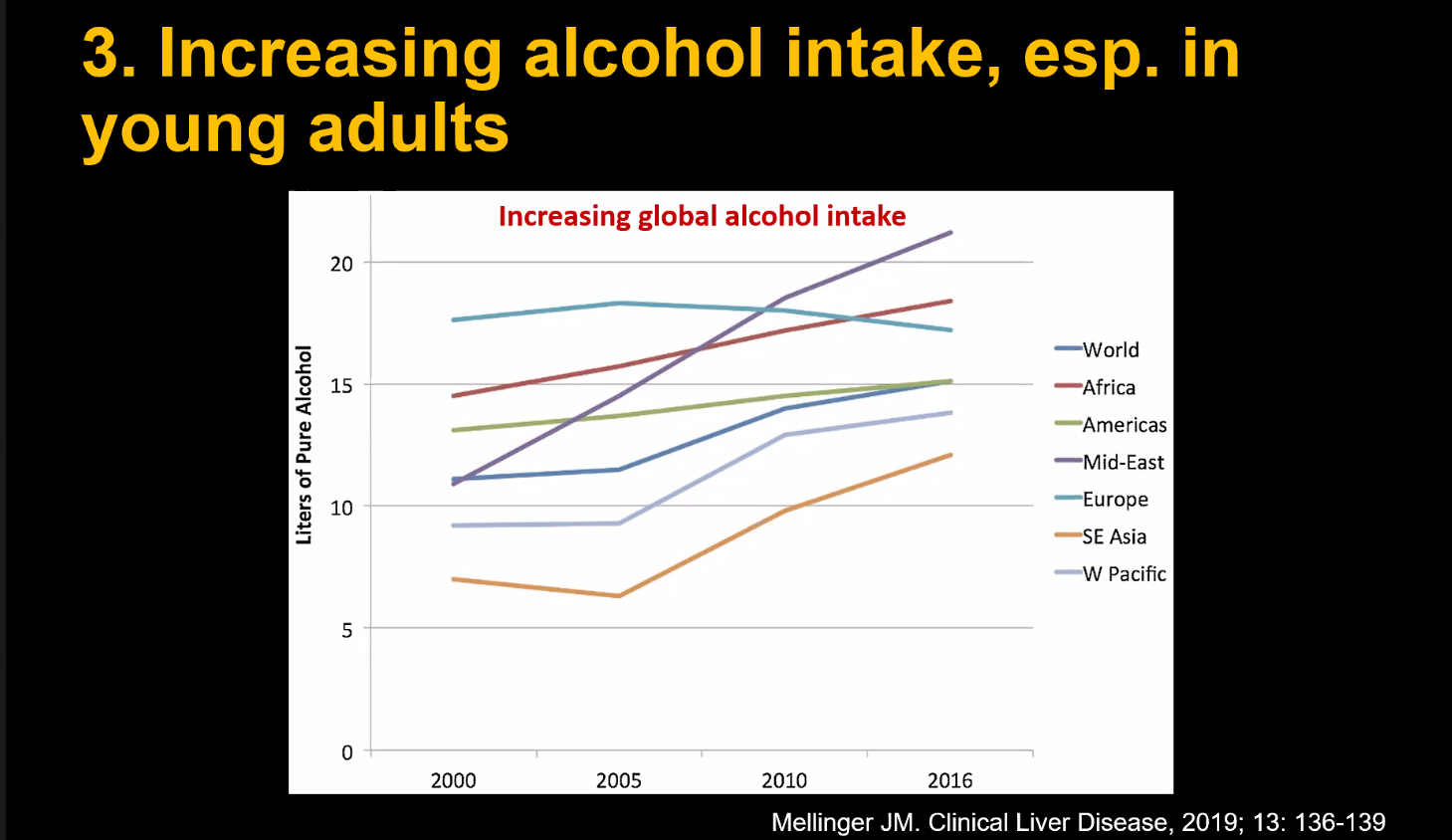
  • Fatty liver disease burden of NAFLD and NASH is increasing.  This increases the rate of cirrhosis, liver cancer and liver transplantation; the latter is being needed at younger ages
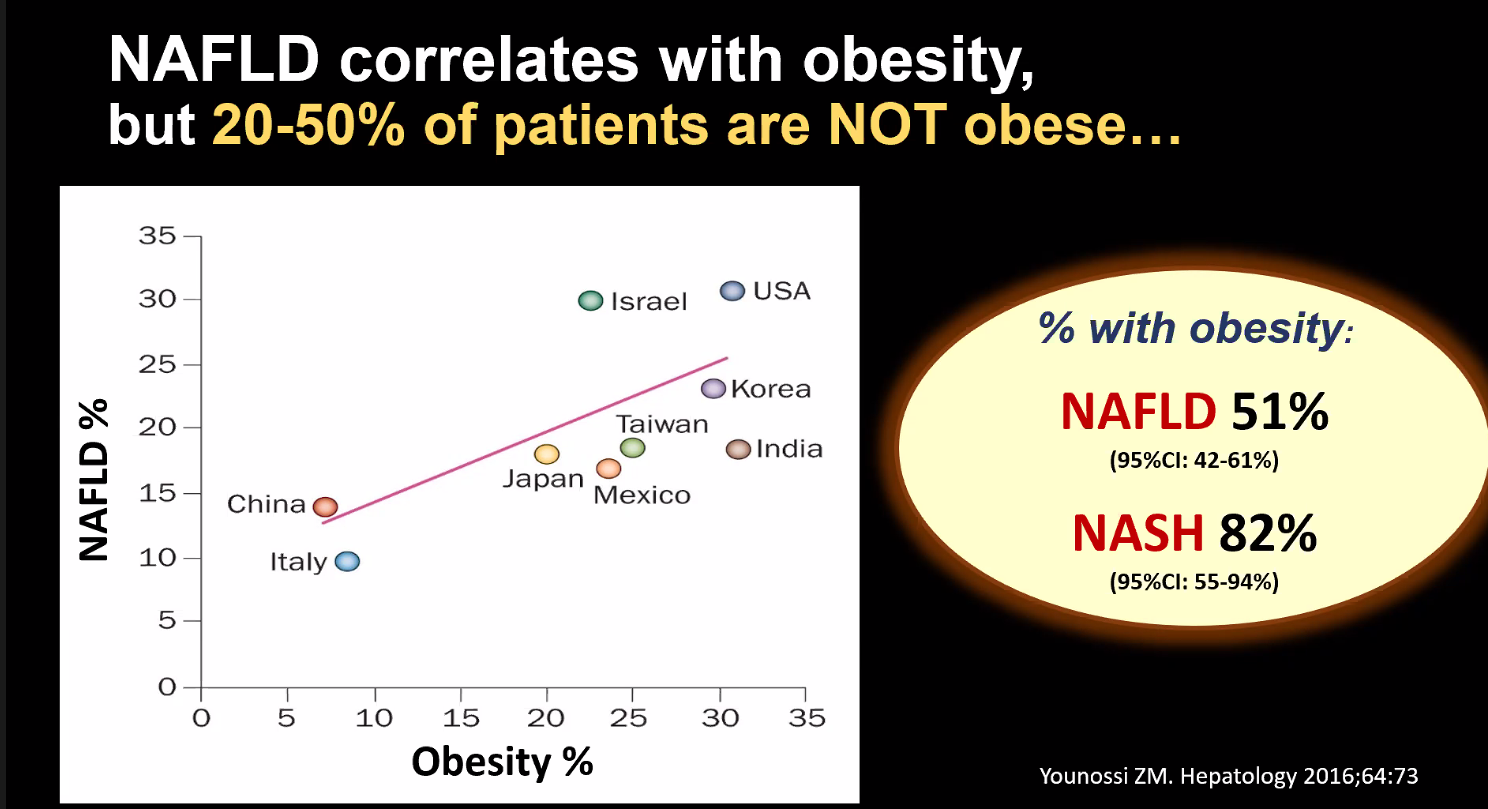
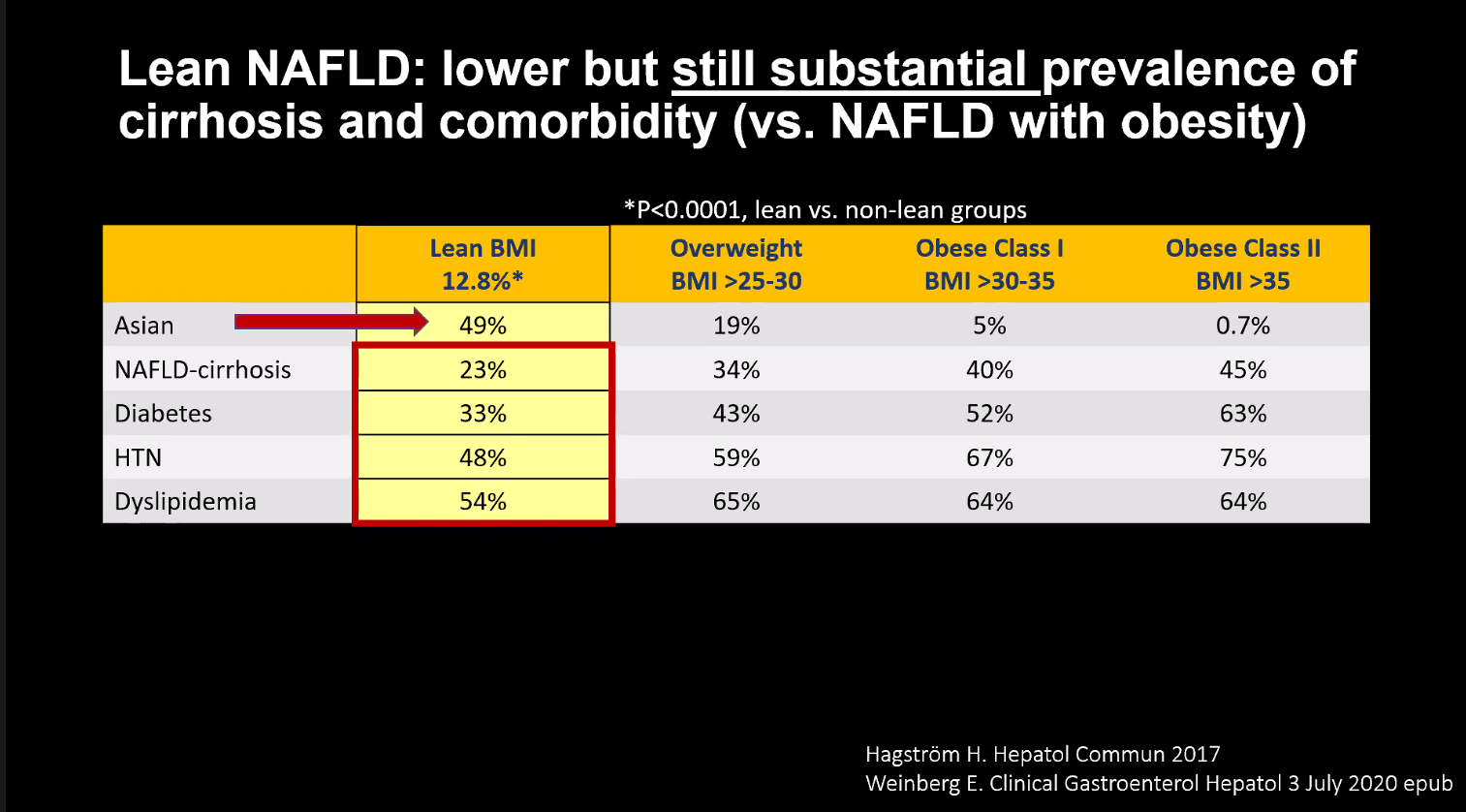
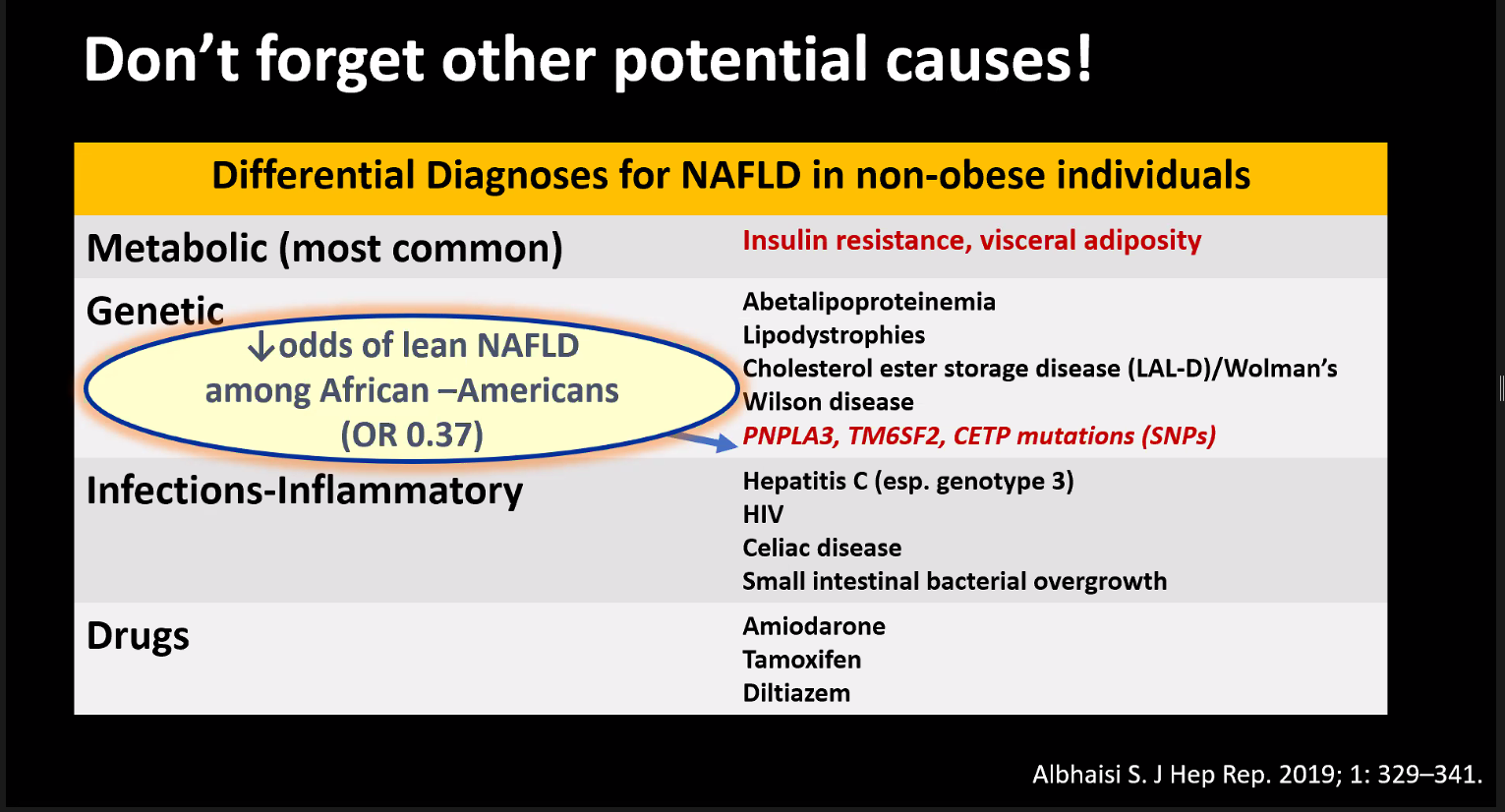
  • Explained that “Lean” (normal BMI) NAFLD is common
  • Diabetes is strongest risk factor for severe fatty liver disease (NASH or fibrosis). PNPLA3 is genetic risk factor for NAFLD risk.
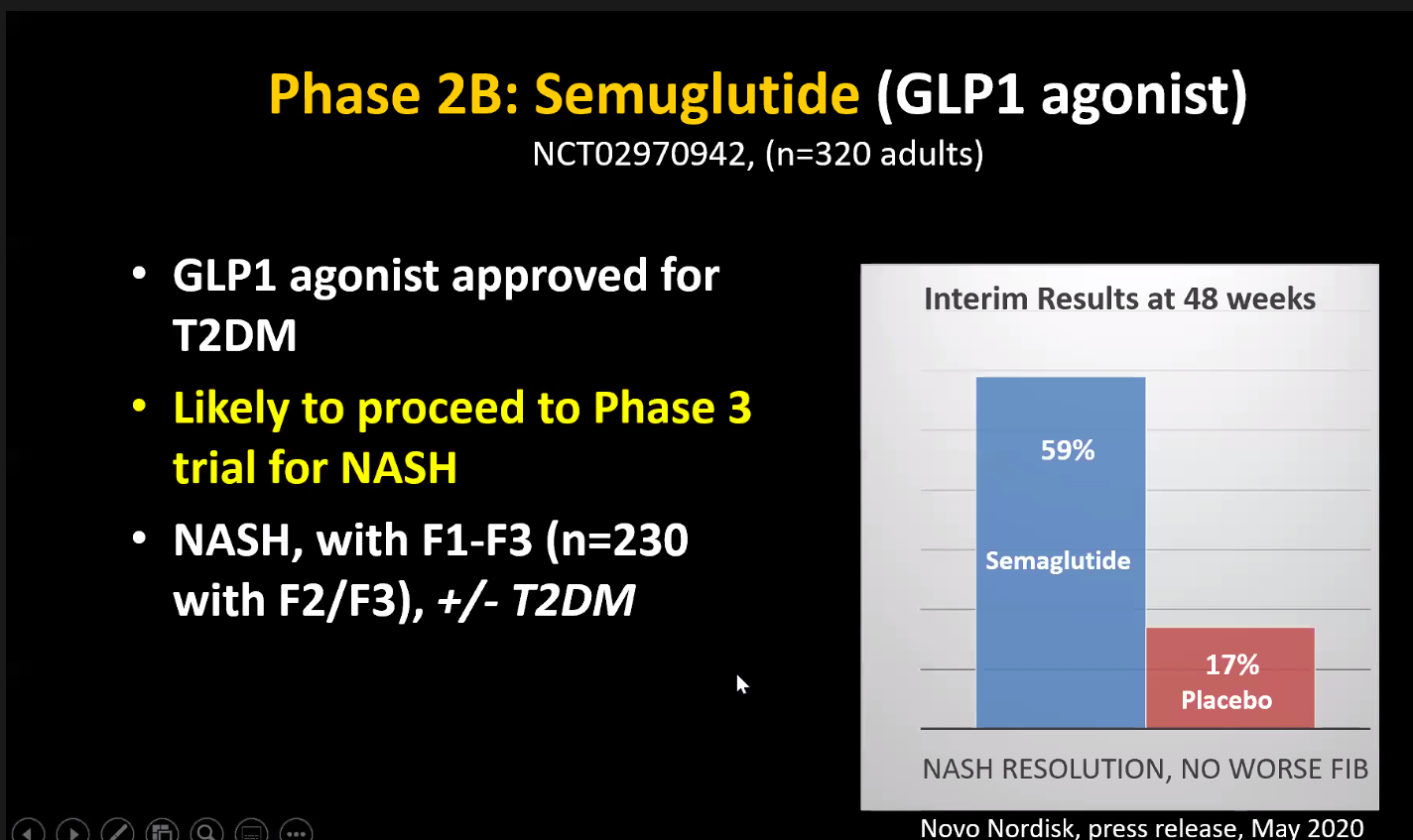
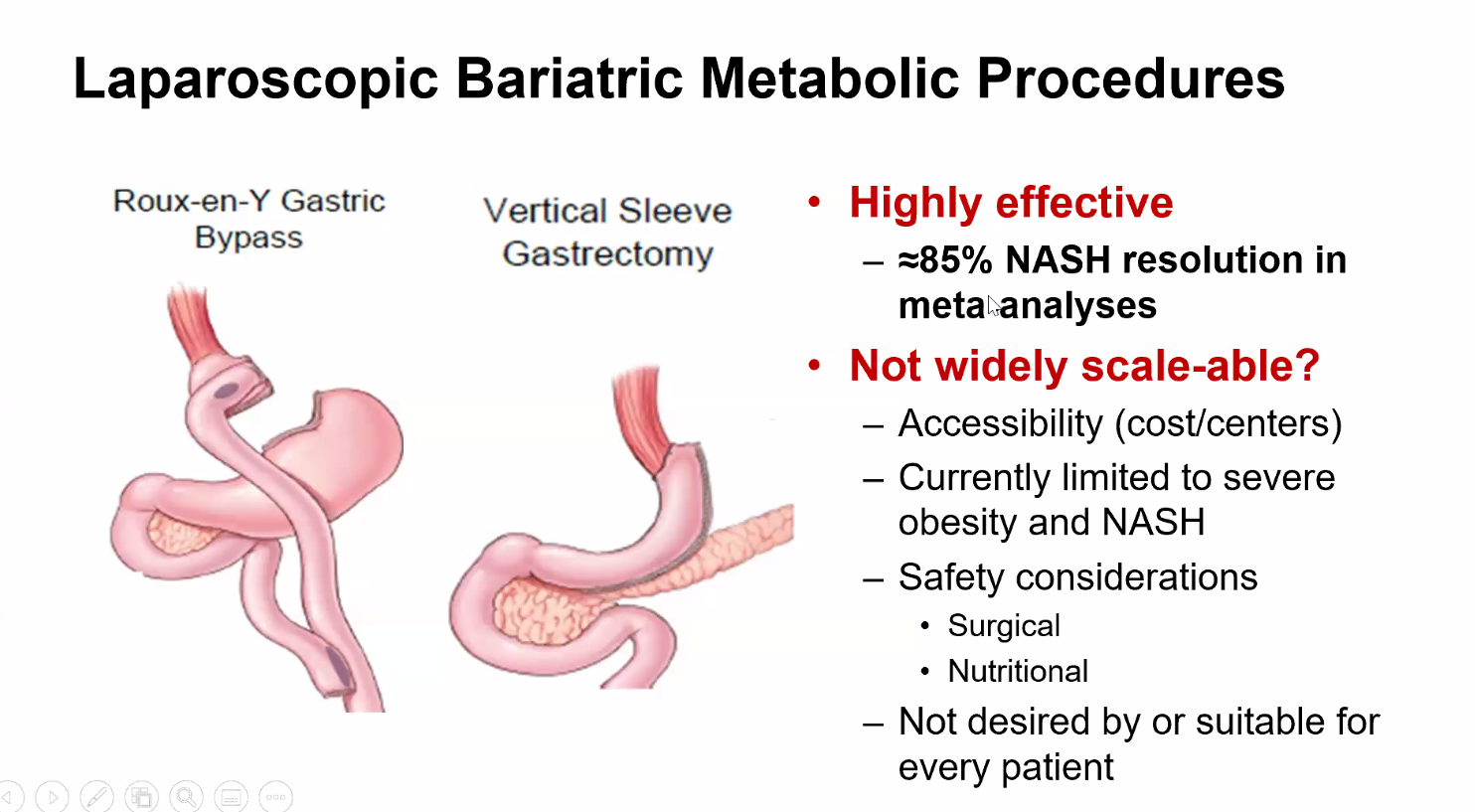
  • Discussed treatment, particularly diet  and bariatric surgery.  Stated that some emerging treatments look promising.
  • In those with suspected NAFLD, Dr. Xanthokos recommends liver biopsy, if lifestyle therapy is ineffective, under specific circumstances: prior to bariatric surgery, in some cases to determine severity, and prior to instituting therapy (eg Vitamin E)


Related blog posts:

Online Aspen Webinar (Part 5) -Biliary Atresia Diagnosis and Screening

Online Webinar –Annual Aspen Conference  —July 14, 2000

Below I’ve included a few slides and some notes; my notes may have errors of omission or transcription.

Biliary Atresia -Prompt Diagnosis and Screening Ronald Sokol

Key Points:

  • We have NOT improved age of diagnosis in biliary atresia in the past 30 years
  • Uniform screening of fractionated bilirubin has been effective in Texas:  Diagnostic Yield of Newborn Screening for Biliary Atresia Using Direct or Conjugated Bilirubin Measurements S Harpavat et al. JAMA 2020; 323: 1141-50
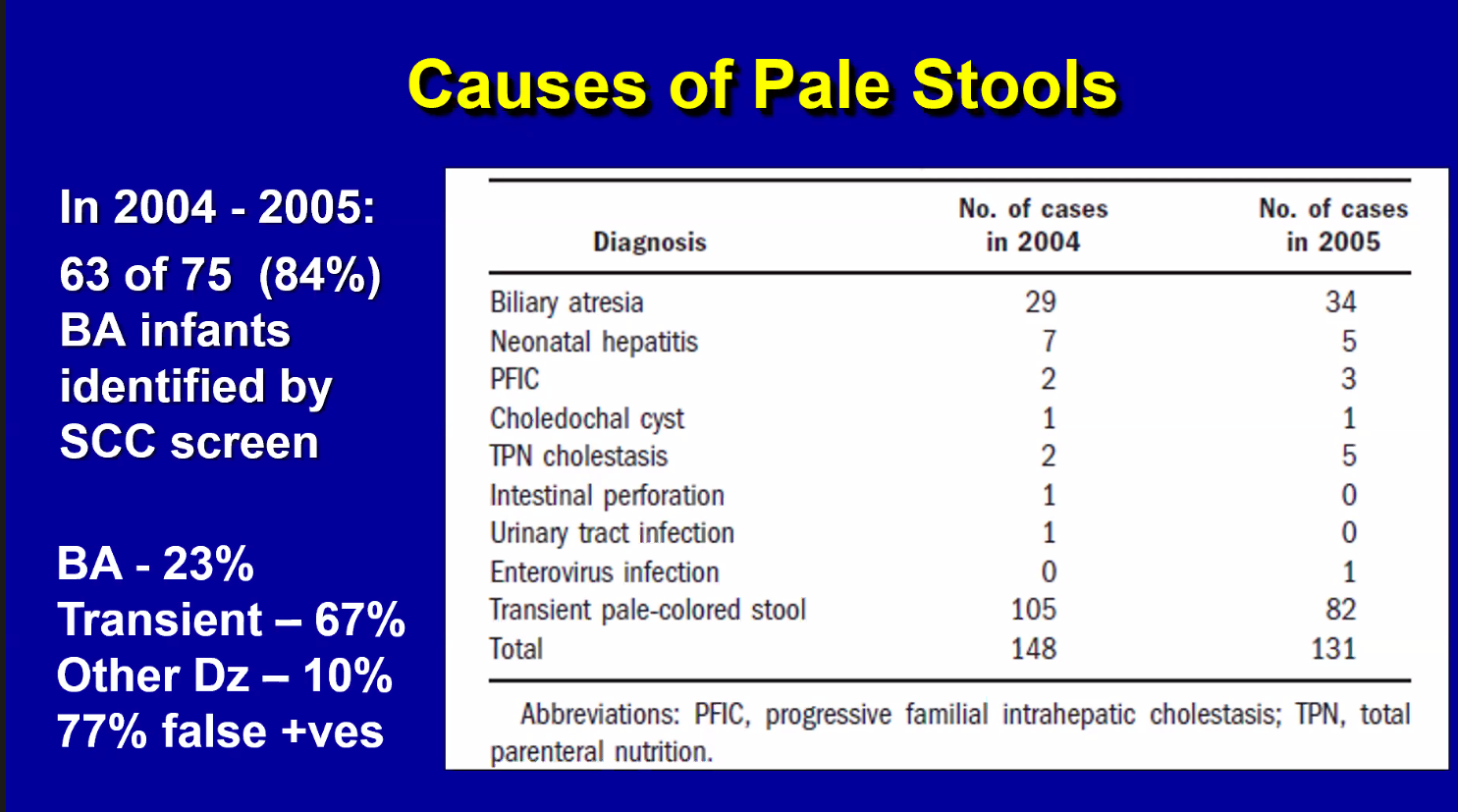
  • Pale stools are usually NOT due to biliary atresia but should prompt investigation (eg. fractionated bilirubin)
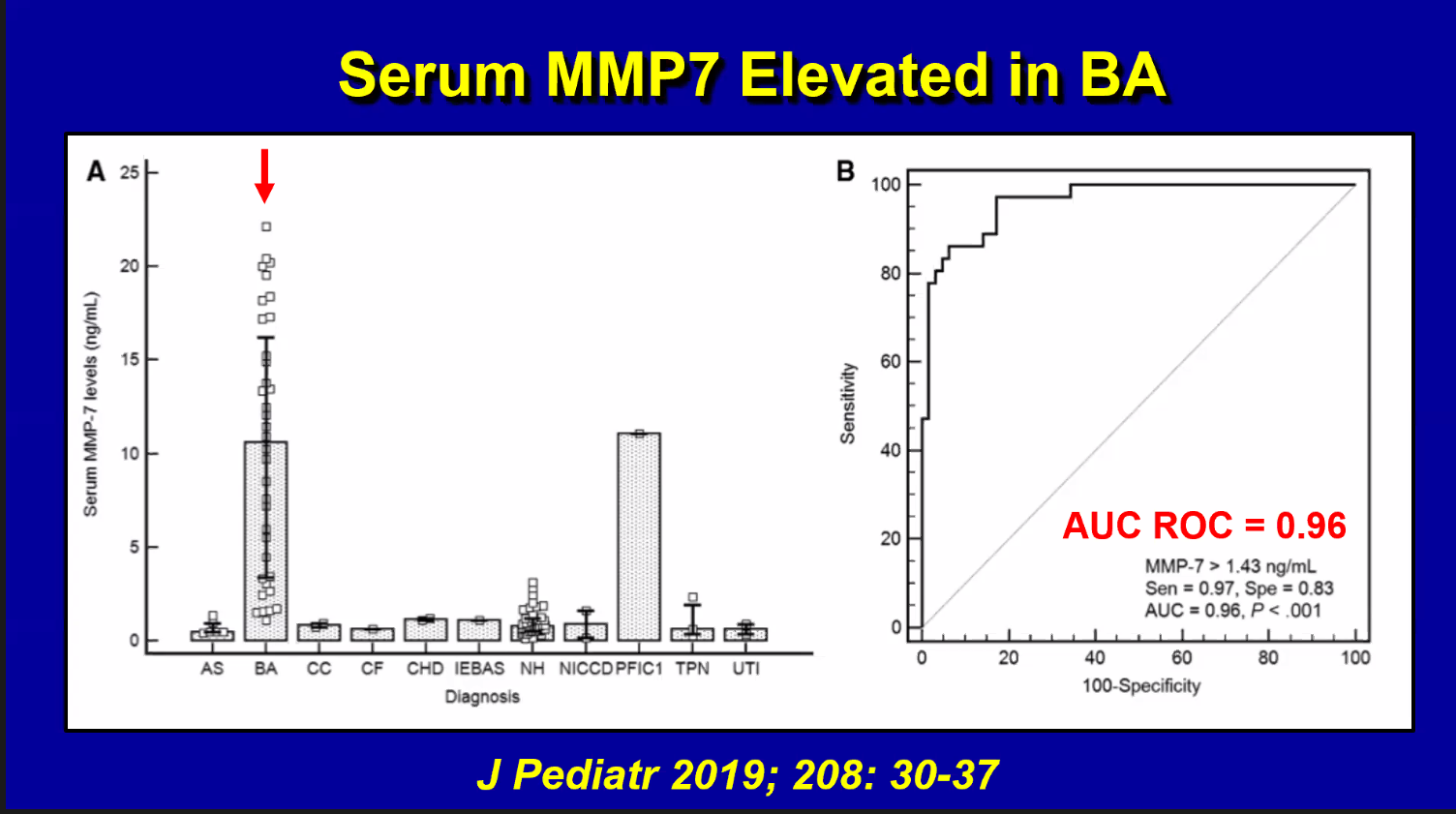
  • MMP-7 may improve diagnostic approach; unclear if MMP-7 performs well in all populations (eg. prematurity)
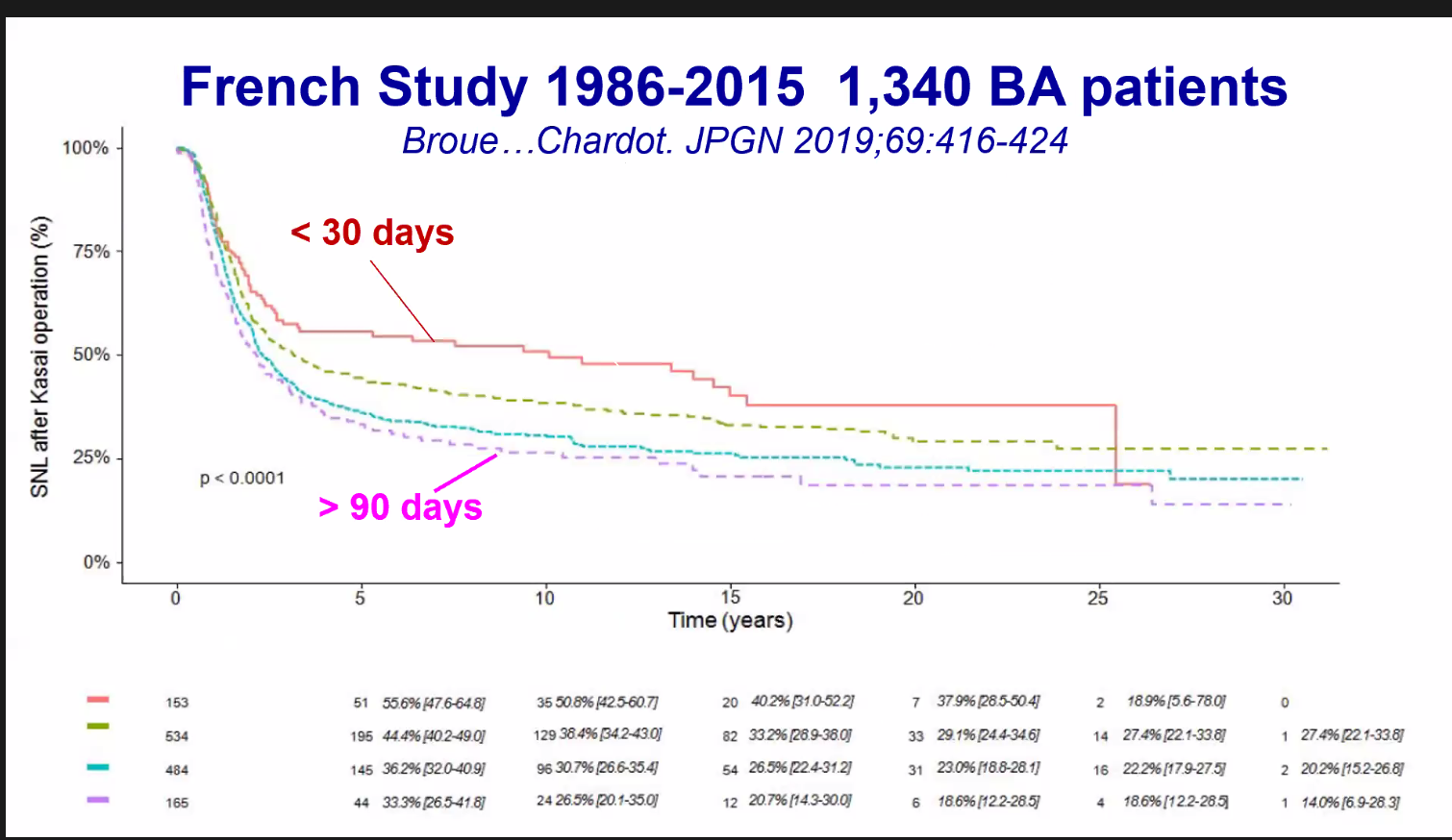
  • Outcome key factors: age at diagnosis (goal less than 30-45 days) and surgeon/center


Related blog posts:

Online Aspen Webinar (Part 4) -How to Treat Hepatitis C in Children

Below I’ve included a few slides and some notes; my notes may have errors of omission or transcription.

How I Treat Children with Hepatitis C  William Balistreri

Key points:

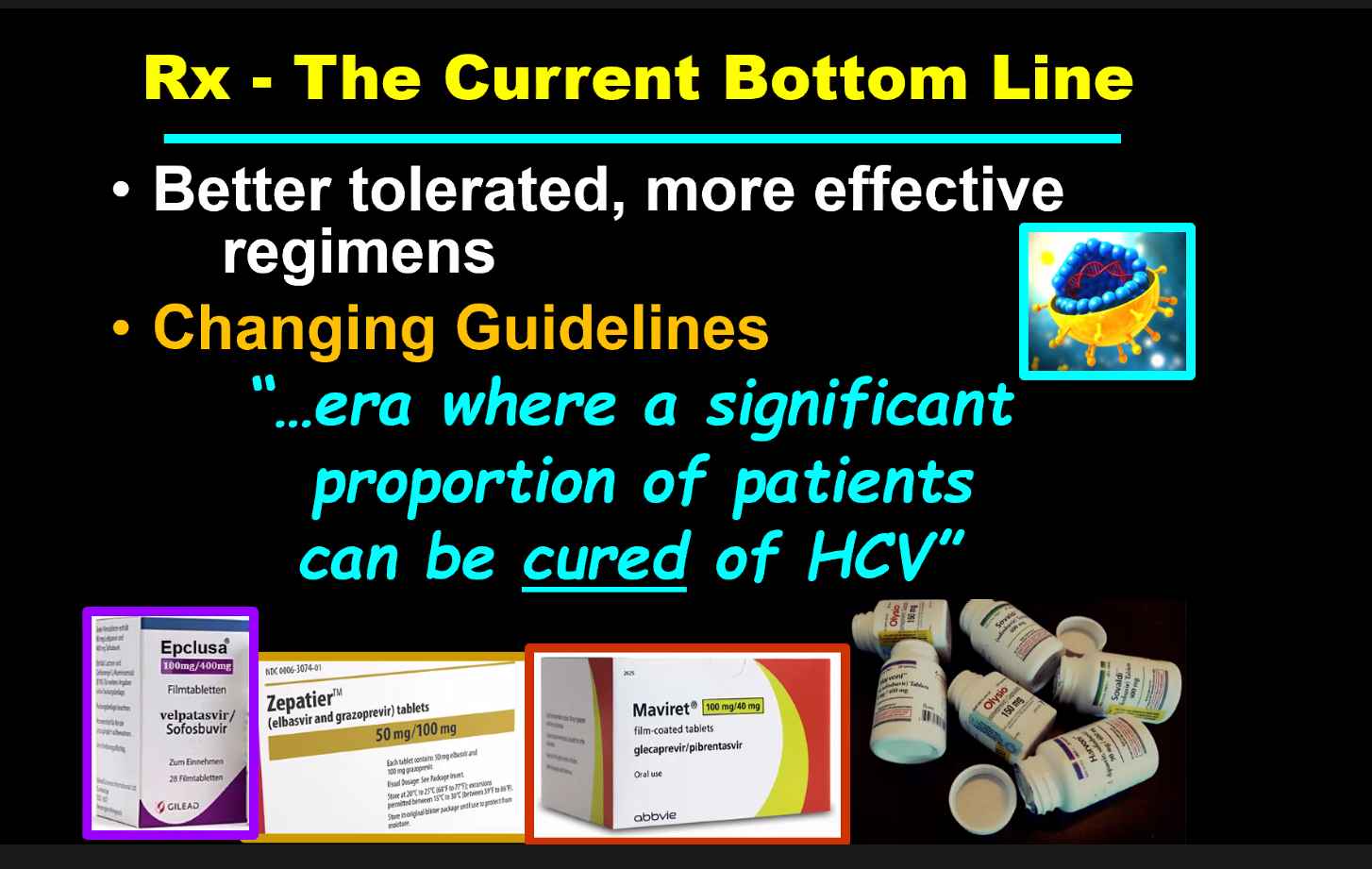
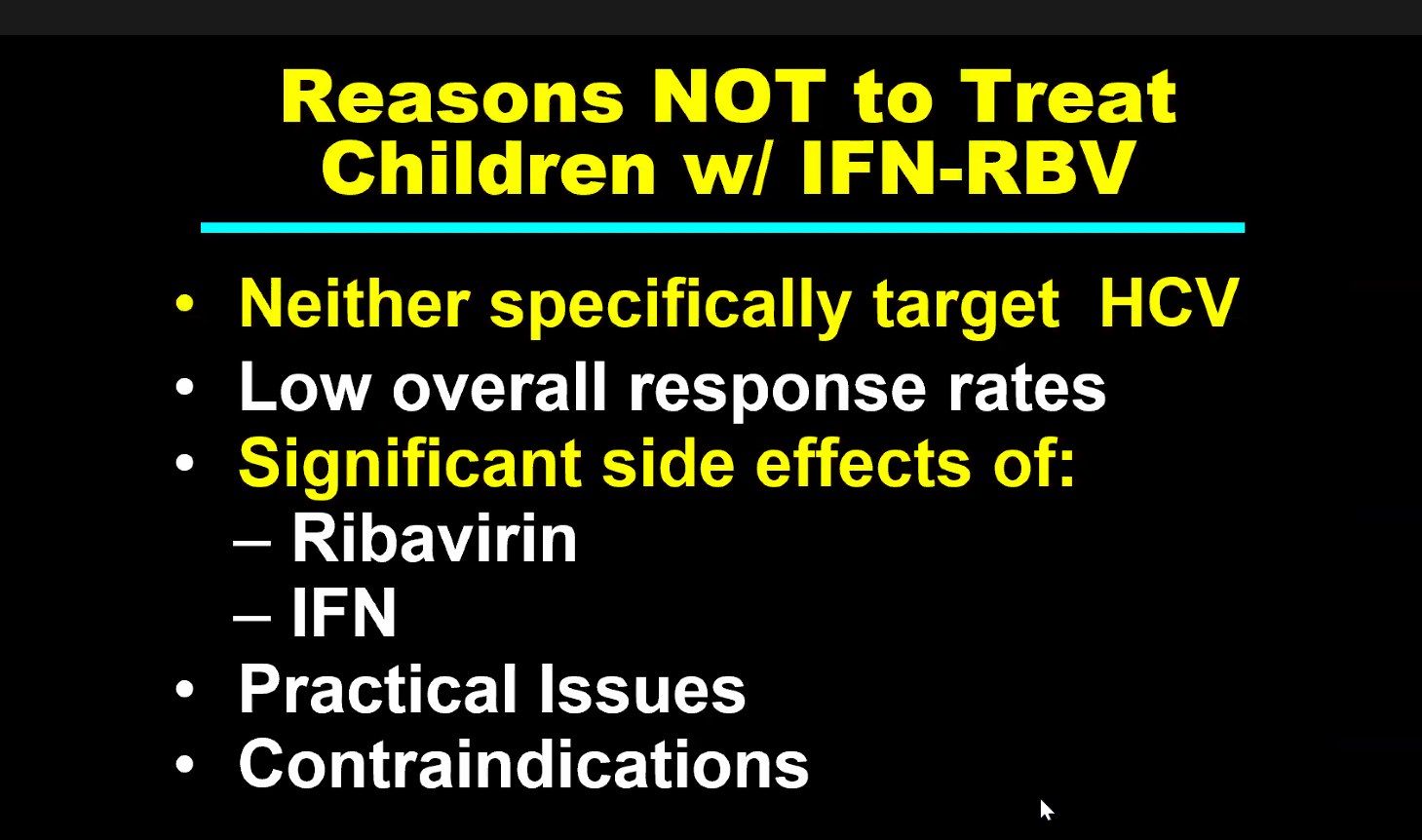
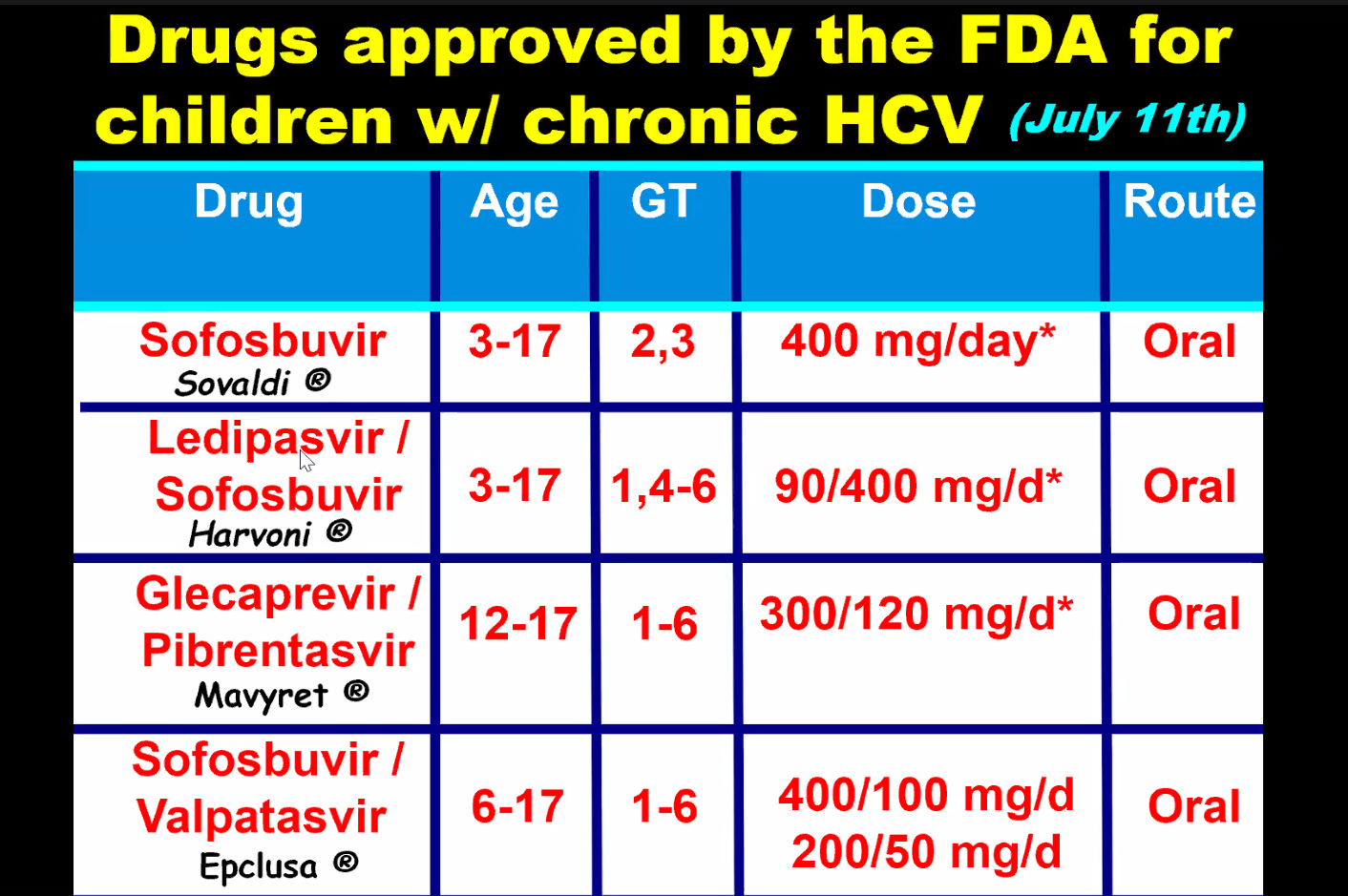
  • The recommendations for pediatric hepatitis C infection have been rapidly-changing due to a large number of recent studies/new direct-acting antivirals.  There are many new treatment options (see HCVguidelines.org); currently available treatment regimens noted below
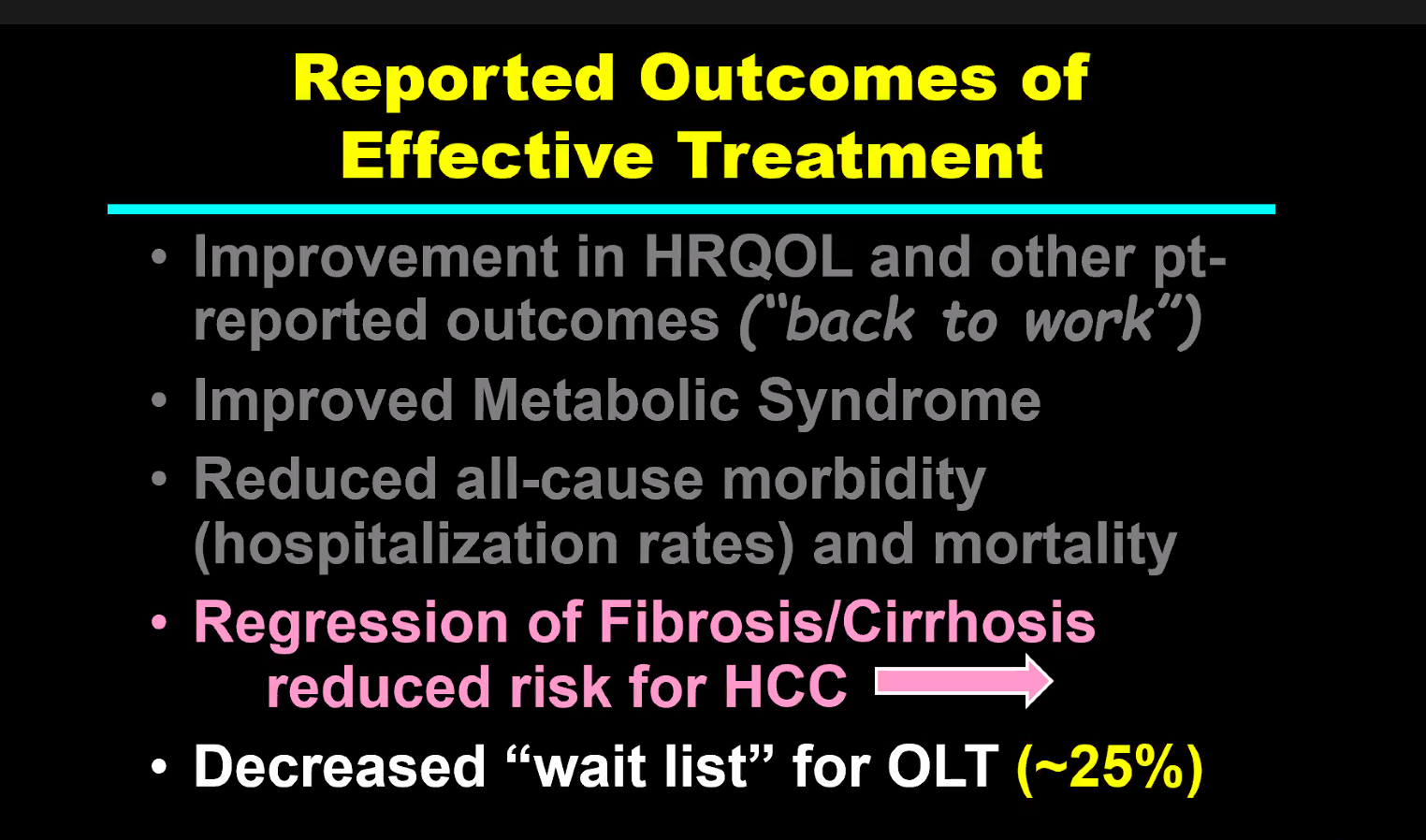
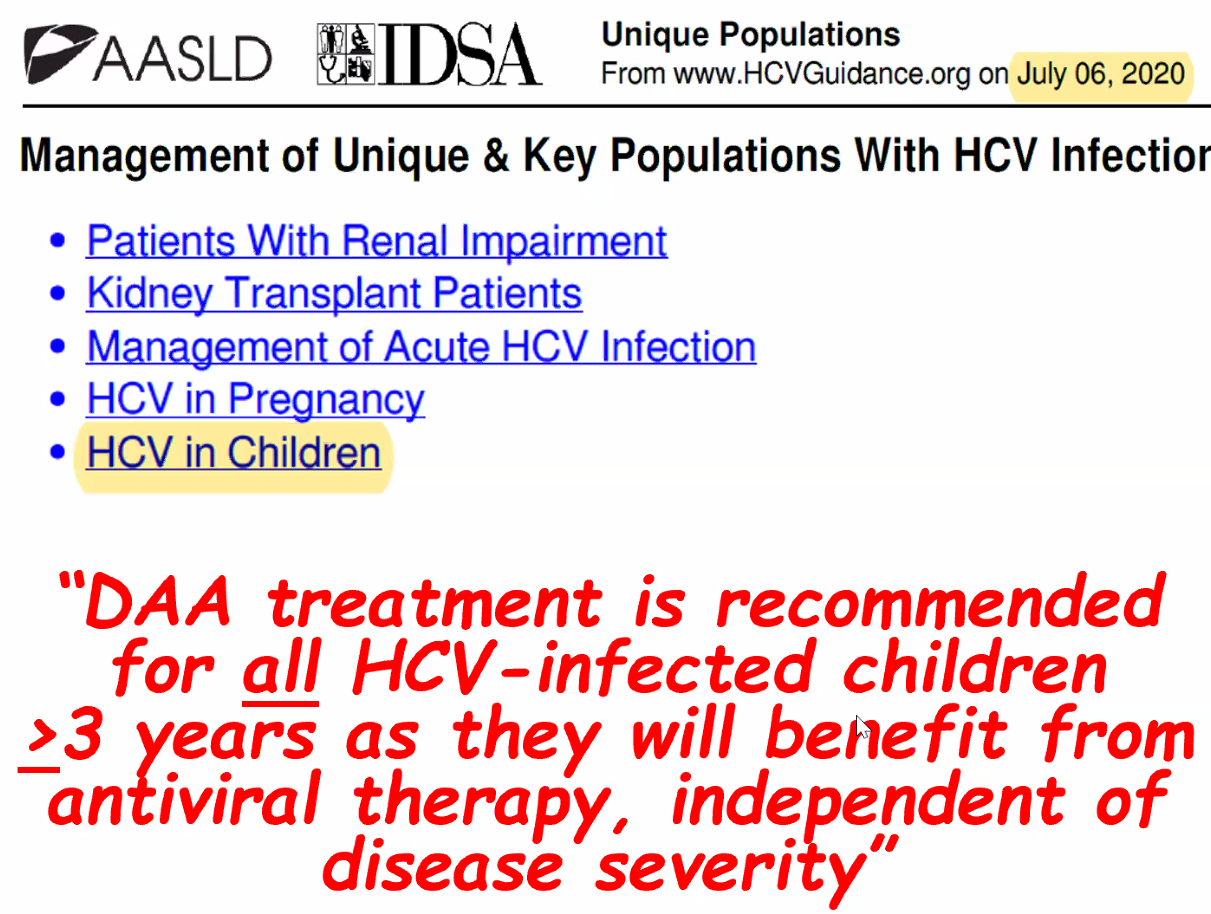
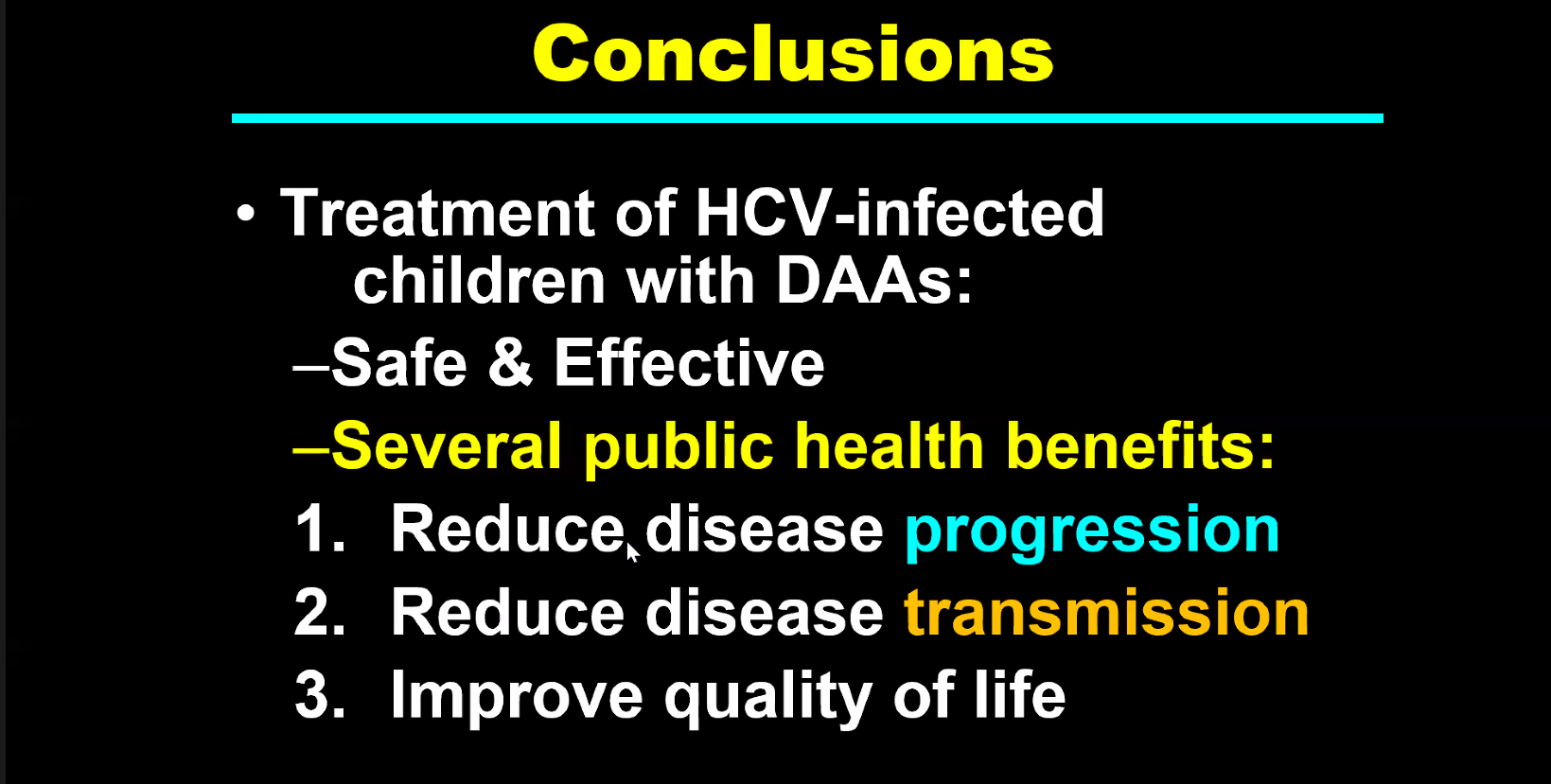
  • All children >3 years of age with HCV should be treated –high cure rates (91-100% SVR) and this leads to long-term improvements in health outcomes
  • Test for Hepatitis B before instituting DAA therapy
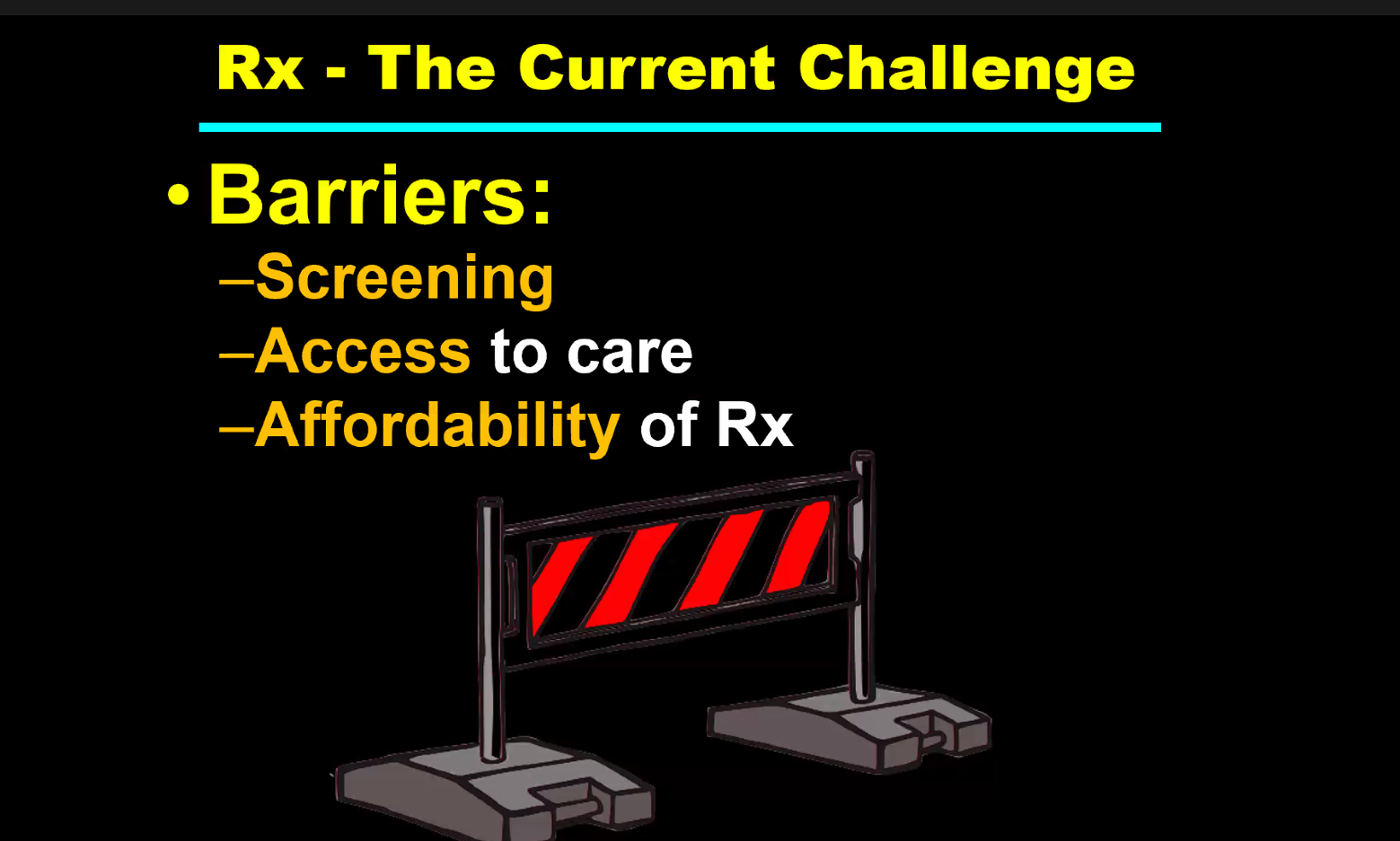
  • Universal screening has been recommended for all adults >18 years.  This omits the pediatric age group; however, if all pregnant women are screened, the majority of pediatric HCV infections could be identified

Related blog posts:

Online Aspen Webinar (Part 3) -Primary Sclerosing Cholangitis

Below I’ve included a few slides and some notes; my notes may have errors of omission or transcription.

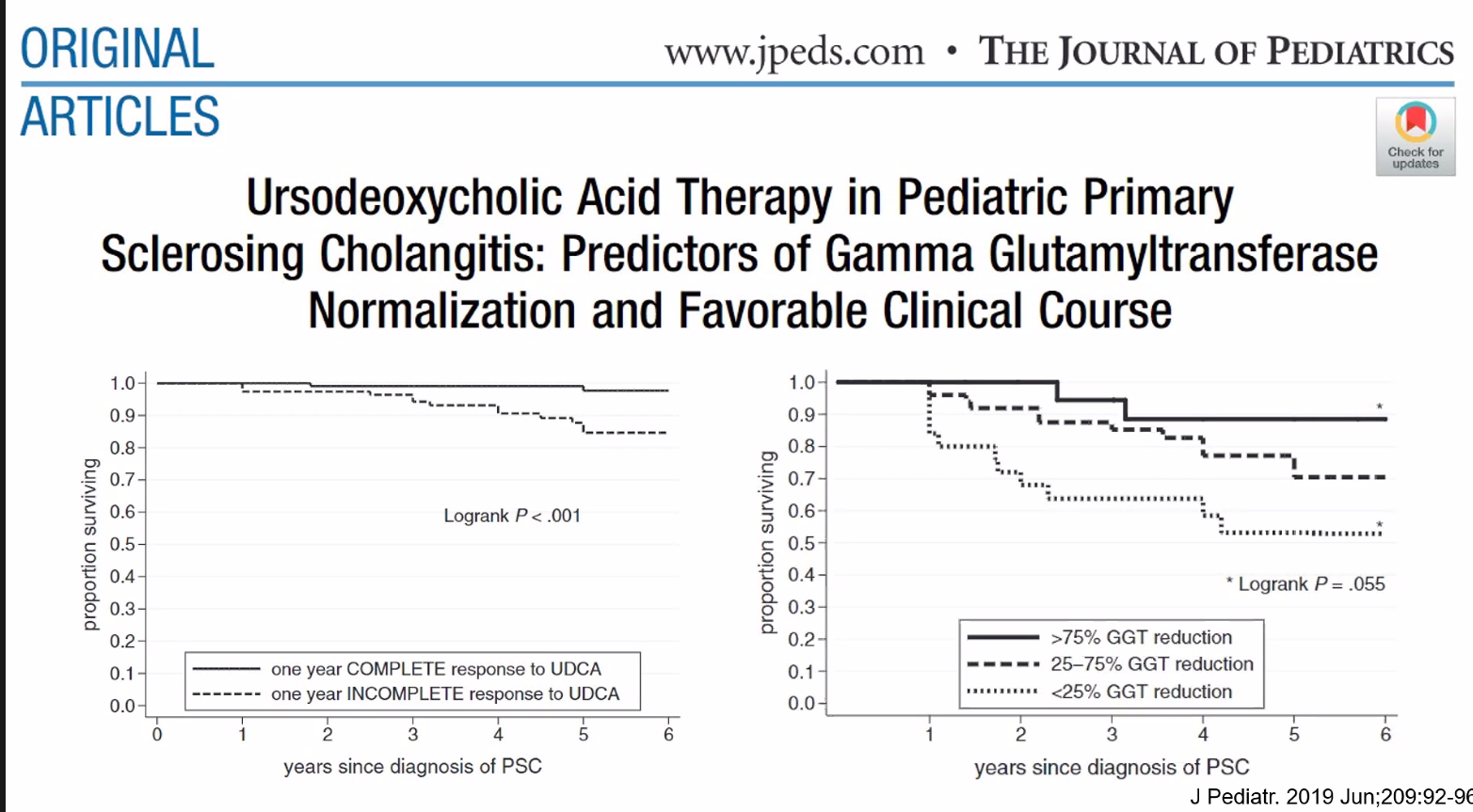
Primary Sclerosing Cholangitis: Beyond Anecdotal Medicine  Jim Squires

Key points:

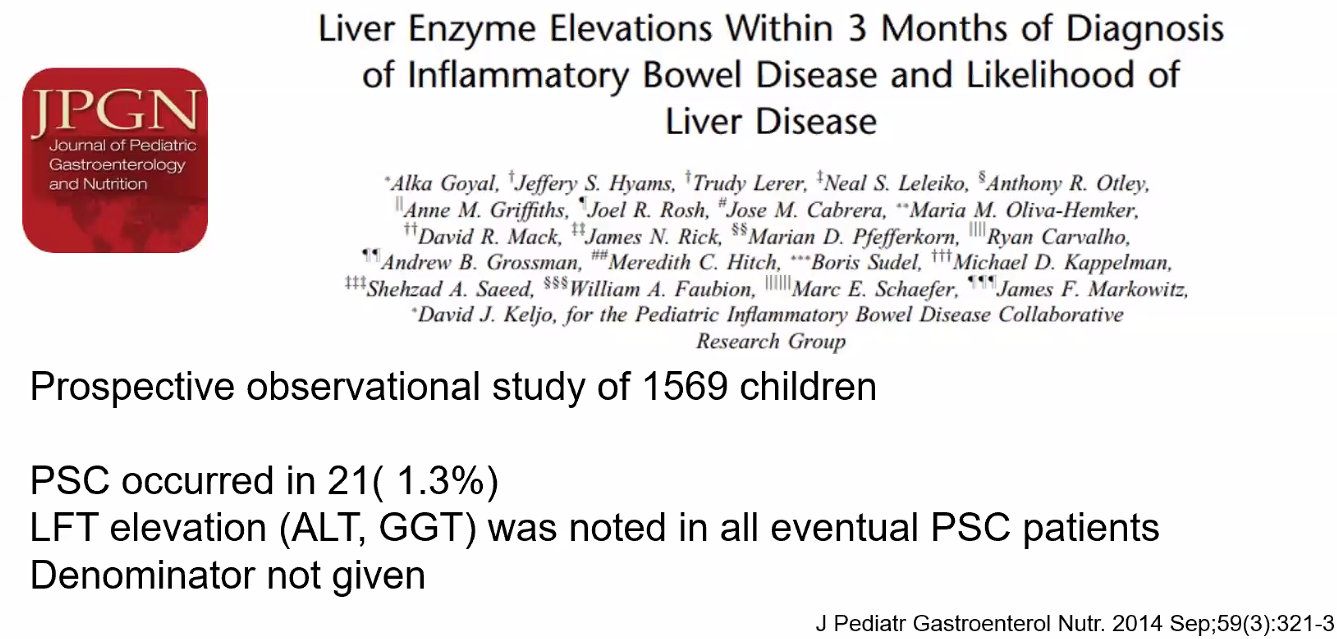
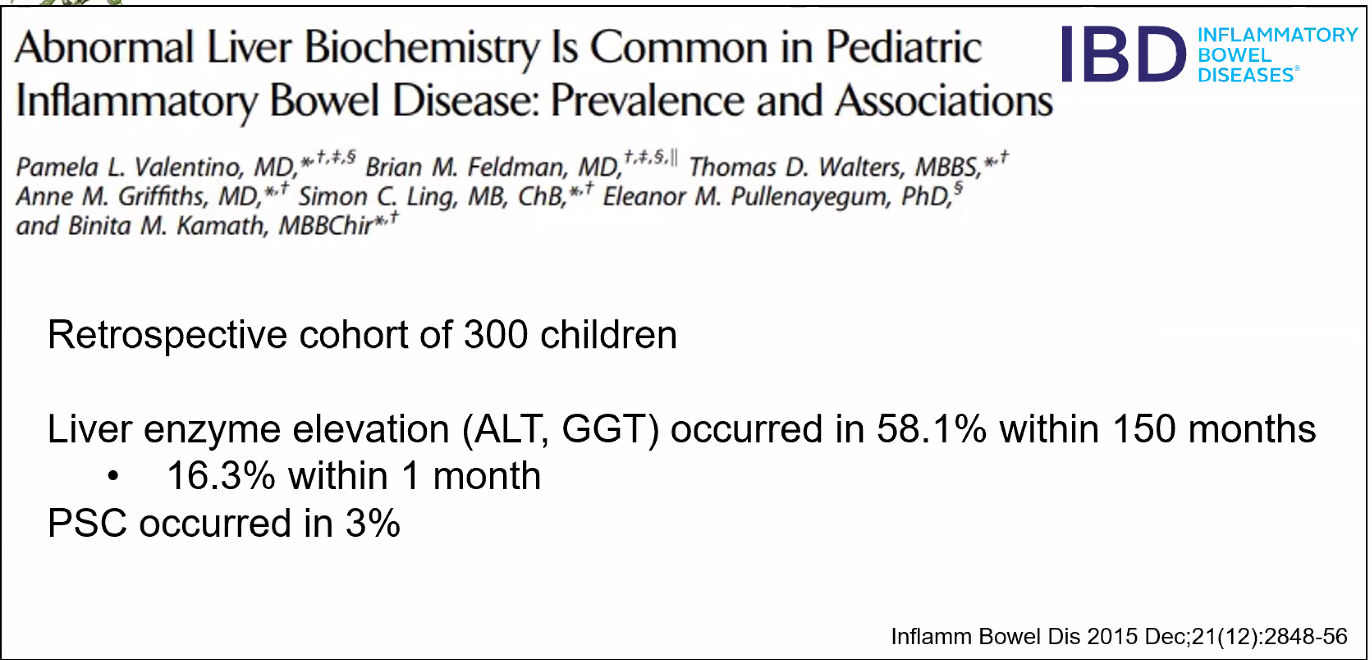
  • MMP-7 is emerging as better biomarker than alk phos or GGT
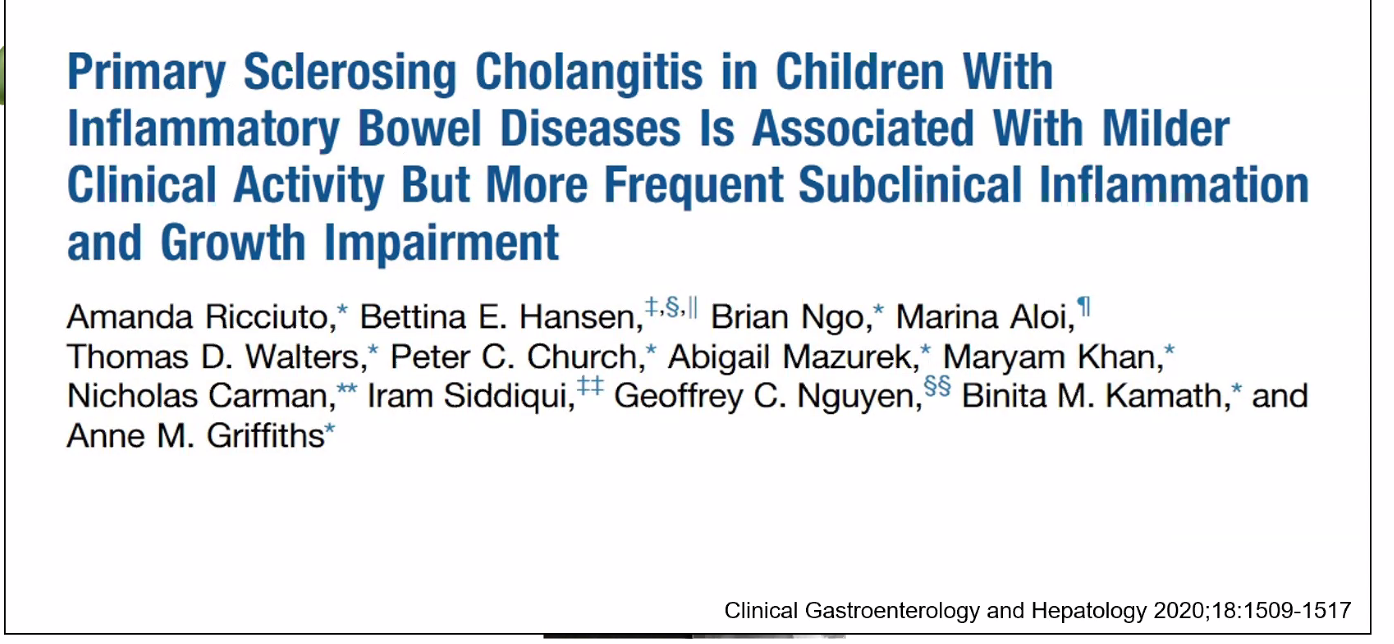
  • Patients with PSC-IBD often have PUCAI scores which underestimates severity of IBD activity. Even PSC-IBD patients in “clinical remission” often have disease activity.
  • PSC-IBD phenotype includes pancolitis (often with rectal sparing and backwash ileitis
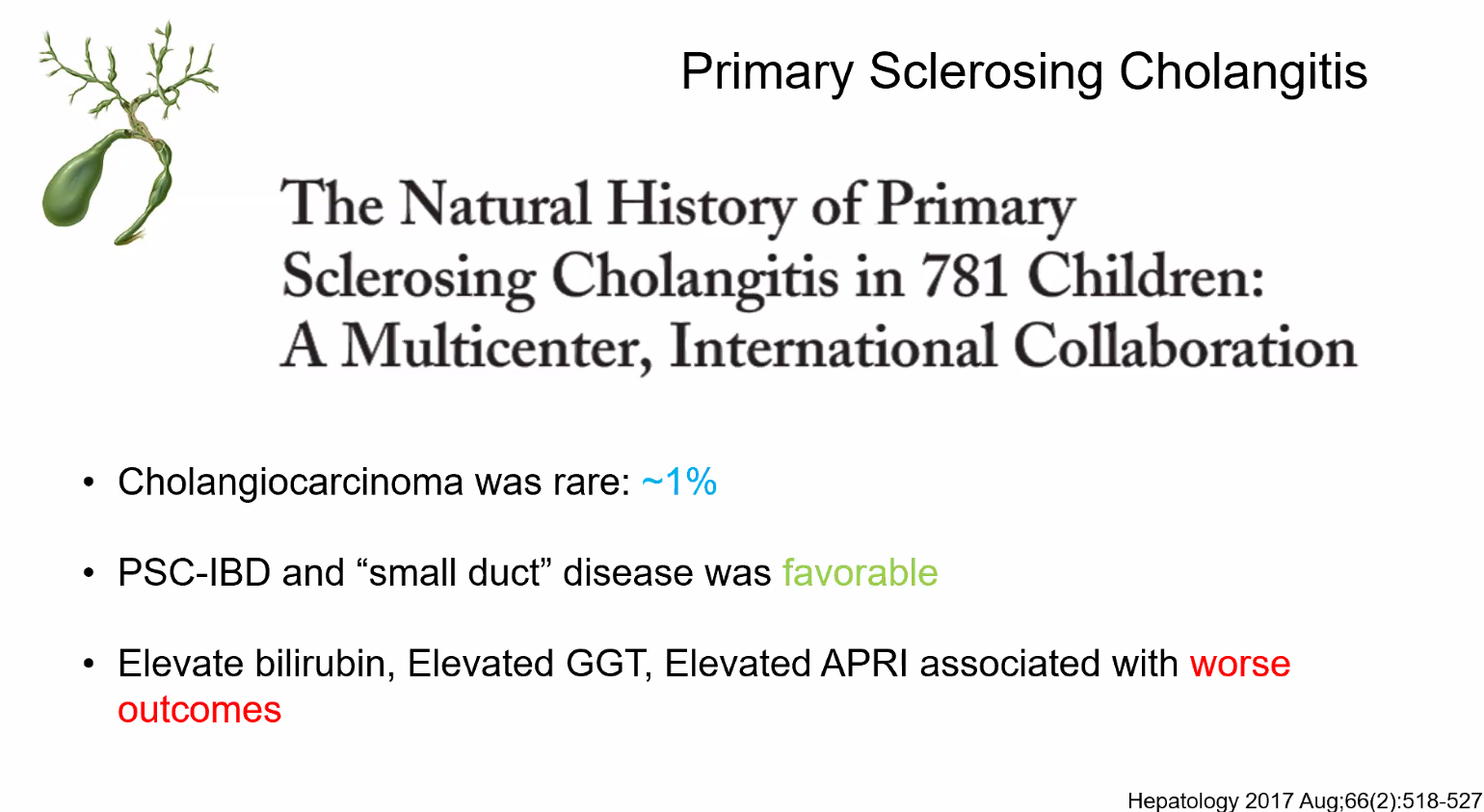
  • Long-term prognosis is associated with level of GGT values
  • Prognosis: ~70% have event-free survival at 5 years
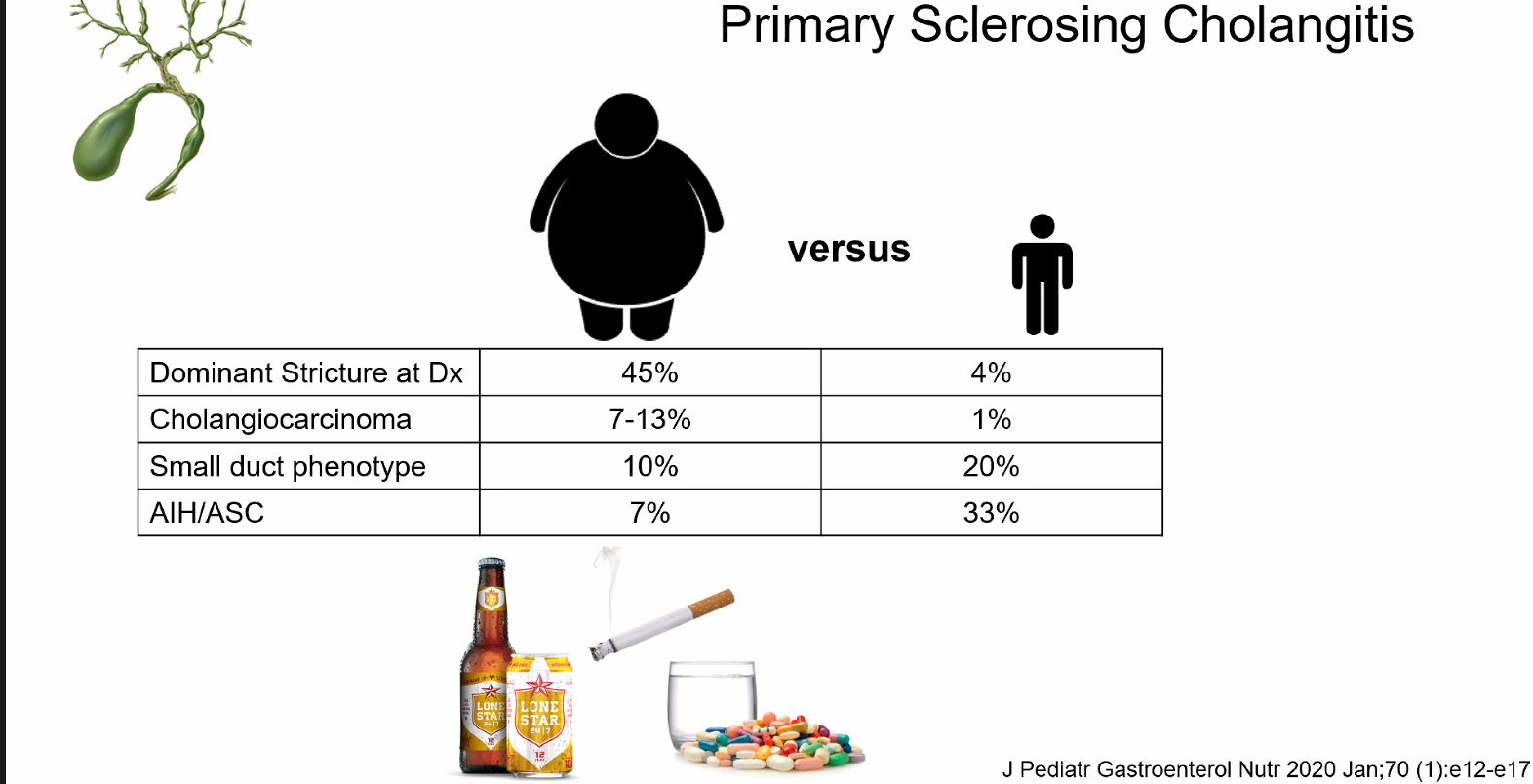
  • Adult prognosis models are inadequate due to frequent differences between disease in children and disease in adults.  Adults also have more comorbidities: obestiy, smoking, alcohol and medications
  • SCOPE index is a useful prognostic model for children (scores of 3 or less indicate very low risk of disease progression over next 5 years)
  • Actigall is current first line treatment in children based on biochemical improvement (no long term proof of efficacy); vancomycin has only anecdotal evidence of effectiveness

Related blog posts: