New HCV Treatment Effective in Adolescents –Important Study Now Published Online

A soon-to-be-published study (available online Hepatology) from WF Balistreri et al shows that the combination of Ledipasvir-Sofosbuvir is highly effective in pediatric patients aged 12-17 years.

Here is the abstract:

ABSTRACT

No all-oral, direct-acting antiviral regimens have been approved for children with chronic hepatitis C virus (HCV) infection. We conducted a Phase 2, multi-center, open-label study to evaluate the efficacy and safety of ledipasvir–sofosbuvir in adolescents with chronic HCV genotype 1 infection. One hundred patients ages 12 to 17 years received a combination tablet of 90 mg ledipasvir and 400 mg sofosbuvir once daily for 12 weeks. On the 10th day following initiation of dosing, 10 patients underwent an intensive pharmacokinetic evaluation of the concentrations of sofosbuvir, ledipasvir, and the sofosbuvir metabolite GS-331007. The primary efficacy endpoint was the percentage of patients with a sustained virologic response 12 weeks posttreatment (SVR12). Median age of patients was 15 years (range, 12-17 years). A majority (80%) were HCV treatment naïve, and 84% were infected through perinatal transmission. One patient had cirrhosis and 42 did not; in 57 patients the degree of fibrosis was unknown. Overall, 98% (98/100; 95% CI, 93% to 100%) of patients reached SVR12. No patient had virologic failure. The 2 patients who did not achieve SVR12 were lost to follow-up either during or after treatment. The 3 most commonly reported adverse events were headache (27% of patients), diarrhea (14%), and fatigue (13%). No serious adverse events were reported. AUCtau and Cmax values for sofosbuvir, ledipasvir, and GS-331007 were within the predefined pharmacokinetic equivalence boundaries of 50% to 200% when compared with adults from Phase 2 and 3 studies of ledipasvir and sofosbuvir. Conclusion: Ledipasvir−sofosbuvir was highly effective in treating adolescents with chronic HCV genotype 1 infection. The dose of ledipasvir−sofosbuvir currently used in adults was well tolerated in adolescents and had an appropriate pharmacokinetic profile.

My take: This is great news for pediatric patients.  This study indicates that this breakthrough therapy (and likely others) for adults will become more widely available for pediatric patients soon.

TV sports analysts have tremendous  insight!

TV sports analysts have tremendous insight!  Virginia needs to score enough points to win.

Primary Sclerosing Cholangitis (PSC) –Natural History Study

Last week, I posted an blog referencing new guidelines for peanut introduction.  A more detailed explanation of these guidelines: New Guidelines: Early Introduction of Peanut to Prevent Peanut Allergy from David Stukus (Thanks to Kipp Ellsworth for sharing this information)

_________________

A recent study (PL Valentino et al. JPGN 2016; 63: 603-09) follows “the largest reported pediatric PSC cohort” to determine the natural history.

Study characteristics:

This retrospective study followed 120 children (1-21 yrs) with a median age of 14 years.  27% had autoimmune sclerosing cholangitis (ASC), 63% had PSC; 24% (n=29) of entire cohort had exclusive small duct PSC. Median followup was 3.7 years.

Key findings:

  • 81% of PSC patients had inflammatory bowel disease; most (72/97) had ulcerative/indeterminant coliits. 40/72 had pancolitis.
  • PSC-IBD was more common than ASC-IBD (85% vs 68%).
  • 10-year transplant-free survival in this cohort was 89%; there were 6 liver transplants.
  • The rate of cirrhosis was lower in the group who had IBD preceding PSC (15% vs 31%,P=0.05).
  • PSC is clinically silent in the majority of patients; 64% presented with abnormal chemistries and no other symptoms.
  • ERCP therapeutic intervention was low, 3% for stenting and 7% for balloon dilatation.

The authors speculate that one reason for milder PSC-IBD disease could relate to the fact that IBD patients undergo frequent chemistries.  In those without IBD, subacute PSC could be present for a much longer period before detection.  The authors note that PSC in children presents as a milder disease with only 10% having cirrhossi compared with 30% in studies with adult patients.

My take: We have a lot to learn about PSC including which patients are likely to develop clinically significant liver disease and whether most patients benefit from treatment.

Related blog post: Should we care about subclinical PSC? (This post has links to others related to PSC)

Thunder Hole, Acadia Nat'l Park

Thunder Hole, Acadia Nat’l Park

Top Posts 2016

The following posts are the ones that I think are most useful from 2016.

Gastroenterology:

Liver:

General:

Doctoring:

IBD:

Nutrition:

truth-johnpohl

Characterizing Severe Liver Disease with Cystic Fibrosis

A recent retrospective study (JR Stonebraker et al. Clin Gastroenterol Hepatol 2016; 14: 1207-15) examined data from 561 patients (76 international centers) with cystic fibrosis (CF), liver disease and portal hypertension.  The study period spanned 1999-2013. Key findings:

  • Male patients were diagnosed earlier: 10 vs 11 year, p =.01.  63% of patients were males.
  • Splenomegaly was noted in 99% and varices in 71%
  • Levels of liver enzymes were near normal in most patients. 63% had transaminases that were less than 2 x ULN.
  • 91 (16%) received liver transplants at a median age of 13.9 years.  Hallmarks of those receiving liver transplants included lower platelet counts (78 vs 113, P<.0001), higher INR (1.4 vs 1.2, P<.0001), and lower albumin (3.3 vs 3.7, P =.0002).
  • 99% of patients in this cohort were pancreatic insufficient

My take: In patients with CF, those with severe liver disease often present by age ~10 years.  Features of portal hypertension, like splenomegaly and low platelet counts, appear to be more important than liver enzymes.

Related blog posts:

gardenpic


Weak Link in Liver Transplantation Survival

A recent article and editorial (DH Leung et al. Liver Transpl 2016; 22: 1584-92 & editorial by JC Bucuvalas, S Feng 1466-68) provides a better picture of long-term survival for pediatric patients facing the prospect of liver transplantation.

Among patients less than 2 years in the UNOS data sharing registry, there were 994 with biliary atresia (BA) and 221 with other chronic liver disease.

The key data:

  • The overall postlisting mortality was 19.6% with most of this due to wait-list mortality (12.4%).  Posttransplant mortality was 8%.
  • The non-BA patients had a higher wait-list mortality compared with BA patients: 23.9% vs 9.8%
  • Risk factors for mortality included lack of exception points (HR 5.8), and initial creatinine >0.5.  In addition, BA patients without prior abdominal surgery (eg Kasai) was higher (risk was 1.6 times greater) than in those with BA with presumed Kasai.

Reviewing the article, it is not clear to me if patients removed the waitlist (eg due to sepsis and other causes) are included in this analysis.  Thus, the true postlisting mortality may be higher than 20% if all needy individuals are considered.

From the editorial -other aspects:

  • Only one-third of pediatric recipients have optimal outcomes which would include normal LFTs, maintained on monotherapy immunosuppression, normal growth, and free of comorbidity.  In addition, even among those with ‘optimal’ outcomes, many would still have histologic injury.
  • The “incidence of nonstandard exception requests has increased 5-fold and is now used on behalf of 44% of wait-listed children.”  Importantly, children with public insurance were less likely to have petitions for exception PELD points.

My take (with help from editorial): To improve outcomes, this means starting with candidate selection and working on each step: traversing wait-list management and optimizing posttransplant care.

Related blog posts:

Mural in Rockland, ME

Mural in Rockland, ME

The Dark Cloud Inside the Silver Lining -What’s Really Going on with Hepatitis C Infection

Despite the flood of articles touting the success and costs of the new hepatitis C virus (HCV) treatments, direct-acting antivirals (DAA), currently hepatitis C remains more dangerous than HIV and it is likely to continue to exert a huge mortality and morbidity for at least three more decades in the United States.

One study and an associated editorial look into this subject further:

  • J Chhatwal et al. Hepatitis C Disease Burden in the United States in the Era of Oral Direct-Acting Antivirals.  Hepatology 2016; 64: 1442-1450.
  • JM Pawlotsky. The End of the Hepatitis C Burden: Really?

In the study, the authors used a validated HCV burden simulation model (HEP-SIM) and noted the following:

“Even in the oral DAA era, 320,000 patients will die, 157,000 will develop hepatocellular carcinoma, and 203,000 will develop decompensated cirrhosis in the next 35 years.”

Part of the problems will be a large number of individuals who remain unaware of their diagnosis (560,000 by year 2020) but other barriers include medication costs.

From the editorial -some pushback on the cost-savings argument:

  • “Although current drug regimens were reported to be cost-effective, nothing justifies the current prices, except financial considerations on the drug makers’ side. On the one hand, one could consider that the money saved on liver disease-related expenses is not truly saved. Being cured from HCV and not dying from its complications will not prevent the same individual from dying from another cause at a very high cost.”

My take: To bend the HCV curve faster, there will need to be increased HCV screening, increased treatment capacity, and reasonable costs.

Related blog posts:

Acadia Natl Park

Acadia Natl Park

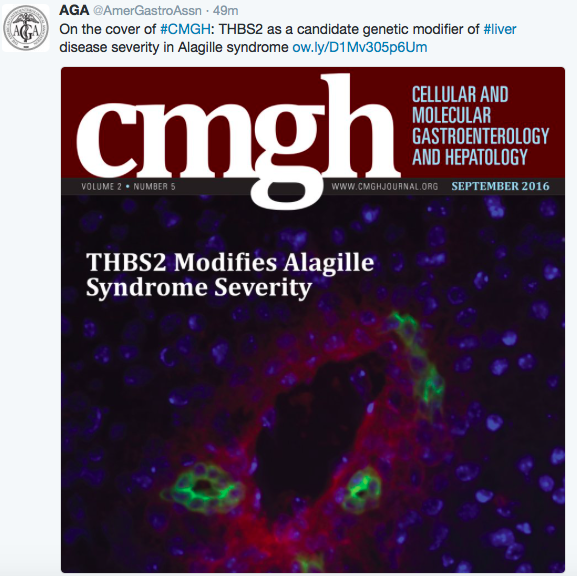
Explaining Differences in Disease Severity for Alagille Syndrome

A recent study (DOI: http://dx.doi.org/10.1016/j.jcmgh.2016.05.013) has shown a gene which may help explain the difference in disease severity in Alagille syndrome.

Here’s a link to full text: THBS2 is a Candidate Modifier of Liver Disease Severity in Alagille Syndrome

Here’s the abstract:

Background & Aims

Alagille syndrome is an autosomal-dominant, multisystem disorder caused primarily by mutations in JAG1, resulting in bile duct paucity, cholestasis, cardiac disease, and other features. Liver disease severity in Alagille syndrome is highly variable, however, factors influencing the hepatic phenotype are unknown. We hypothesized that genetic modifiers may contribute to the variable expressivity of this disorder.

Methods

We performed a genome-wide association study in a cohort of Caucasian subjects with known pathogenic JAG1 mutations, comparing patients with mild vs severe liver disease, followed by functional characterization of a candidate locus.

Results

We identified a locus that reached suggestive genome-level significance upstream of the thrombospondin 2 (THBS2) gene. THBS2 codes for a secreted matricellular protein that regulates cell proliferation, apoptosis, and angiogenesis, and has been shown to affect Notch signaling. By using a reporter mouse line, we detected thrombospondin 2 expression in bile ducts and periportal regions of the mouse liver. Examination of Thbs2-null mouse livers showed increased microvessels in the portal regions of adult mice. We also showed that thrombospondin 2 interacts with NOTCH1 and NOTCH2 and can inhibit JAG1–NOTCH2 interactions.

Conclusions

Based on the genome-wide association study results, thrombospondin 2 localization within bile ducts, and demonstration of interactions of thrombospondin 2 with JAG1 and NOTCH2, we propose that changes in thrombospondin 2 expression may further perturb JAG1–NOTCH2 signaling in patients harboring a JAG1mutation and lead to a more severe liver phenotype. These results implicate THBS2 as a plausible candidate genetic modifier of liver disease severity in Alagille syndrome.

Related blog posts:

alagille-cover

Fatty Liver Improved with Exercise

A recent study (LA Orci et al. Clin Gastroenterol Hepatol 2016; 14: 1398-1411) analyzed data from 28 randomized trials (>1600 patients) and performed a meta-analysis regarding the utility of exercise for nonalcoholic fatty liver disease (NAFLD).

Key finding:

  • Physical activity, independently from diet change, was associated with improvement in intrahepatic lipid content (-0.69) and with reduction in alanine aminotransferase.

The authors note that the effects of lipid reduction due to exercise is considered moderate-to-large.  In several trials, another effect of exercise that was measured was a reduction in insulin resistance.

Limitations:

  • The duration of the effect of exercise is not known and there is not a clear “dose” of exercise.
  • Lack of histologic data (only 2 studies had histology data)

My take: This study suggests that exercise by improving metabolic status is important in improving NAFLD; thus, a fatty liver is not just about being fat.

Bar Harbor at Sunset

Bar Harbor at Sunset

Should We Care About Subclinical Primary Sclerosing Cholangitis with Inflammatory Bowel Disease?

A recent study (AK Lunder et al. Gastroenterol 2016; 151: 660-69, editorial 590-3) provides more information about the prevalence of subclinical primary sclerosing cholangitis (PSC) in the setting of long-term inflammatory bowel disease. From a cohort of 756 Norwegian patients in the “IBSEN” cohort of patients with inflammatory bowel disease, the authors analyzed 327 patients with magnetic resonance cholangiography (MRC).

Key findings:

  • 24 (7.5%) of 327 patients who had been followed for 20 years were found to have PSC lesions.  Only 7 (2.2%) were known to have PSC based on biochemical or clinical features. Subsequently, a missed case of small-duct PSC was recognized increasing the rate to 8.1%.
  • Subclinical PSC, interestingly, was detected more often in Crohn’s patients (9.0%) compared with ulcerative colitis (6.8%)
  • Extensive colitis, high prevalence of colectomy, and refractory IBD symptoms were more common in patients with suspected PSC compared with those without PSC features (P= .029, P= .002, and P= .012 respectively)

The natural history of these subclinical cases of PSC is unclear.  Studies have shown that patients with PSC with normal alkaline phosphatase values have an excellent outlook.  Yet, there should be some concern.  PSC has been associated with 400-fold higher chance of cholangiocarcinoma and 5-fold increased risk of developing colorectal cancer.  This could indicate the need for more intensive surveillance in these patients –though the exact risks in those with subclinical disease is unknown.

My take: Until we know more, I doubt looking for subclinical PSC makes sense outside research protocols.

Related blog posts:

insurancecoverage

Primary Sclerosing Cholangitis 2016

Though this blog has reviewed primary sclerosing cholangitis (PSC), it has been a while since I’ve posted much.  As such, I thought I would place a post of a recent review (KN Lazaridis, NF LaRusso. NEJM 2016; 375; 1161-70).

Key points:

Epidemiology:

  • Strongly associated with inflammatory bowel disease with 70-80% of PSC patients having IBD
  • Median age at diagnosis 41 years with ~6-% male

Clinical manifestations:

  • Insidious disease in most.  “About half the patients with this condition do not have symptoms but receive a diagnosis after liver-function tests are found to be abnormal.”
  • Diagnostic criteria include increased alkaline phosphatase for more than 6 months
  • In adults, a liver biopsy is not need for diagnosis
  • Tends to be slowly progressive
  • Bacterial cholangitis is reported as initial presentation in ~6% and can be recurrent and intractable
  • Colon cancer is more frequent in patients with PSC.  “Colonoscopy is warranted in all patients who have received a new diagnosis”

Subtypes:

  • Classic subtype (90%) involves the entire biliary tree
  • ~5% have only small intrahepatic bile duct involvement
  • ~5% of adults have overlap syndrome with autoimmune hepatitis.  In children, overlap syndrome is present in ~35%.
  • There are numerous “secondary” PSC causes including AIDS-related cholangiopathy, amyloidoiss, eosinophilic cholangiopathy, histiocytosis X, IgG4-associated cholangitis, and sarcoidosis (most extensive list -see Table 1)

Pathogenesis:

  • The exact reasons remain unclear.  There are associations with environmental triggers but these have not been proven to be causally related.  For example, patients with PSC are more likely to consume steak or hamburger compared with controls and less likely to consume similar amounts of fish.
  • Due to its association with IBD, there are “microbiota hypothesis” to account for the aberrant cholangiocytic response.

psc-nejm

Treatment:

  • “As of this writing, no effective medical therapy exists.”
  • The authors detail eight potential treatments that are being studied: obeticholic acid, simtuzumab, 24-nor-ursodeoxycholic acid, an apical sodium-dependent bile acid transporter inhibitor (LUM001), a human monoclonal antibody that targets vascular adhesion protein 1 (BTT1023), oral vancomycin (NCT01802073 -pediatric trial), and fecal microbiota transplantation.
  • Management: includes managing varices in those with cirrhosis, following for benign and malignant biliary strictures, following for gallbladder disease (eg. polyps or masses), colon cancer surveillance (typically yearly screening), and managing metabolic bone disease.

Briefly noted: M Bramuzzo et al. JPGN 2016; 63: 259-64.  Using an Italian Pediatric IBD registry, the authors noted 6.8% of 677 patients had autoimmune liver disease: 61% with PSC and 33% with overlap syndrome.

Related blog posts: