ENTERPRET: Vedolizumab Optimization Study in Ulcerative Colitis

V Jairath et al. Clin Gastroenterol Hepatol 2024; 22: 1077-1086. Open Access! ENTERPRET: A Randomized Controlled Trial of Vedolizumab Dose Optimization in Patients With Ulcerative Colitis Who Have Early Nonresponse

Methods: ENTERPRET was a phase 4, open-label, randomized, controlled trial (n=278) that included patients with moderate to severe UC who had high drug clearance at week 5 (serum concentration, <50 μg/mL) and nonresponse to standard vedolizumab treatment at week 6. At week 6, eligible patients were randomized 1:1 to receive standard dosing (300 mg every 8 weeks) or dose-optimized vedolizumab (600 mg at week 6, then 300 mg every 4 weeks; or 600 mg at week 6, then 600 mg every 4 weeks [based on week 5 serum concentration]). 

After an initial clinical response of 47.5% (132/275) at week 6, 108 patients were subsequently randomized into either standard (n = 53) or dose-optimized vedolizumab (n = 55). The majority (86%) with nonresponse at week 6 had high drug clearance

Key findings at week 30:

  • Endoscopic improvement: 10 patients (18.9%) with standard vedolizumab vs 8 patients (14.5%) with dose-optimized vedolizumab
  • Clinical remission: Five patients (9.4%) with standard vedolizumab vs 5 patients (9.1%) with dose-optimized vedolizumab
  • Clinical response: 17 (32.1%) with standard vedolizumab vs 17 (30.9%) patients (30.9%) with dose-optimized vedolizumab

In their discussion, the authors note the gain of clinical response of ~16% in both groups is consistent with other studies showing “8% to 16% increase in the proportion of patients who had a clinical response between 6 and 14 weeks.” Thus, duration of treatment may be more important that serum drug level.

My take (borrowed in part from authors): “In patients with early nonresponse and high drug clearance, vedolizumab dose optimization is probably not required.” At week 30, both standard dosing and dose-optimized groups had a significant response despite lack of response at 6 weeks. So, it may be best to give a longer treatment course before reaching a conclusion on vedolizumab’s efficacy.
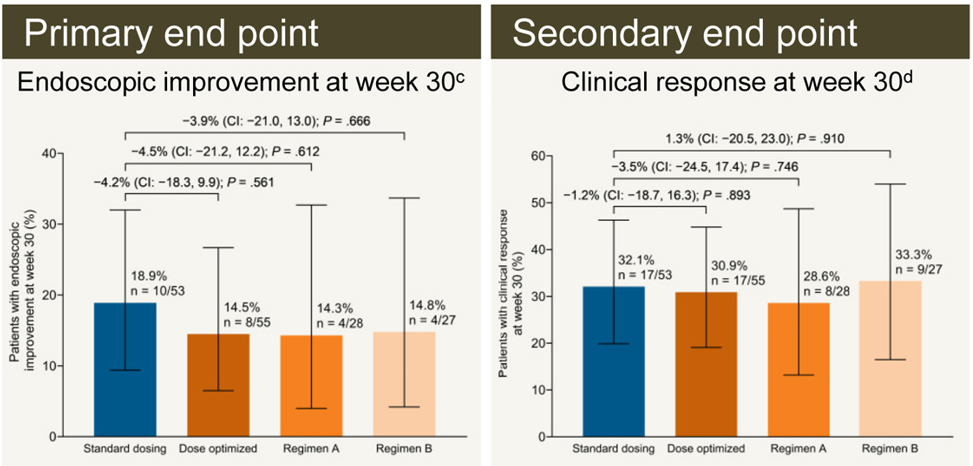
c Mayo endoscopic subscore </= 1.
d Reduction in total Mayo score of >/=3 points and >/= 30% from baseline with an accompanying decrease in rectal bleeding subscore of >/=1 or absolute rectal subscore of </= 1

Related blog posts:

Overuse of Tongue-Tie Surgeries

J Thomas et al. Pediatrics 2024; https://doi.org/10.1542/peds.2024-067605. Open Access! Identification and Management of Ankyloglossia and Its Effect on Breastfeeding in Infants: Clinical Report

To examine the tongue, the authors recommend the following:

  • Assessment of tongue movement and coordination with a clean, gloved finger in the mouth to test the suck reflex and to palpate the hard and soft palate
  • Appearance of lingual frenulum, including the inability of the infant to extend tongue over the lower alveolar ridge or lift tongue midway to the palate, or a heart-shaped tongue on extension

Key Recommendations:

  • Ankyloglossia is a variation of a normal oral structure. Symptomatic ankyloglossia is defined as a restrictive lingual frenulum that causes problems with breastfeeding that are not improved with lactation support. Infants with ankyloglossia and normal feeding patterns need no intervention. Frenotomy for other problems or to prevent issues such as speech articulation or obstructive sleep apnea in the future is not evidence based.18 
  • Posterior ankyloglossia is a poorly defined term, lacking agreement from experts, and should not be used as a reason to perform surgical intervention on an infant.
  • Labial and buccal frenae are normal oral structures unrelated to breastfeeding mechanics and do not require surgical intervention to improve breastfeeding. Sucking blisters are a normal finding in newborn infants, and as such, are not suggestive of pathology.
  • Suboptimal breastfeeding is a complex issue and every nursing dyad with painful or ineffective feeding should have a complete breastfeeding assessment before any treatment is offered.65,66  Here, multidisciplinary communication and management between lactation specialists, feeding therapists, surgeons, and pediatricians are paramount for the best outcome for the family.
  • Newborn infants with possible symptomatic ankyloglossia need close monitoring, support of breastfeeding while in the hospital, early postdischarge follow-up, and monitoring of weight gain in their medical home.
  • Surgical intervention for symptomatic ankyloglossia, versus laser, can reasonably be offered after other causes of breastfeeding problems have been evaluated and treated. Frenotomy may decrease maternal nipple pain.6,17,67  Although the evidence is not strong, addressing pain is important for successful continued breastfeeding.
  • Frenotomy should be performed by a trained professional, either the medical home provider or another to whom the medical home refers the patient. The performing professional should be experienced in the medical care of newborns and older infants and should maintain needed privileges for the procedure. As with any surgical procedure, before performing a frenotomy, the performing provider should take a “time out” to:
  • Obtain a signed consent
  • Discuss alternatives, risks, and benefits of the procedure
  • Discuss and provide pain control options
  • Document previous receipt of intramuscular vitamin K
  • Provide information on postsurgical care and follow-up
  • Attention to prevention of surgical complications, hemorrhage risk, pain mitigation, and evidence-based postsurgical care is recommended. Postoperative stretching exercises are not evidence-based and are not recommended.
Number of inpatient newborn ankyloglossia diagnoses in United States by year from Wei EX, Tunkel D, Boss E, Walsh J. Ankyloglossia: update on trends in diagnosis and management in the United States. 2012–2016. Otolaryngol Head Neck Surg. 2020;163(5):1029–1031.
“(A) An example of anterior ankyloglossia with the lingual frenulum attaching at the tongue tip, limiting tongue mobility. (B) Posterior attachment of lingual frenulum. In the AAO-HNS consensus statement, consensus was not reached regarding the definition of posterior ankyloglossia. Some in the consensus group would describe this figure as an example of posterior ankyloglossia if there are objective findings of restricted tongue mobility caused by the lingual frenulum”

My take: Everyday I see infants with feeding problems that were attributed to being tongue-tied who do not improve after frenotomy. Most often, ankyloglossia does not need any intervention.

Related article: NY Times 7/2/24: Pediatricians Warn Against Overuse of Tongue-Tie SurgeriesThe tongue procedures, which often cost several hundred dollars, should be done only to the small fraction of infants with severely tethered tongues, the report said.”

Bloating, Belching –Bowel Sounds Podcast with Dr. Jose Garza

A recent episode of Bowel Sounds Podcast with my colleague Dr. Jose Garza was terrific. I scribbled a few notes afterwards but I usually listen while on a ride to an outreach clinic. So, there may be errors in omission, and in transcription.

Here’s the link: buzzsprout.com/581062/15556601

Key points:

  • Toddlers frequently have aerophagia and asymptomatic bloating
  • Nitrogen gas needs to be expelled from GI tract
  • Bloating symptoms can occur with and without distention
  • Bloating without other symptoms usually does not require an extensive workup.  Bloating with diarrhea could indicate malabsorption
  • Bloating symptoms can worsen due to constipation
  • Chronic symptoms are usually reassuring; acute changes are more concerning
  • Intermittent distention is less concerning than persistent distention
  • Abdomino-phrenic dyssynergia occurs when the diaphragm pushes down on the abdomen and results in distention (see reference below)
  • Bloating symptoms frequently occur in those with only a small amount of excess air (less than 1 oz).  There is often a degree of hypersensitivity. 
  • Treatments for bloating could include diaphragmatic breathing, peppermint products, neuromodulators and sometimes diet.  Diets can result in adverse effects including eating disorders, nutrient deficiencies, and cost
  • SIBO is over diagnosed in those without risk factors
  • pH-Impedance study, read manually, is a good test for belching: differentiates aerophagia, supragastric belching, and gastric belching
  • The podcast reviewed the inability to burp due to rRetrograde cricopharyngeus dysfunction (see prior post: Jose Garza: What’s New in Motility (Part 2))

Dr. Garza also previously did a Bowel Sounds Podcast on Why Kids Poop Their Pants

Related blog posts:
Celiac Disease: Pro Tips (Part 4)

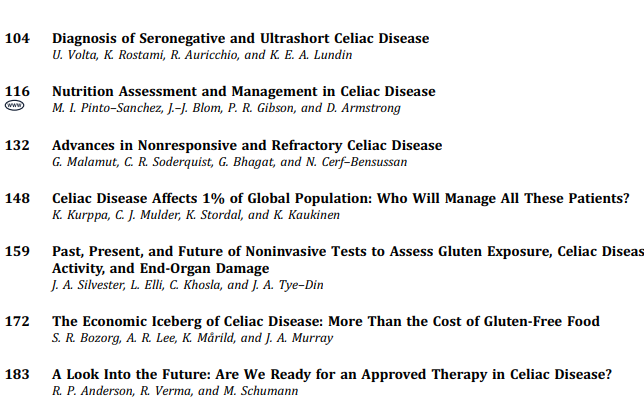
In June 2024 (special issue), Gastroenterology published an entire issue (193 pages) focused on celiac disease. There was a lot of useful information on almost every aspect of this disease. Below I have summarized some of the points –this is the last of 4 posts on this issue.

In addition to these articles, another good update on aspects of CeD was the Bowel Sounds podcast with Arun Singh. Link: Clinical Conundrums in Celiac Disease.

DW Adams et al. Gastroenterol 2024; 167: 51-63. Clinical Presentation and Spectrum of Gluten Symptomatology in Celiac Disease

This article highlights the myriad presentations of CeD. Due to screening of at-risk groups. fewer patients are presenting with malabsorption and many patients at diagnosis are overweight or obese. In adults, 15-28% are overweight and 7-11% are obese.

  • Hematology: Among adults with iron-deficiency anemia, 1 in 31 have histologic evidence of CeD
  • Skin: Dermatitis herpetiformis
  • Neurologic: Headache, brain fog, peripheral neuropathy, ataxia
  • Oral: dental enamel defects, aphthous stomatitis
  • Musculoskeletal/rheumatologic: osteopenia/osteoporosis/fractures, arthralgias/arthritis. Low bone mass with “z-scores less than -2 SD for age is present in 6-16% of children” with CeD
  • Growth in children: pubertal delay, short stature, growth failure
  • Fertility: female infertility, spontaneous abortions, premature births, hypogonadism (both sexes)
  • GI: stomach pain, diarrhea, bloating/distention, constipation, weight loss
  • Liver: elevated liver enzymes in up to 40% of patients with CeD at diagnosis. 1 in 20 patients with cryptogenic cirrhosis have CeD. In children, ~25% have “modest elevations in liver enzymes” at diagnosis. “Normalization …is generally seen within 6-12 months of a GFD.”
  • Endocrine: higher rates of type 1 diabetes and autoimmune thyroid disease
  • Asymptomatic: “10-27% of CeD patients are asymptomatic at diagnosis…Asymptomatic patients with CeD were taller, had lower TTG-IgA levels, and had less severe intestinal damage.” However, “patients reporting to be asymptomatic often record improvement” with GFD.

The authors detail how gluten exposure triggers symptoms. Gluten ingestion activates gluten-specific T cells and acute increases in interleukin-2 (IL-2). IL-2 is postulated to cause neuro-enteric symptoms and leads to release of serotonin. Serum IL-2 is a biomarker for acute gluten exposure.

MI Pinto-Sanchez et al. Gastroenterol 2024; 167: 116-131. Nutrition Assessment and Management in Celiac Disease

  • This article provides specific nutritional recommendations for patients with CeD including involvement of a dietitian. The authors note that some studies in children have found low iron, vitamin D, calcium, vitamin B12, vitamin B6, folate, zinc and magnesium in their GFD. They recommend checking for iron, ferritin, folate, vitamin B12, vitamin D, vitamin A, zinc, selenium, copper, and chromium at diagnosis.
  • The adoption of a GFD “has been associated with an increased risk of MASLD likely related to the nutritional composition of packaged gluten-free foods.” (see: Gluten-Free Diet Can Be Unhealthy)
  • 30% of CeD adult patients experience persistent symptoms. The most common cause is continued gluten exposure (often inadvertent). Gluten contamination elimination diet can be implemented in this setting “though not feasible as a long-term solution.” (See: What To Do For Pediatric Patients with Non-Responsive Celiac Disease)

My take: More recent studies have indicated that more limited nutrient testing is appropriate in the pediatric population (see: How to Provide More Cost-Effective Celiac Care and Nutrient Deficiencies with Celiac Disease). Many nutrient deficiencies (in pediatrics) improve with institution of GFD and other nutrient deficiencies are similar in frequency as the general population.

U Volta et al. Gastroenterol 2024; 167: 104-115. Diagnosis of Seronegative and Ultrashort Celiac Disease

  • “Seronegative villous flattening is a very rare condition” in children…and is “often attributable to other diagnosis (eg. inflammatory bowel disease…). The authors provide a diagnostic algorithm. In this setting, first step is to check HLA-DQ2/DQ8. A negative test “virtually rules out CeD.” A positive test indicates CeD is possible if other conditions are excluded. This includes autoimmune enteropathy, immune deficiencies, medication effects, infections, and other conditions. (See:Seronegative Villous Atrophy and@AmyOxentenkoMD: Celiac Disease and Mimics and How Many Cases of Celiac Disease Are We Missing?)
  • CeD confined to 1st portion of duodenum is considered ultra-short CeD. Algorithm for ultra-short CeD (Figure 2). The disease is supported by positive serology and positive HLA DQ2/DQ8. If serology and/or HLA DQ2/DQ8 are negative, it is very unlikely to be CeD and other diagnosis need to be identified (eg. peptic duodenitis).
Flowers at Getty
Angeles Crest (near Los Angeles)

Celiac Disease: Pro Tips (Part 2)

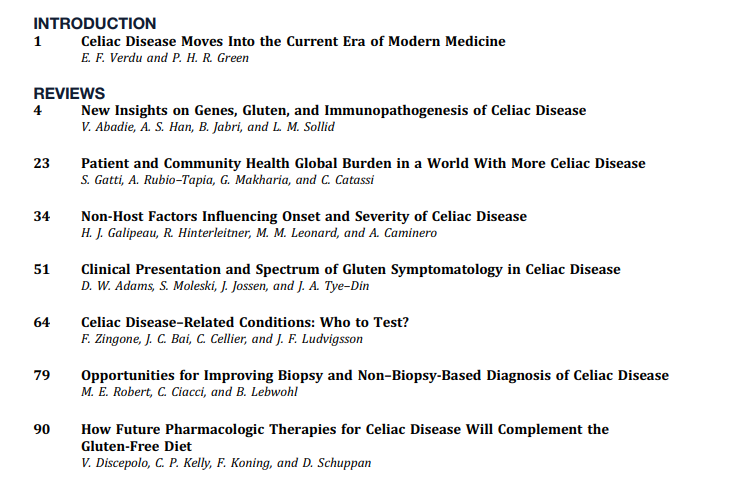
In June 2024 (special issue), Gastroenterology published an entire issue (193 pages) focused on celiac disease. There was a lot of useful information on almost every aspect of this disease. Below I have summarized some of the points.

V Disepolo et al. Open Access! How Future Pharmacologic Therapies for Celiac Disease Will Complement the Gluten-Free Diet

  • This article focuses on the emerging pharmacologic treatments
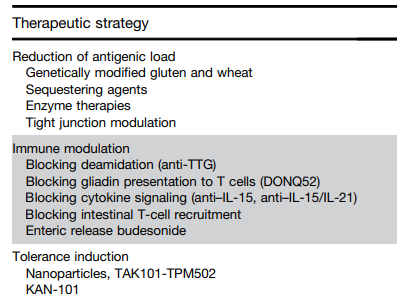
One of the treatment strategies has been to try to sequester gluten. This has included using enzymes to degrade dietary gluten. Other approaches include genetically modifying diet, tight junction modulation, immune modulation and tolerance induction.
Some therapies being developed in adults may have unacceptable risk profiles for children. This could include blocking cytokine signaling (anti–IL-15, anti–IL-15/IL-21) and blocking intestinal T-cell recruitment

Related blog posts:
G Malamut et al. Advances in Nonresponsive and Refractory Celiac Disease

Celiac Disease: Pro Tips (Part 1)

In June 2024 (special issue), Gastroenterology published an entire issue (193 pages) focused on celiac disease. There was a lot of useful information on almost every aspect of this disease. Below I have summarized some of the points.

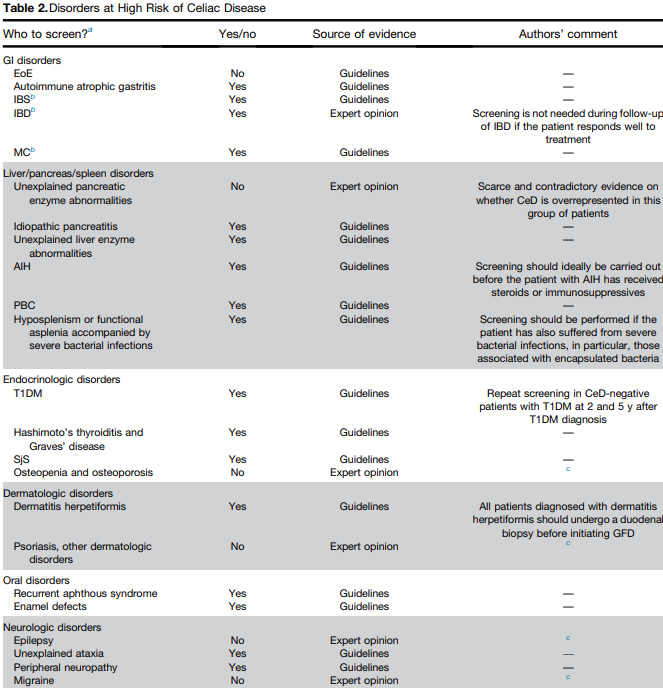
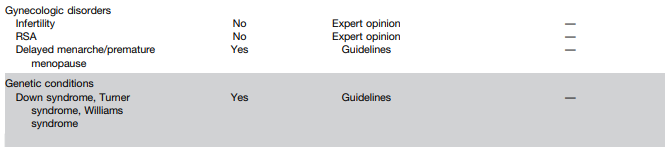
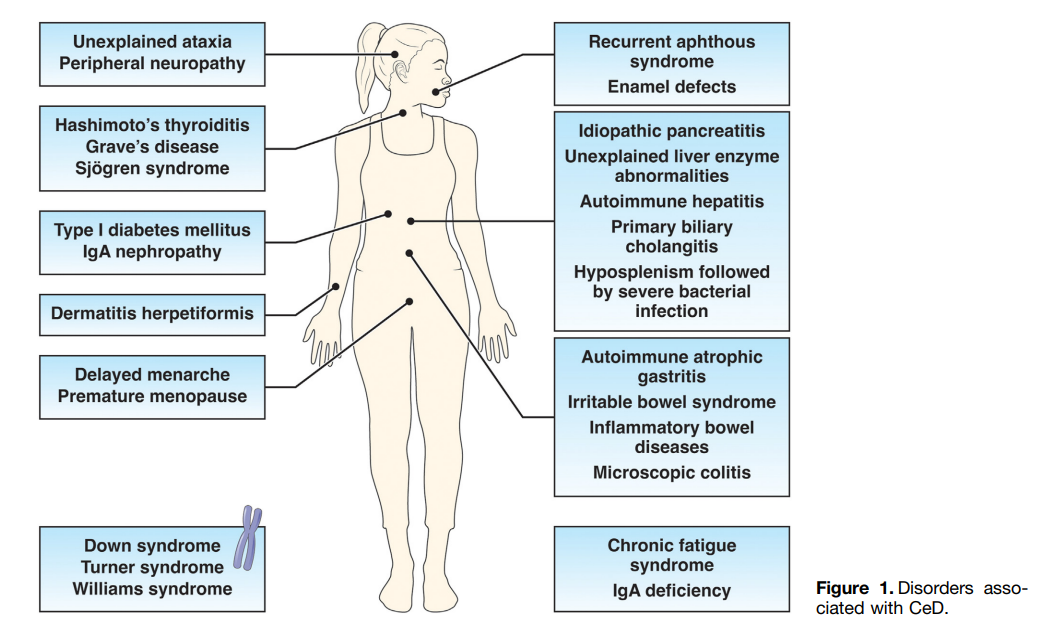
F Zingone et al. Open Access: Celiac Disease–Related Conditions: Who to Test?

  • The authors detail disorders with increased risk for CeD and which merit screening (see Table 2 below). Some disorders that merit screening that are more obscure include idiopathic pancreatitis, autoimmune hepatitis, delayed menarche, and chronic fatigue.
  • They note that type 1 diabetes mellitus could require serial screening. “Because CeD can manifest at any time and with greater frequency during the initial 5 years, conducting additional screenings in CeD-negative T1DM patients 2 and 5 years after T1DM diagnosis and those who later develop gastrointestinal (GI) symptoms may be advisable.” In addition, it is important to recognize that CeD serology testing is less reliable in patients with T1DM.

S Gatti et al. Patient and Community Health Global Burden in a World With More Celiac Disease, describes the worldwide burden of celiac disease and how to improve detection.

  • They note that the worldwide prevalence is between 0.7% and 2.9%. In this issue, most authors estimate the prevalence to be about 1% with more than 50% undetected.
  • There are many places with higher rates. In U.S. “children in Colorado had a 2.5-fold higher risk compared to Washington State…similar regional differences were seen …in Sweden, Finland, and Germany.”
  • They note the burden before and after diagnosis. Before diagnosis/undetected, there can be persistent symptoms, complications (eg. osteoporosis, decreased fertility) and impaired quality of life. Afterwards, there are increased costs of a GFD and psycho-social burden of GFD.
  • In terms of generalized screening compared to case-finding, the authors note that given the number of at-risk groups, the case-finding approach could entail screening >50% of the population.

V Abadie et al. New Insights on Genes, Gluten, and Immunopathogenesis of Celiac Disease, reviews the intricate details of genetic, biochemical, and immunologic studies, which together have revealed mechanisms of gluten peptide modification and HLA binding, thereby enabling a maladapted anti-gluten immune response.

  • What I was most interested in was the mechanisms behind ‘potential’ celiac disease (PCeD) in which patients have autoimmunity (+serology) but normal histology. In potential CeD, the anti-CD4+ T-cell response is present but decoupled from tissue cytotoxicity. However, notably, IL-21, a cytokine produced by gluten-specific CD4+ T cells in active CeD, is not up-regulated in potential CeD…In addition, patients with potential CeD lack the presence of an epithelial stress response associated with IL-15, HSP70, and HSP27 upregulation in epithelial cells.” “The presence of epithelial stress is a crucial prerequisite for the development of tissue damage.”

How Closely Related Are Eosinophilic Gastrointestinal Disorders To Isolated Eosinophilic Esophagitis

H Sato et al. Clin Gastroenterol Hepatol 2024; 22: 1531-1534. (Research Letter) Eosinophil Involvement Outside the Esophagus in Eosinophilic Esophagitis

The authors retrospectively studied a cohort of children (n=782) with eosinophilic gastrointestinal disorders (EGID) including 592 with isolated eosinophilic esophagitis (EoE), 190 with EGID which included esophageal involvement (“EI”) and 35 EGD without esophageal involvement (“Non-EI”).

Key findings:

  • Abdominal pain was more frequent in EI than isolated EoE: 61% vs 45%, p=.002)
  • EI patients had more dense esophageal eosinophil infiltrate (peak) than isolated EoE: 115 vs 92; P=.036) and higher peripheral blood eosinophil level (0.44 vs 0.38; p=0.027)
  • 94-Gene expression profiles from esophageal biopsies from a 168 subgroup showed that EoE and EI were not significantly different. The heat map for upregulated and downregulated gene expression was different based on disease activity but not significantly different between EoE or EI in either state.

My take (borrowed from authors): The similar molecular transcriptome between EI and EoE are indicative of a shared pathogenesis.

Related blog posts:
Colorado River near Moab

Tirzepatide for Metabolic Dysfunction–Associated Steatohepatitis (MASH) & Uptick in GLP1 Use

R Loomba et al. NEJM 2024; 391; 299-310. Tirzepatide for Metabolic Dysfunction–Associated Steatohepatitis with Liver Fibrosis

F Kanwal. N Engl J Med 2024;391:371-372. Dual Agonists for Management of Metabolic Dysfunction–Associated Steatohepatitis (Associated editorial)

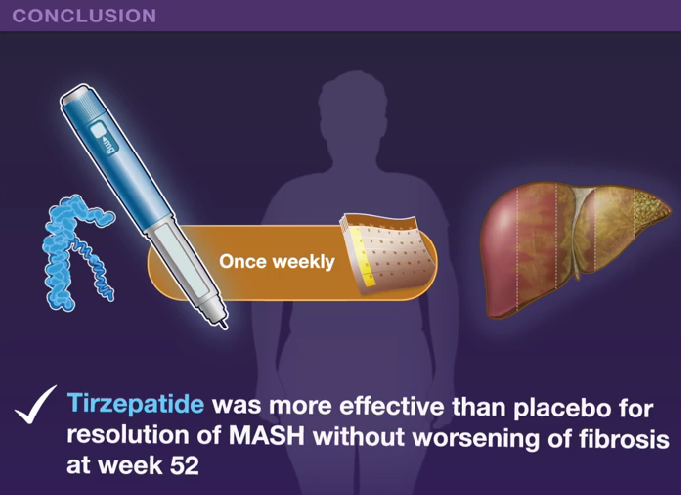
Background: The efficacy and safety of tirzepatide, an agonist of the glucose-dependent insulinotropic polypeptide and glucagon-like peptide-1 receptors, in patients with MASH and moderate or severe fibrosis is unclear.

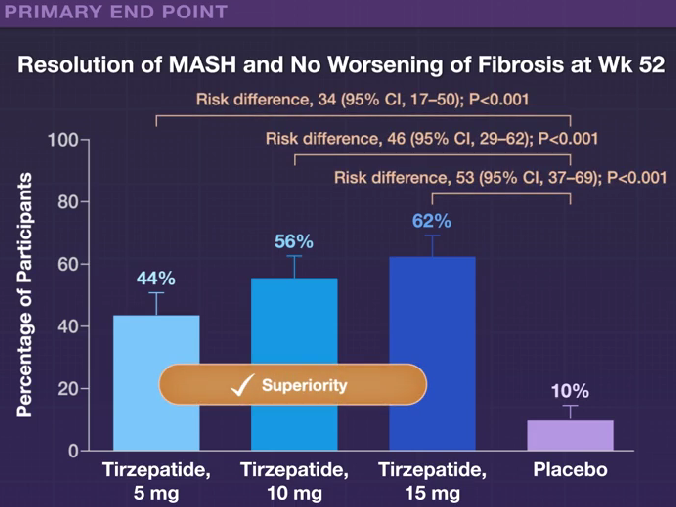
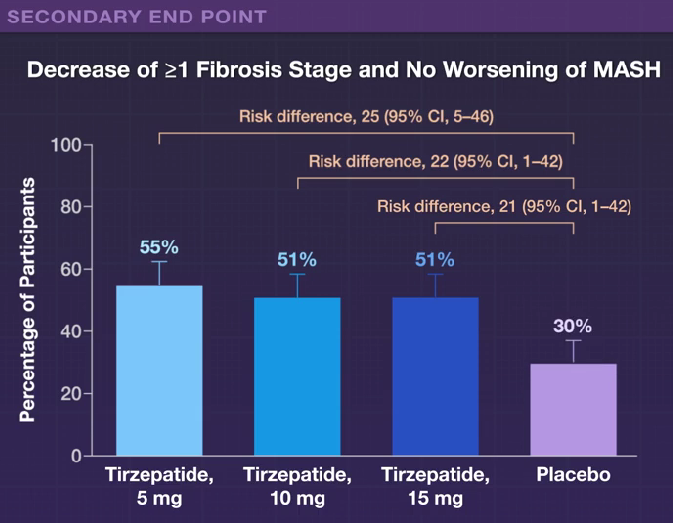
Methods: This was a phase 2, dose-finding, multicenter, double-blind, randomized, placebo-controlled trial involving participants with biopsy-confirmed MASH and stage F2 or F3 (moderate or severe) fibrosis. Participants were randomly assigned to receive once-weekly subcutaneous tirzepatide (5 mg, 10 mg, or 15 mg) or placebo for 52 weeks. 

My take: Until very recently, there were no effective pharmacologic agents for steatotic liver disease (SLD). Now it appears that there will be multiple effective agents. When newer agents for hepatitis C became available (Harvoni was FDA approved 10 years ago), there were concerns about the high cost. With SLD, this is an even bigger concern give the indefinite treatment period.

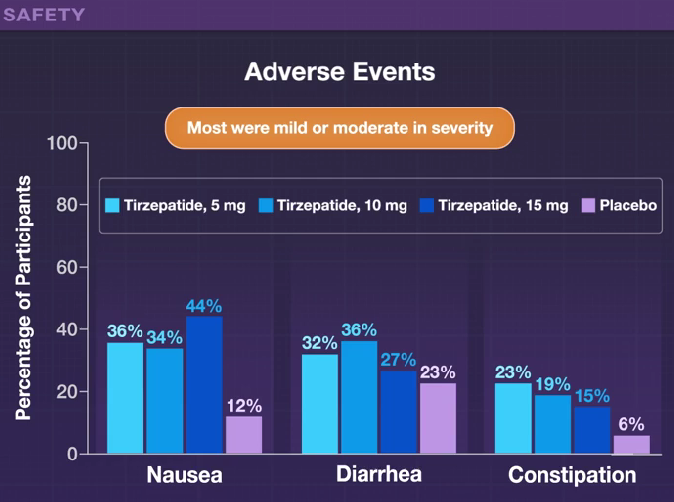
From editorial: “Overall, these data are encouraging. Clinicians providing care for patients with MASH will probably have an increasing number of options in their armamentarium. With a growing menu of effective treatments, harms and unacceptable side effects will be important considerations in making treatment decisions.”

Related blog posts:
ACG Review (Zobair Younassi, MD): NAFLD and NASH

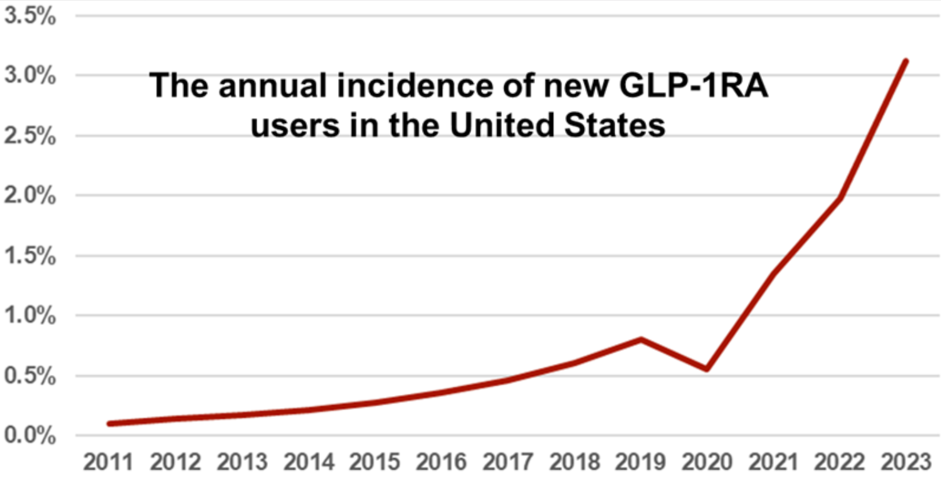
Related article: YH Yeo et al. Annals of Intern Med 2024; https://doi.org/10.7326/M24-00. Shifting Trends in the Indication of Glucagon-like Peptide-1 Receptor Agonist Prescriptions: A Nationwide Analysis

Liver Briefs: Hereditary Angioedema/Liver Transplantation, Bulevirtide/PEG for HDV, and AASLD Cystic Fibrosis Guidance

NE Peters et al. NEJM 2024; 391; 56-59. Normalization of C1 Inhibitor in a Patient with Hereditary Angioedema

“An infant with genetically confirmed hereditary angioedema and low C1 inhibitor levels (but without previous episodes of angioedema) underwent liver transplantation for biliary atresia, an unrelated condition. Liver transplantation led to normalization of the C1 inhibitor level and function. To our knowledge, this represents the first patient to be potentially cured of hereditary angioedema.” This case report shows that liver-directed therapy can reverse hereditary angioedema.

Related blog posts:
T Asselah et al. NEJM 2024; 391:133-143. Bulevirtide Combined with Pegylated Interferon for Chronic Hepatitis D

Key finding: At 24 weeks after the end of treatment, HDV RNA was undetectable in 17% of the patients in the peginterferon alfa-2a group, in 32% of those in the 2-mg bulevirtide plus peginterferon alfa-2a group, in 46% of those in the 10-mg bulevirtide plus peginterferon alfa-2a group, and in 12% of those in the 10-mg bulevirtide group. 

My take: This is a long (48 weeks) and difficult treatment (2 injection meds and lots of peginterferon side effects). However, there is a fairly good response rate.

Related blog post: Image Only: World Hepatitis Day Infographic

ZM Sellers et al. Hepatology 2024; 79(5):p 1220-1238, May 2024. Open Access! Cystic fibrosis screening, evaluation, and management of hepatobiliary disease consensus recommendations

This link to the article also has links to related AASLD guidelines (eg. management of portal hypertension). Table 2 summarizes the ~34 recommendations which include yearly evaluation with labs, ultrasound at least every 2 years in pediatric patients (age 3 yrs and older) and against routine use of ursodeoxycholic acid.

Thanks: Updated Long-Term PPI Use Smartphrase

AK Kamboj et al. Clin Gastroenterol Hepatol 2024; 22: 1373-1376. Long-Term Proton Pump Inhibitor Use: Review of Indications and Special Considerations

This article provides a good review on long-term use of PPIs. Table 1 provides indications that may require long-term use of PPIs:

  • Erosive esophagitis: symptomatic Los Angeles Grade B or Maintenance for Grade C-D
  • Symptomatic Nonerosive GERD
  • Peptic stricture
  • Biopsy-proven Barrett’s esophagus
  • PPI-responsive esophageal mucosal diseases: eosinophilic esophagitis or lymphocytic esophagitis
  • Peptic ulcer disease without modifiable risk factor
  • High-risk patients receiving antiplatelet therapy
  • Zollinger-Ellison
  • Idiopathic pulmonary fibrosis (per pulmonologist)

Table 2 provides customary advice: ensure patient has a good indication for PPI otherwise consider deprescribing, and use lowest effective dose. It also summarizes potential adverse effects/management.

My take: The author’s “take-home message” is appropriate as a smartphrase for counseling patients (slightly modified below):

  • Although proton pump inhibitor (PPI) use is common, only a few conditions warrant its long-term use. These conditions include severe erosive esophagitis, PPI-responsive eosinophilic esophagitis, chronic esophageal mucosal diseases, and peptic ulcer disease with risk of recurrence (and others).
  • When PPIs are required long-term, efforts should be made to use the lowest possible dosing necessary to manage patient symptoms and underlying condition.
  • In patients that do not meet indications for long-term PPIs, efforts should be made to deprescribe these medications.
  • Although PPIs are often linked to various adverse conditions, these potential associations are largely based on low-quality studies and do not prove an increase risk for these conditions. Multiple larger-scale studies have also demonstrated results showing no such associations besides a marginal increase in enteric infections.
  • In general, routine testing should not be performed on long-term PPIs unless risk factors for specific conditions exist. In those with risk factors, monitoring could be needed for low magnesium, vitamin B12 deficiency, chronic kidney disease, and osteoporosis.

Related blog posts:

Bryce Canyon National Park