Background: The Council of Pediatric Subspecialties (CoPS) created a list of 3 to 5 learning objectives that each subspecialty believes are the most important practical skills for the general pediatrician and recommends be included in general pediatrics, medicine-pediatrics, and other combined residency program curricula… The Subspecialty Perspectives on (pediatrics) Training (SPoT) action team within CoPS asked each subspecialty representative, most of whom were fellowship program directors at the time, in collaboration with their subspecialty colleagues, to provide a list of 3 to 5 practical learning objectives that should be expected of graduating pediatric residents and practicing general pediatricians in the evaluation and management of conditions related to their subspecialty.
Recommendations for Pediatric Gastroenterology:
My take: This article identifies four of the most important areas in pediatric gastroenterology. If I were to add a fifth, given the wide variety of problems in our field, it would be to know how to quickly reach out to a pediatric gastroenterologist when you need advice.
This article is worth a quick look to see if you have the essential knowledge in all pediatric subspecialty fields (Table 1). One of the most important that relates to pediatric gastroenterology is in the allergy section: “Identify the importance of avoiding indiscriminate testing for food allergy without an appropriate clinical history concerning for IgE mediated food allergy.”
Methods: The authors modeled the effects of four medications, tirzepatide and semaglutide compared to phentermine-topiramate and naltrexone-bupropion. The study used data from the 2017-2020 National Health and Nutrition Examination Survey. This included 4823 individuals (representing 126 million eligible US adults) aged 20 to 79 years who would meet the following clinical trial inclusion criteria for these drugs: (1) had a body mass index (BMI; calculated as weight in kilograms divided by height in meters squared) of 30 or greater or (2) had a BMI between 27 and 29.9 and at least 1 weight-related comorbidity (ie, diabetes, hypertension, dyslipidemia, or cardiovascular disease).
Key results:
Based on this model, in US adults, over a lifetime, tirzepatide would avert 45,609 obesity cases per 100,000 individuals and and semaglutide would avert 32,087 cases per 100,000 individuals.
Tirzepatide and Semaglutide would avert cases of diabetes by 20,854 per 100,000 individuals and 19,211 cases per 100,000 individuals respectively.
Tirzepatide and Semaglutide would avert cardiovascular disease cases by 10,655 per 100,000 individuals and 8,263 cases per 100,000 individuals respectively.
Despite the largest incremental QALY gains of 0.35 for tirzepatide and 0.25 for semaglutide among all antiobesity medications, the incremental cost-effectiveness ratios were $197,023/QALY and 467,676/QALY, respectively.
To reach the $100,000/QALY threshold, their prices would require additional discounts by 30.5% for tirzepatide and 81.9% for semaglutide from their current net prices.
In short, the authors indicate that based on a typical QALY threshold for cost-effectiveness, tirzepatide would need to be priced at $4,334 per year, from the current average of $6,236 per year; semaglutide would need to be $1,522 per year, from an average of about $8,412 per year today.
My take: The costs of these drugs in non-US markets would meet the QALY threshold for cost-effectiveness. However, until the patent on these drugs expires, US consumers are likely to be spending a great deal more. The U.S. patent on semaglutide will expire in 2032, and the U.S. patent on tirzepatide will expire in 2036.
CNN 9/24/24‘Greed, greed, greed’: Sanders demands Ozempic maker lower prices: “He {Bernie Sanders] noted that the list price for a four-week supply of Ozempic is $969 in America, but the drug can be purchased for $155 in Canada, $122 in Denmark and $59 in Germany. Similarly, Wegovy’s list price is $1,349 in the US, but it costs $186 in Denmark, $140 in Germany and $92 in the United Kingdom.”
Consumer Reports published a report on the levels of heavy metals in U.S. infant formulas. In response, we want to share some important information with parents regarding the report.
First and foremost, Abbott’s Similac infant formulas are safe, and parents can use them confidently.
The results reported by Consumer Reports for our infant formulas meet the regulations for heavy metals already set by the European Commission and Health Canada. FDA is currently developing limits for infant formula in the U.S.
Abbott has a multi-step quality process for heavy metals to ensure that levels are below the relevant regulatory requirements in the countries we serve.
Occurrence of Heavy Metals
Heavy metals are naturally occurring in the environment, including in the soil, water, or air where foods are grown. As a result, they are present in low levels in almost anything we eat or drink, including in baby food, all brands of infant formula, fruits and vegetables, and human breast milk.
Commitment to Safety and Quality…
The levels of heavy metals that Consumer Reports detected in Abbott’s formulas are very low—just a few parts per billion. To put that in perspective, a single ppb equals a single grain of sand in 730 pounds of sand.
Approach to Heavy Metals…
Individual ingredients that we believe may contain trace heavy metals (due to absorption from the natural environment) are tested during the qualification process before we approve them for use in our products.We also have an ongoing surveillance testing program after the qualification process designed to periodically test samples of ingredients and finished products to ensure that our supplier and ingredient qualification process is working as intended...Parents can continue to use them with confidence.
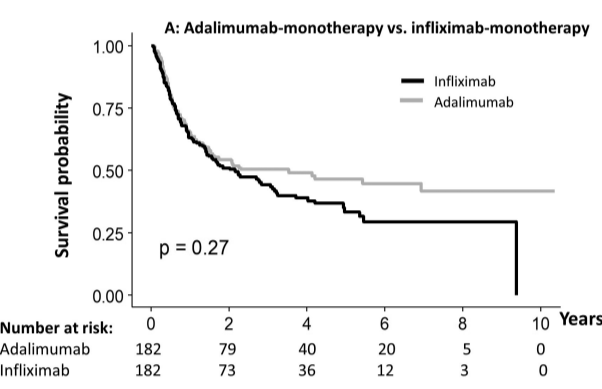
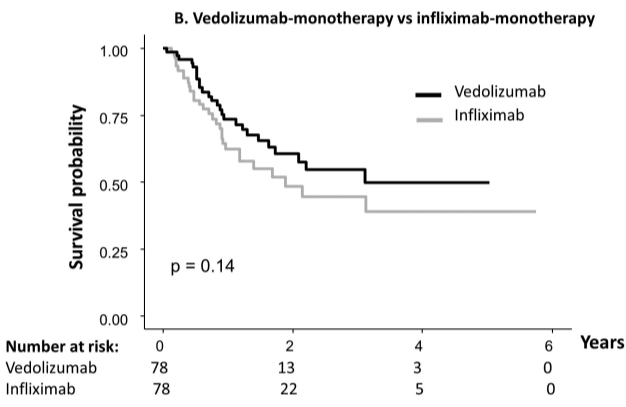
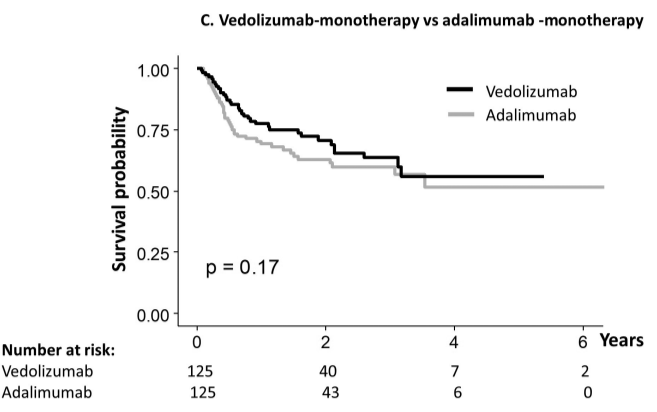
This was a nationwide Israeli study with 15,111 patients with UC, of whom 2322 (15%) received biologics, with a median follow-up of 7.0 years. The dataset includes ~98% of the Israeli population; “the accuracy of medication data is high, as the Israeli health care system provides medications almost free of charge through the HMOs, and the electronic dispensing of drugs contributes to reliable and precise data.”
Key findings:
After 5 years of treatment, 43% of the patients with UC sustained their first biologic
The durability rate was similar between pediatric-onset and adults after 1 and 5 years from initiation of treatment (72% and 43% vs 71% and 43%, respectively)
Durability of adalimumab vs infliximab after 1 or 5 years was similar, whether prescribed as monotherapy (65%/46% vs 63%/33%, respectively) or combotherapy (78%/56% vs 91%/58%, respectively)
Durability of infliximab at 1 yr and 5 yrs was higher as combotherapy (85%/50%) vs monotherapy (69%/42%; , P = .007), while it was similar for adalimumab (80%/52% vs 74%/52%)
The durability rate was similar for vedolizumab monotherapy at 1 yr and 5 yrs (77%/56%) compared with adalimumab monotherapy (69%/52%), and infliximab monotherapy (73%/55% vs 62%/44%). However, combotherapy of antitumor necrosis factors (TNFs) had longer durability than vedolizumab (85%/50% vs 75%/43%), respectively;
My take: When looking at the durability plots, the three main biologics in this study, infliximab, adalimumab and vedolizumab, performed similarly. Whether therapeutic drug monitoring would influence theses results is not clear. It is interesting that a recent study in the pediatric population found that combination therapy was important for adalimumab and not infliximab (see: Why Do Children Taking Adalimumab Benefit from Methotrexate Dual Therapy?)
Also, from AGA Today (3/20/25): FDA Approves Guselkumab To Treat Patients With Crohn’s Disease
HCPlive (3/20, Campbell) reports the FDA on Thursday announced the approval of “guselkumab (Tremfya) for the treatment of adults with moderately to severely active Crohn disease.” The announcement from Johnson and Johnson claims the “approval is based on data from multiple phase 3 trials, including the GALAXI trials, which found guselkumab outperformed ustekinumab (Stelara) for multiple endoscopic endpoints. The agent now boasts indications for moderately to severely active Crohn disease and moderately to severely active ulcerative colitis (UC).” This is the fourth indication for guselkumab in the US
Disclaimer: This blog, gutsandgrowth, assumes no responsibility for any use or operation of any method, product, instruction, concept or idea contained in the material herein or for any injury or damage to persons or property (whether products liability, negligence or otherwise) resulting from such use or operation. These blog posts are for educational purposes only. Specific dosing of medications (along with potential adverse effects) should be confirmed by prescribing physician. Because of rapid advances in the medical sciences, the gutsandgrowth blog cautions that independent verification should be made of diagnosis and drug dosages. The reader is solely responsible for the conduct of any suggested test or procedure. This content is not a substitute for medical advice, diagnosis or treatment provided by a qualified healthcare provider. Always seek the advice of your physician or other qualified health provider with any questions you may have regarding a condition.
Office visit at 2-4 weeks of age (by 4 weeks of life)
Check fractionated bilirubin: If there is any pale, gray or white stools, If there is any jaundice in eyes or skin, or If there is a prior history of abnormal direct or conjugated bilirubin*
If direct or conjugated bilirubin is 1 mg/dL or higher, urgent consult to GI
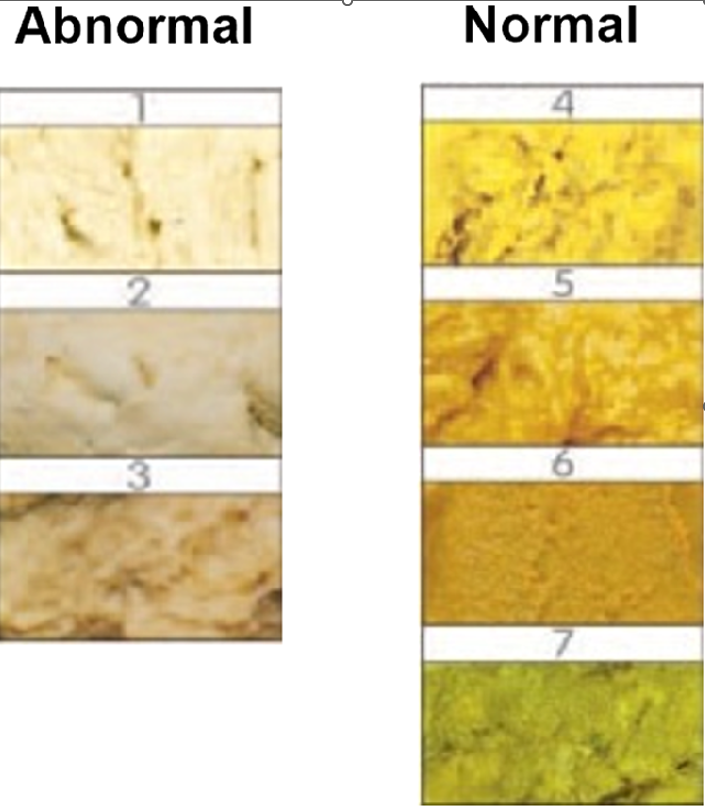
Stool color classification
“The most important result is the initial direct or conjugated bilirubin level, which will be “high” in BA starting at birth.11,17,18 “High” is defined as exceeding the laboratory’s derived reference range, even if only by 0.1 mg/dL In the period before 2 weeks of life, “high” is not defined by exceeding a fixed cut-off or exceeding a bilirubin ratio.”
Additional Recommendations:
The authors indicate that followup blood testing isNOT needed if the following: 1. Any prior direct or conjugated bilirubin level that was normal (in reference range) or 2. Prior direct or conjugated bilirubin levels that were all abnormal but equivalent or decreasing over time. In this instance, equivalent or decreasing is defined as both (i) less than or equal to the initial level; and (ii) <1 mg/dL
“Consider adding direct or conjugated bilirubin testing when serum total bilirubin testing is performed. As mentioned earlier, many centers measure at least 1 serum total bilirubin level via heel stick or venipuncture to assess risk for bilirubin encephalopathy. Direct or conjugated bilirubin levels can be measured from the same heel stick or venipuncture sample, without needing an additional blood draw.”
My take: Any child with an elevated direct or conjugated bilirubin (above reference range) in the first two weeks of life needs to be carefully followed. This guideline also recommends using abnormal stool color and prolonged jaundice/icterus as prompting bloodwork.
In the past, it was consider normal in newborns to have elevated direct bilirubin IF there was a low ratio of direct bilirubin to total bilirubin (less than 20% in those with bilirubin >5 mg/dL). However, this can result in missed cases of biliary atresia.
This Consumer Reports article is likely to generate a lot of attention. Thanks to Dr. Seth Marcus for sharing this reference.
An excerpt:
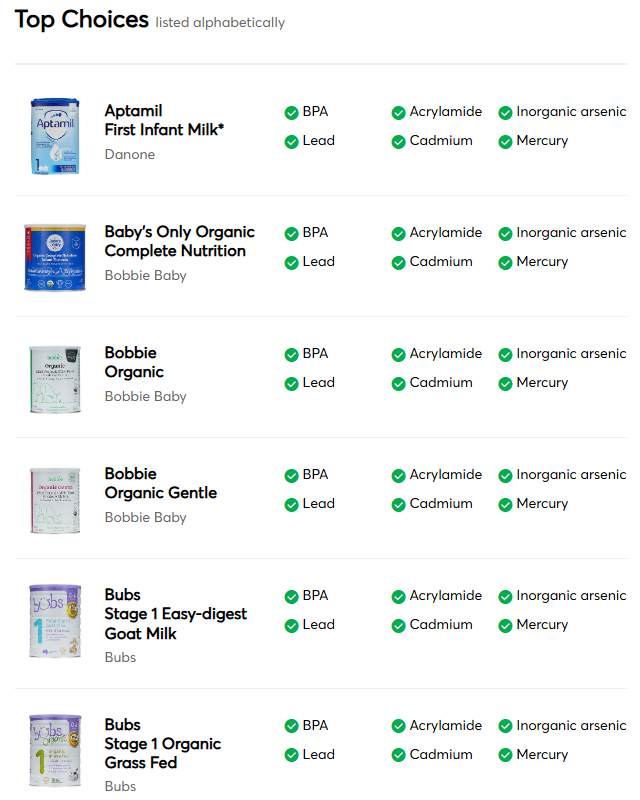
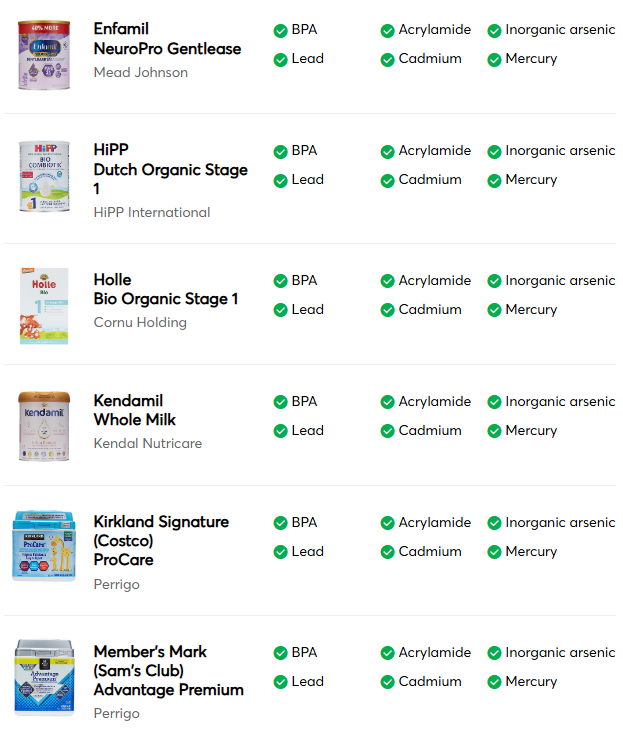
While some formulas had concerning levels [of arsenic and lead], there are safer choices. After seeing our results, the FDA is pledging further action…
Consumer Reports tests in the past have found elevated levels of inorganic arsenic in fruit juice, baby food, and bottled water…Our tests found the highest inorganic arsenic level in Abbott Nutrition’s EleCare Hypoallergenic, at 19.7 parts per billion (ppb), and the second highest in Similac Alimentum at 15.1 ppb, also made by Abbott.
As we had expected, CR’s tests found lead in almost all the formulas. Lead levels ranged from 1.2 ppb to 4.2 ppb, which is below the FDA’s Closer to Zero goal, but CR’s experts believe those levels are too high...
Together the formula made by these three companies—Abbott, Mead Johnson, and Perrigo—makes up 79 percent of the U.S. market…They also said trace levels of heavy metals in the food supply are not an issue that is unique to infant formula…
Perrigo, which makes Dr. Brown’s formula and many popular store brands we tested, including Kirkland, Parent’s Choice, Member’s Mark, and Up&Up, also told us that it routinely screens its formulas for heavy metals. “These compounds and PFAS are also found in breast milk,” a spokesperson wrote. “Their levels in infant formula are insignificant and well below regulations in the United States and around the world.”
Contaminants from the environment pose a problem for our entire food supply, CR experts say. But the problem is much more urgent for formula, given how vulnerable babies who depend on it are.
The FDA has long been limited by a lack of both resources and authority to carry out all the oversight it’s tasked with. ..
Keep these test results in perspective. Environmental pollutants are pervasive in our food supply, and all the contaminants in our tests—arsenic, lead, BPA, acrylamide, and PFAS—have also been previously detected in breast milk, food, and water…
Never ever try to make your own baby formula or offer alternative foods. It’s unsafe from a nutrition standpoint…
Use clean water to mix into your powdered formula. The EPA sets limits on contaminants in tap water for most of the country, but not every part of it. If you drink water from a well, for instance, that water is not regulated by the EPA. So it’s a good idea to get well water tested for heavy metals and PFAS before using it…
“Good Choices”
A2 Platinum -A2 Milk Company
ByHeart Whole Nutrition -ByHeart
Happy Baby Organics -Danone
Kendamil Organic -Kendal Nutricare
Neocate Hypoallergenic -Danone
Parent’s Choice Infant -Perrigo
Similac 360 Total Care -Abbott Nutrition
Similac 360 Total Care Sensitive -Abbott Nutrition
Similac Sensitive -Abbott Nutrition
Similac Soy Isomil -Abbott Nutrition
“Worse Choices”
Dr. Brown’s SoothePro -Perrigo
Elecare Hypoallergenic -Abbott Nutrition
Enfamil Nutramagen -Mead Johnson
Enfamil ProSobee Simply Plant-Based -Mead Johnson
Kabrita Goat Milk-Based -Ausnutria
PurAmino Hypoallergenic -Mead Johnson
Similac Alimentum -Abbott Nutrition
Similac NeoSure -Abbott Nutrition
Similac Total Comfort -Abbott Nutrition
Up&Up (Target) Soy -Perigo
My take: Formula companies need to continue to work on minimizing all of the contaminants. Yet, if all families selected only CR’s “top choices,” there would not be enough formula for infants who are not breastfed. In addition, this problem is even more of an issue in children needing specialized hypoallergenic formulas.
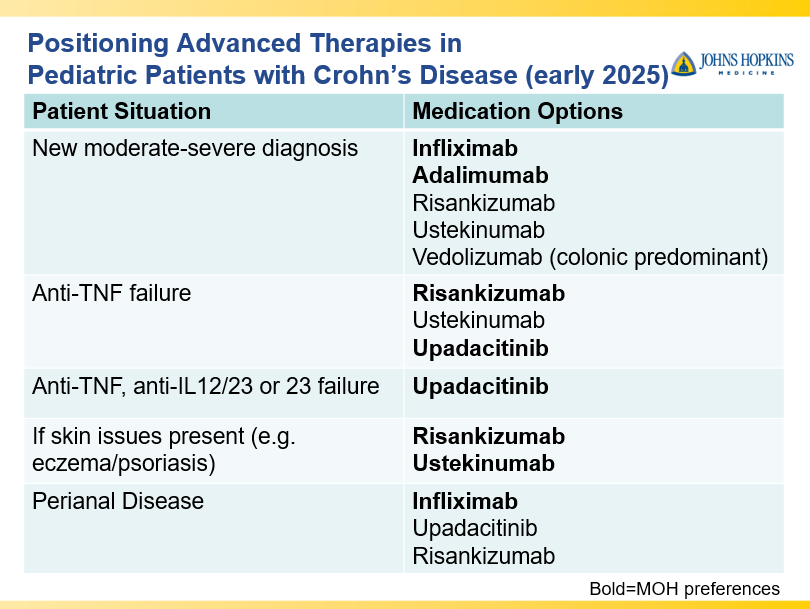
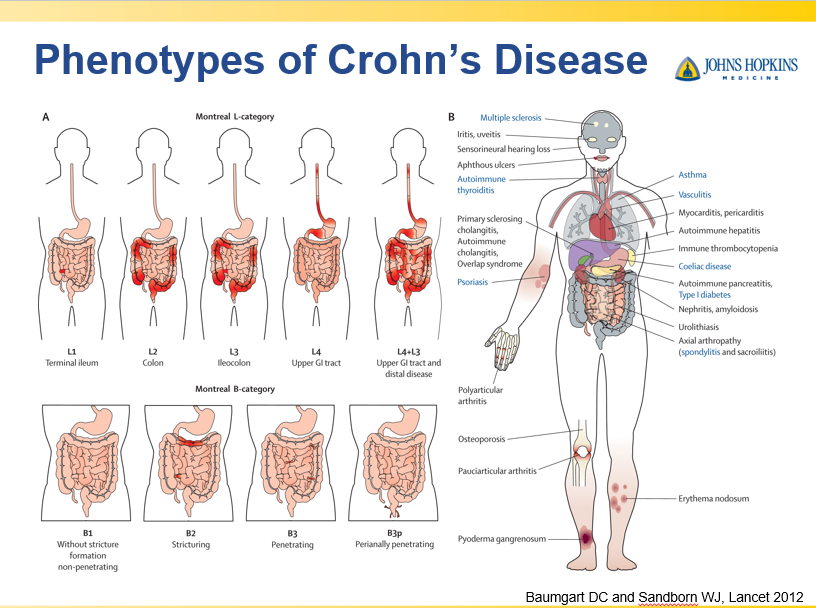
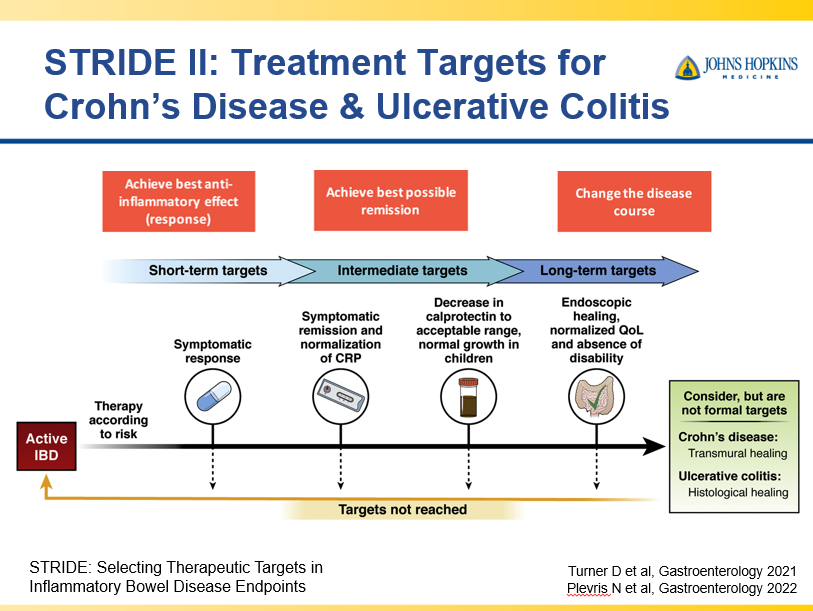
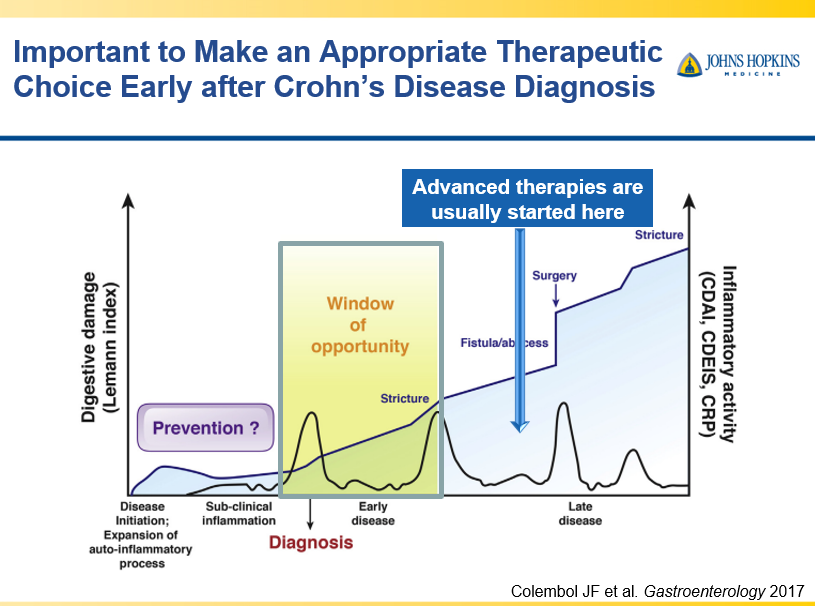
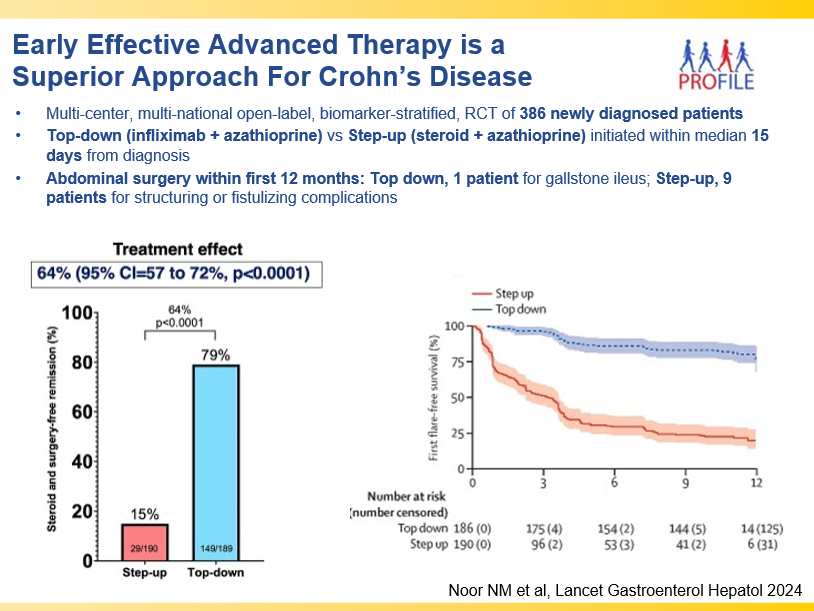
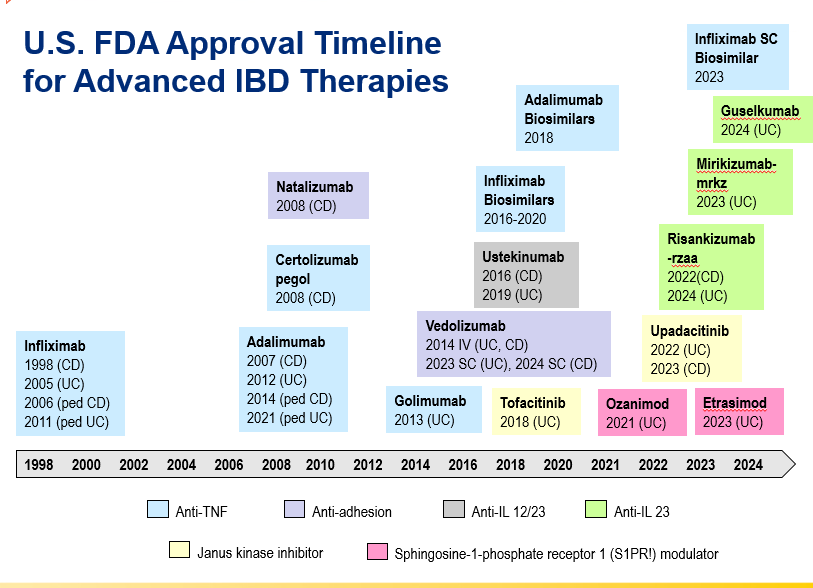
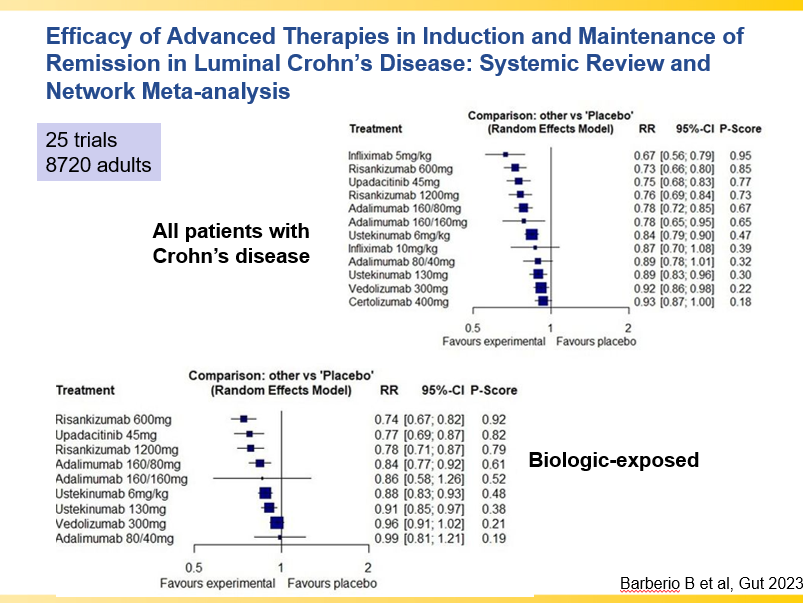
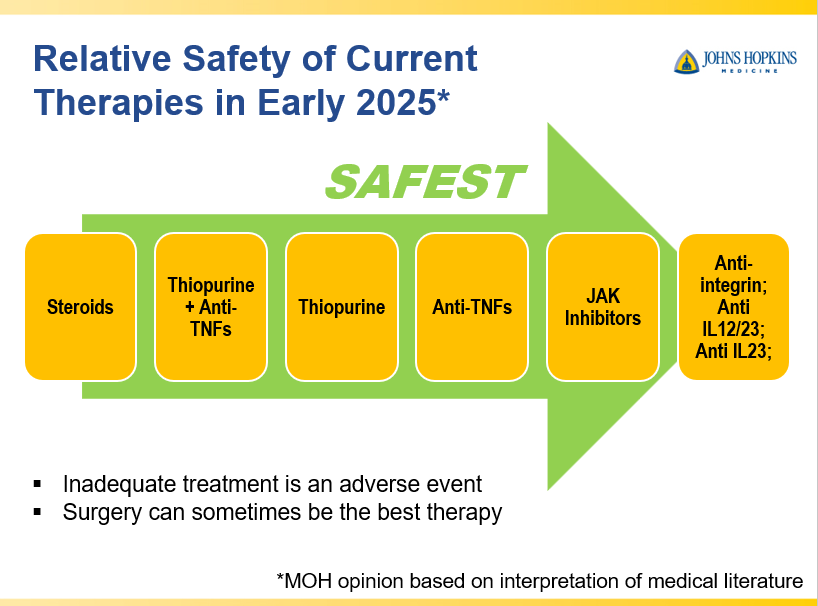
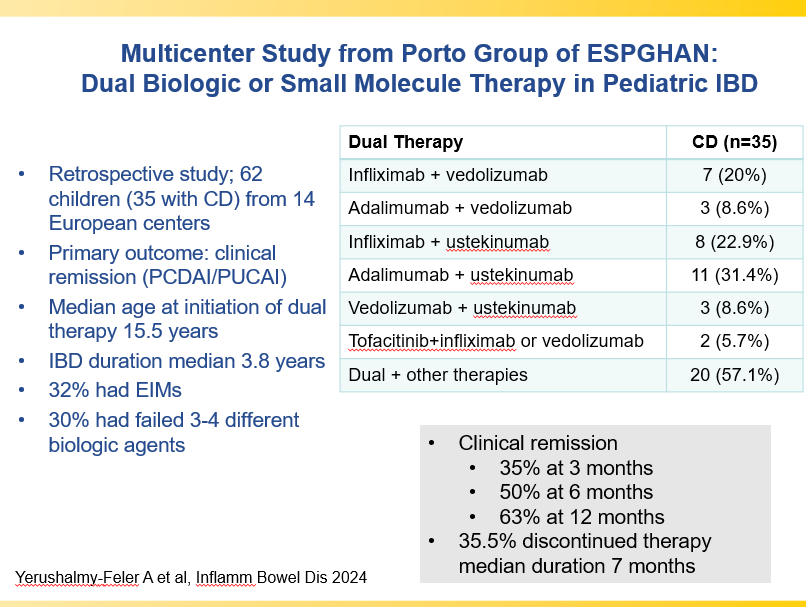
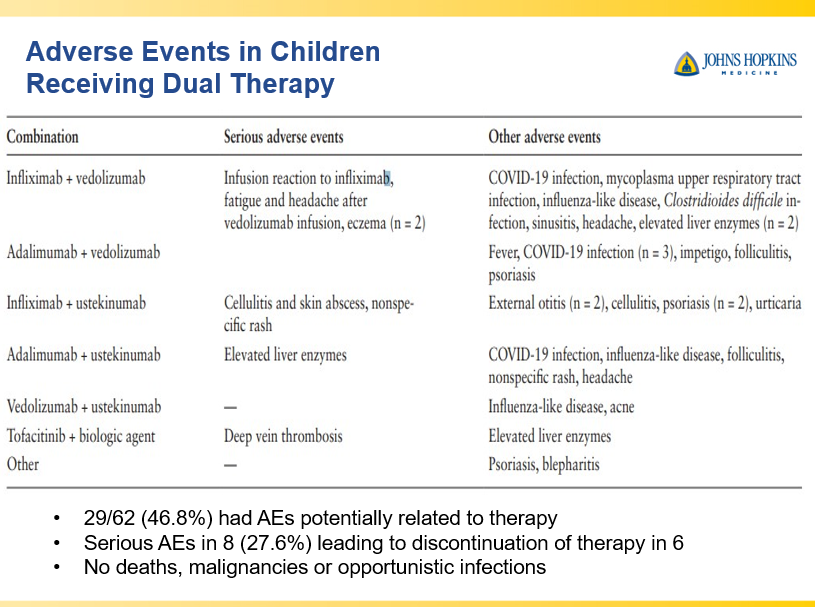
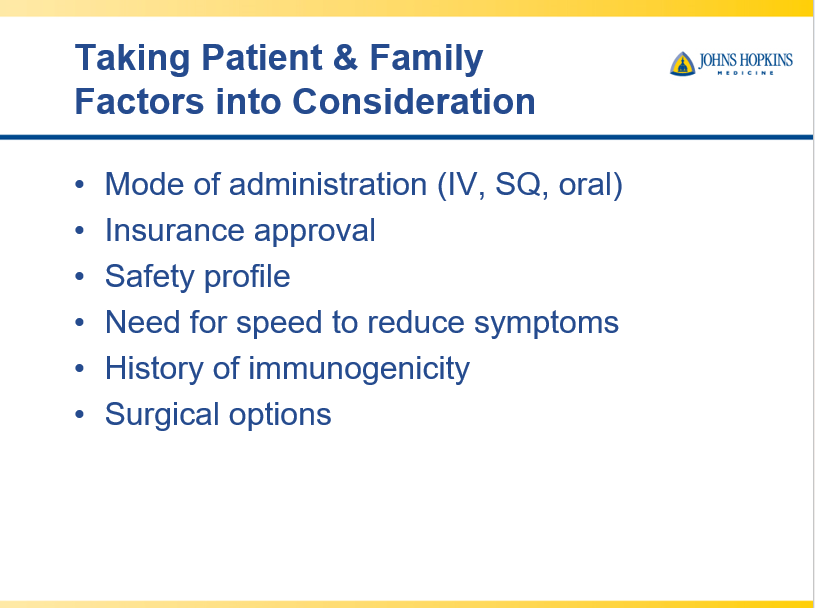
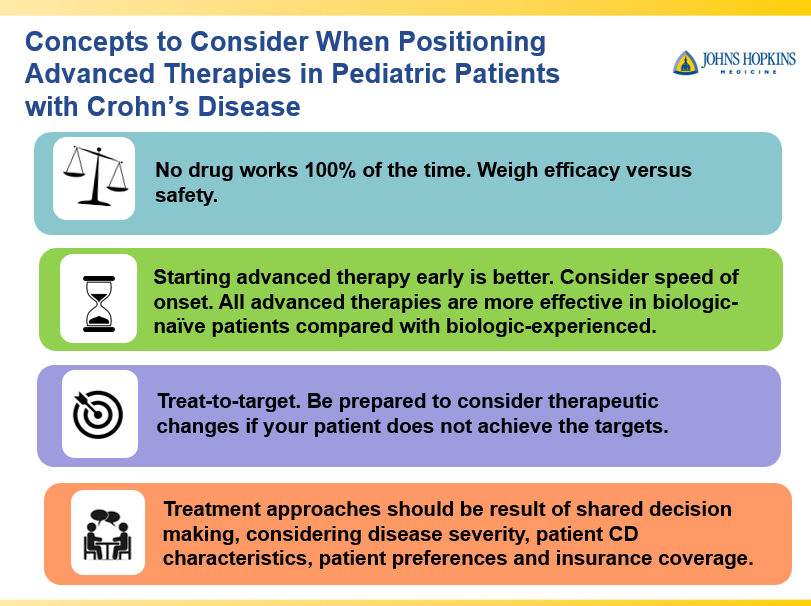
Recently, Dr. Maria Oliva-Hemker gave our group an excellent update on Crohn’s disease therapies. My notes below may contain errors in transcription and in omission. Along with my notes, I have included many of her slides.
Key points:
Early advanced therapy results in better outcomes (see The PROFILE study results below as one example)
Anti-TNFs are the only therapy with a specific FDA pediatric indication. Medications can take 8-10 years after use in adults for pediatric labeling
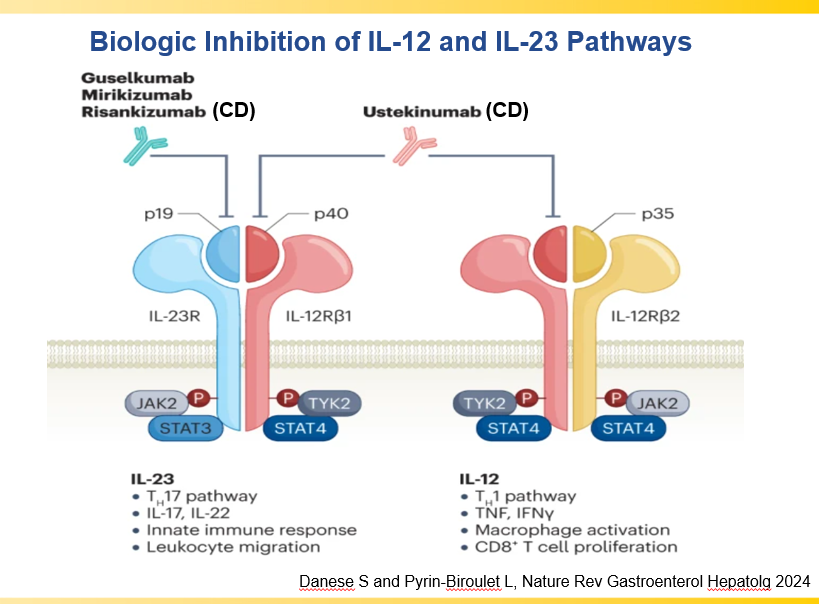
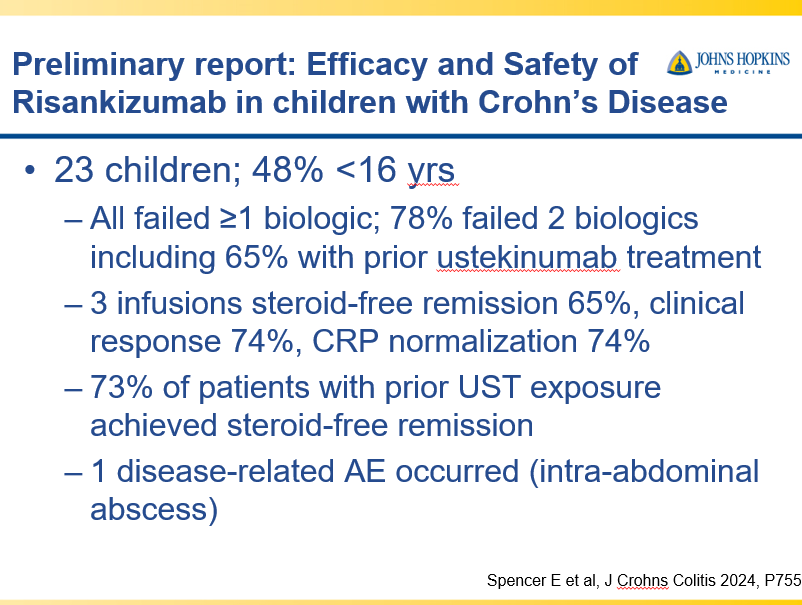
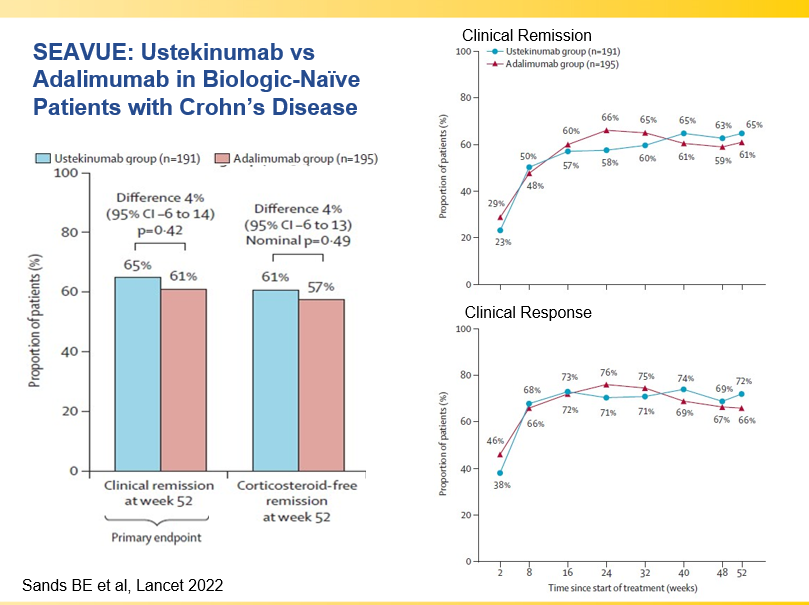
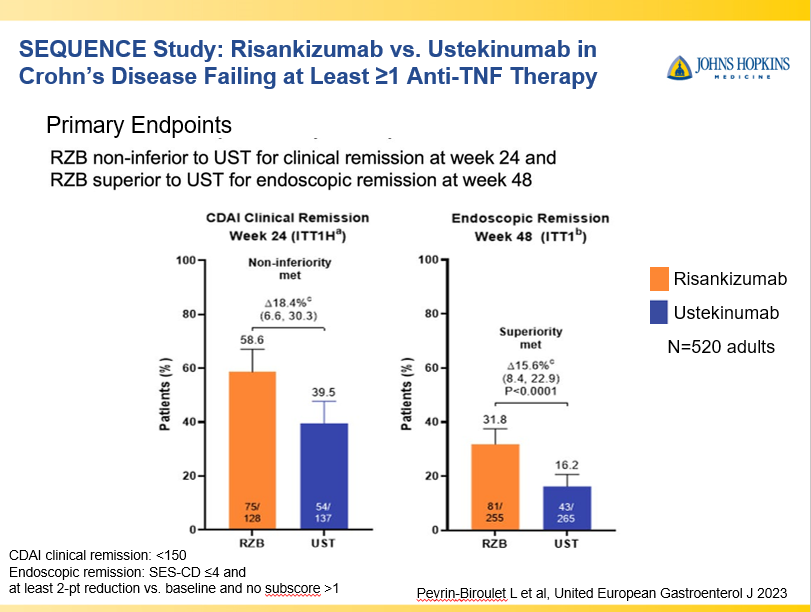
IL-23 specific agents (like risankizumab) are more effective than ustekinumab that target both IL-23/IL-12
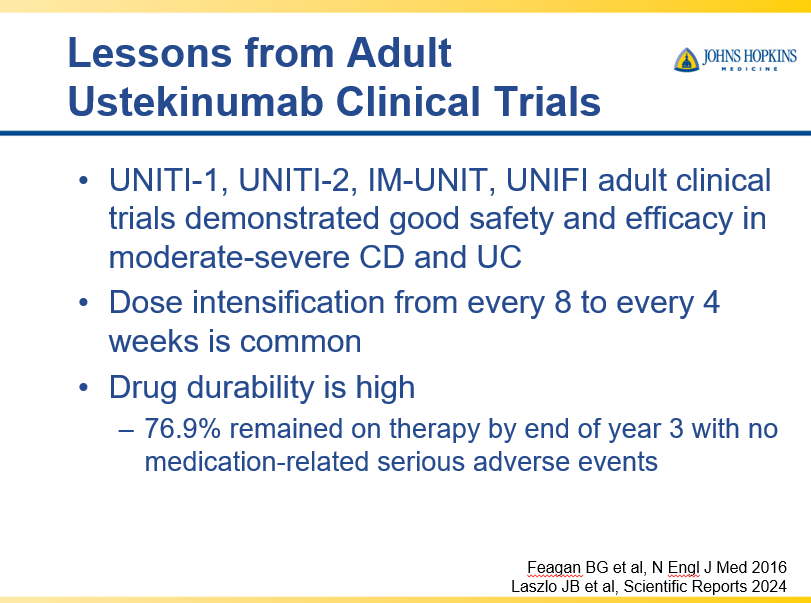
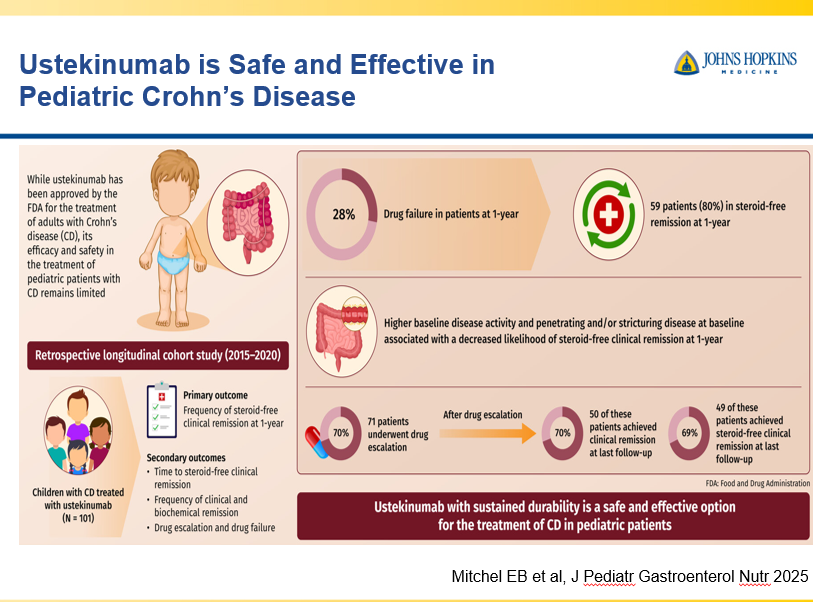
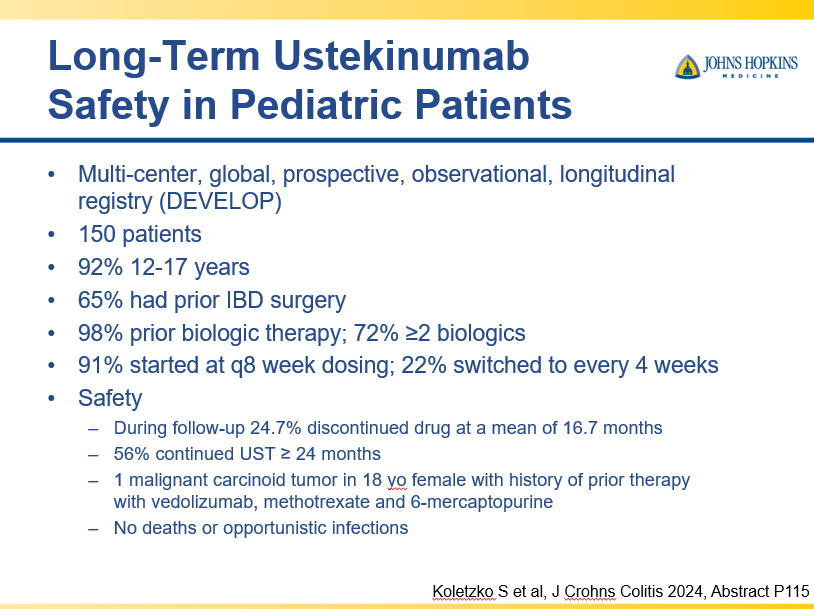
Recent studies show that ustekinumab is effective in children. Also, in patients who respond to ustekinumab, there is good durability
Infliximab is a top-line therapy in Crohn’s disease
Risankizumab is a top-line therapy in both biologic-naive and biologic-exposed patients with Crohn’s disease. Higher maintenance doses may capture more patients.
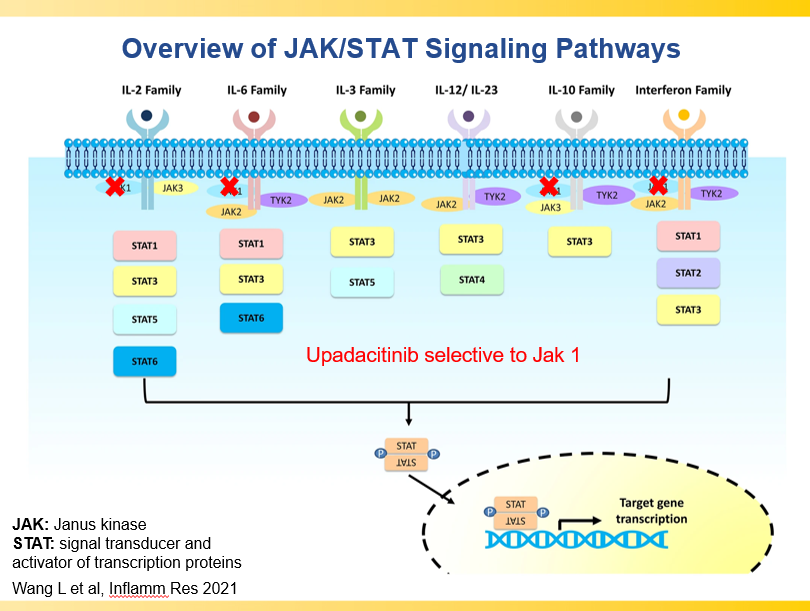
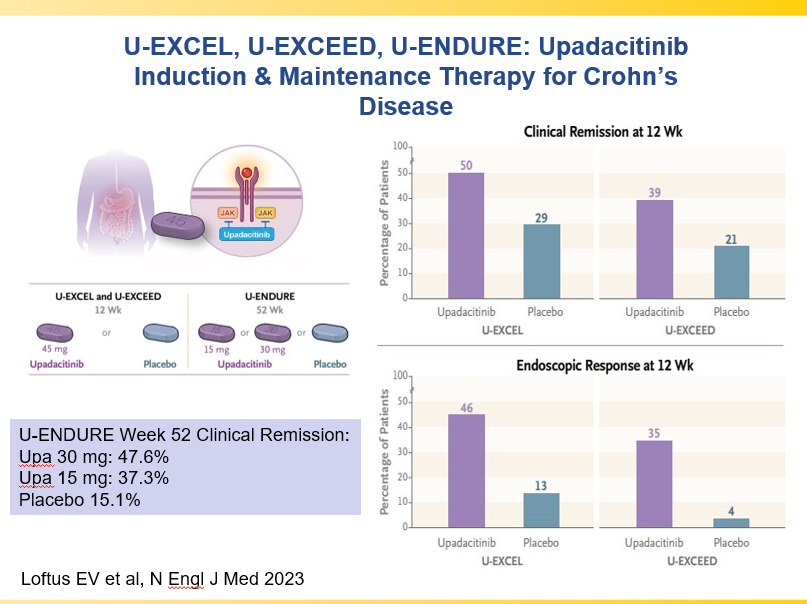
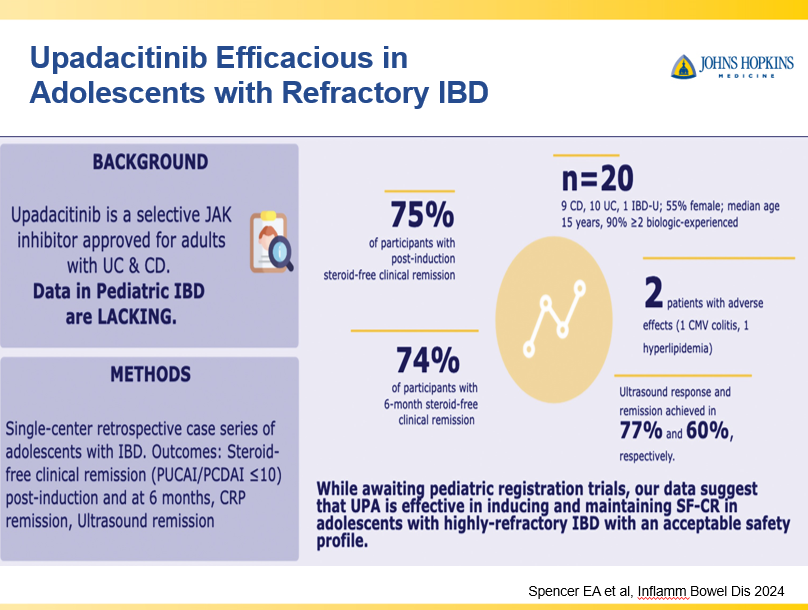
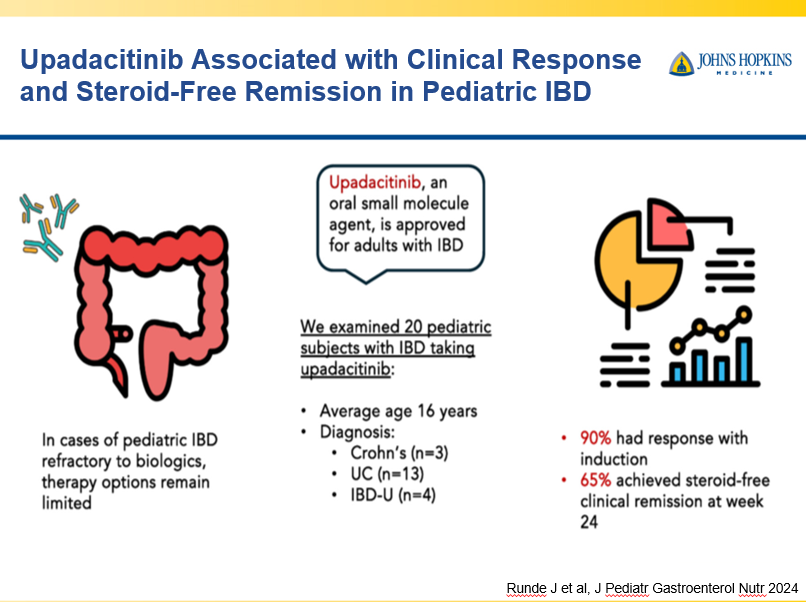
Upadacitinib is a very good therapy in patients with prior advanced therapies with either Crohn’s or ulcerative colitis. It also has a rapid onset of action (within 2 weeks)
Vedolizumab is less effective in those who are biologic-exposed. However, patients with predominantly colonic (UC-like) involvement may be better-suited for this therapy
Close monitoring and treat-to-target approaches are recommended. Usually followup scope is undertaken after one year (&/or one year after switching therapy)
Combination advanced therapies have shown effectiveness but it is unclear which combinations are optimal
This slide shows the Montreal Classification, an organ-based phenotype, to describe the anatomic extent and behaviors of Crohn’s disease;. The figure on the right illustrates extraintestinal manifestations of IBD. It is expected that disease classification will rely more on a molecular based approach.The STRIDE project which defined goals of treatment was the result of consensus achieved by the International Organization of IBD. The first recommendations came out in 2015 and then these were updated in 2021 to incorporate a pediatric component.The PROFILE study with 386 adults showed how important early effective advanced therapies. Patients receiving infliximab/azathioprine within a median of 15 days from diagnosis had remarkably better outcomes compared to step up treatment with prednisone + azathioprine. The cytokine IL12 and IL23 shown as circles with 2 subunits attaching to their receptors share a p40 subunit (shown in red). Ustekinumab binds to that p40 subunit thereby inhibiting both the IL12 and IL23 pathways. IL23 inhibitor. Risankizumab, Mirkizumab, Guselkumab inhibit only the p19 subunit (shown in blue) and so they only downregulate the IL-23 pathway. Jak inhibitors targets are intracellular in location. Pediatric data: Multicenter 2015-2020; primary outcome was CS-free remission after 1 yr. Prior to use, 50% failed 1 anti TNF and 30% 2 anti TNF. At one year, 59/101 were in steroid free remissionUpadactinib studies: Oral induction dose for UC and CD is 45 mg daily for induction and with reduction in maintenance to 30 mg or 15 mgDue to limited head-to-head studies, network meta analyses provides indirect evidence of comparative effectiveness. It relies on how effective a medication was compared to placebo. One of the problems with these comparisons is that there are different populations in each of these studies.In patients who need speed to reduce symptoms, upadacitinib is favored over IL-23 agents
Though Dr. Oliva-Hemker’s lecture did not focus on ulcerative colitis, she did note that their center has recommended frequent colonoscopies (often yearly) in many of their patients with the combination of ulcerative colitis and PSC. This is due cases of colon cancer in their pediatric cohort.
Disclaimer: This blog, gutsandgrowth, assumes no responsibility for any use or operation of any method, product, instruction, concept or idea contained in the material herein or for any injury or damage to persons or property (whether products liability, negligence or otherwise) resulting from such use or operation. These blog posts are for educational purposes only. Specific dosing of medications (along with potential adverse effects) should be confirmed by prescribing physician. Because of rapid advances in the medical sciences, the gutsandgrowth blog cautions that independent verification should be made of diagnosis and drug dosages. The reader is solely responsible for the conduct of any suggested test or procedure. This content is not a substitute for medical advice, diagnosis or treatment provided by a qualified healthcare provider. Always seek the advice of your physician or other qualified health provider with any questions you may have regarding a condition.
Researchers have corrected a disease-causing gene mutation with a single infusion carrying a treatment that precisely targeted the errant gene.This was the first time a mutated gene has been restored to normal….
The study involved patients who have alpha-1 antitrypsin deficiency, or AATD, a genetic disease that affects an estimated 100,000 Americans…
When the nanoparticles reached the liver, the lipid layer peeled off, releasing the editor — a disabled CRISPR molecule that acted like a GPS for the genome and an enzyme to fix the mutation. The CRISPR molecule crawled along the patient’s DNA until it found the one incorrect letter that needed to be repaired among the three billion DNA letters in the genome. Then the editing enzyme replaced that letter with the correct one… Those who got the highest dose made enough normal alpha-1 antitrypsin to be in a range where no more damage should occur.
My take: This is exciting news, though, long-term data is needed to determine if this will be a durable cure. Cost/availability will be an important consideration if effective.
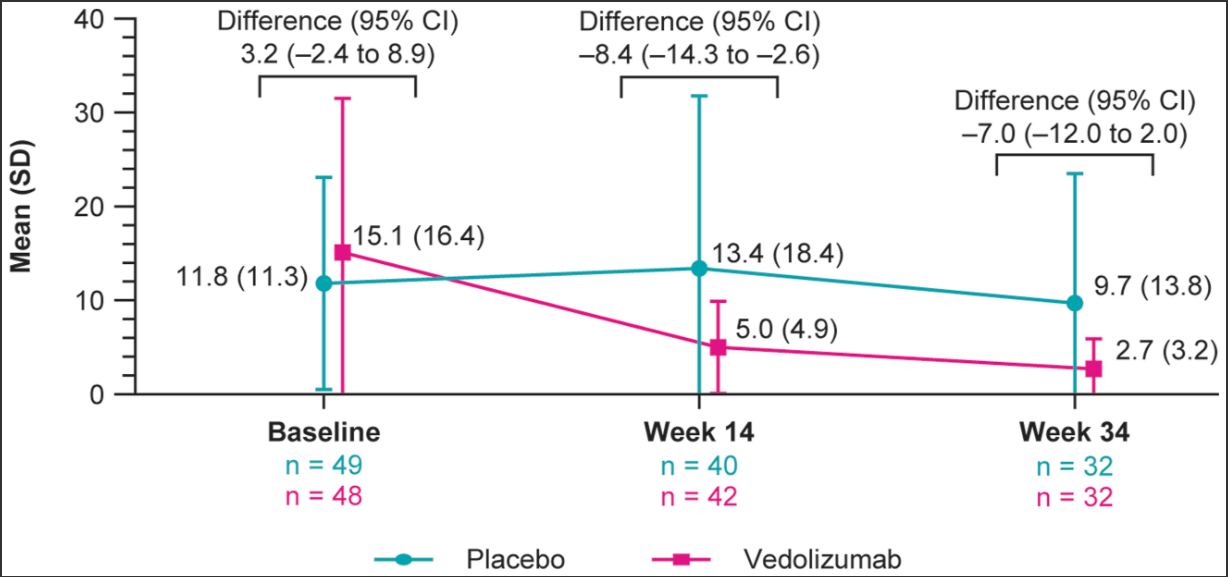
Methods: EARNEST, a randomized, double-blind, placebo-controlled study, evaluated vedolizumab efficacy and safety in adults with chronic pouchitis.
Key findings:
More patients treated with vedolizumab vs placebo achieved mucosal healing, reduction in ulcers and ulcerated pouch area and SES-CD remission.
Reduction in the Number of Ulcers was much better for Vedolizumab than PlaceboProportion of patients with (A) change in ulcerated surface area and (B) with no ulcers (ulcers >5 mm, erosions ≤5 mm)
My take: Fortunately, chronic pouchitis is uncommon in the pediatric population. This study shows that many patients with chronic pouchitis improve with vedolizumab.
Methods: Children (n=936) aged 5–16 years with suspected non-perforated appendicitis (based on clinical diagnosis with or without radiological diagnosis) were randomly assigned (1:1) to the antibiotic or the appendectomy group. Treatment failure: Within 1 year of random assignment, n the antibiotic group, failure was defined as removal of the appendix, and in the appendectomy group, failure was defined as a normal appendix based on pathology.
Key findings:
Treatment failure occurred in 153 (34%) of 452 patients in the antibiotic group, compared with 28 (7%) of 394 in the appendectomy group
There were no deaths or serious adverse events in either group
The relative risk of having a mild-to-moderate adverse event in the antibiotic group compared with the appendectomy group was 4·3
My take: Appendectomy was superior to antibiotic management of acute non-perforated appendicitis.
Disclaimer: This blog, gutsandgrowth, assumes no responsibility for any use or operation of any method, product, instruction, concept or idea contained in the material herein or for any injury or damage to persons or property (whether products liability, negligence or otherwise) resulting from such use or operation. These blog posts are for educational purposes only. Specific dosing of medications (along with potential adverse effects) should be confirmed by prescribing physician. Because of rapid advances in the medical sciences, the gutsandgrowth blog cautions that independent verification should be made of diagnosis and drug dosages. The reader is solely responsible for the conduct of any suggested test or procedure. This content is not a substitute for medical advice, diagnosis or treatment provided by a qualified healthcare provider. Always seek the advice of your physician or other qualified health provider with any questions you may have regarding a condition.