In patients receiving anti-TNF agents which are usually effective for CRMO, CRMO may develop paradoxically and may be associated with a psoriaform reaction.
At the time of diagnosis of paradoxical reaction, all patients were in remission due to anti-TNFα efficiency. Trough levels of anti-TNFα were in the expected range, and there were no anti–anti-TNFα antibodies.
All patients recovered after discontinuation of infliximab (n = 2) or adalimumab (n = 1).
My take: This study describes a rare adverse effect of anti-TNFα agents. If CRMO develops while on one of these agents, an alternative treatment is needed.
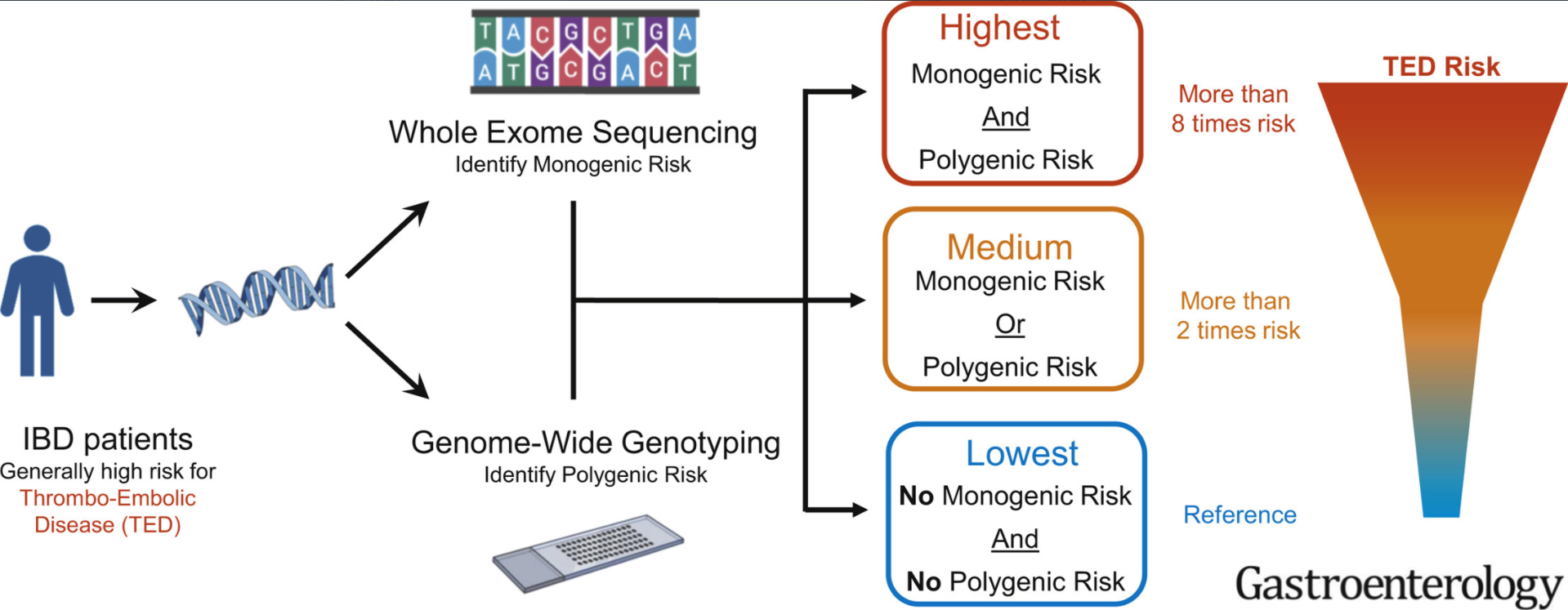
Background: 10% of healthy subjects are genetically at high risk for thromboembolic disease (TED). For adults with inflammatory bowel disease, TED is “largest cause of mortality in patients”
Key findings:
In total, this retrospective study had 792 IBD patients who had both whole-exome sequencing and genotyping data to identify thrombophilia pathogenic variants. 122 of 792 IBD patients (15.4%) as genetically high risk for TED.
Genetic TED risk was significantly associated with increased TED event (odds ratio,2.5; P ¼ .0036).
Patients with high TED genetic risk more frequently had thrombosis at multiple sites (78% vs 42%, odds ratio, 3.96; P ¼ .048)
“Our analyses demonstrate that approximately 1 in 7 patients with IBD have odds 2.5 times higher than nongenetically high-risk patients with IBD for experiencing TED.” The risk of TED in IBD is generally 3- to 4-fold higher than the general population
My take: In children, the risk of clots is much lower than in adults. Thus, the potential to identify those at highest risk would be useful in order to target interventions. Also, patients at higher risk for TED may affect choice of treatment (eg. avoiding JAK inhibitors).
In patients with Crohn’s disease, dose escalation of biologic therapy (eg. anti-TNF agents, vedolizumab) has been shown to be helpful in recapturing response to treatment. In a retrospective study with 110 patients, Ollech et al explore the outcomes in those who had their subcutaneous ustekinumab interval shortened to 4 weeks (from every 8 weeks).
Key findings:
Following dose interval shortening, the patients’ median Harvey Bradshaw Index (HBI) decreased from 4.5 to 3 ( P = .002), the median level of CRP decreased from 8 mg/L to 3 mg/L ( P = .031), and median level of fecal calprotectin decreased from 378 μg/g to 157 μg/g ( P = .57).
Among patients with active disease (HBI >4, CRP ≥/=5mg/dL, fecal calprotectin >250ug/g, or endoscopic evidence for disease activity), dose interval shortening was associated with a 28% clinical remission (an HBI score ≤4), and 50% had reduced levels of fecal calprotectin; 36% achieved endoscopic remission.
The authors did not identify serious adverse events with dose shortening.
My take: Prospective studies are needed. This study indicates that more frequent dosing improves outcomes in a significant fraction of those with active disease.
Unrelated article: C-H Lo et al. Clin Gastroenterol Hepatol 2021; 19: 87-95. Healthy Lifestyle Is Associated With Reduced Mortality in Patients With Inflammatory Bowel Diseases In this study, using data from three large cohort studies, the authors assessed the impact of 5 healthy lifestyle factors: never smoking, body mass index 18.5–24.9 kg/m 2, vigorous physical activity in the highest 50% with non-zero value, alternate Mediterranean diet score ≥4, and light drinking [0.1–5.0 g/d]. Key finding:
Compared to patients with IBD with no healthy lifestyle factors, patients with IBD with 3–5 healthy lifestyle factors had a significant reduction in all-cause mortality (hazard ratio [HR], 0.29; 95% CI, 0.16–0.52; Ptrend < .0001).
My take: Like the general population, healthy lifestyle choices are important in individuals with IBD; this study provides some data on the effects on outcomes.
“The U.S. Food and Drug Administration (FDA) is alerting the public that preliminary results from a safety clinical trial show an increased risk of serious heart-related problems and cancer with the arthritis and ulcerative colitis medicine Xeljanz, Xeljanz XR (tofacitinib) compared to another type of medicine called tumor necrosis factor (TNF) inhibitors. FDA required the safety trial, which also investigated other potential risks including blood clots in the lungs and death. Those final results are not yet available….
Patients should not stop taking tofacitinib without first consulting with your health care professionals, as doing so may worsen your condition. Talk to your health care professionals if you have any questions or concerns.”
In this retrospective observational longitudinal cohort study with 3007 patients with IBD from the ImproveCareNow Network, the authors found a high rate of continued linear growth after expected growth plate closure (15 years in females, 17 years in males).
Key findings:
80% manifested continued growth beyond the time of expected growth plate closure, more commonly in CD (81%) than UC (75%; P = 0.0002)
Median height gain was greater in males with CD (1.6 cm) than in males with UC (1.3 cm; P = 0.0004), and in females with CD (1.8 cm) than in females with UC (1.5 cm; P = 0.025)
My take: This study provides additional information about delayed skeletal maturation in the pediatric population with inflammatory bowel disease. Interestingly, the rate of continued growth with ulcerative colitis was nearly as high as with Crohn’s disease.
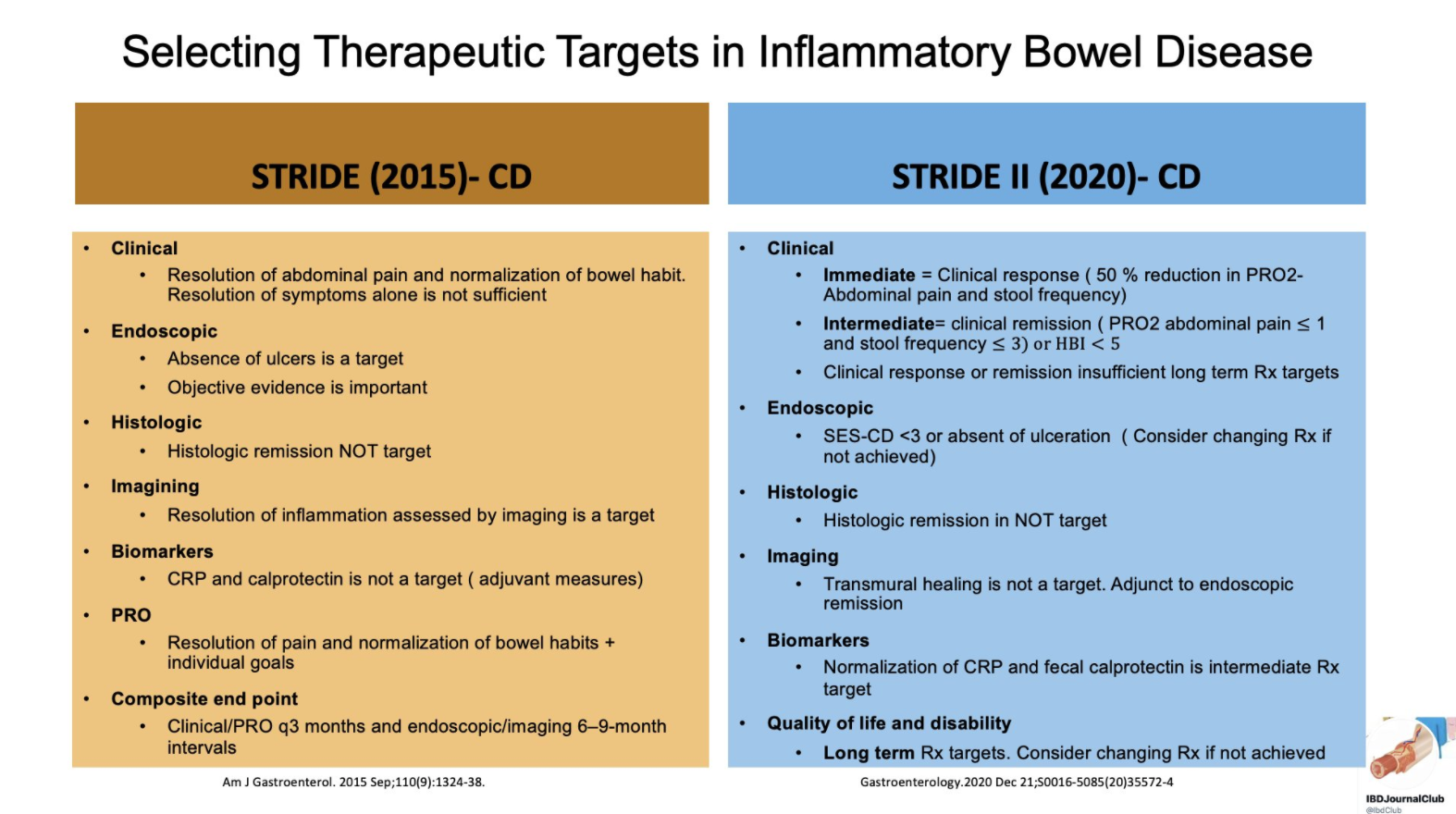
From Tauseef Ali’s Twitter Feed — a summary slide of Crohn’s disease targets for both pediatric and adult patients and a slide showing typical response/remission/healing times to medications.
Recommendations were based on a systematic review of the literature and iterative surveys of 89 IOIBD members, recommendations were drafted and modified in two surveys and two voting rounds.
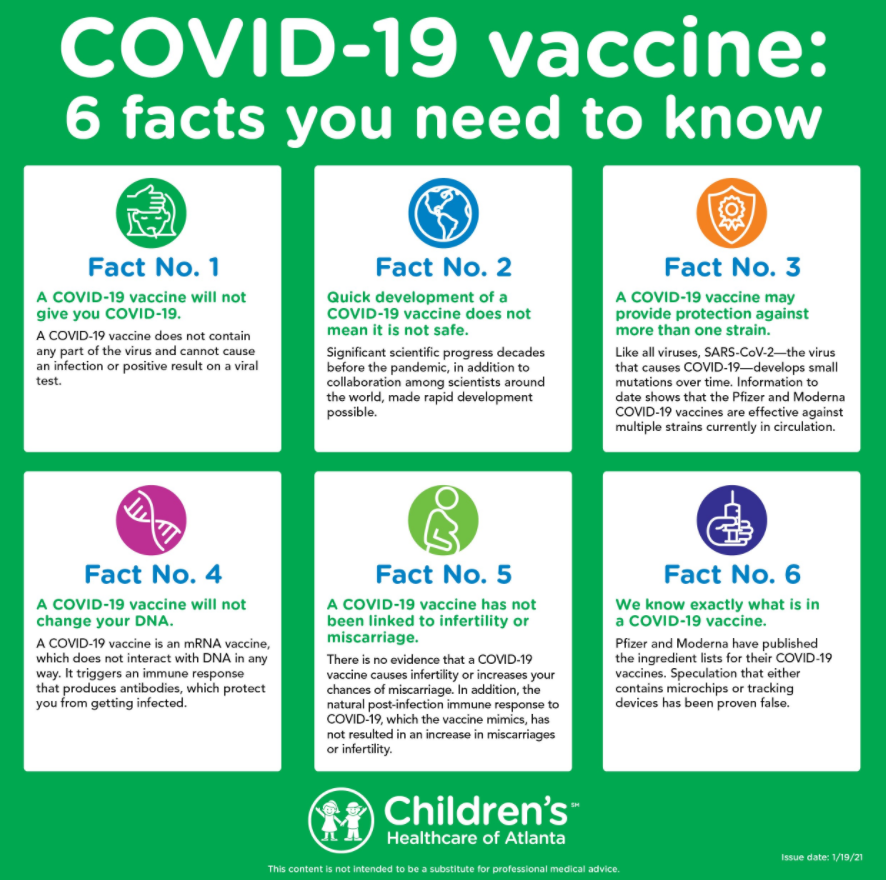
In the article, they note “the exception is for any live-attenuated virus vaccines or replication-competent viral vector vaccines that come to market.” Currently, all of the vaccines are inactivated (not live-attenuated).
These recommendations apply to approved populations which currently do not include pediatric patients or patients who are pregnant.
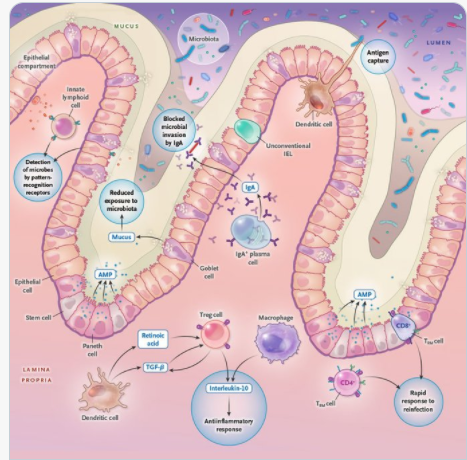
A recent review (JT Chang. NEJM 2020; 383: 2652-2664. Pathophysiology of Inflammatory Bowel Diseases) provides an in-depth description of the pathophysiology of inflammatory bowel disease (IBD). Digesting the article is akin to putting together a 1000 piece puzzle due to the complex interactions.
Some of the Key Points:
Based on genomewide association studies, there are “more than 240 risk variants that affect intracellular pathways recognizing microbial products (eg. NOD2); the autophagy pathway, which facilitates recycling intracellular organelles and removal of intracellular microorganisms (eg. ATG16L1); genes regulating epithelial barrier function (eg. ECM1); and pathways regulating innate and adaptive immunity (eg. IL23R and IL10).”
In this article, Figure 1 and 2 describe the intestinal mucosal immune system in health and disease. At baseline, this system promotes an antiinflammatory state “by virtue of active down-regulation of immune responses. For example, unlike macrophages in other parts of the body, intestinal macrophages do not produce inflammatory cytokines” after exposure to bacteria.
Other points:
Dysbiosis is present with IBD; however, studies have been “unable to infer causal relationships.”
Germ-free mice, when given fecal material from patients with IBD have increased susceptibility to colitis as compared to those who received fecal material from a healthy person.
Thus, this leads to potential for mitigating intestinal inflammation by modulation of the microbiome.
However, the authors note that humans are colonized by trillions of viral, fungal, bacterial, and eukaryotic microbes.
Other components of IBD pathophysiology: reduced mucus layer, increased microbial adherence, dysregulation of tight junctions/increased permeability, dysfunctional Paneth cells, TNF, IL23, IL12, IL6, IL 17A, IL17F, IL22, Interferon-gamma, integrins, JAK inhibitors, T-cells
My take: This article is a useful reference detailing the complexity of IBD pathophysiology and tries to summarize a whole textbook of information into 12 pages.
This study looked at 105 patients receiving combination therapy; the a median duration of combination therapy was 2.1 years, with infliximab and either methotrexate (53) or azathioprine (52). 89 patients had Crohn’s disease.
Key findings:
11 (10.5%) patients experienced a clinical relapse over a median duration of follow-up of 12.0 months after stopping the immunomodulator.
In the patients who did not relapse, the median IFX trough level at IM discontinuation was 6.2; the IFX trough level was 3.8 μg/mL in those who relapsed.
In their discussion, the authors urge caution in discontinuation of immunomodulators in those with clinically-severe Crohn’s disease and those with low infliximab levels.
Disclaimer: This blog, gutsandgrowth, assumes no responsibility for any use or operation of any method, product, instruction, concept or idea contained in the material herein or for any injury or damage to persons or property (whether products liability, negligence or otherwise) resulting from such use or operation. These blog posts are for educational purposes only. Specific dosing of medications (along with potential adverse effects) should be confirmed by prescribing physician. Because of rapid advances in the medical sciences, the gutsandgrowth blog cautions that independent verification should be made of diagnosis and drug dosages. The reader is solely responsible for the conduct of any suggested test or procedure. This content is not a substitute for medical advice, diagnosis or treatment provided by a qualified healthcare provider. Always seek the advice of your physician or other qualified health provider with any questions you may have regarding a condition
“Randomized controlled trials published more than a decade ago demonstrated that exclusive enteral nutrition, wherein all table foods are eliminated from a diet and the patient relies on an elemental diet alone for nutrition, was effective in not just inducing clinical remission but also improving inflammatory biomarkers.”
“More recent rigorous studies have demonstrated that the effects of exclusive enteral nutrition can be mimicked either by a selected, less-restrictive diet (such as CD-TREAT4), which is more sustainable, or by combining partial enteral nutrition with an elimination diet that is quite diverse (such as CDED5).”
“Exclusive enteral nutrition (EEN) has been studied the most rigorously of all diets in IBD and has demonstrated the greatest benefit, compared with other diet studies in IBD. EEN requires the intake of elemental, semi-elemental, or polymeric formulas to meet all nutritional requirements without additional intake of food for 6-8 weeks. Studies have been performed mostly in pediatric populations and have shown effectiveness in induction of remission with reduction in inflammatory markers, including C-reactive protein, erythrocyte sedimentation rate, and fecal calprotectin, and even mucosal healing. EEN has not worked out as well for adult populations, because of the poor tolerability of exclusive intake of enteral formulas.”
“Beyond EEN, there are many diets that have been considered … only the SCD and Crohn’s disease exclusion diets have shown improvement in clinical remission and reduction in inflammatory markers.”
“Most dietary studies are underpowered, lack a control arm, and do not include endoscopic endpoints. The current body of evidence remains insufficient to support the use of diet alone for the treatment of IBD.”
My take: Except for exclusive enteral nutrition (EEN) which is quite challenging, dietary therapies have not been proven as effective long-term stand-alone treatments. In patients who choose dietary therapy, careful monitoring is particularly important.