Yoga Therapy for Abdominal Pain

A recent study (JJ Korterink et al. JPGN 2016; 63: 481-7) showed that yoga treatment may be helpful with children (8-18 years) with functional abdominal pain.  The authors studied 69 subjects who received either standard medical care or standard care with yoga therapy.  Pain intensity was followed with a pain dairy as was quality of life with KIDSCREEN-27. Key finding: At 1 year follow-up, 58% of the yoga group had a treatment response compared to 29% in the control group.  Yoga therapy was associated with reduction in school absences as well as reduced abdominal pain.

While yoga is considered helpful in stress management and has been suggested as treatment for adults with irritable bowel, an associated editorial by Yvan Vanderplas (pg 451) notes that the scientific basis for yoga therapy remains weak. He notes that yoga trials are biased due to selection bias and the results are tainted due to lack of blinding with regard to the intervention.

My take: If families are interested in yoga therapy, this should be encouraged.  Yoga therapy is safer and at least as effective as many other therapies offered for abdominal pain.

screen-shot-2016-12-12-at-8-44-13-pm


Ursodeoxycholic Acid, Cystic Fibrosis, and the Problem with Surrogate Markers

A recent study (C Colombo et al. J Pediatr 2016; 177: 59-65) examined 20 patients with cystic fibrosis-associated liver disease (CFLD) who were receiving ursodeoxycholic acid (UDCA) for at least 2 years.  Specifically, they wanted to focus on the extent of biotransformation of UDCA to its hepatotoxic metabolite, lithocholic acid.  The possibility that long-term UDCA therapy could be detrimental was propelled by a primary sclerosing cholangitis study (K Lindor et al. Hepatology 2009; 50: 808) which indicated that high doses of UDCA resulted in worse outcomes despite better “liver function tests.”

Dosing of UDCA: 20 mg/kg/day

Key findings: UDCA became the predominant serum bile acid; 2 hours after UDCA administration, “both UDA and chenodeoxycholic acid significantly increase (P< .01), but no significant changes in serum lithocholic acid concentrations were observed.”

What does this study prove?

Well, not very much.  There are other potential mechanisms for UDCA toxicity and as the editorial notes, “we still lack the necessary endpoints in CF liver disease with which to assess the efficacy of UDCA or any therapy that is on the horizon.”

My take: Because our surrogate markers are unreliable for CFLD, there really is no way to know with certainty whether UDCA therapy is beneficial.

gardenpic3

Landmark Publication for Ustekinumab (Stelara)

A recent study (BG Feagan, WJ Sandborn et al NEJM 2016; 375: 1946-60) provides extensive data regarding the effectiveness of ustekinumab for Crohn’s disease.

This publication combines three trials (industry-sponsored): UNITI-1, UNITI-2, and IM UNITI.  The first two trials with 741 and 628 patients respectively examined intravenous ustekinumab for induction.  Patients (18 years or older with Crohn’s disease) received either 130 mg, 6 mg/kg or placebo.  UNITI-1 were patients with primary or secondary nonresponse to TNF antagonists.  UNITI-2 were patients in whom conventional therapy failed or in which unacceptable side effects developed. The majority of UNITI-2 patients had not received a TNF antagonist.

IM UNITI with 397 patients followed patients who completed the first two trials for maintenance (90 mg SC every 8 weeks or every 12 weeks).  For this study, the primary end point was remission at week 44 (CDAI score <150).

The IM UNITI study involved 260 sites in 27 countries.

Key findings:

  • With the induction trials, ustekinumab outperformed placebo at 6 weeks.  For UNITI-1, 130 mg dosing resulted in 34.3% response, 6 mg/kg resulted in 33.7% response and placebo 21.5%.
  • For UNITI-2, 130 mg dosing resulted in 51.7% response, 6 mg/kg resulted in 55.5% response and placebo 28.7%.
  • For IM UNITI, every 8 weeks dosing resulted in 53.1% remission at week 44, compared with 48.8% dosed every 12 weeks, and 35.9% who received placebo.
  • For IM UNITI, among those who started in remission at week 0, 66.7% (q 8 weeks), 56.4% (q12 weeks) and 45.6% (placebo) remained in remission at 44 weeks.

When looking at more objective results, both UNITI-1 and UNITI-2 showed significant drops in calprotectin and CRP values; both of these objective markers favored 6 mg/kg over 130 mg fixed induction dose.

  • UNITI-1 at 6 weeks, calprotectin dropped 38.6 in 130 mg dosing group, 41.3 in 6 mg/kg group and 0 in placebo.
  • UNITI-2 at 6 weeks, calprotectin dropped 55.0 in 130 mg dosing group, 106.3 in 6 mg/kg group and 0 in placebo.
  • For the IM UNITI objective markers, it was noted that the median CRP values generally were unchanged in both treatment groups (q8 weeks, and q12 weeks) but increased in the placebo group by ~4 mg/L.  Also, calprotectin remained <250 mg in both ustekinumab treatment groups at a much higher percentage than those who received placebo.

Safety:

Extensive safety data are reported and more than 60% of all patients, including placebo-treated patients reported potential adverse effects.  Adverse effects and serious adverse effects were similar in treatment and control groups. During 1 year of therapy, there were no deaths or instances of the reversible posterior leukoencephalopathy syndrome.

Other points:

  • Response to ustekinumab was observed as early as week 3
  • UNITI-2 patients, most of whom had not failed a TNF antagonist, had higher response than UNITI-1 likely due to disease which was less refractory and of shorter duration

My take: These data support the use of ustekinumab for Crohn’s disease, particularly in patients who have not responded to other therapies.

stelarastudy


Predicting Short Bowel Syndrome Enteral Autonomy: Small Bowel Diameter

In a small retrospective single-center study (GC Ives et al. J Pediatr 2016; 178: 275-7), the authors found that small bowel diameter, as measured on calibrated luminal contrast studies was predictive of enteral autonomy.

Measurements of >35 mm of bowel lumen was considered dilated.  29 patients had adequate imaging for the study.  Necrotizing enterocolitis was the most common etiology of short bowel syndrome in this study.  16 (55%) of the intestinal failure group achieved enteral autonomy in an average of 1.3 years.  11 (38%) of patients underwent an intestinal lengthening procedure.

Key findings:

  • Small bowel diameter correlated negatively with residual small bowel length
  • Larger small bowel diameter predicted failure to achieve enteral autonomy.  In fact, only one patient in this study with a dilated small bowel diameter achieved enteral autonomy.

My take: Bigger (diameter) is not better.

Related blog posts:

Lighthouse in Rockland

Lighthouse in Rockland

Notable Briefs for IBD -December 2016

MI Abdalla et al. Inflamm Bowel Dis 2016; 22: 2658-64.  This article reviewed the impact of an ostomy on QOL (quality of life) for Crohn’s disease patients. n=402 with ostomy compared with 4331 CD patients without.

Key findings:

  • Patients with ostomy were more likely to be in remission: 48.5% versus 31.35%.
  • Having an ostomy did not impact overall health-related quality of life but did reduce social role satisfaction.
  • Conclusion: “ostomy is well tolerated…particularly when clinical remission is achieved.”

WKM Liew et al. J Pediatr 2016; 178: 227-32. In this study with 16 patients (aged 6-24 years) who received thalidomide, more information on neuropathy is provided.  “All subjects with cumulative doses greater than 60 g developed polyneuropathy.”  4 of 5 subjects receiving the drug for >20 months developed neuropathy. Two important points:

V Collij et al. Inflamm Bowel Dis; 2016; 22: 2562-70. “We identified drugs that target the proteins encoded by IBD candidate genes.” Key finding: There were 113 drugs that could potentially be used in IBD treatment, including 14 known IBD drugs, 48 drugs that are/have been tested for IBD, 19 being tested for other inflammatory diseases, and 32 new investigational medications.

from one of the best days all year

from one of the best days all year on board “Bufflehead”

Latest on Vedolizumab

A Amiot et al. Clin Gastroenterol Hepatol November 2016 Volume 14, Issue 11, Pages 1593–1601.

Abstract:

Background & Aims

Phase 3 trials have shown the efficacy of vedolizumab, which binds to integrin α4β7, in patients with Crohn’s disease (CD) or ulcerative colitis (UC). We investigated the effectiveness and safety of vedolizumab in patients who failed anti-tumor necrosis factor therapy.

Methods

From June through December 2014, there were 173 patients with CD and 121 patients with UC who were included in a multicenter nominative compassionate early access program granted by French regulatory agencies. This program provided patients with access to vedolizumab before it was authorized for marketing. Vedolizumab (300 mg) was administered intravenously at weeks 0, 2, and 6, and then every 8 weeks. Disease activity was assessed using the Harvey–Bradshaw Index for CD and the partial Mayo Clinic score for UC. We report results obtained after the 14-week induction phase.

Results

Among the 294 patients treated with vedolizumab (mean age, 39.5 ± 14.0 y; mean disease duration, 10.8 ± 7.6 y; concomitant steroids, 44% of cases), 276 completed the induction period, however, 18 discontinued vedolizumab because of a lack of response (n = 14), infusion-related reaction (n = 2), or infections (n = 2). At week 14, 31% of patients with CD were in steroid-free clinical remission and 51% had a response; among patients with UC, 36% were in steroid-free clinical remission and 50% had a response. No deaths were reported. Severe adverse events occurred in 24 patients (8.2%), including 15 (5.1%) that led to vedolizumab discontinuation (1 case of pulmonary tuberculosis and 1 rectal adenocarcinoma).

Conclusions

In a cohort of patients with CD or UC who failed previous anti–tumor necrosis factor therapy, approximately one third of patients achieved steroid-free clinical remission after 14 weeks of induction therapy with vedolizumab. This agent had an acceptable safety profile in these patients.

Related Blog Posts:

screen-shot-2016-11-08-at-8-18-44-pm

Are Followup Biopsies Necessary for Celiac Disease? Look Beyond the Headline

A retrospective study from Boston has gained attention for suggesting that repeat biopsies may be needed for celiac disease (published online, MM Leonard et al JPGN, doi: 10.1097/MPG.0000000000001460).  In my view, this may be a little early for that recommendation for asymptomatic patients with normal serology.

Full Abstract:

Value of IgA tTG in Predicting Mucosal Recovery in Children with Celiac Disease on a Gluten Free Diet.

Objective: Our objective was to determine the rate of mucosal recovery in pediatric patients with celiac disease on a gluten free diet. We also sought to determine whether IgA tissue transglutaminase (tTG) correlates with mucosal damage at the time of a repeat endoscopy with duodenal biopsy in these patients.

Methods: We performed a retrospective chart review of one-hundred and three pediatric patients, under 21 years of age, with a diagnosis of celiac disease defined as Marsh 3 histology, and who underwent a repeat endoscopy with duodenal biopsy at least twelve months after initiating a gluten free diet.

Results: We found that 19% of pediatric patients treated with a gluten free diet had persistent enteropathy. At the time of the repeat biopsy, tTG was elevated in 43% of cases with persistent enteropathy and 32% of cases in which there was mucosal recovery. Overall the positive predictive value of the autoantibody tissue transglutaminase was 25% and the negative predictive value was 83% in patients on a gluten free diet for a median of 2.4 years.

Conclusions: Nearly one in five children with celiac disease in our population had persistent enteropathy despite maintaining a gluten free diet and IgA tTG was not an accurate marker of mucosal recovery. Neither the presence of symptoms nor positive serology were predictive of a patient’s histology at the time of repeat biopsy. These findings suggest a revisitation of monitoring and management criteria of celiac disease in childhood.

Link to full text: A few other key points:

  • The most common indications for repeat endoscopy were due to persistent symptoms (43%) and new gastrointestinal symptoms (27%). Twenty-four subjects (34%) had persistently elevated serology at the time of the repeat biopsy.
  • 19% exhibited persistent enteropathy consistent with a Marsh 3 lesion at the time of the repeat endoscopy.
  • Only 71 patients had serology within 4 months of repeat endoscopy, limiting the interpretation of the concordance of tTG value to histology

My take: I think it is premature to recommend routine followup biopsies in asymptomatic patients with normal serology.  I think a prospective study will be helpful; the majority of patients in this study who underwent repeat biopsy were symptomatic and 9% were not adherent to their diet.  Thus, this may not reflect a typical patient with celiac disease at followup.  In addition, it would be helpful with regard to whether persistent histological findings have clinical significance.

Despite these limitations –this is how this article is being reported (from news-medical.net), here’s an excerpt from a recent summary:

Study finds 1 in 5 pediatric celiac disease patients on gluten-free diet sustain persistent intestinal damage

Alessio Fasano, MD, director of the MGHfC center and co-senior author of the study, was also surprised by the results, which were based on a retrospective examination of the biopsy and medical records of 103 children with celiac disease treated at MGHfC or BCH. The children had been on the gluten-free diet for at least one year and were determined by dietitians and other hospital health care practitioners to have complied well with the diet. But repeat biopsies found persistent intestinal damage in 19 percent of them. “The number of children who don’t heal on the gluten-free diet was much higher than what I expected,” Fasano says.

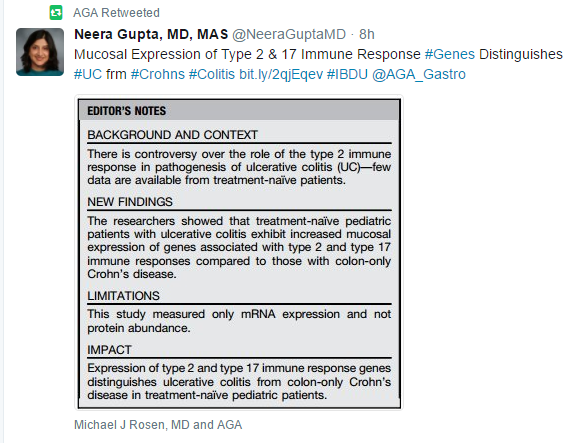
screen-shot-2016-12-01-at-8-46-13-pm

Cool Microflora Translational Study with Celiac Disease

There has been a deluge of articles regarding the microbiome; yet, many aspects of microbiome derangements may have limited clinical significance.  In addition, in many circumstances, it is not clear if the changes in the microbiome represent the proverbial chicken or the egg.  How much of the changes in the microbiome are a consequence rather than a cause of a clinical problem?

One fascinating article (A Caminero et al. Gastroenterol 2016; 151: 670-83) looks at the role of the microflora with regard to gluten breakdown and immunogenicity.  Thanks to Ben Gold who prompted me to take a 2nd look at this study.

In this study, the authors took bacteria isolated from the small intestines of Celiac disease (CD) patients or controls and colonized germ-free mice.  Subsequently, “after gluten gavage, gliadin amount and proteolytic activities were measured” and characterized.

Key findings:

  • Pseudomonas aeruginosa isolated from CD patients “produced peptides that better translocated the mouse intestinal barrier.”
  • The P aeruginosa-modified gluten peptides activated gluten-specific T-cells from CD patients.
  • In contrast, Lactobacillus spp isolated from the duodenum of non-CD controls degraded gluten peptides and reduced their immunogenicity.

The others selected P aeruginosa from CD patients as it was not present in controls, though most strains were in fact within the phylum Firmicutes.  Lactobacillus spp was chosen from the healthy subjects “because it constitutes a core resident group in the human small intestine that is involved in gluten metabolism in vitro and is altered in CD patients.”

  • Figure 2 specifies the distinct gluten metabolic patterns induced by the intestinal bacteria.
  • Figure 3-6 show numerous changes in the immunogenicity of gluten peptides induced the intestinal bacteria.

Overall, the study provides some evidence that changes in microbiome could trigger intestinal inflammation.  Thus, since autoimmunity and celiac disease have an environmental trigger, this study implicates changes in the microflora as a risk factor for developing celiac disease in the susceptible host (see Figure 7 in the source article).

My take (from authors): This study identified “both pathogenic and protective microbe-gluten-host interactions that may modulate autoimmune risk in HLA-DQ2 susceptible persons.”

Acadia Natl Park

Acadia Natl Park

Severe Hypothyroidism due to Iodine Deficiency Associated with Parenteral Nutrition

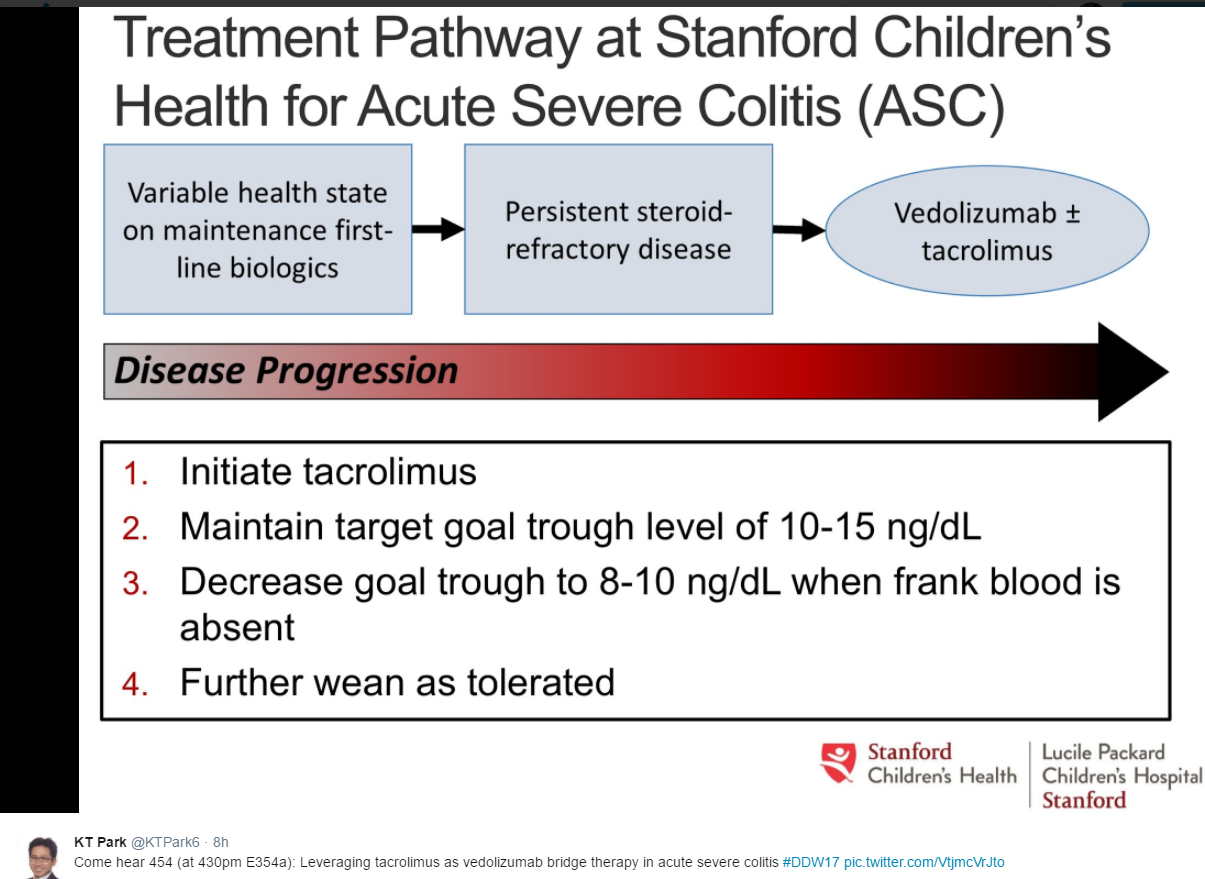
From Kipp Ellsworth Twitter Feed:

screen-shot-2016-11-16-at-8-36-51-pm

J Parenter Enteral Nutr November 2016 vol. 40 no. 8 1191-1193

Abstract:

Parenteral nutrition is crucial for supply of nutrients in children who cannot tolerate a full enteral diet. In the United States, it is not standard of care to give iodine to children dependent on parenteral nutrition, hence iodine is not routinely included in the micronutrient package. Herein, we present a case of a boy with hypothyroidism secondary to iodine deficiency after prolonged exclusive use of parenteral nutrition. Our case highlights the importance of screening for iodine deficiency and administering timely iodine supplementation in these at-risk children to prevent iatrogenic hypothyroidism.

Related blog posts:

FDA approves Amjevita (Humira biosimilar)

On 9/23/16: FDA approved Amjevita (Humira biosimilar)

Excerpt:

The U.S. Food and Drug Administration today approved Amjevita (adalimumab-atto) as a biosimilar to Humira (adalimumab) for multiple inflammatory diseases.

Amjevita is approved for the following indications in adult patients:

  • moderately to severely active rheumatoid arthritis;
  • active psoriatic arthritis;
  • active ankylosing spondylitis (an arthritis that affects the spine);
  • moderately to severely active Crohn’s disease;
  • moderately to severely active ulcerative colitis; and
  • moderate to severe plaque psoriasis.

…Amjevita is biosimilar to Humira. It has been approved as a biosimilar, not as an interchangeable product.

Fort Knox, Maine

Fort Knox, Maine