Chronic Nonbacterial Osteomyelitis (CNO): What a GI Doctor Should Know

L Lim et al. The Journal of Pediatrics, Volume 283, 114636. Open Access! Chronic Nonbacterial Osteomyelitis: A Noninfectious Autoinflammatory Disorder of Bone

Prior to this review, I was familiar with the term chronic recurrent multifocal osteomyelitis (CRMO) but not CNO. CRMO is a severe form of CNO, usually characterized by symmetrical inflammatory bone lesions (DY Zhao et al. J Transl Autoimmun 2021; 4:100095. Chronic nonbacterial osteomyelitis (CNO) and chronic recurrent multifocal osteomyelitis (CRMO)).

In this useful review, it is noted that IBD was associated with ~9% of cases of chronic nonbacterial osteomyelitis (CNO).

    Key points:

    • “IBD identified before, during, or after CNO diagnosis, has been well-reported as an associated condition.34-37 A review of cases of CNO with IBD showed that the diagnosis of CNO preceded the diagnosis of IBD in over half of the reported cases.38
    • “Children with CNO frequently experience a high burden of pain and impaired physical function. CNO can cause permanent deformities in any bone, but especially if there is spinal involvement and diagnosis and treatment are delayed”

    • “Bone biopsies should be performed if there is clinical suspicion of infection or malignancy, although tissue usually is not needed for diagnosis unless the clinical presentation is atypical”
    • “MRI is now the standard imaging test that usually starts with targeted examination of the affected area…A whole-body MRI (WB-MRI) should be considered for all patients with CNO at diagnosis when possible, as it may help support a diagnosis of CNO by detecting additional sites of bone inflammation that may be clinically inapparent, particularly vertebral lesions”
    • “Non-steroidal anti-inflammatory drugs (NSAIDs) are usually first-line treatment for children with CNO, except for those with vertebral lesions, who require systemic treatment… over half of children treated with NSAIDs experience a disease flare within the first 2 years,14 requiring either retreatment with NSAIDs or another systemic medication”
    • “In the presence of vertebral CNO lesions, or after failing NSAID monotherapy, three categories of systemic treatments are recommended by the Childhood Arthritis and Rheumatology Research Alliance (CARRA)56: 1) synthetic DMARDs, 2) bisphosphonates, or 3) tumor necrosis factor-inhibitor (TNFi) biologic agents with or without methotrexate (to prevent the development of antibodies to the drug)”
    • “In practice, TNFi tends to be used more if children also have comorbid conditions for which TNFi already is indicated such as inflammatory arthritis and sacroiliitis,7 IBD,4,72 and psoriasis.4,14,24 “

    My take: Being familiar with CNO is important for GI physicians as it can occur (rarely) in our patients with IBD. Another important caveat, which is not discussed in this review, is that CNO can occur paradoxically due to the use of TNFi treatment.

    Related blog posts:

    The London Eye. This view makes it look a lot like a bicycle wheel.

    Ten-Year Trends in Pediatric Pharmacology for Gastroesophageal Reflux and Pediatric Feeding Disorders

    S Hirsch et al. J Pediatr 2025;283:114628. Ten-Year Trends in Pharmacologic Management of Gastroesophageal Reflux Disease and Pediatric Feeding Disorders in Young Children

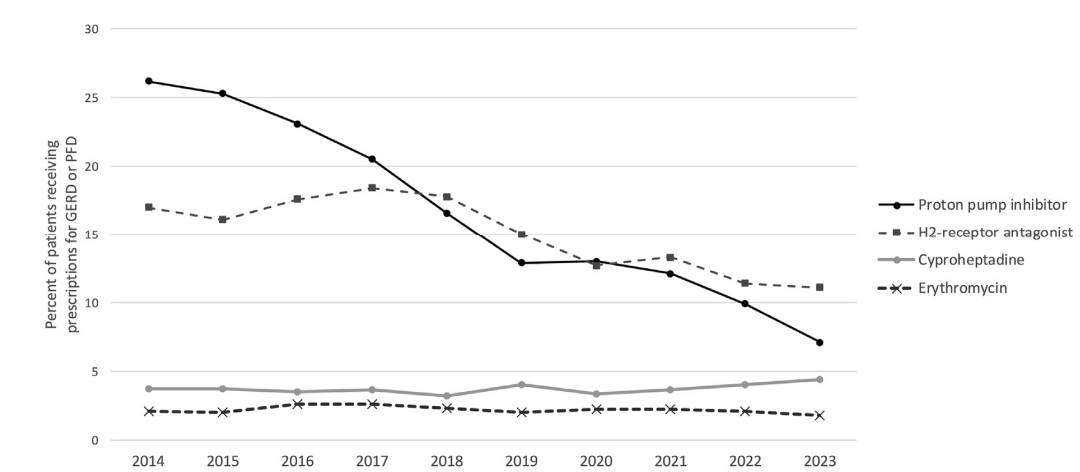
    Methods: Single-center, retrospective cohort study of children less than 2 years (49,483) diagnosed with GERD or PFD (pediatric feeding disorder) between January 2014 and December 2023. Prescriptions were searched for proton pump inhibitors (PPI), H2-receptor antagonists (H2RA), cyproheptadine, erythromycin, metoclopramide, or prucalopride, and procedures were searched for intrapyloric botulinum injections.

    Key findings:

    • There was an increasing number of patients seen annually (6516 in 2014 vs 9109 in 2023)
    • The percent of patients receiving any prescription for GERD or PFD declined by almost 50%, from 36.5% in 2014 to 18.7% in 2023 (P < .001)
    • There was a particular decline in PPI prescriptions, with 25.3% of patients receiving PPI in 2014 and 7.1% receiving PPI in 2023 (P < .001)
    • There was also a decline in H2RA prescriptions, with 17.0% of patients receiving H2RA in 2014 and 11.1% receiving H2RA in 2023 (P < .0001).
    • In their discussion, the authors note that: “in contrast to the current findings, prior studies typically have shown increasing PPI prescriptions, with some of these studies demonstrating declining H2RA prescriptions (9-17)…. However, it is notable that 3 more recent international studies did demonstrate declining PPI prescriptions specifically in the final years of the study (18-20).”
    • “Multiple studies have failed to demonstrate efficacy of acid suppression in infants with nonspecific gastroesophageal reflux symptoms, and there is no evidence that acid suppression affects feeding behaviors.(21-23)”
    • “In addition, there has been growing concern about PPI side effects, which include increased infections, decreased bone density, and increased allergy development
      including eosinophilic esophagitis, with numerous recent studies on these risks.(24-26)”

    My take: I’ve been a big fan of the aerodigestive research from the pediatric GI group in Boston. This is another useful study showing less use of acid suppression, especially PPIs in young children and infants. This likely indicates better alignment of clinical practice with consensus recommendations that advise against acid suppression as first-line management in this population.

    Related blog posts:

    Esophageal and Gastric Outcomes of Bleach Ingestion in Children

    P Quitadamo et al. J Pediatr Gastroenterol Nutr. 2025;81:11–17. The effects of liquid bleach ingestion on children’s esophageal and gastric mucosa

    Background:  It has been recently reported that household bleach ingestion cause no or low-grade esophagitis in adults.13

    Methods: This prospective observational study was carried out between January 2017 and December 2023. One hundred children with a mean age of 58.7 months were included and divide into three groups. Group 1, children who had ingested household chlorine-based bleach; Group 2, children who had ingested household peroxidase-based bleach; Group 3, children who had ingested artisanal or industrial bleaches.

    Key findings:

    • Eighty-nine/100 (89%) children had ingested household bleaches (both chlorine- or peroxidase-based) while 11/100 (11%) had ingested homemade or industrial bleaches
    • 73/100 (73%) patients were symptomatic. The most commonly reported symptoms were vomiting and drooling
    • 13/100 (13%) were intentional with self-injurious or suicidal purposes
    • Among the 71 children who performed EGD, no children reported severe esophageal lesions
    • Zargar’s score 2a in 2/71 (2.8%). Both patients who reported moderate esophageal mucosal lesions (Zargar’s grade 2a) had ingested a homemade NaOCl-based (sodium hypochlorite) bleach with unknown dilution
    • Gastric injury was reported in 6/71 (8.5%) patients, including hemorrhagic gastritis in one child. Among these children, five had ingested an artisanal or industrial bleach, and two had ingested a peroxidase-based bleach

    My take (borrowed from authors): “Endoscopy is generally unnecessary in case of household bleach ingestion …[but] should be performed in children who ingest homemade or industrial bleaches.” Children having ingested commercially available household bleaches did not report significant mucosal lesions. The authors also advocated endoscopy in those with large volume ingestions (>100 mL) if symptomatic.

    Related blog posts:

    Disclaimer: This blog, gutsandgrowth, assumes no responsibility for any use or operation of any method, product, instruction, concept or idea contained in the material herein or for any injury or damage to persons or property (whether products liability, negligence or otherwise) resulting from such use or operation. These blog posts are for educational purposes only. Specific dosing of medications (along with potential adverse effects) should be confirmed by prescribing physician.  Because of rapid advances in the medical sciences, the gutsandgrowth blog cautions that independent verification should be made of diagnosis and drug dosages. The reader is solely responsible for the conduct of any suggested test or procedure.  This content is not a substitute for medical advice, diagnosis or treatment provided by a qualified healthcare provider. Always seek the advice of your physician or other qualified health provider with any questions you may have regarding a condition

    Navigating FDA-Approved International Infant Formulas

    A Porto et al. J Pediatr Gastroenterol Nutr. 2025;81:5–10. New international infant formulas in the United States: Understanding the Food and Drug Administration-enforcement discretion

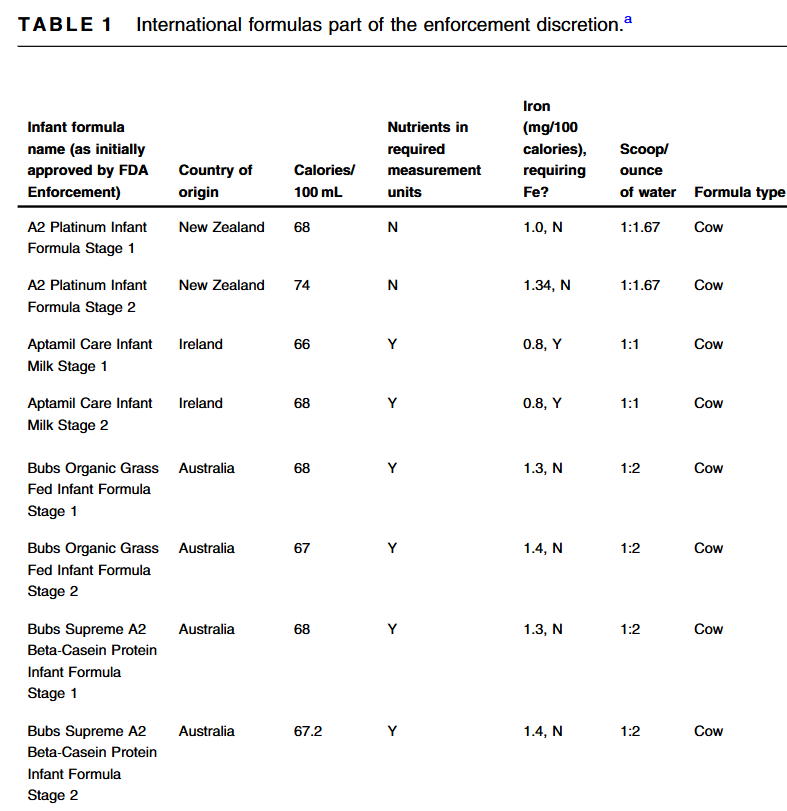
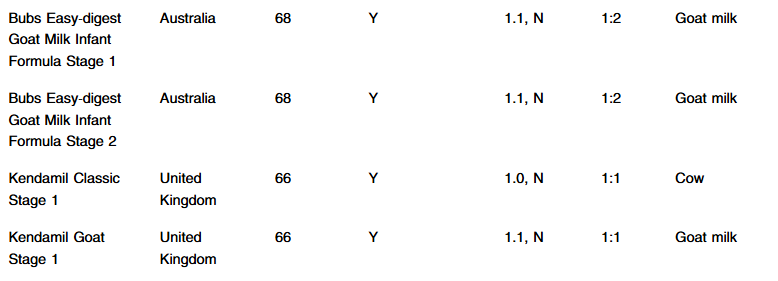
    Background: In February 2022, the United States experienced a significant infant formula shortage, due to a major product recall by the country’s largest infant formula manufacturer, compounded by global supply chain issues and import restrictions.12 In response, the Food and Drug Administration (FDA) launched Operation Fly Formula in mid-2022, which allowed international infant formula manufacturers to market, import and distribute their formulas in the United States…Currently, a total of five companies, who produce 14 international formulas, have opted to work with the FDA in transitioning to the US market.5 Many of these international formulas are significantly cheaper than the domestic alternatives, which have contributed to their rising popularity.

    Key points:

    • 8 of 14 formulas are stage formulas with Stage 1 for 0-6 months, and Stage 2 for >6 months. “Stage 1 formulas tend to contain less iron, which may provide an insufficient amount of iron for infants >6 months.11 Also, infants <6 months should not consume Stage 2 formula since it does not contain carnitine, believed to be an essential nutrient in this age group.12
    • Of the 14 formulas, all the labels were in English and contained all the FDA nutrient requirement
    • “Two of the imported formulas [Aptamil brands] contained less than 1 mg/100 calories of formula of iron, the minimum amount to be considered iron fortified by the FDA, and did include a label which highlighted that additional iron may be necessary”
    • “All the foreign formulas contained prebiotics… The FDA, however, reports that probiotics can be dangerous for preterm infants and put them at risk for potentially fatal infection caused by the bacteria or yeast contained in the probiotic.6 Therefore, pediatricians should be aware that international formulas should not be used for preterm infants.”
    • MIXING INSTRUCTIONS: “Eleven out of the fourteen international formulas use a different scoop to water ratio from what is typically standard of American formulas…coops from international formulas may also be a different size compared to their US counterparts. Given the variation in different mixing ratios and scoop sizes, there is a risk of formula being mixed incorrectly”
    • “Consider that the family may be purchasing from a 3rd party vendor and ask for the specific website that they are purchasing from. Formulas should not be purchased at 3rd party vendor websites due to them being unregulated, and safety concerns with improper shipping or storage”
    • “If the label is not in English, it is highly likely that the formula has been purchased through a 3rd party vendor. Recommend counseling on safety concerns as listed above. Many of the foreign infant formulas use different mixing ratios so it is important that parents read the label to confirm mixing ratios”

    My take: The availability of FDA-approved international formulas has been helpful especially with recent shortages. This article makes several important points to assure their proper use, especially regarding mixing instructions and using Stage formulas for appropriate age.

    Related blog posts:

    Dr. Carlo DiLorenzo: Advice for Managing DGBIs (Part 2)

    Recently Dr. DiLorenzo gave our group a brilliant lecture. I have taken some notes and shared some slides. There may be inadvertent omissions and mistakes in my notes. This is part 2 of my summary.

    Key points (intermixed with slides):

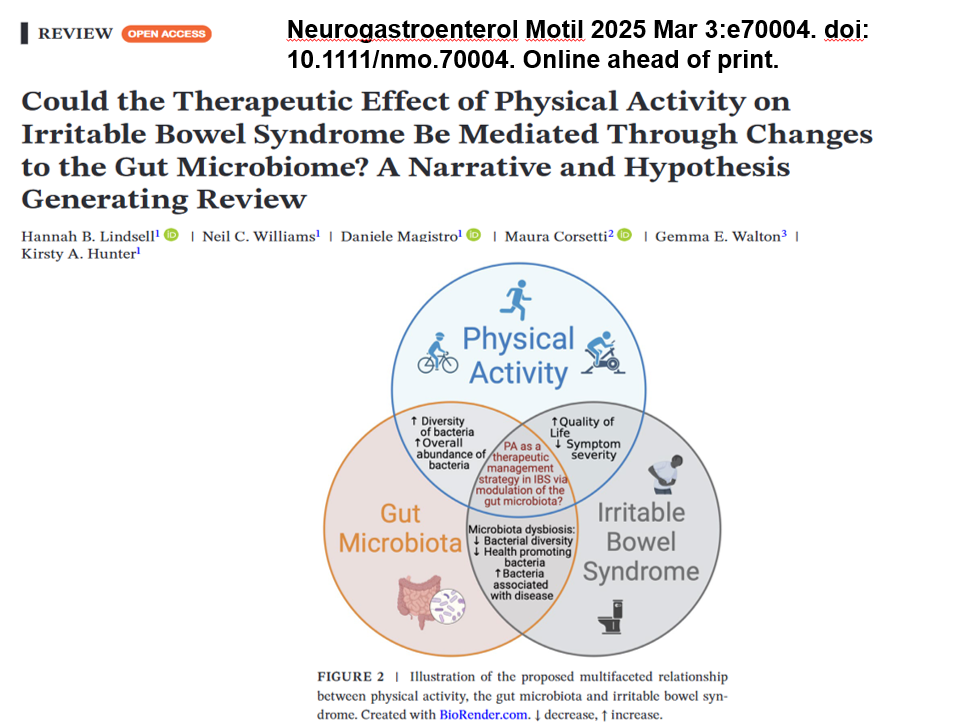
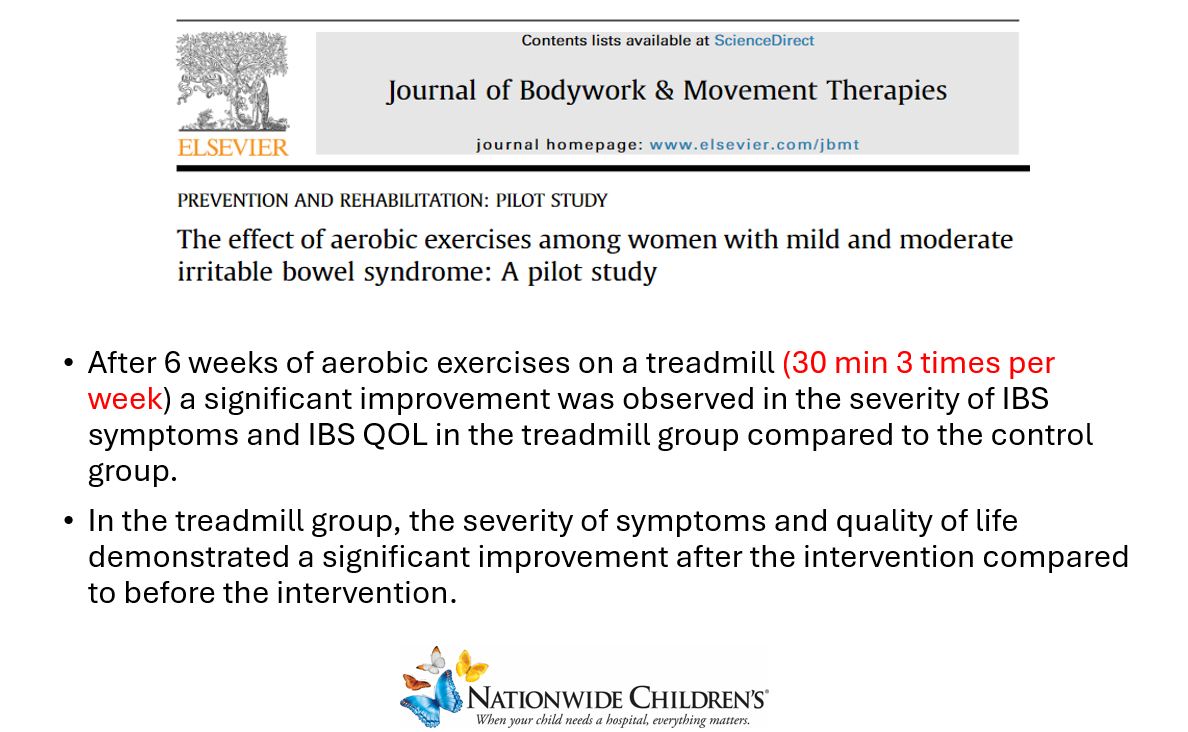
    • Improving Physical activity, Diet and Sleep Often Helps DGBI symptoms
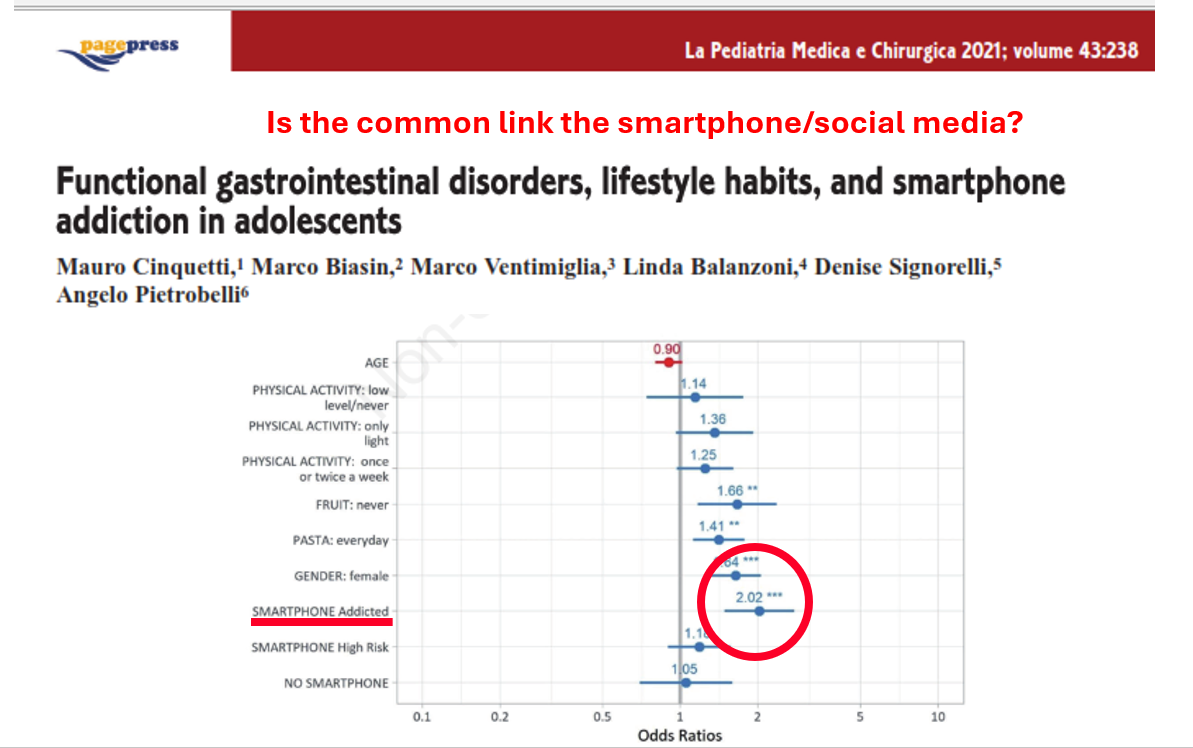
    • Excess use of smartphones can be detrimental. There are issues with FOMO (fear of missing out), cyberbullying, effects on sleep, and effects on interpersonal skills
    • Displacement, or replacing important activities (including physical activity) with time spent on social media, is a significant concern
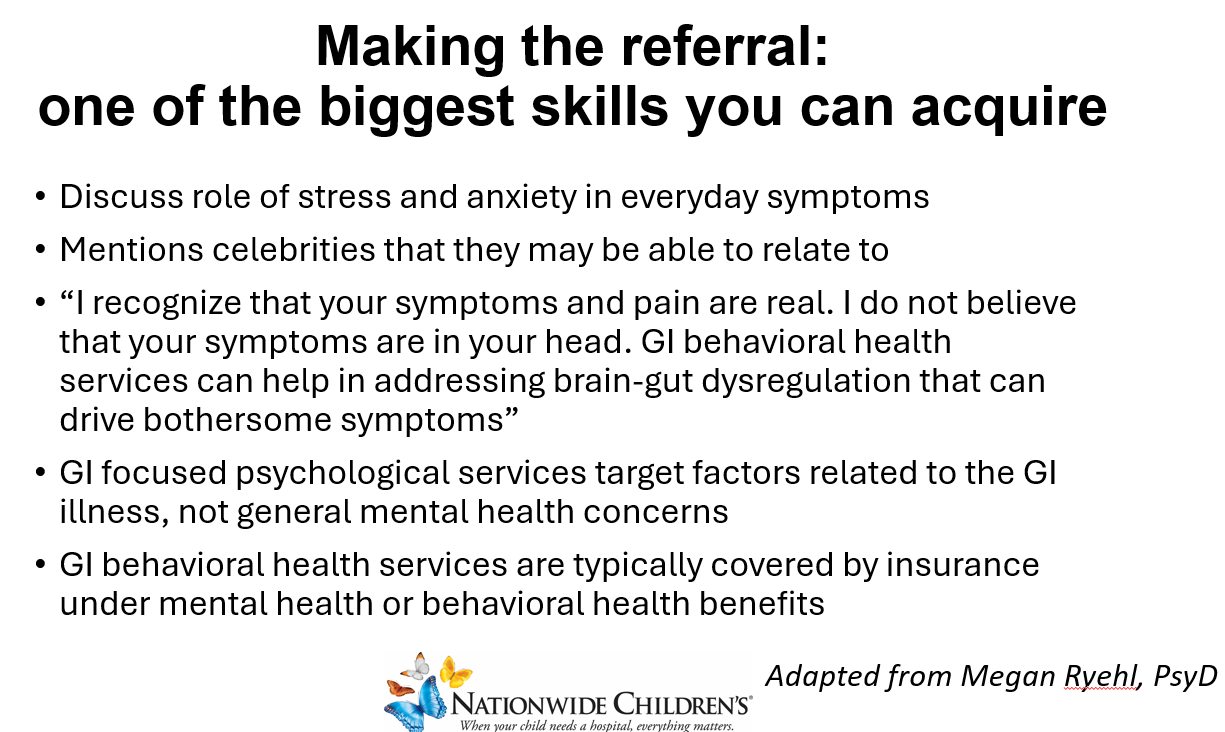
    • Working with pain psychologists is an important part of treatment for many children and adolescents
    • Lots of celebrities have been open about their mental health challenges: Lady Gaga, Ariana Grande, Kristen Bell, Selena Gomez, Ryan Reynolds, and Dwayne “The Rock” Johnson
    • For more serious mental health concerns, referral to psychiatry is more appropriate
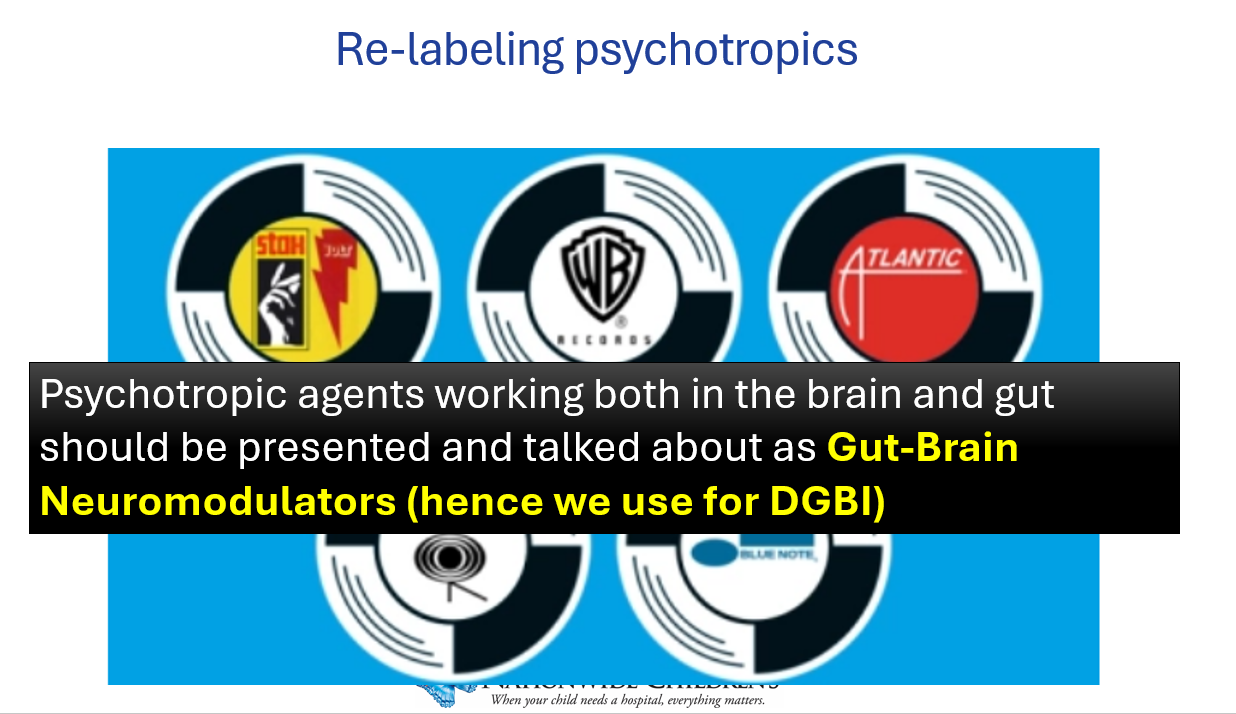
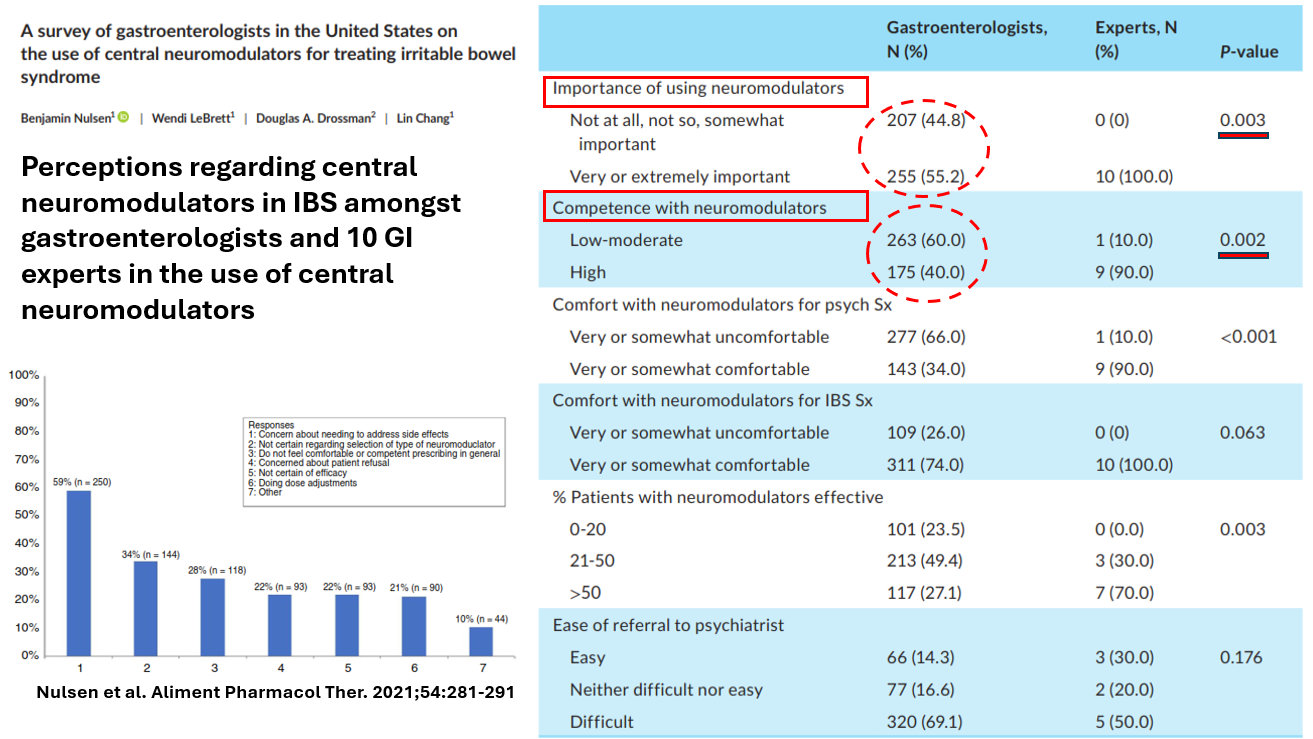
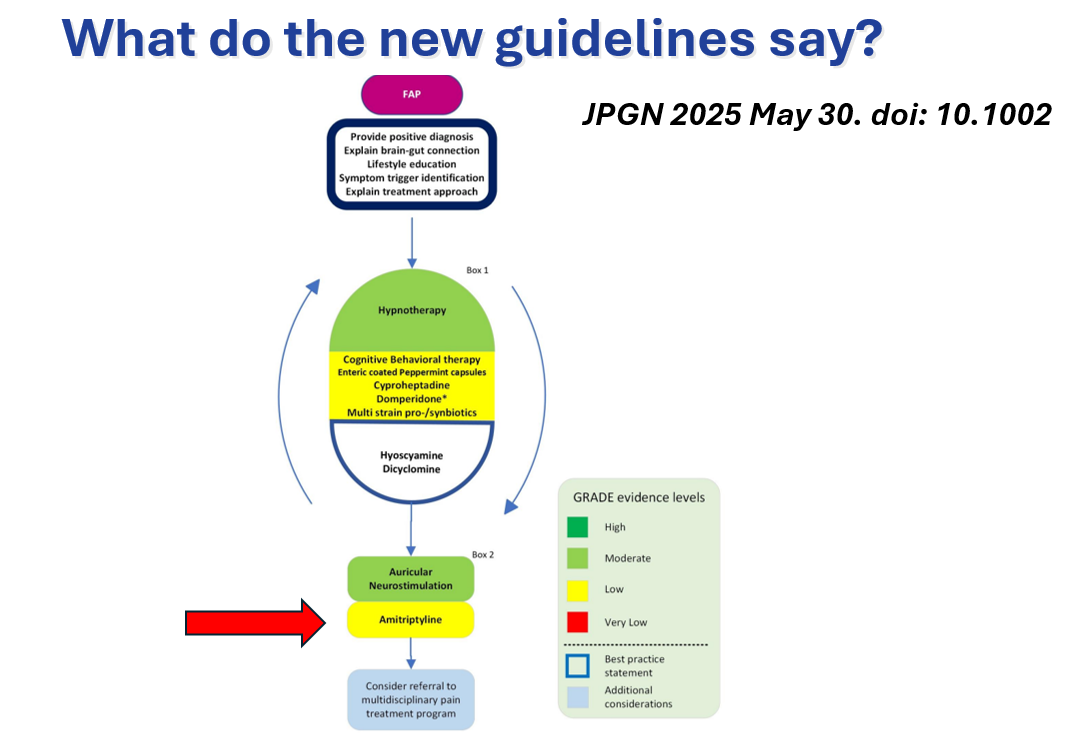
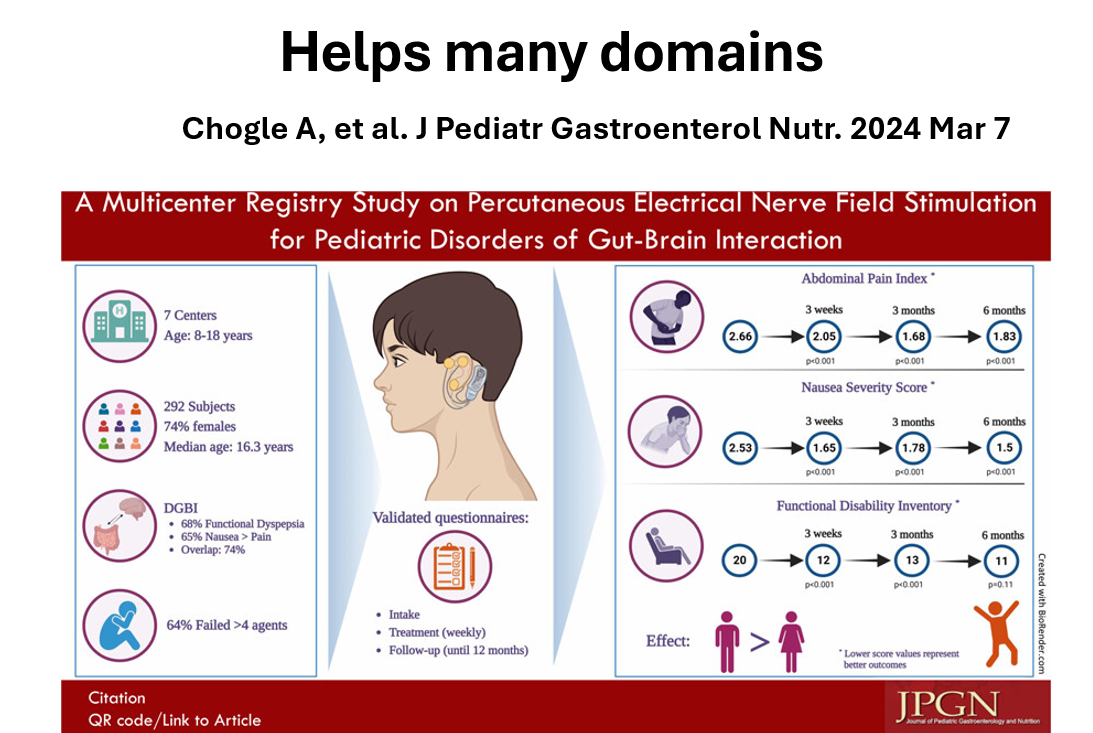
    • Gut-Brain neuromodulators can be effective.
    • Despite their good safety profile, they are underutilized
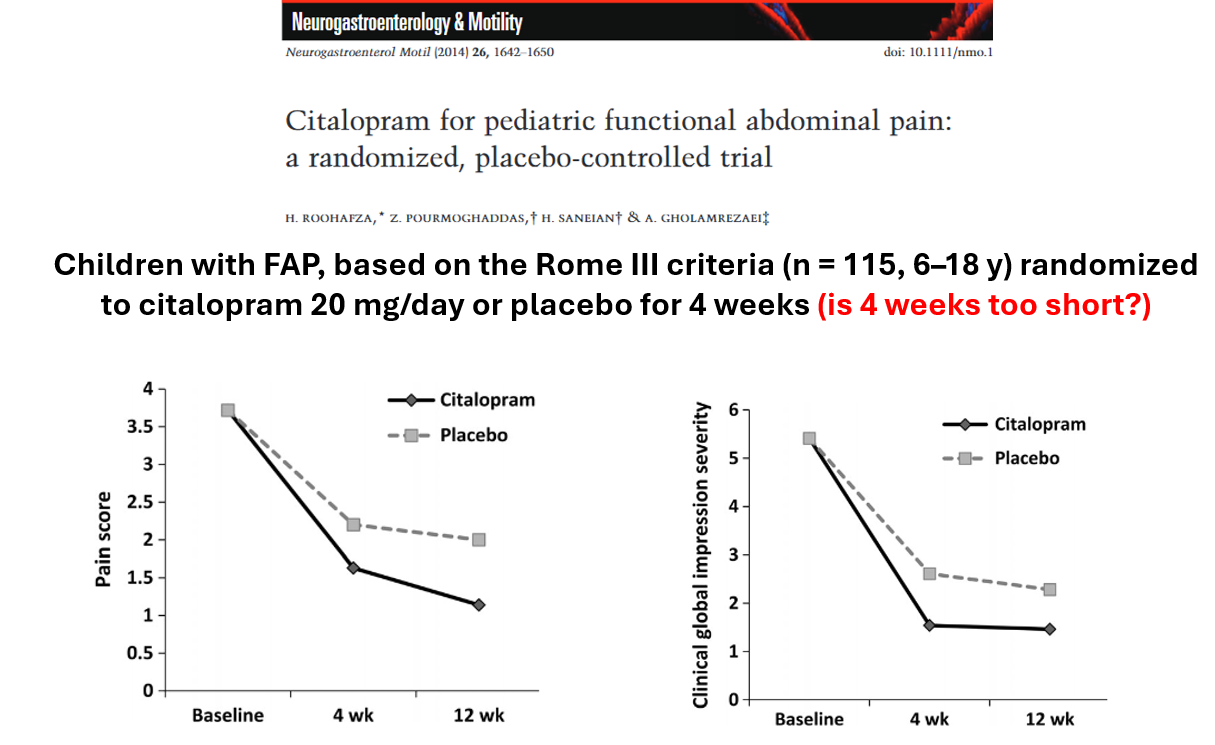
    • Dr. DiLorenzo uses more citalopram than omeprazole
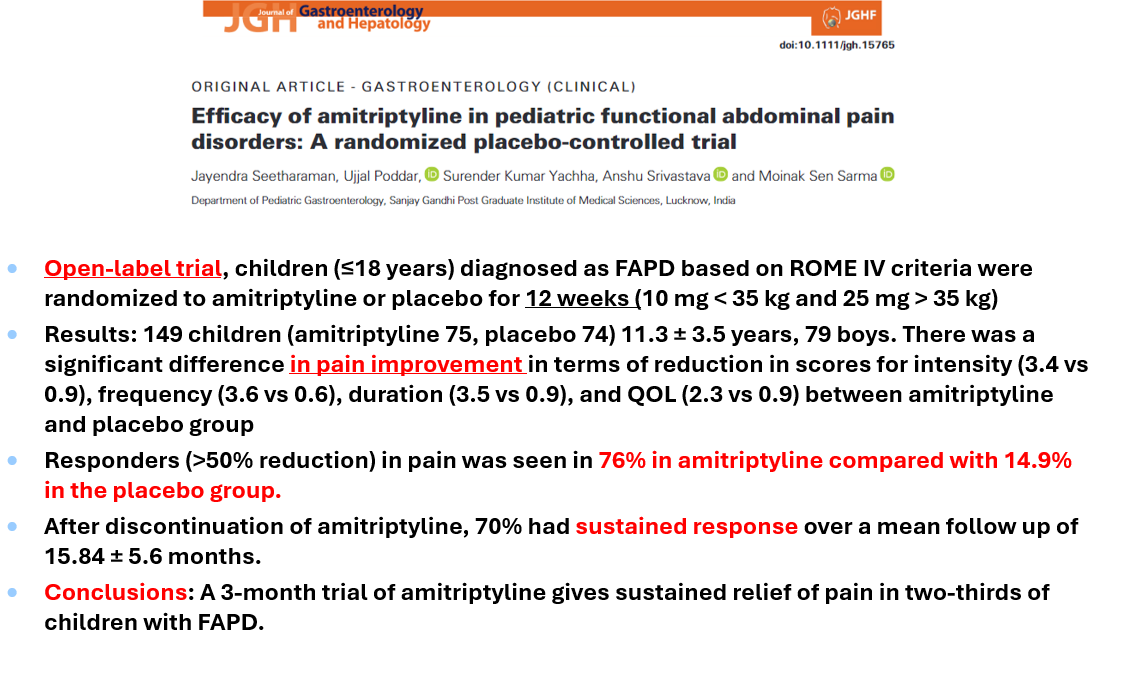
    • Amitriptyline is often used for abdominal pain in the absence of anxiety. Variable results have been published
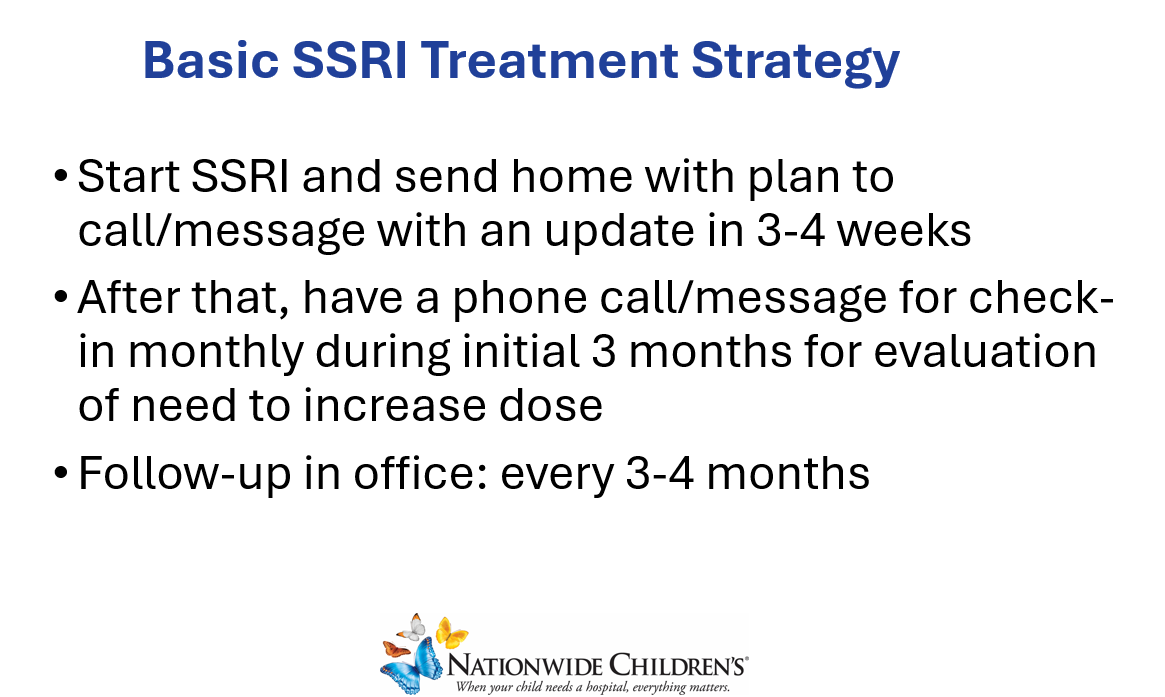
    • Psychotropic medications: Amitriptyline is useful for pain predominant IBS, Citalopram often is effective for FAP/IBS with anxiety, Buspirone is helpful in dyspepsia with anxiety, and Mirtazapine is a good choice in the setting of dyspepsia with with weight loss. Generally, start with a low dose and slowly titrate with each medication
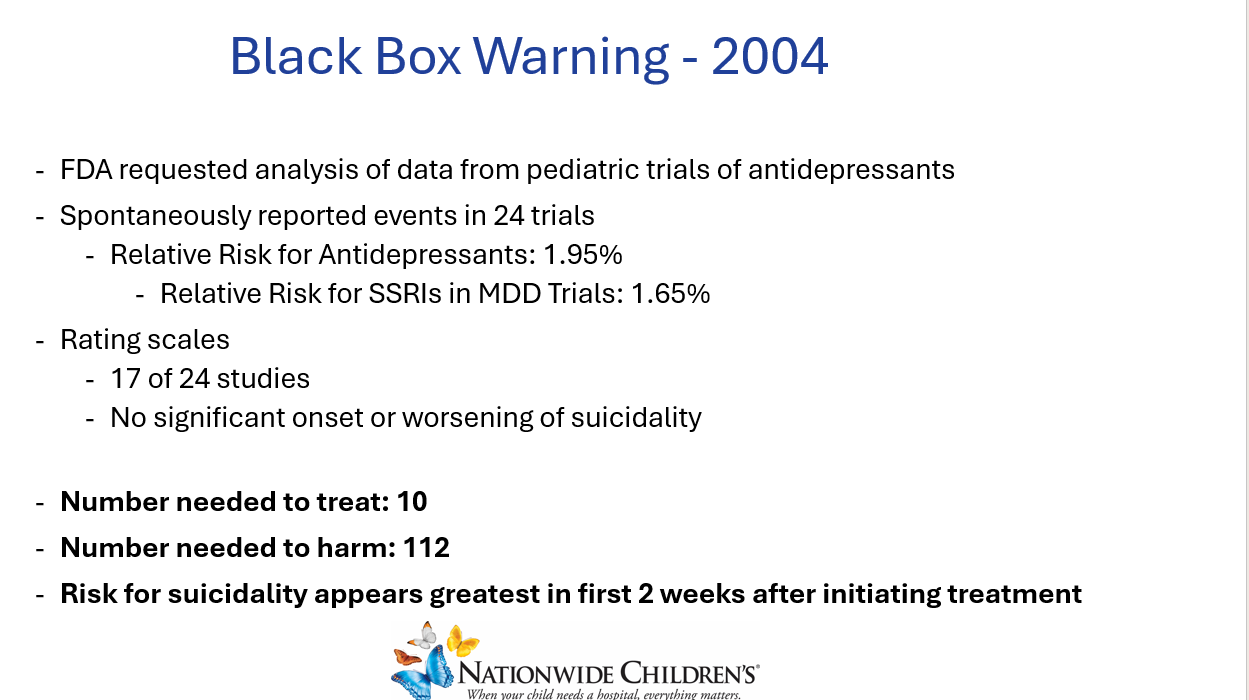
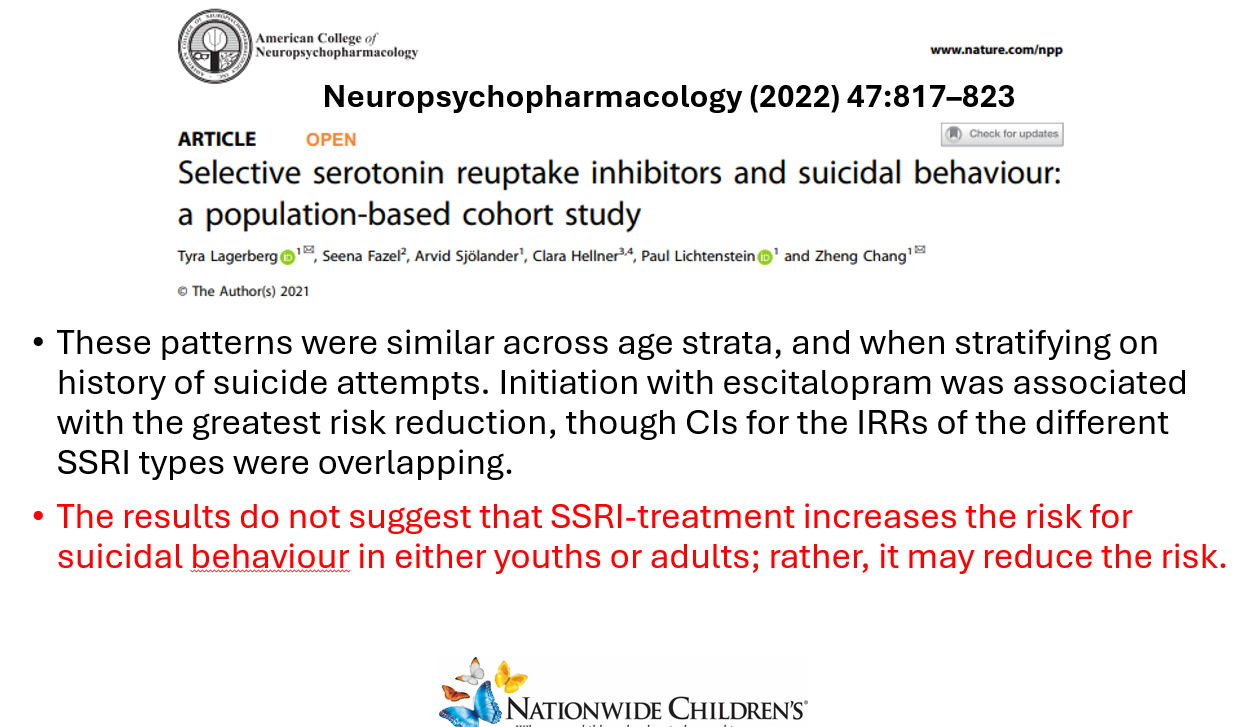
    • Safety: Despite black box warning, recent studies have suggested SSRIs may lower the risk of suicidality overall
    • Don’t be the doctor who only tells patients things they want to hear. (Don’t be afraid of online rating)

    Disclaimer: This blog, gutsandgrowth, assumes no responsibility for any use or operation of any method, product, instruction, concept or idea contained in the material herein or for any injury or damage to persons or property (whether products liability, negligence or otherwise) resulting from such use or operation. These blog posts are for educational purposes only. Specific dosing of medications (along with potential adverse effects) should be confirmed by prescribing physician.  Because of rapid advances in the medical sciences, the gutsandgrowth blog cautions that independent verification should be made of diagnosis and drug dosages. The reader is solely responsible for the conduct of any suggested test or procedure.  This content is not a substitute for medical advice, diagnosis or treatment provided by a qualified healthcare provider. Always seek the advice of your physician or other qualified health provider with any questions you may have regarding a condition

    Dr. Carlo DiLorenzo: Advice for Managing DGBIs (Part 1)

    Recently Dr. DiLorenzo gave our group a brilliant lecture. I have taken some notes and shared some slides. There may be inadvertent omissions and mistakes in my notes. Dr. DiLorenzo gave our group a lecture in 2021 as part of the William Meyers Lectureship. This talk extended those observations he conveyed at that visit (Carlo DiLorenzo: Lessons Learnt Over 30 Years).  I highly recommend his upcoming NED talk at NASPGHAN.

    Key points (intermixed with slides):

    • Diagnostic testing in the setting of DGBIs is mainly for confirmation that an adequate workup has been completed
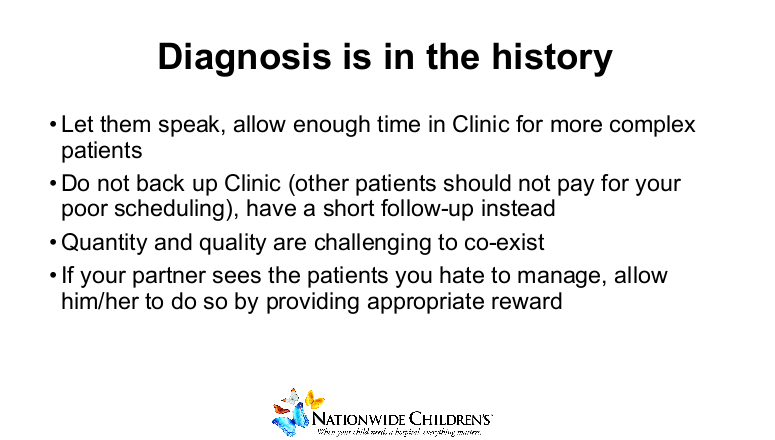
    • Schedule enough time for each patient. In evaluations of visits, one of the most negative feelings for patients is when they feel rushed
    • Make sure the patient is allowed to speak. Parents may embellish (or underreport) symptoms
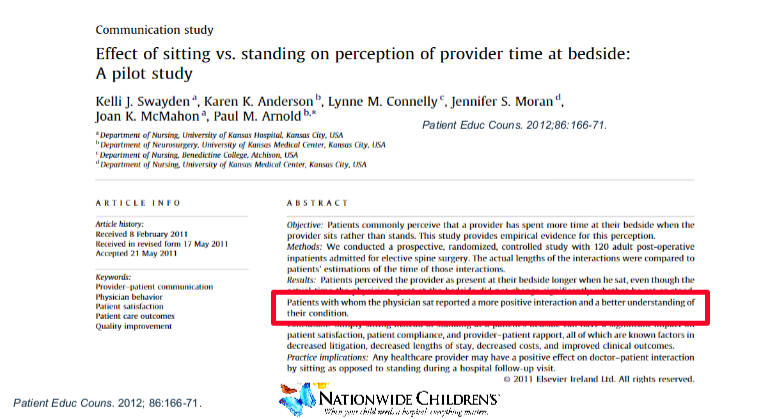
    • Families feel that when clinicians are sitting down that they spend more time with them
    • This extends into the hospital. A recent controlled study showed that having a chair within 3 ft of the bed increased the likelihood that physicians would sit when rounding and increased patient satisfaction (Effect of chair placement on physicians’ behavior and patients’ satisfaction: randomized deception trial. Iyer R, et al.BMJ. 2023 Dec 15;383:e076309). Study conclusion: “Chair placement is a simple, no cost, low tech intervention that increases a physician’s likelihood of sitting during a bedside consultation and resulted in higher patients’ scores for both satisfaction and communication.”
    • Dr. DiLorenzo rarely uses computers when he is in the room with families
    • Don’t belittle or get upset over an “easy” or “stupid” consult. All of us need help and hardly anyone wants to manage only highly-complex patients
    • Don’t speak poorly of other physicians in front of the patient
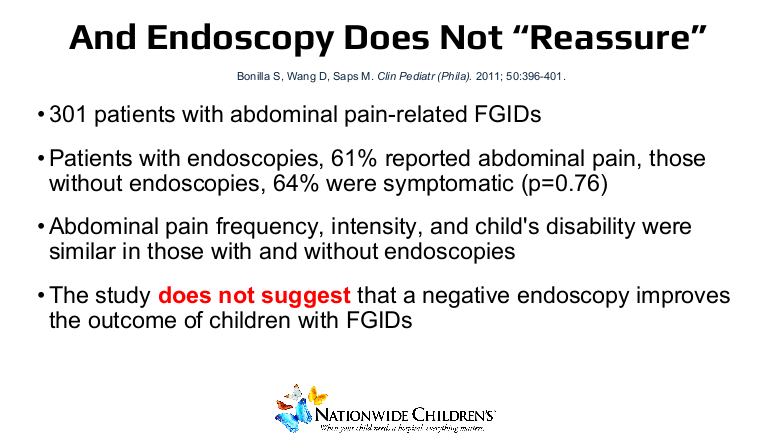
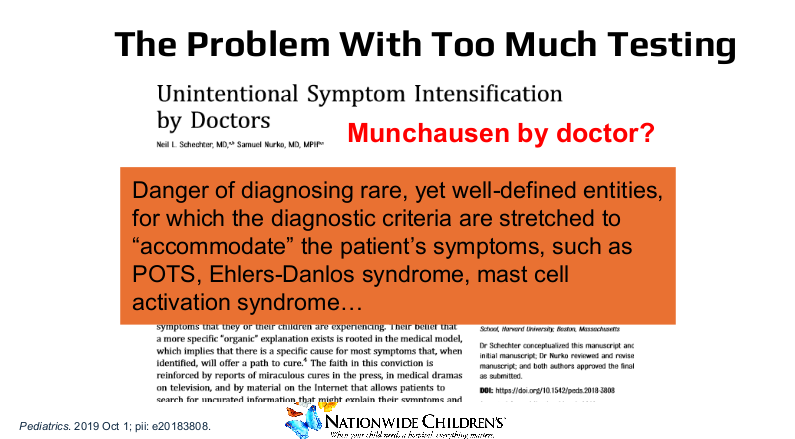
    • The problem with too much testing –>it can result in ‘Munchausen by Doctor’ and the discovery of incidental problems (that may not necessitate treatment). Further testing has been associated with intensification of symptoms
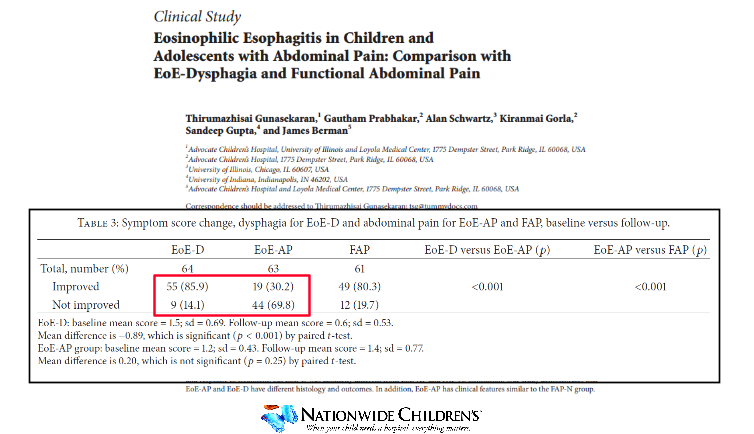
    • Identification of eosinophilic esophagitis is not helpful in resolving stomach pain
    • Newest “epidemics” associated with stomach pains include alpha gal and multiple vascular compression syndrome
    • While unusual disorders can occur, Dr. DiLorenzo mainly looks for unusual diagnoses when patients have unusual symptoms (like weight loss​, pain with exercise)
    • While guidelines often emphasize the use of treatments based on double-blind, placebo-controlled (DBPC) studies, “there has never been a DBPC for the effectiveness of a parachute.” Some treatments are worthwhile even in the absence of DBPC studies
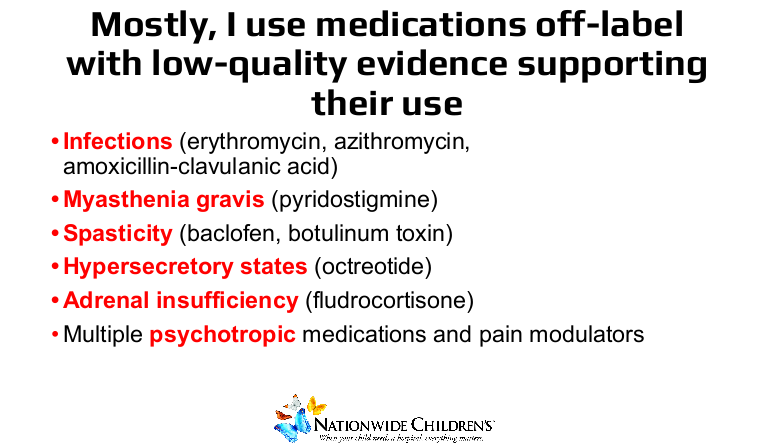
    • Many of the medicines used for DGBIs and related symptoms have approval for other uses
    • Fundoplication which was commonplace is used rarely these days. Yet, it is still a good treatment for reflux
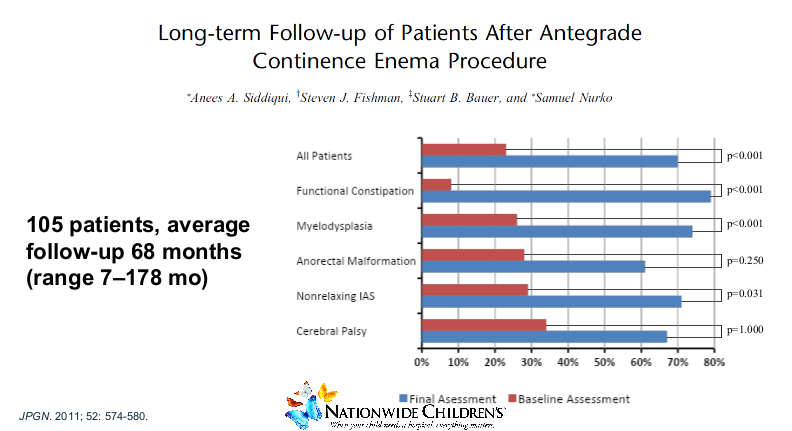
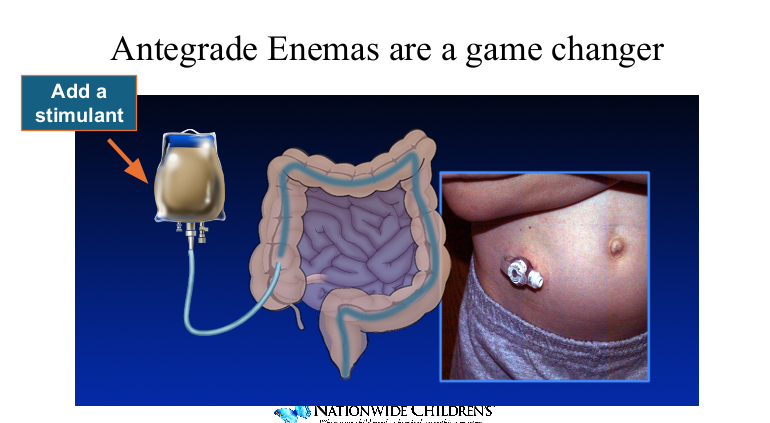
    • Antegrade enemas can be very effective for constipation
    • “All patients with chronic pseudo-obstruction necessitating parenteral nutrition should have a G-tube and an ileostomy.” It may help them come off parenteral nutrition
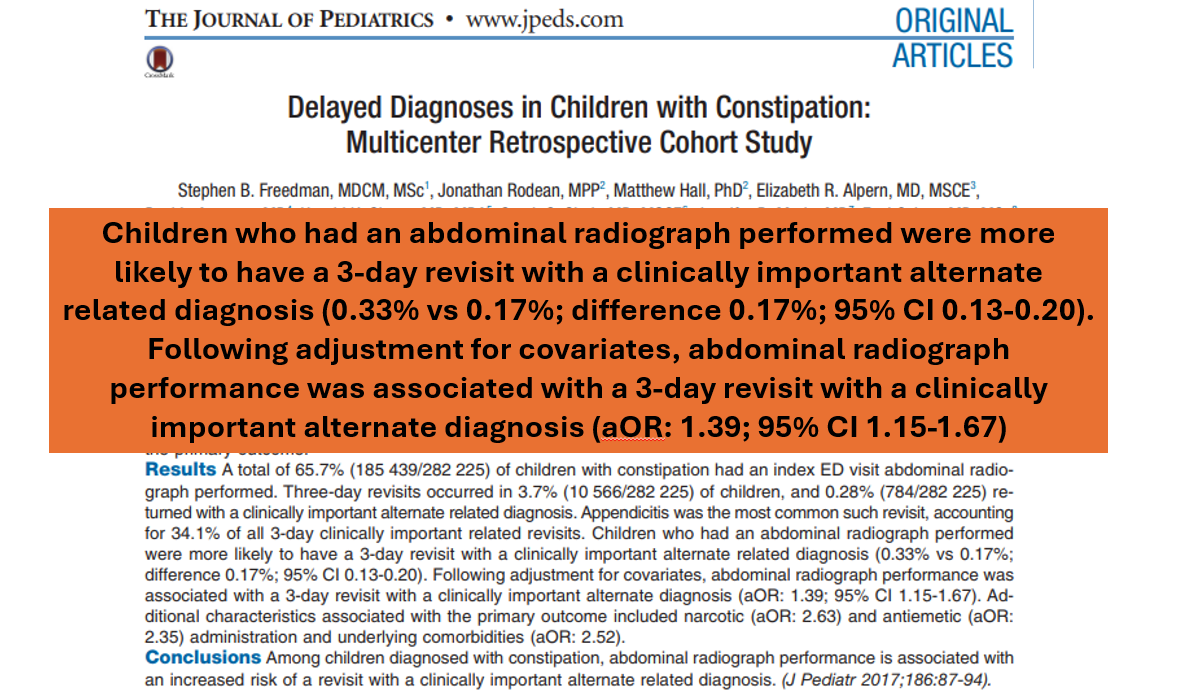
    • Don’t order AXR to diagnose constipation. AXRs ordered in ER to diagnose constipation are associated with a slightly higher likelihood of a missed diagnosis.
    • Though, “no need to be holier than the pope.” Using AXR in specific circumstances can be helpful with treatment (like determining success of a cleanout)
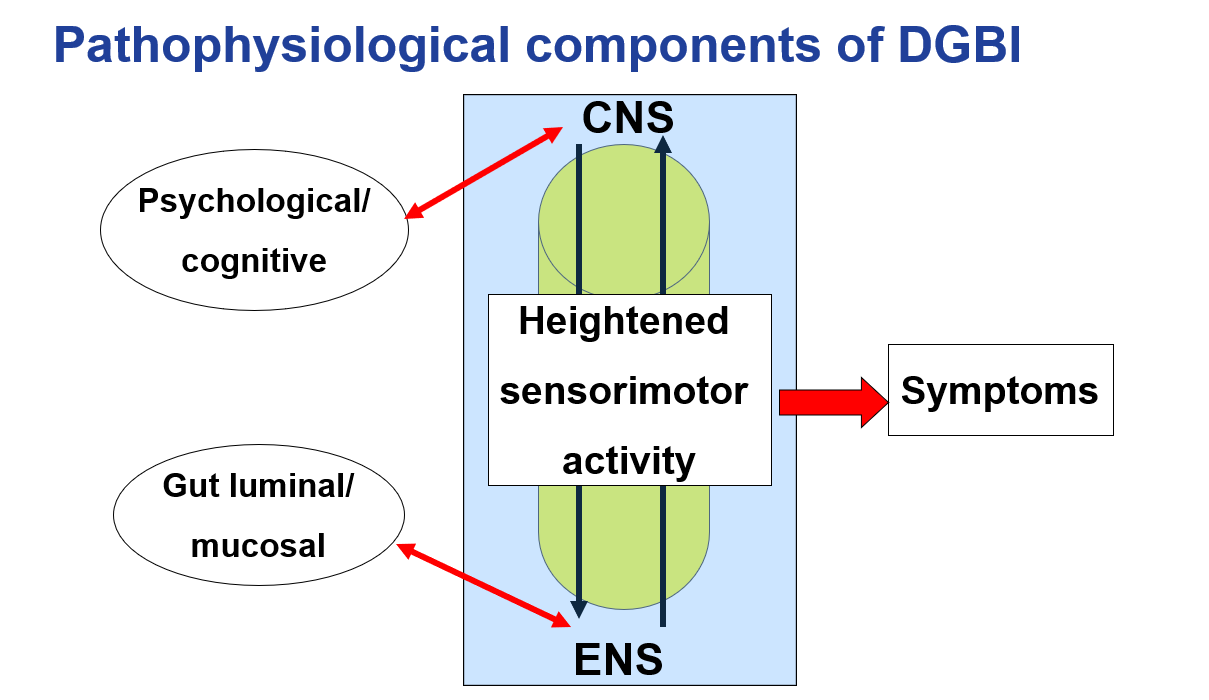
    • Treating the Brain is important in patients with DGBIs
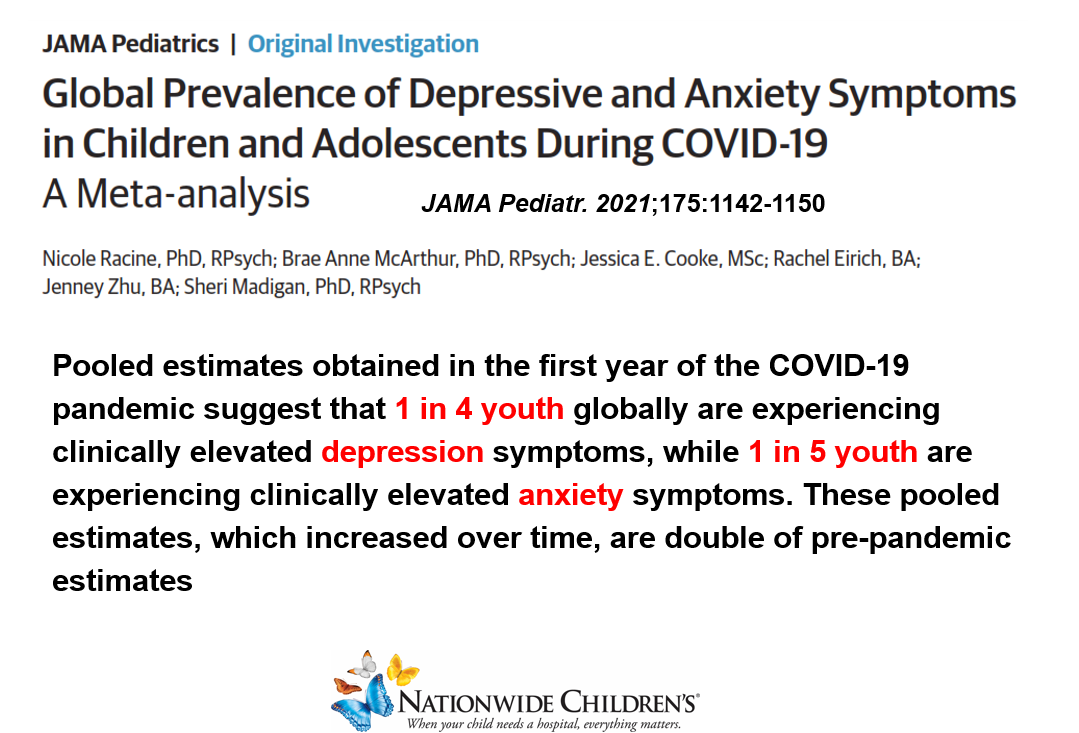
    • Anxiety, which is increased in patients with DGBIs, has reached epidemic levels

    Disclaimer: This blog, gutsandgrowth, assumes no responsibility for any use or operation of any method, product, instruction, concept or idea contained in the material herein or for any injury or damage to persons or property (whether products liability, negligence or otherwise) resulting from such use or operation. These blog posts are for educational purposes only. Specific dosing of medications (along with potential adverse effects) should be confirmed by prescribing physician.  Because of rapid advances in the medical sciences, the gutsandgrowth blog cautions that independent verification should be made of diagnosis and drug dosages. The reader is solely responsible for the conduct of any suggested test or procedure.  This content is not a substitute for medical advice, diagnosis or treatment provided by a qualified healthcare provider. Always seek the advice of your physician or other qualified health provider with any questions you may have regarding a condition

    Celiac Studies: Lower Rates of Undiagnosed Celiac Disease in Norway, and Lower Rates of Celiac with Early Dietary Fiber

    P Lukina et al. Clin Gastroenterol Hepatol 2025; 23: 1143-1151. The Prevalence and Rate of Undiagnosed Celiac Disease in an Adult General Population, the Trøndelag Health Study, Norway

    Methods: The study used the fourth Trøndelag Health Study (HUNT4), conducted in 2017–2019, where 56,042 adult (aged >20 years) residents of Nord-Trøndelag County, Norway, participated. Serum samples from 54,505 participants were analyzed for anti-transglutaminase 2 IgA and IgG.

    Key findings:

    • The rate of CeD seropositivity was 2.0% (1107/54,505).  
    • The total biopsy-confirmed prevalence of CeD was 1.5% (853/56,042).
    • The study confirmed a new CeD diagnosis after participation in HUNT4 in 470 individuals and a known CeD diagnosis before participation in HUNT4 in 383 individuals.
    • The ratio of new, previously undiagnosed CeD cases (after HUNT4) to known, previously diagnosed CeD cases (before HUNT4) was 1.2:1 (470/383).

    My take: This study showed that the ratio of undiagnosed cases to diagnosed case of CeD was improved from previously in Norway.

    EM Hård af Segerstad, et al. Gastroenterol 2025; 168: 1185-1188. Open Access! Early Dietary Fiber Intake Reduces Celiac Disease Risk in Genetically Prone Children: Insights From the TEDDY Study

    Methods: This study examined the quantity and timing of dietary fiber intake in children up to 5 years of age who were at genetic risk for celiac disease, assessing its relationship with their subsequent risk of developing the condition. The analysis included 6520 children carrying the HLA-DQ2 and/or DQ8 risk haplotypes who were prospectively followed for a total 61,669 person-years to age 13 years in The Environmental Determinants of Diabetes in the Young (TEDDY) study.

    Key findings:

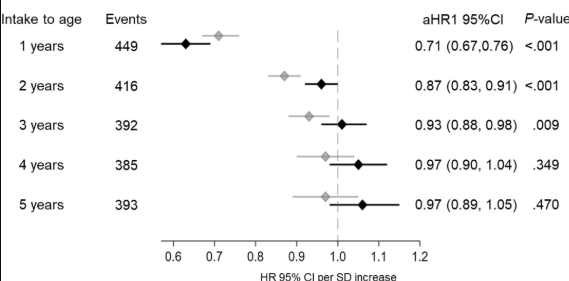
    • Dietary fiber intake from 6 months to 3 years of age was inversely associated with the subsequent risk of celiac disease in models unadjusted for the concurrent gluten intake and to 2 years of age in models adjusted for gluten intake (Figure 1A). In contrast, no association was observed between dietary fiber intake to 4 and 5 years of age and the risk of celiac disease regardless of whether models accounted for the gluten intake. 

    My take: Higher dietary fiber intake during the first 2 years of life was associated with a lower risk of celiac disease in children at genetic risk. Although this effect was modest, it was independent of gluten intake and other components found in fiber-rich foods in the child’s diet.

    Related blog posts:

    Tailoring IBS Dietary Therapy Based on Proprietary IgG-Based Blood Test –Does It Work?

    Background (from editorial): “Biomarkers that correspond with the distinct pathophysiological disturbances that underlie food sensitivity, and that can be used to monitor and guide management or predict response to food elimination are lacking…Previous studies have suggested a role for IgG-mediated food sensitivities in driving IBS symptoms.12 However, the role of IgG testing and subsequent dietary elimination for the management of IBS symptoms remains a subject of debate. Elevated IgG levels have been observed in healthy individuals, indicating that these antibodies may reflect a physiological response to dietary exposure rather than intolerance or sensitivity to a specific food.”

    In this study, the researchers used a proprietary IgG-based sensitivity testing (“inFoods IBS” ELISA) from the company sponsor, Biomerica.  This was a randomized, double-blind, sham-controlled trial enrolling subjects with IBS from 8 centers. Subjects positive for ≥1 food on an 18-food IgG assay. 223 were included in the modified intention-to-treat analysis. The primary outcome was a ≥30% decrease in abdominal pain intensity for ≥2 of the last 4 weeks of the treatment period.

    Key findings:

    • A significantly greater proportion of subjects in the experimental diet group met the primary outcome than those in the sham diet group (59.6% vs 42.1%, P = .02).
    • Subgroup analysis revealed that a higher proportion of subjects with constipation-predominant IBS and IBS with mixed bowel habits in the experimental diet group met the primary endpoint vs the sham group (67.1% vs 35.8% and 66% vs 29.5%, respectively).

    Discussion Points:

    The authors claim the following: “Because IgG-based antibodies to foods can be elevated in healthy controls, it is important to develop disease-specific assays. The assay used in our study was developed specifically for patients with IBS and uses cutoff values derived from healthy controls.”

    Limitations:

    1. “Adherence was poor. Of those who filled out the dietary diary as instructed, 35% were nonadherent in the intervention group and 42% nonadherent based on a yes to an adherence question on ≥80% of days over the 12-week trial.” Adherence was higher in the sham control.
    2.  “Second, in a per-protocol analysis that included only the adherent participants, the clinical outcomes are much less impressive for the IgG-based elimination diet, raising critical questions as to whether other factors were responsible for the improvement in symptoms in the full dataset.”
    3. Possible confounding bias: “2 of the 3 most commonly eliminated foods in the IgG-based elimination diet were high in FODMAPs (eg, milk, wheat), whereas all 3 most commonly eliminated foods in the sham diet were low in FODMAPs (poultry, rice, and goat cheese).”
    4. The authors noted that it was unexpected that the response was more robust in the IBS-C and IBS-M groups rather than the IBS-D groups.

    The company sponsor has had good success in publicizing their results on ABC, CBS and NBC. Here is a link from their website direct to YouTube. It highlights a specific young woman reporting success with this approach and commentary by one of the lead authors: inFoods IBS Finding Trigger Foods Faster.

    My take: While most patients are eager to pinpoint trigger foods, I remain skeptical about this “precision testing for IBS.” There is no data indicating that this IgG-based diet outperforms patients who limit dairy and wheat, two common triggers. I agree with the associated editorial: “The clinical efficacy of IgG-based elimination diets will need further evaluation before they are implemented in routine clinical practice.”

    Related blog posts:

    Andaman Sea (Thailand)

    Jump in Knowledge Regarding Gut-Brain Axis

    Eric Topol has summarized some of the recent advances in the understanding of the Gut-Brain Axis. Open Access Link: The Gut-Brain Axis Takes Center Stage (6/22/25)

    Here’s a lengthy excerpt:

    We’ve known about the gut-brain axis for decades but there has recently been an unprecedented jump in our knowledge base that has transformed our expectations for its preeminence.

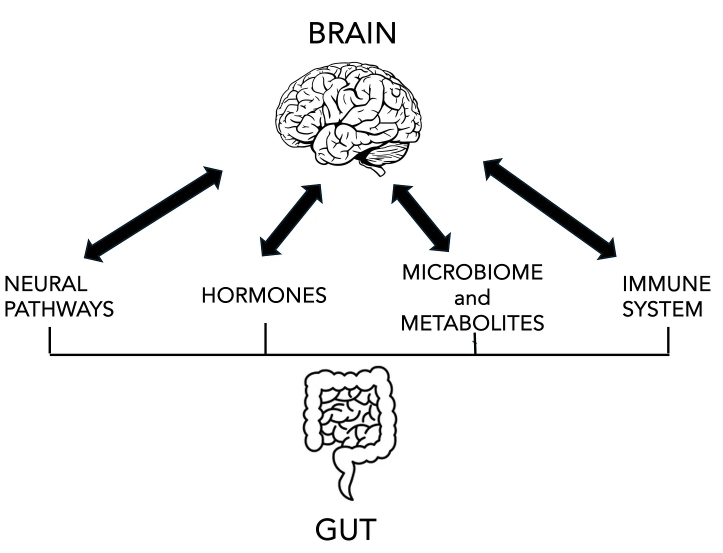
    There are 2 types of neural pathways, the “second brain” referring to the enteric (gut) nervous system from the cells that line the intestine and communicate to the vagus nerve to the brain (and in the opposite direction, too). There are also connections via the sympathetic, parasympathetic nervous system (autonomic nervous system, ANS) branches and spinal cord innervation to the gut primarily through the ANS.

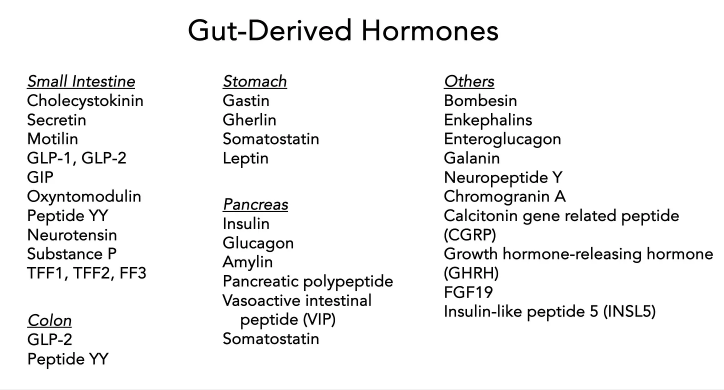
    Cells in the gut produce hormones (enteroendocrine cells) such as glucagon-like peptide (GLP-1), gastric inhibitory peptide (GIP), peptide YY, secretin, gherlin, gastrin, and many others. Some of these regulate pancreatic hormones such as insulin, glucagon and amylin, which can be considered as gut hormones but derived from pancreatic cells rather than intestinal lining cells. The hormonal interaction between gut and brain also goes through the hypothalamus-pituitary-adrenal (HPA) axis.

    The abundant and diverse bacteria in the gut microbiome of tens of trillion of cells of more than 3,000 species. These gut bacteria and their metabolites have an outsized impact by producing or stimulating different neurotransmitters (5HT, GABA) and metabolites (e.g. short chain fatty acids, SCFAs) that communicate with the brain and the immune system. For example, see my previous Ground Truths on how a gut bacteria and its metabolites can drive sugar cravings.

    The interaction with the immune system is critical to maintain integrity of the gut lining (avoiding “leaky gut syndrome”) and the blood-brain-barrier…

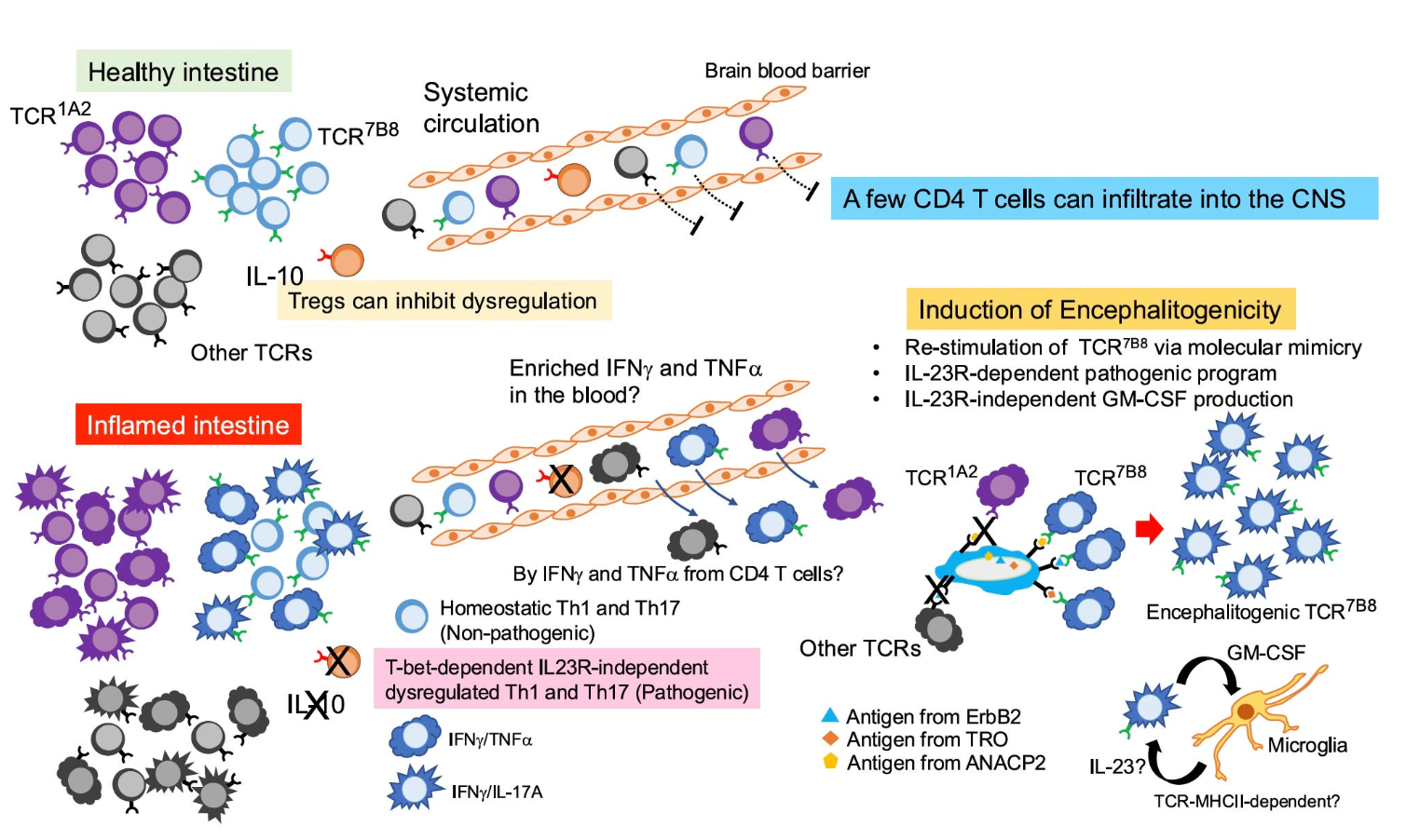
    The precise way by which the gut can induce inflammation in the brain has remained unclear. In the journal Nature this week it was shown that inflamed gut-derived CD4+ T cells can infiltrate the brain, leading to neuroinflammation and neurological damage in the experimental model…bacteria derived proteins (antigens) looking like host derived proteins, inciting an immune response.

    This was the second of 2 recent discoveries centered around gut-derived immune cells that get into the brain. Newly identified specialized CD4+ T cells from the gut and white adipose tissue establish residence in the brain’s subfornical organ and regulate feeding behavior…

    It turns out the H. pylori can do good things too! As in blocking the formation of amyloid protein formation. This week in Science Advances it was demonstrated that H. pylori releases the protein CagA (cytotoxin-associated gene A) which potently inhibits pathogenic amyloid assemblies..for formation in Alzheimer’s disease, Parkinson’s disease and type 2 diabetes…

    Several new gut hormone clinical trials, beyond the ones that are widely used—semaglutide (Ozempic) and tirzepatide (Zepbound, Mounjaro), were unveiled…Through randomized trials, their broad impact has been unequivocally proven for diabetes, obesity, and for treating related conditions of heart failure (with preserved ejection fraction), kidney disease, liver disease, sleep apnea, along with unexpected suppression of addiction to alcohol, cigarette smoking, nail biting and gambling. Add a surprising impact that we’re starting to see for autoimmune diseases. Even before there is weight loss with these drugs, there is evidence from experimental models of reduced systemic (body-wide) and brain inflammation. What is surprising is that drugs like semaglutide have little direct penetrance to the brain, but exert their effect chiefly through the gut-brain axis. New molecules in this class will have enhanced brain penetrance…

    Will They Work For Alzheimer’s Disease?

    [In a Liraglutide trial with 200 participants with Alzheimer’s,] after 1 year of treatment there was a reported 18% less cognitive decline and 50% reduced brain shrinkage compared to placebo…[There are also two studies] pending EVOKE and EVOKE Plus trials of daily oral semaglutide participants aged 55–85 years with mild cognitive impairment or mild dementia due to Alzheimer’s…About 12% of American adults are already taking GLP-1 drugs

    Sulfasalazine vs 5-ASA: Treatment Outcomes in Pediatric UC

    I Mansuri et al. J Pediatr Gastroenterol Nutr. 2025;80:988–997. Clinical outcomes of maintenance therapy with sulfasalazine compared to 5-aminosalicylates in children with ulcerative colitis

    Methods: This was a retrospective review of children diagnosed with UC between June 1999 and December 2019 at Boston Children’s Hospital. 124 started on sulfasalazine (SZ) and 309 on 5-aminosalicylates (5-ASA). Most patients had mild to moderate disease based on PUCAI score; ~12% had severe disease.

    Key findings:

    • At 1 year, 54%, 44.3%, and 36.6% of patients on SZ, 5-ASA, and those who switched, respectively, were in steroid-free remission (p = 0.13)
    • All medication switches due to adverse reactions (24) were from SZ to 5-ASA. No patient was switched from 5-ASA to SZ because of adverse reactions. The non-severe adverse reactions noted were nausea, vomiting, abdominal pain, non-severe skin rash, headache, mild leucopenia, and lymphadenitis. Three patients had serious skin reactions, and one had pancreatitis.
    • SZ tended to have more minor adverse reactions. Except for countering adverse reactions, switching between SZ and 5-ASA did not offer therapeutic benefits. Disease severity at diagnosis predicted early treatment escalation

    Discussion Points:

    • SZ offers advantages such as lower cost and availability in suspension form; the suspension form is particularly beneficial for young children and those unable to swallow the solid form of medication.
    • 5-ASA formulations can be almost 10–50 times more expensive than SZ. For example, the wholesale acquisition cost of monthly generic SZ is $30 compared to $274 for generic Lialda, $1131 for generic Pentasa, and $1890 for generic Asacol HD

    My take: About 20% of patients had to switch from Sz to 5-ASA due to adverse reactions; though, Sz had a mildly higher response rate (not statistically-significant). Switching between SZ and 5-ASA or vice versa is unlikely to provide much therapeutic benefit; patients who switched agents for medical reasons (rather than reactions) were more likely to require escalation to either a biologic or immune modulator.

    Related blog posts:

    Chatttahoochee River (Sandy Springs)