Why Ingestion of Caustic Substances is Not A Good Idea

The week that the U.S. President suggested that using disinfectants to treat the coronavirus could be helpful, there was a spike in calls to poison control centers: Calls to poison control centers spike after Trump disinfectant comments.  In addition, coincidentally, a review article was published: Ingestion of Caustic Substances (RS Hoffman et al. NEJM 2020; 382: 1739-48).

Background:

  • Chevalier Jackson (1865-1958), an otolaryngologist and often called the ‘father of endoscopy,’ advocated for warning labels on bottles that contained caustic agents.
  • U.S. Federal Caustic Poison Act 1927 mandated labeling and U.S. Poison Prevention Packaging Act 1970 mandated child-resistant containers
  • Currently, poison control centers in the U.S. advise storage “up and away” of caustic agents (Great website for families: www.upandaway.org)

Epidemiology:

  • Nearly 1000 children are hospitalized each year with caustic ingestions.
  • In younger children, ingestions typically involve smaller amounts than in adolescents and adults (in which ingestions are usually deliberate attempts at self-harm)

Clinical Outcomes:

  • GI: Caustics (both acid and alkali) may result in esophageal perforations with mediastinitis, as well as bowel perforation and bleeding.  Esophageal strictures can develop weeks to months afterwards
  • ENT: May compromise airway
  • Eye/Skin: Splash may cause eye injuries and skin burns

Approach to Management:

The authors present an algorithm (Figure 1) –Key points:

  • For adults and adolescents, when there are oropharyngeal findings with intentional ingestions, there is a high likelihood of gastroesophageal injury. In younger children, the presence of oropharyngeal findings is much less likely to be associated with gastroesophageal injury due to smaller ingested quantities.
  • The authors advocate a selective approach towards endoscopy in young children.  “For children with only vomiting or drooling and those who refuse to drink, overnight observation is routine, and endoscopy is performed only if symptoms persist and the child remains unable to take oral fluids”  If there is vomiting and drooling or stridor alone, endoscopy is recommended.
  • Endoscopy, when indicated, “should be performed in the first 24 to 48 hours.”  Delayed endoscopy may increase the risk of perforation.
  • Clinical attempts to empty the stomach can potentially increase injury. However, “use of water immediately after ingestion (usually at home) to irrigate adherent materials” may be useful if patient can swallow safely and breathe without difficulty.

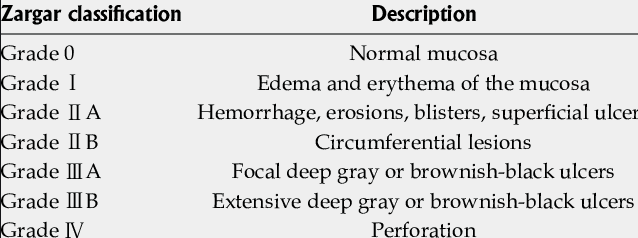
Grading Esophageal Injury -Zargar Classification:
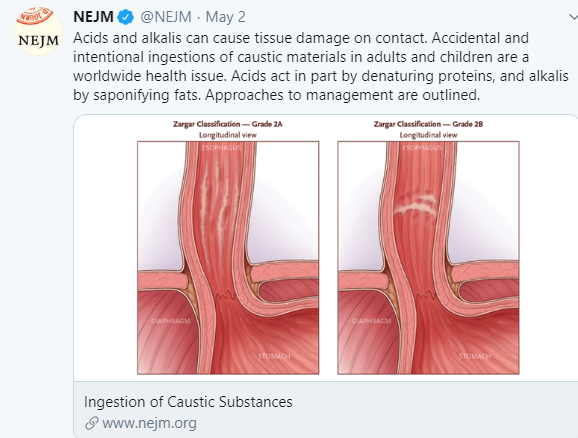
For patients too ill to undergo endoscopy, CT is an alternative

Use of Corticosteroids:

This issue is discussed at length.  Though routine use of steroids failed to show benefit in several (underpowered) studies, the authors not that Usta et al (Pediatrics 2014; 133: E1518-24) “randomly assigned children with grade 2B esophageal injuries to 3 days of methylprednisolone ( 1 g per 1.73m2 of BSA per day) or placebo, plus 1 week of ceftriaxone and ranitidine…A significant benefit was reported in the methylprednisolone group.”  Thus, “patients with grade 2B injuries, who have a high risk of progression to stricture and a low risk of perforation, are most likely to benefit from…glucocorticoid therapy.”  The authors state this is in agreement with current guidelines (JPGN 2017; 64: 133-53).

Other Management:

  • Consider placement of nasogastric tube at time of endoscopy
  • Sucralfate has been shown to help with esophageal healing
  • Mitomycin C has been studied and has some data indicating fewer dilatations were needed for caustic-induced strictures.  Long-term risk of malignancy with mitomycin C is uncertain.

My take: Most children with caustic ingestions will not need endoscopy.  Sucralfate is a useful adjunct.  A subset of children may benefit from 3 days of methylprednisolone.

Related blog posts:


Disclaimer: This blog, gutsandgrowth, assumes no responsibility for any use or operation of any method, product, instruction, concept or idea contained in the material herein or for any injury or damage to persons or property (whether products liability, negligence or otherwise) resulting from such use or operation. These blog posts are for educational purposes only. Specific dosing of medications (along with potential adverse effects) should be confirmed by prescribing physician.  Because of rapid advances in the medical sciences, the gutsandgrowth blog cautions that independent verification should be made of diagnosis and drug dosages. The reader is solely responsible for the conduct of any suggested test or procedure.  This content is not a substitute for medical advice, diagnosis or treatment provided by a qualified healthcare provider. Always seek the advice of your physician or other qualified health provider with any questions you may have regarding a condition

When Can You Safely Stop Nucleos(t)ide Treatment for Hepatitis B? & Reassessment of Ventilator Success for COVID-19

A recent commentary (KS Liem et al. Gastroenterol 2020; 158: 1185-90) reviews the challenge of stopping nucleos(t)ide (NUC) treatment for chronic hepatitis B viral (HBV) infection.

Key points:

  • NUC therapy “prevents liver failure, decreases the risk of hepatocellular carcinoma, and has excellent safety”
  • Yet, there are “low rates of on-therapy functional cure” which is indicated by loss of HBV surface antigen [HBsAg]
  • Divergent recommendations: Guidelines “recommend NCU therapy in noncirrhoitic patients can be stopped after >3 years of virologic suppression (EASL), after ≥1 year of undetectable HBV DNA and 2 years of treatment (APASL), or only after achieving HBsAg loss (AASLD)
  • “Relapse is highly variable, but is especially dangerous in patients with stage 3 fibrosis or cirrhosis”
  • “Hepatic decompensation is relatively rare but is best prevented by continuing NUC therapy in all cirrhotics or those with advanced fibrosis.”
  • In a randomized controlled trial in Canada, 72 weeks after NUC discontinuation, “only 33% of pretreatment HBeAg-negative patients had a sustained off-treatment response.”
  • “The major guidelines suggest that noncirrhotic pretreatment HBeAg-positive patients can stop NUC therapy after reaching HBeAg seroconversion with undetectable HBV DNA and completing 1-3 years of consolidation therapy…these recommendations are of poor quality.”
  • Three issues need to be studied: retreatment criteria in those who stop NUC therapy, biomarkers to distinguish beneficial from detrimental flares, and better criteria for identifying those who are likely to decompensate.

My take: It is hard to argue with the author’s conclusion that “without the tools for proper patient selection, potential benefits of NUC discontinuation do not outweigh limitations of long-term NUC therapy for most patients in clinical practice.”  This is due to the safety of NUC therapy and the frequency of relapse when NUC is stopped.

Related blog posts:


From NPR: New Evidence Suggests COVID-19 Patients On Ventilators Usually Survive

An excerpt:

A study of some New York hospitals seemed to show a mortality rate of 88%. But Cooke and others say the New York figure was misleading because the analysis included only patients who had either died or been discharged. “So folks who were actually in the midst of fighting their illness were not being included in the statistic of patients who were still alive,” he says….

The mortality rate among 165 COVID-19 patients placed on a ventilator at Emory was just under 30%. And unlike the New York study, only a few patients were still on a ventilator when the data were collected.

Curbside Humor:

Also: What do you get from a pampered cow? Spoiled milk!


COVID-19: Failing the Test, What We Know About Aerolization, Georgia DPH Revisions, CDC COVID-19 Projections

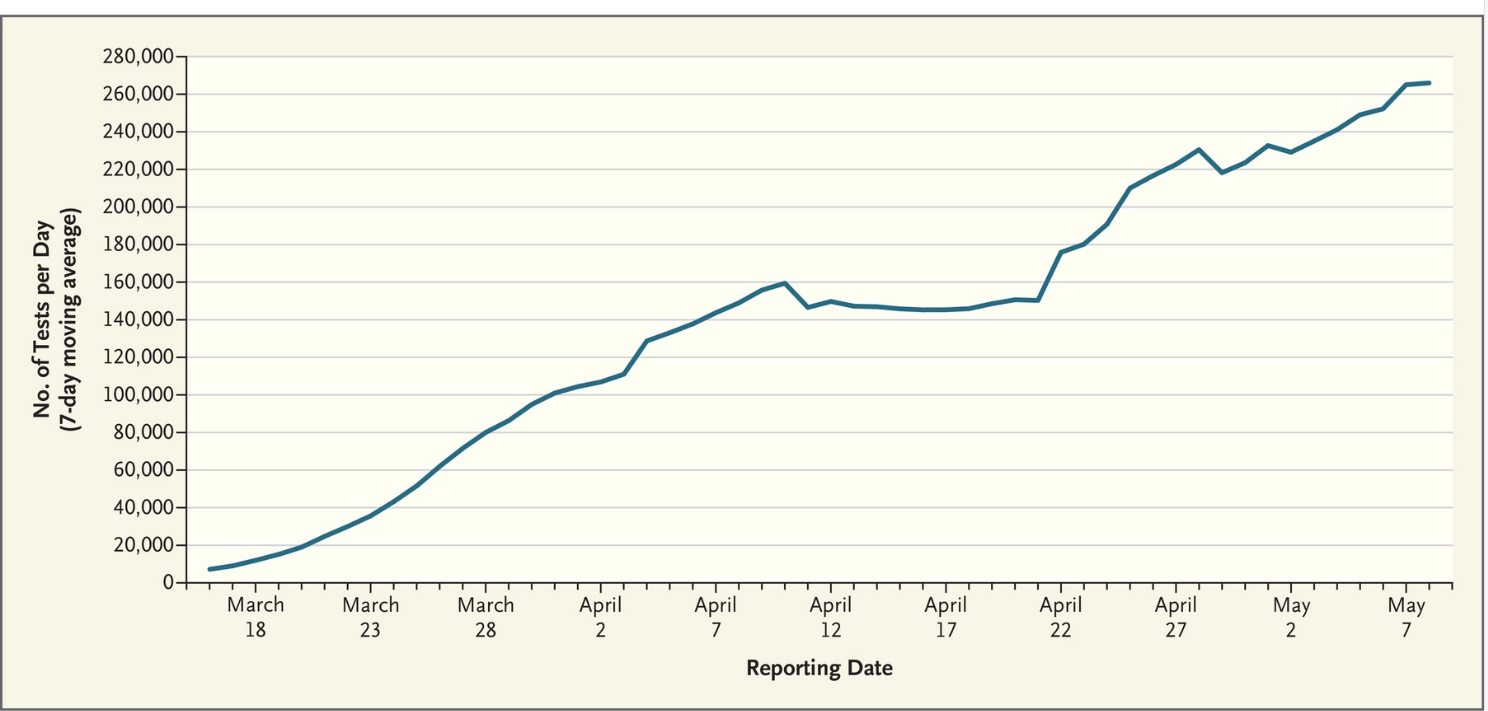
Yesterday –E Schneider NEJM commentary (DOI: 10.1056/NEJMp2014836) on how the U.S. has lagged behind other countries in SARS-CoV-2 testing  Full Text: Failing the Test

An excerpt:

Tragically, the United States, unable to match other countries’ response, has tallied the most cases and deaths in the world — and recent data suggest that those tallies are underestimates. Why has the U.S. response been so ineffectual? One key answer is testing, which has been a cornerstone of Covid-19 control elsewhere…

Having failed to test early enough to contain outbreaks, the country has fallen back on two mitigation strategies: accelerating drug and vaccine development and an unprecedented strategy of nonpharmacologic interventions (NPIs) involving draconian school and business closures, stay-at-home orders, and physical distancing

March 16 -May 8, 2020

______________________________________________________________________

T Lewis. Scientific American (May 12):  How Coronavirus Spreads through the Air: What We Know So Far

An excerpt:

According to the U.S. Centers for Disease Control and Prevention and the World Health Organization, the novel coronavirus is primarily spread by droplets from someone who is coughing, sneezing or even talking within a few feet away. But anecdotal reports hint that it could be transmissible through particles suspended in the air…

 “There is not much convincing evidence that aerosol spread is a major part of transmission” of COVID-19, Perlman says. That assessment does not mean it is not occurring, however…

Cowling hypothesizes that many respiratory viruses can be spread through the airborne route—but that the degree of contagiousness is low…

Most researchers still think the new coronavirus is primarily spread via droplets and touching infected people or surfaces. So diligent hand washing and social distancing are still the most important measures people can take to avoid infection.


From AJC: Georgia’s Latest Errors in Reporting COVID-19 Data 

In the latest bungling of tracking data for the novel coronavirus, a recently posted bar chart on the Georgia Department of Public Health’s website appeared to show good news: new confirmed cases in the counties with the most infections had dropped every single day for the past two weeks.

In fact, there was no clear downward trend. The data is still preliminary, and cases have held steady or dropped slightly in the past two weeks.

DPH’s page has led readers to think that cases were dropping dramatically, even though lower case numbers were the result of a lag in data collection.

My take: Though, the number of reported cases has been fairly steady in Georgia, the amount of testing has increased; thus, even if the numbers hold steady, this likely reflects some improvement in the absolute number of infected individuals.


@Atul_Gawande: How to Reopen

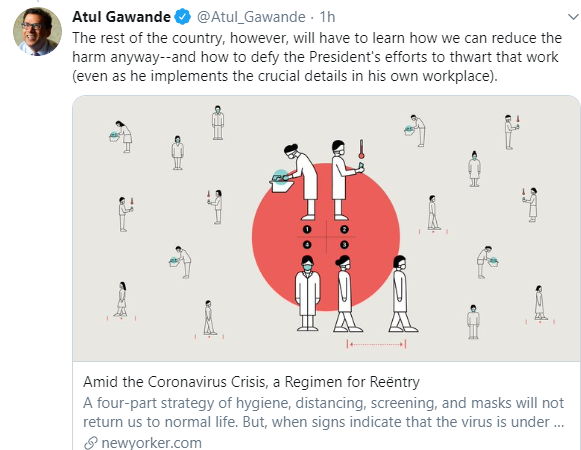
Atul Gawande outlines what has worked at their hospital system –this is a very important read: Amid the Coronavirus Crisis, a Regimen for Reëntry

An excerpt:

Experts have identified a few indicators that must be met to begin opening nonessential businesses safely: rates of new cases should be low and falling for at least two weeks; hospitals should be able to treat all coronavirus patients in need; and there should be a capacity to test everyone with symptoms. But then what? 

In the face of enormous risks, American hospitals have learned how to avoid becoming sites of spread…

Its elements are all familiar: hygiene measures, screening, distancing, and masks. Each has flaws. Skip one, and the treatment won’t work. But, when taken together, and taken seriously, they shut down the virus.

  • a military boot camp found that a top-down program of hand washing five times a day cut medical visits for respiratory infections by forty-five per cent.
  • the six-foot rule goes a long way to shutting down this risk. But there are clearly circumstances where that is not sufficient.
  • testing when people have symptoms is important; with a positive result, a case can be quickly identified, and close contacts at work and at home can be notified. And, with a negative result, people can quickly get back to work…Daily check-ins are equally important (Owing to false-negative test results, you are still required to wait until your fever has been resolved, and your symptoms have improved, for seventy-two hours.)
  • nonetheless, patients who do not yet show symptoms, or have just begun to, are turning out to be important vectors of disease. That’s why we combined distancing with masks. They provide “source control”—blocking the spread of respiratory droplets from a person with active, but perhaps unrecognized, infection. [Most masks] are designed to safeguard others, not the wearer.

Surgical masks are effective at blocking ninety-nine per cent of the respiratory droplets expelled by people with coronaviruses or influenza viruses. The material of a double-layered cotton mask—the kind many people have been making at home—can block droplet emissions, as well. And the sars-CoV-2 virus does not last long on cloth; viral counts drop ninety-nine per cent in three hours

Evidence of the benefits of mandatory masks is now overwhelming. Our hospital system would not be able to stop viral spread without them

@AmyOxentenkoMD: Celiac Disease and Mimics

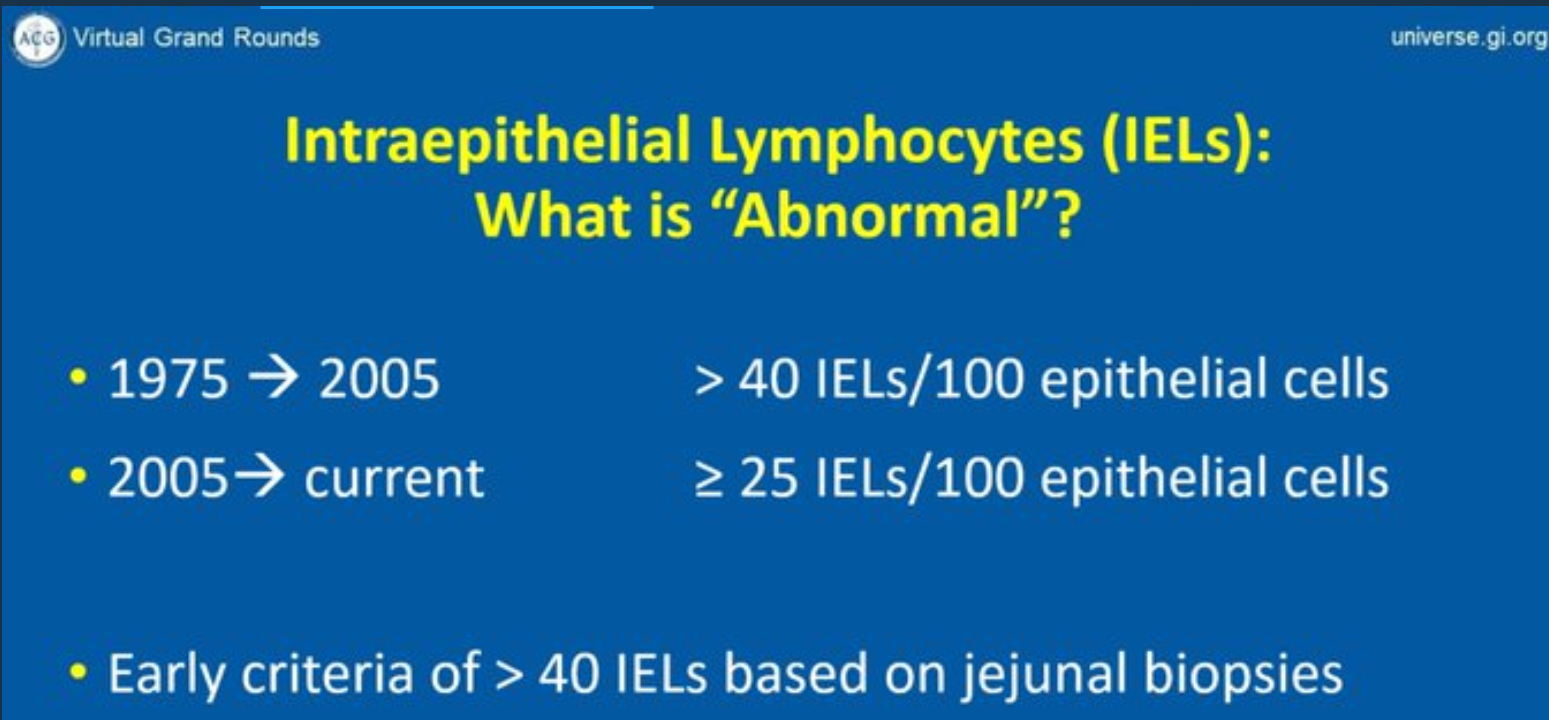
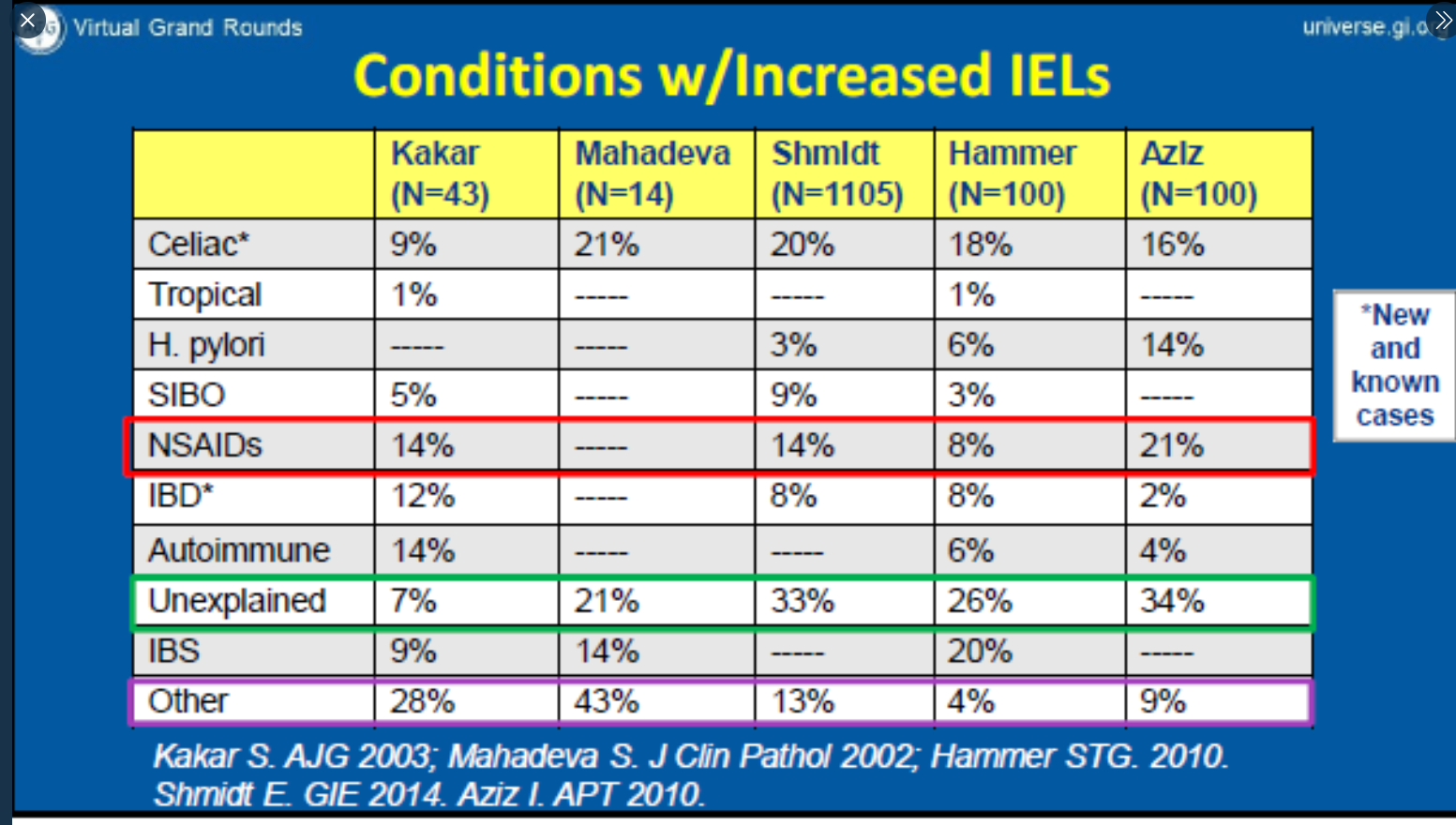
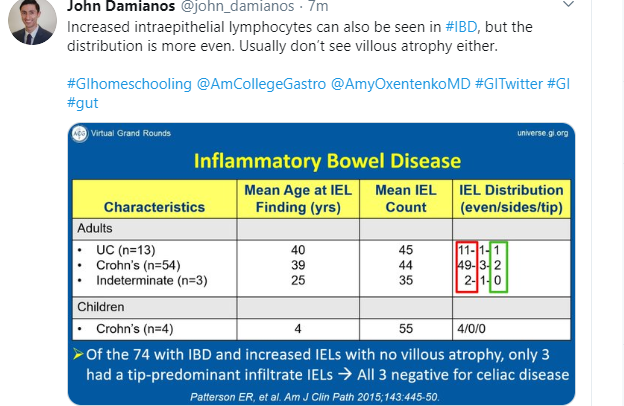
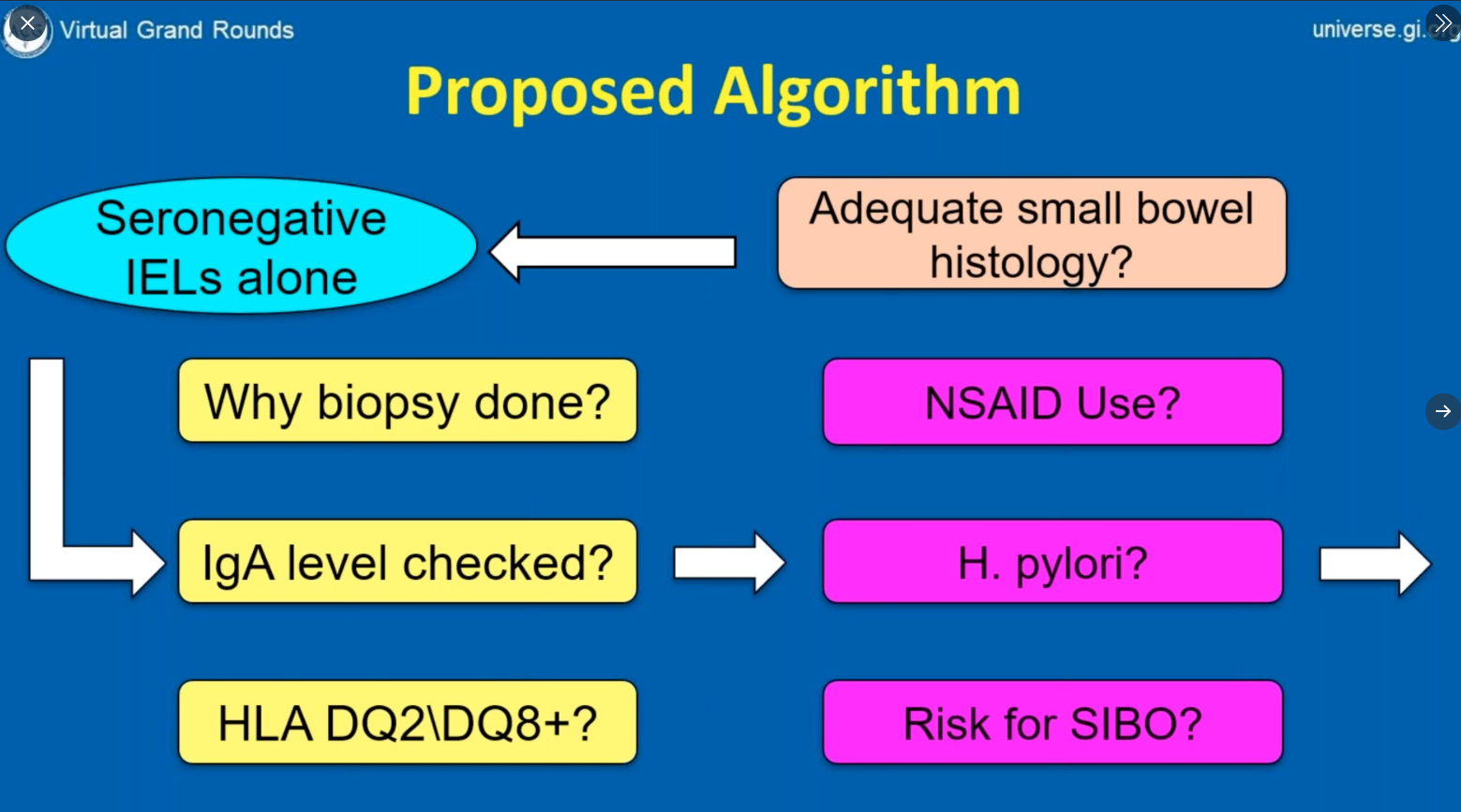
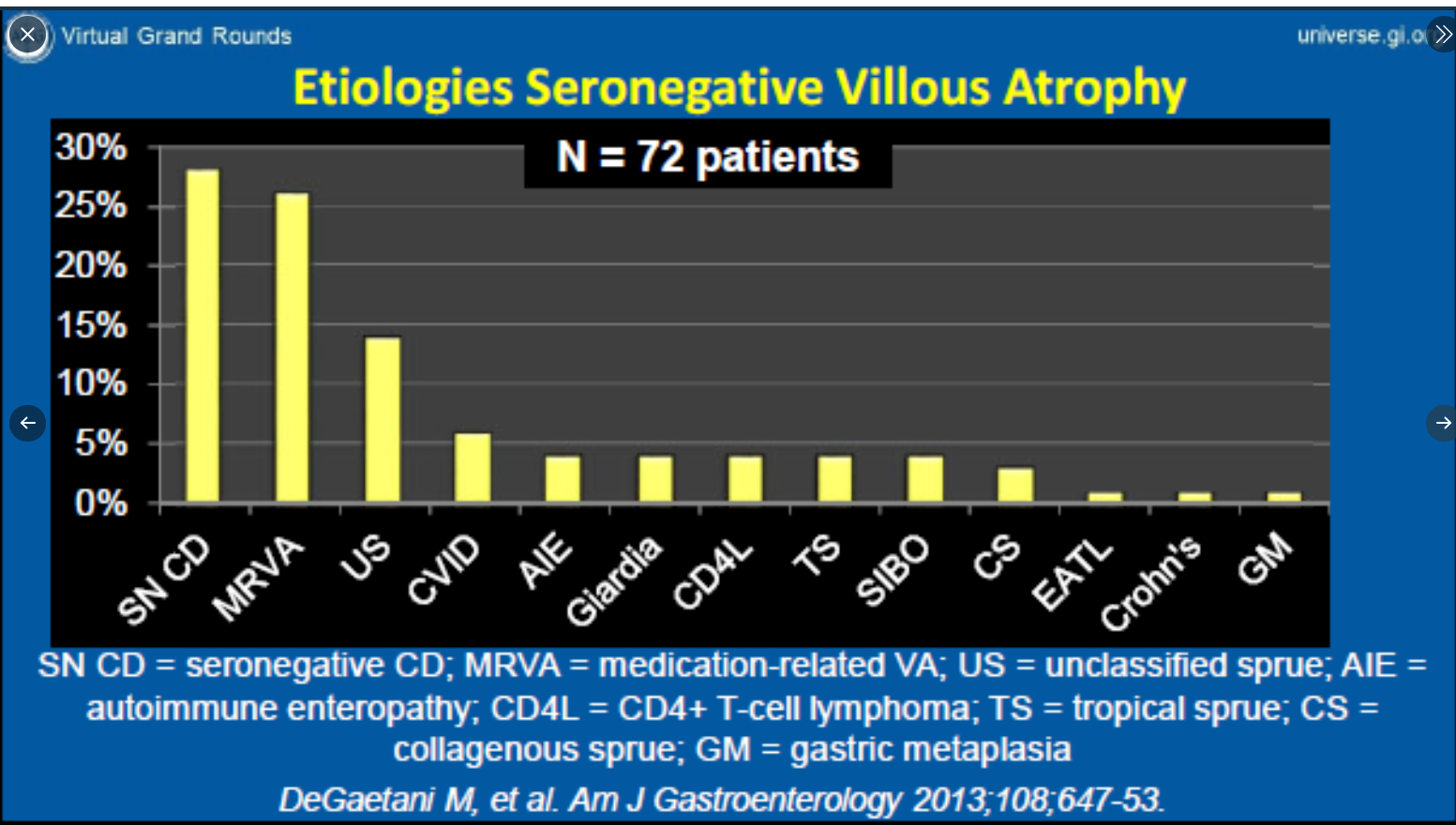
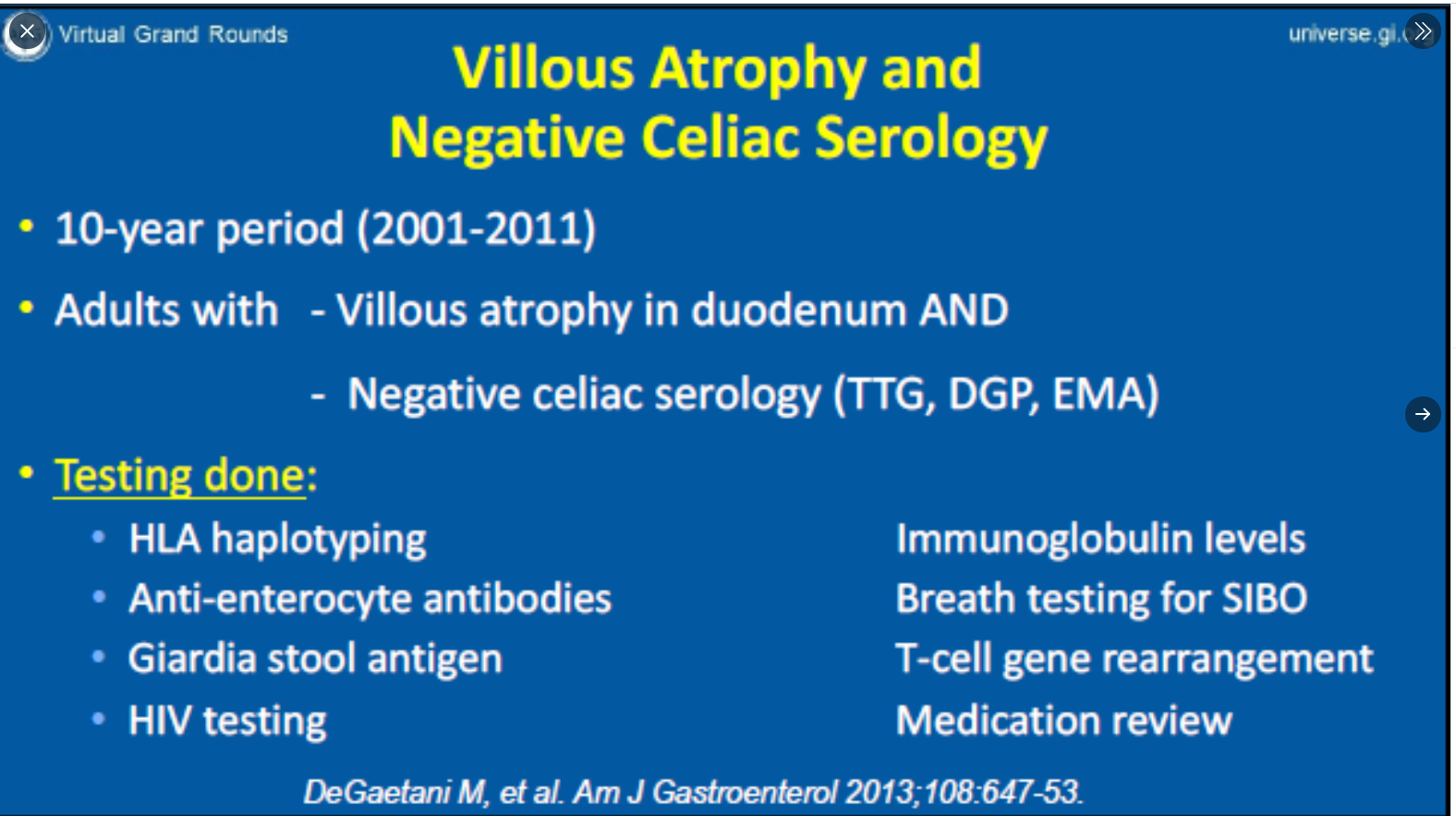
One trend lately has been the use of twitter for virtual lectures (ACG Free Virtual Grand Round Lectures).  A recent example from ACG highlighted Celiac disease. Reviewed topics included seronegative celiac disease as well as other conditions that can create similar histology findings.

Here is a link to full slide set PDF: Celiac Disease Or Not?

Here are some of the slides:

Job Security Study: Lots of People Have Reflux Symptoms & COVID-19 Due To Singing

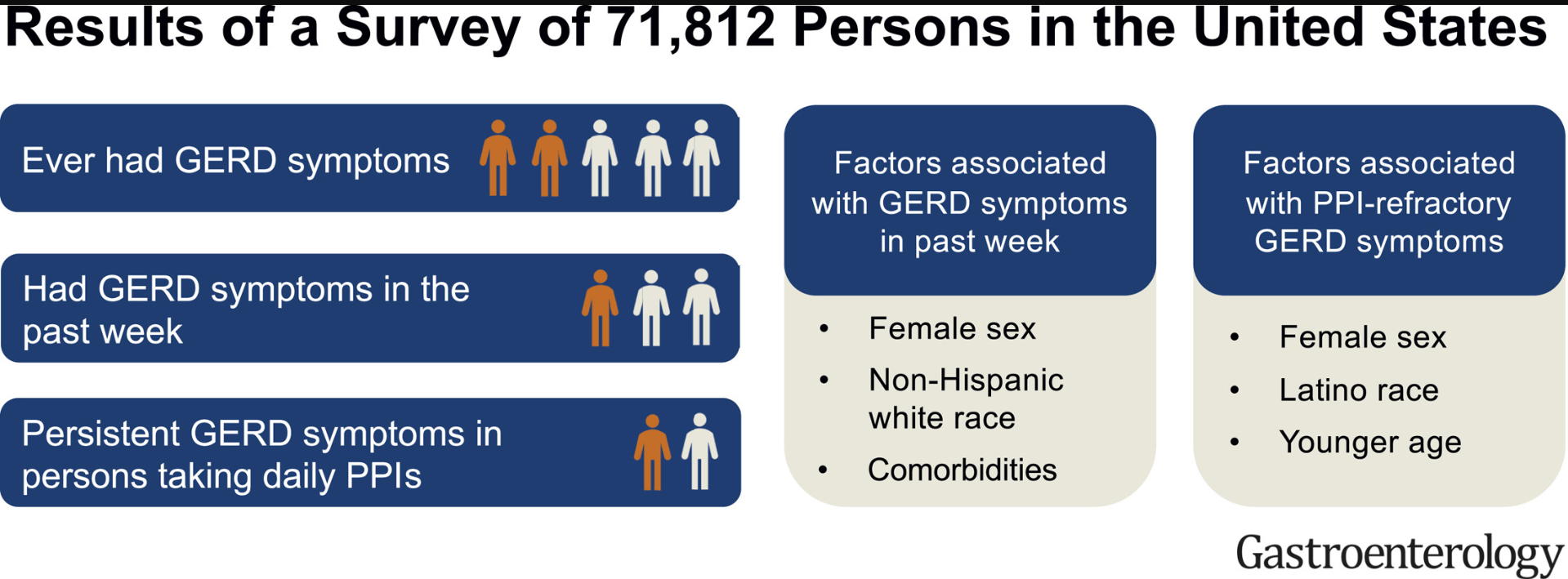
A recent study (SD Delshad, CV Almario et al. Gastroenterol 2020; 158: 1250-61) used survey data from an APP, MyGiHealth, to assess prevalence of reflux symptoms and symptoms that had not responded to proton pump inhibitor treatment.

Key findings:

  • In 2015, among 71,812 participants, 32,878 (44.1%) reported reflux symptoms previously and 23,039 (30.9%) reported reflux symptoms in previous week
  • 35% with reflux symptoms were currently receiving treatment: 55% PPIs, 24% H2RAs, and 24% antacids
  • Of the 3229 taking daily PPIs, 54% reported persistent reflux symptoms (≥2 days per week)
  • Age range of respondents was 33% for 18-29, 27% for 30-39, 17% for 40-49, 15% for 50-59, and 8% ≥60

Limitations: 

  • Potential selection bias as there was only a 5.5% response rate among the entire eligible population of 1.3 million
  • Reflux symptoms frequently is not due to reflux disease

My take: There are a lot of folks with reflux symptoms and many have ongoing symptoms despite treatment; hence, lots of opportunity to help (and job security)

Related blog posts:

Also from NY Times: Coronavirus Ravaged a Choir. But Isolation Helped Contain It.

“One sick singer attended choir practice, infecting 52 others, two of whom died. A study released by the C.D.C. shows that self-isolation and tracing efforts helped contain the outbreak.”  Only 8 of the 61 choir members did not get sick.

Graphical Abstract

High Survival Rates for Biliary Atresia Patients Needing Liver Transplantation

A recent retrospective study (SA Taylor et al. J Pediatr 2020; 219; 89-97) examined patients enrolled in the Society of Pediatric Liver Transplantation (SPLIT) registry, including 547 before 2002 and 1477 after 2002.

Key findings:

  • Before 2002, patient and graft survival were 81% and 90%.
  • After 2002, patient and graft survival were 90% and 97%. This improvement is perhaps more impressive as there was evidence of increased disease severity at time of transplantation in the later cohort.
  • The reasons for these improved outcomes include reduced relisting for transplant, less rejection, less culture-proven infection, fewer reoperations, and less vascular complications (eg. hepatic artery thrombosis and portal vein thrombosis).
  • Donor age (0-5 months) was a risk factor for graft loss; compared to 1-17 years, the hazard ratio was 5.525.  However, in the later group, recipient age of ≤11 months was no longer a risk factor for patient death.
  • Bacterial infection or sepsis remain the leading cause of death after transplantation.

Due to improvement in survival, the authors note that some have advocated for primary liver transplantation instead of Kasai portoenterostomy.  “A report of 626 patients with biliary atresia, of whom 50% underwent primary liver transplantation without Kasai portoenterostomy, demonstrated improved survival.” (JAMA Surg 2019; 154: 26-32)

My take: This information about survival is certainly encouraging –though many challenges remain, especially to improve comorbidities.

Related blog posts:

Island Ford Nat’l Recreational Area, Sandy Springs

Reducing Inappropriate Proton Pump Inhibitor Usage & U.S. Children with COVID-19

D Lin et atl. Clin Gastroenterol Hepatol 2020; 18: 763-6.  In a retrospective chart review, the authors examined pharmacy data from patients in the Harris Health System (Harris county -Houston, TX) which had more than 1.9 million outpatient clinic visits in 2017.

In January 2018, multiple efforts were made to try to reduce inappropriate proton pump inhibitor (PPI) usage.  This included grand rounds and system-wide emails to providers.  In addition, a suggested tapering algorithm (order in EPIC) was given to reduce the likelihood of rebound acid hypersecretion which could undermine the goal of stopping PPI.

Key points:

  • Taper: When ready to taper, start with “a PPI every other day for 2 weeks, followed by a PPI every 4 days for 2 additional weeks before discontinuation.”
  • De-escalation: Before educational intervention, in 2017, there were 66,261 unique PPI prescriptions. After educational intervention, in 2018, there were 55,322 unique PPI prescriptions (16.5% decrease). This equates to ~800,000 fewer capsules or pills dispensed in 1 calendar year
  • The most “important driver” for de-escalation was the initiation of the discussion by the ambulatory primary care provider
  • The authors recommend clinic followup within a month after starting de-escalation and gastroenterology evaluation for patients with severe symptoms or those refractory to PPI treatment

My take: This study indicates that 1 in 6 PPI users were able to de-escalate off treatment.  Physician initiative is crucial to improve appropriate medication use.

Related blog posts:

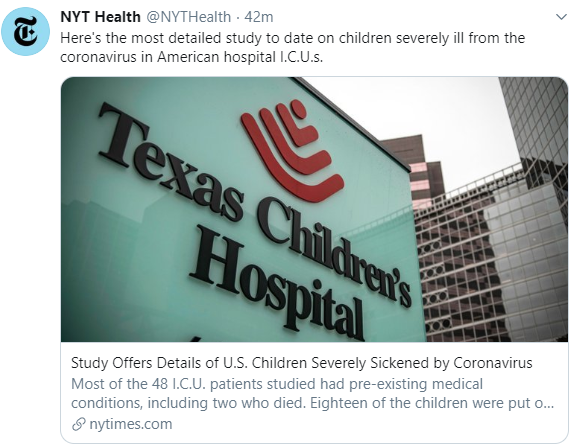
Recent study from JAMA Pediatrics (5/11/20) -Full text: Characteristics and Outcomes of Children With Coronavirus Disease 2019 (COVID-19) Infection Admitted to US and Canadian Pediatric Intensive Care Units

Of the 48 children with COVID-19 admitted to participating PICUs (14 hospitals)… Forty patients (83%) had significant preexisting comorbidities; 35 (73%) presented with respiratory symptoms and 18 (38%) required invasive ventilation….At the completion of the follow-up period, 2 patients (4%) had died and 15 (31%) were still hospitalized, with 3 still requiring ventilatory support and 1 receiving extracorporeal membrane oxygenation. The median (range) PICU and hospital lengths of stay for those who had been discharged were 5 (3-9) days and 7 (4-13) days, respectively.

NY Times Summary of Study: Details of U.S. Children Severely Affected by Coronavirus

Disclaimer: This blog, gutsandgrowth, assumes no responsibility for any use or operation of any method, product, instruction, concept or idea contained in the material herein or for any injury or damage to persons or property (whether products liability, negligence or otherwise) resulting from such use or operation. These blog posts are for educational purposes only. Specific dosing of medications (along with potential adverse effects) should be confirmed by prescribing physician.  Because of rapid advances in the medical sciences, the gutsandgrowth blog cautions that independent verification should be made of diagnosis and drug dosages. The reader is solely responsible for the conduct of any suggested test or procedure.  This content is not a substitute for medical advice, diagnosis or treatment provided by a qualified healthcare provider. Always seek the advice of your physician or other qualified health provider with any questions you may have regarding a condition