High Survival Rates for Biliary Atresia Patients Needing Liver Transplantation

A recent retrospective study (SA Taylor et al. J Pediatr 2020; 219; 89-97) examined patients enrolled in the Society of Pediatric Liver Transplantation (SPLIT) registry, including 547 before 2002 and 1477 after 2002.

Key findings:

  • Before 2002, patient and graft survival were 81% and 90%.
  • After 2002, patient and graft survival were 90% and 97%. This improvement is perhaps more impressive as there was evidence of increased disease severity at time of transplantation in the later cohort.
  • The reasons for these improved outcomes include reduced relisting for transplant, less rejection, less culture-proven infection, fewer reoperations, and less vascular complications (eg. hepatic artery thrombosis and portal vein thrombosis).
  • Donor age (0-5 months) was a risk factor for graft loss; compared to 1-17 years, the hazard ratio was 5.525.  However, in the later group, recipient age of ≤11 months was no longer a risk factor for patient death.
  • Bacterial infection or sepsis remain the leading cause of death after transplantation.

Due to improvement in survival, the authors note that some have advocated for primary liver transplantation instead of Kasai portoenterostomy.  “A report of 626 patients with biliary atresia, of whom 50% underwent primary liver transplantation without Kasai portoenterostomy, demonstrated improved survival.” (JAMA Surg 2019; 154: 26-32)

My take: This information about survival is certainly encouraging –though many challenges remain, especially to improve comorbidities.

Related blog posts:

Island Ford Nat’l Recreational Area, Sandy Springs

Reducing Inappropriate Proton Pump Inhibitor Usage & U.S. Children with COVID-19

D Lin et atl. Clin Gastroenterol Hepatol 2020; 18: 763-6.  In a retrospective chart review, the authors examined pharmacy data from patients in the Harris Health System (Harris county -Houston, TX) which had more than 1.9 million outpatient clinic visits in 2017.

In January 2018, multiple efforts were made to try to reduce inappropriate proton pump inhibitor (PPI) usage.  This included grand rounds and system-wide emails to providers.  In addition, a suggested tapering algorithm (order in EPIC) was given to reduce the likelihood of rebound acid hypersecretion which could undermine the goal of stopping PPI.

Key points:

  • Taper: When ready to taper, start with “a PPI every other day for 2 weeks, followed by a PPI every 4 days for 2 additional weeks before discontinuation.”
  • De-escalation: Before educational intervention, in 2017, there were 66,261 unique PPI prescriptions. After educational intervention, in 2018, there were 55,322 unique PPI prescriptions (16.5% decrease). This equates to ~800,000 fewer capsules or pills dispensed in 1 calendar year
  • The most “important driver” for de-escalation was the initiation of the discussion by the ambulatory primary care provider
  • The authors recommend clinic followup within a month after starting de-escalation and gastroenterology evaluation for patients with severe symptoms or those refractory to PPI treatment

My take: This study indicates that 1 in 6 PPI users were able to de-escalate off treatment.  Physician initiative is crucial to improve appropriate medication use.

Related blog posts:

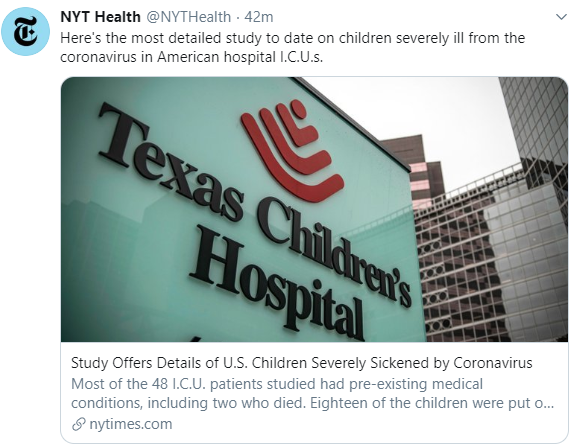
Recent study from JAMA Pediatrics (5/11/20) -Full text: Characteristics and Outcomes of Children With Coronavirus Disease 2019 (COVID-19) Infection Admitted to US and Canadian Pediatric Intensive Care Units

Of the 48 children with COVID-19 admitted to participating PICUs (14 hospitals)… Forty patients (83%) had significant preexisting comorbidities; 35 (73%) presented with respiratory symptoms and 18 (38%) required invasive ventilation….At the completion of the follow-up period, 2 patients (4%) had died and 15 (31%) were still hospitalized, with 3 still requiring ventilatory support and 1 receiving extracorporeal membrane oxygenation. The median (range) PICU and hospital lengths of stay for those who had been discharged were 5 (3-9) days and 7 (4-13) days, respectively.

NY Times Summary of Study: Details of U.S. Children Severely Affected by Coronavirus

Disclaimer: This blog, gutsandgrowth, assumes no responsibility for any use or operation of any method, product, instruction, concept or idea contained in the material herein or for any injury or damage to persons or property (whether products liability, negligence or otherwise) resulting from such use or operation. These blog posts are for educational purposes only. Specific dosing of medications (along with potential adverse effects) should be confirmed by prescribing physician.  Because of rapid advances in the medical sciences, the gutsandgrowth blog cautions that independent verification should be made of diagnosis and drug dosages. The reader is solely responsible for the conduct of any suggested test or procedure.  This content is not a substitute for medical advice, diagnosis or treatment provided by a qualified healthcare provider. Always seek the advice of your physician or other qualified health provider with any questions you may have regarding a condition

Big Study on Intralesional Steroid Injection for Esophageal Anastomotic Strictures & 8 Truths on COVID-19

A recent retrospective study (PD Ngo et al. JPGN 2020; 70: 462-7) describes the largest published experience with intralesional steroid injection (ISI) for esophageal anastomotic strictures; the population studied in this report were strictures associated with esophageal atresia (EA) repair.

Key Details:

  • 158 patients, 2010-2017, were included
  • 1055 balloon dilatations and 452 ISI+
  • Triamcinolone acetate (10 mg/mL) was injected into the scar tissue “at a typical doses of 1 to 2 mg/kg with a weight-based maximum of 20mg and not >40 mg per procedure (typically 10-20 mg).  The total injected dose was divided into 4 or more injection sites.”
  • Dilatation was performed with controlled radial expansion (CRE) balloons.
  • Prior to dilatation, a brief intraoperative contrast esophagram with half-strength ioversol 68% (Optiray 320) was performed.  This allowed estimation of the anastomotic diameters. In some cases with poor contrast distention, the estimation was completed using the endoscope diameter or biopsy forceps size.

Key findings:

  • The median change in stricture diameter was significantly greater in the ISI+ group compared to the ISI-neg group with stricture dilatation, with an adjusted odds ratio of 3.24
  • The likelihood of ISI injection being helpful was more pronounced with the first three sessions, with a median change of 1 mm compared to 0.5mm (after the first three).  The authors note that after the first 3 ISI+-dilatations, there was not a statistically-significant difference in stricture dilatation between those receiving ISI and those with balloon alone
  • There was no difference in perforation rates with ISI than without
  • The authors noted that patients who received ISI were less likely to be subsequently characterized as refractory

The study has a number of limitations including lack of precision/reproducibility with stricture diameter with dilatation; in addition, it was non-randomized and retrospective.

My take: This study, completed in a highly-specialized center, provides evidence that stricture dilatation following esophageal atresia repair is likely to be more successful with steroid injection.

Related blog posts:

Also, a good read (thanks to 33mail Bryan Vartabedian for this reference): Can We Discuss Flatten-the-Curve in COVID19? My Eight Assertions by JOHN MANDROLA, MD

” I will argue that the cumulative deaths from COVID19 will not be reduced significantly by flatten-the-curve policies. And that this virus will be as dangerous to vulnerable patients in 6 months to a year. We should be allowed to debate this.”

Key points: flattening of the curve does not mean that we will substantially lower the total mortality related to COVID-19 –though hospitals now have had time to avoid being overwhelmed.  The virus is not contained, tests will underperform, new treatments do not help much (thus far), the overall mortality is ~1%, it may be difficult for a vaccine to prove its effectiveness, and COVID-19 (& our response) will likely lead to a large number of deaths not due to COVID-19.

Curbside Humor

Is A Gluten-Free Diet Possible? DOGGIE BAG Study. And Face Mask Use in U.S.

A recent study (JA Silvester et al. Gastroenterol 2020; 158: 1497-99)  examined the diet of 18 participants with celiac disease who endorsed no intentional gluten ingestion.

From BeyondCeliac website: CELIAC DISEASE RESEARCHERS EXAMINE THE CONTENT OF PATIENTS’ DOGGIE BAGS

There are two ways you could interpret the name of the new Doggie Bag study, which investigates how much gluten people with celiac disease are getting in their diets. And each would be correct.

Participants in the study provided portions of all the food they ate over 10 days – what you could think of as the doggie bag you bring home from a restaurant. They also provided stool samples, which might bring to mind the bags dog owners use to clean up after their pets.

Either way, the name reflects the commitment made by 18 celiac disease patients on the gluten-free diet who took part in the 10-day review of all the gluten going in and coming out of their bodies. Urine samples were also collected.

Celiac disease researchers tested all the samples for the presence of gluten immunogenic peptides (GIP) and concluded that 66 percent of the patients trying to follow a strict gluten-free diet showed evidence, by one measure or another, of being exposed to gluten. The amount of gluten varied from .23 milligrams (mg) to more that 40 mg with each exposure. Up to 10 mg of gluten per day is generally considered a safe level of gluten consumption for most people with celiac disease, according to the University of Chicago Celiac Disease Center.

Key findings:

  • 25 of 313 (8%) of food samples from 9 participants had detectable gluten with a median of 11 parts per million
  • 12 of 18 with good or excellent GFD adherence based on standardized self-report were exposed to gluten within the 10-day study period
  • Among the 12 with gluten detected in their diet, 5 (42%) had abnormal TTG IgA antibody levels and 8 (66%) had Marsh 3A histology; in the 6 with no gluten detected, 2 (33%) had abnormal TTG IgA antibody levels and 2 (33%) had Marsh 3A histology

My take: For many patients with celiac disease, a “GFD may be more aspirational than achievable, even by highly committed and knowledgeable individuals.”

Related blog posts:


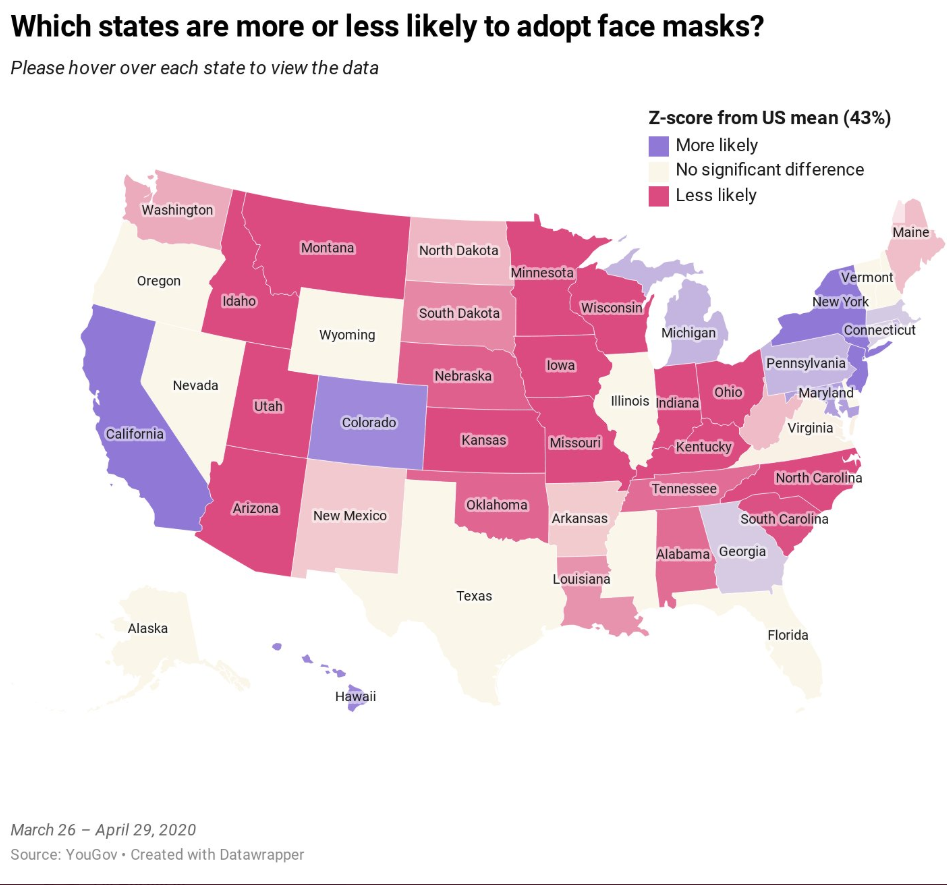
From YouGov survey: The states that are more and less likely to adopt face masks

  • Methodology: The survey is based on the interviews of 89,347 US adults aged 18 and over between March 26-April 29, 2020. All interviews were conducted online and the results have been weighed to be nationally representative.
  • During the course of April, the share of Americans who wore face masks while out in public surged from 17 percent at the start of the month to 63 percent by month’s end
  • A state-by-state analysis reveals some states are significantly more likely to adopt face masks than others. Georgia was ahead of nationwide average during study period (45% compared to 43% nationwide)


Disclaimer: This blog, gutsandgrowth, assumes no responsibility for any use or operation of any method, product, instruction, concept or idea contained in the material herein or for any injury or damage to persons or property (whether products liability, negligence or otherwise) resulting from such use or operation. These blog posts are for educational purposes only. Specific dosing of medications (along with potential adverse effects) should be confirmed by prescribing physician.  Because of rapid advances in the medical sciences, the gutsandgrowth blog cautions that independent verification should be made of diagnosis and drug dosages. The reader is solely responsible for the conduct of any suggested test or procedure.  This content is not a substitute for medical advice, diagnosis or treatment provided by a qualified healthcare provider. Always seek the advice of your physician or other qualified health provider with any questions you may have regarding a condition

Drunk Driving Deaths Fall, Unexpected Problem Related to “Frozen” Movie, and Hydroxychloroquine Trial

Briefly noted: Gen Surgery News: Drunk Driving Deaths Fall Thanks to Ride-Sharing Services

“Retrospective analysis of a Level I trauma center has found a direct correlation between the introduction of ride-sharing services and a decline in alcohol-related motor vehicle accidents. Over the six-year study period, the percentage of motor vehicle collisions that were related to alcohol decreased from 39% to 29% with the availability of ride-sharing apps such as Uber and Lyft….

As Dr. Friedman explained, alcohol-related motor vehicle collisions account for approximately 30% of all U.S. traffic fatalities. …a total of 1,474 patients were involved in alcohol-related motor vehicle collisions during the study period. Average annual alcohol-related traffic accidents and fatalities decreased with the availability of ride-sharing services, said Dr. Friedman, who noted that the biggest impact was observed in the 21- to 24-year-old group.”


A young girl swallowed her “Frozen” movie earring –next time instead of swallowing it, she should ‘let it go’


NEJM Full Text: Observational Study of Hydroxychloroquine in Hospitalized Patients with Covid-19

“Hydroxychloroquine-treated patients were more severely ill at baseline than those who did not receive hydroxychloroquine (median ratio of partial pressure of arterial oxygen to the fraction of inspired oxygen, 223 vs. 360)….[However] in this observational study involving patients with Covid-19 who had been admitted to the hospital, hydroxychloroquine administration was not associated with either a greatly lowered or an increased risk of the composite end point of intubation or death. Randomized, controlled trials of hydroxychloroquine in patients with Covid-19 are needed.”

Freedom from Composite End Point of Intubation or Death. The shaded areas represent pointwise 95% confidence intervals.


Gastroesophageal Reflux Phenotypes and “Where Rome, Lyon, and Montreal Meet”

A useful review (DA Katzka et al. Clin Gastroenterol Hepatol 2020; 18: 767-76) discusses the phenotypes of gastroesophageal reflux and related disorders.   The authors note that consensus initiatives (Montreal, Rome, and Lyon) have looked at these disorders from different perspectives and their goal was to merge their perspectives.

Table 1 lists the major phenotypes:

  • Nonerosive reflux disease
  • Reflux hypersensitivity
  • Functional heartburn
  • Erosive esophagitis (low grade and high grade).  LA grade A esophagitis “can be found in approximately 6% of asymptomatic controls”
  • Barrett’s esophagus
  • Reflux chest pain syndrome
  • Regurgitation-dominant reflux disease: “need to differentiate from rumination and achalasia”
  • Laryngopharyngeal reflux
  • Chronic cough  “although reflux may contribute, it is rarely the dominant pathophysiology… more amenable to GERD therapy when accompanied by typical reflux symptoms”

Figure 1 provides a model for the pathogenesis of GERD. Figure 2 describes the relationship between reflux phenotypes and PPI responsiveness:

In those with typical reflux symptoms: 

  • esophagitis healing 84% with PPI Rx compared to 28% with placebo (NNT =1.8)
  • heartburn relief (with and without esophagitis) 56% with PPI Rx compared to 16% with placebo (NNT =4.4)
  • heartburn relief without esophagitis 40% with PPI Rx compared to 13% with placebo (NNT =3.7)
  • regurgitation relief (with and without esophagitis) 47% with PPI Rx compared to 30% with placebo (NNT =5.9)

In those with atypical reflux symptoms:

  • chest pain relief with objective GERD 74% with PPI Rx compared to 20% with placebo (NNT =1.6) (Studies used a 50% reduction in pain as opposed to complete elimination…opens the door for a greater placebo response)
  • chest pain relief without objective GERD 29% with PPI Rx compared to 23% with placebo (NNT =16.7) (Studies used a 50% reduction in pain as opposed to complete elimination…opens the door for a greater placebo response)
  • chronic cough with objective GERD 33% with PPI Rx compared to 9% with placebo (NNT =4.2)
  • chronic cough without objective GERD 31% with PPI Rx compared to 27% with placebo (NNT =25)
  • reflux laryngitis (without heartburn, complete resolution) 15% with PPI Rx compared to 16% with placebo
  • poorly-controlled asthma (without heartburn)-exacerbations per year: 2.5 with PPI Rx compared to 2.3 with placebo 
  • *references for this figure provided

Other useful points:

  • “An exception to the de-emphasizing the relationship of GERD to an extraesophageal syndrome is with lung transplantation, which …has unique considerations…the sequelae of untreated GERD …may lead to accelerated mortality from allograft injury…data have suggested that PPIs may be effective at prolonging allograft survival.”
  • The authors state that escalating PPI/antisecretory treatments for esophagitis is often effective but this approach has limited applicability for other indications and can result in overuse. “Similarly, failing to recognize the modulating effects of anxiety, hypervigilance, and visceral and central hypersensitivity on symptom severity has greatly oversimplified the problem.”

My take (borrowed in part from authors): PPIs work well for esophagitis and documented reflux; “the broad spectrum of syndromes [are] much less amenable to PPI therapy in any dose.”

Related blog posts:

Curbside Humor


“We Knew the Coronavirus Was Coming, Yet We Failed”

NY Times: We Knew the Coronavirus Was Coming, Yet We Failed

“The vulnerabilities that Covid-19 has revealed were a predictable outgrowth of our market-based health care system.”

Here’s Why:

1. Ventilators. Operated as businesses, hospitals have zero incentive to stockpile.  A vast storeroom in the basement filled with ventilators that might be needed once in a generation or never?…They are unlikely to do so unless government requires them. We’ve long required ocean liners to have lifeboats and life preservers even though their operators hope to never hit an iceberg.

2. Testing has proved the persistent Achilles’ heel in the U.S. response…[Early on] With requirements for Food and Drug Administration approval expensive and cumbersome, developing a test was a business non-starter…In contrast, South Korea, with its national health system, engaged its private test manufacturers with a plan in January, promising them quick approval for a coronavirus test and the widespread use of it in nationally organized and financed testing.

3. Testing components and P.P.E.  …Conducting tests involves access to a number of components — kits, chemical reagents, swabs, personal protective equipment, sometimes custom cartridges for machines. Miss any one of those things and testing becomes impossible. It’s like trying to make bread with all the ingredients except yeast….Without a national system for such purchases in a crisis, we are essentially forcing hospitals and states to negotiate the price of water during a drought. (Alternatively, we could require all hospitals to have a 90-day supply of essential response items on hand, as Gov. Andrew Cuomo of New York has now done.)

4. Hospitals did not coordinate...In our market-based system, hospitals are primed to compete, not coordinate

5. The hospital rescue... [is needed] partly because they have delivered extraordinary treatment of Covid-19 (which doesn’t pay well) but also because they’ve had to cancel high-profit procedures like joint replacements and sophisticated scans to make room for this low-profit-margin illness…In a functioning health system, pandemic preparedness and response would be part of the expected job.

Whether regulated or run by the government, or motivated by new incentives, we need a system that responds more to illness and less to profits.

Related article: NY Times: How Health Insurers Can Be Heroes. Really.

“The industry is profiting from the pandemic. It needs to pay back by cutting premiums and co-payments, help private practices and finance more protection and care…A great paradox of this pandemic is that while Covid-19 is overwhelming the health care system, health care spending is down a whopping 18 percent. ”

Economic Burden of Inflammatory Bowel Disease, Fewer Operations and Emerging Treatments

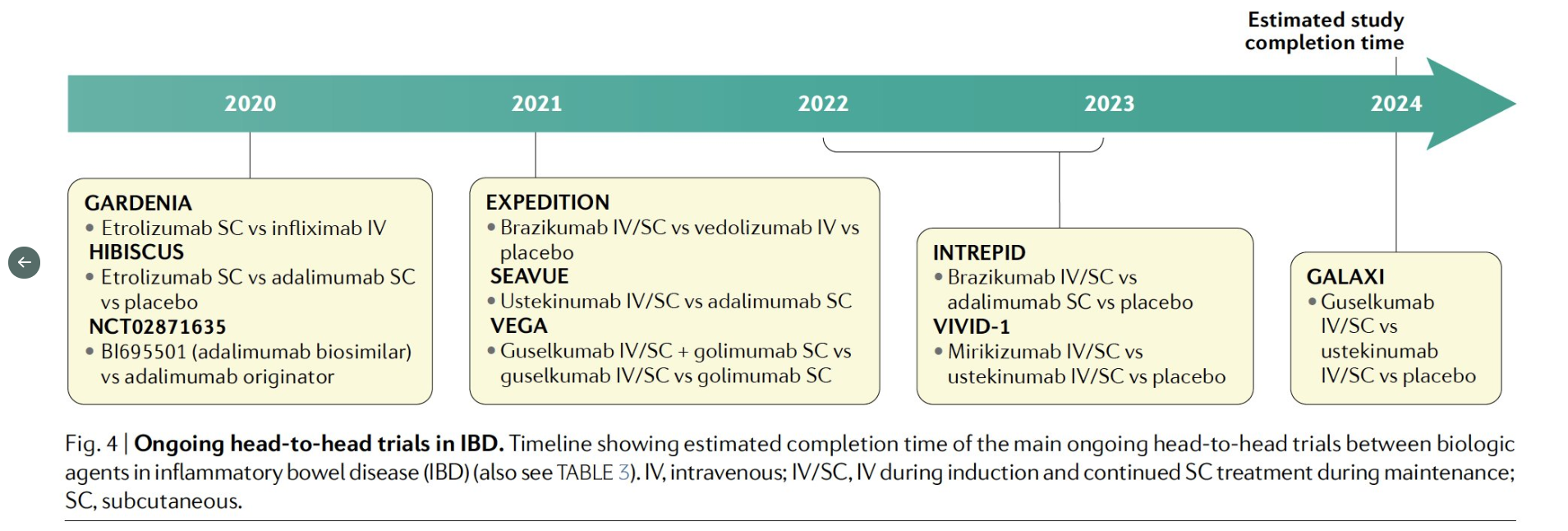
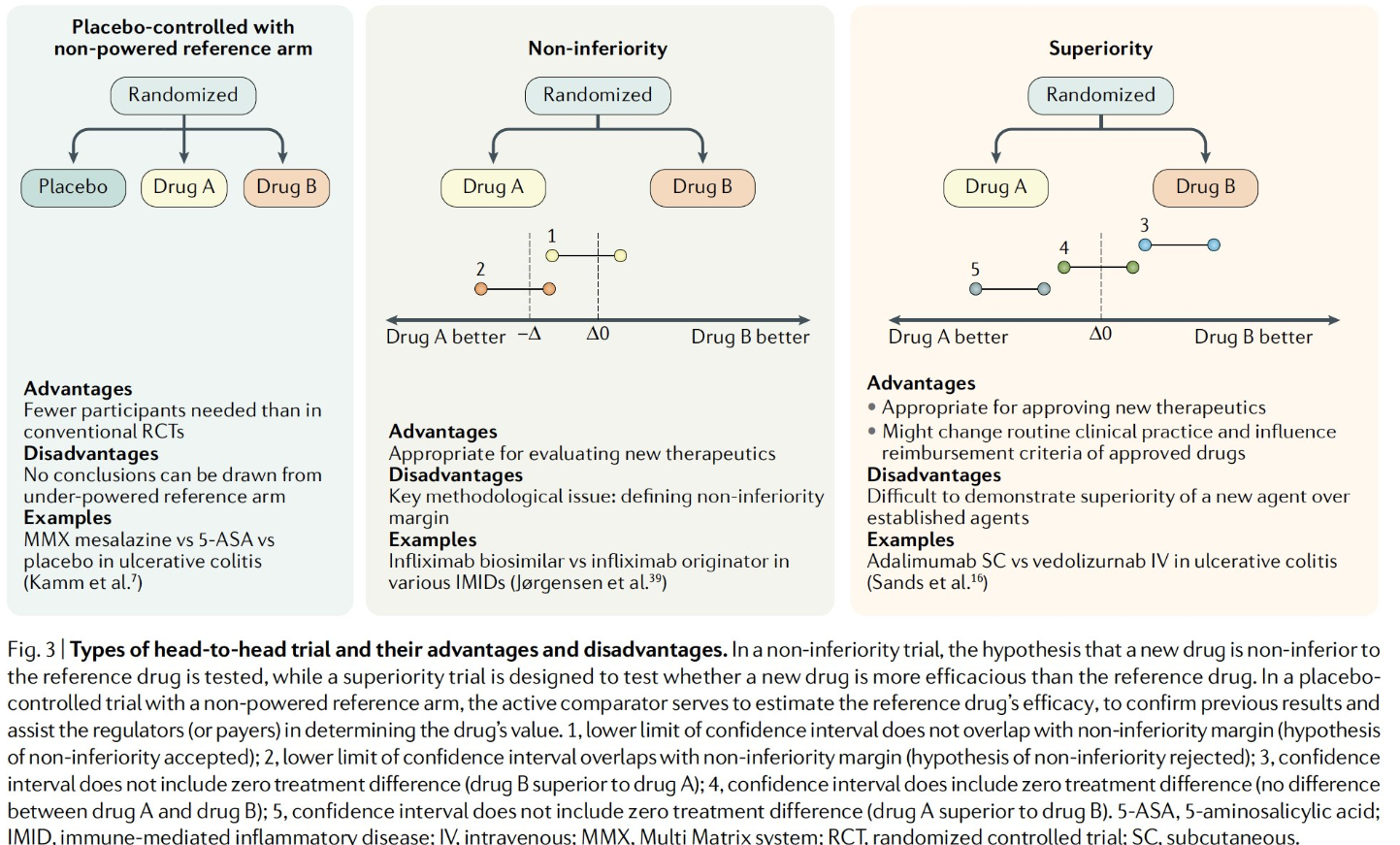
Pouillon, L., Travis, S., Bossuyt, P. et al. Head-to-head trials in inflammatory bowel disease: past, present and futureNat Rev Gastroenterol Hepatol (2020). https://doi.org/10.1038/s41575-020-0293-9 (Thanks to KT Park for this reference)

An excerpt:

This Perspective provides an overview of the past, current and future concepts in IBD trial design, with a detailed focus on the role of comparative research and the challenges and pitfalls in undertaking and interpreting the results from such studies.

Related blog posts:

GR Lichenstein et al. Clin Gastroenterol Hepatol 2020; 18: 889-97.  Using Truven MarketScan Insurance Claims data (2008-2015) from more than 160,000 patients with inflammatory bowel disease (IBD), the authors estimated economic burdens from Crohn’s disease (CD) and ulcerative colitis (UC).

  • For CD, lifetime incremental cost was $416,352 on average, but was $707,711 if diagnosis was established between 0-11 years of age. The lifetime costs, $622,056, consisted of $273,056 for outpatient care, $164,298 for inpatient care, $163,722 for pharmacy costs, and $20,979 for emergency room care.
  • For UC, lifetime incremental cost averaged $230,102, but was $369,955 if diagnosis was established between 0-11 years of age. The lifetime costs, $405,496, consisted of $153,670 for outpatient care, $123,190 for inpatient care, $105,142 for pharmacy costs, and $13,493 for emergency room care.
  • The lifetime costs for UC and CD were both greater than that for rheumatoid arthritis ($100,273) and for type 2 diabetes ($89,064).
  • Related blog postIBD Shorts 2020  Cost of IBD Care is Increasing. From Healio Gastro: Chronic inflammatory disease expenditures nearly double over last 2 decades

T Shinagawa et al. Clin Gastroenterol Hepatol 2020; 18: 898-907.  In this study from Japan with 1871 patients with CD, the 5- and 10-year reoperation rates were 23.4% and 48.0% respectively.  However, reoperation rates were significantly lower after 2002 than prior with HR 0.72.  Postoperative use of immunomodulators (OR 0.60) and anti-TNF therapy (HR 0.71) were associated with a reduced the risk of reoperation.