“Addressing Physician Burnout”

In the last few years, there have been increasing reports of physician burnout.  A recent report (JAMA. Published online February 9, 2017. doi:10.1001/jama.2017.0076) (thanks to Ben Gold for this reference) provides a concise review of the reasons and potential mitigating strategies.

Full Text Link: “Addressing Physician Burnout”

An excerpt:

Physicians also have to navigate a rapidly expanding medical knowledge base, more onerous maintenance of certification requirements, increased clerical burden associated with the introduction of electronic health records (EHRs) and patient portals, new regulatory requirements (meaningful use, e-prescribing, medication reconciliation), and an unprecedented level of scrutiny (quality metrics, patient satisfaction scores, measures of cost).

These challenges have taken a toll on US physicians. Burnout is a syndrome of exhaustion, cynicism, and decreased effectiveness at work…The first large, national study of burnout among US physicians across all specialties did not occur until 2011. That study of 7288 participating physicians documented that approximately 45% reported at least 1 symptom of burnout and that burnout was more common among physicians than US workers in other fields…

The first large, national study of burnout among US physicians across all specialties did not occur until 2011. That study of 7288 participating physicians documented that approximately 45% reported at least 1 symptom of burnout and that burnout was more common among physicians than US workers in other fields…

Physician burnout has been linked to self-reported errors, turnover, and higher mortality ratios in hospitalized patients…

The current burden of documentation related to the clinical encounter required to meet billing requirements, quality reporting, and separate justification for each test ordered individually is unsustainable…

Individual physicians must also do their part…Individual physicians have a professional responsibility to take care of themselves. Adequate sleep, exercise, and attending to personal medical needs should be considered a minimal standard for self-care. Physicians must also proactively identify personal and professional priorities and take deliberate steps to integrate their personal and professional lives.

Related blog posts:

birthoutcomesaftertnt

Ileocecal Resection in Pediatric Crohn’s Disease

A recent retrospective study (K Diederen et al. Inflamm Bowel Dis 2017; 23: 272-82) provides data on the likelihood of complications and recurrence following ileocecal resection in pediatric Crohn’s disease (n=122).

Key findings:

  • Severe postoperative complications were noted in 9.8%.  Risk factors included colonic disease (Odds ratio 5.6), microscopically positive resection margins (OR 10.4), and emergency surgery (OR 6.8)
  • Overall complication rate was reported as 29.5% which is similar to rates reported in adults
  • Clinical recurrence rates after 1, 5, and 10 years: 19%, 49%, and 71%
  • Surgical recurrence rates after 1, 5, and 10 years: 2%, 12%, and 22%
  • Immediate postoperative therapy reduced the risk of clinical recurrence (HR 0.3) and surgical recurrence (HR 0.5)
  • “In this study, postoperative catch-up growth was found in patients younger than 16 years in the year after surgery.” Thus, surgery could be an important to reverse growth retardation.

Complications within 30 days of surgery were categorized with the Clavien-Dindo classification. Those with grade ≥III which required either surgical, endoscopic or radiologic intervention were considered severe.  In this population, the complications included intraabdominal septic complications and/or anastomotic leakage.

My take: In some patients, ileocecal resection should NOT be a last resort.  Waiting too late, increases the risk of complications.  The task at hand is prospectively identifying those who merit surgery sooner and then convincing the family to proceed.

screenshot-118

Related blog posts:

Clostridium difficile Infection in Inflammatory Bowel Disease: Expert Updates

A recent clinical practice update (S Khanna et al. Clin Gastroenterol Hepatol; 2017; 15: 166-74) provides some succinct recommendations regarding Clostridium difficile infection (CDI) in Inflammatory Bowel Disease (IBD).

Background: In 2011, the authors note that CDI was associated with 29,000 deaths and is now the most lethal enteric pathogen in the U.S.

Differences in pathogenesis of C diff in IBD compared to those without IBD:

  • Younger age
  • Less frequent antibiotic exposure
  • More often community onset (rather than hospital onset)
  • Higher recurrence (may be related to dysbiosis)

Key recommendations:

  • In patients with IBD flare, test for CDI
  • In patients with CDI and IBD, clinicians should consider “using vancomycin instead of metronidazole.”
  • In patients with recurrent CDI and IBD, consider fecal microbiota transplantation

Figure 4 proposes a management algorithm (for adults).  If uncomplicated CDI, recommended dose of vancomycin was 125 mg q6h. If no improvement in 3-4 days, then “consider escalation of immunosuppression.” For complicated CDI, consider oral vancomycin at 500 mg q6h and IV metronidazole 500 mg q8.  In addition, consider rectal vancomycin and surgery consult.

Complicated CDI includes ICU admission, hypotension, T >38.5, ileus/megacolon, mental status changes, leukocyte count >35,000  or < 2000, or lactate >2.2 mmol/L

Another review article (Y Chen et al. Inflamm Bowel Dis 2017; 23: 200-07) is a meta-analysis that identified six studies.  One of these studies was a case-control study with nearly 400,000 patients (and about 7000 cases of C diff). Key finding: CDI results in nearly a doubling of the risk of colectomy (OR 1.90), mainly in patients with ulcerative colitis.

Related blog posts

Disclaimer: These blog posts are for educational purposes only. Specific dosing of medications (along with potential adverse effects) should be confirmed by prescribing physician.  This content is not a substitute for medical advice, diagnosis or treatment provided by a qualified healthcare provider. Always seek the advice of your physician or other qualified health provider with any questions you may have regarding a condition.


Rare Tragic Reaction to Infliximab

A recent post on the pediatric GI Listserv pointed out a troubling case report: “Fatal Central Nervous System Disease Following First Infliximab Infusion in a Child With Inflammatory Bowel Disease,” FM. Baumer et al; Pediatric Neurology 2016; 57: 91-94.

“A seven-year-old boy diagnosed with ulcerative colitis and primary sclerosing cholangitis received infliximab. Six hours following his uneventful infusion, he awoke with headache and emesis and rapidly became obtunded…Cranial computed tomography revealed hypodense lesions in the cerebral hemispheres, cerebellum, and pons accompanied by hemorrhage…Within four days he met criteria for brain death.”

The authors note that “the close temporal association between our patient’s presentation and the infliximab infusion raises concern for a drug-related cause for his cerebral injury.” While this case report is terribly sad, severe and fatal reactions can unfortunately be encountered with a wide range of medications, including commonly used antibiotics.

My take: Thus, while the vast majority of pediatric patients with inflammatory bowel disease will benefit from infliximab therapy, there are rare tragic outcomes.  img_3954


Gastrojejunostomy Complications Frequent

Gastrojejnostomy (GJ) placement allows enteral feeds to bypass the stomach.  When a gastrostomy is already in place, GJ placement may allow patients to avoid surgery (eg. fundoplication).  Most practitioners would consider the risk of GJ placement to be low, but a recent report (J Moorse et al. JPS 2017; http://dx.doi.org/10.1016/j.jpedsurg.2017.01.026) suggests that it is higher than expected.  The abstract and link are below.

Link: Gastrojejunostomy tube complications — A single center experience and systematic review

Abstract

Purpose

Gastrojejunostomy tubes (GJTs) enable enteral nutrition in infants/children with feeding intolerance. However, complications may be increased in small infants. We evaluated our single-institution GJT complication rate and systematically reviewed existing literature.

Methods

With REB approval, a retrospective single-institution analysis of GJT placements between 2009 and 2015 was performed. For the systematic review, MOOSE guidelines were followed.

Results

At our institution, 48 children underwent 154/159 successful insertions primarily for gastroesophageal reflux (n = 27; 55%) and aspiration (n = 11; 23%). Median age at first GJT insertion was 2.2 years (0.2–18). Thirty-five (73%) had an index insertion when ≤10 kg. GJTs caused 2 perforations and 1 death. The systematic review assessed 48 articles representing 2726 procedures. Overall perforation rate was estimated as 2.1% (n = 36 studies, 23/1092, 95% CI: 1.0–3.2). Perforation rates in children <10 kg versus ≥10 kg were estimated as 3.1%/procedure (95% CI: 1.1%–5.0%) and 0.1%/procedure (95% CI: 0%–0.3%), respectively. The relative risk of perforation was 9.4 (95% CI: 2.8–31.3). Overall mortality was estimated as 0.9%/patient (n = 39 studies; 95% CI: 0.2–1.6%). Most perforations (19/23; 83%) occurred ≤30 days of attempted tube placement.

Conclusion

Gastrojejunostomy tubes are associated with significant complications and frequently require revision/replacement. Insertion in patients <10 kg is associated with increased perforation risk. Caution is warranted in this subgroup.

With regard to the methodology

  • ~90% of the procedures were performed by interventional radiology and the interventionist had a median of 6.6 years of experience
  • Most GJs were 16 French in width and most were either 15 cm or 22 cm in length

My take: This report highlights the significant risks associated with GJ placement, particularly in smaller patients (<10 kg).  Despite these risks, GJ placement is often the safest option.

Costa Maya, Mexico

Costa Maya, Mexico


PICC versus Broviac for TPN in Intestinal Failure

LinkA comparison of Broviac® and peripherally inserted central catheters in children with intestinal failure

Abstract:

Central venous catheters (CVCs) are a source of morbidity for children with intestinal failure (IF). Complications include infection, breakage, occlusion, and venous thrombosis. Broviacs® have traditionally been preferred, but peripherally inserted central catheters (PICCs) are gaining popularity. This study compares complications between Broviacs® and PICCs in children with IF.

Methods

After IRB approval, children with IF receiving parenteral nutrition (2012–2016) were reviewed. Complications were compared between Broviacs® and PICCs using the generalized estimation equation population-averaged Poisson regression model. P values <0.05 were considered significant.

Results

36 children (0.1–16 years) with IF were reviewed, accounting for 27,331 catheter days, 108 Broviacs® (3F–9F), and 54 PICCs (2-11F). Broviacs® had a significantly higher infection rate (4.2 vs. 2.6/1000 catheter days, p = 0.011), but PICCs were more likely to break (1.56 vs. 0.26/1000 catheter days, p = 0.002). When comparing same size catheters (3F), there were no significant differences in infection, breakage, or occlusion. Twelve children (33%) had central venous thrombosis, all after Broviac® placement. Three children (8%) had basilic vein thrombosis after PICC placement.

Conclusion

Although Broviacs® and PICCs had similar complication rates, there were fewer central venous thromboses associated with PICCs. This should be considered when choosing catheters for children with IF.

screenshot-113

My take: Despite some possible advantages of PICC in this study, a prospective randomized study is needed if one is to make a compelling argument regarding better outcomes.  Given the retrospective nature of this study, it could be that the sicker patients may have been more likely to receive a Broviac® and this could have skewed the results.

Chronic Diarrhea Recommendations

Recent guidelines for adults with chronic diarrhea (>4 weeks):

Full text link: LR Schiller, DS Pardi, JH Sellin. Clin Gastroenterol Hepatol 2017; 15: 182-193.

A few key points:

  • The authors advocate treatment, not testing, for adults who meet Rome criteria for irritable bowel syndrome (IBS) without alarm symptoms.
  • Dietary history is essential.
  • “True food allergies are rare causes of chronic diarrhea in adults”
One of my colleagues questioned whether this product could be part of an effective cleanout

One of my colleagues questioned whether this product could be part of an effective cleanout


Expert Advice on Clostridium difficile and Inflammatory Bowel Disease

Link: Management of Clostridium difficile Infection in Inflammatory Bowel Disease: Expert Review from the Clinical Practice Updates Committee of the AGA Institute

Abstract: The purpose of this expert review is to synthesize the existing evidence on the management of Clostridium difficile infection in patients with underlying inflammatory bowel disease. The evidence reviewed in this article is a summation of relevant scientific publications, expert opinion statements, and current practice guidelines. This review is a summary of expert opinion in the field without a formal systematic review of evidence.

Best Practice Advice 1: Clinicians should test patients who present with a flare of underlying inflammatory bowel disease for Clostridium difficile infection.

Best Practice Advice 2: Clinicians should screen for recurrent C difficile infection if diarrhea or other symptoms of colitis persist or return after antibiotic treatment for C difficile infection.

Best Practice Advice 3: Clinicians should consider treating C difficile infection in inflammatory bowel disease patients with vancomycin instead of metronidazole.

Best Practice Advice 4: Clinicians strongly should consider hospitalization for close monitoring and aggressive management for inflammatory bowel disease patients with C difficile infection who have profuse diarrhea, severe abdominal pain, a markedly increased peripheral blood leukocyte count, or other evidence of sepsis.

Best Practice Advice 5: Clinicians may postpone escalation of steroids and other immunosuppression agents during acute C difficile infection until therapy for C difficile infection has been initiated. However, the decision to withhold or continue immunosuppression in inflammatory bowel disease patients with C difficile infection should be individualized because there is insufficient existing robust literature on which to develop firm recommendations.

Best Practice Advice 6: Clinicians should offer a referral for fecal microbiota transplantation to inflammatory bowel disease patients with recurrent C difficile infection.


Related blog posts:

screenshot-94

Heartfelt Apologies

“Resentment is like drinking poison and then hoping it will kill your enemies.”

–Nelson Mandela

A recent NY Times article explains how the right type of apology can be good medicine: The Right Way to Say ‘I’m Sorry’

An excerpt:

I admit to a lifetime of challenges when it comes to apologizing, especially when I thought I was right or misunderstood or that the offended party was being overly sensitive. But I recently discovered that the need for an apology is less about me than the person who, for whatever reason, is offended by something I said or did or failed to do, regardless of my intentions…

Nor should a request for forgiveness be part of an apology. The offended party may accept a sincere apology but still be unready to forgive the transgression. Forgiveness, should it come, may depend on a demonstration going forward that the offense will not be repeated…

Offering an apology is an admission of guilt that admittedly leaves people vulnerable. There’s no guarantee as to how it will be received. It is the prerogative of the injured party to reject an apology, even when sincerely offered…

“Apology has the power to repair harm, mend relationships, soothe wounds and heal broken hearts. An apology actually affects the bodily functions of the person receiving it — blood pressure decreases, heart rate slows and breathing becomes steadier.”

Related blog posts:

screenshot-98

Safe Sleep (AAP 2017)

Behind the scenes, there is a core group of pediatricians and staff at the American Academy of Pediatrics working to improve the health of children and the ability of pediatricians to be effective.

A couple items from this year’s Georgia board of directors meeting:

  1. Increasing Safe Sleep practices
  2. Working with legislators to improve access to health care
  3. Establishing strategic goals for the next few years

The emphasis on Safe Sleep follows recent AAP guidelines –see previous posts:

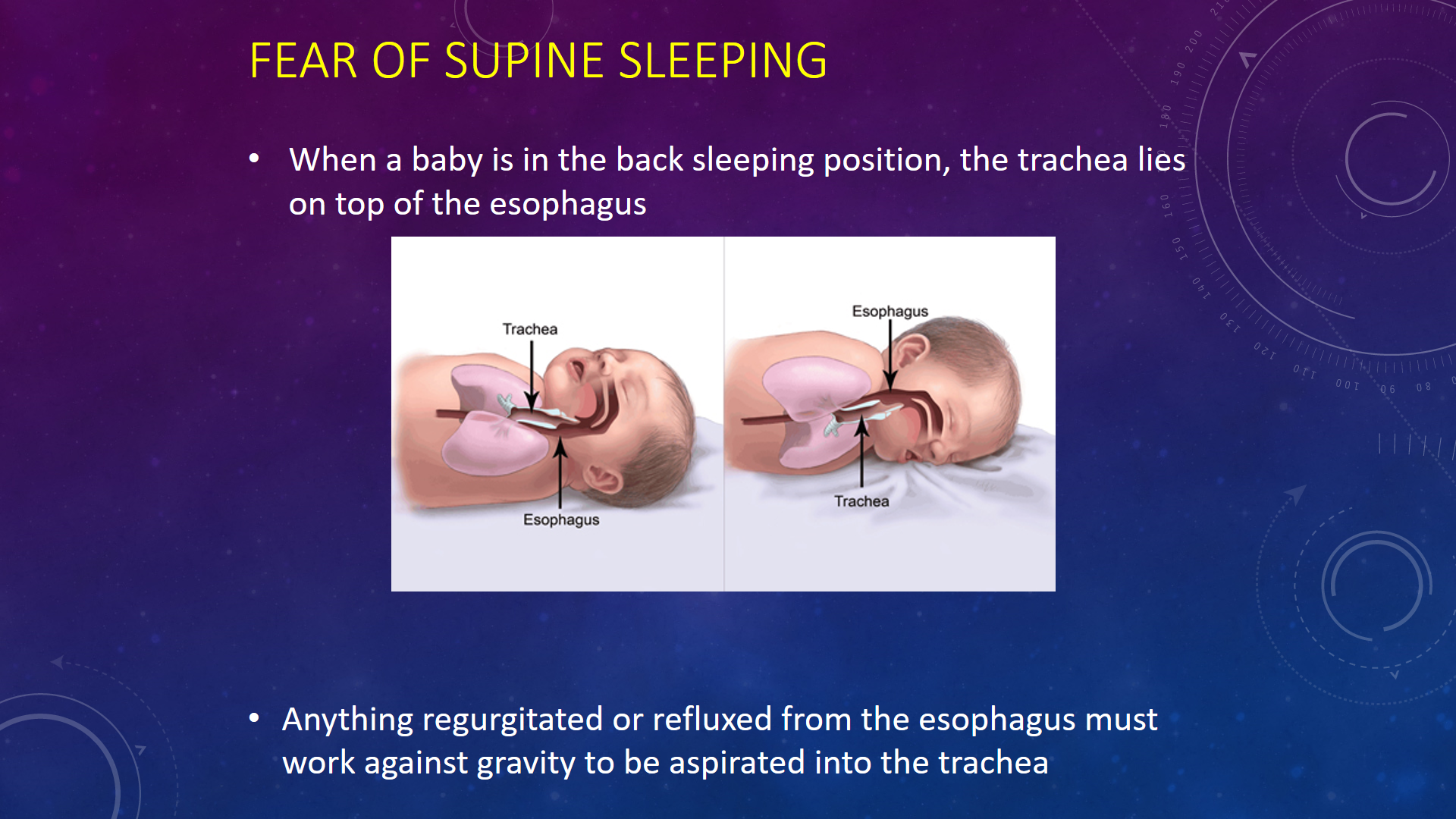
Right now, in Georgia, it is estimated that there are 3 infant deaths per week associated with sleep practices.  In Tennessee, following widespread adoption and promotion of safe sleep practices, this resulted in a 50% reduction in these types of infant deaths within two years.  In Georgia, the department of public health has been working on distributing inexpensive portable bassinets to Medicaid population, along with educational material.  There is a lot more to do.  In hospital nurseries infants are often NOT placed on their backs to go to sleep until shortly before discharge.

screenshot-120

Useful website: Charlieskids.org This website has a book called “Sleep Baby Safe and Snug” which incorporates updated recommendations on safe sleep practices.  Interestingly, the fact that the book has a picture of a pacifier has slowed distribution of this book (even when free) because this runs counter to another program (“Baby Friendly” hospital designation) to promote breastfeeding.

Here are some of the slides from Dr. Freed’s presentation on safe sleep practices:

screenshot-121 screenshot-122 screenshot-125 screenshot-126 screenshot-128 screenshot-129 screenshot-130 screenshot-133