Celiac Disease: Pro Tips (Part 1)

In June 2024 (special issue), Gastroenterology published an entire issue (193 pages) focused on celiac disease. There was a lot of useful information on almost every aspect of this disease. Below I have summarized some of the points.

F Zingone et al. Open Access: Celiac Disease–Related Conditions: Who to Test?

  • The authors detail disorders with increased risk for CeD and which merit screening (see Table 2 below). Some disorders that merit screening that are more obscure include idiopathic pancreatitis, autoimmune hepatitis, delayed menarche, and chronic fatigue.
  • They note that type 1 diabetes mellitus could require serial screening. “Because CeD can manifest at any time and with greater frequency during the initial 5 years, conducting additional screenings in CeD-negative T1DM patients 2 and 5 years after T1DM diagnosis and those who later develop gastrointestinal (GI) symptoms may be advisable.” In addition, it is important to recognize that CeD serology testing is less reliable in patients with T1DM.

S Gatti et al. Patient and Community Health Global Burden in a World With More Celiac Disease, describes the worldwide burden of celiac disease and how to improve detection.

  • They note that the worldwide prevalence is between 0.7% and 2.9%. In this issue, most authors estimate the prevalence to be about 1% with more than 50% undetected.
  • There are many places with higher rates. In U.S. “children in Colorado had a 2.5-fold higher risk compared to Washington State…similar regional differences were seen …in Sweden, Finland, and Germany.”
  • They note the burden before and after diagnosis. Before diagnosis/undetected, there can be persistent symptoms, complications (eg. osteoporosis, decreased fertility) and impaired quality of life. Afterwards, there are increased costs of a GFD and psycho-social burden of GFD.
  • In terms of generalized screening compared to case-finding, the authors note that given the number of at-risk groups, the case-finding approach could entail screening >50% of the population.

V Abadie et al. New Insights on Genes, Gluten, and Immunopathogenesis of Celiac Disease, reviews the intricate details of genetic, biochemical, and immunologic studies, which together have revealed mechanisms of gluten peptide modification and HLA binding, thereby enabling a maladapted anti-gluten immune response.

  • What I was most interested in was the mechanisms behind ‘potential’ celiac disease (PCeD) in which patients have autoimmunity (+serology) but normal histology. In potential CeD, the anti-CD4+ T-cell response is present but decoupled from tissue cytotoxicity. However, notably, IL-21, a cytokine produced by gluten-specific CD4+ T cells in active CeD, is not up-regulated in potential CeD…In addition, patients with potential CeD lack the presence of an epithelial stress response associated with IL-15, HSP70, and HSP27 upregulation in epithelial cells.” “The presence of epithelial stress is a crucial prerequisite for the development of tissue damage.”

How Closely Related Are Eosinophilic Gastrointestinal Disorders To Isolated Eosinophilic Esophagitis

H Sato et al. Clin Gastroenterol Hepatol 2024; 22: 1531-1534. (Research Letter) Eosinophil Involvement Outside the Esophagus in Eosinophilic Esophagitis

The authors retrospectively studied a cohort of children (n=782) with eosinophilic gastrointestinal disorders (EGID) including 592 with isolated eosinophilic esophagitis (EoE), 190 with EGID which included esophageal involvement (“EI”) and 35 EGD without esophageal involvement (“Non-EI”).

Key findings:

  • Abdominal pain was more frequent in EI than isolated EoE: 61% vs 45%, p=.002)
  • EI patients had more dense esophageal eosinophil infiltrate (peak) than isolated EoE: 115 vs 92; P=.036) and higher peripheral blood eosinophil level (0.44 vs 0.38; p=0.027)
  • 94-Gene expression profiles from esophageal biopsies from a 168 subgroup showed that EoE and EI were not significantly different. The heat map for upregulated and downregulated gene expression was different based on disease activity but not significantly different between EoE or EI in either state.

My take (borrowed from authors): The similar molecular transcriptome between EI and EoE are indicative of a shared pathogenesis.

Related blog posts:

Colorado River near Moab

Tirzepatide for Metabolic Dysfunction–Associated Steatohepatitis (MASH) & Uptick in GLP1 Use

R Loomba et al. NEJM 2024; 391; 299-310. Tirzepatide for Metabolic Dysfunction–Associated Steatohepatitis with Liver Fibrosis

F Kanwal. N Engl J Med 2024;391:371-372. Dual Agonists for Management of Metabolic Dysfunction–Associated Steatohepatitis (Associated editorial)

Background: The efficacy and safety of tirzepatide, an agonist of the glucose-dependent insulinotropic polypeptide and glucagon-like peptide-1 receptors, in patients with MASH and moderate or severe fibrosis is unclear.

Methods: This was a phase 2, dose-finding, multicenter, double-blind, randomized, placebo-controlled trial involving participants with biopsy-confirmed MASH and stage F2 or F3 (moderate or severe) fibrosis. Participants were randomly assigned to receive once-weekly subcutaneous tirzepatide (5 mg, 10 mg, or 15 mg) or placebo for 52 weeks. 

My take: Until very recently, there were no effective pharmacologic agents for steatotic liver disease (SLD). Now it appears that there will be multiple effective agents. When newer agents for hepatitis C became available (Harvoni was FDA approved 10 years ago), there were concerns about the high cost. With SLD, this is an even bigger concern give the indefinite treatment period.

From editorial: “Overall, these data are encouraging. Clinicians providing care for patients with MASH will probably have an increasing number of options in their armamentarium. With a growing menu of effective treatments, harms and unacceptable side effects will be important considerations in making treatment decisions.”

Related blog posts:

ACG Review (Zobair Younassi, MD): NAFLD and NASH

Related article: YH Yeo et al. Annals of Intern Med 2024; https://doi.org/10.7326/M24-00. Shifting Trends in the Indication of Glucagon-like Peptide-1 Receptor Agonist Prescriptions: A Nationwide Analysis

Risankizumab Outperforms Ustekinumab

L Peyrin-Biroulet et al. NEJM 2024; 391:213-223. Risankizumab versus Ustekinumab for Moderate-to-Severe Crohn’s Disease

Background: “Interleukin-23 is a heterodimeric proinflammatory cytokine comprising a p40 subunit shared with interleukin-12 and a unique p19 subunit that plays a key role in skin, joint, and gastrointestinal inflammation.16 Ustekinumab and risankizumab are humanized IgG1 monoclonal antibodies; ustekinumab selectively binds p40, and risankizumab selectively binds p19…In head-to-head trials directly comparing their efficacy in psoriasis, risankizumab was superior to ustekinumab, which suggests greater efficacy with p19 blockade than with p40 blockade.”

This “SEQUENCE” trial was a phase 3b, multicenter, open-label, randomized controlled trial with 527 patients with moderate-to-severe Crohn’s disease who either had an inadequate response or had intolerance to anti-TNF agents, received either risankizumab or ustekinumab.

Key Findings:

  • A higher percentage of patients in the risankizumab group than in the ustekinumab group completed all the assigned treatment (90.2% [230 of 255 patients] vs. 72.8% [193 of 265 patients]).  The primary reason for discontinuation of risankizumab was an adverse event (3.1% [8 of 255 patients]), and the primary reason for discontinuation of ustekinumab was lack of efficacy (13.2% [35 of 265 patients]
  • Clinical remission at 48 weeks was 60.8% with risankizumab and 40.8%% with ustekinumab (P<0.001); there were similar rates of glucocorticoid-free clinical remission, 60.8% vs 40.4% respectively. Endoscopic response at 48 weeks was 45.1% and 21.9% respectively.

My take: These head-to-head results showed the superiority of risankizumab over ustekinumab across numerous clinical and endoscopic end points, including glucocorticoid-free clinical remission and endoscopic remission. However, it is still concerning to me that endoscopic remission rates were only 32% at 1 year and that less than half had an endoscopic response.

Related blog posts:

Liver Briefs: Hereditary Angioedema/Liver Transplantation, Bulevirtide/PEG for HDV, and AASLD Cystic Fibrosis Guidance

NE Peters et al. NEJM 2024; 391; 56-59. Normalization of C1 Inhibitor in a Patient with Hereditary Angioedema

“An infant with genetically confirmed hereditary angioedema and low C1 inhibitor levels (but without previous episodes of angioedema) underwent liver transplantation for biliary atresia, an unrelated condition. Liver transplantation led to normalization of the C1 inhibitor level and function. To our knowledge, this represents the first patient to be potentially cured of hereditary angioedema.” This case report shows that liver-directed therapy can reverse hereditary angioedema.

Related blog posts:

T Asselah et al. NEJM 2024; 391:133-143. Bulevirtide Combined with Pegylated Interferon for Chronic Hepatitis D

Key finding: At 24 weeks after the end of treatment, HDV RNA was undetectable in 17% of the patients in the peginterferon alfa-2a group, in 32% of those in the 2-mg bulevirtide plus peginterferon alfa-2a group, in 46% of those in the 10-mg bulevirtide plus peginterferon alfa-2a group, and in 12% of those in the 10-mg bulevirtide group. 

My take: This is a long (48 weeks) and difficult treatment (2 injection meds and lots of peginterferon side effects). However, there is a fairly good response rate.

Related blog post: Image Only: World Hepatitis Day Infographic

ZM Sellers et al. Hepatology 2024; 79(5):p 1220-1238, May 2024. Open Access! Cystic fibrosis screening, evaluation, and management of hepatobiliary disease consensus recommendations

This link to the article also has links to related AASLD guidelines (eg. management of portal hypertension). Table 2 summarizes the ~34 recommendations which include yearly evaluation with labs, ultrasound at least every 2 years in pediatric patients (age 3 yrs and older) and against routine use of ursodeoxycholic acid.

Delivery Vehicle and Outcomes for Budesonide-Treated Eosinophilic Esophagitis

N Lendner, et al. J Pediatr Gastroenterol Nutr. 2024;79:92‐99. Comparison of budesonide vehicles in inducing histologic remission in pediatric eosinophilic esophagitis.

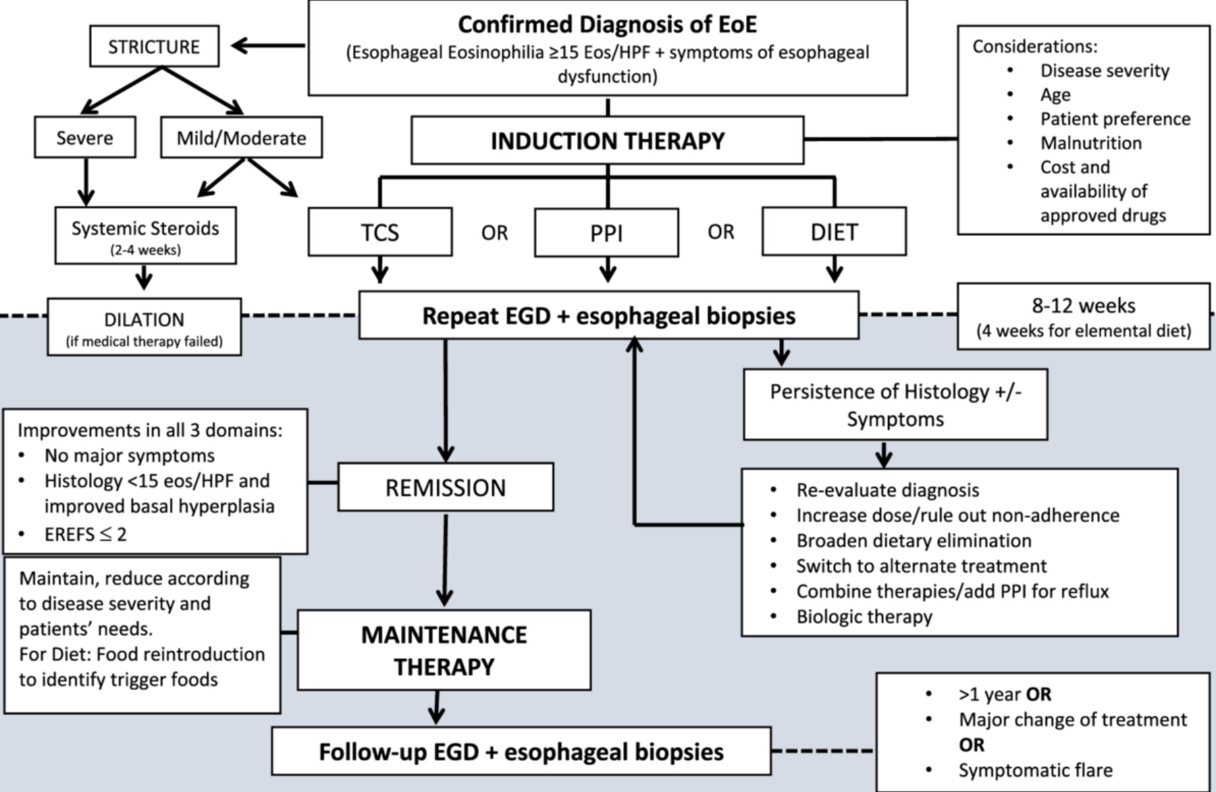
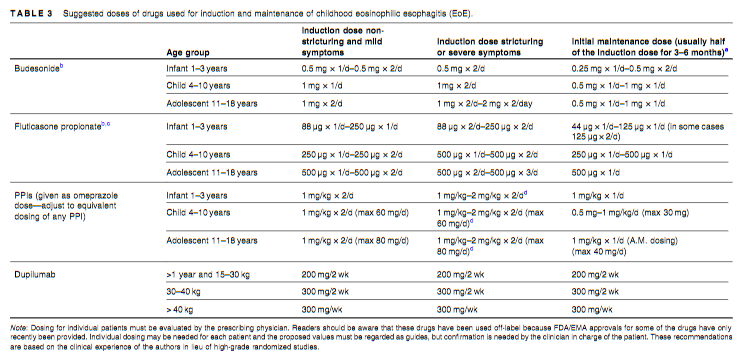
This retrospective study with 111 patients with EoE examined histologic remission with oral viscous budesonide (OVB) and various delivery vehicles (Splenda, honey, syrup or applesauce). Key findings:

  • Overall rate of histologic remission with OVB was 52.6% (“which is less than the reported response of approximately 66% for topical steroid therapy”).
  • There was no difference in rates of histologic remission or response in mid and distal esophagus, respectively) among the different vehicle types or treatment regimens. Similarly, there was no difference in endoscopic remission or response

My take: It does not seem to matter which delivery vehicle is used for OVB; thus, clinicians should aim for more palatable and cost‐effective vehicles.

Related blog posts:

Arches National Park

Updated Diagnostic Accuracy of Serum Matrix Metalloproteinase-7 (MMP-7) for Biliary Atresia

S Pandurangi et al. Hepatology 2024; 80: 152-162 Open Access!.Diagnostic accuracy of serum matrix metalloproteinase-7 as a biomarker of biliary atresia in a large North American cohort

Methods: MMP-7 was measured in serum samples of 399 infants (North America)18 with cholestasis in the Prospective Database of Infants with Cholestasis study of the Childhood Liver Disease Research Network, 201 infants with BA and 198 with non-BA cholestasis (age median: 64 and 59 days, p = 0.94). MMP-7 was assayed on antibody-bead fluorescence (single-plex) and time resolved fluorescence energy transfer assays.

Key findings:

  • On the single-plex assay, MMP-7 generated an AUROC of 0.90. At cutoff 52.8 ng/mL, it produced sensitivity = 94.03%, specificity = 77.78%, positive predictive value = 64.46%, and negative predictive value = 96.82% for BA.
  • MMP-7 outperformed other parameters. AUROC for gamma-glutamyl transferase = 0.81 (CI: 0.77–0.86), stool color = 0.68 (CI: 0.63–0.73), and pathology = 0.84 (CI: 0.76–0.91).  Obstructive features on pathology were the second-best predictor of BA.
  • GGT cutoff was 267.5 U/L (per personal communication with senior author) with sensitivity of 86.6%, and specificity of 77.4%
  • Similar results were found with TR-FRET assay with cut-off of 18.2 ng/mL.
  • 6% (False-negatives) of BA patients had MMP-7 levels below the cutoff
  • 22% (False-positives) of non-BA patients had MMP-7 levels above the cutoff. This included 7 of 8 choledochal cyst patients, 8 of 17 with A1AT, and 13 of 98 with indeterminate cholestasis

In the discussion, the authors note that MMP-7 has performed better in studies with Asian populations, MMP-7 could be useful for dried blood spots in newborns, and could be useful as a measure of successful HPE; continued elevation of MMP-7 has been associated with hepatic fibrosis.

My take: This study shows that MMP-7 is not a perfect assay but often quite helpful. The exact cutoff depends on the specific assay that is utilized. Also, this study shows that checking for A1AT and checking an ultrasound to exclude choledochal cyst need to continue to be done early in the evaluation process.

Related blog posts:

Disclaimer: This blog, gutsandgrowth, assumes no responsibility for any use or operation of any method, product, instruction, concept or idea contained in the material herein or for any injury or damage to persons or property (whether products liability, negligence or otherwise) resulting from such use or operation. These blog posts are for educational purposes only. Specific dosing of medications (along with potential adverse effects) should be confirmed by prescribing physician.  Because of rapid advances in the medical sciences, the gutsandgrowth blog cautions that independent verification should be made of diagnosis and drug dosages. The reader is solely responsible for the conduct of any suggested test or procedure.  This content is not a substitute for medical advice, diagnosis or treatment provided by a qualified healthcare provider. Always seek the advice of your physician or other qualified health provider with any questions you may have regarding a condition.
How to Save a Life

From Caitlin Rivers Newsletter (Force of Infection):

Each year, I share a series of first aid videos to help remind everyone of these life-saving skills. I specifically chose these videos because they are only 2-5 minutes long, so you can get through the entire set on your coffee break. There are plenty of high-quality, longer tutorials on YouTube if you want a deeper dive. Either way, I hope you’ll find some time to review these important lessons.

(Also note that CPR and choking procedures are different for infants, so if you have babies in your life, please look up specific instructions for them!)

These videos are best as a refresher. If first aid skills are new to you, I recommend taking an in-person course. Most community centers offer classes for free or at a low cost. Don’t skimp on these valuable skills—they could make all the difference.

This post is public so feel free to share it.


Her newsletter allowed links by clicking image. To access the videos from this post, clink on the link rather than the image.

Link: Recognizing drowning

Link: CPR for adults and children + using an AED

Link: CPR 1-12 yrs of age

Link: How to Use an AED

Link: How to Stop Severe Bleeding

Link: Choking rescue

When To Take Fewer Biopsies With Eosinophilic Esophagitis

A Godat et al. Clin Gastroenterol Hepatol 2024: 22: 1528-1530. Eosinophil Distribution in Eosinophilic Esophagitis and its Impact on Disease Activity and Response to Treatment

In this post hoc analysis of the EOS-1 and EOS-2 trials with 263 adult patients, the authors analyzed eosinophil distribution and impact on treatment. Key findings;

  • Peak eosinophil count was highest in the distal esophagus (median 166 eos/mm2) followed by mid esophagus (142) and then proximal esophagus (113). 46% of patients had highest peak eosinophil count in the distal esophagus, 33% in the mid esophagus, and 21% of patients in the proximal esophagus
  • Diagnosis: a biopsy protocol using only distal esophagus would have missed EoE diagnosis in only 13 (4.9%) of patients
  • Remission rates stratified by histologic categories were not statistically different base on disease location: 73% distal esophagus, 76% mid esophagus, 64% proximal esophagus, and 64% diffuse esophageal disease
  • None of the following factors affected treatment outcome: histologic location category, histologic disease severity (peak eos count) and atopic status. For example, treatment failure occurred in 37% without atopy and 30% with atopy

My take: In this study population, separate evaluation of biopsies by location modestly increased the diagnostic yield at baseline. Thus, additional biopsies at disease onset is a good idea. However, the actual distribution of disease activity did not seem to help provide any insight into therapeutic response (to budesonide). Practical implications are that fewer biopsies on follow-up endoscopy may be reasonable to help determine a treatment response.

Related blog posts.

Food-Specific IgG4: With This Guided Testing, You Can Achieve the Same Results As Those Who Don’t Have This Testing

On first glance at this article, it looks like the authors have found that testing for food-specific IgG4 (FS-IgG4) could be useful in guiding dietary treatment for eosinophilic esophagitis (EoE). However, the data don’t support this conclusion.

Methods: Prospective observational cohort in adult patients with EoE (n=22 along with 13 controls) placed on elimination diet based on FS-IgG4 levels (ImmunoCAP, cutoff of 10 mgA/L).

Key findings:

  • Elevated serum FS-IgG4 to 1 or more food groups (median 2) was identified in 21/22 (95.4%) patients with EoE; 20/21 underwent 6-week dietary elimination
  • Nine (45%) patients had histological remission (<15 eosinophils per high-power field)
  • Serum FS-IgG4 did not decline by 6-week follow-up. In addition, there was no difference in the FS-IgG4 levels between active and inactive EoE
  • 19 of 22 (86.4%) patients had high FS-IgG4 to milk and 13 of 22 (59.1%) had high FS-IgG4 to wheat. No patients required seafood elimination

The authors note in their introduction that total IgG4 levels in the esophagus are 45-fold those of healthy controls. In addition, “a preliminary study assessing trigger foods in patients undergoing 6FEDs has demonstrated elevated FS-IgG4 was associated with trigger foods in esophageal secretions but not foods that did not trigger esophageal eosinophilia” (K Peterson et al. Aliment Pharmacol Ther 2020; 52: 997-1007).

Despite the lack of any proven efficacy of this FS-IgG4-directed diet (over empiric elimination), the editorial suggests that FS-IgG4 levels may be beneficial, noting that the histologic remission rate increased to 64.3% after excluding ~30% patients with concerns of non-adherence. Removing 30% of patients to get better results would often be called “cherry-picking.”

In addition, neither the editorial (nor the study) delves into the fairly high rates of FS-IgG4 to milk and wheat. This suggests that FS-IgG4 testing will be unreliable with numerous false-positives (though there is wide range of reported reactions to milk and wheat in the literature). Even the control group had high FS-IgG4 to milk in half of the patients. Both the editorial and the study review the limitations which include small sample size, need for control group with atopy, and a lack of established cutoff values for FS-IgG4.

My take: This is a NEGATIVE study. Using FS-IgG4 levels to guide elimination diet was NOT better than empiric elimination of either 1 or 2-food groups. This finding should be more clearly stated in both the study and the editorial. It would be very useful to provide specific dietary advice to our patients with EoE. It is possible that a larger study with higher cutoff levels could find some utility for FS-IgG4. However, this study does not make this approach look terribly promising.

Related blog posts.

Arches National Park