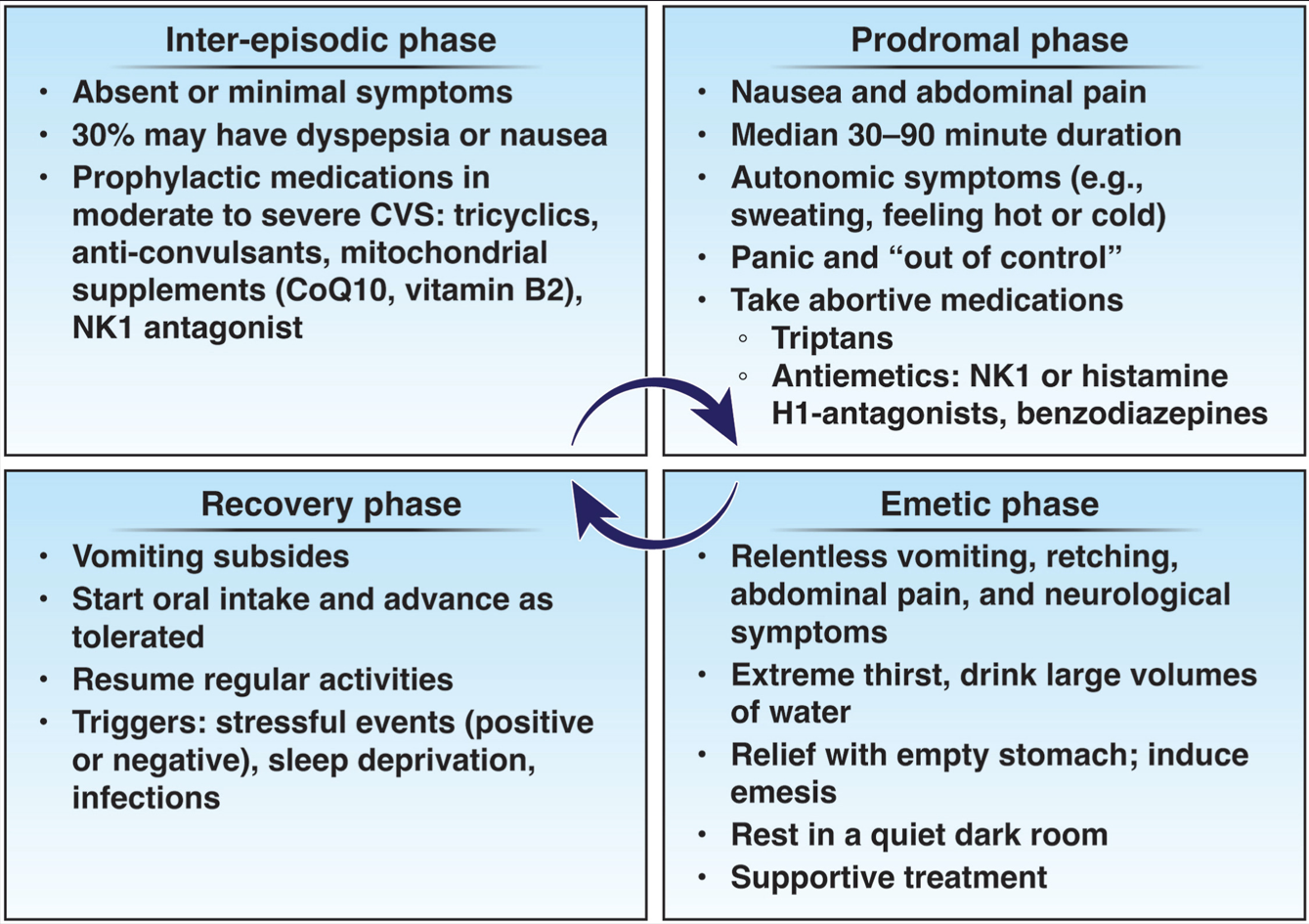
How to Distinguish Cyclic Vomiting Syndrome and Cannabis Hyperemesis Syndrome

The correspondence regarding AGA’s clinical practice update on Cannabinoid Hyperemesis Syndrome offered a few useful points.

Bonnet notes that “CVS is most likely present if cyclic vomiting persists, recurs or worsens during cannabis abstinence (beyond 3-week cannabis withdrawal period, which may be temporarily accompanied by nausea). In other cases with more fluctuation symptoms, a clear distinction between CHS and CVS is not so easy…Evidence shows that a symptom-free period of about 12 months after cessation of long-term cannabis use should be sufficient to clearly distinguish CHS from CVS…Finally, I emphasize here that…CHS…in exceptional cases can lead to life-threatening conditions (eg due to prerenal failure, severe electrolyte disturbances, or esophageal rupture)…but recovers completely when affected patients permanently stop using cannabis or THC analogues.

Mullins et al note that “ondansetron is uniformly ineffective and that butyrophenones (haloperidol, droperidol) are more effective” for CHS. In the reply, the authors note that the data supporting these medications is based on small studies and some patients have developed acute dystonia.

Related blog posts:

Images from “Chalktoberfest” in Marietta 10/11/24-10/13/24. The drawings are amazing, including some that appear to be 3-D:


AGA Practice Update: Cannabinoid Hyperemesis

A Rubio-Tapia et al. Gastroenterol 2024; 166: 930-934. Open Access! AGA Clinical Practice Update on Diagnosis and Management of Cannabinoid Hyperemesis Syndrome: Commentary

Key points:

  • Epidemiology: The prevalence of CHS (cannabinoid hyperemesis syndrome) is rising and it is becoming a frequent clinical problem, leading to visits to the emergency department (ED) and gastroenterology clinics.5
  • Diverse Vomiting Patterns: Cannabis is associated with CVS, CHS, cannabinoid withdrawal syndrome (CWS), and nausea and vomiting in pregnancy. CVS is a relatively frequent presentation (10.8%) among patients with intermittent episodes of nausea and vomiting seeking care in outpatient gastroenterology clinics.23
  • Presentation: CHS is characterized by cyclic vomiting, nausea, and abdominal pain; in some cases, CHS is associated with prolonged bathing behavior (long hot baths or showers). Although hot-water bathing pattern is not really pathognomonic of CHS because it is also reported in CVS,10 it is commonly considered as an indicator of CHS among community adults with CVS. In a systematic review of 271 cases of CHS, mean age was 30 years, 69% were male, mean duration of cannabis use before symptom onset was 6.6 years, daily use occurred in 68%, and hot-water bathing was reported in 71% of patients.e7 CHS should be suspected in patients with chronic nausea and vomiting and cannabis use.
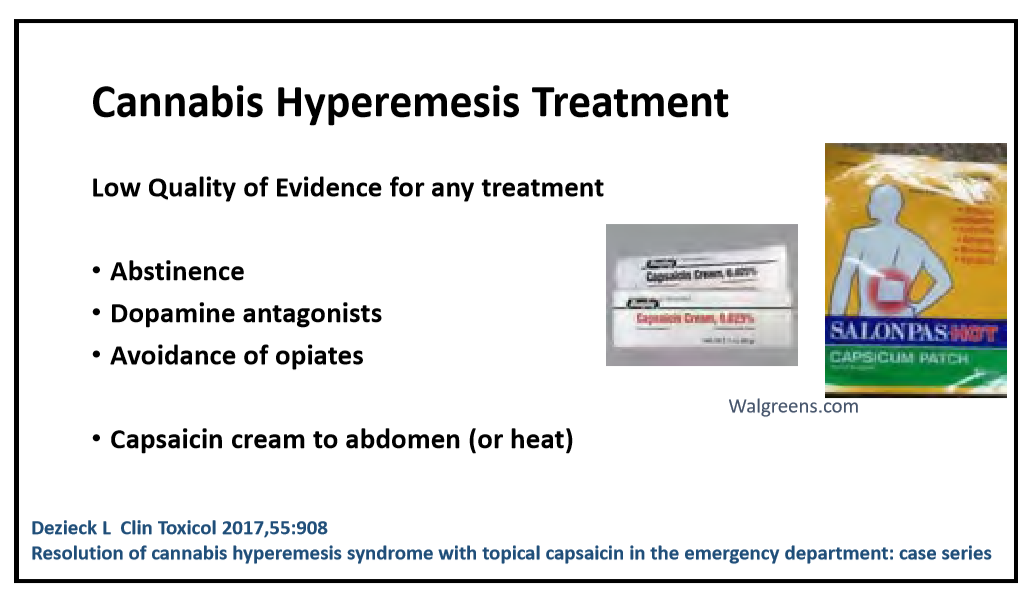
  • Management: Evidence to support treatment for CHS is limited … supporting the use of topical capsaicin, benzodiazepines, haloperidol, promethazine, olanzapine, and ondansetron for acute and short-term care. Topical capsaicin may improve symptoms by activation of transient receptor potential vanilloid type 1 receptors. Opioids should be avoided due to worsening of nausea and high risk of addiction.
  • Management (Long-term): Counseling to achieve marijuana cessation and tricyclic antidepressants, such as amitriptyline, are the mainstay of therapy, with the minimal effective dose being 75–100 mg at bedtime, starting at 25 mg and titrating the dose with increments each week to reach minimal effective dose with a close monitoring of efficacy and adverse effects……Observational experience suggests that a tricyclic antidepressant, such as amitriptyline [may help with withdrawal symptoms]

My take: The most cyclical (cynical) part of CHS is the stereotypical attempt to get patients to stop using cannabis.

As an aside, cannabis use is often disclosed by patients having procedures and their atypical response to sedation/anesthesia. Use of anesthetics including propofol can have cross-reactivity with cannabis. In addition, several studies have demonstrated that cannabis users are more likely to report higher pain scores, poorer sleep, and require a greater quantity of analgesic medications in the immediate postoperative period than nonusers.

Related blog posts:

Disclaimer: This blog, gutsandgrowth, assumes no responsibility for any use or operation of any method, product, instruction, concept or idea contained in the material herein or for any injury or damage to persons or property (whether products liability, negligence or otherwise) resulting from such use or operation. These blog posts are for educational purposes only. Specific dosing of medications (along with potential adverse effects) should be confirmed by prescribing physician.  Because of rapid advances in the medical sciences, the gutsandgrowth blog cautions that independent verification should be made of diagnosis and drug dosages. The reader is solely responsible for the conduct of any suggested test or procedure.  This content is not a substitute for medical advice, diagnosis or treatment provided by a qualified healthcare provider. Always seek the advice of your physician or other qualified health provider with any questions you may have regarding a condition.

Cannabis Toxic Effects

Two recent articles review cannabis-related disorders:

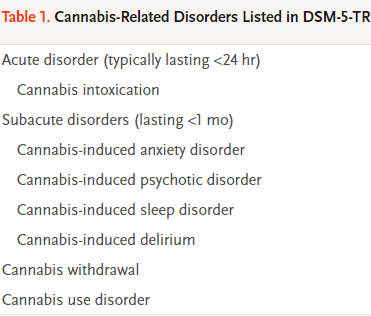
DA Gorelik. NEJM 2023; 389: 2267-2275. Cannabis-Related Disorders and Toxic Effects

Background: “In the United States, an estimated 52.4 million persons 12 years of age or older used cannabis in 2021, representing 18.7% of the community-dwelling population in that age group,5 and 16.2 million persons met the diagnostic criteria for cannabis use disorder, which has as its core feature the use of cannabis despite adverse consequences…Cannabis use poses a global disease burden, albeit substantially less than that posed by other psychoactive substances such as alcohol, tobacco (nicotine), opioids, and stimulants.10 The Global Burden of Disease project calculated that cannabis use in 2016 was responsible for an estimated 646,000 years of healthy life lost to disability.”

Key points:

  • “Cross-sectional surveys suggest that recent cannabis use increases the risk of motor vehicle crashes by 30 to 40%.26 By comparison, a blood alcohol concentration of 0.08% increases the risk of crashes by 250 to 300%.26
  • Cannabis use disorder, like other substance use disorders, is a chronic, relapsing condition.”
  • “A substantial reduction or a cessation of cannabis use after heavy or long-term use results in a withdrawal syndrome that is usually mild and self-limiting.39…Common psychological symptoms of cannabis withdrawal include depressed mood, anxiety, restlessness, irritability, decreased appetite, and sleep disturbance. Physical signs and symptoms are less common and include abdominal cramps, muscle aches, tremor, headache, sweating, chills, and weight loss. These signs and symptoms typically begin within 1 to 2 days, peak within 2 to 6 days, and last for several weeks…The prevalence of any withdrawal symptoms is almost 50% in persons who were using cannabis daily.”
  • Neonatal cannabis exposure: “Pregnant persons who use cannabis expose their neonates to cannabis. Such in utero exposure is associated with increased risk among newborns of having low birth weight, being small for gestational age, and being admitted to the neonatal intensive care unit.”
  • Cannabinoid hyperemesis syndrome, a form of cyclic vomiting syndrome that is often accompanied by abdominal pain, occurs during or within 48 hours after frequent and heavy cannabis use.75 Cannabinoid hyperemesis syndrome is a major reason for cannabis-related visits to emergency departments, and it accounts for about 10% of patients with cyclic vomiting syndrome.76 Cannabinoid hyperemesis syndrome is distinguished from cyclic vomiting syndrome by its temporal association with cannabis use, relief with hot baths or showers, and resolution with extended abstinence from cannabis…The symptoms of cannabinoid hyperemesis syndrome are treated with benzodiazepines, haloperidol, and topical capsaicin. “
                 

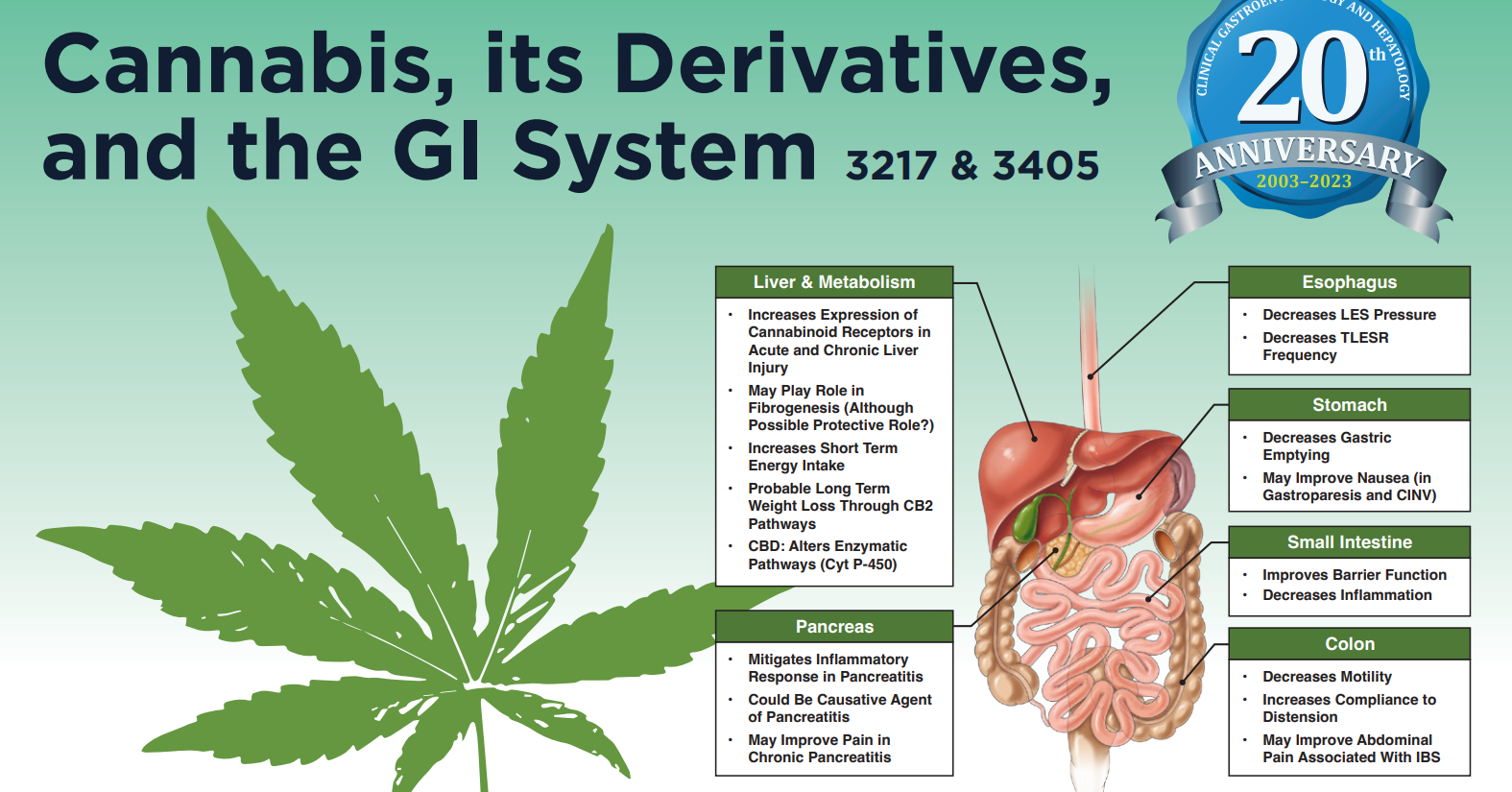
M Camilleri, T Zheng. Clin Gastroenterol Hepatol 2023; 21: 3217-3229. Cannabinoids and the Gastrointestinal Tract This article focuses more on the GI tract effects of cannabinoids.

Related blog posts:

“No Solid Conclusions” for Alternative/Complementary Therapies for Inflammatory Bowel Disease

In this clinical review (N Chande et al Inflamm Bowel Dis 2020; 26: 843-51) assess evidence from Cochrane reviews of four popular nontraditional treatments for inflammatory bowel disease (IBD):

  • Fecal Microbiota Transplantation (FMT)
  • Nutritional Therapies including Enteral Nutrition (EN)
  • Naltrexone for Crohn’s Disease (CD)
  • Cannabis for IBD

So what does the literature have to say about these treatments:

  • FMT: FMT for mild to moderate ulcerative colitis (UC) increased the proportion of patients achieving clinical remission. “However, the number of included studies was small and the quality of evidence was low.”  Other problems included uncertainty regarding serious adverse events and short duration of followup.
  • “As a result, no solid conclusions [the authors did not indicate this as a pun] can be drawn at this time.”

  • Nutritional Therapies: For remission in CD, “EN may be more effective than corticosteroids in children, although the opposite was true in adults.”
  • “Exclusion diets did not promote clinical remission or reduce clinical relapse in UC”
  • “The overall certainty of evidence in these studies were generally very low, largely due to sparse data.”

  • Naltrexone for Crohn’s Disease (CD): “The paucity of data makes it impossible to draw any firm conclusions about the effectiveness and safety” of low dose naltrexone.

  • Cannabis for IBD: “The risk of adverse events was significantly higher in cannabis-treated patients”…though these events were generally mild (eg. sleepiness, confusion, nausea).
  • “The results of these studies suggest that cannabis is not effective for the treatment of IBD”  This conclusion is limited by the small number of patients in prior studies.  Cannabis may be helpful as an adjunct for some symptoms though this “warrants further study.”

Related blog posts:


Does Stopping Cannabis Improve Cyclic Vomiting Syndrome?

Cannabis use has been linked to hyperemesis. However, a recent cross-sectional study (T Venkatesan et al. Clin Gastroenterol Hepatol 2020; 18: 1082-90) that stopping cannabis rarely results in improvement in cyclic vomiting syndrome (CVS).

This study enrolled 140 patients who had CVS with a mean age of 37 years, all seen at a specialized clinic; 41% were current cannabis users and were classified as regular users (≥4/wk, n=30) or occasional users (<4/wk, n=26).

Key findings:

  • Only 1 of 56 (2%) reported that cannabis abstinence (for a month) resolved their CVS symptoms and 1 of 56 (2%) noted improvement with cannabis abstinence.
  • 27 of 56 (56%) reported that cannabis abstinence worsened their CVS symptoms; 19 (40%) reported no change with cannabis abstinence
  • Only 1 patient taking cannabis met Rome IV criteria for cannabinoid hyperemesis syndrome (CHS). This patient subsequently resumed cannabis with a higher proportion of CBD (less THC) without recurrence of CVS symptoms.  This provides some support to the idea that THC in cannabis is responsible for CHS.

My take: (borrowed from authors) “If a patient with CVS and chronic regular cannabis use is refractory to standard therapy, we recommend a period of abstinence of at least 6 months or a duration of time that exceeds at least 3 consecutive cycles.”

Related blog posts:

Disclaimer: This blog, gutsandgrowth, assumes no responsibility for any use or operation of any method, product, instruction, concept or idea contained in the material herein or for any injury or damage to persons or property (whether products liability, negligence or otherwise) resulting from such use or operation. These blog posts are for educational purposes only. Specific dosing of medications (along with potential adverse effects) should be confirmed by prescribing physician.  Because of rapid advances in the medical sciences, the gutsandgrowth blog cautions that independent verification should be made of diagnosis and drug dosages. The reader is solely responsible for the conduct of any suggested test or procedure.  This content is not a substitute for medical advice, diagnosis or treatment provided by a qualified healthcare provider. Always seek the advice of your physician or other qualified health provider with any questions you may have regarding a condition


IBD Pediatric Costs & Cannabis Still No Data for IBD

Happy birthday to my favorite follower!!!


A recent single-center study (AW Fondell et al. Inflamm Bowel Dis 2020; 26: 635-40, editorial by Joel Rosh, 641-2) examined the first-year costs of children with inflammatory bowel disease (IBD) in 2016.  There were 67 patients (43 with Crohn’s disease (CD), and 24 with ulcerative colitis (UC)).

Key findings:

  • Mean cost was $45,753; $43,095 for CD, $50,516 for UC
  • Severe CD (n=11) was $71,176 and severe UC (n=5) was $134,178; it is notable that only one patient with CD had surgery and only one patient with UC had surgery.
  • Overall cost distribution: 37% from infusion costs, 25% hospital costs, 18% outpatient procedures, 10% outpatient oral medications, 7% outpatient imaging and 3% outpatient visits.
  • 69% of CD patients and 33% of UC patients received biologics
  • 21% (n=9) of CD patients and 45% (n=11) of UC patients were hospitalized
  • Private payer reimbursement was a mean of $51,269 compared to $24,610 mean for Medicaid.

Limitations: 

  • In any cost analysis, many assumptions are needed.  For medications, for example, the author used pharmaceutical retail prices.  The actual costs are near-impossible to calculate as every insurance policy and every hospital system has a multitude of charges based on proprietary negotiations.
  • While this data comes from a referral center, all of the patients in the study were from Connecticut.

Due to the expense of care, Dr. Rosh points out that many insurers have often mandated the use of “standard dosing” of biologic therapy, “ignoring that robust data” indicate that this dosing is “the exception rather than the rule in pediatric IBD patients.”  These type of short-sighted interventions could affect long-term medical outcomes.

My take: There clearly are areas where costs can be reduced (eg. lower infusion costs, lower endoscopy costs, biosimilars).  However, no amount of cost cutting will change the conclusion that good care for IBD is expensive.

Briefly noted: TS Kafil et al. Inflamm Bowel Dis 2020; 26: 502-9.   This study examined evidence for cannabis effectiveness in IBD.  After performing a literature search, the authors could only identify five randomized controlled trials (n=185).  Each study used different doses, formulations and routes of administration.  No studies evaluated maintenance treatment and relapse in CD or UC.  Findings: “no firm conclusions can be made regarding the safety and effectiveness of cannabis and cannabionoids in adults with CD and UC.”

Related blog posts:


Cobb County -Concord Covered Bridge Historic District


#NASPGHAN19 Postgraduate Course (Part 2)

Here are some selected slides and notes from this year’s NASPGHAN’s postrgraduate course. My notes from these lectures may contain errors of omission or transcription.

Link to the full NASPGHAN PG Syllabus 2019 (Borrowed with permission)

9:00 – 10:20 “Potpourri”

46 Alessio Fasano, MD, MassGeneral Hospital for Children  Celiac disease: Beyond diagnosis

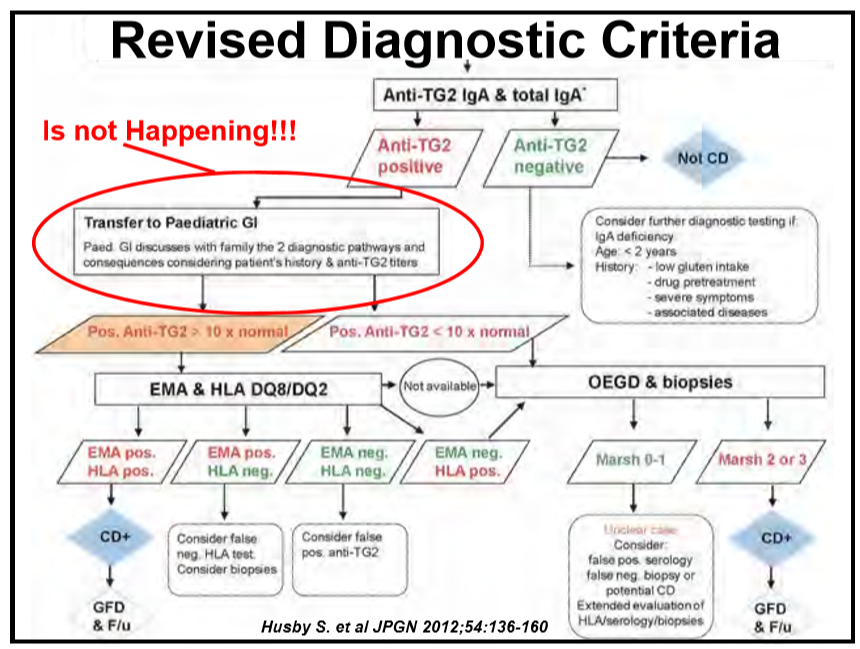
  • Reviewed potential non-biopsy option for diagnosis if anti-TG2 >10 x normal. Pediatricians are not following recommendations –>many children placed on gluten-free diet at lower titer antibody-positivity.
  • Recommends checking Hepatitis B antibody because many children with celiac disease do not seroconvert.
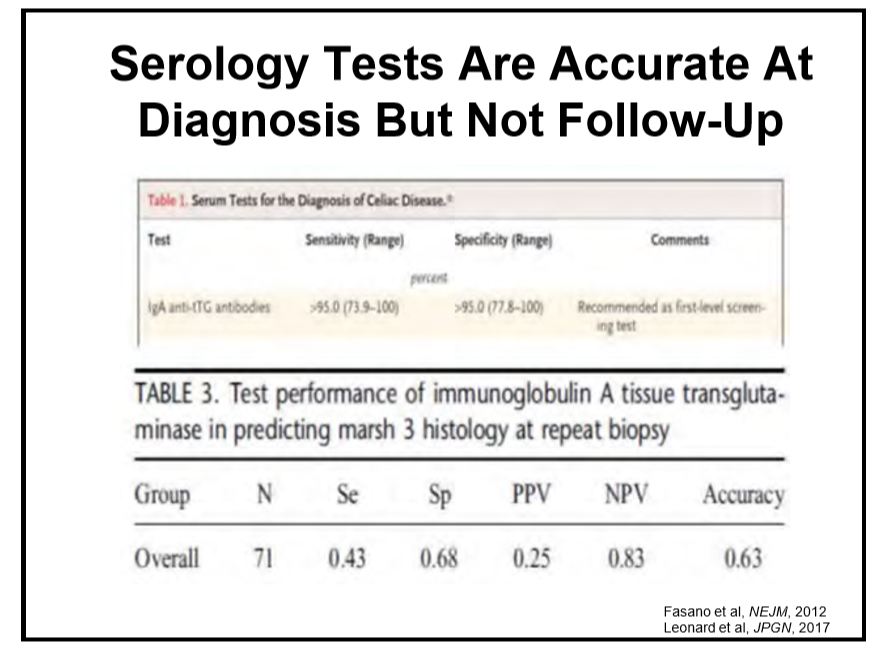
  • TTG levels are good for diagnosis but not as helpful for monitoring after diagnosis.
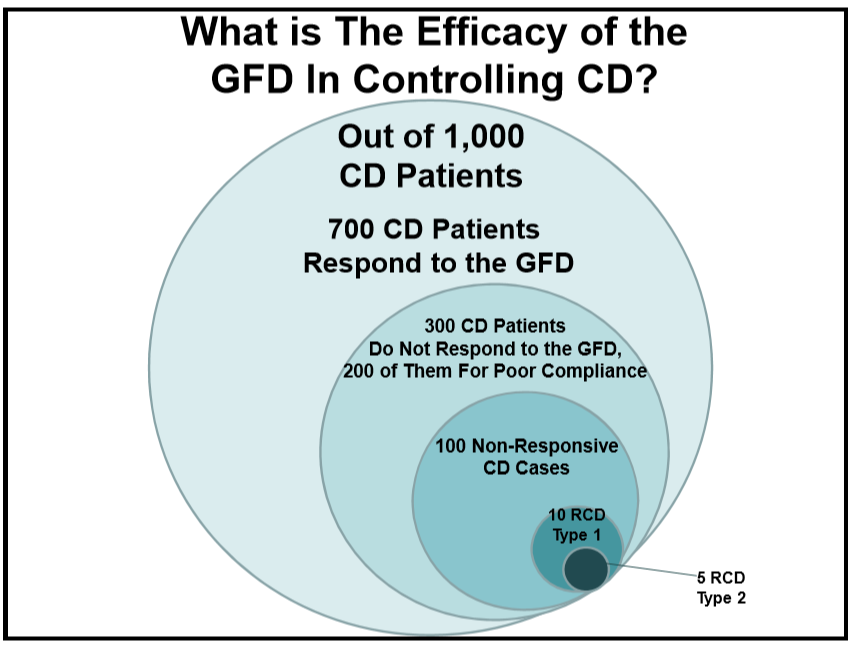
  • Only 10 out of 1000 are true refractory, about 100 out of 1000 are exquisitely sensitive to gluten

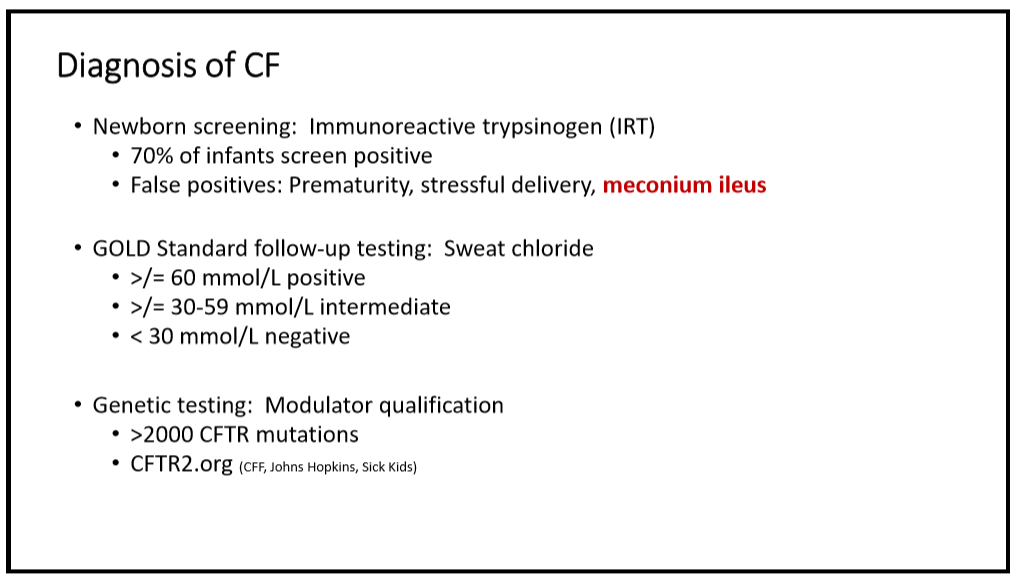
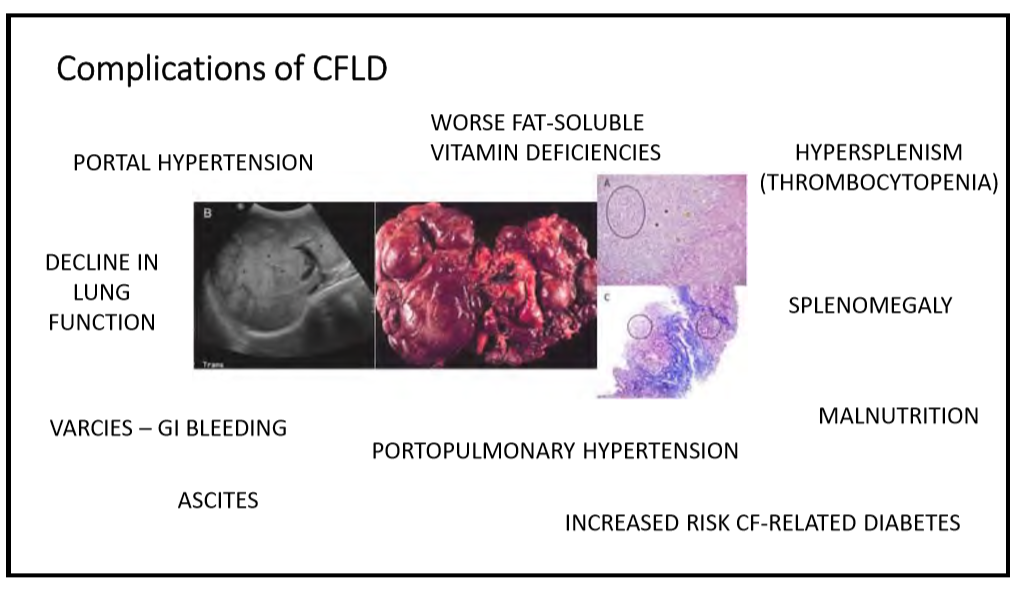
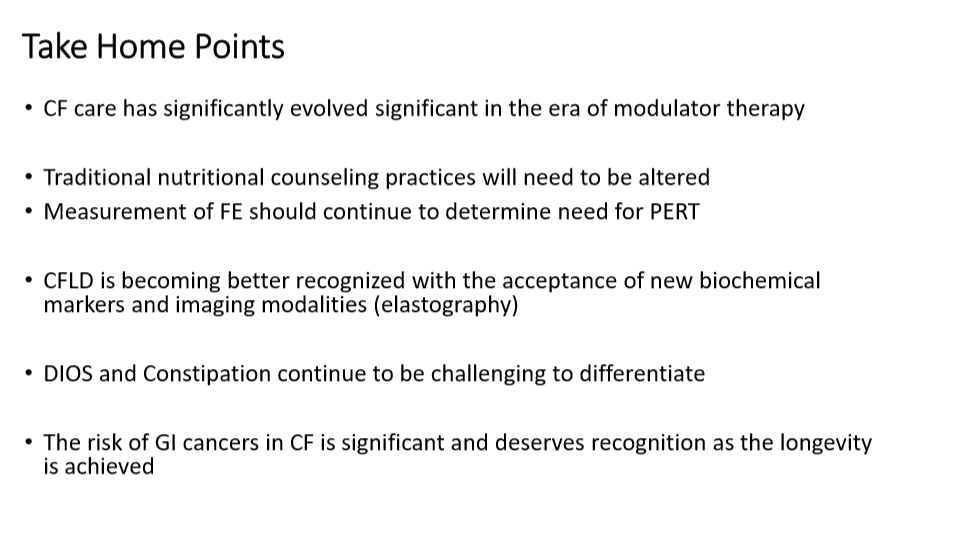
56 Meghana Sathe, MD, UT Southwestern Medical Center The role of the gastroenterologist and hepatologist in Cystic Fibrosis (CF) care today

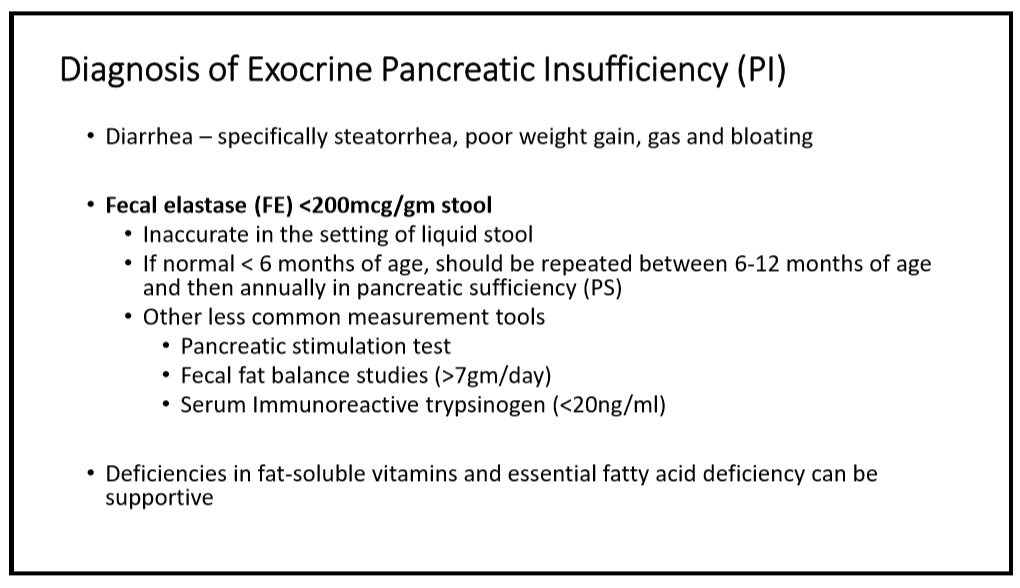
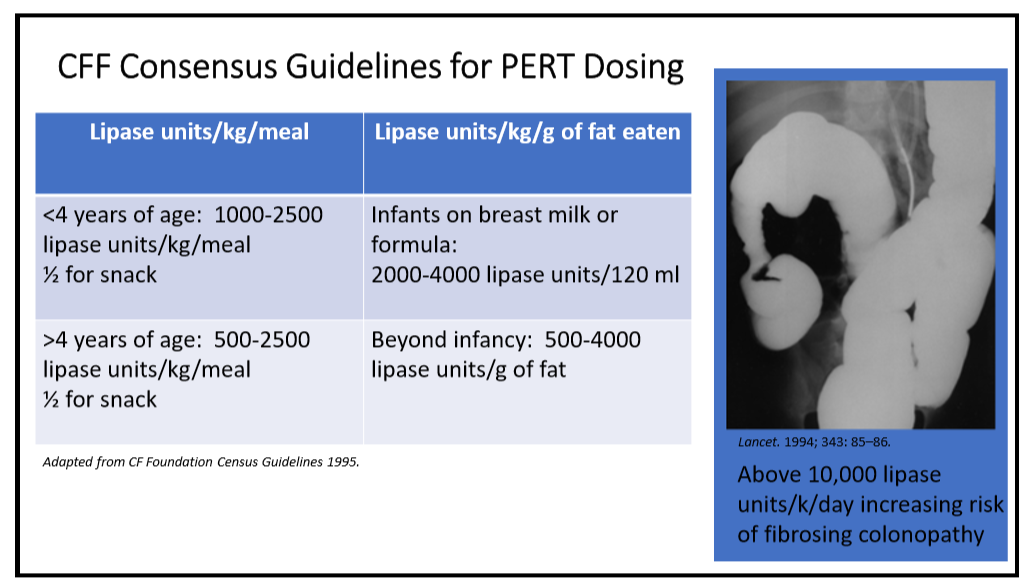
  • Fecal elastase monitoring useful for determining need for PERT.
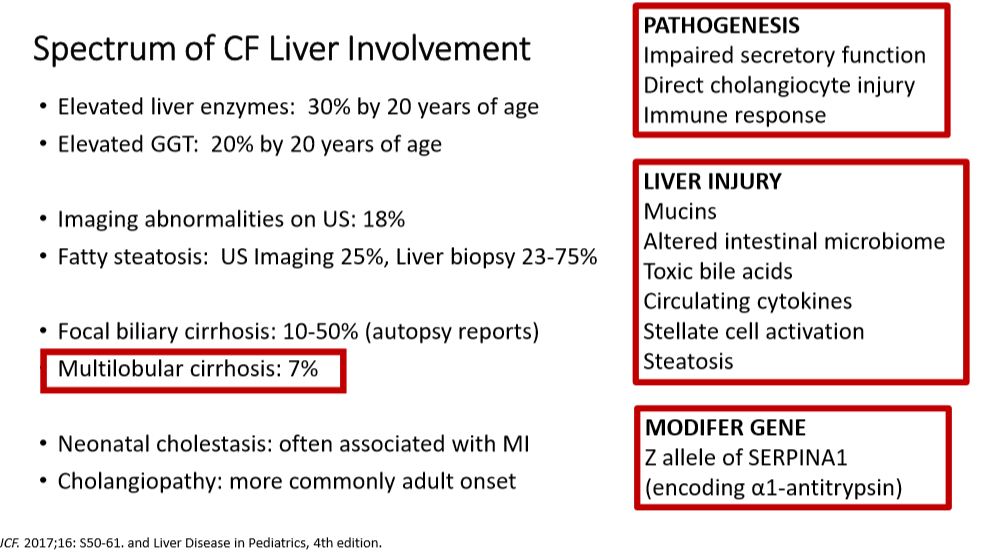
  • Discussed CF liver involvement.  Multilobular cirrhosis, 7% of individuals, is most important liver disease in CF.
  • Modulator therapy can elevate liver enzymes and may need to hold if ALT >5 ULN or lower elevation if elevated bilirubin (see Stop Rules -Practical Advice on DILI)
  • DIOS -for partial obstruction, polyethylene glycol and/or gastrogastrin enemas could be used.
  • Consider treatment of SBBO as well which is frequent with CF.

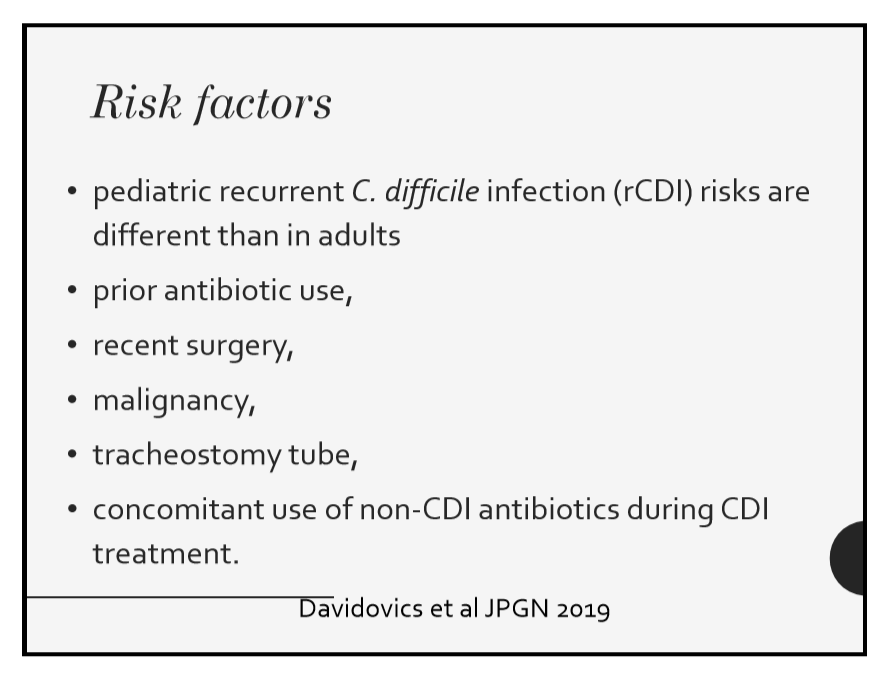
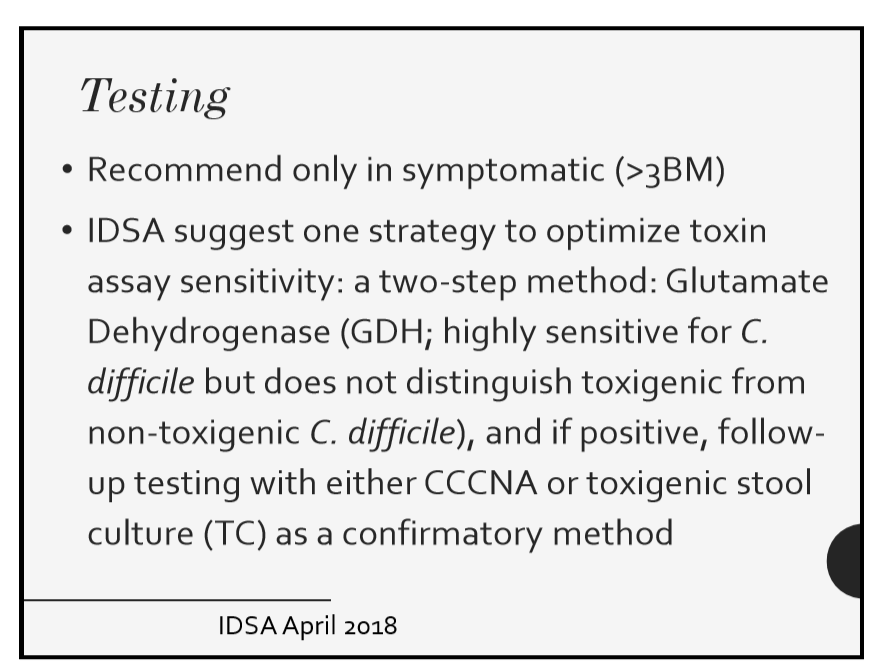
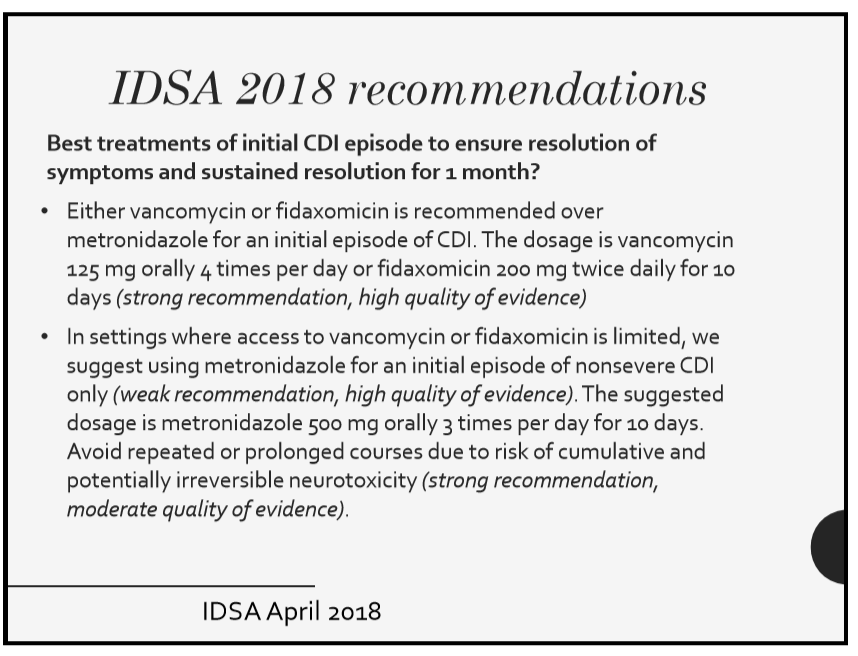
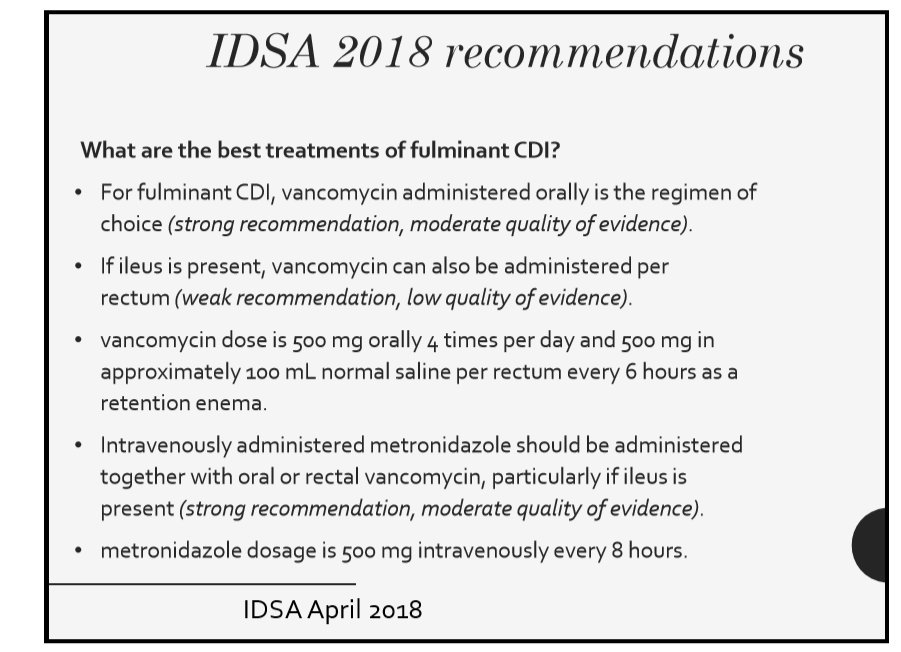
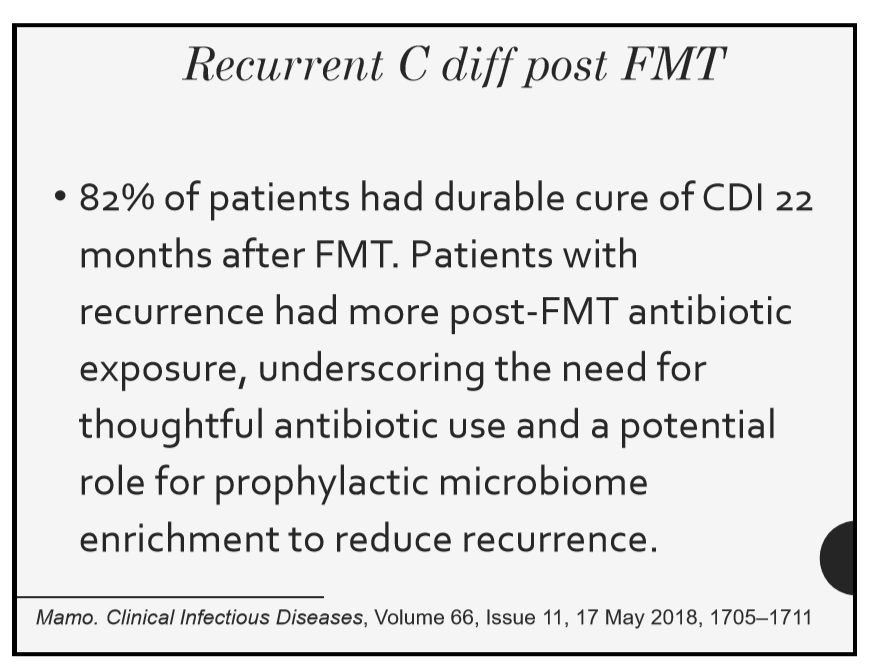
67 Sonia Michail, MD, Children’s Hospital Los Angeles Update on C. difficile

The slide I liked the best was showing a change in microbiome after FMT which is not in syllabus.

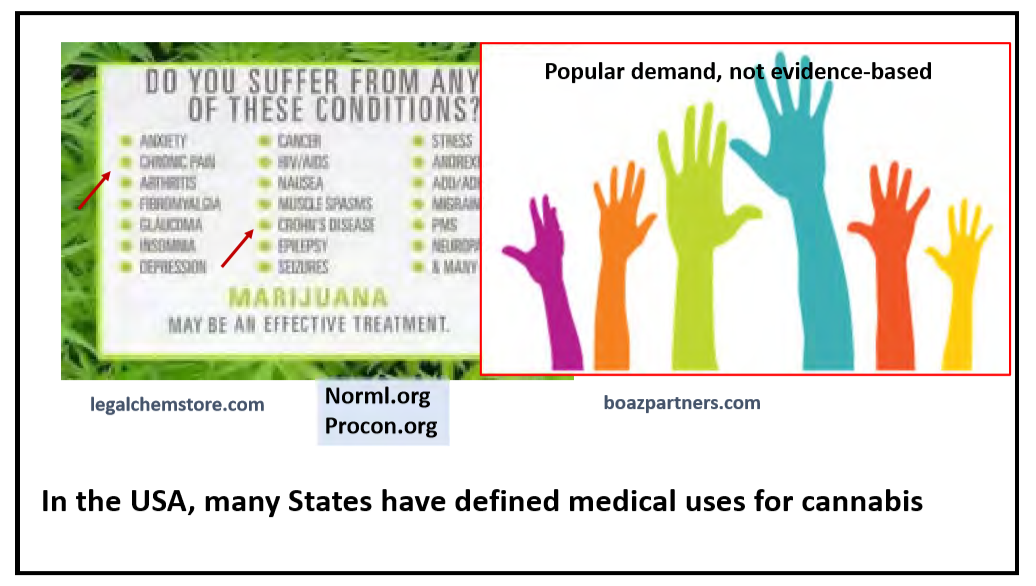
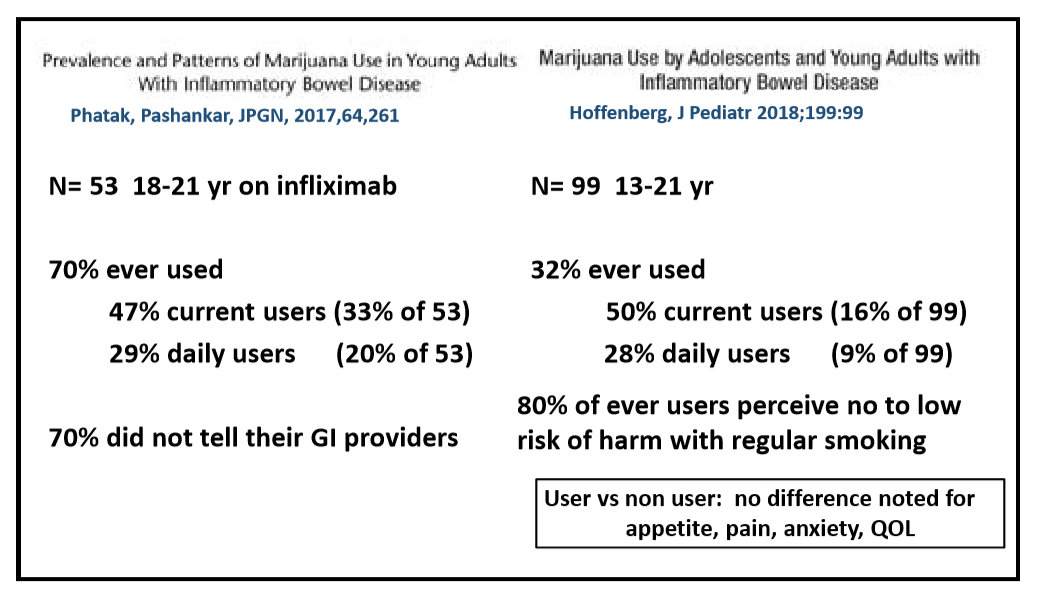
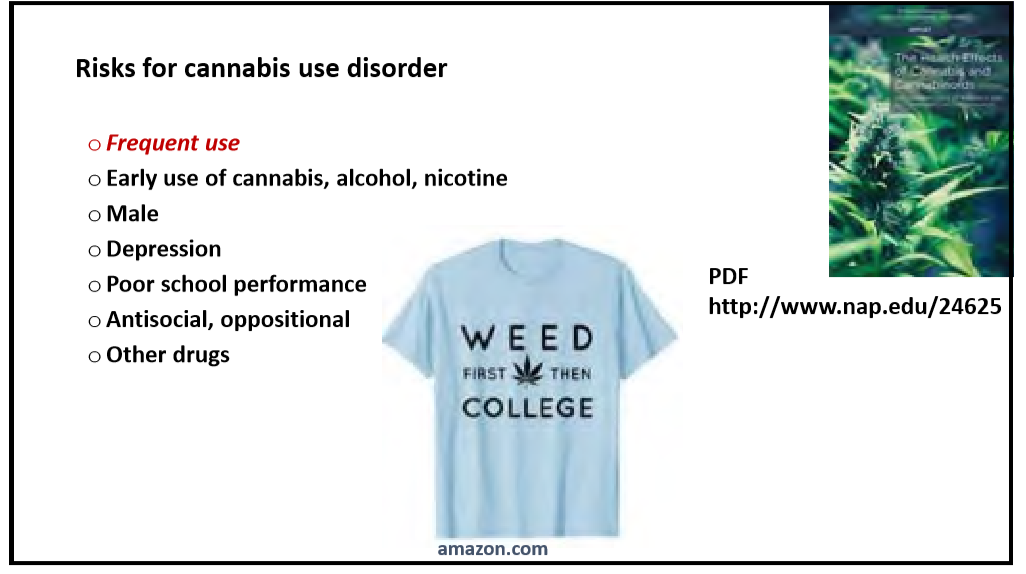
82 Ed Hoffenberg, MD, Children’s Hospital Colorado  What the pediatric GI provider needs to know about cannabis

Disclaimer: NASPGHAN/gutsandgrowth assumes no responsibility for any use or operation of any method, product, instruction, concept or idea contained in the material herein or for any injury or damage to persons or property (whether products liability, negligence or otherwise) resulting from such use or operation. The discussion, views, and recommendations as to medical procedures, choice of drugs and drug dosages herein are the sole responsibility of the authors. Because of rapid advances in the medical sciences, the Society cautions that independent verification should be made of diagnosis and drug dosages. The reader is solely responsible for the conduct of any suggested test or procedure. Some of the slides reproduced in this syllabus contain animation in the power point version. This cannot be seen in the printed version.

Getting In the Shower for Emetic Symptoms

A recent study (I Aziz et al. Clin Gastroenterol Hepatol 2019; 17: 878-86) examined the epidemiology and clinical characteristics of Rome IV functional nausea and vomiting disorders (FNVDs) in adults.  The study used internet cross-sectional health surveys from 5931 adults in 2015.

Key findings:

  • 2.2% of the population (n=131) fulfilled criteria for Rome IV FNVDs
  • Hot water bathing, which has been reported in cannaboid hyperemesis syndrome, was also noted  in patients with cyclic vomiting syndrome (CVS) in 44%.  “This behavior was independent of cannabis but augmented by its use.”

My take: FNVDs are common and hot water bathing is not pathognomonic for cannaboid hyperemesis syndrome.

Related references:

  1. Moon AM, Buckley SA, Mark NM. Successful treatment of cannabinoid hyperemesis syndrome with topical capsaicin. ACG Case Rep J. 2018 Jan 3;5:e3.
  2. Graham J, Barberio M, Wang GS. Capsaicin cream for treatment of cannabinoid hyperemesis syndrome in adolescents: A case series. 2017 Dec;140(6): e20163795.

Hotel in Barcelona

Clostridium difficile and Cannabis

Briefly noted:

W El-Matary et al. J Pediatr 2019; 206: 20-5.  This study from Manitoba using electronic database found that the incidence rate of C difficile was stable from 2005-2015, with an overall rate of 7.8 per 100,000 person-years.  Children with Hirschsprung’s and inflammatory bowel disease had increased prevalence rates.

JL O’Loughlin et al. J Pediatr 2019; 206: 142-7. Using data from two longitudinal studies in Montreal (Cannabis is legal for adults in Canada since 2018), the authors examined the rate of cannabis initiation starting in 6th grade through 11th grade. Key finding was that cannabis use was 1.8 time more likely among children whose parents used cannabis.  Overall, cannabis use increased from 3.1% in grade 6 to 25.7% in grade 11.

What is erythromelagia?  This term was noted in the title of a recent report (J Pediatr 2019; 206: 217-24) and refers to bilateral episodic pain and redness that occurs in feet, hands and occasionally the ears.  In some case, symptoms progress proximally to involve the legs, arms, and rarely the face.


How Safe is Marijuana?

A recent link to Malcolm Gladwell’s article in the New Yorker: Is Marijuana as Safe as We Think? One of my sons informed me of this article.

Excerpt from Malcolm Gladwell’s analysis:

A few years ago, the National Academy of Medicine convened a panel of sixteen leading medical experts to analyze the scientific literature on cannabis. The report they prepared, which came out in January of 2017, runs to four hundred and sixty-eight pages. It contains no bombshells or surprises, which perhaps explains why it went largely unnoticed. It simply stated, over and over again, that a drug North Americans have become enthusiastic about remains a mystery.

For example, smoking pot is widely supposed to diminish the nausea associated with chemotherapy. But, the panel pointed out, “there are no good-quality randomized trials investigating this option.” We have evidence for marijuana as a treatment for pain, but “very little is known about the efficacy, dose, routes of administration, or side effects of commonly used and commercially available cannabis products in the United States.” The caveats continue. Is it good for epilepsy? “Insufficient evidence.” Tourette’s syndrome? Limited evidence. A.L.S., Huntington’s, and Parkinson’s? Insufficient evidence. Irritable-bowel syndrome? Insufficient evidence. Dementia and glaucoma? Probably not. Anxiety? Maybe. Depression? Probably not.

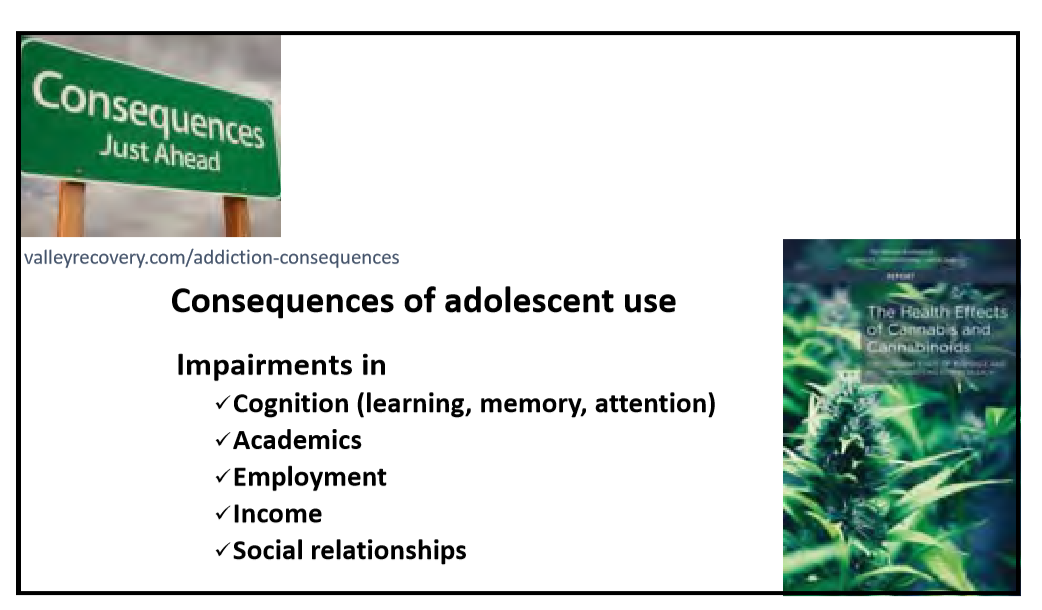
Then come Chapters 5 through 13, the heart of the report, which concern marijuana’s potential risks. The haze of uncertainty continues. Does the use of cannabis increase the likelihood of fatal car accidents? Yes. By how much? Unclear. Does it affect motivation and cognition? Hard to say, but probably. Does it affect employment prospects? Probably. Will it impair academic achievement? Limited evidence. This goes on for pages…

Several points discussed in article:

  • Marijuana may increase the risk of psychiatric illnesses. “Many people with serious psychiatric illness smoke lots of pot. The marijuana lobby typically responds to this fact by saying that pot-smoking is a response to mental illness, not the cause of it—that people with psychiatric issues use marijuana to self-medicate. That is only partly true. In some cases, heavy cannabis use does seem to cause mental illness”…
  • Marijuana may increase aggression,  In the state of Washington was the first U.S. jurisdiction to legalize recreational marijuana. “Between 2013 and 2017, the state’s murder and aggravated-assault rates rose forty per cent—twice the national homicide increase and four times the national aggravated-assault increase”
  • Does cannabis serve as a gateway drug?  Like e-cigarettes, cannabis is being formulated into products attractive to youth: gummy bears, bites, and brownies.

My take (borrowed in part from author): “Permitting pot is one thing; promoting its use is another.” We really don’t know that much about marijuana.

CDC Link: Marijuana and Public Health

Related blog posts: