Missing Opportunities to Cure Pediatric Hepatitis C Infection

MR Curtis et al. Pediatrics (2025) 155 (5): e2024068565. Disparities in Linkage to Care Among Children With Hepatitis C Virus in the United States

Background: “Current guidelines recommend treating all children aged 3 years or older with DAAs (direct-acting antivirals). These treatments achieve cure in more than 98% of HCV cases and reduce risks for cirrhosis, hepatocellular carcinoma (HCC), and liver-related mortality. Despite availability of DAAs, only 62% of adults with HCV have linked to care, 39% initiated treatment, and 26% attained cure (sustained virologic response) as of 2023.”

Methods: This retrospective cohort analysis included children born between 2000 and 2018 who were diagnosed with HCV between the ages of 0 and 18 years. The study analyzed TriNetX Research Network data, a US national electronic health records network with more than 87 million individuals within the U.S.

Key findings:

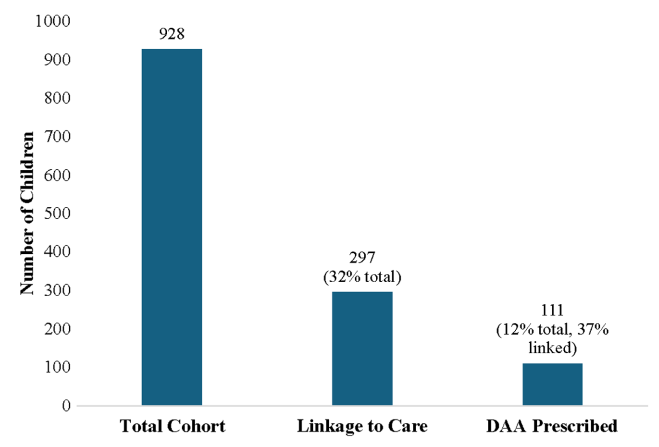
  • Among 928 children with HCV, 297 (32.0%) linked to HCV care and 111 (12.0%) were prescribed a DAA (direct-acting antiviral). Thus only 1 in 8 children with HCV were prescribed DAAs
  • Of 928 children with HCV, 35.9% of children were diagnosed with HCV perinatally (by 3 years old), 44.5% during childhood (between 4 and 12 years old), and 19.6% in adolescence (between 13 and 18 years old)
  • White and Hispanic/Latinx children were much more likely than black children to receive a DAA prescription with OR of 3.44 and 2.20 respectively
  • Children in Midwest, North, and West had higher rights of DAA prescription compared to the South with OR of 2.40, 1.50, and 4.19 respectively
Discussion points:

Potential barriers to treatment:

  • DAAs were only approved for children aged 3 years or older in 2019 for some genotypes and not until 2021 for all genotypes.
  • Some parents choose to wait to treat young children because of difficulty administering medications at the ages of 3 and 4 years old
  • Insurance: “The cause of low uptake of treatment is likely multifactorial: Medicaid and commercial insurers implemented restrictions based on degree of liver fibrosis, active or recent substance use, or specialty prescribing because of the very high initial cost of DAAs. Although most of these restrictions have now been removed, some still remain, and some insurance plans have varying criteria for pregnant or pediatric members.”

New CDC Recommendations: “In light of the new Centers for Disease Control and Prevention perinatal HCV testing recommendations and universal HCV screening recommended in pregnancy, more young children with HCV will be identified”

Limitations: Retrospective study relies on data from a database

My take: Being able to cure HCV with DAAs has been an incredible medical achievement. However, efforts to eradicate HCV have not gotten very far and had a severe setback with the opioid epidemic which increased rates of HCV. This study shows that very few children with HCV actually receive curative treatment. Advancing the goal of HCV elimination will require sustained efforts to get those identified with HCV to treatment, both in children and adults.

Related summary article in GI Hep News (5/21/25): Clinicians Can Prescribe the Cure for Hepatitis C: Most Kids Never Get It. Two other points:

  • “The prevalence of HCV in pregnant people jumped 16-fold between 1998 and 2018 to 5.3 cases per every 1000 pregnancies, and these patients can transmit the disease perinatally. Many people are unaware they are infected.”
  • “More than half of children clear the infection on their own by age 3, the age at which treatment can also begin”

Related blog posts:

Useful website:: HCVguidelines.org (living online reference of HCV therapies for all populations, including children)
Hepatitis C is Undertreated in the U.S.

C Wester et al. MMWR 2023; 72 (26): 716-720. Open Access! Hepatitis C Virus Clearance Cascade — United States, 2013–2022 (starts on page 16 of PDF)

Key findings:

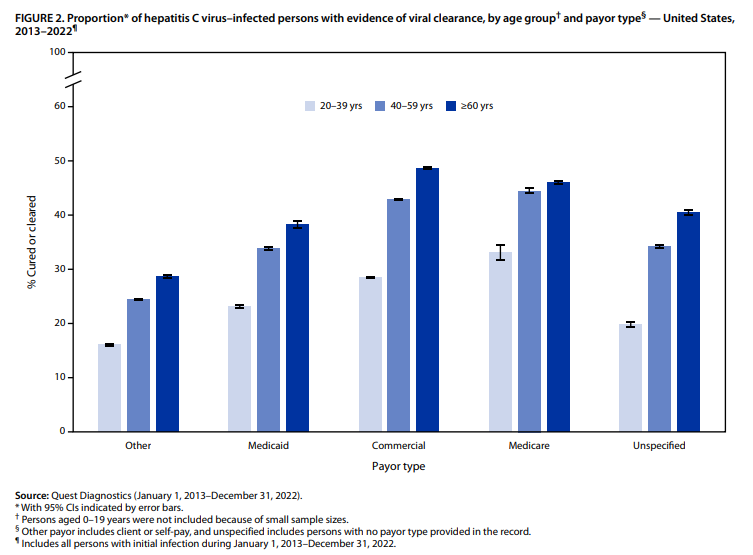
  • Among the approximately 1.0 million persons in this analysis with initial infection, only 34% had laboratory evidence of viral clearance
  • Overall, viral clearance was lowest among persons aged 20–39 years (24%). Patients 0-19 were not included in this analysis
  • To overcome the low cure rate, some have recommended a subscription model for HCV treatment; this was piloted in Louisiana. In this pilot, the state paid a lump sum to make the drug available for free to all patients on Medicaid and federal prisoners. Francis Collins has indicated that a national program, while expensive, would save the government $13 billion in 10 years (Source: Infectious Disease Special Edition, 6/30/23: Most Americans With HCV Not Receiving DAAs)

My take: Improving access to HCV treatment has the potential to save livers, save lives and save money.

Related blog posts:

Hepatitis C in 2020: NASPGHAN Position Paper

DH Leung et al. JPGN 2020; 71: 407-17.  Full Text: Hepatitis C in 2020: A North American Society for Pediatric Gastroenterology, Hepatology, and Nutrition Position Paper

This is a very useful summary and some important recommendations –here are a few:

  • Direct-acting antivirals (DAAs) which …[are] highly effective antiviral agents are now approved for use in children as young as 3 years of age and have demonstrated sustained virologic responses exceeding 90% in most genotypes
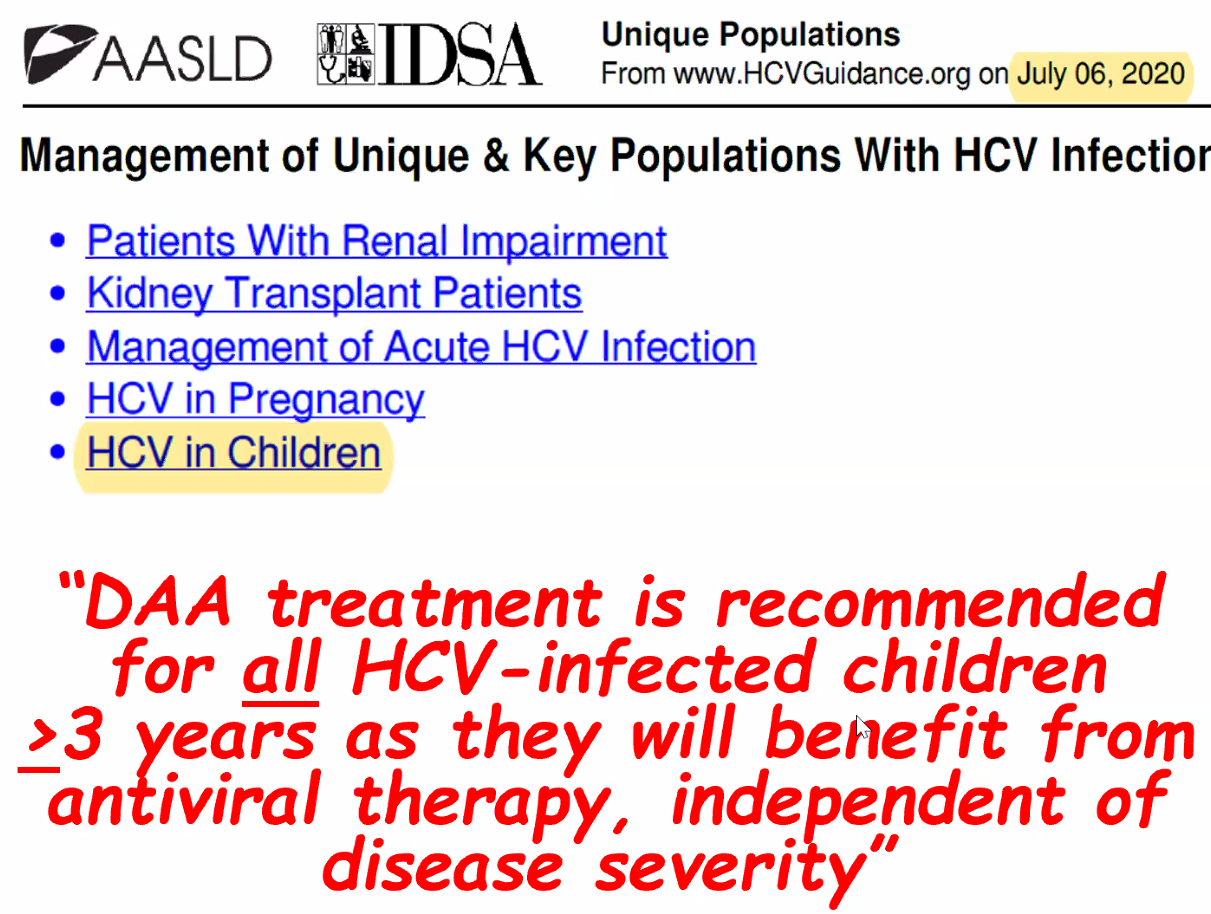
  • We recommend treatment be considered and offered to all children with chronic HCV as early as 3 years of age with currently approved and anticipated DAA combination therapies.
  • Currently, the American Academy of Pediatrics recommends anti-HCV antibody screening of children with maternal HCV risk factors at 18 months of age, when detection of passively acquired transplacental immunoglobulin G should have waned … Waiting until 18 months of age or older is, however, frequently unpalatable for parents and physicians concerned about reliable follow-up. Therefore, after the infant is 2 months of age, the AASLD-IDSA HCV Guidance Panel suggests consideration of examining serum HCV RNA by polymerase chain reaction (PCR)
  • Interestingly, in the image below, the authors note that most children are asymptomatic; however, the figure suggests the possibility of thyroid disease.  In the text of the article: ” Extrahepatic manifestations of chronic hepatitis C, including membranoproliferative glomerulonephritis, thyroid dysfunction with or without thyroid autoimmune disease, and the development of nonorgan specific antibodies, are exceedingly rare

Recommended Resources for Pediatric Gastrointestinal and Liver Providers

Related blog posts:

Disclaimer: This blog, gutsandgrowth, assumes no responsibility for any use or operation of any method, product, instruction, concept or idea contained in the material herein or for any injury or damage to persons or property (whether products liability, negligence or otherwise) resulting from such use or operation. These blog posts are for educational purposes only. Specific dosing of medications (along with potential adverse effects) should be confirmed by prescribing physician.  Because of rapid advances in the medical sciences, the gutsandgrowth blog cautions that independent verification should be made of diagnosis and drug dosages. The reader is solely responsible for the conduct of any suggested test or procedure.  This content is not a substitute for medical advice, diagnosis or treatment provided by a qualified healthcare provider. Always seek the advice of your physician or other qualified health provider with any questions you may have regarding a condition

Online Aspen Webinar (Part 4) -How to Treat Hepatitis C in Children

Below I’ve included a few slides and some notes; my notes may have errors of omission or transcription.

How I Treat Children with Hepatitis C  William Balistreri

Key points:

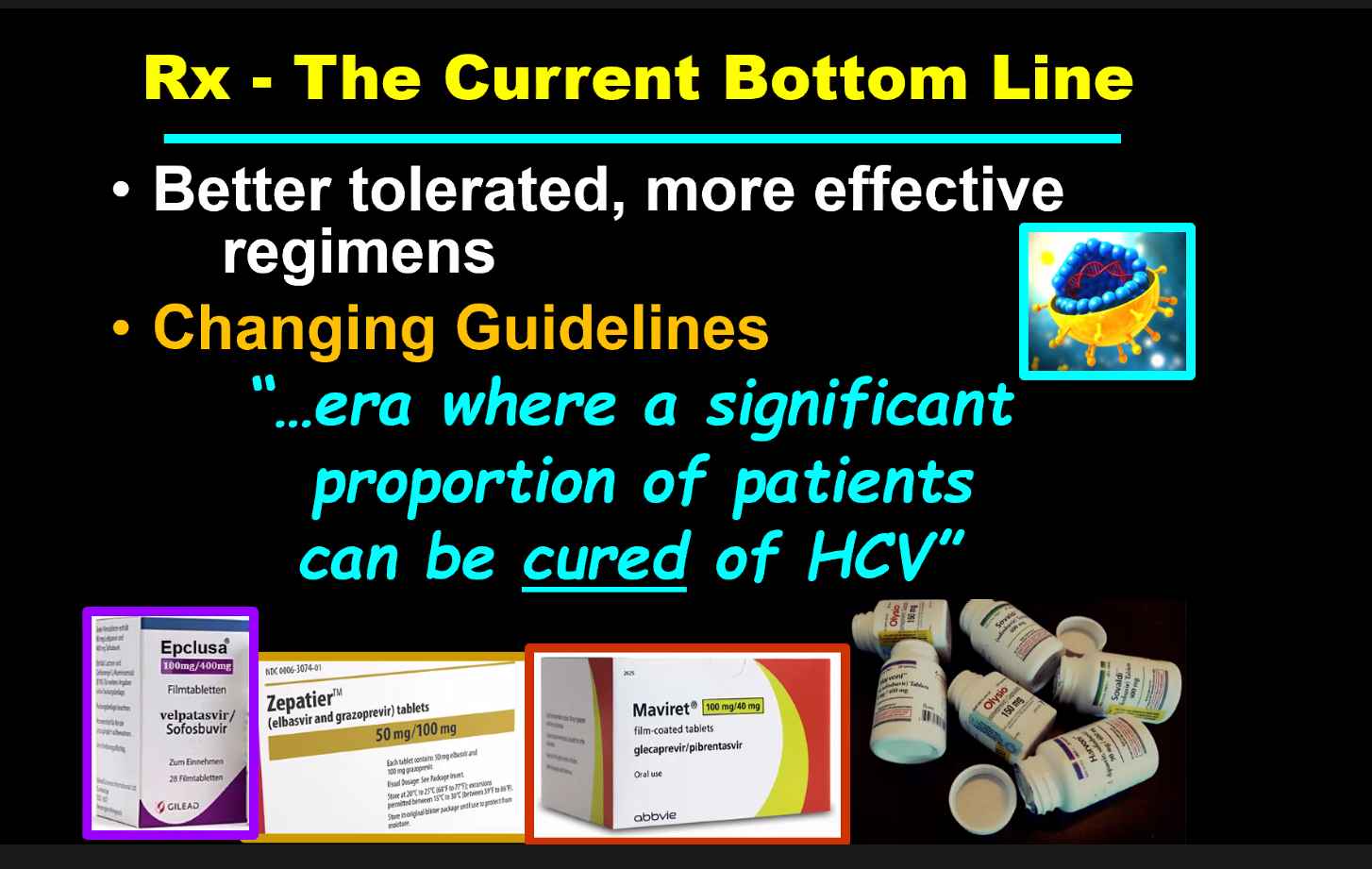
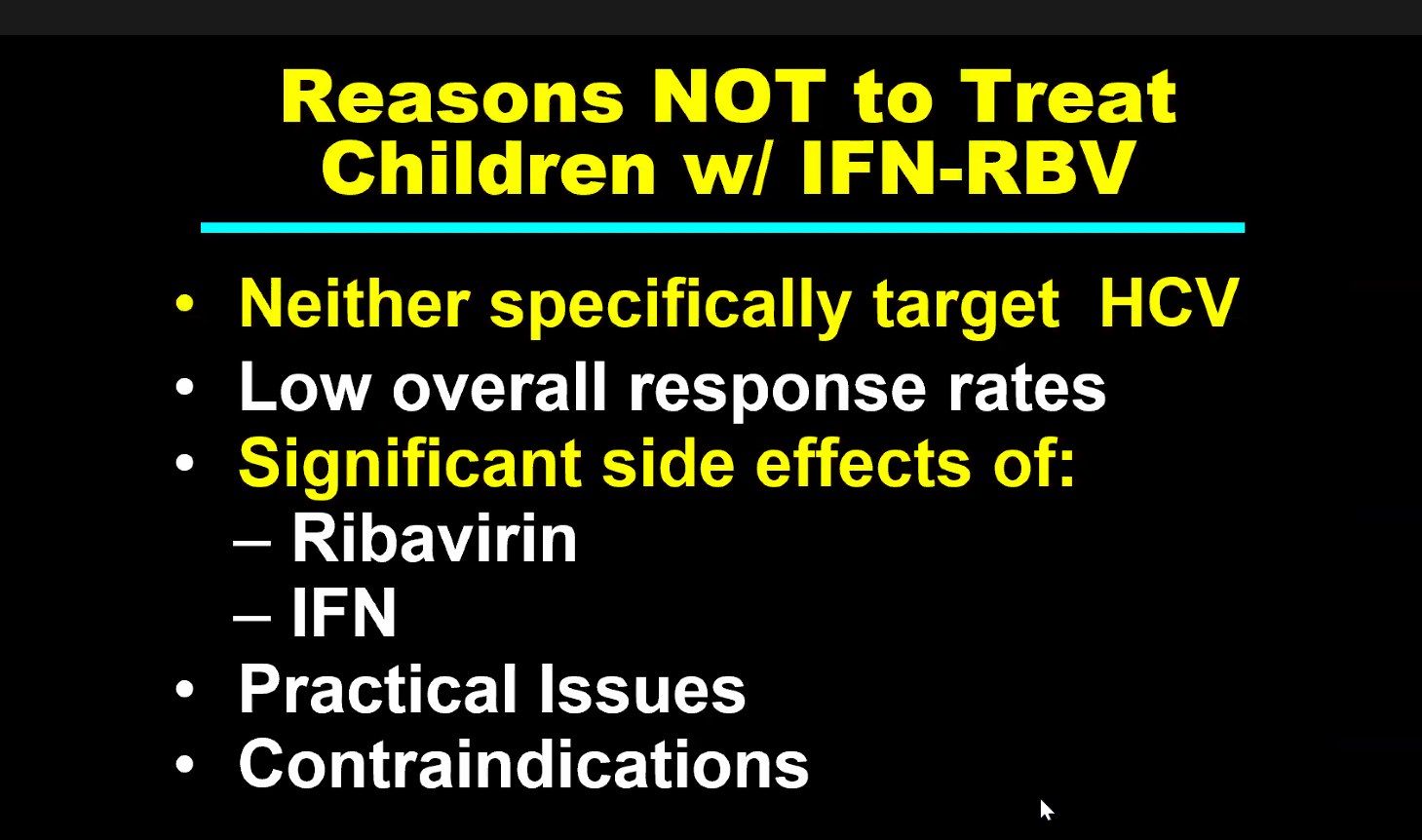
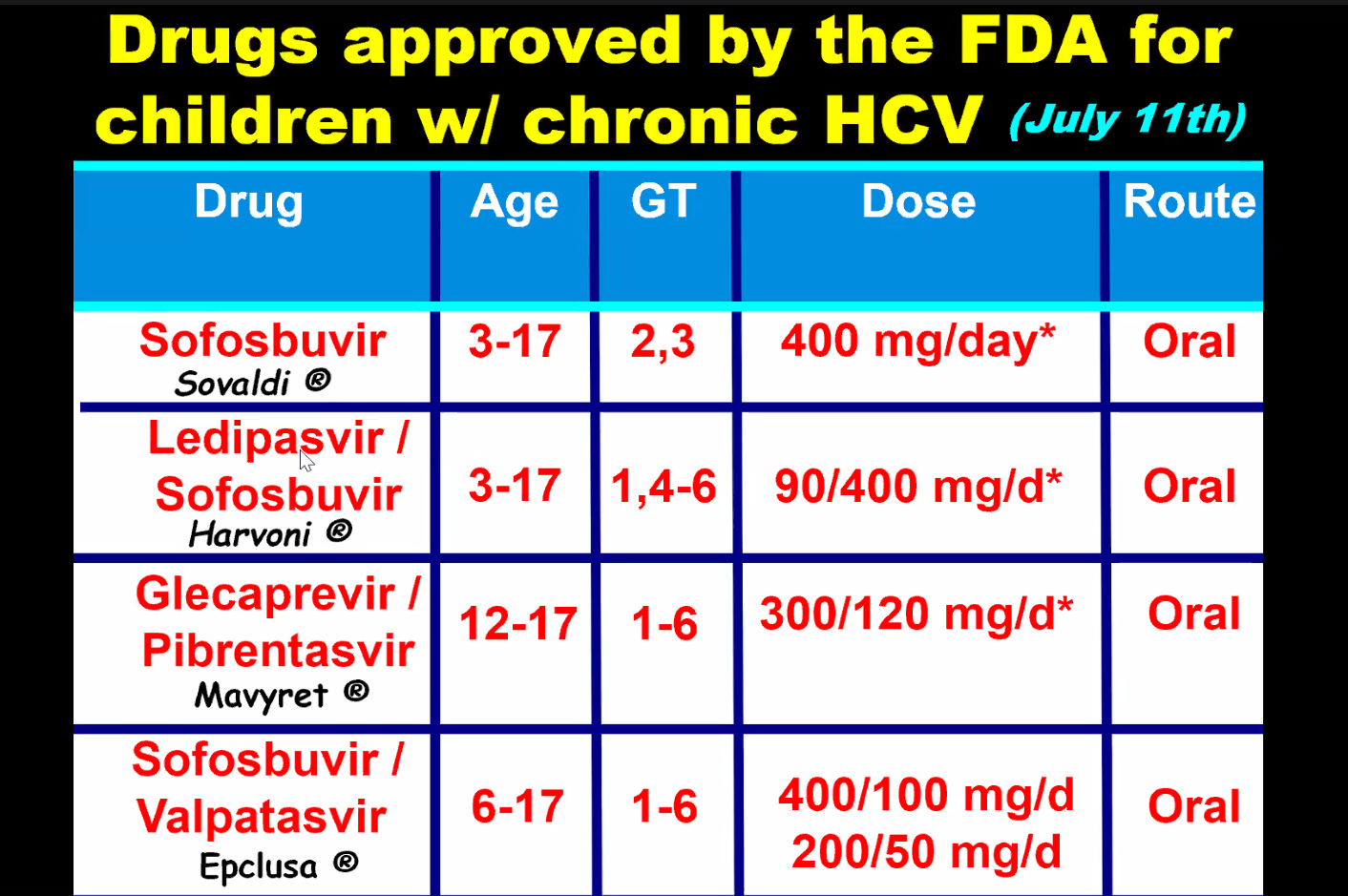
  • The recommendations for pediatric hepatitis C infection have been rapidly-changing due to a large number of recent studies/new direct-acting antivirals.  There are many new treatment options (see HCVguidelines.org); currently available treatment regimens noted below
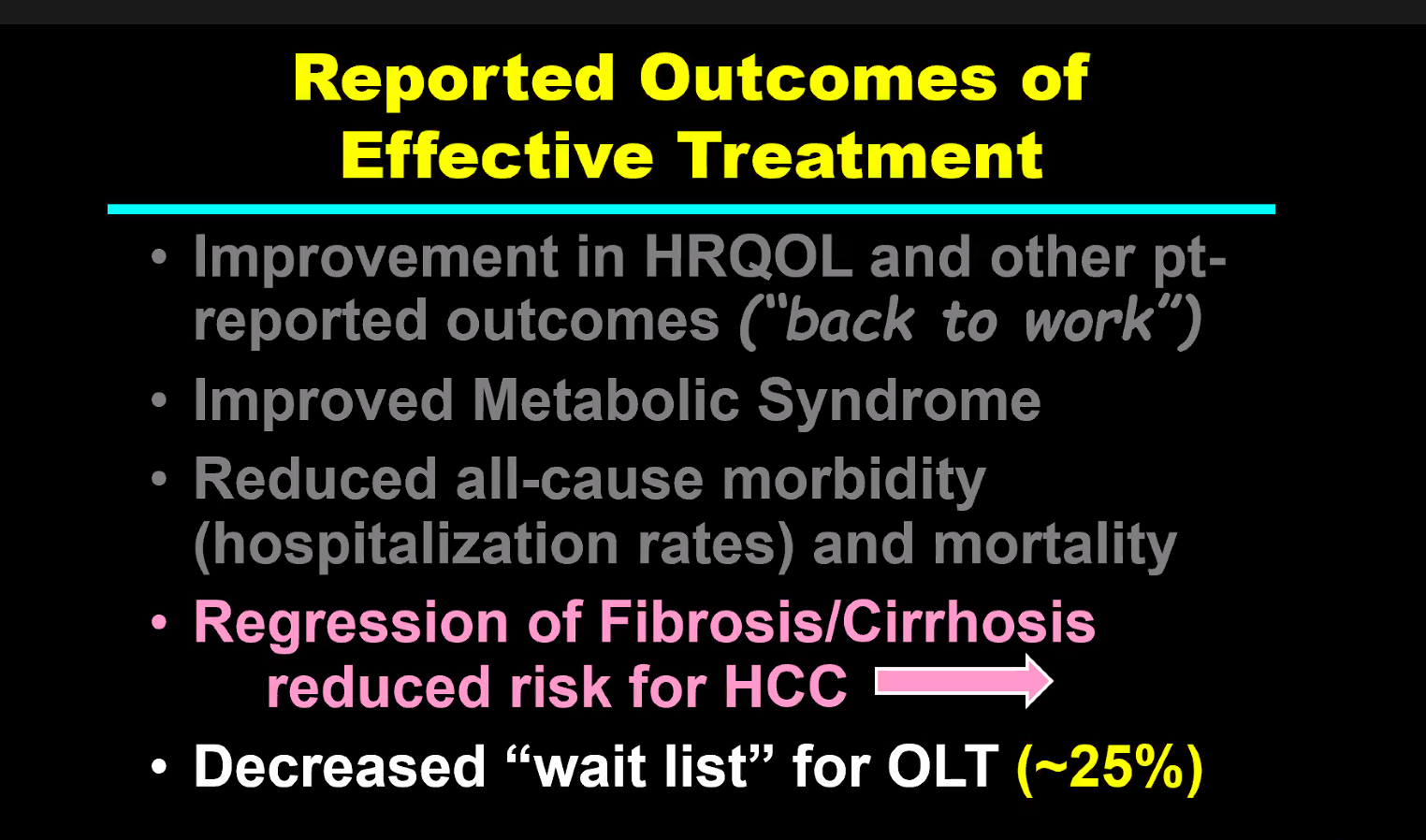
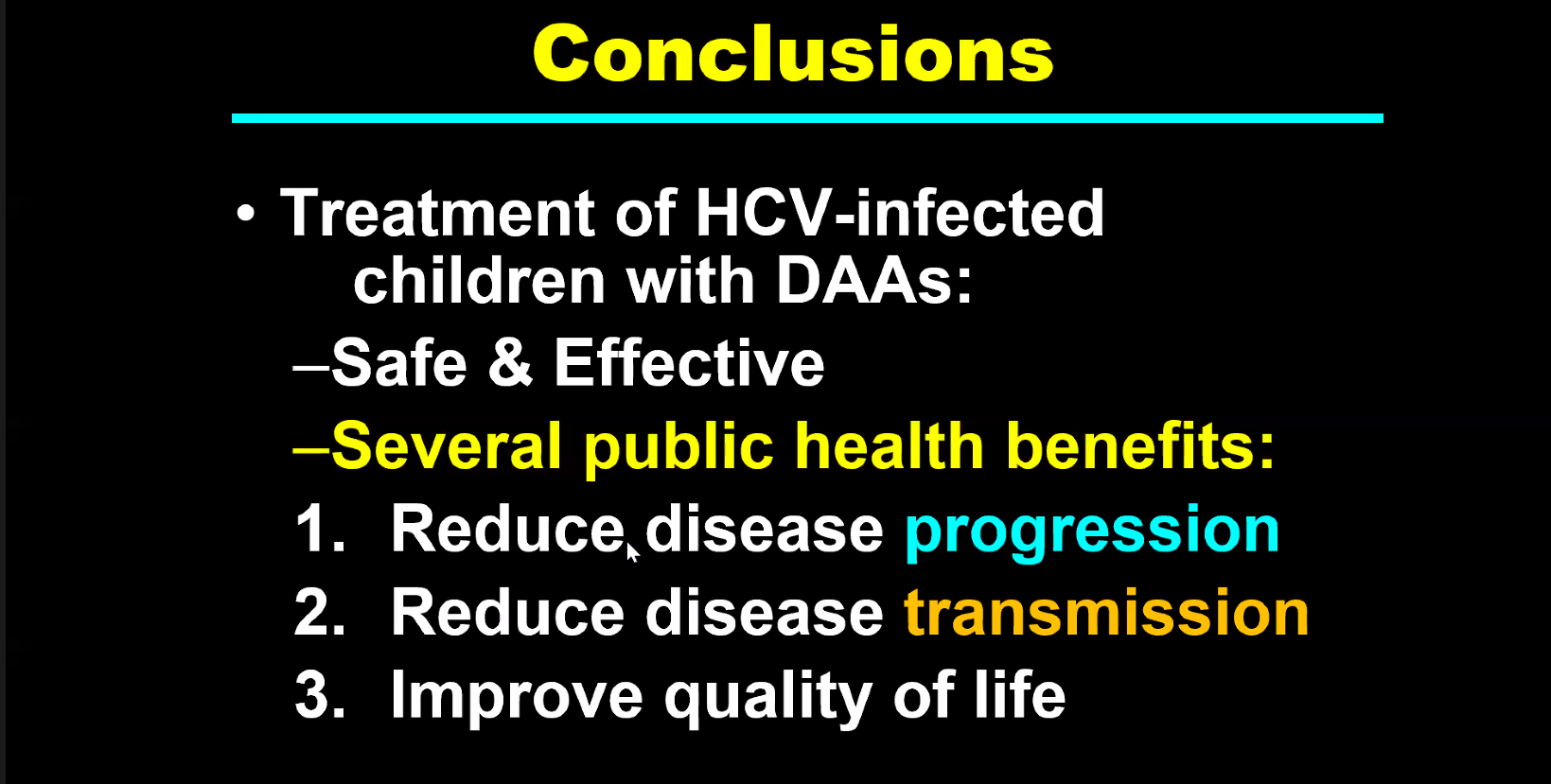
  • All children >3 years of age with HCV should be treated –high cure rates (91-100% SVR) and this leads to long-term improvements in health outcomes
  • Test for Hepatitis B before instituting DAA therapy
  • Universal screening has been recommended for all adults >18 years.  This omits the pediatric age group; however, if all pregnant women are screened, the majority of pediatric HCV infections could be identified

Related blog posts:

Medical Progress: Toward Hepatitis C Elimination

JE Squires, WF Balistreri. J Pediatr 2020; 221: 12-22. Full text: Treatment of Hepatitis C: A New Paradigm toward Viral Eradication

This is a terrific article describing the improvements in treatment and challenges ahead for hepatitis C infection.

The authors note that widespread treatment has led to recommendations that primary health providers manage treatment in most adults.  Given the safety and effectiveness of these newer agents, the authors propose a similar algorithm for children (Figure 3).

The authors note the following:

“Just as has occurred in adults, the rate of discovery related to pediatric HCV therapy is outpacing traditional publication methods and many recommendations are no sooner published than they are “outdated” as newer data re-shapes the therapeutic landscape. To combat this challenge, the AASLD and IDSA have partnered to create an updated web experience resource to facilitate rapid access to treatment information (https://www.hcvguidelines.org/). A section of this document is dedicated to children, however, as of this writing, a similar comprehensive ‘living’ document is not available for pediatric populations, thus, care teams should be cognizant of the most current published data and increase their awareness of upcoming studies and DAA’s ‘in the pipeline’ that may soon be available.”

My take (borrowed from authors):

  • “Every child deserves equitable access to a cure for HCV.”
  • “Progress toward elimination of HCV infection in the US is at hand; however, both community/primary care practices and federal commitment will be required.”
  • “The role of the primary care practitioner will be enhanced [and needs to be incentivized]. It is likely that the new paradigm will be to screen and to initiate DAA treatment in patients with HCV infection.”
  • “Consultation with a hepatologist/infectious disease specialist would, thus, be reserved for selected patients (nonresponsive or those with advanced fibrosis).”

Related blog posts:

Liver Briefs -July 2019

NH Ebel et al. JPGN 2019; 68: 788-92Hepatic venous pressure gradient (HVPG) did not correlate with the risk of complications from portal hypertension in this pediatric cohort (n=41); this is in contrast to studies in adults showing the utility of HVPG measurements.

AG Singal et al. Gastroenterol 2019; 156: 2149-57. AGA Practice Update on Direct-Acting Antivirals for Hepatitis C and Hepatocellular Carcinoma. There are 12 best practice advice –here are the first three:

  • BEST PRACTICE ADVICE 1: DAA treatment is associated with a reduction in the risk of incident HCC. The relative risk reduction is similar in patients with and without cirrhosis.
  • BEST PRACTICE ADVICE 2: Patients with advanced liver fibrosis (F3) or cirrhosis should receive surveillance imaging before initiating DAA treatment.
  • BEST PRACTICE ADVICE 3: Patients with advanced liver fibrosis (F3) or cirrhosis at the time of DAA treatment represent the highest-risk group for HCC after DAA-induced sustained virologic response. These patients should stay in HCC surveillance

N Hamdane et al. Gastroenterol 2019; 156: 2313-29. This study found that chronic HCV infection induced specific genome-wide-changes in H3K27ac which correlated with expression of mRNAs and proteins.  These epigenetic changes persisted after an SVR to DAAs or interferon-based therapies. These changes could explain some of the reason why HCC remains a risk after successful treatment with DAAs.

DT Dieterich et al. Gastroenteroloy & Hepatology 2019; 15S: 3-11 Link: “A simplified algorithm for the management of Hepatitis C Infection”  An excerpt:

“The algorithm begins with universal HCV screening and diagnosis by testing for HCV antibody with reflex to polymerase chain reaction to detect HCV RNA. The pretreatment evaluation uses platelet-based stratification to initially assess fibrosis, and the pan-genotypic regimens glecaprevir/pibrentasvir or sofosbuvir/velpatasvir are recommended for treatment. Unless clinically indicated, on-treatment monitoring is optional. Confirmation of cure (undetectable HCV RNA 12 weeks posttreatment) is followed by harm-reduction measures, as well as surveillance for hepatocellular carcinoma every 6 months in patients with advanced fibrosis/cirrhosis.”  My take: This algorithm is much simpler than the expanded recommendations from HCVguidelines.org website, though these agents, to my knowledge, do not yet have a pediatric indication.


Liver Briefs -June 2019

YH Yeo et al. Hepatology 2019; 69: 1385-97.  The prevalence of high risk individuals in the U.S. who are susceptible (not immune) to hepatitis B has decreased from 83% to 69% from 2003 to 2014.  That still leaves 64 million who would benefit from HBV vaccination.

M Sharma et al. Hepatology 2019; 69: 1657-75. This meta-analysis compared therapies for primary prevention of esophageal varices and concluded that nonselective beta-blocker (NSBB) monotherapy may decrease all-cause mortality and carried a lower risk of serious complications than variceal band ligation (VBL). However, the commentary (1382-84 by L Laine) reaches a different conclusion. “Current recommendations for primary prevention with VBL or NSBB or carvediolo still appear to be acceptable…using a shared decision-making approach” to weigh issue such as daily medication or periodic endoscopy.

J Nguyen et al. J Pediatr 2019; 207: 90-6. This study modeled the cost-effectiveness of early treatment with direct-acting antiviral therapy in adolescents with hepatitis C infection.  With pangenotypic agenst, the cost would be $10000 to $21000 per QALY gained.

S Trinh et al. Clin Gastroenterol Hepatol 2019; 17: 948-56. This retrospective hepatitis B study examined the changes in renal function between 239 tenofovir disoproxil fumarte (TDF) treated patients and 171 entecavir treated patients.  Key finding: TDF was not associated with higher risk of worsening renal function in this cohort with a mean followup of 43-46 months in patients with baseline normal renal function.  In patients with renal impairment, deterioration of renal function was noted in TDF-treated patients.  Thus, TDF should be avoided in patients with impaired renal function.


Rhododendrom in Sandy Springs

.

December Liver Briefs

B Wildman-Tobriner et al. Gastoenterol 2018; 155: 1428-35.  This retrospective study which pooled data from 3 phase 2a trials with 370 subjects with nonalcoholic fatty liver disease (NAFLD) found that MRI iwth proton density fat fraction (PDFF) “did not accurately identify patients with NAS ≥4 (AUROC – 0.72) or fibrosis stage ≥3 (AUROC =0.66).”  Thus, this study indicates that currently liver histology remains the gold standard to determine severity of liver damage in paitents with NAFLD.

Related blog posts

P Nahon et al. Gastroenterol 2018; 155: 1436-1450. This study looks closer at whether direct-acting antivirals (DAA) for hepatitis C could increase the risk of hepatocellular carcinoma (HCC) in patients (n=1270) with cirrhosis. The authors found that the crude 3-year cumulative incidence of HCC were 5.9% in the DAA and 3.1% in the SVR-IFN group. However, after Cox analysis, “we found no statistically significant increase in risk of HCC associated with DAA use (HR 0.89).”  The authors indicated that patient characteristics (age, diabetes, reduced liver function) and lower screening intensity were the reasons for the increased crude rates of HCC.

Related blog post: Liver Short Takes December 2017

Love this sign –it indicates the truth of the saying:  ‘common sense is not that common’ (attributed to Voltaire)

Direct-Acting Antivirals in Patients Without Advanced Hep C Liver Disease

A recent study (LI Backus et al. Hepatology 2018; 68: 827-38, editorial 804-06) indicates that direct-acting antivirals (DAA) improve mortality in patients with hepatitis C virus (HCV) without advanced liver disease.

Using a registry from the Veterans Affairs, the authors identified 40,664 treated with interferon-free DAA regimens.  Overall there was a 96.8% sustained virologic response (SVR).  These patients were compare with 62,882 patients who did not receive DAA and without apparent advanced fibrosis.

Background: Long-term benefits have been established in patients with HCV and advanced fibrosis who have had viral eradication with DAA regimens with less hepatic decompensation and less hepatocellular carcinoma.

Key findings:

  • SVR in this cohort was associated with a 59% unadjusted reduction in all-cause mortality when compared to those who did not achieve SVR and a 69% reduction compared to the untreated cohort.
  • In absolute terms, 1-year mortality rates were reduced by 1.3% with SVR compared to treated group without SVR and by 2.9% compared to no treatments.

These declines in mortality occurred despite the fact that DAA-treated patients had more comorbid conditions and similar access to providers among the three groups.  The findings in this population of veterans will need to be replicated in other populations.

My take: This study is a big leap forward by showing that even in groups without advanced fibrosis, treatment with DAA improved a significant clinical endpoint not just a biomarker.  There are likely other unmeasured benefits in terms of health and quality of life that are likely to accrue after viral eradication

Related blog posts:

Lake Louise, Banff

HBV Reactivation Risk with HCV DAA Therapy and What to Do About It

A recent prospective study (C-J Liu et al. Gastroenterol 2018; 154: 989-97) provided some reassurance about the likelihood of hepatitis B virus (HBV) reactivation during hepatitis C virus (HCV) treatment with direct-acting antivirals (DAA).

In this study with 111 patients with both HCV and HBV treated with ledpasvir/sofusbuvir, all (100%) of the patients had a sustained virologic response for their HCV infection. Other key findings:

  • Of the 37 patients with baseline HBV DNA < 20 IU.mL, 31 (84%) developed detectable HBV DNA levels through posttreatment week 12.
  • Of the 74 patients with baseline HBV DNA >20 IU/mL, 39 (53%) developed increases in HBV DNA >1 log10 IU/mL through posttreatment week 12.
  • 5 patients developed ALT >2 times ULN and 3 patients were started on HBV therapy.

The associated editorial (pgs 795-8) made the following recommendations:

  • “HBsAg-negative/HBcAb-positive patients should be monitored with ALT alone until SVR12 and should be tested with HBsAg +/- HBV DNA only if ALT increases or fails to normalize on therapy.”
  • “HBsAg-positive patients with undetectable baseline HBV DNA should be considered for preemptive anti-HBV treatment, or monitored with ALT and HBV DNA until SVR12”
  • “HBsAg-positive patients with positive baseline HBV DNA should be started on preemptive anti-HBV treatment until SVR12.”

Using the above management strategy will limit the number of HBV-infected patients who need to be treated.

My take: This study and the associated editorial provide useful information regarding DAA in coinfected HBV/HCV patients; this is important for patients and practitioners, especially given the black box warning on DAA medications.

Related blog posts:

Disclaimer: These blog posts are for educational purposes only. Specific dosing of medications/diets (along with potential adverse effects) should be confirmed by prescribing physician/nutritionist.  This content is not a substitute for medical advice, diagnosis or treatment provided by a qualified healthcare provider. Always seek the advice of your physician or other qualified health provider with any questions you may have regarding a condition.