NASPGHAN Postgraduate Course 2017 (Part 4): Therapeutic drug monitoring, Anti-TNF management, Postoperative Crohn’s disease

This blog entry has abbreviated/summarized these presentations. Though not intentional, some important material is likely to have been omitted; in addition, transcription errors are possible as well.

Here is a link to postgraduate course syllabus: NASPGHAN PG Syllabus – 2017

Therapeutic Drug Monitoring

Andrew Grossman  Children’s Hospital of Philadelphia

The topic of therapeutic drug monitoring, both reactive and proactive, has been discussed numerous times on this blog.  This talk provided a good review of this topic.

Key points:

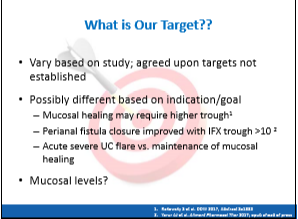
  • Greatest predictor of infliximab treatment failure was a low infliximab (<0.9 mcg/mL at anytime or <2.2 mcg/mL at 14 weeks) (Castelle et al Am J Gastro 2013; 108: 962-71)
  • Low level antibodies to infliximab may be transient in ~28% and may be overcome with escalation of therapy
  • Tissue levels of infliximab (and other agents) may be inadequate despite good serum levels
What if anti-TNF fails

Maria Oliva-Hemker   Johns Hopkins University School of Medicine

Key points:

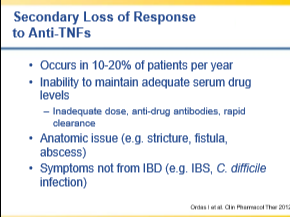
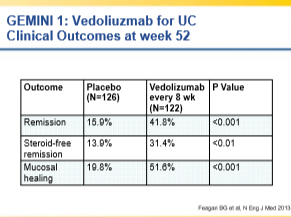
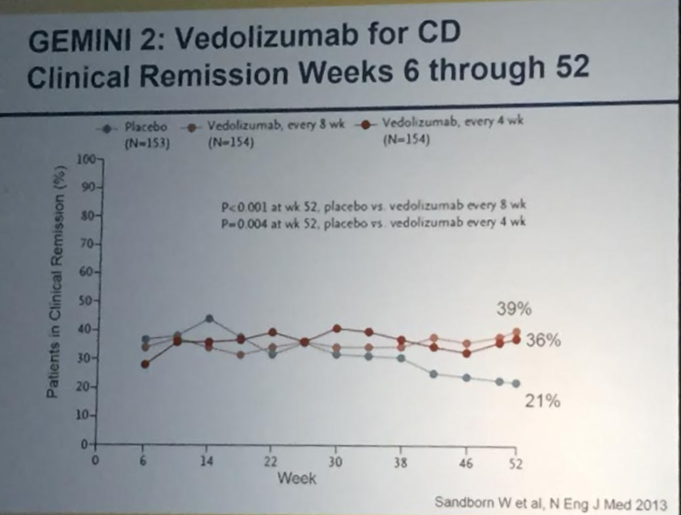
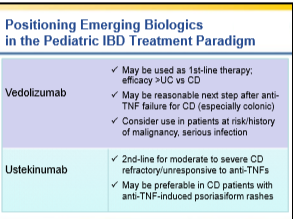
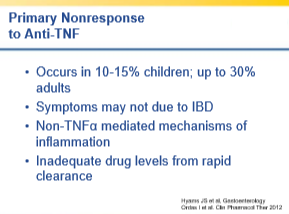
  • Discussed prevalence of problem with anti-TNF failures and main options: vedolizumab, ustekinumab, and surgery
  • Vedolizumab can take a while to work, particularly for Crohn’s disease
  • Limited data in pediatrics for these newer agents
  • Ustekinumab has some preliminary data indicating benefit with anti-TNF induced psoriaform rashes
  • Newer agents also likely to need therapeutic drug monitoring
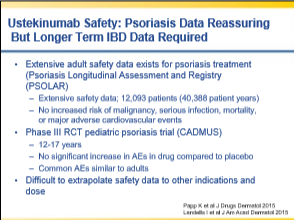
  • Overall, ustekinumab and vedolizumab have good safety profiles at this point
 

Prevention of postoperative Crohn’s disease

Miguel Regueiro   University of Pittsburgh

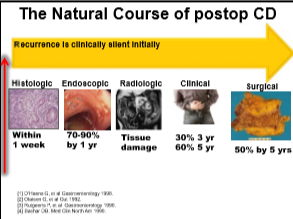
  • Rationale for postoperative preventative treatment: high rate of recurrent disease which can be silent for several years despite progressive damage to GI tract
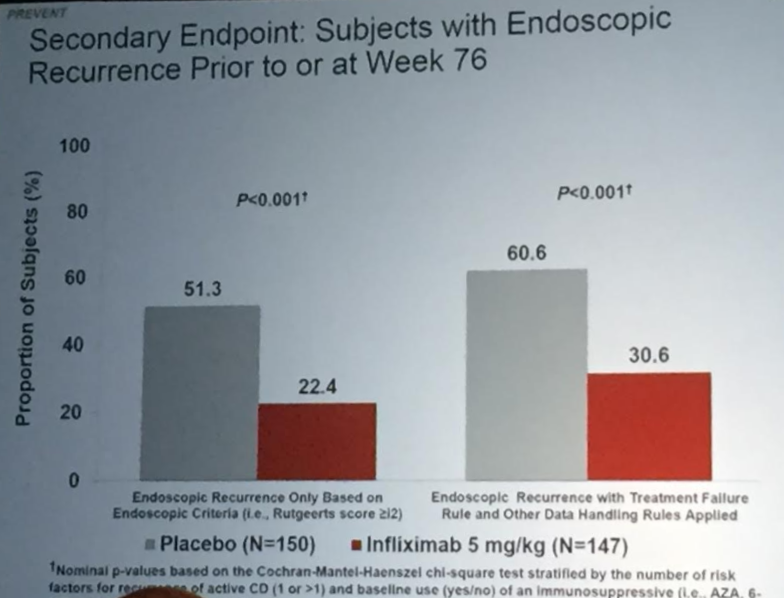
  • Large study (PREVENT) to compare infliximab and placebo after surgery.  Primary endpoint was clinical recurrence (was endpoint demanded by FDA) even though clinical recurrence can be a late finding.  Endoscopic recurrence rate was a secondary endpoint.

Dr. Regueiro’s approach

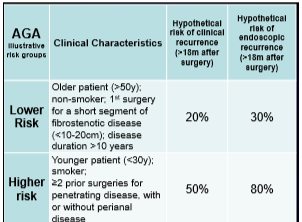
  • Low risk patient –repeat scope at 6 months post-op, then every 1-3 yrs if no disease and Rx with anti-TNF or immunomodulator in those with endoscopic recurrence
  • Moderate risk patient -possible use of thiopurine or use the ‘low risk’ approach
  • High risk patient-combination therapy and if doing well for several years, consider monotherapy
  • In pediatrics, the postoperative management is unclear due to difficulty with risk stratification.  If postoperative treatment is not given, consider colonoscopy 3-4 months afterwards and treat if recurrence.  Then could use calprotectin every 3 months to monitor and when >50, likely will need to be treated
PREVENT Trial Data:


NASPGHAN Postgraduate Course 2017 (Part 3): Biliary Atresia, NAFLD, SMOFlipid, Pancreatic Pain

This blog entry has abbreviated/summarized these presentations. Though not intentional, some important material is likely to have been omitted; in addition, transcription errors are possible as well.

Here is a link to postgraduate course syllabus: NASPGHAN PG Syllabus – 2017

Biliary Atresia: Update on diagnostic and prognostic biomarkers and therapeutic interventions
Cara Mack    Children’s Hospital of Colorado

Key points:
  • 84% of biliary atresia is isolated; 16% are syndromic with other defects
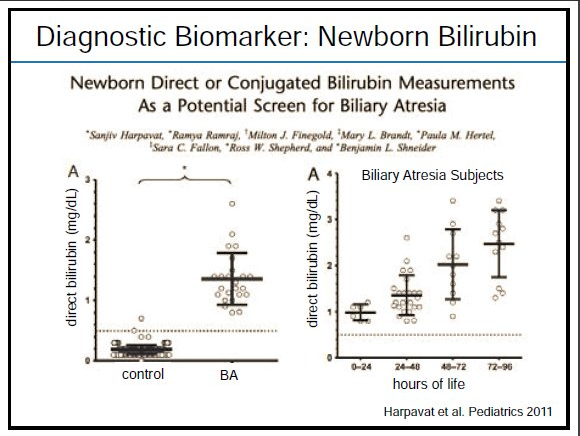
  • Direct bilirubin is (mildly) elevated at birth in patients with biliary atresia
  • Total bilirubin 3 months after Kasai predicts outcome. If <2 mg/dL, then unlikely to need a transplant in the first 2 years of life.
  • Reviewed biomarkers including Th1, Autotaxin, IL-8

Therapeutic interventions:

  • Nutritional support. Better nutrition improves outcomes after liver transplantation.
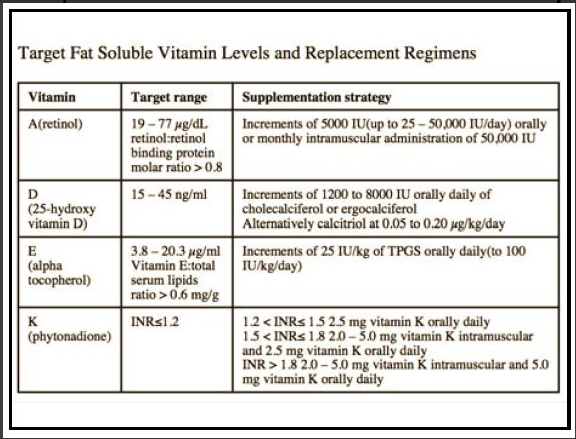
  • Fat soluble vitamin supplementation
  • Cholangitis prevention. Some studies have shown that prophylactic antibiotics may reduce incidence of cholangitis.
  • No therapeutic interventions that delay progression of this disease


CHILDREN Cohort Mgt of Vitamin Supplementation

Steroids are not helpful after Kasai procedure

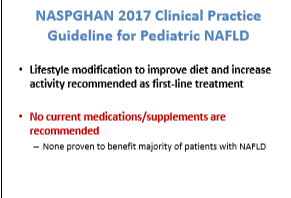
Diagnosis and Management of Pediatric NAFLD 2017

Stavra Xanthokos   Cincinnati Children’s Hospital Medical Center

Key points:

  • NAFLD is #2 cause of liver transplantation in adults and on its way to becoming #1
  • ALT is still the best screening tool; NASPGHAN guidelines recommends screening overweight/obese children 9-11 years of age
  • Ultrasound has poor sensitivity and specificity for NAFLD; it is helpful for detecting gallbladder disease
  • Bariatric surgery has been effective for NAFLD


SMOFlipid and the Pediatric Patient

Peter Wales  Hospital for Sick Children (Toronto)

Slides are not available in syllabus

Key points:

  • Improving outcomes noted in the intestinal failure population
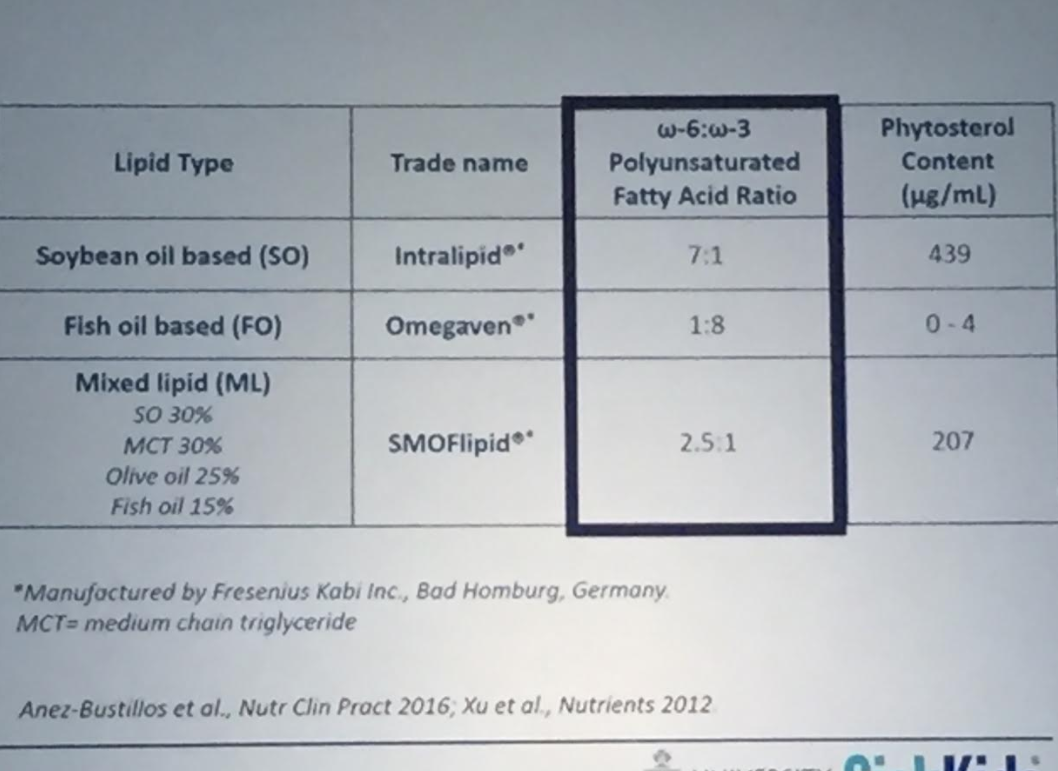
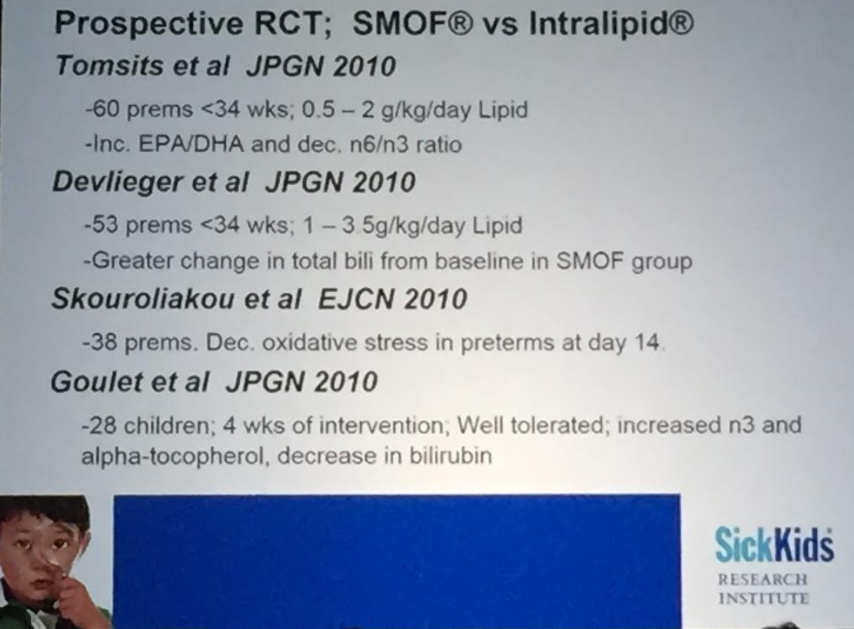
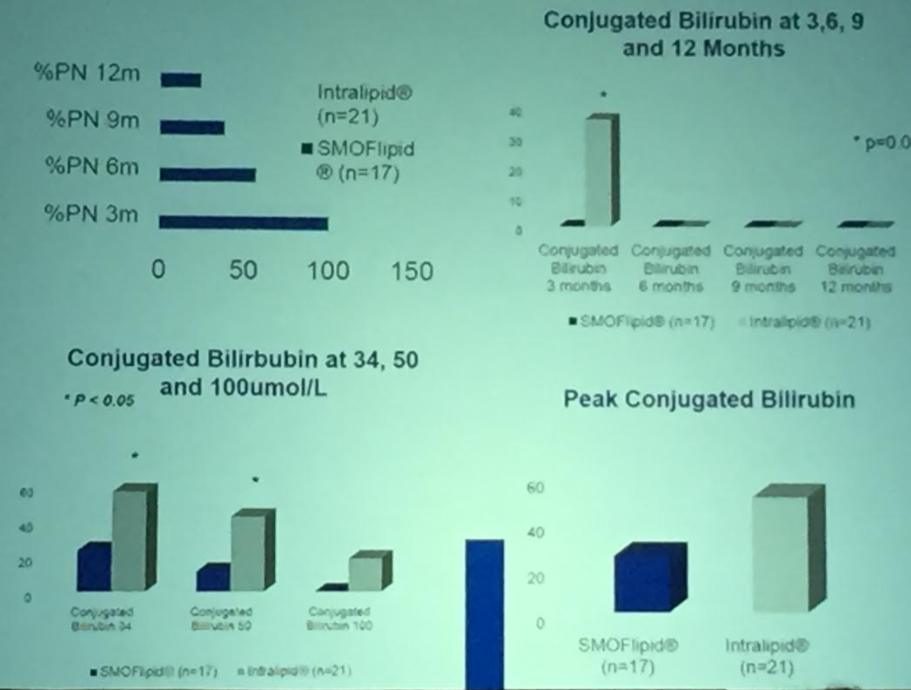
  • Dr. Wales reviewed proposed improvements with Omega-3 lipids -less cholestasis, less hepatitis, and less fibrosis
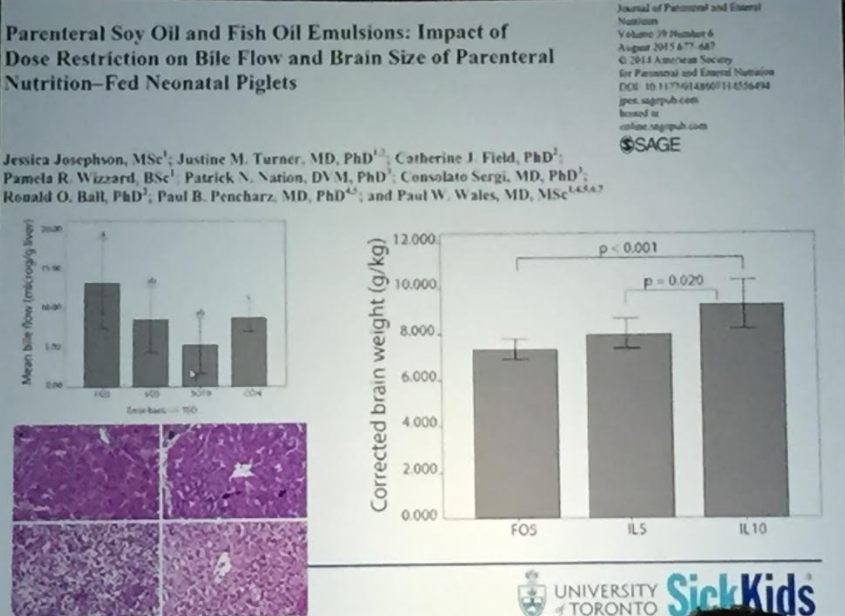
  • Compared improvements with lipid minimization (1 g/kg/day) compared to newer agents: omegaven and SMOFlipid. Additional studies are needed due to limitations of previous studies
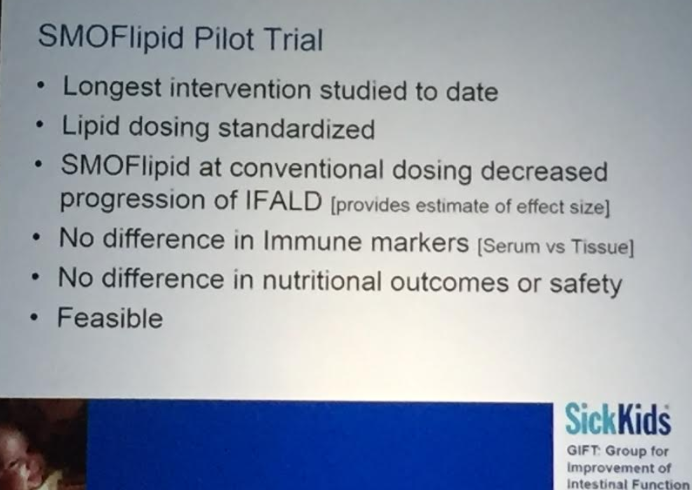
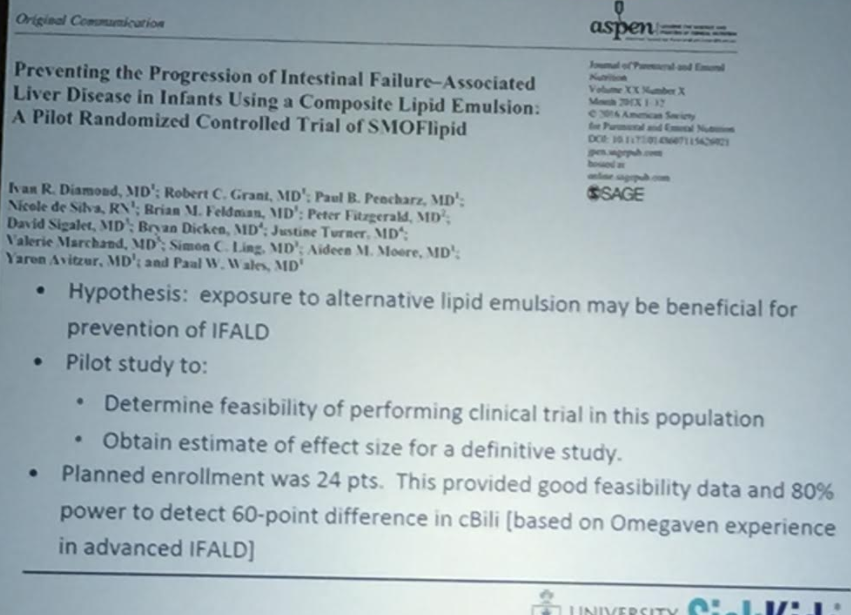
  • Discussed SMOFlipid vs. Intralipid trial at 5 centers in Canada. N=24.
  • At SickKids: SMOFlipid for all preterms at admission & for term infants after 2 weeks of PN. Dosing 2-2.5 g/kg & now accounts for 85% of lipid usage at institution
  • None of the lipid products were designed for preterm infants. Intralipid has a pediatric indication and other products are used off label
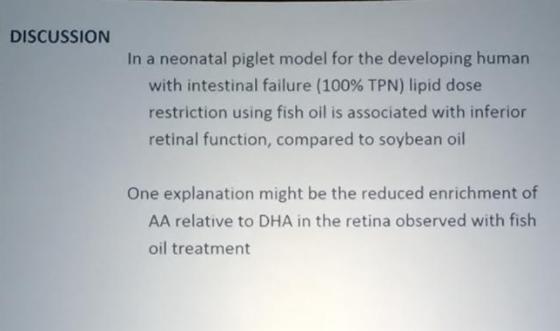
  • Lipid restriction probably affects brain size/development; thus, a lipid agent that allows for higher doses likely will be beneficial for developmental outcomes.  The retina can be used as a biomarker of the brain affects of lipids.

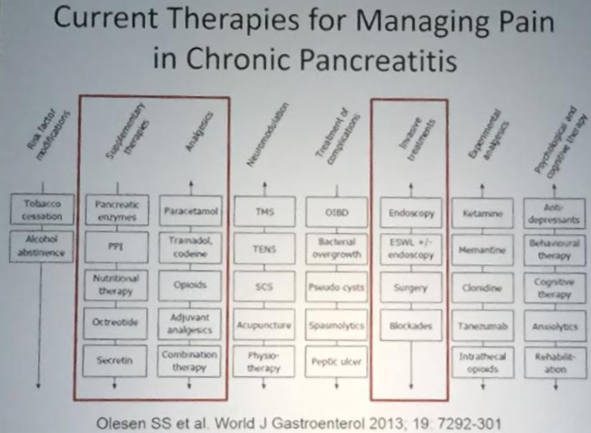
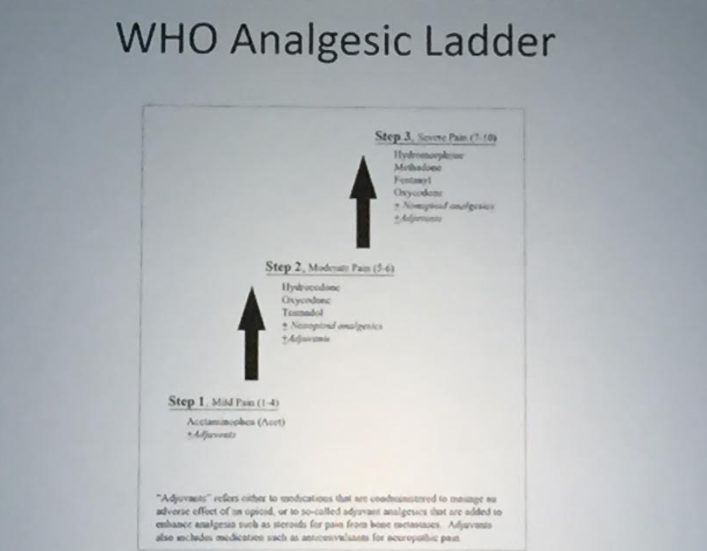
Painful Chronic Pancreatitis: Management/therapeutic interventions

Vikesh Singh  Johns Hopkins University School of Medicine

Slides are not available in syllabus


NASPGHAN Postgraduate Course 2017 (Part 2): Celiac, Fad Diets, and H pylori

Over the next 2 weeks or so, I am posting my notes/pictures from this year’s annual meeting.  This post reviews the 2nd module from the postgraduate course.

This blog entry has abbreviated/summarized these presentations. Though not intentional, some important material is likely to have been omitted; in addition, transcription errors are possible as well.

Here is a link to postgraduate course syllabus: NASPGHAN PG Syllabus – 2017

Celiac Disease Diagnosis: ESPGHAN vs. NASPGHAN Guidelines

Michelle Pietzak   Children’s Hospital of Los Angeles

This lecture started with a succinct history of celiac disease, including discussion of the banana diet and the observation that wheat deprivation during World War II was associated with improvement in children with celiac disease. The sequential diagnostic recommendations of ESPGAN and NASPGHAN were reviewed.

Key points:

  • ESPGHAN 2012 guidelines separated children in two groups: symptomatic and asymptomatic.  The guidelines indicated that symptomatic children with high titer serology (TTG IgA >10-fold ULN and positive EMA) could be diagnosed without an intestinal biopsy.
  • ACG 2013 Guidelines: TTG IgA preferred serologic test if over age 2 years,  TTG IgA along with deamidated gliadin (IgG and IgA) recommend if younger than 2 years. Even if negative serology, a biopsy was recommended if significant suspicion of diagnosis.
  • NASPGHAN, AGA, ACG all recommend small bowel biopsy to confirm this lifelong condition
  • The speaker did not critically discuss the Leonard et al study suggesting that 19% of individuals had persisting enteropathy on a gluten fee diet (see previous posts below)
  • Jimmy Fallon: “10% of the population is allergic to gluten and 90% are tired of hearing about it”

Related posts:

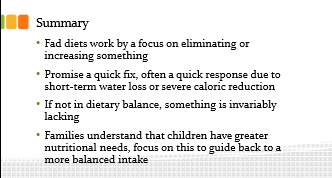
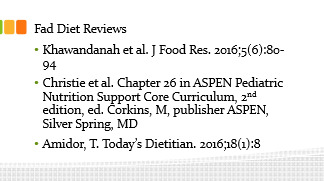
Fad Diets: The Good, the Bad, and the Just Plain Ugly

Mark Corkins      University of Tennessee Health Science Center

Key points:

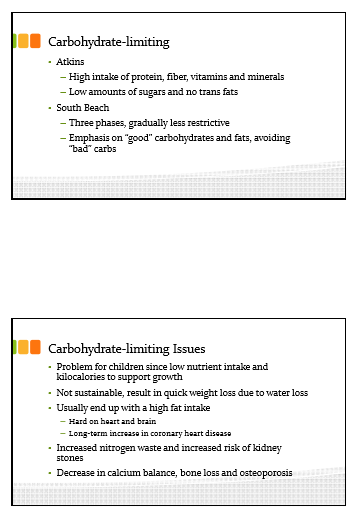
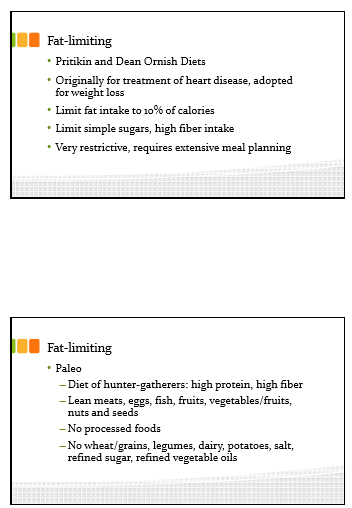
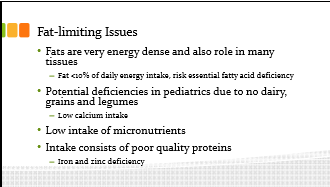
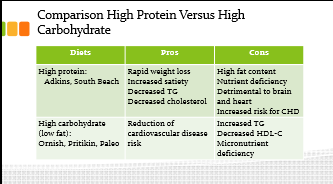
  • Fad diets driven in part by obesity
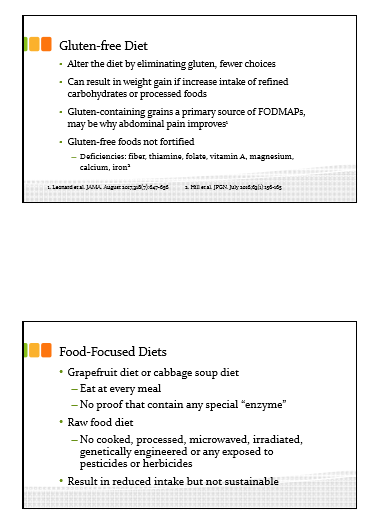
  • Gluten-free diet is the most trendy, ~30% of U.S. adults are ‘limiting’ gluten, though most do not understand what gluten is.  “Wheat Belly” book by Dr. William Davis has been influential despite lack of data.
  • According to marketing report, 35% who consumer gluten limited diet have no reason for this, 26% for ‘healthier option,’, 19% for ‘digestive health,’, 13% for weight loss, 8% for gluten sensitivity
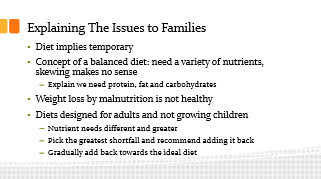
  • Recommends: choosemyplate.gov. These feeding guidelines have been developed by nutrition experts.

Update on H pylori

Nicola Jones    Hospital for Sick Children (Toronto)

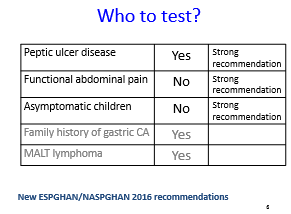
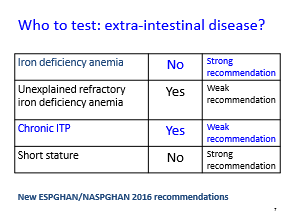
  • Reviewed current recommendations based on ESPGHAN/NASPGHAN 2016 recommendations.
  • The speaker indicates that upper endoscopy is recommended for initial diagnosis of H pylori but testing is not recommended for functional abdominal pain.  The lecture did not address the issue that there can be an overlap in the presentations of these disorders.
  • Adherence is crucial for adequate eradication
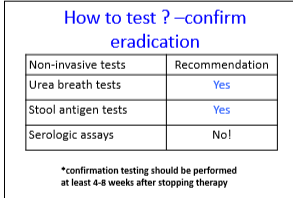
  • Newer studies show improved eradication rates for quadruple therapy (bismuth-based) & in U.S. this is recommended as first-line treatment unless resistance patterns are known (which could allow for triple therapy)


NASPGHAN Postgraduate Course 2017 (Part 1): Strictures, GI Bleeding, Pancreatic Fluid Collections

Over the next 2 weeks or so, I am posting my notes/pictures from this year’s annual meeting.  The first few days will review the postgraduate course.  For the most part, I find the postgraduate course reassuring that I have kept up with current approaches; there is usually not a lot of new information but a solid review of the topics.

Here is a link to postgraduate course syllabus: NASPGHAN PG Syllabus – 2017

This blog entry has abbreviated/summarized these presentations. Though not intentional, some important material is likely to have been omitted; in addition, transcription errors are possible as well.

Strictures beyond the esophagus

Petar Mamula, Children’s Hospital of Philadelphia

Some useful points:

  • Fluoroscopy very useful with most strictures –may improve safety and effectiveness. Helps define anatomy
  • Reviewed strictures in stomach –rare. May be due to caustic ingestion, Crohn’s disease or chronic granulomatous disease
  • Intestinal/colonic strictures (or narrowing): duodenal webs -can be treated with needle knife, Crohn’s disease strictures -can be balloon dilated, Short gut syndrome, Graft versus host disease

GI Bleeding Update

Diana Lerner  Medical College of Wisconsin

Useful points

Upper GI Bleeding:

  • IV PPIs reduce risk of transfusion and reduce risk of re-bleeding
  • IV PPI BID treatment has been shown to be noninferior to continuous drip
  • Conservative transfusion therapy
  • Erythromycin can be helpful
  • Lecture had good videos with review of techniques: clipping, heater probe, epinephrine injection (not recommended as monotherapy), argon plasma coagulation, and bipolar electrocautery

Cleveland et al. World J Pediatr 2012

Lower GI Bleeding:

  • Etiologies include the followiing: Post-polypectomy, Solitary Rectal Ulcer syndrome, Blue Rubber Bleb syndrome, anastomotic ulcer bleeding, Meckel’s diverticulum
  • Lower GI evaluation is best after prep –much higher yield

Management of Pancreatic Fluid Collections

Matt Giefer Seattle Children’s Hospital

Key points:

  • Imaging in first 7 days of diagnosis may miss the development of fluid collections
  • With necrotizing pancreatitis, fluid collections are either ANC: acute necrotic collection (<4 weeks) or WON: walled off necrosis (>4 weeks); Bryan et al. Radiographics 2016; 36: 675
  • With interstitial edematous pancreatitis, fluid collections are either acute peripancreatic fluid collection (<4 weeks) or Pseudocyst: >4 weeks,
  • Fluid collections do not preclude feeding patients
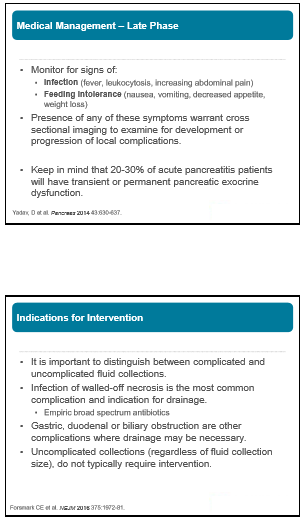
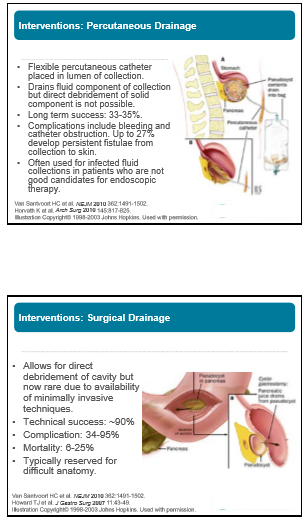
  • Drainage often needed if fluid collection becomes infected or if fluid collection causes obstruction
  • Endoscopic drainage is first-line approach: equally effective as surgery, fewer complications, equal efficacy, and lower cost


Three Studies Show the Benefit of Concomitant Therapy for Inflammatory Bowel Disease (Part 2)

Continued from yesterday…

The third study (HM Kansen et al. JPGN 2017; 65: 425-29) retrospectively (2009-2014) examined 162 children (with available data) with Crohn’s disease (CD) for the development of anti-infliximab antibody (ATI) while receiving either monotherapy or concomitant therapy. This was a collaborative study from the Kids with Crohn’s Colitis (KiCC) working group (Netherlands).  In the majority of their patients (222 of 229), IFX was initiated as step-up therapy. Key findings:

  • 15% developed ATIs
  • 6 of 62 (10%) developed ATIs while receiving ongoing concomitant immunosuppression
  • 11 of 81 (14%) developed ATIs after receiving early concomitant immunosuppression (median of 6.2 months of concomitant immunosuppression followed by IFX monotherapy) 10 of 11 who developed ATIs  within the first 12 months, compared to 1 of 26 (4%) after 12 months.
  • 8 of 19 (42%) developed ATIs on IFX monotherapy

In their discussion, the authors note concerns regarding the safety of thiopurines. However, they point out that “the benefit of combination therapy (reduction of ATI formation) relative to IFX monotherapy should outweigh the risk of serious infections and malignancies to achieve an optimal treatment strategy for paediatric CD.” The authors: “combination therapy for approximately 12 months from initiation of IFX, followed by IFX monotherapy, may be equally effective alternative to continuous combination therapy.”

Overall, the totality of the evidence favors combination therapy for most patients with CD.  Yet, there is wide variation in clinical practice. As I was thinking about this, I came across a recent commentary: “The Power of Regret” (J Groopman, P Hartzband. NEJM 2017; 377: 1507-9).  The authors note that “disappointment is an unavoidable aspect of making difficult choices…but disappointment is not associated with self-recrimination and thus differs notably from regret.”  They indicate that “process regret” occurs when patients do not consider information about all available choices before making a decision.  I wonder if many patients/families fear using concomitant therapy because they worry they will regret the decision if a complication occurs.  Perhaps, working with all available information, some reluctant patients/families will feel better about their decision if the process for their decision was thorough, considering the risks/benefits of the treatment but also the risks/benefits of not choosing the treatment. .

My take: Overall, for most pediatric patients with CD, to date, concomitant therapy has been the most effective treatment.  More prospective studies are needed to determine more conclusively the benefit and optimal duration/timing of combined therapy, particularly with the more frequent use of therapeutic drug monitoring. Also, as will be noted in future posts from annual meeting, thiopurine use is declining.

Related blog posts:

Three Studies Show Benefit of Concomitant Therapy for Inflammatory Bowel Disease (Part 1)

In the first study (J Cheng et al. Inflamm Bowel Dis 2017; 23: 1762-73), the authors retrospectively reviewed 148 children (113 with Crohn’s disease, 35 with ulcerative colitis). 90 patients received concomitant therapy (infliximab with either a thiopurine [n=67], methotrexate [n=23]) and 58 received infliximab monotherapy. Key findings:

  • Concomitant therapy >6 months  significantly lowered the risk of secondary loss of response in Crohn’s disease (CD) (HR =0.39) compared to monotherapy.   A similar trend was noted with ulcerative colitis (UC) but did not reach statistical significance.
  • Steroid-free remission rates at 1 year were 78% for CD patients with concomitant therapy compared with 54% on monotherapy
  • Among primary nonresponders, 67% of CD patients and 75% of UC patients were receiving IFX monotherapy.
  • No differences in adverse events were evident between patients receiving monotherapy compared with concomitant therapy. One patient (receiving azathioprine) developed a follicular lymphoma; this patient was well 10 years later.

The second study (Y Qui et al. Clin Gastroenterol Hepatol 2017; 15: 1359-72) was a systemic review of 35 studies that met the authors’ inclusion criteria. In total, 6790 patients with inflammatory bowel disease were enrolled in these studies. This study looked at multiple anit-TNF agents including infliximab, adalimumab, certolizumab, and golimumab. Key finding:

  • Antidrug antibodies were reduced by 51% in patients receiving concomitant therapy
  • Conclusion from authors: “concomitant use of immunomodulators should be considered in patients treated with anti-TNF treatment.”

My take: Overall, for most pediatric patients with CD, to date, concomitant therapy has been the most effective treatment.  More prospective studies are needed to determine more conclusively the benefit and optimal duration/timing of combined therapy, particularly with the more frequent use of therapeutic drug monitoring.  Also, as will be noted in future posts from annual meeting, thiopurine use is declining.

More on this topic tomorrow.

Related blog posts:

Disclaimer: These blog posts are for educational purposes only. Specific dosing of medications (along with potential adverse effects) should be confirmed by prescribing physician.  This content is not a substitute for medical advice, diagnosis or treatment provided by a qualified healthcare provider. Always seek the advice of your physician or other qualified health provider with any questions you may have regarding a condition.

Infliximab Infusions Without Premedication

Briefly noted:

A recent study (SQ Hutsell, M Wu, KT Park. JPGN 2017; 65: 430-31) examined two practice changes with regard to infliximab (IFX) infusions:

  1. 1-hour infusions
  2. Omission of premedications

The authors reviewed ~900 IFX infusions; though, only 111 infusions were administered without premedications.  These two changes resulted in a 51% decrease in infusion hours, despite a 9% increase in total number infusions. No increase in adverse reactions was identified.

The authors state that these changes improve patient experience, shorten monitoring time, and reduce costs.


More on It’s Past Time to Split

In followup to this morning’s post, Pediatric Liver Transplantation: It’s Past Time to Split, one reader pointed out an abstract by Emily R. Perito et al.presented at this year’s AASLD which showed that pediatric deaths would decrease if more livers were split.

ABSTRACT #137

Increasing split liver transplantation in the U.S. could decrease pediatric deaths on the liver transplant waiting list

Emily R. Perito1,3, Garrett Roll2, Jennifer L. Dodge2,

Background: In the United Kingdom, defaulting to split liver transplantation (LT) with suitable deceased donor grafts has virtually eliminated pediatric waitlist (WL) mortality. In the US, only <2% of LTs are split, but 1 in 10 infants die on the WL.

Methods: Using UNOS STAR data, livers for potential split LT were identified from all transplanted, deceased-donor livers 2010-15 who fit strict criteria: age 18-40y, BMI<30, recovered in US after donor brain death, 0-1 vasopressors, a <155meq/L, AST/ALT<100IU/L, bilirubin<3mg/dL, <7d hospitalized, cardiac arrest≤30min, HBV/HCV neg, not CDC high-risk, steatosis≤10% if biopsied, not multi-organ transplant, and no bloodstream infection. Livers allocated to patients high-risk for split LT were also removed: status 1A or MELD/PELD≥40 at WL removal, re-transplant, in the ICU, BMI>34, or >300mi from donor hospital. Pediatric WL deaths included deaths and removals for too sick to transplant, never relisted.

Results: Of 35,461 livers transplanted 2010-15, 6.7% were potentially utilizable for split LT based on donor characteristics. Of these, 95% were transplanted whole (n=2,253). 50% went to recipients deemed possibly high-risk for split LT. This left 1,116 potential livers for split LT (FIGURE); 78% of their primary recipients were listed as willing to accept a segmental liver, and 97% to accept cold ischemia time≥6h (CIT, median 12h). Median donor risk index for this subset was 1.06 (max 1.67). During the same 5y, 261 children died after ≥3d on the WL (median 57d, IQR 15-161)—87% of all pediatric WL deaths. Of these, 56% were <2y of age, 26% 2-12y, 18% 13-18y. Median weight was 9.2kg (IQR 5.9-29.4kg). 36% died at centers that reported doing no pediatric split LTs (15%) or ≤1/year (22%).

Conclusions: Increased utilization of split LT could decrease US pediatric WL mortality—without decreasing LT access for adults. Barriers are significant, but changes to  allocation policy, increasing centers with splitting experience, and splitting on normothermic perfusion could increase access and reduce WL mortality.

Jose Garza, Chelly Dykes, Elvis, and Jay Hochman at Cincinnati Children’s Reception

Pediatric Liver Transplantation: Past Time to Split

A recent study (EK Hsu et al. Gastroentorol 2017; 153: 988-95, editorial 888-89) exposes some deep flaws in organ transplantation in U.S.

The retrospective study examined children on the U.S liver transplant wait-list from 2007-14.  This included 3852 pediatric candidates.  Key findings:

  • Of 27,831 adults who underwent transplantation, 1667 (6%) received livers from pediatric donors (<18 years)
  • Of children who died or were delisted, the centers caring for 173 (55%) had received an offer of 1 or more livers that was subsequently transplanted into another pediatric recipient.  The remaining 45% died or delisted with no offers. High-volume (>15 transplants per year) centers were more likely to accept an organ than a low-volume center (<5 transplants per year).
  • Only 29% of children received a split graft.  When a splittable adult liver graft was allocated to an adult the chance of it being used as a split was 0.6%.

Background:

  • Children have much lower survival rate than adults on waiting list. Of adults who died or delisted, 85% receive at least one transplant offer; whereas, nearly half of all children never even receive an offer.  Children who died/delisted had wait-time of 33 days compared with 92 days for adults who died/delisted.
  • Less than 10% of all liver transplant recipients are pediatric transplants.  Per editorial, “a measure that improves pediatric access by 20% would only reduce adult access by 2%.”
  • There are more than 100 pediatric liver transplant centers in U.S. Certainly, this improves convenience; however, per editorial:  “three-fourths are very low volume centers, performing <5 liver transplantations per year…Death on waiting list” occur 5 times more at low-volume transplantation centers.
  • In this study, only 29% of children received split livers; in comparison, in the UK, >80% receive either a split graft or living donor graft.

The editorial points out that splittable livers that are allocated to adults are virtually never split; this is either due to inconvenience or lack of expertise.  A small increase in liver splitting would dramatically lower the pediatric mortality wait list.  There is no incentive in the current system to split a liver/save a child’s life.

My take: The data from this study points out glaring problems in pediatric liver transplantation.

  1. Children are dying due to lack of prioritization.  Pediatric livers are going to adults.
  2. There is practically no splitting when liver organs are allocated to an adult.  Incentives to increase organ splitting would save many children from dying waiting for an organ.
  3. Large volume pediatric centers are much more likely to accept a liver offer for patients waiting at their centers.  There is an increased wait-list mortality at very low volume centers, perhaps due to lack of expertise and passing up viable organs.  Do hepatologists/surgeons at these centers explain this risk to families at their centers?

Related blog posts: