Serology Titers Associated with Clinical Expression of Ulcerative Colitis in Children

Briefly noted: A recent study (EA Spencer et al.Inflamm Bowel Dis 2018; 24: 1335-42) examined phenotype and serology in 399 children with newly diagnosed ulcerative colitis (PROTECT study).

Key findings:

  • 65% had positive serology for pANCA; 62% in those <12 and 66% in those ≥12 years
  • 19% had positive serology for anti-CBir1; 32% in those <12 and 14% in those ≥12 years
  • High titer (≥ 100)) pANCA positivity was associated with more extensive disease but not with PUCAI values or Mayo endoscopic subscores.

My take: The serology titers for IBD, in my view, have academic interest but do not routinely enhance patient care.

Related blog post:

Amelia Island


Pilot Study: Treating Obstructive Sleep Apnea with Beneficial Effects on Fatty Liver Disease in Children

Briefly noted: A small pilot study (n=9) (SS Sundaram et al. J Pediatr 2018; 198: 67-75) showed that treatment (with home CPAP) of obstructive sleep apnea (OSA) was associated with improved alanine aminotransferase levels, reduced metabolic syndrome markers and lower F(2)-isoprostanes (a marker of oxidative stress) in pediatric patients with nonalcoholic fatty liver disease (NAFLD). All nine of the participants were Hispanic males with a median age of 11.5 years; they had a median BMI of 29.5 and had biopsy-proven NAFLD. The improvement in NAFLD parameters occurred despite an increase in BMI. The authors note that studies in adults have shown contradictory findings with regard to whether treatment of OSA helps NAFLD.

My take: This study suggests potential beneficial liver effects of treating OSA.  Regardless, treatment of OSA could be considered a quality metric in the care of children with NAFLD as better sleep at night has additional clear benefits.

Related blog posts:

Outside Mercedes-Benz Stadium (Atlanta)

Use of Fecal Microbiota Transplantation for Primary Clostridium difficile Infection

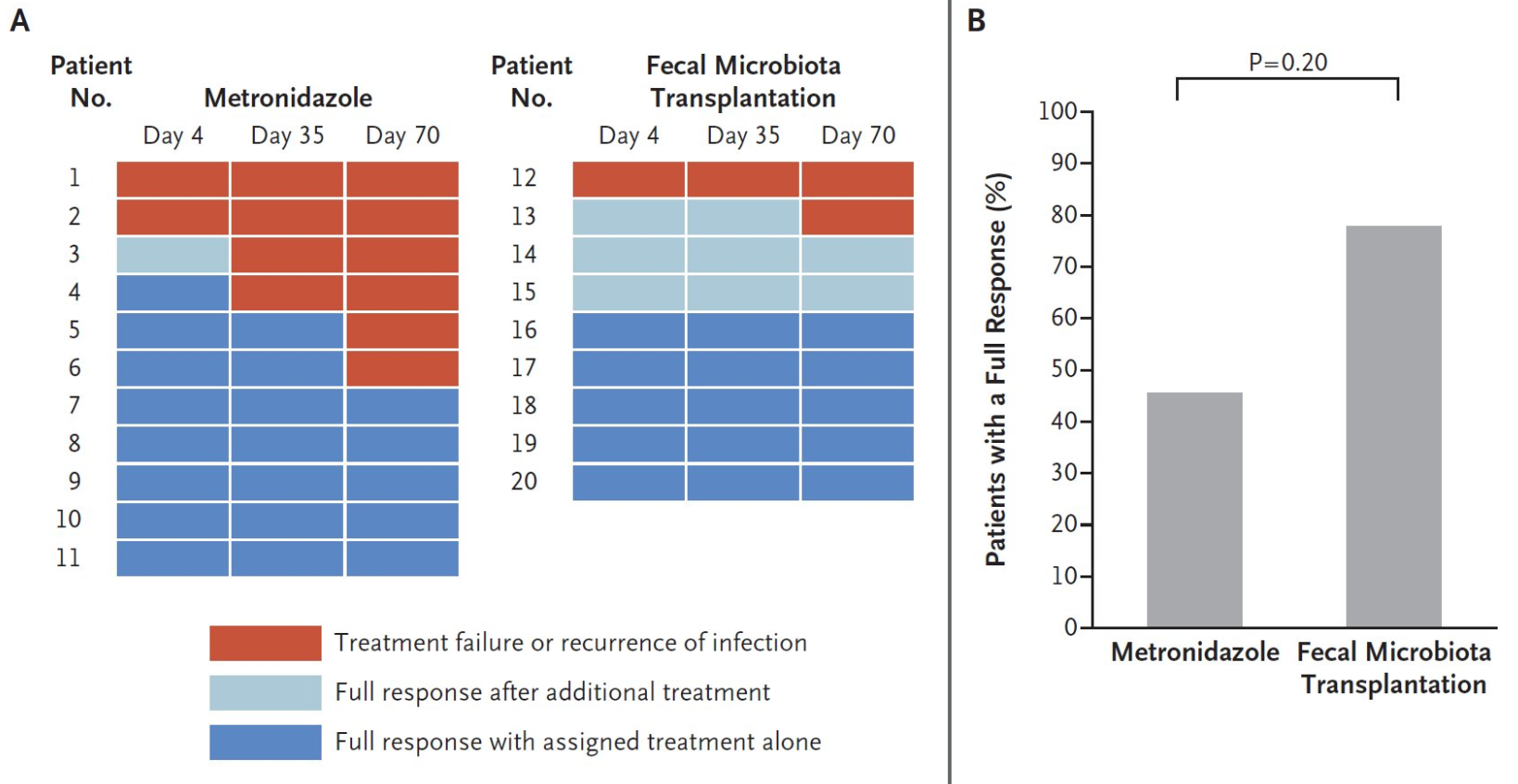
A recent letter (FE Juul et al. NEJM 2018; 378: 2535-6) describes the results of a small study in which fecal microbiota transplantation (FMT) (n=9) was compared with metronidazole (n=11) for primary treatment of Clostridium dificille infection. The primary end point was clinical cure (firm stool consistency ≤3 BMs/day) and no evidence of recurrent C diff infeciton.

Key findings:

  • In C diff group, 5 had full primary response and an additional 3 had full response after additional antibiotics which were added in in three of the four without primary response by day 4. By day 70, 7 of 9 (78%) had full response.
  • In metronidazole group, five had full primary response.  By day 70, only five of eleven (45%) had full response.

My take: It would probably be better to compare FMT to either vancomycin of fidaxomin  (rather than metronidazole) for primary treatment.  Until more data are available, this study does not change clinical practice of using antimicrobials for C diff as primary treatment.

Lessons in Diarrhea (part 2)

More from the following: JR Thiagarajah et al. Gastroenterology 2018; 154: 2045-59. (Senior authors/corresponding authors: Yaron Avitzur and Martin Martin).  This article provides an excellent review of persistent infantile diarrhea and provides algorithms to help in the evaluation of these disorders.  These algorithms incorporate the role of exome sequencing.

The authors divide infants with watery diarrhea/CODEs into five categories -detailed in their Table 2 which also has OMIM #, inheritance pattern, gene name, protein function:

#1 Epithelial nutrient/electrolyte transport:

  • congenital chloride
  • congenital sodium
  • glucose-galactose malabsorption (GGM)
  • primary bile acid diarrhea
  • acrodermatitis enteropathica

#2 Epithelial enzymes and metabolism

  • Congenital lactase deficiency
  • Sucrase-isomaltase deficiency
  • Trehalase deficiency
  • Enterokinase deficiency
  • DGAT1 deficiency
  • PLVAP deficiency
  • Abetalipoproteinemia
  • Hypobetalipoproteinemia
  • Chylomicron retention disease
  • Dyskeratosis congenita
  • Kabuki syndrome

#3 Epithelial trafficking and polarity

  • Microvillus inclusion disease
  • Tufting enteropathy
  • Syndromic Na diarrhea
  • Trichohepatoenteric syndrome 1 & 2
  • Familial hemophagocytic lymphohistiocytosis 5
  • TTC7A deficiency

#4 Enteroendocrine cell dysfunction

  • Enteric anendocrinosis
  • X-linked lissencephaly and MR
  • Proproteint convertase 1/3 deficiency
  • Mitchell-Riley syndrome

#5 Immune dysregulation-associated enteropathy (partial list)

  • IPEX
  • ICOS deficiency
  • ADAM17 deficiency
  • EGFR deficiency
  • CD55 deficiency
  • CTLA4 deficiency
  • LRBA deficiency
  • XIAP

So, to tackle this long list the authors recommend combining typical clinical evaluation along with early genetic evaluation.

Clinical evaluation of watery diarrhea:

  • Early endoscopic biopsy (EGD/Flex sig) -obtain samples for routine histology and for electron microscopy.  Disaccharidase evaluation can be helpful; though, “these enzymatic assays are often unreliable due to poor sampling or in the setting of inflammation or villus atrophy due to secondary disaccharidase deficiency.”
  • If normal villus/crypt architecture, the next step is determining whether the diarrhea improves with fasting. This could indicate GGM, sucrase-isomaltase, congenital lactase deficiency or enteroendocrine cell loss.  The first three can be elucidated by offering specific dietary challenges using either a feeding trial with carbohydrate-free or fructose-based formula.
  • If normal villus/crypt architecture, and if the diarrhea does not improve with dietary manipulation, consider congenital chloride diarrhea, congenital sodium diarrhea, primary bile acid mediated diarrhea, and hormone-induced diarrhea.
  • If normal villus/crypt architecture, and there is hypoalbuminemia/PLE, consider DGAT1 deficiency, CD55 deficiency, and lymphangiectasia.
  • If abnormal villus/crypt architecture, then this is likely either a postinfectious/autoimmune disorder or due to an epithelial structural defect like tufting enteropathy, microvillus inclusion disease, TTC7A deficiency or SKIV2L defect

When one looks at the magnitude of disorders that could result in CODEs and their potential clinical importance, it is not surprising that the authors state emphatically:

“In cases of a suspected CODE, where the diagnosis based on clinical evaluation is unclear, it is now standard of care to perform whole-exome sequencing to identify a possible causative genetic mutation.”

My take: This article provides a great deal of information in tackling a difficult problem.

Related blog posts:

Disclaimer: These blog posts are for educational purposes only. Specific dosing of medications (along with potential adverse effects) should be confirmed by prescribing physician.  This content is not a substitute for medical advice, diagnosis or treatment provided by a qualified healthcare provider. Always seek the advice of your physician or other qualified health provider with any questions you may have regarding a condition.

Little Talbot State Park (near Amelia Island)


Lessons in Diarrhea (part 1)

One of the most influential medical articles that I’ve read this year: JR Thiagarajah et al. Gastroenterology 2018; 154: 2045-59. (Senior authors/corresponding authors: Yaron Avitzur and Martin Martin).  This article provides an excellent review of the terminology and provides algorithms to help in the evaluation of chronic diarrhea in infants.  These algorithms incorporate the role of exome sequencing.

The first part of this review focuses on terminology:

  • For those with persistent and severe diarrhea that is not due to an acquired short bowel syndrome (eg. from necrotizing enterocolitis, gastroschisis, or volvulus), the authors use the term congenital diarrhea and enteropathies (CODEs).  They suggest using CODEs in place of intractable or protracted diarrhea of infancy.
  • Instead of osmotic diarrhea, the authors prefer diet-induced diarrhea since all diarrhea involves osmotic forces.  Typically, with this type of diarrhea, stool osmotic gap is >100 mOsm.
  • Secretory diarrhea “is also imprecise…We prefer to use the term electrolyte-transport-related diarrhea” (eg. congenital sodium or congenital chloride diarrhea)

Key points:

  • Most acquired diarrhea is related to infectious agents and to allergic disorders. Though, persistent diarrhea after an infection could be an early sign of a primary immunodeficiency.
  • Stool osmotic gap: = 290 – 2 x (Stool Na + Stool K).  Osmotic gap >100 mOsm is high, <50 mOsm is low.
  • Stool osmolality in almost all cases is isomolar to serum (~290).  If there is suspicion of improper collection or tampering, then this can provide objective evidence of this.
  • Reducing substances >0.5% indicates malabsorption of monosaccharides. Low pH (<5.3) is indicative of carbohydrate malabsorption (due to abundance of short-chain fatty acids that are products of fermentation)
  • Elastase is “unchanged by intestinal proteases and if low can imply pancreatic insufficiency.”  Falsely-low values can occur due to dilution in high-volume diarrhea.
  • Alpha-one-antitrypsin is largely resistant to intestinal proteases and elevation indicates excess enteric protein loss (eg. protein-losing enteropathy)

Diagnostic evaluation:

  • See figure 1 in review.  Initial evaluation after exclusion of acquired diarrheas (eg infection/allergic): History, Blood tests (CBC, CMP, CRP, ESR, IgG, lipid panel), Stool tests (electrolytes, reducing substances, elastase, fecal fat, A1AT, pH, calprotectin/lactoferrin).
  • Determining stool output may require a “urine catheter for a few days” for accuracy and help elucidate the effect of fasting on stool output.
  • Figure 2 divides evaluation based on type of diarrhea: watery, fatty, and bloody.
  • Fatty diarrhea may be due to pancreatic insufficiency, abetalipoproteinemia and chylomicron retention disease.  The latter two disorders typically are indicated by fat-laden enterocytes in histologic sections
  • Bloody diarrhea “should precipitate investigation for very-early-onset inflammatory bowel disease, autoimmune enteropathy, or primary immunodeficiency”
  • Watery diarrhea –see tomorrow’s post.  Before undergoing extensive evaluation, the authors recommend obtaining an UGI/SBFT to exclude congenital short bowel syndrome.

My take: after initial exclusion of common causes for diarrhea in infancy, early endoscopy is needed along with early use of genetic testing.

Related blog posts:

Disclaimer: These blog posts are for educational purposes only. Specific dosing of medications (along with potential adverse effects) should be confirmed by prescribing physician.  This content is not a substitute for medical advice, diagnosis or treatment provided by a qualified healthcare provider. Always seek the advice of your physician or other qualified health provider with any questions you may have regarding a condition.

Little Talbot State Park


Bone Health, Especially for IBD and Short Gut

Several colleagues with birthdays this week and next–Happy Birthday!

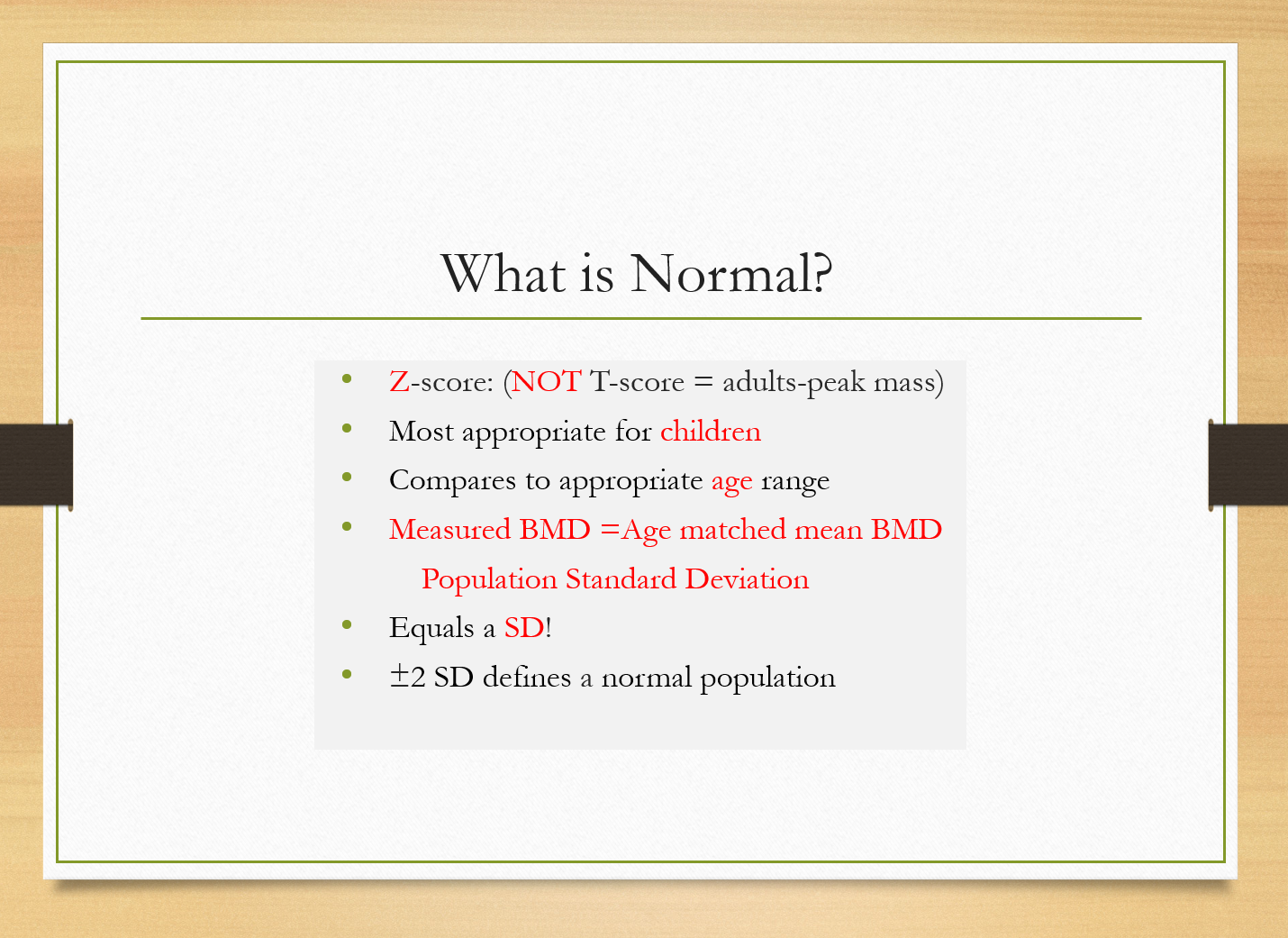
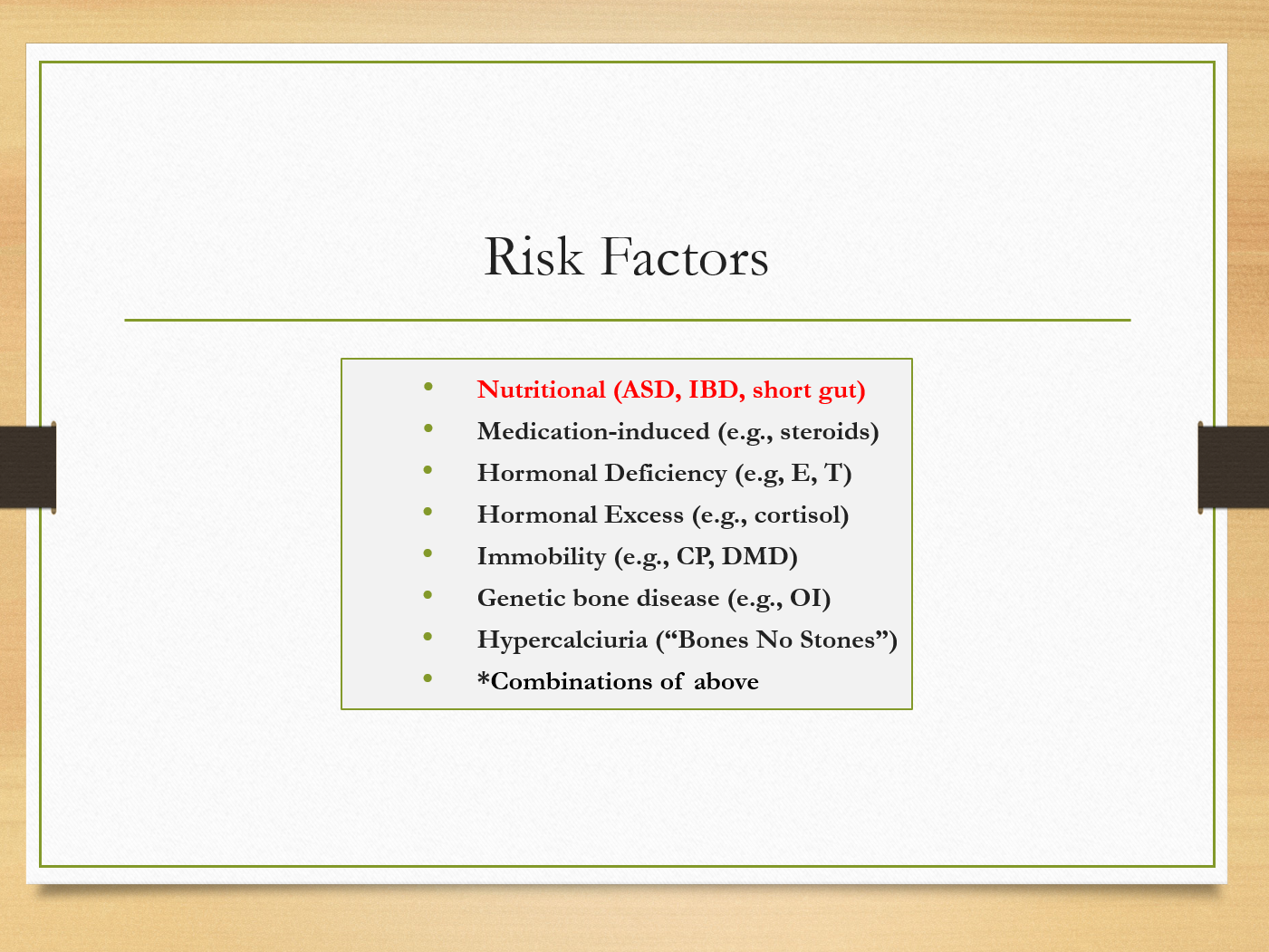
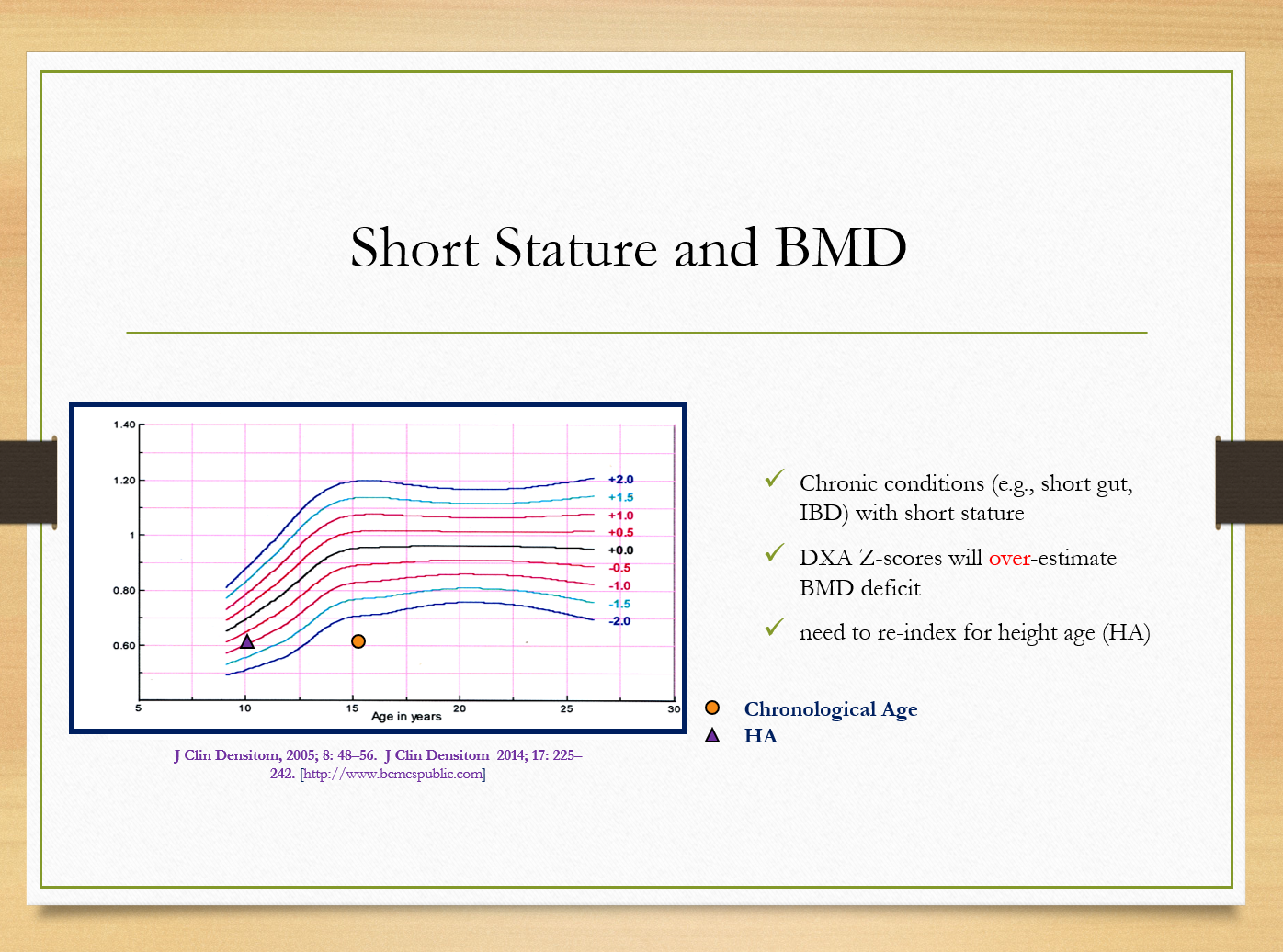
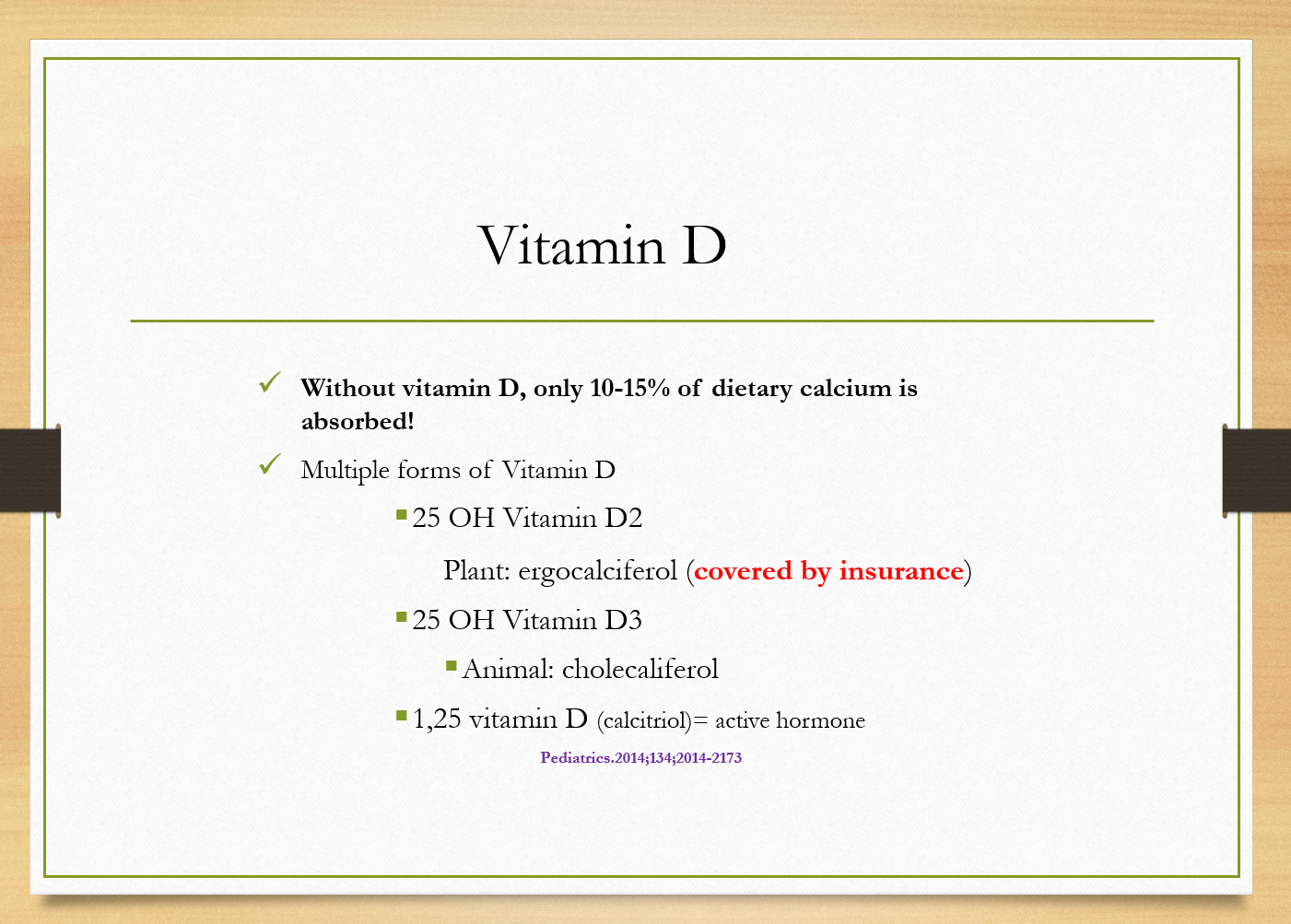
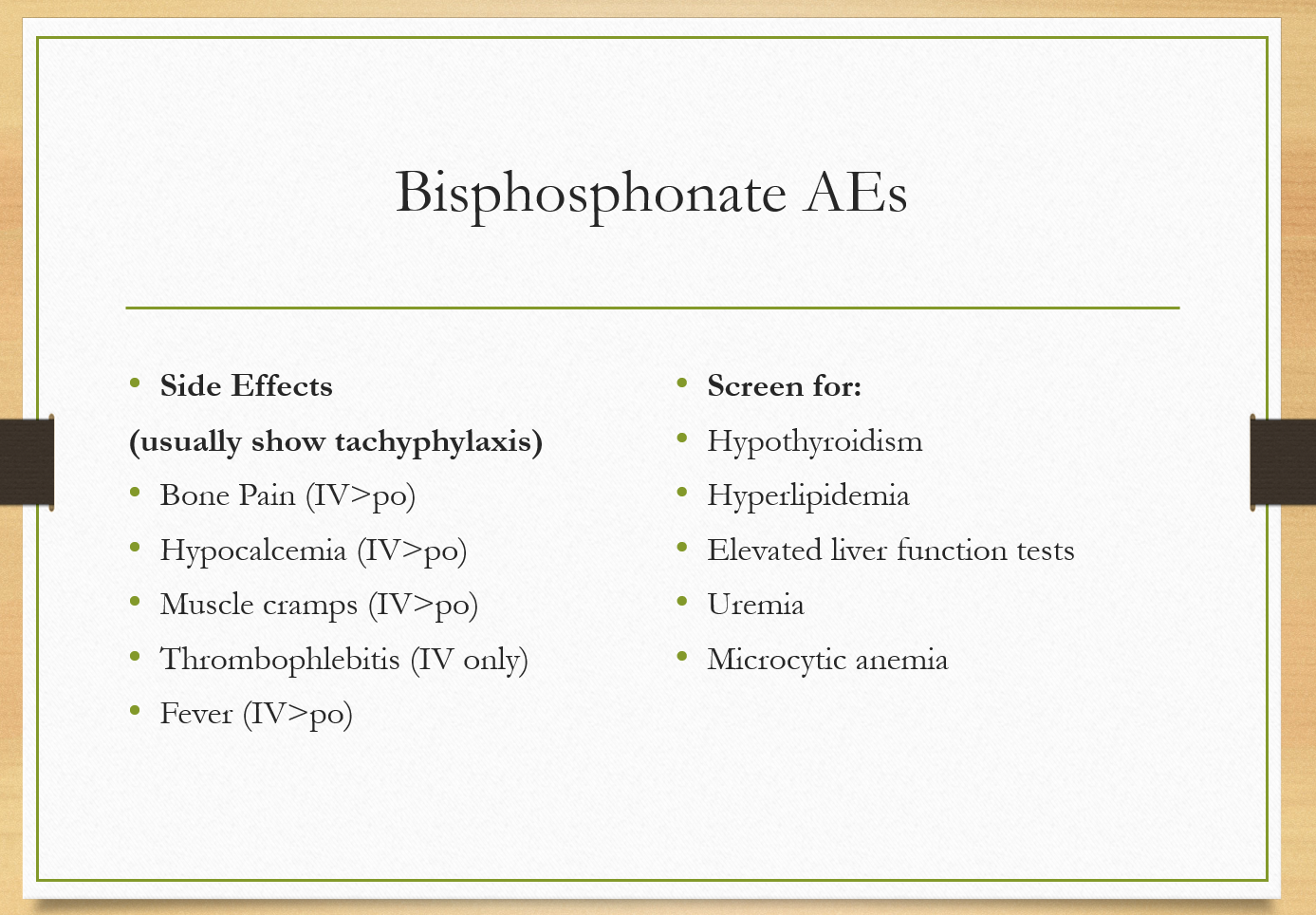
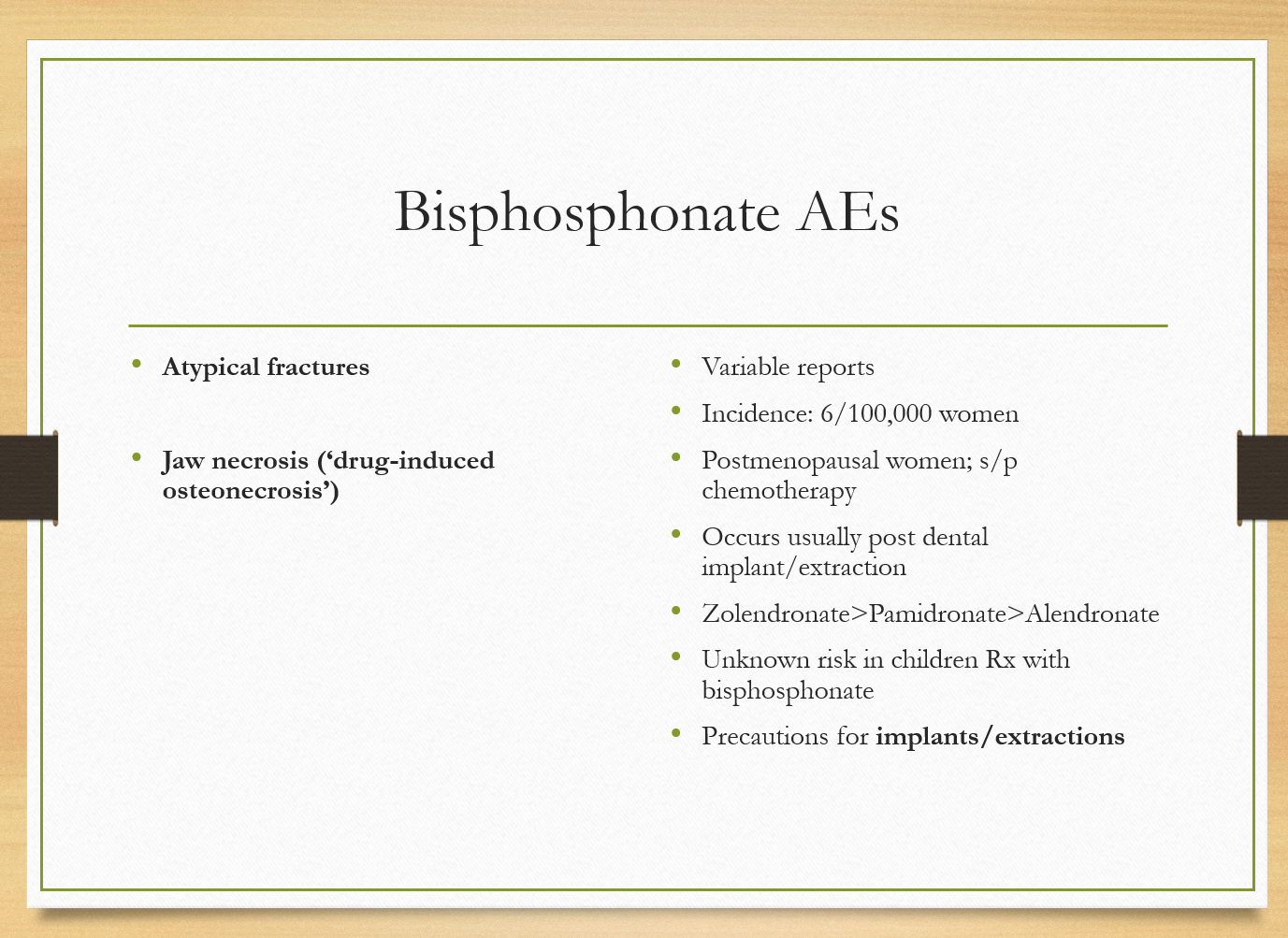
At our ICN population management meeting (as well as at a recent nutrition colloquium), Dr. Karen Loechner provided a timely update on bone health for our group.  Some of her slides are pictured below and a link to full slides follows.

Some of the points that I found interesting:

  • New hologic scans are much quicker (as little as 15 secs for some images) than typical DXA scans
  • While sodas have been associated with weaker bones, the main mechanism is likely displacement of milk from diet rather than direct effects
  • Adjust DXA results for height age
  • Think about vertebral compression fractures in children with mobility problems and painful symptoms


Full Link: Sticks and Stones Pediatric Osteoporosis


Creatine Kinase Levels Often Increased with Infliximab

E Theodoraki et al. Inflamm Bowel Dis 2018; 24: 1266-71.  This study with 82 infliximab-treated patients with a mean age of 44 years found elevated CK levels (>180 U/L) in 30.5%, compared with 11% of control group (IBD patients not receiving biologic therapy).  The median CK value in the IFX group was 123.5 U/L compared with 81 U/L in the control group (P<0.0001). All patients had at least 3 CK measurements.  The authors recommend: “Based on our results, we recommend monitoring CK levels and clinical symptoms of muscle pain and weakness in IBD patients on IFX treatment.”

In the associated commentary (pg 1272-3), the authors note that CK is found in mitochondria, mainly in cardiac muscle, brain, skeletal muscle and other visceral tissues. The 2 subunits may create 3 isoenzymes: CK-MB (myocardium), CK-MM (skeletal muscle), and CK-BB (neurons).  CK can be elevated in health and disease but “in the absence of symptoms, usually do not require any further investigations.” In a small number of individuals, elevated CK can be due to macro-CK (macrocretin) due to measurement difficulties with macroenzymes.

My take: This study suggests that elevated CK levels are common in adults receiving IFX and to avoid overreaction.

Sunrise at Amelia Island

“The Fruit Juice Delusion”

From NY Times: The Fruit Juice Delusion

A recent commentary revisits the common misconception of fruit juice being healthy.

Key points:

  • “Americans drink a lot of juice…children consume on average 10 ounces per day, more than twice the amount recommended by the American Academy of Pediatrics.”
  • “One 12-ounce glass of orange juice contains 10 teaspoons of sugar.”
  • Eating whole fruit is “associated with a reduced risk of diabetes, drinking fruit juice is associated with the opposite.”
  • “Juice may also be a ‘gateway beverage’–[to drink] more soda in their school-age years
  • “There is no evidence that juice improves health…Parents should instead serve water and focus on trying to increase children’s intake of whole fruit.”

My take (borrowed from authors): “we have succeeded in recognizing the harm of sugary beverages like soda. We can’t keep pretending that juice is different.”

Related blog posts:


More Acceptance (of livers), Better Outcomes

An important metric of liver transplantation outcome is not readily available: acceptance of organ offers.  A recent study (E Mitchell et al. Liver Transplantation 2018; 24: 803-809) showed a great deal of variability among pediatric liver transplantation centers in this metric.

The authors examined data from 2007-2015 with 4088 unique patients and 27,094 match runs. The range in organ acceptance rates was 5.1% to 14.6% with a median of 8.9%.

Key finding:

  • “Center-level acceptance rates were associated with wait-list mortality, with a >10% increase in the risk of wait-list mortality for every 1% decrease in a centers adjusted liver offer acceptance rate (odds ratio, 1.10, CI 1.01-1.19)

As noted in a previous post, Pediatric Liver Transplantation -Past Time to Split, larger centers generally have higher acceptance rates.

My take: This study adds to the literature regarding the inequities that some patients unknowingly face when listed in some centers.

Related article: HPJ van der Doef et al. Liver Transplantation 2018; 24: 810-9.  This article describes the wait-list mortality of young patients with biliary atresia.  Those listed before age 6 months and with higher MELD scores (>20) were at increased risk. Recognition of these factors may help improve allocation.

Related blog posts:

Hate it when this happens!

Higher Protein In Infant Formula –Doubling the Risk of Excess Body Fat in 6 year-olds

A recent study (thanks to John Pohl for link from twitter feed) (M Totzauer et al. Obesity 2018; https://doi.org/10.1002/oby.22203) indicates that high protein infant formula is associated with an increased risk of obesity.

Full Link: Effect of Lower Versus Higher Protein Content in Infant Formula Through the First Year on Body Composition from 1 to 6 Years: Follow‐Up of a Randomized Clinical Trial

From Abstract:

Methods

In a multicenter, double‐blind European trial, healthy infants (N = 1,090) were randomly assigned to different protein content formulas (upper [HP] and lower [LP] limits of the European Union regulations in 2001) during the first year; breastfed infants (N = 588) were recruited for reference values.

Weight, height, and triceps and subscapular skinfold (SF) thickness were measured repeatedly (N = 650 at 6 years), and body composition was estimated (Slaughter). The 99th percentile of fat mass index reference data were used to assess excess body fat at 6 years.

Results

At 2 and 6 years, the study observed greater sum of SFs (Δ 2 years: 0.5 mm, P = 0.026, Δ 6 years: 0.6 mm, P = 0.045), fat mass index (Δ 2 years: 0.12 kg/m², P = 0.008, Δ 6 years: 0.15 kg/m², P = 0.011), and fat‐free mass index (Δ 2 years: 0.17 kg/m², P = 0.003, Δ 6 years: 0.18 kg/m², P = 0.010) in the HP group compared with the LP group. At 6 years, the HP group had a twofold higher risk than the LP group for excess body fat (adjusted odds ratio: 2.13, P = 0.019).

Conclusions

Infant formula with HP levels induced greater fat mass in children from 2 to 6 years. Lowering the protein content of infant formula may result in a healthier body composition in early childhood.

Amelia Island -Sunrise