Prospective Pediatric Study of the Persistence and Progression of Recurrent Abdominal Pain

J Sjolund et al. Clin Gastroenterol Hepatol 2021; 19: 930-938. Prevalence and Progression of Recurrent Abdominal Pain, From Early Childhood to Adolescence

Using a prospective, population-based Swedish cohort (1994-1996) (BAMSE project), the authors analyzed data from 2455 children with complete follow-up evaluation at ages 1, 2, 12, and 16 years.

Key findings:

  • RAP was reported by 26.2% of children on at least 1 of 3 assessment points, of which 11.3% reported symptoms more than once
  • Children with RAP at 12 years had persistent symptoms at 16 years in 45% of cases and increased risks for RAP (relative risk, 2.2; 95% CI, 1.7–2.8), any AP-FGID (relative risk, 2.6; 95% CI, 1.9–3.6), and IBS (relative risk, 3.2; 95% CI, 2.0–5.1) at 16 years
  • Figure 3 summarizes the overlap of RAP at different time points:
  • **In early childhood (1-2 years of age), 149 (6%) had RAP per parental reports. Only 27 in this group, had RAP noted at 16 years of age which accounted for 7% of the total 16 year old cohort with RAP
  • **At 12 years of age, 98 (4%) had RAP. 44 (45%) of this group continued with pain at 16 years which accounted for 11% of the total 16 year old cohort with RAP

My take: Most children (84%) with RAP at 16 years of age did NOT report RAP at younger ages; however, in children with RAP at 12 years of age, 45% continued to have RAP at 16 years of age.

Related blog posts:

This and That: Ear Tubes and Addiction Medicine

Interesting articles from recent NEJM:

A Hoberman et al. NEJM 2021; 384: 1789-99. Tympanostomy Tubes or Medical Management for Recurrent Acute Otitis Media

A quick read of this article suggested very bad news for our ENT colleagues. In this prospective, randomized trial (n=250), the authors did not find a significant advantage of tympanostomy tubes over medical management of acute otitis media (OM) among 6-35 month olds with recurrent OM in an intention-to-treat analysis, the rate (±SE) of episodes of acute otitis media per child-year during a 2-year period was 1.48±0.08 in the tympanostomy-tube group and 1.56±0.08 in the medical-management group (P=0.66).

In an associated editorial (pg 1859-60), (Ellen Wald notes that only 55% of children in the medical management group were actually treated medically throughout the trial making the sample size too small. Her advice: “In a child older than 2 years of age, we can forecast that infections will be fewer in the coming year and that medical treatment should be continued. In the younger child, there is a nearly 50% likelihood that the frequency of infections will continue; the child is likely to have fewer and less severe episodes of acute otitis media with less exposure to antibiotics if tympanostomy-tube placement is undertaken.”

Time to first recurrent episode of acute otitis media (Figure 2). Cumulative percentage of children with recurrent OM with one minus Kaplan-Meier survival estimates according to trial group.

E Poorman. NEJM 2021; 384: 1783-1784. The Number Needed to Prescribe — What Would It Take to Expand Access to Buprenorphine?

This article describes how many physicians are reluctant to treat opioid use disorder. The author notes that “prescribing buprenorphine is one of the most effective ways to save a life. In one study, buprenorphine treatment was associated with a 37% reduction in all-cause mortality during the year after a nonfatal overdose. This reduction is larger than the reduction in mortality associated with any blood-pressure medication, diabetic agent, or statin….But much…will depend on physicians believing that people with a substance use disorder aren’t just “addicts” but are people with a chronic medical disease that we can and should treat.”

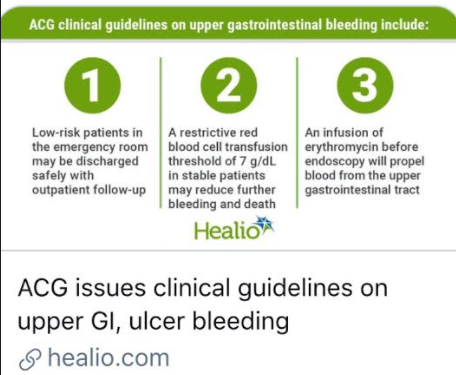
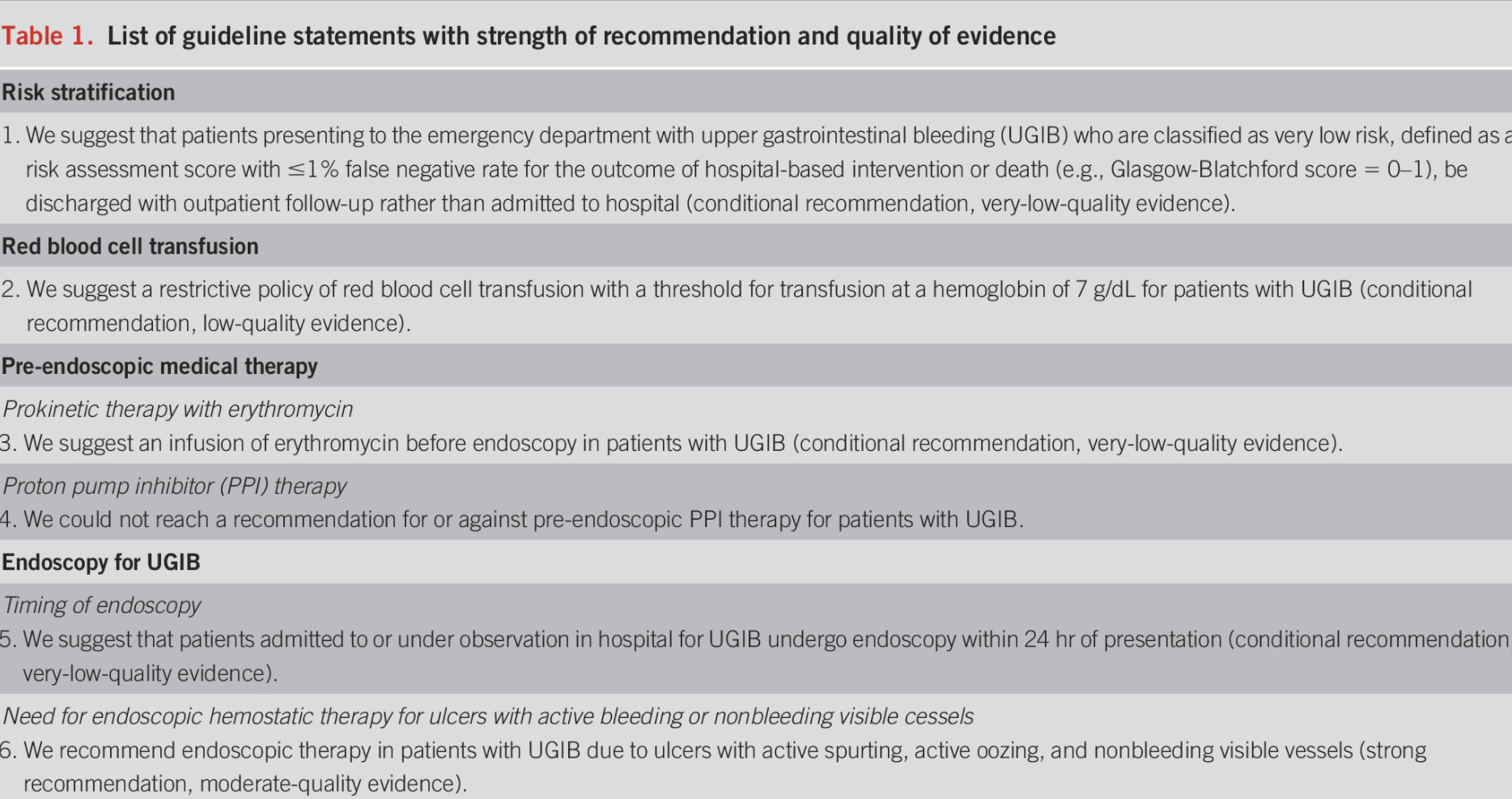
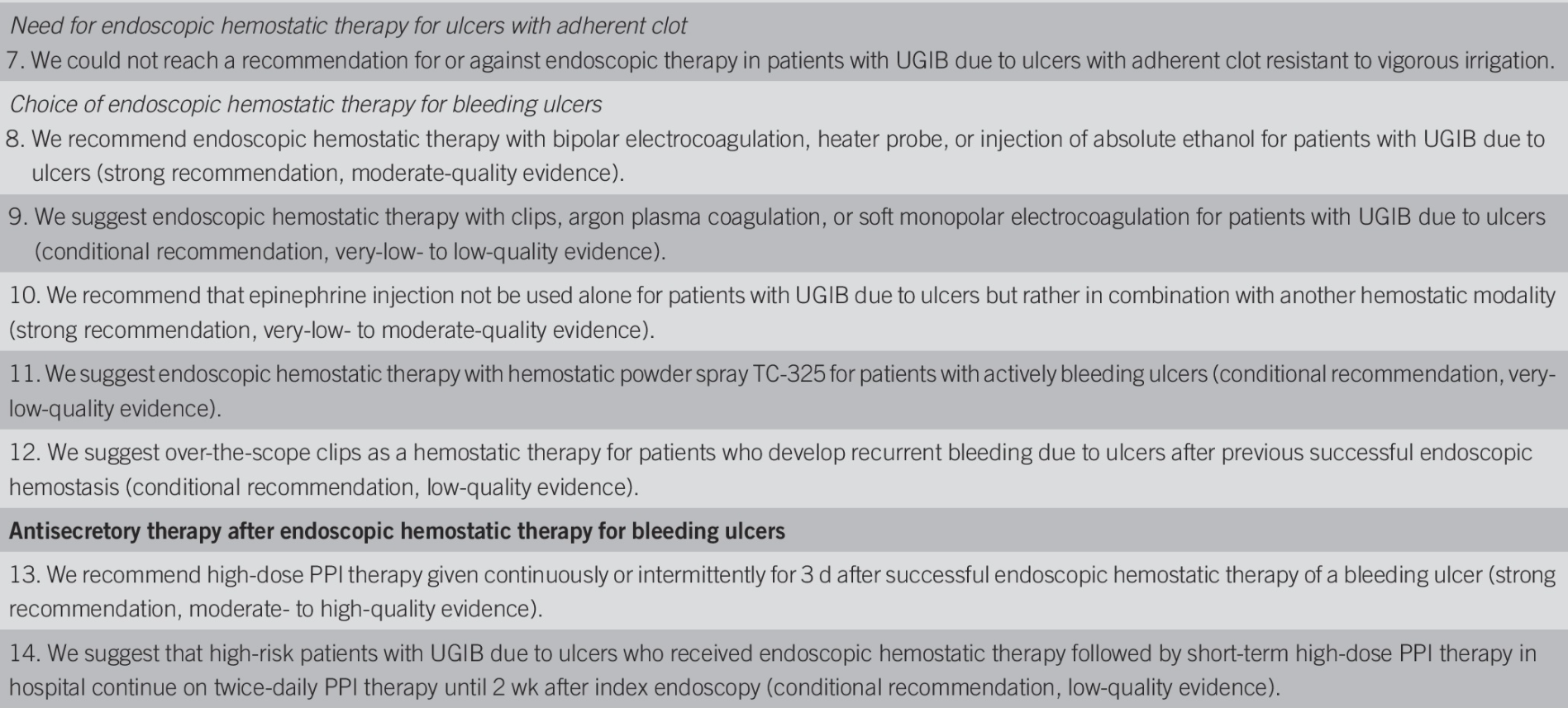
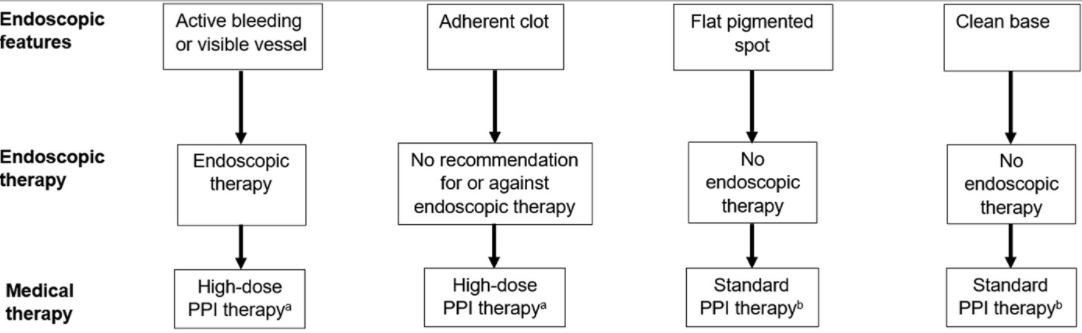
ACG Guideline: Upper Gastrointestinal and Ulcer Bleeding

Full Text: ACG Clinical Guideline: Upper Gastrointestinal and Ulcer Bleeding (L Laine et al. Am J Gastroenter: 2021; 116 : 899-917.

Related blog posts:

Good Results with Liver Transplantation Using Hepatitis C Livers

The advent of highly-effective therapy for hepatitis C has led to the use of hepatitis C-infected livers for organ transplantation.

H Bohorquez et al. Liver Transplantation 2021; 27: 548-557. Liver Transplantation Using Hepatitis C Virus–Viremic Donors Into Hepatitis C Virus–Aviremic Recipients as Standard of Care

Methods: The authors would utilize livers from donors with hepatitis C if they had a “normal gross appearance or, in cases in which a liver biopsy was indicated, acceptable histology less than grade 2 inflammation and less than stage 2 fibrosis (Batts-Ludwig classification)”

Key findings:

  • 292 patients, 61 rHCV− received DNAT+ livers (study group), and 231 rHCV− received DNAT− (aviremic donors [nuclear acid test‐negative donors]) (2018-2019)
  • 1‐year post‐LT patient and graft survival were similar between groups
  • In the study group, 4 patients died, and 1 patient required retransplantation within the first year post‐LT (all unrelated to HCV)
  • 51 patients completed DAA treatment, all achieving sustained virologic response for 12 or more weeks (SVR‐12) (one required re-treatment)

Given the limited organ availability, using livers from donors with hepatitis C has the potential to reduce waitlist times and waitlist mortality.

My take: Liver transplantation with hepatitis C has become bidirectional; livers are being received by those with liver failure due to hepatitis C and failed livers are being replaced by donors infected with hepatitis C.

Related blog posts:

Gastric Emptying in Diabetes, Plus Two

Briefly noted: RK Goyal. NEJM 2021; 384: 1742-1751. Gastric Emptying Abnormalities in Diabetes Mellitus

This article provides insight into the topic of gastric emptying with a focus on patients with diabetes. A few key points:

  • Gastric emptying affects glucose homeostasis in patients with diabetes; delayed gastric emptying in patients with type 2 diabetes could have beneficial effects in this regard.
  • Delayed gastric emptying occurs in 40-47% of adults with diabetes; rapid emptying occurs in 20-22%.
  • Upper GI symptoms do NOT correlate with gastric emptying. Prevalence of these symptoms is highest in those with normal gastric emptying (43-52% in those with normal emptying compared with 19-28% with delayed emptying, and 20-37% with rapid emptying)
  • “Functional dyspepsia-like symptoms in gastroparesis may arise not through motility changes but rather through the parallel effects of oxidative stress and inflammation on nocireceptors and on other afferents that produce the symptoms.”

My take: Knowing how quickly the stomach empties rarely helps management. In this review, Dr. Goyal states that “the effective treatment of symptoms in diabetic gastroparesis may be similar to the treatment of functional dyspepsia.”

Also, noted in same issue of NEJM:

TB Corcoran et al. NEJM 2021; 384: 1731-1741. Dexamethasone and Surgical-Site Infection Key finding: A single dose of dexamathosone (8 mg) did not increase the risk of surgical site infection; this is in contrast to long-term glucocorticoid therapy which is a risk factor for infection and wound dehiscence.

J Salwa et al. NEJM 2021; 384: 1684-6. Designing an Independent Public Health Agency. This article makes compelling arguments for separating health agencies from political influence. The FDA, the CDC, and HHS in the previous administration were pressured and undermined. In contrast, the Federal Reserve Board, which has 14 year terms that require ‘removal only for cause,’ was “reliably [able to] exert federal power because of its institutional features as an independent agency.”

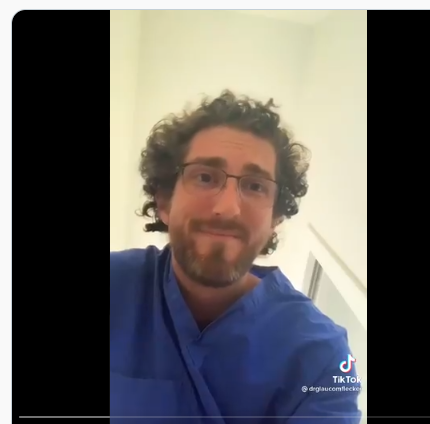
From TikTok -twitter feed: The GI Bleeding Paradox (58 secs -humor) @DGlaucomflecken#Gastroenterology#GI#MedTwitter

Are We On the Verge of Pharmacologic Management of Obesity (Again)?

In the 1990s, the combination of fenfluramine/phentermine was popularized as a treatment for obesity. Fenfluarmine, though, was shown to cause potentially fatal pulmonary hypertension and heart valve problems, which eventually led to its withdrawal and legal damages of over $13 billion (per Wikipedia: fenfluramine/phentermine).

Now, glucagon-like peptide-1 (GLP-1) receptor agonists, like liraglutide, are showing promise as agents to promote weight loss, primarily by inhibiting appetite. JR Lundrgen et al (NEJM 2021; 384: 1719-1730. Healthy Weight Loss Maintenance with Exercise, Liraglutide, or Both Combined) show that liraglutide can promote weight loss, especially if combined with exercise.

Methods: After an 8-week low-calorie diet, participants were randomly assigned for 1 year to one of four strategies: a moderate-to-vigorous–intensity exercise program plus placebo (exercise group); treatment with liraglutide (3.0 mg per day-SC injection) plus usual activity (liraglutide group); exercise program plus liraglutide therapy (combination group); or placebo plus usual activity (placebo group)

Key findings:

  • After the 8-week low-calorie diet, 195 participants had a mean decrease in body weight of 13.1 kg.
  • At 1 year, all the active-treatment strategies led to greater weight loss than placebo: difference in the exercise group, −4.1 kg (95% confidence interval [CI], −7.8 to −0.4; P=0.03); in the liraglutide group, −6.8 kg (95% CI, −10.4 to −3.1; P<0.001); and in the combination group, −9.5 kg (95% CI, −13.1 to −5.9; P<0.001). The combination strategy led to greater weight loss than exercise (difference, −5.4 kg; 95% CI, −9.0 to −1.7; P=0.004) but not significantly more than monotherapy with liraglutide (−2.7 kg; 95% CI, −6.3 to 0.8; P=0.13)
  • The side effects of decreased appetite, dizziness, increased heart rate and palpitations were more common in those receiving liraglutide; palpitations were evident in 12% of the liraglutide monotherapy group and 4% of the combination (with exercise) group.

The details of the exercise program are detailed in the methods section; all participants were assigned an instructor and expected to do a minimum of 150 minutes per week of moderate-intensity aerobic physical activity or 75 minutes per week of vigorous-intensity aerobic physical activity.

These results are similar to the 15% weight loss noted at 68 weeks with the GLP-1 receptor agonist semaglutide.

My take: GLP-1 receptor agonists help individuals lose weight. However, we’ve seen the promise of medical therapy before so we will have to see how the story ends.

Related blog post: Semaglutide: Potential or Problematic New Treatment for Fatty Liver Disease/NASH

Briefly noted: YY Gibbens et al. American Journal of Gastroenterology 2021 April 22. Effects of Central Obesity on Esophageal Epithelial Barrier Function. Key finding:  Obesity+/GER- group demonstrated increased intercellular space, reduced desmosome density, and increased fluorescein leak compared with control subjects. Thus, obesity may worsen esophageal disease by  impairing the structural and functional integrity of the esophageal barrier independent of GER. (Thanks to Mike Hart for this reference)

Nutritional Therapy for IBD and Venous Thromboembolism in Pediatric Inflammatory Bowel Disease

I was recently made aware of a useful website for IBD patients interested in nutritional therapy: Nutritional Therapy for IBD -Home Page

Related blog posts:

______________________________________________________________

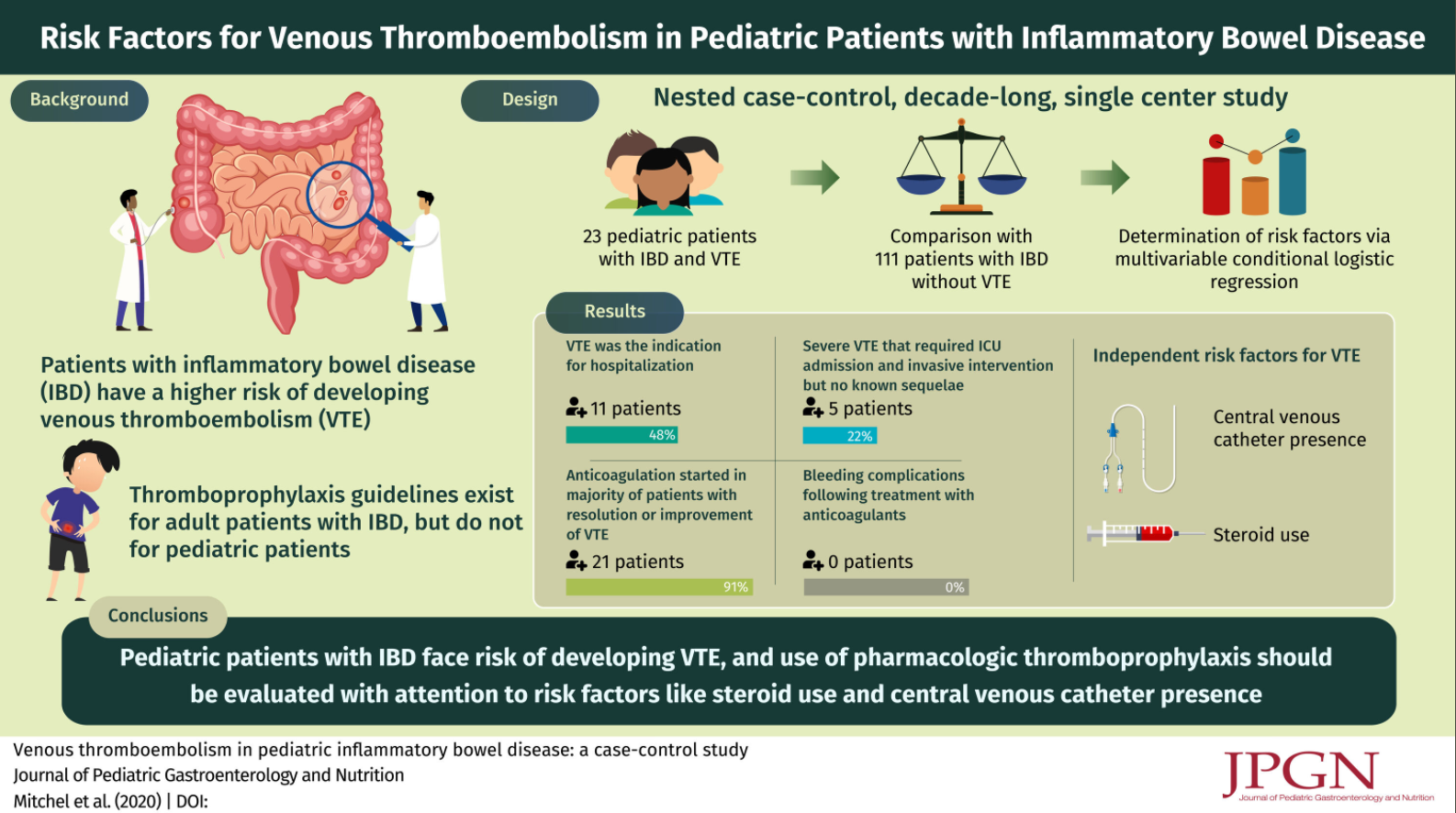
EB Mitchell et al. Journal of Pediatric Gastroenterology and Nutrition. 72(5):742-747, May 2021.Venous Thromboembolism in Pediatric Inflammatory Bowel Disease: A Case-Control Study

Methods: A nested case-control study comparing hospitalized children with IBD diagnosed with VTE to those without VTE over a decade at a large referral center

Key findings:

  • Twenty-three cases were identified.
  • Central venous catheter (CVC) presence (odds ratio [OR] 77.9; 95% confidence interval [CI]: 6.9–880.6; P < 0.001) and steroid use (OR 12.7; 95% CI: 1.3–126.4; P = 0.012) were independent risk factors
  • Table 2 lists five severe cases which included interventions like balloon angioplasty, stent placement, surgical thrombectomy, and plasmapheresis/subtotal colectomy
  • The authors note that 1.3% of adolescents/children hospitalized with IBD had VTE

The authors note that ‘inherited prothrombotic disorders are not increased in IBD; “the pathogenesis of VTE in patients with IBD has been associated with increased activation of the coagulation cascade, impaired fibrinolysis, increased platelet count, and dysfunction of the endothelium.”

My take: The absolute risk of VTE is low in the pediatric population; presence of CVC and use of steroids are risk factors and require consideration of, at minimum, nonpharmacologic interventions.

Related blog posts:

Esophageal Squamous Papilloma in Children Are Rare

AM Tou, AO Al-Nimr. JPGN 2021; 72: 690-692. Esophageal Squamous Papilloma in Children: A Single-center Case

Key findings:

  • Of 12,459 children who had an EGD (2000-2014), 10 children (0.08%) were identified with an esophageal squamous papillom (ESP)a on biopsy. Ages ranged from 2 to 17 years.
  • All samples tested for HPV via FISH analysis were negative

The authors note that “surveillance is …largely considered unnecessary.”

My take: ESP is a rare benign lesion found incidentally in the pediatric population.

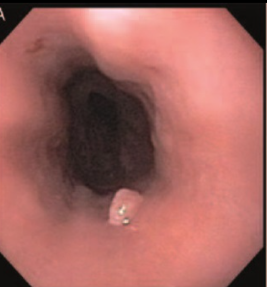
Image online from N Alkhouri et al. JPGN 46(3):237, March 2008.
Endoscopic Appearance of an Esophageal Squamous Papilloma in a Pediatric Patient

Heroes, Villains and ‘Perverse’ Incentives. Story of Big Hospitals vs. Big Pharma


A recent article in Fortune (April/May 2021, pg 94, Big Hospitals vs. Big Pharma: Which industry is most to blame for soaring health care costs?) provides a lot of insight into the costly, complex U.S. healthcare system. Thanks to Stan Cohen for the article.

Key points:

  • U.S. spent 17.7% of GDP on healthcare expenditures in 2019, comparable OECD country averages were 10.7%
  • U.S. per capita costs were $10,966; next closest were Switzerland at $7732 and Germany at $6646
  • Despite are higher costs, U.S. has highest age-adjusted mortality rates (compared to these countries) and higher pregnancy-related deaths.
  • The U.S. has the highest rates of obesity among these countries; however, other countries smoke more and drink more
  • The biggest part of healthcare costs is from hospital care at 33%; medication costs account for ~10% but play a role in hospital costs.
  • The article makes the point that some high-priced medications, including the $2.1 million dollar Zolgensma, are worth it and others are overpriced
  • Recently both the hospitals and pharma have had good press with heroes like frontline healthcare workers and vaccine scientists. Recent villains include Martin Shkreli for excessive price hiking. However, most people are “just businesspeople responding rationally to the incentives they face.”
  • Medical costs for pharmaceuticals are complicated by an ‘insanely complex’ drug distribution system with hidden incentives and rebates. In many situations, “patients can’t get access to the better or more affordable drug because there’s some rebate happening behind the scenes”
  • In the U.S. “a majority of people are almost entirely separated from the market mechanism…Out-of-pocket spending is only 13% of total health care expenditures… most people have little incentive to shop carefully. Economically, the real consumer, the patient, is a bit player in this drama.”

My take: Improving the healthcare system is a great challenge. “It’s a lot harder than placing blame.”

Related blog posts:

This image has an empty alt attribute; its file name is image-12.png

Persistently Abnormal Celiac Labs =High Likelihood of Celiac Disease

CM Trovato et al JPGN 2021; 72: 712-717. Diagnostic Value of Persistently Low Positive TGA-IgA Titers in Symptomatic Children With Suspected Celiac Disease

This retrospective study provides insight into the predictive value of persistently abnormal celiac labs in symptomatic children.

Inclusion criteria:  not eligible for a non-biopsy diagnosis AND children with at least 2 TGA-IgA measurements, endomysial antibody (EMA) assessment and esophagogastroduodenoscopy with biopsies

Methods: Patients were classified in groups according to median TGA-IgA values: Group A (TGA-IgA>1 ≤ 5 × ULN; defined as “low-positive”), Group B (TGA-IgA > 5 < 10 × ULN; “moderate-positive”), and C (controls).

Key findings:

  • In group A, CD was diagnosed in 142/162 (87.7%)
  •  In group B, all 62 children (100%) received a CD diagnosis

My take: In individuals with mild elevation of celiac serology, it is reasonable to recheck prior to confirming with endoscopy. However, those with persistently abnormal values are very likely to have celiac disease.

Related blog posts:

  • If TTG IgA at 1-fold ULN, then PPV 61%, NPV 98%, Sens 90%, Spec 90%
  • If TTG IgA at 2-fold ULN, then PPV 79%, NPV 97%, Sens 82%, Spec 96%
  • If TTG IgA at 5-fold ULN, then PPV 93%, NPV 94%, Sens 62%, Spec 99%
  • If TTG IgA at 7-fold ULN, then PPV 96%, NPV 91%, Sens 41%, Spec 100%
Near Hahn Woods, Atlanta