AI for GI

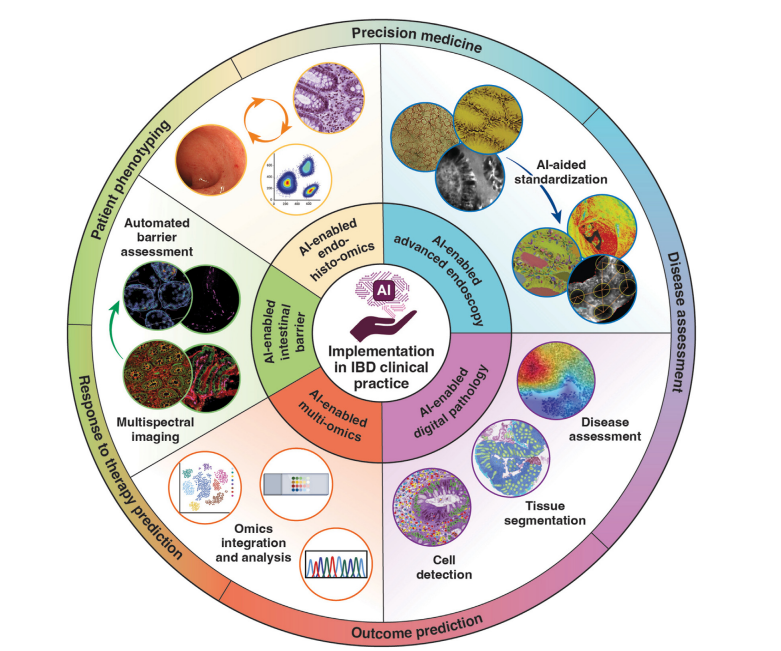
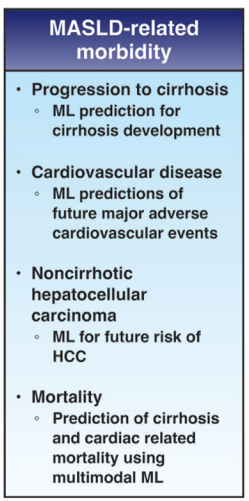
This month’s Gastroenterology issue is devoted solely to the use/expected uses as well as risks of artificial intelligence (AI) for gastroenterology and hepatology.

DL Shung, M Iacucci. Gastroenterol 2025; 169: 391-392. Artificial Intelligence in Gastroenterology and Hepatology: Potential and Perils

An excerpt:

“AI is reshaping the landscape of gastroenterology and hepatology with the promise of better, faster, more objective, and standardized care of delivery. However, behind the algorithms lies a more insidious risk: the erosion of trust in human providers…Information risk …include both error commission (ie, when the models generate false statements, introduce nonsensical concepts, or fabricate sources) and error omission (ie, summaries that omit critical information)…

When AI becomes the center of care, patients may perceive their doctors as intermediaries…diminishing the therapeutic effect of the patient-physician relationship…This arrangement can dilute clinical training, increase physician burnout, and lead to medicolegal implications…Other risks include perpetuating bias from nonrepresentative training data and amplifying uncertainty of AI due to lack of real-world validation…

We hope that AI systems will allow us to spend more, not less, time with patients and empower us to provide personalized care by leveraging high-quality multimodal data.”

Most of the articles are behind a paywall in this issue. There are five that are open access articles:

My take: These articles provide a good deal of information about the applications and risks of AI. In my view, physicians will be needed more than ever to help interpret/manage the huge amount of information available.

Related blog posts:

FDA Approves Semaglutide for MASH

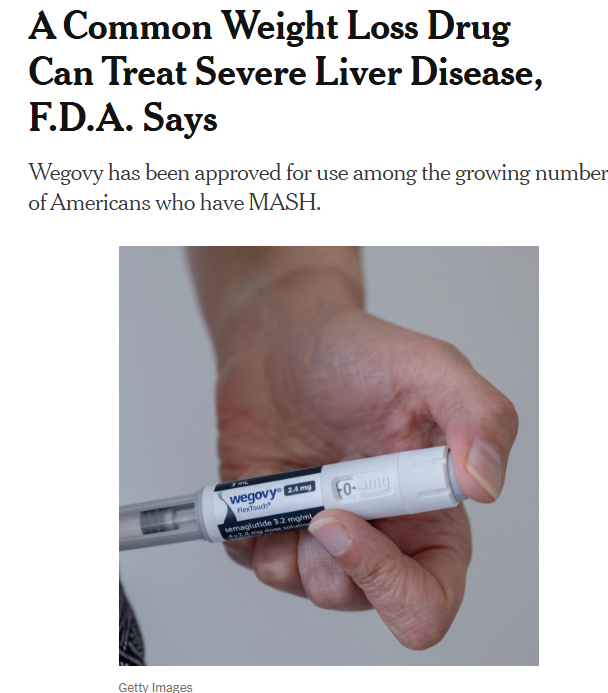
Dani Blum, NY Times 8/18/25: A Common Weight Loss Drug Can Treat Severe Liver Disease, F.D.A. Says

An excerpt:

Roughly 15 million people — six percent of adults in the United States — have metabolic dysfunction-associated steatohepatitis, known as MASH. Rates of the disease are rising…

Wegovy, which is a weekly injection, is now approved for adults with MASH and moderate-to-advanced levels of fibrosis, or excessive scar tissue in the liver. The drug is not intended for people with cirrhosis…

Wegovy will be a welcome addition to the options doctors can prescribe — as long as their patients can access them. The drug carries a list price of over $1,300 a month, although most people do not pay that full amount. Many people have lost insurance coverage for weight-loss drugs, as plans struggle to keep up with the costs.

Related review article: G Targher et al. NEJM 2025; 393: 683-698. Metabolic Dysfunction–Associated Steatotic Liver Disease. This review article succinctly covers the epidemiology, manifestations, disease progression and pivotal pharmacologic advances.

Related blog post: Semaglutide’s Efficacy in Phase 3 MASH Trial

Liver Transplantation for PSC: Long-term Outcomes and Complications

M Mouchli et al. Liver Transplantation 2025; 31: 781-792. Long-term (15 y) complications and outcomes after liver transplantation for primary sclerosing cholangitis: Impact of donor and recipient factors

Methods: Using Mayo clinic prospectively maintained transplant database, 293 adult patients (>18 y, mean age 47 yrs) with PSC who underwent LT from 1984-2012 were identified. Patients with cholangiocarcinoma were excluded. One hundred and thirty-four patients received LT before 1995, and 159 were transplanted after 1995.

Key findings:

  • The 1-, 5-, 10-, and 15-year cumulative incidence of recurrent PSC was 1.0%, 8.0%, 23.5%, and 34.3%, respectively.
  • Vascular and biliary complications are frequent: hepatic artery thrombosis (N = 30), portal vein stenosis/thrombosis (N = 48), biliary leak (N = 47), biliary strictures (N = 87)
  • Graft failure occurred in 70 patients
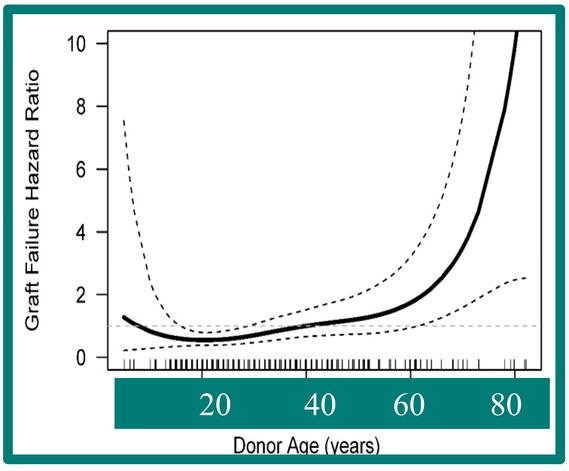
  • Donor age >60 years was associated with an increased risk of recurrent PSC. 

My take: Overall, there was a good survival rate despite the increased frequency of vascular and biliary complications. Also, 2/3rds of patients did NOT have recurrent PSC. Older donor age was associated with higher graft failure in this cohort.

Related blog posts:

Advanced Liver Disease: Global Statistics and Risk Factors

M Zamani et al. Clin Gastroenterol Hepatol 2025; 23:1123 – 1134. Open Access! Open Access! Global Prevalence of Advanced Liver Fibrosis and Cirrhosis in the General Population: A Systematic Review and Meta-analysis

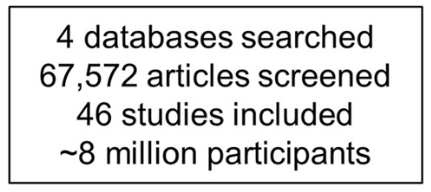
A total of 46 studies fulfilled the eligibility criteria, comprising approximately 8 million participants from 21 countries.

Key findings:

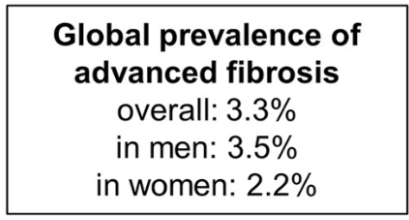
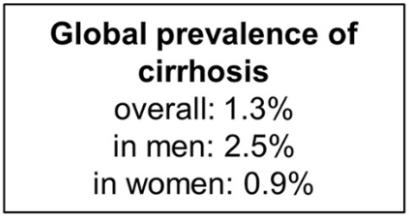
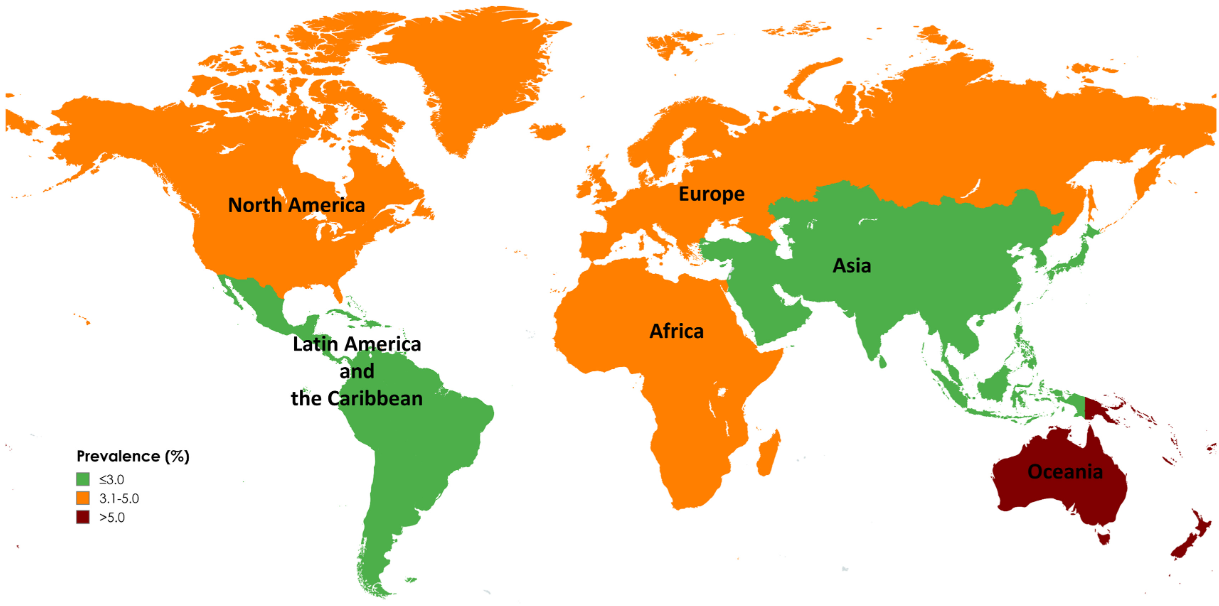
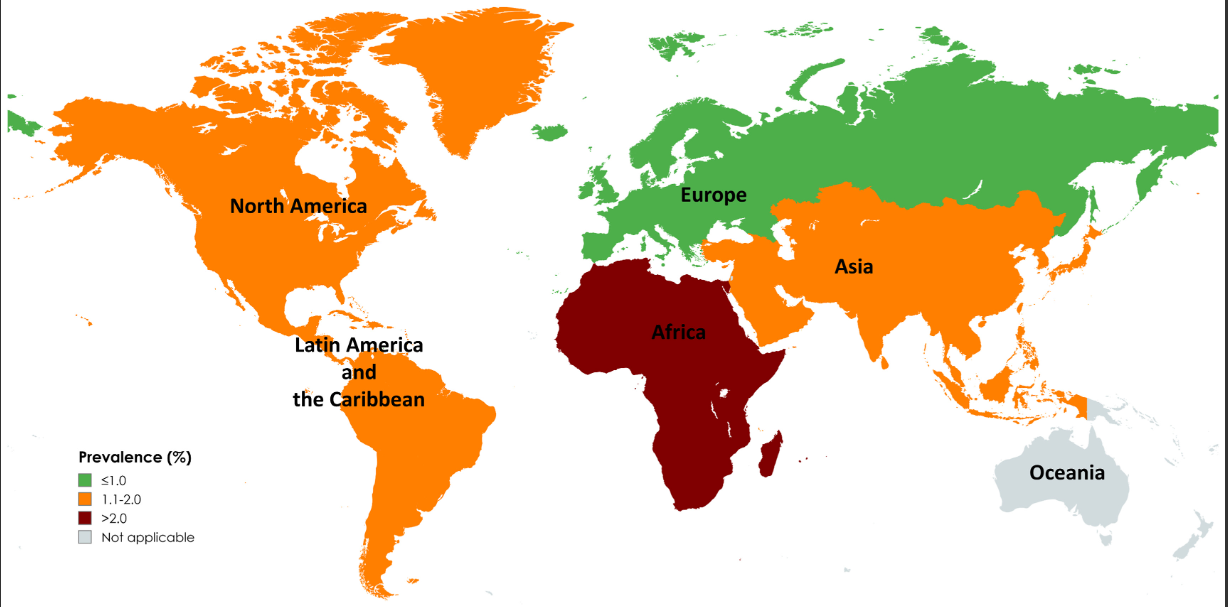
  • The pooled prevalence rates of advanced liver fibrosis and cirrhosis in the general population were 3.3% (95% CI, 2.4%–4.2%) and 1.3% (95% CI, 0.9%–1.7%) worldwide, respectively
  • Risk factors for cirrhosis were viral hepatitis, diabetes, excessive alcohol intake, obesity, and male sex
  • Limitations: 1. All included studies used noninvasive tests to diagnose advanced fibrosis and cirrhosis, which might overestimate prevalence in general populations. The diagnostic performance of these tests is influenced by baseline prevalence, leading to a higher rate of false positives in low-prevalence populations 2. Significant differences in prevalence by geographic region and time period. However, these differences could be influenced by variations in health care infrastructure, access to health care, and disease awareness, which may only partially reflect the true prevalence of advanced liver fibrosis and cirrhosis. In addition, the data is influenced by the number of studies (eg. Oceania had only 1 individual study).
Map of Global Prevalence of Advanced Fibrossi
Map of Global Prevalence of Cirrhosis

My take: This study provides estimates of the high and increasing prevalence of advanced liver fibrosis and cirrhosis. This data is essential in determining if we are making progress and how to mitigate the disorders leading to advanced liver disease.

Related blog posts:

EAT-Lancet Diet Associated with Reduced Risk of MASLD

From the commentary: “In 2019, the EAT-Lancet Commission on Food, Plant, and Health proposed a planetary health diet, known as the EAT-Lancet reference diet, that promotes human health and sustainable food production globally…and recommends fruits, vegetables, whole grains, plant-based proteins (eg. legumes, nuts) and unsaturated plant oils, with limited or moderate amounts of animal-based proteins such as meat and dairy….[it] has been associated with multiple health benefits, including reducing the risks of type 2 diabetes, cardiovascular disease, certain cancers, and all-cause mortality.”

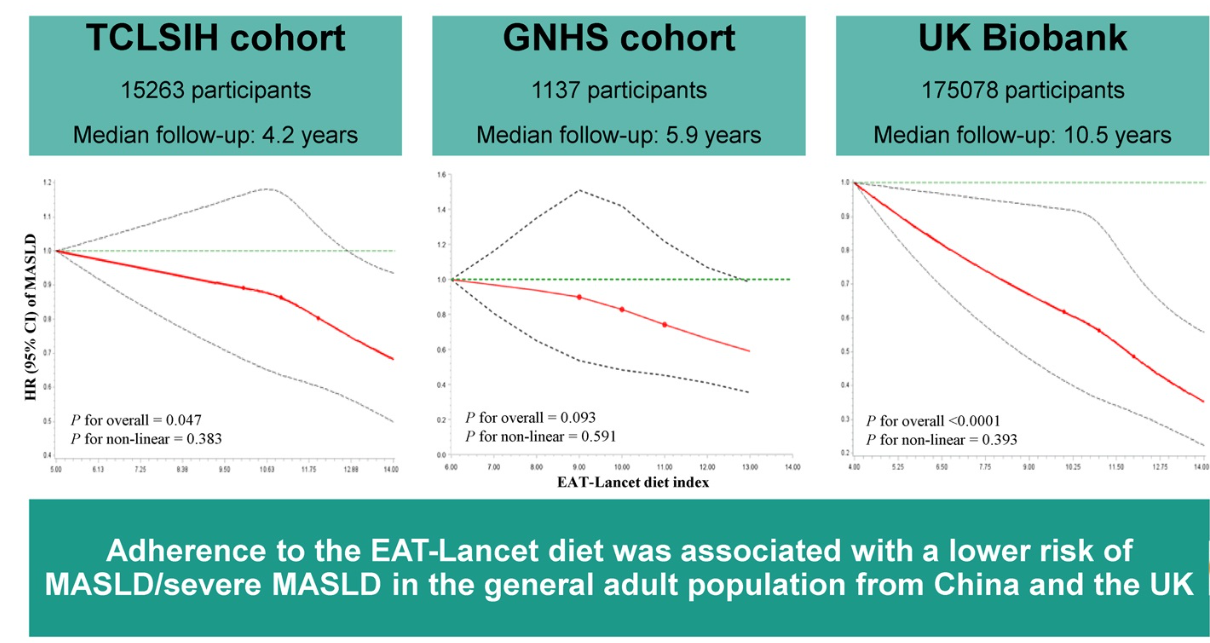
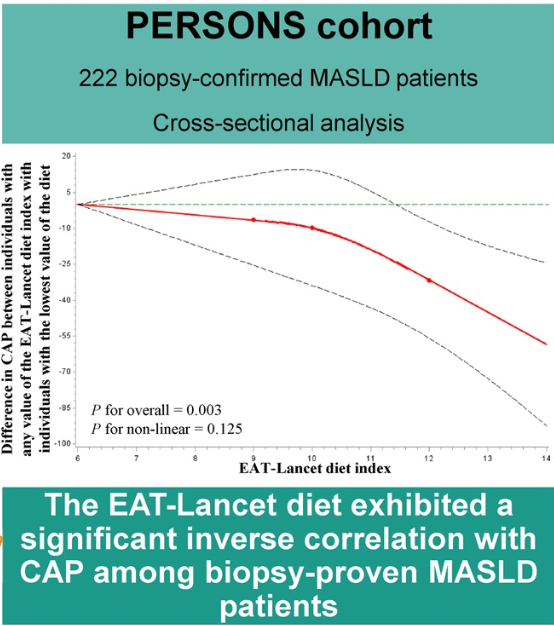
Methods: This prospective multicohort study comprised more than 191,000 adults from several cohorts. In addition, 228 Chinese adults from the Prospective Epidemic Research Specifically of Non-alcoholic Steatohepatitis (PERSONS) with biopsy-proven MASLD were included.

Key findings:

  • Participants in the highest tertiles of the EAT-Lancet diet index had a lower risk of MASLD compared with those in the lowest tertiles with HR ranging in different cohorts from 0.73 to 0.87
  • Liver-controlled attenuation parameter decreased with increasing the diet index in individuals with biopsy-proven MASLD (β = −5.895

My take (borrowed from the authors): Adherence to the EAT-Lancet reference diet was inversely associated with the risk of MASLD as well as its severity.

Related blog posts:

Semaglutide’s Efficacy in Phase 3 MASH Trial

AJ Sanyal et al. NEJM 2025; DOI: 10.1056/NEJMoa2413258. Phase 3 Trial of Semaglutide in Metabolic Dysfunction–Associated Steatohepatitis

The results of this just-published study were alluded to in a previous post: More Data Indicating GLP-1 Efficacy for MASH

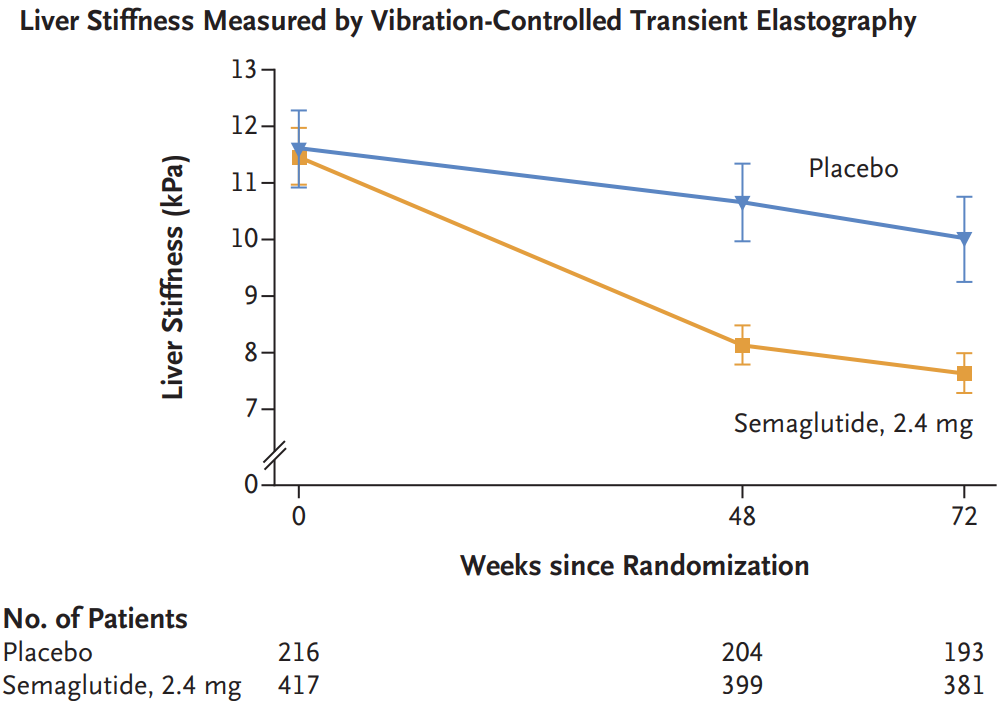
Methods:  In this phase 3, multicenter, randomized, double-blind, placebo-controlled trial, the authors assigned 1197 patients with biopsy-defined MASH and fibrosis stage 2 or 3 in a 2:1 ratio to receive once-weekly subcutaneous semaglutide at a dose of 2.4 mg or placebo for 240 weeks

Key findings:

  • Resolution of steatohepatitis without worsening of fibrosis occurred in 62.9% of the 534 patients in the semaglutide group and in 34.3% of the 266 patients in the placebo group (P<0.001)
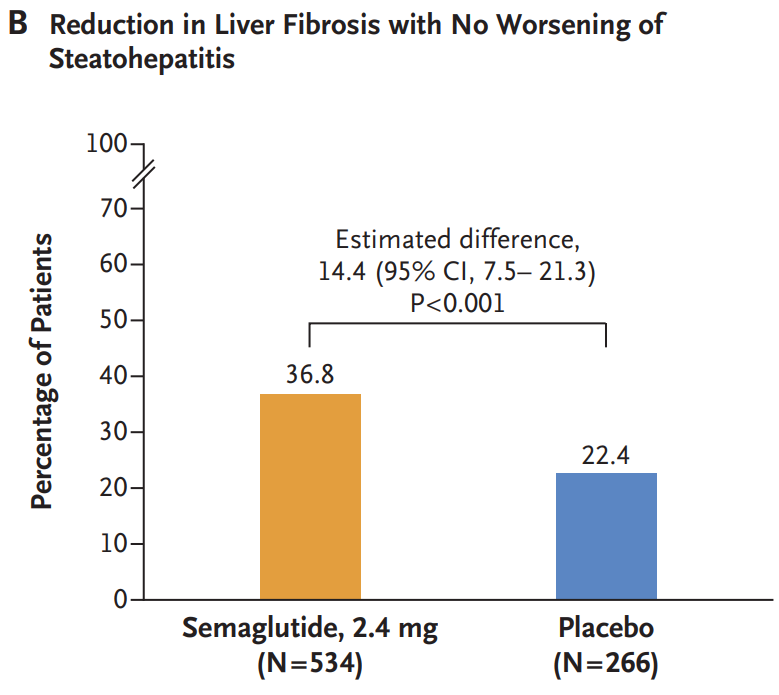
  • A reduction in liver fibrosis without worsening of steatohepatitis was reported in 36.8% of the patients in the semaglutide group and in 22.4% of those in the placebo group (P<0.001). 
  • The mean change in body weight was −10.5% with semaglutide and −2.0% with placebo (P<0.001)
  • Gastrointestinal adverse events were more common in the semaglutide group. The incidence of acute pancreatitis was similar in the two groups: Nausea 290/800 (36.2%) vs. 52/395 (13.2%), Diarrhea 215/800 (26.9%) vs. 48/395 (12.2%), Constipation 178/800 (22.2%) vs. 33/395 (8.4%) and Vomiting 149/800 (18.6%) vs. 22/395 (5.6%)
  • Semaglutide improved multiple cardiometabolic features, including glycemic control and insulin resistance. “These findings are important because metabolic dysfunction is an upstream event driving hepatic lipotoxicity and, subsequently, steatohepatitis and fibrogenesis. Thus, semaglutide treatment addressed the primary pathogenic driver of MASH”
  • Side effects leading to people dropping out of the trial were 2.6% for the semaglutide group and 3.3% for the placebo group

Discussion notes that “although semaglutide can be safely used in patients with
cirrhosis, its efficacy in this population has not been established.”

My take: Semaglutide appears to be effective in patients with MASH.with stage 2 or 3 fibrosis.

Related blog post:

AASLD Guidelines: Challenges of Liver Fibrosis Testing in Pediatrics

This guideline reviews and recommends blood-based tests as a tool to help determine the likelihood/severity of liver fibrosis in the presence of chronic liver disease. Most of the guideline focuses on adult liver disease. For pediatrics, the guideline makes the following recommendation:

In the pediatric patients with chronic liver disease, AASLD suggests the use of simple, cost-effective, and readily available blood-based NILDA [Non-invasive Liver Disease Assessment], such as APRI or FIB-4, for the detection of advanced fibrosis (F3-4) (ungraded statement).

Technical Remarks:

  • Some blood-based NILDA in children have good accuracy in detecting advanced fibrosis but have difficulty discriminating earlier stages of fibrosis.
  • FIB-4 does not perform as well in children as it does in adults, particularly very young children, due to the inclusion of age in the index.
  • Rapid growth in children and attendant fluctuations in alkaline phosphatase can confound interpretation of blood or collagen-based NILDA tests in pediatric liver disease.
  • There are insufficient biopsy validated data to recommend biomarkers for evaluating fibrosis in pediatric NASH and α1AT at this time.
  • In the pediatric population with CLD, there is growing but insufficient evidence to recommend blood-based NILDA as endpoints to monitor changes in fibrosis over time.

Despite the guidance recommendation, reading the text makes one leery about relying on these tests:

  • For example with biliary atresia: “The utility of APRI to assess or predict liver fibrosis in BA is mixed in the current literature.”
  • In conclusion, blood-based NILDA tests in children vary widely in their accuracy, even in detecting F3-4 fibrosis, and have difficulty discriminating earlier stages of fibrosis. These tests also have different disease-specific thresholds that correlate with histopathologic fibrosis and differ from adults. APRI and FIB-4 have been the most studied NILDA tests in children, but there is still insufficient evidence to recommend blood biomarkers as endpoints to monitor changes in fibrosis over time. Any blood-based NILDA that includes age (Table 5) should be used cautiously in children.

My take: This practice guideline, while recommending use of blood-based tests for fibrosis even in the pediatric age group, makes a fairly compelling argument that they are unreliable in children. Elastrography is likely to be more useful, though also imperfect, in the pediatric population.

Algorithm Recommended for Adults:

Related blog posts:

Understanding Bleeding Risks in Percutaneous Liver Procedures —Who Needs FFP and Platelet Transfusions

Background: “The most important factor contributing to bleeding risk in patients with liver disease is related to the presence of portal hypertension rather than coagulation abnormalities.1 The changes in the coagulation system in patients with cirrhosis create a re-balanced state, which is prothrombotic. Despite this well-known pathophysiology and recommendation against routine transfusion of blood products (especially fresh frozen plasma) by major guidelines, platelet and fresh frozen plasma transfusion remain a common practice before percutaneous liver procedures.2,3

Methods: In this retrospective study from three centers in Spain, the researchers enrolled 1797 adults including 316 with cirrhosis (97% had compensated disease). They established a protocol that allowed, at the discretion of the radiologist, to transfuse patients with FFP or platelets if INR was 1.5 or greater or if platelets were 50,000 or below. The primary outcome of the study was major bleeding, which was defined as a drop in hemoglobin (2 or more units) or a need for transfusion of 2 or more units of blood within 1 week after the procedure. This study enrolled patients who underwent percutaneous liver biopsy (86% of cohort) and percutaneous ablation of liver tumors (14% of cohort). Only 6/25 (24%) with INR >1.5 received FFP. 16/22 (72%) with platelet counts below 50,000 received a platelet transfusion. Overall, 7 patients received FFP (1 with cirrhosis, 6 without) and 35 patients received platelets (16 with cirrhosis, 19 without).

Key findings:

  • Only 14 patients (0.8%) experienced major bleeding after the procedure, and there was no difference between those who had a diagnosis of cirrhosis versus those without cirrhosis. Bleeding occurred in 0.6% of patients with cirrhosis compared to 0.8% of those without.
  • Only 1 patient with an ablation procedure had major bleeding
  • Patients with a diagnosis of cirrhosis were more likely to receive a transfusion of any kind
  • Among those with major bleeding, none met the criteria for transfusion. That is, “no variable was identified to predict the risk of major bleeding.”

My take (borrowed from editorial): This study reinforces the recommendation that “correction of coagulation markers before procedures is unnecessary.”

The editorial notes that “the changes in the coagulation system in patients with cirrhosis
create a re-balanced state, which is prothrombotic.

Related blog posts:

Gene Therapy for Alpha-One Antitrypsin Deficiency

An excerpt from NY Times:

Researchers have corrected a disease-causing gene mutation with a single infusion carrying a treatment that precisely targeted the errant gene.This was the first time a mutated gene has been restored to normal….

The study involved patients who have alpha-1 antitrypsin deficiency, or AATD, a genetic disease that affects an estimated 100,000 Americans…

When the nanoparticles reached the liver, the lipid layer peeled off, releasing the editor — a disabled CRISPR molecule that acted like a GPS for the genome and an enzyme to fix the mutation. The CRISPR molecule crawled along the patient’s DNA until it found the one incorrect letter that needed to be repaired among the three billion DNA letters in the genome. Then the editing enzyme replaced that letter with the correct one… Those who got the highest dose made enough normal alpha-1 antitrypsin to be in a range where no more damage should occur. 

My take: This is exciting news, though, long-term data is needed to determine if this will be a durable cure. Cost/availability will be an important consideration if effective.

Related blog posts:

Understanding Fontan-Associated Liver Disease (FALD)

AJ Gumm, EB Rand. J Pediatr 2025; 277: 114389. Fontan-Associated Liver Disease

This review article provides a lot of useful advice regarding Fontan-Associated Liver Disease (FALD).

Key points:

  • FALD prevalence: “will be 70,000 by 2025, with the mean age of 23 years”
  • Early common manifestations are modest increases in AST and ALT. Elevation of bilirubin is a late finding. Mild elevation of INR is common in range of 1.4 to 1.8.
  • Ascites occurs in 2-17% of patients with FALD but can be due to other etiologies like PLE
  • Annual labs (HFP, GGT, CBC/d, PT/INR, AFP) recommended after 7 years post-Fontan
  • No special diet is recommended but it is worthwhile to avoid fatty liver disease
  • For varices, a TIPS procedure “may precipitate pulmonary hypertension resulting in cardiac failure.” ‘The safety of a nonselective beta-blocker to prevent a variceal bleed has not been established.” It is important to determine if there are cardiac options that could improve portal hypertension.
  • In patients with advanced liver disease, multidisciplinary teams are needed to determine if an isolated liver transplantation versus combined heart and liver transplantation (CHLT) is needed.
  • “If a patient requires a heart transplant, the presence of liver fibrosis or even cirrhosis alone is not an indication for liver transplantation, because cirrhosis has been reported to reverse after isolated heart transplantation in a single provocative case. However, if there is evidence of cirrhosis and liver decompensation, then a CHLT should be considered.”
  • Many hepatologists recommend trending elastography. Many recommend liver biopsy starting after 10 years status post Fontan

When to refer to hepatology:

  1. Concerning labs: high transaminases, GGT or bilirubin; low albumin (if liver-related), high INR (not due to warfarin), and high AFP
  2. Signs of portal hypertension (eg. splenomegaly, varies, reversal of flow on ultrasound)
  3. Liver masses
  4. More than 10 years post-Fontan. “100% of patients with Fontan circulation will develop liver disease in their lifetime”

My take: There is a lot that we do not know about FALD and management is complex due to coexistent abnormal cardiac physiology.

Related blog posts: