In this prospective cohort study with 1124 ERCPs (n=857 patients), 92% were performed in 15 centers by a pediatric gastroenterologist. Key findings:
Common indications included choledocholithiasis (41%), improved drainage for chronic pancreatitis (14%), stricture (17%), plan for sphincterotomy (5%) and bile leak (3%)
Procedures were technically successful in 90.5%
Only 26 cases (2.3%) were completed in infants (<1 yr) and 35 cases (3.1%) in 1-3 yrs. In these age groups, technical success was much lower: 80% (all children 3 yrs of age or less). Similarly, technical success was 76% in those <10 Kg.
ASGE difficulty grades 1 & 2 had success rates of 94% compared to 86% for grades 3 & 4. (ASGE classification adds one level in those 3 years of age or younger). ASGE grade 1, 2, 3 & 4 accounted for 13%, 47%, 34%, and 5% respectively.
Adverse effects were reported in 9.5%, though most were mild. Three perforations and 5 bouts of cholangitis were reported; however, there were no deaths or serious morbidity reported.
Post-ERCP pancreatitis (PEP) prophylaxis was associated with a decreased odds of PEP (OR 2.1, P=<0.01); among specific PEP prophylaxis, only rectal indomethacin neared statistical significance (P=0.07)
My take: Well-trained pediatric gastroenterologists are capable of doing high-quality ERCPs. In very young children, technical success is more difficult and probably requires the highest skillset.
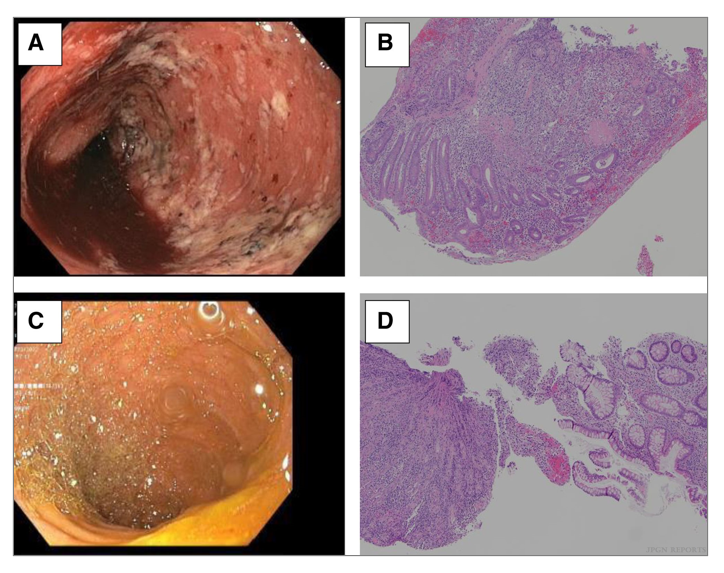
In this case report, the authors describe a 16 yo male with ulcerative colitis who on postoperative day 4 after colectomy developed an early onset of non-infectious enteritis. Treatment included corticosteroids “without significant improvement over 2 weeks. As his corticosteroid dose was tapered by 5 mg/day each week, ostomy output decreased, and abdominal pain and distension improved.” He continued to improve without further interventions. “6 weeks postoperatively, repeat upper endoscopy and ileoscopy demonstrated resolution of his duodenitis and ileitis grossly.”
“This is the first published case of a pediatric patient with PCE [postcolectomy enteritis], an entity previously only described in adults. PCE may be difficult to diagnose; in patients initially diagnosed with UC who develop small bowel inflammation following colectomy, the concern is often misdiagnosed Crohn’s disease.” The authors note that the “presentation is differentiated from Crohn’s disease based on timing [days to months after surgery], histology and diffuse pattern of mucosal involvement (3).”
My take: Rare cases PCE (a self-limited enteritis) occur and can be difficult to distinguish from Crohn’s disease. With PCE, if findings improve, this would suggest PCE whereas if symptoms persist, then this would suggest Crohn’s disease.
This case reminds me of the swimming test for a witch. Sinking to the bottom indicated that the accused was innocent while floating indicated a guilty verdict. Which is to say that we don’t have a great test to tell if someone has PCE at presentation.
(A) Initial ileoscopy image—diffuse inflammation characterized by erythema, exudate, and friability. (B) Initial ileal histopathology—severe active ileitis, erosion, and focal crypt irregularity (magnification 100×).
Repeat ileoscopy image– (C) normal mucosa. (D) Repeat ileal histopathology—nonspecific changes including patchy lamina propria lymphoplasma cell infiltrate, eosinophilia, and spotty glandular and intraepithelial lymphocytosis (magnification 100×).
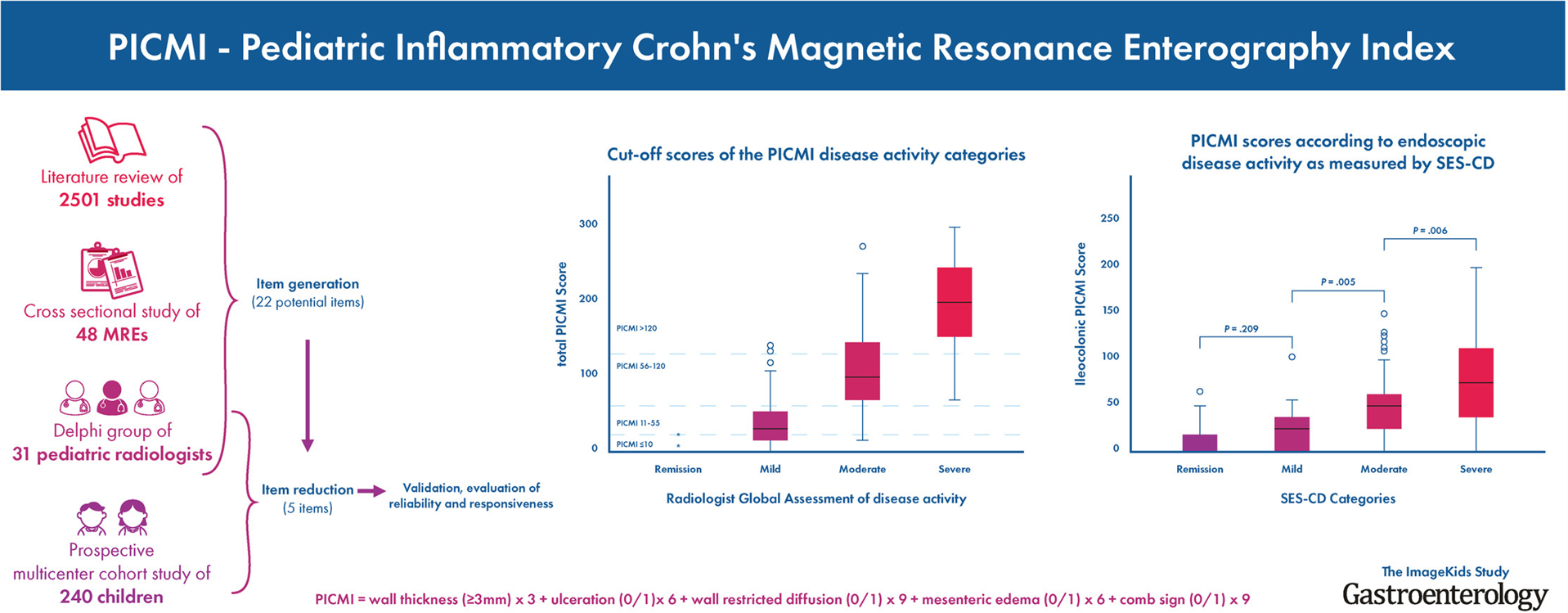
In the validation cohort of 81 MREs, the weighted global PICMI correlated well with the radiologist global assessment (r = 0.85; P < .001) and with the simple endoscopic score in a subsample with ileocolonic disease (r = 0.63; P < .001).
Interobserver and test-retest reliability were high (interclass correlation coefficients, 0.84 and 0.81, respectively; both P < .001)
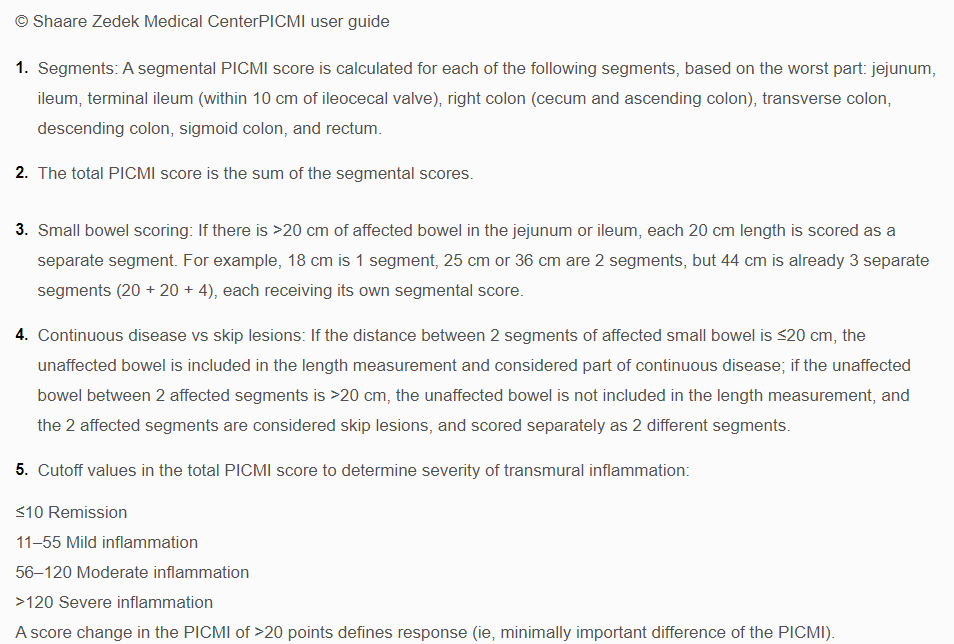
Transmural healing was defined as PICMI ≤10 and response as a change of >20 points with excellent discriminative validity (area under the receiver operating characteristic curve = 0.96
My take: This study identifies a specific MRI index (PICMI) that is reliable for assessing the entire bowel in pediatric CD and does not require intravenous gadolinium or rectal enema. By using a standardized tool, similar to SEMA-CD for ileocolonoscopy, this will improve the usefulness of MREs.
Also noted: Link: Clinical support tool (sponsored by AGA) that provides individualized information on 2nd line therapy effectiveness (ustekinumab and vedolizumab) with regard to probability of achieving clinical remission, how quick to expect a response, and whether therapeutic drug monitoring is needed.
“Scientists were arguing about the causes of obesity, which affects more than 40 percent of U.S. adults and costs the health system about $173 billion each year. At the meeting’s closing session, John Speakman, a biologist, offered this conclusion on the subject: “There’s no consensus whatsoever about what the cause of it is. That’s not to say the researchers disagreed on everything. The three-day meeting was infused with an implicit understanding of what obesity is not: a personal failing.”
“No scientist spoke of any of the supposed fixes that fill diet books and store shelves, with the exception of the carbohydrate discussion. There wasn’t serious dialogue about cleanses, diet apps or intermittent fasting. No one suggested that supplements could help people lose weight or that metabolisms need boosting. The sole presenter on the gut microbiome argued that the human trials in obesity to date have mostly disappointed.”
“Researchers have repeatedly found fat shaming promotes weight gain and harms. At least some of obesity’s negative health consequences are thought to be driven by stigma and discrimination, which results in poorer health care. “
In the Practical Gastroenterology article, the article stresses that being overweight does not in itself confer bad health outcomes. “There is an abundance of epidemiological research showing that “obesity” is associated with longer survival with diabetes, cancer, and cardiovascular diseases than thinner people with the same diagnoses….The main assumption made in weight-centric healthcare that contributes to and perpetuates weight bias is that higher weight is synonymous with poorer health. While much research exists that correlates fatness with disease states, causation cannot be assumed. Often, these studies neglect to control for factors such as fitness level, activity, nutrient intake, weight cycling, socioeconomic status, and experienced or internalized weight bias…In all BMI categories, sedentary behavior was linked with mortality.”
Other key points:
“Weight cycling increases inflammation, and inflammation increases the risk of many diseases”
Moving away from using weight as a determinant of health and instead focusing on health behaviors “to achieve health rather than weight loss” may be a better model.
My take: In children and adults, these articles suggest that the best current approach is to focus on health behaviors (consuming healthy foods, and increasing activity) rather than weight and stop thinking of obesity as a personal failure.
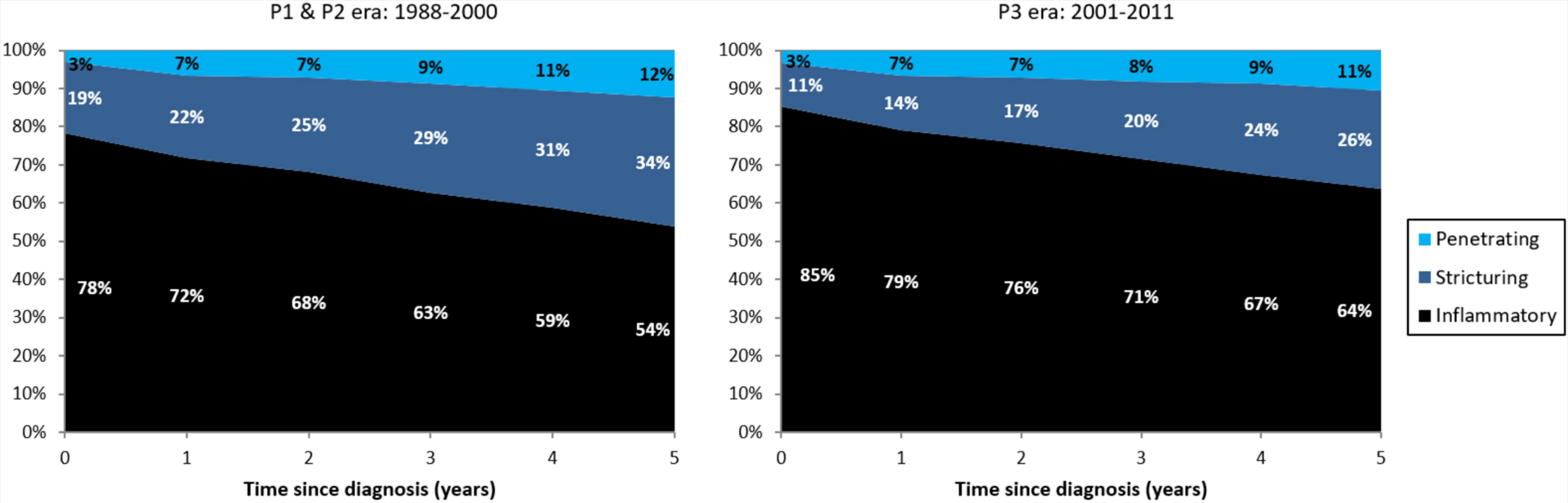
This retrospective study dating back to 1988 examined 1007 patients diagnosed with CD who were followed up for a median duration of 8.8 years.
Key findings:
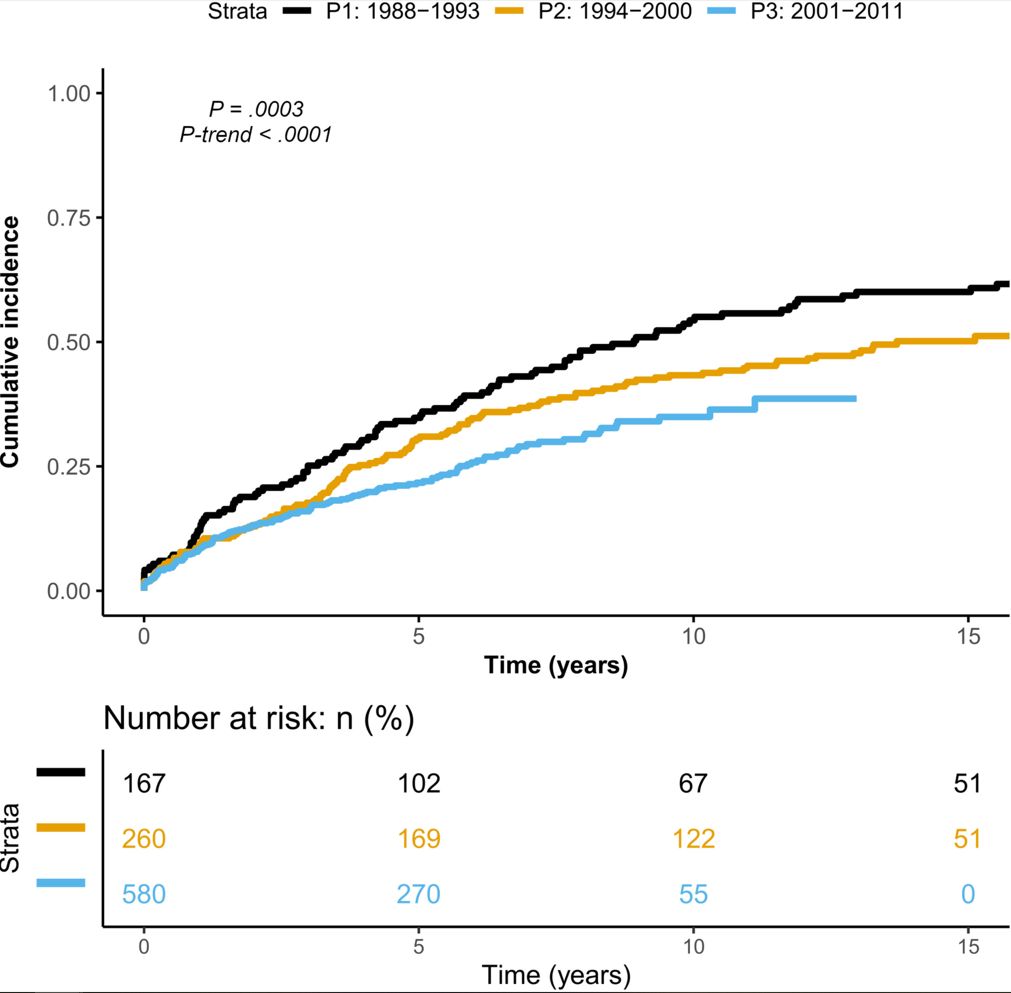
The risk for intestinal resection at 5 years decreased significantly over time (P1, 35%; P2, 31%; and P3, 22%; P = .0003. This decrease in resections coincided with increased use of immunosuppressive (IS) and anti-TNF therapy: IS and anti-TNF exposure rate at 5 years increased from 33.9% (in P1) to 76.5% (in P3) and from 0% (in P1) to 50.5% (in P3).
The risk for progression from inflammatory to stricturing behavior decreased significantly over time (P1, 27%; P2, 28%; and P3, 20%)
LE Targownik et al. Clin Gastroenterol Hepatol 2022; 20: 2607-2618. Earlier Anti-TNF Initiation Leads to Long-term Lower Health Care Utilization in Crohn’s Disease but Not in Ulcerative Colitis
Methods: The authors “used health administrative data from Manitoba, Canada to identify all persons with a new diagnosis of inflammatory bowel disease (IBD) between 2001 and 2018 who received tumor necrosis factor antagonists (anti-TNF) therapy and had at least 1 year of post anti-TNF initiation follow-up.”
Key findings:
Among 742 persons with CD, early anti-TNF initiators had fewer IBD-specific and overall hospitalizations over the 5 years following the start of therapy
Incidence of resective surgery was also lower in earlier anti-TNF initiators with CD if the first year following initiation was excluded from the analysis.
In 318 cases of UC, there was no impact of the timing of anti-TNF therapy on the rates of hospitalization and surgery.
My take: These two studies show that use of biologic therapy is associated with better outcomes in Crohn’s disease including fewer intestinal resections and fewer hospitalizations. It appears that earlier use may alter the natural history in part by reducing the likelihood of stricturing disease. Interestingly, the RISK study showed a reduction in penetrating disease with early use of biologics but not a reduction in stricturing disease (Related blog post: CCFA: Updates in Inflammatory Bowel Disease 2017 (part 3))
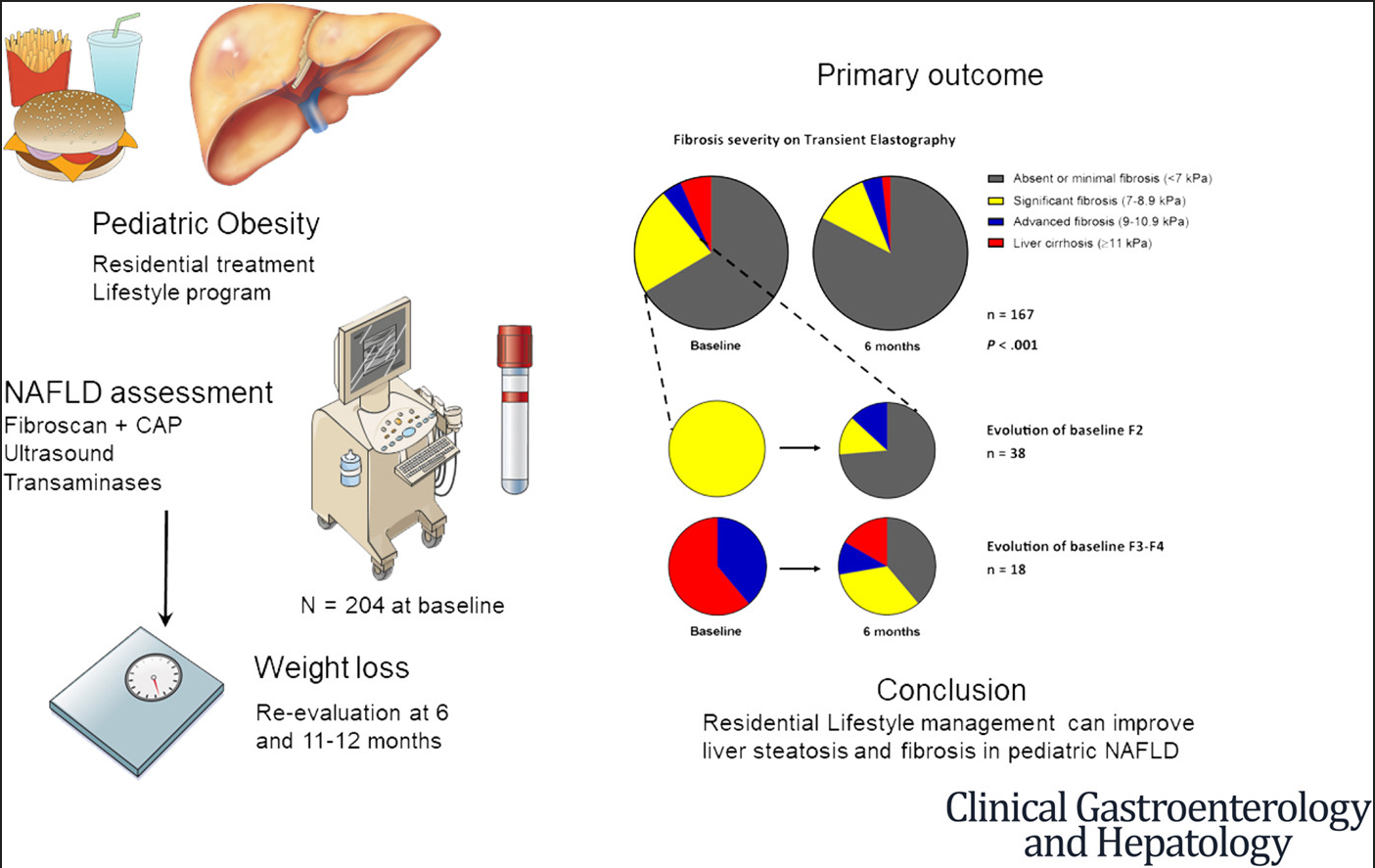
In this prospective study, pediatric patients with NAFLD received intensive lifestyle therapy which encompassed caloric restriction, physical activity, education on a healthy lifestyle, and psychosocial support. Key findings:
After 6 months, the median body weight loss was 16.0% in the 167 patients evaluated. Fibrosis improved in 75.0% (P < .001).
Fasting serum alanine aminotransferase and homeostasis model assessment of insulin resistance decreased significantly over the 1-year period (P < .001).
Related article: MH Malespin et al. Clin Gastroenterol Hepatol 2022; 20: 2393-2395. In this study, adults who were enrolled in TARGET-NASH (n=2019) were reviewed. Only 32% of overweight/obese adults with NAFLD receiving usual care in the U.S. achieved weight loss of 5% or more. In addition, only 25% who lost 5% or more of their weight maintained weight loss at follow-up at 5 years.
My take: Together these studies show that weight loss can reverse liver damage (steatosis and fibrosis) in NAFLD; however, maintaining weight loss with lifestyle treatment is quite difficult. As such, it is anticipated that newer pharmacologic agents (eg. semaglutide) will be available (after appropriate trials), especially for more severe NAFLD.
This retrospective review examined health care utilization within 3 months before and after patients received a constipation action plan (CAP which was implemented in 2019). There were 336 patients who received a CAP and 2812 patients who did not.
Key findings:
There were fewer patient telephone calls for patients who received the CAP (P = 0.0006). The difference in patient electronic messages was not statistically significant (P = 0.09).
There were no differences in UC/emergency department visits or hospitalizations.
Medications for CAP included the following:
Polyethylene glycol 3350, Senna, Milk of Magnesia, Magnesium Citrate, Lactulose, Bisacodyl (tablets, suppository, enema), Normal saline enema, Glycerin suppository, and Sodium phosphate enema
My take: A CAP likely helps educate and empower families on how to manage their child’s symptoms. In this study, it resulted in fewer phone calls (& trend of less electronic messages). Better education is likely to help with patient outcomes even if this is difficult to prove in a retrospective study. This action plan appears easier to understand than a previous CAP, and uses the Red Zone as the cleanout section. Related blog post:Pictographic Constipation Action Plan (2021)
This is a sample of the institution’s constipation action plan (similar to Figure 1) shared by the author.
Methods: In this 5-year retrospective study, the authors identified 22 patients with NRCD; they were following a gluten-free diet for at least 12 months but had persistent symptoms and enteropathy (Marsh 3). Treatments for NRCD were either a GCED (n=13), budesonide (n=9) or both (n=4). Four patients were lost to follow-up and did not receive either treatment.
Key findings:
Thirteen were treated with the GCED for 3 months with 46% achieving both histological and symptomatic resolution
Nine patients were treated with budesonide (6–9 mg daily), with 89% achieving both symptomatic and histologic resolution after a median 3-month treatment course
67% of patients who responded to the GCED and 100% of patients who responded to budesonide remained in remission for at least 6 months following treatment transition back to exclusive GFD
My take: This important article shows that many patients thought to be receiving a GFD can respond to a more stringent approach. In addition, it offers an alternative strategy with budesonide which had a high response rate.
In patients believed to have celiac disease who have persistent or recurrent symptoms or signs, the initial diagnosis of celiac disease should be confirmed by review of prior diagnostic testing, including serologies, endoscopies, and histologic findings.
Best Practice Advice 2
In patients with confirmed celiac disease with persistent or recurrent symptoms or signs (nonresponsive celiac disease), ongoing gluten ingestion should be excluded as a cause of these symptoms with serologic testing, dietitian review, and detection of immunogenic peptides in stool or urine. Esophagogastroduodenoscopy with small bowel biopsies should be performed to look for villous atrophy. If villous atrophy persists or the initial diagnosis of celiac disease was not confirmed, consider other causes of villous atrophy, including common variable immunodeficiency, autoimmune enteropathy, tropical sprue, and medication-induced enteropathy.
Best Practice Advice 3
For patients with nonresponsive celiac disease, after exclusion of gluten ingestion, perform a systematic evaluation for other potential causes of symptoms, including functional bowel disorders, microscopic colitis, pancreatic insufficiency, inflammatory bowel disease, lactose or fructose intolerance, and small intestinal bacterial overgrowth.
Best Practice Advice 4
Use flow cytometry, immunohistochemistry, and T-cell receptor rearrangement studies to distinguish between subtypes of refractory celiac disease and to exclude enteropathy-associated T-cell lymphoma. Type 1 refractory celiac disease is characterized by a normal intraepithelial lymphocyte population and type 2 is defined by the presence of an aberrant, clonal intraepithelial lymphocyte population. Consultation with an expert hematopathologist is necessary to interpret these studies.
Best Practice Advice 5
Perform small bowel imaging with capsule endoscopy and computed tomography or magnetic resonance enterography to exclude enteropathy-associated T-cell lymphoma and ulcerative jejunoileitis at initial diagnosis of type 2 refractory celiac disease.
Best Practice Advice 6
Complete a detailed nutritional assessment with investigation of micronutrient and macronutrient deficiencies in patients diagnosed with refractory celiac disease. Check albumin as an independent prognostic factor.
Best Practice Advice 7
Correct deficiencies in macro- and micronutrients using oral supplements and/or enteral support. Consider parenteral nutrition for patients with severe malnutrition due to malabsorption.
Best Practice Advice 8
Corticosteroids, most commonly open-capsule budesonide or, if unavailable, prednisone, are the medication of choice and should be used as first-line therapy in either type 1 or type 2 refractory celiac disease.
Best Practice Advice 9
Patients with refractory celiac disease require regular follow-up by a multidisciplinary team, including gastroenterologists and dietitians, to assess clinical and histologic response to therapy. Identify local experts with expertise in celiac disease to assist with management.
Best Practice Advice 10
Patients with refractory celiac disease without response to steroids may benefit from referral to a center with expertise for management or evaluation for inclusion in clinical trials.
Disclaimer: This blog, gutsandgrowth, assumes no responsibility for any use or operation of any method, product, instruction, concept or idea contained in the material herein or for any injury or damage to persons or property (whether products liability, negligence or otherwise) resulting from such use or operation. These blog posts are for educational purposes only. Specific dosing of medications (along with potential adverse effects) should be confirmed by prescribing physician. Because of rapid advances in the medical sciences, the gutsandgrowth blog cautions that independent verification should be made of diagnosis and drug dosages. The reader is solely responsible for the conduct of any suggested test or procedure. This content is not a substitute for medical advice, diagnosis or treatment provided by a qualified healthcare provider. Always seek the advice of your physician or other qualified health provider with any questions you may have regarding a condition.
“Science suggests that chores make kids happy and that you should start assigning little jobs early, even when they are toddlers.”
“Seemingly insignificant chores like setting the table or folding laundry are valuable building blocks toward a child’s independence.”
NY Times (11/1/22): How Brains Send a Signal That It’s Time to Vomit (in mice) Reference article: Z Xie et al. Cell: The gut-to-brain axis for toxin-induced defensive responses “They traced the effect to certain neurons in the brain that released neurotransmitters when the drug [eg. chemotherapy] or the toxin [eg. bacterial] reached the gut. Following those messages back, they discovered cells in the small intestine that reacted to the presence of these noxious substances. A central player in the pathway to nausea and retching was an immune system molecule called interleukin 33, or IL33. Keeping mice from making IL33 significantly reduced their symptoms.”
Three most common causes of infectious esophagitis in children: Candida, HSV and CMV. Asperigillus (& other fungi) as well as bacterial esophagitis are rarely seen. Rare viral infections include human papilloma, varicella zoster and EBV
For Candida, this is typically a benign commensal organism but can become pathogenic due to changes in immunity (immunocompromised including corticosteroids), altered motility and sometimes after antibiotics (with or without PPI therapy). EoE can present with similar-appearing mucosa; thus, biopsy and/or brushing is needed.
With HSV, pediatric case series have reported higher rates in immunocompetent children
Typical treatments: fluconazole for Candida, and Acyclovir for HSV. For CMV, potential treatments include ganciclovir, valganciclovir, foscarnet or cidofovir.
My take: This is a short, good review of the infections that can cause esophagitis in children.