IBD Shorts October 2018

C Ma et al. Clin Gastroenterol Hepaatol 2018; 16: 1407-19.  This study examined endpoints in randomized controlled trials (RCTs) of Crohn’s disease.  Key finding: Among 116 included RCTs (n=27,263 patients), there were 38 unique definitions of clinical response or remission and 32 definitions of loss of response. The most common endpoint was CD activity index.

RP Hirten et al. Clin Gastroenterol Hepatol 2018; 16: 1374-84. This review examines the topic of combining biologics in inflammatory bowel disease. Currently, there is little data in IBD.  From studies completed in rheumatology and dermatology, there are some safety concerns. One current study, the EXPLORER study, which is a phase 4 open label trial evaluating the use of vedolizumab in combination with adalimumab and methotrexate, will provide some useful information.  With regard to safety, gut-specific anti-integrin therapies are likely to be safer in combination than other biologic therapies.

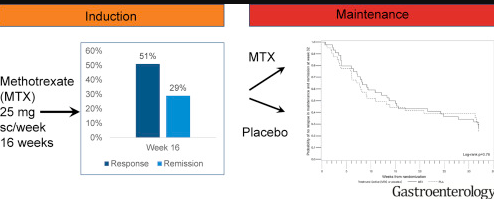
RJ Colman et al. Inflamm Bowel Dis 2018; 24: 2135-41.  This systematic review and meta-analysis which included 14 eligible studies showed that the pooled clinical remission rate with methotrexate monotherapy for pediatric Crohn’s disease was 57.7% at 3-6 months and 37.1% at 1 year.

AA Wren et al. Inflamm Bowel Dis 2018; 24: 2093-2105. This study with 93,668 patients in a cohort from Truven MarketScan Database (2007-2015) identified a high rate of opioid therapy usage in U.S. adolescents and young adults (15-29 year olds).  Annual prevalence of chronic opioid use was 9.3% in 2007 and peaked at 12.2% in 2011. In 2015, the prevalence dropped to 10.8%.  Overall, 18.2% had received chronic opioid therapy.  Among the 2503 with chronic opioid usage who were followed longitudinally, 30.5% received opioids for 2 years and 5.3% for 4 years. The associated editorial (ME Kuenzig, EI Benchimol, pg 2140-5) note that these prevalence data may underestimate the true rate of opioid use due to the case definition of IBD used when analyzing the administrative data.

Lake Moraine, Banff

Do Biologics Alter the Natural History of Crohn’s Disease in Children?

An important recent study (B Kerur et al. Clin Gastroenterol Hepatol 2018; 16: 1467-73 & editorial C Ballengee S Kugasthasan 1398-1400) examined the impact of biologic therapies on Crohn’s disease progression and need for surgery in 1442 children (age, ≤16 y) between 2002-14. This study examined data from the Pediatric Inflammatory Bowel Disease Collaborative Research Group registry.

Key findings:

  • Early use of biologics (n=145) was associated with slowing of disease progression (hazard ratio 0.85, CI 0.76-0.95).  Those who received anti-TNF therapy within three months of diagnosis were less likely to develop stricturing (B2) or penetrating (B3) disease.
  • Early anti-TNF therapy did not effect progression to surgery. Surgery rates were 4% at 1 year, 13% at 5 years, and 26% at 10 years.
  • Of those who needed surgery, ~15% already had their first bowel-related surgery in the first 90 days after diagnosis.
  • The study cohort at diagnosis included only 51 with B2 disease, 27 with B3, and 11 with both B2 & B3.  Thus, these three disease phenotypes represented ~6% of the entire cohort.

In the editorial, the authors state that this study “is a sobering reminder that we apparently have not changed the long-term course of CD for our pediatric patients.”  Though, at the same time, they explain how this study had some limitations which could have affected some of the conclusions.

  • In contrast to the RISK study, this study classified patients as B1 who progressed to B2 or B3 in the first 3 months of diagnosis.  Including these patients decreased the chance to show improvement with early biologic therapy.
  • Also, this cohort included a lower percentage of African American patients compared to the RISK study (8% vs 13%).  This also lowered the likelihood of identifying improvement;  these patients are more likely to develop penetrating disease which can be prevented with early biologic therapy (RISK study: Kugasthasan S et al. Lancet 2017; 389: 1710-8).

Also, one other finding of the study was that there was a paradoxical increase in the risk of surgery in the first 5 years in the early biologic group. “This suggests that our practicing pediatric gastroenterologists may have selected the sicker patients to start biologics.”

My take: I think biologics do influence the natural history of Crohn’s disease in children.  However, this study suggests that the magnitude of that alteration is suboptimal.

Related blog post: CCFA update 2017 -RISK study presentation

Vedolizumab and Extraintestinal Manifestations of Inflammatory Bowel Disease

A recent retrospective study( MC Dubinsky et al. Inflamm Bowel Dis 2018; 24: 1876-82) indicates that vedolizumab (VDZ) is likely to less effective than anti-TNF agents for extraintestinal manifestations of inflammatory bowel disease (IBD).

The authors used the MarketScan database (2102-2016).  For Crohn’s disease (CD) this included 756 treated with VDZ and 19584 treated with anti-TNF.  For ulcerative colitis (UC), this included 544 treated with VDZ and 8574 treated with anti-TNF.

Key findings:

  • Compared to patients receiving anti-TNF therapy, VDZ-treated CD patients were 28% more likely to develop “any EIMs” with an adjusted rate ratio of 1.49.  The adjusted rate ratio of developing specific EIMs: erythema nodosum  4.29, aphthous stomatitis 3.71, episcleritis/scleritis 2.51, arthropathy 1.45, primary sclerosing cholangitis (PSC) 7.79, and uveitis/iritis 2.89.
  • VDZ-treated UC patients did not have a statistically-significant increase in general for EIMs; though when looked at individually, there was increased incident rate ratios for some: apthous stomatitis 3.67, pyoderma gangrenosum 4.42, and PSC 3.44.

The authors findings are counter to their hypothesis that VDZ-treated patients would not have a significantly higher incidence of EIMs and that the EIMs would parallel course with IBD. To explain their findings, the authors note the following:

  • “EIMs may be more associated with systemic inflammation than previously thought.”
  • “Alternatively, the correlation between specific EIMs and underlying intestinal disease activity may be less tight than previously described.”
  • Anti-TNFs may control intestinal inflammation better than VDZ
  • VDZ-treated patients may have had more severe disease

While EIMs are more likely to develop on VDZ therapy, this study and prior RCTs do not show whether VDZ is effective in resolving EIMs.

My take: This retrospective study indicates that EIMs, including PSC, are more likely to occur in patients receiving vedolizumab. It is unclear whether this is related to the gut-specific control of inflammation with VDZ or whether there are patient characteristics responsible for this observation.

Related blog posts:

Sunshine Meadows, Banff

IBD Shorts -September 2018

S Sridhar et al. Inflamm Bowel Dis 2018; 24: 2086-92.  This retrospective pediatric study with 409 patients examined dermatologic manifestations on anti-TNF therapy.  47 (11.4%) had dermatologic findings recorded including 33 with psoriasis, 28 with infections, and 10 with eczema (some had multiple skin findings). The majority were able to continue with current anti-TNF regmimen, including 60% of those with psoriasis.

Related blog posts:

NA Rozette et al. Inflamm Bowel Dis 2018; 24: 2007-14. This study with 50 subjects showed good safety of rapid versus standard infliximab infusions. One interesting aspect of their study which included a retrospective arm (standard infusion) and a prospective arm (rapid infusion) was a declining use of premedication, though even in their prospective group 60% received premedication including the combination of acetaminophen, benadryl, and methylprednisolone in 30%.  There were two patients in the rapid infusion with mild reactions who reverted to standard infusion rates.

CJ Moran, JL Kaplan, HS Winter. Inflamm Bowel Dis 2018; 24: 2048-52. This study with 199 subjects with active Crohn’s disease (CD) (21-86 years) –had their BioBank blood tested for 5 common CRP genetic variants.  Some specific variants,  rs2794520TT & rs1800947, were associated with lower CRP levels. This study helps explain why CRP is not a useful marker in some patients with CD.

Sunshine Meadows, Banff

Anemia in Pediatric Inflammatory Bowel Disease

A recent retrospective study (G Aljomah et al. JPGN 2018; 67: 351-5) provides some useful information about anemia in the pediatric inflammatory bowel disease (IBD) population. This study included 153 patients, though the diagnostic tests varied considerably; for example, only 42 patients had a serum transferrin receptor (sTR) assay available at followup.

Key points:

  • 67.3% of patients had anemia at diagnosis.  38.5% had anemia of chronic disease (ACD) and the remainder had either iron deficiency anemia (IDA) or IDA in combination with ACD.
  • 20.5% had anemia at followup approximately 1 year after diagnosis. 5.1% with ACD alone and 15.4% had IDA or IDA in combination with ACD.
  • In a subset of patients with more complete data, it was shown that anemia was much more common in patients with Crohn’s disease: 91.2% at diagnosis and 27.3% at followup compared with patients with ulcerative colitis with 40.0% at diagnosis and 7.7% at followup.

The authors used the sTR index (sTR/log ferritin index) to determine if ACD was present.  “This index can differentiate IDA from ACD; however, it cannot separate IDA from the combination of IDA/ACD.  IDA or IDA/ACD were considered to be present if the sTR index was greater than 1.03. An sTR index of <1.03 was taken to be indicative of the presence of ACD.”

Briefly noted: MR Serpico et al. JPGN 2018; 67: 341-5.  This retrospective study  examined the use of allopurinol to optimize thiopurine levels.  32 of 52 patients remained on the combination for 1 year.  In this group, median alanine transaminase decreased to 19 from 77 (P<0.001) and median 6-TG levels increased to 322 from 166 (P<0.001). In addition, steroid-free remission rates improved to 82% (23 of 28).  About 40% of the initial cohort of 52 patients were switched to antitumor necrosis factor therapy.

My take: The initial study shows that anemia is frequent in pediatric IBD, especially at diagnosis (67%).  Even at followup, 20% of patients had ongoing anemia.

Related blog posts:

Exclusive Enteral Nutrition for Crohn’s Disease -Less Effective in Those with Isolated Colonic Disease

A recent study (Y Xu. Clinical Nutrition 2018; https://doi.org/10.1016/j.clnu.2018.08.022) showed that exclusive enteral nutrition (EEN) is less effective in patient’s with Crohn’s disease with isolated colonic disease.

Abstract Link: Isolated Colonic Crohn’s Disease is Associated with a Reduced Response to Exclusive Enteral Nutrition Compared to Ileal or Ileocolonic Disease

This was a retrospective study of 241 adults: 52 patients in the cCD (isolated colonic disease) group and 189 patients in the non-cCD group.

Key findings:

  • “The rates of clinical remission differed between the two groups (cCD group: 51.9% versus non-cCD group: 68.3%, P = 0.029). Multivariate analyses indicated that isolated colonic involvement was associated with a reduced response to EEN (OR = 2.74; [CI] 95% = [1.2 –6.23], P = 0.016).”
  • “Further analysis showed that even in patients who achieved clinical remission after EEN, inflammatory serum markers declined more slowly in the cCD group than in the non-cCD group, and the time to remission was longer in the cCD group.”

Related blog posts:

Transmural Disease, Biomarkers, and Correlation between MRI and Endoscopy

A recent study (I Weinstein-Nakar et al. Clin Gastroenterol Hepatol 2018; 16: 1089-97, editorial 1037-39)) provide data from 151 children who underwent multiple modalities to assess their Crohn’s disease (CD) (ImageKids Study group).

Key findings:

  • MRE and ileocolonoscopy had concordance in 69% of cases.  55% had neither transmural nor mucosal healing, 14% had both transmural and mucosal healing.
  • MRE did not show features of active disease in 25% that was identified on ileocolonoscopy.  This is an expected finding given the ability of endoscopy (& capsule endoscopy) to identify milder mucosal lesions more precisely.
  • MRE did show evidence of disease in 6% who had unremarkable ileocolonoscopy (mucosal healing)
  • Calprotectin at a cut-off of 100 mcg/mL had 71% sensitivity and 92% specificity for diagnosing mucosal and transmural healing whereas a level of 300 mcg/mL had a sensitivity of 80% and specificity of 81%.

My take: This study confirms the complementary nature of cross-sectional imaging with endoscopy to determine healing.  In addition, in children with CD, calprotectin levels of more than 100 mcg/mL could indicate the need for further assessment (if this would affect management).

This is in agreement with another recent post: IBD Reviews: Antibiotics and Biomarkers:  “a calprotectin has a high level of excluding active inflammation/IBD. In populations with IBD, levels more than 250 mcg/g indicate a high likelihood of active inflammation whereas levels between 100-250 are indeterminate.”

Related blog posts:

Sunshine Meadows, Banff Nat’l Parke

Active Colitis More Likely in Children in Clinical Remission Who Have PSC and IBD

A recent study (A Ricciuto et al. Clin Gastroenterol Hepatol 2018; 16: 1098-1105) provides more data regarding the lack of symptom correlation and inflammatory bowel disease (IBD) activity in children with primary sclerosing cholangitis (PSC).

In a prospective study of children with colonic IBD with and without PSC, the authors followed clinical features (eg. PUCAI), fecal calprotectin and endoscopy severity.

Key findings:

  • Patients with PSC-IBD (n=37) in clinical remission had higher endoscopic scores and greater odd of active endoscopic disease than IBD-only controls (n=50) (odds ratio 5.9, with CI 1.6-21.5)
  • Fecal calprotectin level <93 mcg/g were identified mucosal healing with 100% sensitivity and 92% specificity when compared with UC Endoscopic Index of Severity (UCEIS)

Overall, this study is in agreement with a prior adult study showing higher levels of active disease in those with PSC-IBD compared to those with IBD alone, despite clinical remission (Why does PSC increase the risk of colorectal cancer in UC?).

My take: Particularly in individuals with the combination of IBD-PSC, objective biomarkers (eg. Calprotectin) are needed to identify the accuracy of clinical remission; though, even in patients with IBD without PSC, objective biomarkers are needed as well due to the limitations of clinical symptom indices.

Related blog posts:

Moraine Lake, Banff

Management of Pediatric Ulcerative Colitis -ESGHAN/ECCO Recommendations

Two complementary articles provide extensive guidance on the management of ulcerative colitis and acute severe colitis:

  • D Turner et al. JPGN 2018; 67: 257-91
  • D Turner et al. JPGN 2018; 67: 292-310

Between the two articles there are more than 60 practice recommendations, more than 120 practice points, and more than 700 references.  As such, these articles are probably better for a journal review meeting rather than a brief blog post.

Figure 1 (2nd article, page 299) provides a handy algorithm for management of acute severe colitis:

  • On day 1-2, the algorithm recommends stool studies, starting methylprednisolone, and withholding 5-ASA.
  • On day 3, if PUCAI <45, suggests continuing steroid and transitioning to oral therapy when PUCAI <35.  On day 3, if PUCAI ≥45, the authors suggest screening for second line therapy, involve surgery (to discuss colectomy if there is nonresponse to medical treatment), and looking for CMV infection (eg. sigmoidoscopy).
  • On day 5, if PUCAI >65, recommendation is to start 2nd line Rx (eg. infliximab, tacrolimus, or cyclosporine). If PUCAI 35-65, continue corticosteroids for additional 2-5 days. The authors note that infliximab is preferred 2nd line Rx unless planning to transition to vedolizumab.
  • The authors recommend weaning corticosteroids when 2nd line Rx is started
  • The authors recommend addition of an immunomodulator for at least 6 months in responders to infliximab in effort to lower the risk of colectomy.
  • The authors state “urgent colectomy is recommended following failure of 1 second-line therapy.”

Disclaimer: These blog posts are for educational purposes only. Specific dosing of medications/diets (along with potential adverse effects) should be confirmed by prescribing physician/nutritionist.  This content is not a substitute for medical advice, diagnosis or treatment provided by a qualified healthcare provider. Always seek the advice of your physician or other qualified health provider with any questions you may have regarding a condition.

Related blog posts:

Marijuana Use in Adolescents/Young Adults with Inflammatory Bowel Disease

A recent study (EJ Hoffenberg et al. J Pediatr 2018; 199: 99-105) examined the use of marijuana in 13-23 year age group with inflammatory bowel disease (IBD) at the Children’s Hospital for Colorado.

This relatively small study (n=99 — 62 with Crohn’s, 27 with ulcerative colitis, 10 with indeterminate colitis) found the following:

  • Marijuana use was endorsed by 32 (32%) and that 9 used daily or almost-daily.
  • Users were 10.7 times more likely to perceive low risk of harm (P<.001)
  • 17 of 30 stated a medical reason for use (16 with physical pain)
  • The most common route of use was smoking (83%)

Limitations:

  • 80% of participants had inactive or mild disease
  • There was no control (non-IBD) group to compare frequency of marijuana use
  • Study performed in state with legalized recreational marijuana

My take: We know very little about how marijuana impacts IBD course and whether it is safe.  This study indicates frequent use of marijuana in the 13-23 year age group.  Thus, it is an issue that needs to be examined further.

Related blog posts:

Three Sisters, Peaks near Canmore, Alberta