Amplified Gut Pain

We could do a lot better than the following:

  • Irritable bowel syndrome (IBS)
  • Non-organic abdominal pain
  • Functional abdominal pain (FAP)
  • Visceral hyperalgesia

Everyday I see families and these terms create more work –not less.

DD Sherry (JAMA Pediatrics 2022; 176: 10-11. Amplified Pain—A Helpful Diagnosis) shares his views on chronic pain terminology with regard to rheumatology, but some of the same lessons should be applied to pediatric gastroenterology:

  • “The primary purpose of any diagnosis is to serve the patient. They want to know what they have, even if we, as scientists, do not know the cause or mechanism. For example, we have no idea why children have juvenile idiopathic arthritis and, even though it has the word idiopathic in it, giving the child and family this diagnosis is reassuring, allows them to stop looking for other reasons for their symptoms, lets them tell others what they have, and allows for therapy to begin.”
  • “Amplified pain, in essence, is when the body takes a signal and amplifies it to become symptomatic. The pain is disproportional, as is, frequently the degree of disability”
  • “Telling patients with amplified pain that their pain is chronic pain,… functional pain…is no help. Many of these children have already been told they are malingering”
  • “Using the term amplified pain is useful, understandable, and rational. These children are not exaggerating their pain complaint.”

My take: A term like amplified gut pain would be an improvement from what we have now. It could be introduced as another term for visceral hyperalgesia or as a childhood variant of IBS or FAP since it is not currently used in the literature.

Related blog posts:

Bandelier National Monument, New Mexico

Endoscopic Assessment of Eosinophilic Gastritis

I Hirano et al. Am J Gastroenterol 2022; 117: 413-423. Prospective Endoscopic Activity Assessment for Eosinophilic Gastritis in a Multisite Cohort Thanks to Ben Gold for this reference.

Methods: Endoscopic features were prospectively recorded (n=65) using a system specifically developed for EG, the EG Endoscopic Reference System (EG-REFS)

Key findings:

  • The most common endoscopic findings were erythema (72%), raised lesions (49%), erosions (46%), and granularity (35%); only 8% of patients with active histology (≥30 eosinophils/high-power field) exhibited no endoscopic findings
  • A strong correlation between EG-REFS scores and physician global assessment of endoscopy severity was demonstrated (Spearman r = 0.84, P < 0.0001)
  • EG-REFS severity was significantly correlated with active histology, defined by a threshold of ≥30 eosinophils/high-power field (P = 0.0002).

My take: This reference has a ton of terrific pictures (48 for Figure 1) which showcase the wide variety of endoscopic findings (unfortunately these are behind a paywall). Overall, the study lays the groundwork for scoring the severity of EG and for serial assessments.

Related blog posts:

 Ristras are the strings of chile you see hanging along fences,
on patios and on portals all over New Mexico

Quality Forum: Understanding Food Allergy Testing (Part 2) & Atopic Dermatitis

The Children’s Care Network (in Atlanta) has recently shared its Spring 2022 Clinical Quality Forum. Following is the link to the video recording. The poll during the live presentation is not active for the recording.

​Some of the slides that I think are most helpful ​are shown below (used with permission).  This 2nd part of content is from Dr. Brian Vickery which describes ​the relationship of atopic dermatitis to food allergy and best practices for prevention of food allergy:

ASCIA Handouts:

Related blog posts:

Disclaimer: This blog, gutsandgrowth, assumes no responsibility for any use or operation of any method, product, instruction, concept or idea contained in the material herein or for any injury or damage to persons or property (whether products liability, negligence or otherwise) resulting from such use or operation. These blog posts are for educational purposes only. Specific dosing of medications (along with potential adverse effects) should be confirmed by prescribing physician.  Because of rapid advances in the medical sciences, the gutsandgrowth blog cautions that independent verification should be made of diagnosis and drug dosages. The reader is solely responsible for the conduct of any suggested test or procedure.  This content is not a substitute for medical advice, diagnosis or treatment provided by a qualified healthcare provider. Always seek the advice of your physician or other qualified health provider with any questions you may have regarding a condition

Quality Forum: Understanding Food Allergy Testing (Part 1)

The Children’s Care Network (in Atlanta) has recently shared its Spring 2022 Clinical Quality Forum. Following is the link to the video recording. The poll during the live presentation is not active for the recording.

Some of the slides that I think are most helpful are shown below (used with permission). The first part of content is from Dr. Gerry Lee which describes best practices for selecting patients for Food Allergen IgE testing:

Related blog posts:

Disclaimer: This blog, gutsandgrowth, assumes no responsibility for any use or operation of any method, product, instruction, concept or idea contained in the material herein or for any injury or damage to persons or property (whether products liability, negligence or otherwise) resulting from such use or operation. These blog posts are for educational purposes only. Specific dosing of medications (along with potential adverse effects) should be confirmed by prescribing physician.  Because of rapid advances in the medical sciences, the gutsandgrowth blog cautions that independent verification should be made of diagnosis and drug dosages. The reader is solely responsible for the conduct of any suggested test or procedure.  This content is not a substitute for medical advice, diagnosis or treatment provided by a qualified healthcare provider. Always seek the advice of your physician or other qualified health provider with any questions you may have regarding a condition

Update on Esophageal Motility Disorders

DA Patel et al. Gastroenterol 2022; 162: 1617-1634. Open Access: Esophageal Motility Disorders: Current Approach to Diagnostics and Therapeutics

Manometric classification of various esophageal motility disorders
based on CC v4.0. HRIM, high-resolution impedance manometry
Treatment options in patients with disorders of esophageal peristalsis after a careful endoscopy is performed to rule out a mechanical or mucosal disease (such as eosinophilic esophagitis
Impact of mucosal diseases, opioids, and connective tissue disease on esophageal motility. Figure shows presence of various secondary motility abnormalities, and the triangle indicates visual approximations of the prevalence of those motility abnormalities with each disease state. Most patients will have normal motility testing.

Eosinophilic Colitis Is Not a Typical EGID or IBD

T Shoda et al. Gastroenterol 2022; 162: 1635-1642. Open Access: Evaluating Eosinophilic Colitis as a Unique Disease Using Colonic Molecular Profiles: A Multi-Site Study

Methods: Subjects with EoC (n = 27) and controls (normal [NL, n = 20], Crohn’s disease [CD, n = 14]) were enrolled across sites associated with the Consortium of Eosinophilic Gastrointestinal Disease Researchers. EoC was diagnosed as colonic eosinophilia (ascending ≥100, descending ≥85, sigmoid ≥65 eosinophils/high-power field) with related symptoms. Colon biopsies were subjected to RNA sequencing.

Key findings:

  • Among EoC and other EGIDs, there was minimal transcriptomic overlap and minimal evidence of a strong allergic type 2 immune response in EoC compared with other EGIDs
  • EoC transcriptome–based scores were reversible with disease remission and differentiated EoC from IBD, even after controlling for colonic eosinophil levels (P < .0001)

My take: The study indicates that eosinophilic colitis is likely unrelated to other eosinophilic GI disease and is likely unrelated to inflammatory bowel disease.

Related blog posts:

Position Paper for Pediatric Breath Testing

IJ Broekaert et al. JPGN 2022; 74: 123-127. Open access: An ESPGHAN Position Paper on the Use of Breath Testing in Paediatric Gastroenterology

This is a good article which provides pediatric dosing of breath testing agents and important considerations in methodology and interpretation. In addition, there are 22 graded recommendations (see below) –some may be surprising. For example, the breath testing is NOT recommended for diagnosis of H pylori but is recommended for determination of eradication therapy.

Related blog posts:

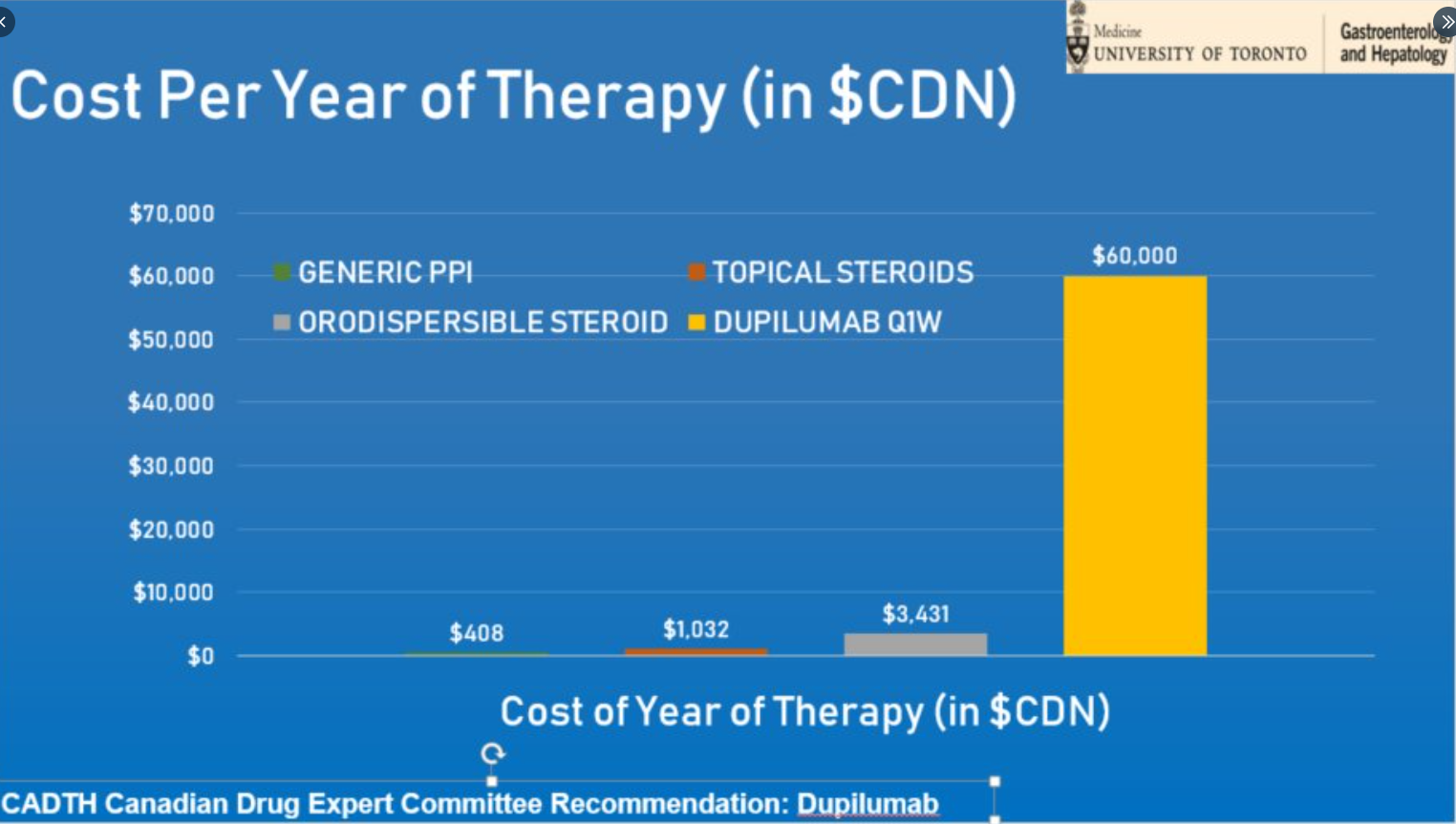
Dupilumab: FDA Approval for Eosinophilic Esophagitis

U.S. FDA (5/20/22): FDA Approves First Treatment for Eosinophilic Esophagitis, a Chronic Immune Disorder

“Today, the U.S. Food and Drug Administration approved Dupixent (dupilumab) to treat eosinophilic esophagitis (EoE) in adults and pediatric patients 12 years and older weighing at least 40 kilograms (which is about 88 pounds). Today’s action marks the first FDA approval of a treatment for EoE…”

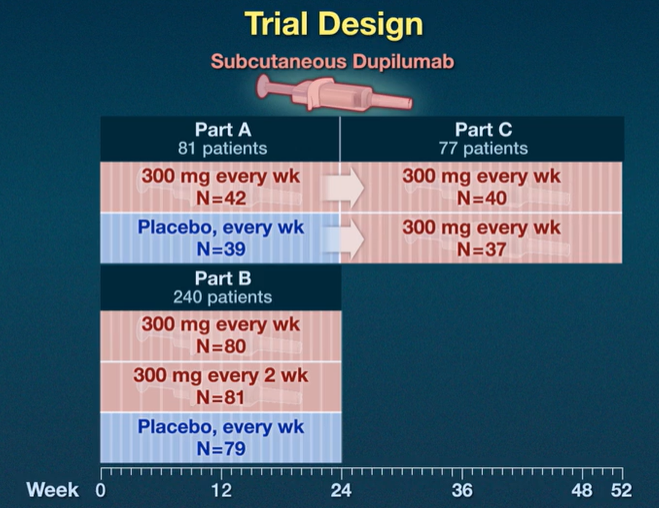
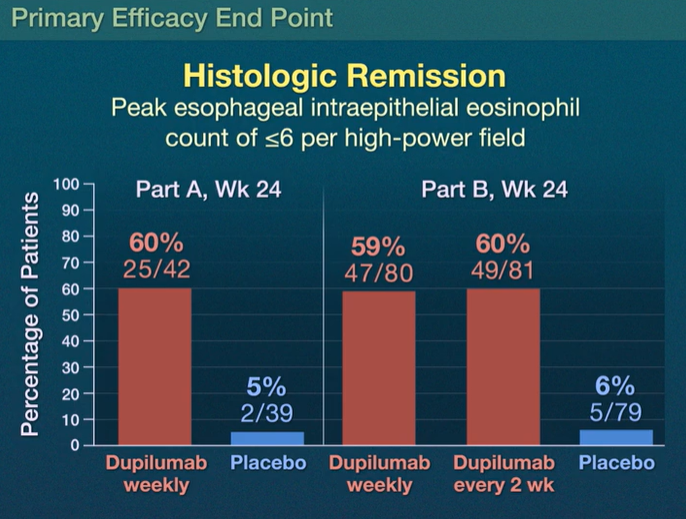
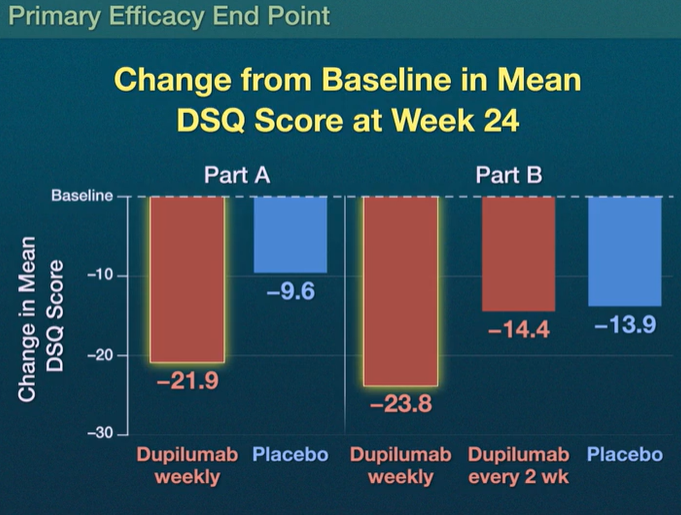
“The efficacy and safety of Dupixent in EoE was studied in a randomized, double-blind, parallel-group, multicenter, placebo-controlled trial, that included two 24-week treatment periods (Part A and Part B)…In Part A of the trial, 60% of the 42 patients who received Dupixent achieved the pre-determined level of reduced eosinophils in the esophagus compared to 5% of the 39 patients who received a placebo…. In Part B, 59% of the 80 patients who received Dupixent achieved the pre-determined level of reduced eosinophils in the esophagus compared to 6% of the 79 patients who received a placebo”

My take: We will need to revise our patient handout and decide how best to position this very expensive therapy. Without insurance, Dupixent (2 pens of 300 mg/2 mL) costs $3,649.97 on GoodRx. For those with insurance, Dupixent has a manufacturer’s coupon (Dupixent MyWay).

Related blog posts:

Sandia Mountain Tram

ENTERPRISE Study: Vedolizumab for Perianal Fistulizing Crohn’s Disease

DA Schwartz et al. Clin Gastroenterol Hepatol 2022; 20: 1059-1067. Open Access: Efficacy and Safety of 2 Vedolizumab Intravenous Regimens for Perianal Fistulizing Crohn’s Disease: ENTERPRISE Study

Methods: “Patients with moderately to severely active CD and 1–3 active perianal fistulae (identified on magnetic resonance imaging [MRI]) received vedolizumab 300 mg intravenously at weeks 0, 2, 6, 14, and 22 (VDZ) or the same regimen plus an additional vedolizumab dose at week 10 (VDZ + wk10)… Enrollment was stopped prematurely because of recruitment challenges”

Key findings:

  • “Rapid and sustained fistula closure was observed; 53.6% (VDZ, 64.3%; VDZ + wk10, 42.9%) and 42.9% (VDZ, 50.0%; VDZ + wk10, 35.7%) of patients achieved ≥50% decrease in draining fistulae and 100% fistulae closure, respectively, at week 30”
  • “MRI healing, defined as the disappearance of T2 hyperintensity signal and absence of gadolinium contrast enhancement,3 was not reached in this study…gadolinium contrast enhancement showed improvement at week 30…MRI studies have shown that internal fistulae healing lags behind clinical remission by a median of 12 months”
Figure 1
Figure 2 B

The study findings are limited by relatively small size and lack of control group (eg. placebo or seton/antibiotic group). However, the rate of response in this study is significantly higher than placebo studies which have shown “~1 in 6” who experienced fistula closure.

My take: Vedolizumab is another option for treating Crohn’s disease with perianal fistula. Both regimens in this study were associated with response, though the additional 10-week dose (in one group) did not improve outcomes.

Related blog posts:

Work Disability with Celiac Disease

Most patients that I see with celiac disease (CD) do very well after diagnosis/implementation of dietary therapy. A recent study indicates a subset of patients have significant work disability as adults.

SR Bozorg et al. Clin Gastroenterol Hepatol 2022; 20: 1068-1076. Open Access: Work Loss in Patients With Celiac Disease: A Population-based Longitudinal Study

In this large-scale nationwide study (part of the ESPRESSO study) from Sweden, the authors used prospectively recorded register data to estimate work loss in patients with CD in comparison to the general population, including the temporal relationship of work loss before and after diagnosis. This study included more than 16,000 patients with CD.

Key findings:

  • In 2015, patients with prevalent CD had a mean of 42.5 lost work days as compared with 28.6 in comparators
  • More than one-half of the work loss (60.1%) in patients with CD was derived from a small subgroup (7%), whereas 75.4% had no work loss
  • The annual mean difference between patients and comparators was 8.0 days of lost work 5 years before CD diagnosis, which grew to 13.7 days 5 years after diagnosis in the incident CD group (dx between 2008-2015)

In the discussion, the authors speculate about whether the work loss could be due to inadequate response to a gluten free diet; however, in this study, the authors found similar work loss between patients with CD with or without mucosal healing (only 25% underwent f/u biopsy).

My take: It would be interesting to see the pediatric corollary of work loss, namely school absenteeism and whether this is increased in a small subset as well. My suspicion is that the subset with increased work loss likely has a higher rate of functional disorders, in addition to CD, than the comparator group and probably accounts for a significant amount of the work disability.

Related blog posts:

This sign works better at keeping people from wandering off the trail than “area under restoration.”